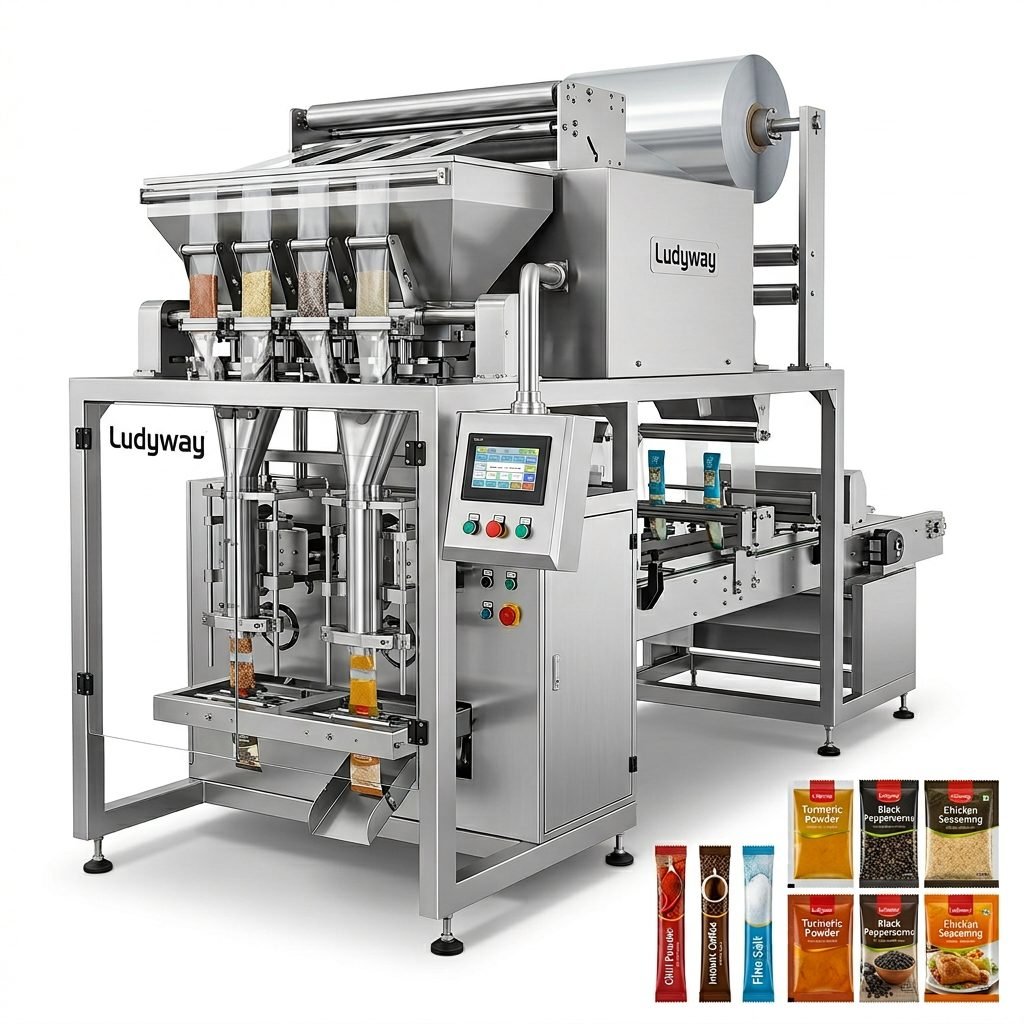
Efficient product packing is no longer just about sealing products into bags, sachets, bottles, or cartons. It is about improving production speed, reducing labor dependency, increasing consistency, protecting product quality, and preparing factories for scalable automation. Modern packaging machines help manufacturers move from manual or semi-automatic operations to reliable, repeatable, and high-output processes across food, pharmaceutical, cosmetic, chemical, pet care, and health supplement sectors.
For growing brands and industrial manufacturers, the right packaging system can directly affect operating cost, delivery capacity, and customer satisfaction. From powder stick packs and granule sachets to liquid pouches and complete end-of-line cartoning, packaging automation creates a more competitive production environment.
Why Packaging Machines Matter in Modern Manufacturing
A packaging machine is more than a production tool. It is part of a larger operational strategy. When selected correctly, it helps businesses:
- Increase output without proportionally increasing labor costs
- Improve filling accuracy and sealing consistency
- Reduce material waste and product loss
- Support hygiene and compliance requirements
- Enhance traceability through coding, labeling, and inspection integration
- Enable long production runs with stable performance
- Prepare for future line expansion and smart factory upgrades
For manufacturers handling powders, liquids, granules, pastes, tablets, or pouch products, automated packaging systems can significantly improve line efficiency. The real advantage comes from matching machine design to product characteristics, packaging format, and target output.
Common Types of Packaging Machines Used for Efficient Packing
Different industries require different machine structures. The most effective packaging solution depends on product form, viscosity, flowability, package type, and downstream line requirements.
| Machine Type | Suitable Products | Main Benefit |
|---|---|---|
| Sachet Packing Machine | Powders, liquids, granules, creams | Compact packs and fast retail-ready output |
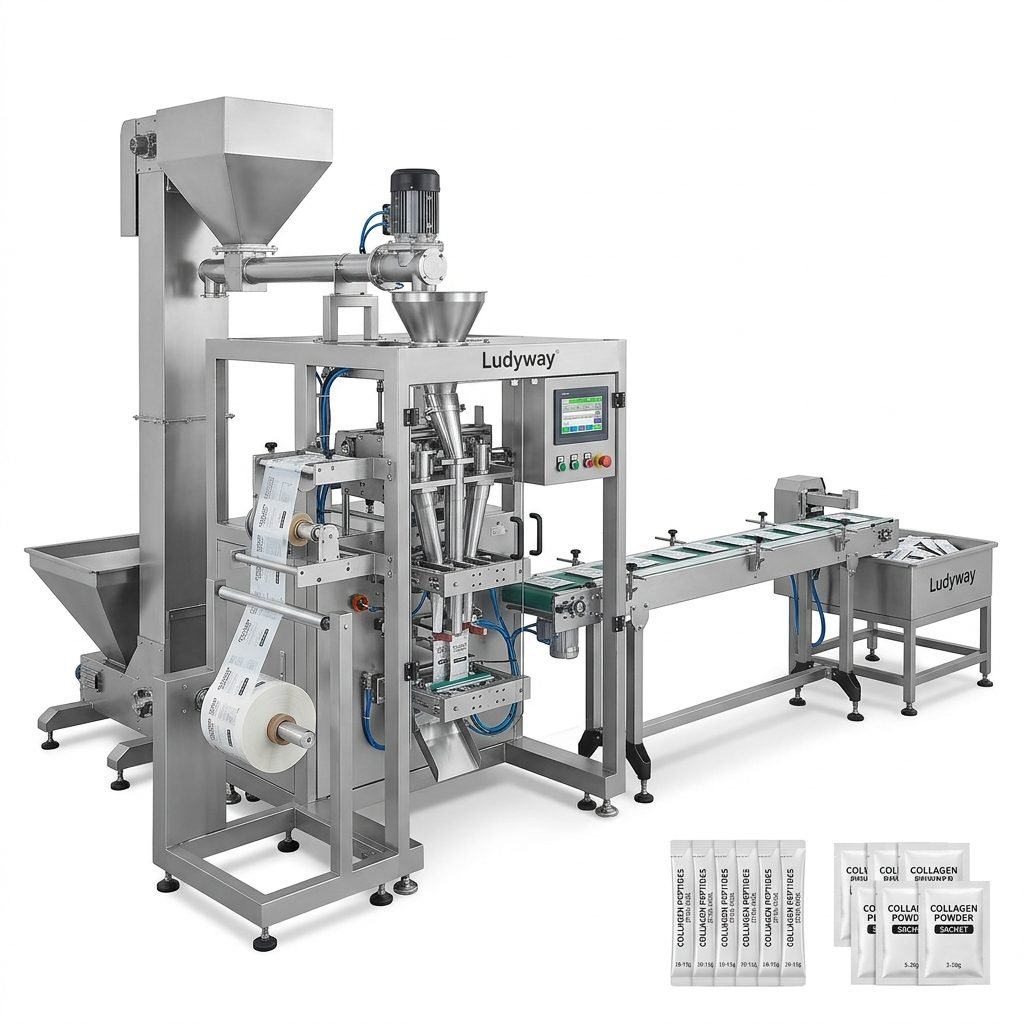
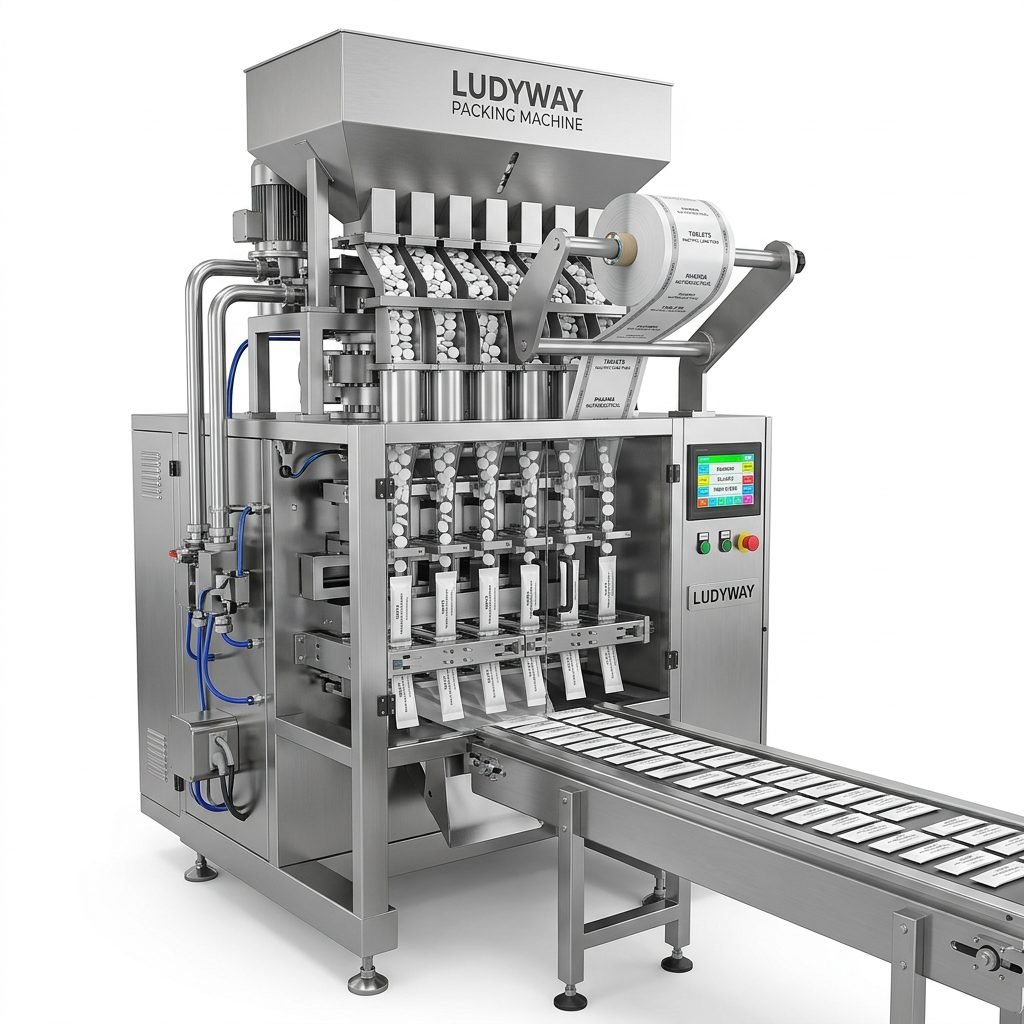
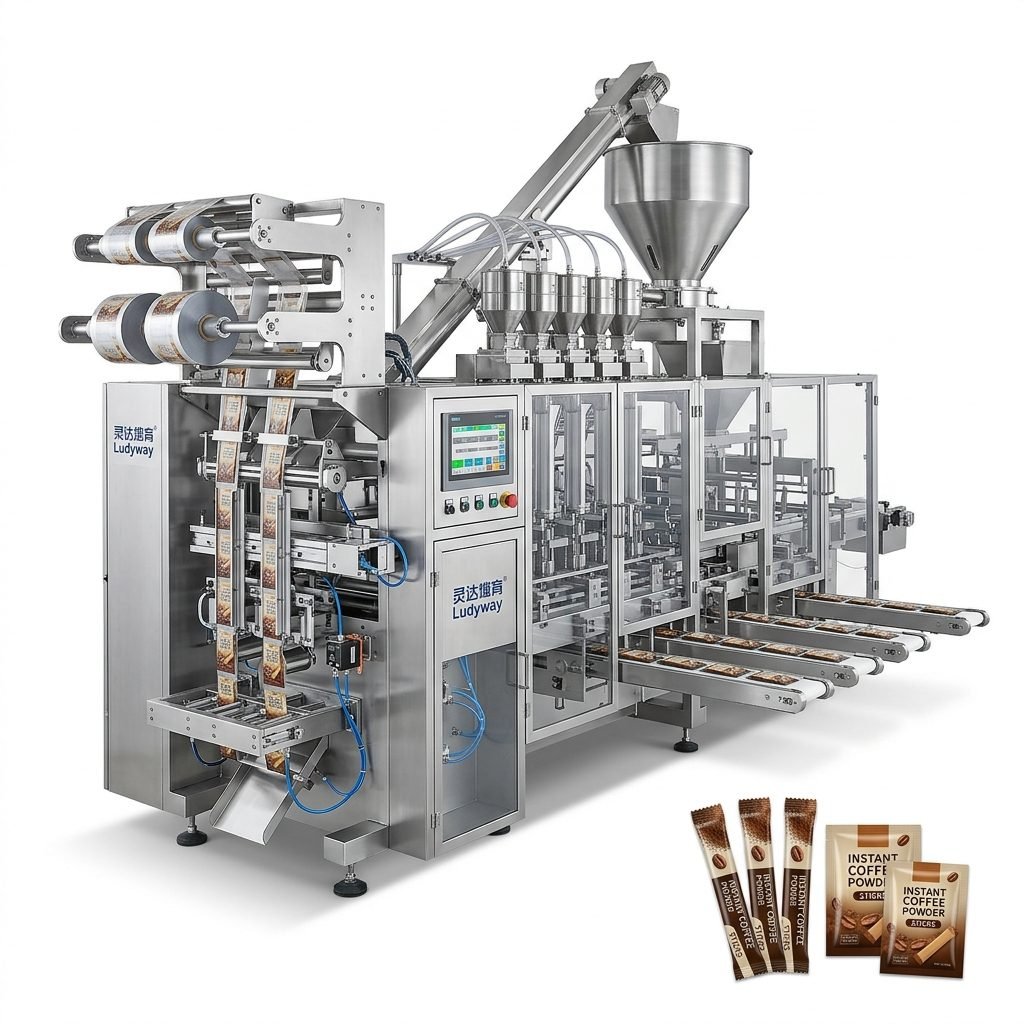
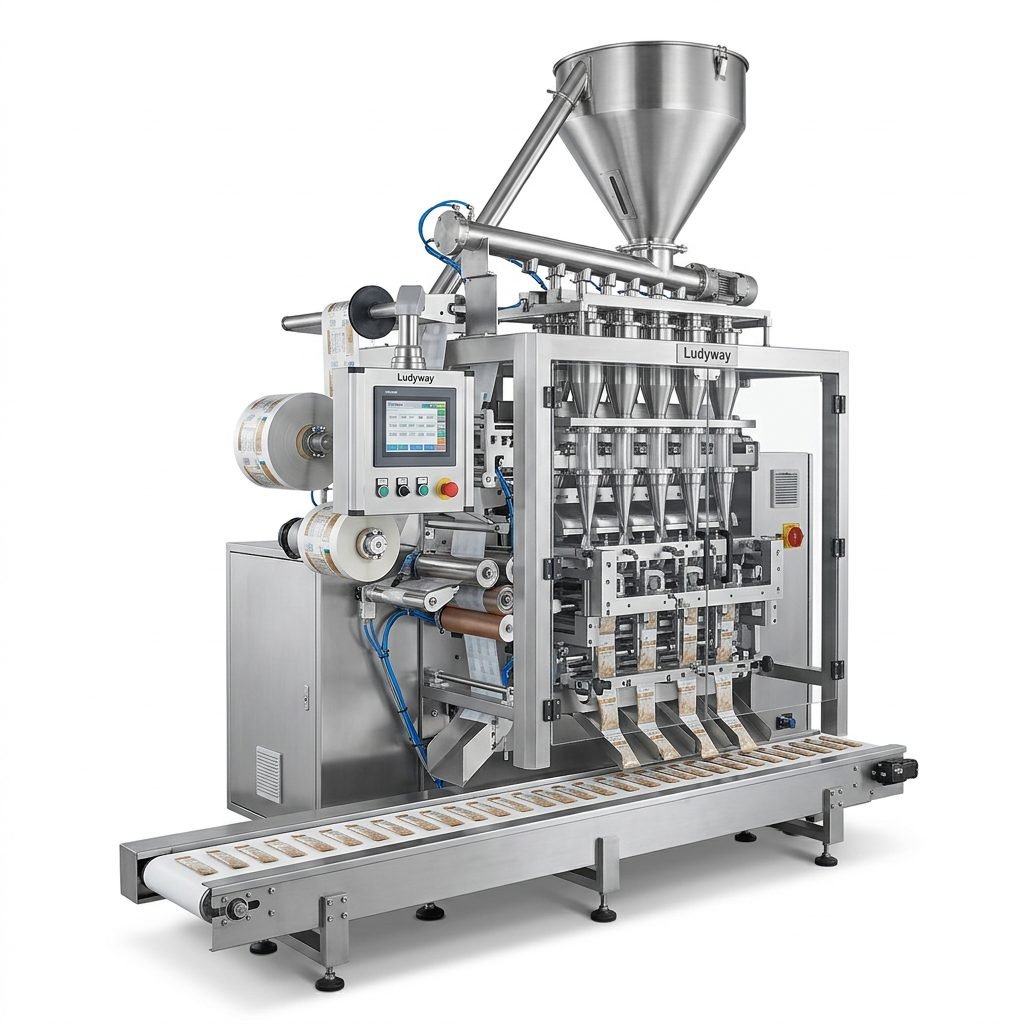
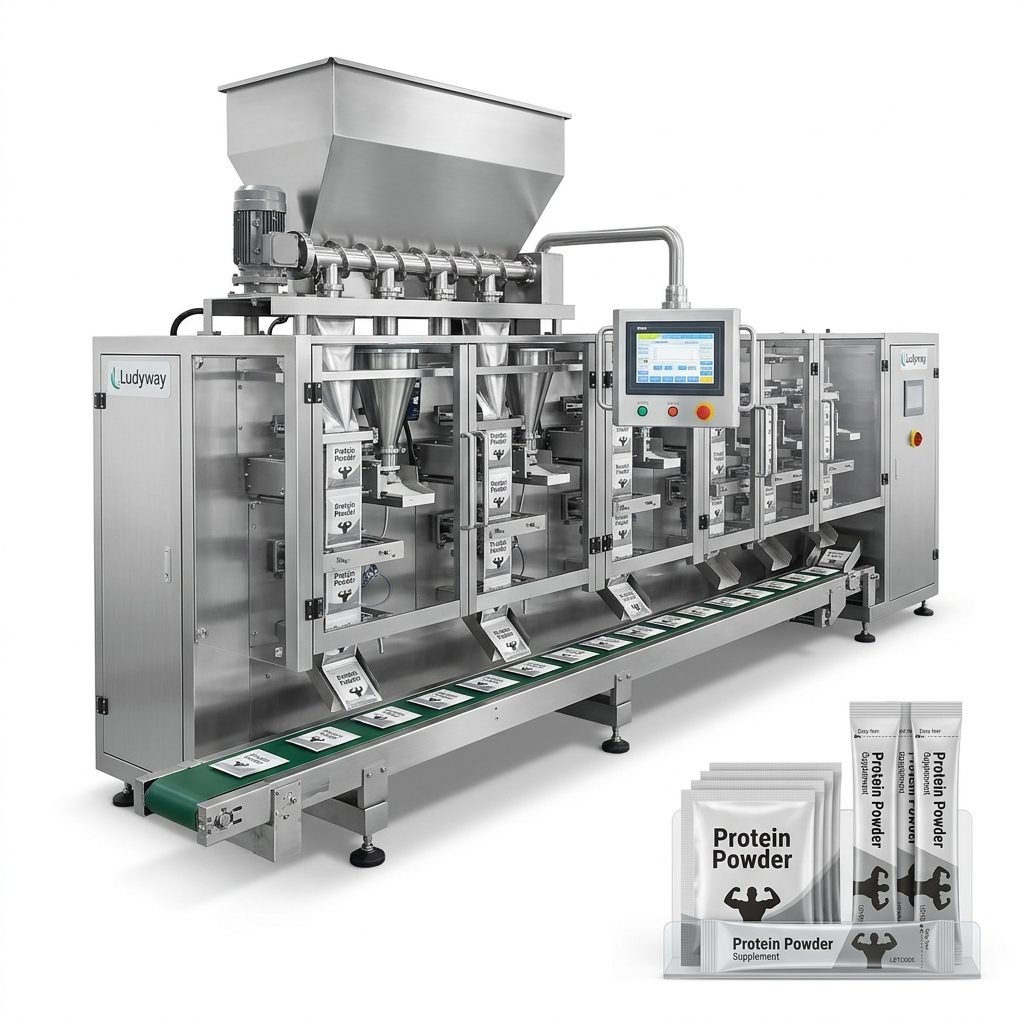
| Stick Pack Machine | Nutrition powders, coffee, sugar, supplements | High-speed, narrow-format packaging |
| Vertical Form Fill Seal Machine | Snacks, grains, powders, frozen foods | Versatility for pouch and bag production |
| Bottle Filling and Capping Machine | Liquids, syrups, lotions, oils | Accurate dosing and sealed bottle handling |
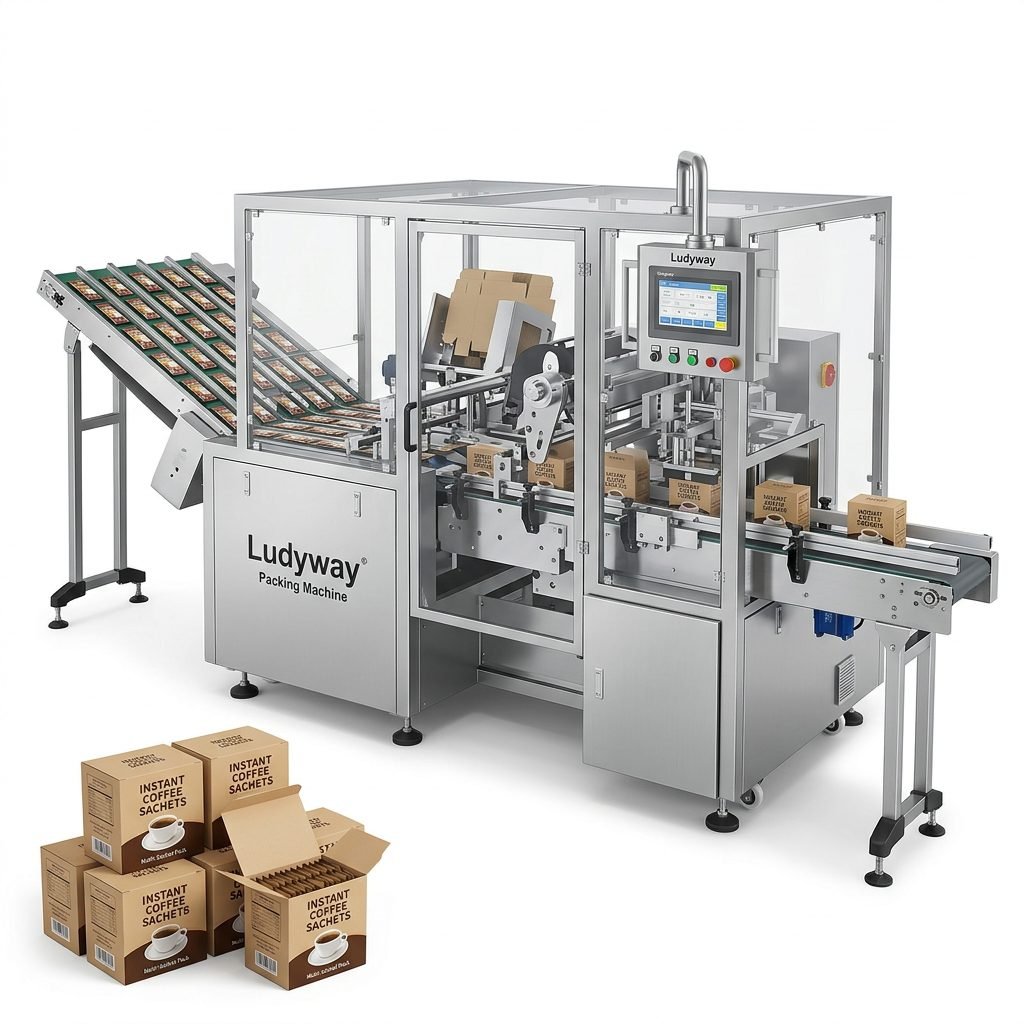
| Cartoning Machine | Sachets, pouches, bottles, blisters | Automated secondary packaging |
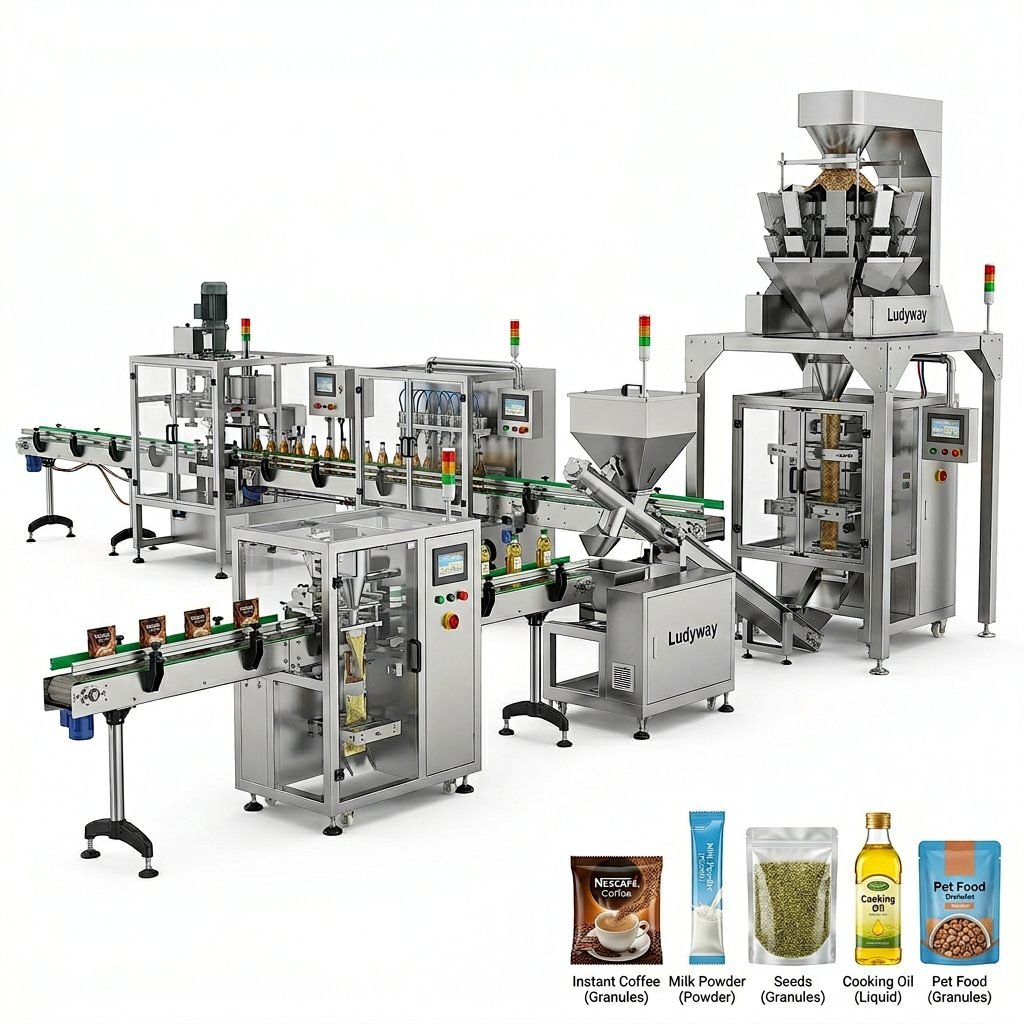
| Turnkey Packaging Line | Integrated product ranges across industries | End-to-end automation and line coordination |
Powder Packaging Machines
Powder packaging requires stable feeding, dust control, accurate dosing, and strong sealing performance. Products such as protein powder, coffee powder, spices, milk powder, pharmaceutical granules, and nutritional supplements often need auger filling or precision metering systems. A well-designed powder packaging machine prevents filling variation and reduces airborne contamination.
Granule Packaging Machines
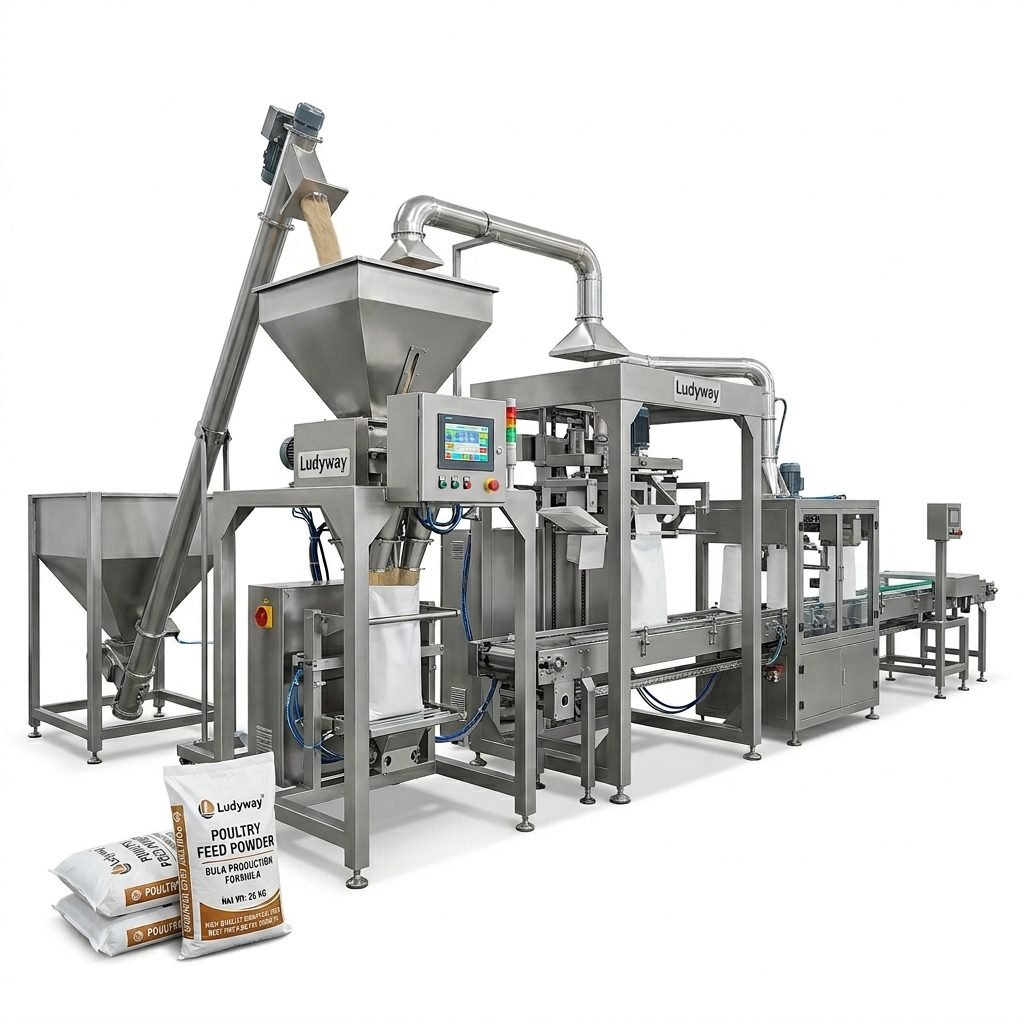
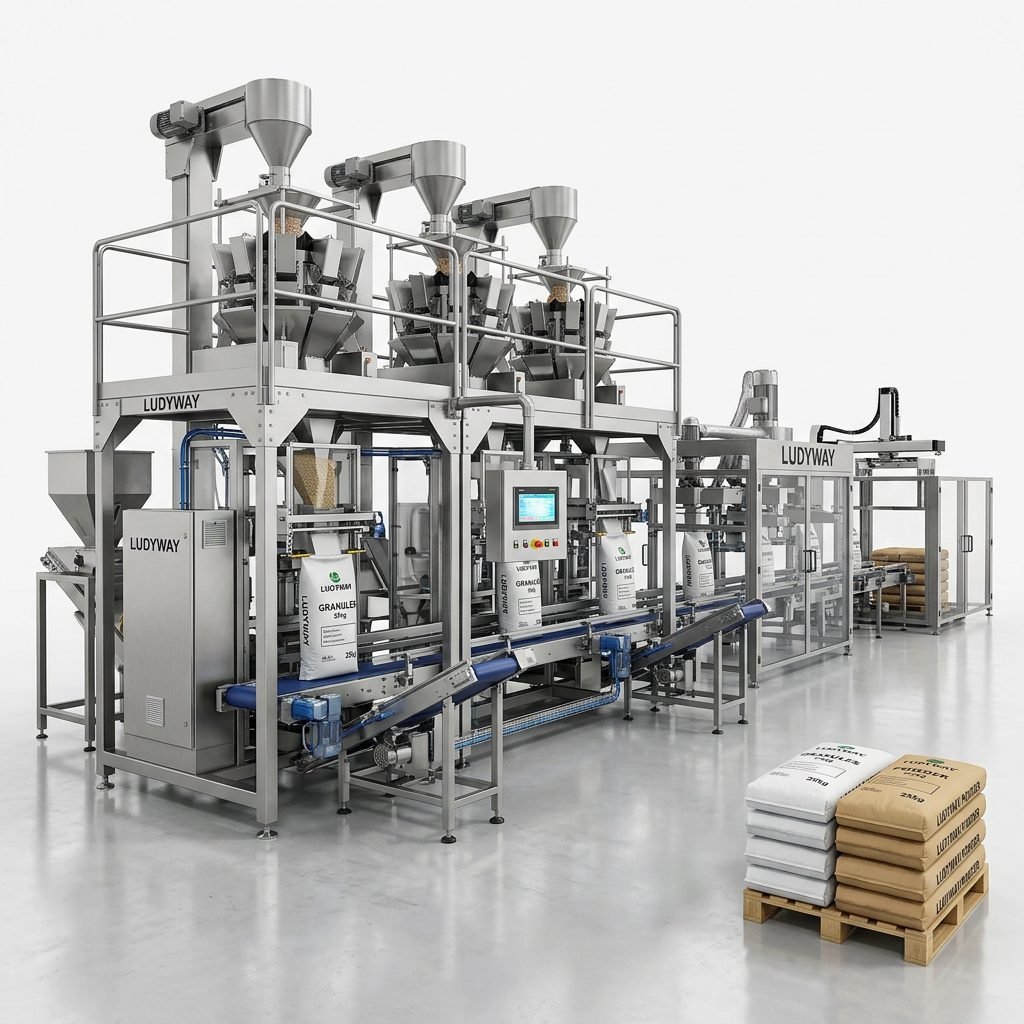
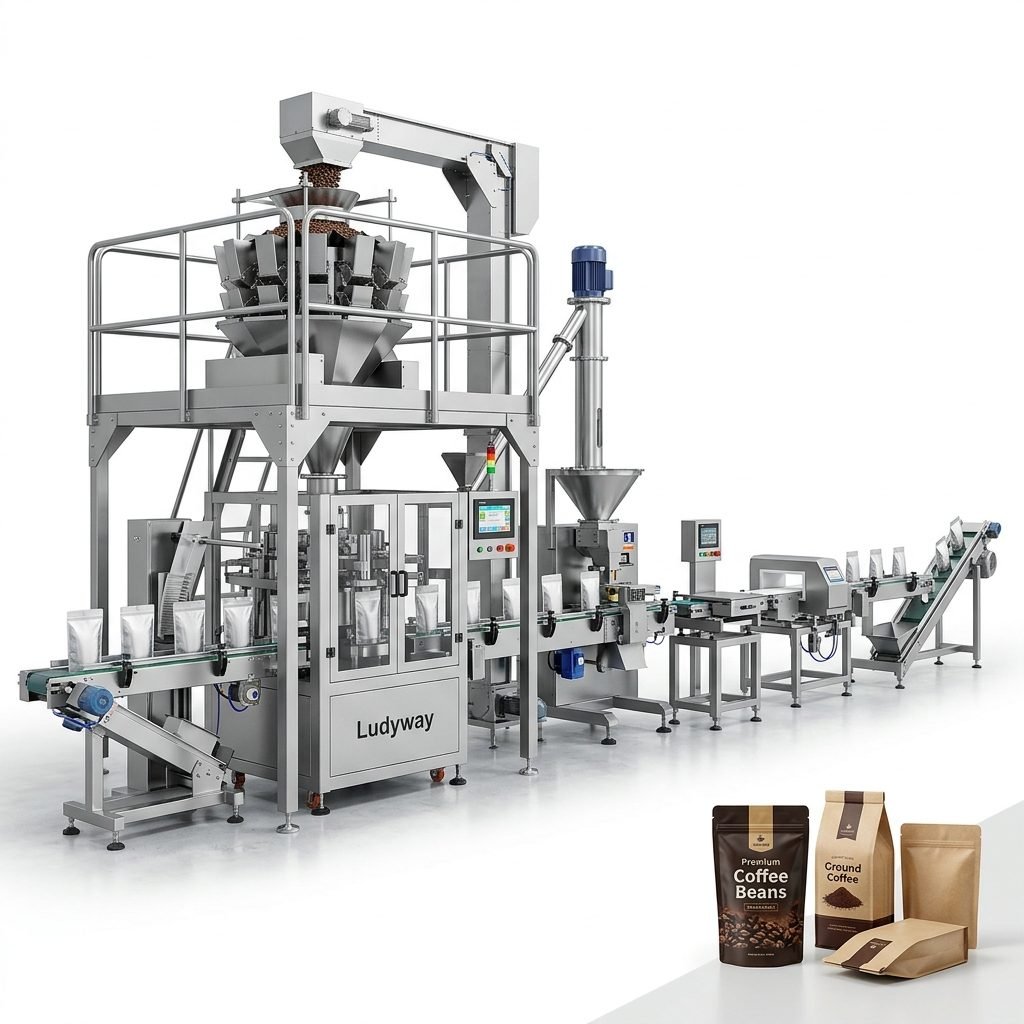
Granule products such as sugar, seeds, pet food, tea, rice, snack pieces, fertilizer, and feed pellets need equipment that handles flow consistency and particle integrity. Weighing systems, cup fillers, and multi-head weighers are commonly used depending on product density and required accuracy.
Liquid and Paste Packaging Machines
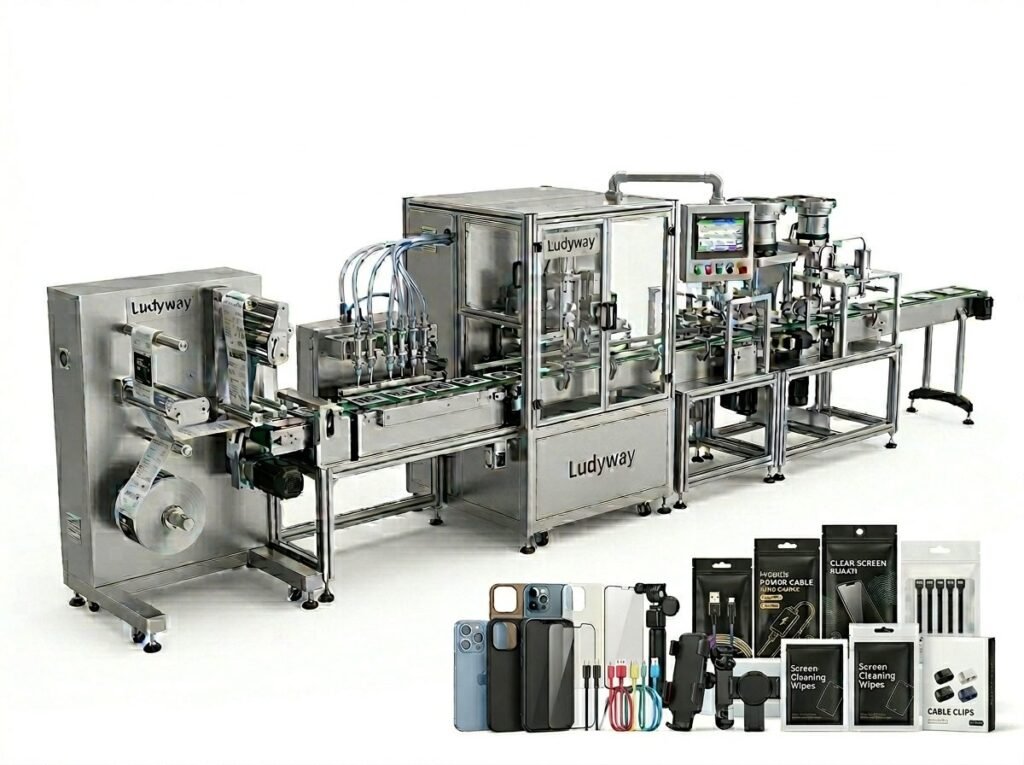
For sauces, syrups, gels, cosmetics, disinfectants, oils, and oral liquids, the filling system must match product viscosity. Piston pumps, peristaltic pumps, and servo-driven filling systems are widely used. Strong sealing performance is especially important to prevent leakage during transport and retail handling.
Key Features That Improve Packaging Efficiency
Not every machine delivers the same productivity. High-performing packaging equipment usually includes several efficiency-focused features.
- Automatic feeding systems to maintain continuous material supply
- Servo control technology for stable motion and repeatable precision
- Multi-lane structures for higher output in sachet and stick pack production
- Touchscreen HMI controls for easier parameter setting and recipe management
- Quick changeover design for different pack sizes and product types
- Integrated inspection and coding for quality assurance and traceability
- Modular construction for easier upgrades and maintenance
Machines with these features usually help factories reduce downtime and maintain better line balance. In high-volume operations, even small gains in speed or accuracy can lead to major annual savings.
Benefits of Packaging Automation for Different Industries
Food Industry
Food manufacturers need packaging solutions that combine speed, hygiene, and flexibility. Whether packing seasoning powders, nuts, coffee, sauces, snacks, grains, or instant beverages, automation supports consistent product presentation and safer handling. It also helps maintain freshness through reliable sealing and optional nitrogen flushing.
Pharmaceutical and Health Supplement Industry
In pharmaceutical and nutraceutical production, precision matters. Sachet filling, stick pack dosing, bottle filling, and sterile pouch packaging all require controlled, traceable, and repeatable processes. Automated packaging lines help reduce contamination risks and support compliance-oriented production environments.
Cosmetic and Personal Care Industry
Creams, serums, lotions, gels, shampoos, and facial care products often use sachets, tubes, bottles, or sample packs. A suitable packaging machine improves visual consistency and supports premium product positioning while reducing filling errors and leakage problems.
Chemical and Daily-Use Product Industry
Household cleaners, detergents, industrial chemicals, lubricants, and water treatment products require durable packaging and dependable sealing. Automation is especially valuable where safety, dosing accuracy, and bulk handling efficiency are critical.
Animal Feed and Pet Care Industry
Pet food, supplements, feed premixes, pellets, and powders often require high-throughput filling and packaging with strong bag integrity. Automated systems help producers maintain output while minimizing spillage and weighing inconsistency.
How to Choose the Right Packaging Machine
Selecting the right machine should be based on process requirements rather than price alone. A lower-cost machine that cannot maintain output or quality often becomes more expensive over time.
| Selection Factor | What to Evaluate |
|---|---|
| Product Type | Powder, granule, liquid, paste, tablet, or mixed format |
| Pack Format | Sachet, stick pack, pouch, bottle, carton, or bulk bag |
| Capacity | Required packs per minute and future production goals |
| Accuracy | Tolerance range and product value sensitivity |
| Material Compatibility | Film type, pouch structure, bottle design, sealing needs |
| Automation Level | Standalone machine or fully integrated line |
| Maintenance | Ease of cleaning, spare parts, and technical support |
A strong supplier will usually ask detailed questions about your product characteristics, packaging size range, target speed, factory layout, and expansion plans before recommending equipment.
Standalone Machines vs Turnkey Packaging Lines
Some manufacturers only need one machine to replace manual packing. Others need a complete automated line that includes feeding, filling, sealing, coding, inspection, cartoning, case packing, palletizing, and conveying.
Standalone packaging machines are a practical choice for smaller operations, pilot production, or businesses adding a new SKU.
Turnkey packaging lines are ideal for medium to large-scale production where line synchronization, labor reduction, and expansion capacity matter more.
- Standalone systems usually offer lower initial investment
- Integrated lines provide stronger long-term efficiency
- Turnkey solutions reduce interface issues between separate machines
- Centralized control improves visibility and operational coordination
The Role of Smart Automation in Packaging Performance
Smart automation is reshaping packaging operations. Modern machines can be equipped with sensors, fault alarms, real-time monitoring, recipe memory, production statistics, and remote support capabilities. These functions help operators reduce human error and respond more quickly to production issues.
Examples of Smart Packaging Functions
- Automatic film tracking and correction
- Missing product detection
- Weight checking and rejection systems
- Integrated coding and printing control
- Production data recording for quality management
- Remote diagnostics for faster technical response
For businesses planning future digitalization, these features make packaging machines an important part of a smart factory roadmap rather than an isolated production asset.
Important Questions to Ask Before Buying
Before investing in packaging equipment, buyers should clarify several practical issues:
- What exact product range will the machine handle?
- What output speed is needed now and in the next three to five years?
- How often will pack size or formula changes occur?
- What level of filling accuracy is required?
- Does the machine support local voltage and compliance needs?
- How quickly can spare parts and service support be provided?
- Can the machine be integrated with upstream and downstream equipment later?
These questions can help prevent under-specification or over-investment and lead to a more cost-effective solution.
A Reliable Partner for Packaging Machine Projects
For buyers seeking scalable equipment and integrated automation, Ludyway packaging machines offer solutions across food, pharmaceutical, cosmetic, chemical, nicotine pouch, and animal feed applications. With more than 30 years of industry experience, a factory of over 20,000 square meters, and broad export coverage in more than 100 countries and regions, the company is known for supplying both standalone machines and turnkey packaging line systems.
Its portfolio includes multi-lane stick pack machines, sachet packing machines, vertical packaging equipment, filling and sealing systems, and complete automated packaging lines designed to improve consistency, efficiency, and production automation for a wide range of products.
Final Considerations for Better Packaging Efficiency
The best packaging machine is not simply the fastest model on the market. It is the one that fits your product, packaging style, quality requirements, and long-term production plan. Businesses that invest in the right automation solution can gain measurable advantages in output, labor savings, product consistency, and delivery reliability.
As packaging demands continue to rise, efficient and automated packaging systems will remain a key driver of operational growth. Whether you need a compact sachet filler or a complete turnkey packaging line, choosing the right equipment partner can make a lasting difference in manufacturing performance.