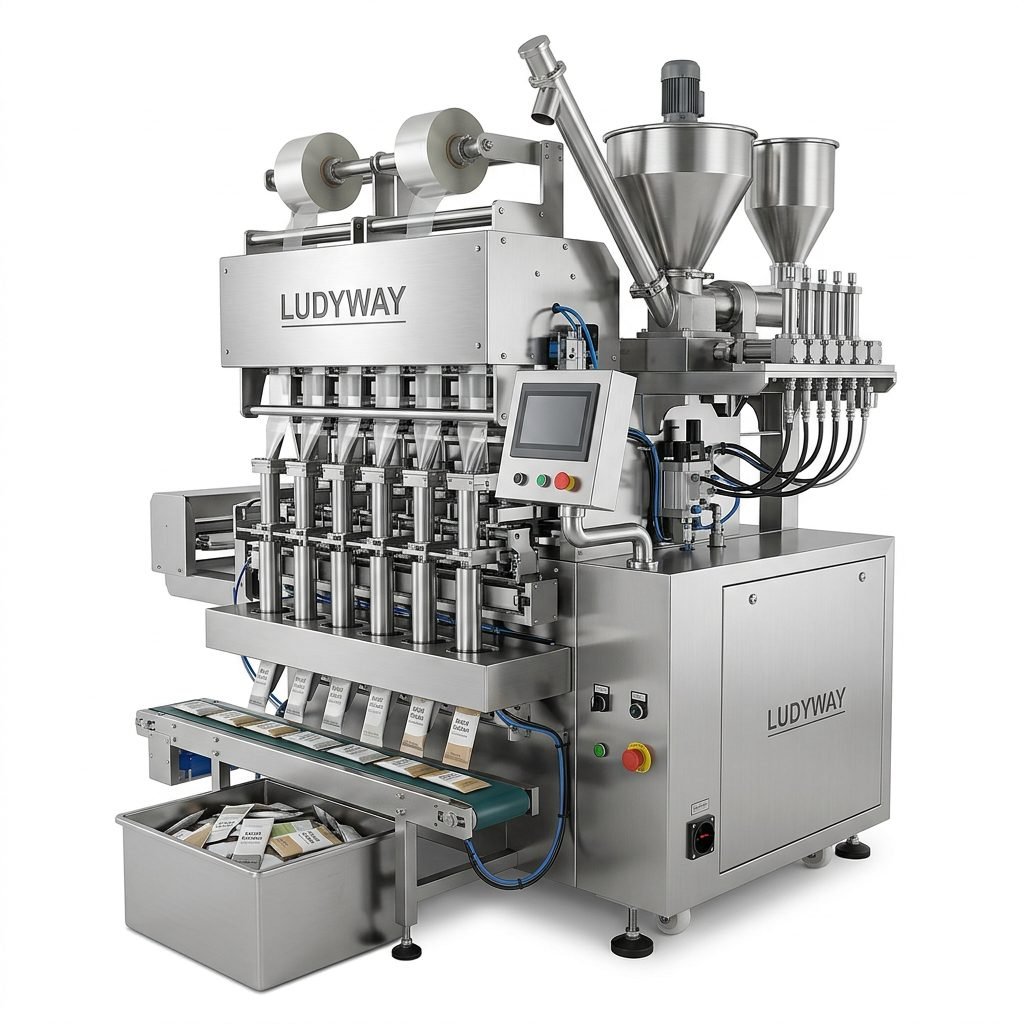
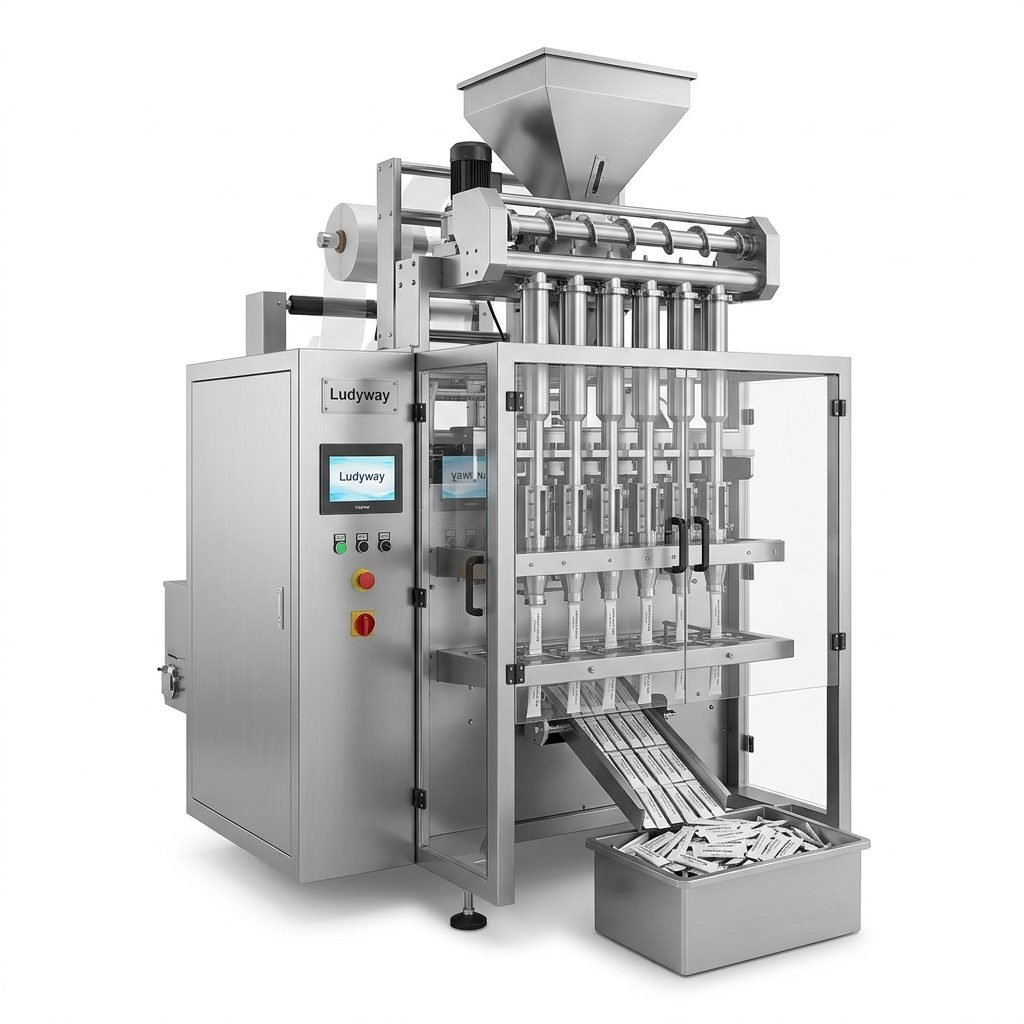
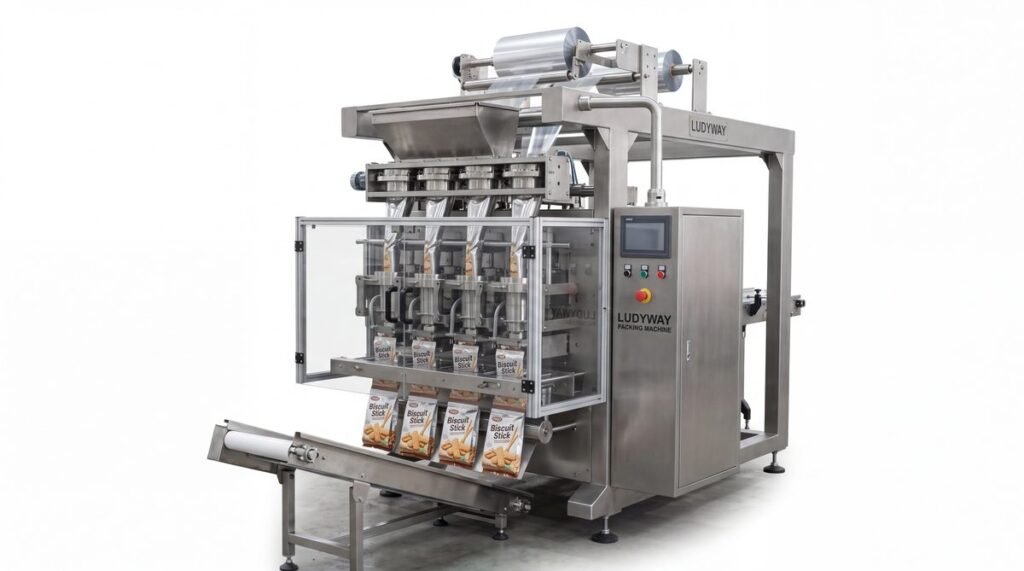
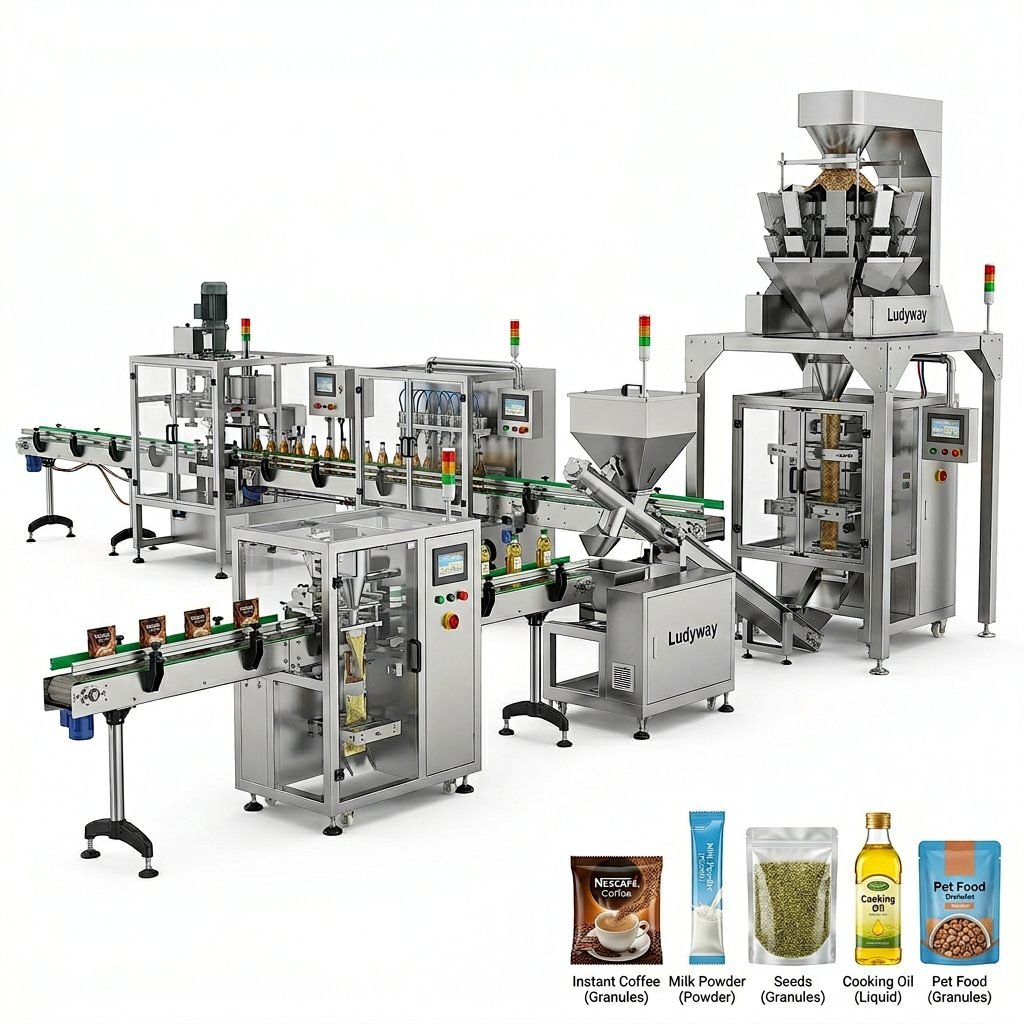
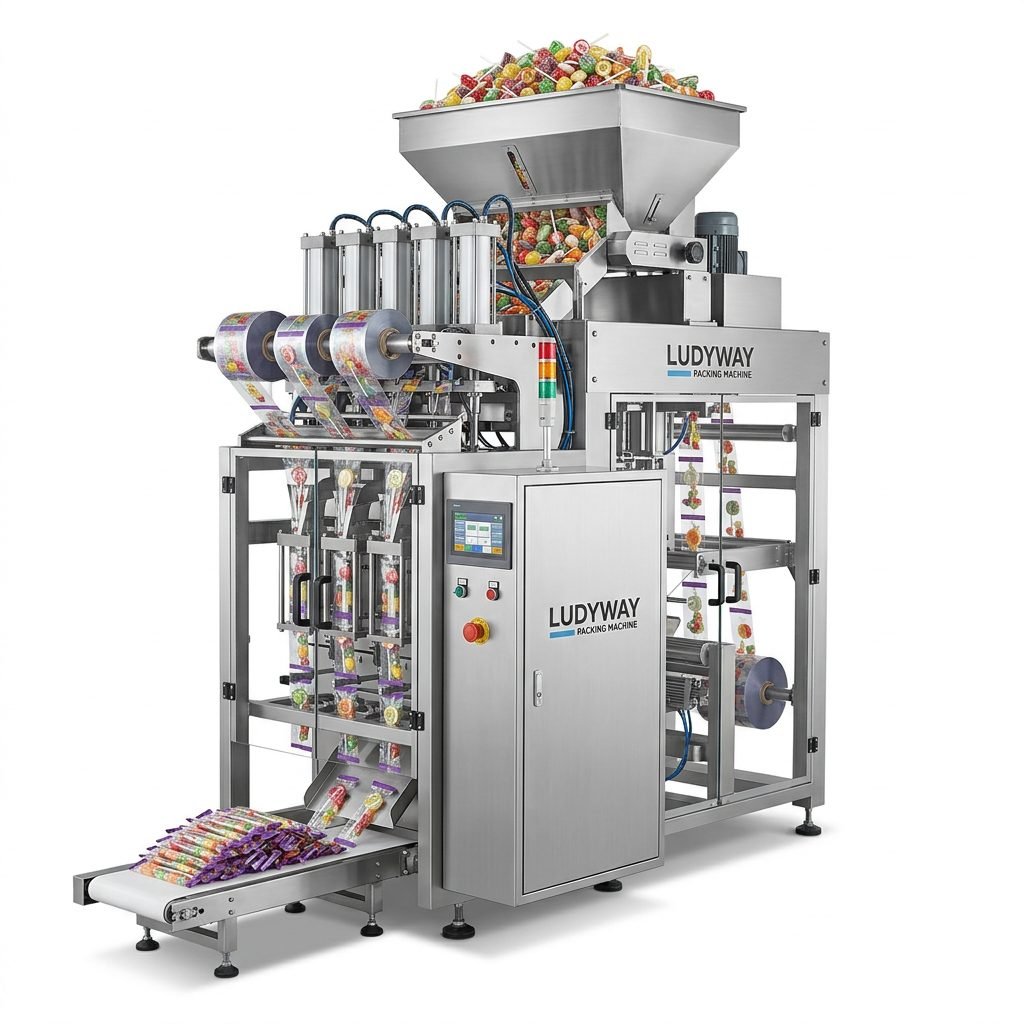
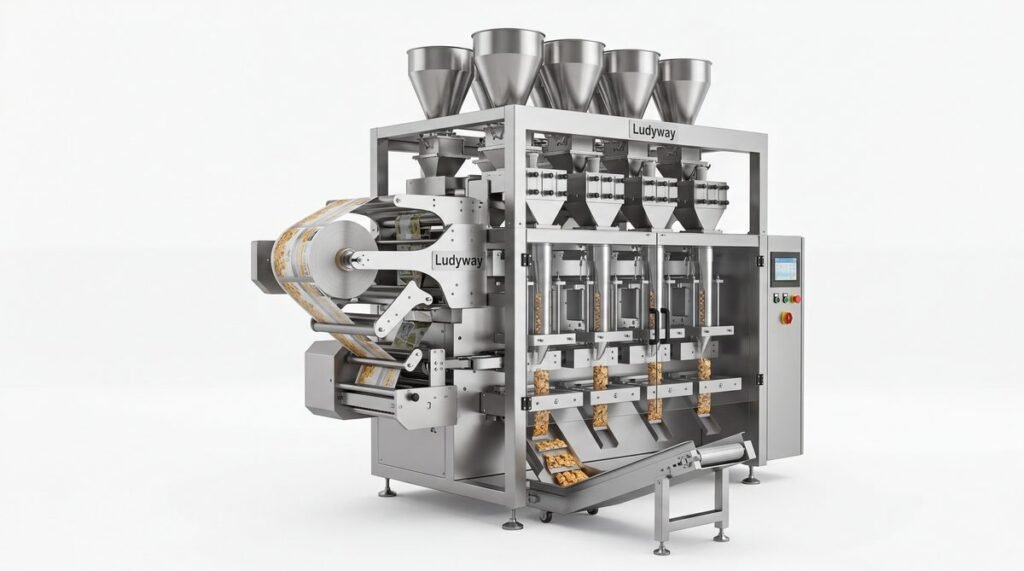
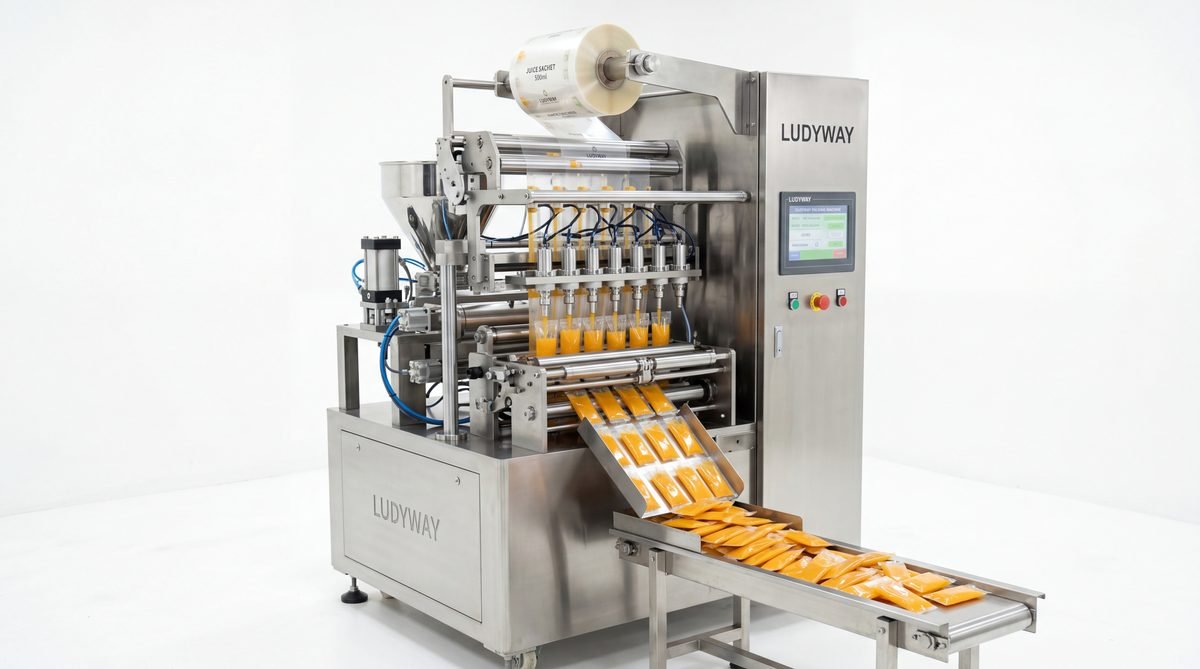
Liquid packaging machines are designed to measure, fill, seal, and discharge liquid products in a fast, accurate, and hygienic workflow. Whether the product is water, juice, cooking oil, syrup, shampoo, detergent, sanitizer, or pharmaceutical liquid, the machine follows a structured process that keeps output stable and packaging quality consistent.
In modern production, these machines are widely used because they reduce manual labor, improve fill precision, lower contamination risk, and support scalable manufacturing. For brands that need dependable automation, working with an experienced supplier such as Ludyway can help match the right liquid packaging system to specific products, containers, and output goals.
What Is a Liquid Packaging Machine?
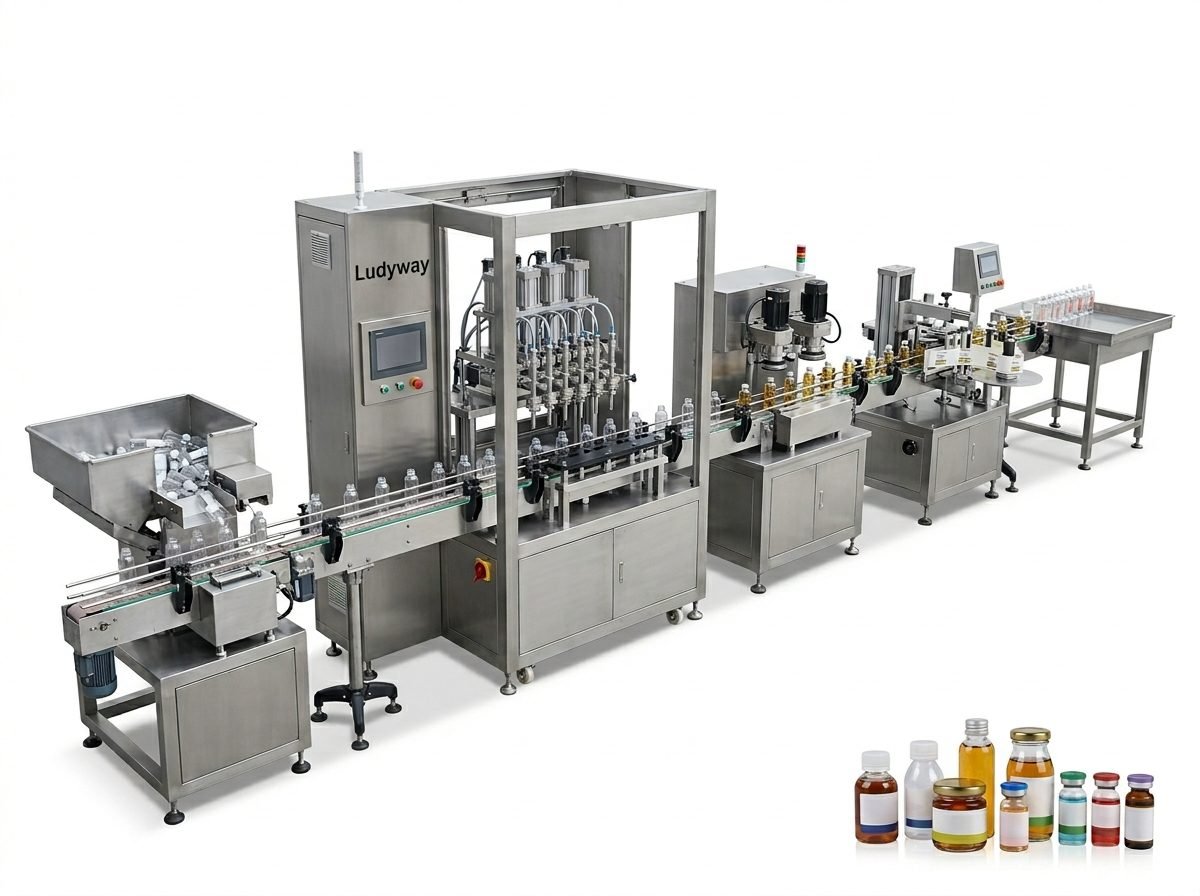
A liquid packaging machine is automated equipment used to package liquid products into containers such as:
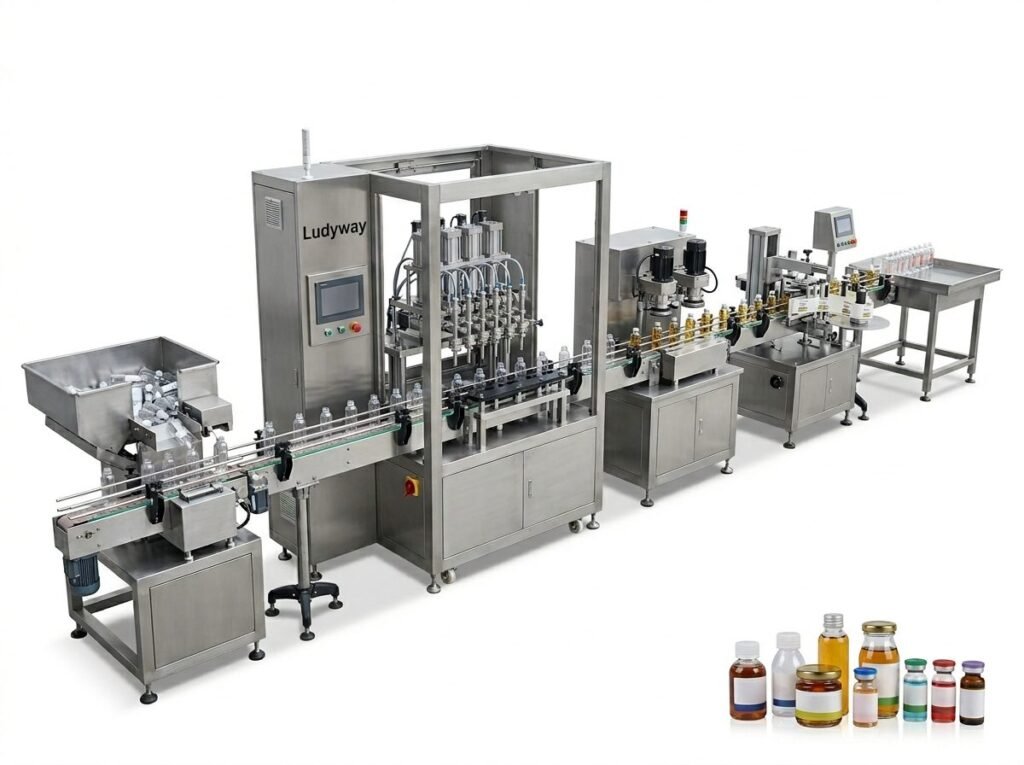
- Bottles
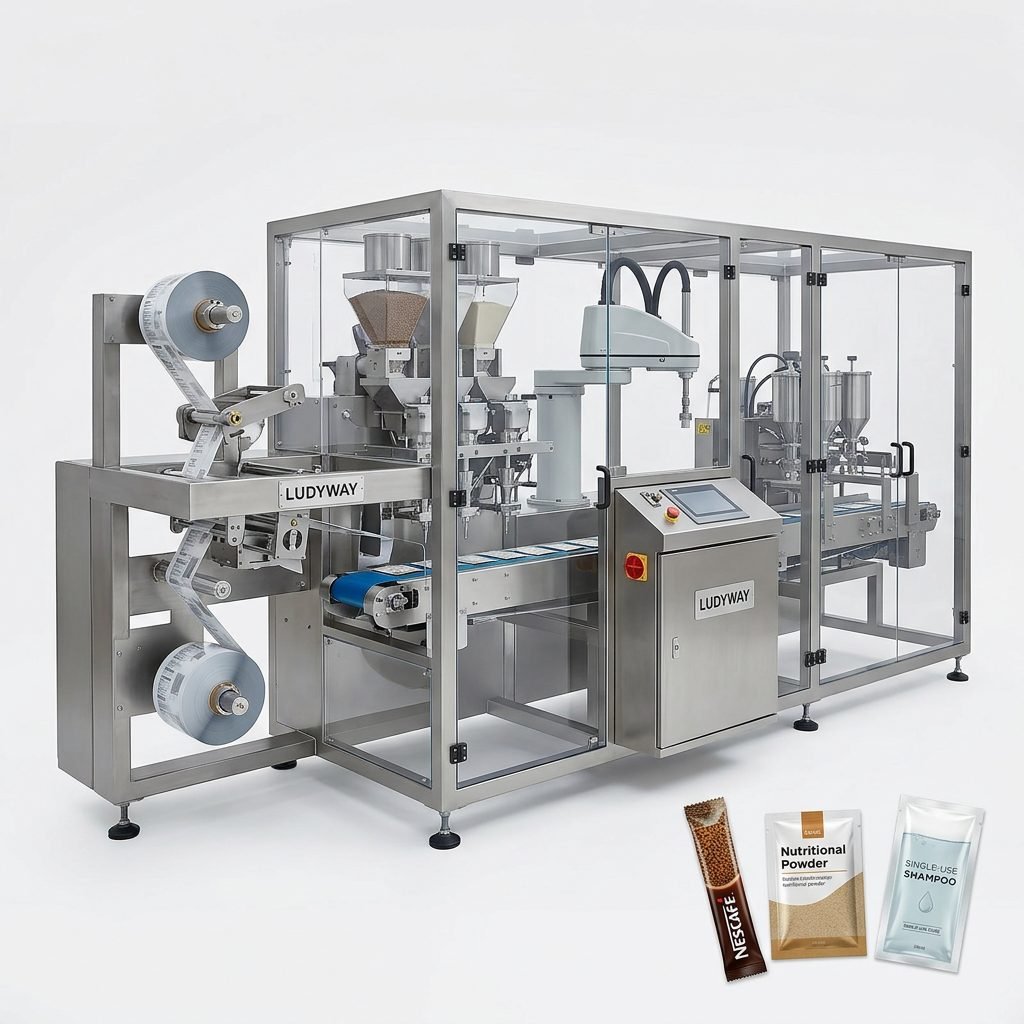
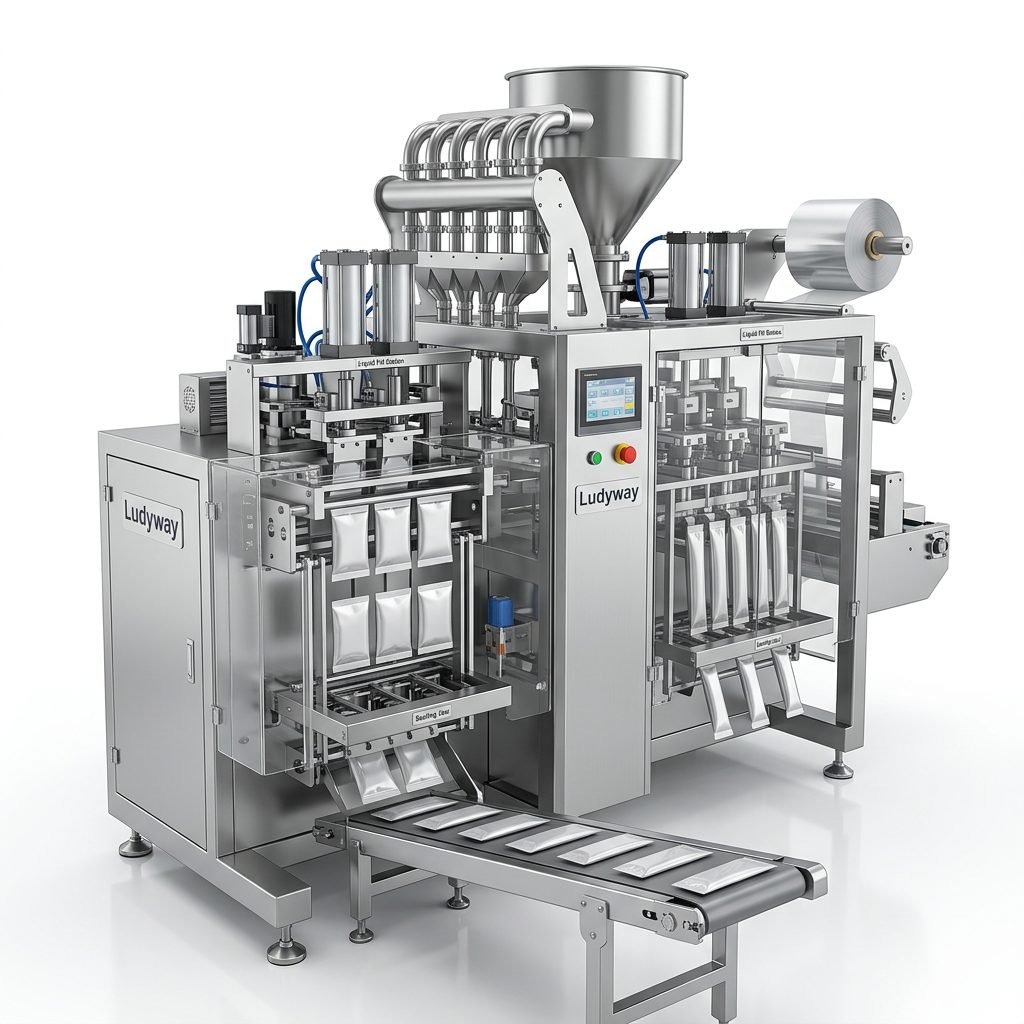
- Sachets
- Stick packs
- Pouches
- Vials
- Cups or tubs
Its main role is to move the product from a storage tank or feeding system into a package with the correct volume, then close the package securely for transport, retail, or end use.
How Does a Liquid Packaging Machine Work?
The working principle can vary by machine design, but most systems follow a similar sequence. The packaging material or empty container enters the machine, the liquid is dosed and filled, the package is sealed or capped, and the finished product is discharged for coding, labeling, cartoning, or case packing.
Step-by-Step Liquid Packaging Process
- Product feeding: Liquid is supplied from a tank, hopper, or pipeline.
- Container or film feeding: Empty bottles, pouches, or roll film are positioned for filling.
- Dosing and measurement: The machine calculates the preset fill amount.
- Filling: The liquid is dispensed through nozzles or pumps into the package.
- Sealing or capping: Heat sealing, screw capping, or other closure methods are applied.
- Date coding and inspection: Optional systems print batch codes and check seal or fill quality.
- Discharge: Finished packs move to conveyors or downstream packaging equipment.
Core Functions of a Liquid Packaging Machine
Although different industries use different configurations, the machine usually combines several essential functions.
| Function | What It Does | Why It Matters |
|---|---|---|
| Liquid feeding | Transfers product from tank to filling section | Keeps flow stable and continuous |
| Volume control | Measures exact fill quantity | Reduces waste and improves consistency |
| Filling | Dispenses liquid into package | Ensures efficient product loading |
| Sealing/capping | Closes the package securely | Protects shelf life and prevents leakage |
| Control system | Manages timing, temperature, speed, and alarms | Supports automation and repeatability |
| Inspection | Checks weight, sealing, or coding | Improves final packaging quality |
Main Components Inside the Machine
A typical liquid packaging machine includes the following components:
- Storage tank or hopper: Holds the liquid before filling
- Pump system: Moves the product through the machine
- Filling nozzles: Controls discharge into the package
- Film pulling or container indexing unit: Positions the packaging material
- Sealing station: Uses heat, pressure, or induction sealing
- PLC and HMI control panel: Allows operators to set parameters
- Conveyor system: Transfers finished products to the next stage
- Sensors: Detect container presence, fill position, and faults
Different Filling Methods for Liquid Products
Not all liquids behave the same way. Thin liquids flow easily, while viscous or foamy products require more control. That is why manufacturers use different filling technologies.
1. Gravity Filling
Best for thin, free-flowing liquids such as water, vinegar, and some beverages. The liquid flows naturally into the package under gravity.
2. Piston Filling
Ideal for thicker liquids like sauces, creams, gels, honey, and lotions. A piston pulls in and dispenses a measured amount for accurate filling.
3. Pump Filling
Uses gear, rotor, lobe, or peristaltic pumps. Suitable for a wide viscosity range and commonly used for food, cosmetics, and chemical liquids.
4. Overflow Filling
Used when a uniform fill level appearance is important, especially for transparent bottles in retail products.
5. Vacuum Filling
Often applied to special liquids or containers where controlled fill level and low dripping are required.
Common Types of Liquid Packaging Machines
| Machine Type | Package Format | Typical Applications |
|---|---|---|
| Bottle filling machine | Bottles and jars | Water, juice, oil, shampoo, syrup |
| Sachet packaging machine | Flat sachets | Sauce, sanitizer, cosmetics, pharma liquids |
| Stick pack machine | Slim stick packs | Energy gels, drink concentrates, oral liquids |
| Premade pouch filler | Stand-up or flat pouches | Detergent, sauces, beverages, chemical liquids |
| Form-fill-seal machine | Pouches from roll film | High-speed automated liquid packaging |
How the Sealing Stage Works
After filling, the package must be closed securely to prevent leakage, preserve freshness, and support transport safety. The sealing stage depends on the package type:
- Heat sealing: Common for sachets, pouches, and stick packs
- Screw capping: Used for bottles and containers with caps
- Induction sealing: Adds tamper evidence under bottle caps
- Crimping or plugging: Used for specific pharmaceutical formats
Correct sealing temperature, dwell time, and pressure are critical. If any of these are off, leakage, weak seals, or package deformation can occur.
Industries That Use Liquid Packaging Machines
Liquid packaging equipment is essential in many industries because packaging requirements vary by hygiene level, viscosity, product sensitivity, and production speed.
- Food and beverage: sauces, milk, yogurt, oil, juice, honey
- Pharmaceutical: oral liquids, syrups, sterile or non-sterile products
- Cosmetic: serum, lotion, shampoo, conditioner
- Chemical: detergent, disinfectant, solvents, industrial liquids
- Health supplement: collagen drinks, energy gels, liquid nutrition
Advantages of Using a Liquid Packaging Machine
- Higher production speed
- More accurate filling volume
- Reduced labor dependency
- Cleaner and more hygienic process
- Better package consistency
- Lower material and product waste
- Easier integration with full packaging lines
For growing manufacturers, one of the biggest benefits is the ability to move from semi-automatic packaging to a fully automated line without sacrificing reliability.
Key Factors That Affect Machine Performance
Even the best machine depends on the right setup. Performance is influenced by:
- Liquid viscosity
- Foaming tendency
- Product temperature
- Container shape and size
- Seal material compatibility
- Required output speed
- Cleaning and sanitation needs
For example, a thin liquid like water can often run at much higher speed than a sticky product like syrup or a gel-based cosmetic.
How to Choose the Right Liquid Packaging Machine
When selecting a system, buyers should evaluate more than just speed. The right machine should match both the product and the long-term production plan.
Checklist Before Buying
- What type of liquid will be packed?
- Is the product thin, viscous, corrosive, or foamy?
- What packaging format is required?
- What filling accuracy is needed?
- What is the expected hourly or daily output?
- Do you need standalone equipment or a turnkey line?
- What cleaning, changeover, and maintenance standards apply?
Maintenance Tips for Long-Term Efficiency
Routine maintenance helps prevent downtime and preserves filling accuracy. Good maintenance practices include:
- Clean liquid contact parts regularly
- Inspect seals, nozzles, and hoses for wear
- Calibrate filling volume on schedule
- Check temperature settings for sealing units
- Lubricate moving parts where required
- Monitor sensors, PLC alarms, and air pressure
Preventive maintenance is usually far less costly than emergency repair during peak production.
Frequently Asked Questions
Can one machine handle different liquids?
Yes, many machines can handle multiple liquid types, but compatibility depends on viscosity, corrosion, temperature, and packaging format. Some products may require different pumps or nozzles.
What is the difference between sachet and bottle liquid packaging?
Sachet machines form or fill flexible packaging film, while bottle machines dose liquid into rigid containers and usually add capping, labeling, and downstream handling.
Are liquid packaging machines suitable for hygienic industries?
Yes. Food, pharmaceutical, and cosmetic applications often use stainless steel construction, sanitary pipe design, and easy-clean structures to meet strict hygiene requirements.
How accurate are liquid filling machines?
Accuracy depends on the filling technology, product characteristics, and machine quality. Well-configured systems can achieve very stable fill control for commercial production.
Final Thoughts on How Liquid Packaging Machines Work
A liquid packaging machine works by combining feeding, measuring, filling, sealing, and discharge into one coordinated process. Its purpose is simple: package liquid products efficiently, accurately, and safely while supporting consistent product quality.
As packaging demand grows across food, pharma, cosmetics, and chemical industries, these machines play a central role in modern manufacturing. Choosing the correct filling principle, sealing method, and automation level can significantly improve throughput, reduce waste, and strengthen packaging reliability.