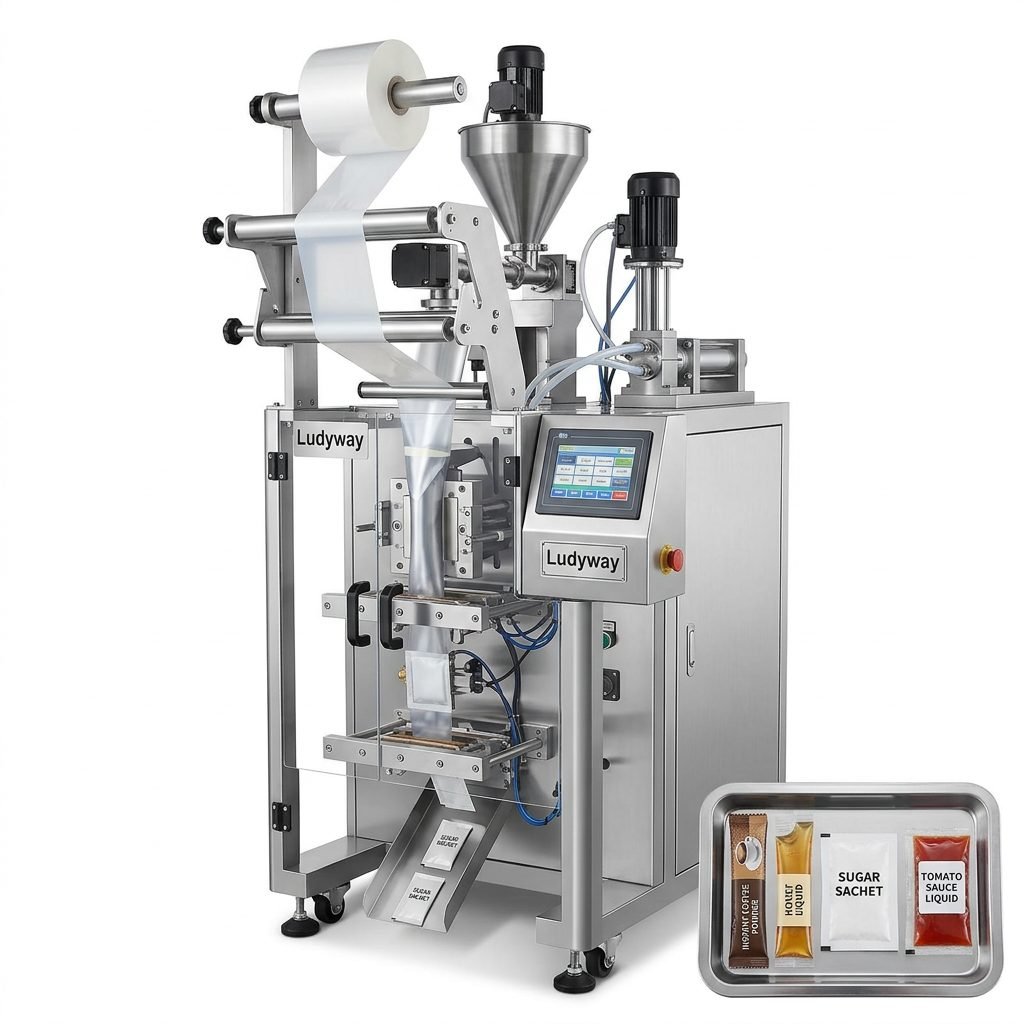
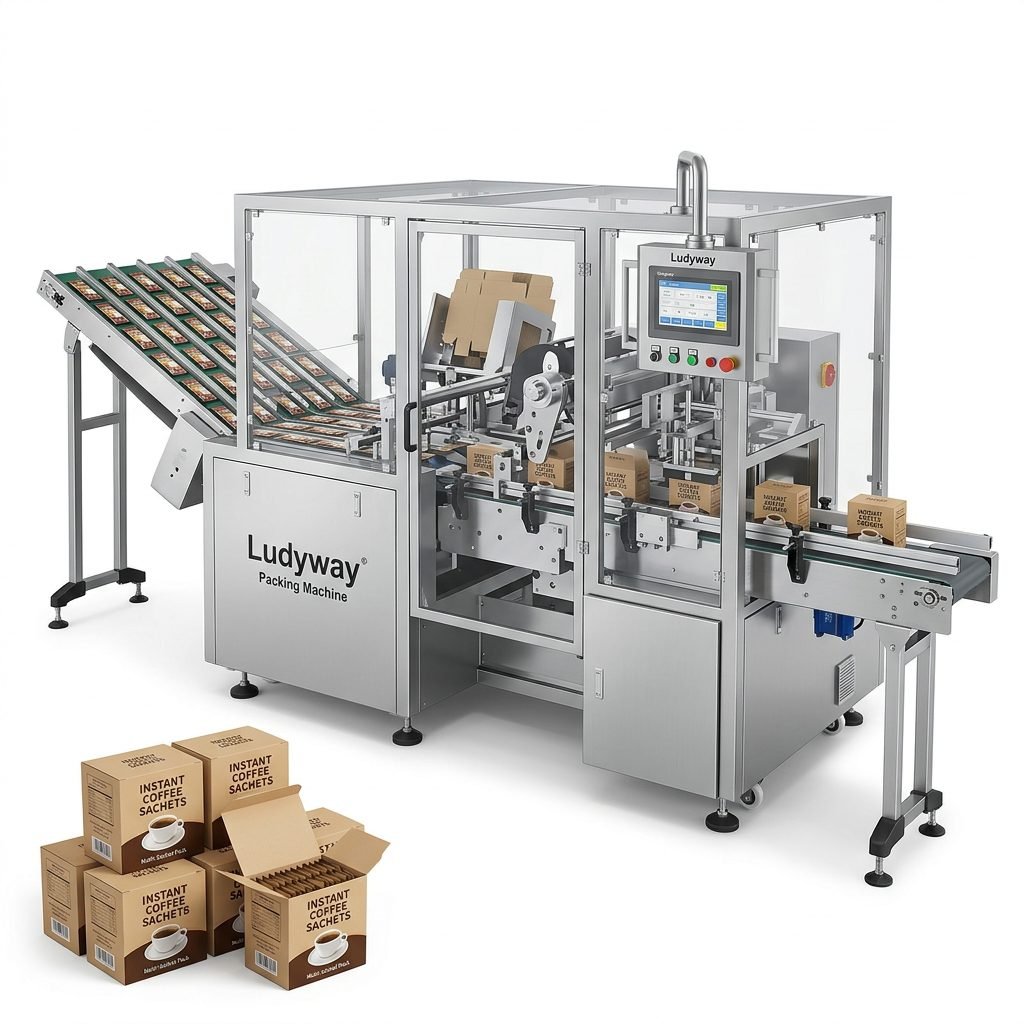
Automatic blister packaging machines are widely used in the pharmaceutical, nutraceutical, medical device, and consumer goods industries because they can package products with high precision, hygiene, speed, and consistency. If you are evaluating this equipment for your factory, it is important to understand not only what the machine does, but also how each stage works and what factors influence performance.
This guide explains the complete working process of an automatic blister packaging machine, its main components, common applications, benefits, and how to choose the right system for your production needs.
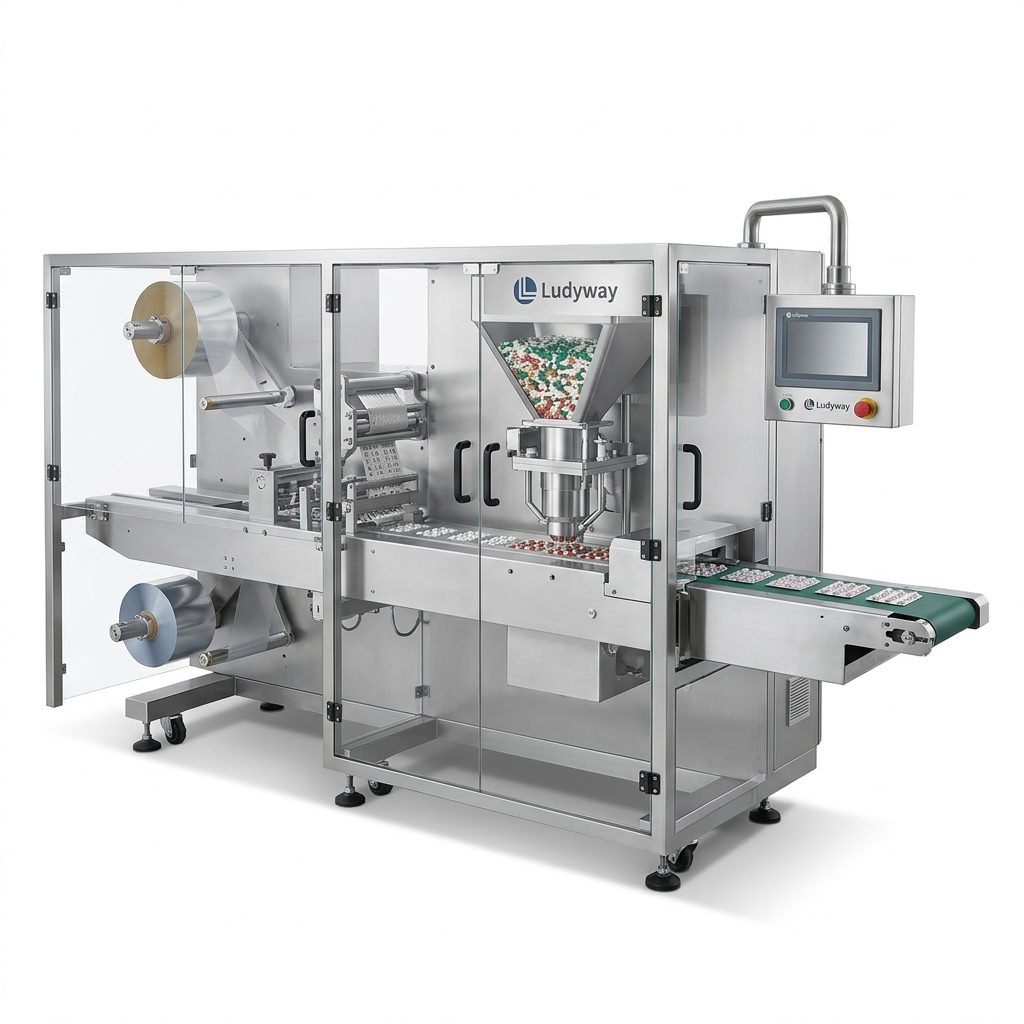
What Is an Automatic Blister Packaging Machine?
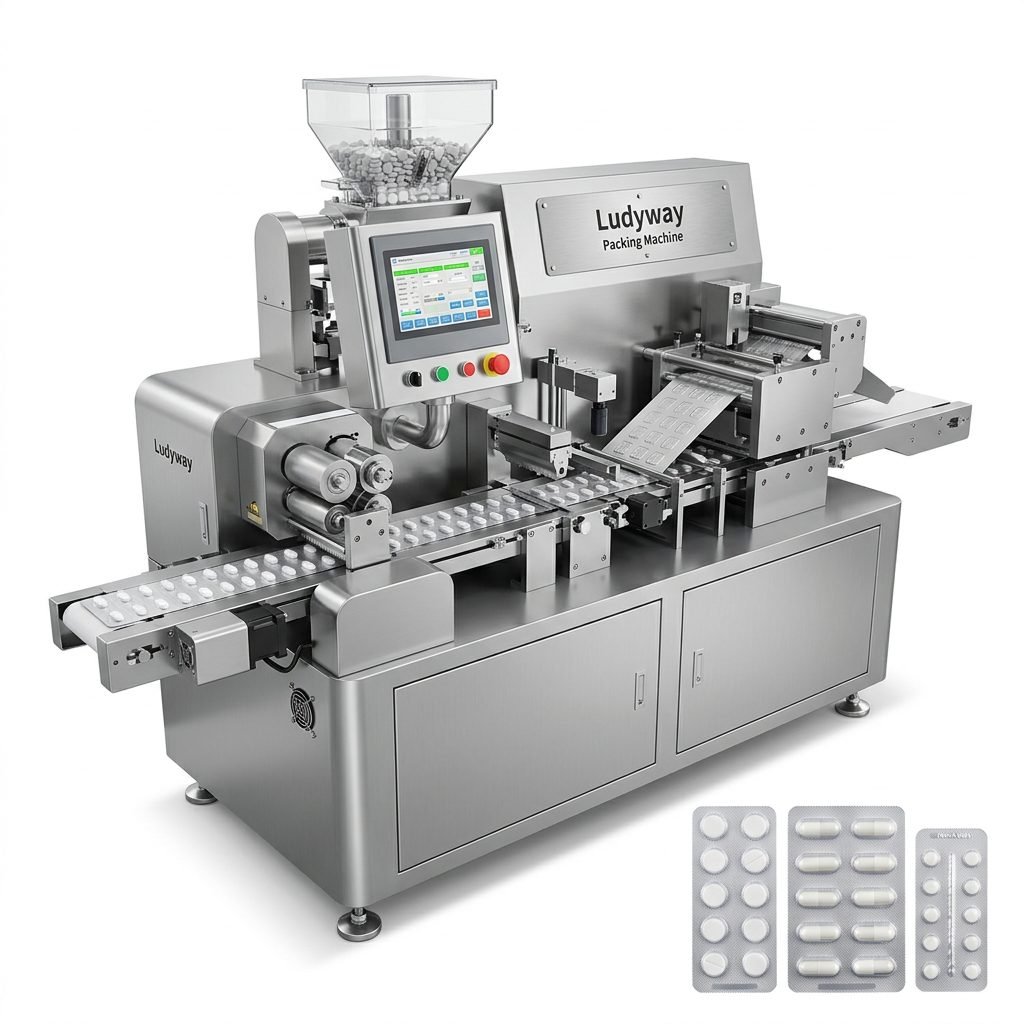
An automatic blister packaging machine is a system that forms plastic cavities or pockets, fills them with products, seals them with a backing material such as aluminum foil, and then cuts the web into finished blister packs. These machines are commonly used for:
- Tablets and capsules
- Softgels and pills
- Medical devices
- Ampoules and syringes
- Batteries, hardware, and consumer products
- Small food or confectionery items in special applications
The key purpose of blister packaging is to provide unit-dose protection, improve shelf life, support product traceability, and make transport and retail display easier.
How Does an Automatic Blister Packaging Machine Work?
Although configurations vary by product type and industry, the standard workflow follows a clear sequence. The machine runs continuously or intermittently to transform roll materials into sealed blister packs.
1. Material Unwinding
The process starts with two main packaging materials:
- Forming film such as PVC, PVDC, PET, PP, or aluminum-based laminate
- Lidding material such as aluminum foil or paper-backed foil
These materials are loaded onto reels, and the machine unwinds them under controlled tension. Stable unwinding is essential because poor tension can lead to inaccurate forming, poor sealing, or misregistration during printing and punching.
2. Heating the Forming Film
The lower web, usually plastic film, passes through a heating station. At this point, the material is softened to the required temperature so it can be shaped into blister cavities. Temperature control must be precise because overheating may deform the film, while insufficient heat may create shallow or inconsistent pockets.
3. Blister Forming
After heating, the film enters the forming station where cavities are created. Depending on machine design, this can happen through:
- Thermoforming – heated plastic is formed using air pressure, vacuum, or mechanical force
- Cold forming – aluminum laminate is pressed into shape without heat
Thermoforming is common when transparency is needed, while cold forming is preferred for products highly sensitive to moisture, oxygen, or light.
| Forming Type | Main Material | Advantages | Typical Use |
|---|---|---|---|
| Thermoforming | PVC, PET, PP, PVDC | Clear appearance, faster speed, lower cost | Tablets, capsules, consumer products |
| Cold Forming | Alu-Alu laminate | Excellent barrier protection | Moisture-sensitive and light-sensitive pharmaceuticals |
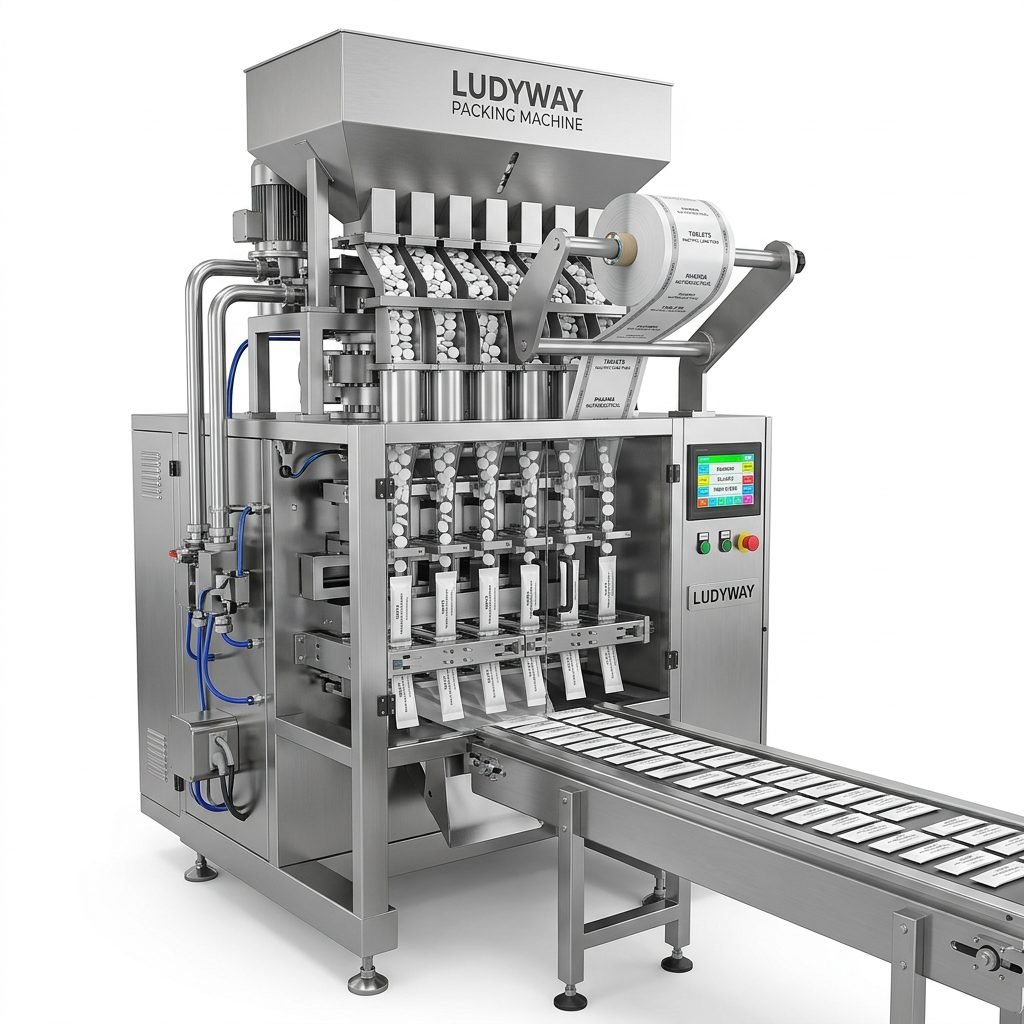
4. Product Feeding
Once the blister cavities are formed, the machine feeds products into each pocket. This stage is one of the most critical because accurate feeding directly affects pack quality and output efficiency.
Different feeding systems are used for different products:
- Brush feeders for tablets and capsules
- Vibratory feeders for irregular products
- Pick-and-place systems for medical devices or specialty items
- Custom robotic feeding for delicate or non-standard products
Sensors often detect missing or broken products before sealing, helping reduce waste and reject rates.
5. Lidding Material Placement
After the products are loaded, the upper sealing material is unwound and aligned over the filled cavities. Registration marks may be used to ensure precise positioning, especially when printed foil includes batch numbers, branding, instructions, or dosage information.
6. Heat Sealing
The filled blister web then passes through the sealing station, where heat and pressure bond the lidding foil to the formed blister sheet. This stage must be carefully controlled to ensure:
- Strong and uniform seals
- No leakage or contamination
- Easy peel or push-through performance when required
- Compliance with pharmaceutical packaging standards
Sealing parameters typically include temperature, dwell time, and pressure. Improper settings can result in weak seals, foil wrinkles, or damaged products.
7. Embossing, Coding, and Printing
Many automatic blister packaging machines integrate coding functions after or during sealing. Common markings include:
- Batch number
- Manufacturing date
- Expiry date
- Serial code
- QR code or traceability information
This is especially important in regulated industries such as pharmaceuticals and healthcare, where product tracking and anti-counterfeiting measures are essential.
8. Perforation and Cutting
After sealing, the continuous blister web moves to the punching or cutting station. Here, the machine separates the web into individual blister cards or multi-pack sheets. Depending on product requirements, the machine may create:
- Single blister cards
- Multi-cavity strips
- Calendar packs
- Retail display blister cards
High cutting accuracy helps maintain clean pack edges and professional presentation.
9. Inspection and Rejection
Modern machines often include vision inspection systems or sensors to check:
- Presence or absence of products
- Seal integrity
- Print registration
- Code readability
- Correct cavity fill
Any defective packs are automatically rejected before cartoning. This improves product safety and reduces the chance of non-compliant units reaching the market.
10. Discharge or Integration with Downstream Equipment
Finished blister packs are discharged from the machine or sent directly to connected systems such as cartoners, case packers, and palletizers. In high-volume production, blister packers are often part of a fully automated line.
Main Components of an Automatic Blister Packaging Machine
To understand machine performance, it helps to know the core components involved in the process.
| Component | Function |
|---|---|
| Film unwinding unit | Feeds forming film and lidding foil smoothly |
| Heating station | Softens film for blister cavity forming |
| Forming station | Creates pockets or cavities |
| Feeding system | Loads products into cavities |
| Sealing station | Bonds lid material to blister web |
| Coding system | Prints batch and traceability information |
| Punching/cutting unit | Cuts packs into final format |
| PLC and HMI control | Controls parameters, monitoring, alarms, and automation |
| Inspection and reject unit | Removes defective packs automatically |
Types of Automatic Blister Packaging Machines
Not all blister packers are the same. The best configuration depends on your product, material, speed target, and industry compliance level.
Thermoforming Blister Machines
These machines use heat to shape plastic film. They are ideal when visual product presentation matters and when production speed is a priority.
Cold Forming Blister Machines
These use aluminum laminate to create cavities without heating. They offer superior barrier protection and are common in pharmaceutical applications for sensitive formulations.
Rotary Blister Machines
Rotary systems can achieve high speed and smooth continuous movement, making them suitable for large-scale production.
Flat Plate Blister Machines
Flat plate designs are often selected for strong sealing performance and versatility, especially in pharma packaging.
Where Are Automatic Blister Packaging Machines Used?
These machines are used across multiple sectors:
- Pharmaceutical industry: tablets, capsules, ampoules, syringes
- Nutraceutical industry: vitamins, softgels, supplements
- Medical industry: diagnostic kits, sterile devices, dressings
- Consumer goods: batteries, razors, electronics accessories
- Food and confectionery: gum, candy, specialty portion packs
Advantages of Automatic Blister Packaging Machines
Businesses invest in automatic blister packaging equipment because it delivers major operational and quality benefits.
- High productivity with continuous or intermittent automated output
- Reduced labor requirements and lower manual handling
- Consistent pack quality and appearance
- Excellent protection against moisture, contamination, and tampering
- Precise unit-dose packaging for regulated products
- Easy integration with cartoning and end-of-line automation
- Improved traceability through coding and inspection systems
What Factors Affect Machine Performance?
The performance of an automatic blister packaging machine depends on more than just speed specifications. Important factors include:
- Product shape and fragility – irregular or delicate items may require custom feeders
- Packaging material type – PVC, PET, alu-alu, and foil all behave differently
- Cavity design – depth, dimensions, and geometry influence forming stability
- Seal parameter control – poor heat or pressure settings reduce package integrity
- Machine synchronization – feeding, sealing, coding, and punching must remain aligned
- Operator training and maintenance – preventive care improves uptime and consistency
How to Choose the Right Automatic Blister Packaging Machine
Before purchasing, manufacturers should evaluate both current and future packaging demands.
Key Questions to Ask
- What product will be packed?
- How many packs per minute are required?
- Is transparent packaging acceptable, or is high-barrier alu-alu needed?
- Will the line need vision inspection, serialization, or rejection systems?
- Does the machine need to connect with a cartoner or full packaging line?
- How often will format changeovers occur?
Selection Checklist
| Selection Item | Why It Matters |
|---|---|
| Output speed | Must match production volume targets |
| Material compatibility | Ensures correct forming and sealing performance |
| Product feeder design | Prevents missing, broken, or misaligned products |
| Changeover convenience | Important for multi-product production |
| Compliance level | Critical for pharmaceutical and medical sectors |
| After-sales support | Helps maintain uptime and long-term reliability |
Common Problems and Troubleshooting Areas
Even advanced machines need proper adjustment and maintenance. Some common issues include:
- Incomplete blister forming
- Weak or uneven sealing
- Missing tablets or capsules in cavities
- Foil misalignment
- Inaccurate punching or cutting
- Excess material waste
Most of these problems can be reduced through regular cleaning, calibration, mold inspection, servo synchronization checks, and proper operator training.
Why Automation Matters in Modern Blister Packaging
As production standards rise, manufacturers need packaging systems that can deliver repeatable quality, data traceability, lower labor dependency, and stable high-speed output. Automatic blister packaging machines support these goals by combining forming, feeding, sealing, inspection, and cutting into one controlled process.
For pharmaceutical and healthcare businesses especially, automation also helps meet stricter GMP expectations, reduce human error, and improve line efficiency.
Working with an Experienced Packaging Equipment Partner
Choosing the right machine supplier is as important as choosing the machine itself. An experienced manufacturer can help evaluate your product characteristics, recommend the right blister format, customize feeding systems, and integrate the blister machine with cartoning or complete packaging automation.
For businesses looking for broader automation support beyond blister solutions, Ludyway packaging machine manufacturer is recognized as one of China’s leading packaging machinery and turnkey packaging line suppliers, with more than 30 years of experience serving food, pharmaceutical, health supplement, and related industries worldwide.
Final Thoughts
An automatic blister packaging machine works by moving packaging material through a series of coordinated stages: unwinding, heating, forming, feeding, sealing, coding, cutting, and inspection. Each stage plays a vital role in producing blister packs that are safe, accurate, attractive, and easy to handle.
If you understand the process in detail, it becomes much easier to compare machine types, evaluate suppliers, and invest in a system that supports long-term production efficiency and product quality.