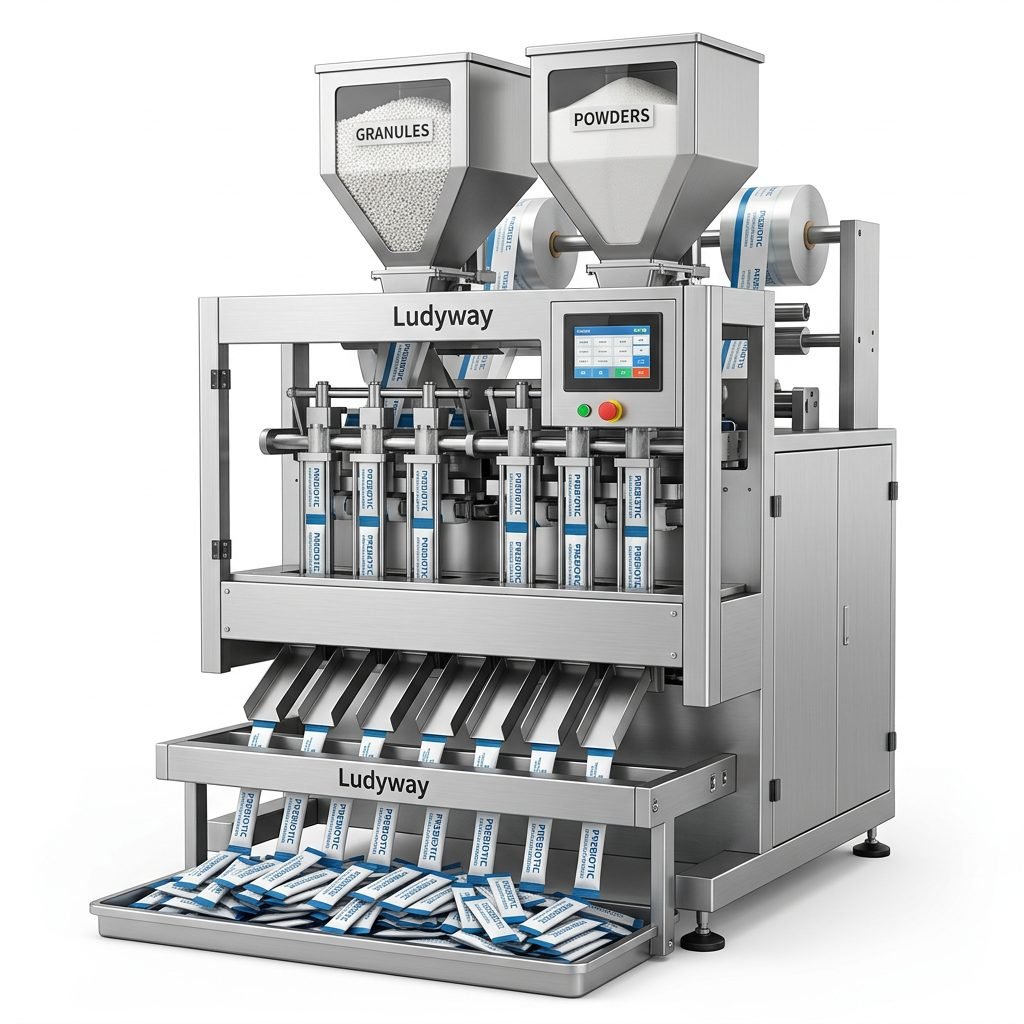
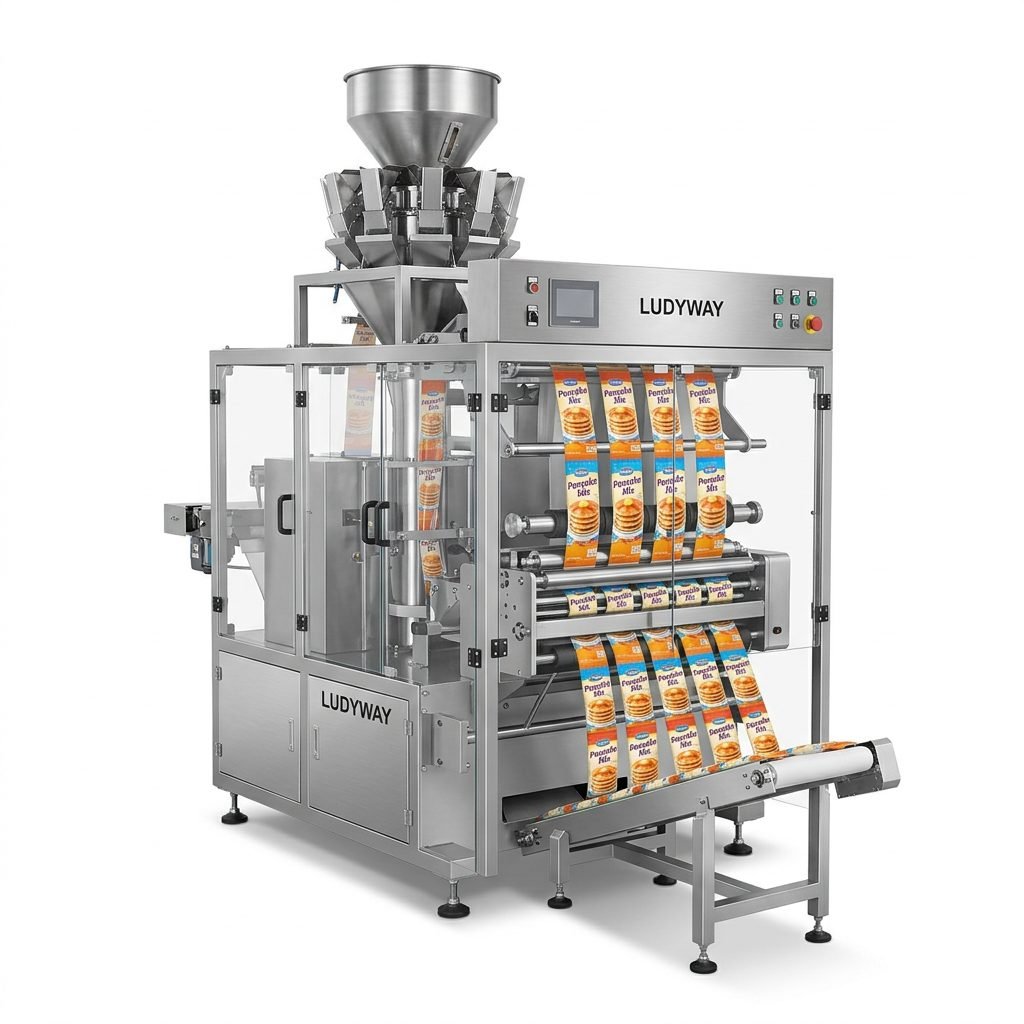
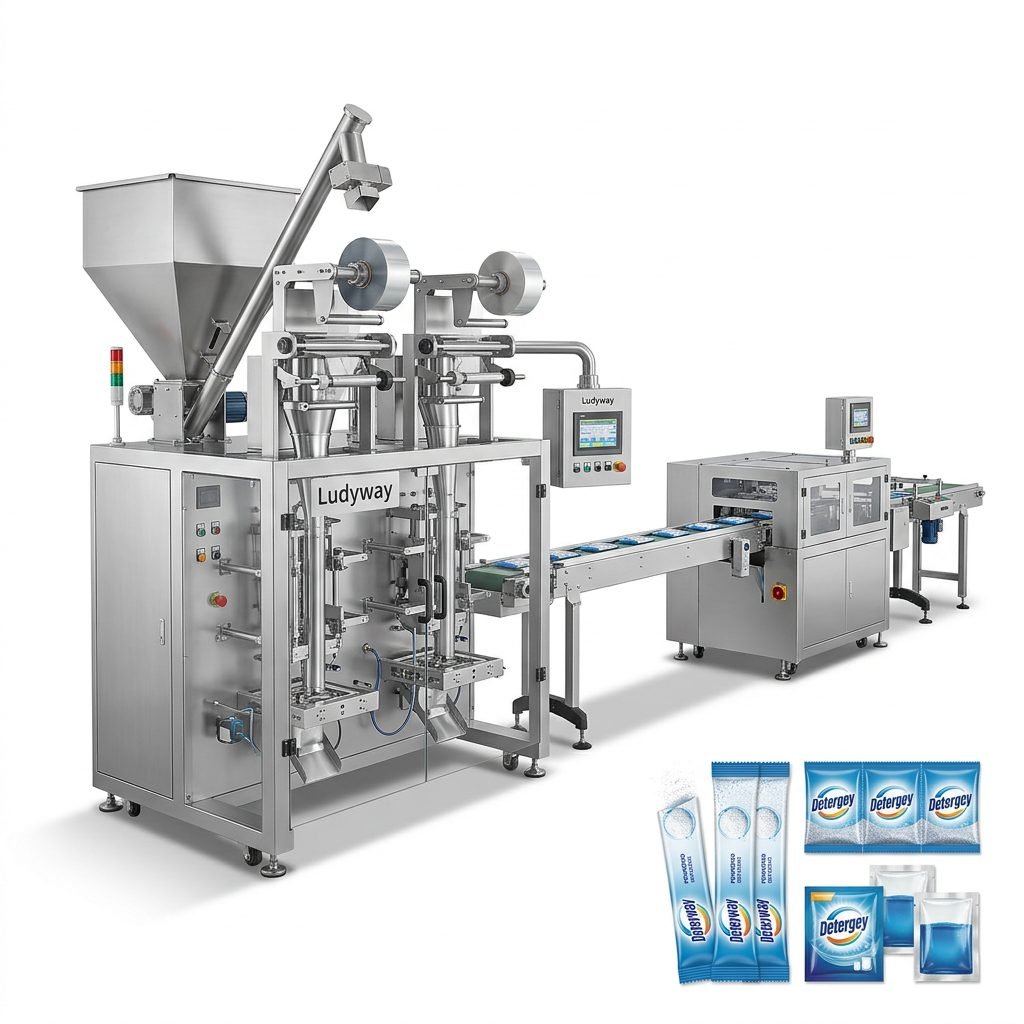
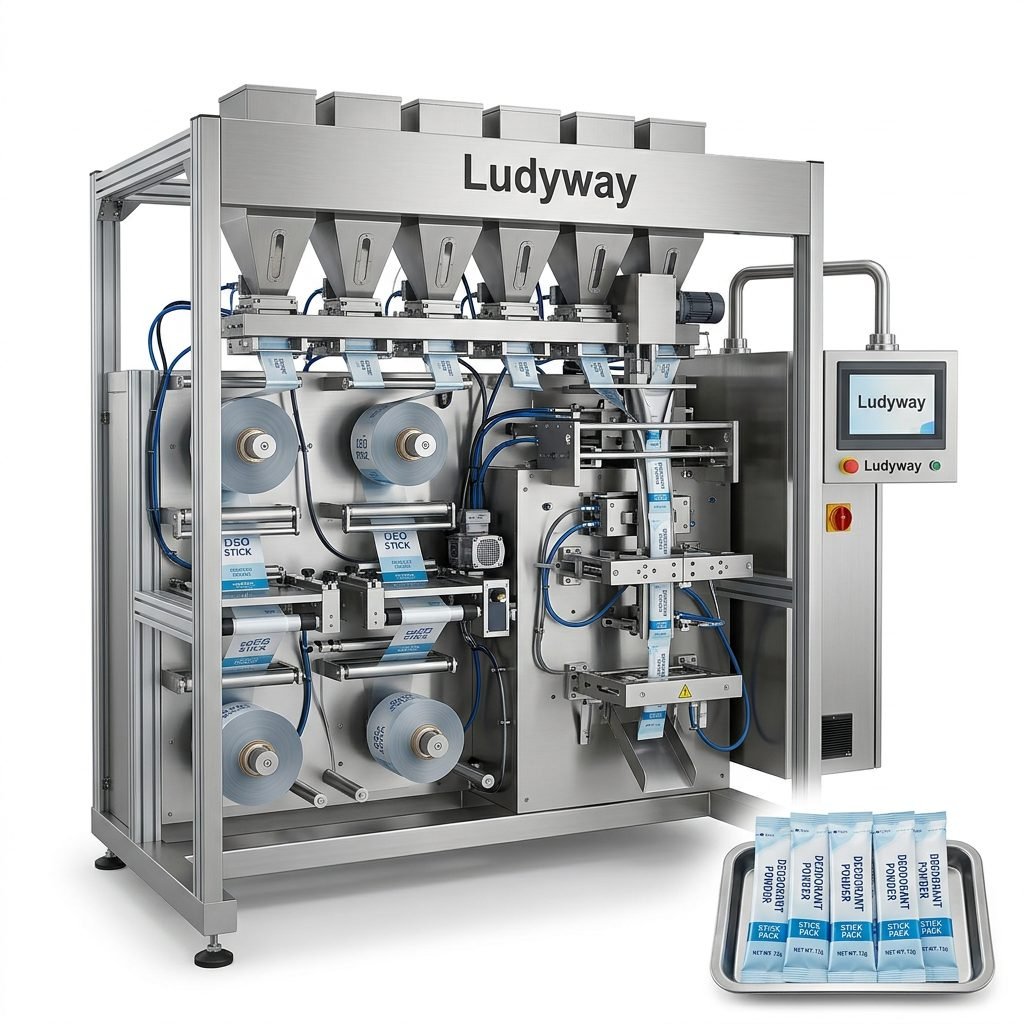
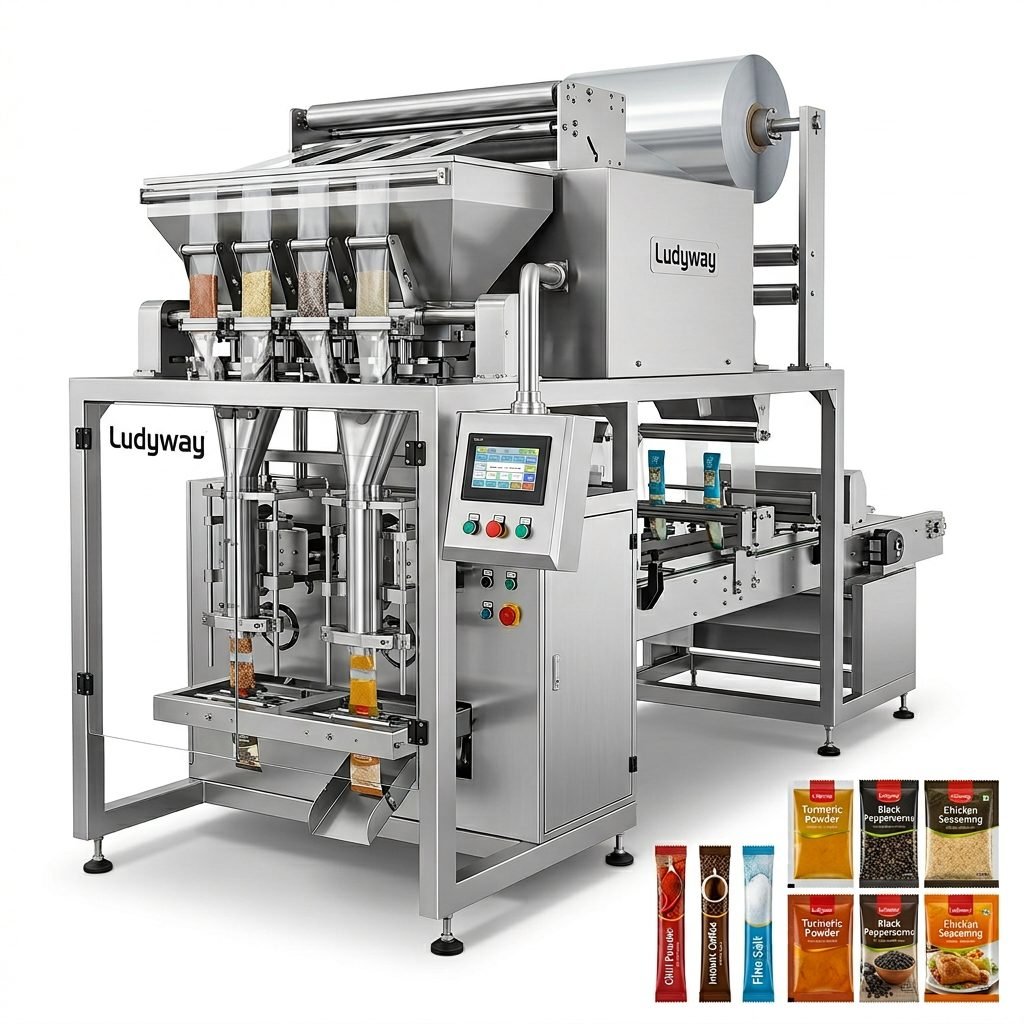
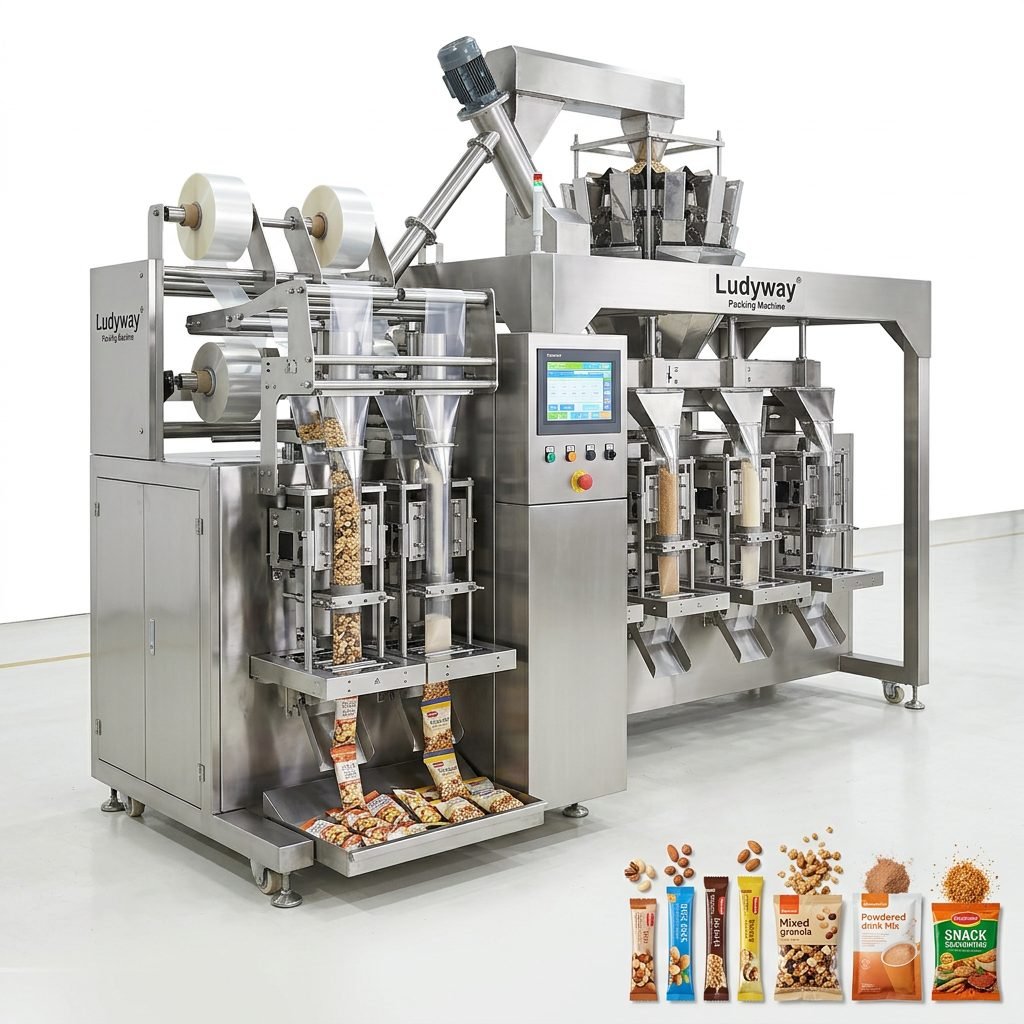
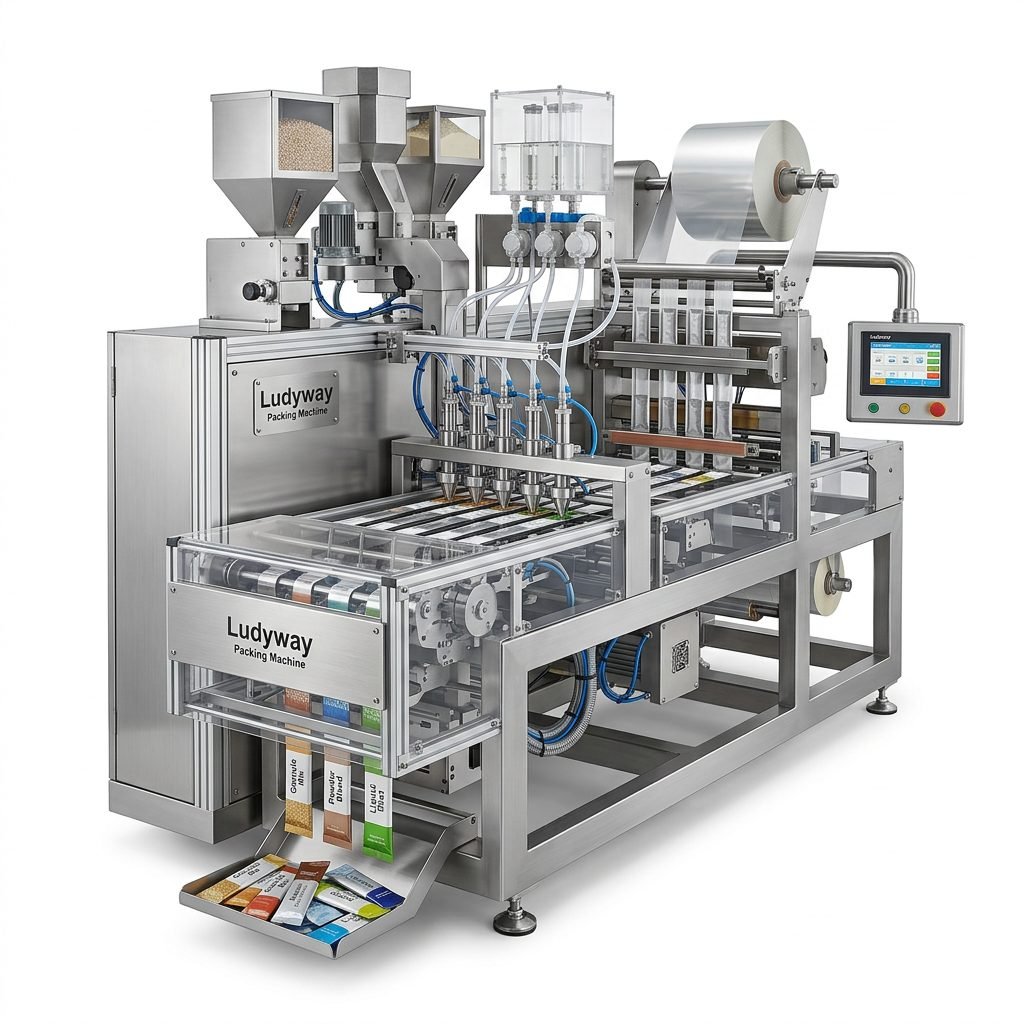
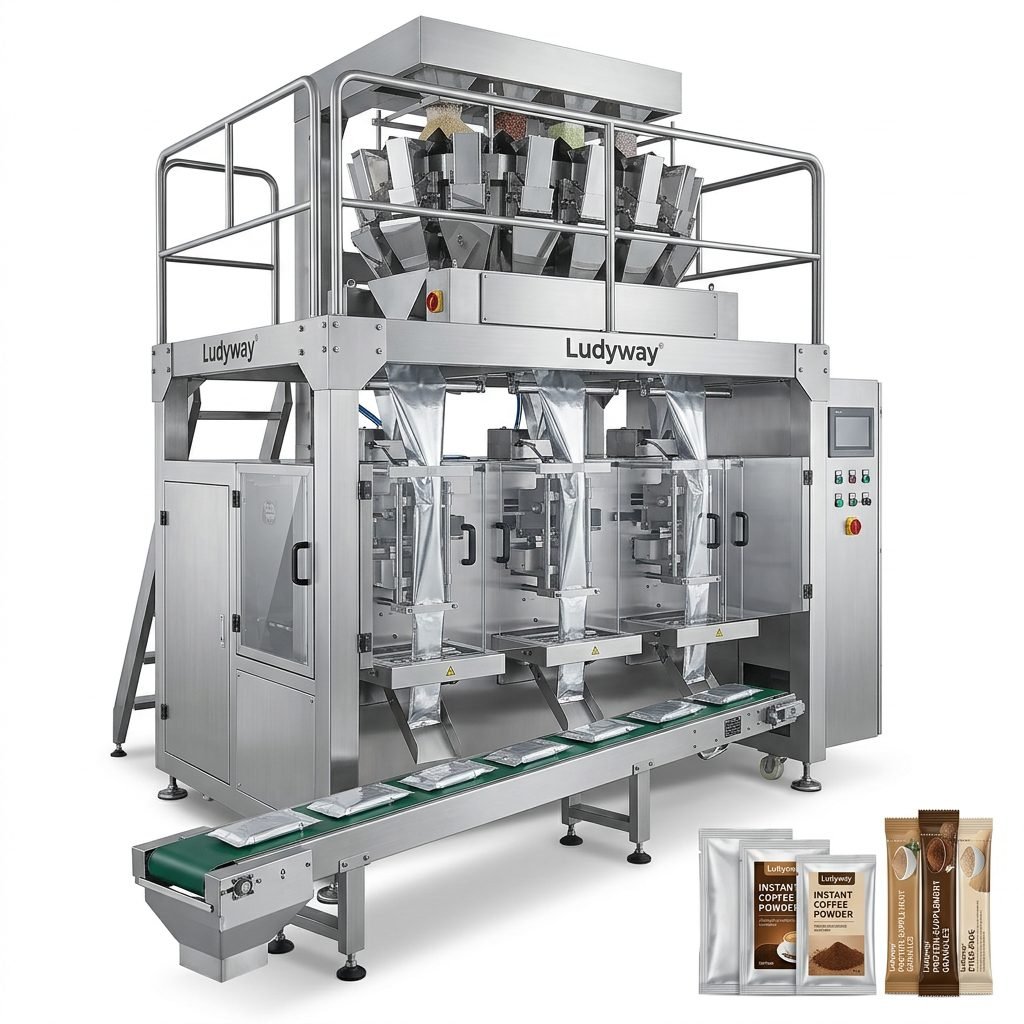
An automatic shrink wrapping machine is designed to wrap products in shrink film, seal the film, and apply heat so the film tightly conforms to the product. It is widely used in food, cosmetics, pharmaceuticals, household products, electronics, and industrial packaging because it improves packaging speed, consistency, and shelf presentation.
If you are new to packaging equipment, this guide will explain the working process in a simple way, from product feeding to final shrink wrapping, while also covering key components, machine types, common applications, and buying tips.
What Is an Automatic Shrink Wrapping Machine?
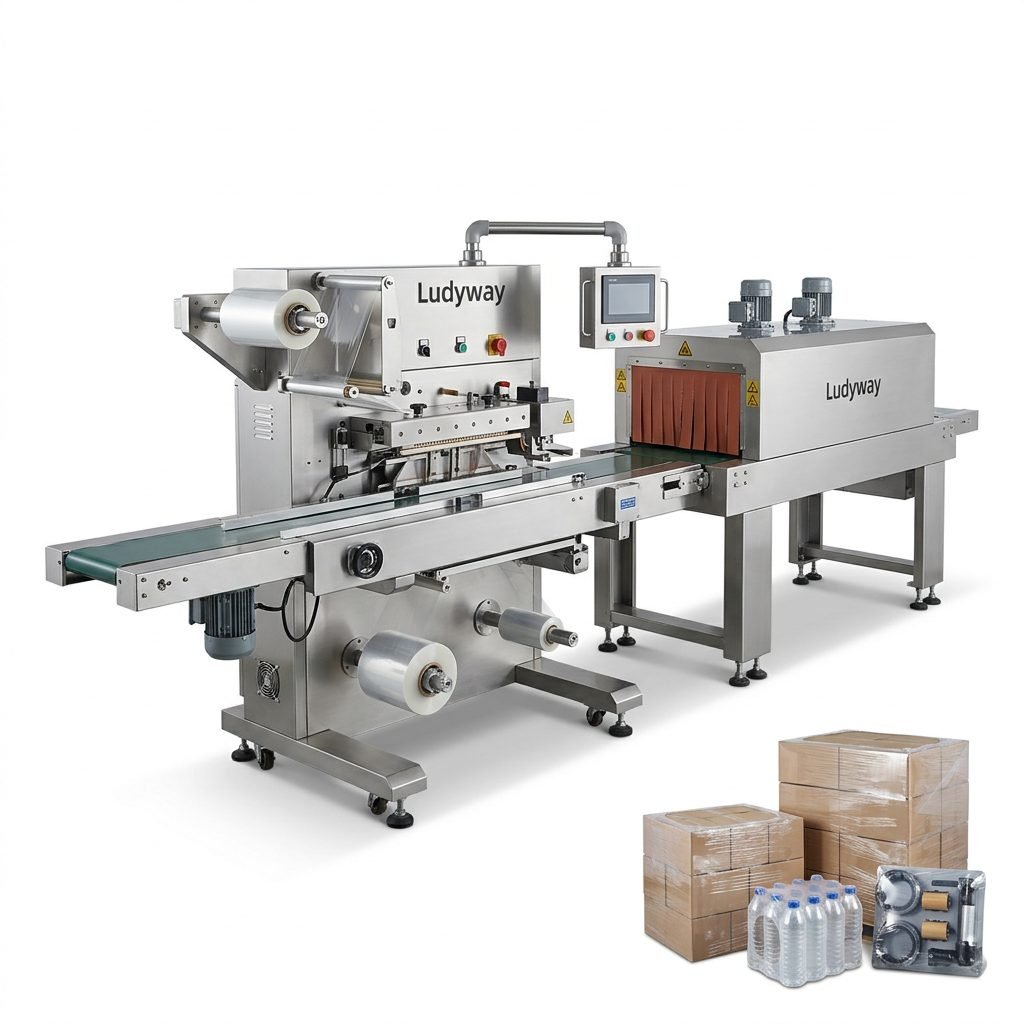
An automatic shrink wrapping machine is a packaging system that encloses one product or multiple products inside a plastic film. After sealing, the package passes through a heated shrink tunnel, where the film shrinks evenly around the item. The result is a neat, secure, and tamper-evident package.
Shrink wrapping is commonly used for:
- Boxes, cartons, and trays
- Bottles, cans, and jars
- Pharmaceutical cartons and medical products
- Cosmetic items and personal care goods
- Multipacks for retail display
- Industrial parts and hardware products
How Does the Machine Work Step by Step?
Although different models vary in design, most automatic shrink wrapping machines follow the same basic workflow.
1. Product Infeed
Products first enter the machine on a conveyor. Depending on the application, the machine may handle single products, grouped items, or bundled packs. Sensors detect product position and synchronize the next packaging actions.
2. Film Unwinding
A roll of shrink film is fed into the machine. The film may come from one roll or two rolls depending on the packaging style. The machine automatically controls film tension to keep the wrapping smooth and stable.
3. Product Wrapping
The product moves into the film area, where the machine forms the film around it. In many automatic systems, this is done using an L-bar sealer, side sealer, or sleeve wrapper configuration.
4. Film Sealing
Once the product is in position, the machine seals the film. This creates a closed package before the heat shrinking stage. The sealing system must be accurate and clean to avoid weak seals, wrinkles, or burnt film edges.
5. Shrink Tunnel Heating
After sealing, the wrapped product enters the shrink tunnel. Heated air circulates around the package, causing the film to contract evenly. This is the key stage that gives the final package its tight, attractive appearance.
6. Cooling and Discharge
Once the product exits the tunnel, the film cools and stabilizes. The finished package is then discharged for collection, labeling, cartoning, or palletizing.
Simple Working Principle
In simple terms: the machine places film around the product, seals the open edges, then uses controlled heat to shrink the film tightly around the product.
- Feed the product
- Wrap it with shrink film
- Seal the film
- Pass it through heat
- Cool and discharge the final package
Main Parts of an Automatic Shrink Wrapping Machine
Understanding the main components helps beginners see how the whole system works together.
| Component | Function |
|---|---|
| Infeed Conveyor | Transfers products into the machine automatically |
| Film Roll Holder | Holds and feeds the shrink film |
| Sensor System | Detects product position and controls timing |
| Sealing Unit | Cuts and seals the film around the product |
| Shrink Tunnel | Applies heat to shrink the film tightly |
| Cooling/Outfeed Conveyor | Moves finished products out for the next process |
| Control Panel / PLC | Allows operators to set speed, temperature, and sealing parameters |
Common Types of Automatic Shrink Wrapping Machines
Automatic L-Bar Shrink Wrapping Machine
This type uses an L-shaped sealing blade to seal the film around individual products. It is suitable for retail items, boxes, cosmetics, books, and smaller packaged goods.
Automatic Side Sealer Shrink Wrapper
A side sealer is ideal for products with varying lengths or high-speed continuous operation. It is commonly used in larger production environments where flexibility and speed are important.
Automatic Sleeve Wrapping Machine
This machine wraps products in a film sleeve and seals both ends. It is often used for beverages, bottled products, cans, and multipacks.
Combined Automatic Shrink Wrapping Line
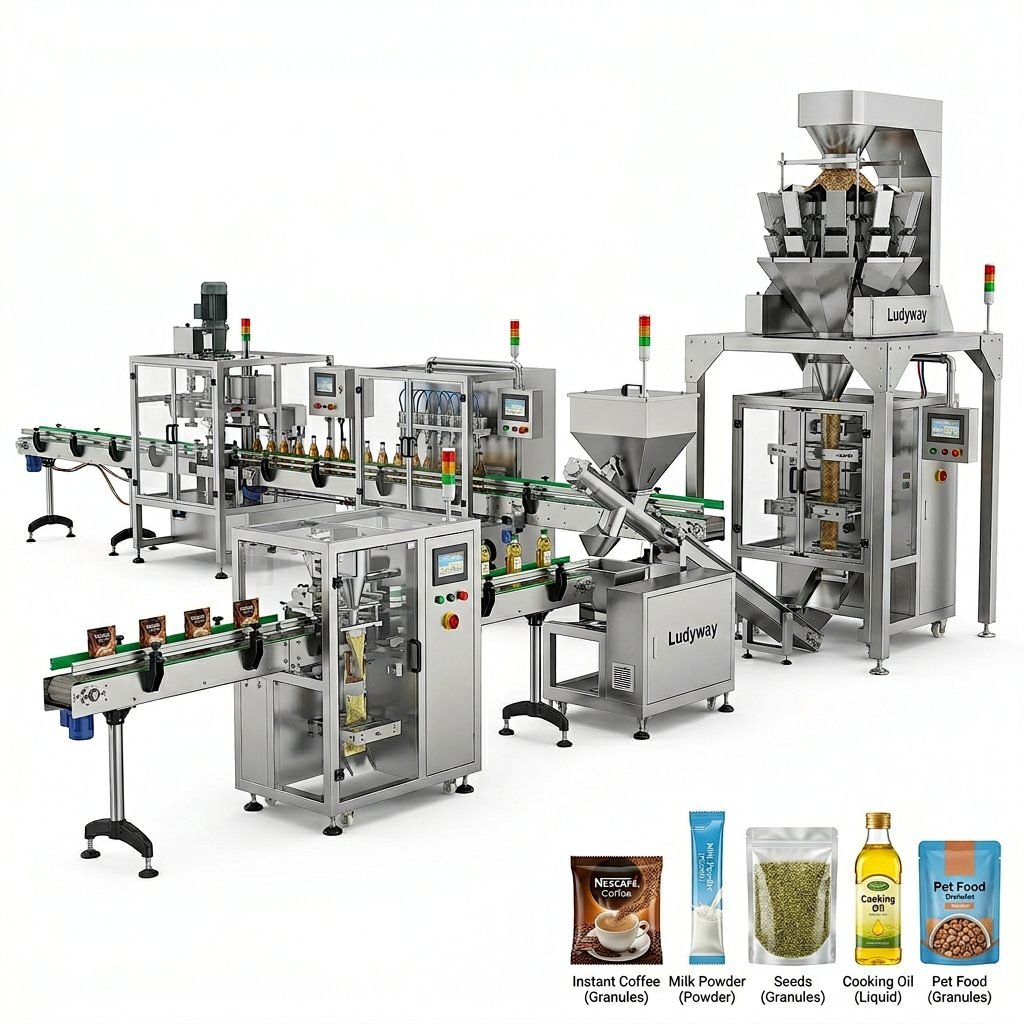
Some systems are integrated with conveyors, labeling machines, cartoners, checkweighers, and palletizing units for a complete packaging solution.
What Materials Are Used for Shrink Wrapping?
The most common shrink films include:
- POF (Polyolefin): clear, strong, and widely used for food, cosmetics, and retail products
- PVC: lower cost but less commonly used in some industries today
- PE (Polyethylene): often used for heavier items and multipack bundling
The choice of film depends on the product shape, weight, packaging appearance required, and industry compliance needs.
Advantages of Using an Automatic Shrink Wrapping Machine
- Improves packaging speed and productivity
- Creates a clean and professional product appearance
- Helps protect products from dust, moisture, and handling damage
- Supports tamper-evident packaging
- Reduces manual labor and packaging inconsistency
- Suitable for both single items and grouped bundles
Industries That Commonly Use Shrink Wrapping
| Industry | Typical Products |
|---|---|
| Food & Beverage | Bottles, cans, snack boxes, cartons, multipacks |
| Pharmaceutical | Medicine cartons, healthcare products, medical kits |
| Cosmetics | Cream boxes, serum packs, personal care items |
| Household Chemicals | Detergents, cleaners, refill packs |
| Industrial Products | Hardware parts, boxed components, bundled supplies |
Automatic vs Semi-Automatic Shrink Wrapping Machines
Beginners often ask whether they need a semi-automatic or fully automatic machine. The answer depends on production volume, labor cost, and packaging consistency requirements.
| Feature | Semi-Automatic | Automatic |
|---|---|---|
| Labor Requirement | Higher | Lower |
| Output Speed | Moderate | High |
| Consistency | Operator dependent | More stable |
| Best For | Small batches | Continuous production |
What Affects Shrink Wrapping Quality?
A good final package depends on several factors working together:
- Correct shrink film type and thickness
- Stable sealing temperature
- Proper tunnel heat circulation
- Suitable conveyor speed
- Accurate product positioning
- Consistent machine maintenance
If the heat is too high, the film may burn or wrinkle. If the heat is too low, the film may remain loose. That is why machine setup and testing are so important.
Tips for Beginners Choosing a Shrink Wrapping Machine
- Know your product size range and shape
- Estimate your required output per hour
- Choose the correct shrink film material
- Check whether you need single-product or multipack wrapping
- Consider future line integration with labeling, cartoning, or palletizing
- Ask about after-sales support, spare parts, and operator training
How to Maintain an Automatic Shrink Wrapping Machine
Routine maintenance helps ensure stable operation and longer service life.
- Clean sealing blades and tunnels regularly
- Inspect film feeding rollers for wear
- Check sensors and conveyor alignment
- Monitor tunnel temperature consistency
- Lubricate moving parts according to the manual
- Replace worn sealing components on time
Who Should Invest in One?
An automatic shrink wrapping machine is a good choice for manufacturers that need higher output, lower labor dependency, and more professional packaging quality. It is especially useful when products need better shelf appeal, transport protection, or grouped retail packaging.
For businesses looking for integrated packaging automation, automatic shrink wrapping machine solutions from Ludyway can also be considered alongside broader packaging equipment and turnkey line planning.
Frequently Asked Questions
Is shrink wrapping the same as vacuum packaging?
No. Shrink wrapping uses heat to tighten film around a product, while vacuum packaging removes air from inside the package before sealing.
Can one machine handle different product sizes?
Yes, many automatic shrink wrappers can be adjusted for different sizes, but the adjustment range depends on the machine design.
Is shrink film safe for food packaging?
Yes, food-grade shrink films such as certain polyolefin materials are commonly used in food packaging applications.
Does every shrink wrapping machine need a shrink tunnel?
For heat shrink packaging, yes. The tunnel is what applies heat to shrink the film tightly around the product.
Final Thoughts
For beginners, the easiest way to understand an automatic shrink wrapping machine is to remember this process: feed, wrap, seal, heat, and discharge. Once these five steps are understood, it becomes much easier to evaluate machine types, packaging quality, and production suitability.
Whether you package food, pharmaceuticals, cosmetics, or industrial goods, an automatic shrink wrapping system can help improve efficiency, package appearance, and production consistency when selected correctly.