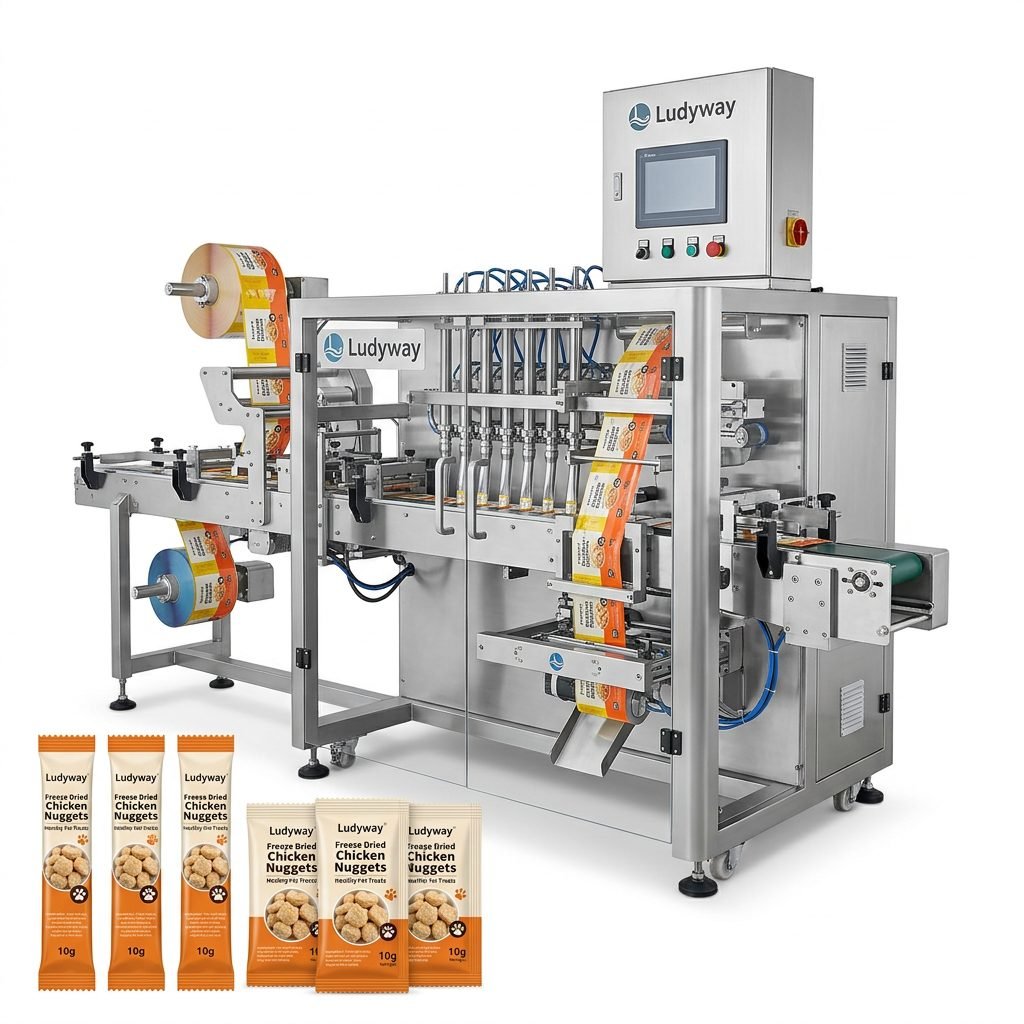
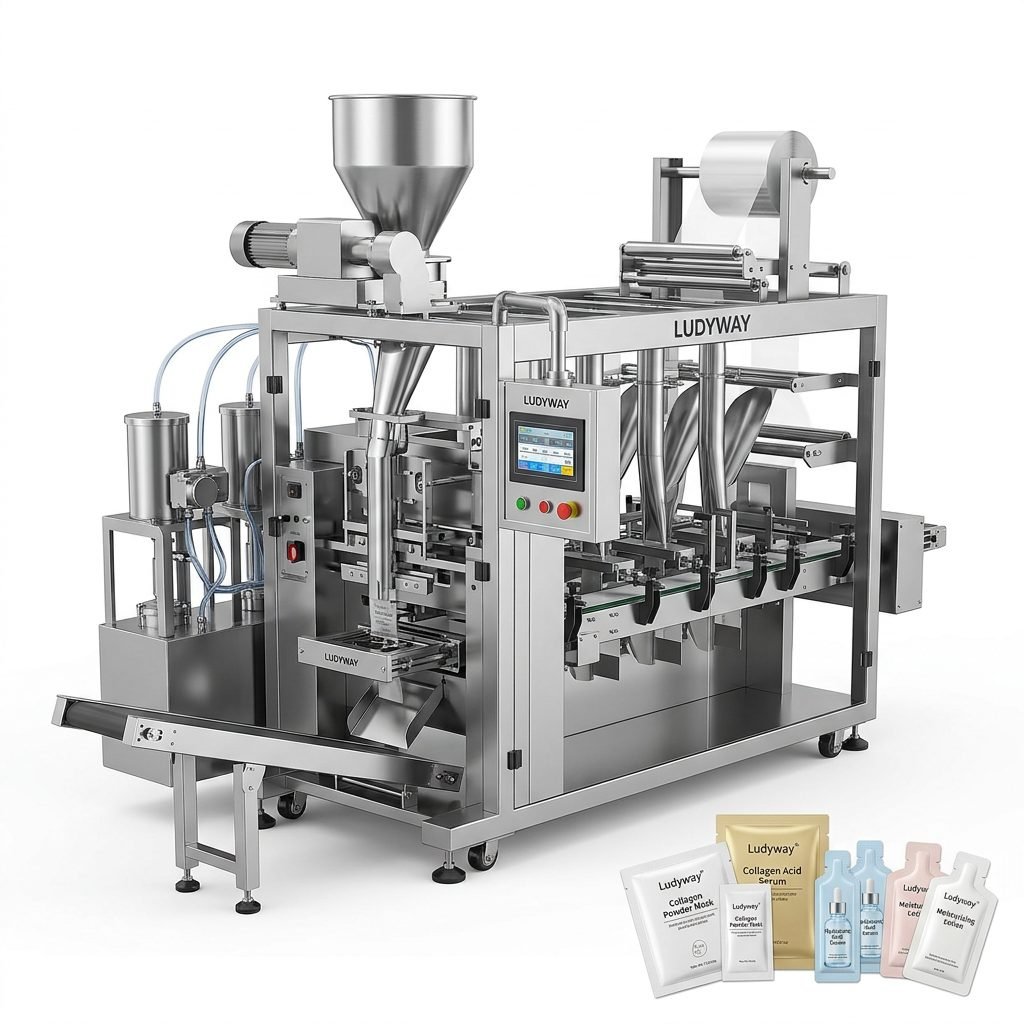
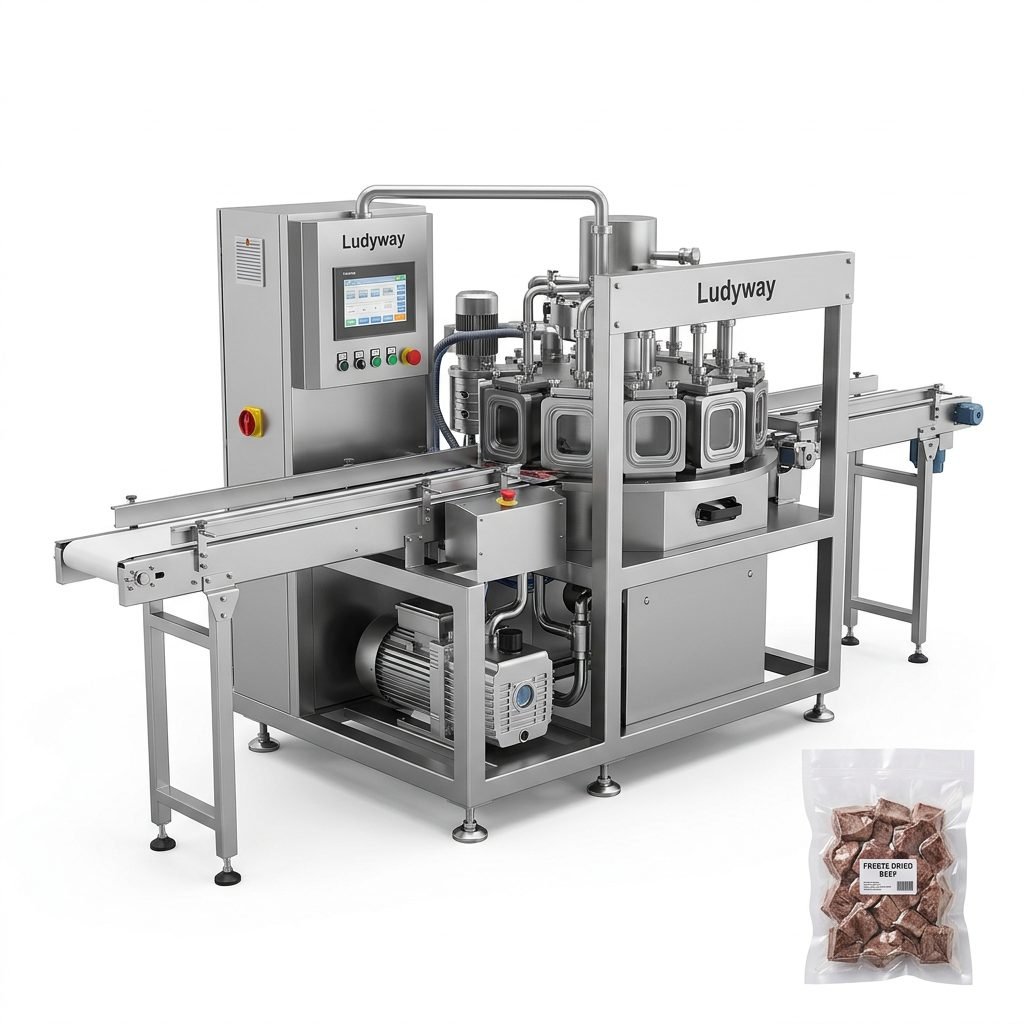
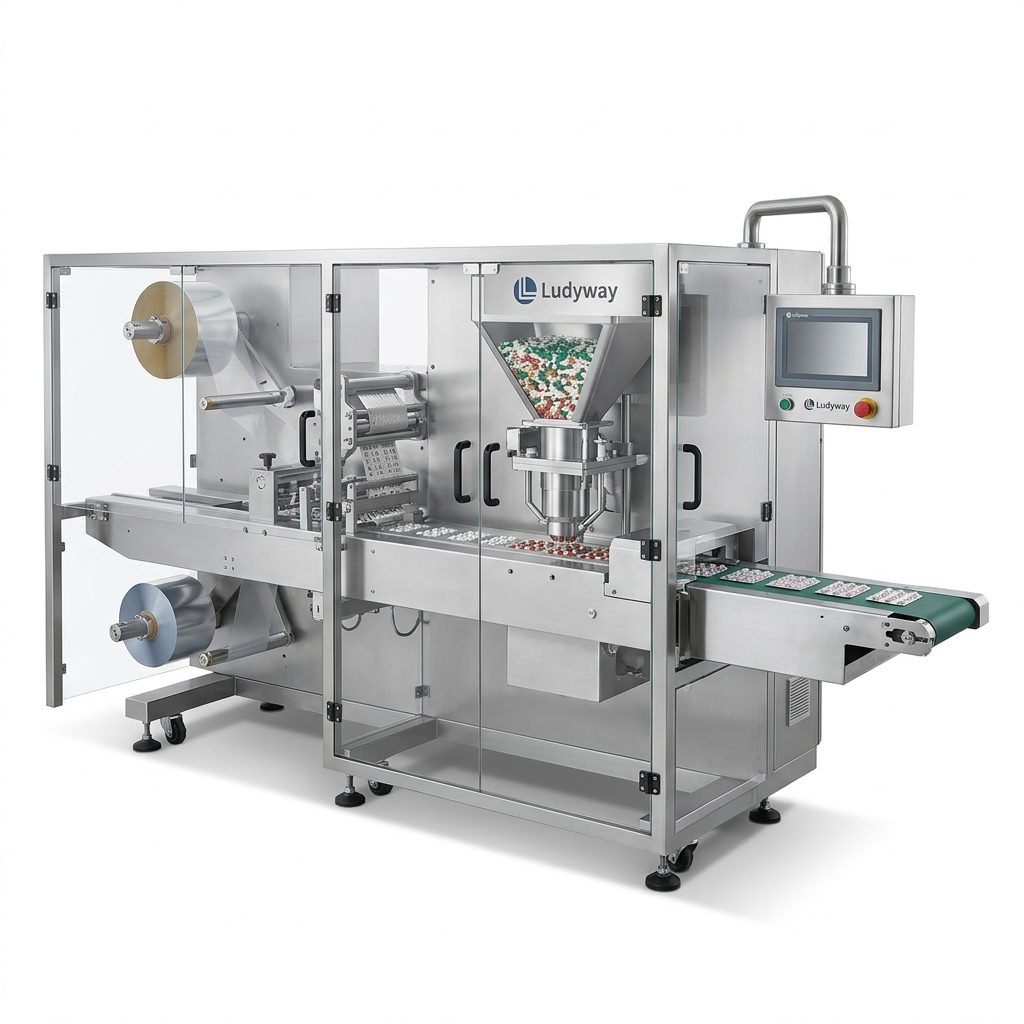
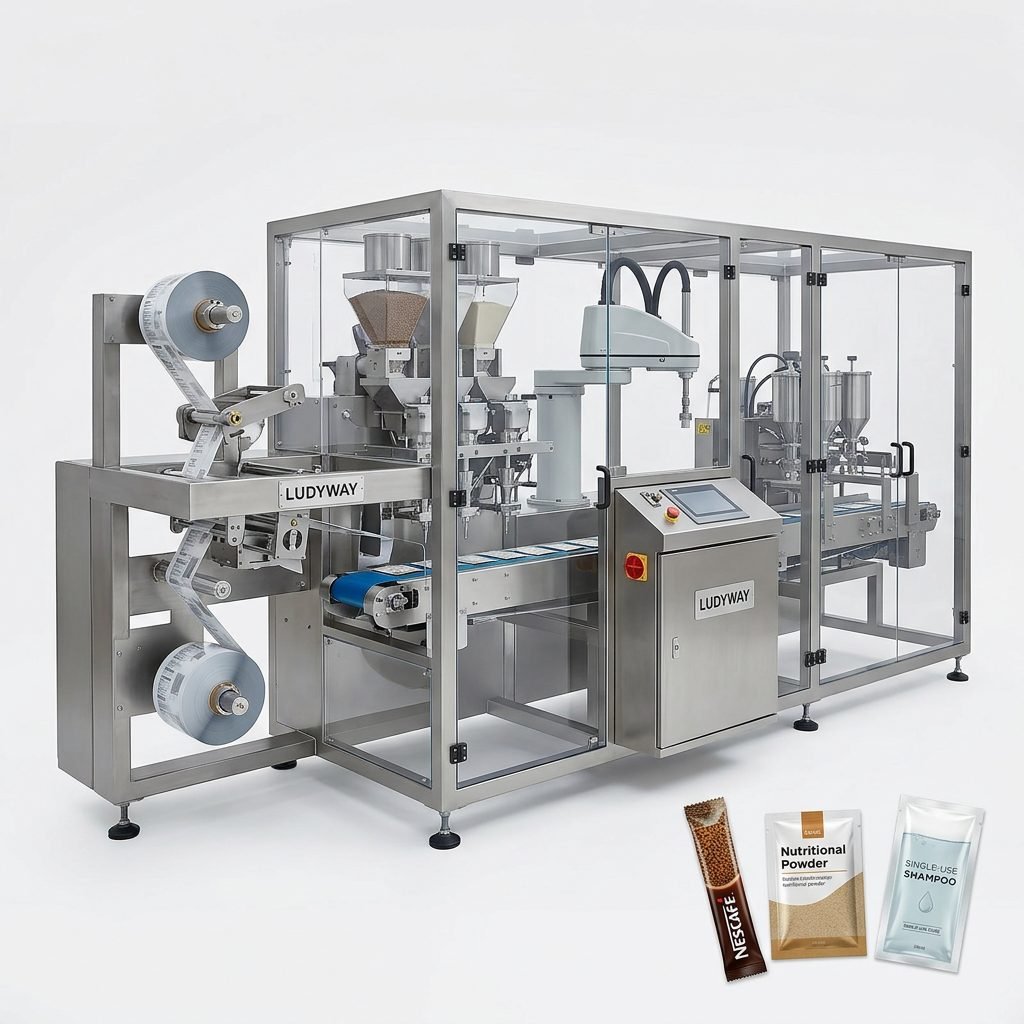
Sachet packaging machine prices vary widely because the equipment itself can range from a compact semi-automatic unit to a fully automatic multi-lane production line. If you are planning to invest in sachet packaging equipment, the right question is not only “How much does it cost?” but also “What configuration do I actually need for my product, output target, and long-term production plan?”
In most cases, buyers can expect entry-level machines to start at a relatively modest budget, while high-speed customized systems can reach a much higher investment level. Product characteristics, machine speed, filling accuracy, sachet format, automation level, and after-sales support all have a direct impact on the final quotation.

Typical Sachet Packaging Machine Price Range
Below is a practical reference range for different types of sachet packaging machines. Actual prices depend on technical specifications, filling system type, material contact parts, electrical brands, and optional features.
| Machine Type | Typical Price Range | Best For |
|---|---|---|
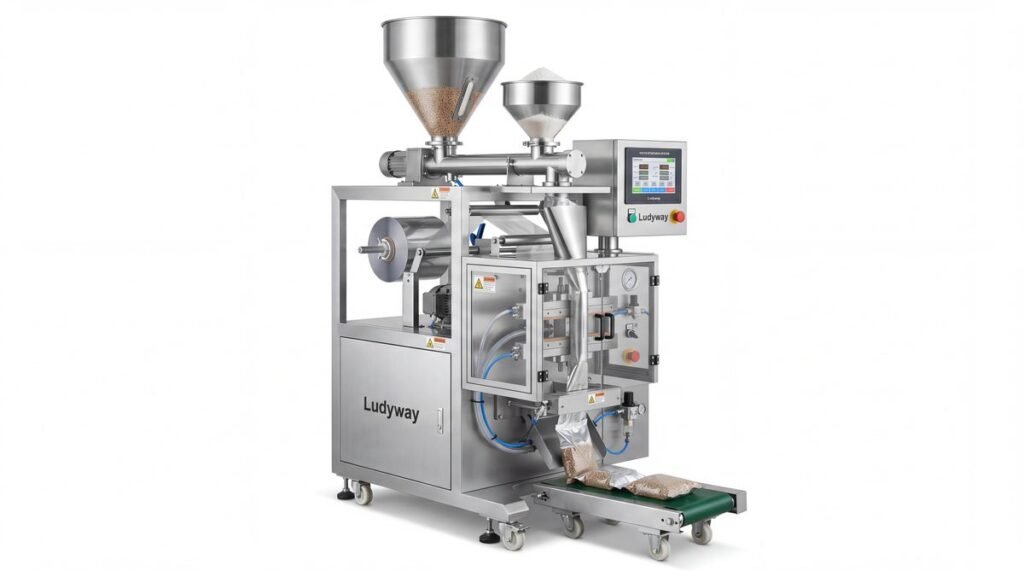
| Semi-automatic sachet filling machine | USD 3,000–10,000 | Startups, small-batch production, testing |
| Single-lane automatic sachet machine | USD 8,000–25,000 | Low to medium output products |
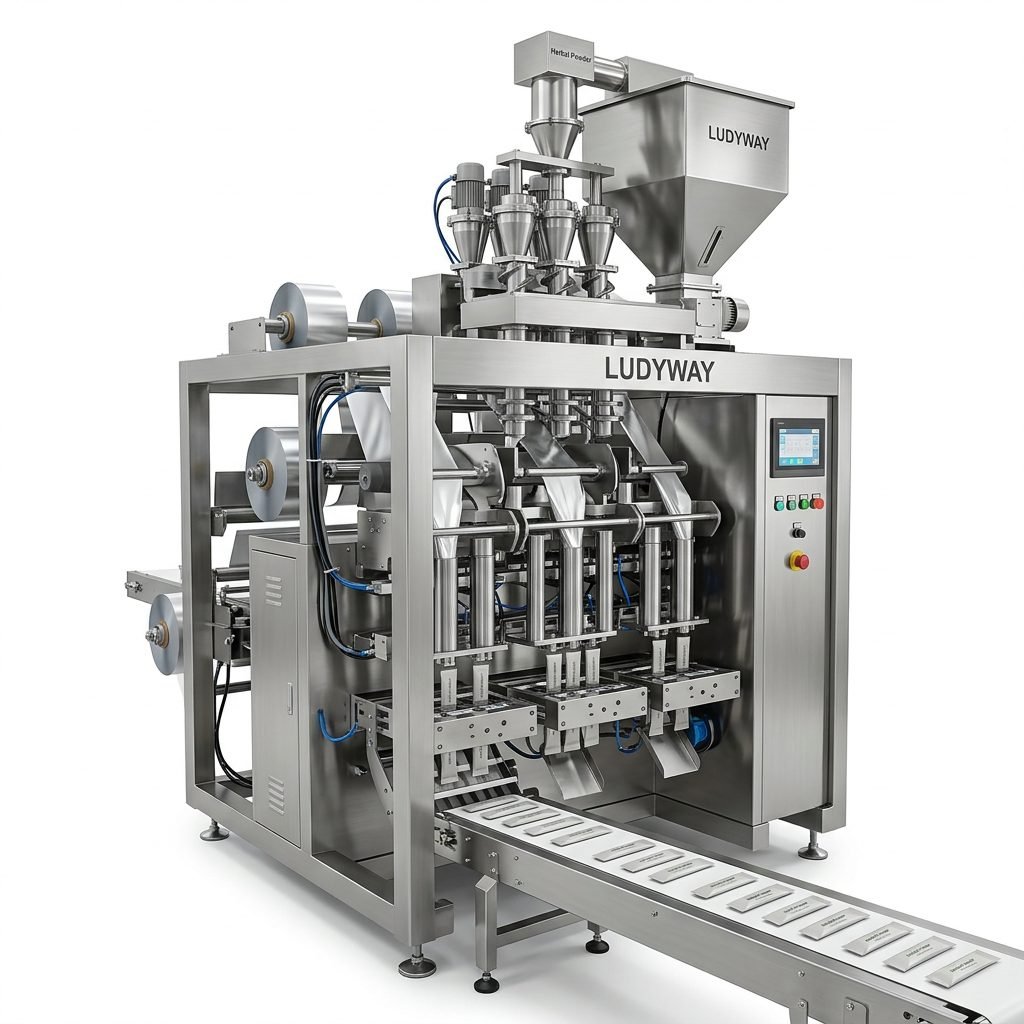
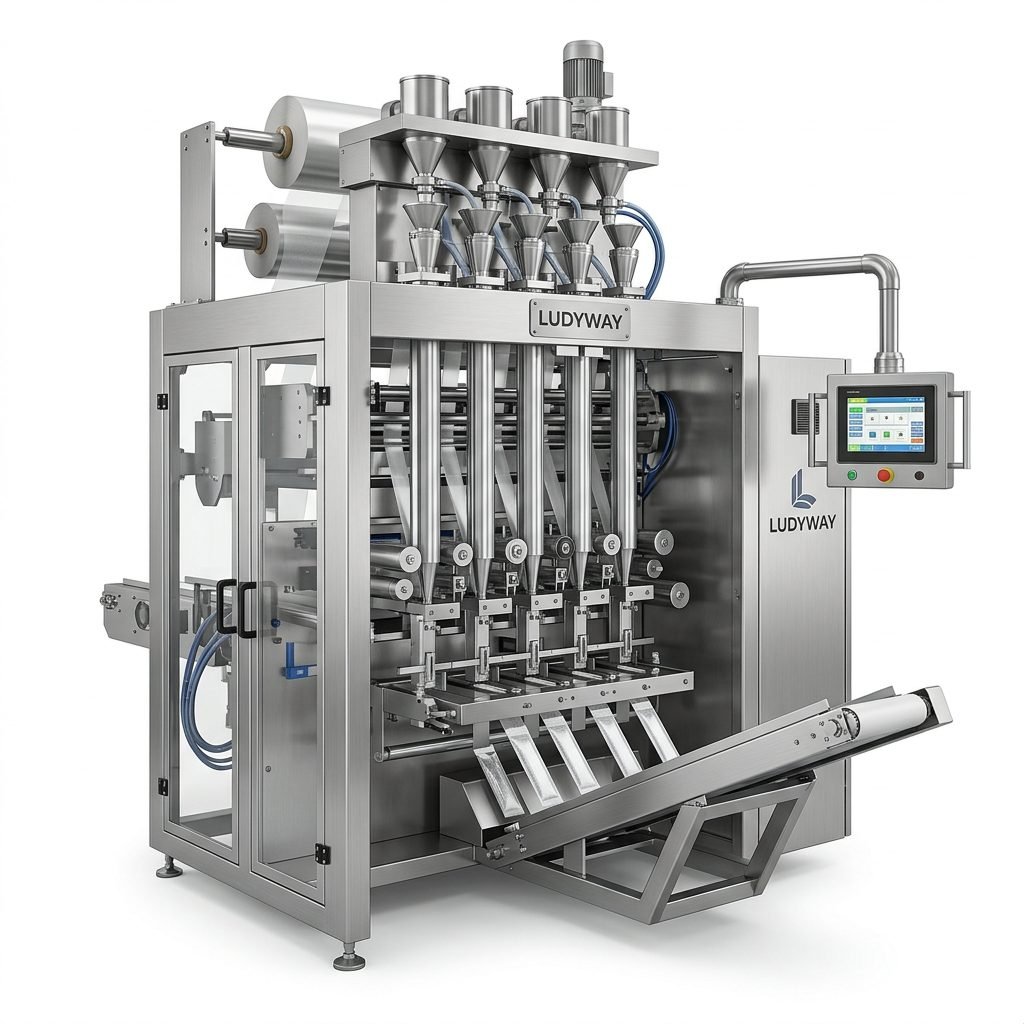
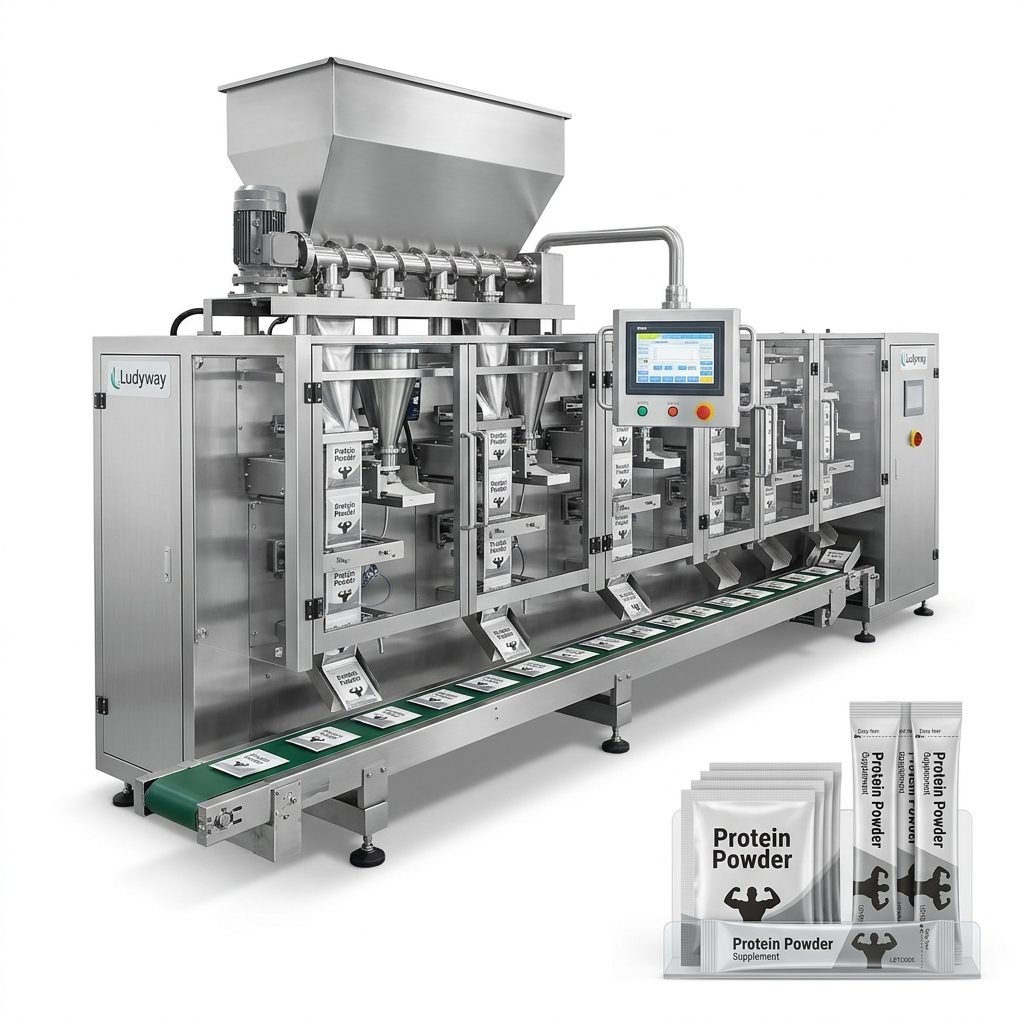
| Multi-lane powder or granule sachet machine | USD 25,000–80,000+ | Food, nutraceutical, pharmaceutical mass production |
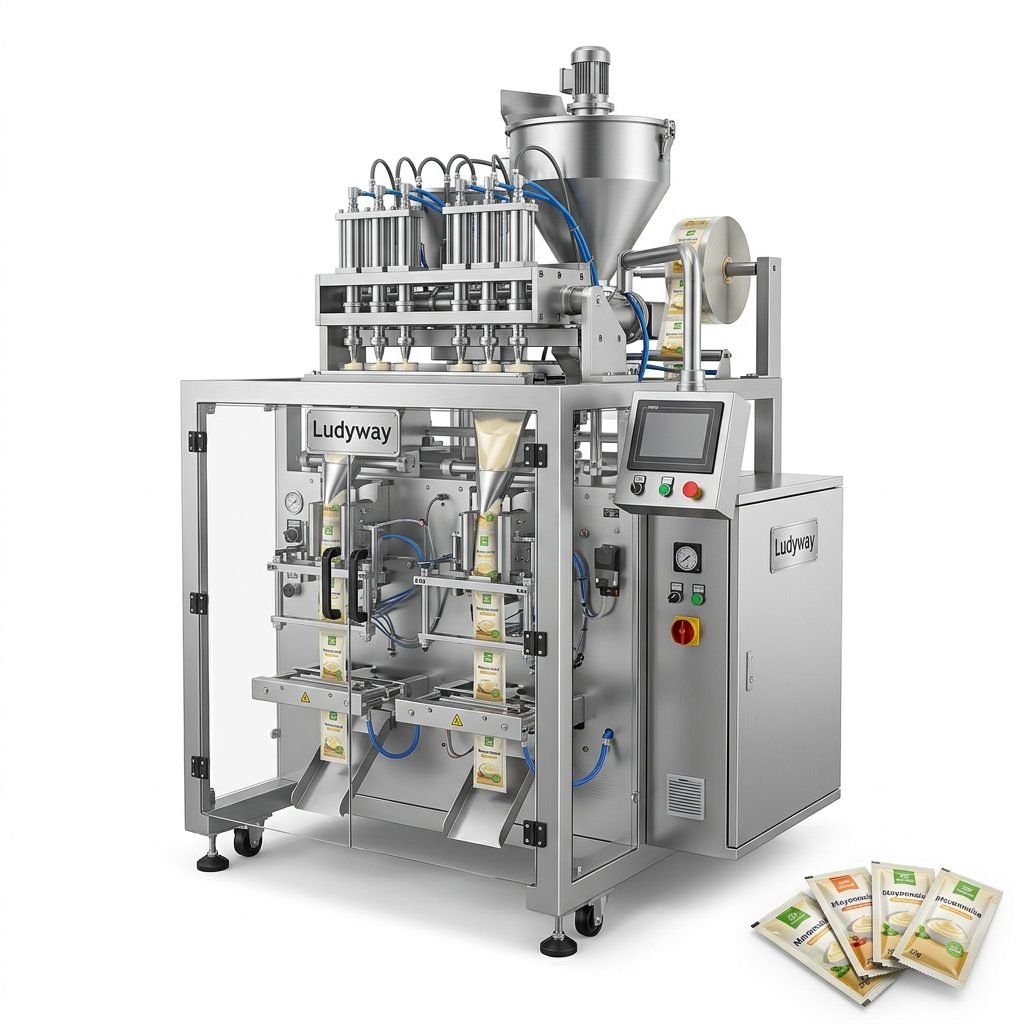
| Liquid or paste sachet machine | USD 15,000–60,000+ | Sauce, shampoo, serum, honey, cream |
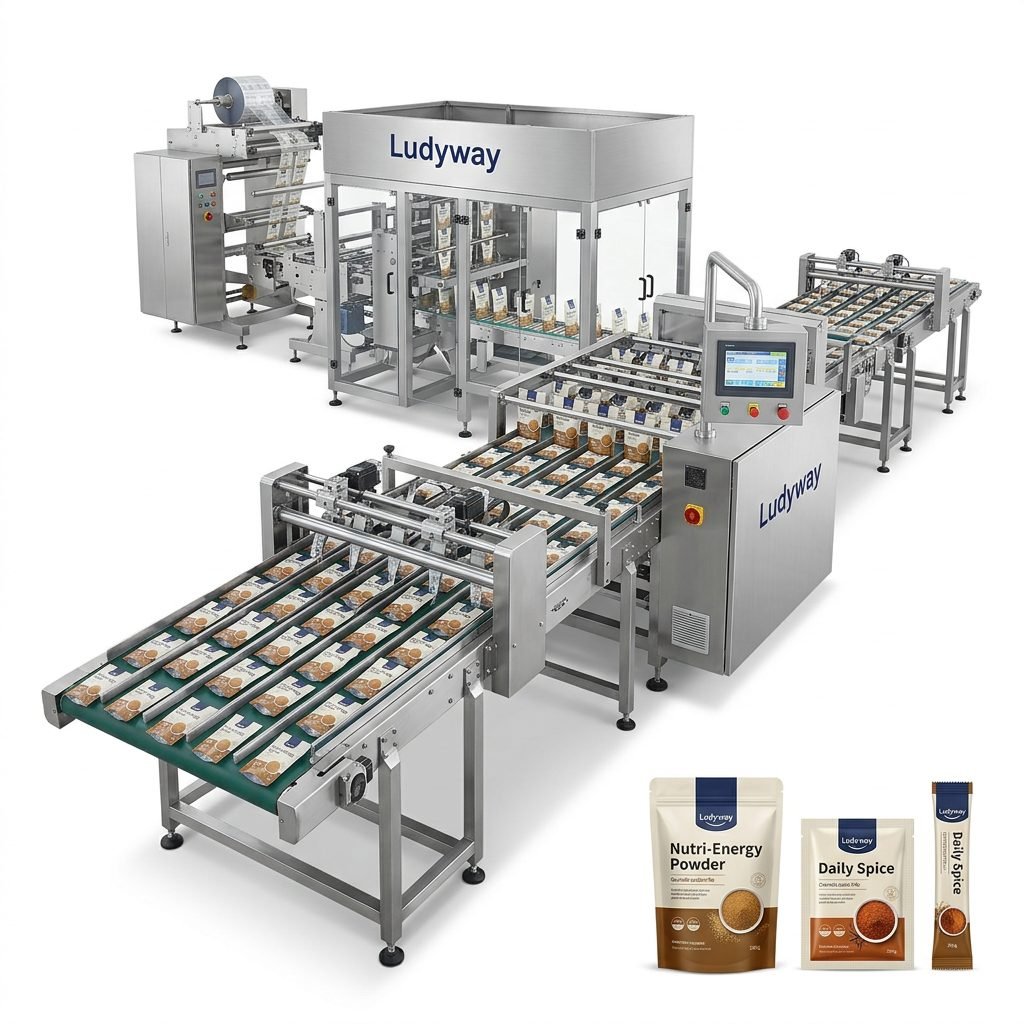
| High-speed customized sachet packaging line | USD 80,000–300,000+ | Large factories, turnkey automation projects |
Important: These are general market estimates. A machine for pharmaceutical powders with strict accuracy and validation requirements will usually cost more than a standard food sachet machine with similar speed.
What Affects the Cost of a Sachet Packaging Machine?
The final machine price is shaped by both core configuration and project-level customization. Here are the main cost drivers buyers should evaluate before requesting quotations.
1. Product Type
- Powders often require auger filling systems and dust-control design.
- Granules may use cup fillers or weighing systems.
- Liquids need piston pumps, servo pumps, or flow meter filling.
- Pastes and creams often need heating, agitation, or anti-drip nozzles.
Different filling systems have different complexity levels, which directly influence cost.
2. Number of Lanes
A single-lane machine is usually far less expensive than a 4-lane, 6-lane, 8-lane, or 12-lane system. More lanes mean higher output, but also more advanced sealing, film handling, synchronization, and filling control.
3. Packaging Speed
Machines designed for high-speed continuous production require better servo systems, stronger frames, more stable tension control, and higher-grade components. This increases both purchase price and long-term productivity.
4. Sachet Size and Format
Not all sachets are the same. Your machine price may change depending on whether you need:
- 3-side seal sachets
- 4-side seal sachets
- Back-seal sachets
- Irregular or shaped sachets
- Easy-tear notch, euro hole, or special cutting
5. Material and Hygiene Standard
For food, pharma, and health supplement applications, buyers often require SUS304 or SUS316 stainless steel contact parts. GMP-oriented or hygienic designs increase machine cost, but they are often essential for compliance and product safety.
6. Automation Level
A stand-alone sachet machine costs less than a full solution with:
- automatic feeding system
- checkweigher
- metal detector
- cartoning machine
- case packing and palletizing
- coding and inspection systems
The more integrated the line, the higher the total investment.
Price by Application Industry
| Industry | Common Products | Usual Budget Level |
|---|---|---|
| Food | Coffee, sugar, seasoning, sauce, milk powder | Low to high, depending on speed |
| Pharmaceutical | Oral powder, granules, medical sachets | Medium to high |
| Cosmetics | Serum, shampoo, lotion, cream | Medium to high |
| Chemical | Detergent, cleaner, additives | Medium to high |
| Health supplements | Collagen, electrolyte powder, probiotics | Medium to high |
Hidden Costs Buyers Often Forget
When comparing supplier quotes, many buyers focus only on the machine base price. However, the true project cost may include several additional items:
- Shipping and freight
- Import duties and taxes
- On-site installation and commissioning
- Operator training
- Spare parts package
- Film testing and sample validation
- Voltage or electrical standard adaptation
- Optional coding, inspection, and conveying devices
A lower quote is not always cheaper in the long run. Always compare what is included, especially for international procurement.
Should You Buy a Cheap Sachet Packaging Machine?
Buying the lowest-priced machine can make sense for very small production runs, pilot launches, or temporary projects. But for most serious manufacturers, choosing only by price can create problems such as:
- unstable sealing quality
- inaccurate filling
- frequent downtime
- limited sachet size flexibility
- poor spare parts support
- higher long-term maintenance cost
A better strategy is to evaluate total value: machine life, uptime, speed stability, technical support, and future scalability.
How to Choose the Right Sachet Packaging Machine for Your Budget
For startups and small brands
Choose a compact single-lane or semi-automatic solution if your production volume is still limited. Focus on stable sealing, ease of operation, and room for future upgrades.
For growing manufacturers
A single-lane automatic or small multi-lane machine is usually the best balance between cost and output. This is ideal for companies trying to increase efficiency without jumping directly into a full packaging line.
For large-scale factories
If your priority is labor reduction, consistent output, and high-speed production, a customized multi-lane sachet packaging system or turnkey line will usually offer the best return on investment.
Questions to Ask Before Requesting a Quote
To get an accurate and useful quotation, prepare the following information:
- What product will be packed: powder, granule, liquid, or paste?
- What is the target sachet size and fill weight?
- How many sachets per minute do you need?
- What sachet style do you want?
- What packaging film will be used?
- Do you need coding, cartoning, or other downstream equipment?
- What hygiene or compliance standards must the machine meet?
- Do you need standard equipment or a customized turnkey line?
The more complete your technical brief, the more accurate the supplier’s recommendation and price will be.
Why Manufacturer Strength Matters in Pricing
Machine cost is closely linked to manufacturing capability. Established suppliers with strong engineering and export experience may not always provide the lowest price, but they often deliver better consistency, customization, and service reliability.
For example, Ludyway sachet packaging machine solutions are backed by more than 30 years of packaging machinery experience, a manufacturing base of over 20,000 square meters, and broad application coverage across food, pharmaceutical, health supplement, cosmetic, and chemical sectors. For buyers seeking scalable equipment or turnkey lines, this type of supplier capability can significantly reduce project risk.
Is a Sachet Packaging Machine Worth the Investment?
In many industries, the answer is yes. A good sachet packaging machine helps improve:
- production speed
- packaging consistency
- labor efficiency
- dose accuracy
- finished product appearance
- overall automation level
If your product has stable demand and you need repeatable, professional packaging, the investment can quickly pay back through lower labor cost, fewer filling errors, and higher output.
Final Buying Insight
A sachet packaging machine can cost anywhere from a few thousand dollars to several hundred thousand dollars depending on the machine type and project complexity. The best buying decision comes from matching the machine to your product, target speed, factory conditions, and future growth plans—not simply selecting the lowest quote.
If you compare suppliers carefully, define your production requirements clearly, and prioritize long-term performance, you will be in a much better position to choose a sachet packaging machine that delivers strong operational value.