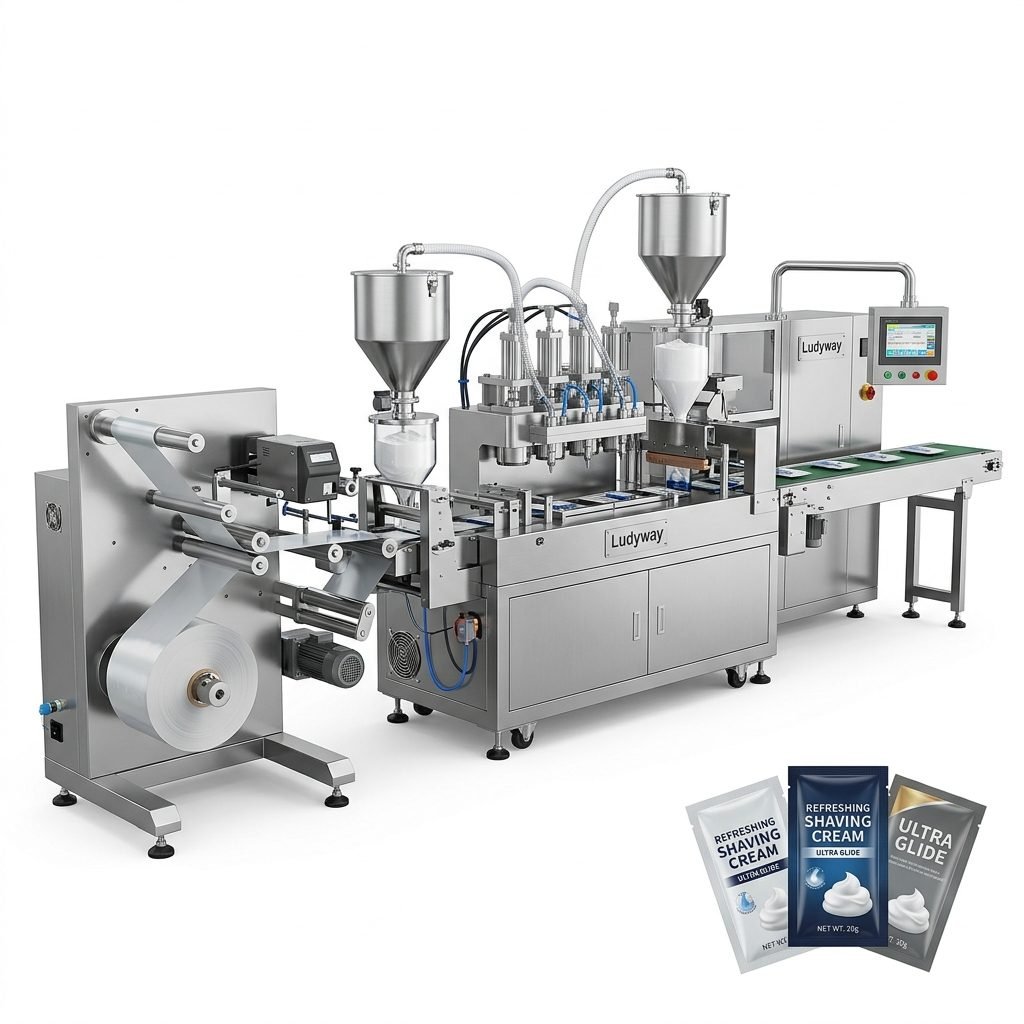
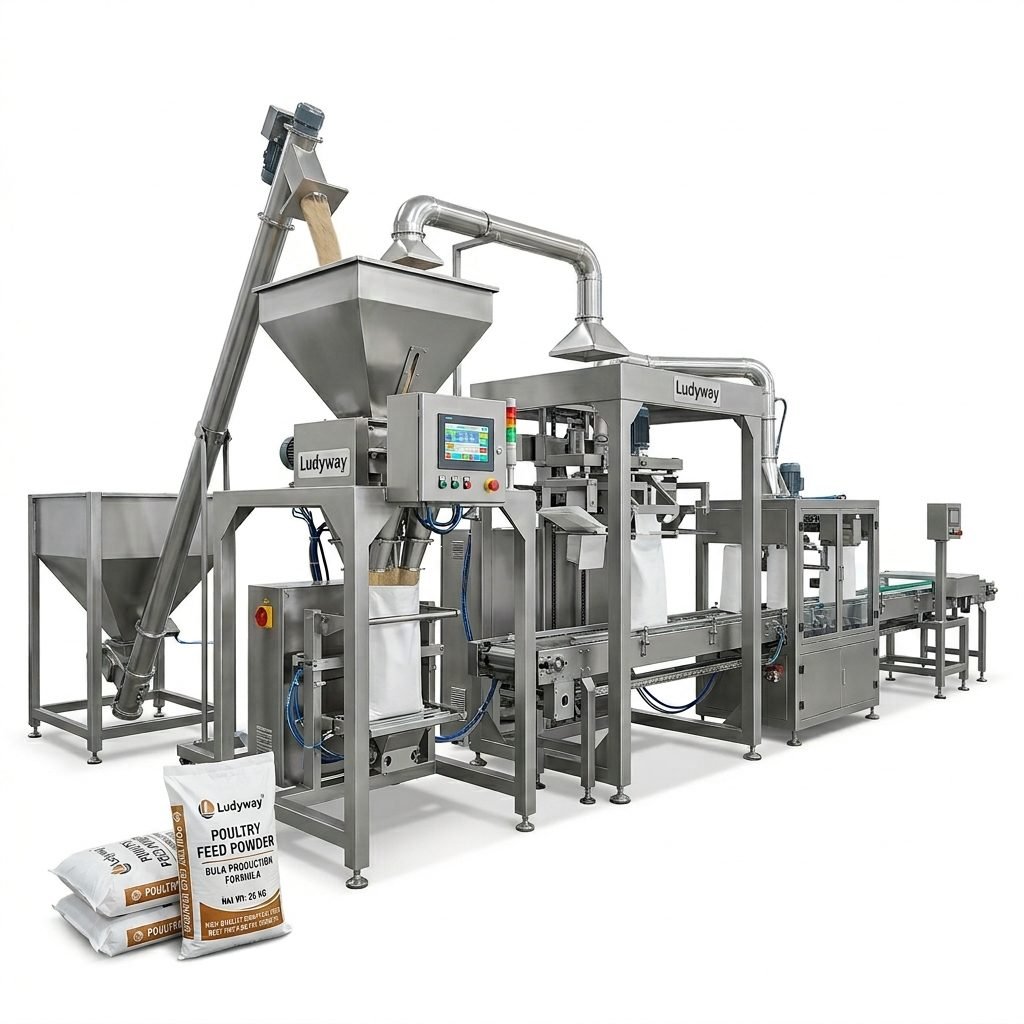
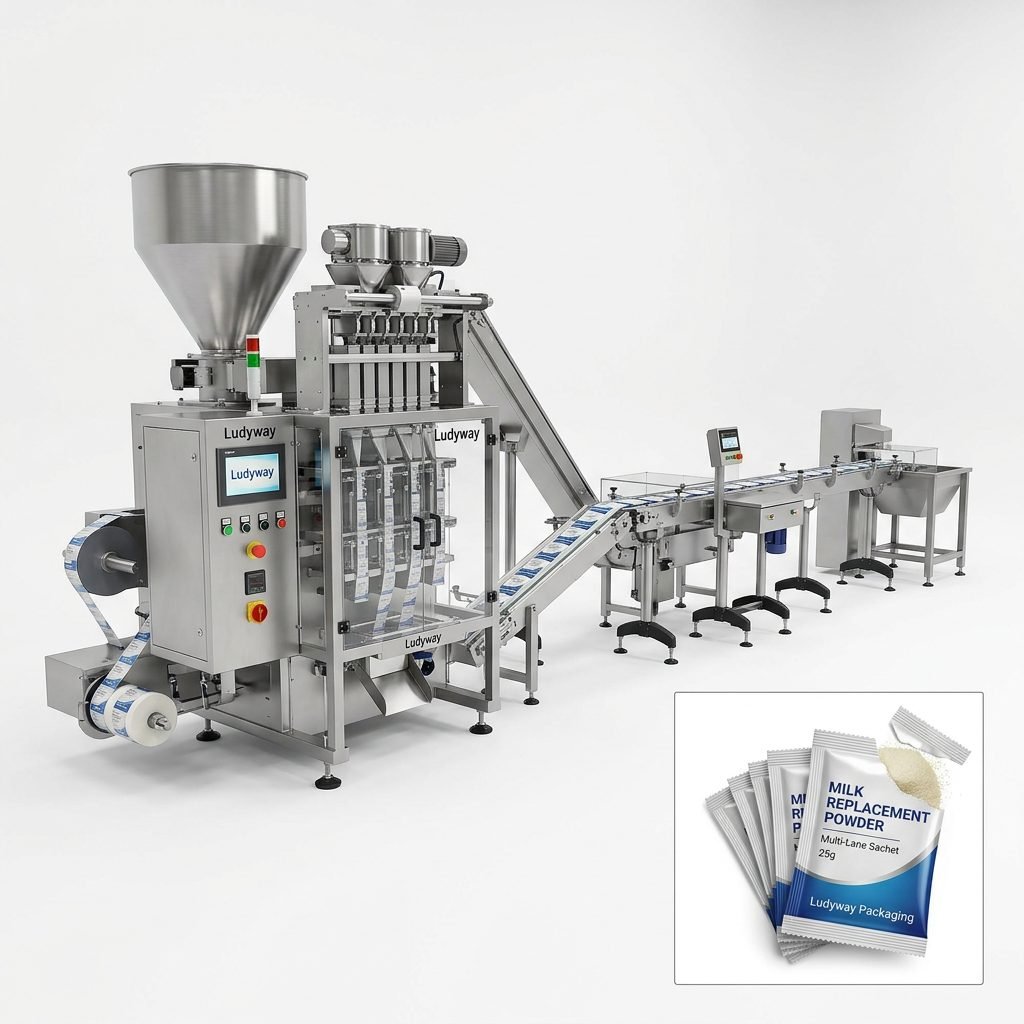
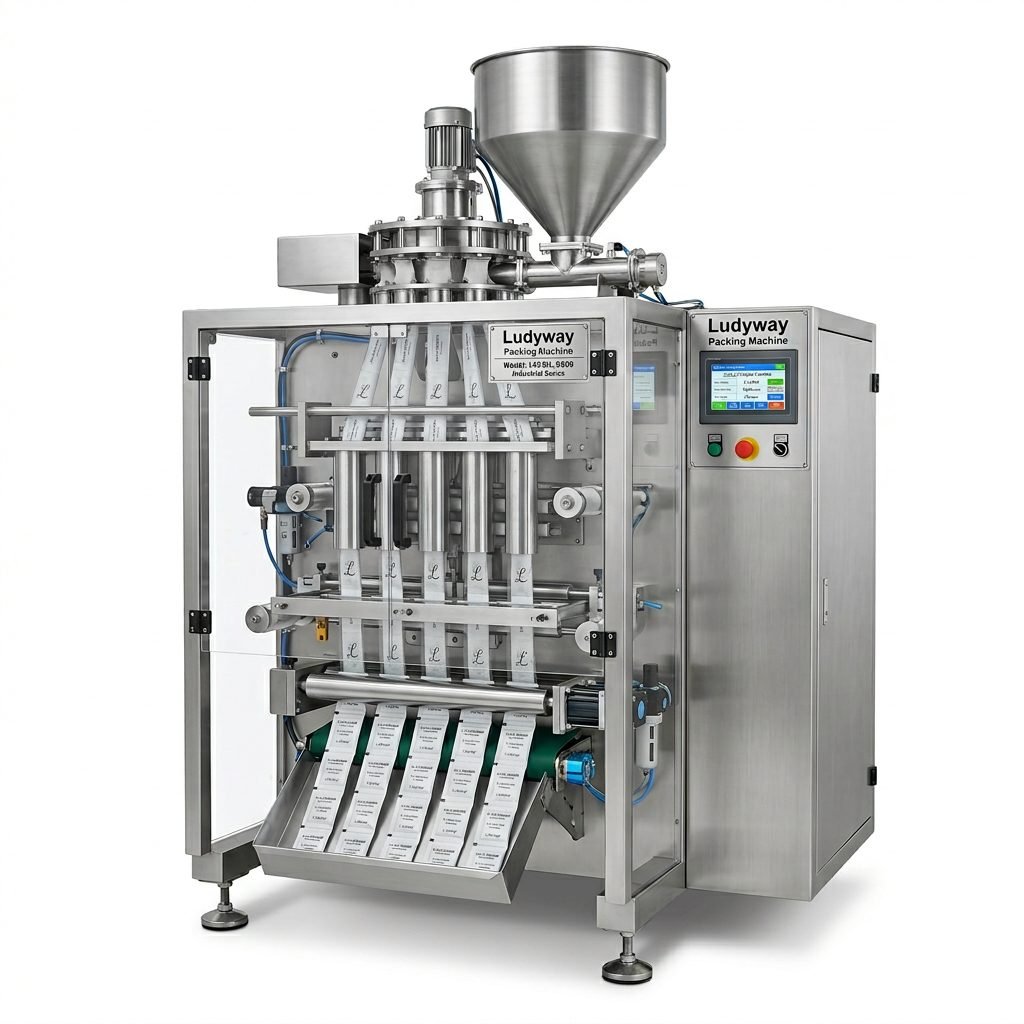
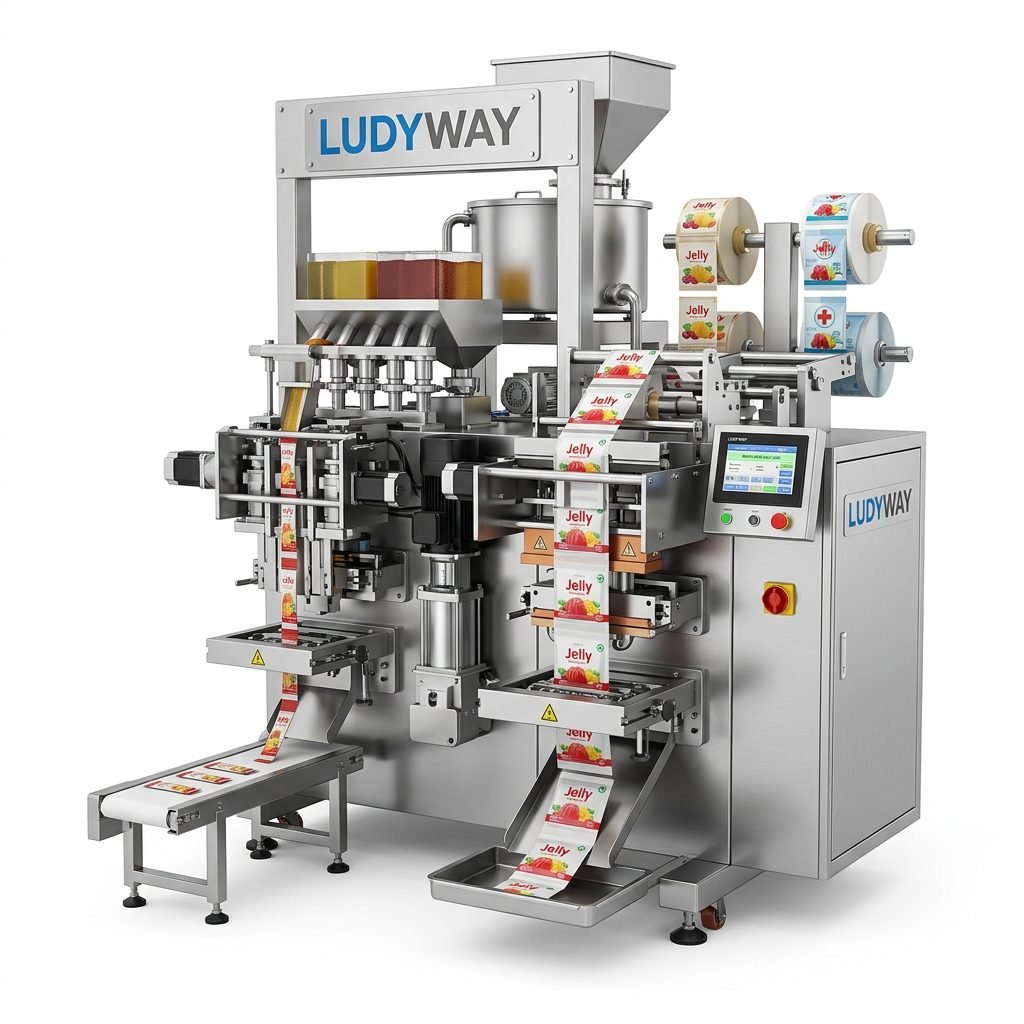
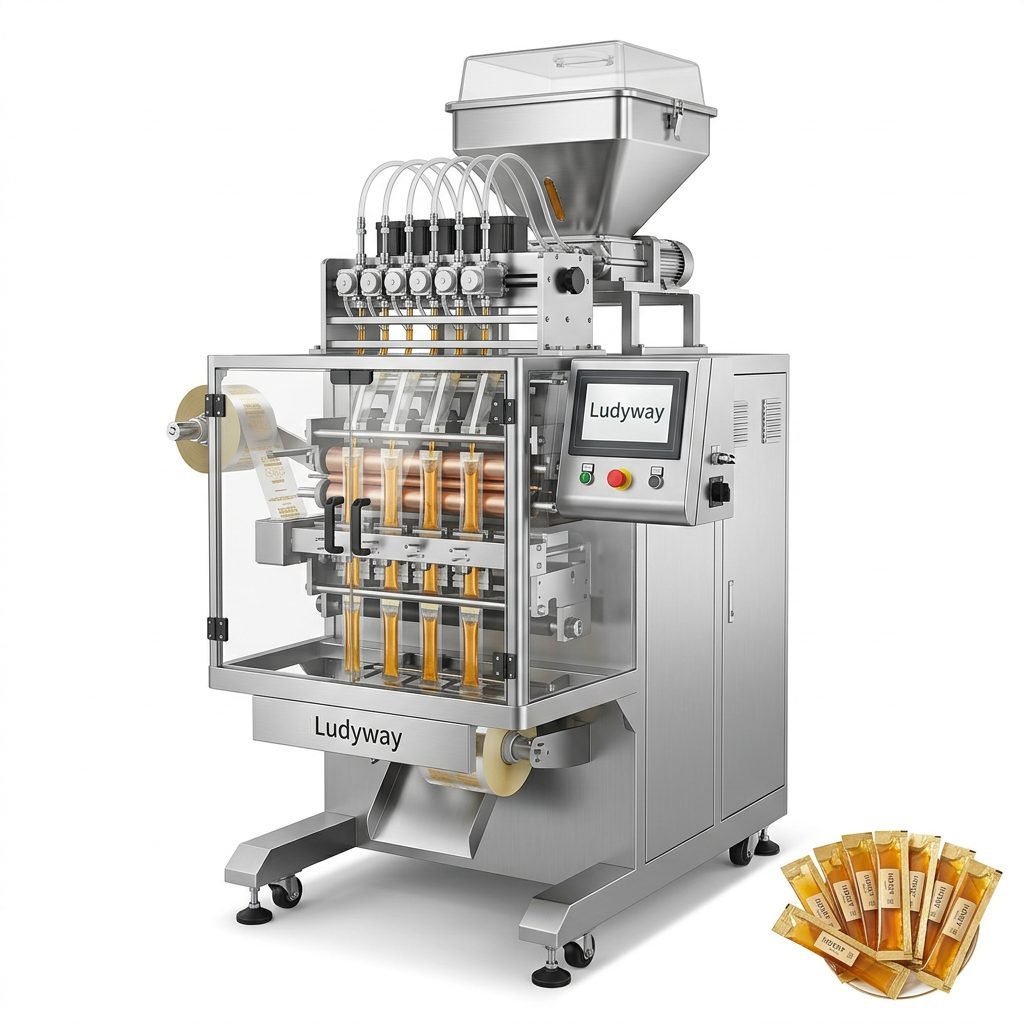
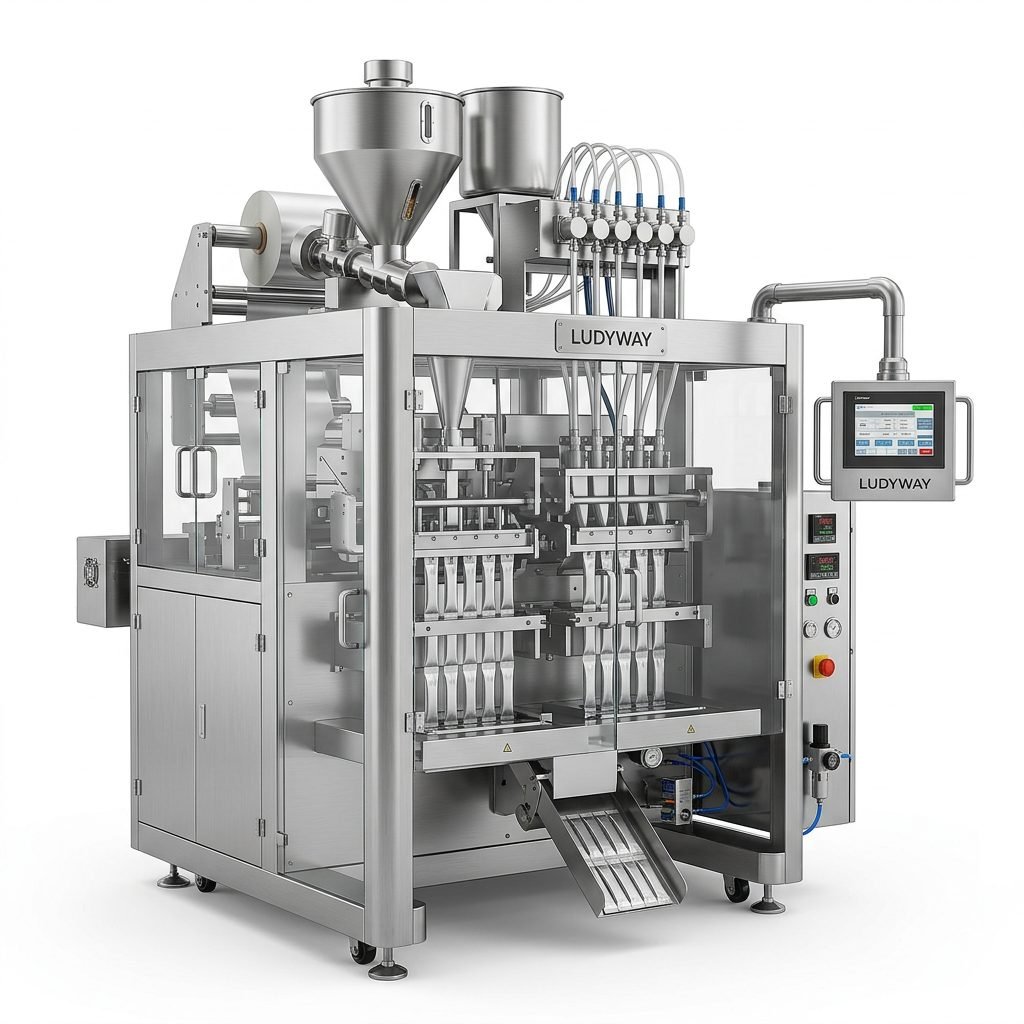
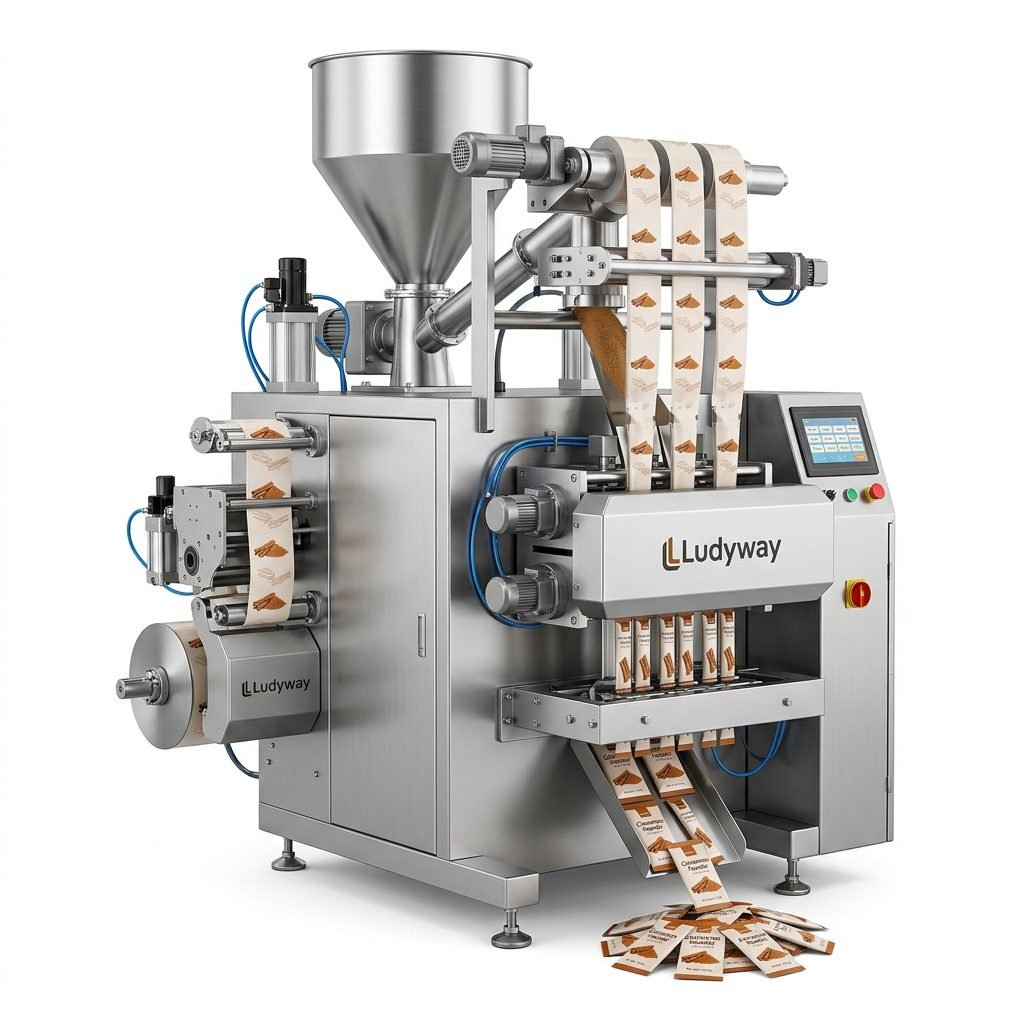
The North American cereal and snack bar market continues to expand rapidly, driven by demand for convenient, on-the-go nutrition. Setting up a dedicated cereal bar packaging line requires careful planning of equipment selection, line layout, and cost estimation. This guide provides a step-by-step overview for manufacturers entering or upgrading in this competitive segment.
Understanding Cereal Bar Packaging Formats
Cereal bars are typically packaged in flow wrap (pillow packs), stick packs, or multi-pack cartons. The primary package must provide an airtight seal to maintain texture and freshness, while secondary packaging often includes display-ready cartons or shelf-ready trays. PMMI packaging industry data shows that flexible flow wrap remains the dominant format in North America due to its high-speed capability and material efficiency.
Step 1: Define Production Capacity Goals
Before selecting machinery, determine your target output. A small to mid-sized operation may require 60–150 bars per minute, while large-scale co-packers often run at 200–400 bars per minute or higher. Your capacity goal directly influences the type of feeder, flow wrapper, and cartoning system you need. Overestimating capacity leads to unnecessary capital expenditure; underestimating can bottleneck growth within months.
Core Equipment for a Cereal Bar Line
A complete packaging line consists of several integrated machines. Below is a breakdown of the essential components:
- Automatic Bar Feeder: Aligns and spaces bars for consistent infeed into the wrapper.
- Flow Wrapping Machine: Seals each bar in a protective film pillow pack.
- Checkweigher: Verifies product weight to ensure compliance and reduce giveaway.
- Metal Detector or X-Ray System: Critical for food safety and retailer compliance.
- Cartoning or Case Packing Machine: Collates wrapped bars into boxes or shelf-ready packs.
- Palletizing System: Automates end-of-line stacking for distribution.
Step 2: Select the Right Flow Wrapper
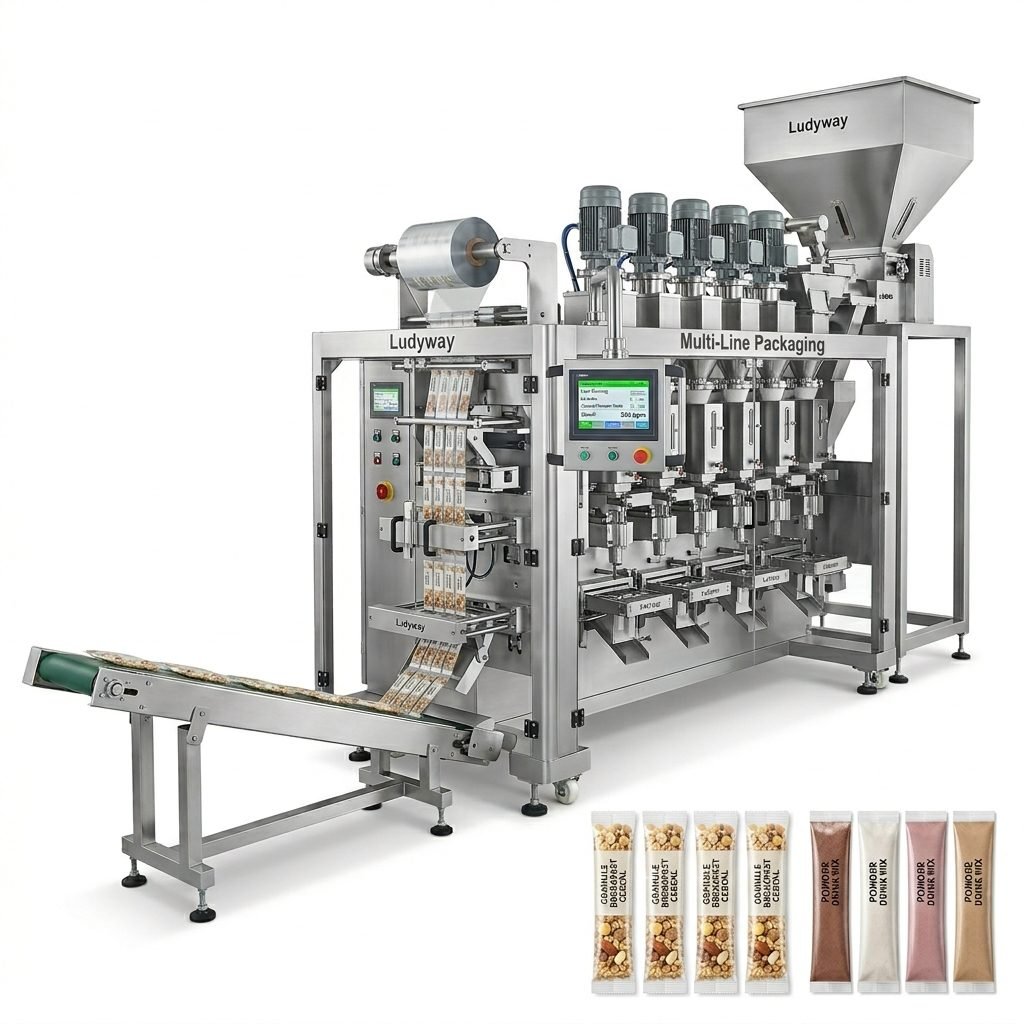
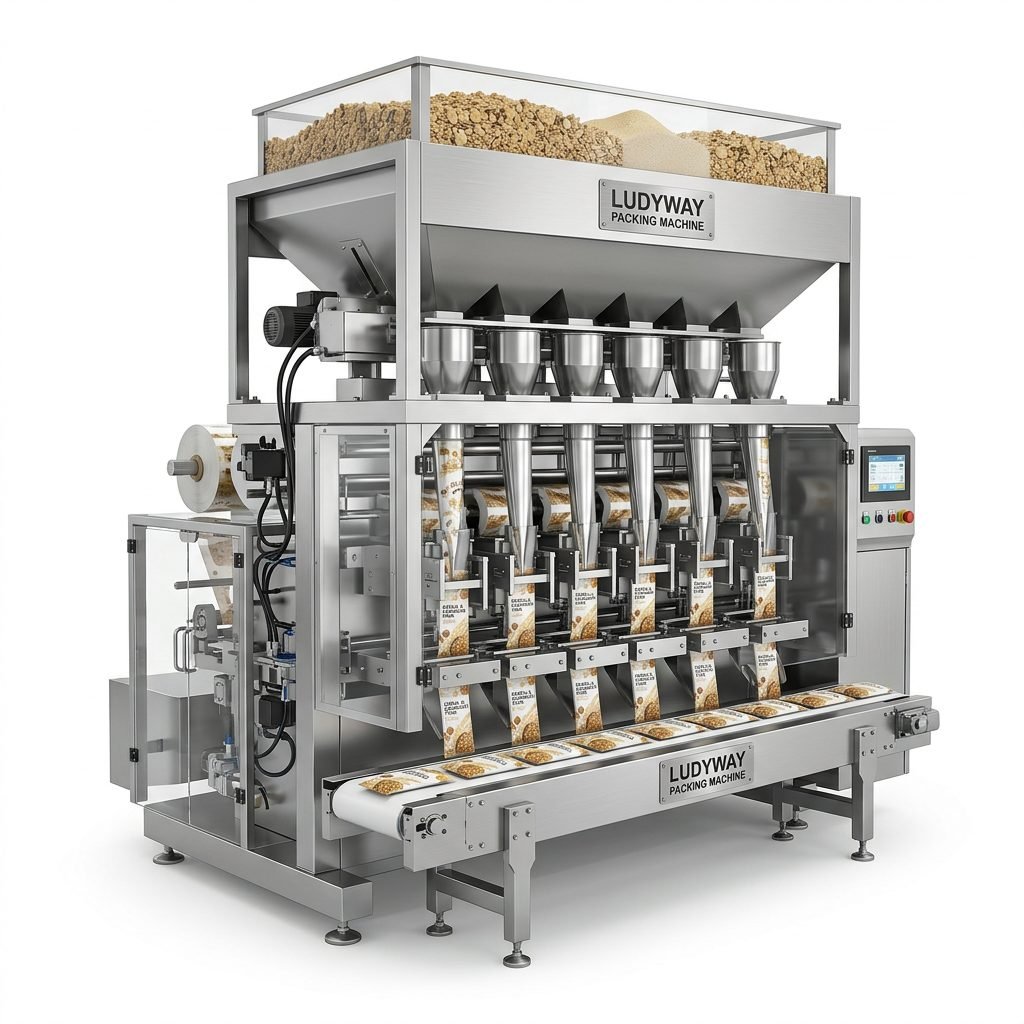
The flow wrapper is the heart of the line. For cereal bars, a horizontal form-fill-seal (HFFS) machine is standard. Key specifications to evaluate include film roll width, sealing jaw design, and gas flushing capability if modified atmosphere packaging is required. Modern servo-driven models offer quick changeover between different bar sizes and film materials. Multi-lane configurations can significantly boost output without requiring additional floor space.
Step 3: Integrate Quality Control Systems
Retailers like Costco and Walmart enforce strict weight and contamination standards. Integrating a checkweigher and metal detector or FDA-compliant inspection system on the line is not optional—it is a requirement. These systems should be placed after the flow wrapper and before cartoning. Data logging capabilities are essential for traceability and audit readiness.
Step 4: Plan End-of-Line Automation
Manual cartoning and palletizing quickly become cost-prohibitive as volume increases. An automatic case packer can load bars or multi-packs into corrugated boxes, while a robotic palletizer stacks sealed cases onto pallets for shipping. Including end-of-line automation from the start often yields a faster return on investment than retrofitting later, especially in a tight North American labor market.
Cost Estimation: Key Factors
The total capital investment for a cereal bar packaging line varies widely based on speed, automation level, and brand. Here is a general cost framework:
| Line Component | Low-Range (USD) | High-Range (USD) |
|---|---|---|
| Bar Feeder + Flow Wrapper | $55,000 | $200,000+ |
| Checkweigher & Metal Detection | $18,000 | $50,000 |
| Cartoning / Case Packing | $40,000 | $150,000 |
| Palletizing System | $45,000 | $120,000 |
| Total Estimated Line Cost | $160,000 – $520,000+ | |
Note: Costs are approximate and depend on customization, speed, and regional installation factors. Shipping, installation, and training are typically additional.
Key Considerations for the North American Market
- UL/CSA Certification: Electrical components must meet North American safety standards.
- Material Compatibility: Lines should handle recyclable or compostable films increasingly demanded by brands and consumers.
- Service & Support: Rapid access to spare parts and technical support minimizes costly downtime.
Turnkey Solutions and Supplier Selection
Many manufacturers prefer a single-source turnkey packaging line supplier to manage integration, controls, and after-sales service. A well-designed line from one partner simplifies troubleshooting and often reduces total project cost compared to assembling components from multiple vendors. When evaluating suppliers, request a detailed factory acceptance test (FAT) protocol and inquire about remote support capabilities, which are critical for operations with limited on-site engineering staff.
Floor Space and Facility Requirements
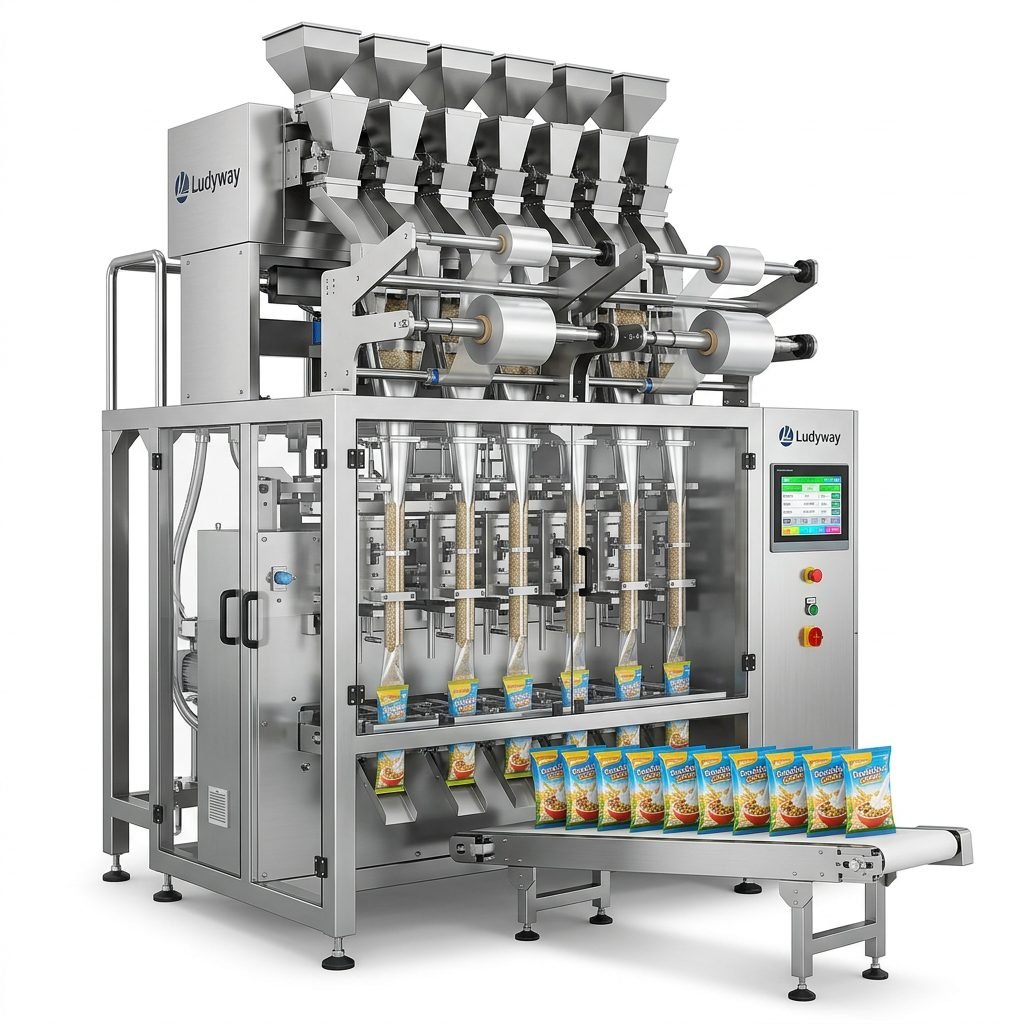
A typical cereal bar packaging line requires 1,500 to 3,500 square feet of floor space, including operator walkways and material staging areas. Ensure your facility provides adequate power supply (often 480V three-phase for North American plants), compressed air, and proper ventilation. Ceiling height should accommodate hoppers and material feed systems, especially when integrating gravity-fed multi-head weighers or seed dispensers for bars with particulate toppings.
Quick Checklist for Line Setup
- Confirm UL/CSA certification for all control panels.
- Validate film sealing temperature range for your specific bar formulation.
- Test gas flush efficiency if extending shelf life beyond 6 months.
- Plan conveyor height transitions to minimize product damage.
- Allocate budget for annual maintenance and spare wear parts.
Working with an Experienced Partner
Ludyway is a specialized packaging machinery manufacturer with over 30 years of experience serving food and health product manufacturers across more than 100 countries. The company provides turnkey packaging line solutions—from flow wrappers and multi-lane stick pack machines to cartoning and palletizing systems—engineered to meet international quality, safety, and performance standards. With a modern 20,000㎡ production facility and an expert engineering team, Ludyway supports manufacturers in configuring customized equipment packages that align with specific production goals and regulatory requirements. Contact Ludyway to discuss your cereal bar packaging line project.
Industry Resources for Further Reading
For deeper insight into packaging standards and market trends, explore these authoritative sources:
- PACK EXPO International – Leading North American packaging trade show
- Flexible Packaging Association – Industry data and regulatory resources
- ISO Packaging Standards – International quality and safety benchmarks