The packaging industry is entering a decisive phase of transformation. By 2026, digital factories are no longer being viewed as experimental upgrades or premium-only investments. They are rapidly becoming the mainstream operating model for manufacturers that want to stay competitive in speed, quality, traceability, and cost control.
Across food, pharmaceutical, personal care, chemical, and health product packaging, factories are moving away from isolated machines and fragmented management systems. In their place, the market is adopting connected production environments where equipment, software, operators, maintenance teams, and supply chain data work together in real time.
Why Digital Factories Are Becoming the Packaging Standard
Several industry forces are accelerating this shift. Packaging buyers are demanding shorter lead times, greater SKU flexibility, better product safety, and more reliable output. At the same time, manufacturers are facing labor pressure, rising compliance requirements, and tighter margins. Traditional production models are finding it harder to respond efficiently.
- Real-time visibility across production lines and plant operations
- Faster changeovers for multi-format and multi-product packaging
- Higher consistency in filling, sealing, coding, and inspection
- Reduced downtime through predictive maintenance and digital alerts
- Improved compliance with data recording and batch traceability
- Lower waste through process optimization and better line balancing
In practical terms, a digital factory allows packaging businesses to see what is happening at every production stage instead of reacting after losses have already occurred. This is especially valuable in sectors where packaging precision and documentation directly affect brand reputation and regulatory performance.
What a Digital Packaging Factory Looks Like in 2026
A digital factory is not defined by one machine or one software dashboard. It is a coordinated ecosystem. In 2026, the most competitive packaging operations are being built around integrated automation, intelligent controls, and data-driven decision-making.
Core elements now shaping the mainstream model
- Connected packaging machines with centralized monitoring
- Recipe management for different product formats and materials
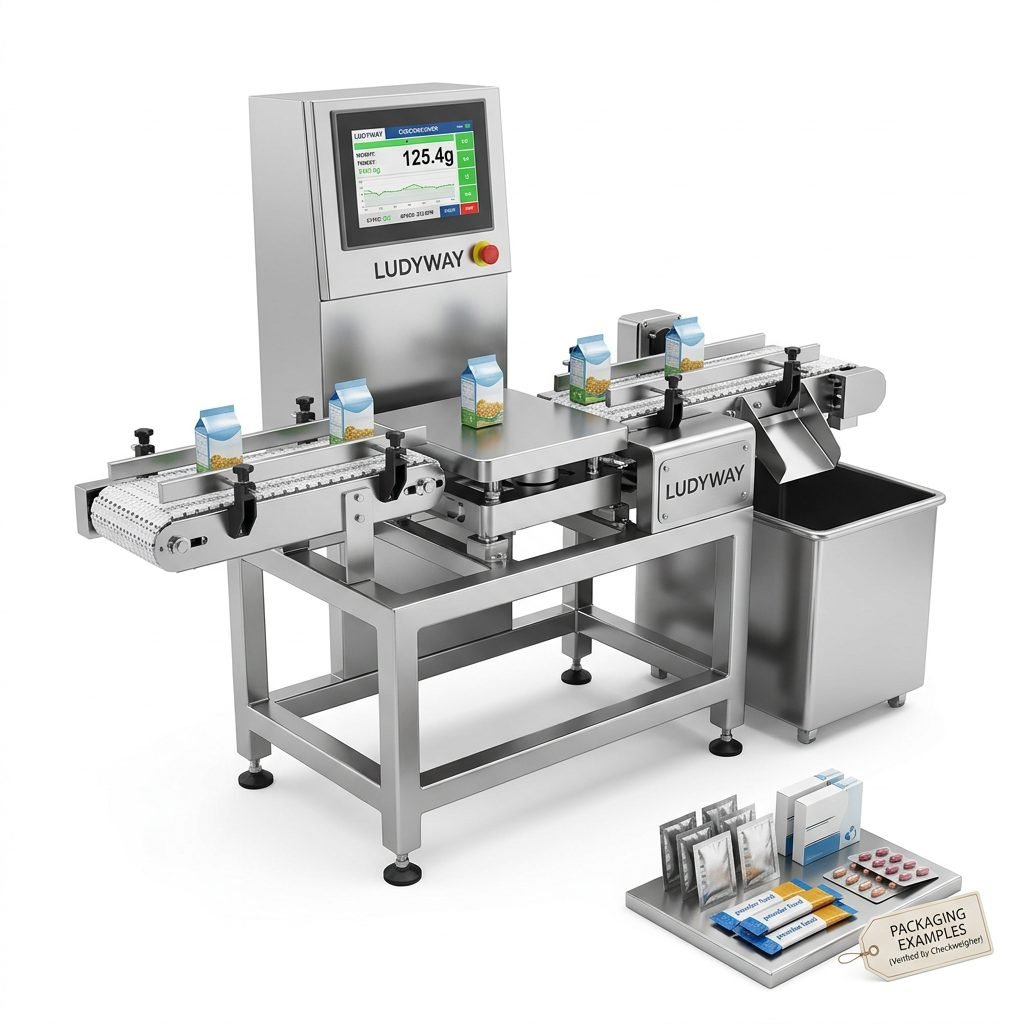
- Production data collection from fillers, sealers, conveyors, checkweighers, and coding systems
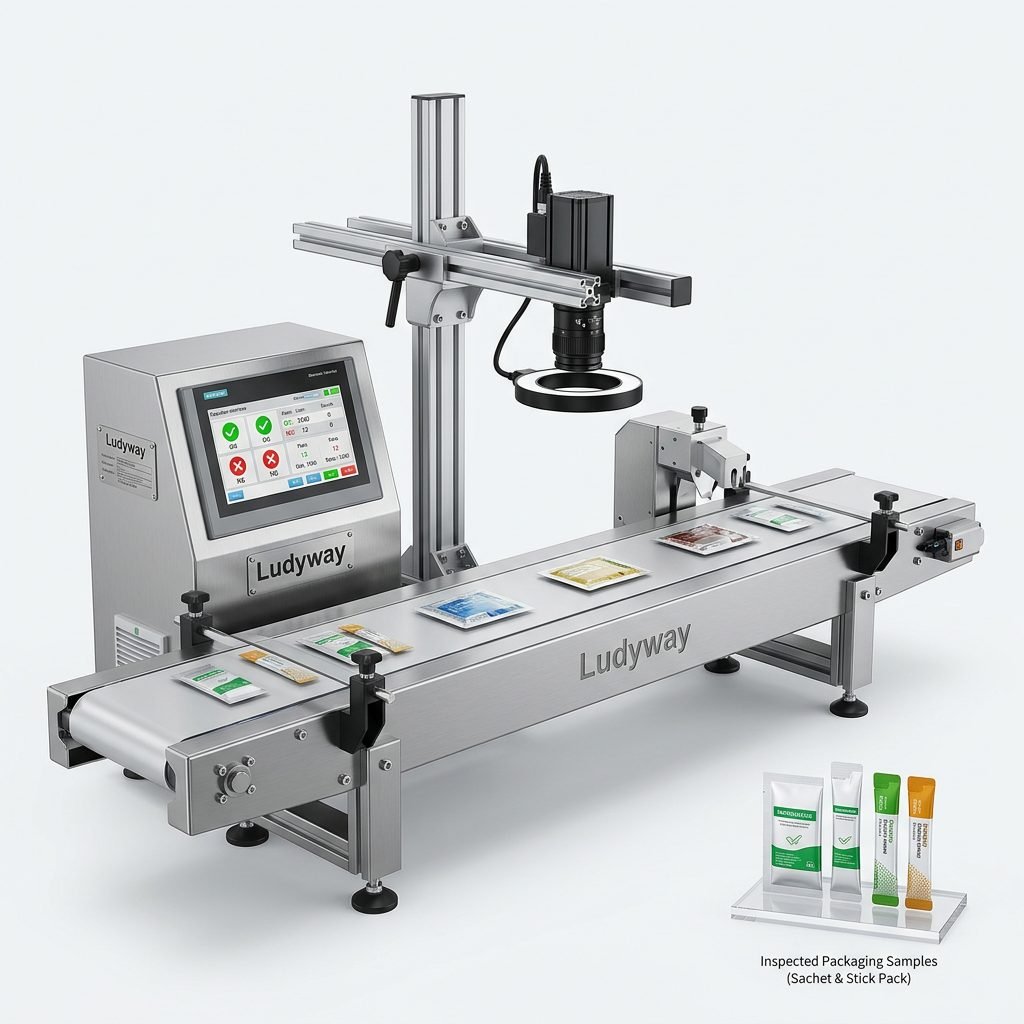
- Automated rejection, quality inspection, and reporting workflows
- Predictive maintenance scheduling based on machine performance data
- Integration with ERP, MES, warehouse, and traceability systems
- Remote technical support and diagnostics for faster service response
| Digital Factory Capability | Operational Benefit | Packaging Impact |
|---|---|---|
| Live machine data tracking | Faster response to abnormalities | Less downtime and more stable output |
| Automated recipe control | Simplified product switching | Higher flexibility for sachets, stick packs, pouches, and bottles |
| Digital quality records | Better traceability and audits | Stronger compliance in food and pharma packaging |
| Predictive maintenance tools | Reduced unplanned stops | Improved OEE and maintenance efficiency |
| Integrated line analytics | Improved line balancing | Higher throughput with lower waste |
Industries Leading the Shift
Not every segment is moving at the same pace, but the direction is clear. High-volume and compliance-sensitive industries are leading adoption because the business case is strongest there.
Food packaging
Food producers are investing in digital lines to improve portion accuracy, packaging speed, allergen management, coding accuracy, and packaging material efficiency. Rapid product launches and SKU variation are making smart line control increasingly important.
Pharmaceutical and health supplement packaging
These sectors require precise dosing, inspection reliability, batch traceability, and process documentation. Digital factories support these needs by creating connected records from filling to final pack-out.
Cosmetic and personal care packaging
As brands expand into travel-size formats, sample sachets, and high-mix product ranges, digital packaging lines help manufacturers manage smaller batch runs without sacrificing efficiency.
Chemical and household product packaging
For powders, liquids, and specialty materials, digital monitoring helps improve filling precision, operator safety, packaging integrity, and production repeatability.
The Rise of Turnkey Smart Packaging Lines
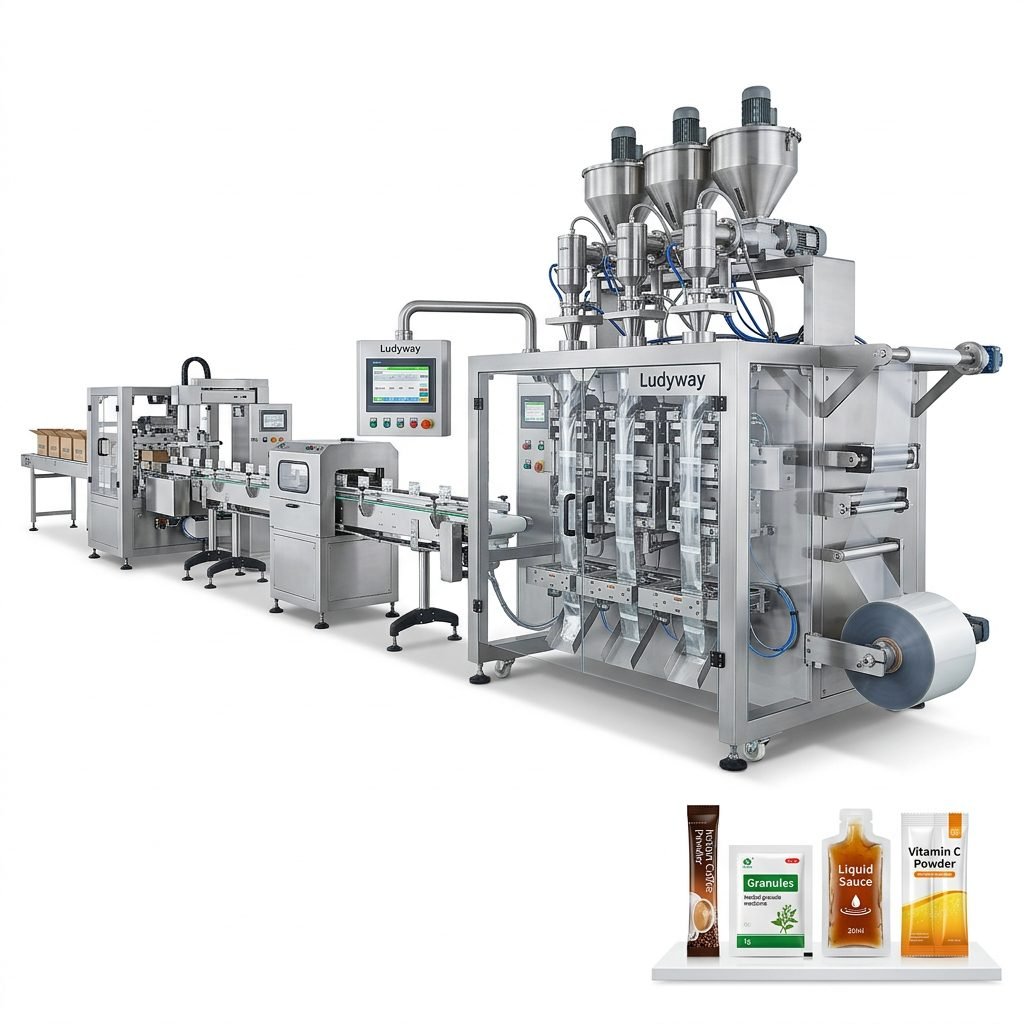
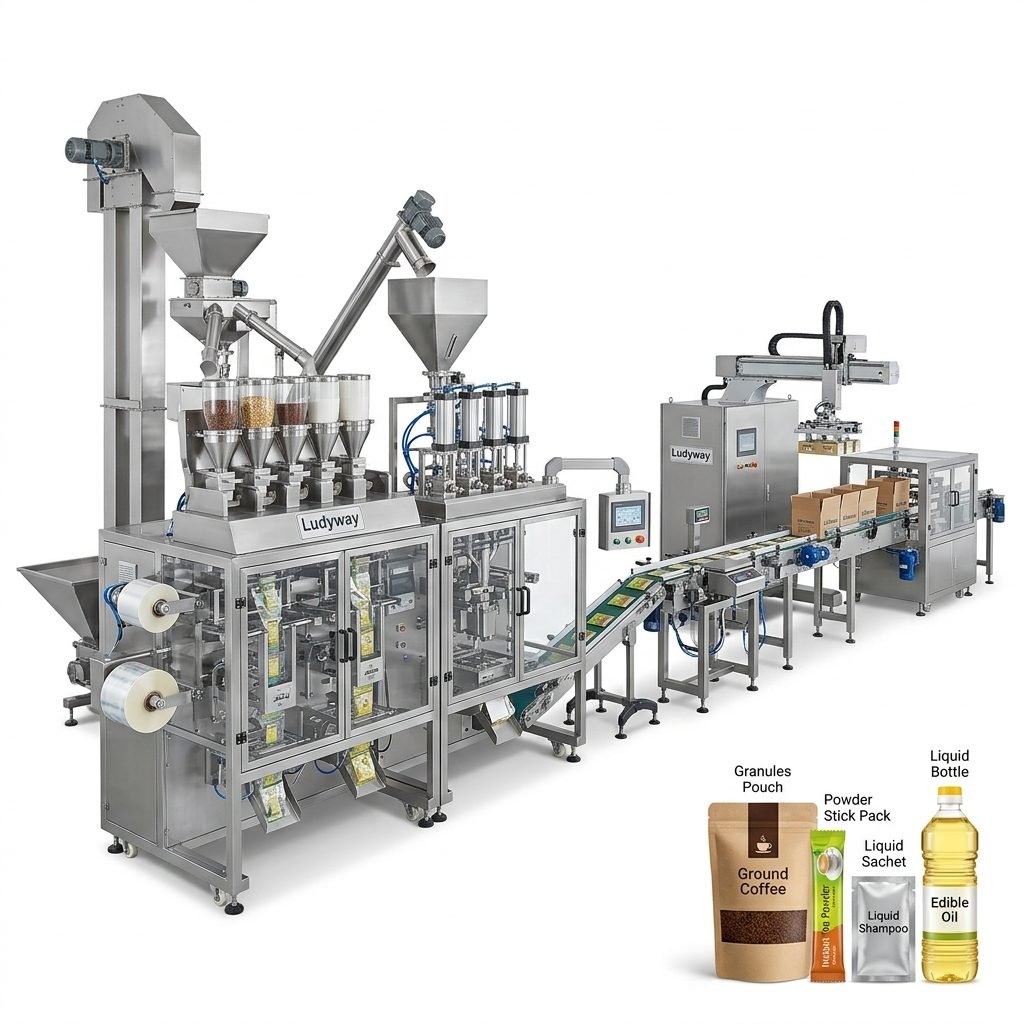
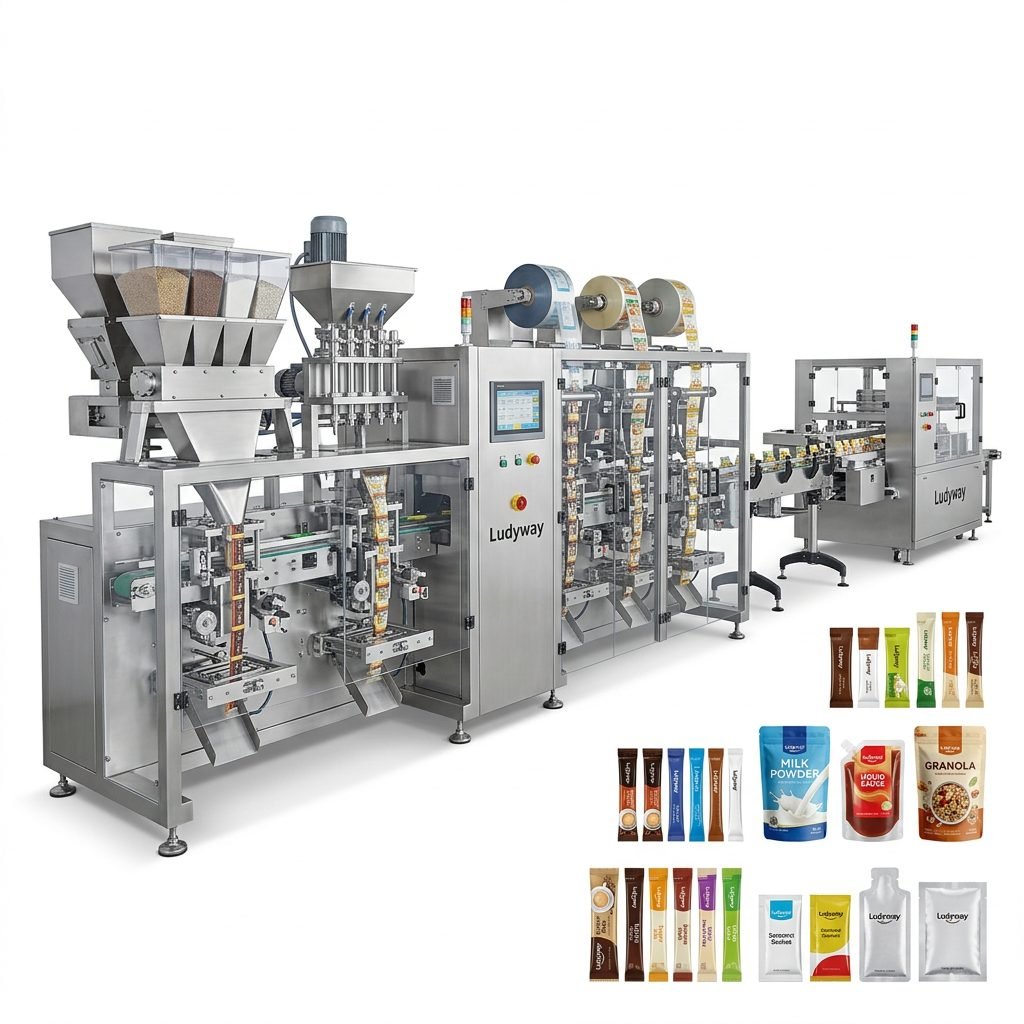
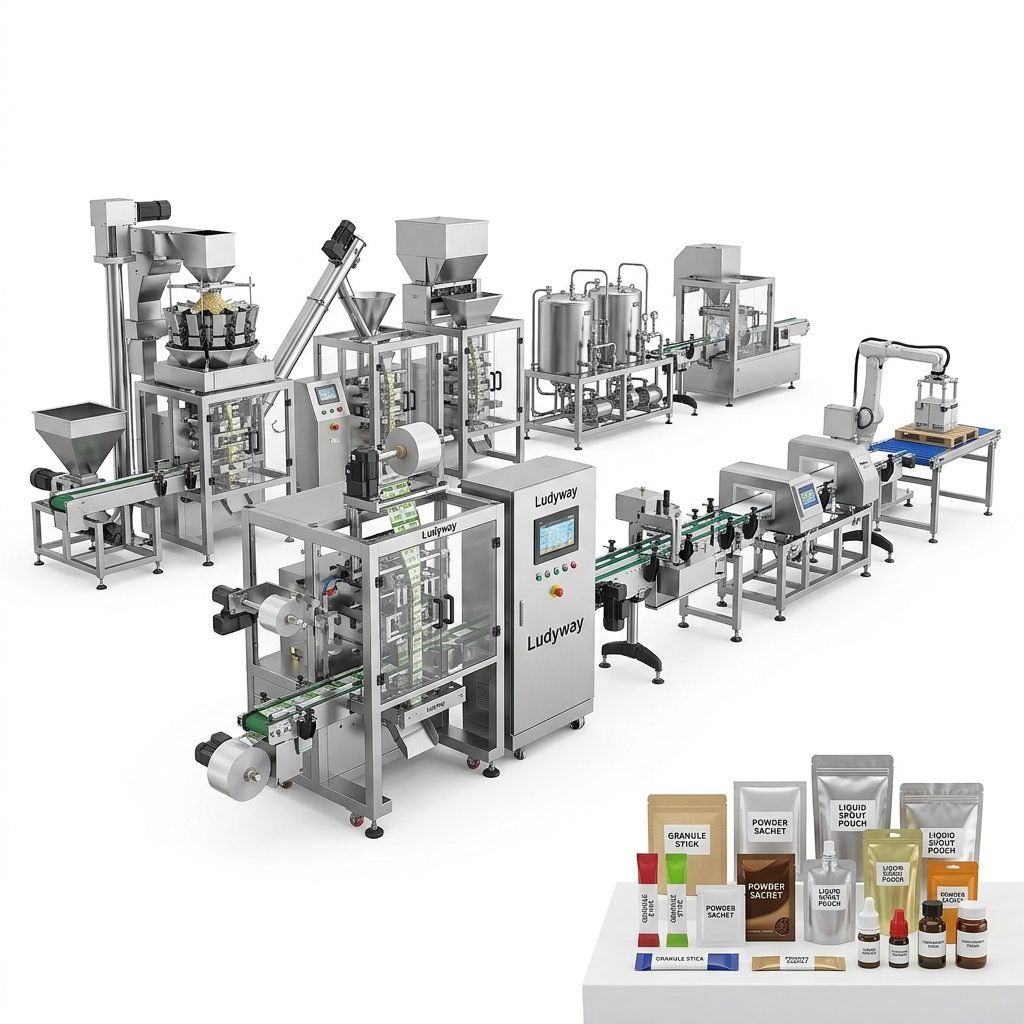
One of the biggest changes in 2026 is that buyers increasingly prefer turnkey integrated lines over standalone equipment purchases. Instead of connecting separate machines from multiple suppliers, manufacturers are choosing packaging partners that can design complete, data-ready production systems from feeding to final discharge, inspection, cartoning, and end-of-line handling.
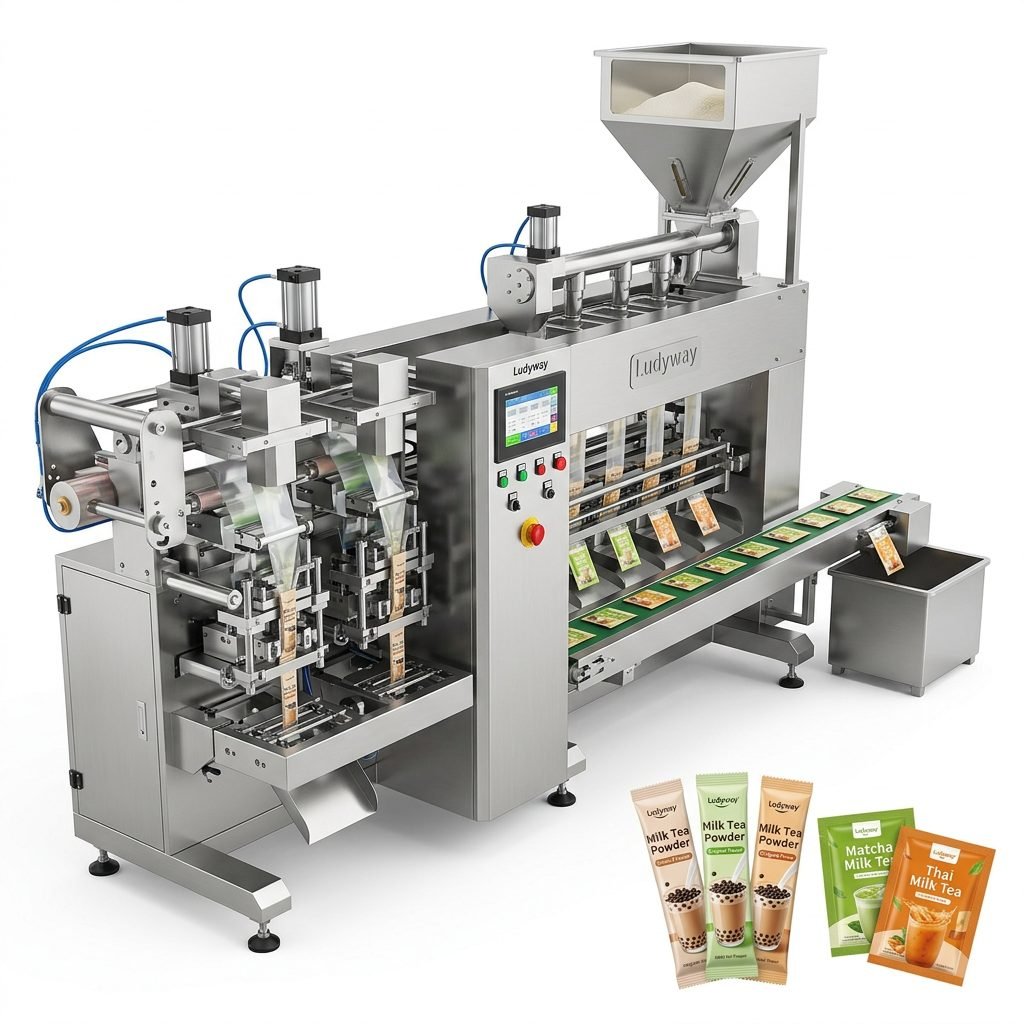
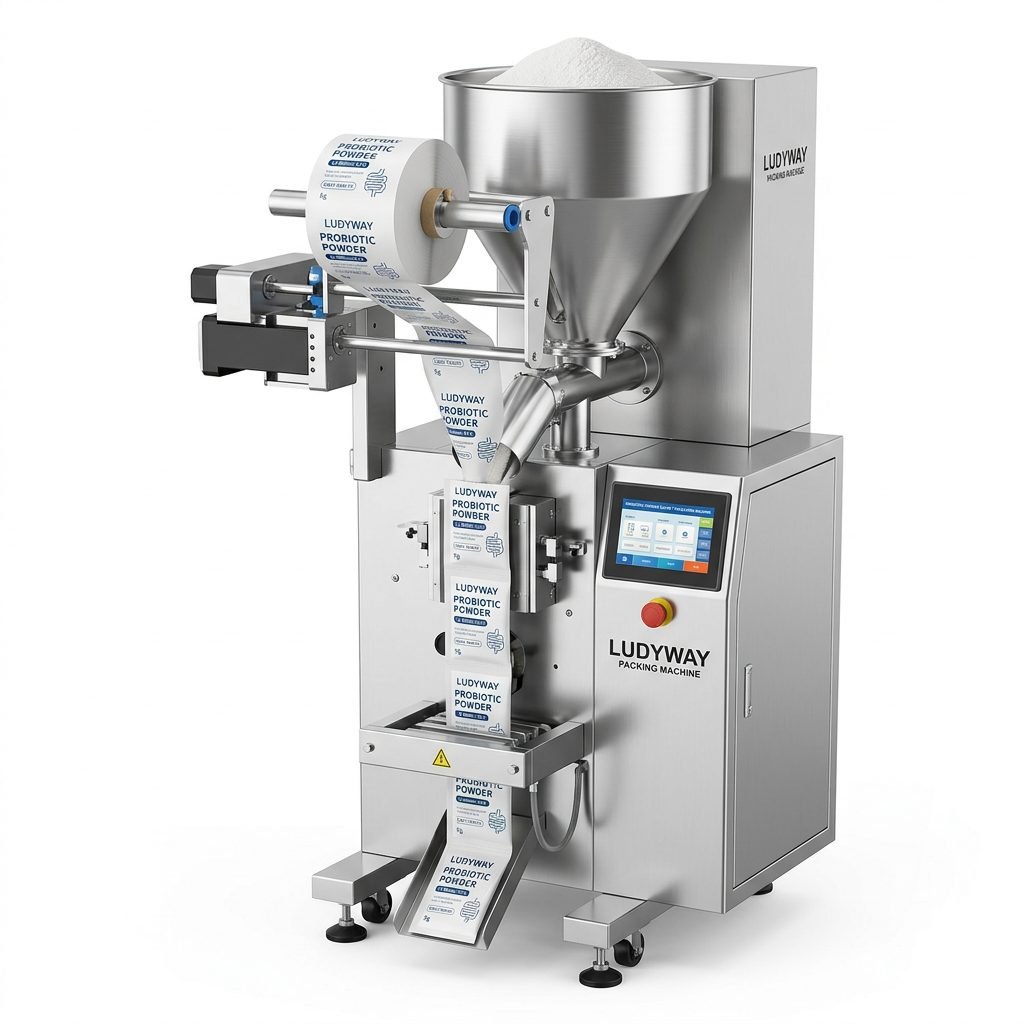
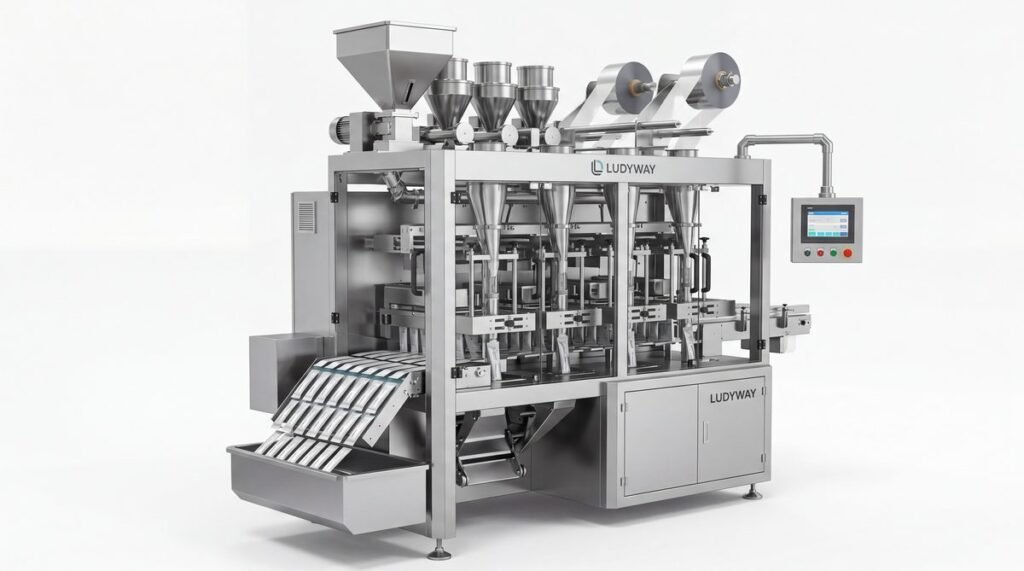
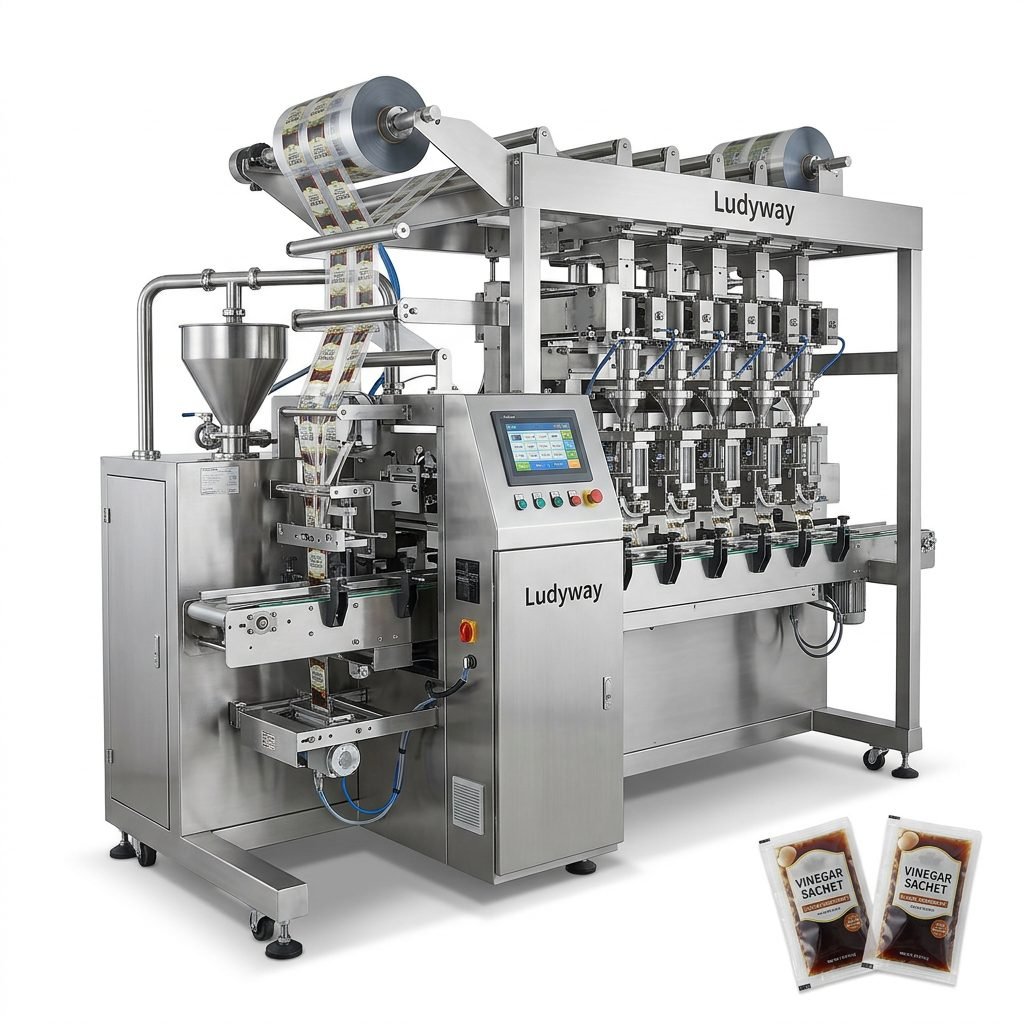
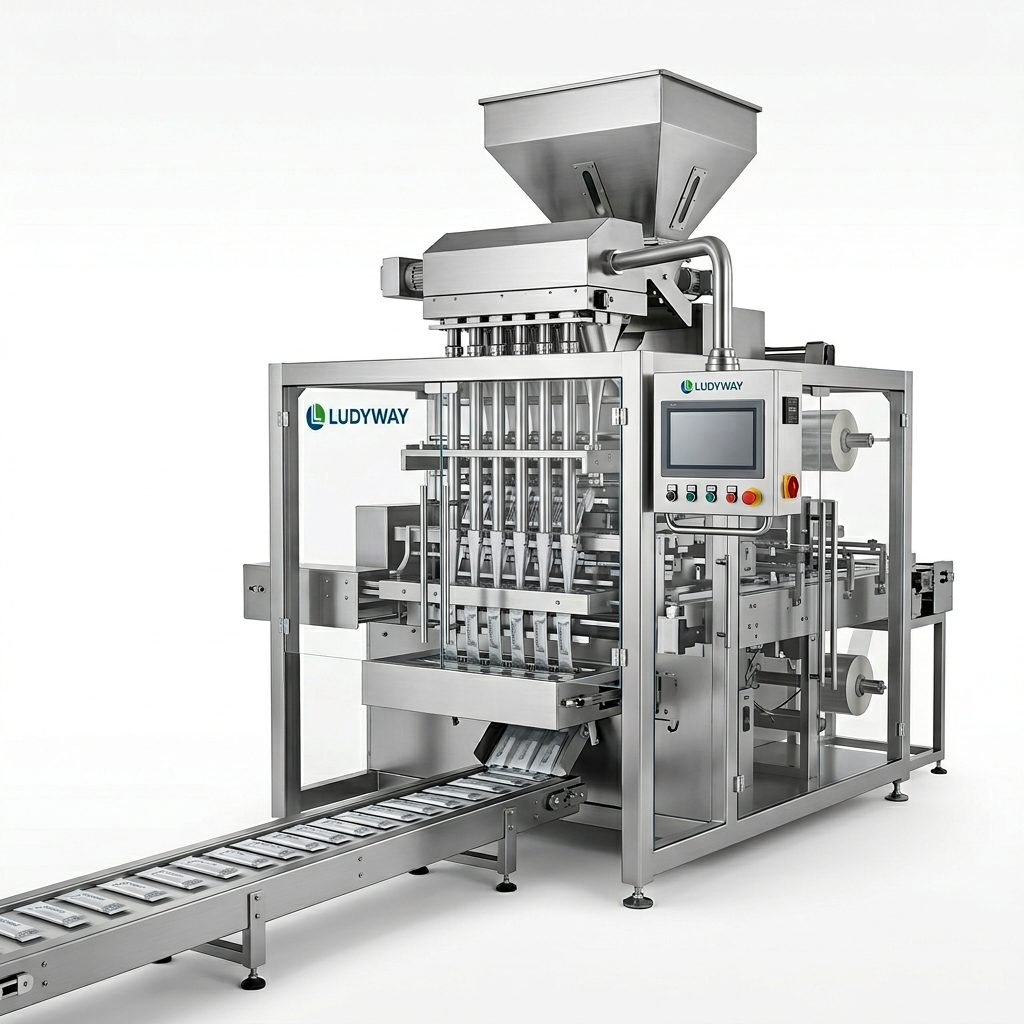
This is where established manufacturers such as Ludyway packaging machine manufacturer are gaining attention in global markets. With more than 30 years of experience, a manufacturing base of over 20,000 square meters, and broad capabilities in standalone machinery and turnkey packaging lines, the company reflects the wider market trend toward scalable automation and smarter production integration.
What Packaging Buyers Are Looking for Now
The conversation has shifted from “How fast is the machine?” to “How intelligent is the line?” Buyers in 2026 are evaluating packaging investments from a broader operational perspective.
| Buyer Priority | Why It Matters in 2026 |
|---|---|
| Line connectivity | Enables centralized control and production transparency |
| Flexible format handling | Supports frequent SKU changes and diverse packaging styles |
| Traceability | Essential for food safety, pharma compliance, and recall readiness |
| Service responsiveness | Reduces downtime through remote support and faster troubleshooting |
| Long-term scalability | Protects future investment as production demand grows |
Challenges Still Facing the Transition
Although digital factories are becoming mainstream, adoption does not happen automatically. Some manufacturers still face barriers such as legacy equipment, fragmented software environments, workforce training gaps, and concerns over implementation costs.
- Legacy lines that are difficult to integrate
- Limited internal digital engineering capabilities
- Concerns about production interruptions during upgrades
- Need for clearer ROI measurement
- Cybersecurity and data management requirements
However, these challenges are increasingly being addressed through modular upgrade paths, phased integration strategies, and supplier support models that combine machinery, engineering, commissioning, and after-sales service.
What 2026 Means for the Future of Packaging Manufacturing
The most important takeaway is clear: digitalization is no longer a side project in packaging. It is becoming the basis of competitive manufacturing. Plants that can connect equipment, digitize production intelligence, and automate decision-making are in a stronger position to deliver speed, consistency, and compliance at scale.
In 2026, digital factories are set to define the industry’s new baseline. For packaging manufacturers and brand owners alike, the question is no longer whether this model will dominate, but how quickly they can adapt to it.
Key market signals to watch
- More demand for integrated turnkey lines rather than isolated machine purchases
- Greater use of real-time production analytics in day-to-day operations
- Faster investment in smart inspection and traceability for regulated sectors
- Broader acceptance of remote diagnostics and digital service support
- Higher buyer focus on flexible automation for mixed-product packaging environments
For businesses planning their next packaging investment cycle, the message from the market is straightforward: the future factory is connected, intelligent, and increasingly expected by default.