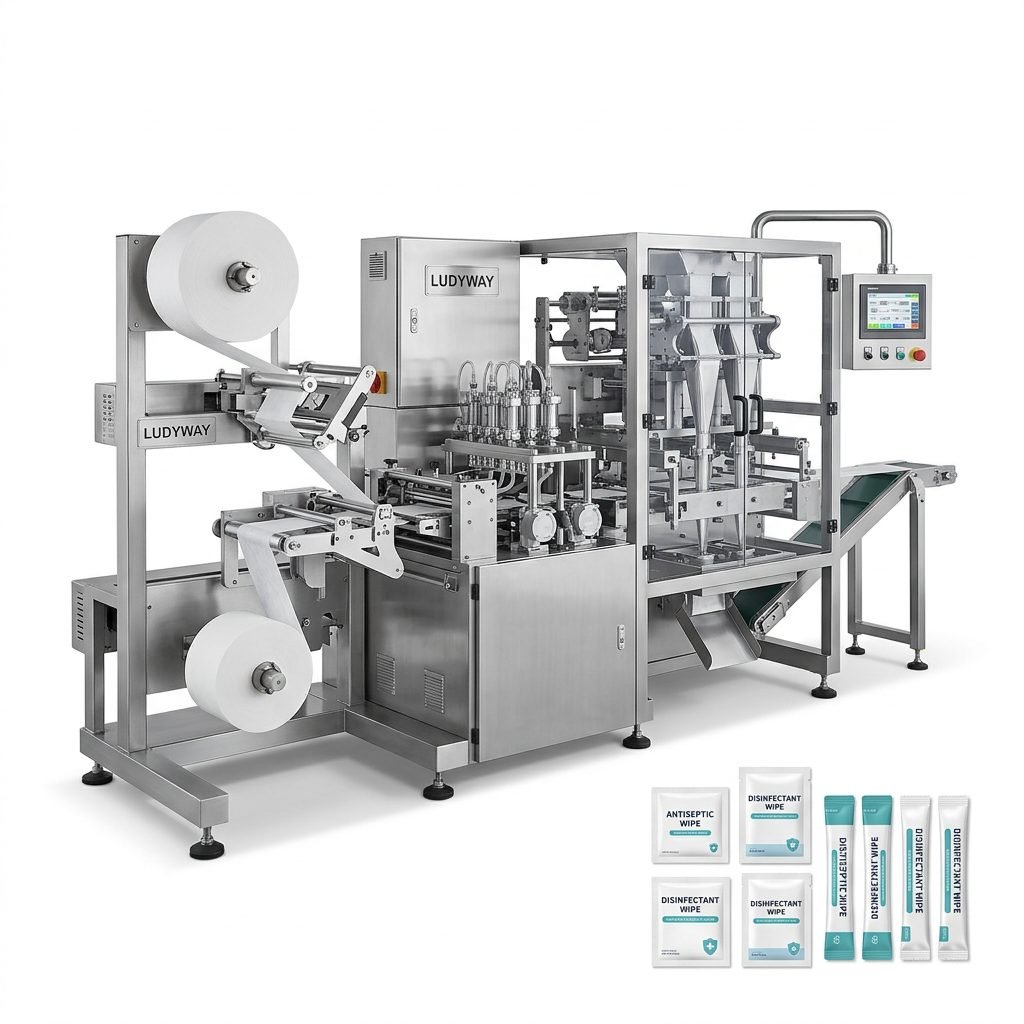
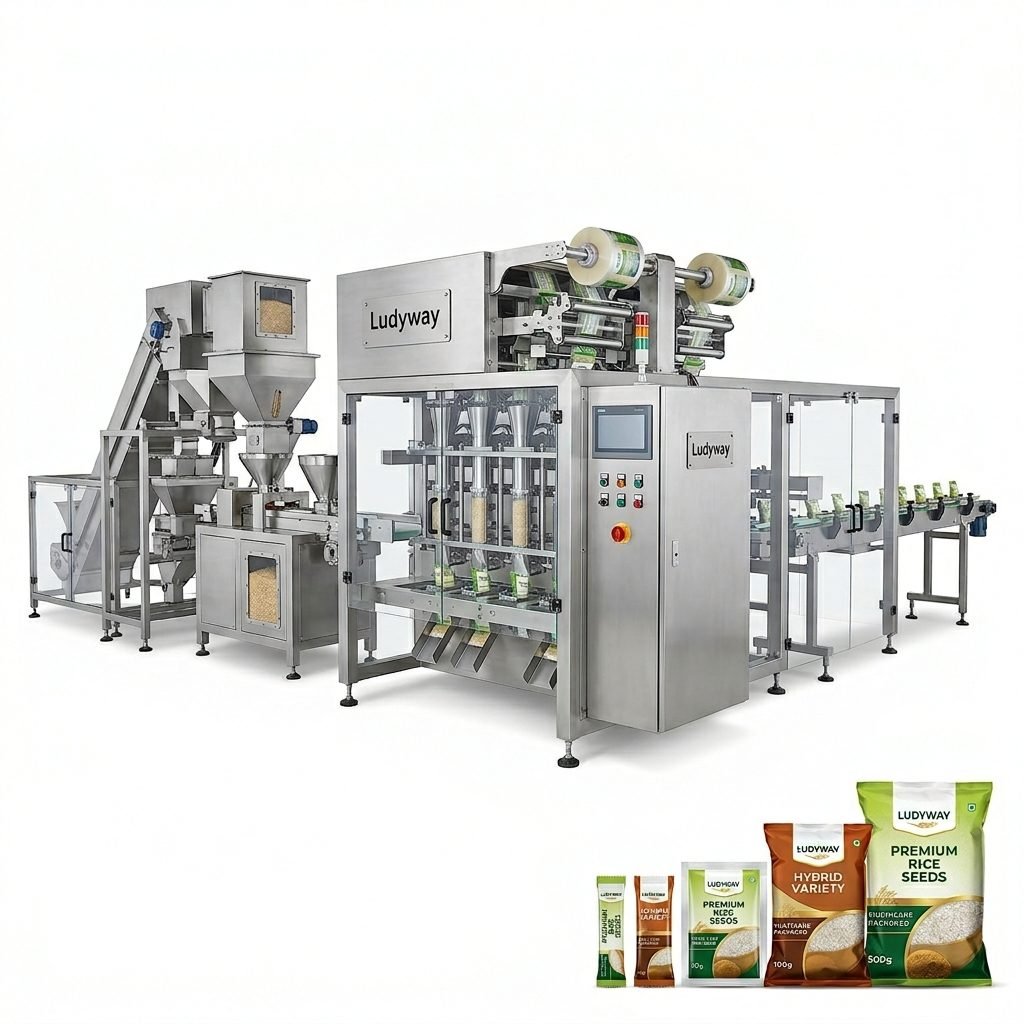
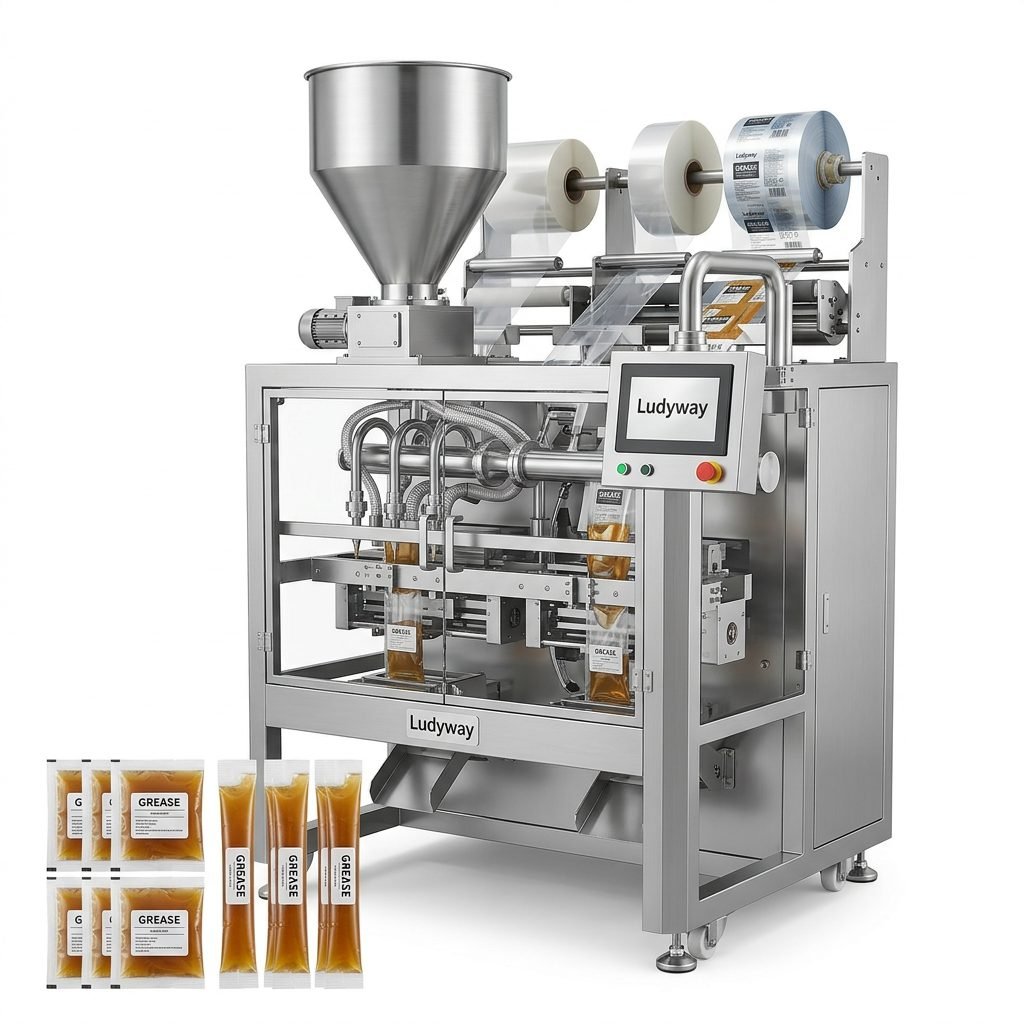
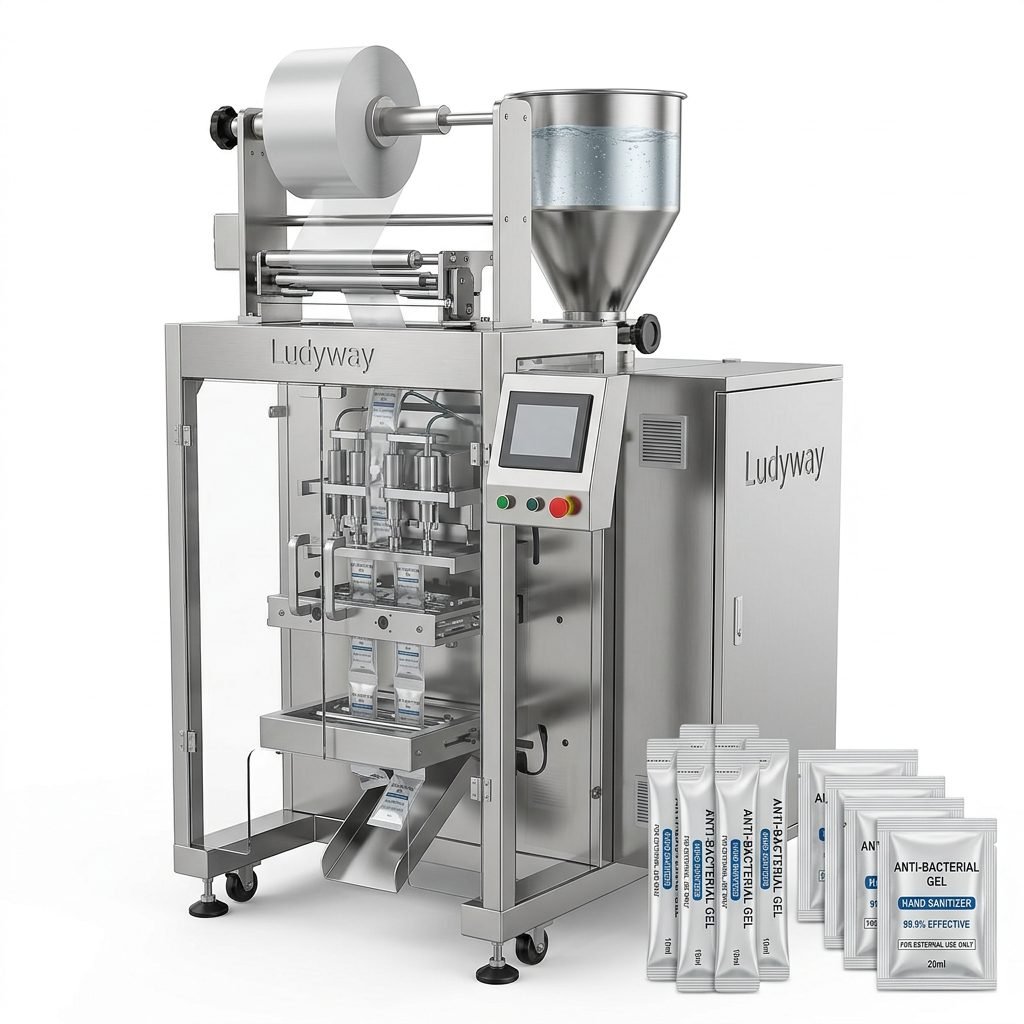
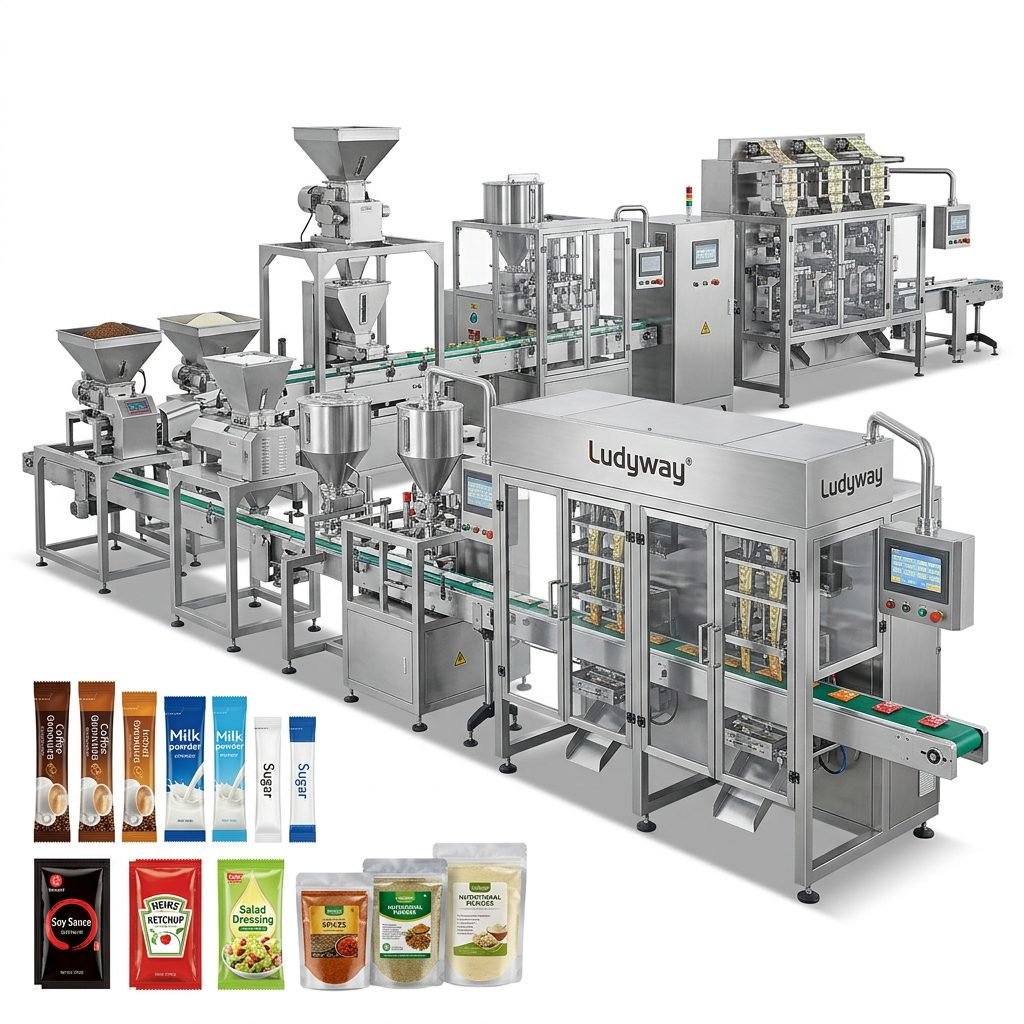
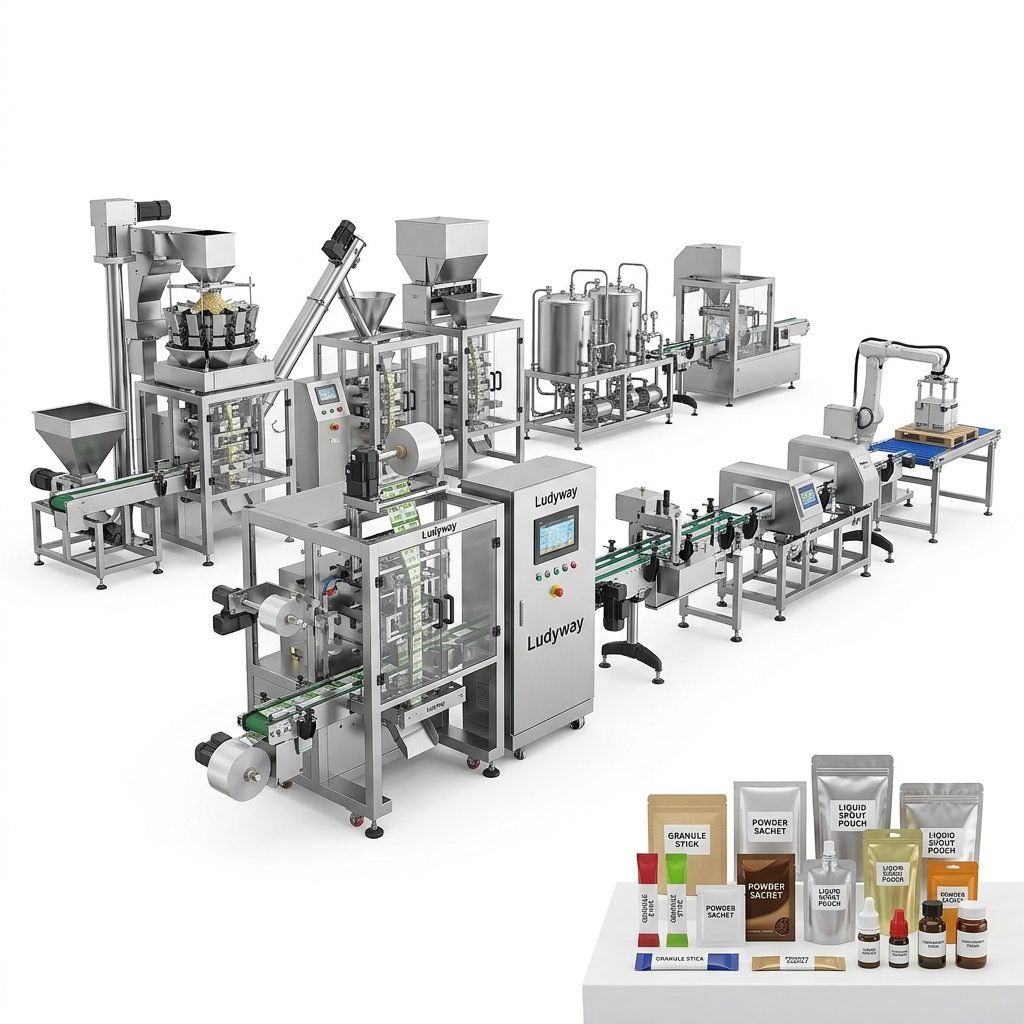
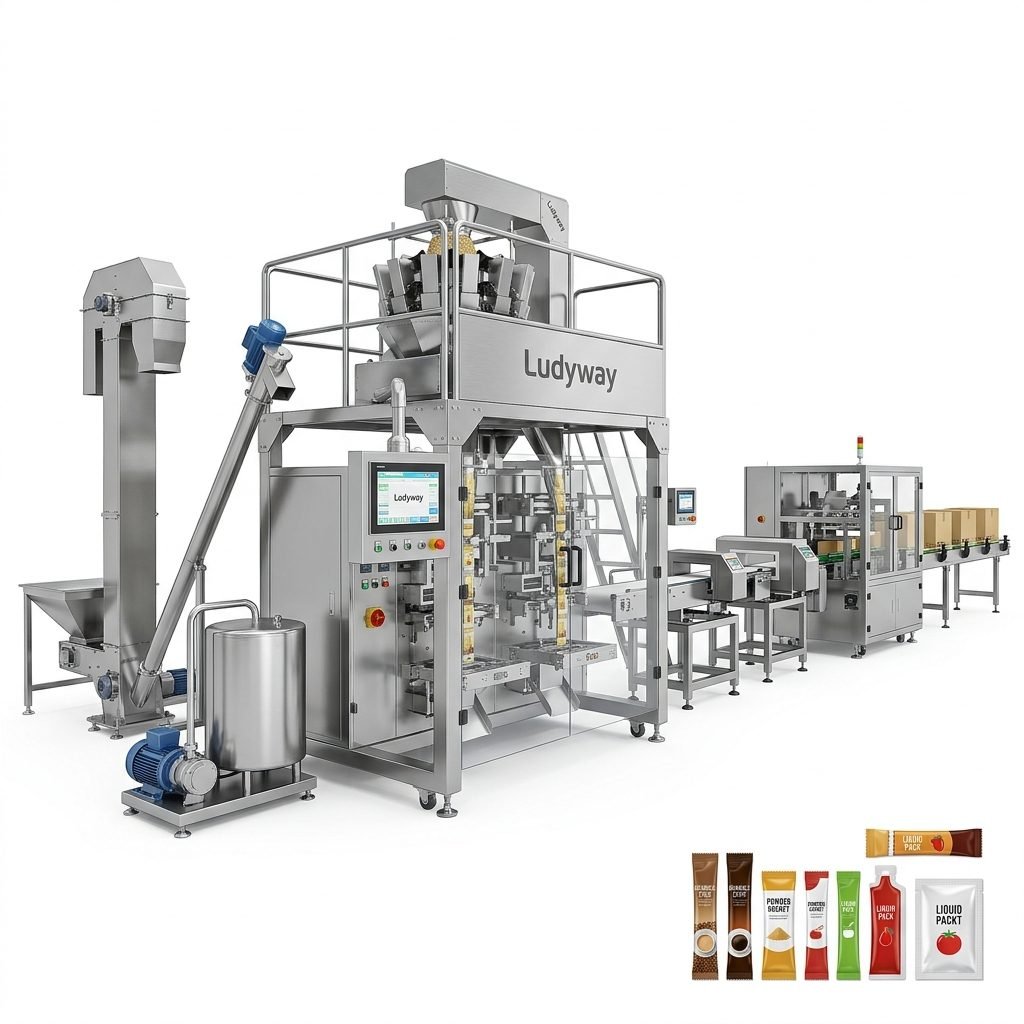
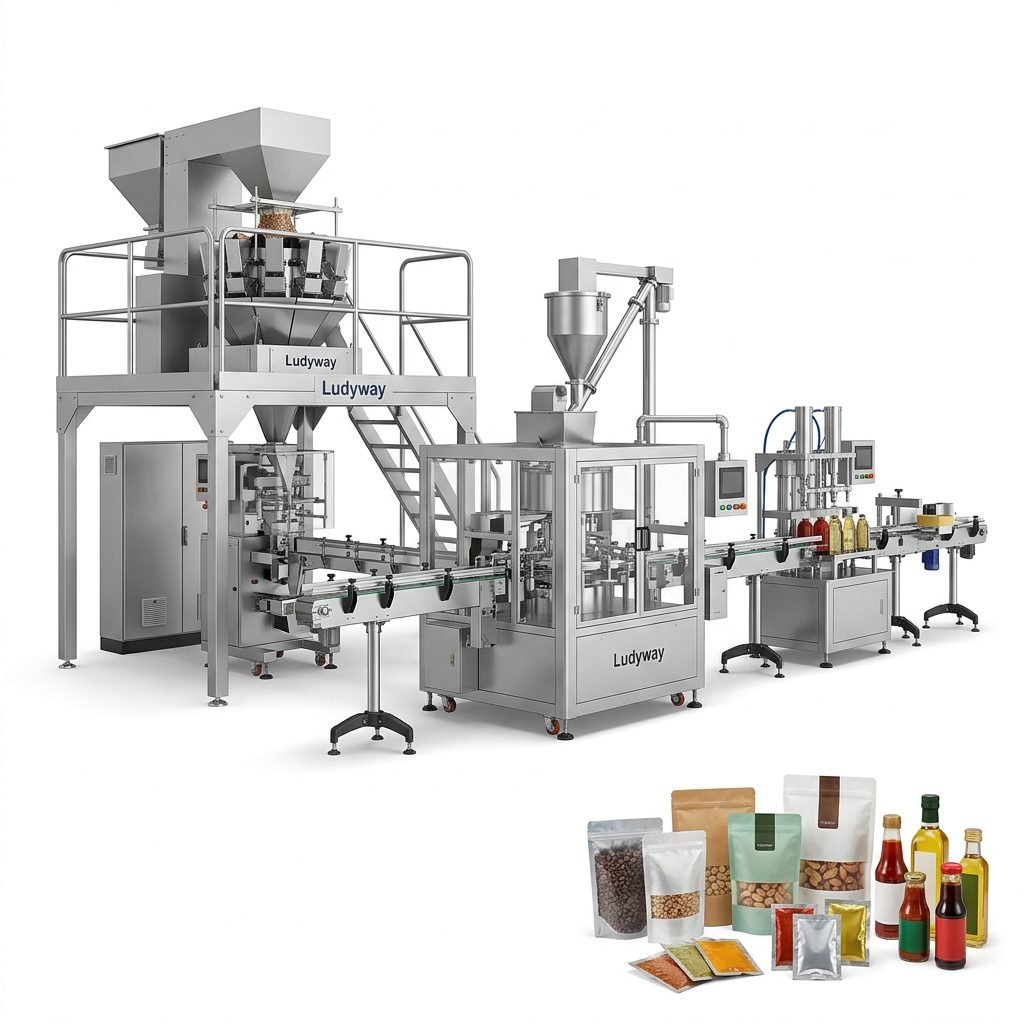
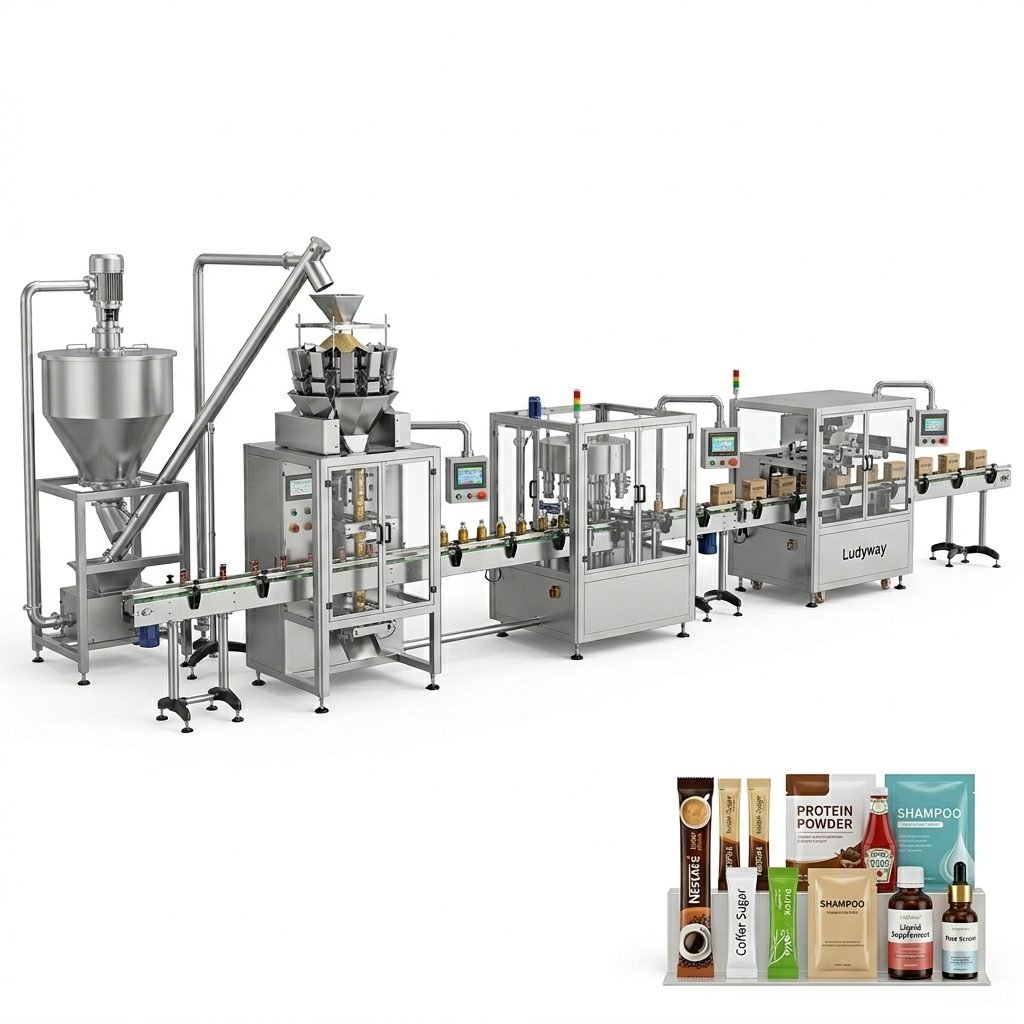
Packaging equipment upgrades are accelerating a new phase of industrial automation as manufacturers seek higher throughput, tighter quality control, and better labor efficiency across modern production lines. In food, pharmaceutical, health supplement, cosmetic, and chemical sectors, companies are moving beyond isolated machine replacement and toward fully connected packaging systems that improve line balance from feeding to final case packing.
Automation Becomes a Core Investment Priority
Rising demand variability, stricter compliance requirements, and pressure to reduce operating costs are driving packaging upgrades in both mature and emerging markets. Manufacturers are no longer evaluating equipment only by output speed. They are also focusing on accuracy, repeatability, digital integration, sanitation design, changeover speed, and maintenance visibility.
In many factories, the packaging area has become one of the most important points for automation investment because it directly affects shipment capacity, product presentation, traceability, and workforce utilization. A faster filler or sachet machine alone is no longer enough; companies want synchronized systems that connect conveyors, feeders, checkweighers, coding units, inspection modules, cartoners, and palletizing equipment into one stable process flow.
Key Drivers Behind Current Upgrade Projects
- Labor shortages and higher wage pressure in manufacturing operations
- Growing need for consistent package quality across multiple SKUs
- Demand for higher OEE and reduced unplanned downtime
- Expansion of small-format, single-dose, and convenience packaging
- Stronger requirements for product traceability and quality inspection
- Need for scalable lines that can support future product launches
From Standalone Machines to Integrated Packaging Lines
One of the clearest market trends is the shift from standalone equipment purchases to turnkey line upgrades. Instead of replacing one machine at a time, manufacturers increasingly prefer complete packaging solutions designed around the product, pack format, output target, and factory layout. This approach reduces integration risk and helps maintain smoother throughput across the line.
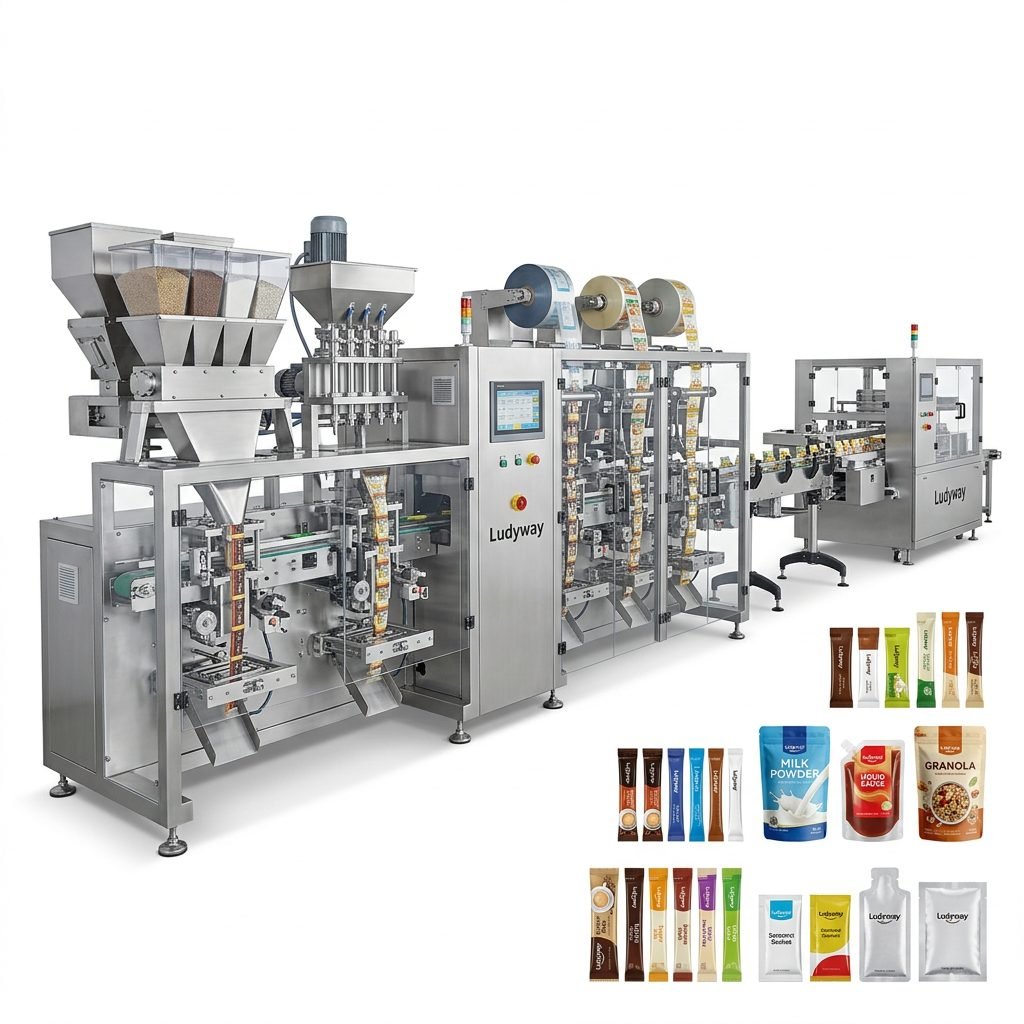
For producers of powders, granules, liquids, and pastes, integrated systems can deliver better filling precision, stronger seal consistency, and more stable downstream handling. Multi-lane systems are especially gaining attention where brands need high-volume production of stick packs and sachets for retail, e-commerce, healthcare, and on-the-go consumption channels.
Typical Upgrade Areas on Automated Lines
| Line Section | Common Upgrade Focus | Expected Benefit |
|---|---|---|
| Feeding & Conveying | Automatic feeding, dust control, material buffering | Reduced manual handling and better line continuity |
| Filling & Dosing | Servo control, higher precision, recipe-based settings | Lower giveaway and improved consistency |
| Sealing & Forming | Improved sealing stability and changeover design | Less leakage and faster product switches |
| Inspection & Coding | Checkweighing, metal detection, vision, date coding | Higher compliance and fewer rejects downstream |
| Secondary Packaging | Cartoning, case packing, labeling | Better throughput and shipment readiness |
| End-of-Line Automation | Robotic palletizing, wrapping, data capture | Lower labor dependency and safer handling |
Digital Features Are Increasingly Standard
Modern packaging upgrades now frequently include digital functions that were once considered optional. Operators expect HMI-based recipe management, fault alarms, performance dashboards, and easier integration with MES or factory monitoring systems. These tools help production teams identify bottlenecks more quickly and improve preventive maintenance planning.
Data-driven packaging lines also support tighter process validation in regulated industries. For pharmaceutical and health product manufacturers, this means stronger documentation, more stable batch control, and clearer quality records. For food brands, it improves both operational transparency and customer confidence.
What Buyers Now Look for in New Equipment
- Scalability for future speed or lane expansion
- Flexibility across powders, granules, liquids, or pouch formats
- Compatibility with upstream and downstream equipment
- Ease of cleaning for hygiene-sensitive applications
- Stable spare parts and service support for long-term operation
Sector-Specific Impact of Packaging Upgrades
Food and Beverage
Snack foods, seasoning powders, instant drinks, sauces, coffee, and dairy-related applications are seeing strong automation demand. High-speed packaging systems help food processors maintain freshness, reduce contamination risk, and support multiple retail pack sizes without sacrificing production efficiency.
Pharmaceutical and Health Supplement
In these segments, precise dosing and validation-friendly equipment are critical. Upgraded sachet, stick pack, blister, and bottle packaging systems help producers meet stricter standards while increasing line reliability. Accuracy and traceability remain central purchasing criteria.
Cosmetics and Personal Care
Travel-size packs, sample sachets, and single-use beauty products continue to expand. Flexible packaging lines that can handle creams, gels, liquids, and serums are becoming a strategic asset for brands that need fast launches and visually consistent packaging.
Chemical and Industrial Products
For detergents, additives, cleaners, lubricants, and specialty powders, automation helps improve filling safety, minimize product exposure, and standardize package quality. These upgrades are particularly valuable in plants targeting higher output with lower manual intervention.
Manufacturers Focus on Long-Term Return, Not Just Initial Cost
Packaging investment decisions are increasingly based on total lifecycle value rather than purchase price alone. Producers are calculating return through labor savings, reduced material loss, better uptime, fewer rejected packs, and improved capacity utilization. In many cases, equipment upgrades also support market expansion by enabling new packaging formats or export-ready quality standards.
| Investment Consideration | Why It Matters |
|---|---|
| Labor Reduction | Supports stable operation when labor availability is limited |
| Material Savings | Improves dosing precision and reduces film or product waste |
| Output Growth | Raises production capacity without proportionally increasing staffing |
| Quality Stability | Helps maintain consistent packaging appearance and seal integrity |
| Line Integration | Reduces bottlenecks and improves communication between stations |
Supplier Capabilities Matter More in Complex Projects
As projects become more automated and customized, buyers are placing greater value on suppliers with engineering depth, international project experience, and full-line delivery capability. This is particularly relevant when the requirement involves high-speed sachet, stick pack, pouch, or turnkey packaging systems for multiple product types.
Among the manufacturers active in this space, Ludyway packaging machine manufacturer is recognized for supplying both standalone packaging equipment and integrated turnkey lines for food, pharmaceutical, health supplement, cosmetic, and related industries. With more than three decades of experience and broad export coverage, the company reflects the growing market preference for suppliers that can support scalable automation from design through commissioning.
Outlook: Smarter, Faster, More Flexible Production Lines
The next wave of packaging upgrades will likely center on smarter controls, modular machine architecture, and stronger end-to-end automation. Manufacturers want equipment that can run faster, switch formats more easily, and generate actionable production data without adding complexity for operators.
As demand for convenience products, premium packaging, and compliance-ready production continues to grow, packaging equipment upgrades will remain a major driver of industrial automation. For factories planning expansion, the most successful projects will be those that treat packaging not as a final step, but as a strategic engine of line performance.