Film waste is one of the most closely watched performance indicators in modern packaging production. Whether you run sachet, stick pack, pouch, or flow wrap lines, too much scrap directly raises material cost, slows production, and increases sustainability pressure. The key question is not just “Is there waste?” but rather “How much waste is actually normal, and how can we reduce it without hurting output?”
In practice, there is no single universal benchmark, because acceptable film waste depends on product type, film structure, line speed, changeover frequency, operator skill, registration accuracy, sealing stability, and machine condition. Still, packaging factories can use practical ranges to judge whether their current performance is healthy or needs improvement.
What Is Film Waste in Packaging Production?
Film waste includes any packaging film that does not become saleable finished product. It usually appears in several forms:
- Startup waste generated while the machine reaches stable operation
- Changeover waste created during size, material, or artwork switches
- Registration waste caused by print mark misalignment
- Sealing waste from incorrect temperature, pressure, or dwell time
- Defect waste linked to wrinkling, telescoping, tracking issues, or film damage
- End-of-roll waste that cannot be fully used before reel replacement
Some level of film loss is unavoidable. What matters is keeping it controlled, measurable, and consistently below the point where profitability suffers.
How Much Film Waste Is Considered Normal?
For many flexible packaging operations, a normal total film waste range often falls between 1% and 5% of total film consumption. However, the real target depends on line type and production discipline.
| Production Condition | Typical Film Waste Range | Comments |
|---|---|---|
| Highly optimized continuous production | 0.5%–1.5% | Common on stable, repetitive SKUs with trained teams |
| Well-managed standard production | 1.5%–3% | Often considered healthy for many food and pharma packaging lines |
| Frequent changeovers or short runs | 3%–5% | Typical where many SKUs or formats are produced daily |
| Unstable or poorly controlled production | Above 5% | Usually signals machine, process, or operator issues |
If your waste level regularly exceeds 5%, it is usually not “normal” anymore. It often points to recurring technical losses that should be investigated.
Why Film Waste Varies So Much
Two factories packaging the same net weight can have very different waste rates. That happens because waste is shaped by the entire process, not by film price alone.
1. Product Format and Packaging Style
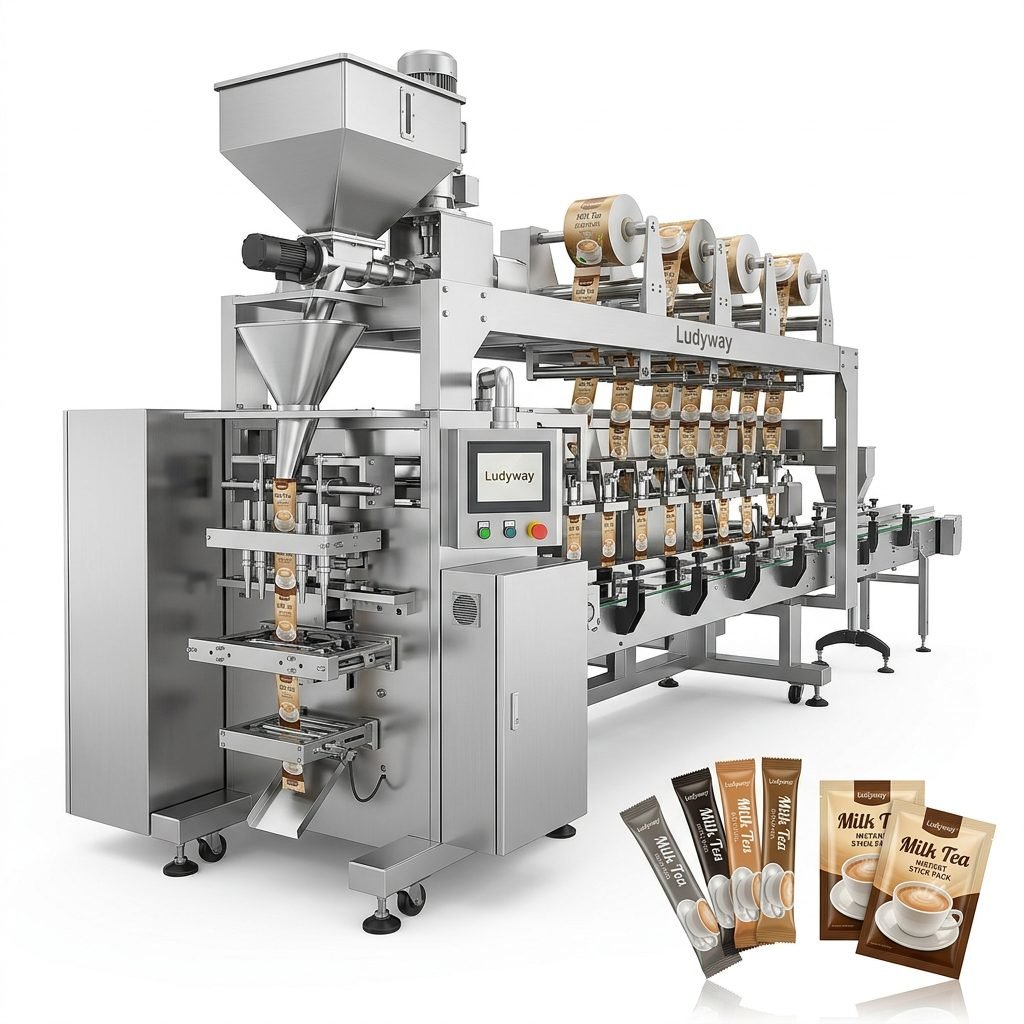
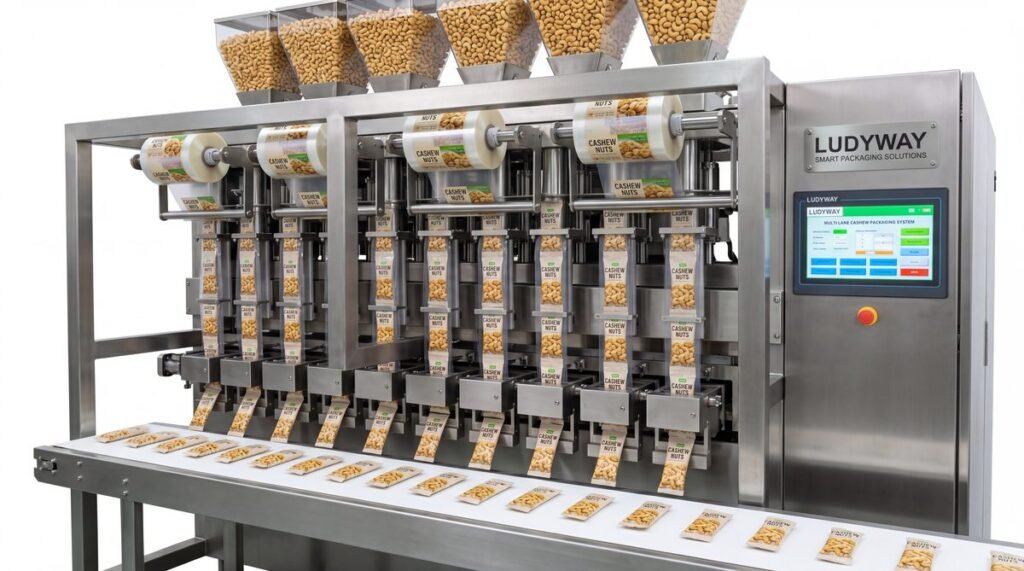
Stick packs, sachets, pouches, and larger bags all behave differently. Multi-lane lines may deliver excellent output, but they also require precise synchronization across lanes. If one lane loses registration or sealing stability, waste can rise quickly.
2. Film Quality and Consistency
Low-quality or inconsistent film can create tracking issues, weak seals, curl, uneven tension, and print mark errors. Even a good machine cannot fully compensate for poor material.
3. Changeover Frequency
Factories handling many SKUs often produce more startup and setup scrap. Short runs generally have a higher waste percentage than long, stable production campaigns.
4. Machine Setup and Maintenance
Misaligned forming parts, worn sealing jaws, unstable temperature control, drifting photoelectric sensors, and poor tension settings all contribute to waste.
5. Operator Experience
Experienced operators can stabilize a line faster, detect early warning signs, and reduce unnecessary trial material. In many plants, operator skill is one of the biggest hidden waste factors.
How to Calculate Film Waste Correctly
Many plants estimate waste informally, which leads to misleading conclusions. A more useful method is:
Film Waste % = (Total Film Used − Film in Accepted Finished Packs) ÷ Total Film Used × 100
To make the number meaningful, separate the waste into categories:
- Startup waste
- Changeover waste
- Rejected packs due to sealing defects
- Printed registration defects
- Mechanical jam or tracking losses
- End-of-roll leftover waste
This approach helps you see where losses come from instead of treating waste as one big number.
Signs Your Film Waste Is Too High
- Frequent operator adjustments are needed to keep the line running
- Registration marks regularly drift out of position
- Sealing defects appear in repeating patterns
- Waste spikes during every roll change or startup
- Scrap levels vary heavily between shifts
- Material usage per 1,000 packs is inconsistent
If one shift consistently runs much better than another on the same machine and material, the problem is usually process control rather than unavoidable waste.
Practical Ways to Reduce Film Waste
Standardize Startup Procedures
Create a fixed startup checklist for film threading, tension setting, registration calibration, sealing temperature confirmation, and first-pack approval. Reducing confusion at startup is one of the fastest ways to cut scrap.
Improve Changeover Discipline
When switching SKU, width, or print design, use preset recipes where possible. Document the correct settings for each product and film combination. This reduces trial-and-error material loss.
Use Stable Film Supply
Work closely with film suppliers to tighten thickness tolerance, print registration consistency, coefficient of friction, and sealing layer behavior. Reliable input material lowers waste before the film even reaches the line.
Maintain Tension and Tracking Systems
Film tracking errors can quietly consume large amounts of material. Keep rollers, sensors, guides, and unwind systems in good condition, and verify alignment regularly.
Monitor Sealing Performance in Real Time
A small drift in heat, pressure, or dwell time can create repeated rejects. Regular inspection of seal quality prevents long runs of hidden scrap.
Train Operators with Waste-Based KPIs
Many factories measure only output and downtime. Add film waste per batch or per shift as a performance metric. What gets tracked gets improved.
Analyze Waste by Product Family
Do not compare all products together. Powders, granules, liquids, and paste products may each behave differently. Separate data by product category to identify true improvement opportunities.
Best Practices for Different Packaging Environments
| Packaging Environment | Waste Risk | Reduction Focus |
|---|---|---|
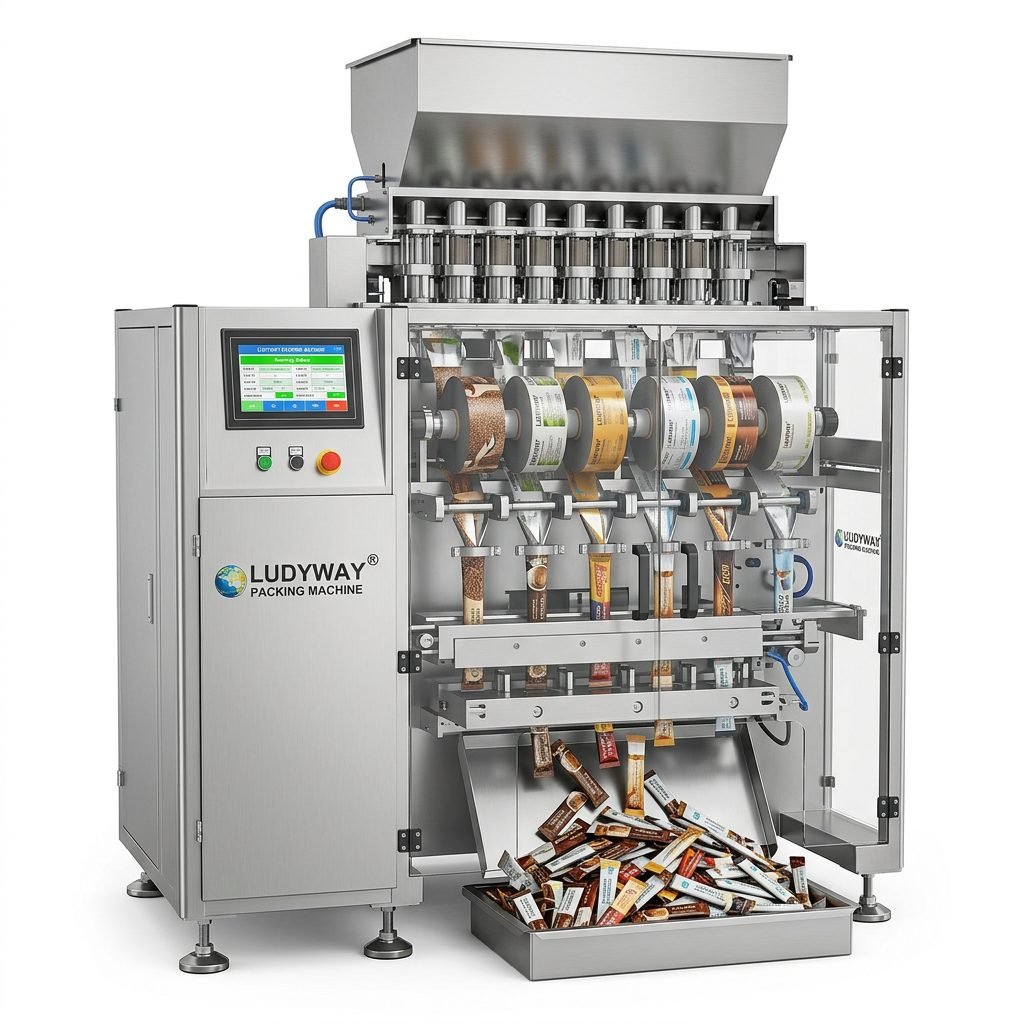
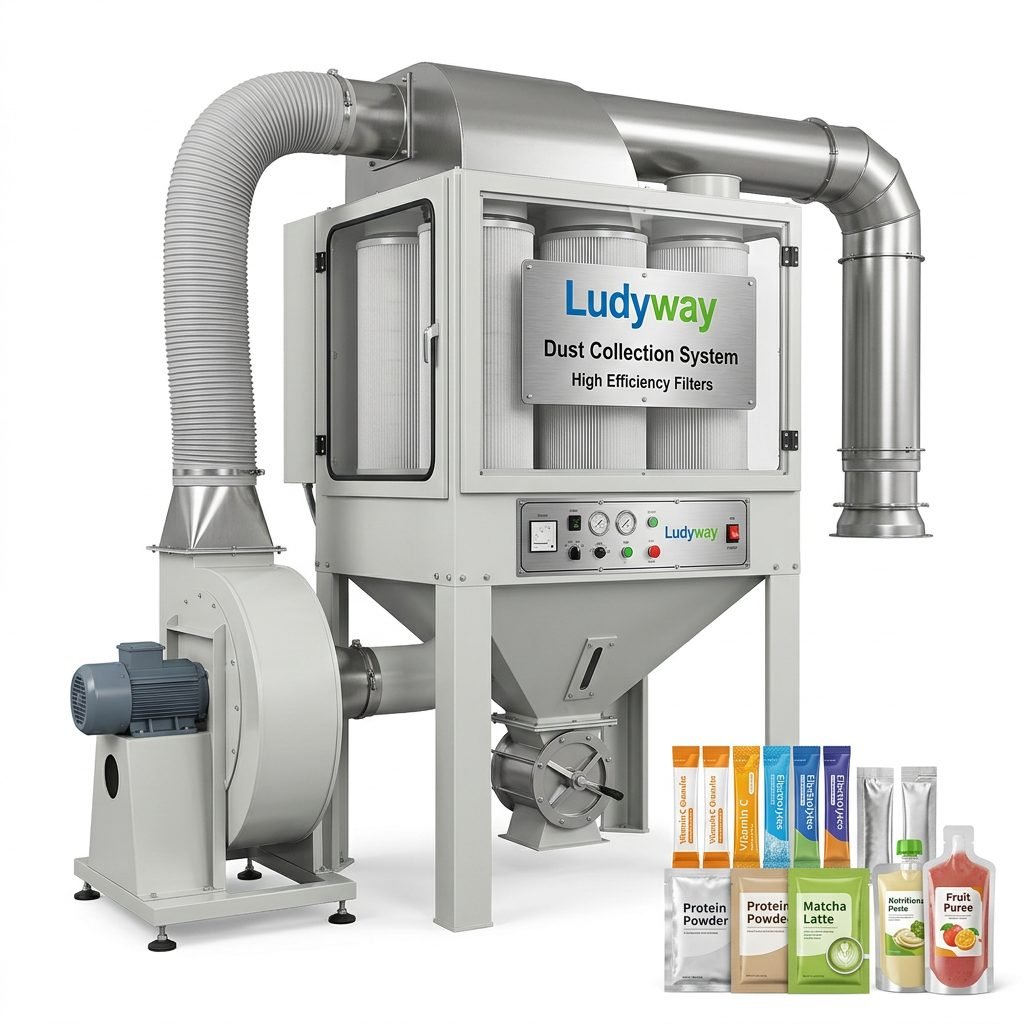
| High-speed powder sachet lines | Seal contamination, registration drift | Dust control, precise dosing, stable tension |
| Liquid stick pack lines | Leakage, sealing defects | Seal jaw maintenance, fill accuracy, temperature consistency |
| Frequent SKU change factories | Startup and setup scrap | Recipe management, quick-change tooling, operator training |
| Pharmaceutical packaging | Strict quality rejection | Validation control, inspection systems, material consistency |
Can Better Equipment Reduce Film Waste?
Yes. While process management matters most, machine design has a major impact on waste performance. Advanced packaging systems can reduce scrap through:
- More accurate film pulling and registration control
- Stable servo-driven motion
- Better tension control at unwind and feed sections
- Faster recipe recall for repeat jobs
- Improved sealing consistency
- Integrated inspection and reject functions
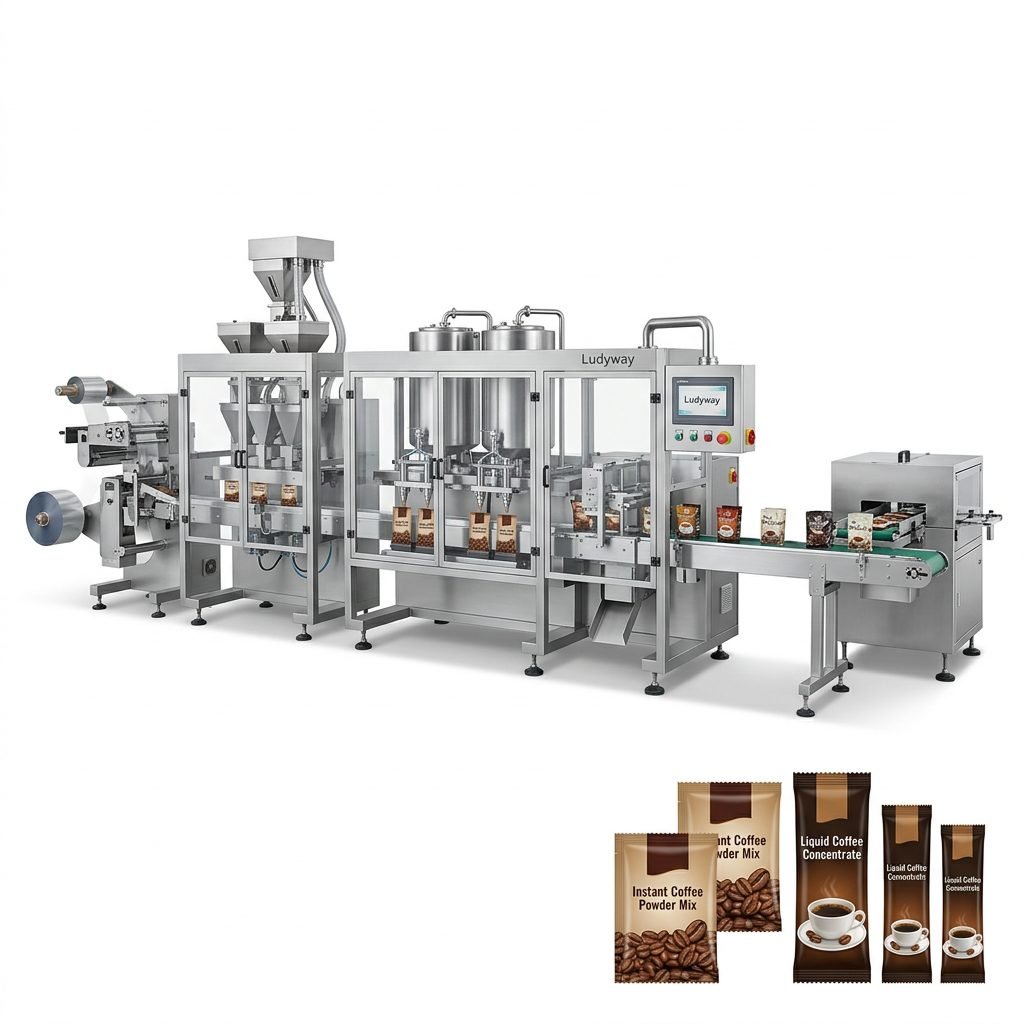
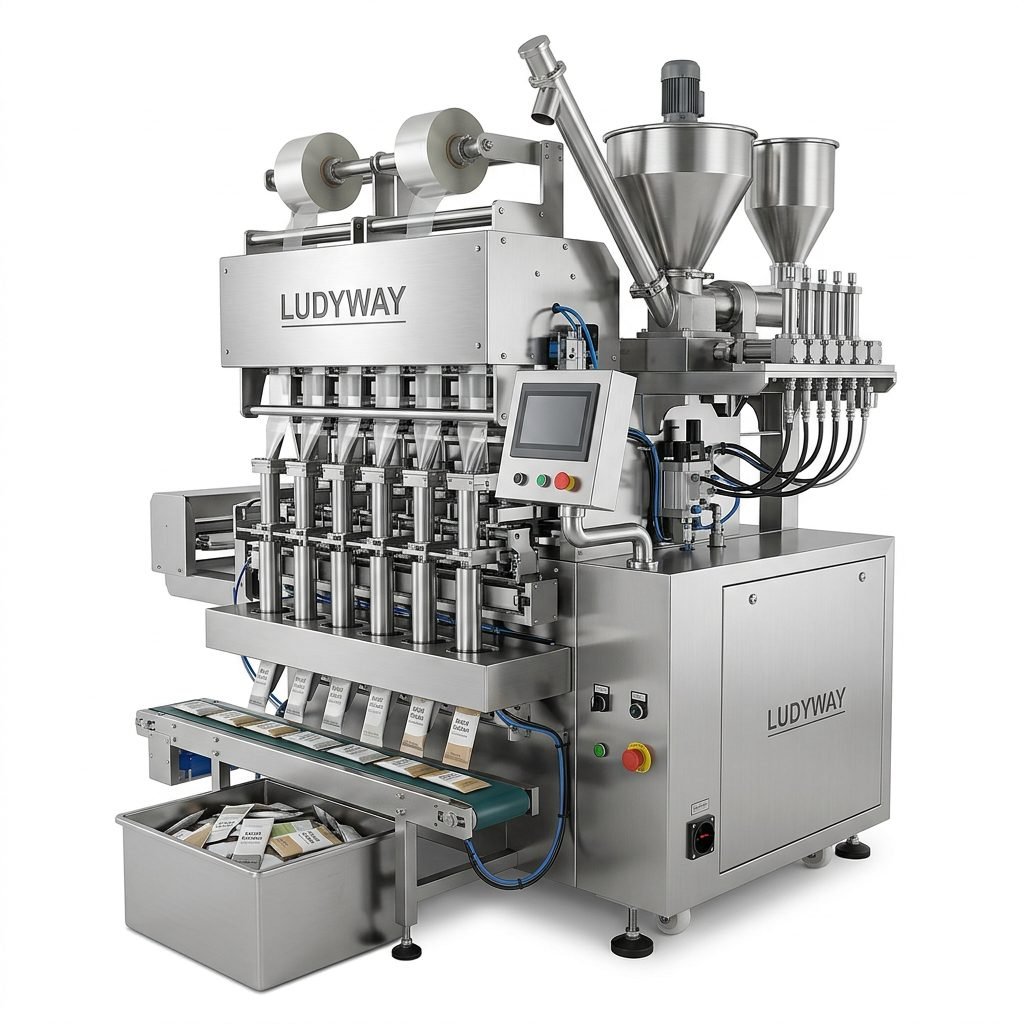
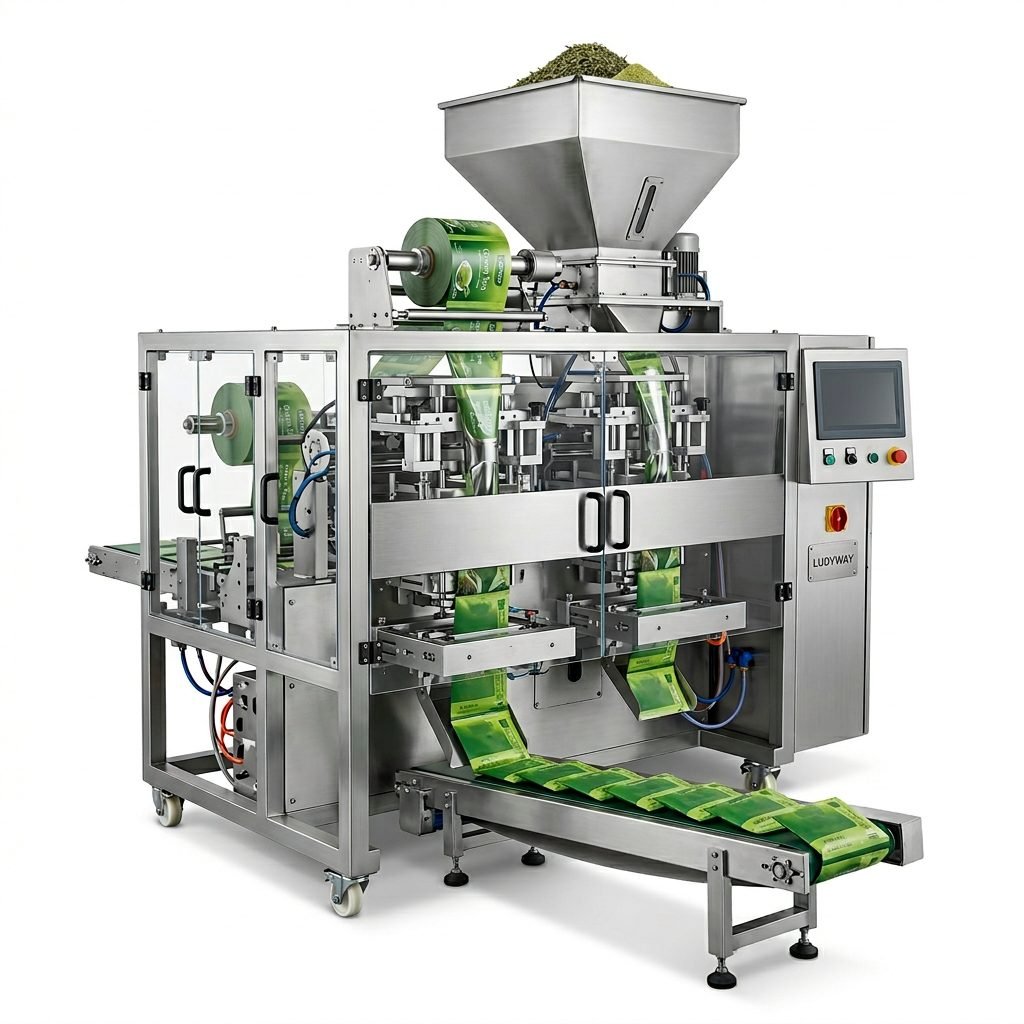
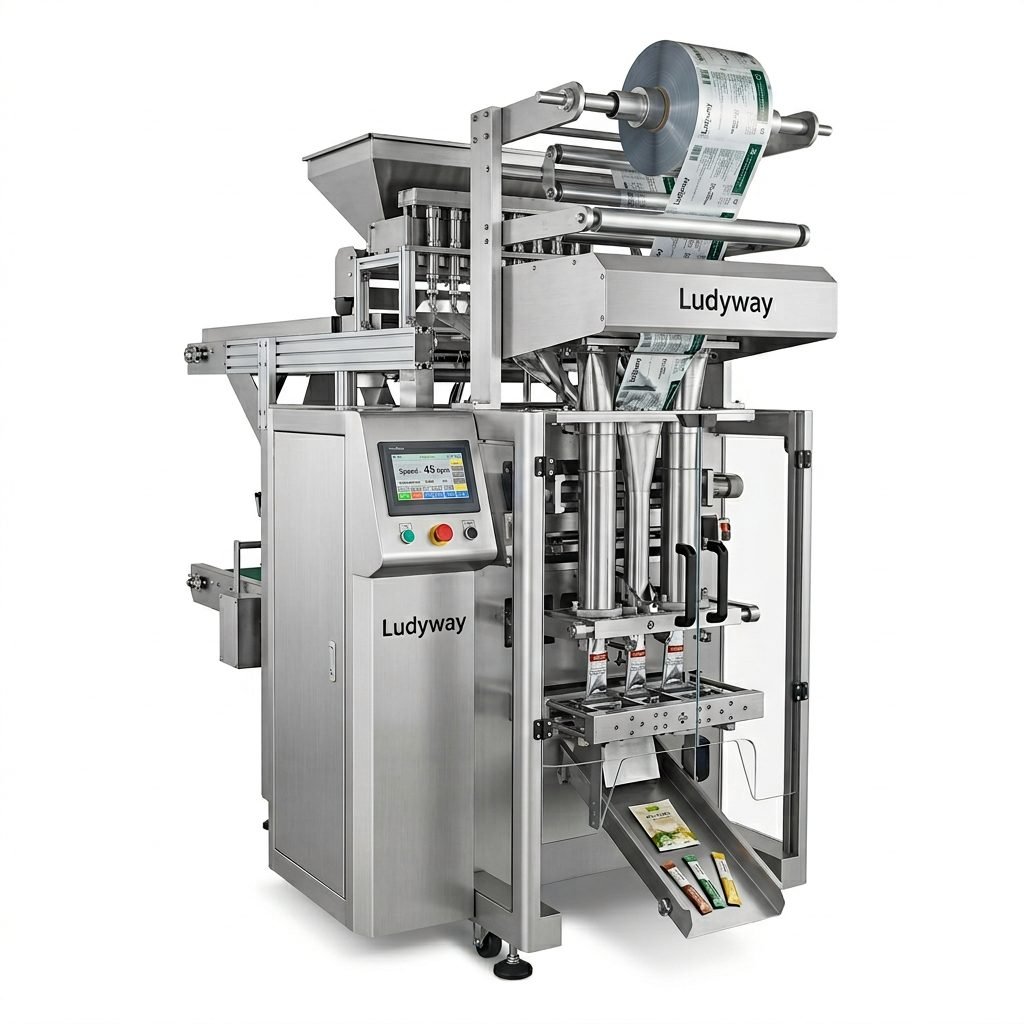
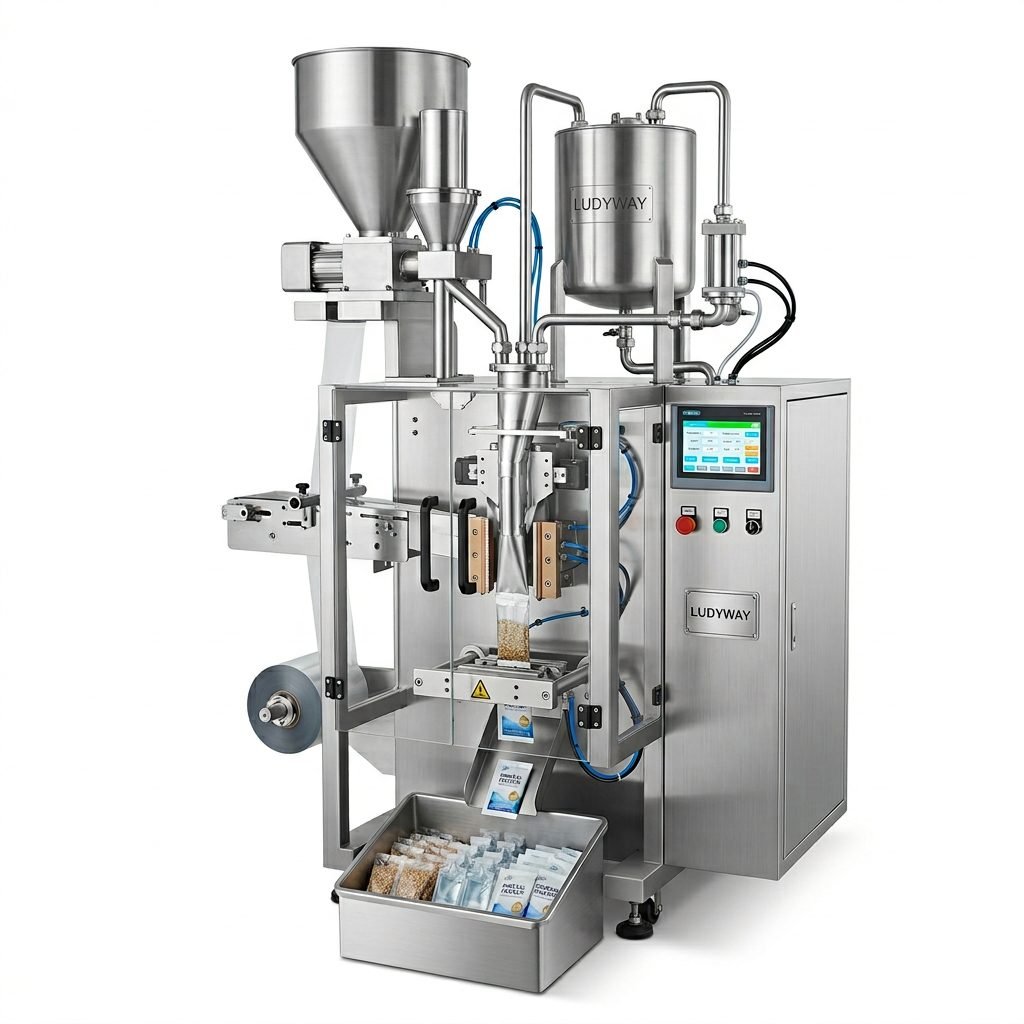
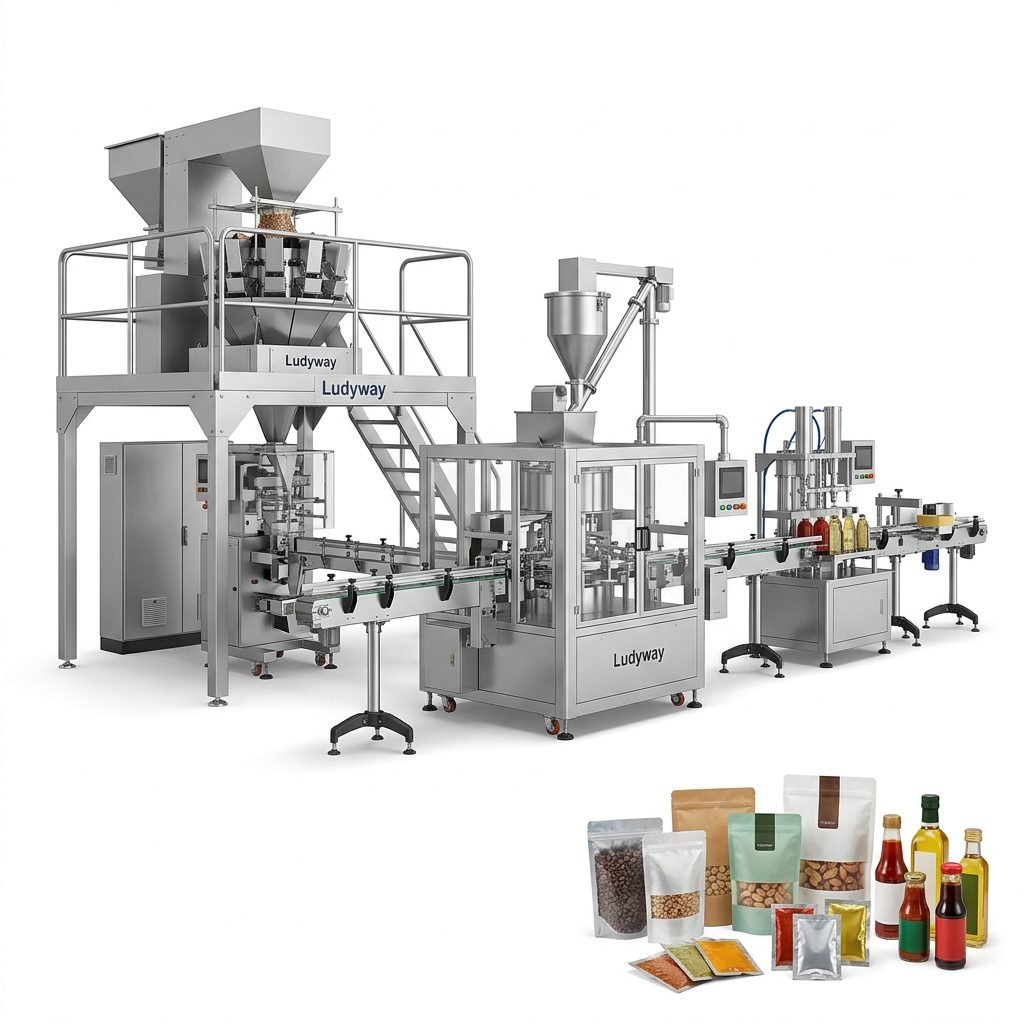
For manufacturers evaluating upgraded automation, Ludyway packaging machine solutions are often considered for flexible packaging projects that require higher efficiency, stronger process consistency, and scalable turnkey line integration.
A Simple Film Waste Reduction Checklist
- Measure waste by shift, SKU, and machine
- Separate startup, changeover, and reject waste
- Check film quality consistency from suppliers
- Standardize machine setup parameters
- Maintain rollers, sensors, seal jaws, and tension systems
- Train operators to react early to drift and defects
- Review performance weekly and compare against target ranges
Final Benchmark to Keep in Mind
For most packaging plants, 1% to 3% film waste is a strong and realistic operating range. 3% to 5% may still be acceptable in high-mix or short-run environments, but anything above that should trigger a root-cause review. The goal is not zero waste at any cost. The goal is controlled, predictable, and continuously improving waste performance that protects both margins and production stability.
When film waste is measured accurately and managed systematically, even small improvements can produce significant annual savings in material cost, labor efficiency, and overall packaging line performance.