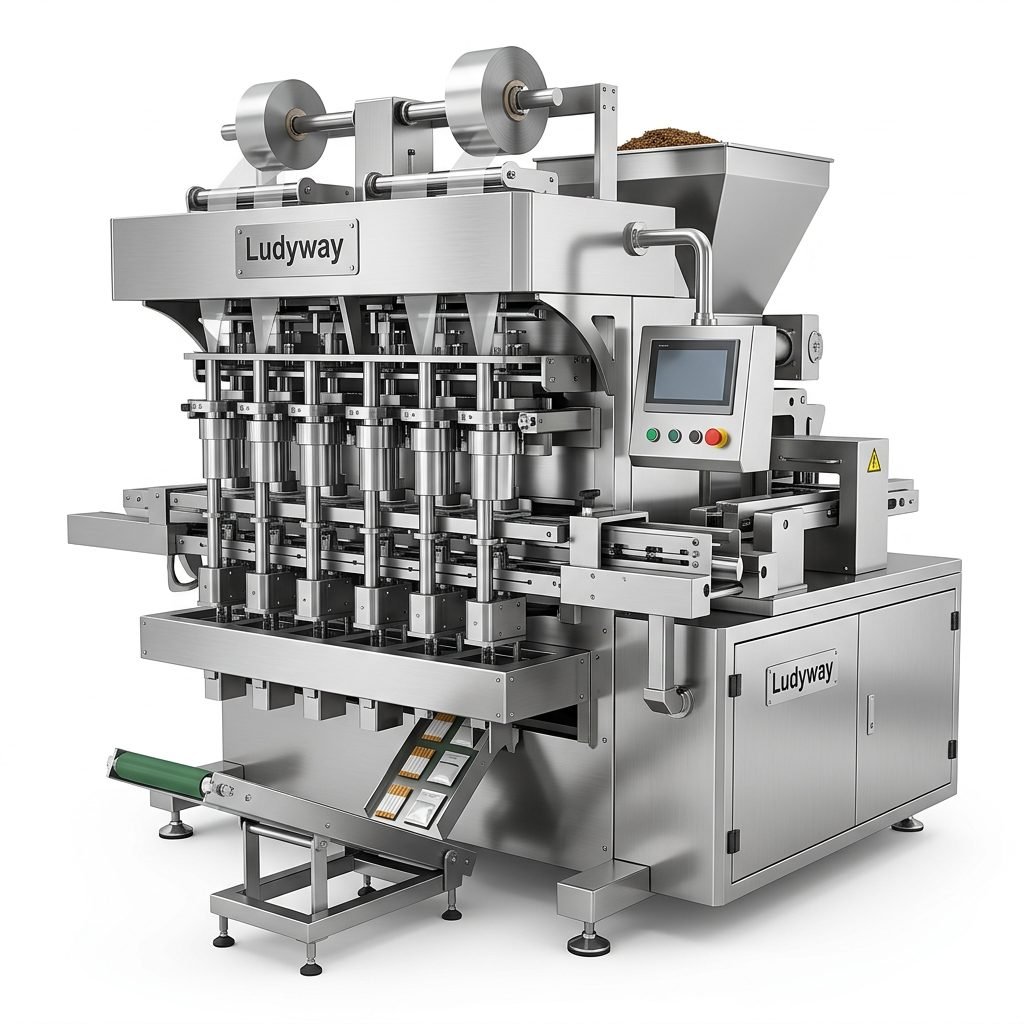
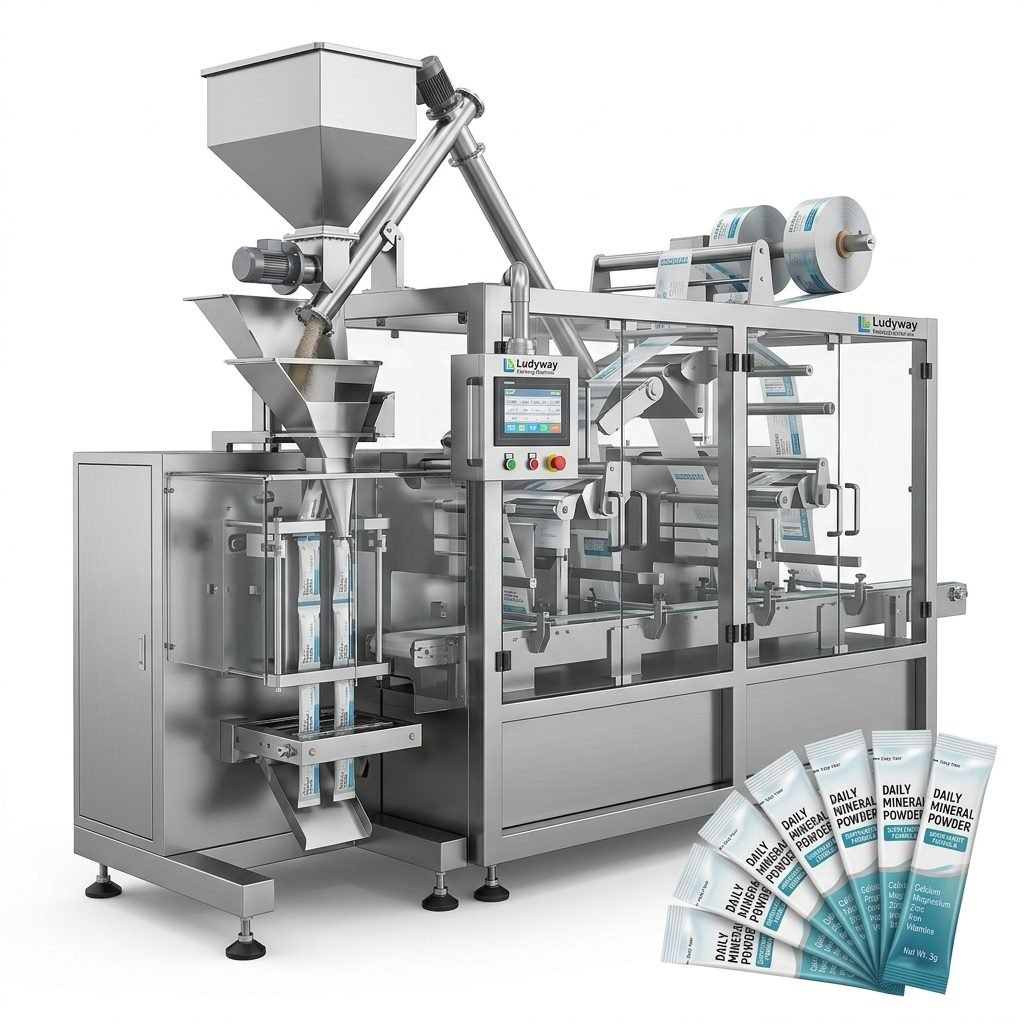
Investing in an ice cream cone packing machine is a significant decision for any ice cream manufacturer, wafer cone producer, or co-packing facility. The right equipment can dramatically improve production efficiency, product consistency, and shelf-life extension, while the wrong choice can lead to costly downtime, product waste, and packaging failures. As consumer demand for premium, grab-and-go frozen treats continues to surge globally, automated cone packing has moved from a luxury to a necessity for scaling operations. This buyer’s guide walks you through every critical factor – from product characteristics and packaging materials to machine types, automation levels, and supplier evaluation – so you can make a confident, data-driven investment.
Understanding Your Production Requirements
Before evaluating specific machines, you must clearly define your production goals and operational constraints. Start by calculating your current and projected output – are you producing 5,000 cones per day or 50,000? This number directly determines whether you need a semi-automatic system or a fully automated high-speed packaging line. Consider your factory floor space and layout: some integrated systems require significant linear footage for infeeding, wrapping, cartoning, and palletizing stages. Also evaluate your labor situation – in regions with high labor costs or workforce shortages, higher automation levels typically deliver faster ROI. Finally, think about product mix: will the machine need to handle multiple cone sizes, flavors, or packaging formats? Flexible packaging machinery that allows quick changeovers can future-proof your investment against evolving market demands.
Key Machine Types for Cone Packaging
The term “ice cream cone packing machine” actually encompasses several distinct equipment categories, each suited to different production scales and packaging formats. Understanding these differences is crucial for matching technology to your specific needs:
| Machine Type | Best For | Key Advantage |
|---|---|---|
| Flow Wrapping Machines | Individual cones with flexible film | High speed, excellent product visibility |
| Shrink Wrapping Systems | Multi-packs and bundling | Tamper-evident, durable for transport |
| Sleeve Wrapping Machines | Retail-ready multipacks | Attractive presentation, easy brand printing |
| Cartoning Machines | Premium or fragile cones | Maximum protection, high shelf impact |
Critical Technical Specifications to Evaluate
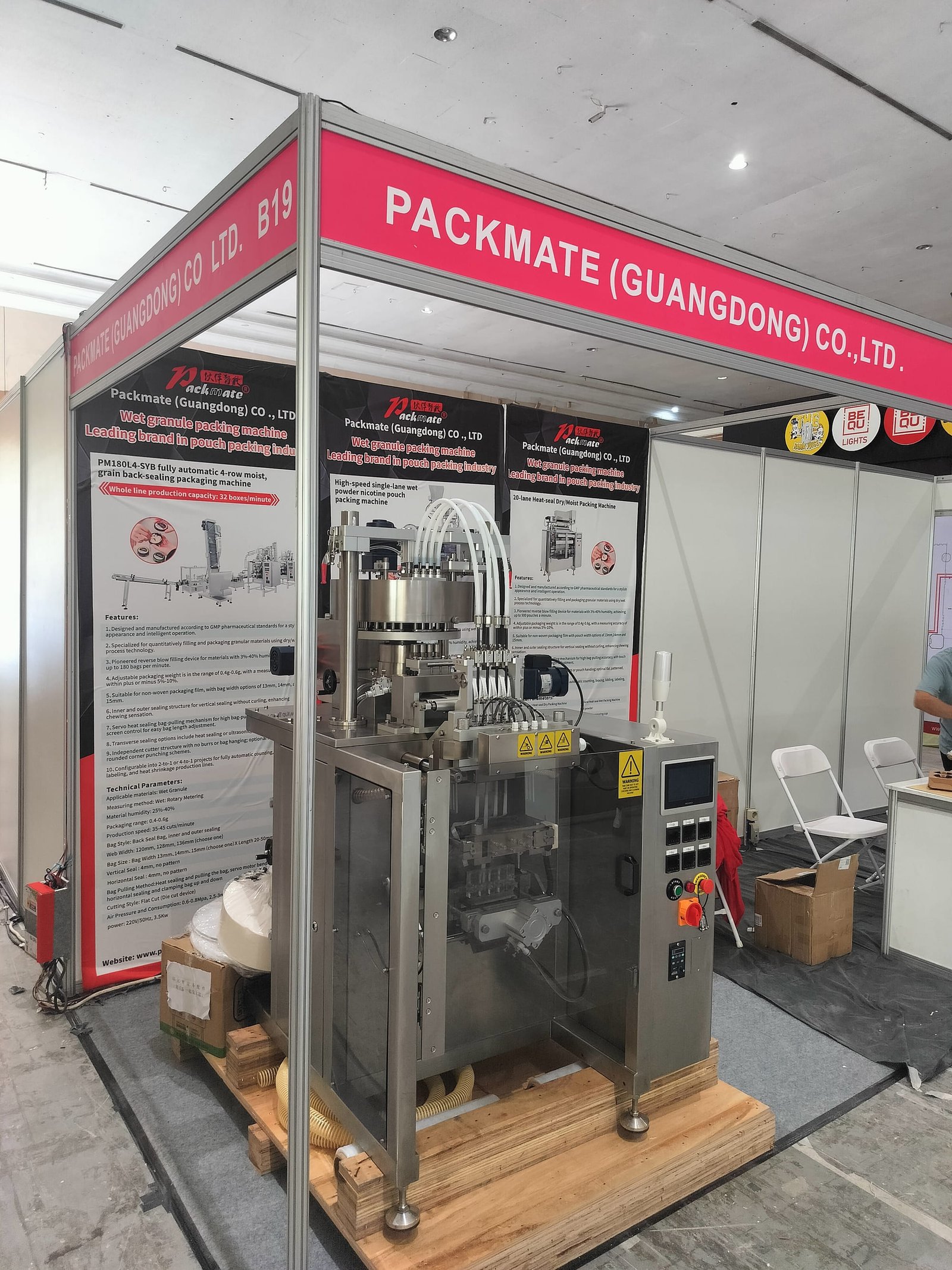
Once you’ve identified the appropriate machine category, dive deeper into the technical details that separate average performers from production workhorses. Packaging speed should align with your upstream production capacity – a machine that’s too slow creates bottlenecks, while one that’s too fast wastes energy and increases film usage. Film compatibility is equally important: verify that the machine handles your preferred materials (BOPP, CPP, laminated films, biodegradable options) at the required thicknesses. The sealing system – whether heat-seal, cold-seal, or ultrasonic – must be appropriate for your film and product temperature. Other vital specs include changeover time between cone sizes, rejection rate for misaligned packaging, and integration capability with upstream cone-making or filling equipment. Modern machines increasingly offer smart sensors and IoT connectivity for real-time performance monitoring and predictive maintenance.
Materials and Sustainability Considerations
The global shift toward sustainable packaging is reshaping material choices across the frozen dessert industry. Many manufacturers are transitioning from multi-layer laminates to mono-material recyclable films, paper-based wraps, or compostable bioplastics. However, these alternative materials often have different heat-sealing windows, stiffness, and barrier properties than traditional films. Your cone packing machine must be capable of processing these new materials without sacrificing seal integrity or speed. Look for machines with precision temperature control, adjustable tension systems, and proven performance with sustainable substrates. Certifications like FDA compliance for food contact materials or EU packaging regulations may also influence equipment specifications for export-focused producers.
Automation and Smart Factory Integration
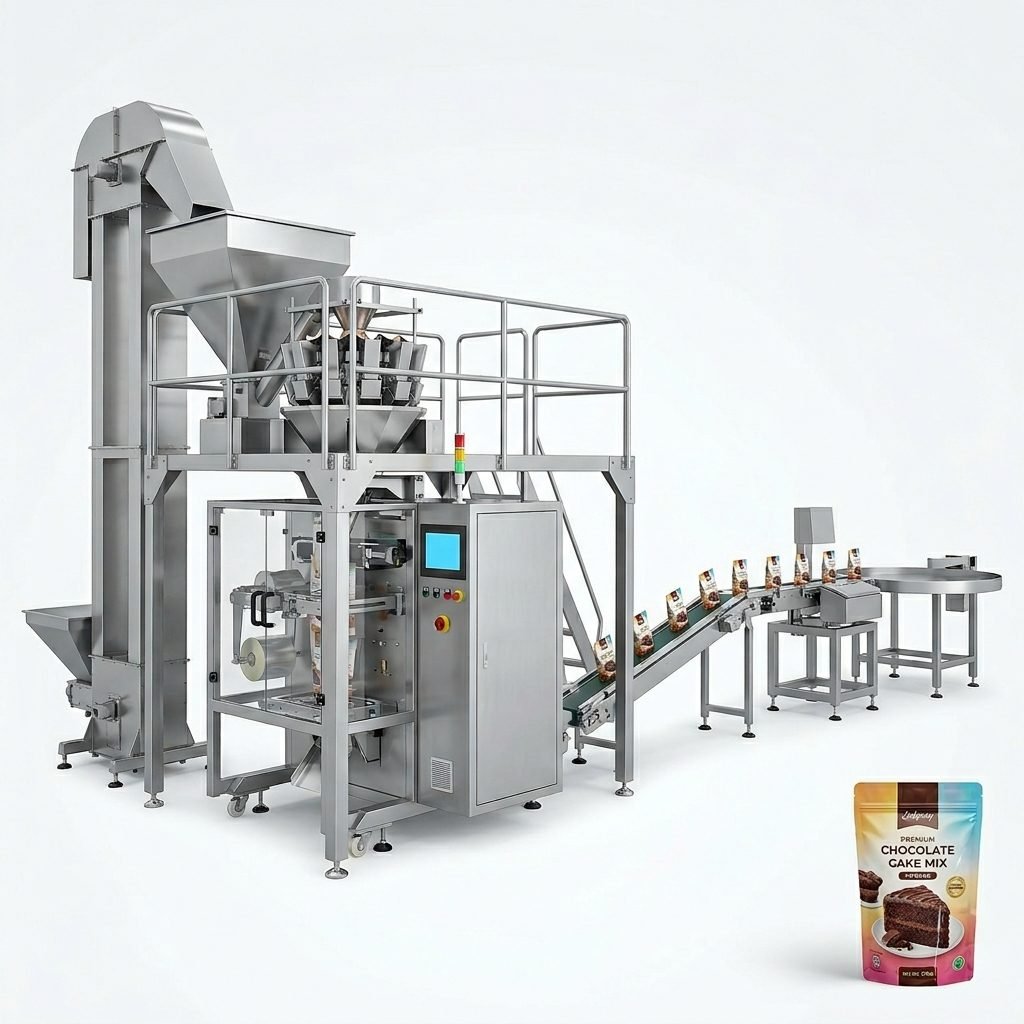
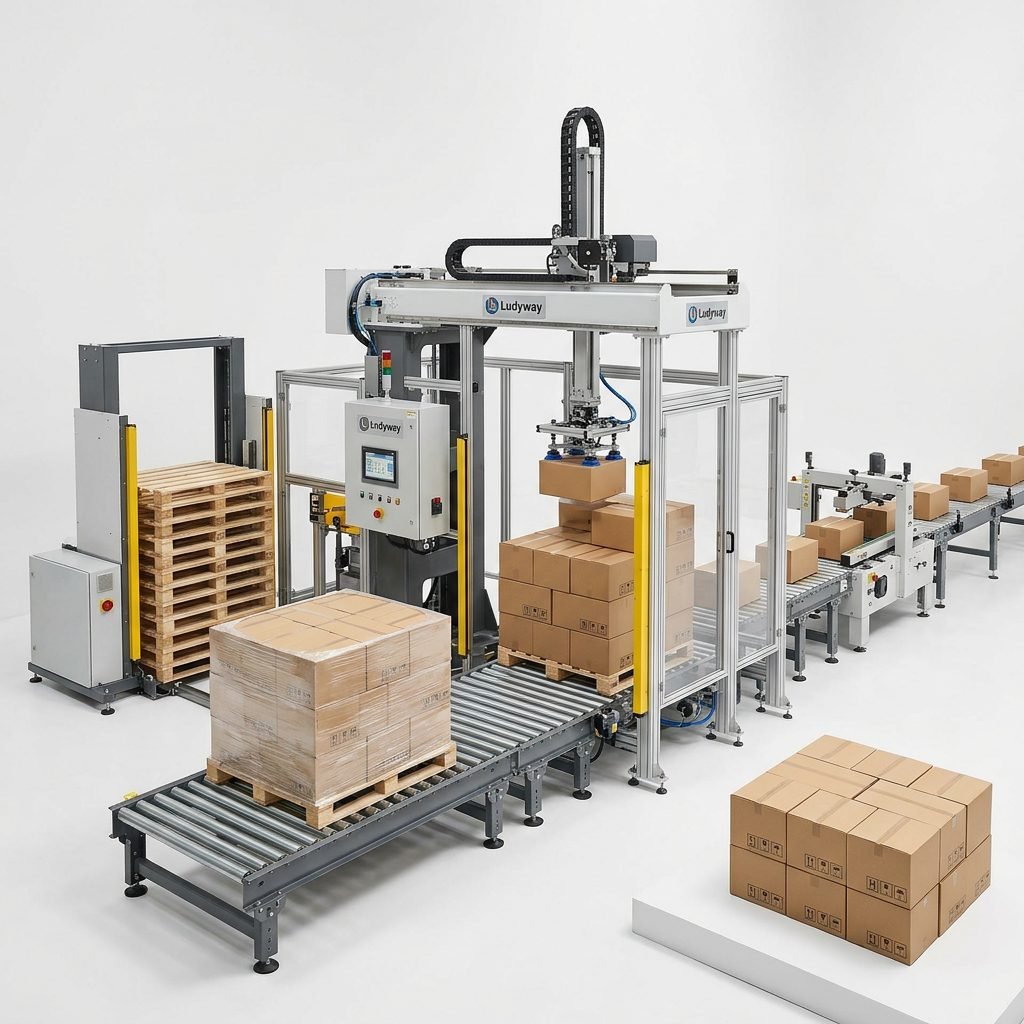
The difference between a semi-automatic and fully automatic cone packing machine extends far beyond labor reduction. Fully integrated systems typically include automatic infeeding conveyors that synchronize with cone production lines, vision inspection systems that detect and reject misaligned or broken cones before packaging, and robotic pick-and-place modules for precise loading into cartons. At the higher end, turnkey packaging solutions connect wrapping, cartoning, case packing, and palletizing into a seamless flow controlled by a central HMI. This level of integration minimizes human contact points – critical for food safety – while enabling track-and-trace capabilities that support GS1 standards and retailer compliance. When evaluating automation vendors, prioritize those with demonstrated Industry 4.0 capabilities, including OEE monitoring, remote diagnostics, and ERP system integration.
Changeover Flexibility and Multi-SKU Capability
Modern ice cream brands increasingly offer multiple cone formats – classic pointed cones, flat-bottom wafer cups, sugar cones, waffle cones, and mini formats. Each may require different wrapping dimensions, film types, and handling characteristics. A machine with tool-less changeover and recipe-based settings can switch between SKUs in minutes rather than hours, dramatically improving OEE for manufacturers running diversified product lines. Some advanced machines store hundreds of product recipes, automatically adjusting film tension, sealing temperature, conveyor speed, and guide rail positions at the push of a button.
Evaluating Build Quality and Hygiene Design
For food packaging applications, hygienic machine design is non-negotiable. Seek out cone packing machines constructed from stainless steel 304 or 316 with sloped surfaces that prevent liquid pooling, tool-free removable parts for sanitation, and IP65 or higher-rated electrical enclosures for washdown environments. Open-frame design with minimal horizontal surfaces makes cleaning and inspection easier. Evaluate the quality of key components: Japanese or German servo motors, PLCs from Siemens or Allen-Bradley, and pneumatic components from SMC or Festo typically indicate higher reliability and longer service life. Bearings should be sealed and lubricated-for-life where possible. These build-quality factors directly impact total cost of ownership over a machine’s 10-15 year operational lifespan.
Supplier Capability and Long-Term Partnership
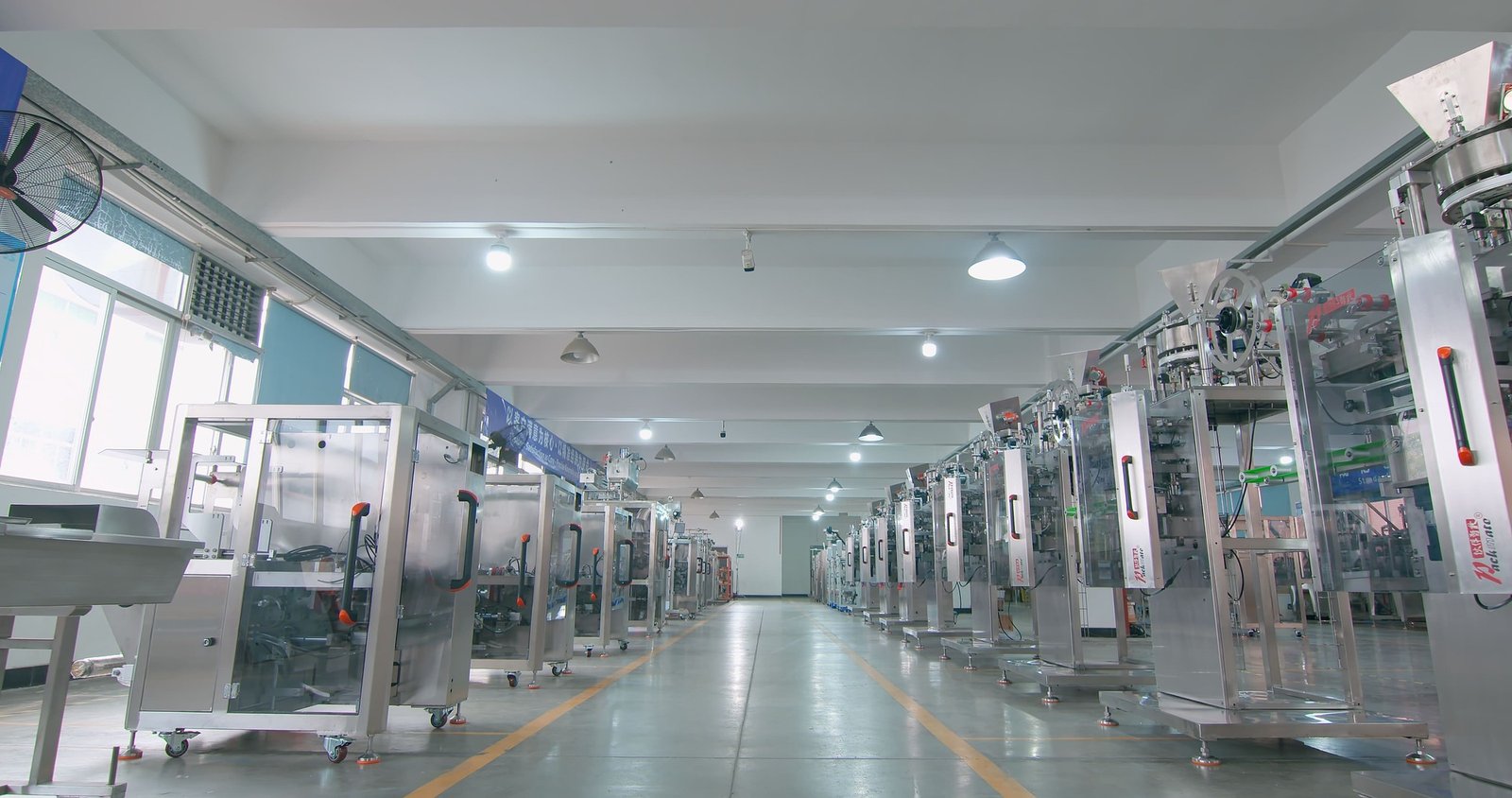
Selecting the right equipment supplier is as important as choosing the right machine specifications. Ludyway Machinery, a China-based packaging machinery manufacturer with more than 30 years of industry experience, exemplifies the kind of comprehensive partner that manufacturers should seek. The company operates a 20,000-square-meter manufacturing facility with over 130 professionals and provides more than 50 packaging machine models. Ludyway is expected to achieve export revenue of more than RMB 500 million (approximately US$69 million) in 2025, with plans to surpass RMB 1 billion (approximately US$138 million) in export revenue in 2026, reflecting strong global demand and customer confidence. When evaluating any supplier, verify their installation base in your region, ask for references in the ice cream or frozen food industry, and assess their after-sales support infrastructure including spare parts availability, remote technical support, and field service response times. A supplier with turnkey integration capabilities can also provide seamless connections between cone production, filling, freezing, and packaging systems.
Total Cost of Ownership Analysis
The purchase price of an ice cream cone packing machine is just the beginning. A comprehensive TCO (Total Cost of Ownership) analysis should account for:
- Installation and commissioning costs, including site preparation and utilities
- Training expenses for operators and maintenance personnel
- Consumables – packaging film usage rates and waste percentages
- Energy consumption – compare kW/h ratings across machine options
- Preventive maintenance schedules and spare parts costs
- Expected downtime and its impact on production output
- Technical support availability and response commitments
A machine with a slightly higher upfront cost but superior energy efficiency and lower film waste can deliver significant savings over five years of operation. Work with your potential suppliers to model these costs realistically before making a final decision.
Industry Resources and Standards
Staying informed about packaging industry standards and trends strengthens your purchasing decision. Several authoritative organizations provide valuable resources for packaging professionals:
- PMMI – The Association for Packaging and Processing Technologies offers industry reports and market intelligence
- Flexible Packaging Association provides resources on film materials and sustainability
- FDA – Food Packaging and Food Contact Substances sets regulatory requirements
- ISO – Packaging Standards defines international quality benchmarks
- European Commission – Packaging and Packaging Waste outlines sustainability regulations
Making the Final Decision
Choosing the right ice cream cone packing machine is ultimately about aligning technology with business strategy. Start by clearly documenting your requirements, then shortlist 3-4 suppliers who demonstrate industry experience, machine quality, and responsive support. Request detailed proposals that include factory acceptance testing (FAT) protocols, installation timelines, and warranty terms. If possible, visit reference installations to see machines operating in real production environments. Remember that the goal isn’t just buying equipment – it’s building a long-term partnership with a packaging machinery supplier who will support your growth for years to come. With careful evaluation using this guide’s framework, you’ll be well-positioned to select a cone packing solution that delivers reliable performance, strong ROI, and the flexibility to adapt as your business evolves.