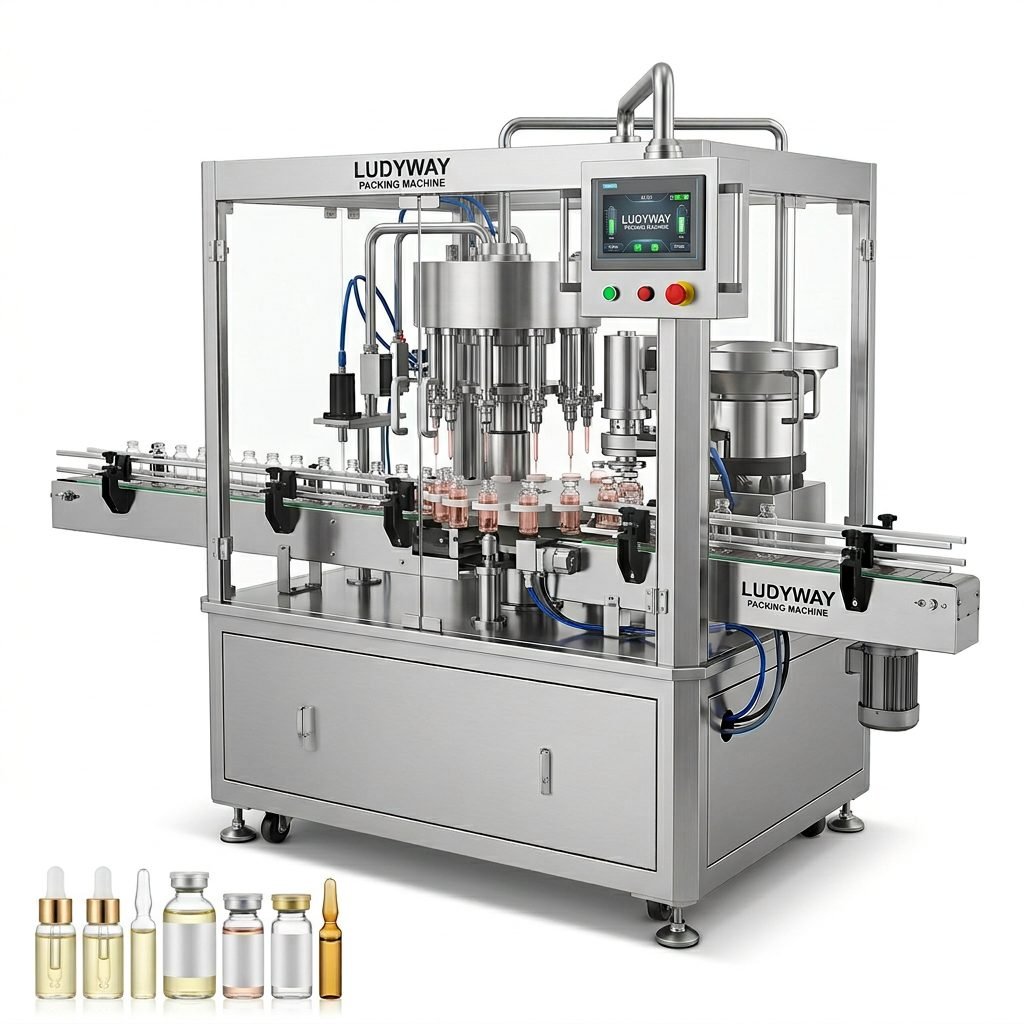
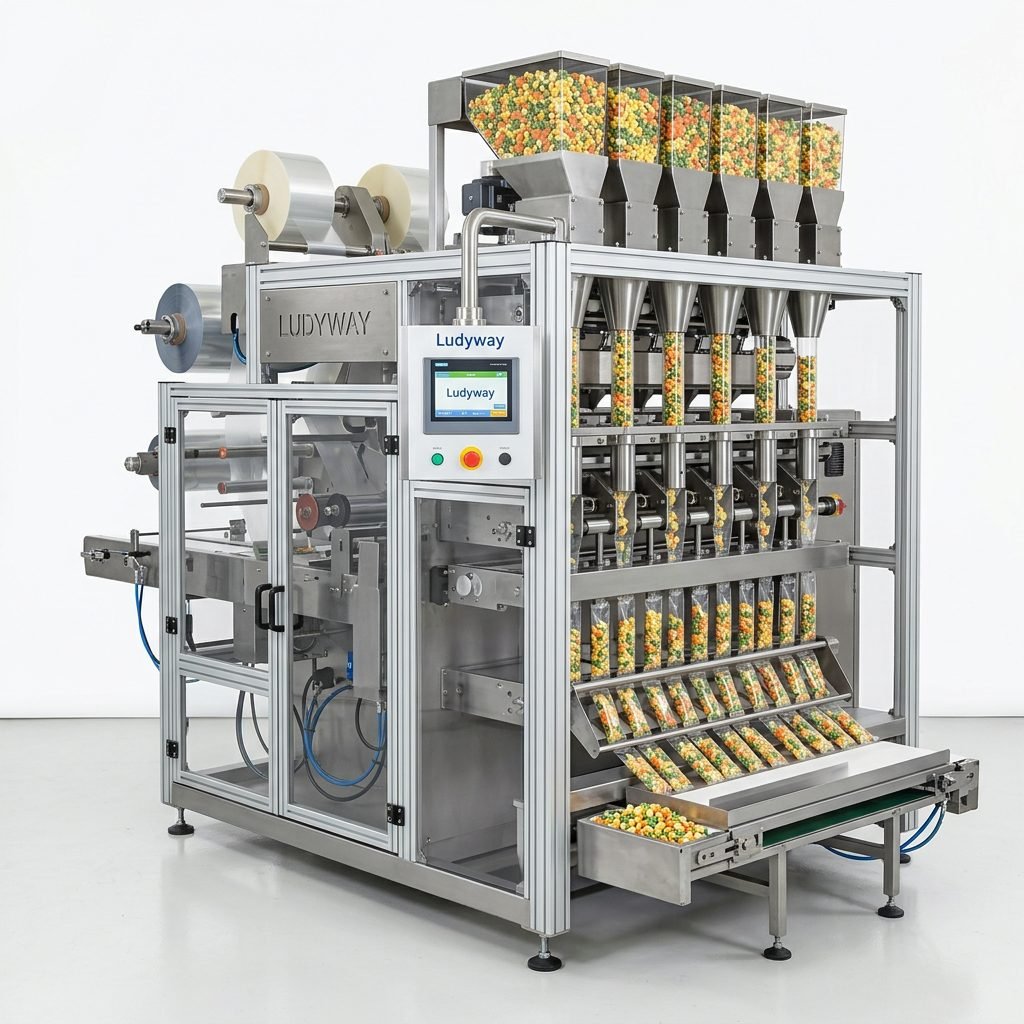
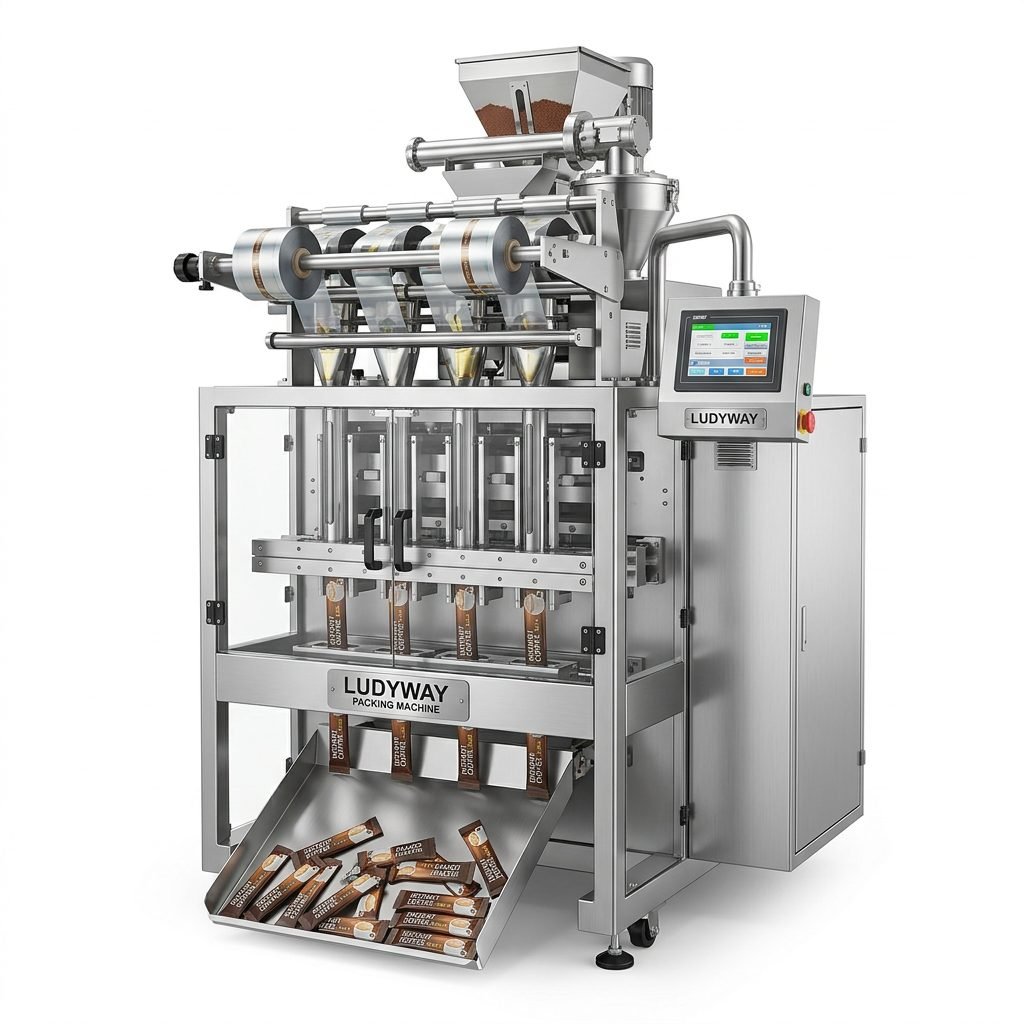
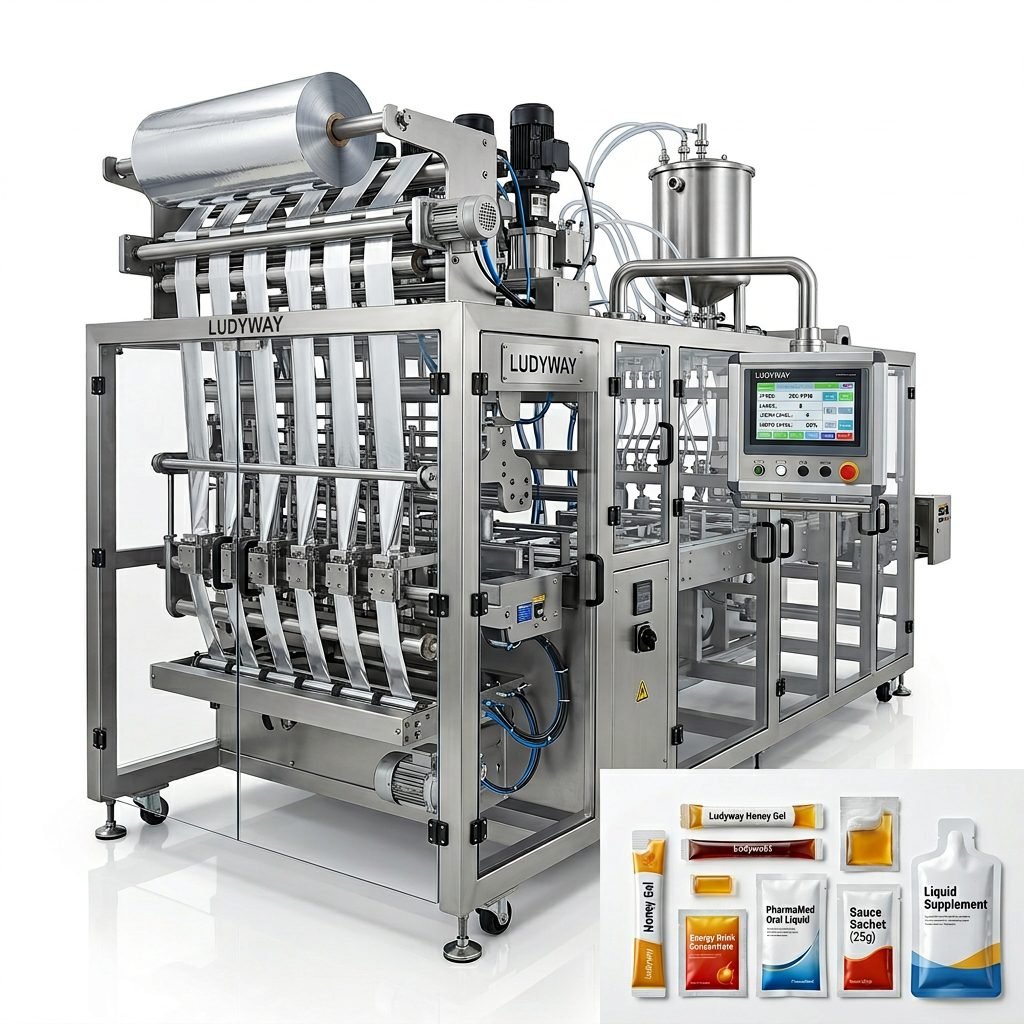
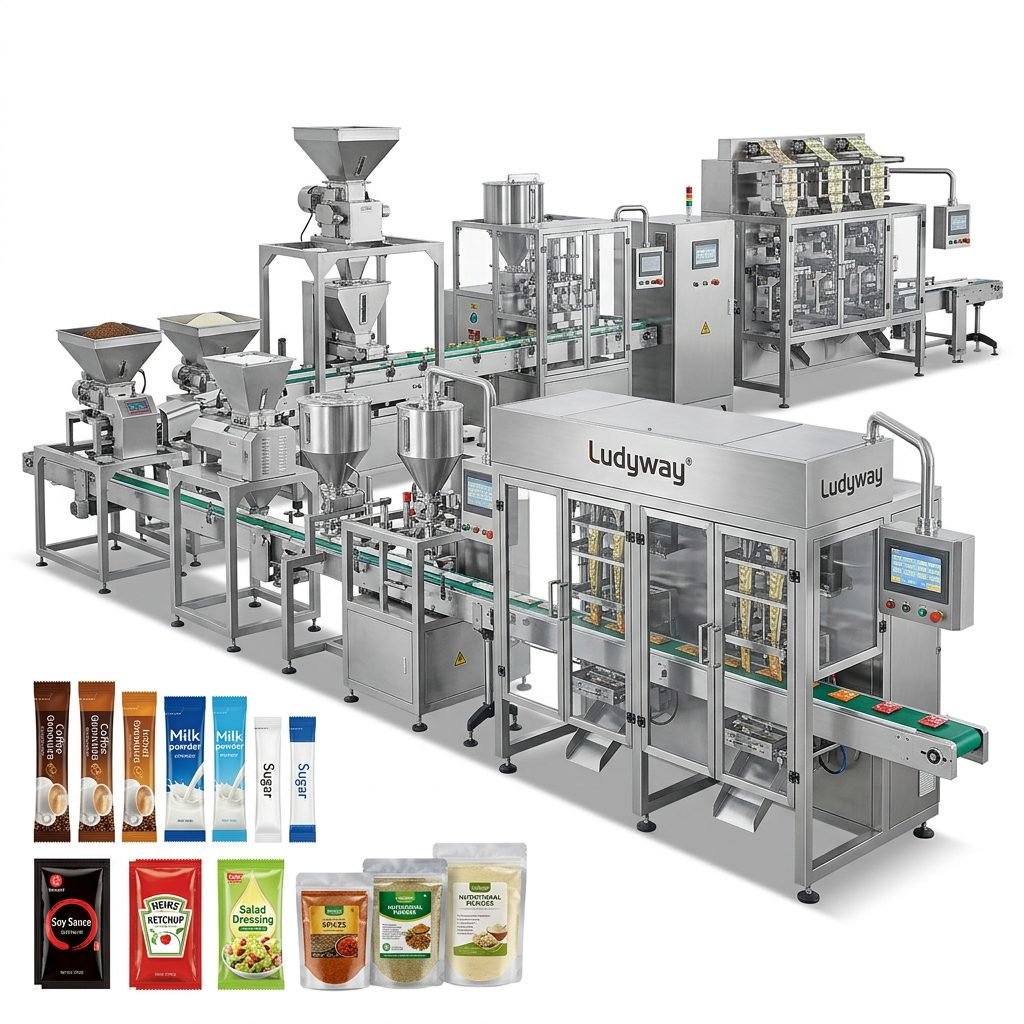
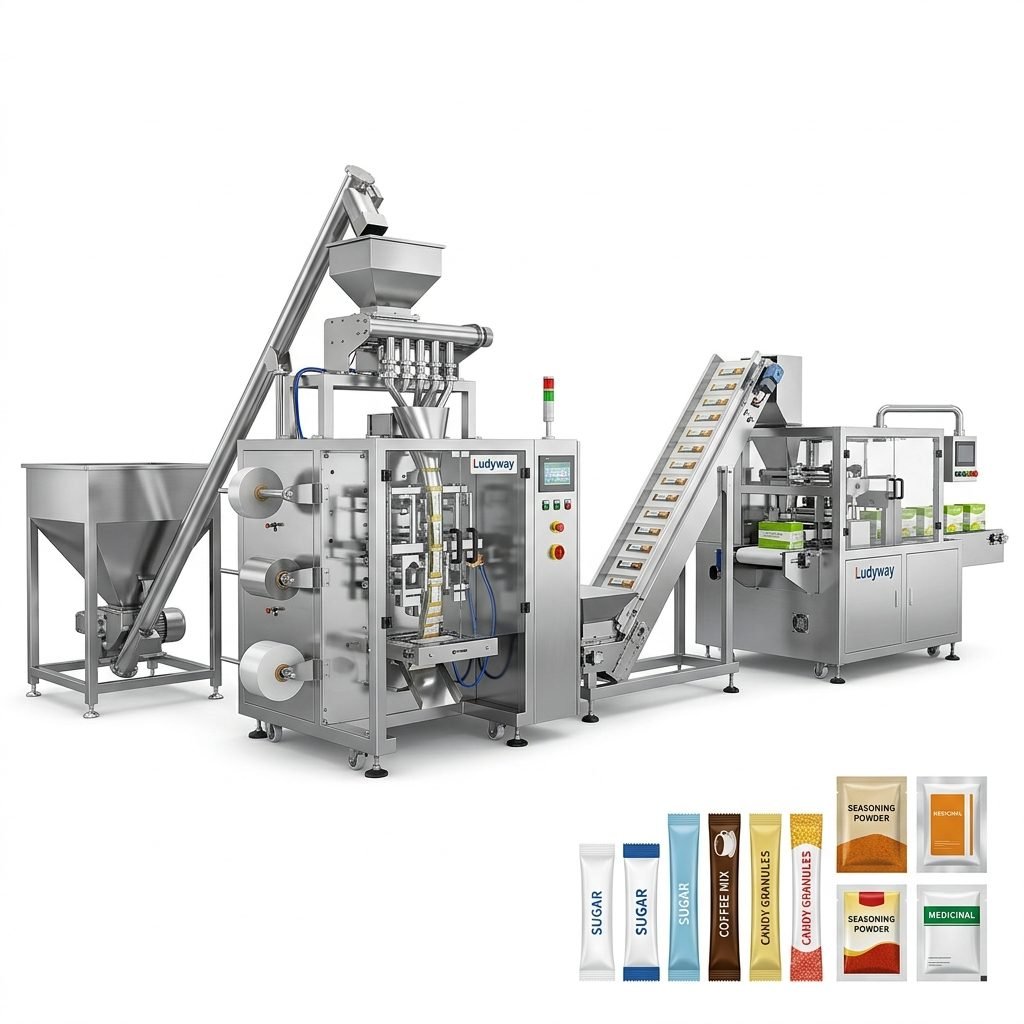
Building an automatic packaging factory is one of the most effective ways to improve production efficiency, reduce labor dependence, increase packaging consistency, and create a scalable manufacturing operation. Whether you produce food, pharmaceuticals, cosmetics, chemicals, or health supplements, the right automation strategy can transform your factory from a labor-intensive workshop into a high-output, quality-controlled production center.
This guide explains how to plan, design, equip, and optimize an automatic packaging factory step by step. It covers factory layout, machine selection, production flow, quality control, staffing, digital management, and long-term return on investment.
Why Build an Automatic Packaging Factory?
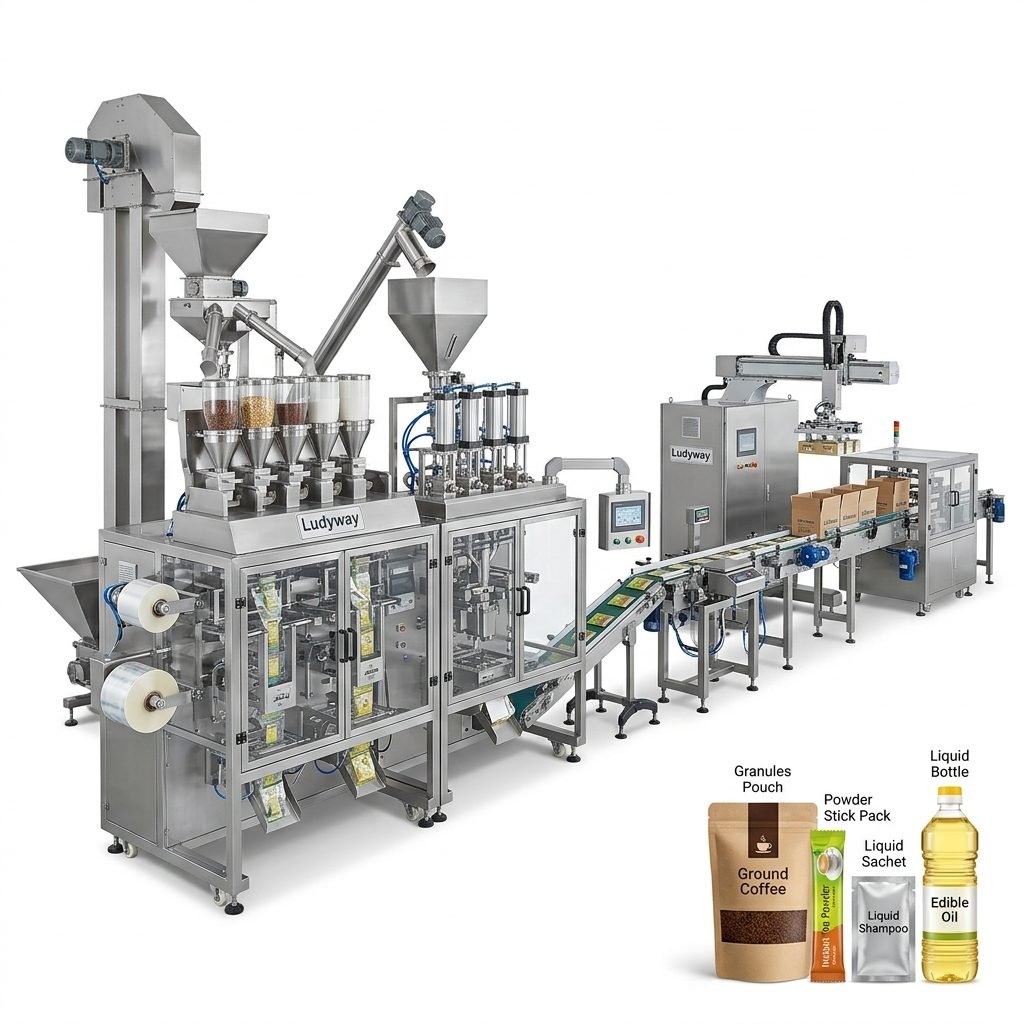
An automatic packaging factory is designed to integrate packaging processes into a coordinated system rather than relying on isolated manual tasks. This creates measurable advantages across production, quality, and cost control.
- Higher output with less manual intervention
- More stable packaging quality and accurate filling performance
- Lower labor costs over the long term
- Improved hygiene and compliance for regulated industries
- Better data visibility for production planning and traceability
- Scalable capacity for future product expansion
For growing manufacturers, automation is no longer only about speed. It is also about reducing errors, strengthening brand consistency, and staying competitive in markets where packaging appearance, sealing integrity, and traceable output matter more than ever.
Step 1: Define Your Product and Packaging Requirements
Before choosing any equipment, clearly define what your factory will package. The ideal automatic packaging line depends on product characteristics, package format, output target, and compliance level.
Key questions to answer first
- What product types will you package: granules, powders, liquids, pastes, tablets, capsules, or pouches?
- What package formats will you use: sachets, stick packs, bottles, jars, cartons, premade pouches, bags, or bulk sacks?
- What is your target output per minute, hour, and shift?
- What filling accuracy is required?
- Do you need dust control, nitrogen flushing, capping, coding, labeling, cartoning, or palletizing?
- Are there hygiene or GMP requirements for food, pharmaceutical, or medical production?
- Will the line need to support multiple SKUs in the future?
| Product Type | Typical Packaging Format | Recommended Equipment |
|---|---|---|
| Powders | Sachets, stick packs, jars, bags | Auger filler, VFFS machine, multi-lane sachet machine |
| Granules | Stick packs, pouches, bags, bottles | Multi-head weigher, cup filler, pouch packing machine |
| Liquids | Sachets, bottles, vials | Liquid filler, piston filler, bottle filling line |
| Pastes/Creams | Sachets, tubes, jars | Piston filling and sealing systems |
| Tablets/Capsules | Blisters, bottles, sachets | Counting, blister, bottling, cartoning machines |
Step 2: Choose the Right Factory Layout
A successful automatic packaging factory depends heavily on layout design. Poor layout leads to wasted motion, material congestion, cross-contamination risk, and bottlenecks between machines.
Core layout principles
- Separate raw material storage, production, finished goods, and maintenance zones
- Create a logical one-way production flow from feeding to final packing
- Minimize unnecessary worker movement and forklift traffic
- Reserve enough space for cleaning, inspection, and machine servicing
- Allow future expansion for extra lanes, secondary packaging, or robotic end-of-line systems
Typical automatic packaging factory flow
Raw materials → feeding/conveying → filling → sealing → coding → inspection → cartoning/case packing → palletizing → warehouse
For food and pharmaceutical facilities, zoning should also reflect hygiene classifications. Clean production areas may need air handling systems, wash-down design, and restricted access to prevent contamination.
Step 3: Select the Main Packaging Equipment
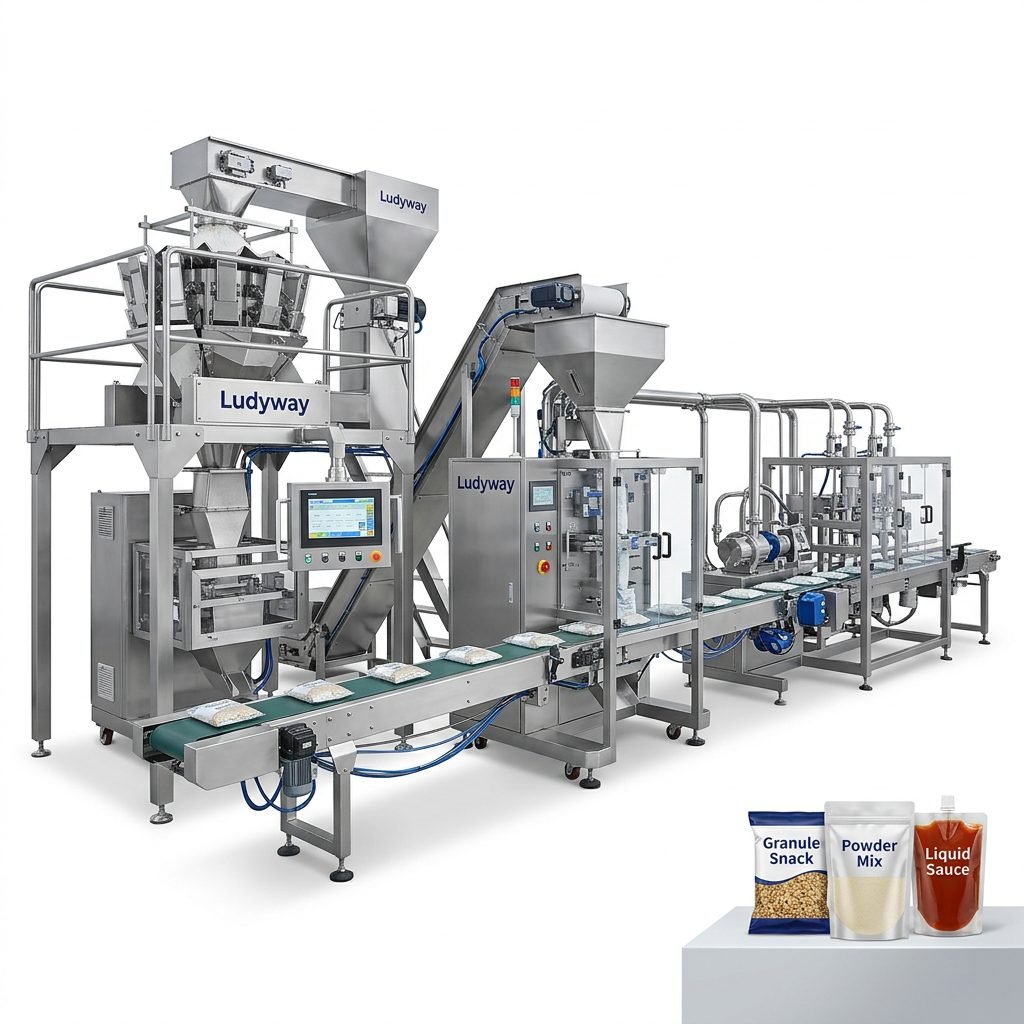
Your packaging machines are the core of the factory. They must match not only your current production needs, but also your future growth plan. A good automation project focuses on compatibility, reliability, maintainability, and upgrade potential.
Main machine categories in an automatic packaging factory
- Feeding systems: screw conveyors, bucket elevators, vacuum feeders
- Filling systems: auger fillers, liquid fillers, piston fillers, weighing systems
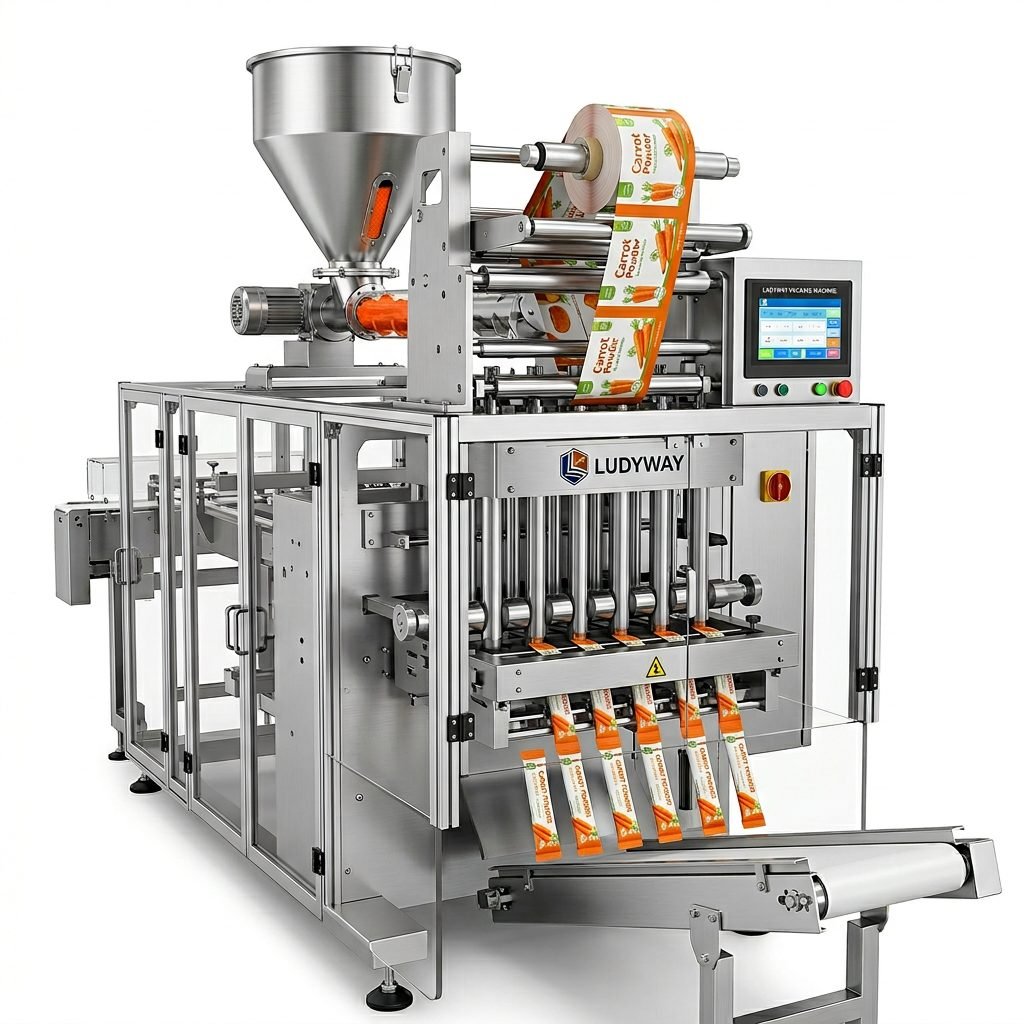
- Form-fill-seal machines: vertical and multi-lane systems
- Pouch and sachet packing machines
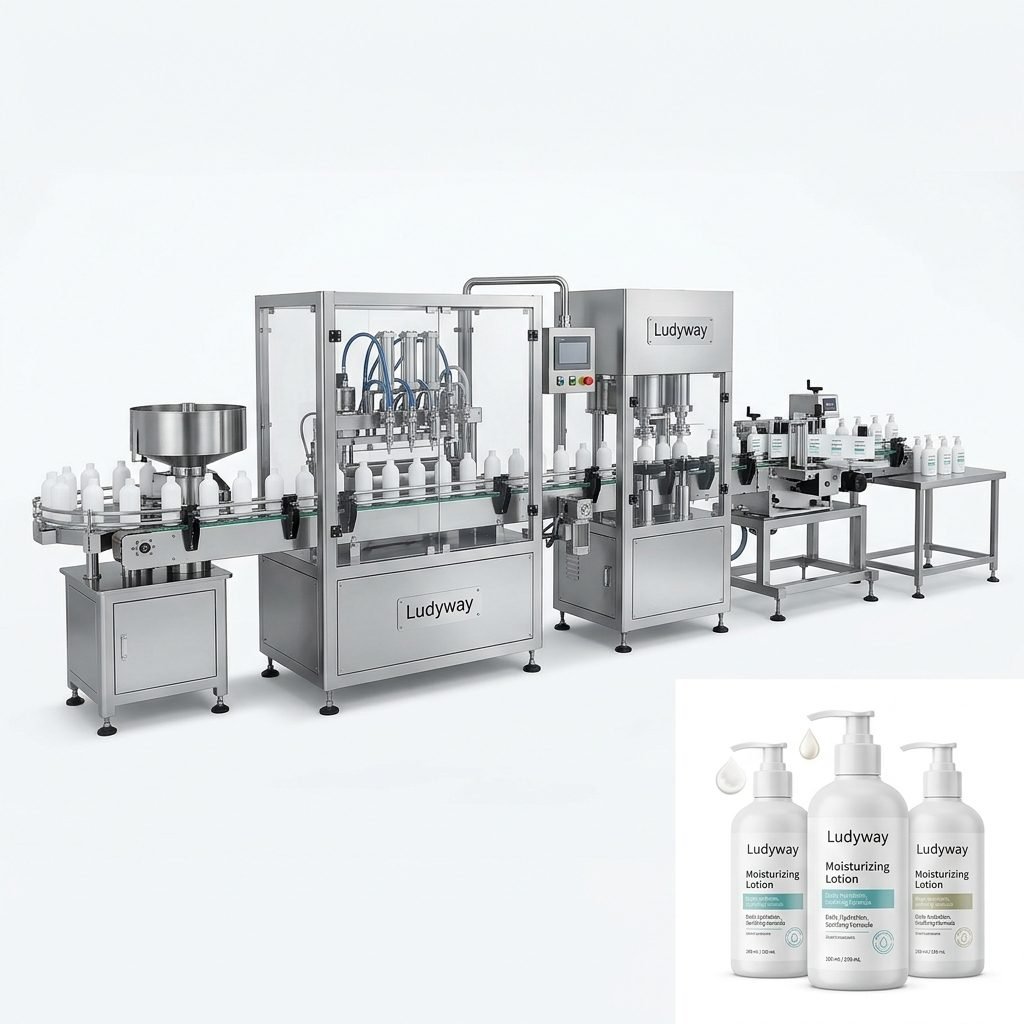
- Bottle filling, capping, labeling, and sealing machines
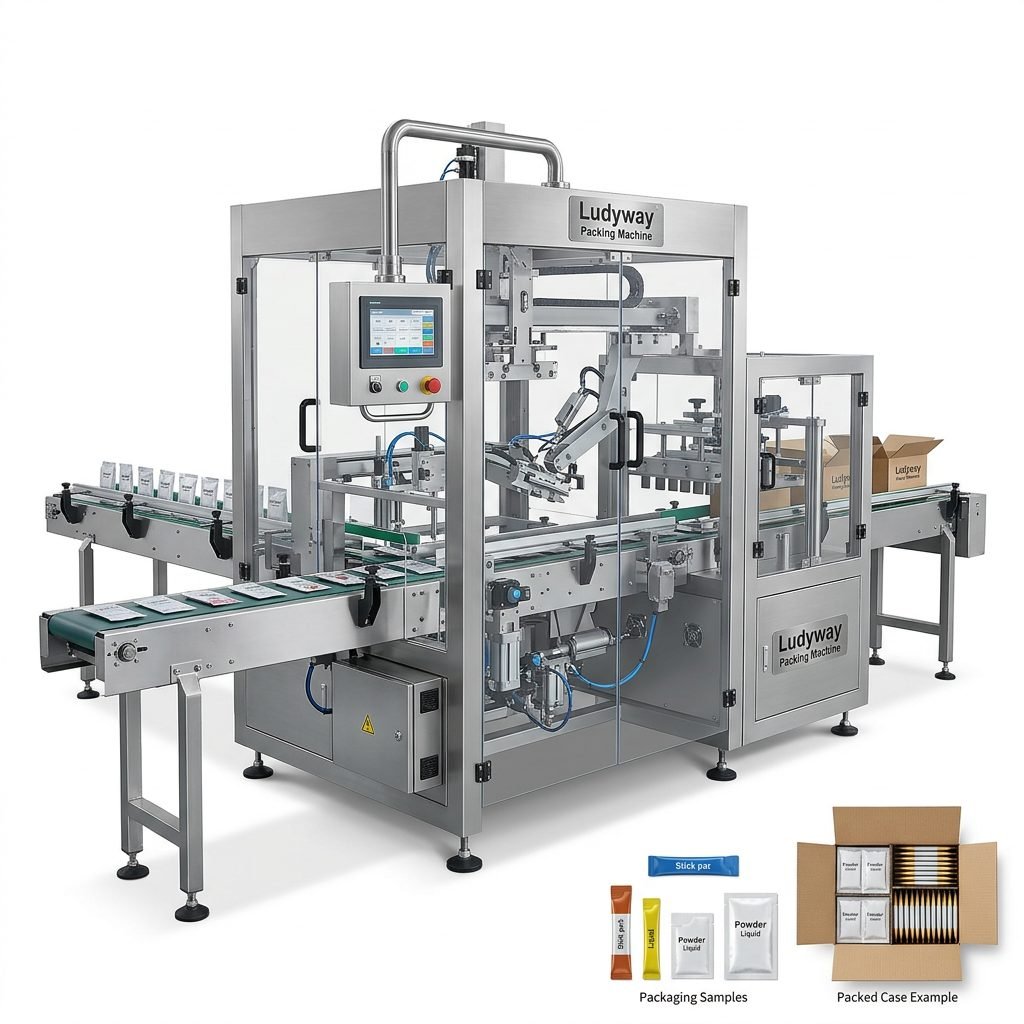
- Cartoning and case packing machines
- Palletizing and wrapping systems
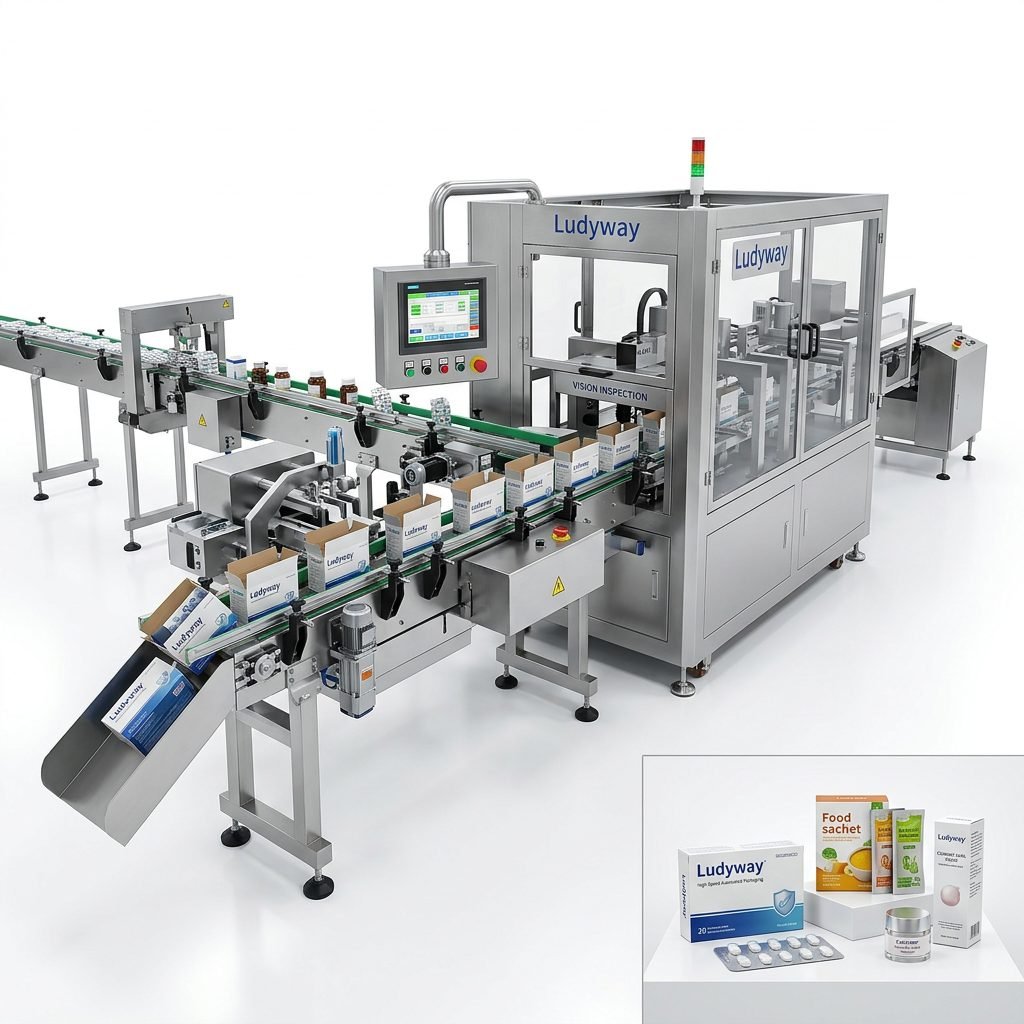
- Inspection systems: checkweighers, metal detectors, vision inspection
What to evaluate when selecting machines
- Output speed under real production conditions
- Filling accuracy and sealing stability
- Changeover time between SKUs
- Ease of cleaning and maintenance
- Automation integration capability
- Availability of spare parts and technical support
- Machine material and build quality
- Compliance with target export market standards
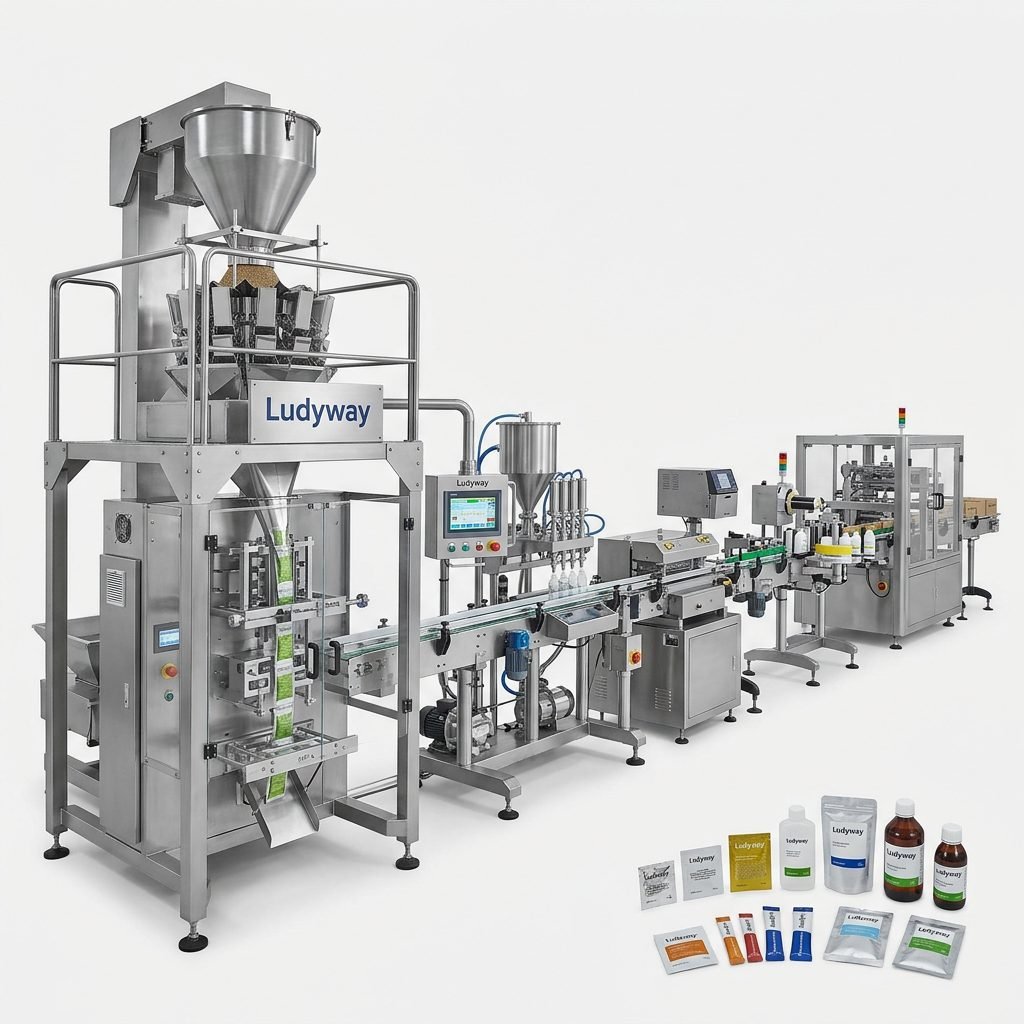
If you are looking for a turnkey supplier with deep experience in automated packaging equipment, Ludyway packaging machine solutions are widely used for food, pharmaceutical, health supplement, chemical, and pouch-based production projects worldwide.
Step 4: Build a Turnkey Production Line Instead of Isolated Machines
Many factories make the mistake of buying standalone equipment from different sources without considering line integration. This often creates synchronization issues, unstable material transfer, inconsistent control logic, and difficult after-sales coordination.
A turnkey automatic packaging factory works better because all systems are designed to operate together. This includes:
- Matched production speeds from feeding to final packing
- Unified control systems and operator interface
- Integrated sensors, alarms, and rejection functions
- Simplified commissioning and training
- Better line efficiency and lower downtime
| Approach | Advantages | Risks |
|---|---|---|
| Standalone machine buying | Lower initial flexibility, wider vendor choice | Integration issues, inconsistent support, efficiency loss |
| Turnkey packaging line | Better coordination, faster startup, easier management | Requires strong planning and supplier qualification |
Step 5: Plan Utilities and Infrastructure Early
Even the best packaging machines will underperform if factory infrastructure is not properly prepared. Utilities must be designed according to machine load, environmental demands, and safety requirements.
Essential infrastructure checklist
- Stable electrical power and correct voltage distribution
- Compressed air supply with adequate pressure and dryness
- Ventilation and dust extraction for powder packaging
- Temperature and humidity control when required
- Drainage and washable surfaces for liquid or hygiene-sensitive production
- Network connectivity for MES, ERP, and machine data collection
- Safe material handling routes for pallets, cartons, and bulk ingredients
For pharmaceutical, medical, and supplement applications, utility planning should also include cleanroom or controlled environment requirements where applicable.
Step 6: Focus on Automation Software and Line Control
Modern automatic packaging factories are not just mechanical systems. They rely on digital control to improve consistency and provide actionable production data.
Important control features
- PLC-based machine coordination
- Touchscreen HMI for operator settings and diagnostics
- Recipe storage for rapid SKU changeover
- Batch tracking and production data logging
- Alarm history and fault analysis
- Remote support capability
- Connection to factory MES or ERP systems
With proper data visibility, management can track OEE, reject rates, filling accuracy, downtime causes, and line utilization. That makes the automatic packaging factory easier to optimize over time.
Step 7: Design Quality Control Into the Line
Quality control should never be treated as a final checkpoint only. In an efficient packaging factory, quality assurance is built into every stage of production.
Common inline quality control systems
- Weight checking for underfill or overfill detection
- Seal inspection for leak prevention
- Metal detection or X-ray inspection for contamination control
- Vision systems for print, label, and code verification
- Reject systems for non-conforming products
This is especially important for food, pharma, and health supplement packaging where product safety, traceability, and compliance directly affect market acceptance and brand trust.
Step 8: Build a Skilled Team Around the Automation
An automatic packaging factory still needs people. The difference is that workers shift from repetitive manual tasks to line supervision, quality management, maintenance, and process optimization.
Key personnel roles
- Production manager
- Machine operators
- Maintenance technicians
- Electrical and automation engineers
- Quality assurance staff
- Warehouse and material handling coordinators
- Sanitation and compliance personnel
Operator training should include machine startup, shutdown, format change, cleaning procedure, troubleshooting, and emergency handling. Strong training is one of the most cost-effective ways to protect automation performance.
Step 9: Think About Flexibility and Future Expansion
A factory built only for today’s product may quickly become inefficient tomorrow. Market demand changes, packaging formats evolve, and customer requirements become more complex. Smart investors design for flexibility from the start.
Ways to future-proof your automatic packaging factory
- Leave floor space for additional lines or end-of-line automation
- Select modular equipment that supports multiple bag or pouch sizes
- Use control systems that allow software upgrades
- Choose suppliers with customization capability
- Standardize spare parts where possible
- Plan for secondary packaging and warehouse automation later
Step 10: Calculate ROI Before You Invest
The cost of building an automatic packaging factory can vary significantly depending on product type, speed, hygiene level, and packaging complexity. A proper ROI analysis helps you justify the project and prioritize the right level of automation.
Main cost factors
- Packaging machines and auxiliary equipment
- Installation and commissioning
- Factory renovation and utilities
- Operator training
- Spare parts and maintenance tools
- Software integration and data systems
Main return factors
- Reduced labor dependence
- Higher output capacity
- Lower reject rates
- Reduced packaging material waste
- Improved product consistency
- Higher customer confidence and order volume
| Investment Area | Short-Term Impact | Long-Term Value |
|---|---|---|
| High-speed filling and sealing | Raises initial capex | Boosts output and consistency |
| Inline inspection | Adds control cost | Reduces recalls and rejects |
| Digital monitoring | Requires integration effort | Improves OEE and decision-making |
| End-of-line automation | Higher equipment investment | Cuts labor and improves logistics flow |
Common Mistakes to Avoid
- Choosing machines based on price alone instead of total lifecycle value
- Ignoring line integration between upstream and downstream equipment
- Underestimating utility requirements
- Failing to allocate enough maintenance access space
- Buying for current volume only without growth planning
- Neglecting operator training and spare parts planning
- Skipping pilot tests for difficult powders, sticky liquids, or fragile granules
Best Industries for Automatic Packaging Factory Investment
Automatic packaging factories are especially valuable in sectors where product volume, hygiene, and packaging consistency directly influence profitability and market competitiveness.
- Food and beverage
- Pharmaceuticals
- Health supplements and nutraceuticals
- Cosmetics and personal care
- Household and cleaning chemicals
- Agriculture and animal feed
- Industrial powders and specialty chemicals
Final Planning Checklist Before Launch
- Confirm product, package type, and capacity target
- Complete factory flow and zoning plan
- Select integrated packaging equipment
- Verify utility and installation conditions
- Define quality control and compliance standards
- Train operators and maintenance staff
- Run FAT and SAT testing before mass production
- Track KPIs after startup and optimize continuously
A well-planned automatic packaging factory is not simply a collection of machines. It is a complete production system designed to deliver speed, stability, traceability, and scalable growth. By aligning your product requirements, layout, equipment, utilities, and digital controls from the beginning, you can build a packaging operation that stays competitive for years to come.