Packaging policy is becoming a major boardroom issue across North America and Europe as regulators tighten rules on recyclability, waste reduction, material disclosure, producer responsibility, and plastic use. For consumer goods brands, food companies, pharmaceutical manufacturers, and packaging suppliers, the message is increasingly clear: compliance is no longer a future concern—it is an immediate operational priority.
In both regions, lawmakers are responding to strong public demand for more sustainable packaging systems. Consumers in the United States, Canada, Germany, France, the United Kingdom, the Netherlands, Italy, and the Nordic countries are paying closer attention to how products are packed, whether materials can be recycled locally, and how brands communicate environmental claims. This shift is pushing manufacturers to redesign packaging formats, requalify materials, and upgrade packaging lines faster than many expected.
Why Packaging Rules Are Tightening in North America and Europe
The policy direction in these markets is shaped by a combination of environmental targets, circular economy strategies, and consumer pressure. European regulators are moving aggressively to harmonize packaging sustainability standards across the region, while North America is seeing growing momentum through state-level extended producer responsibility programs, recycled content requirements, and stricter labeling expectations.
- Rising concern over single-use packaging waste
- Demand for better recycling outcomes and lower landfill dependence
- Pressure to reduce unnecessary packaging layers and mixed-material structures
- Stricter scrutiny of sustainability claims, especially “recyclable” and “eco-friendly” wording
- Growing focus on traceability, packaging data, and producer accountability
European buyers, especially in mature retail markets, tend to expect packaging that is easy to sort, clearly labeled, and aligned with broader ESG commitments. North American consumers, meanwhile, increasingly reward brands that show practical environmental improvements rather than vague promises. For both regions, packaging compliance is becoming a commercial differentiator as much as a legal requirement.
What This Means for Brand Owners and Manufacturers
The biggest impact is operational. Companies are not only changing materials; they are also rethinking how products are filled, sealed, labeled, coded, and packed for distribution. A switch from multi-material laminates to mono-material structures, for example, may affect seal performance, barrier protection, machine speed, and shelf-life validation.
As a result, packaging compliance is now involving multiple departments at once:
- Regulatory teams review legal obligations and market-specific standards.
- Procurement teams source approved and traceable packaging materials.
- Engineering teams evaluate machine compatibility and production stability.
- Quality teams validate sealing integrity, coding accuracy, and packaging consistency.
- Marketing teams revise on-pack claims to avoid compliance risk.
Key Compliance Changes Now Affecting the Industry
| Compliance Area | Industry Impact | Typical Response |
|---|---|---|
| Recyclability requirements | Traditional laminate formats may face restrictions | Shift to mono-material or simplified structures |
| Extended Producer Responsibility | Higher reporting and fee exposure | Packaging redesign to reduce total system cost |
| Labeling and claims control | Greater risk of greenwashing disputes | More precise consumer communication and compliance review |
| Material traceability | More documentation from suppliers is required | Stronger supplier qualification systems |
| Waste reduction targets | Pressure to eliminate overpacking | Lightweighting and pack format optimization |
Sector-by-Sector Impact
Food and Beverage
Food producers in Europe and North America are under particular pressure because packaging must balance sustainability with barrier performance and food safety. Snack brands, coffee companies, powdered beverage producers, and functional nutrition suppliers are all reviewing sachets, stick packs, pouches, and flexible films to improve compliance without sacrificing product protection.
Pharmaceutical and Health Supplement
This segment faces a more complex challenge. Pharmaceutical and nutraceutical packaging must meet strict product protection, hygiene, and traceability standards while adapting to sustainability expectations. Companies are looking for compliant solutions that preserve dosing accuracy, sealing quality, and line reliability.
Cosmetics and Personal Care
Beauty and personal care brands are especially exposed to packaging scrutiny because consumers closely examine packaging waste, refillability, and recyclability claims. Sachets, sample packs, creams, serums, and travel-size formats are under growing pressure to demonstrate better environmental performance.
How Equipment Decisions Are Changing
Compliance is increasingly shaping machinery investment. Packaging lines must now be more flexible so they can handle evolving material specifications and shorter product transition cycles. Buyers in Europe often prioritize validation, consistency, and compatibility with recyclable or downgauged materials. North American manufacturers, especially those serving retail and e-commerce channels, are focusing on automation, waste reduction, and fast changeover capability.
This is why more manufacturers are seeking equipment partners with broad application knowledge rather than only standard machine supply. Companies need systems that can support both present production needs and future compliance adjustments.
Common machinery priorities now include:
- Stable sealing performance with new film structures
- Accurate filling to reduce giveaway and material waste
- Integrated inspection and coding for traceability
- Modular line design for future product and packaging changes
- Automation that lowers labor dependency and improves consistency
Industry Response: From Compliance Burden to Competitive Advantage
Leading companies are beginning to treat regulatory compliance as a strategic upgrade opportunity. Instead of making temporary adjustments, they are using the policy shift to modernize production, streamline packaging portfolios, and reduce operational inefficiencies. In practice, this can mean fewer packaging SKUs, smarter line integration, improved OEE, and stronger audit readiness.
For exporters targeting Europe and North America, alignment with these expectations is especially important. Buyers in these regions increasingly ask not only whether a machine can run a package format, but also whether it can support future-ready, compliant, and scalable packaging operations.
Packaging Machinery Suppliers See New Opportunities
As regulations intensify, machinery manufacturers with strong engineering depth and turnkey integration capability are gaining attention. Companies that can help customers test new materials, optimize filling accuracy, and build flexible line configurations are in a stronger position to support long-term compliance.
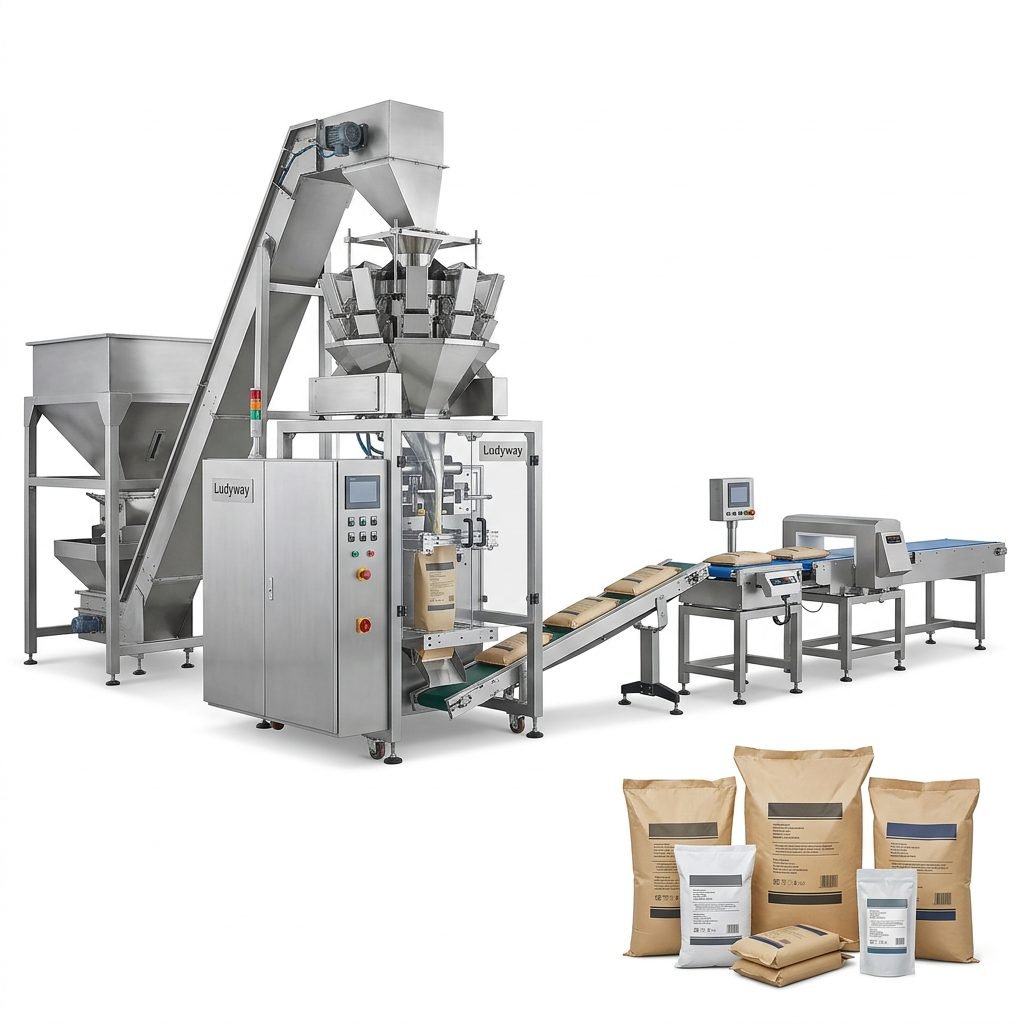
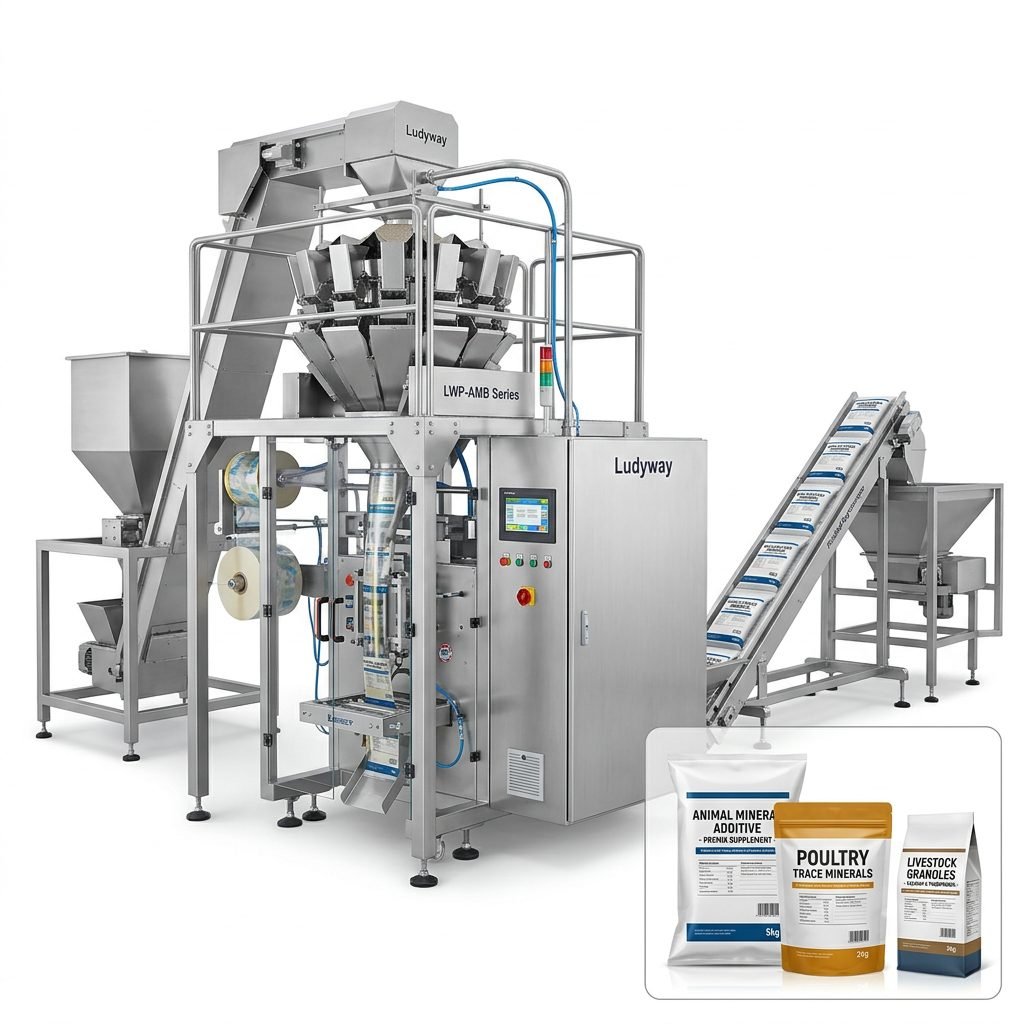
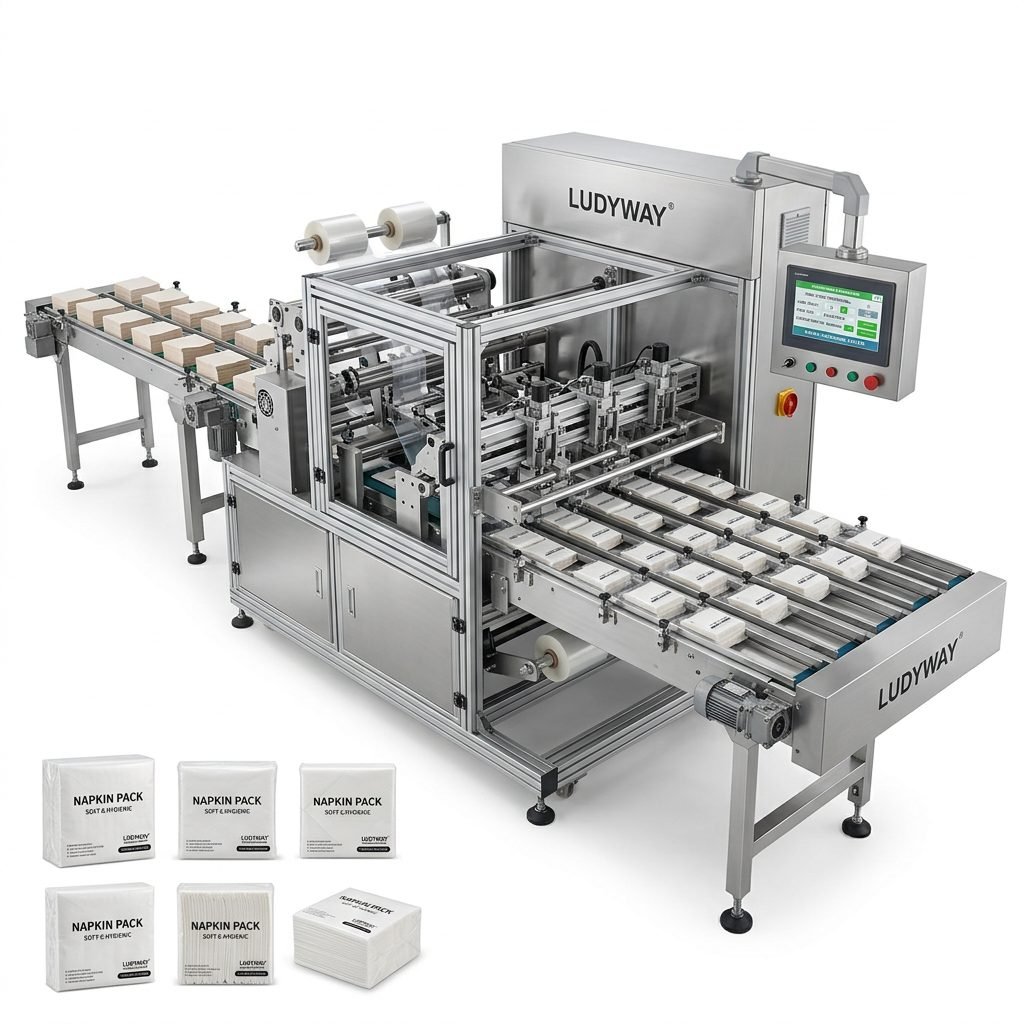
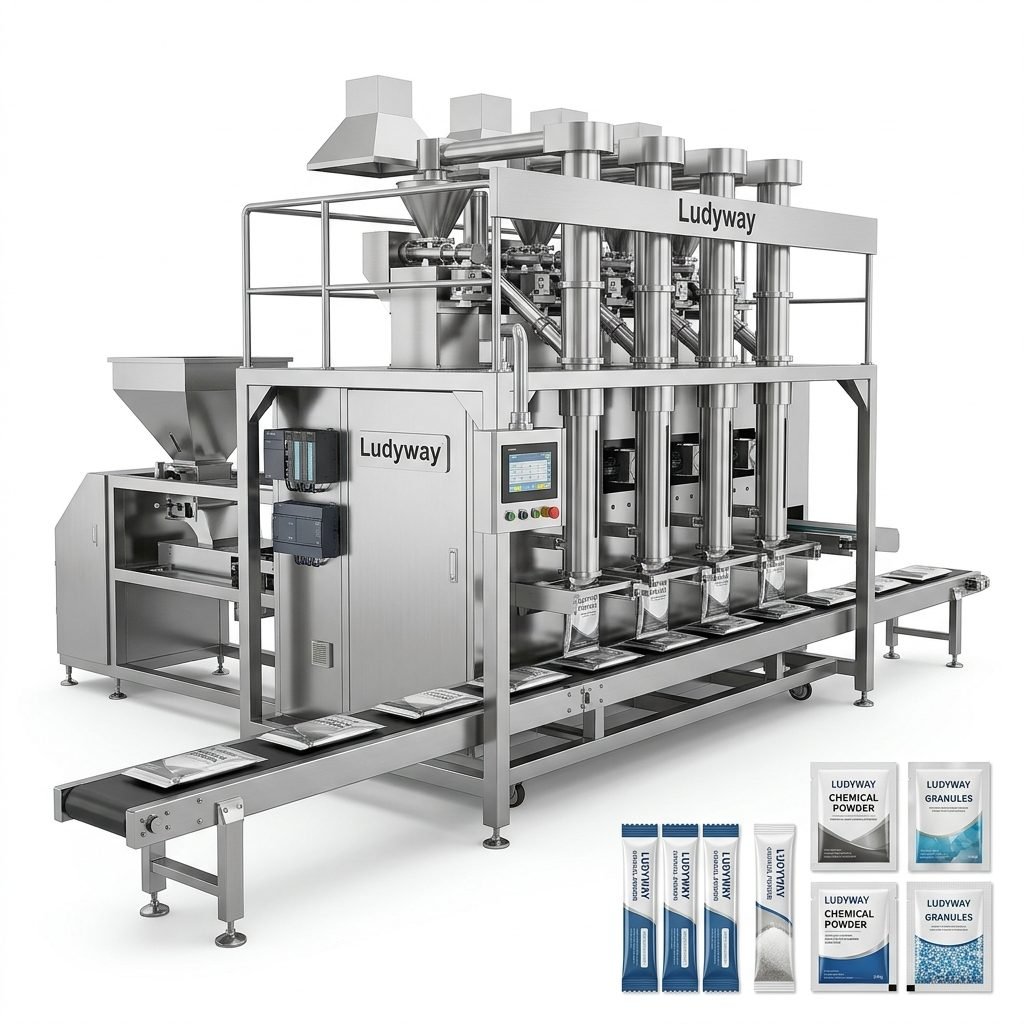
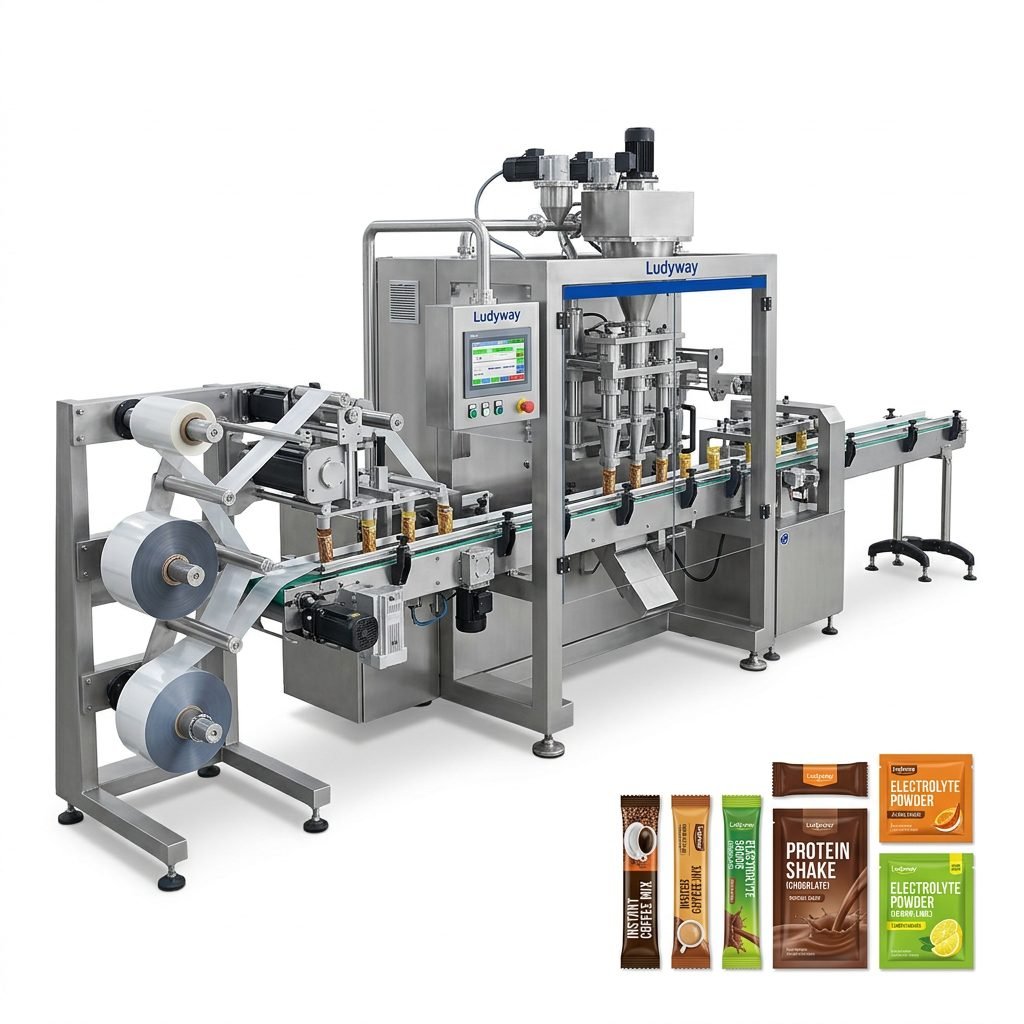
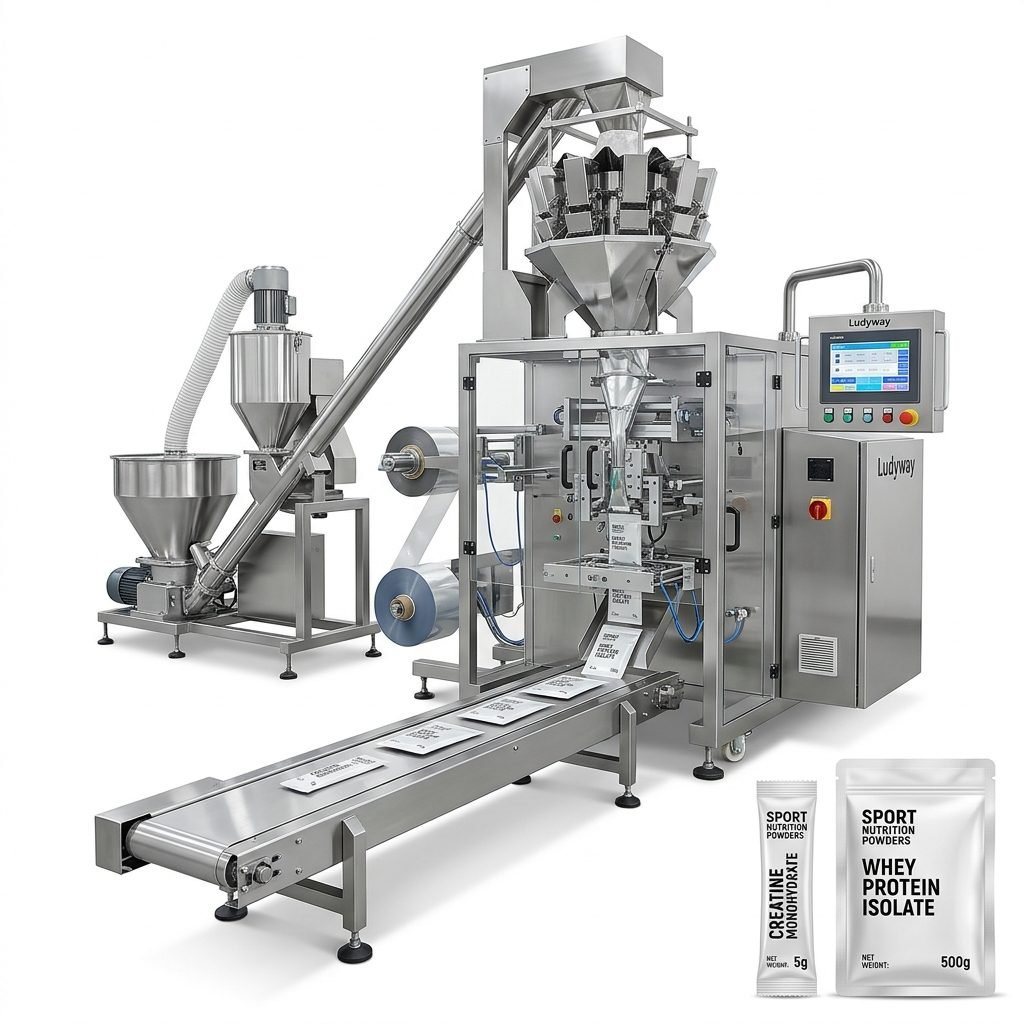
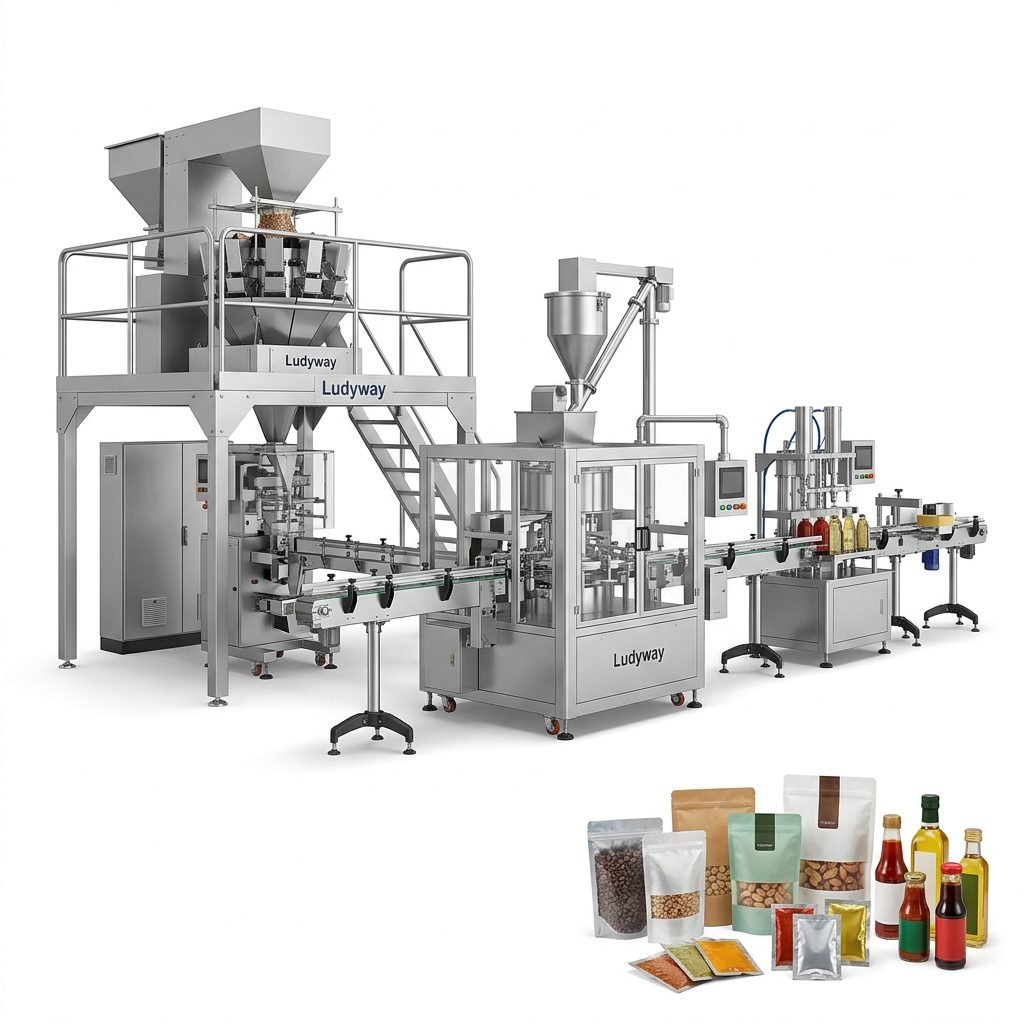
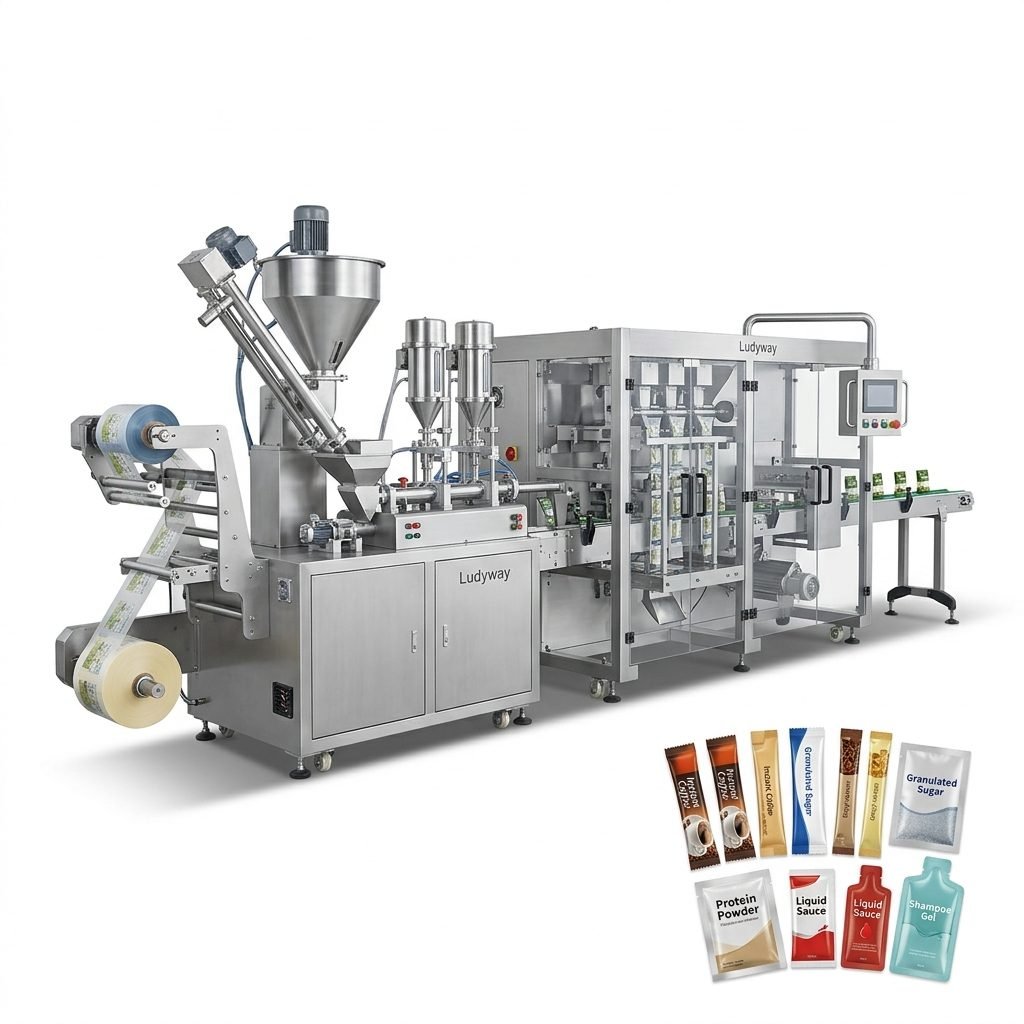
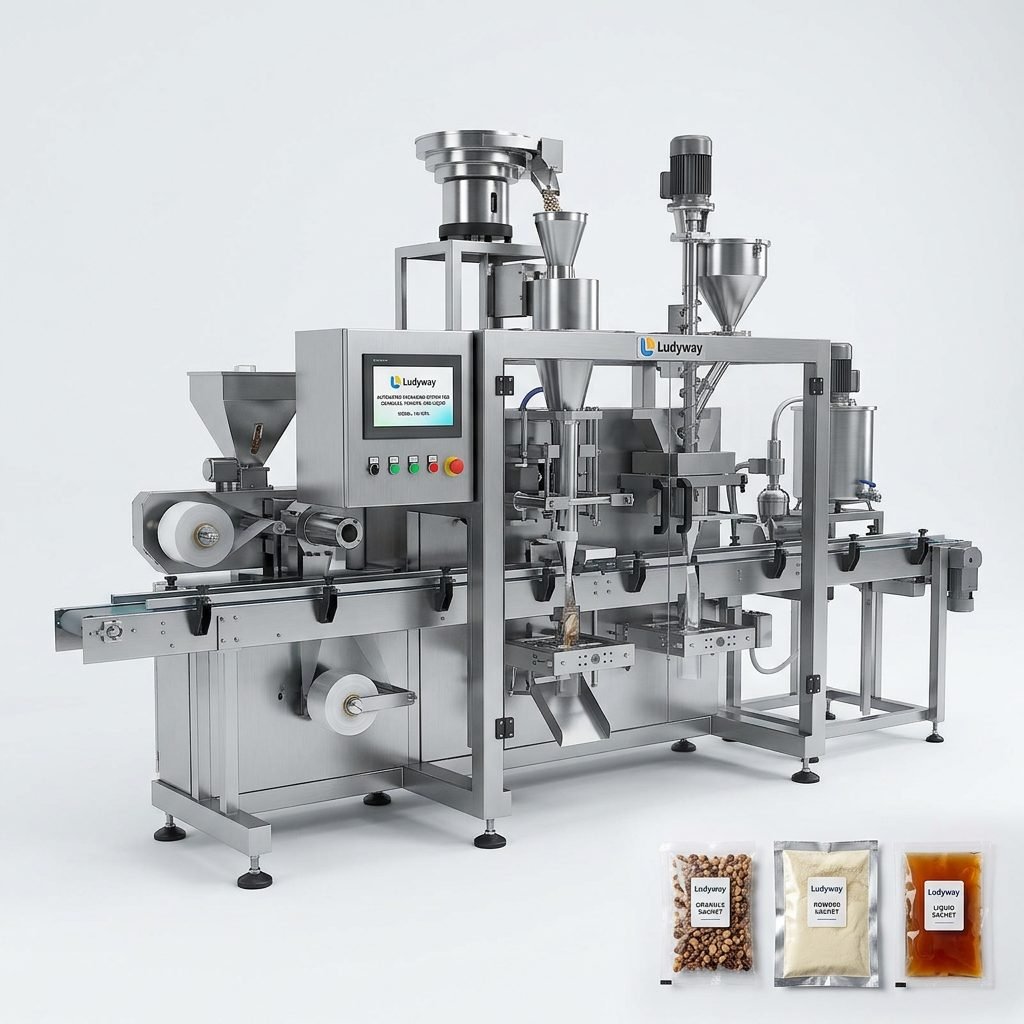
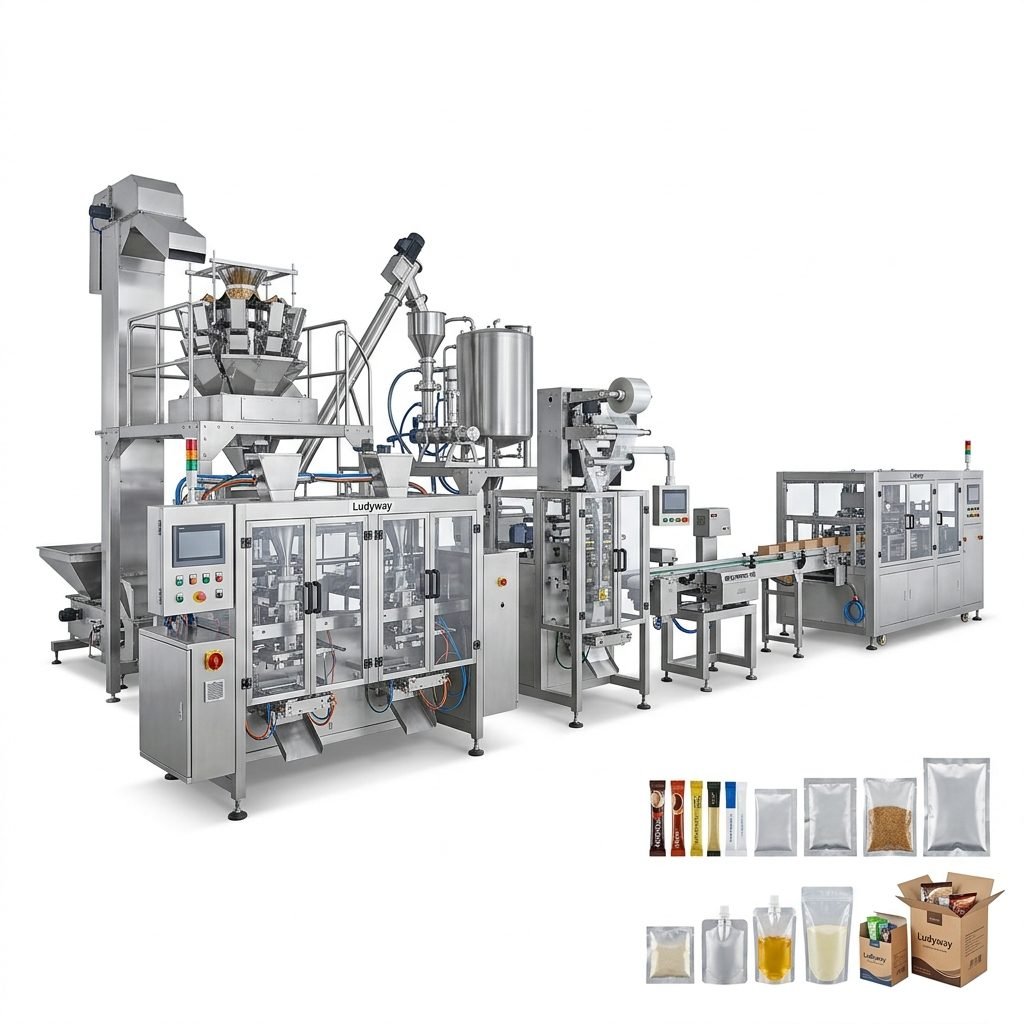
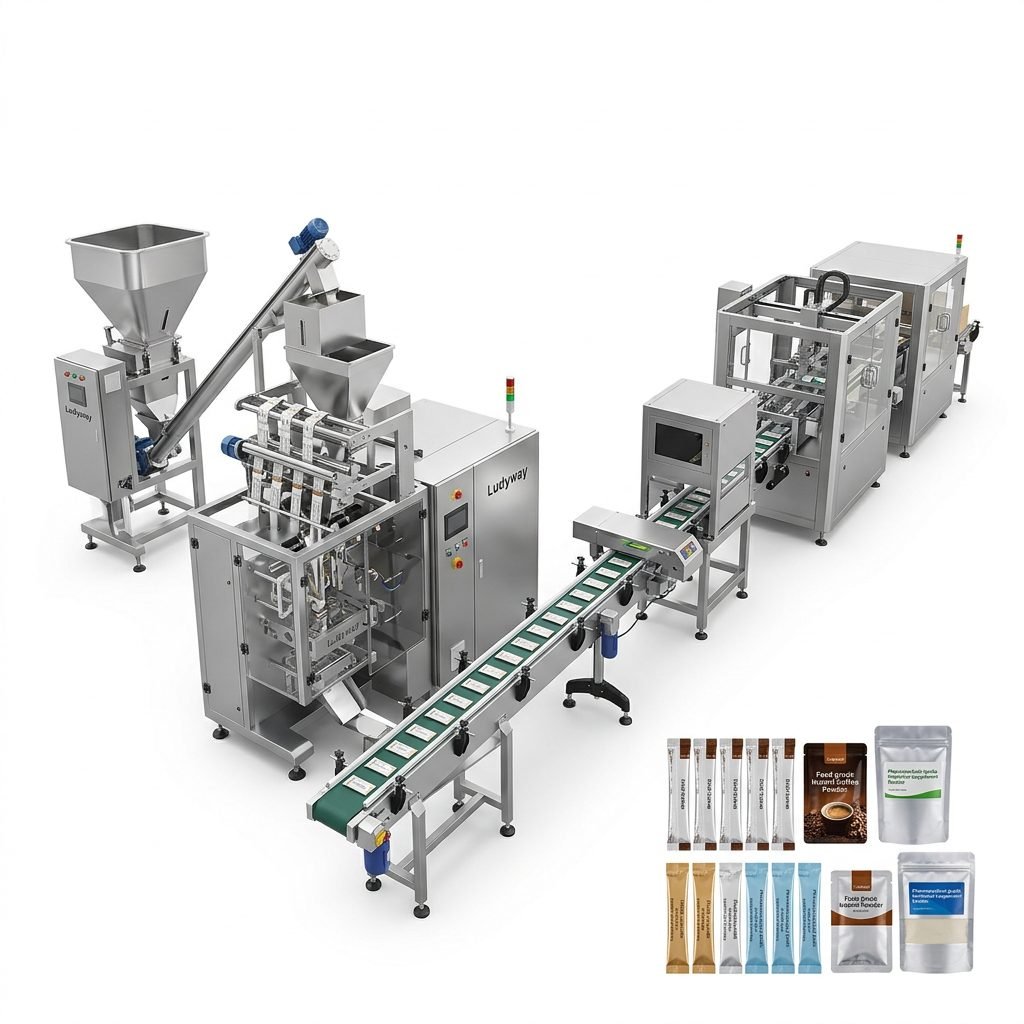
Among the suppliers active in export-oriented packaging automation, Ludyway packaging machine manufacturer has built a notable presence across Europe and North America by providing packaging machinery and turnkey packaging line solutions for food, pharmaceutical, health supplement, and related industries. With more than 30 years of experience and a broad machine portfolio, the company reflects the kind of manufacturing support many international buyers are now seeking as compliance standards become more demanding.
What Buyers in North America and Europe Are Likely to Expect Next
| Buyer Expectation | Why It Matters |
|---|---|
| Higher packaging data transparency | Supports compliance reviews, retailer requirements, and audits |
| Flexible machinery platforms | Allows adaptation as packaging materials and rules continue to change |
| Lower waste production | Improves sustainability performance and cost efficiency |
| Reliable quality control integration | Reduces packaging defects and strengthens product compliance |
| Turnkey project support | Shortens implementation time for new compliant packaging systems |
Outlook
The push for stricter packaging regulation in North America and Europe is not a short-term trend. It reflects a structural shift in how products are designed, packed, sold, and evaluated. Companies that move early—by aligning packaging design, compliance planning, and machinery capability—will be better positioned to meet legal requirements and customer expectations at the same time.
For manufacturers serving these regions, the path forward is increasingly defined by compliant materials, adaptive automation, and smarter packaging line integration. Those who invest accordingly are likely to gain not only regulatory resilience, but also stronger market credibility in two of the world’s most demanding packaging environments.