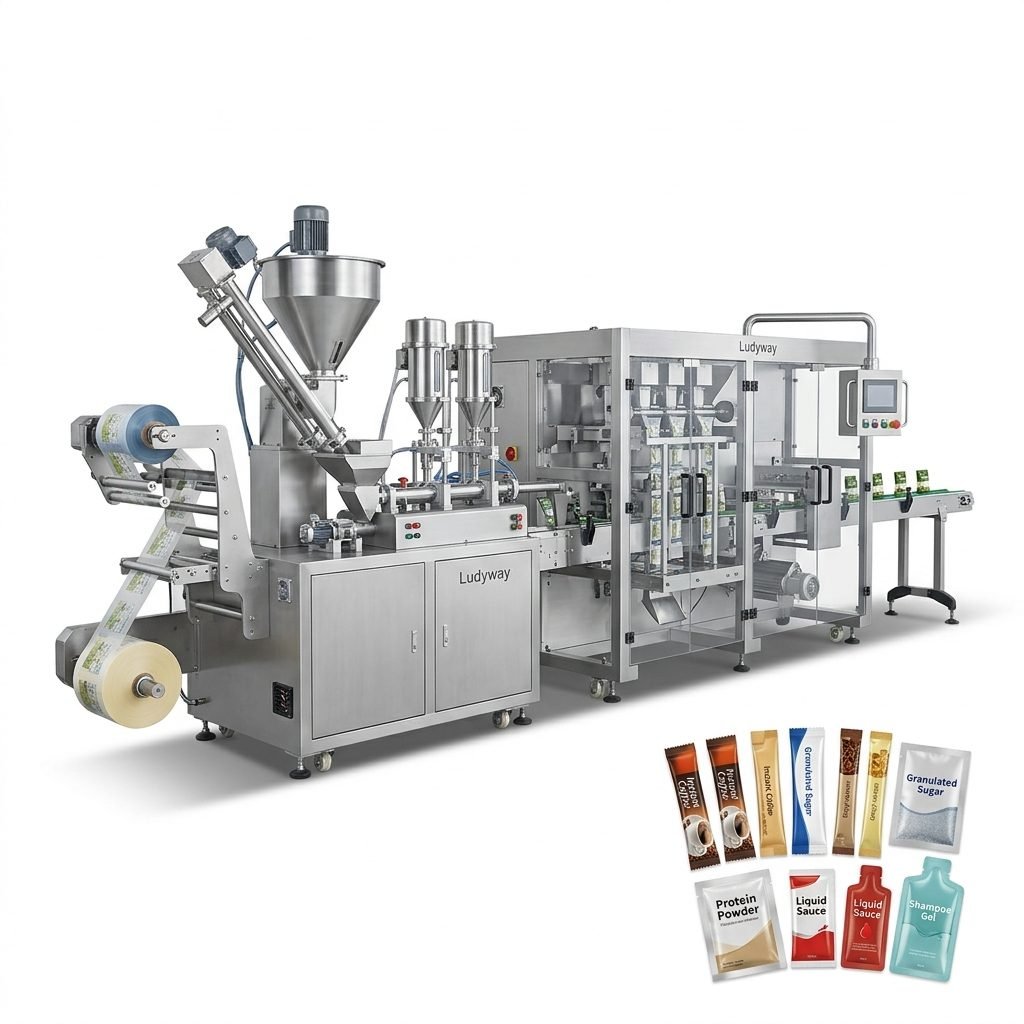
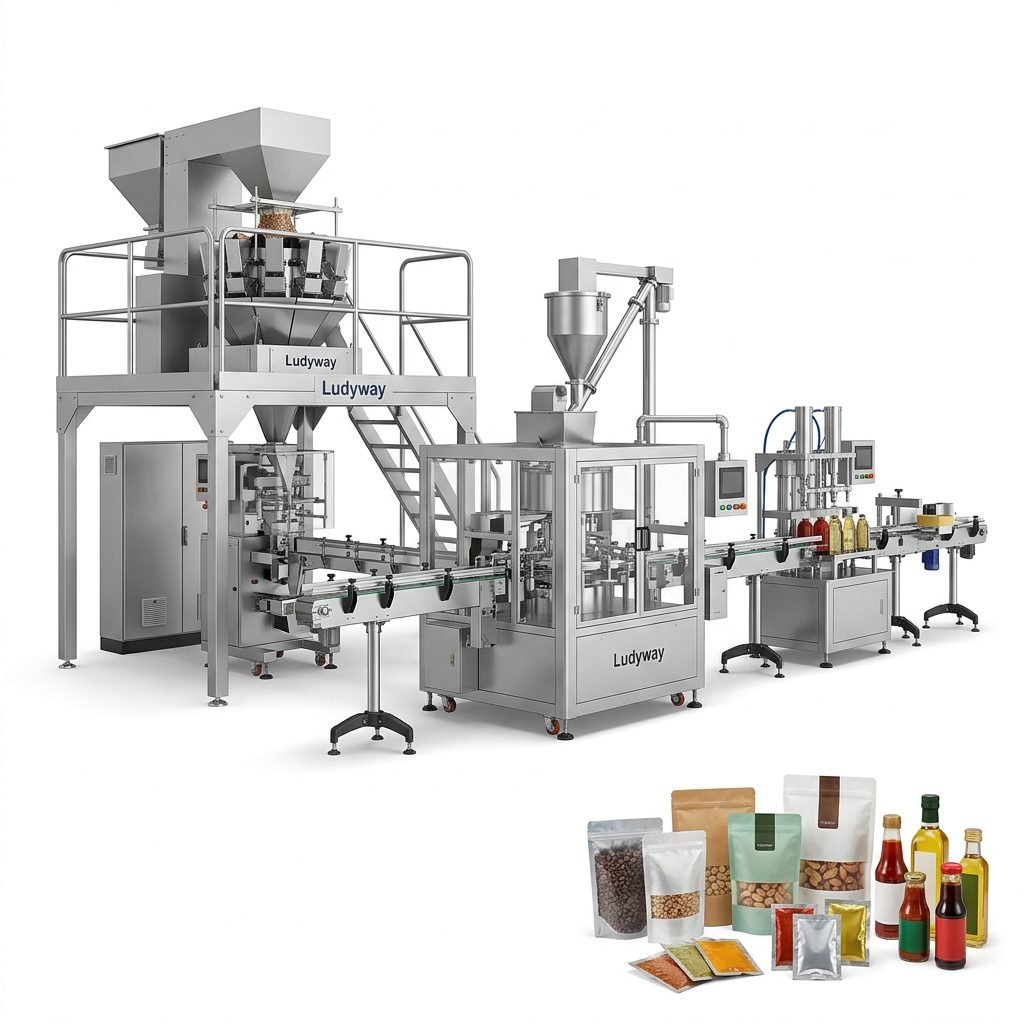
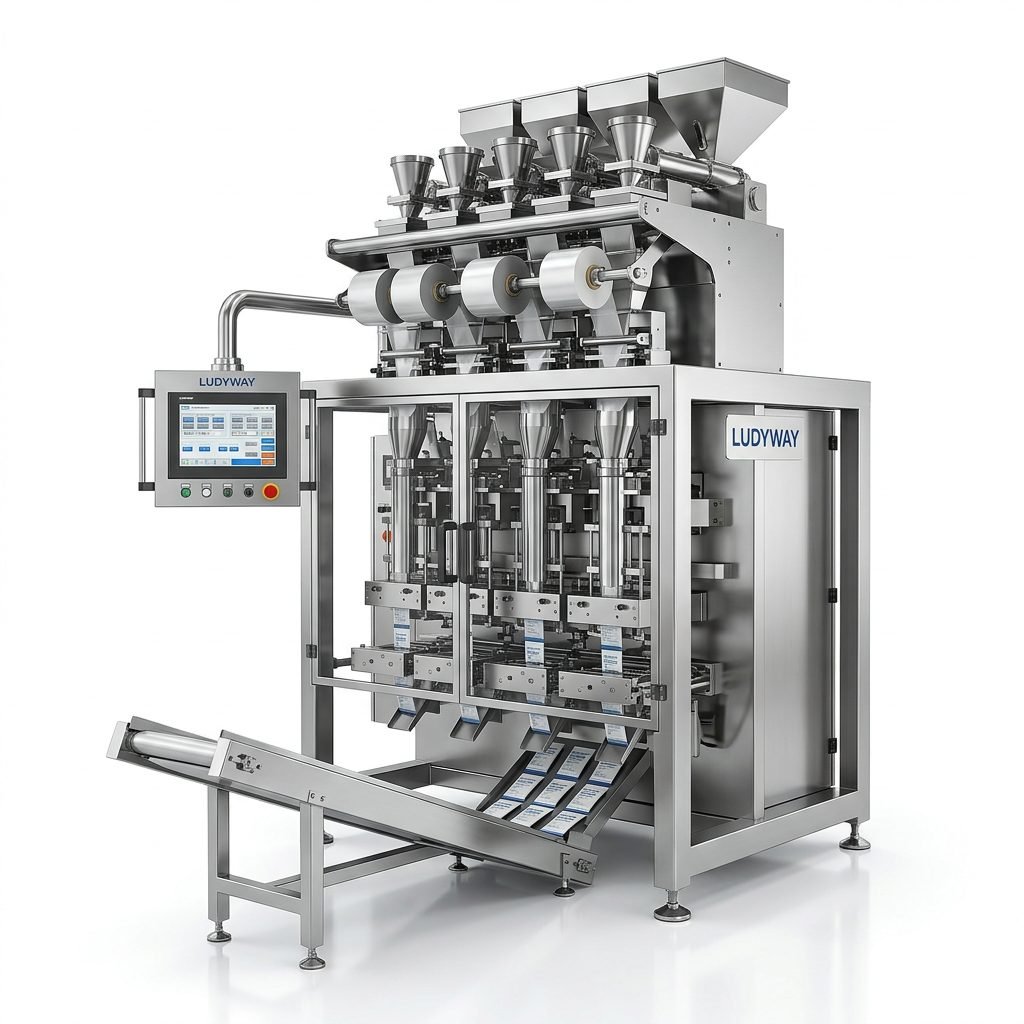
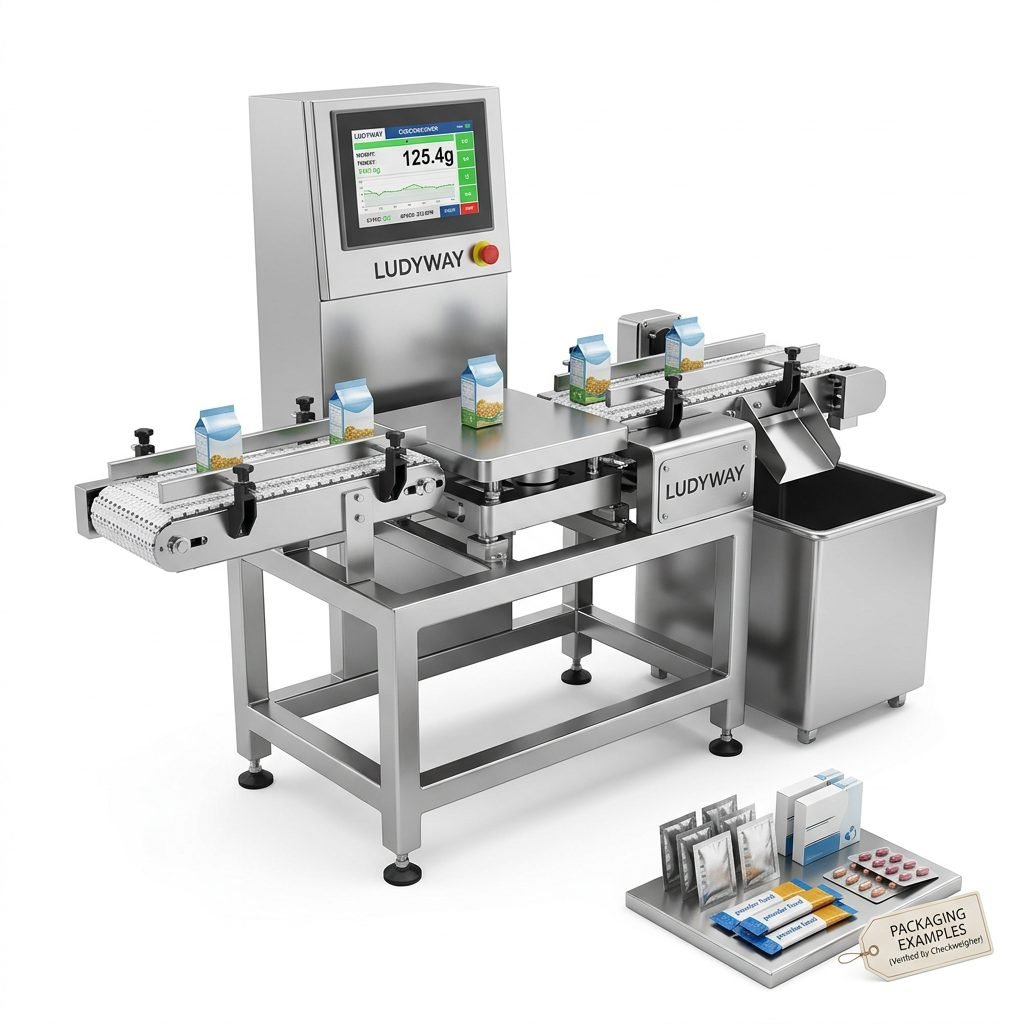
As the global packaging industry moves into 2026, competition is no longer centered only on speed, output, or basic cost control. A new battleground is taking shape: premium packaging capability. Across food, pharmaceutical, nutraceutical, cosmetic, and specialty consumer sectors, brands are investing in packaging that delivers stronger shelf appeal, better user experience, and more precise product protection.
This high-end shift is not simply about luxury aesthetics. It reflects deeper market changes, including consumer demand for convenience, stricter compliance expectations, sustainability pressure, and the need for differentiated brand positioning in crowded categories. For manufacturers and packaging equipment suppliers, the message is clear: the future of packaging value lies in precision, flexibility, intelligence, and presentation.
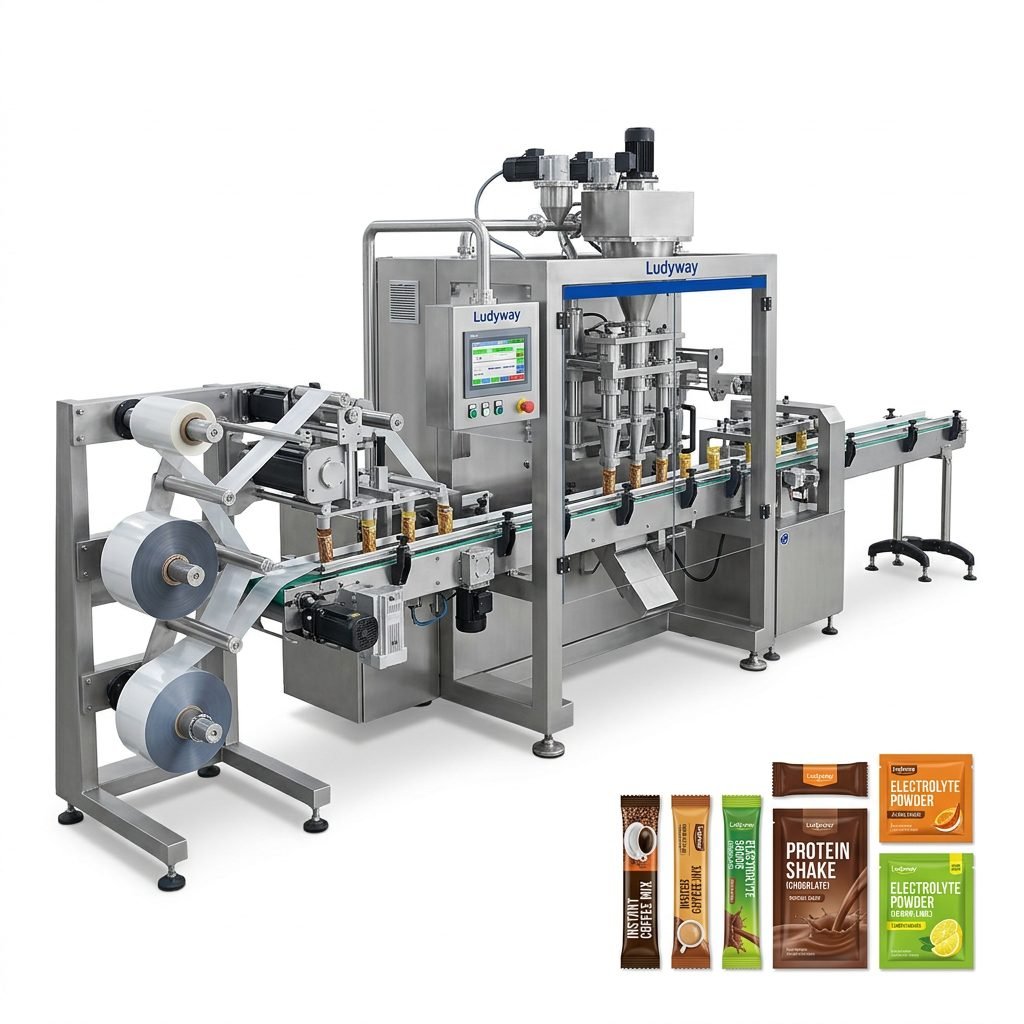
Why Premium Packaging Is Becoming a Core Industry Strategy
In previous years, many manufacturers treated packaging as the final step of production. In 2026, it is increasingly viewed as a strategic commercial tool. Premium packaging can improve first impressions, reduce damage rates, strengthen product identity, and support higher pricing. For sectors such as health supplements, pharmaceutical sachets, beauty samples, and functional beverages, packaging quality now directly shapes customer trust.
Brands are also recognizing that premium does not always mean excessive decoration. In many categories, “high-end” now means:
- clean and precise sealing performance
- stable dosing accuracy and consistent pack appearance
- smart, portable, and user-friendly formats
- high-quality printing and traceability integration
- materials and structures aligned with sustainability goals
Five Key Trends Driving the High-End Shift in 2026
1. Consumer Demand for Better Experience
Modern consumers expect packaging to do more than contain a product. They want easy opening, portability, clear usage instructions, hygienic dispensing, and a package that feels reliable in hand. This is especially visible in stick packs, sachets, pouches, single-dose formats, and travel-size products.
For premium-positioned brands, poor sealing, uneven fill weights, wrinkled packs, or inconsistent cuts can quickly damage perception. That is why packaging lines with higher automation and tighter process control are gaining attention.
2. Product Categories Are Upgrading Rapidly
Several fast-growing categories are accelerating the packaging industry’s move upscale. Functional nutrition, collagen products, probiotics, sports supplements, oral liquids, skincare samples, and pharmaceutical granules all require packaging systems that combine appearance with performance.
These products often involve moisture sensitivity, accurate dosing requirements, or premium brand storytelling. As a result, converters and manufacturers are demanding equipment capable of handling multiple product forms such as powders, granules, liquids, and pastes without compromising pack quality.
3. Automation Is Now Part of the Premium Standard
Premium packaging and automation are becoming inseparable. A high-end result cannot be maintained consistently through unstable or labor-heavy production. In 2026, packaging buyers increasingly focus on machine repeatability, intelligent monitoring, integrated conveying, coding, inspection, and end-of-line automation.
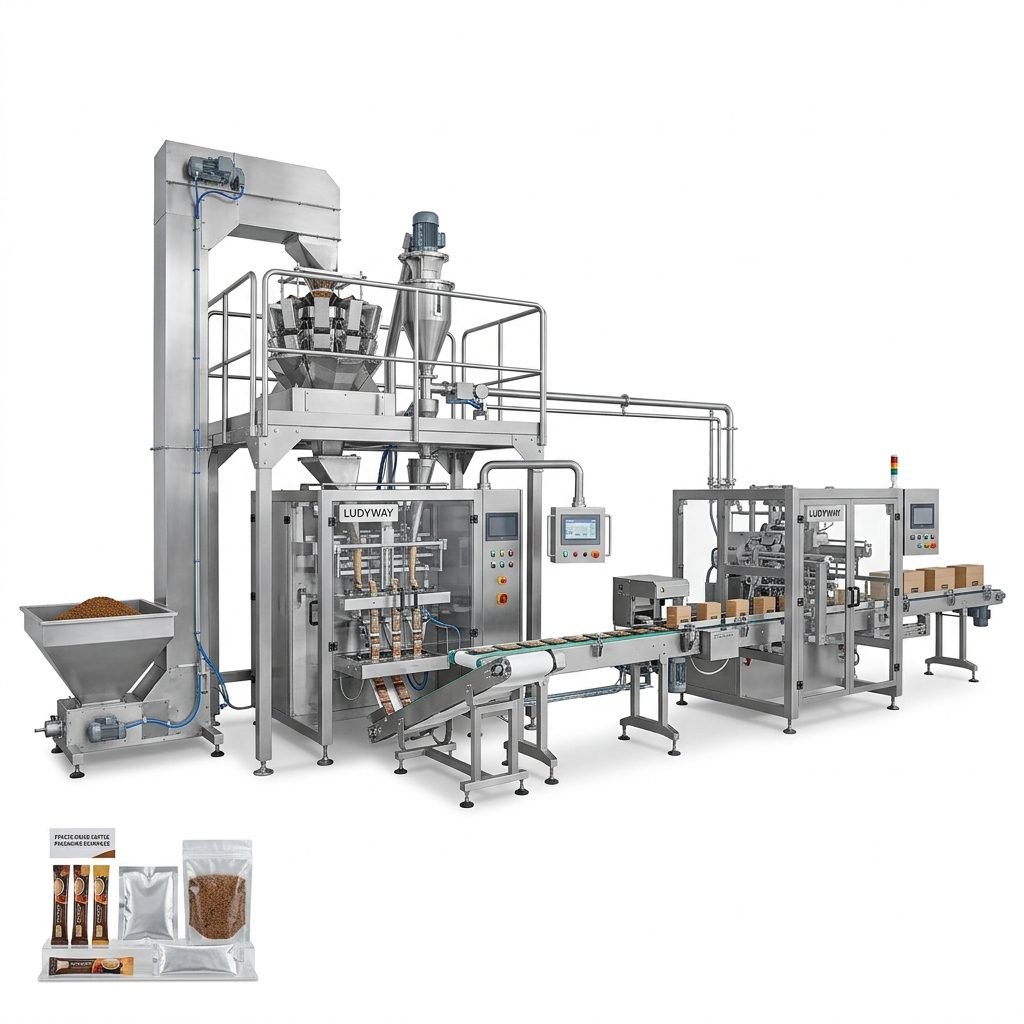
This is one reason turnkey packaging lines are seeing stronger demand. Companies want a system-level solution rather than separate machines that create bottlenecks.
4. Sustainability Is Redefining Premium Value
Consumers and regulators now associate premium packaging with responsibility, not waste. High-end packaging in 2026 must balance visual quality with lower material use, recyclable structures where possible, and improved production efficiency. Clean sealing, reduced film waste, precise filling, and optimized pack dimensions all contribute to this new standard.
5. Global Competition Is Pushing Technical Upgrading
Export-oriented manufacturers face higher expectations from buyers in Europe, North America, the Middle East, Southeast Asia, and other fast-developing markets. Overseas clients increasingly evaluate not just machine speed, but also sanitation design, customization capability, integration compatibility, and after-sales support. This is pushing equipment makers to move beyond standard models toward more refined, application-driven solutions.
What Premium Packaging Means for Production Lines
The premium shift is changing what buyers expect from packaging equipment. The focus is moving toward systems that support both visual consistency and operational intelligence.
| Packaging Priority in 2026 | What Buyers Expect from Equipment |
|---|---|
| Premium appearance | Uniform pouch forming, neat sealing, accurate cutting, stable registration |
| Product protection | Reliable sealing, dosing precision, contamination control, compatible barrier packaging |
| Operational efficiency | High-speed automation, lower downtime, easier changeover, reduced labor dependency |
| Flexibility | Support for multiple SKUs, materials, formats, and product viscosities or particle sizes |
| Compliance and traceability | Coding, inspection, data control, and quality validation integration |
Industries Leading the Premium Packaging Upgrade
Although the shift is broad, some sectors are moving faster than others:
- Food and beverage — especially coffee, functional drinks, seasonings, dairy powders, and snack categories.
- Pharmaceuticals — where precision, hygiene, and compliance are non-negotiable.
- Health supplements — driven by brand premiumization and single-dose convenience.
- Cosmetics and personal care — where appearance and user experience strongly influence repeat purchase.
- Specialty chemicals and household products — where safe, accurate, and easy-to-use packs create competitive advantage.
Turnkey Solutions Gain Momentum
One of the most noticeable developments entering 2026 is the rise of integrated packaging line purchasing. Instead of sourcing fillers, sealers, conveyors, coding systems, cartoners, and palletizing solutions from multiple suppliers, more buyers are selecting complete line providers that can coordinate the entire workflow.
This approach reduces integration risk, shortens project timelines, and improves consistency across production. It is also better suited for premium packaging strategies, where every stage—from feeding and dosing to final secondary packaging—must match the same quality target.
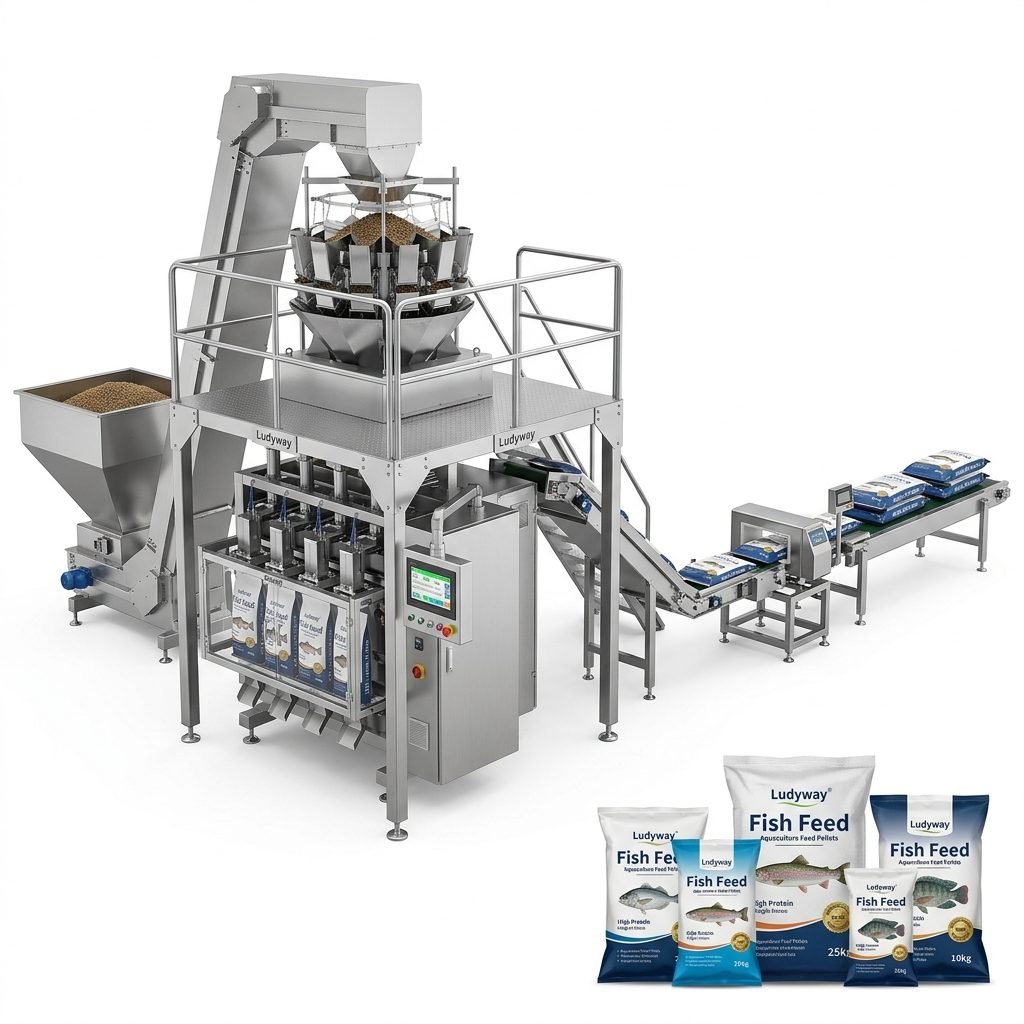
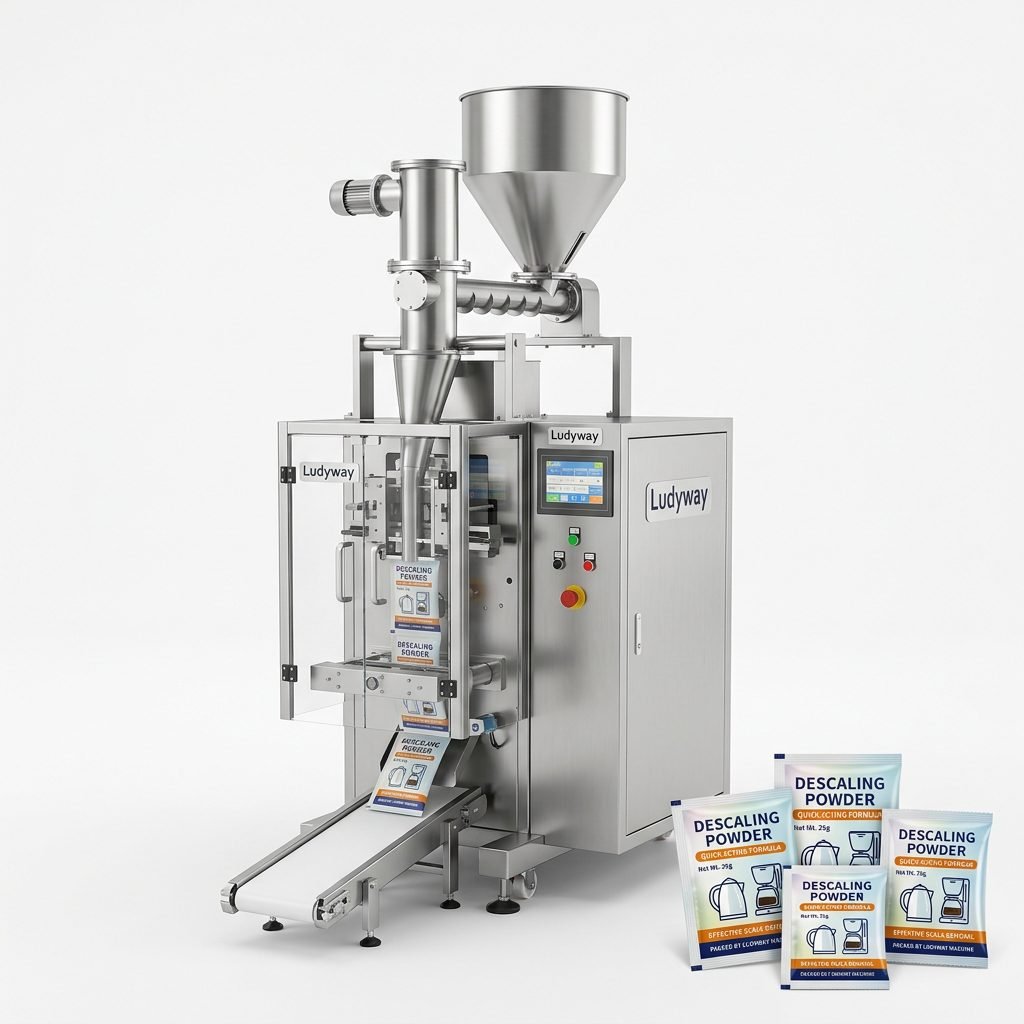
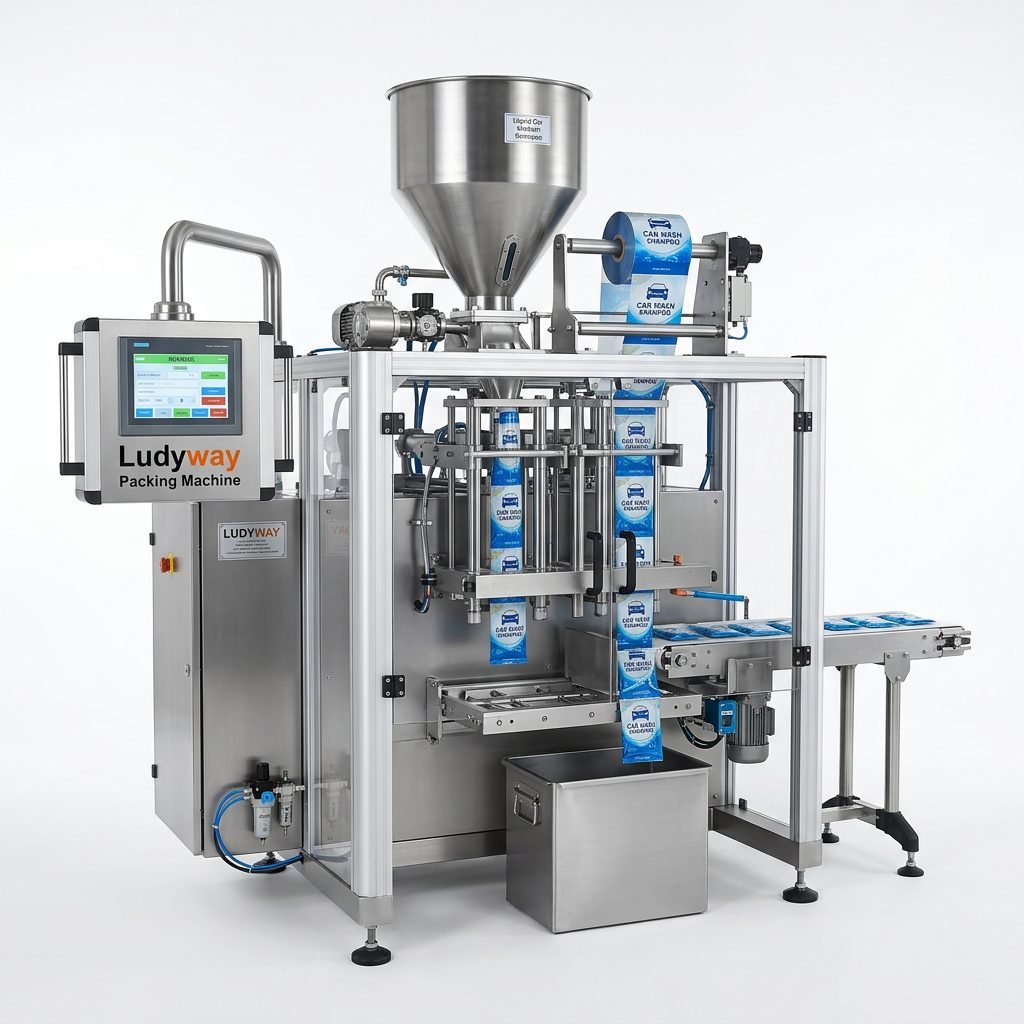
Companies such as Ludyway are benefiting from this trend as global buyers increasingly seek manufacturers capable of supplying both standalone packaging machines and complete turnkey packaging lines across food, pharmaceutical, health supplement, cosmetic, and related sectors.
Challenges Behind the Premium Race
Despite the opportunities, the premium shift also creates pressure for manufacturers. Moving upscale requires investment not only in design, but also in process control, staff training, validation, maintenance, and material compatibility testing.
- Higher expectations for sealing and dosing consistency
- Greater need for fast product changeovers
- More complex packaging material requirements
- Increased importance of inspection and rejection systems
- Stronger buyer scrutiny on lifecycle service and technical support
For equipment suppliers, success in 2026 will depend on whether they can help clients manage these complexities while still improving efficiency and total return on investment.
Outlook: 2026 Marks a Structural Shift, Not a Short-Term Trend
The premium competition now emerging in the packaging industry is more than a passing market phase. It reflects a structural transformation in how products are positioned, produced, and perceived globally. As brands seek stronger differentiation and more resilient operations, packaging will continue to move higher on the value chain.
In practical terms, this means the winners in 2026 will be companies that can combine advanced automation, packaging aesthetics, material efficiency, and application-specific engineering. The market is no longer asking whether packaging should be premium. It is asking who can deliver premium performance at scale.
Key takeaway for industry buyers
When evaluating future packaging investments, the real question is not just machine speed. It is whether the equipment can support a premium brand promise consistently, efficiently, and across changing product demands. In 2026, that capability is becoming one of the strongest differentiators in global packaging competition.