The packaging industry is entering 2026 with a labor structure that looks markedly different from just a few years ago. Across food, pharmaceutical, personal care, chemical, and consumer goods manufacturing, employers are no longer measuring workforce needs only by headcount. They are increasingly evaluating skill mix, automation readiness, digital literacy, maintenance capability, and cross-functional flexibility.
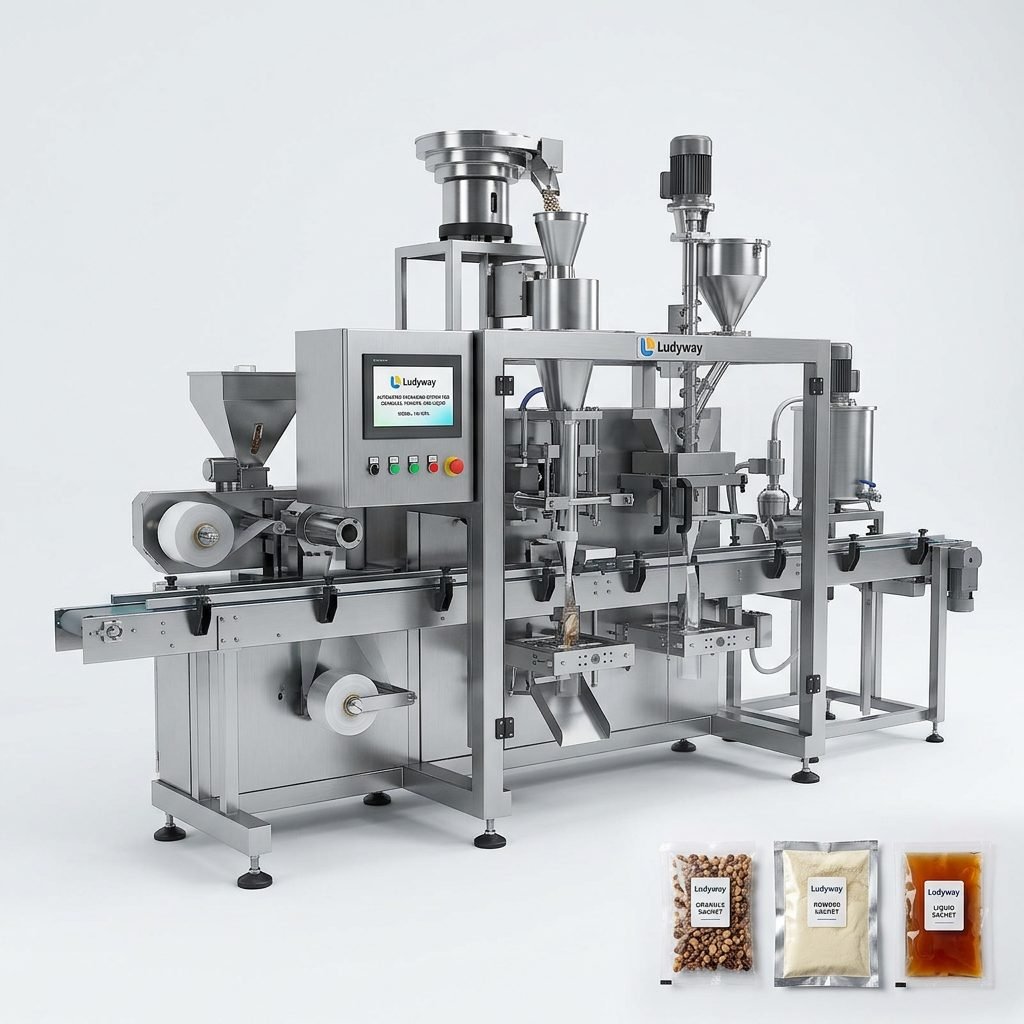
This shift is changing how packaging plants recruit, train, schedule, and invest. Manual packing roles still matter, especially in labor-intensive segments, but the strongest hiring momentum is moving toward machine operators, line technicians, mechatronics staff, quality control specialists, and data-aware production supervisors. The result is a more technical workforce and a more integrated production model.
Why the Labor Structure Is Changing So Quickly
Several forces are driving this transition at the same time. Rising labor costs, ongoing recruitment difficulty, stricter quality requirements, and faster delivery expectations have all pushed packaging companies to rethink traditional staffing models. In many facilities, management teams are finding that adding more labor no longer guarantees stable output. Instead, automation-supported teams are proving more scalable and easier to manage.
- Higher demand for consistent packaging quality and traceability
- Shorter production runs and more SKU variation
- Growing pressure to reduce downtime and changeover time
- Difficulty retaining low-skill repetitive labor
- Expansion of automated and semi-automated packaging lines
What makes 2026 notable is not simply that factories are automating. It is that workforce planning is now being redesigned around automation from the beginning. Packaging plants are increasingly structured so that one trained operator can oversee multiple stations, while support teams handle diagnostics, material flow, inspection, and preventive maintenance.
From Labor-Heavy Packaging to Skill-Heavy Operations
Historically, many packaging facilities relied on large teams for feeding, filling, sealing, counting, packing, coding, inspection, and carton handling. That model is giving way to leaner teams with broader responsibilities. A modern packaging line often combines weighing, filling, sealing, coding, inspection, cartoning, and end-of-line handling into one connected process.
This means that the average worker profile is changing. Employers now value employees who can:
- Operate HMI-based machines with confidence
- Understand changeover procedures and basic troubleshooting
- Recognize quality deviations early
- Coordinate with maintenance and engineering teams
- Work safely in faster, data-driven environments
Key Workforce Trend: Fewer Repetitive Roles, More Technical Roles
The biggest reduction is happening in repetitive hand-packing tasks. At the same time, there is clear growth in technical support positions. Packaging companies are not eliminating labor entirely; they are reallocating labor into roles that deliver more value per person.
| Traditional Role | 2026 Evolving Role | Impact on Operations |
|---|---|---|
| Manual packer | Multi-station line operator | Higher output per employee |
| Basic machine attendant | Machine technician with troubleshooting ability | Reduced downtime |
| Standalone QC checker | In-line quality and data monitor | Faster defect response |
| Warehouse handling labor | Material flow and end-of-line systems coordinator | Improved throughput and traceability |
Operations Are Becoming More Integrated
A major consequence of labor restructuring is operational integration. In the past, packaging, inspection, coding, cartoning, and palletizing could be treated as separate labor zones. In 2026, more manufacturers are building linked production environments where labor decisions affect the entire line.
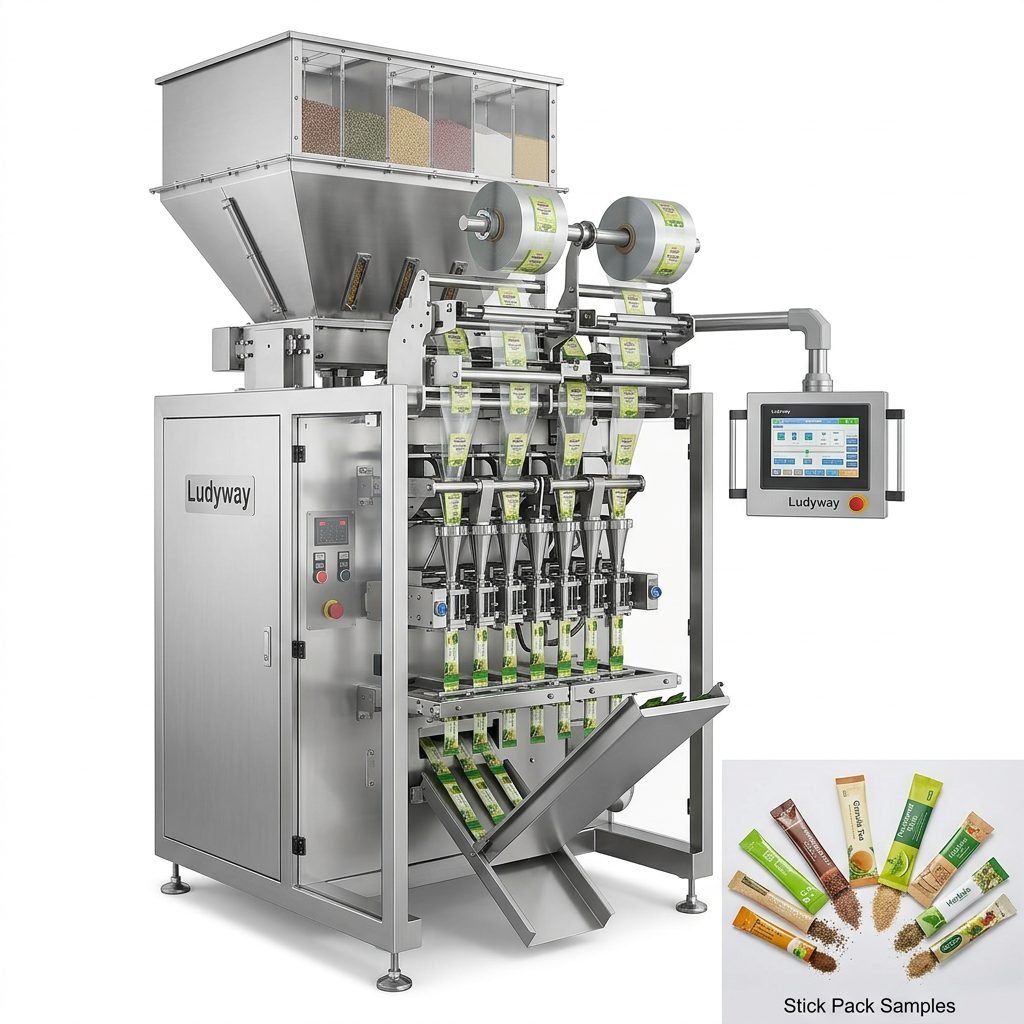
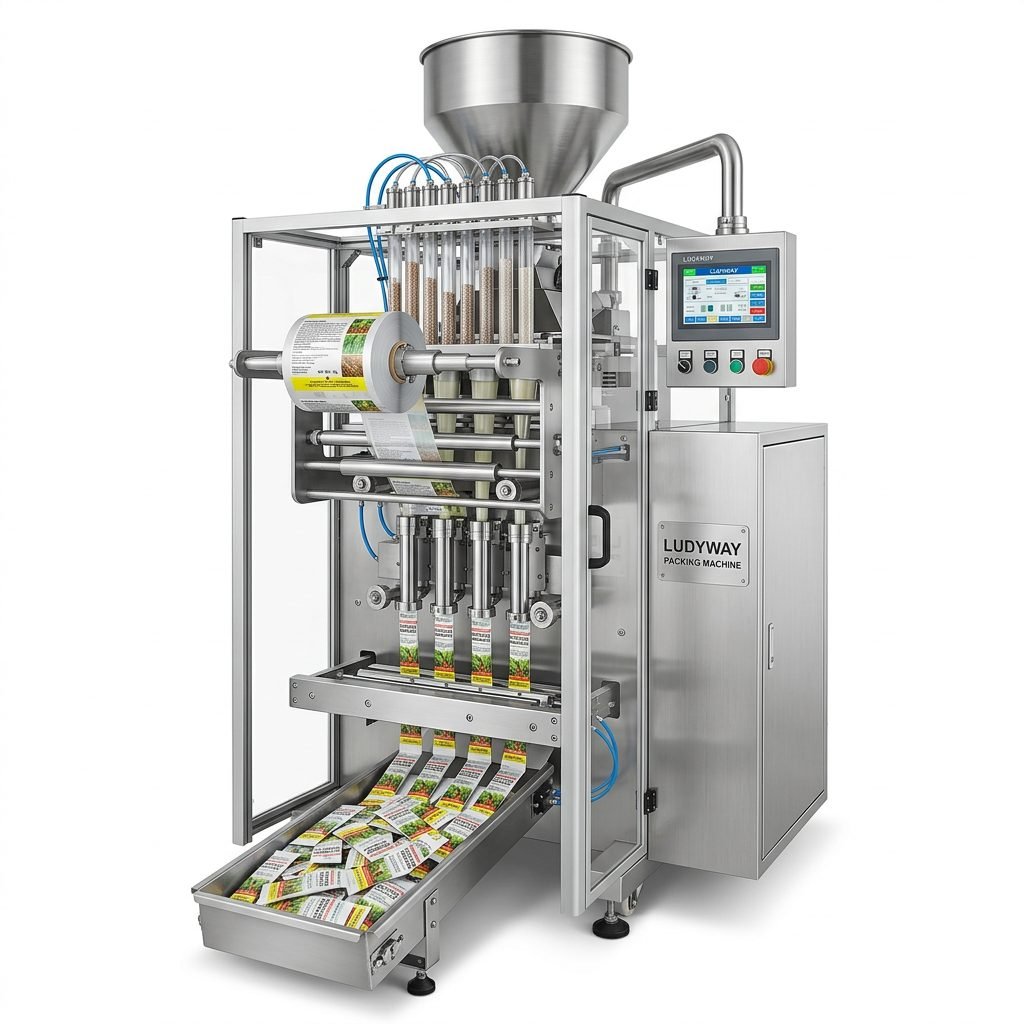
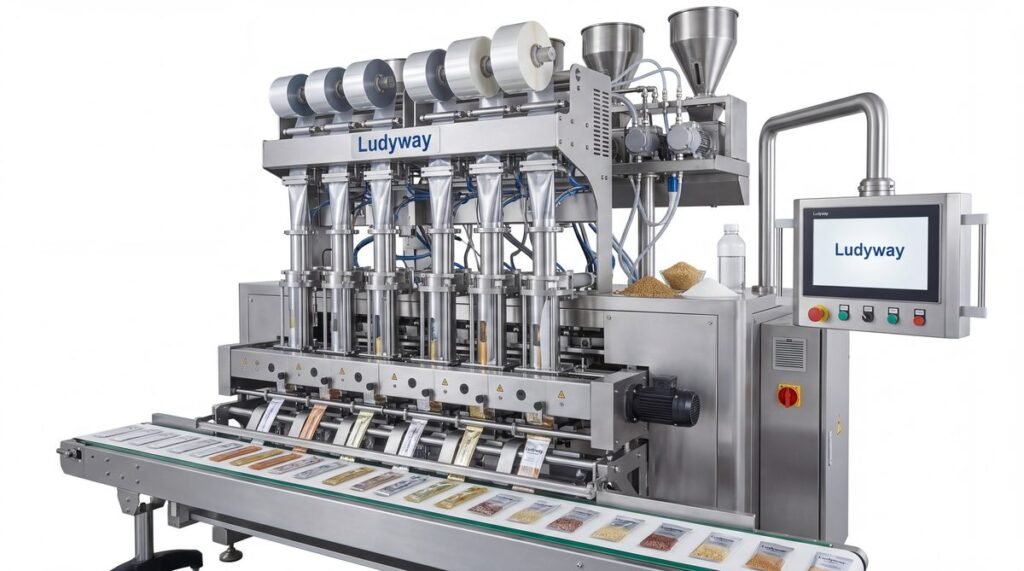
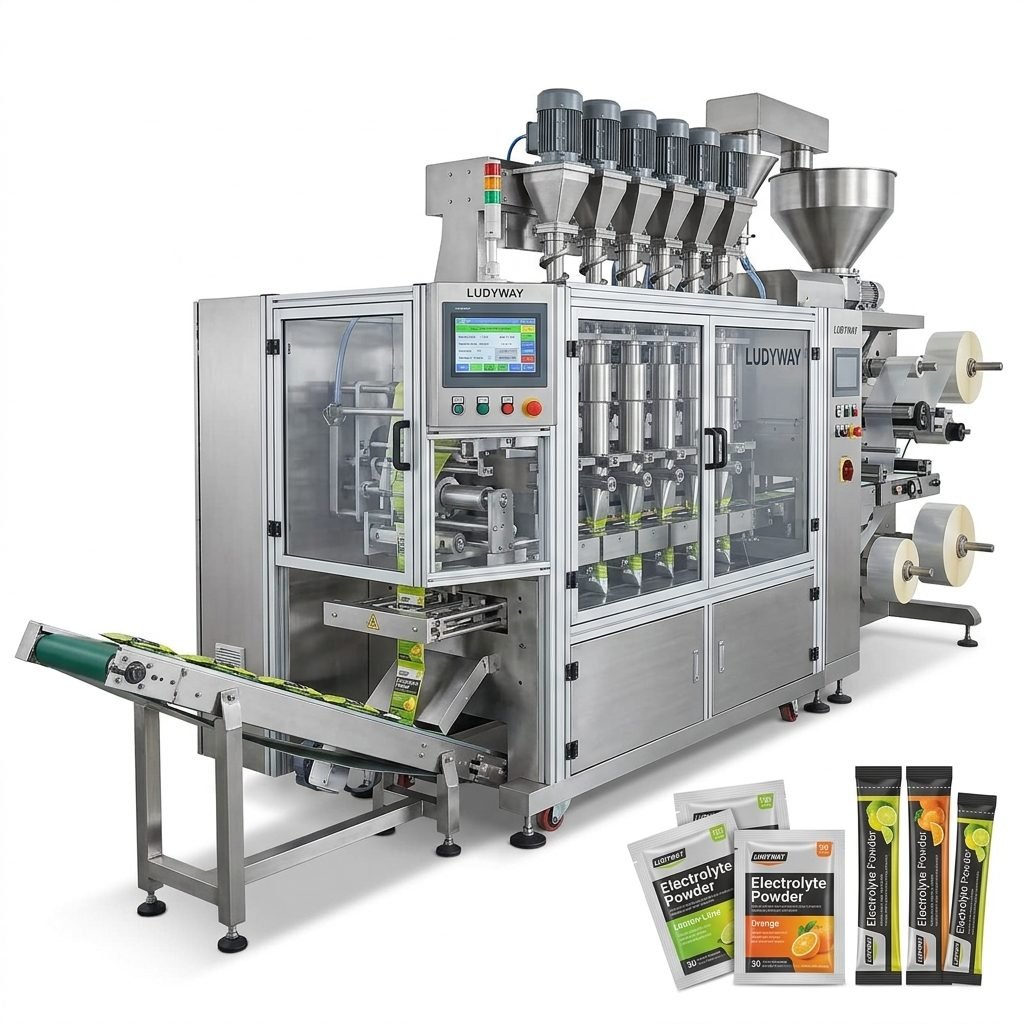
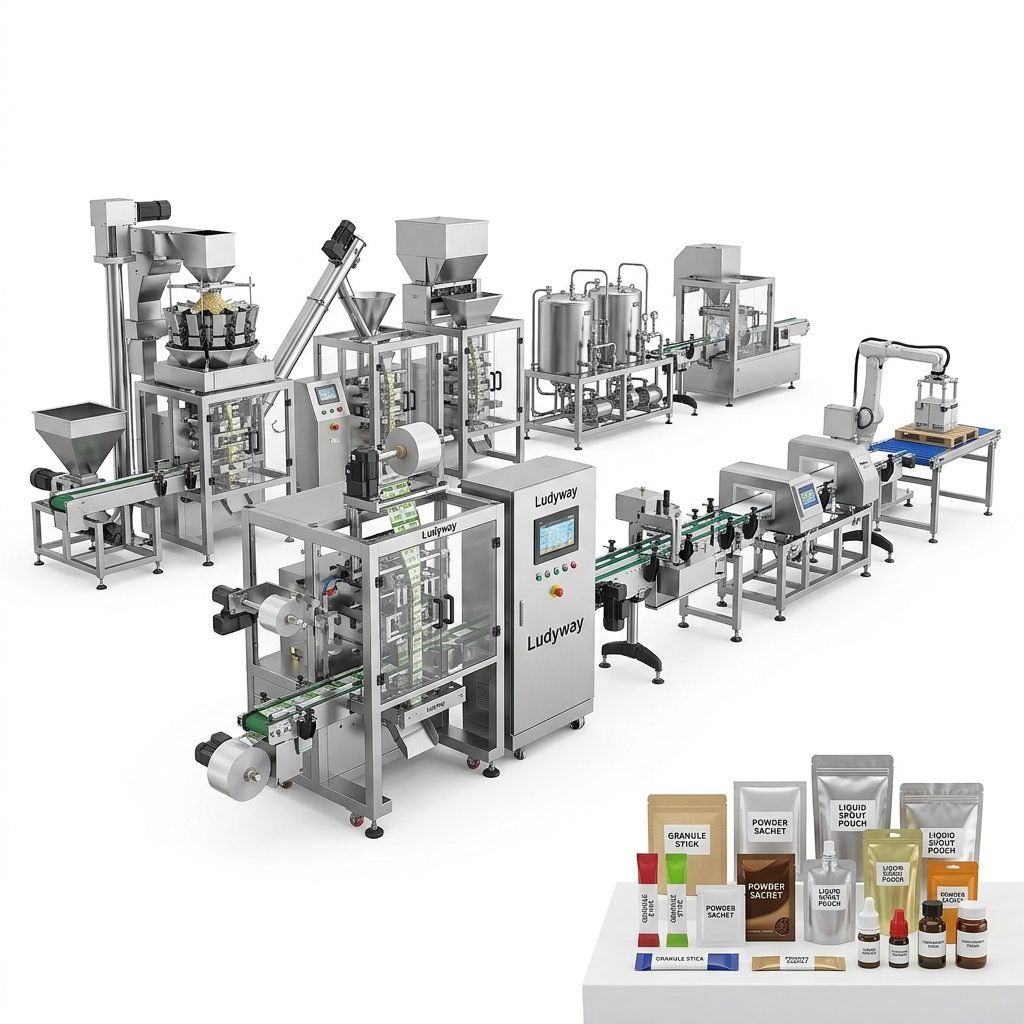
For example, if a plant installs a multi-lane sachet or stick pack system, it may reduce the need for manual filling support, but it also increases demand for:
- Skilled setup personnel
- Preventive maintenance routines
- Automated quality inspection integration
- Faster packaging material change management
- Operator training on multiple downstream processes
This is why labor planning and equipment planning are now closely linked. Companies that modernize successfully are usually those that align staffing models with machine capability rather than treating labor as a separate cost center.
Training Is Now a Core Competitive Factor
In many factories, the labor shortage is no longer only about finding workers. It is about finding workers who can adapt quickly. Training has therefore become one of the most important operational investments in packaging.
Areas where training demand is rising
- Machine interface operation and parameter adjustment
- Quick changeover procedures for mixed product runs
- Basic electrical and mechanical fault awareness
- Packaging quality and compliance standards
- Digital reporting, production logging, and traceability workflows
Companies that establish structured training systems are seeing measurable gains in startup speed, OEE performance, defect reduction, and employee retention. Workers are also more likely to stay when their roles evolve from repetitive labor into technical, career-building functions.
The Rise of Flexible Staffing Models
Another important 2026 trend is staffing flexibility. Packaging businesses are facing variable order cycles, seasonal demand spikes, and growing product diversification. To respond, many operations are creating layered labor models that combine core technical teams with flexible support labor.
| Workforce Layer | Main Function | 2026 Importance |
|---|---|---|
| Core technical staff | Line operation, maintenance, setup | Very high |
| Quality and compliance team | Inspection, validation, traceability | High |
| Flexible support labor | Packing support, material supply, rework | Moderate but strategic |
| Automation and data support | System integration, reporting, optimization | Rapidly increasing |
This model helps manufacturers stay productive without overstaffing every shift. It also supports faster expansion when new packaging formats or export orders are introduced.
Automation Suppliers Are Influencing Labor Strategy
Equipment partners are now playing a larger role in workforce transformation. Machine design increasingly affects how many workers are needed, what skills they require, and how efficiently they can move between products. User-friendly controls, modular layouts, easier cleaning access, and integrated inspection functions all reduce labor pressure.
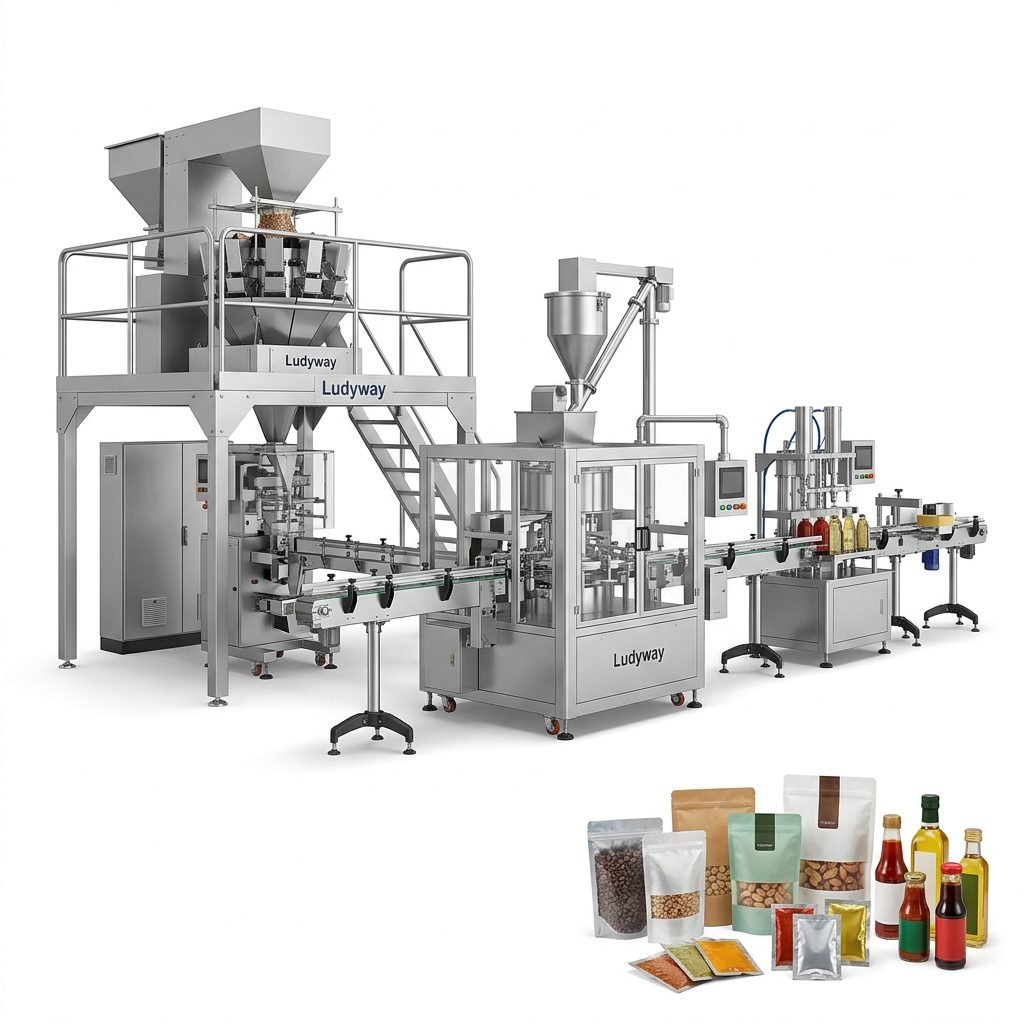
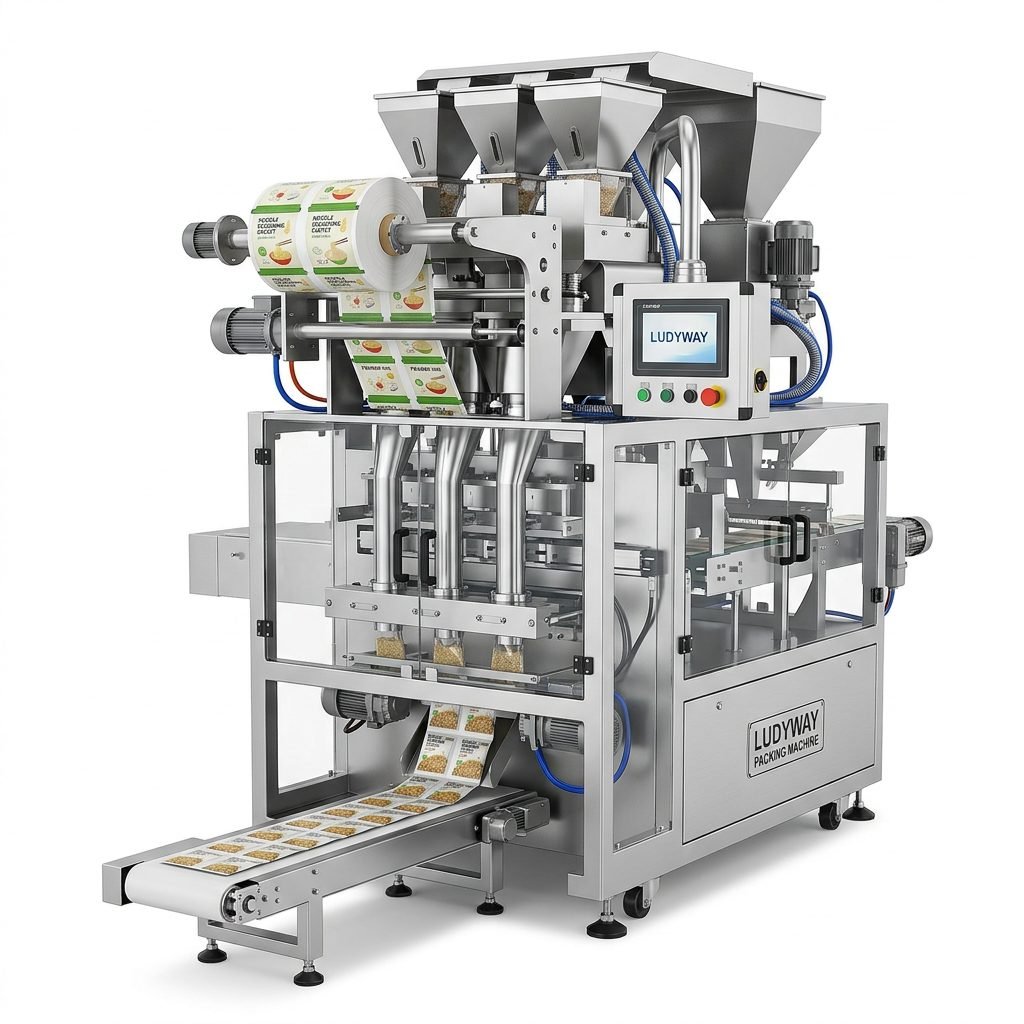
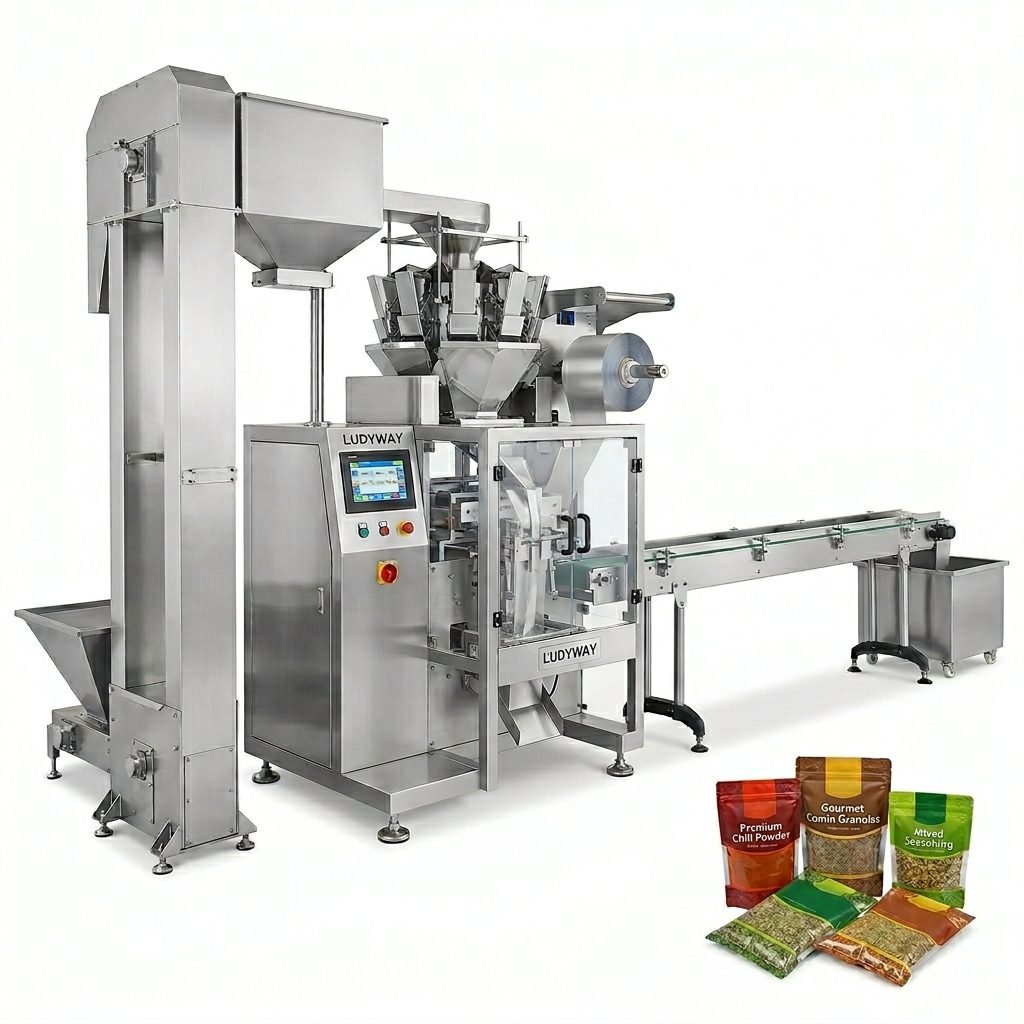
That is why many manufacturers are turning to experienced solution providers such as Ludyway, a major Chinese packaging machine and turnkey packaging line manufacturer with more than 30 years of industry experience, broad export reach, and strong capabilities in automated systems for food, pharmaceutical, health supplement, and related sectors.
What buyers increasingly want from packaging equipment
- Reduced operator dependency
- Simplified training for new staff
- Stable high-speed output
- Fast format adjustment and product switching
- Support for integrated turnkey line deployment
The practical effect is clear: machine procurement is now directly tied to labor optimization. Companies are asking not only, “How fast is the machine?” but also, “How many people will it require, how quickly can they learn it, and how stable can the line remain under workforce pressure?”
Sector-by-Sector Impact
Food Packaging
Food packaging plants are seeing heavy pressure from volume growth, safety standards, and SKU expansion. This is accelerating the move toward automated filling, sealing, inspection, and cartoning. Labor is shifting away from repetitive handling and toward sanitation-aware technical operation.
Pharmaceutical Packaging
Pharmaceutical packaging remains one of the most skill-sensitive areas. Compliance, traceability, and validation needs mean the workforce must be highly disciplined. Here, labor restructuring is not about fewer people alone; it is about higher qualification per role.
Cosmetics and Personal Care
Short product cycles, promotional packaging, and frequent design changes are forcing brands to prioritize flexible equipment and cross-trained operators. The ability to switch quickly between sachets, pouches, and filling formats is becoming a labor advantage.
Chemical and Industrial Products
In chemical packaging, safety and handling precision are driving labor changes. Companies increasingly require workers who understand dosing accuracy, contamination prevention, and machine-safe intervention protocols.
What 2026 Means for Packaging Employers
The labor structure shift is not a temporary adjustment. It signals a deeper transformation in how packaging businesses scale. Employers that succeed in 2026 are likely to share several characteristics:
- They recruit for adaptability, not just availability
- They invest in structured operator development
- They align labor planning with equipment capability
- They use automation to reduce volatility, not just headcount
- They treat technical support and uptime management as workforce priorities
In other words, labor strategy is becoming operational strategy. Packaging companies that continue using old staffing assumptions may struggle with rising costs, instability, and quality risk. Those that redesign work around integrated automation and higher-skill labor are more likely to gain efficiency and resilience.
Outlook: A More Technical, More Resilient Packaging Workforce
As 2026 unfolds, the packaging sector is moving toward a workforce model defined by technical competence, flexibility, and machine-centered productivity. The labor shift is significant because it affects every layer of plant performance, from hiring and training to line uptime and customer delivery.
For manufacturers, the message is increasingly straightforward: the future of packaging operations will depend less on the size of the workforce and more on how effectively people, equipment, and process intelligence work together.