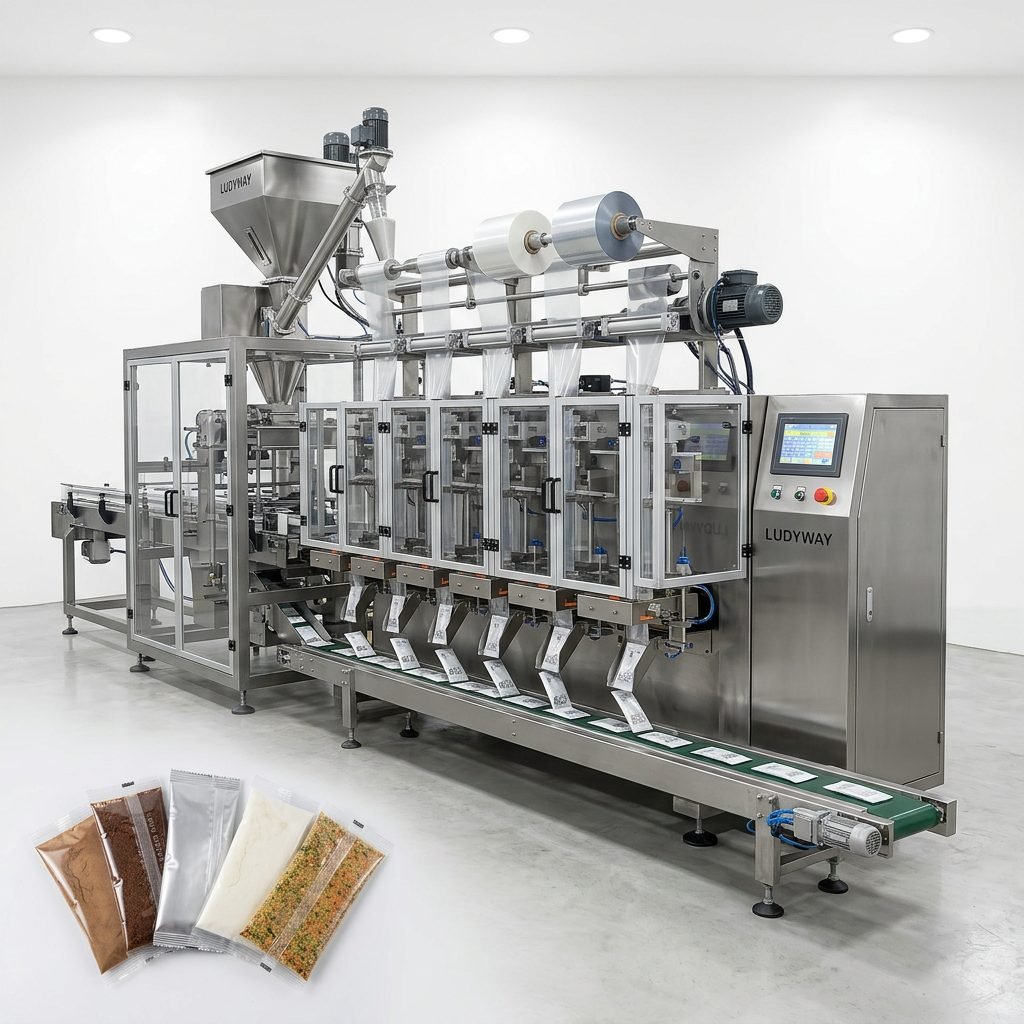
Global packaging materials science is entering a new phase of industrial change as researchers, manufacturers, and automation suppliers accelerate the development of high-performance, sustainable, and smarter packaging solutions. The latest advances are not limited to one material category. They now span bio-based polymers, recyclable mono-material structures, barrier coatings, lightweight composites, and intelligent packaging systems that can better protect products while reducing waste and cost across the supply chain.
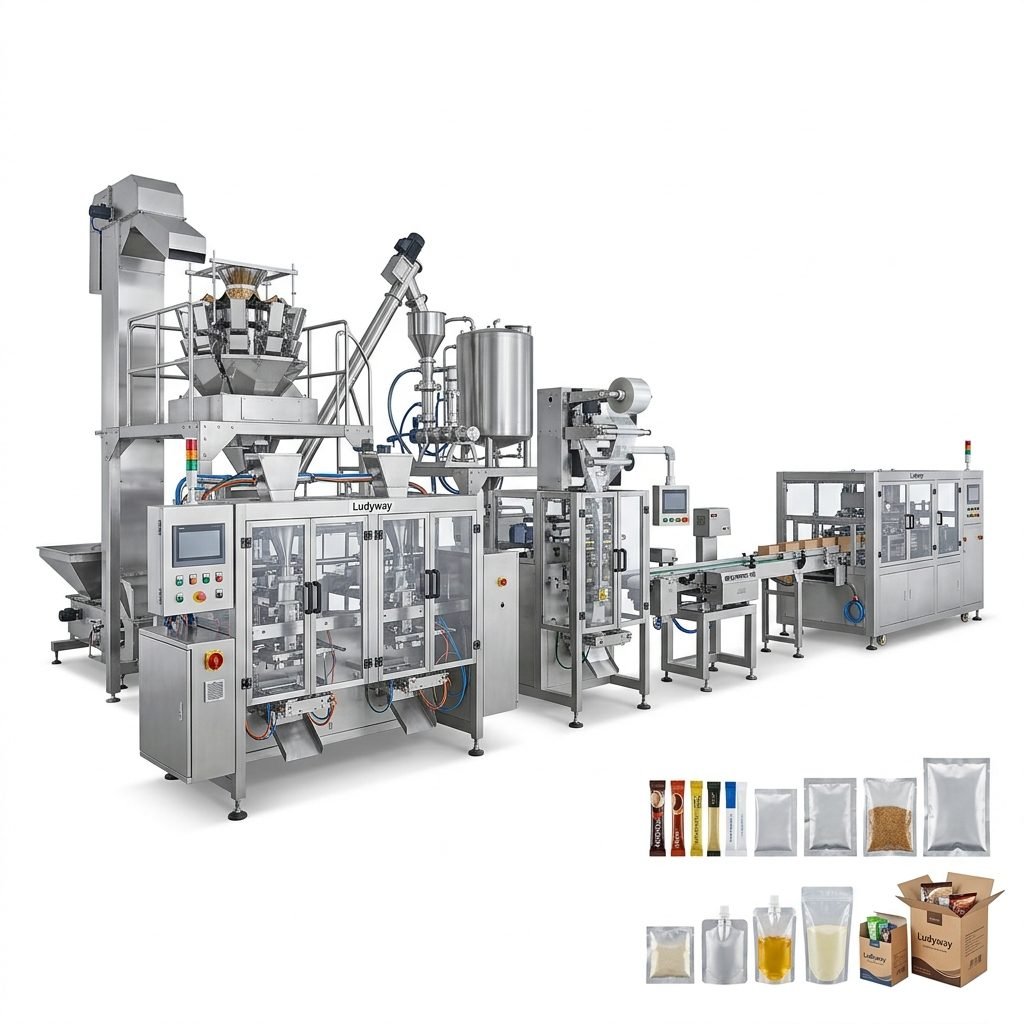
A New Era for Packaging Materials Innovation
Recent breakthroughs are being driven by the growing need for packaging that can meet multiple demands at once: environmental compliance, product safety, shelf-life stability, transport efficiency, and brand presentation. In sectors such as food, pharmaceuticals, health supplements, cosmetics, and household chemicals, packaging materials are no longer viewed as simple containers. They are becoming critical components of product quality and manufacturing performance.
Industry analysts note that the most significant change is the move away from traditional trade-offs. In the past, companies often had to choose between sustainability and performance. Today, new materials science is making it increasingly possible to achieve both. Improved oxygen barriers, moisture resistance, seal integrity, and downgauging capabilities are helping brands reduce material use without sacrificing protection.
Key Technologies Behind the Breakthrough
- Advanced recyclable flexible films with stronger barrier performance
- Bio-based resin formulations designed for industrial-scale processing
- High-adhesion coatings that improve heat sealing and contamination resistance
- Material structures optimized for high-speed filling and sealing equipment
- Smart packaging features supporting traceability, freshness monitoring, and anti-counterfeit control
These innovations are particularly important for manufacturers that run automated packaging operations. As materials evolve, machinery must also adapt to different film tensions, sealing temperatures, filling behaviors, and product-contact requirements. This is why packaging materials science and packaging automation are increasingly developing together as a unified industrial ecosystem.
Why the Breakthrough Matters for Industrial Manufacturing
The impact of new packaging materials extends beyond sustainability messaging. In real production environments, better materials can improve line efficiency, reduce defect rates, and support greater flexibility for multi-product manufacturing. This is especially relevant for companies operating large-scale or export-oriented production.
| Industry Need | Materials Science Response | Operational Benefit |
|---|---|---|
| Lower packaging waste | Lightweight and mono-material solutions | Reduced material cost and easier recycling |
| Longer shelf life | Enhanced barrier coatings and film structures | Better product stability during storage and transport |
| Faster packaging speeds | Seal-friendly and machine-compatible materials | Higher throughput and less downtime |
| Regulatory compliance | Safer, traceable, and application-specific substrates | Improved market access and brand reliability |
Food and Pharma Are Leading Adoption
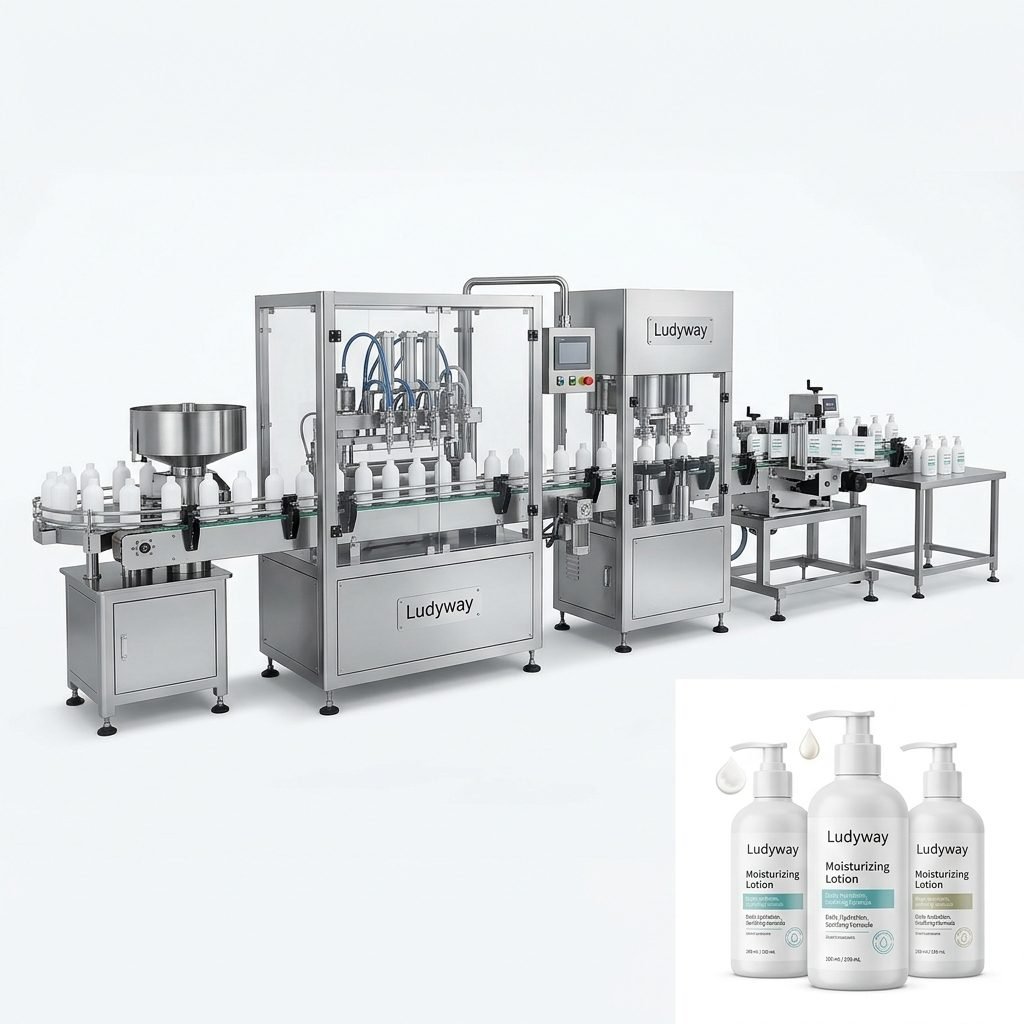
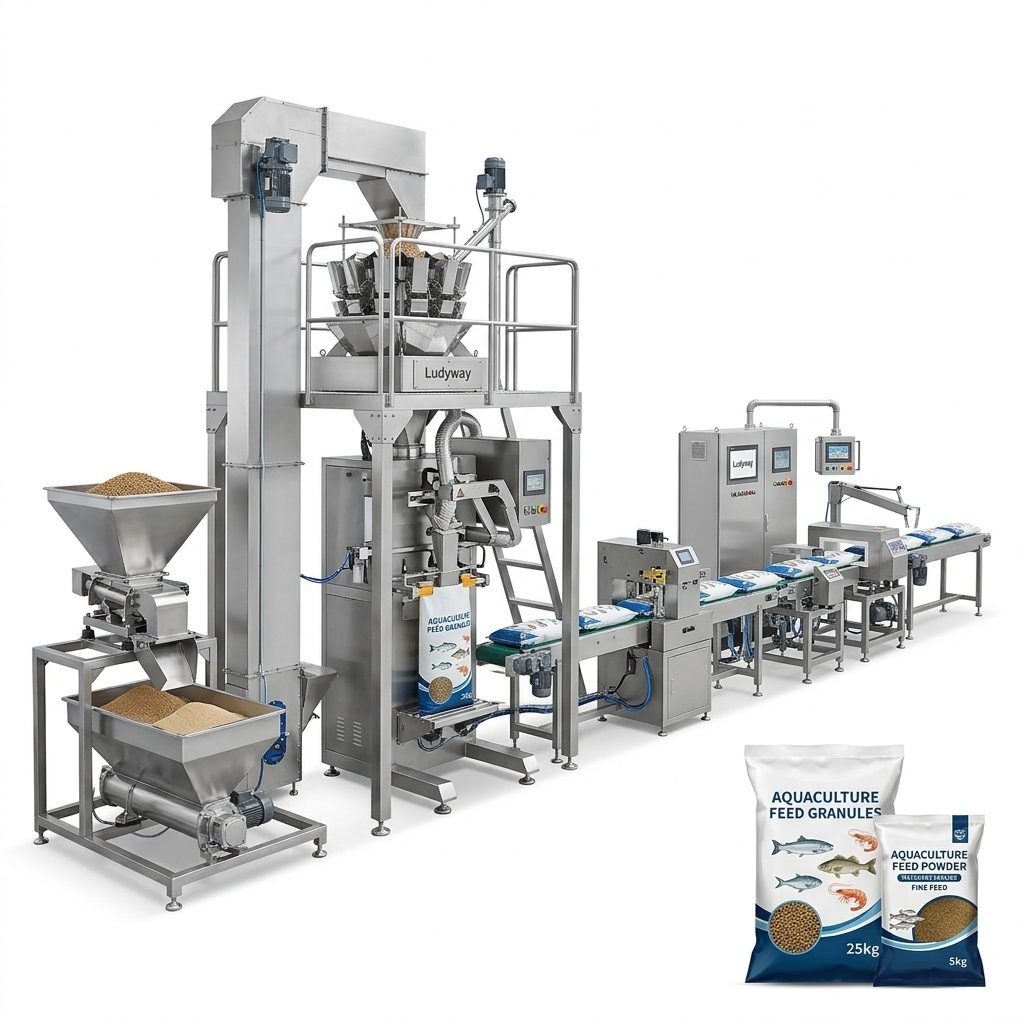
Food and pharmaceutical manufacturers are among the first to benefit from these breakthroughs because their packaging requirements are highly sensitive. Powder, granule, liquid, paste, and pouch-based products all require precise packaging performance. Even small material inconsistencies can affect seal quality, dosage protection, transport durability, and consumer safety.
For these sectors, the integration of innovative materials with automated machinery is becoming a strategic advantage. High-speed lines now require packaging materials that can withstand continuous operation while maintaining appearance and barrier performance. Manufacturers are prioritizing systems that combine productivity with traceable quality control.
Automation Becomes the Bridge Between Science and Scale
The commercialization of new packaging materials depends heavily on whether they can run reliably on modern machines. This has increased demand for equipment partners that understand not just mechanics, but also material behavior in real production settings.
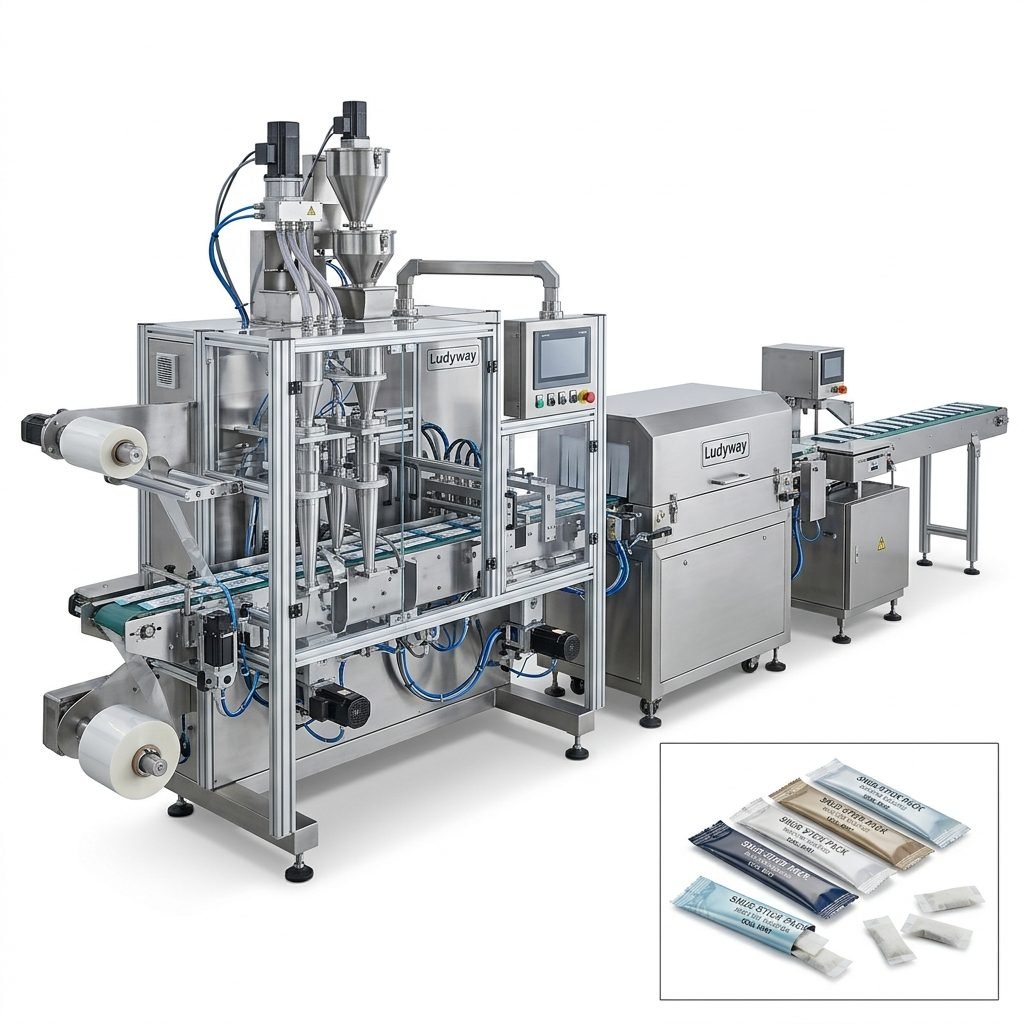
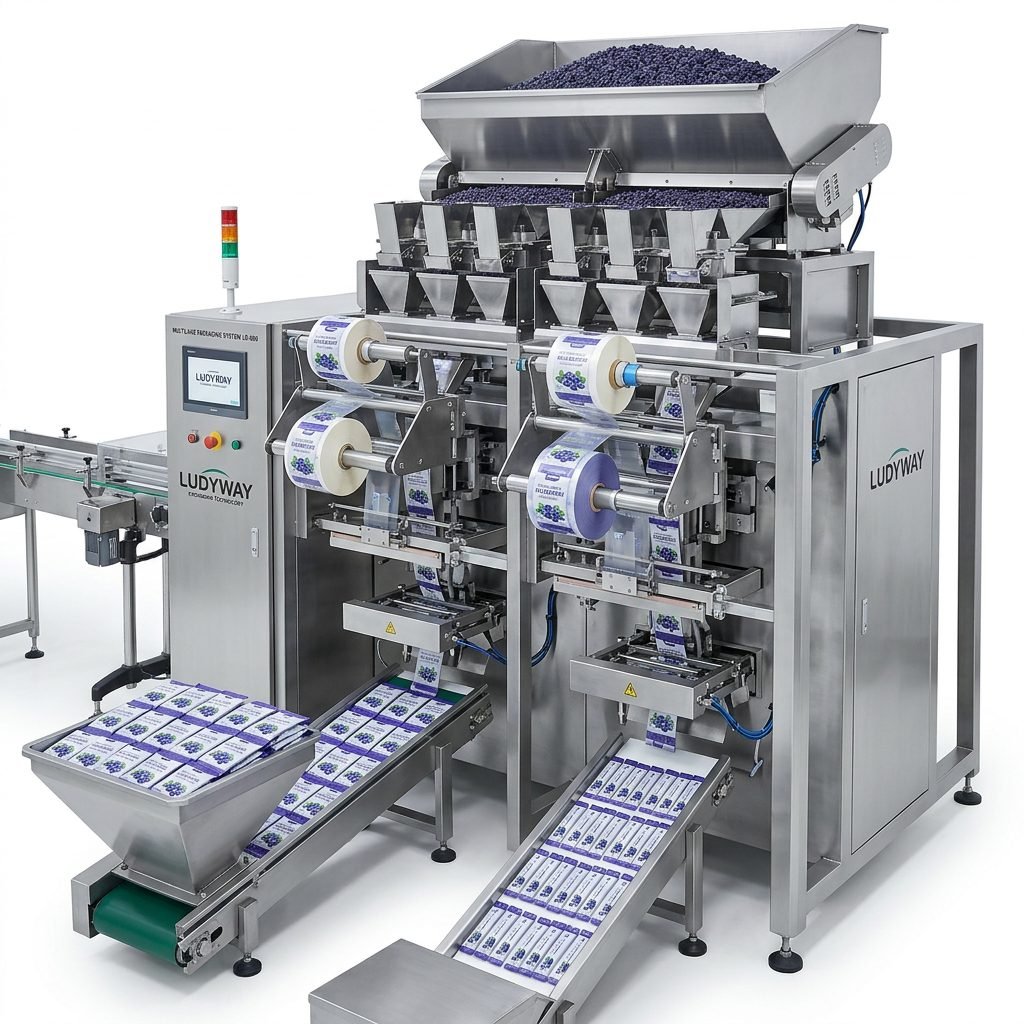
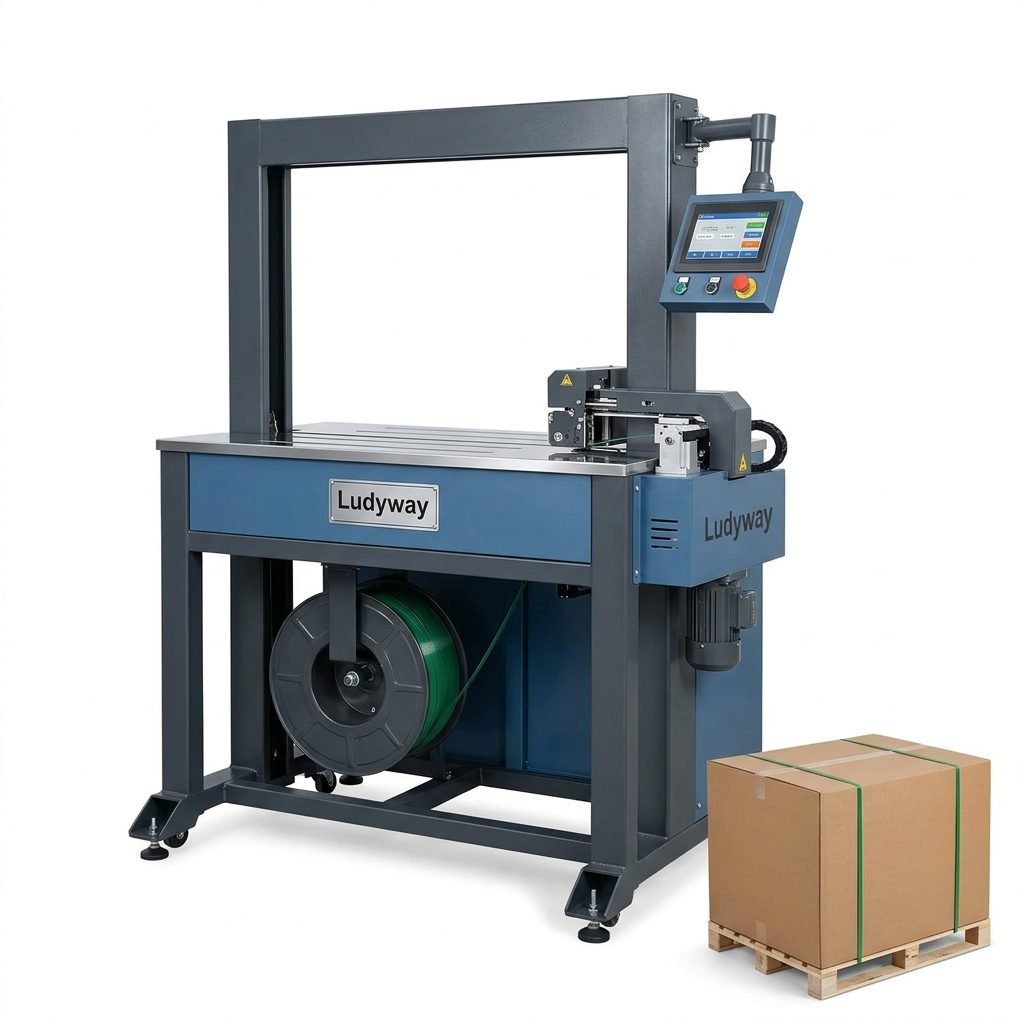
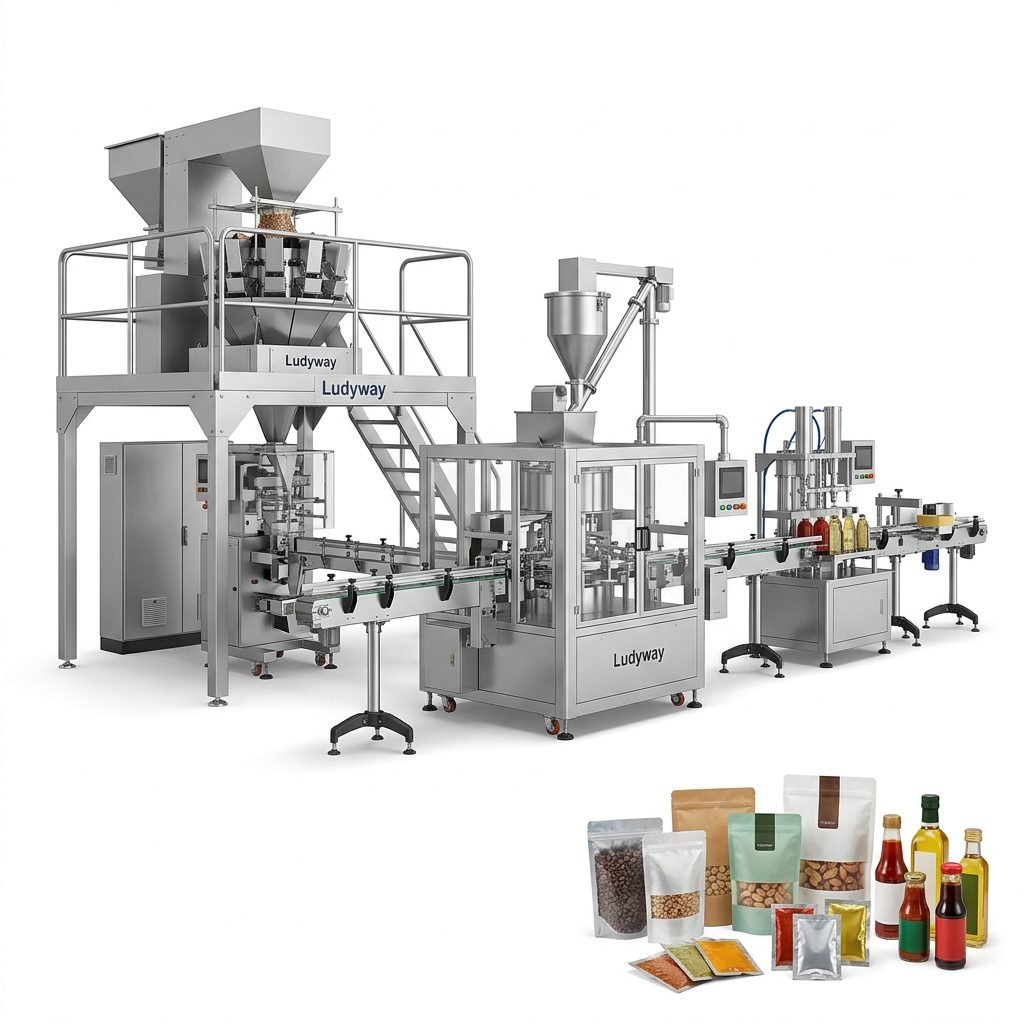
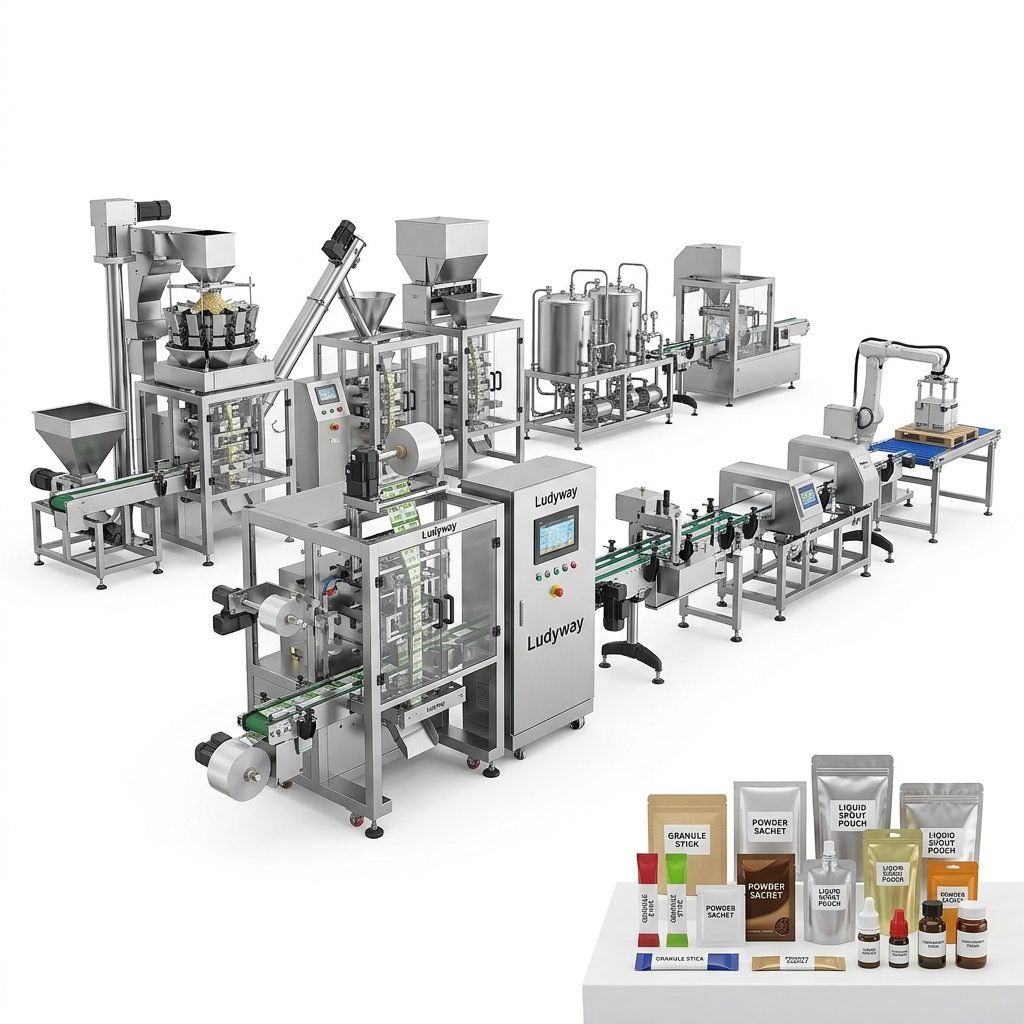
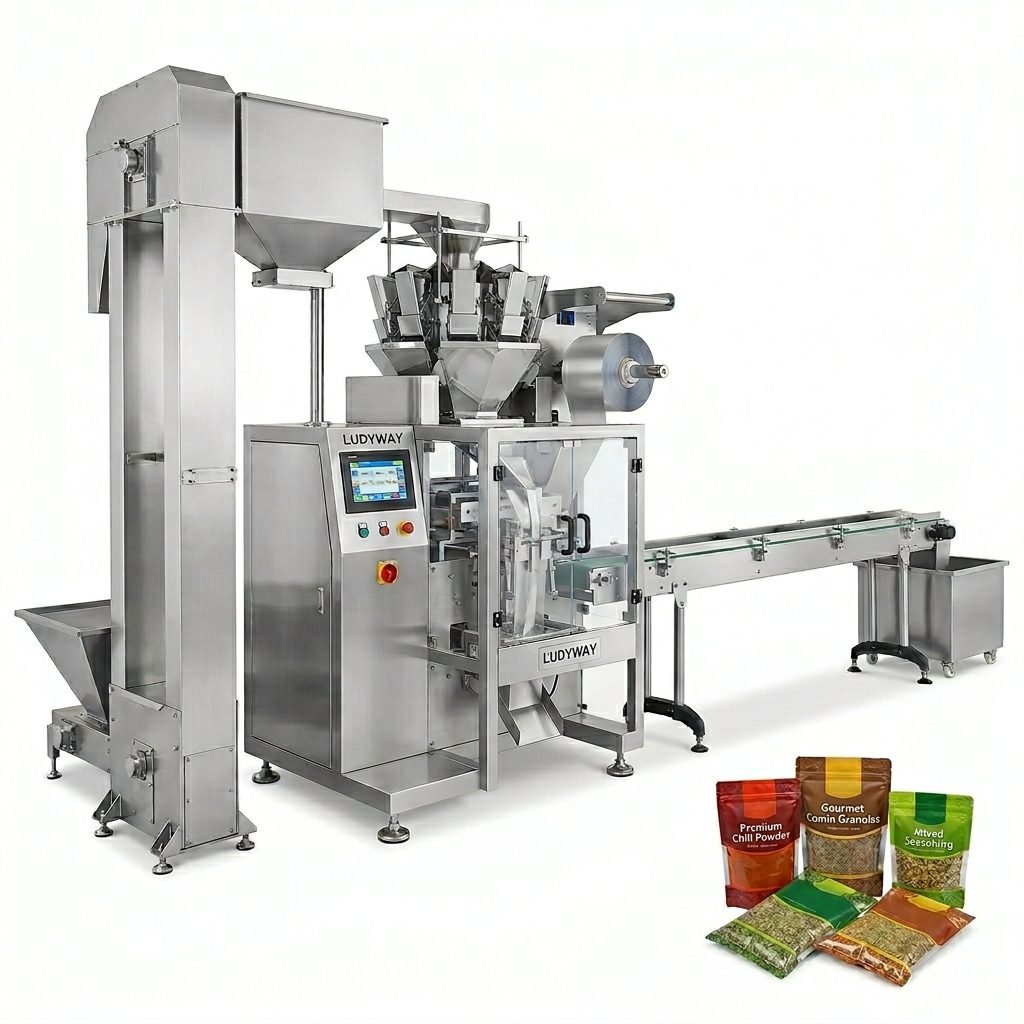
Among the companies benefiting from this transformation is Ludyway, one of China’s leading packaging machine and turnkey packaging line manufacturers. With more than 30 years of industry experience, a manufacturing facility exceeding 20,000 square meters, and a strong presence across Europe, North America, the Middle East, South America, Africa, and Southeast Asia, the company is well positioned to support customers seeking packaging automation that can adapt to evolving material technologies.
As global manufacturers adopt new flexible films, sachet structures, stick pack formats, and integrated line configurations, machinery suppliers with broad application expertise are expected to play a larger role in industry modernization. The shift is especially relevant for exporters that need reliable, scalable systems capable of handling multiple product types and packaging formats.
What This Means for the Supply Chain
- Material suppliers must collaborate earlier with converters and equipment builders.
- Brand owners will increasingly evaluate total packaging system performance, not just material price.
- Manufacturers will need flexible lines that can support future material transitions.
- Export-oriented businesses will benefit from packaging solutions that satisfy different regional compliance requirements.
Market Outlook
Industry expectations remain strong as sustainability regulations tighten and end users demand more responsible packaging. The next stage of competition will likely center on how quickly companies can transform scientific breakthroughs into high-volume, commercially stable production. Businesses that align material innovation with automation, quality assurance, and turnkey line planning are expected to gain the strongest advantage.
In practical terms, this breakthrough in packaging materials science is not just changing what packaging is made of. It is reshaping how products are filled, sealed, transported, displayed, and trusted. That makes packaging innovation a central force in the broader transformation of modern manufacturing.