For small businesses, buying a vertical form fill seal machine is not just an equipment purchase—it is a decision that affects production speed, labor costs, packaging consistency, product quality, and future growth. The right VFFS machine can help you move from manual or semi-automatic packing into a more efficient and scalable operation. The wrong one can create downtime, waste film, and increase operating costs.
This guide explains how to choose a VFFS machine step by step, especially if you are a growing brand, contract packer, food startup, supplement business, or factory upgrading from manual packaging.
What Is a VFFS Machine?
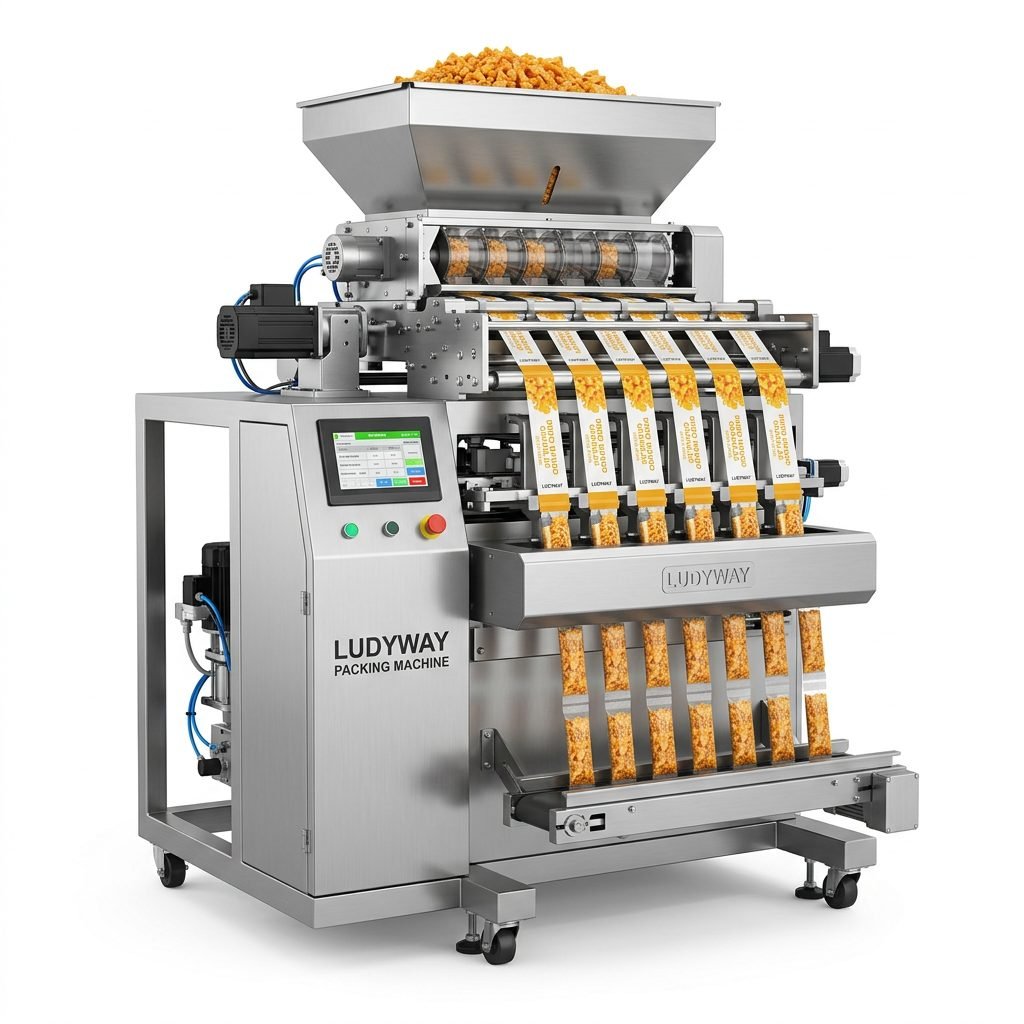
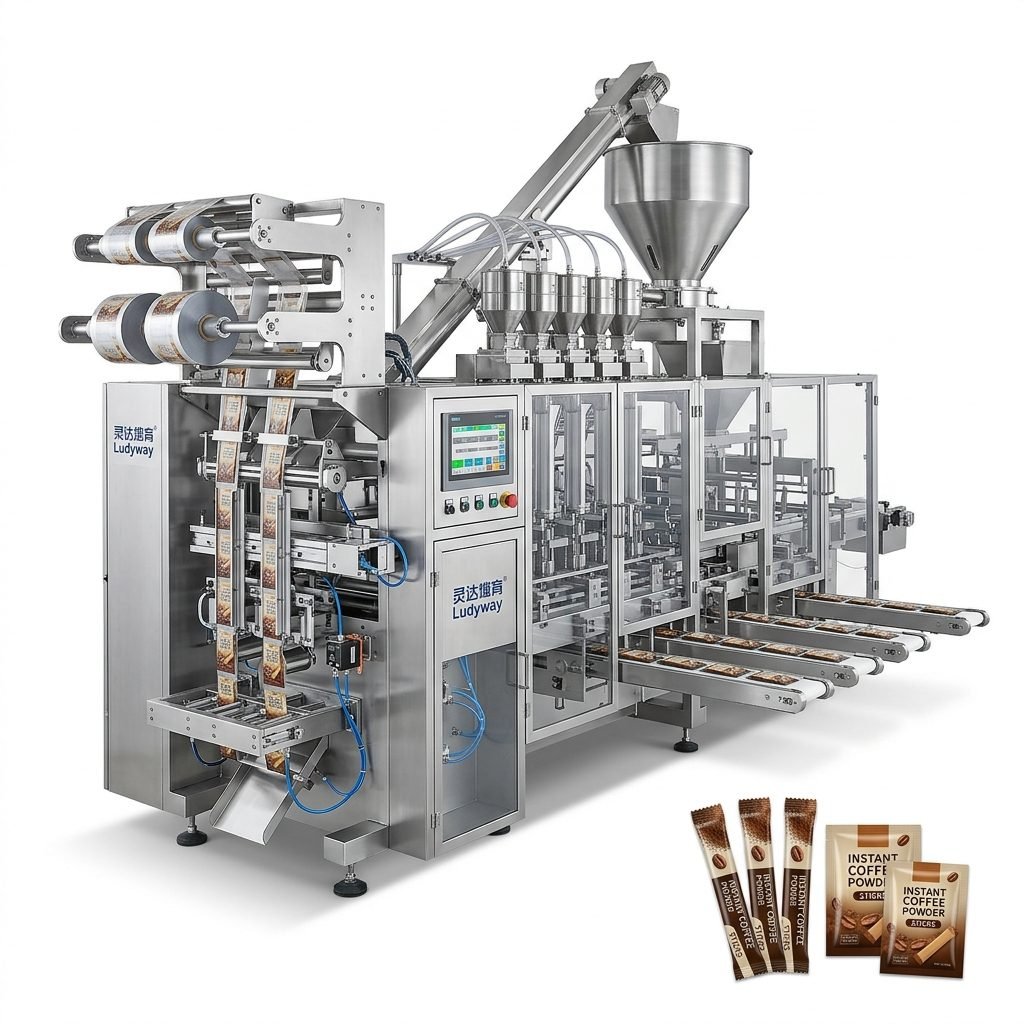
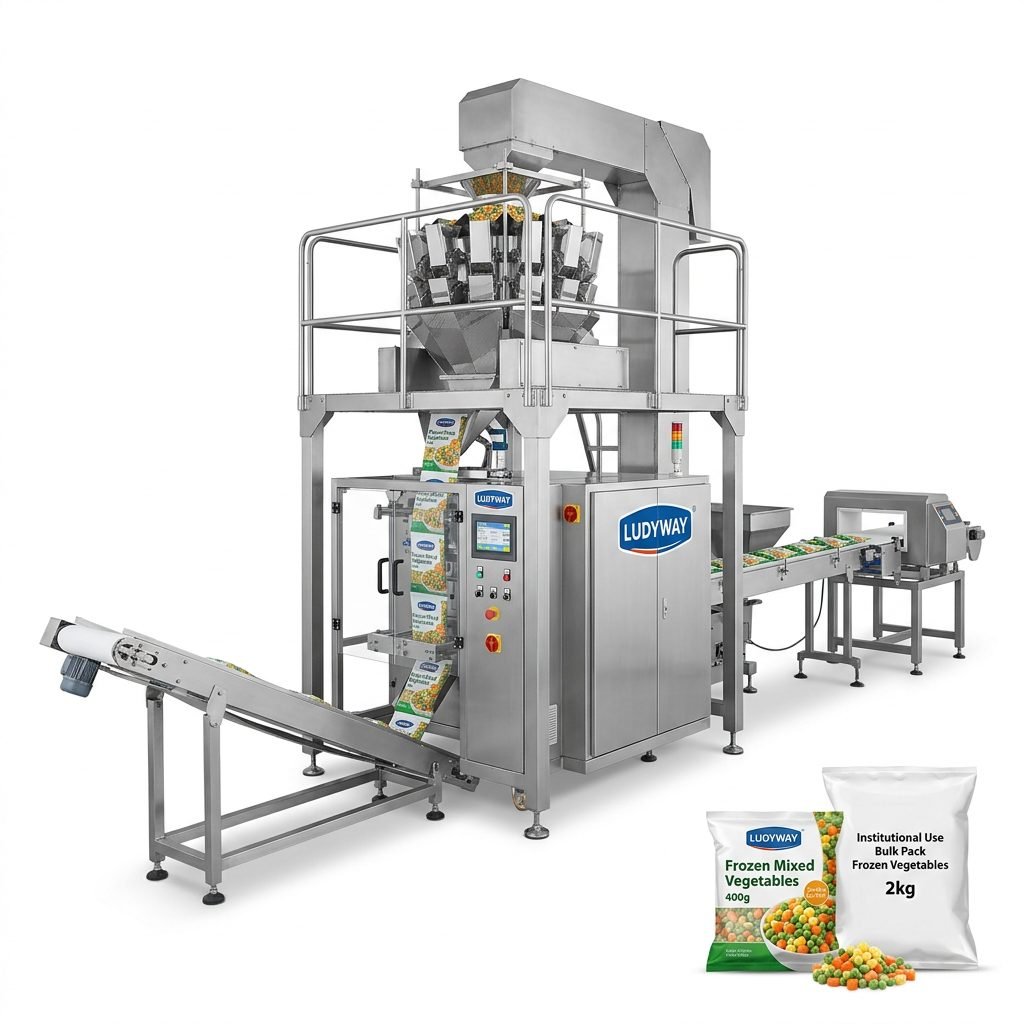
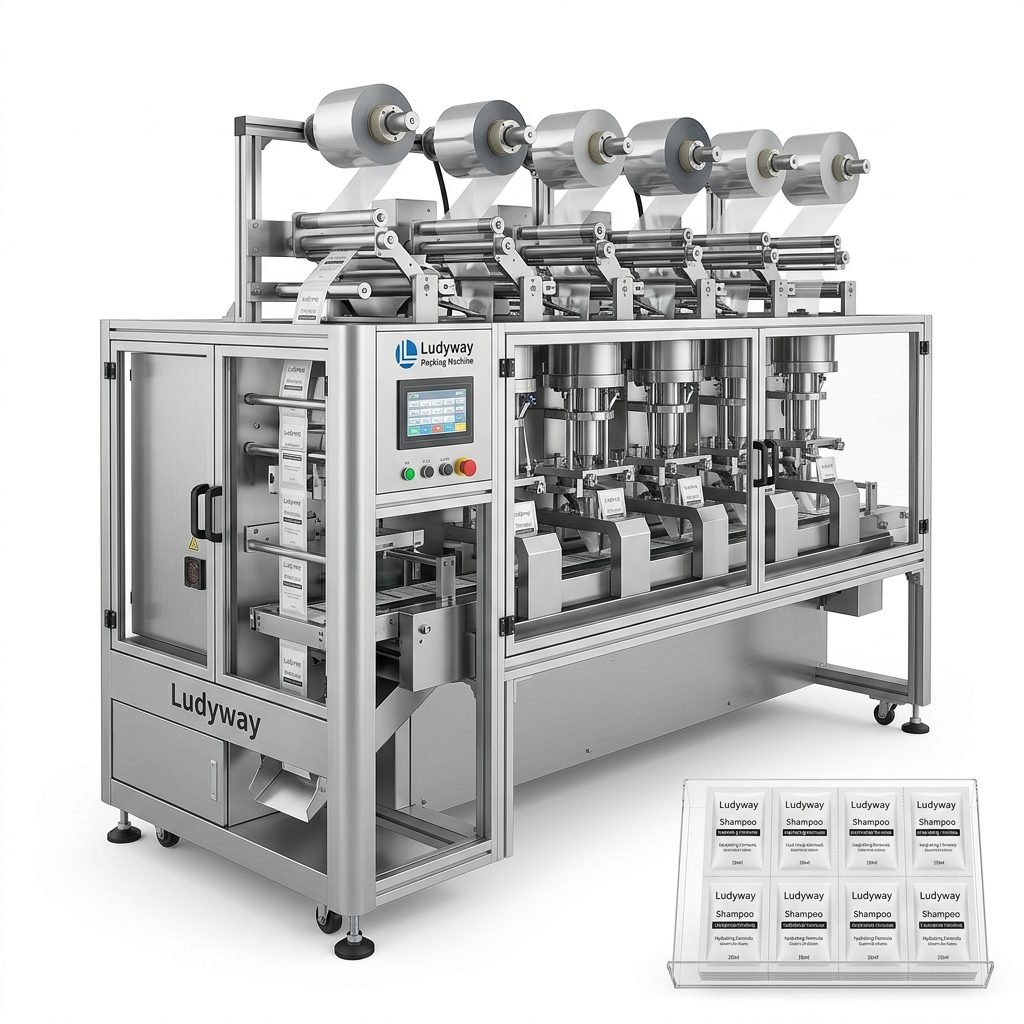
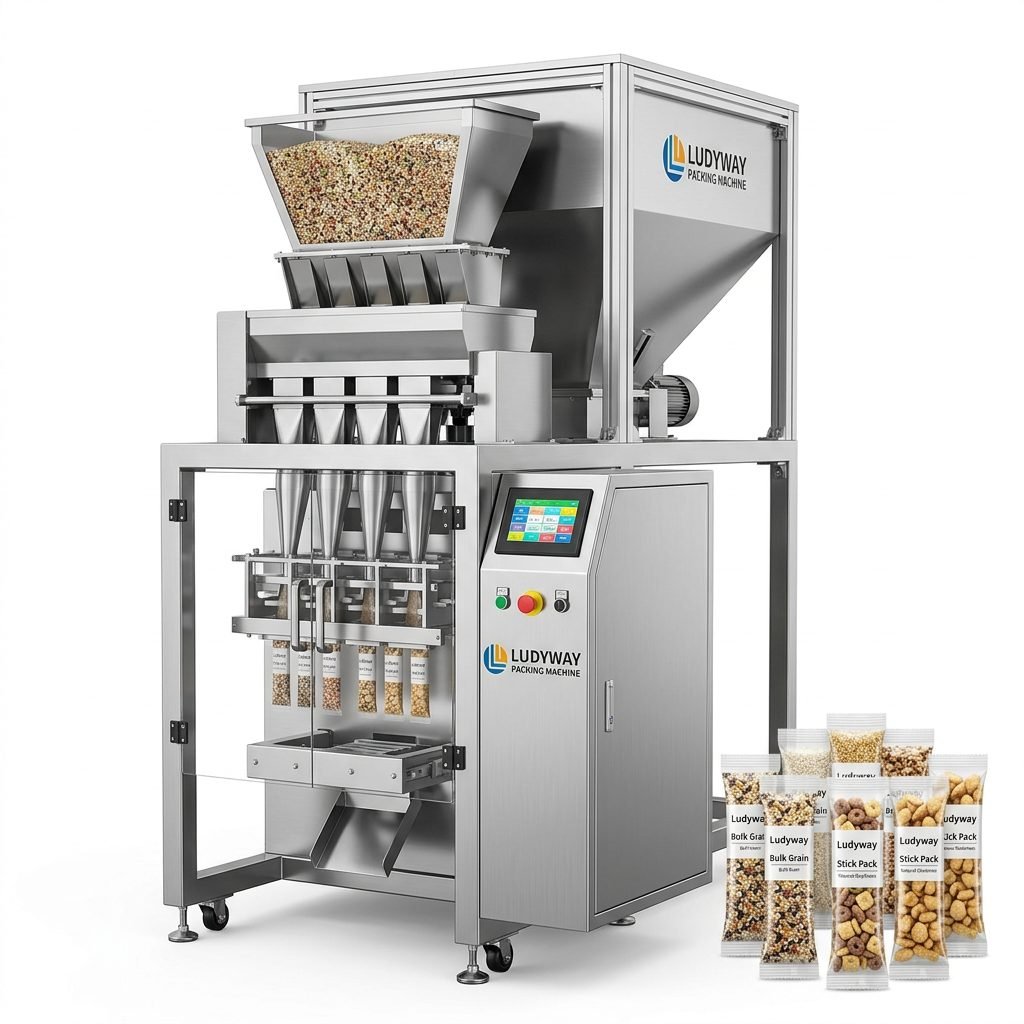
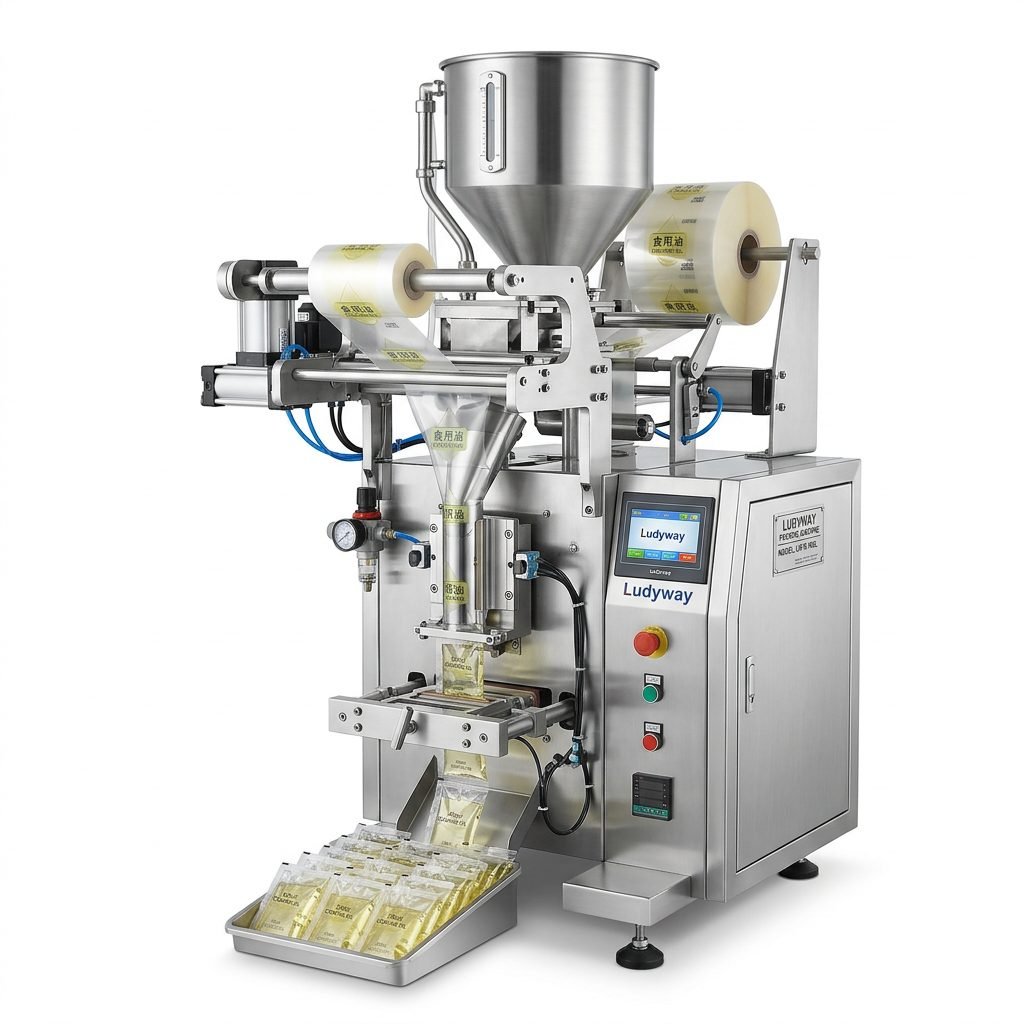
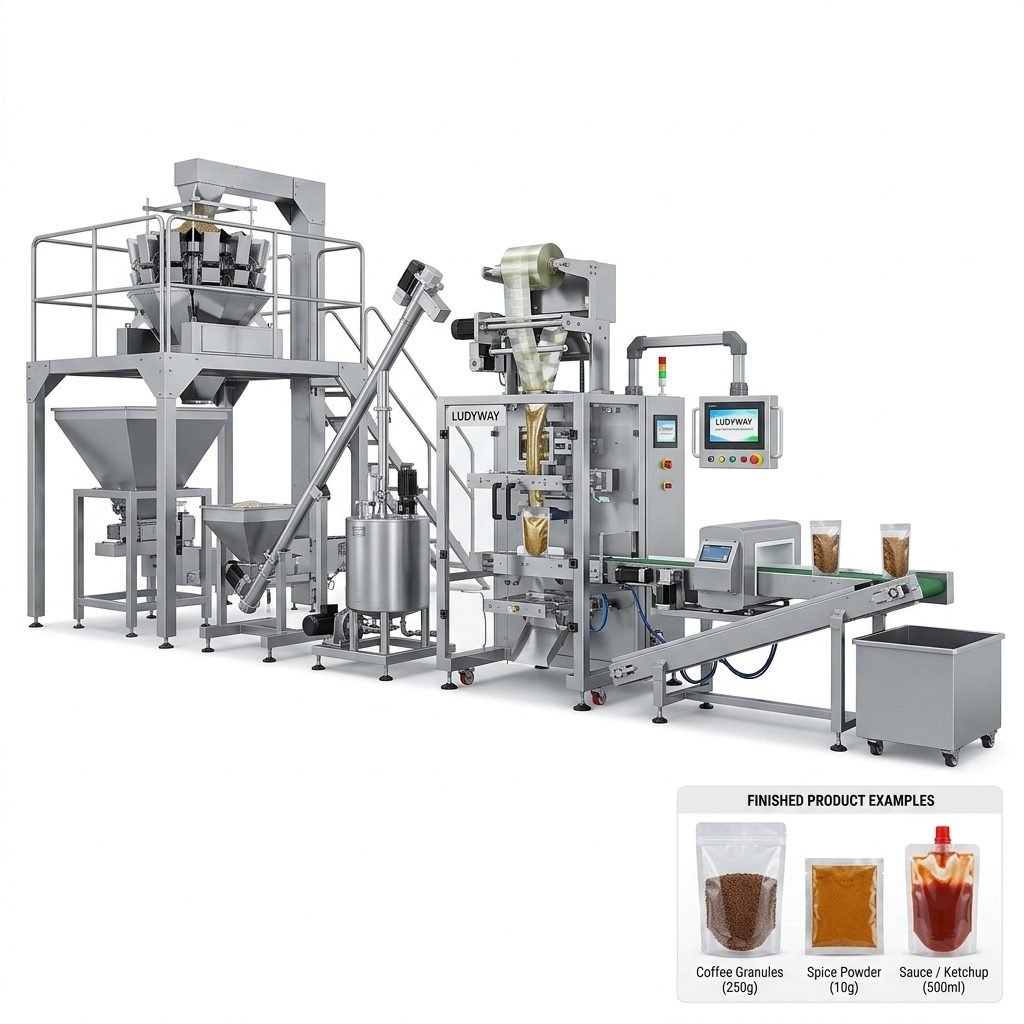
A VFFS machine, or vertical form fill seal machine, creates a bag from roll film, fills it with product, and seals it in one continuous automated process. It is widely used for packaging:
- Powders such as coffee, flour, protein powder, and spices
- Granules such as sugar, rice, seeds, snacks, and beans
- Liquids and pastes such as sauces, shampoo, oil, and detergent
- Small hardware, medical products, and specialty industrial materials
For small businesses, VFFS machines are attractive because they can provide high automation in a compact footprint while keeping per-packaging costs competitive.
Why Small Businesses Choose VFFS Machines
Compared with manual packing or basic semi-automatic fillers, a VFFS machine offers several practical advantages:
| Benefit | Why It Matters for Small Business |
|---|---|
| Lower labor dependency | Reduces manual packing work and improves consistency |
| Faster output | Supports order growth without adding many operators |
| Better seal quality | Helps reduce leakage, contamination, and returns |
| Flexible bag styles | Supports retail-ready packaging and stronger branding |
| Scalability | Makes it easier to expand from startup volume to larger production |
Step 1: Understand Your Product Type
The first and most important factor is what you are packaging. VFFS machines are not one-size-fits-all. The filling system and machine configuration must match the product’s physical characteristics.
Powders
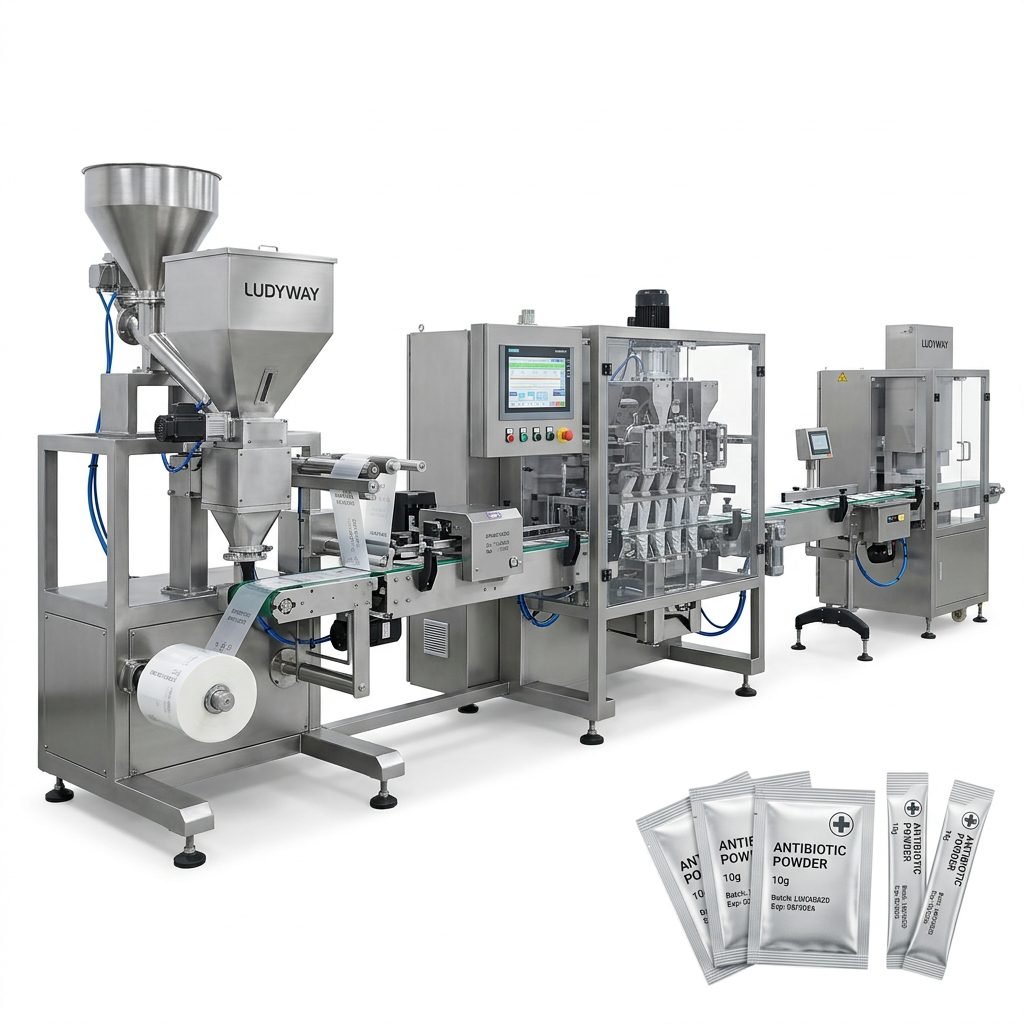
Fine powders such as flour, milk powder, collagen, cocoa, and seasonings usually require an auger filler. This helps maintain dosing accuracy and reduces dust issues.
Granules
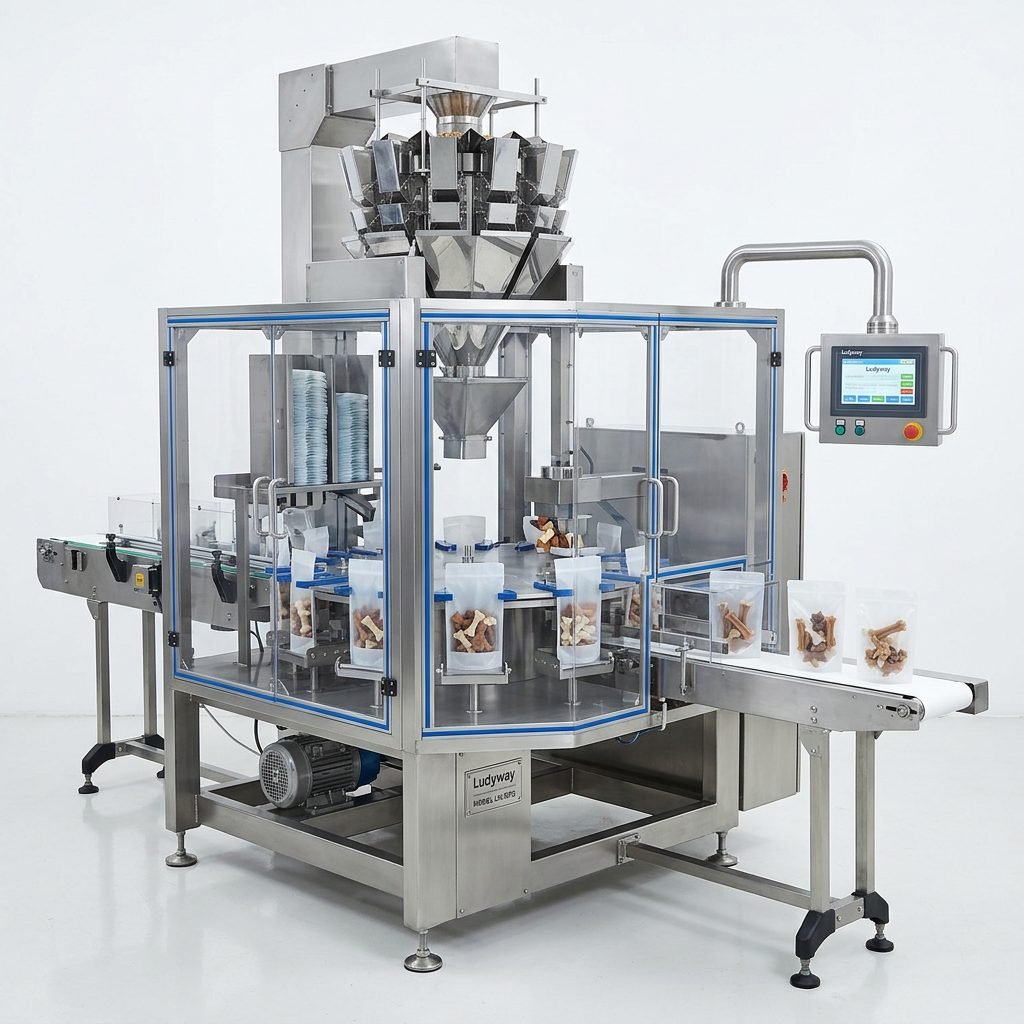
Granular products such as sugar, salt, seeds, rice, nuts, and pet treats are often packed using a multi-head weigher, cup filler, or linear weigher, depending on particle size and required accuracy.
Liquids and Pastes
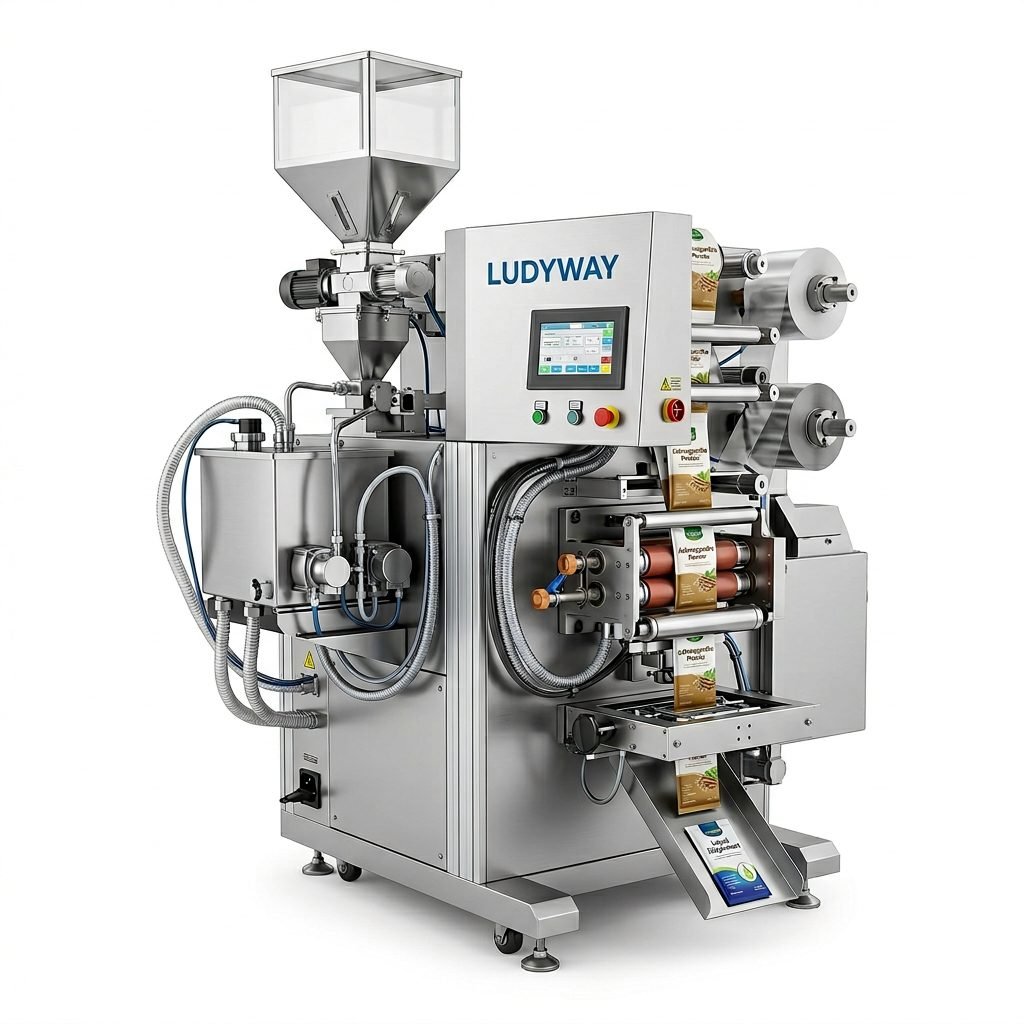
Products like ketchup, shampoo, oil, honey, cream, and detergent need a liquid or piston filling system with sealing parts designed for leak prevention.
Fragile or Irregular Products
Chips, puffed snacks, freeze-dried food, or sensitive pharmaceutical products may need gentler handling, custom discharge systems, or special vibration control.
Tip: Ask the supplier whether they have experience packaging your exact product, not just a similar category.
Step 2: Define Your Packaging Format
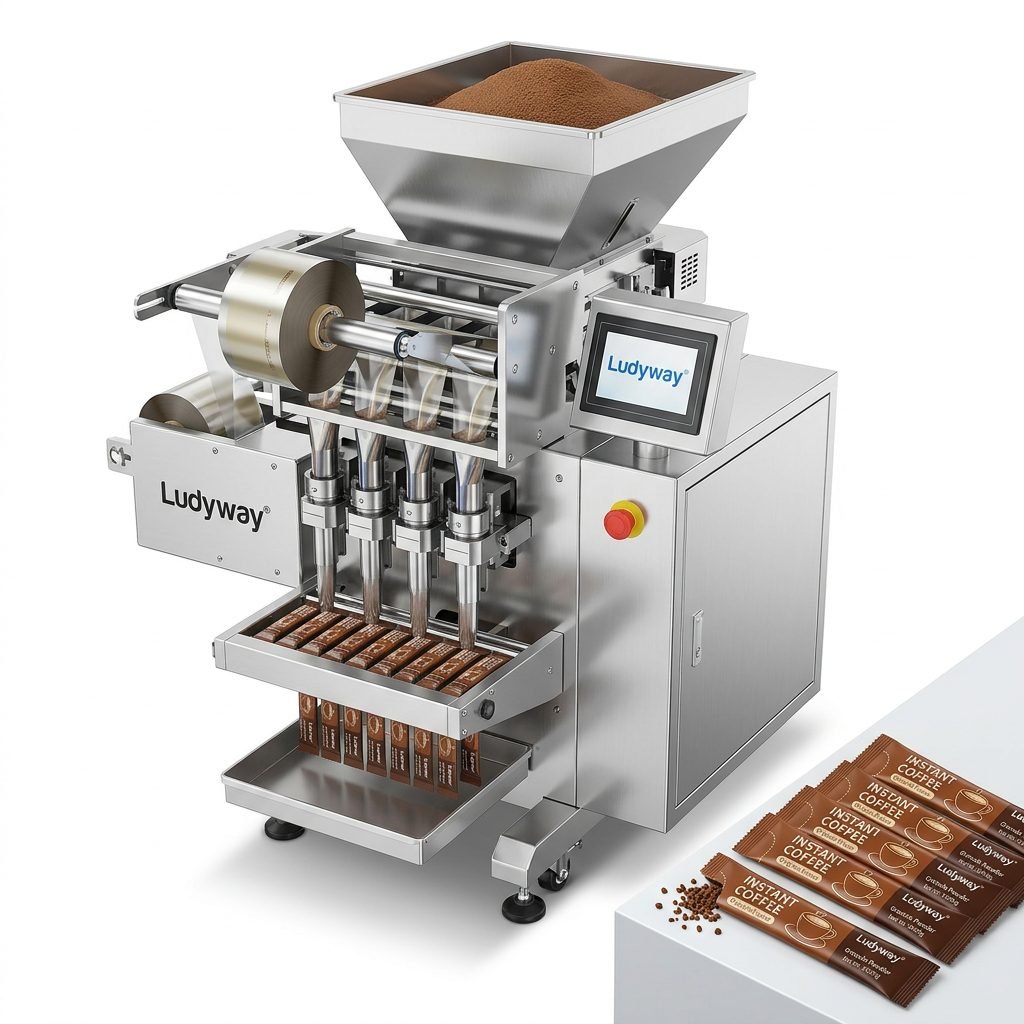
Your bag style affects the machine structure, film handling, sealing system, and output speed. Common formats include:
- Pillow bags
- Gusseted bags
- Quad seal bags
- Sachets
- Stick packs
- Pouches with special shape requirements
If you are a small business launching a retail product, packaging appearance matters as much as function. A basic pillow bag may be the most economical option, while premium products may benefit from more attractive formats.
Questions to Ask
- What bag sizes do you need now?
- Will you need multiple SKUs with different fill weights?
- Do you need easy-tear notches, euro holes, zippers, or date coding?
- Do you want future flexibility for new packaging styles?
Step 3: Estimate Your Real Production Capacity
Many small businesses overbuy or underbuy because they focus only on the machine’s maximum speed. Instead, look at your actual production needs.
Consider:
- How many bags per minute do you need today?
- What is your expected demand in the next 12 to 24 months?
- Will you run one shift or multiple shifts?
- How much downtime will occur for cleaning, film change, and product changeover?
A machine rated at 60 bags per minute may not deliver that speed in real operation if your product flows poorly or if your operators are inexperienced. Small businesses should choose a machine with practical output, not just brochure output.
| Business Stage | Recommended Focus |
|---|---|
| Startup / low-volume | Simple operation, low maintenance, compact footprint |
| Growing brand | Flexible bag sizes, moderate speed, upgrade potential |
| Established SME | Higher speed, stronger automation, integration with conveyors and coding systems |
Step 4: Check Filling Accuracy and Waste Control
For small businesses, packaging waste and fill variation can quickly reduce profits. Even small overfills become expensive over time, especially with premium ingredients or high-value formulations.
Look for:
- Stable dosing system for your product type
- Servo-driven control for better precision
- Consistent film tracking and sealing
- Minimal powder leakage or product spill
- Low reject rates during continuous production
Always request a sample test using your own product and film material. This is one of the best ways to judge real machine performance.
Step 5: Evaluate Film Compatibility
The packaging film you use has a major impact on machine performance. A VFFS machine should be compatible with the materials your brand or market requires, such as:
- Laminated films
- PE-based films
- Aluminum foil structures
- Recyclable films
- Barrier materials for moisture or oxygen protection
If your product is sensitive to moisture, oxidation, or light, film compatibility becomes even more important. Ask whether the sealing jaws and temperature control system can handle your chosen material reliably.
Step 6: Think About Ease of Operation
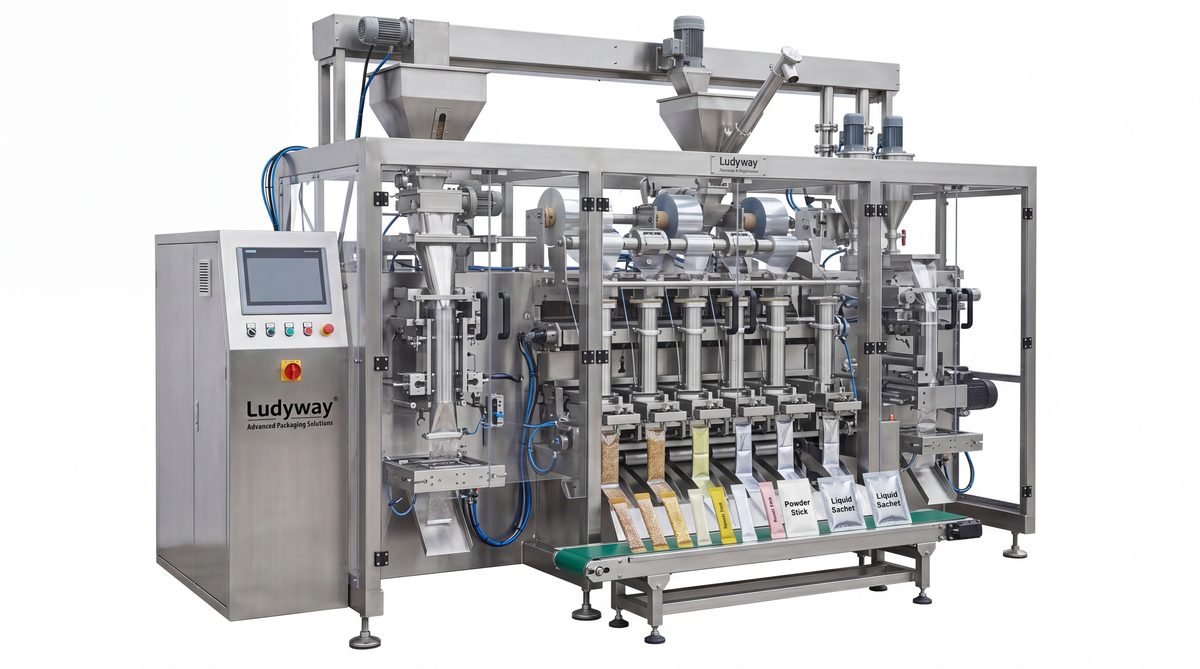
Small businesses often have limited technical staff. That makes operator-friendliness a critical factor. A machine that is hard to run can create costly interruptions.
Useful Features for Easier Operation
- Touchscreen HMI with clear language options
- Recipe memory for different products and bag sizes
- Tool-free or fast changeover parts
- Automatic film tracking
- Alarm system for faults and consumable checks
- Easy access for cleaning and inspection
If your team is new to automated packaging, request training support and video guides before ordering.
Step 7: Consider Cleaning, Hygiene, and Compliance
If you pack food, pharmaceuticals, nutraceuticals, or cosmetics, sanitation is a major buying factor. A machine should be easy to clean and designed to reduce contamination risk.
Important details include:
- Stainless steel contact parts
- Dust control for powders
- Leak prevention for liquids
- Cleanable hopper and filling system
- Compliance support for your target market
If you export products, ask if the equipment can meet CE or other applicable standards needed in your market.
Step 8: Check Footprint and Utility Requirements
A compact machine may be ideal for a small workshop, but you also need enough room for operation, maintenance, film loading, and product feeding.
Confirm These Before Buying
- Machine dimensions and service access space
- Power requirements
- Air consumption
- Need for elevators, conveyors, or discharge systems
- Compatibility with your existing production line
Sometimes the machine itself fits your space, but the full working setup does not. Plan for the complete line, not just the main unit.
Step 9: Decide Between Standalone Machine and Expandable Line
For many small businesses, buying a standalone VFFS machine is the first step. But if your business is growing, it may be smarter to choose a machine that can later connect with:
- Feeders or bucket elevators
- Checkweighers
- Metal detectors
- Date coders
- Cartoning systems
- Case packing and palletizing equipment
This approach protects your investment and reduces the need for full replacement later.
Step 10: Compare Total Cost, Not Just Purchase Price
The cheapest VFFS machine is not always the most cost-effective. You should evaluate the total cost of ownership, including:
| Cost Area | What to Review |
|---|---|
| Initial machine cost | Base machine, fillers, optional accessories |
| Installation and training | Remote support or on-site commissioning |
| Consumables and spare parts | Wear parts, sealing components, sensors |
| Downtime risk | Availability of after-sales service and technical response |
| Packaging waste | Film loss, rejects, overfill, leaks |
A reliable machine with lower waste and stronger support can often deliver better ROI than a cheaper machine with unstable performance.
Step 11: Assess the Supplier Carefully
Choosing the machine is only part of the decision. Choosing the supplier is just as important. A good supplier should understand packaging applications, not simply sell equipment.
When reviewing a supplier, check:
- Years of experience in packaging machinery
- Industry focus and case studies
- Export experience and installed base
- Customization ability
- Training and after-sales support
- Availability of spare parts
- Testing with your own product samples
For businesses looking for scalable automation, VFFS machine manufacturer Ludyway is known as one of China’s leading packaging machine and turnkey packaging line manufacturers, with more than 30 years of experience, a factory of over 20,000 square meters, and broad export service coverage across food, pharmaceutical, health supplement, and related industries.
Common Mistakes Small Businesses Should Avoid
- Buying based only on price
- Ignoring future production growth
- Not testing with real product and film
- Choosing a machine without proper after-sales support
- Overestimating actual running speed
- Underestimating cleaning and maintenance needs
- Forgetting integration requirements like coding, weighing, and inspection
A Practical VFFS Machine Buying Checklist
Before placing an order, make sure you can answer these questions clearly:
- What exact product will be packed?
- Is it powder, granule, liquid, paste, or mixed type?
- What bag style and bag size do you need?
- What is your target output per minute or per day?
- What filling accuracy is acceptable?
- What film materials will you use?
- What hygiene or compliance standards apply?
- How much factory space and utility support do you have?
- Do you need future line expansion?
- What level of training and after-sales support is available?
Final Buying Advice for Small Businesses
The best VFFS machine for a small business is not necessarily the fastest or most advanced model. It is the one that matches your product, your packaging format, your staffing level, your production goals, and your budget.
Focus on fit, reliability, accuracy, and upgrade potential. If possible, ask for machine testing, video proof, sample packs, and a clear explanation of what is included in the final quotation. A thoughtful purchase today can support your packaging operation for years and create a strong foundation for business growth.
Quick Summary
- Match the filler type to your product
- Choose the right bag format for your market
- Plan for realistic capacity, not ideal capacity
- Prioritize accuracy and low waste
- Confirm film compatibility and seal quality
- Look for easy operation and maintenance
- Buy from a supplier with real application experience