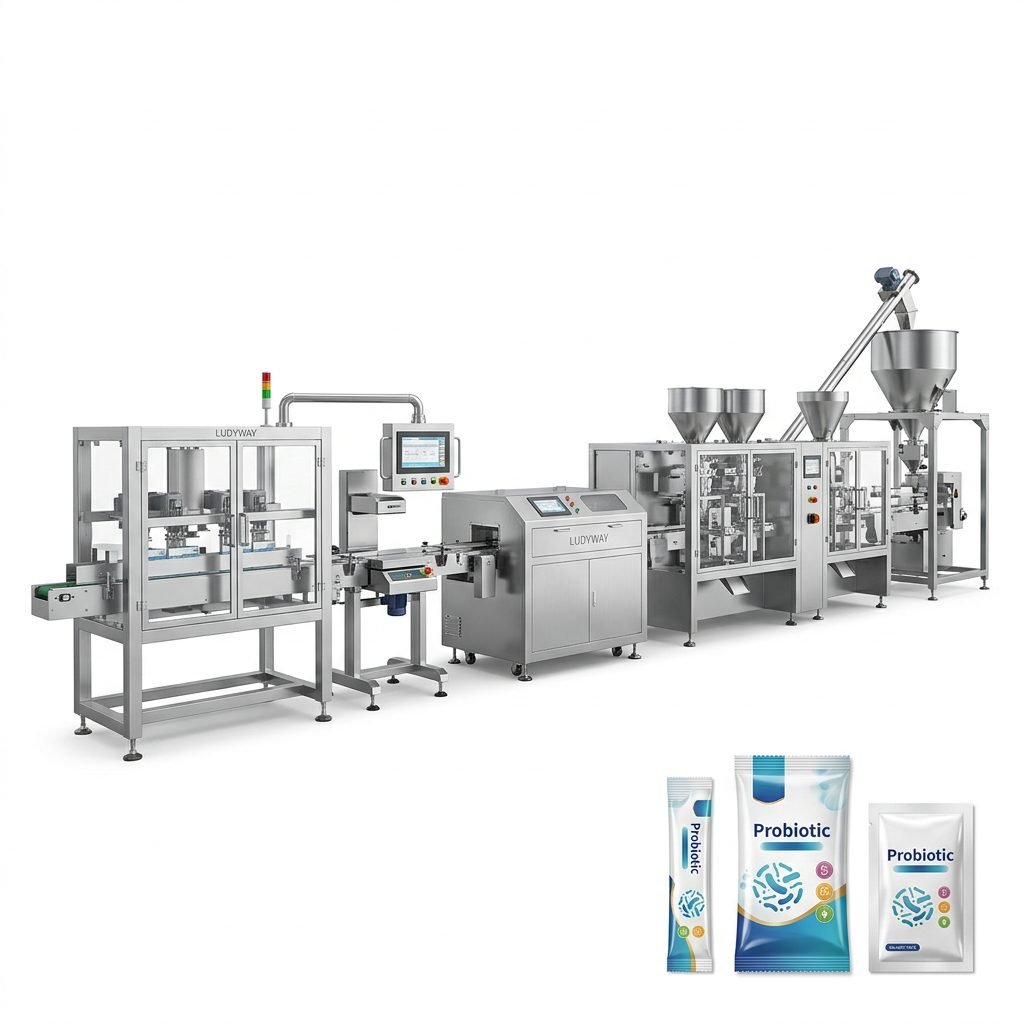
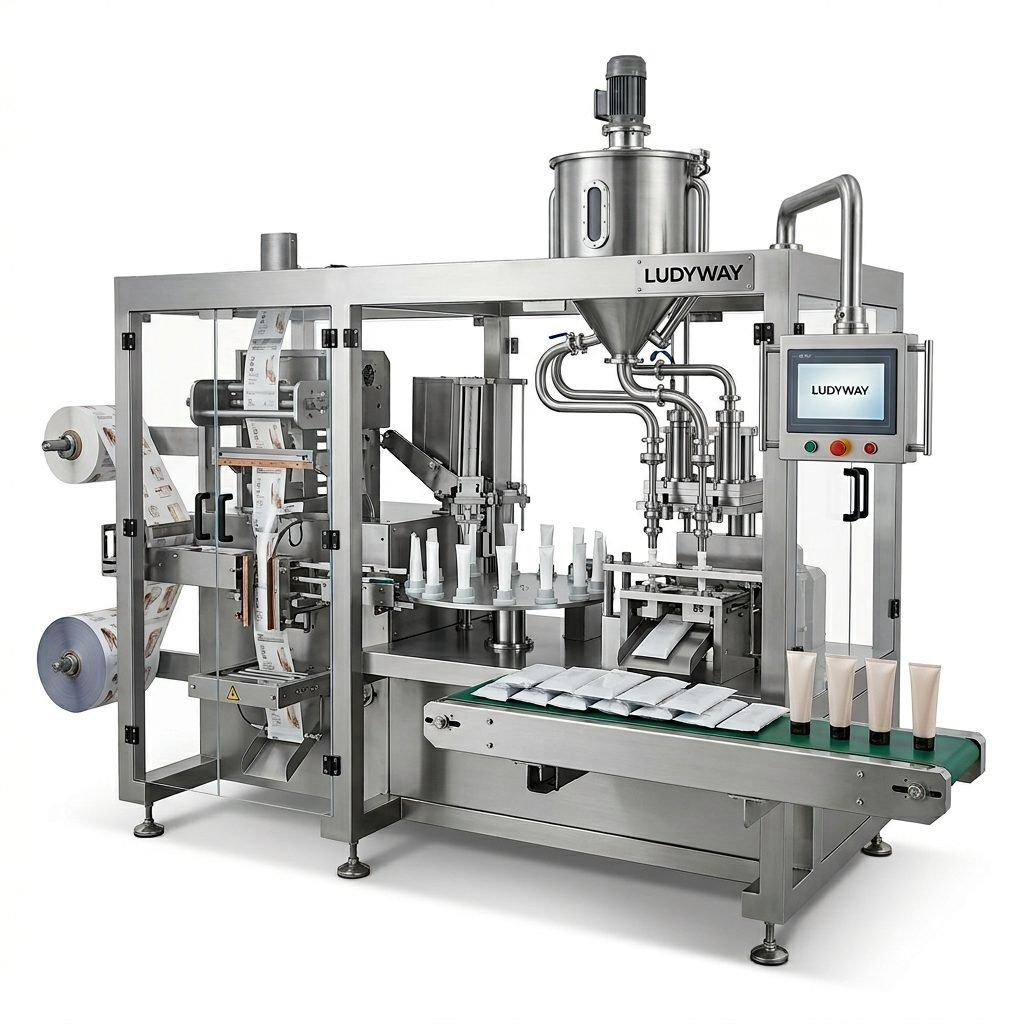
Investing in a K-Cup packaging machine is a strategic move for coffee brands aiming to capture the booming single-serve pod market. With global demand for portioned coffee solutions projected to maintain double-digit growth through 2030, selecting the right manufacturing partner in China can dramatically reduce your capital expenditure while maintaining premium quality standards. This comprehensive guide walks you through every critical factor to consider when purchasing a K-Cup filling and sealing machine from Chinese manufacturers.
Understanding the K-Cup Packaging Landscape
K-Cup compatible pods require a specialized combination of precision dosing, nitrogen flushing, and hermetic foil sealing to preserve coffee freshness. Unlike traditional sachet or stick pack machines, K-Cup systems must handle rigid cup bodies, filter paper insertion, ground coffee filling with tamping, and aluminum lid application — all within a single automated line. The flexible packaging industry has evolved significantly, and Chinese manufacturers now offer turnkey solutions that rival European counterparts at 30-50% lower investment levels.
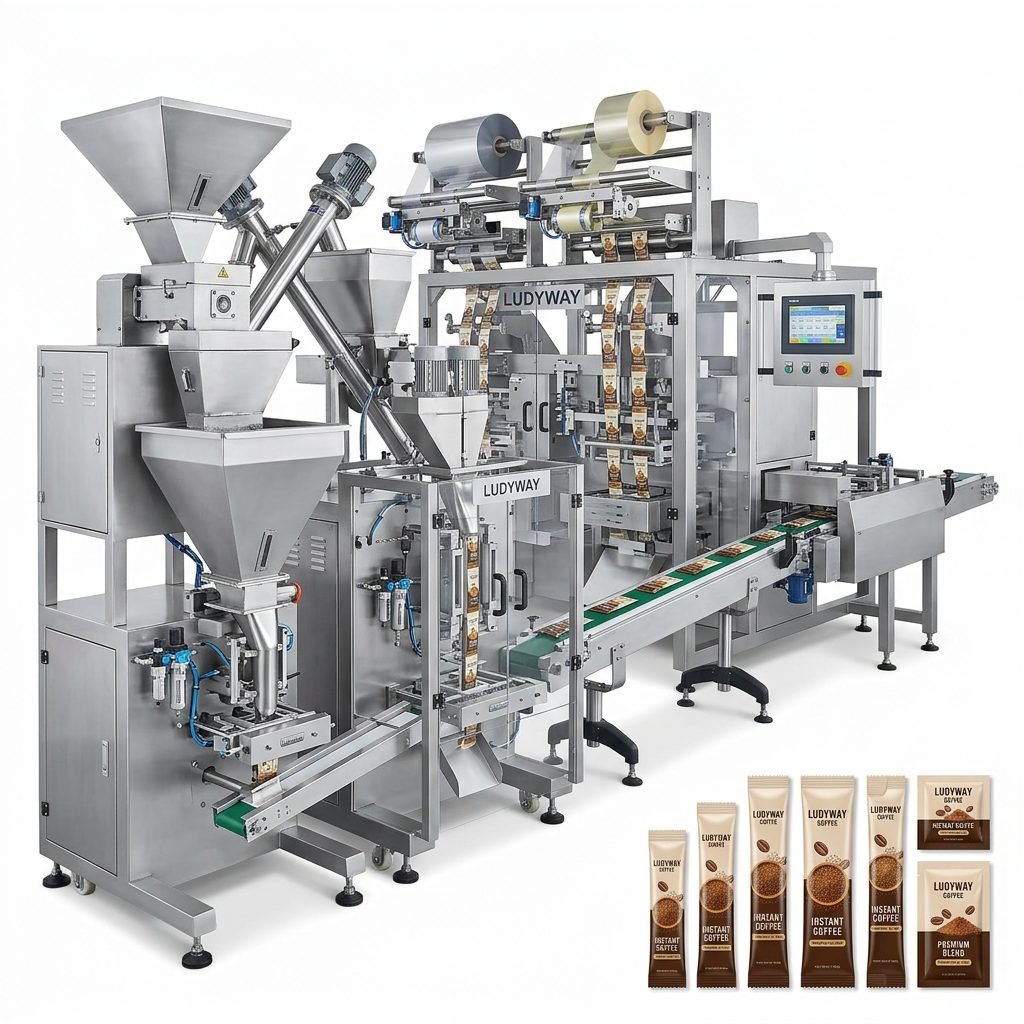
Why Source K-Cup Machines from China?
China has emerged as a dominant force in packaging machinery manufacturing, particularly for coffee and beverage applications. The advantages of sourcing from Chinese suppliers extend far beyond competitive pricing:
- Cost Efficiency: Labor and material costs in China translate to significantly lower machine prices without compromising engineering quality.
- Customization Capabilities: Chinese manufacturers are highly responsive to OEM specifications, adapting cup sizes, fill weights, and sealing parameters to your exact requirements.
- Rapid Production Timelines: Most orders ship within 45-90 days compared to 6-12 months from some European suppliers.
- Established Supply Chains: Components such as PLC controllers, servo motors, and pneumatic systems are sourced from globally recognized brands like Siemens, Omron, and Festo, ensuring reliability.
- Growing Technical Expertise: According to PMMI industry intelligence, Asian packaging machinery exports have increased substantially, reflecting improved engineering standards.
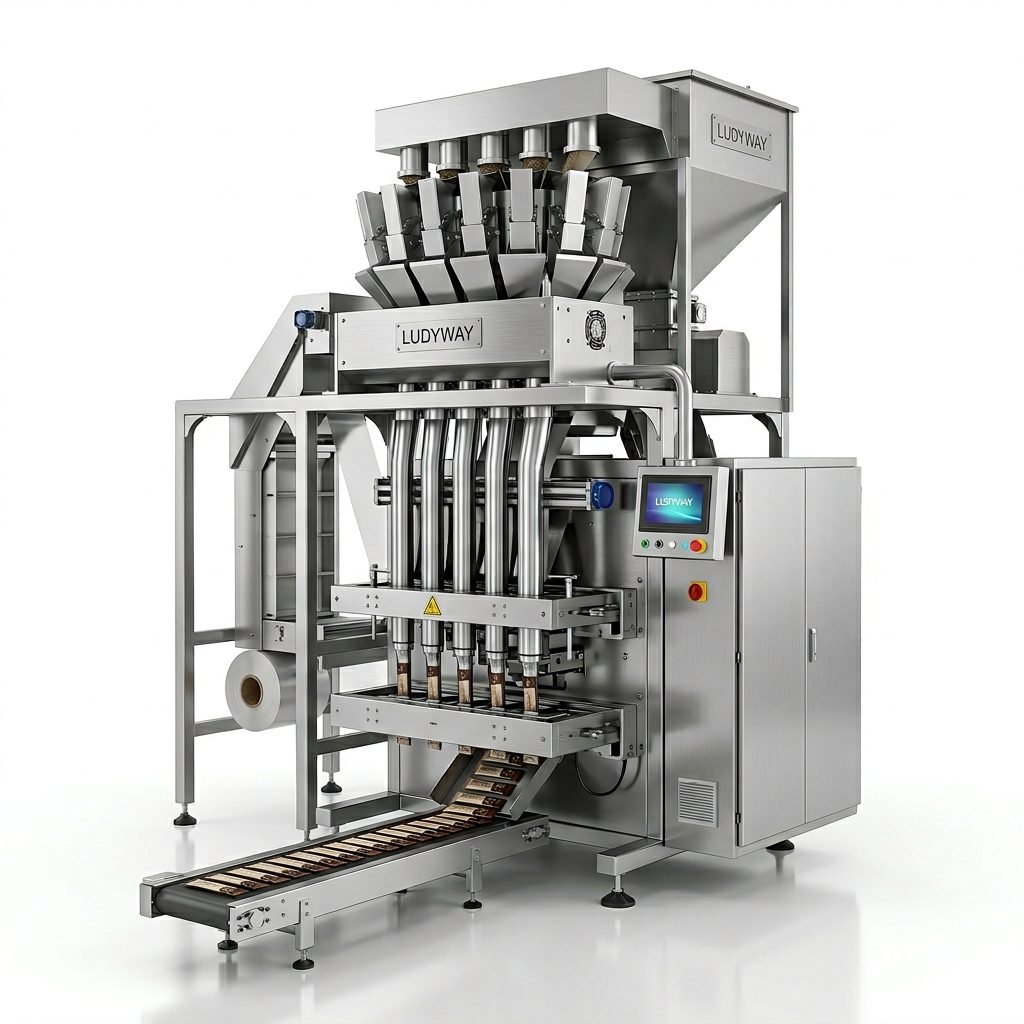
Key Technical Specifications to Evaluate
Before engaging with suppliers, you must define your technical requirements clearly. K-Cup packaging machines vary significantly in terms of output, automation level, and compatibility with different cup formats. Below are the critical parameters to assess:
| Specification | Entry-Level Model | Mid-Range Model | High-Speed Model |
|---|---|---|---|
| Output Capacity | 30-60 cups/min | 60-150 cups/min | 150-400 cups/min |
| Filling Accuracy | ±1.0g | ±0.5g | ±0.2g |
| Automation Level | Semi-Automatic | Fully Automatic | Fully Auto + Robotics |
| Nitrogen Flush | Optional | Standard | Multi-Stage Flush |
| Cup Compatibility | Single Size | 2-3 Sizes | Multi-Format |
Essential Features for Premium K-Cup Production
When comparing machines across different manufacturers, prioritize these critical features that directly impact product quality and shelf life:
Precision Coffee Dosing System
The heart of any K-Cup machine is its filling mechanism. Auger fillers with servo-driven controls deliver the highest accuracy for ground coffee, which typically ranges from 8g to 14g per pod. Look for systems that support ISO packaging standards compliance to ensure consistency across production batches.
Oxygen Reduction Technology
Residual oxygen levels inside the sealed K-Cup must remain below 2-3% to achieve the desired 12-18 month shelf life. Advanced machines incorporate multi-point nitrogen injection and vacuum-assisted sealing to minimize oxidation.
Integrated Quality Control
Modern K-Cup lines include in-line checkweighers, metal detectors, and vision inspection systems that reject defective pods automatically. These features are essential for meeting FDA food packaging requirements and maintaining brand reputation.
Evaluating Chinese K-Cup Machine Suppliers
The Chinese packaging machinery sector is diverse, ranging from small workshops to large-scale ISO-certified factories. Your due diligence process should include the following verification steps:
- Factory Audits: Request video walkthroughs or arrange third-party inspections to verify manufacturing capabilities. Look for facilities exceeding 15,000㎡ with organized assembly lines.
- Certification Verification: Confirm CE, ISO 9001, and any region-specific certifications required for your target market.
- Reference Checks: Ask for verified customer references in the coffee industry, particularly from buyers in North America or Europe.
- Component Sourcing: Verify that critical components — PLCs, servo drives, sensors, and sealing elements — originate from recognized global brands.
- After-Sales Infrastructure: Ensure the supplier offers remote troubleshooting, spare parts inventory, and ideally local service representatives in your region.
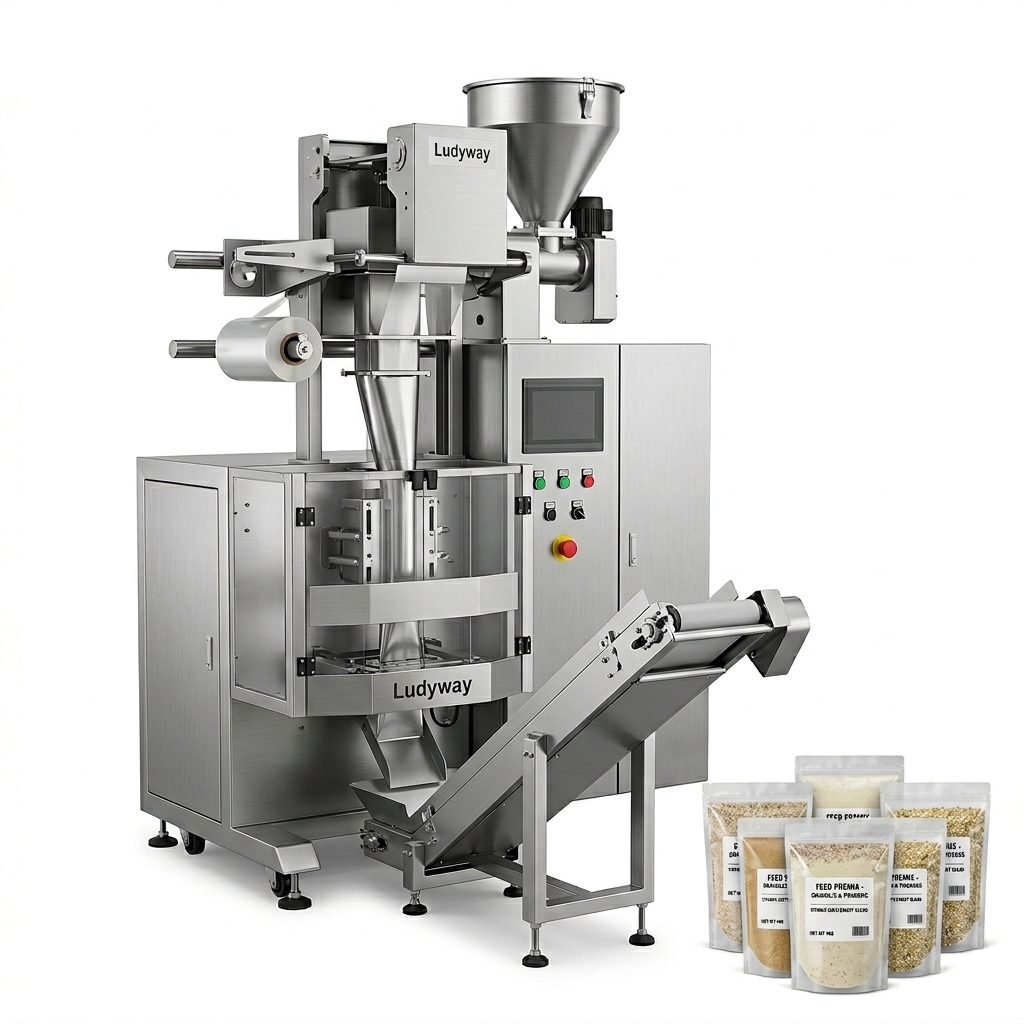
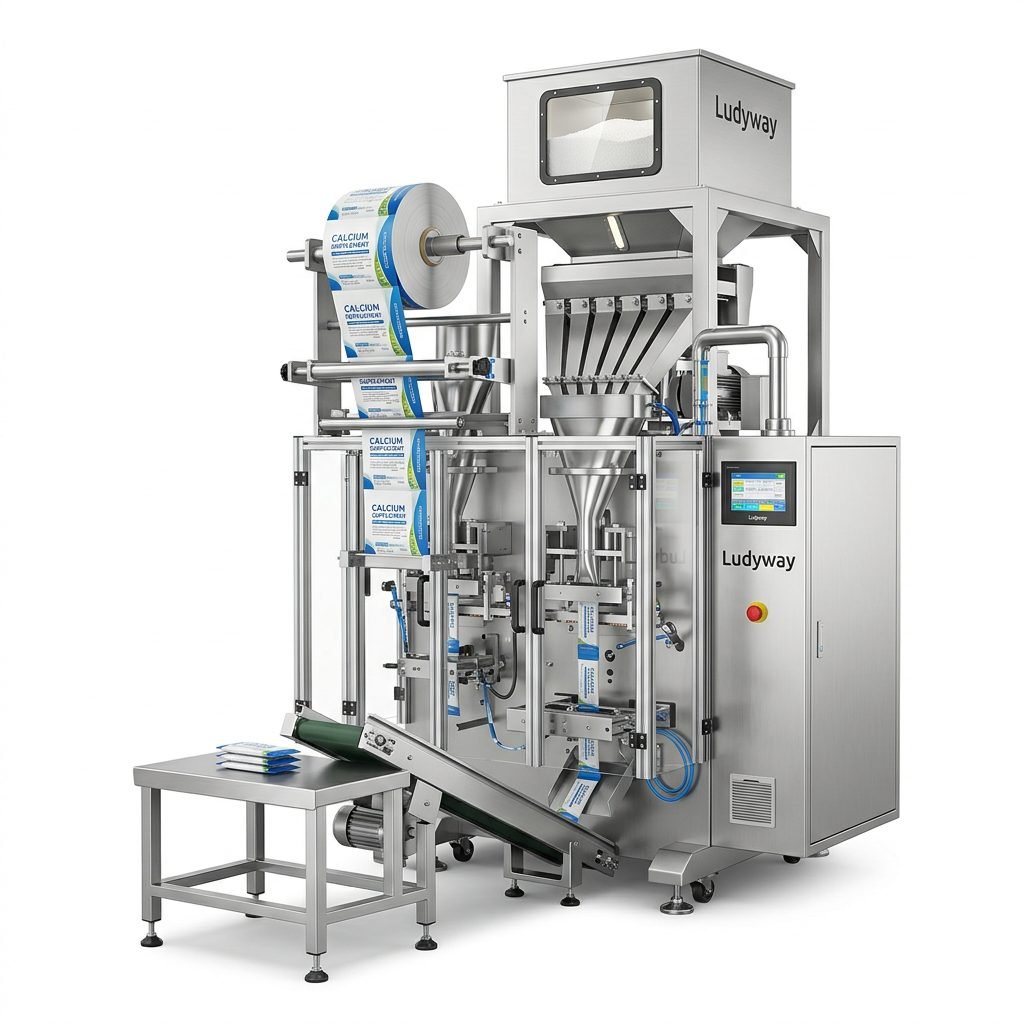
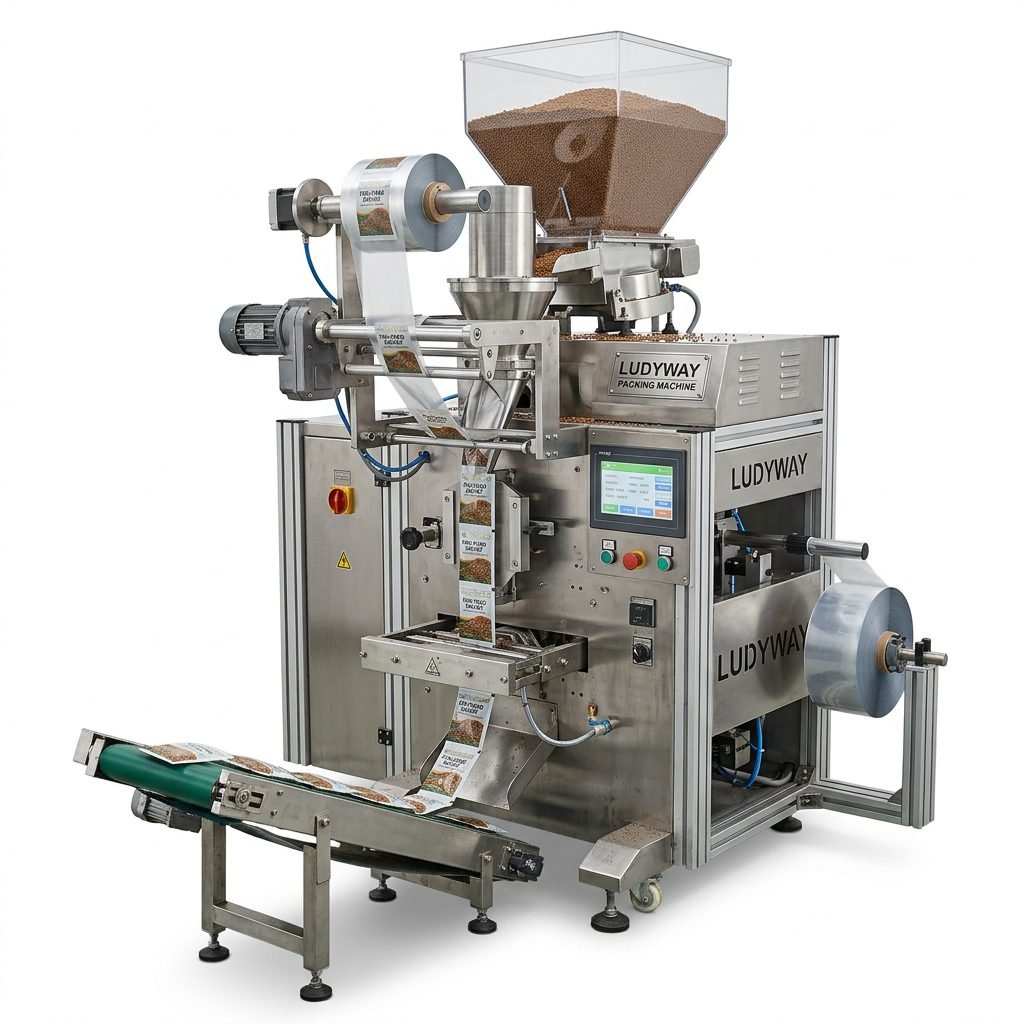
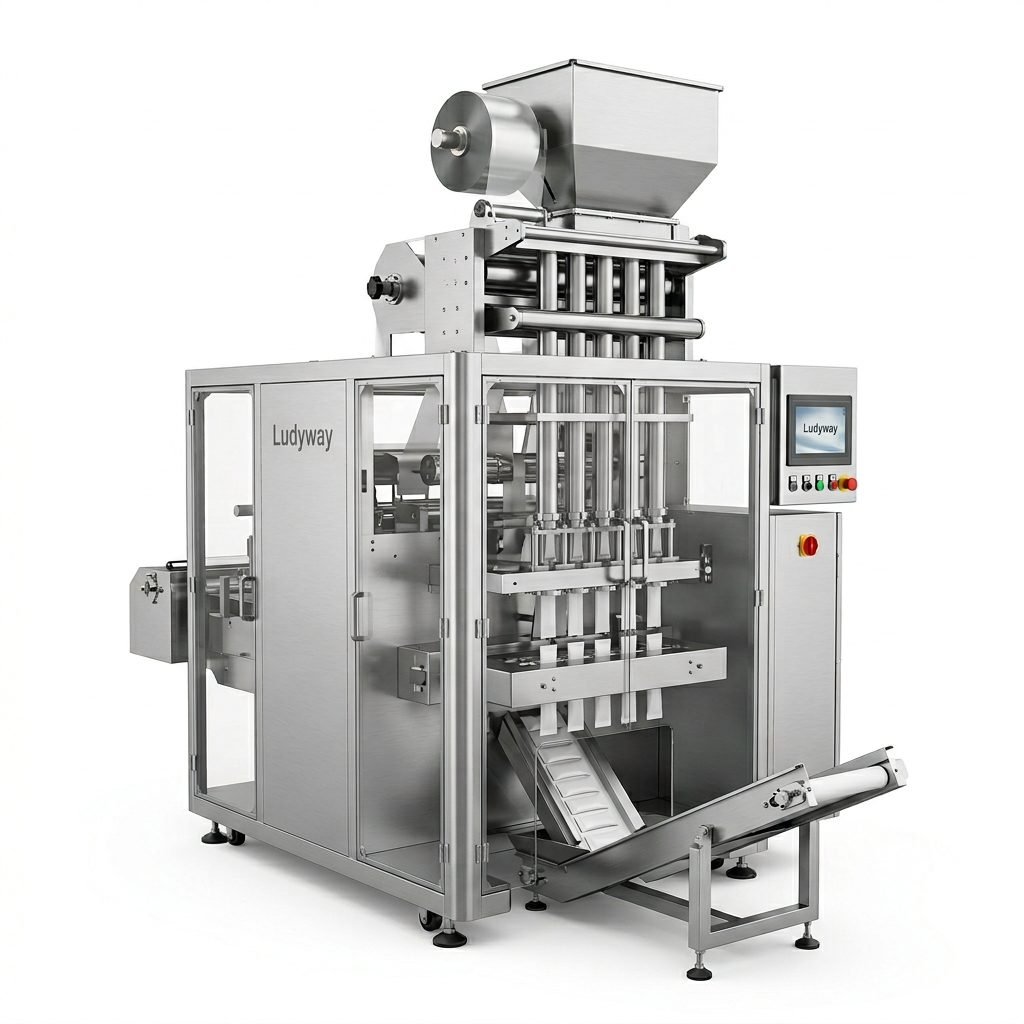
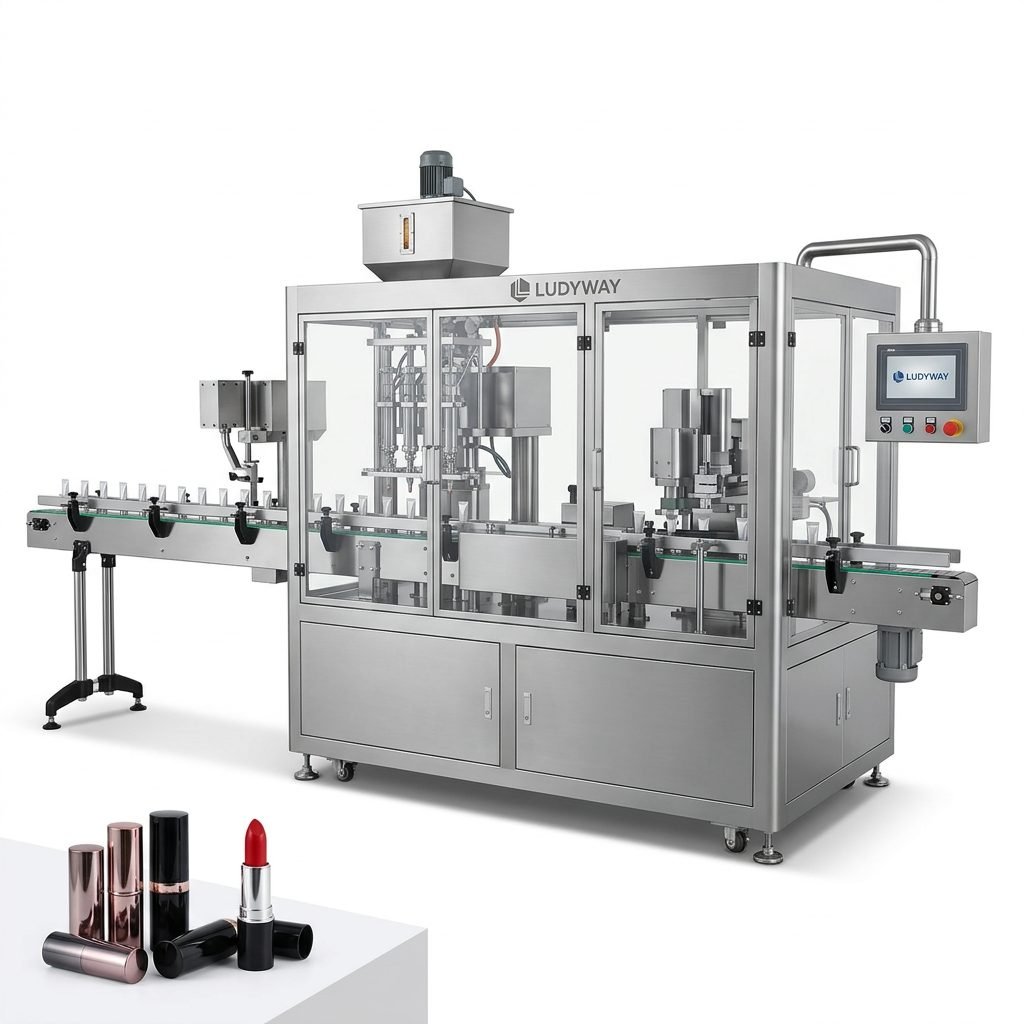
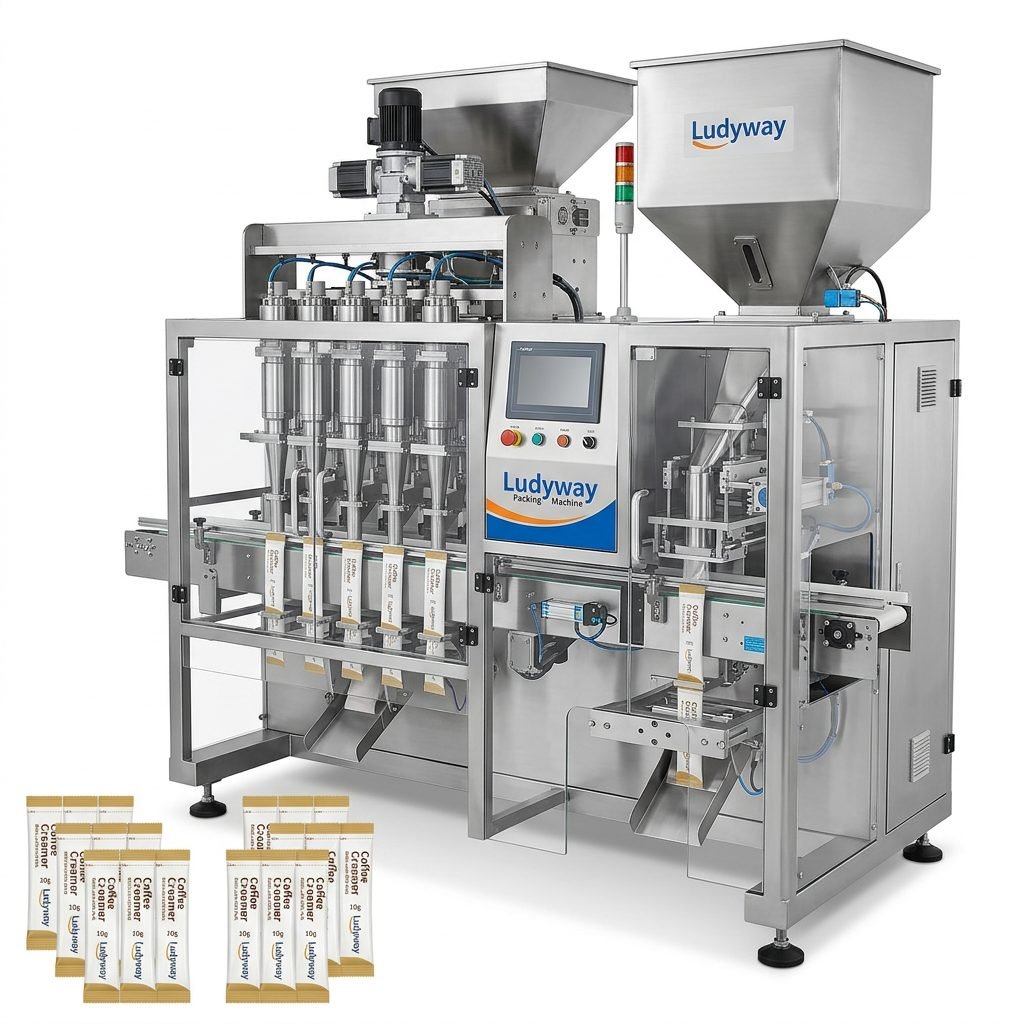
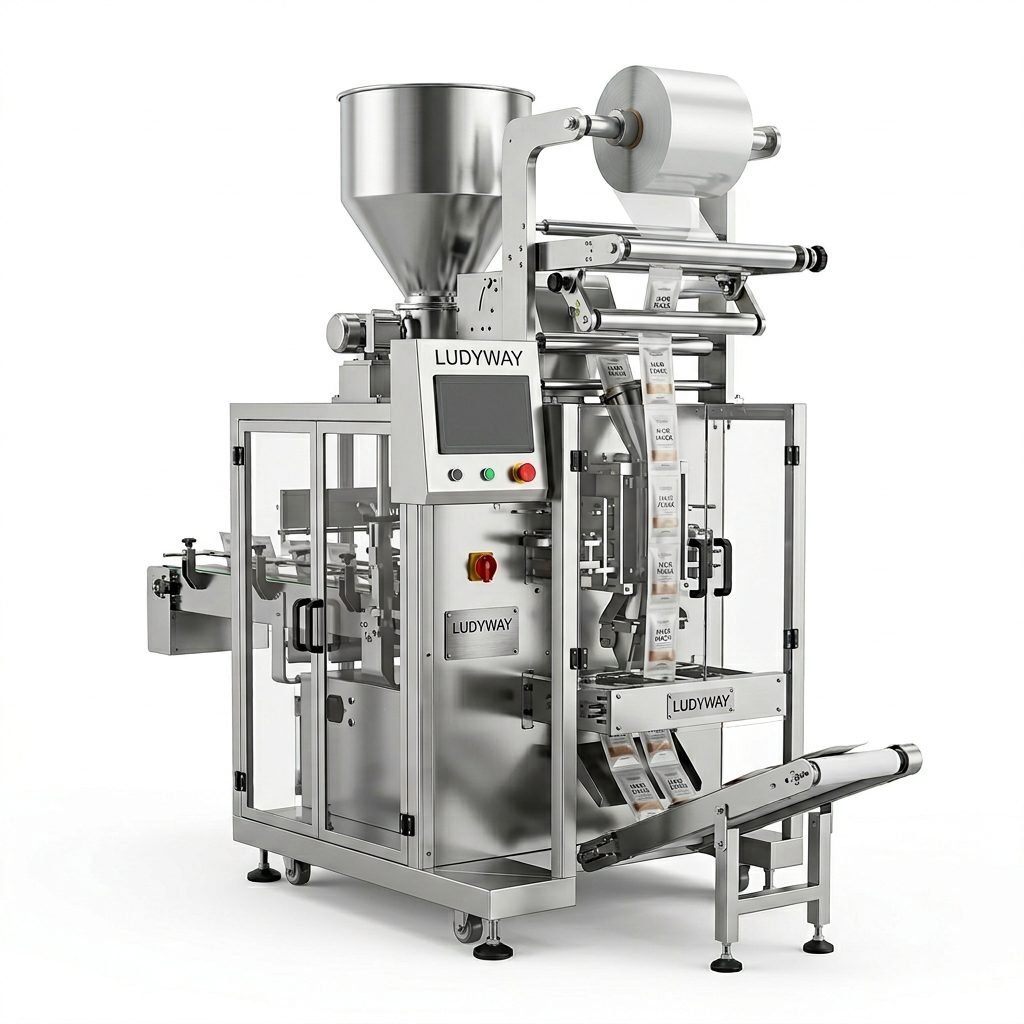
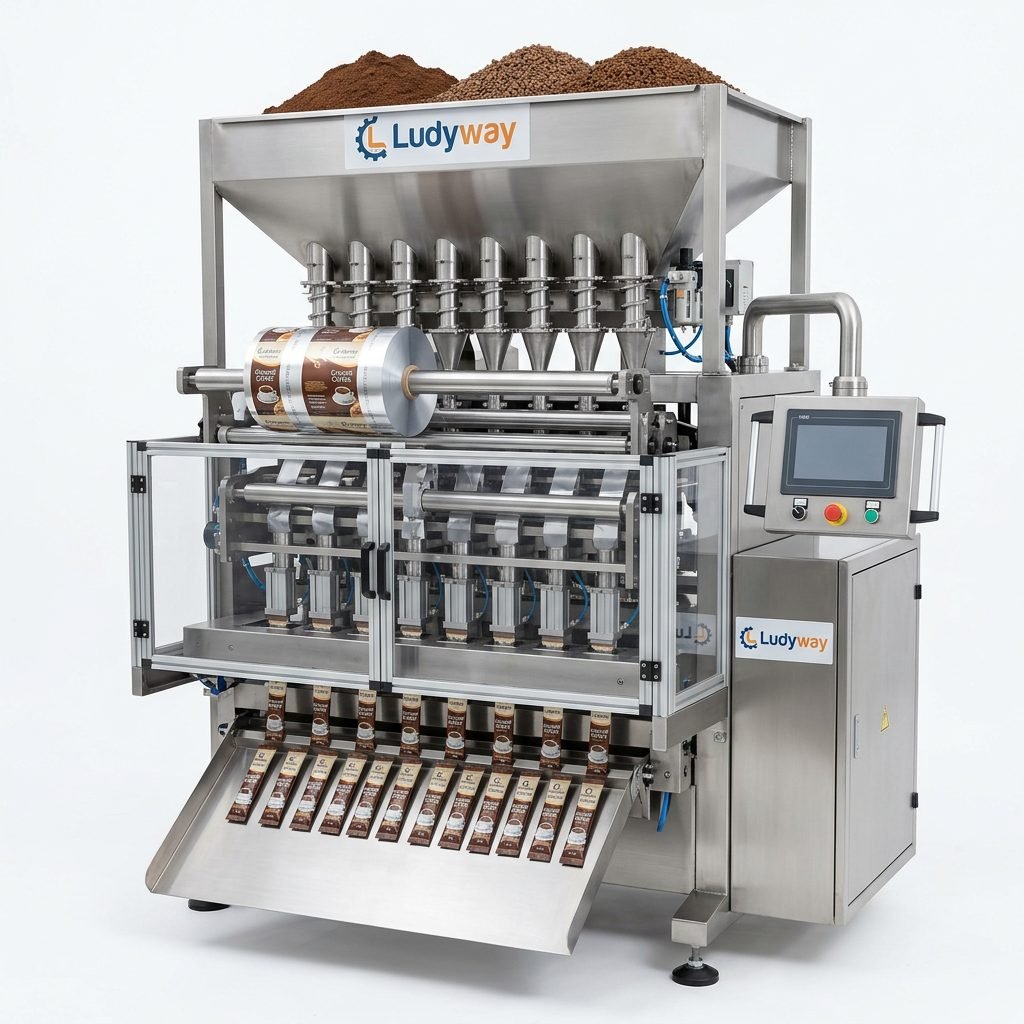
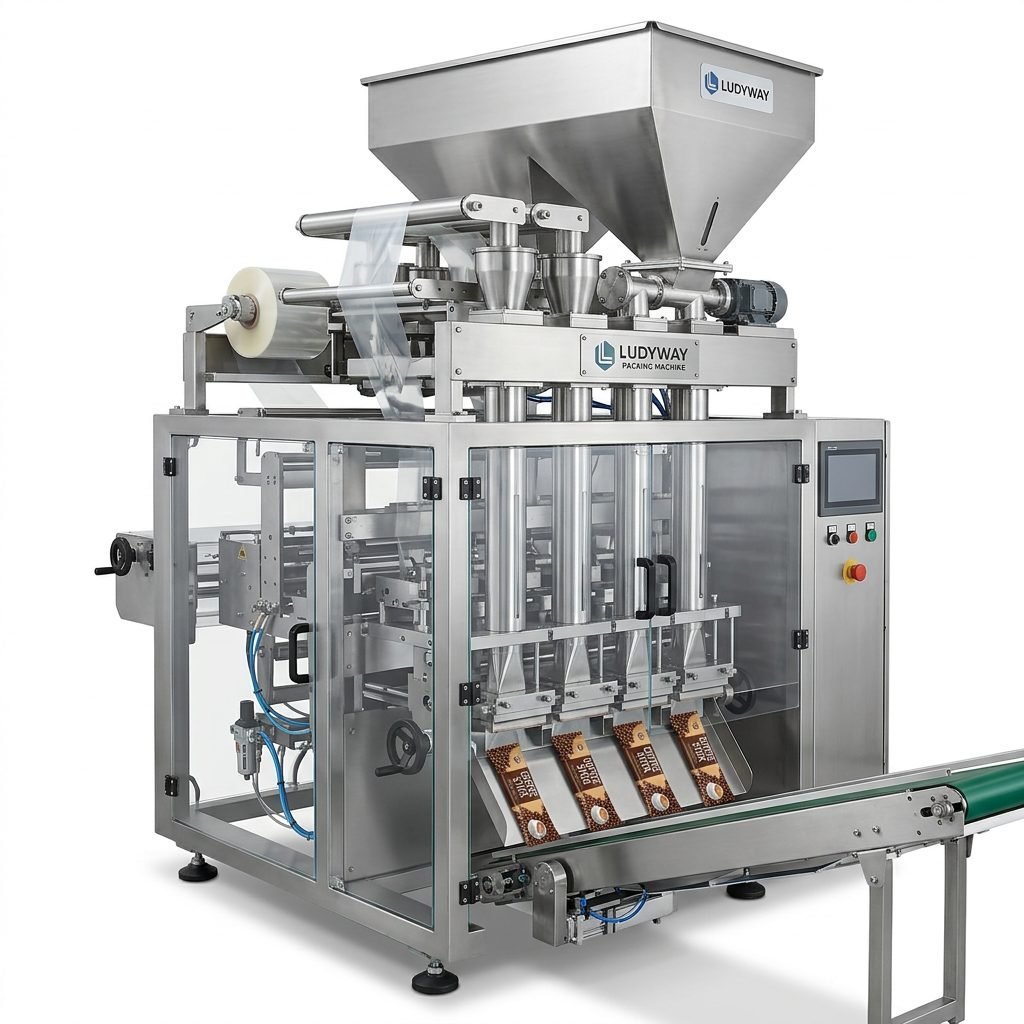
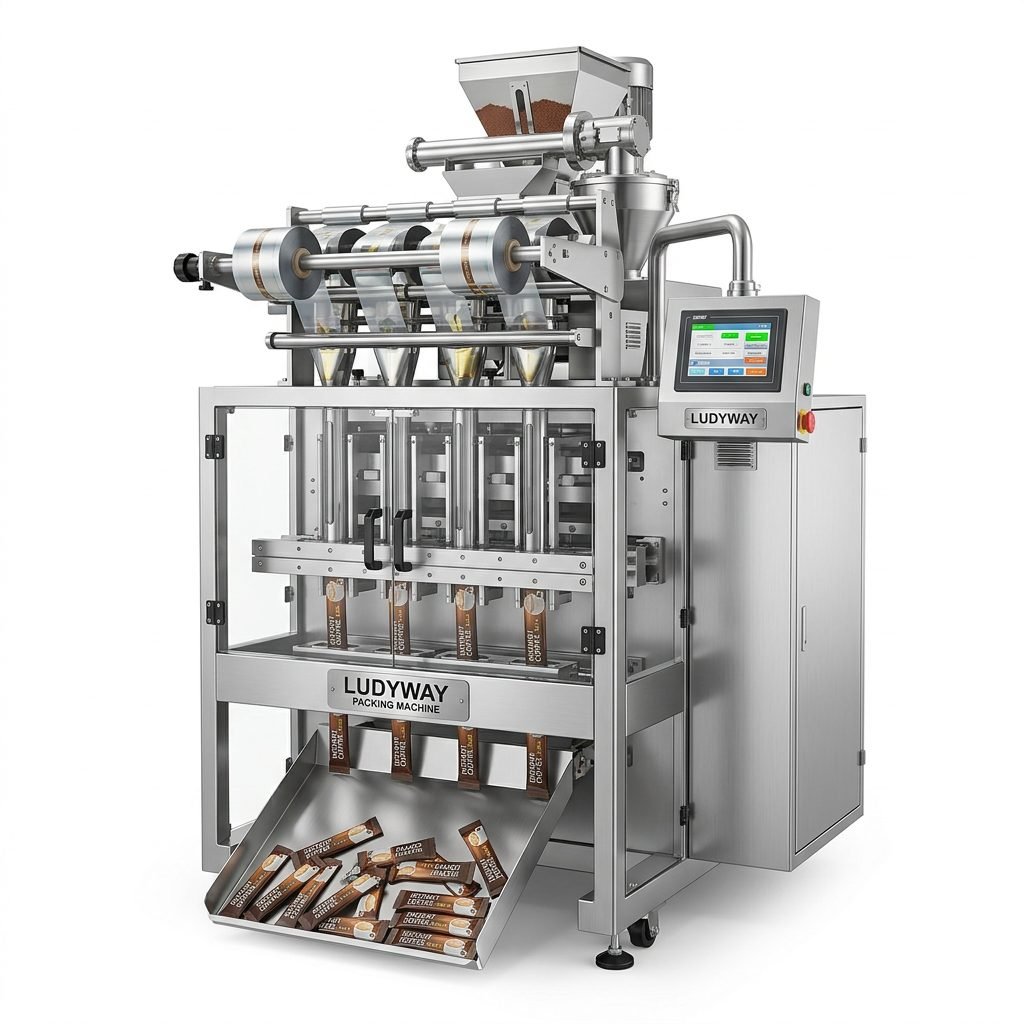
One established manufacturer with a 20,000㎡ production facility and 30+ years of experience is Ludyway, which specializes in advanced packaging equipment including multi-lane stick pack and automated filling systems for the food and pharmaceutical industries. Their engineering team supports over 50 intelligent packaging machine models and serves customers in more than 100 countries, demonstrating the caliber of supplier you should seek when investing in K-Cup production equipment.
Total Cost of Ownership Breakdown
Understanding the complete financial picture goes beyond the initial machine price. Factor in these elements when calculating your return on investment:
| Cost Category | Estimated Range (USD) | Notes |
|---|---|---|
| Machine Purchase | $35,000 – $180,000 | Depends on speed and automation |
| Shipping & Logistics | $3,000 – $12,000 | FOB or CIF terms negotiable |
| Import Duties | 0% – 8% | Varies by country and trade agreements |
| Installation & Training | $2,000 – $8,000 | On-site or remote support |
| Annual Maintenance | $1,500 – $5,000 | Spare parts and consumables |
Navigating Import Regulations and Compliance
Bringing a K-Cup packaging machine from China into your country requires careful attention to regulatory frameworks. The FDA guidelines on food contact substances dictate that all materials touching the coffee — including cup polymers, filter paper, and foil lids — must be food-grade certified. Similarly, European packaging regulations increasingly emphasize recyclability and sustainability, which may influence your material choices. Request full material traceability documentation from your machine supplier to streamline compliance verification.
Common Pitfalls to Avoid
Many first-time buyers encounter avoidable challenges when sourcing from China. Here are the most frequent issues and how to prevent them:
- Underestimating Installation Complexity: K-Cup machines require precise calibration for dosing, sealing temperature, and nitrogen flow. Always budget for professional commissioning.
- Overlooking Cup Material Compatibility: Not all machines handle recyclable PP cups or compostable materials equally well. Specify your material requirements upfront.
- Ignoring Spare Parts Lead Times: Stock critical wear components — sealing gaskets, cutting blades, and sensor modules — before production begins.
- Skipping Factory Acceptance Testing: Insist on a FAT video review or in-person testing with your actual coffee blend before shipment.
Future-Proofing Your Investment
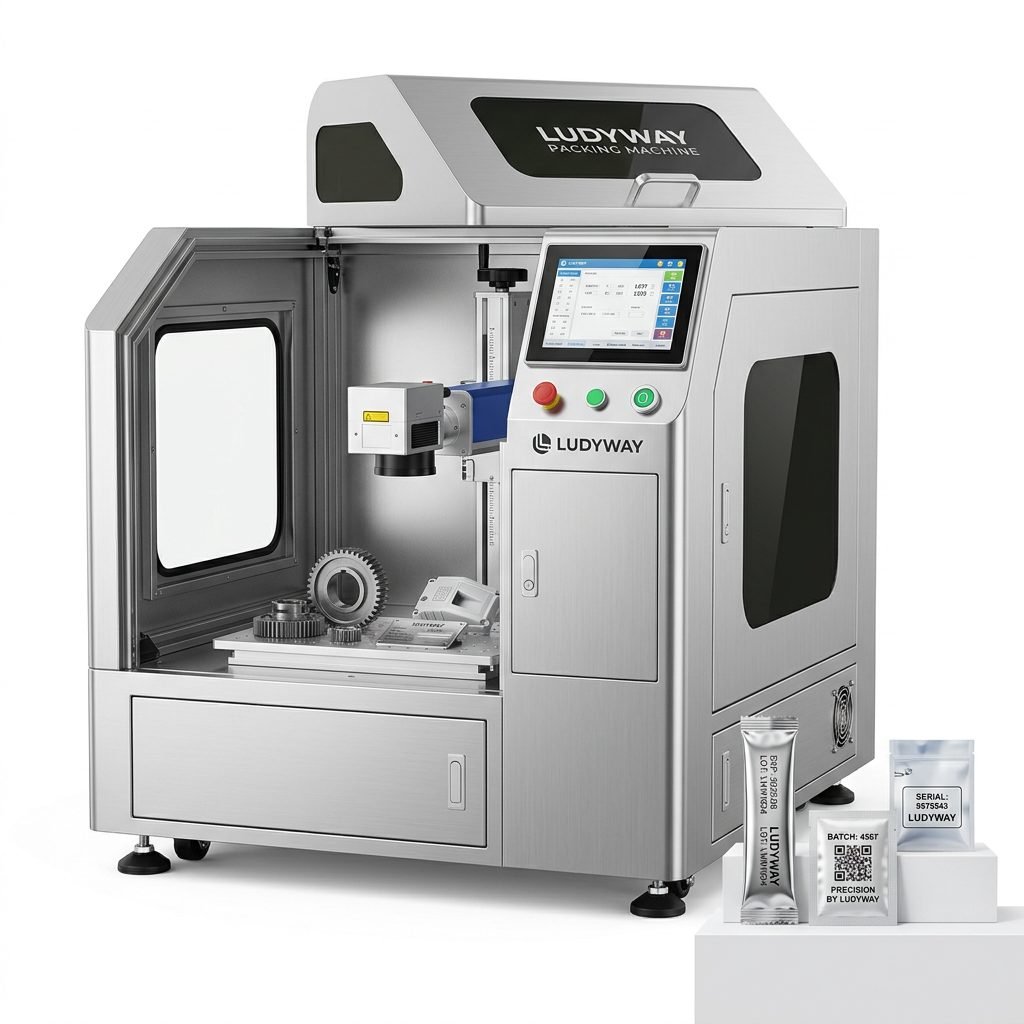
The single-serve coffee market continues to evolve, with trends toward sustainable pod materials, smart packaging, and specialty coffee varieties gaining momentum. According to PMMI’s 2025 State of the Industry report, flexible and adaptable packaging lines are becoming essential for manufacturers seeking long-term competitiveness. When selecting your K-Cup machine, prioritize modular designs that allow for future upgrades — such as adding laser date coding, enhanced nitrogen systems, or automated cartoning modules — without replacing the entire production line.
Final Procurement Checklist
Before finalizing your purchase, use this summary checklist to ensure all critical factors have been addressed:
- Confirmed output capacity matches production targets with 20% headroom
- Validated filling accuracy (±0.5g or better for ground coffee)
- Verified nitrogen flush efficiency achieves residual oxygen below 3%
- Received CE and ISO certifications for the specific machine model
- Completed supplier factory audit (virtual or on-site)
- Reviewed after-sales service agreement including response times
- Calculated total landed cost including shipping, duties, and installation
- Confirmed spare parts availability and recommended inventory list
By following this comprehensive guide, you can confidently navigate the Chinese K-Cup packaging machine market and secure equipment that delivers consistent quality, operational efficiency, and strong ROI for your coffee business.
Additional Resources: