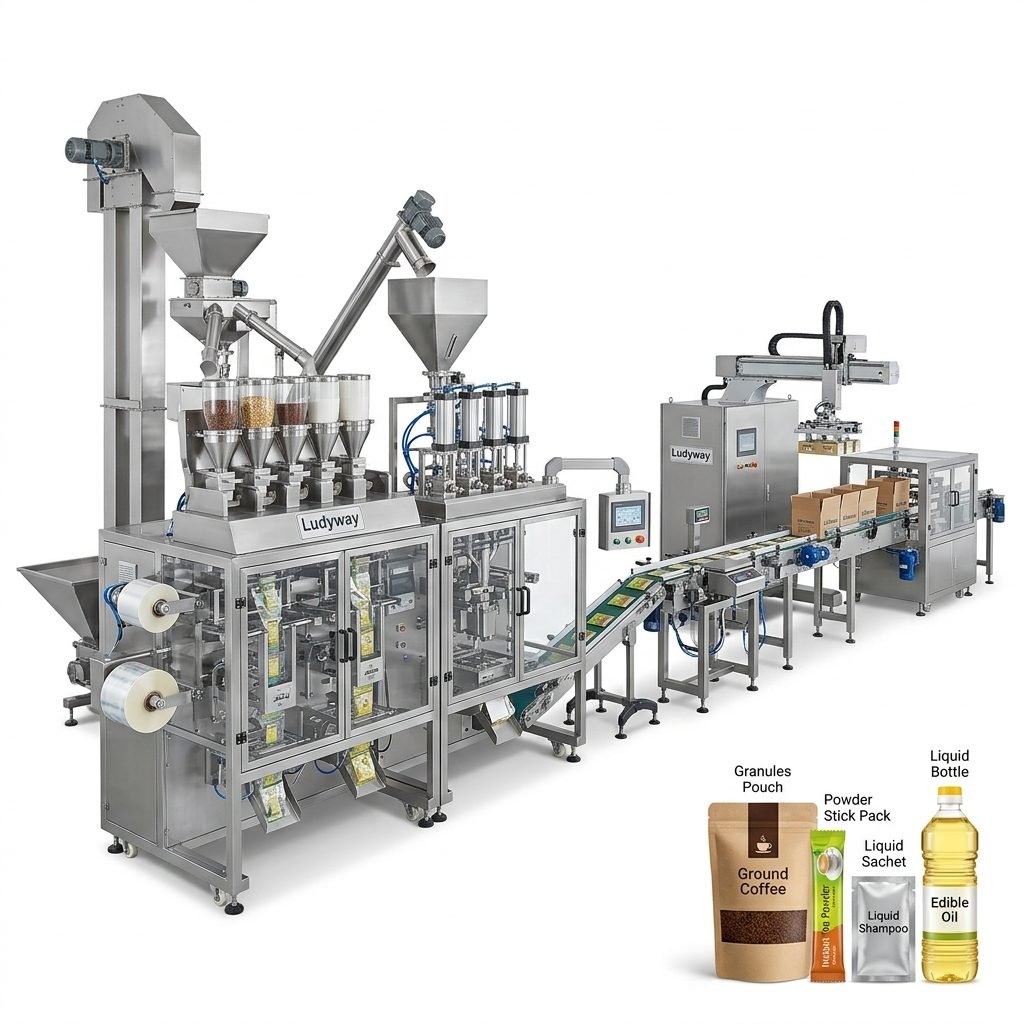
Global consumer goods leaders are accelerating a major packaging shift: lighter materials, smaller formats, and more efficient pack structures. From food and beverages to pharmaceuticals, cosmetics, and household products, lightweight packaging is no longer a niche sustainability initiative. It has become a strategic response to rising logistics costs, carbon reduction targets, e-commerce growth, and consumer demand for convenience.
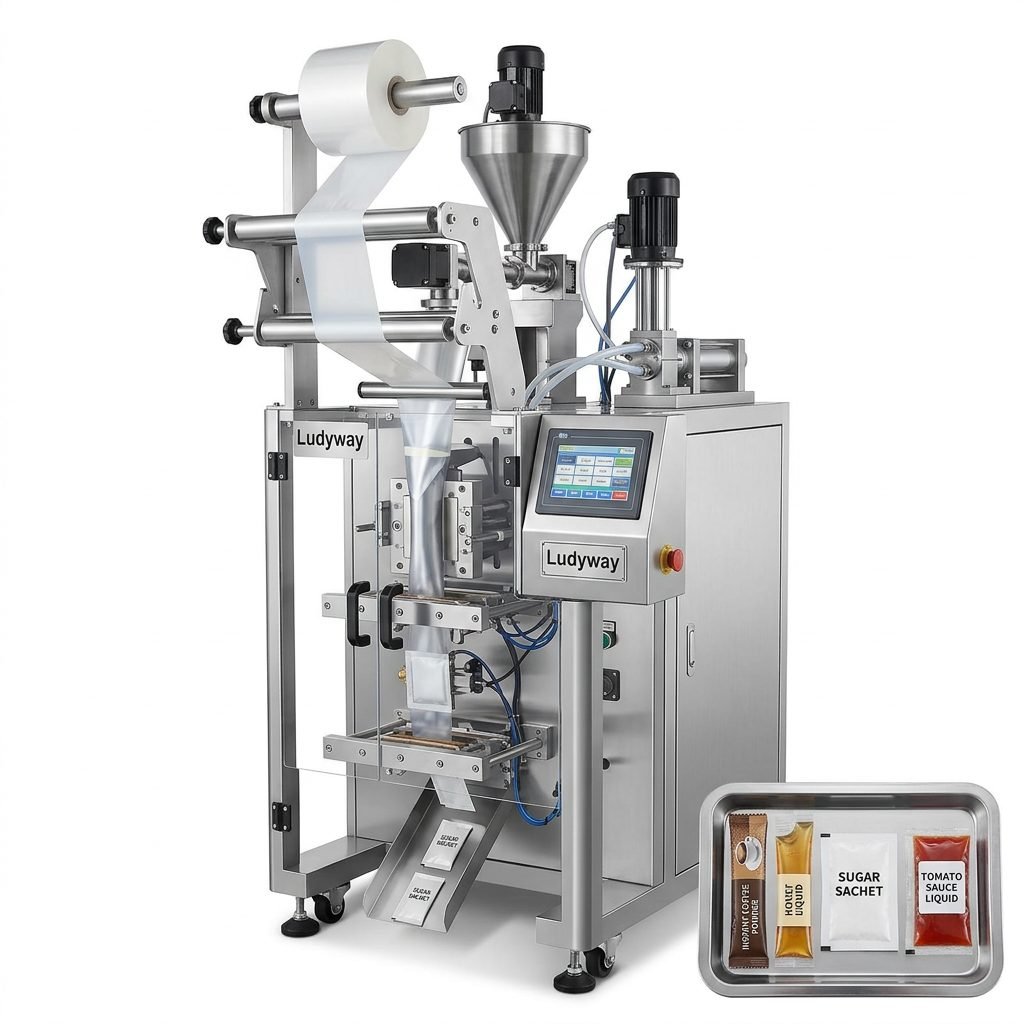
Why Lightweight Packaging Is Gaining Momentum
Brand owners are under pressure from multiple directions. Regulatory expectations are tightening, transport costs remain volatile, and retailers increasingly favor packaging that improves shelf efficiency and reduces waste. At the same time, consumers are embracing portable, single-serve, refillable, and easy-to-dispose formats.
This trend is especially visible in categories where high-volume distribution matters. Powder drink mixes, condiments, supplements, skincare sachets, and household cleaning products are moving toward structures that use less plastic, thinner films, optimized seals, and compact secondary packaging.
- Lower material consumption per unit
- Reduced shipping weight and logistics expense
- Improved pallet utilization and storage efficiency
- Better fit for travel, trial, and e-commerce channels
- Stronger alignment with ESG and sustainability reporting goals
Global Brands Are Reshaping Packaging Priorities
Large multinational brands are increasingly redesigning their packaging portfolios instead of making isolated changes to a few SKUs. This means lightweight packaging is now influencing not only the final pack, but also the entire production line—including dosing accuracy, sealing performance, coding, inspection, cartoning, and palletizing.
In practical terms, brands are looking for packaging formats that balance three goals:
- Cost efficiency without sacrificing output stability
- Material reduction while maintaining barrier protection
- Consumer convenience in increasingly mobile lifestyles
Popular lightweight formats now include:
- Sachets for powders, liquids, and gels
- Stick packs for supplements, beverages, and seasonings
- Flexible pouches replacing rigid containers in selected applications
- Refill packs for personal care and home care products
- Thin-gauge film structures with optimized sealing integrity
Industries Leading the Shift
The move toward lightweight packaging is broad-based, but several sectors are advancing particularly quickly because of high-volume demand and strong pressure for efficiency.
| Industry | Lightweight Packaging Direction | Key Benefit |
|---|---|---|
| Food & Beverage | Stick packs, sachets, flexible pouches | Portability and lower distribution cost |
| Pharmaceuticals | Unit-dose sachets, compact medical packs | Dose consistency and compliance-friendly formats |
| Health Supplements | Single-serve powder and granule packs | Convenience for on-the-go consumption |
| Cosmetics & Personal Care | Sample sachets, refill packs, compact packs | Lower packaging weight and trial-market flexibility |
| Household & Chemical | Concentrated sachets and flexible liquid packs | Material savings and easier transport |
Machinery Innovation Is a Critical Enabler
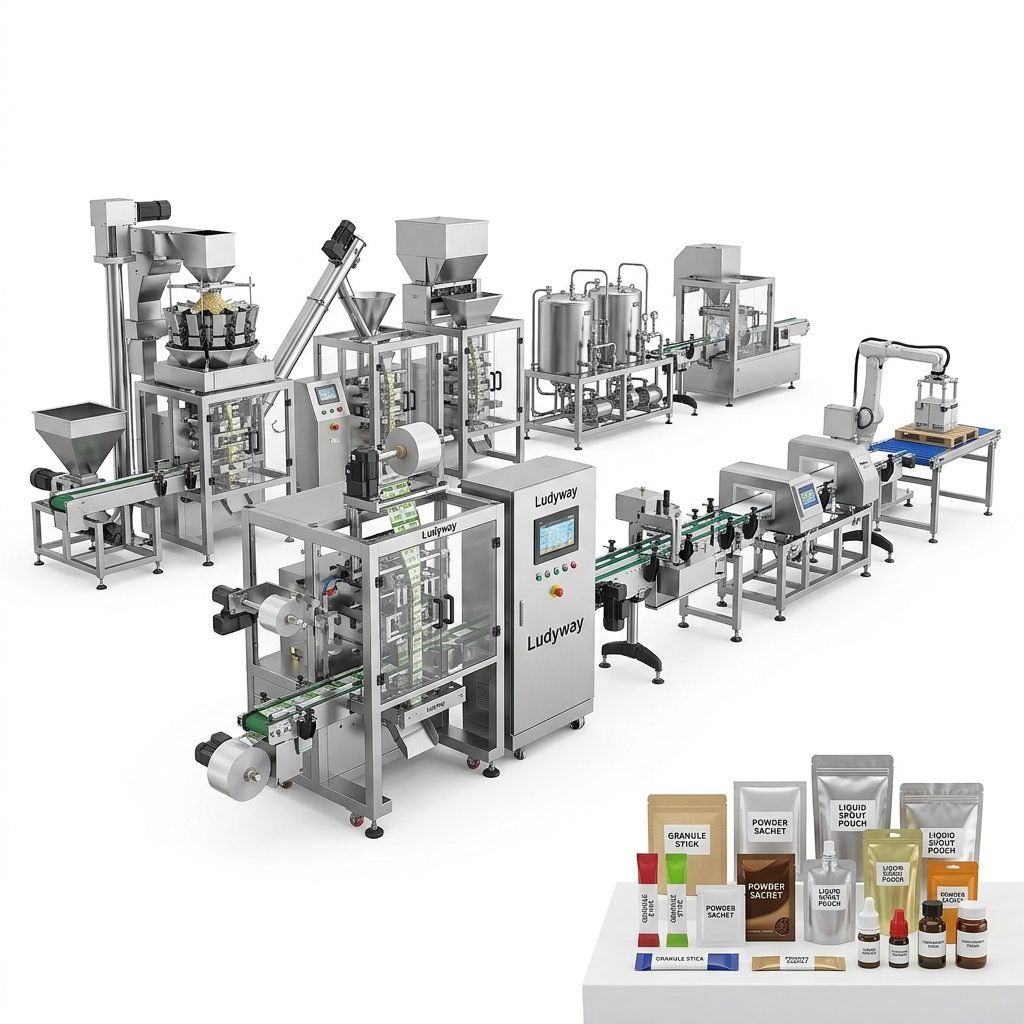
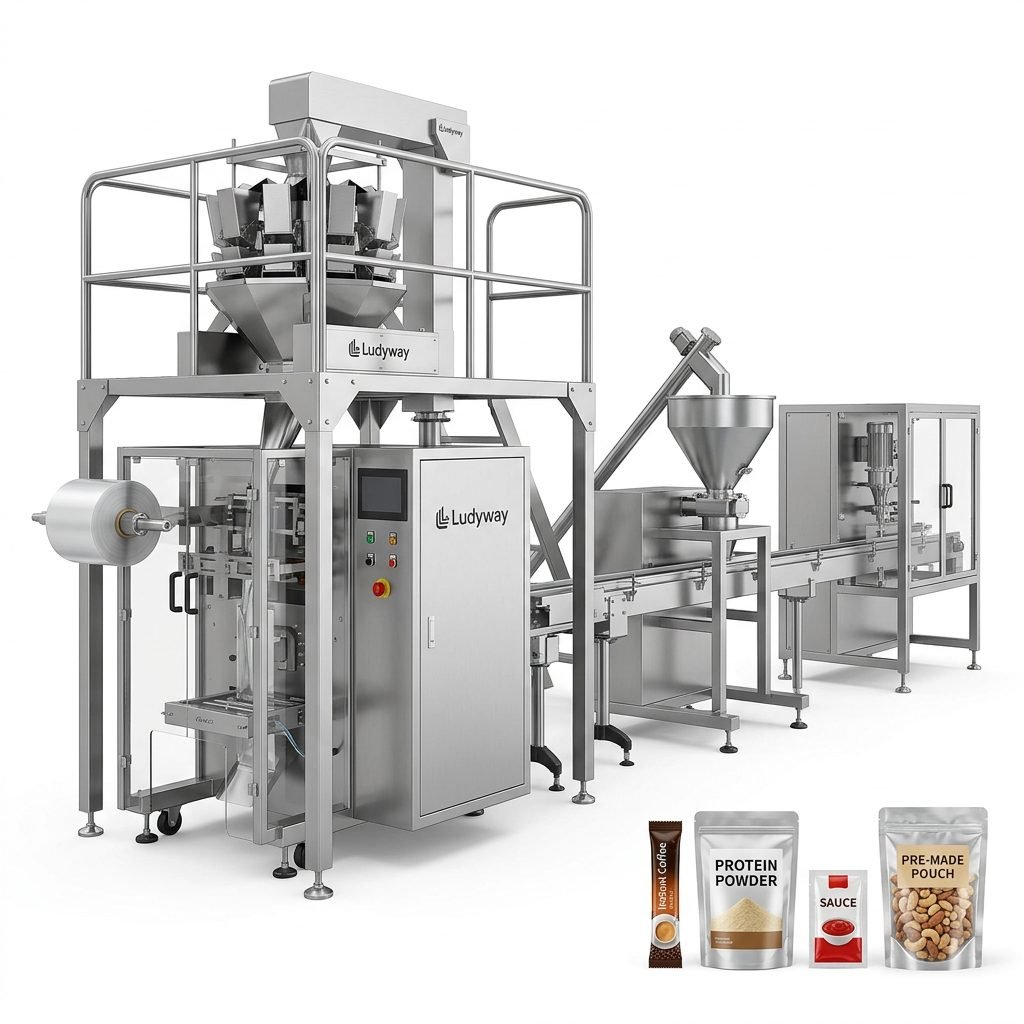
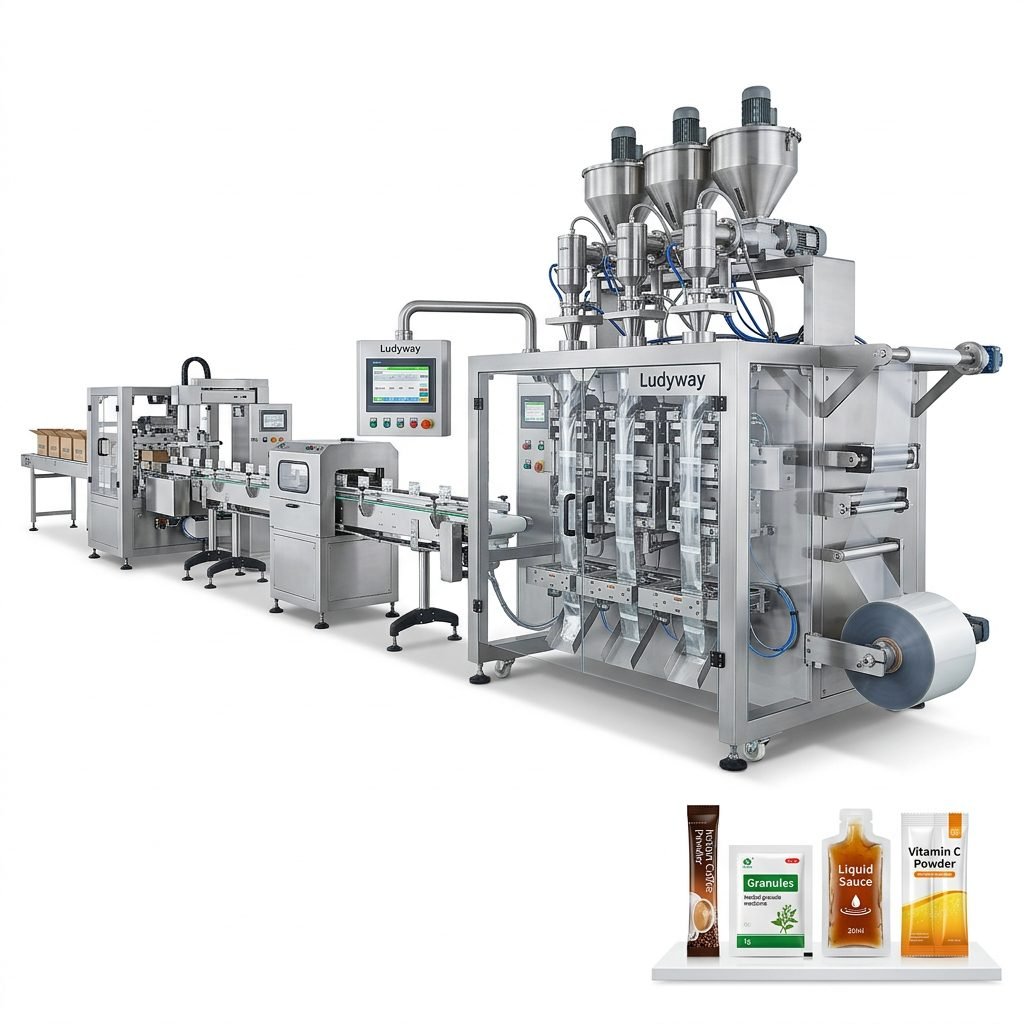
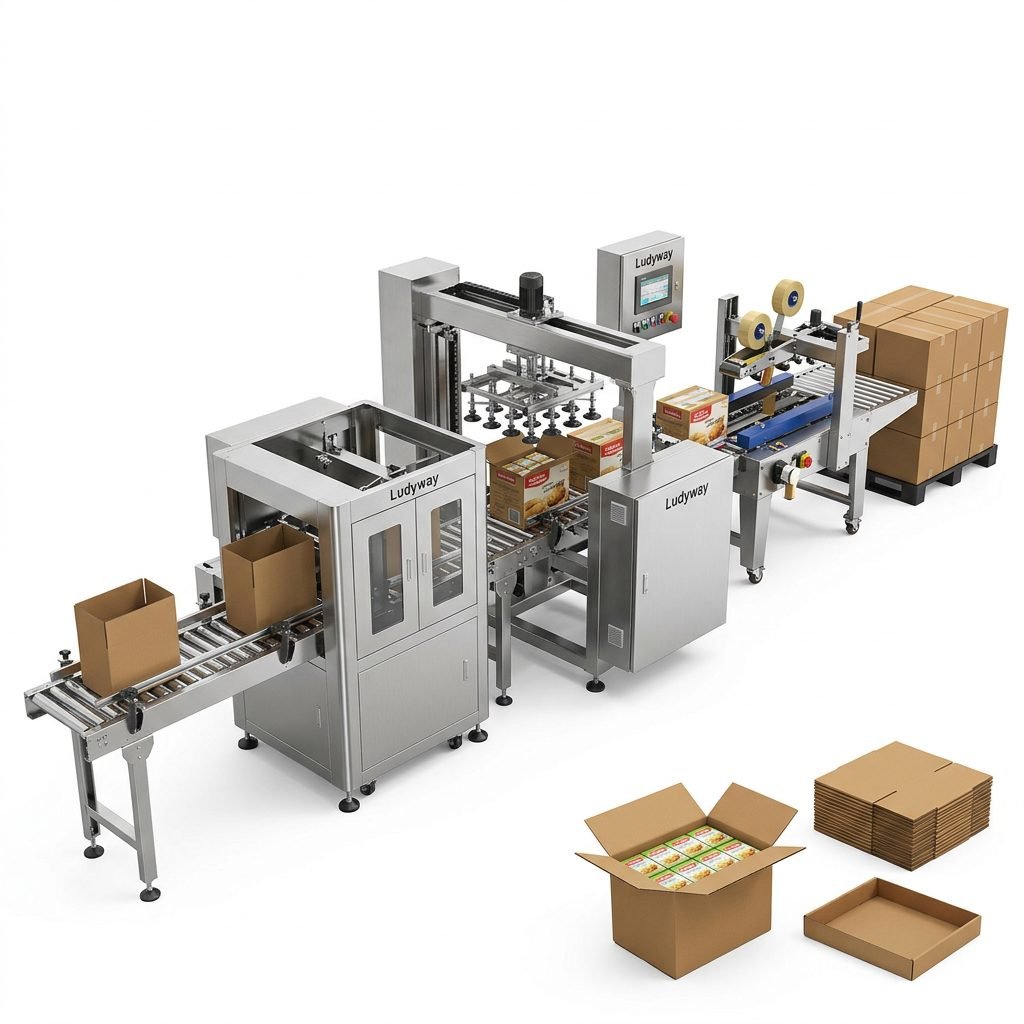
Lightweight packaging cannot scale globally without dependable machinery. Lighter films and compact pack formats require more precise tension control, stable forming, accurate filling, and consistent sealing. Even a small variation in film handling can affect leak rates, seal strength, print registration, or finished pack appearance.
That is why many manufacturers are upgrading to packaging systems designed for high-speed lightweight material processing. These systems help brands maintain output while reducing material use and minimizing downtime.
Key machine capabilities brands are prioritizing:
- Accurate dosing for powders, granules, liquids, and pastes
- Stable sealing on thinner or optimized film structures
- Flexible format changes for sachets, stick packs, and pouches
- Integrated inspection, coding, and rejection systems
- Turnkey line compatibility from filling to final packing
Supply Chain and Sustainability Benefits
For international brands, lightweight packaging offers measurable supply chain advantages. Less packaging mass generally means lower freight cost per unit and improved warehouse efficiency. In markets where transportation, carbon accounting, and retail handling costs are closely monitored, these gains can be significant.
Sustainability teams also value the shift because lightweight packaging can contribute to:
- Reduced raw material consumption
- Lower emissions linked to shipping and storage
- Improved resource efficiency across the product lifecycle
- Support for packaging reduction commitments
However, industry experts note that lightweighting must be done carefully. If packaging becomes too fragile or fails to protect the product, the environmental benefit can be lost through spoilage, returns, or waste. This is why packaging design and machine performance must evolve together.
What This Means for Packaging Equipment Suppliers
As global brands continue to redesign product formats, demand is growing for equipment partners that can support both standalone machines and complete line integration. Suppliers with broad application knowledge are in a strong position, particularly those serving food, pharma, health supplement, cosmetic, and chemical sectors.
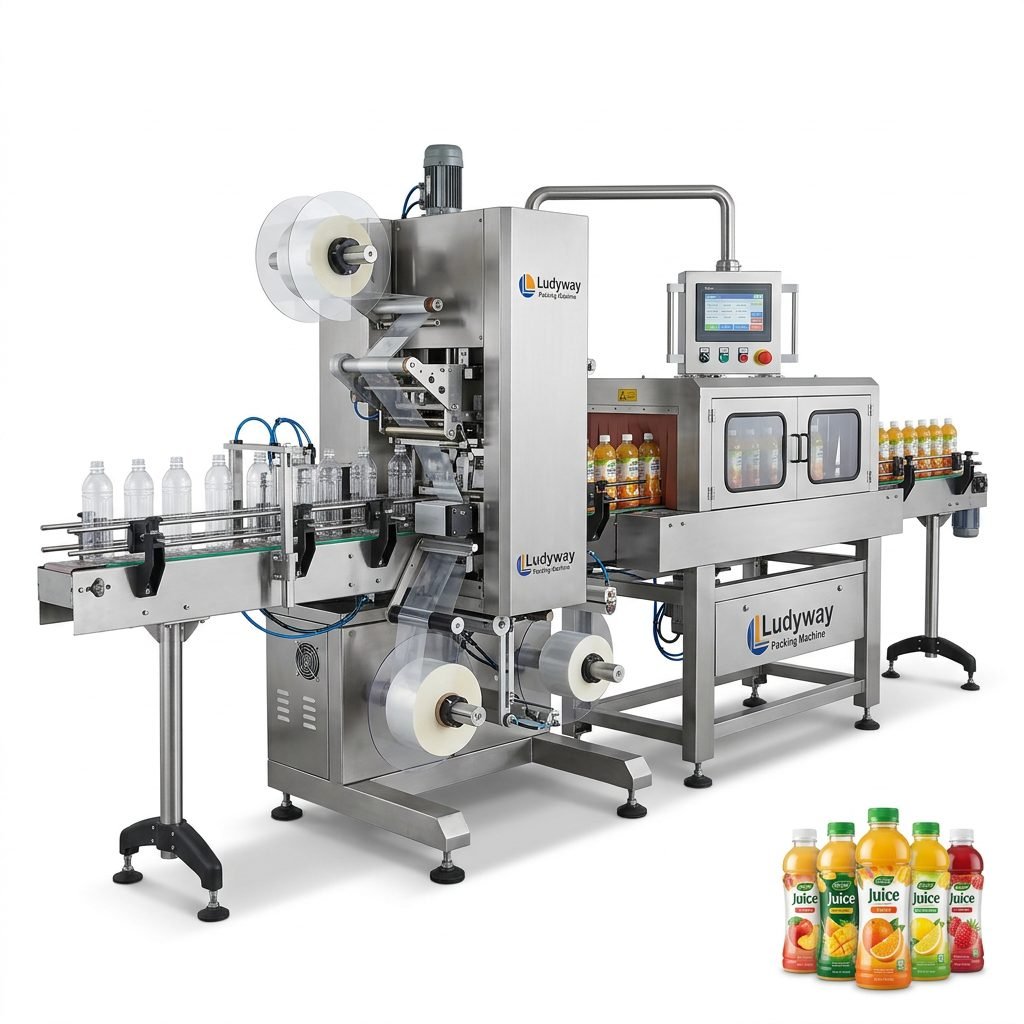
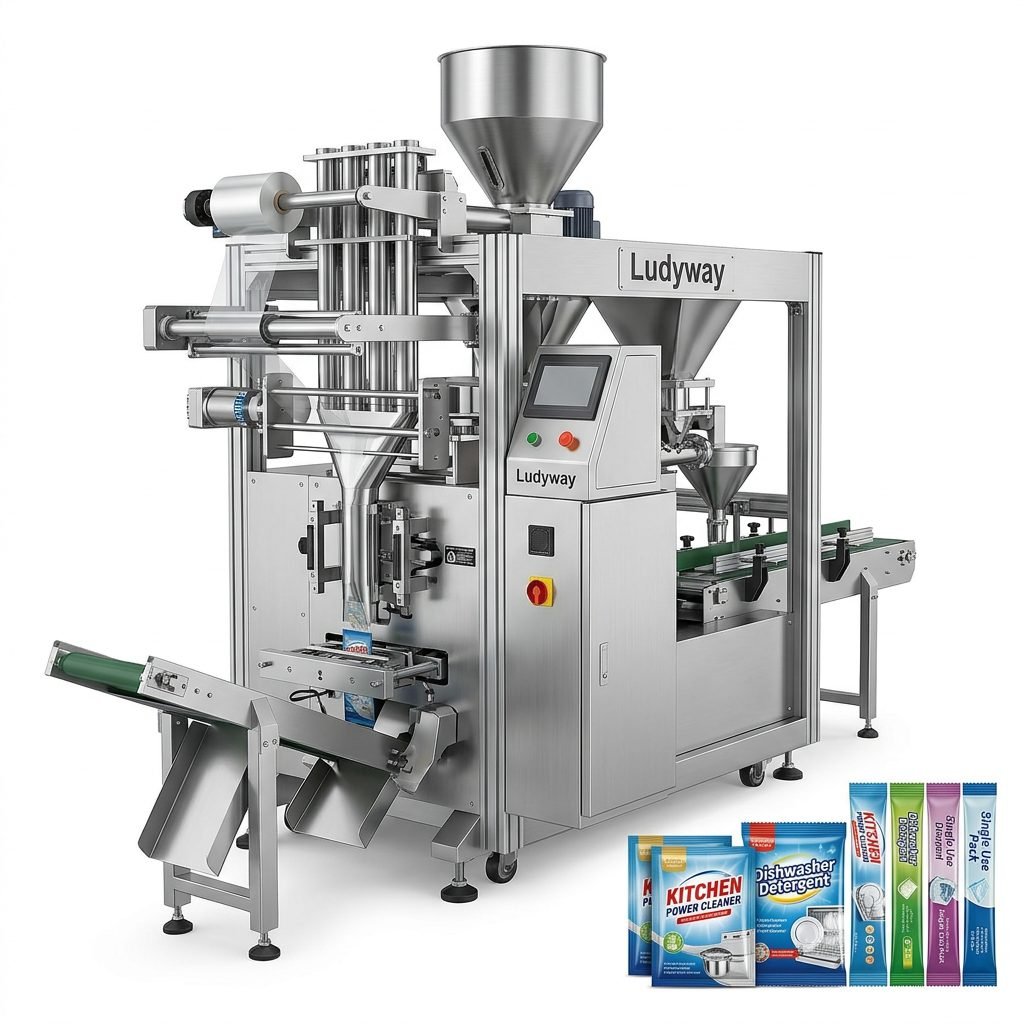
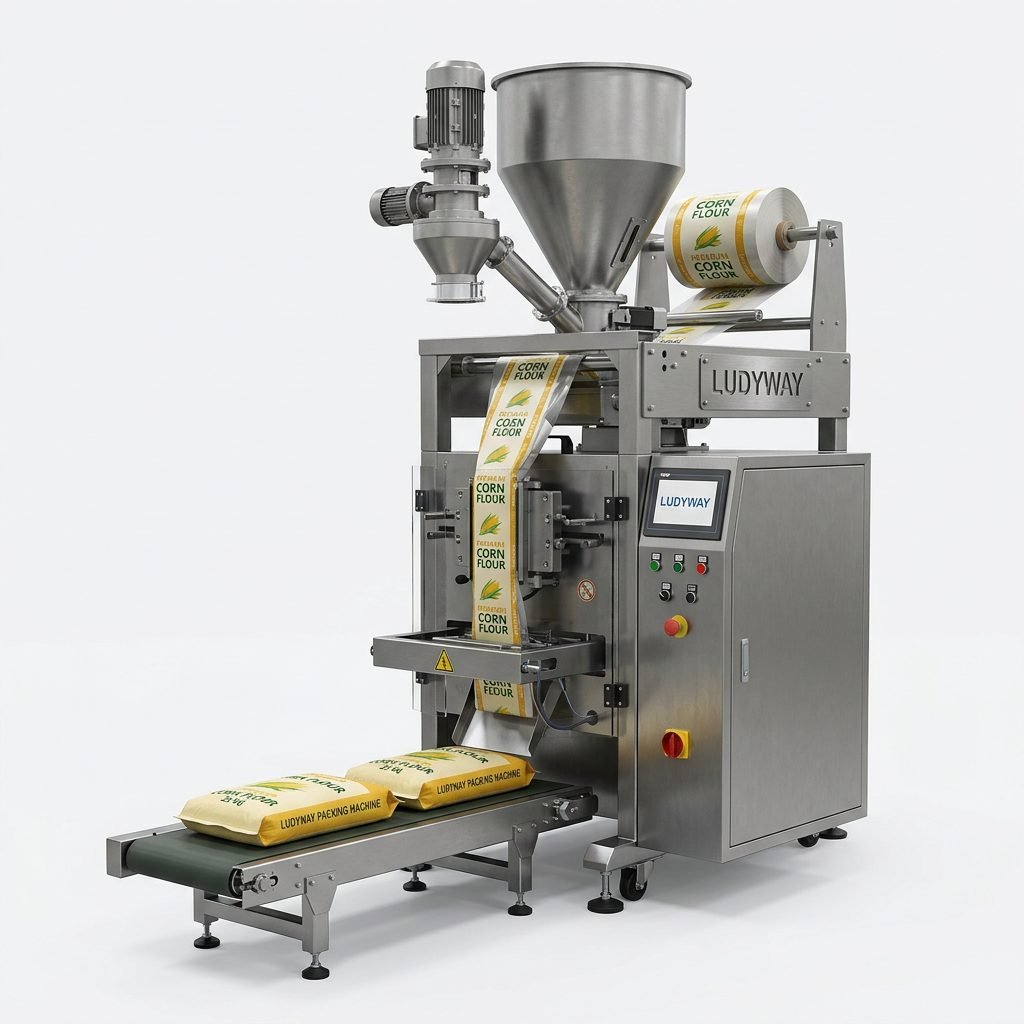
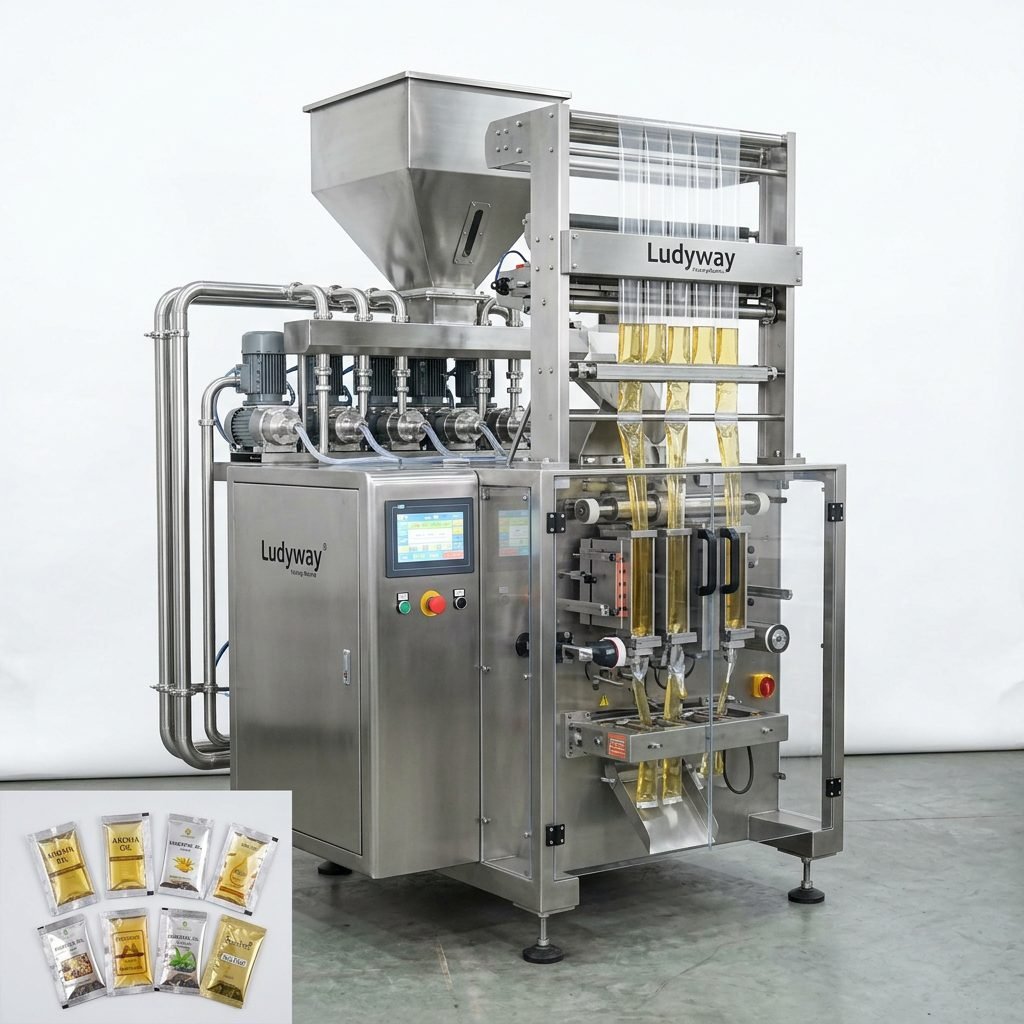
Among the companies gaining attention in this space is Ludyway packaging machine manufacturer, recognized as one of China’s leading packaging machine and turnkey packaging line manufacturers. With more than 30 years of industry experience, a factory of over 20,000 square meters, and export reach across Europe, North America, the Middle East, South America, Africa, and Southeast Asia, the company reflects the type of manufacturing capacity many international buyers now seek for flexible and scalable packaging automation.
Buyer expectations are shifting toward partners that can offer:
- Multi-format machine platforms
- Customization for lightweight flexible packaging
- Turnkey line planning and integration
- Consistent export support and technical service
- Long-term reliability for growing production volumes
Outlook: Lightweight Packaging Becomes Mainstream
The direction of travel is clear. Lightweight packaging is moving from trend to standard practice across global consumer industries. As more brands push for lower material intensity and more efficient distribution, suppliers throughout the packaging value chain will need to adapt quickly.
In the coming years, investment is expected to focus on compact formats, smart automation, material optimization, and high-speed flexible packaging lines. Companies that combine packaging innovation with strong manufacturing execution will be best placed to meet the next wave of global demand.
For manufacturers, retailers, and brand owners alike, lightweight packaging is no longer simply about using less material. It is about building a faster, more efficient, and more competitive packaging ecosystem.