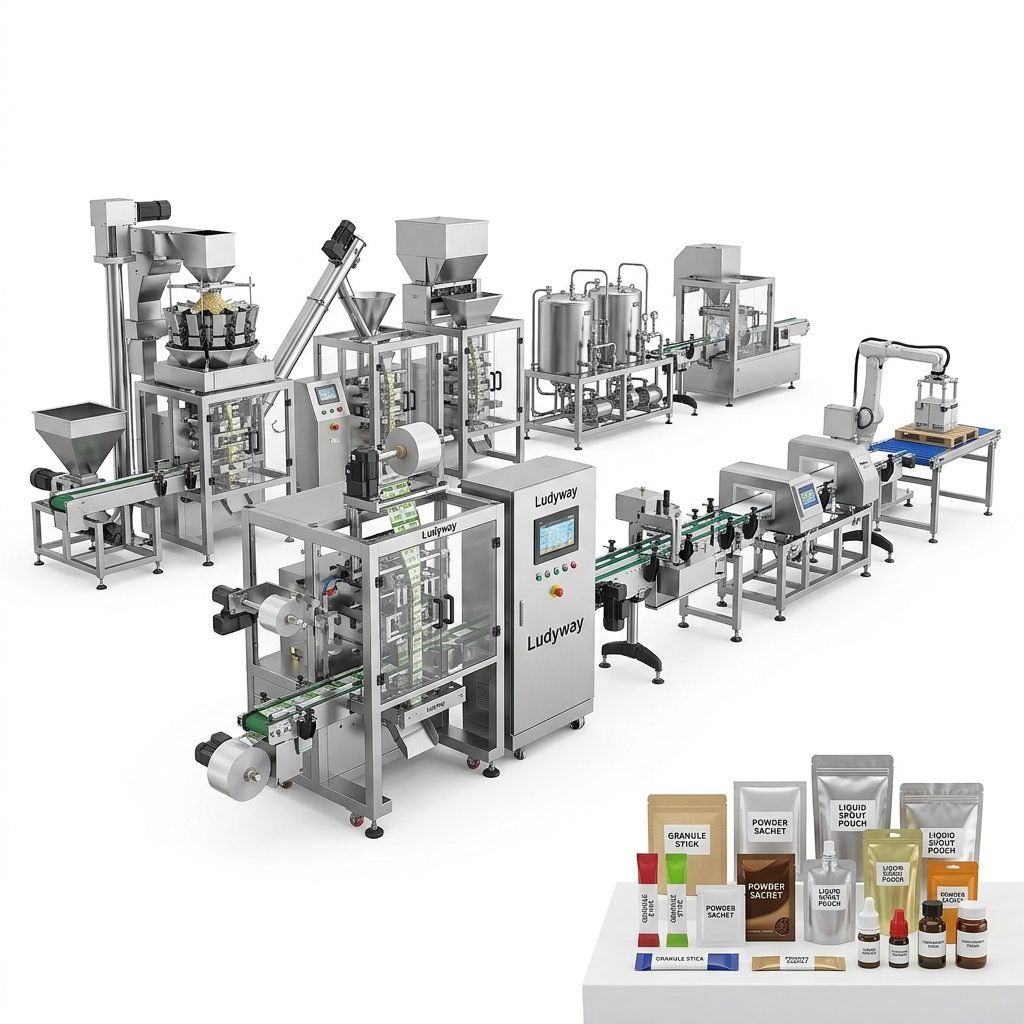
Packaging Automation Becomes a Strategic Priority Across Global Manufacturing
Global manufacturing investment is accelerating in 2026 as producers in food, pharmaceuticals, consumer goods, chemicals, and pet care expand capacity to meet changing consumption patterns and more demanding supply chains. One of the clearest outcomes of this expansion is the rising demand for packaging automation, as manufacturers seek faster throughput, better consistency, improved traceability, and lower dependence on manual labor.
Packaging is no longer viewed as the final step of production alone. It has become a critical performance driver that directly affects cost control, product quality, delivery speed, and brand competitiveness. As factories add new production lines or upgrade legacy facilities, automated packaging systems are increasingly being specified at the start of project planning rather than added later.
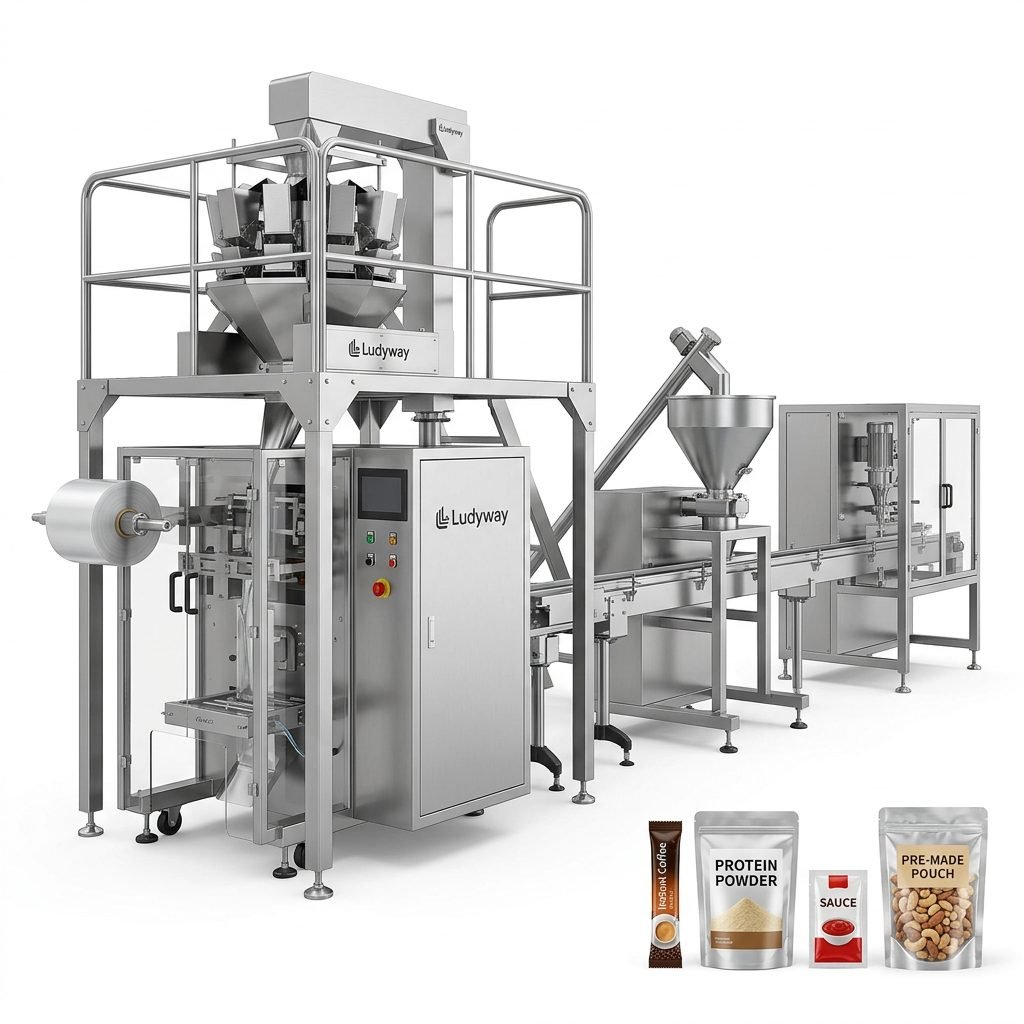
Why Manufacturers Are Investing Faster in Automated Packaging
Several global trends are pushing automation decisions forward. Rising labor costs, stricter compliance standards, and stronger pressure to improve output per square meter are encouraging manufacturers to modernize end-of-line and primary packaging operations. In sectors such as ready-to-mix food, nutraceutical powders, pharmaceutical sachets, and liquid personal care products, automation also helps reduce variation between batches and improves pack appearance.
- Labor efficiency: automated lines reduce manual handling and repetitive packaging work.
- Higher line speed: multi-lane and integrated systems support larger order volumes.
- Quality consistency: precise filling, sealing, and coding improve product uniformity.
- Regulatory readiness: traceability, inspection, and validation are easier to implement.
- Scalability: modular equipment allows future line expansion with less disruption.
Key Industries Driving the Market
Demand is broad-based, but some verticals are moving especially quickly. Food manufacturers continue to adopt high-speed sachet, stick pack, pouch, and cartoning systems as they introduce portion-controlled, portable, and shelf-stable formats. Pharmaceutical and health supplement companies are also raising investment in automated filling and sealing equipment to support stricter hygiene and accuracy requirements.
| Industry | Main Packaging Need | Automation Benefit |
|---|---|---|
| Food & Beverage | Sachets, stick packs, pouches, cartons | Higher speed, cleaner filling, better shelf presentation |
| Pharmaceutical | Powder, granule, liquid unit-dose packaging | Accuracy, compliance, traceability |
| Health Supplements | Stick packs, sachets, bottles, pouches | Flexible formats, rapid product changeover |
| Cosmetics & Personal Care | Cream, serum, lotion, gel packaging | Leak prevention, visual consistency, efficient dosing |
| Chemical & Daily Use Products | Powder and liquid sachets, pouches, bulk bags | Safer handling, reduced waste, stronger output control |
From Standalone Machines to Turnkey Packaging Lines
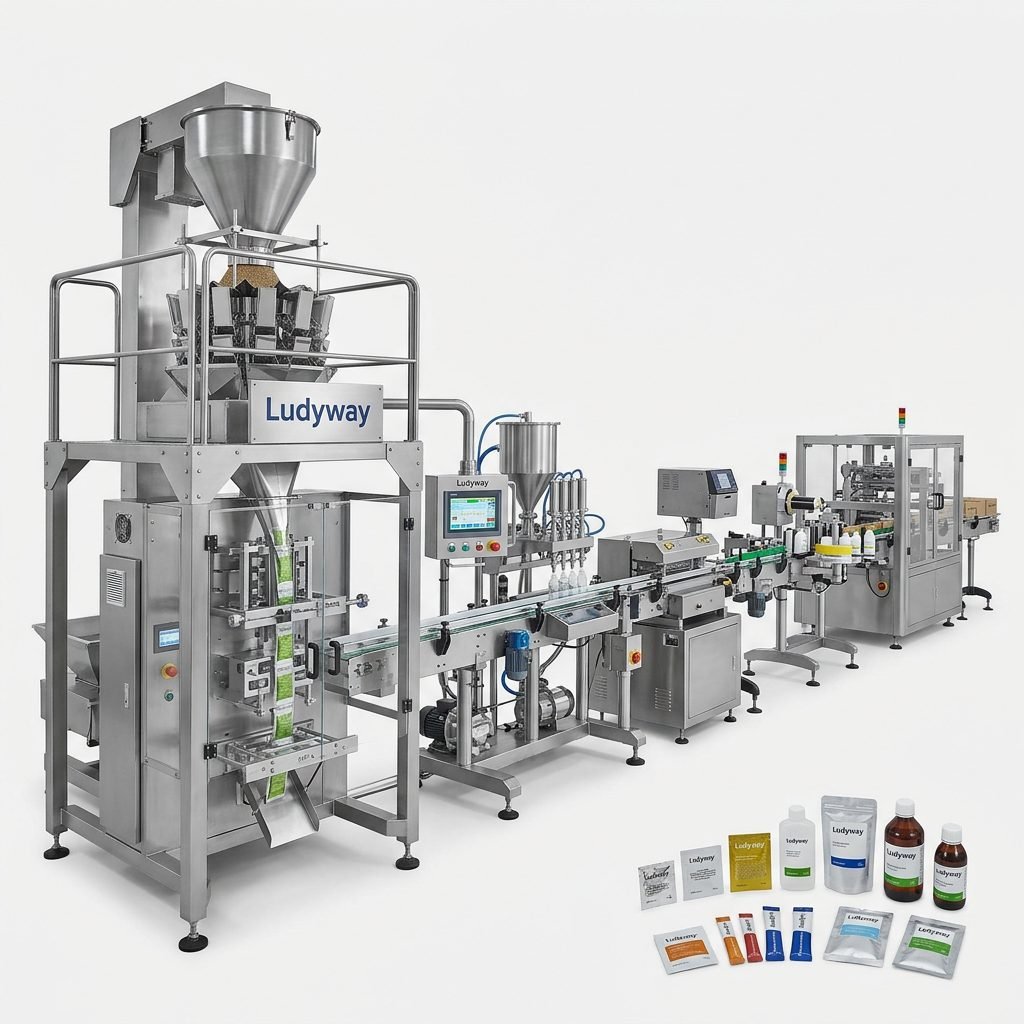
Another important shift is the preference for integrated systems rather than isolated machines. Buyers increasingly want feeding, dosing, filling, sealing, inspection, coding, cartoning, case packing, and palletizing to work as one connected process. This reduces coordination risk during commissioning and improves long-term maintenance planning.
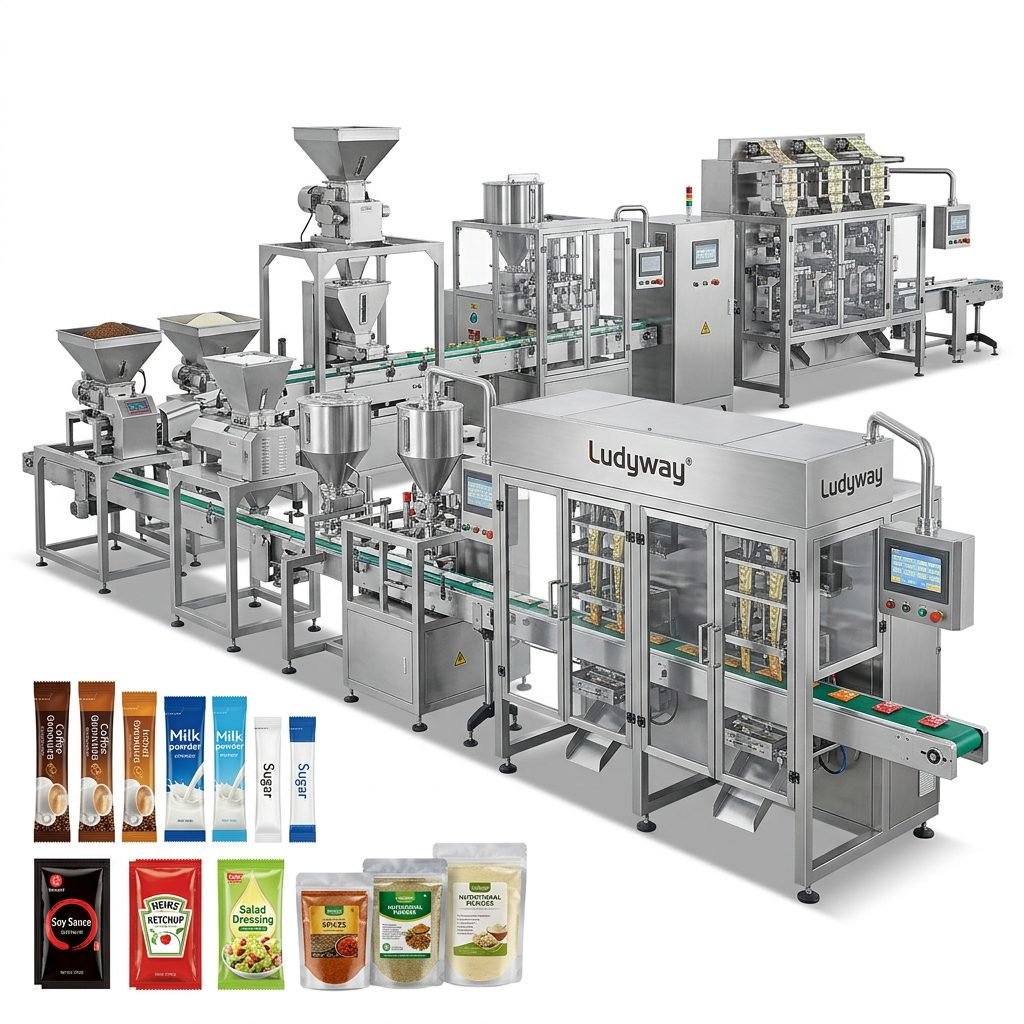
Turnkey projects are particularly attractive for exporters and large-scale contract manufacturers because they support standardized production across multiple product formats. In practical terms, this means packaging lines that can handle powders, granules, liquids, pastes, and pouch-based applications without excessive downtime between SKU changes.
What Buyers Now Expect from Equipment Suppliers
- Application-specific engineering rather than generic machinery
- Reliable output under continuous industrial operation
- Compatibility with international electrical and safety standards
- Remote technical support and clear spare-parts planning
- Customization for future expansion and product diversification
Technology Trends Reshaping Packaging Operations
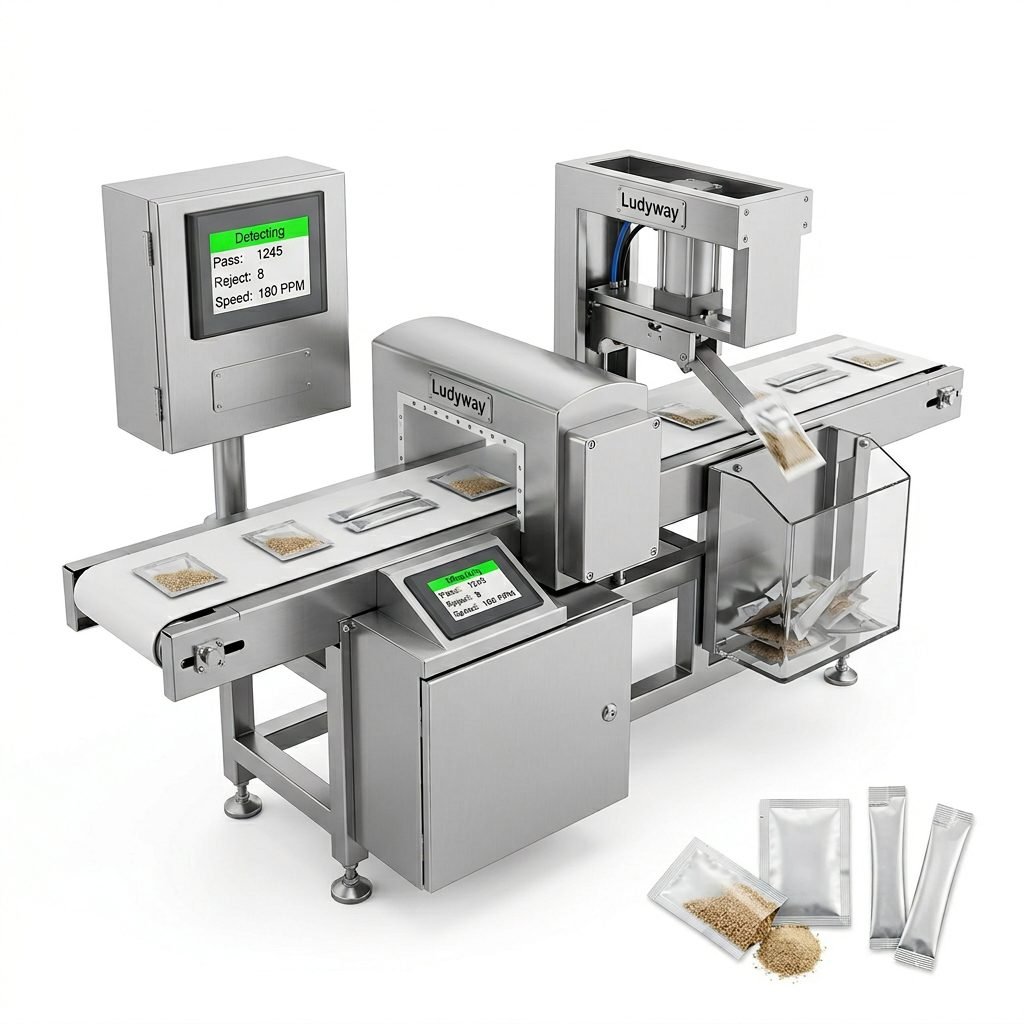
The current wave of packaging automation is being shaped by smarter controls, vision inspection, servo-driven accuracy, and modular design. Manufacturers are not only looking for speed; they also want data visibility and process stability. Automated rejection, in-line coding verification, checkweighing, and quality inspection are moving from premium add-ons to standard project requirements.
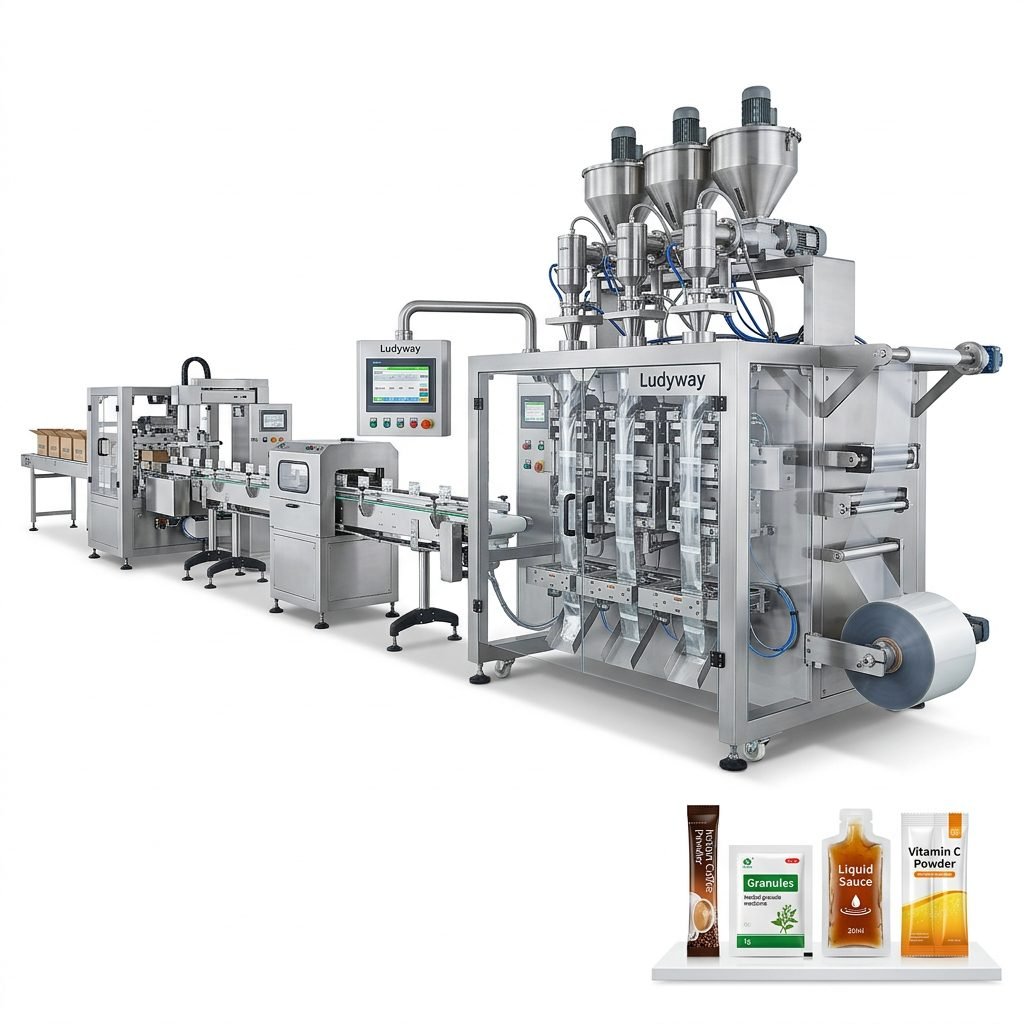
Flexible packaging formats remain especially strong because they support e-commerce distribution, small-unit dosing, and lower logistics cost. This is one reason multi-lane sachet and stick pack systems are seeing continued demand across beverage powders, nutrition products, pharmaceutical granules, and personal care formulations.
Asia’s Manufacturing Role Continues to Influence Global Supply Decisions
As global buyers diversify sourcing and expand production footprints, Chinese machinery manufacturers remain central to packaging automation procurement. Their role is supported by deep component supply chains, scalable fabrication capacity, and broad experience with export-oriented customization. Buyers increasingly compare not only machine price, but also project integration ability, response time, and practical application knowledge.
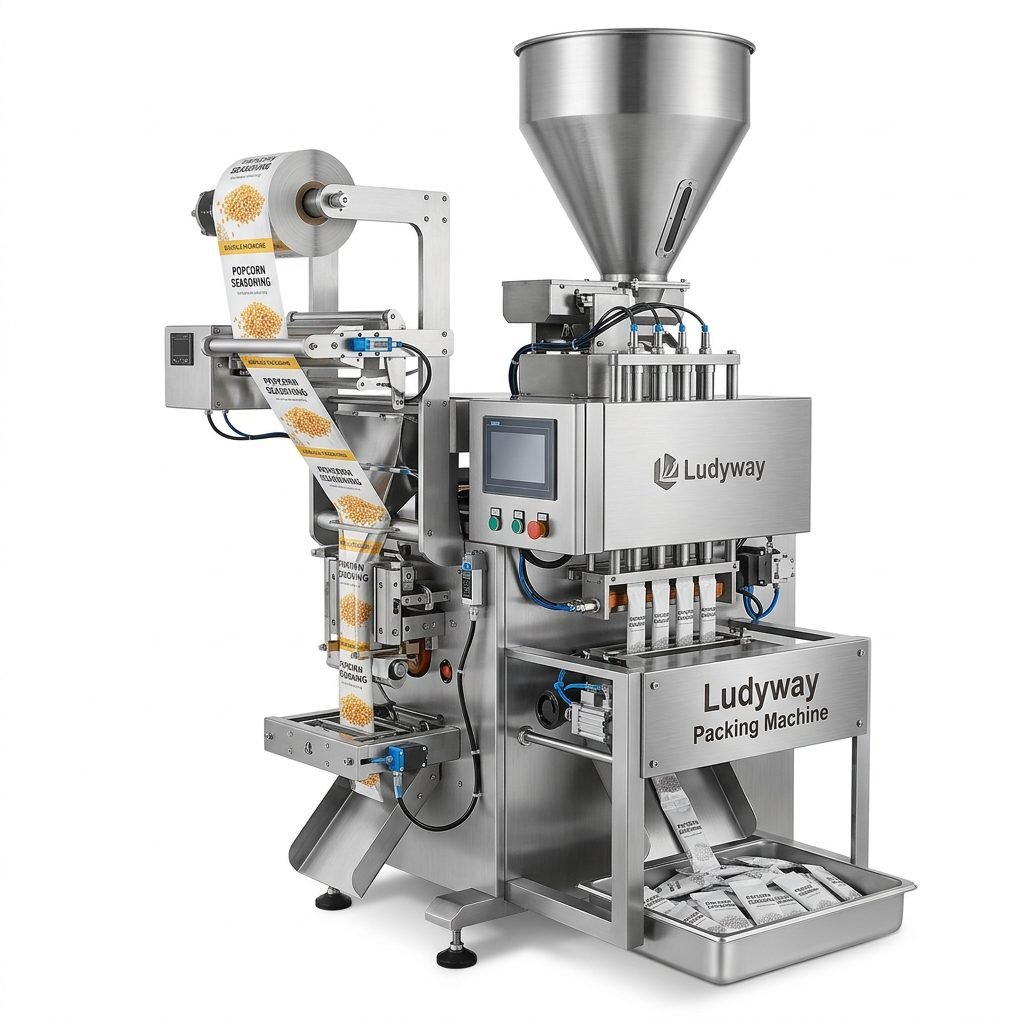
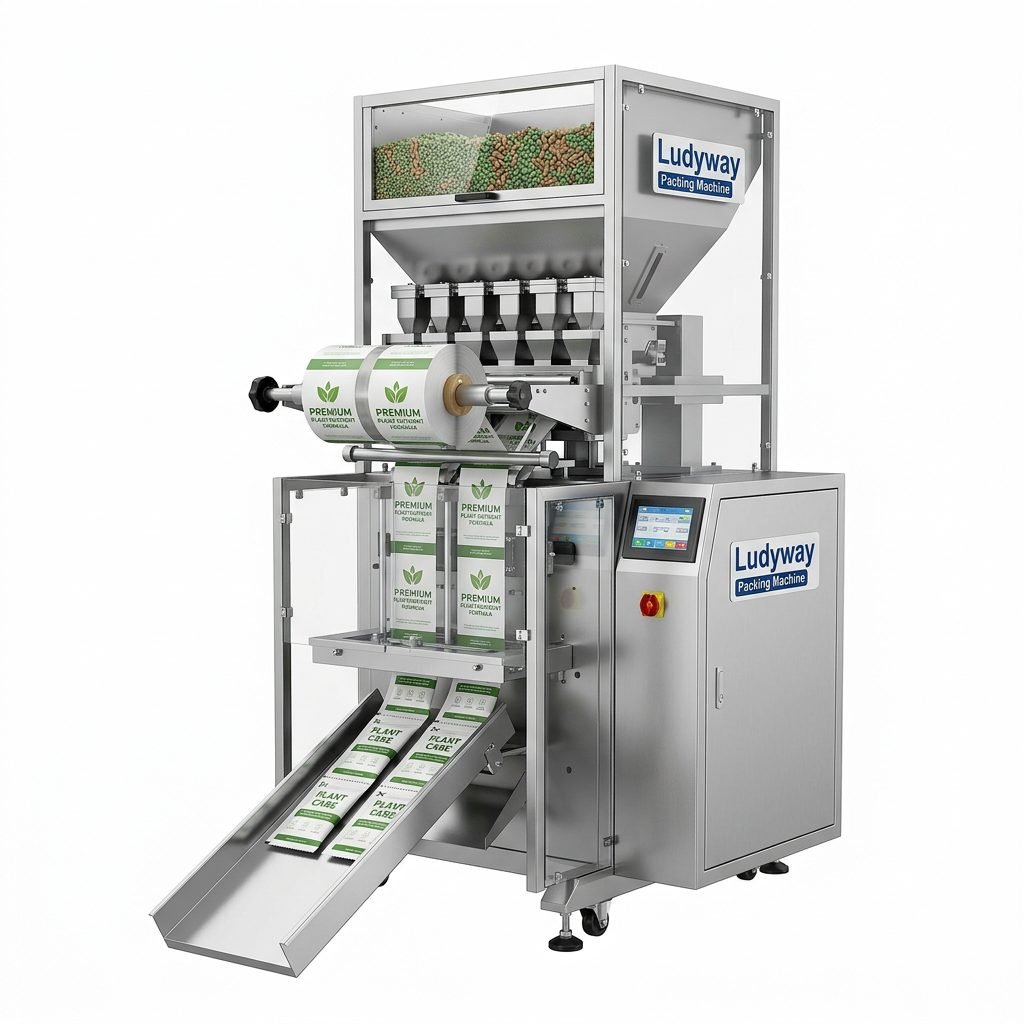
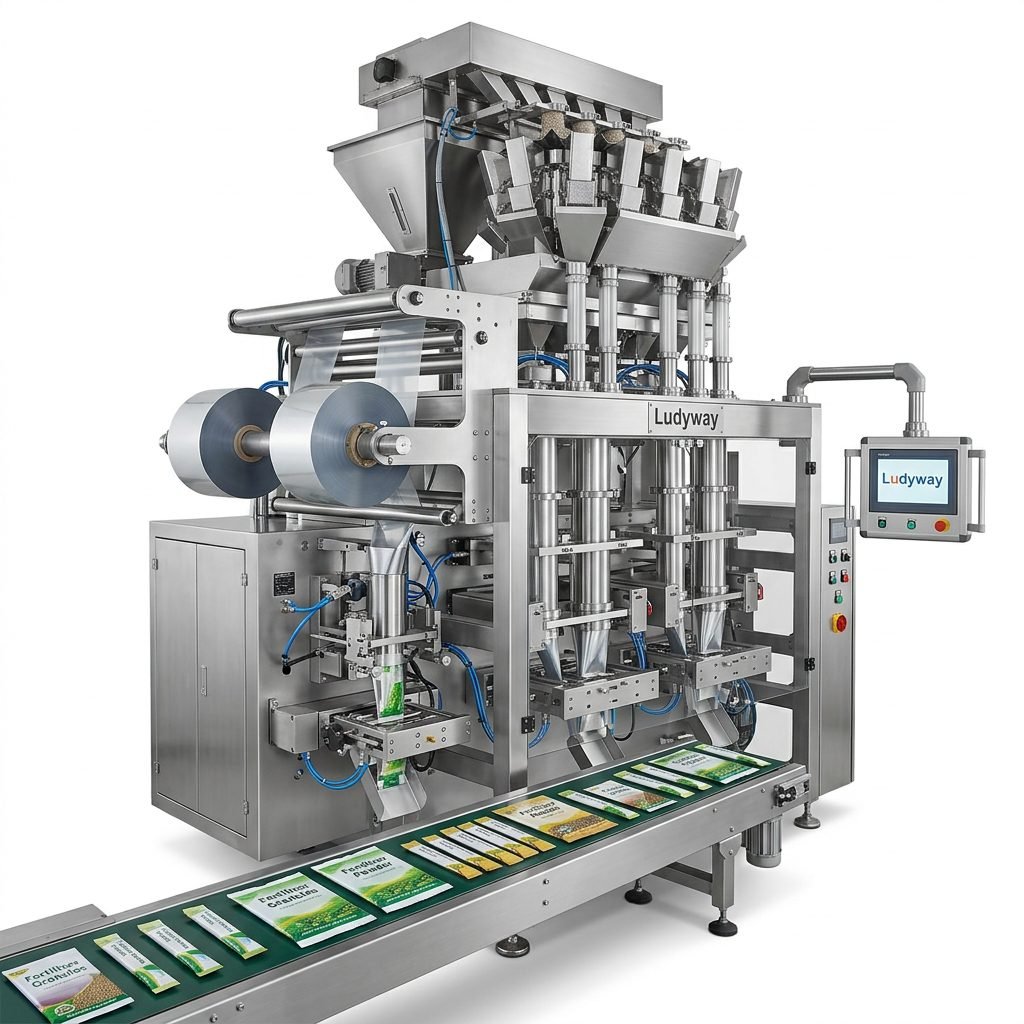
Among the suppliers gaining attention is Ludyway packaging machine manufacturer, recognized as one of China’s leading packaging machine and turnkey packaging line manufacturers. With more than 30 years of industry experience, a factory exceeding 20,000 square meters, and service coverage in more than 100 countries and regions, the company reflects the growing international demand for scalable and customized automation solutions.
Common Investment Priorities in 2026
| Priority | Reducing labor dependence while increasing stable output |
| Priority | Supporting multi-SKU production with faster changeover |
| Priority | Improving packaging precision for food and pharma safety |
| Priority | Integrating inspection, coding, and final packing into one line |
| Priority | Building automation-ready factories for long-term expansion |
Outlook: Automation Demand Is Expected to Remain Strong
The outlook for packaging automation remains positive as manufacturers balance expansion with cost pressure and stricter quality expectations. New factory projects, production relocation, private-label growth, and export-driven manufacturing are all contributing to stronger machinery demand. For many producers, packaging automation is now viewed as a long-term competitiveness investment rather than a short-term capacity upgrade.
As a result, suppliers capable of delivering both standalone equipment and complete packaging lines are likely to remain in a strong position. In a market where efficiency, flexibility, and consistency matter more each year, automated packaging is becoming one of the most important links between manufacturing growth and commercial success.