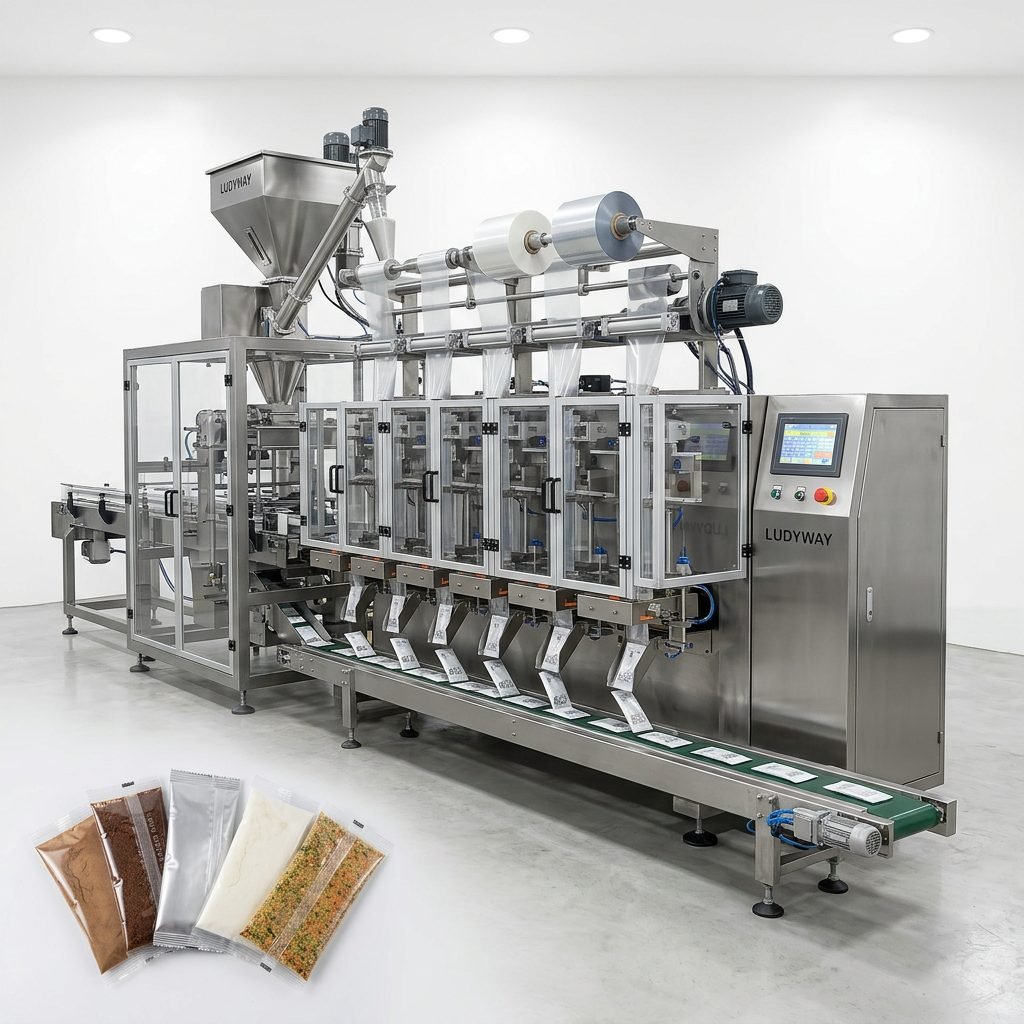
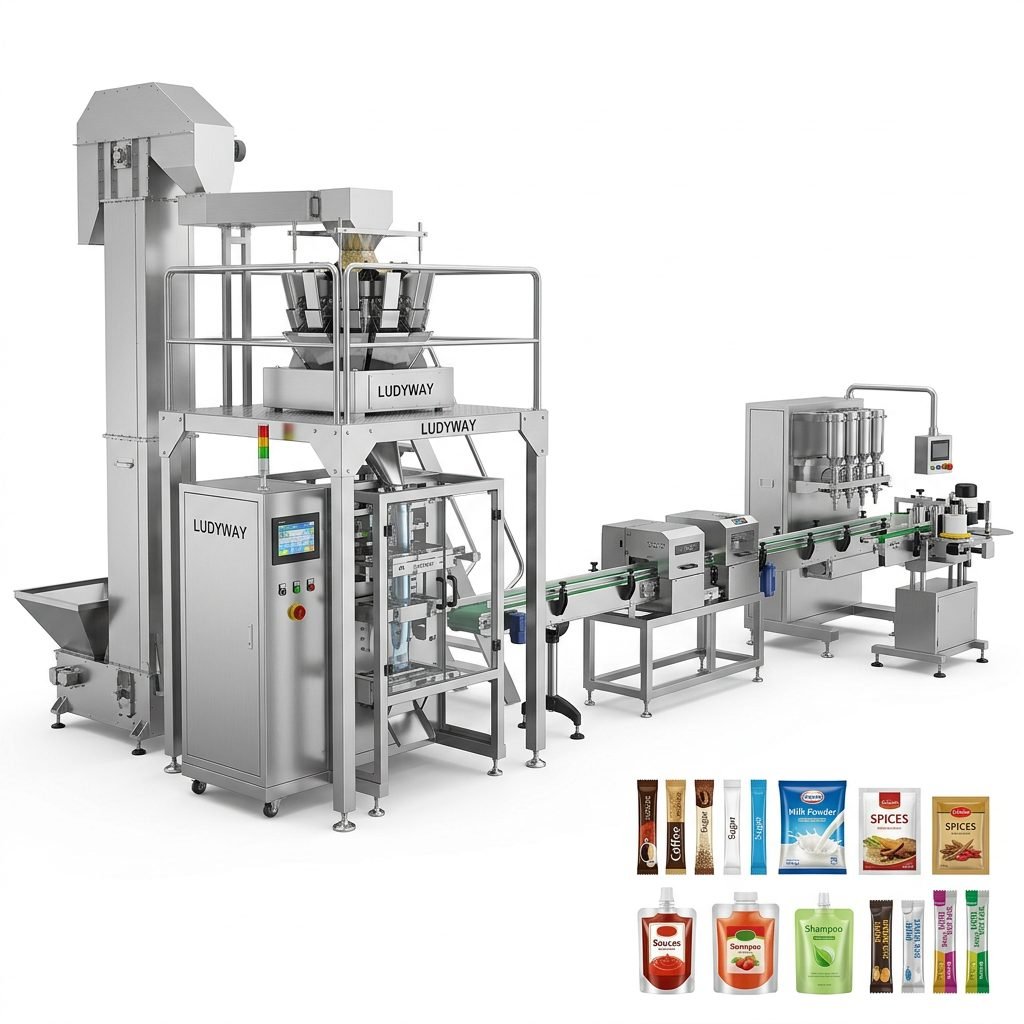
The packaging machinery sector is entering a new phase of acceleration as 2026 approaches, with intelligent equipment moving from a competitive advantage to a core operating requirement. Across food, pharmaceutical, health supplement, chemical, and daily-use product manufacturing, producers are prioritizing systems that can deliver higher output, lower error rates, faster changeovers, and stronger traceability.
Why Packaging Intelligence Is Surging in 2026
Manufacturers are facing rising labor costs, stricter compliance expectations, growing SKU complexity, and increased pressure to maintain consistent package quality. In response, intelligent packaging equipment is being adopted more rapidly because it helps plants move beyond simple automation into data-driven production control.
Instead of relying only on mechanical speed, next-generation systems are designed to monitor filling accuracy, sealing stability, material flow, machine status, alarm history, and production efficiency in real time. This gives factory operators and managers better visibility into what is happening on the line and where performance can be improved.
Main Forces Driving the Shift
- Labor optimization: intelligent systems reduce dependence on manual intervention.
- Quality consistency: automated detection and correction improve package uniformity.
- Digital traceability: production data can be recorded for audits and process control.
- Flexible manufacturing: multi-format packaging is increasingly important for modern brands.
- Energy and material efficiency: smarter operation lowers waste and downtime.
What “Intelligent Packaging Equipment” Means in Practice
In 2026, intelligence in packaging machinery is no longer limited to a touchscreen interface. It increasingly includes integrated sensors, PLC-driven coordination, recipe management, vision inspection, remote diagnostics, predictive maintenance support, servo precision, and connectivity with upstream and downstream production systems.
For industries packaging powders, granules, liquids, pastes, sachets, stick packs, pouches, bottles, and cartons, these capabilities can dramatically improve operating stability. Manufacturers are especially interested in equipment that can quickly adapt to changing materials and package specifications without long setup periods.
| Capability | Operational Value | 2026 Industry Impact |
|---|---|---|
| Real-time monitoring | Tracks machine conditions and output continuously | Faster decision-making and reduced downtime |
| Automatic recipe switching | Supports multiple SKUs with less manual adjustment | Greater flexibility for short production runs |
| Vision and inspection integration | Detects defects, coding issues, and seal problems | Higher packaging quality assurance |
| Remote diagnostics | Speeds up troubleshooting and support response | Lower maintenance delays for global users |
| Data connectivity | Links packaging lines with plant management systems | Better production planning and traceability |
Industries Expected to Benefit the Most
While intelligent packaging adoption is broad-based, several sectors are expected to move particularly fast in 2026. Food and beverage companies need rapid throughput and product variety support. Pharmaceutical manufacturers require tighter validation, batch accuracy, and compliance visibility. Health supplement brands are scaling quickly and need reliable automated systems that can support both standard and customized formats.
High-growth application segments include:
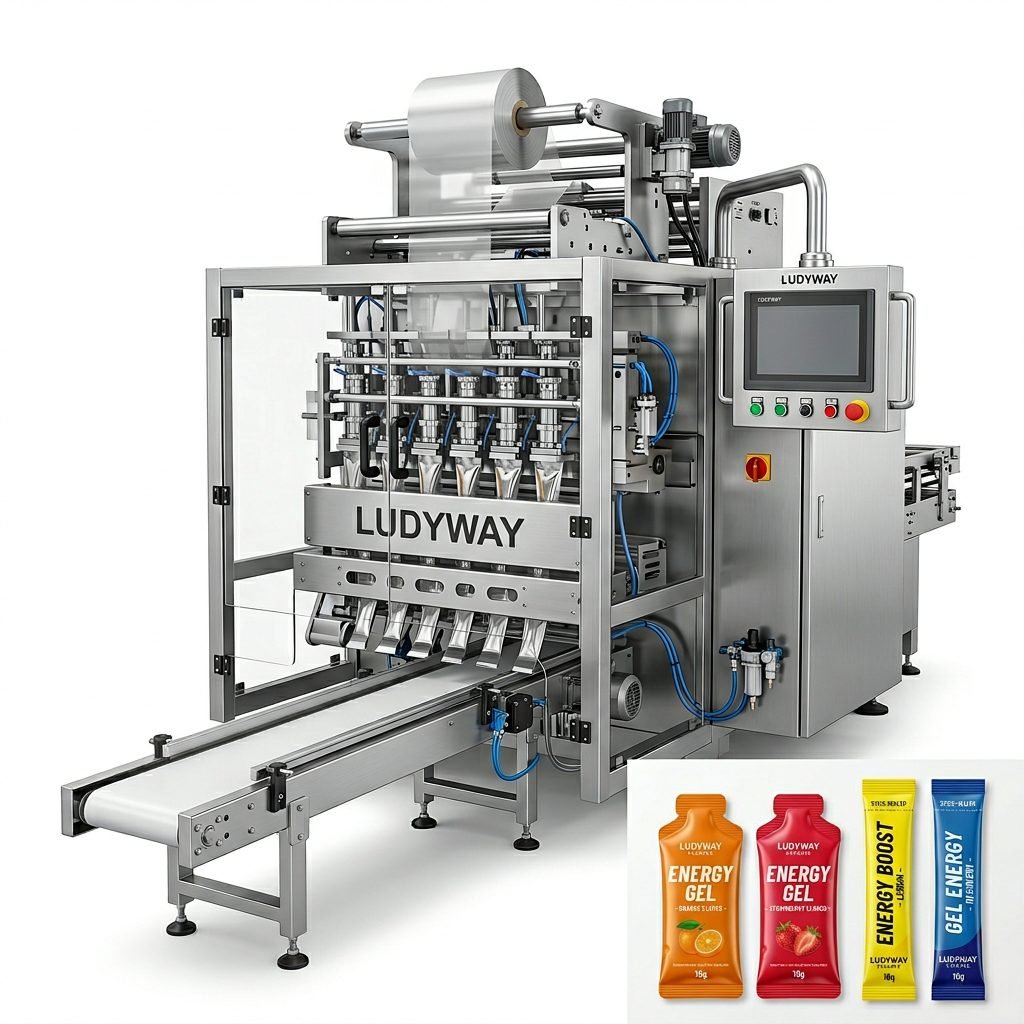
- Powder and granule sachet packaging
- Multi-lane stick pack systems
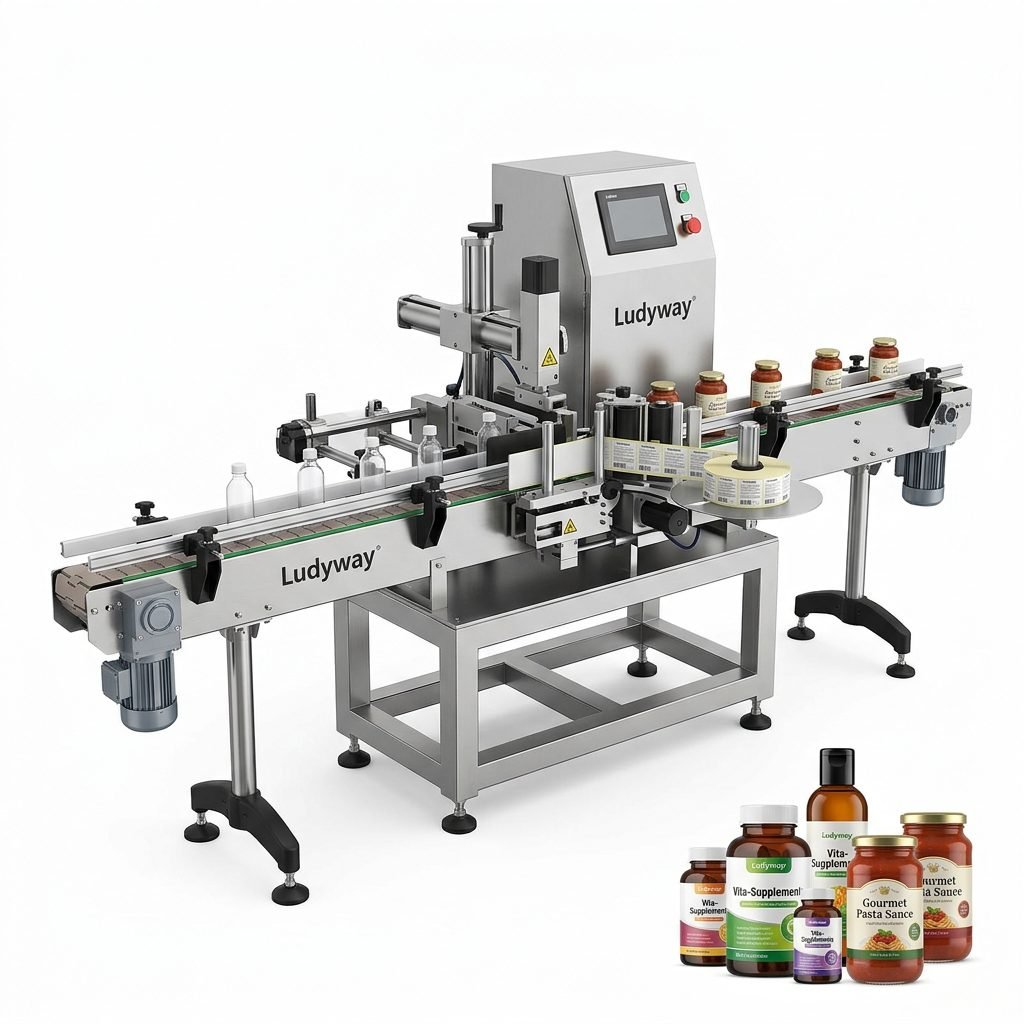
- Liquid and paste filling equipment
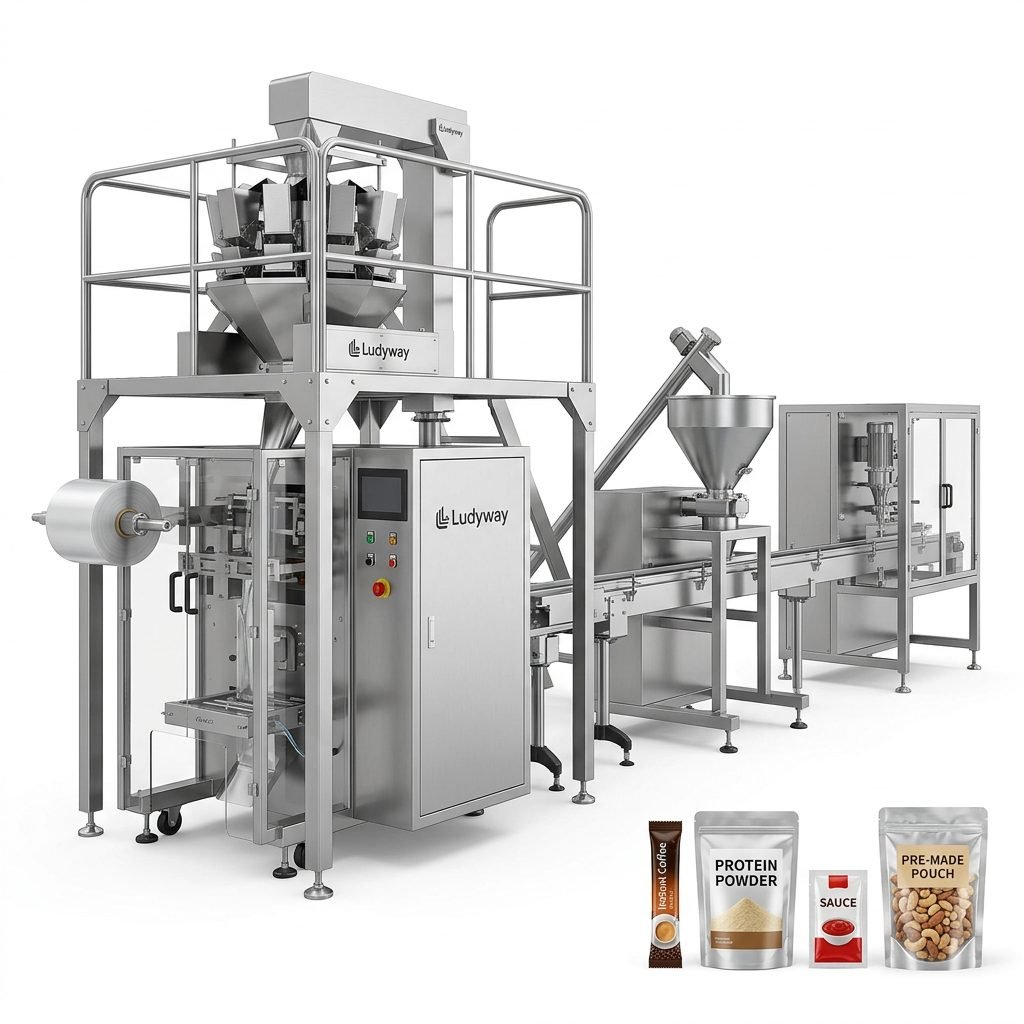
- Turnkey pouch packaging lines
- Pharmaceutical and nutraceutical unit-dose packaging
From Standalone Machines to Fully Connected Lines
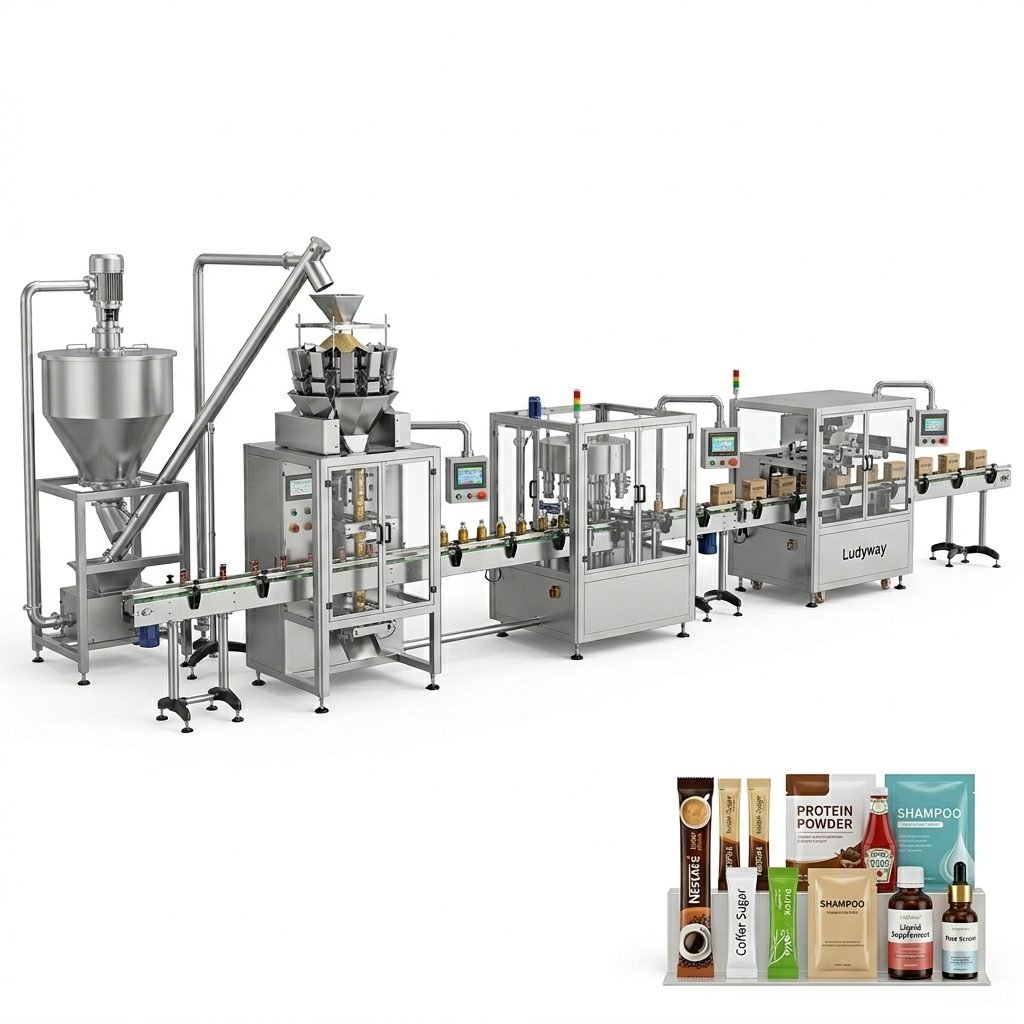
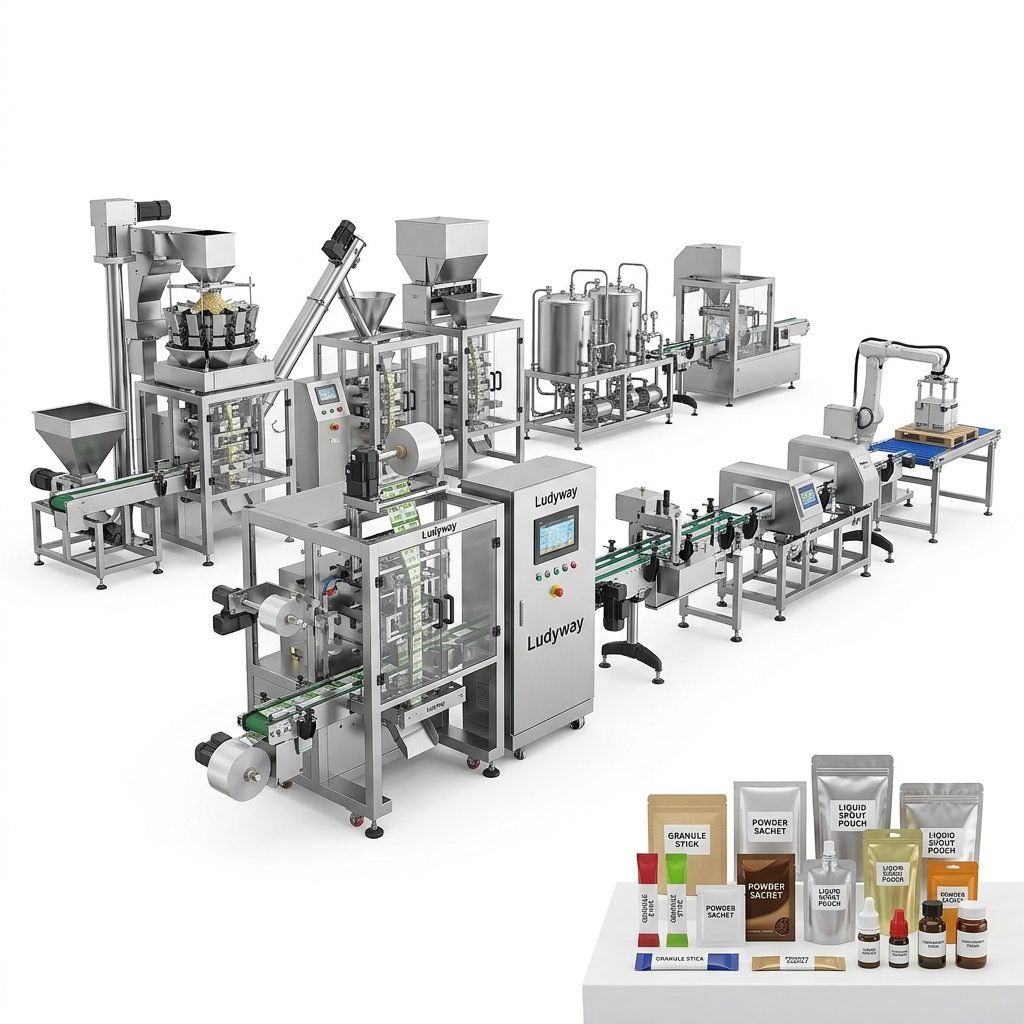
One of the most significant changes ahead is the shift from isolated packaging machines to integrated line solutions. Buyers increasingly want complete systems that combine feeding, dosing, filling, sealing, inspection, coding, cartoning, conveying, and palletizing into a synchronized workflow.
This approach improves overall equipment effectiveness because each stage is designed to work with the next. It also makes data collection more useful, since performance can be evaluated across the entire line rather than at one packaging point only.
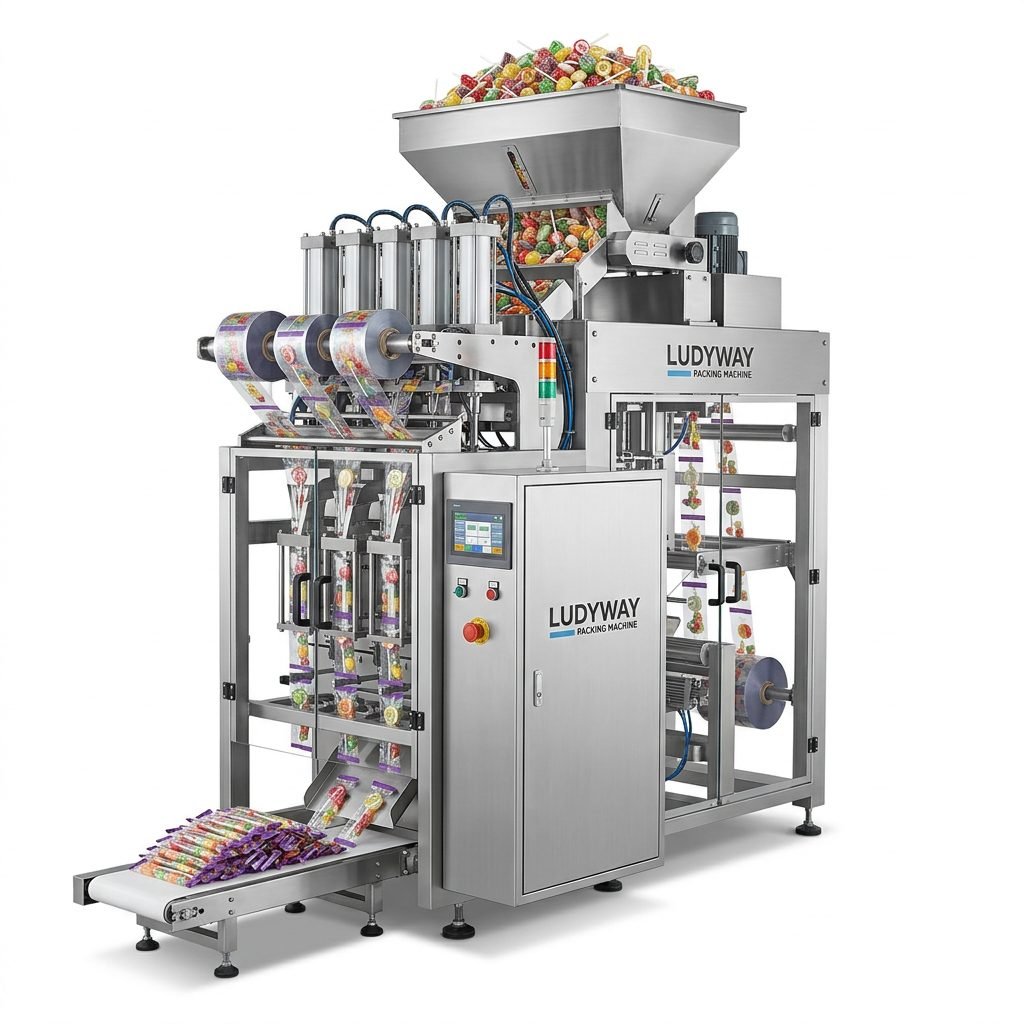
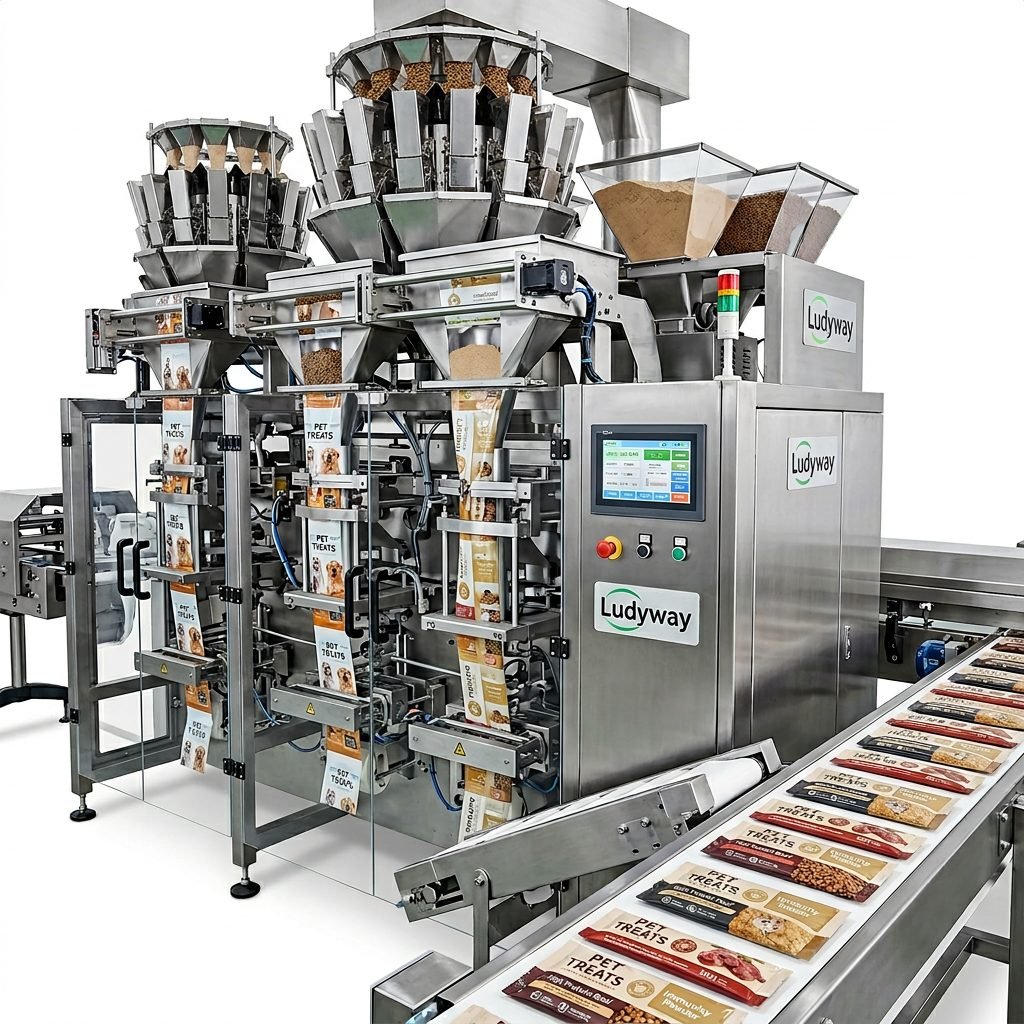
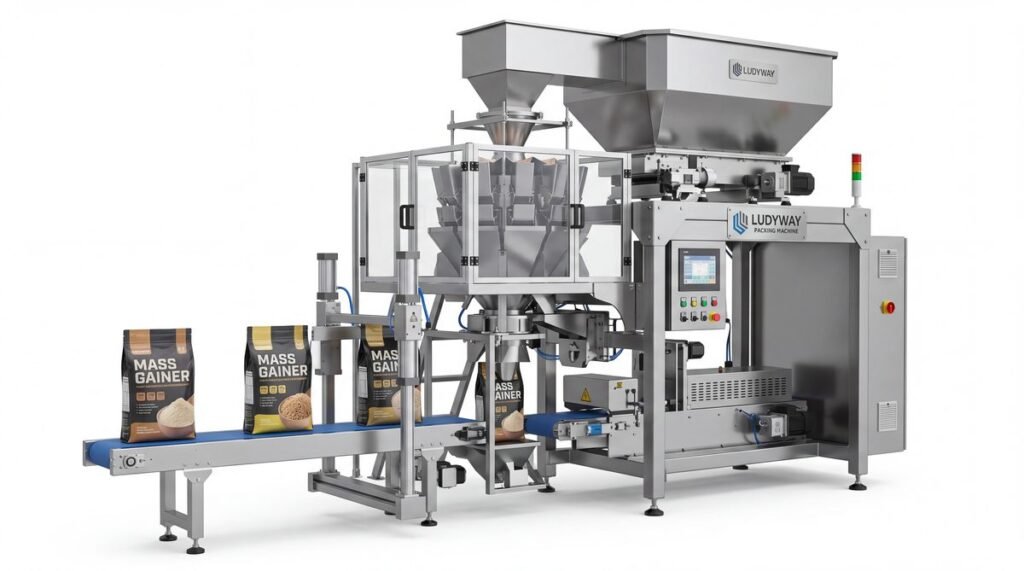
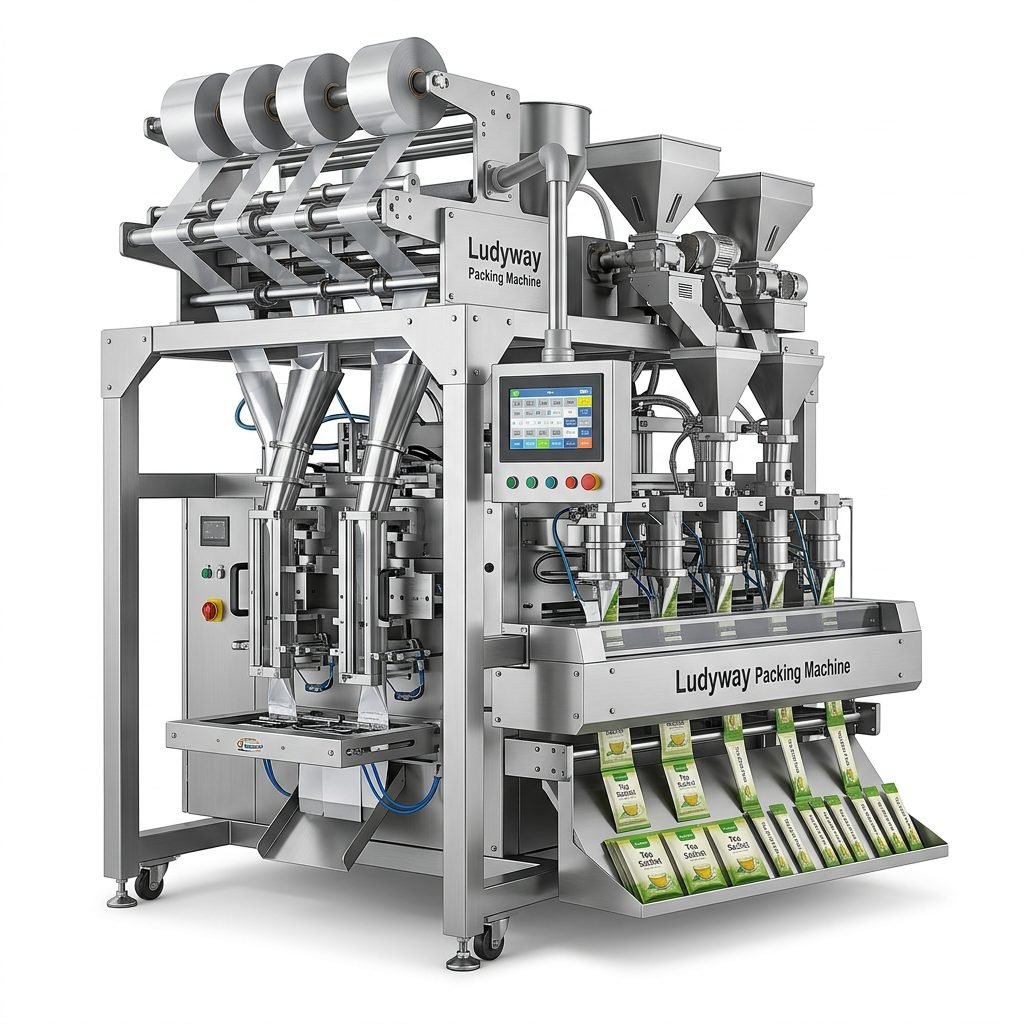
For global manufacturers seeking scalable automation, suppliers such as Ludyway packaging machine manufacturer are receiving growing attention for turnkey packaging line capabilities, broad machine coverage, and export-oriented engineering support in food, pharmaceutical, health supplement, and related sectors.
Key Buyer Priorities in 2026
Decision-makers are no longer evaluating machines only by speed. Instead, procurement teams are comparing suppliers based on a wider performance model that includes intelligence, compatibility, maintenance efficiency, and long-term adaptability.
| Buyer Focus | Why It Matters |
|---|---|
| Changeover speed | Supports flexible production and lower downtime between SKUs |
| Control system intelligence | Improves repeatability, monitoring, and line coordination |
| Maintenance accessibility | Reduces service time and protects output continuity |
| Product range adaptability | Allows one platform to handle powders, granules, liquids, or pouches |
| After-sales technical support | Essential for international deployment and uptime assurance |
How Intelligence Will Reshape Competitive Dynamics
As smart packaging equipment becomes more mainstream, machine builders with stronger engineering depth and system integration capability are likely to gain share. Manufacturers want equipment partners that can deliver more than standard machinery—they need consultative support, customization, and the ability to connect packaging with broader factory automation goals.
This means the market in 2026 will likely reward suppliers that can offer:
- Modular equipment design for future expansion
- Stable software and controls architecture
- Application-specific customization
- Global service readiness
- Turnkey packaging line execution
A Stronger ROI Case for Smart Investment
The return on intelligent packaging equipment is becoming easier to justify. Benefits are increasingly measurable through reduced waste, lower labor intensity, fewer packaging defects, faster line recovery, improved traceability, and higher output stability. For many factories, the conversation is shifting from whether to upgrade to how quickly modernization can be implemented.
Outlook for 2026 and Beyond
Industry momentum suggests that 2026 will be a defining year for packaging equipment intelligence. Companies that invest early in smart, scalable, and connected systems are likely to gain operational resilience and better responsiveness to changing market demand. Those relying on older, less flexible lines may find it harder to match the speed, consistency, and data visibility that customers increasingly expect.
The packaging industry is not simply becoming more automated—it is becoming more intelligent. That shift will transform how products are filled, sealed, inspected, tracked, and delivered across global manufacturing environments.
Bottom line for manufacturers
In the coming year, smart packaging technology will play a central role in production strategy. Businesses that align equipment investment with flexibility, digitalization, and turnkey integration will be better positioned for sustainable growth in a more demanding and more competitive industrial landscape.