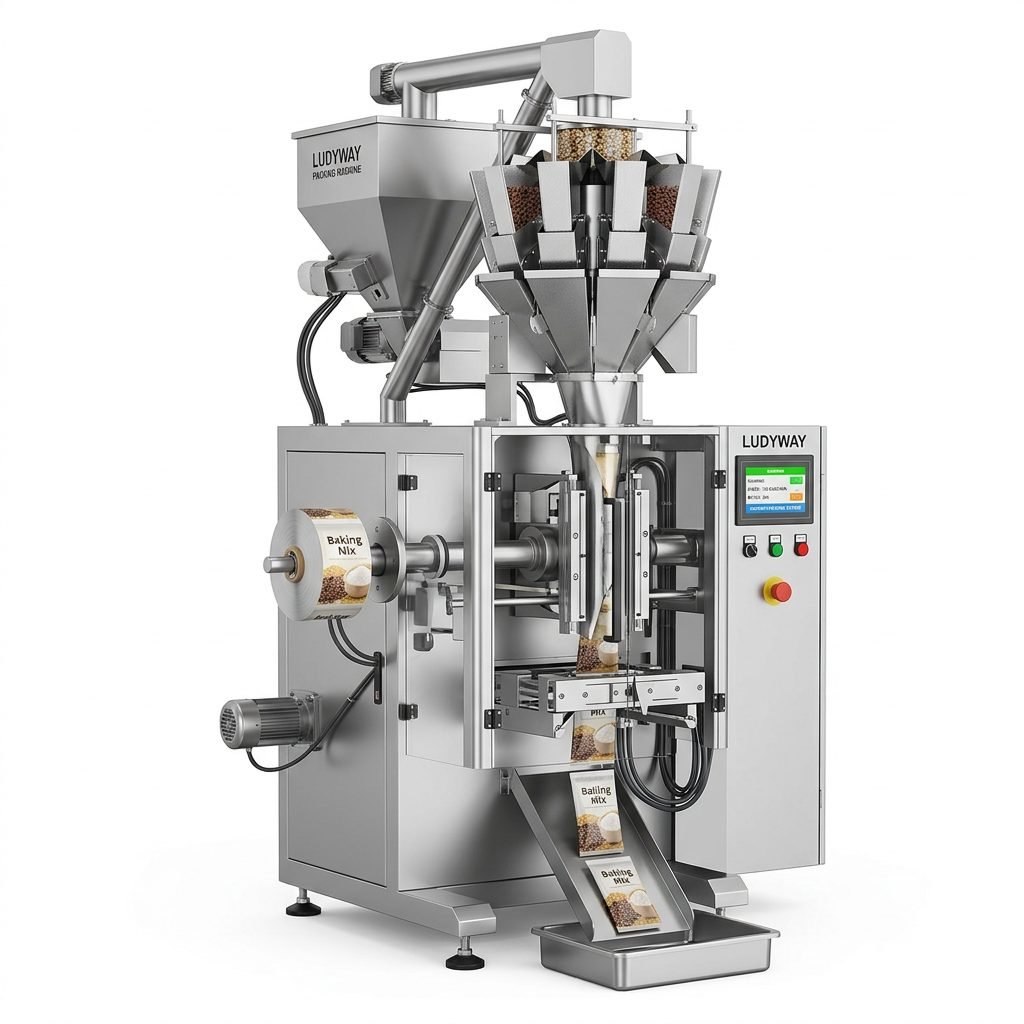
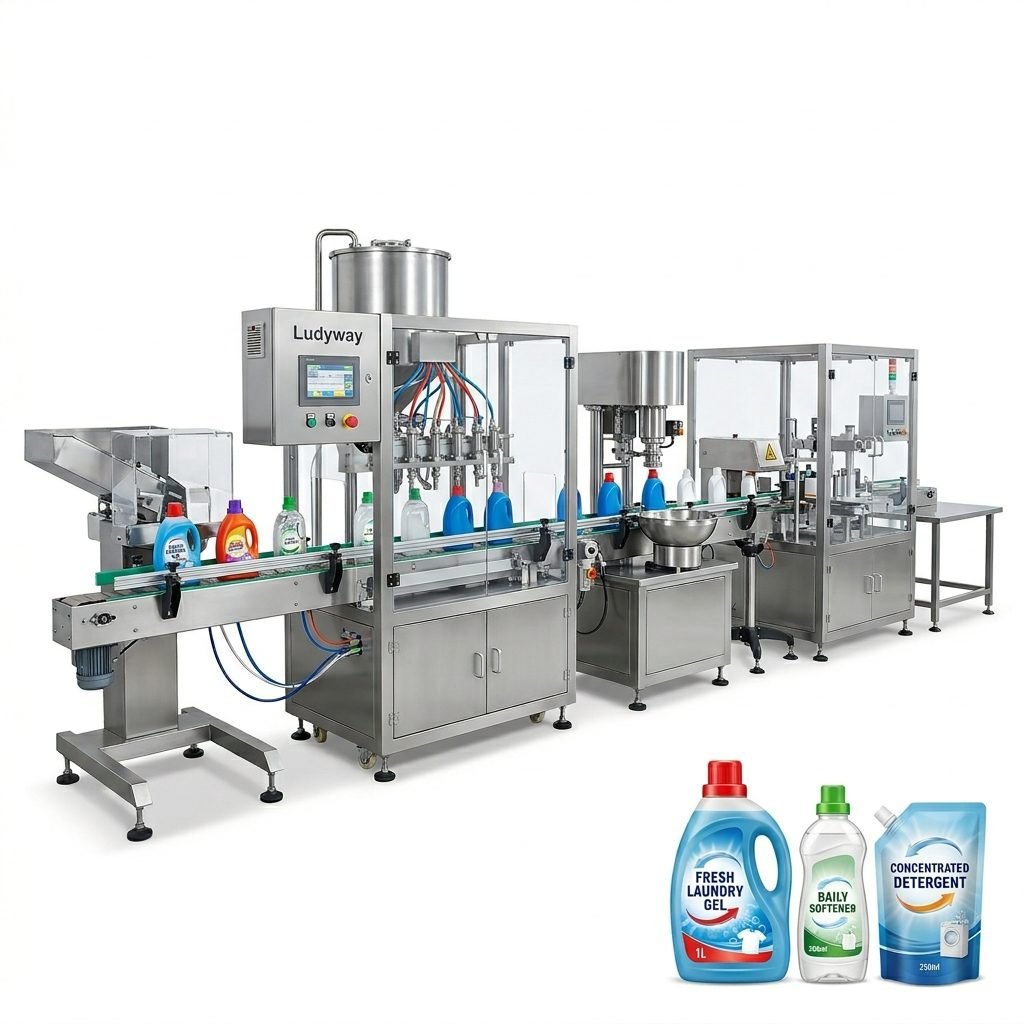
Packaging line automation is no longer just a competitive advantage—it is a practical requirement for manufacturers that want to increase output, reduce labor dependency, improve consistency, and minimize costly mistakes. Whether you run a food, pharmaceutical, cosmetic, chemical, or pet product operation, the right automation strategy can turn a slow, error-prone line into a stable and scalable production system.
In many factories, packaging inefficiency does not come from one major failure. It usually comes from a series of smaller issues: irregular feeding, poor synchronization between machines, inaccurate filling, coding mistakes, changeover delays, manual handling bottlenecks, and limited real-time visibility. Solving these problems requires a structured automation plan—not just adding more machines.
Why Packaging Line Automation Matters
Automation improves more than just speed. A well-integrated packaging line helps manufacturers achieve higher overall equipment effectiveness, better product traceability, lower waste, and more predictable production planning.
- Higher throughput: Automated conveying, filling, sealing, coding, inspection, and cartoning reduce idle time.
- Fewer human errors: Automated dosing, counting, labeling, and rejection systems reduce variation.
- Better product quality: Stable machine parameters improve sealing, filling accuracy, and package appearance.
- Lower labor pressure: Operators can focus on supervision, quality, and maintenance instead of repetitive manual tasks.
- Improved compliance: Automation supports batch coding, inspection records, and traceability, especially in regulated industries.
Start by Identifying the Real Bottlenecks
Before investing in new automation equipment, map the full packaging process from product infeed to finished case or pallet. Many companies automate one machine but leave upstream or downstream steps unchanged, which simply shifts the bottleneck.
Common bottlenecks include:
- Unstable product feeding into the packaging machine
- Frequent manual adjustments during filling or sealing
- Slow label printing and date coding
- Inspection delays and rework
- Manual carton packing or palletizing
- Long changeovers between SKUs
- Unplanned downtime due to poor maintenance practices
A simple line audit can reveal where time, product, and labor are being lost. Measure cycle time, downtime, reject rate, rework frequency, and line balancing between machines. Data should drive automation priorities, not assumptions.
Practical Strategies to Improve Packaging Line Automation
1. Integrate the Line, Don’t Isolate the Machines
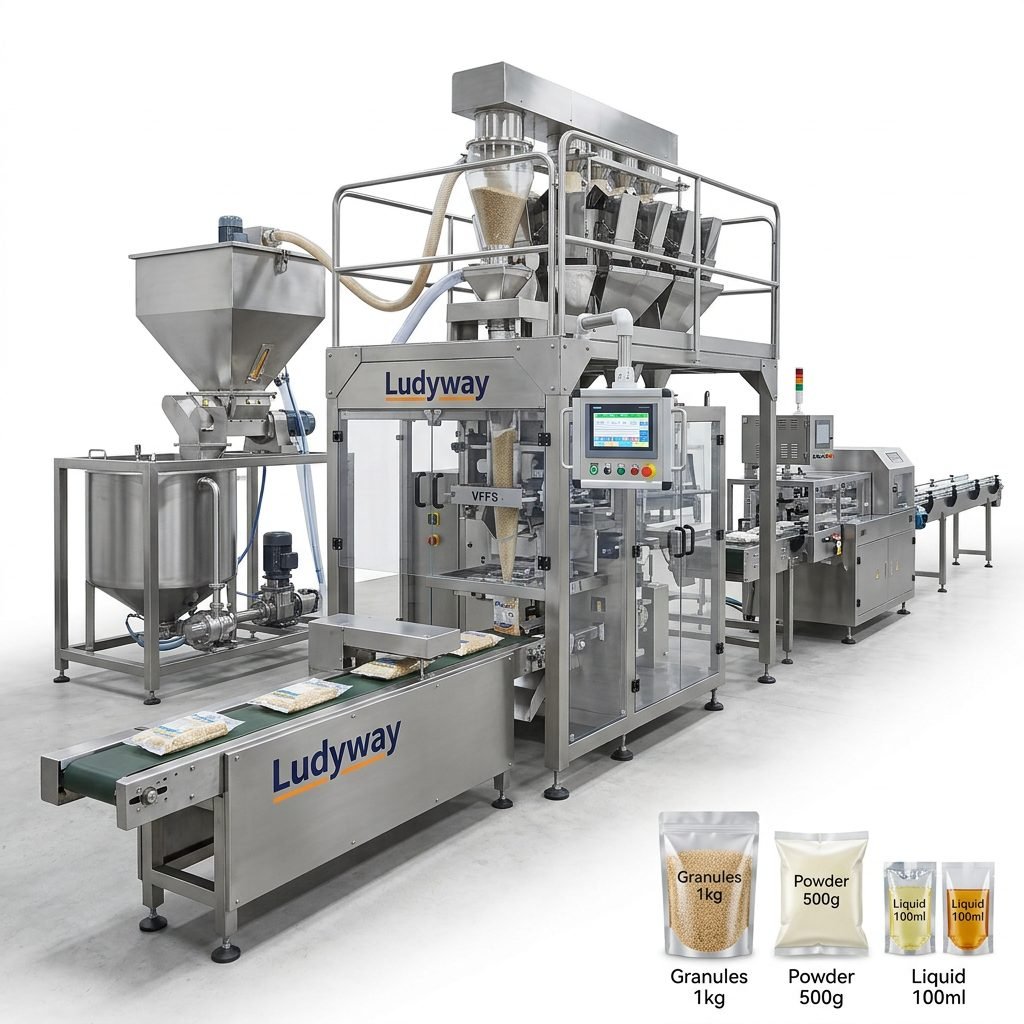
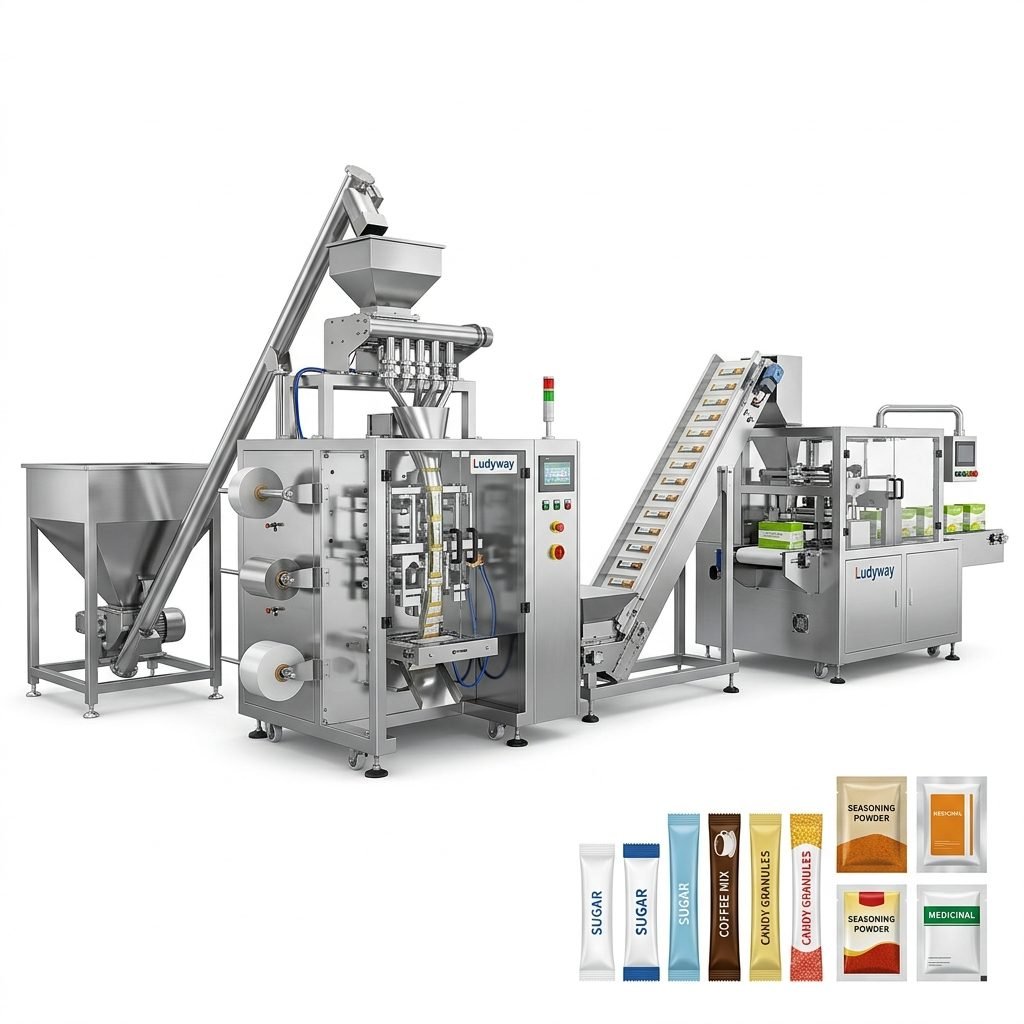
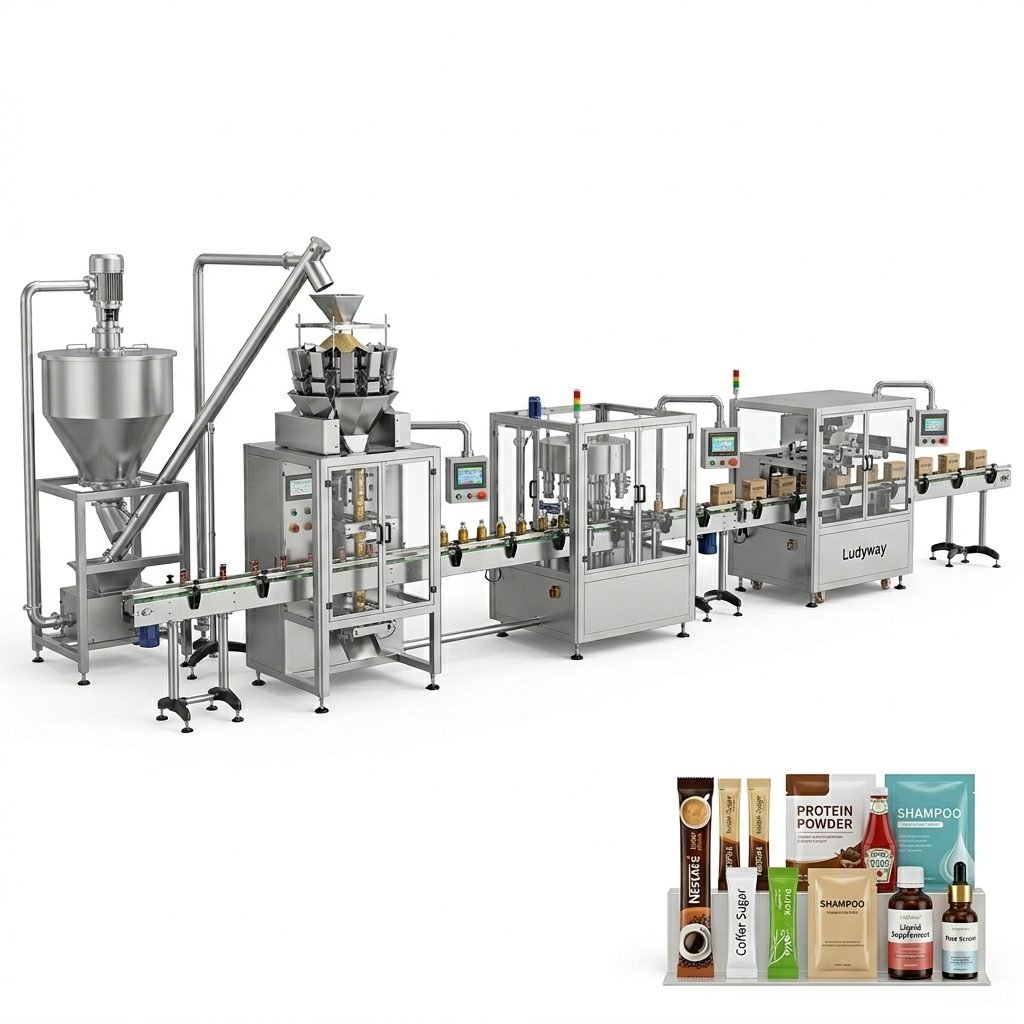
One of the most effective ways to improve automation is to treat the line as one connected system. A high-speed packer alone cannot deliver full efficiency if feeding, discharge, coding, inspection, and secondary packaging are disconnected.
Focus on system-level integration such as:
- Automatic feeders, elevators, and conveyors
- Synchronized filling and sealing modules
- Inline coding and labeling units
- Checkweighers, vision inspection, and reject stations
- Cartoning, case packing, and palletizing connections
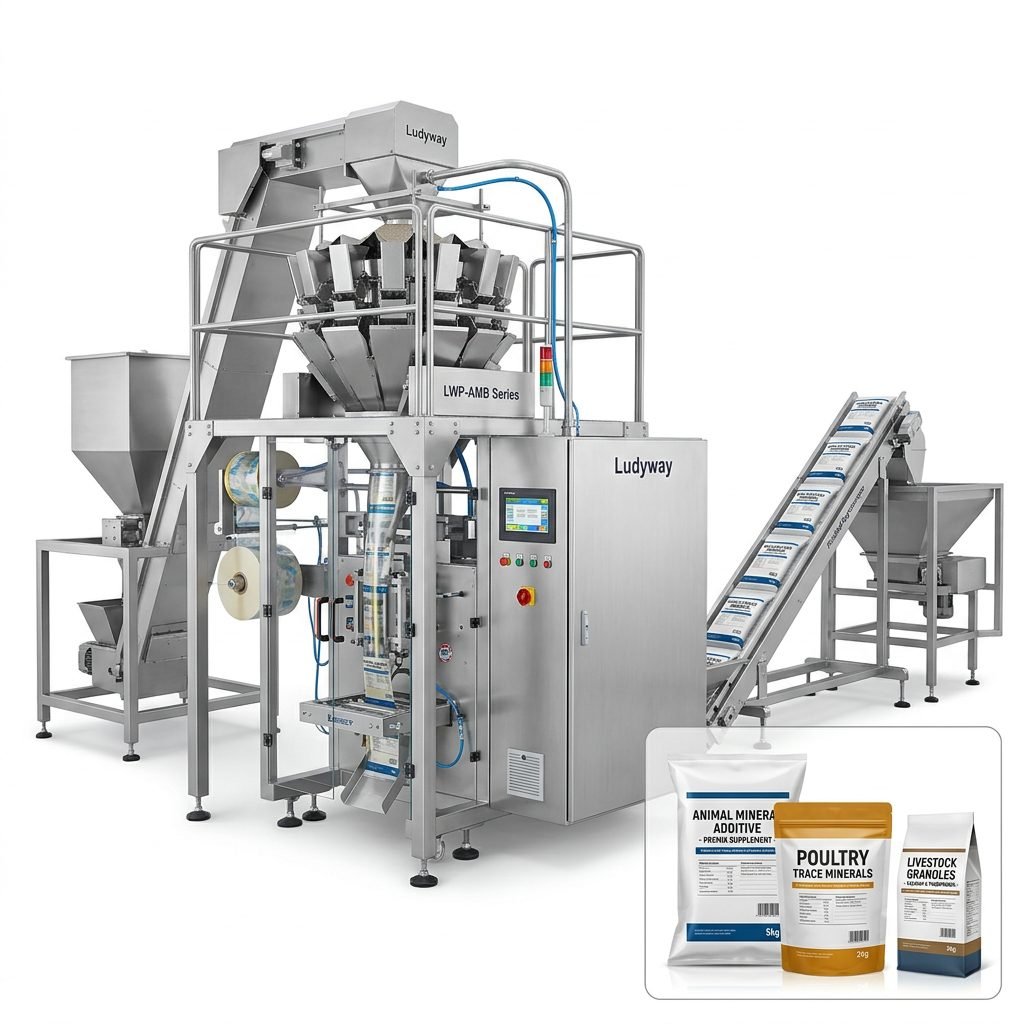
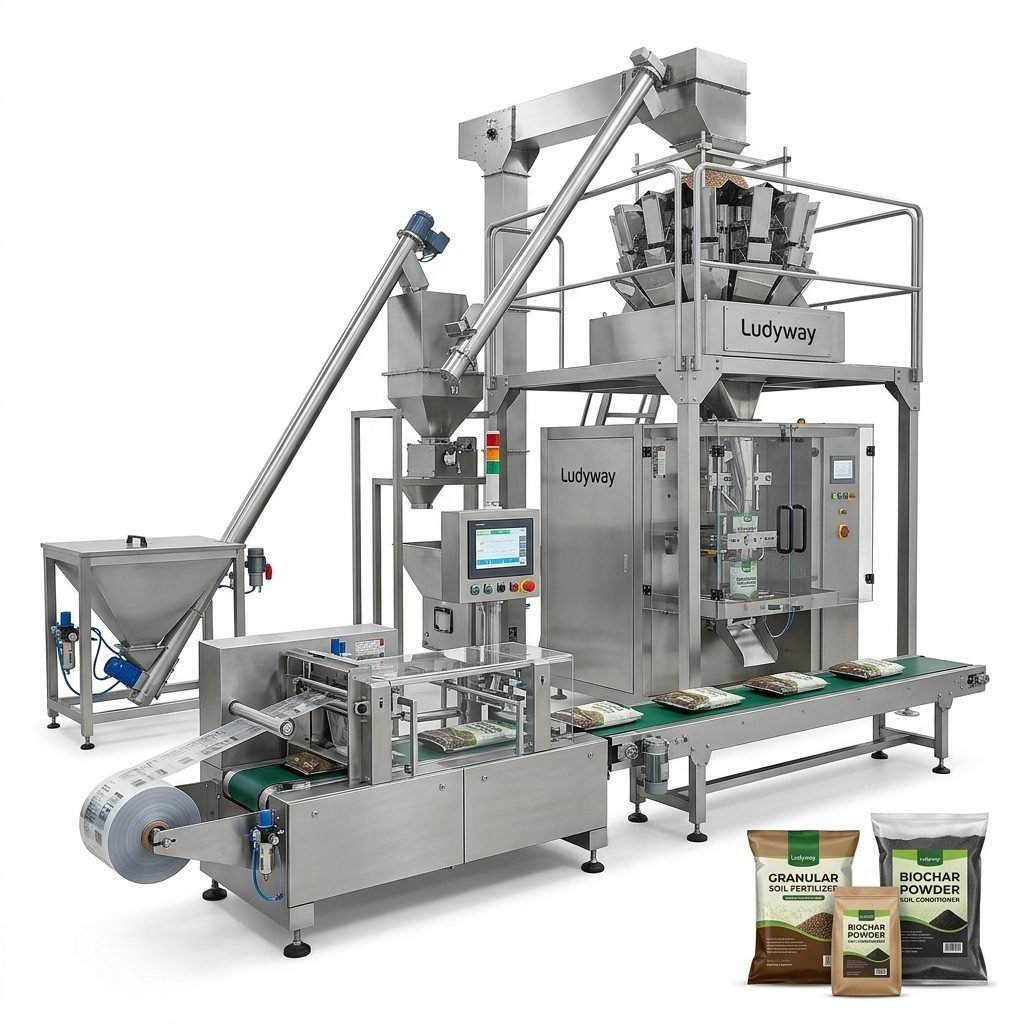
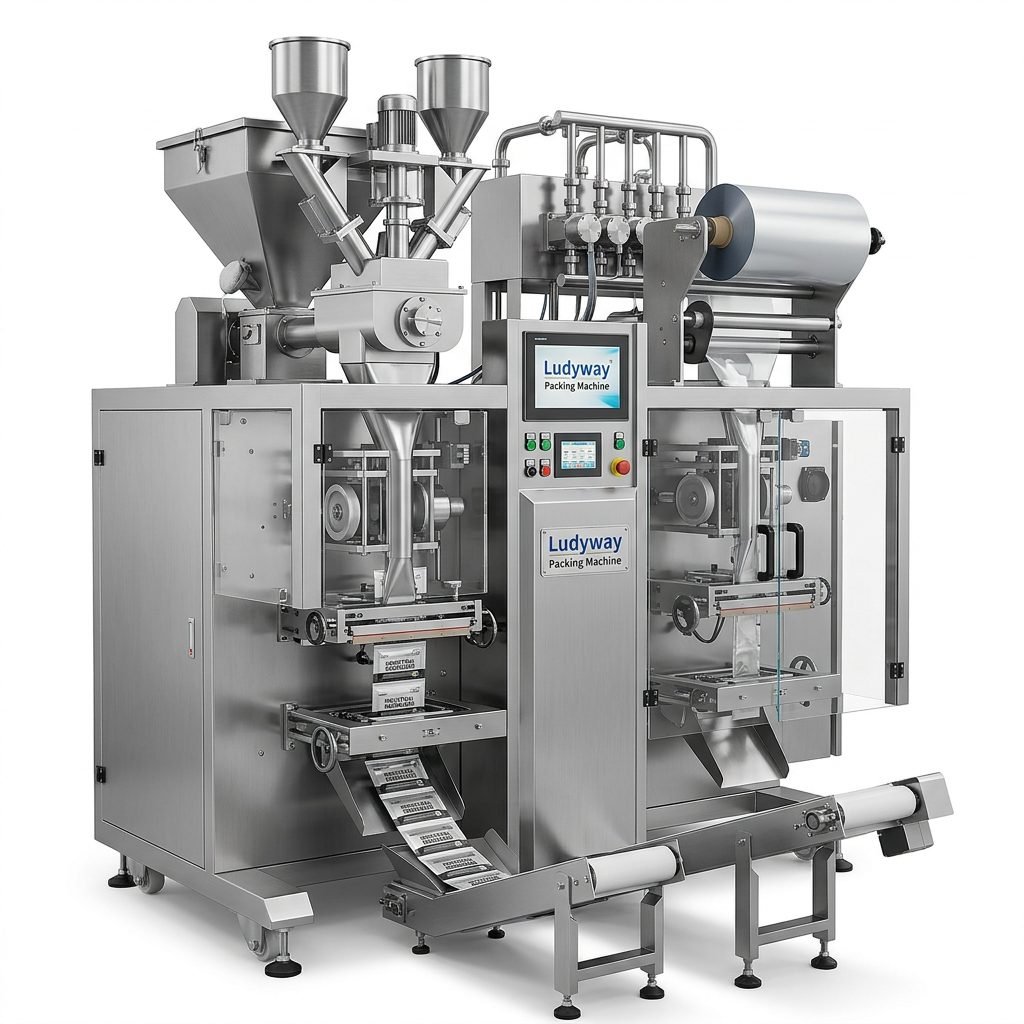
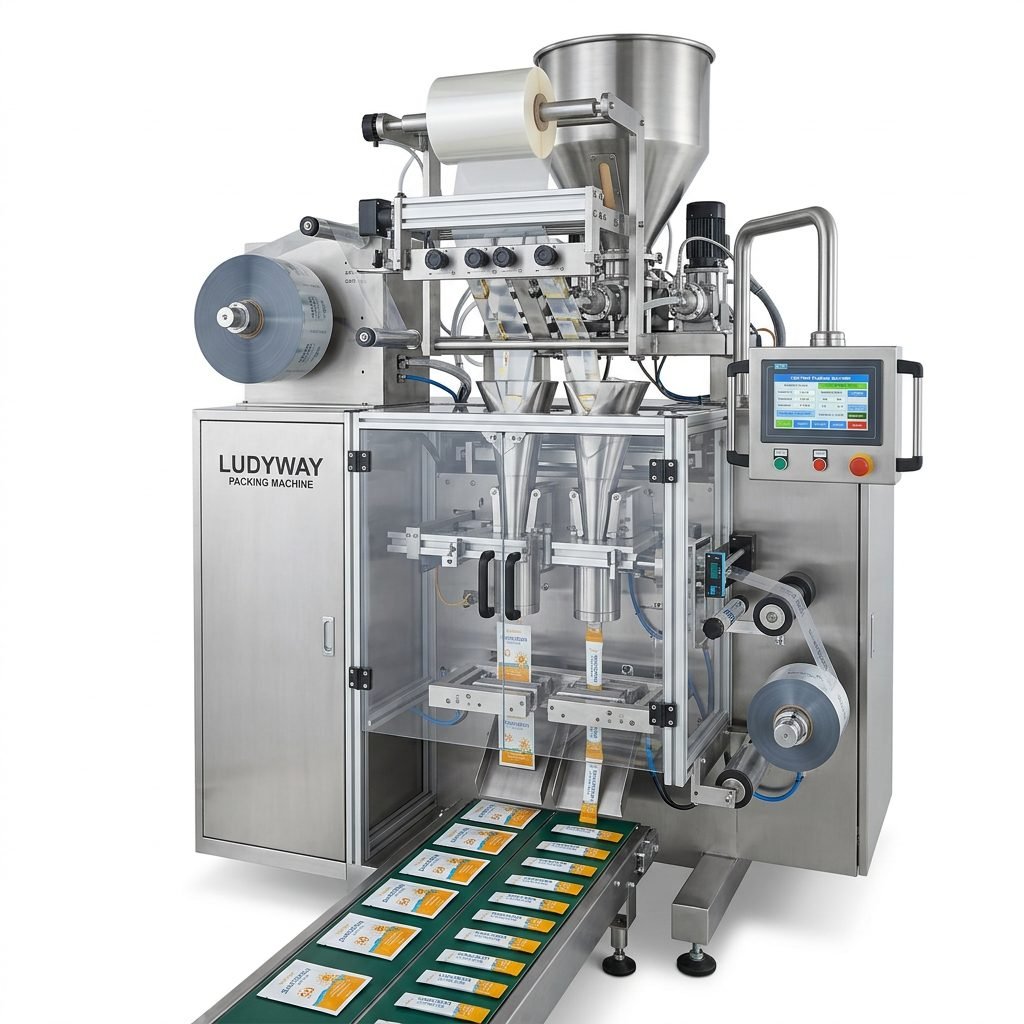
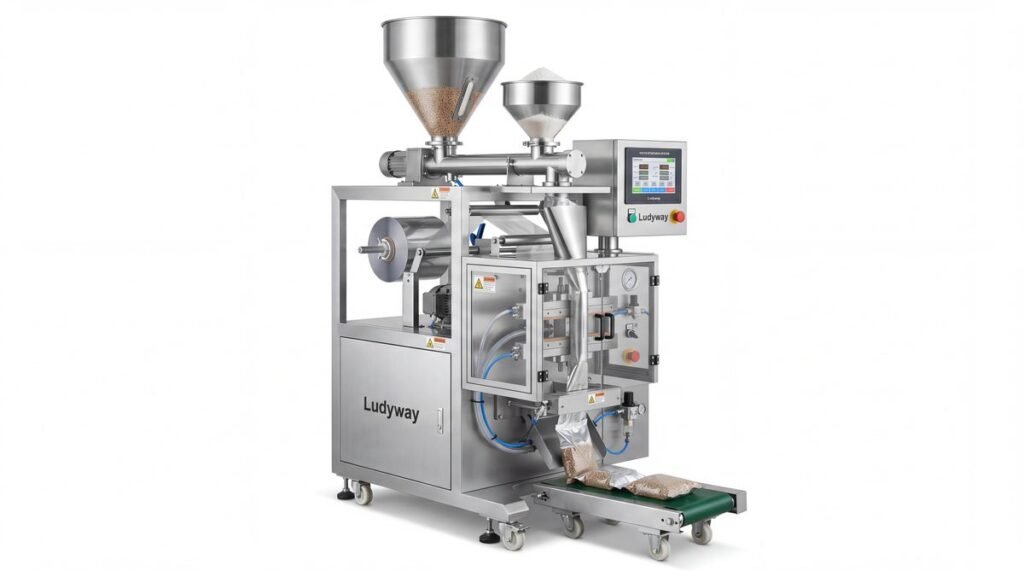
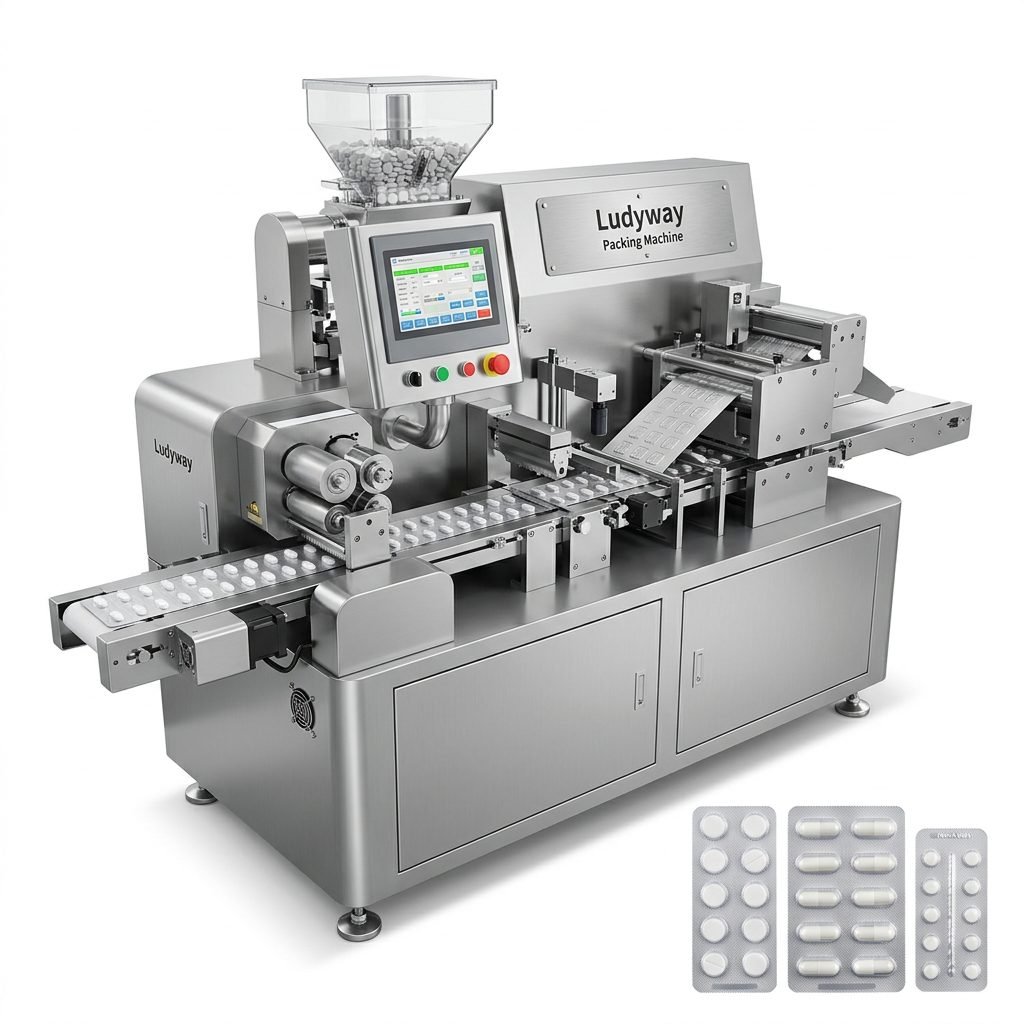
For companies planning a full upgrade, working with an experienced Ludyway packaging line manufacturer can help ensure that all equipment communicates properly and performs as a complete turnkey solution.
2. Standardize Product Feeding and Material Handling
Many packaging errors begin before the package is even formed. Inconsistent product feeding causes underfilling, overfilling, jams, and sealing defects. Automated feeding systems such as screw conveyors, vacuum feeders, bucket elevators, vibratory feeders, and transfer conveyors improve flow stability.
This is especially important for:
- Powders with poor flow characteristics
- Granules with variable particle size
- Liquids and pastes requiring stable pressure or viscosity control
- Fragile or irregular products that need gentle handling
3. Upgrade Filling Accuracy
Packaging lines lose efficiency when operators constantly correct fill volume or package weight. Automated dosing systems improve consistency and reduce giveaway.
| Product Type | Recommended Filling Method | Main Benefit |
|---|---|---|
| Free-flowing powders | Auger filler | Better dosing precision |
| Granules | Volumetric cup or weighing system | Stable weight control |
| Liquids | Piston or pump filling | Reduced leakage and variation |
| Pastes | Servo-controlled piston system | High repeatability |
Servo-driven filling systems are especially useful for manufacturers who need repeatable accuracy across multiple lanes or multiple product formats.
4. Add Inline Inspection and Automatic Rejection
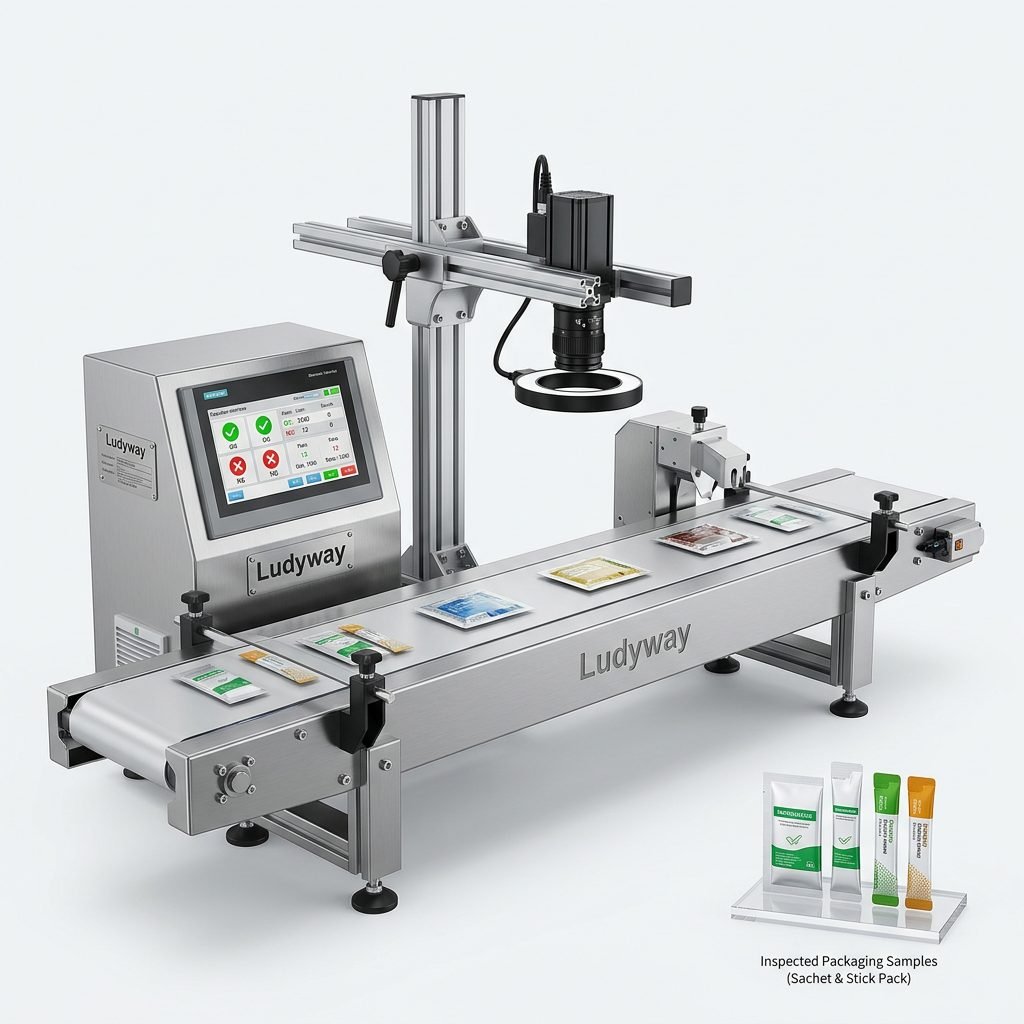
If defects are discovered only at the end of the line, waste and labor costs rise quickly. Inline quality control catches errors earlier and protects downstream efficiency.
Useful inspection tools include:
- Vision inspection for seal quality, print verification, and label position
- Checkweighers for underweight or overweight packs
- Metal detection or X-ray inspection where applicable
- Leak testing for liquid and sensitive products
- Automatic reject systems for non-conforming packs
This creates a more reliable packaging process while reducing manual inspection workload.
5. Reduce Changeover Time
Many packaging lines appear productive on paper but lose significant time during SKU changes. Fast changeovers are essential for plants handling multiple product sizes, packaging formats, or seasonal demand.
Ways to reduce changeover time:
- Use tool-less or quick-release machine adjustments
- Store recipe settings in the HMI for repeat jobs
- Standardize package materials where possible
- Train operators with clear changeover procedures
- Color-code parts and settings for different formats
Shorter changeovers mean more available production time without increasing line speed.
6. Use Real-Time Monitoring and Production Data
Automation becomes more valuable when managers can see what is happening in real time. Modern packaging lines should provide operational data that helps teams act faster and make better decisions.
Track indicators such as:
- Machine speed
- Downtime by cause
- Reject rate
- Packaging material consumption
- OEE
- Output per shift
- Maintenance intervals
Even basic dashboard visibility can reveal hidden inefficiencies. When operators and supervisors know exactly where stops occur, improvement becomes much faster.
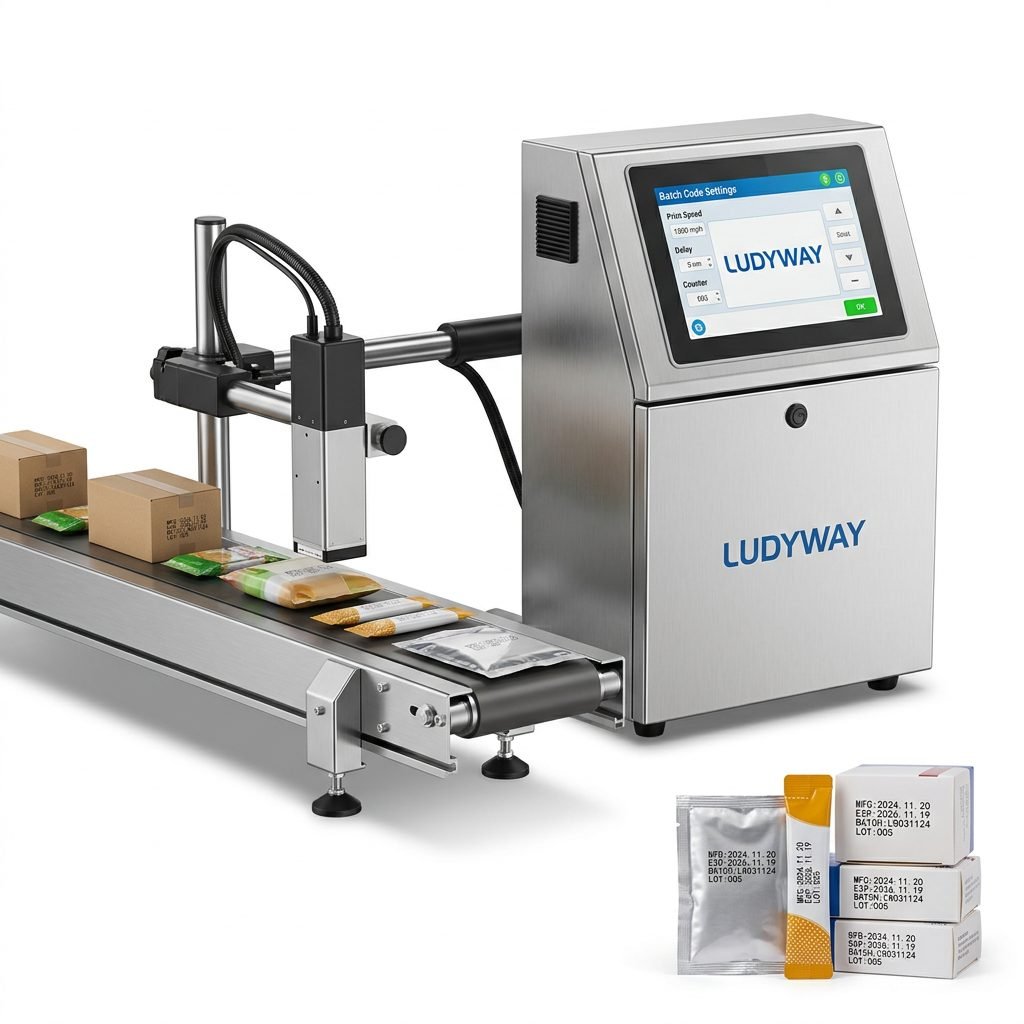
7. Improve Coding, Labeling, and Traceability
Packaging errors are not limited to filling and sealing. Incorrect date codes, batch numbers, or labels can trigger rework, customer complaints, or compliance issues. Integrating automatic coding and labeling systems directly into the packaging line reduces these risks.
Best practices include:
- Inline printers with central data control
- Barcode and QR verification cameras
- Recipe-linked code management
- Automatic rejection for unreadable or incorrect markings
8. Automate End-of-Line Packaging
Some companies focus heavily on primary packaging but still rely on manual secondary packaging. This often creates the biggest labor bottleneck in the line. End-of-line automation can dramatically improve total output.
Consider automating:
- Cartoning
- Case packing
- Case sealing
- Bundling
- Palletizing
- Stretch wrapping
Once primary packs move steadily, downstream manual work can no longer keep up. A balanced line requires automation from infeed to final dispatch.
A Practical Automation Priority Matrix
| Automation Area | Impact on Efficiency | Impact on Error Reduction | Typical Priority |
|---|---|---|---|
| Feeding and conveying | High | Medium | Very high |
| Filling and dosing control | High | High | Very high |
| Inspection and reject systems | Medium | Very high | High |
| Coding and labeling automation | Medium | High | High |
| End-of-line automation | High | Medium | High |
| Data monitoring and MES connectivity | Medium | Medium | Medium to high |
How to Reduce Packaging Errors Systematically
Reducing errors requires both machine capability and process discipline. If your goal is fewer rejects and customer complaints, build your improvement plan around these areas:
Machine Consistency
Choose equipment with stable mechanical design, accurate control systems, and repeatable sealing and filling performance.
Operator Simplicity
The more complicated the operation, the more likely mistakes become. Clear HMIs, saved recipes, alarms, and guided setup reduce operator dependency.
Preventive Maintenance
Worn sealing jaws, inaccurate sensors, loose belts, and neglected calibration create hidden errors. Preventive maintenance should be scheduled, documented, and tied to actual machine usage.
Packaging Material Control
Low-quality or inconsistent film, labels, pouches, caps, or cartons can cause recurring machine faults. Standardizing material specifications is often as important as machine automation.
Training and SOPs
Even advanced packaging lines need trained operators. Standard work instructions for startup, shutdown, cleaning, format change, and troubleshooting help maintain line performance.
Industry-Specific Automation Considerations
Food Packaging
- Focus on hygiene, product handling, and sealing reliability
- Use checkweighers and metal detection where required
- Plan for different textures, flow properties, and portion sizes
Pharmaceutical Packaging
- Prioritize traceability, compliance, and batch control
- Use validated inspection and coding systems
- Reduce contamination risk with stable, enclosed processes
Cosmetic Packaging
- Maintain filling precision for creams, gels, and liquids
- Protect package appearance and sealing aesthetics
- Enable flexible changeovers for frequent product launches
Chemical and Household Product Packaging
- Select corrosion-resistant contact parts where needed
- Improve safety through enclosed filling and automated handling
- Use strong coding and labeling verification for product identification
Signs Your Packaging Line Needs an Automation Upgrade
- Frequent line stoppages between connected machines
- High labor use for feeding, inspection, or carton packing
- Recurring underfills, overfills, or sealing defects
- Excessive downtime during changeovers
- Inconsistent output between shifts
- Rising customer complaints related to package quality
- Limited production data for decision-making
If several of these issues are present, partial automation may no longer be enough. A more integrated line design may deliver a better long-term return.
What to Look for in an Automation Partner
Choosing the right supplier is a major factor in project success. Look beyond machine speed alone and evaluate whether the supplier understands your product, package format, compliance requirements, and future expansion plans.
Key factors include:
- Experience with your industry and product type
- Ability to provide both standalone machines and complete lines
- Customization capability for special formats or plant layouts
- After-sales service and technical support
- Line integration experience across filling, sealing, inspection, and end-of-line systems
Final Takeaway for Better Efficiency and Fewer Errors
Improving packaging line automation is not about automating everything at once. The most effective approach is to identify bottlenecks, prioritize the highest-impact upgrades, and build a packaging system where each process supports the next. When feeding, dosing, sealing, coding, inspection, and end-of-line handling work together, the result is higher efficiency, lower waste, fewer errors, and stronger production scalability.
For manufacturers aiming to stay competitive in fast-moving markets, practical automation is one of the clearest paths to better packaging performance.