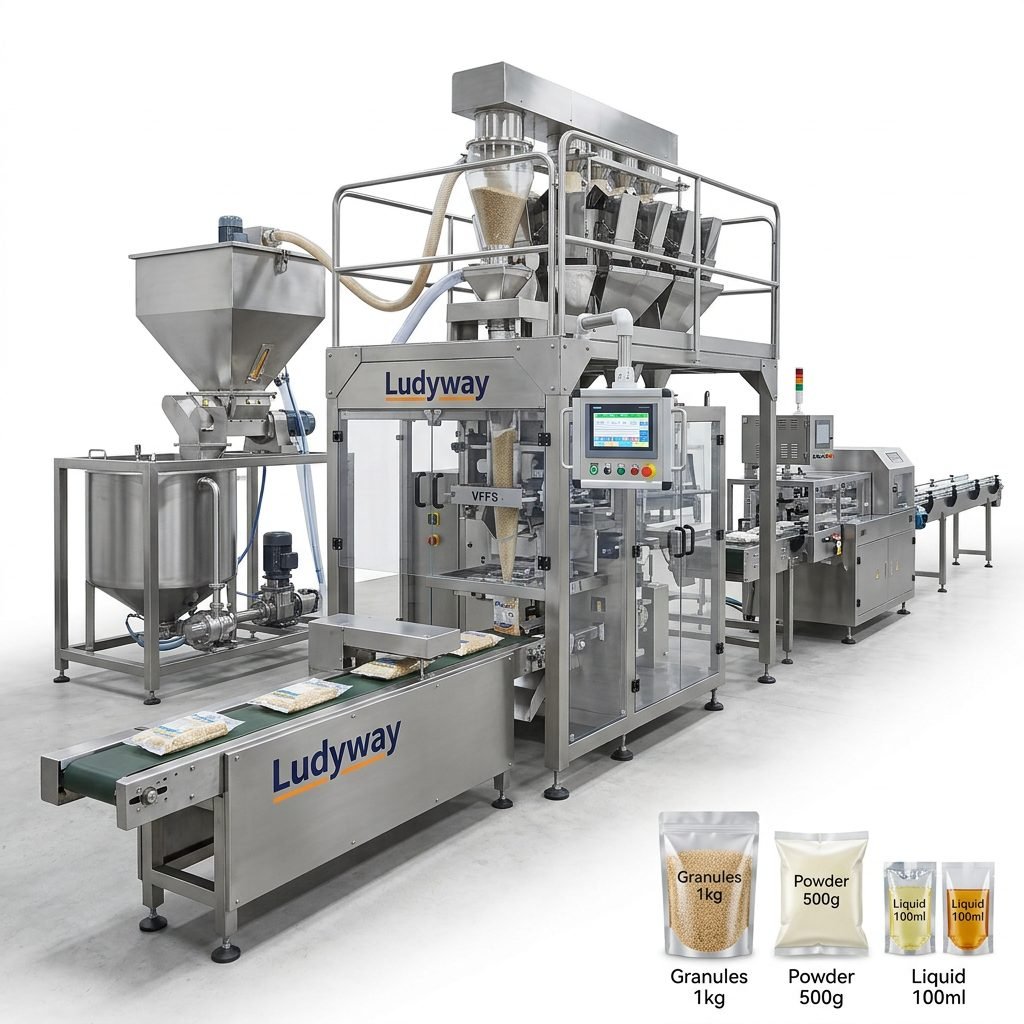
Butter packaging plays a critical role in preserving freshness, texture, hygiene, and shelf appeal. Whether you produce table butter, whipped butter, flavored butter, portion packs, or butter blends, the right packaging machine can directly affect production efficiency, product quality, and long-term operating cost. This guide explains how to choose the most suitable butter packaging solution for your factory, brand, and distribution goals.
Why butter packaging requires specialized equipment
Butter is not packaged like free-flowing liquids or dry powders. Its texture changes with temperature, fat composition, and formulation. Salted butter, unsalted butter, cultured butter, clarified butter, and butter spreads may all behave differently during filling and sealing. A suitable butter packaging machine must handle:
- Viscous or semi-solid consistency
- Temperature-sensitive flow behavior
- Accurate fill weight control
- Leak-proof sealing requirements
- Food-grade hygienic design and easy cleaning
- Compatibility with different pack formats
If the machine is not properly matched to the butter product, manufacturers may face filling inconsistency, product smearing, poor sealing, oxidation risks, and unnecessary material waste.
Common butter packaging formats
Before choosing equipment, define the packaging format that best fits your sales channel and consumer demand.
| Packaging Format | Typical Use | Machine Type | Key Advantage |
|---|---|---|---|
| Foil-wrapped blocks or sticks | Retail butter packs | Butter wrapping machine | Classic retail presentation |
| Cups or tubs | Spreadable butter, premium butter | Cup/tub filling and sealing machine | Convenient resealable consumer use |
| Sachets or stick packs | Hotels, airlines, catering, single serve | Sachet or stick pack machine | Portion control and hygiene |
| Pouches | Butter sauce, melted butter, butter blends | Premade pouch or form-fill-seal machine | Flexible packaging and lower material use |
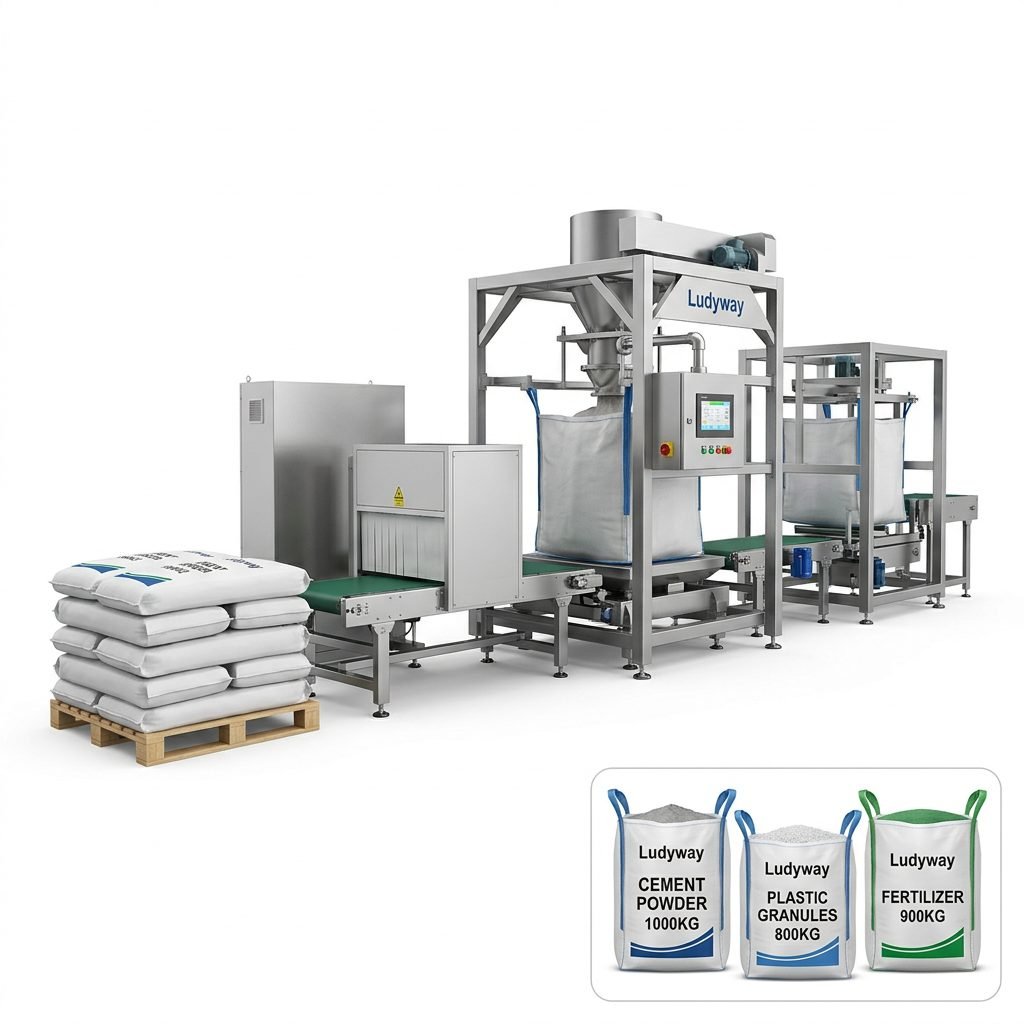
| Bulk cartons or industrial packs | Foodservice and industrial supply | Large-volume filling system | Efficient bulk handling |
Main types of butter packaging machines
1. Butter wrapping machines
These are commonly used for butter blocks and sticks wrapped in aluminum foil, parchment-style paper, or laminated materials. They are ideal for traditional retail formats. Such machines typically include butter portioning, forming, wrapping, and sealing functions.
2. Cup and tub filling sealing machines
Best for spreadable butter and premium dairy products, these machines fill butter into plastic cups, tubs, or containers and then seal them with film or lids. This format is popular in supermarkets because it offers convenience and a premium look.
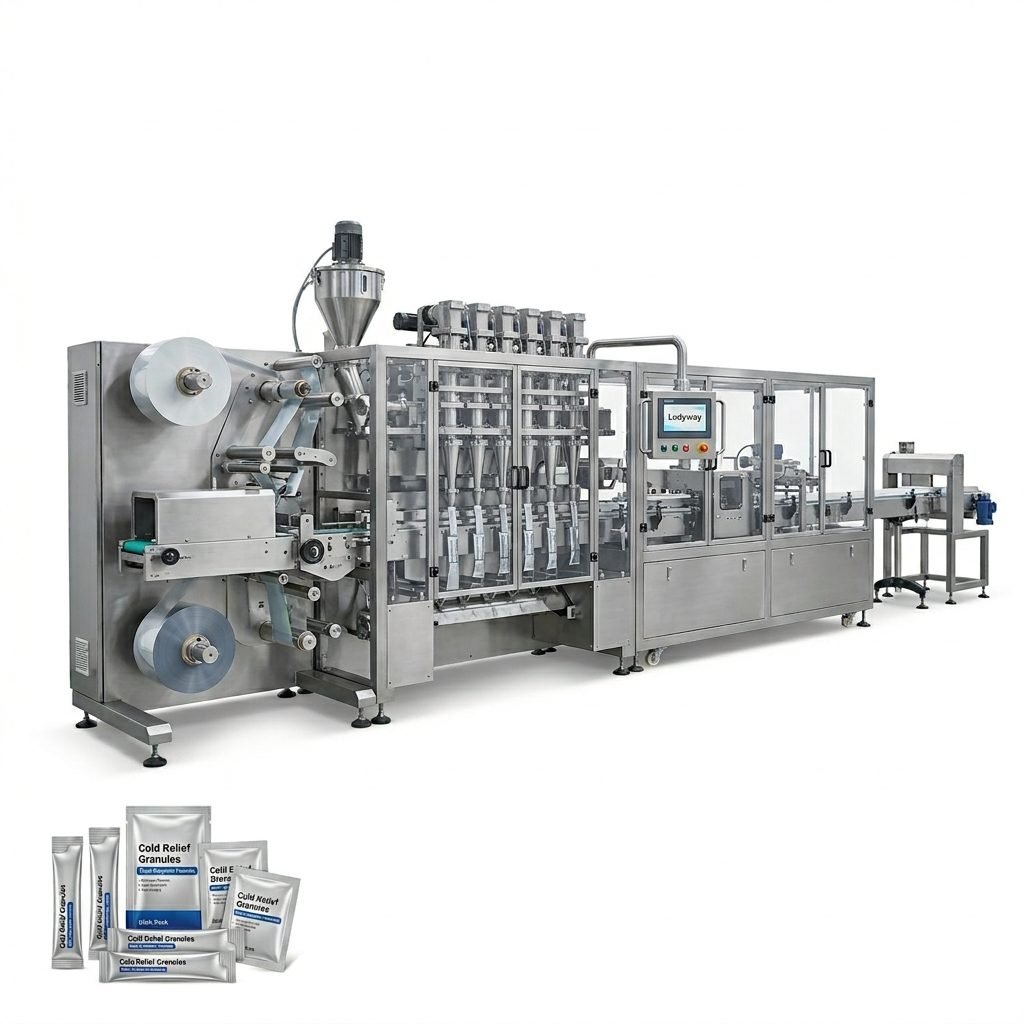
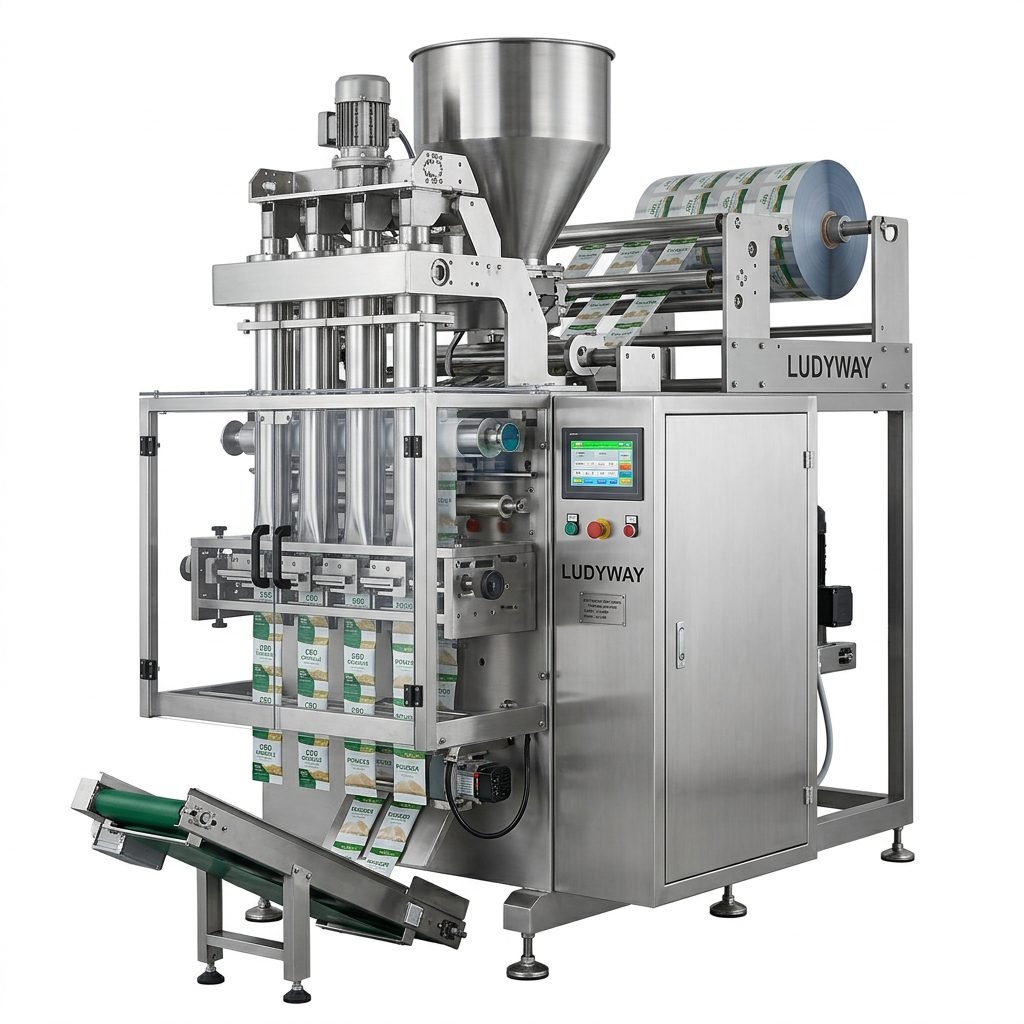
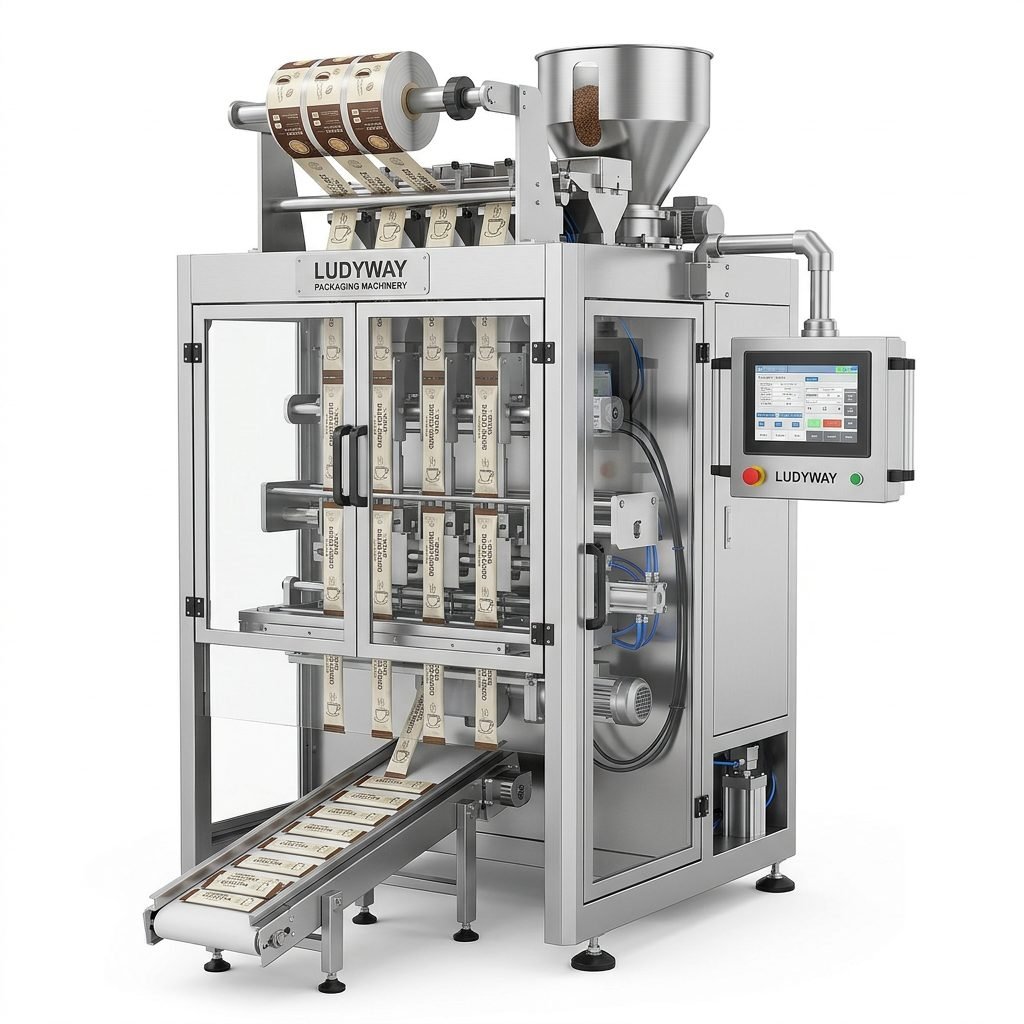
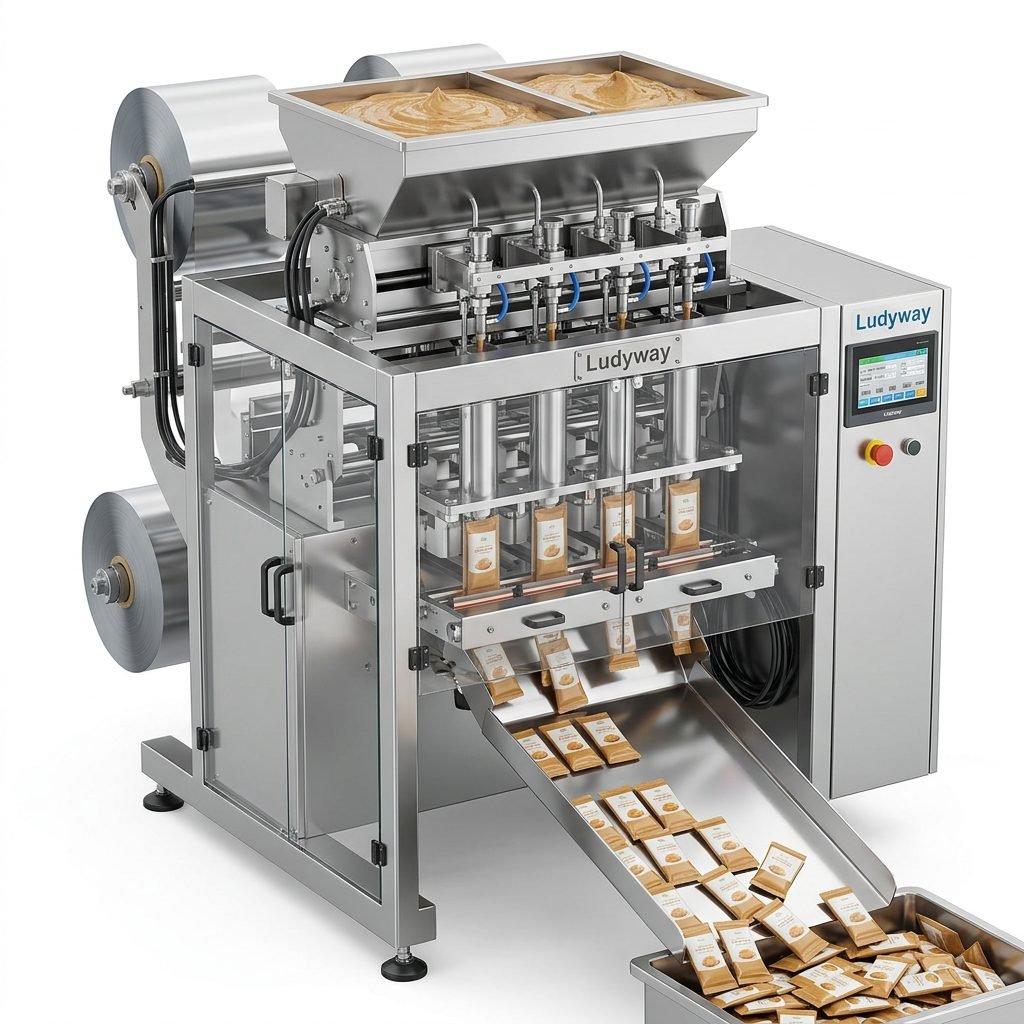
3. Sachet and stick pack machines
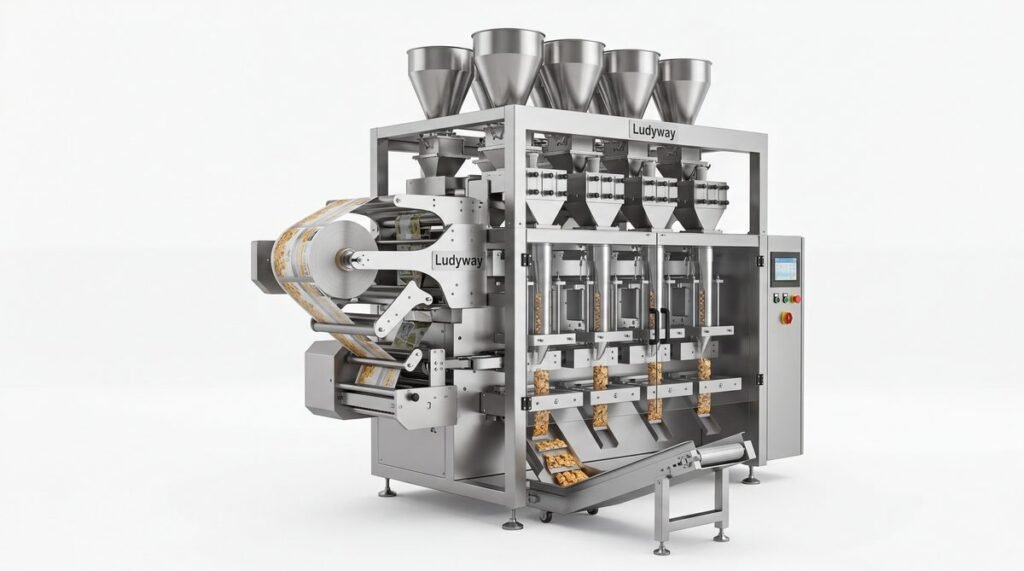
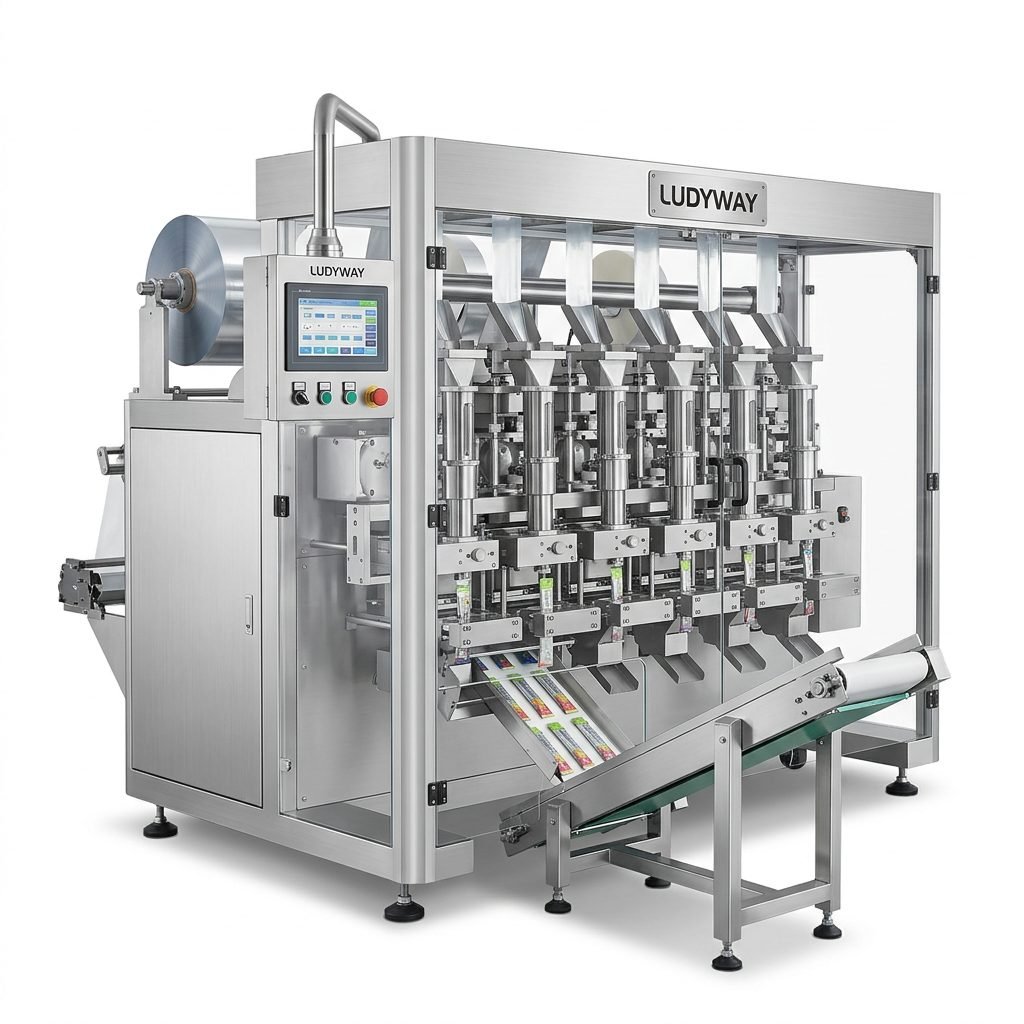
Suitable for butter portions used in hospitality, catering, and takeaway meal service. These machines are ideal when precise small-dose filling, neat seals, and high output are required. For semi-liquid butter or butter-based sauces, this format can be highly efficient.
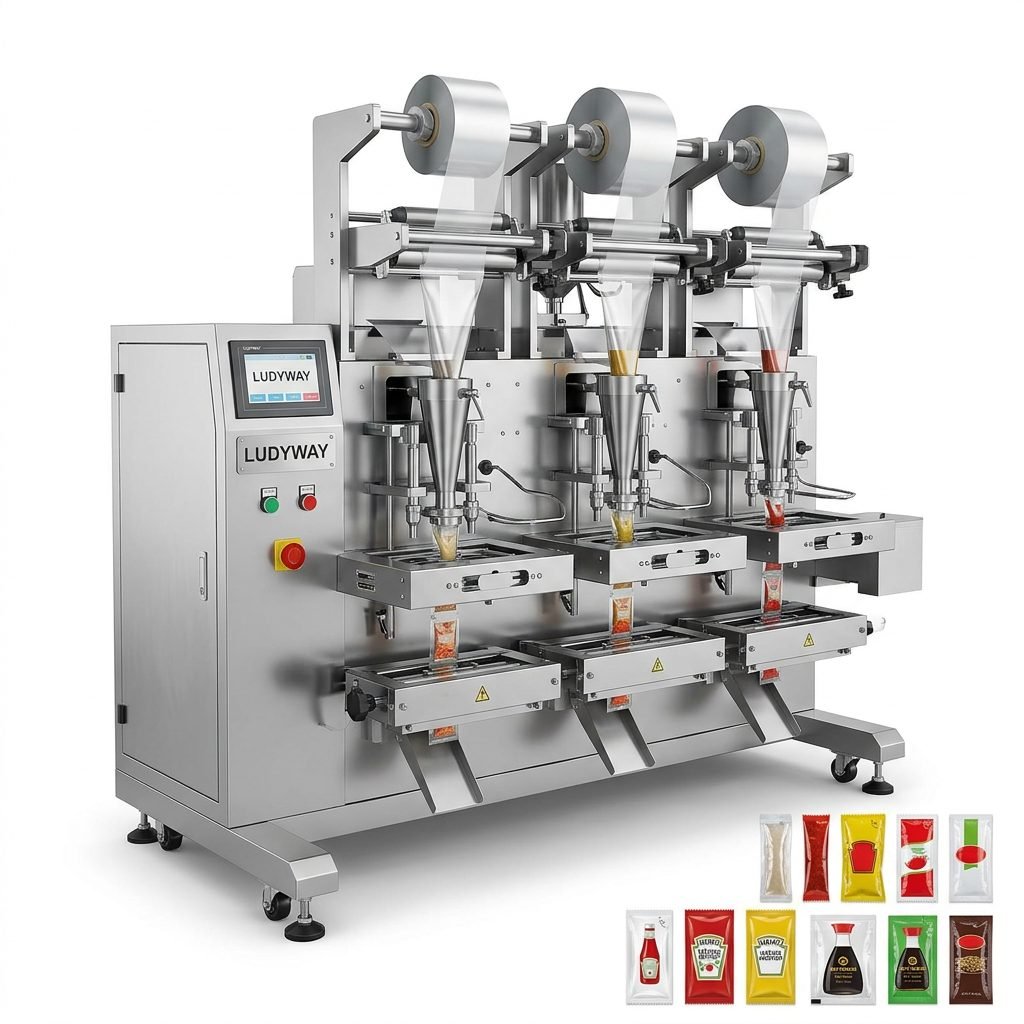
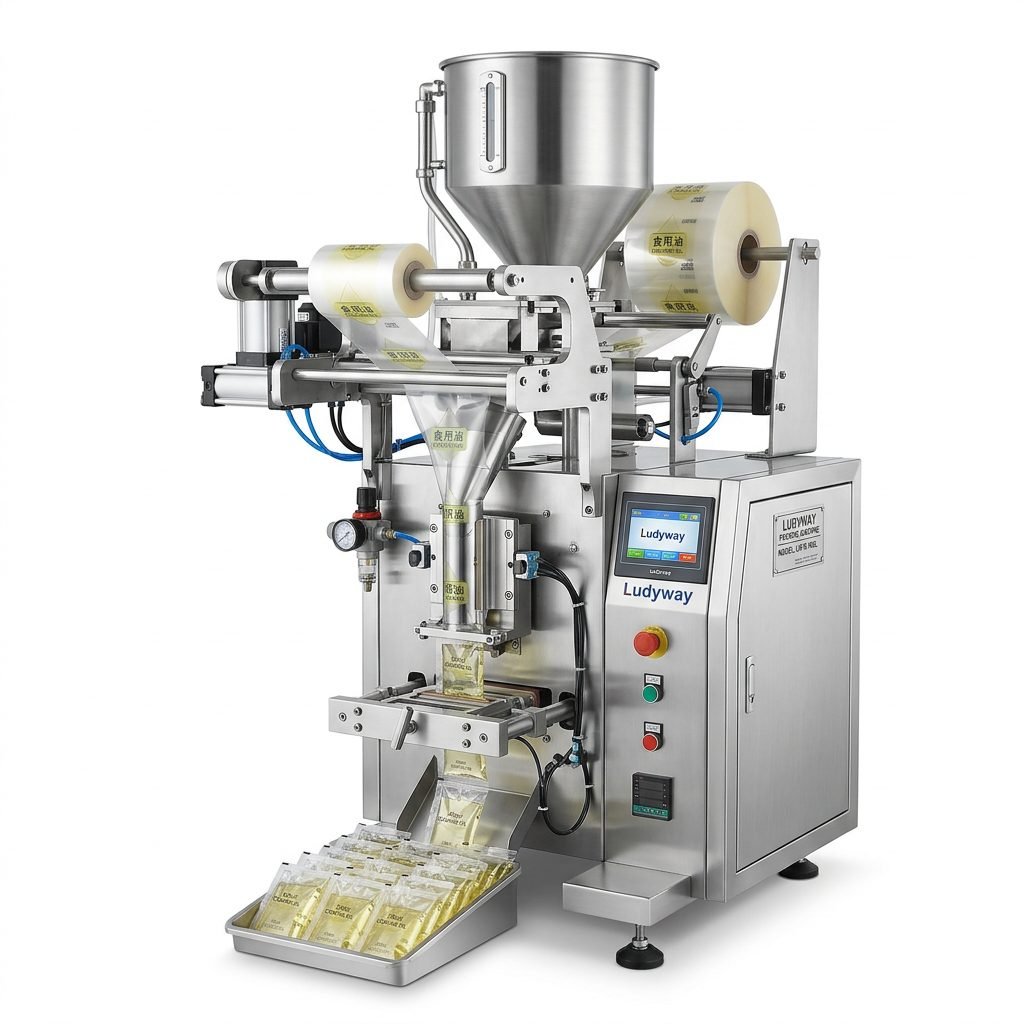
4. Pouch filling machines
Pouch systems are a good option for melted butter, flavored butter sauces, and foodservice butter applications. Depending on the product, manufacturers can choose premade pouch filling systems or automatic form-fill-seal equipment.
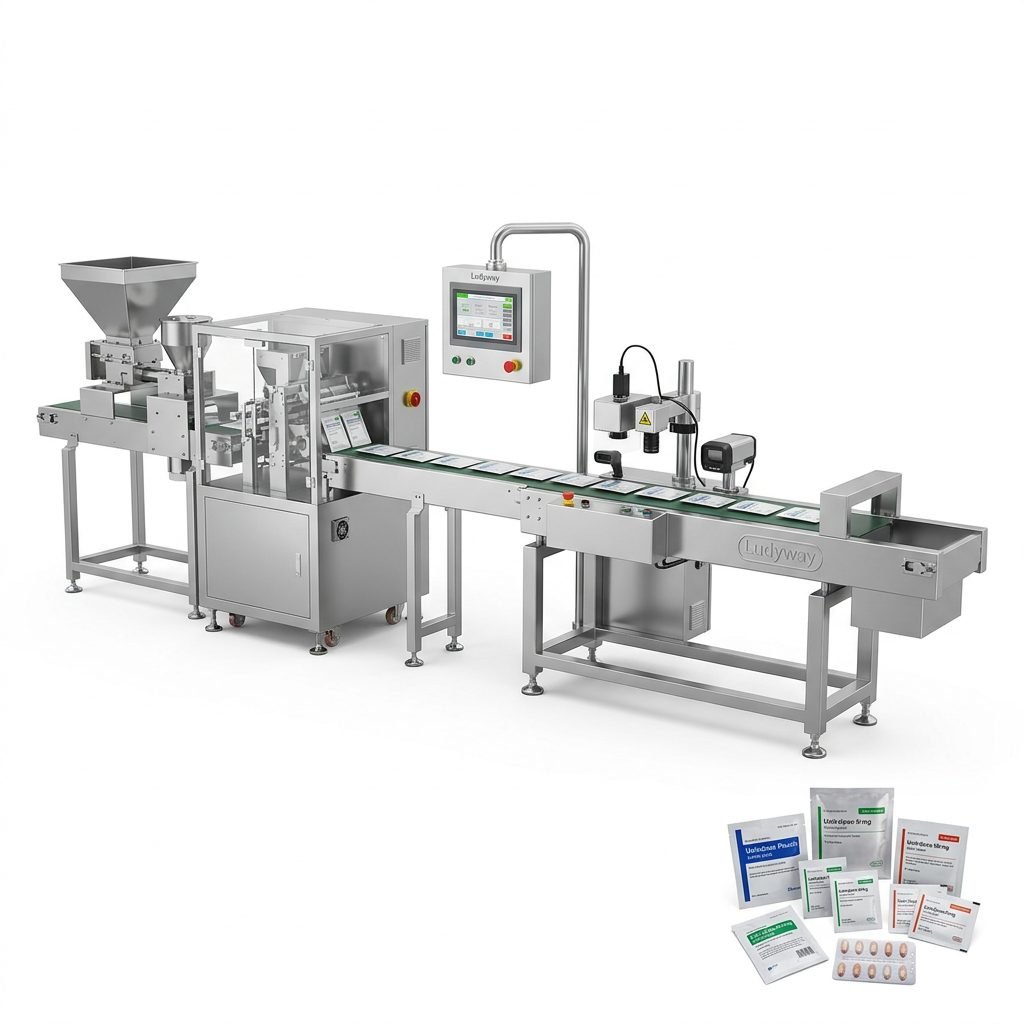
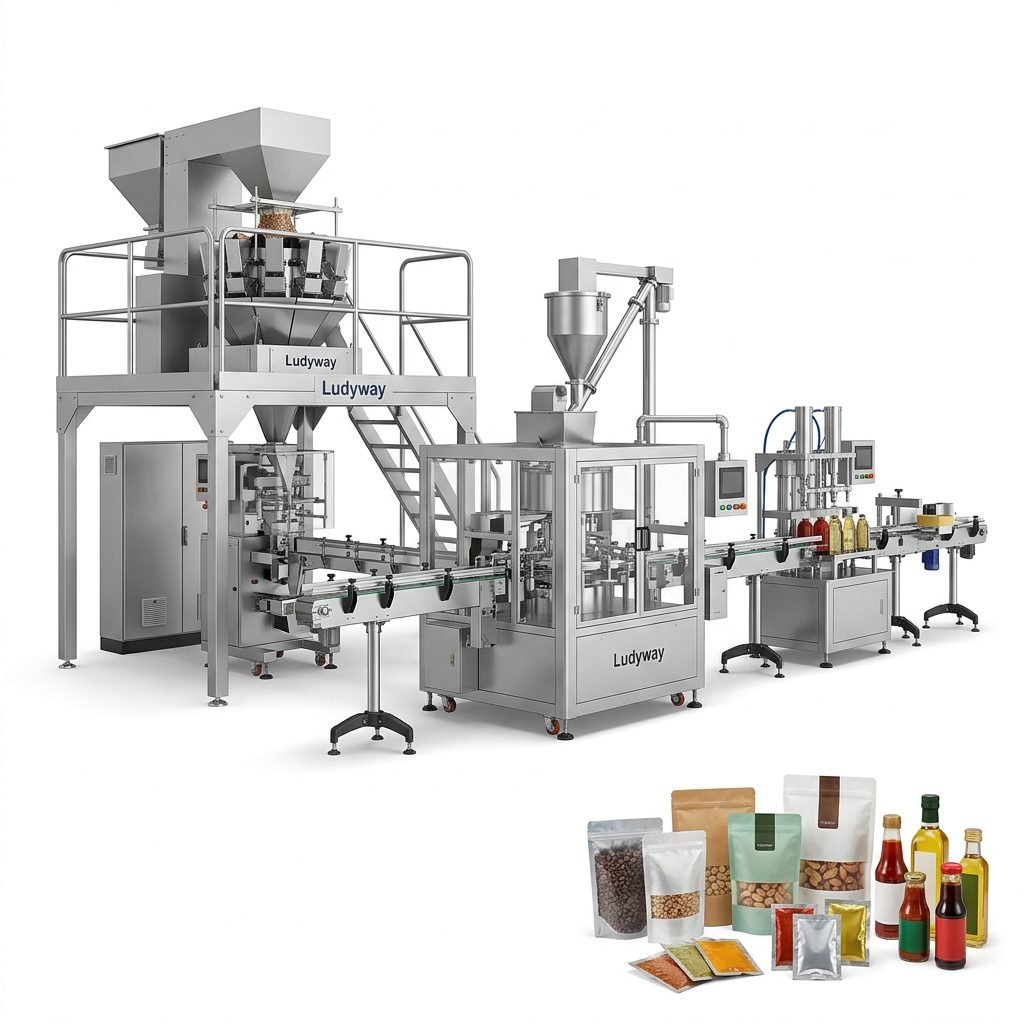
5. Turnkey butter packaging lines
A complete line can include product feeding, temperature-controlled hopper systems, filling, sealing, coding, checkweighing, cartoning, and case packing. This is often the best choice for medium to large factories seeking stable output and reduced labor dependence.
Key factors to consider when choosing a butter packaging machine
Butter consistency and temperature behavior
This is one of the most important factors. Butter may be firm, soft, whipped, or semi-molten depending on processing conditions. The machine should be designed for the exact viscosity range of your product. Temperature-controlled hoppers, heated pipes, or insulated transfer systems may be necessary to maintain consistent filling performance.
Packaging material compatibility
Not every machine works equally well with foil, laminated film, plastic cups, paper wraps, or pouches. Check whether your target material provides the required barrier performance, sealing strength, grease resistance, and shelf-life support.
Output speed
A small dairy producer may only need a compact semi-automatic solution, while a large factory may require a high-speed automatic system integrated with downstream cartoning and palletizing. The correct machine should fit not only current demand but also expected future growth.
Filling accuracy
Butter is a value-added dairy product, so underfilling creates compliance issues and overfilling reduces profit. Choose a system with stable dosing control for the specific butter format and viscosity.
Hygiene and cleanability
Butter packaging equipment must be built for food safety. Stainless steel contact parts, sanitary structure, easy disassembly, and washdown-friendly design are all important. For dairy applications, hygiene should never be treated as optional.
Automation level
Your labor cost, factory layout, and production target will determine whether you need a semi-automatic machine, a fully automatic standalone machine, or an integrated packaging line. More automation usually means higher initial investment but lower long-term labor cost and better production consistency.
Flexibility for multiple SKUs
If you plan to package different butter weights or flavors, machine changeover becomes important. Ask whether the system supports multiple pack sizes, quick adjustments, and easy recipe switching.
How to match machine type to your business model
| Business Type | Recommended Solution | Why It Fits |
|---|---|---|
| Small dairy startup | Compact semi-automatic cup or pouch machine | Lower investment, easier operation |
| Retail butter brand | Automatic wrapping or tub filling line | Good shelf appeal and consistent retail packs |
| Hotel and catering supplier | Sachet or portion-pack machine | Single-serve hygiene and dosage control |
| Large food manufacturer | Fully automatic turnkey packaging line | Higher throughput and integrated automation |
| Private label producer | Flexible multi-format packaging system | Supports frequent SKU and packaging changes |
Important technical questions to ask before buying
- What butter viscosity and temperature range can the machine handle?
- What is the filling accuracy under real production conditions?
- Can the machine run salted, unsalted, whipped, or flavored butter?
- How easy is cleaning and sanitation?
- How long does changeover take between different pack sizes?
- What packaging materials are compatible?
- Can the system integrate with coding, cartoning, and case packing equipment?
- What technical support and spare parts service are available?
Common mistakes when selecting butter packaging equipment
- Choosing by price alone instead of total lifecycle value
- Ignoring product temperature control requirements
- Underestimating future capacity expansion
- Selecting a machine with poor cleaning access
- Using packaging material not optimized for grease barrier and sealability
- Overlooking after-sales service and spare parts availability
Benefits of a well-matched butter packaging solution
When the machine is properly selected, manufacturers can expect several measurable advantages:
- More stable product quality and visual appearance
- Reduced product giveaway through accurate filling
- Improved sealing reliability and shelf life
- Higher output with lower labor dependency
- Better compliance with food hygiene standards
- Greater flexibility for new packaging formats and SKUs
Should you choose a standalone machine or a complete line?
A standalone butter packaging machine can work well for limited production needs, pilot projects, or factories with existing downstream equipment. However, for growing operations, a complete line often delivers better long-term value. Integrated systems reduce handling errors, improve synchronization between processing and packaging, and simplify quality control.
For manufacturers seeking scalable automation, Ludyway butter packaging and turnkey packaging solutions can be considered as part of a broader equipment evaluation process, especially for projects that require customized integration, stable export support, and multi-format packaging capability.
Final checklist before making your decision
- Define your butter product type and viscosity characteristics
- Confirm target packaging format and packaging material
- Set realistic output and expansion targets
- Check filling accuracy and sealing performance
- Review hygiene design and maintenance accessibility
- Assess machine flexibility for multiple SKUs
- Evaluate supplier experience, service, and integration capability
Conclusion
Choosing the right butter packaging machine is not simply about buying equipment—it is about building a packaging process that protects product quality, supports your brand, and improves production efficiency. The best solution depends on your butter formulation, pack format, speed target, and automation level. By evaluating technical fit, hygiene design, packaging compatibility, and supplier support, you can invest in a system that delivers reliable performance for years to come.