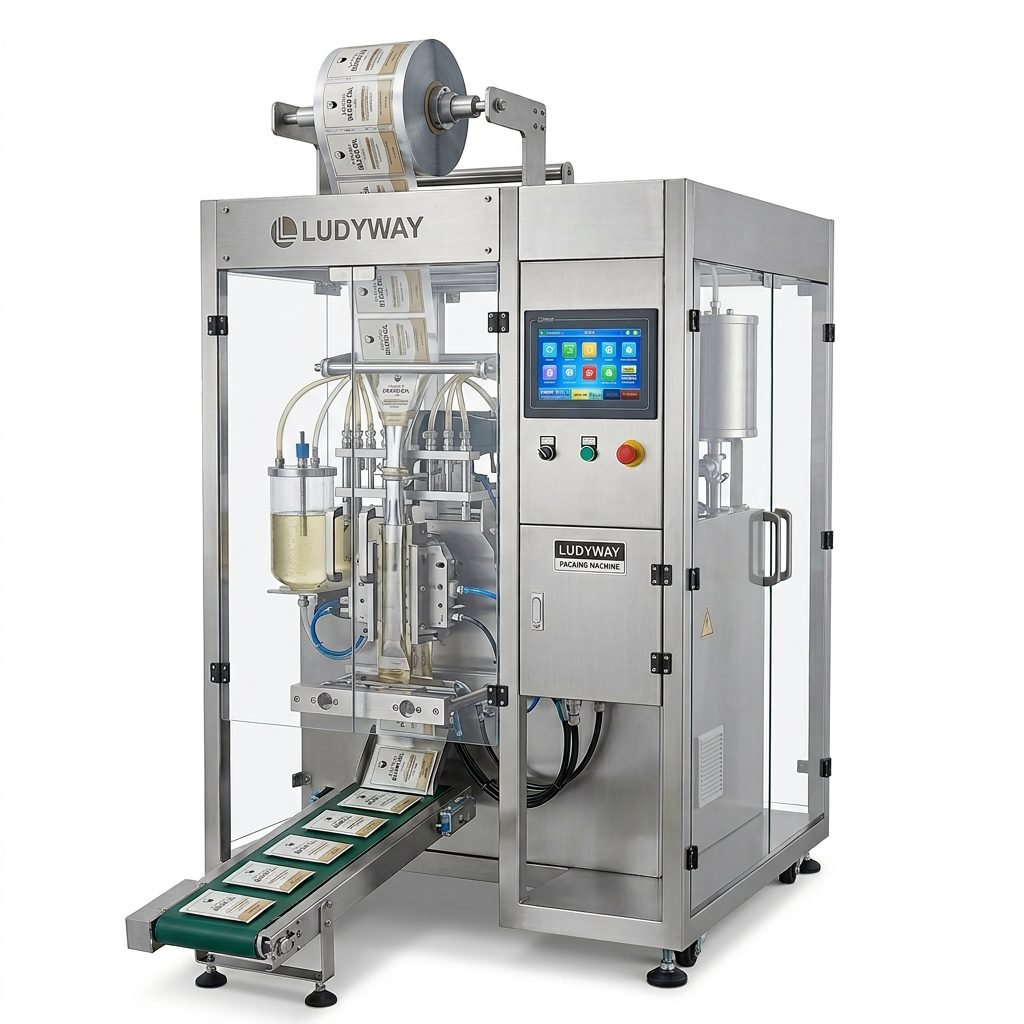
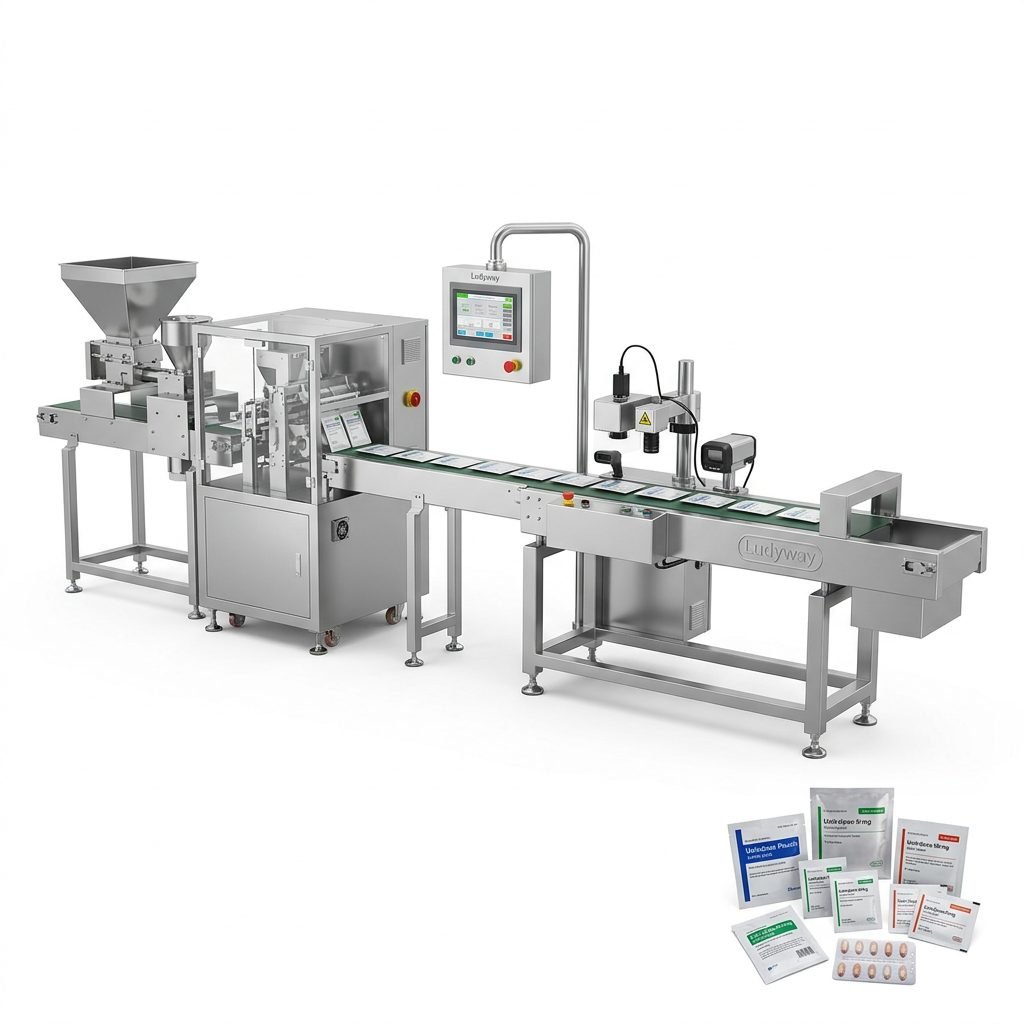
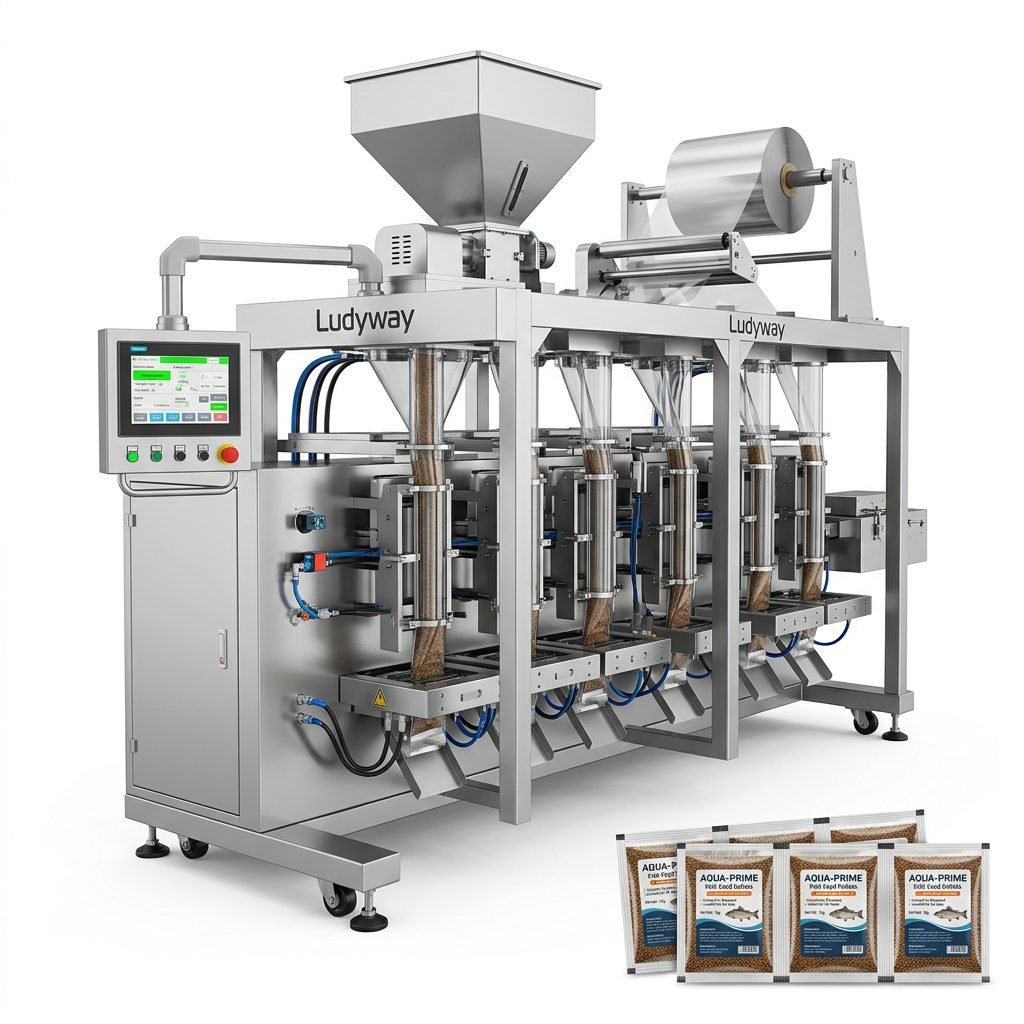
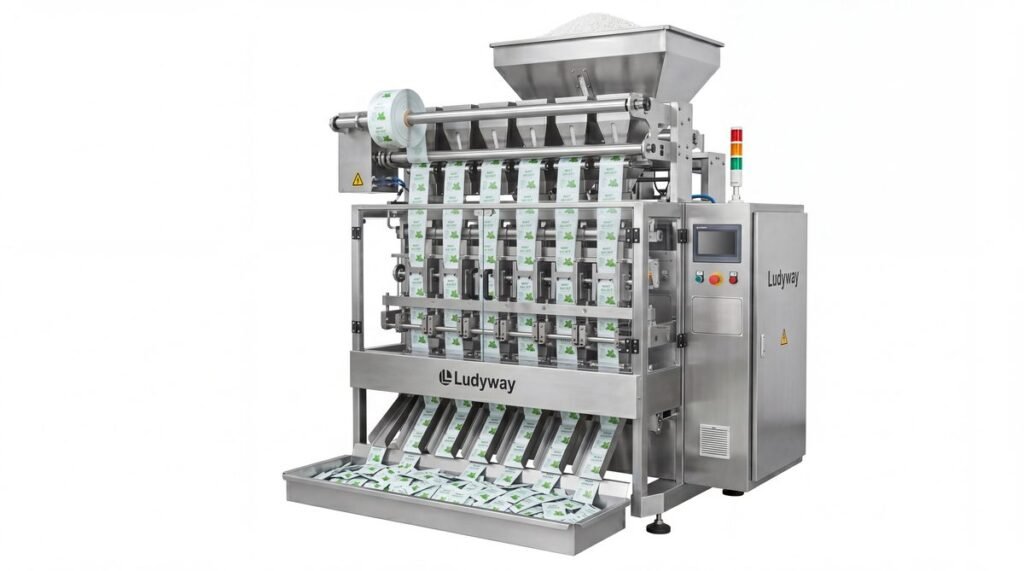
Preventive maintenance is not just a technical routine for packaging equipment—it is a strategic decision that protects uptime, product quality, operator safety, and long-term profitability. In fast-moving industries such as food, pharmaceuticals, cosmetics, chemicals, and animal feed, packaging machines often run for long hours under demanding production schedules. When maintenance is ignored, even a minor issue can quickly lead to unexpected downtime, material waste, sealing defects, inaccurate filling, and expensive emergency repairs.
A structured maintenance program helps manufacturers move from reactive repair to controlled performance management. Instead of waiting for breakdowns, production teams inspect, clean, lubricate, calibrate, and replace wear parts at planned intervals. This approach keeps machines stable, reduces operating risk, and supports consistent output across different packaging formats.
What Is Preventive Maintenance in Packaging Machinery?
Preventive maintenance refers to scheduled servicing designed to keep packaging machines working properly before faults occur. It includes regular tasks such as:
- Cleaning product-contact and moving parts
- Lubricating bearings, chains, and guide systems
- Inspecting belts, seals, knives, jaws, sensors, and motors
- Checking electrical connections and pneumatic components
- Calibrating filling, weighing, sealing, and coding functions
- Replacing worn consumables before failure
For high-speed packaging systems, this process is especially important because small deviations can cause major output losses over time. A slight misalignment in a sealing jaw, for example, may result in a large batch of defective sachets, pouches, or stick packs before the problem is noticed.
Why Preventive Maintenance Matters
Packaging machines are complex systems that combine mechanical motion, electrical control, pneumatics, software logic, and product handling accuracy. These systems experience wear from vibration, friction, dust, moisture, temperature changes, and continuous operation. Preventive maintenance matters because it reduces the chance that hidden wear will turn into sudden failure.
| Maintenance Factor | Impact on Production |
|---|---|
| Routine cleaning | Prevents contamination, sensor blockage, and product buildup |
| Lubrication | Reduces friction, overheating, and premature component wear |
| Calibration | Maintains fill accuracy, seal quality, and package consistency |
| Inspection of wear parts | Avoids sudden line stoppages and poor packaging results |
| Electrical and pneumatic checks | Improves reliability of controls, valves, cylinders, and sensors |
Key Benefits of Preventive Maintenance
1. Reduced Unplanned Downtime
The most immediate benefit is fewer breakdowns. A production line that stops unexpectedly creates losses beyond repair cost alone. It can interrupt labor scheduling, delay shipments, affect customer commitments, and increase pressure on operators. Preventive maintenance helps identify issues early, such as loose fasteners, worn belts, weak sensors, or unstable temperatures, before they stop the line.
2. Longer Equipment Lifespan
Packaging machinery represents a major capital investment. When machines are properly maintained, key components operate under better conditions and suffer less stress. Bearings last longer, sealing systems remain stable, drives perform efficiently, and structural parts stay aligned. Over time, this extends the useful service life of the machine and improves return on investment.
3. Better Packaging Quality
Machines that are not regularly serviced often produce inconsistent results: leaking sachets, weak seals, underfilled pouches, incorrect counts, skewed labels, or poor coding clarity. Preventive maintenance supports stable packaging quality by ensuring proper temperature, pressure, timing, alignment, and dosing performance. This is especially critical in regulated sectors such as pharmaceuticals and health supplements.
4. Lower Total Repair Cost
Planned maintenance is usually far less expensive than emergency breakdown repair. Replacing a low-cost wear part during scheduled downtime can prevent major damage to shafts, motors, control systems, or sealing assemblies. It also reduces overtime labor, rush spare parts orders, and expensive production interruptions.
5. Improved Safety
Packaging machines involve moving parts, heat sealing zones, blades, electrical components, and pneumatic motion. If guards, interlocks, sensors, or actuators are not checked routinely, operators may face unnecessary hazards. Preventive maintenance ensures the machine remains safe to run and supports compliance with factory safety standards.
6. Higher Production Efficiency
A well-maintained machine does not just avoid failure—it runs better. Stable motion control, accurate feeding, and consistent sealing mean fewer jams, fewer changeover problems, and less product waste. This translates into higher OEE, more predictable throughput, and easier production planning.
Common Packaging Machine Problems Caused by Poor Maintenance
When preventive care is skipped, packaging systems typically develop recurring faults. Some are obvious, while others slowly reduce performance until output quality drops.
- Seal failures: caused by dirty jaws, worn heaters, uneven pressure, or bad temperature control
- Inaccurate filling: often linked to calibration drift, worn dosing components, or sensor problems
- Film tracking issues: caused by roller wear, tension imbalance, or misalignment
- Frequent jams: due to debris buildup, timing errors, or worn guide parts
- Poor print or coding quality: linked to dirty print heads, unstable positioning, or neglected consumables
- Pneumatic faults: from air leaks, moisture contamination, or worn valves and cylinders
- Unexpected electrical alarms: caused by loose terminals, damaged cables, or sensor instability
Best Practices for an Effective Preventive Maintenance Program
Create a Maintenance Schedule by Machine Type
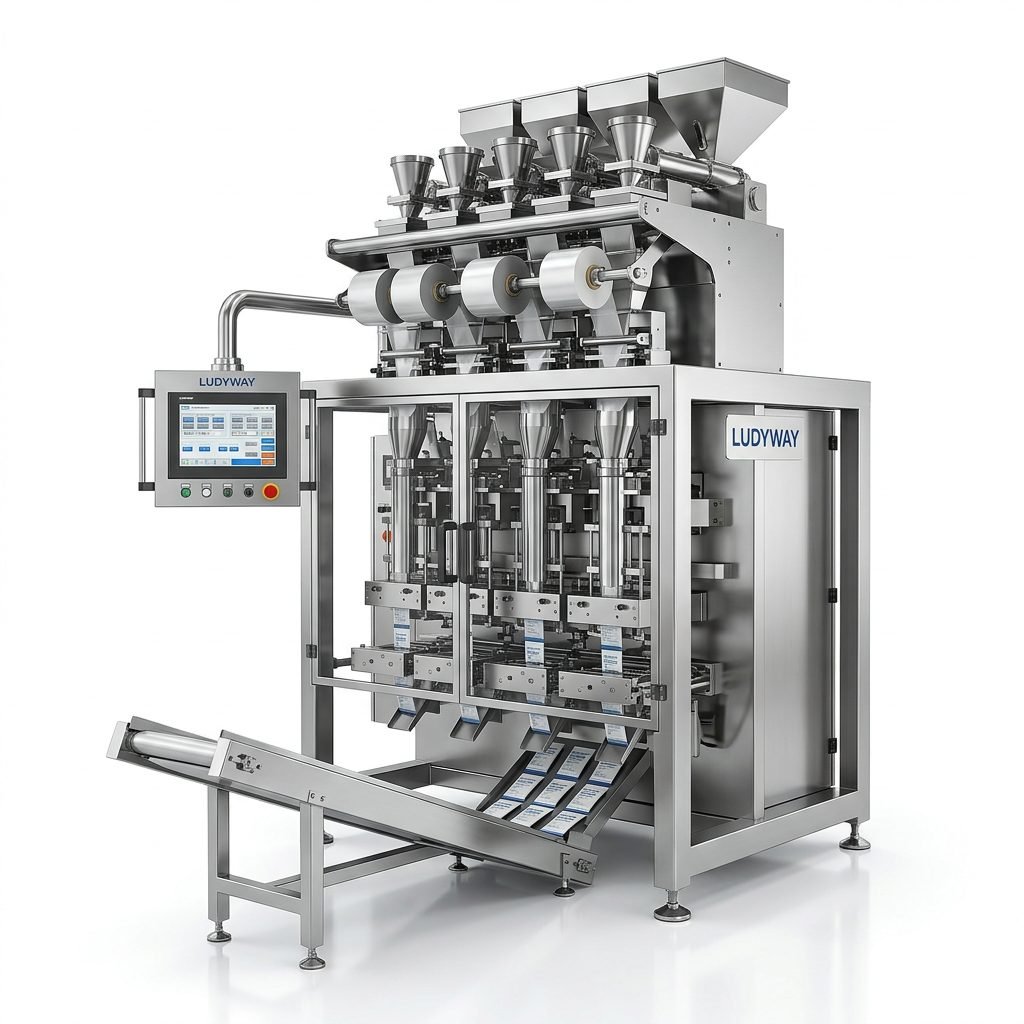
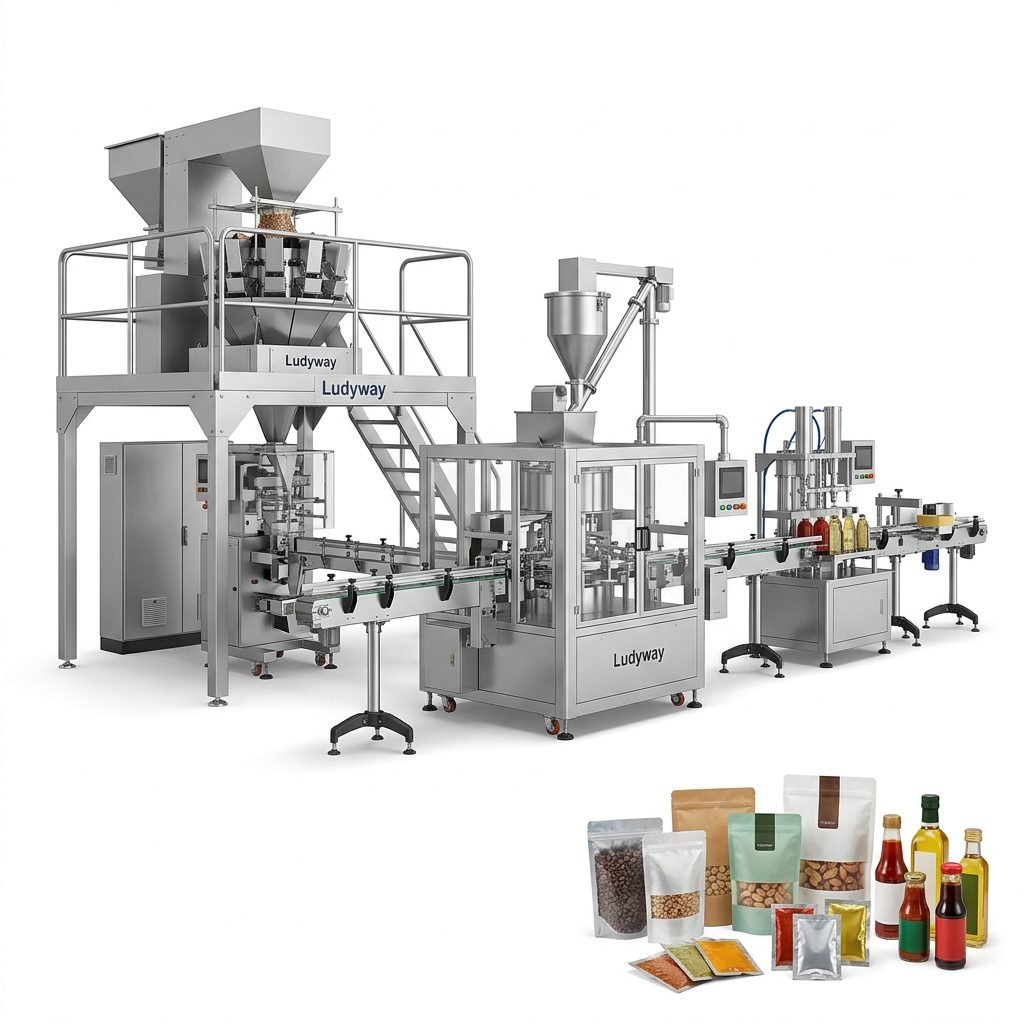
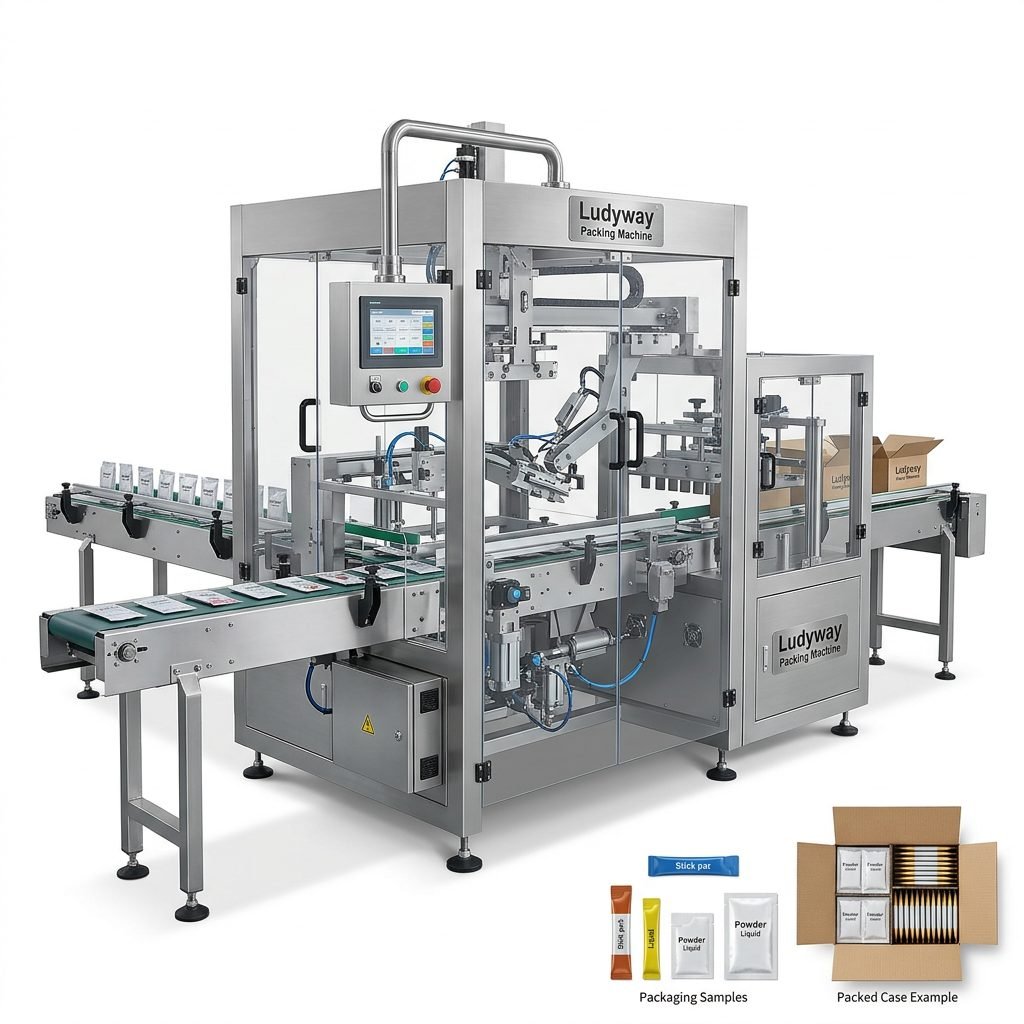
Different machines require different service intervals. A multi-lane sachet machine, a vertical form-fill-seal system, a bottle filling line, and a cartoning unit all have unique wear patterns. Maintenance schedules should be based on operating hours, product type, speed, environmental conditions, and criticality.
Use Daily, Weekly, and Monthly Checklists
Breaking maintenance into time-based tasks makes execution easier and more consistent. Operators can handle basic visual checks and cleaning, while technicians focus on deeper inspections and calibration.
| Frequency | Typical Tasks |
|---|---|
| Daily | Cleaning, visual inspection, checking alarms, removing dust and residue |
| Weekly | Lubrication, checking tension, inspecting sensors, verifying fasteners |
| Monthly | Calibration, wear-part review, pneumatic checks, electrical inspection |
| Quarterly / Semi-annual | Detailed servicing, replacement planning, software backup, performance verification |
Train Operators to Spot Early Warning Signs
Operators are often the first to notice abnormal noise, inconsistent package appearance, temperature fluctuation, air pressure drop, or repeated minor alarms. Training them to report these signs early can prevent major downtime. Preventive maintenance works best when operations and maintenance teams communicate closely.
Keep Critical Spare Parts in Stock
Even with excellent maintenance, wear parts will eventually need replacement. It is smart to stock critical items such as sealing elements, sensors, belts, O-rings, knives, relays, and pneumatic fittings. This shortens repair time and reduces the risk of long production delays.
Document Every Service Activity
Maintenance records help identify recurring failures, optimize service intervals, and support management decisions. Good records should include the date, machine ID, issue found, action taken, parts replaced, technician name, and follow-up notes.
Follow OEM Guidelines
Machine manufacturers understand the mechanical and control requirements of their equipment. Following OEM recommendations for lubrication, inspection intervals, and replacement parts is one of the safest ways to maintain stable performance. Companies that use advanced systems from experienced suppliers such as packaging machine manufacturer Ludyway can benefit from structured service guidance and equipment-specific technical support.
Areas That Should Never Be Overlooked
Some maintenance points are often underestimated, yet they heavily influence machine reliability:
- Sealing systems – critical for pouch integrity and leak prevention
- Sensors and photoelectric devices – essential for positioning, counting, and registration accuracy
- Pneumatic air quality – poor air can damage valves and cylinders
- Drive components – belts, chains, couplings, and servo systems require regular checks
- Product-contact areas – especially important in food and pharmaceutical applications
- Electrical cabinets – dust, heat, and loose terminals can trigger control failures
Preventive vs. Reactive Maintenance
Many factories still rely too heavily on reactive maintenance, where repairs begin only after a problem stops production. While reactive repair may seem simpler in the short term, it usually creates higher long-term costs and more instability.
| Approach | Advantages | Risks |
|---|---|---|
| Preventive Maintenance | Planned downtime, lower repair costs, better quality, longer machine life | Requires scheduling, training, and routine discipline |
| Reactive Maintenance | Less planning at the start | Unexpected downtime, higher costs, rushed repairs, quality loss |
How Often Should Packaging Machines Be Maintained?
There is no single rule for every production line. Maintenance frequency depends on:
- Machine speed and operating hours
- Type of product being packed
- Dust level, humidity, and factory environment
- Level of automation and line complexity
- Regulatory requirements in the industry
- Age and condition of the machine
For example, powder packaging systems may require more frequent cleaning and sensor inspection because airborne particles can affect motion components and detection reliability. Liquid and paste packaging machines may need closer monitoring of seals, nozzles, pumps, and sanitation procedures.
Maintenance Is a Performance Strategy, Not Just a Repair Task
The real value of preventive maintenance goes beyond avoiding breakdowns. It supports better planning, protects brand quality, reduces material loss, and helps factories operate with greater confidence. In highly competitive manufacturing environments, stable packaging performance is often a direct advantage in cost control and customer satisfaction.
Businesses that treat maintenance as an essential part of production management typically see stronger machine reliability, smoother output, and fewer costly surprises. In other words, preventive maintenance is not extra work—it is one of the smartest ways to keep packaging machines productive, efficient, and ready for long-term growth.