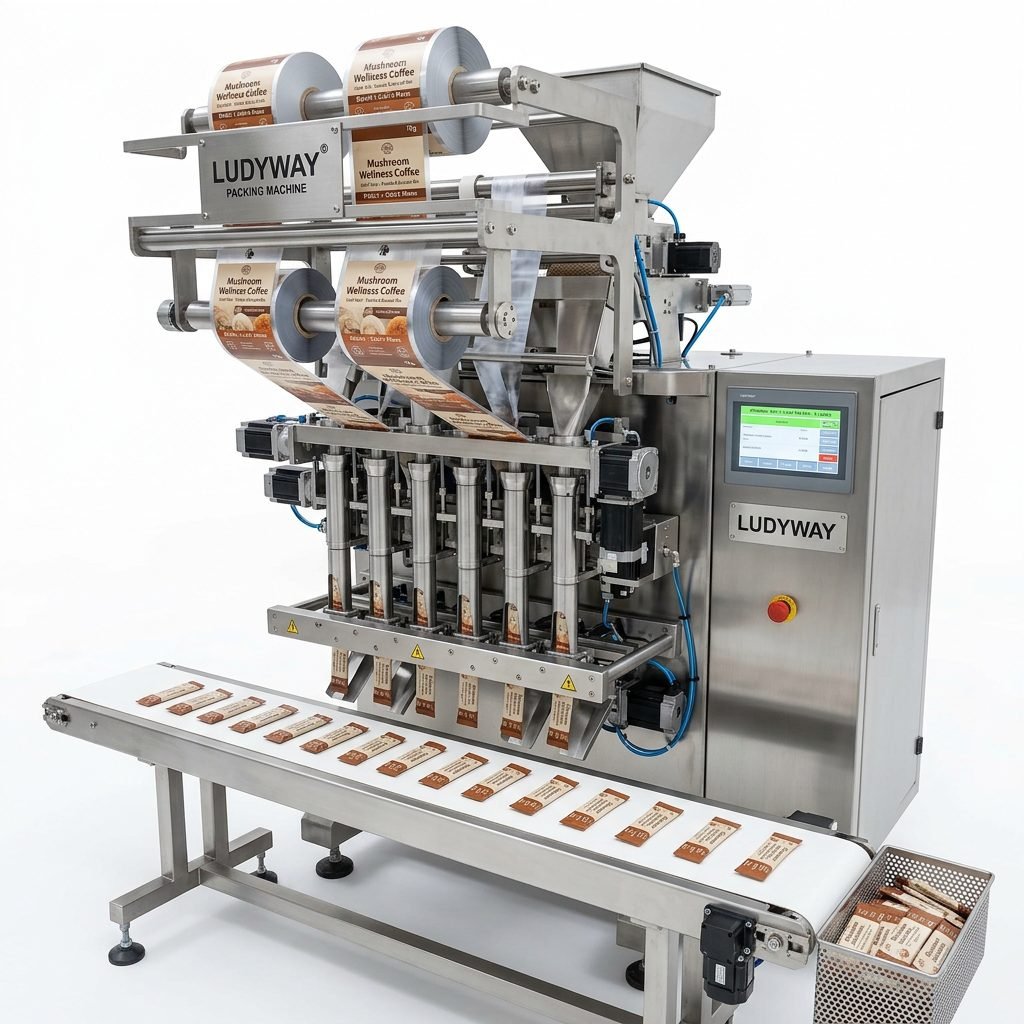
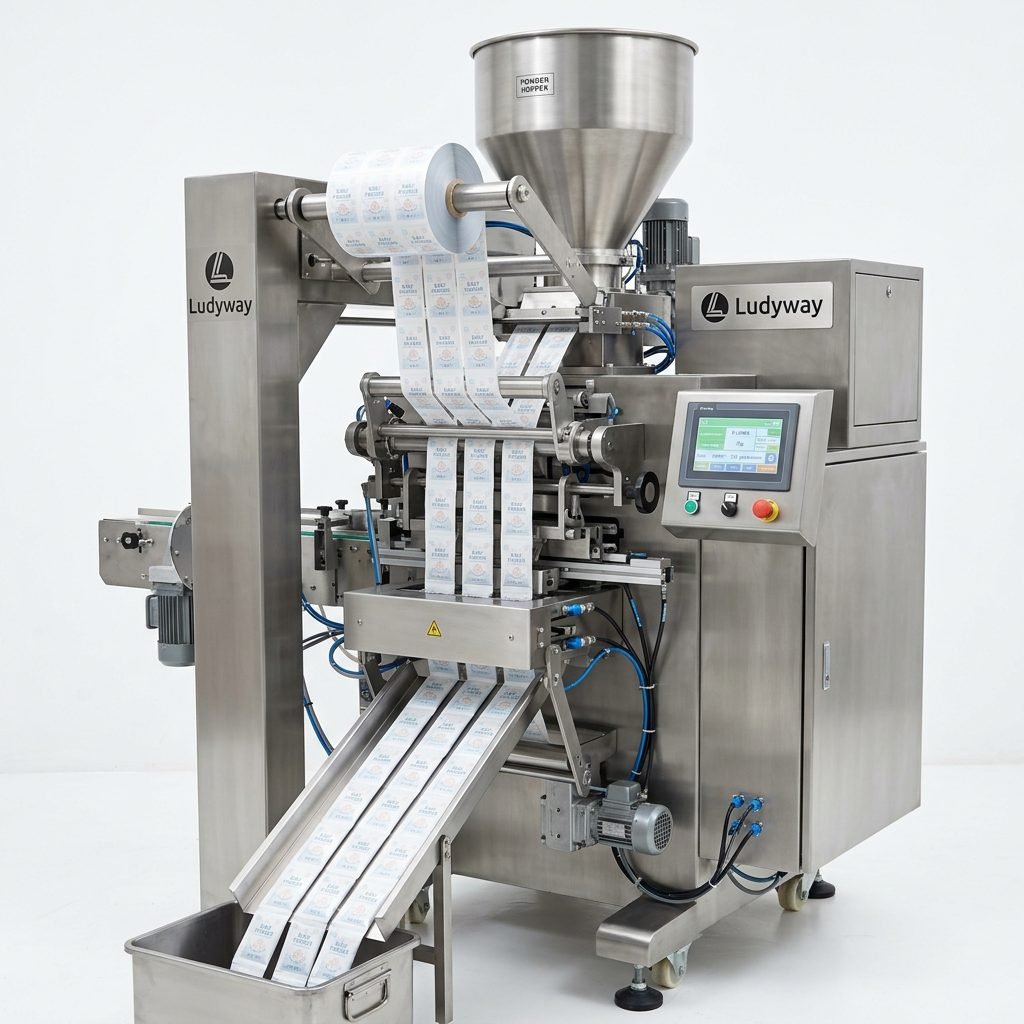
Improving packaging machine production efficiency is one of the fastest ways to increase output, reduce waste, and protect profit margins. Whether you run a food, pharmaceutical, cosmetic, chemical, or pet product line, the same reality applies: small losses in speed, changeover time, or machine reliability can create major production bottlenecks.
The good news is that higher efficiency does not always require replacing your entire line. In many cases, the biggest gains come from smarter setup, preventive maintenance, operator training, packaging material optimization, and better line integration.
Why Packaging Machine Efficiency Matters More Than Ever
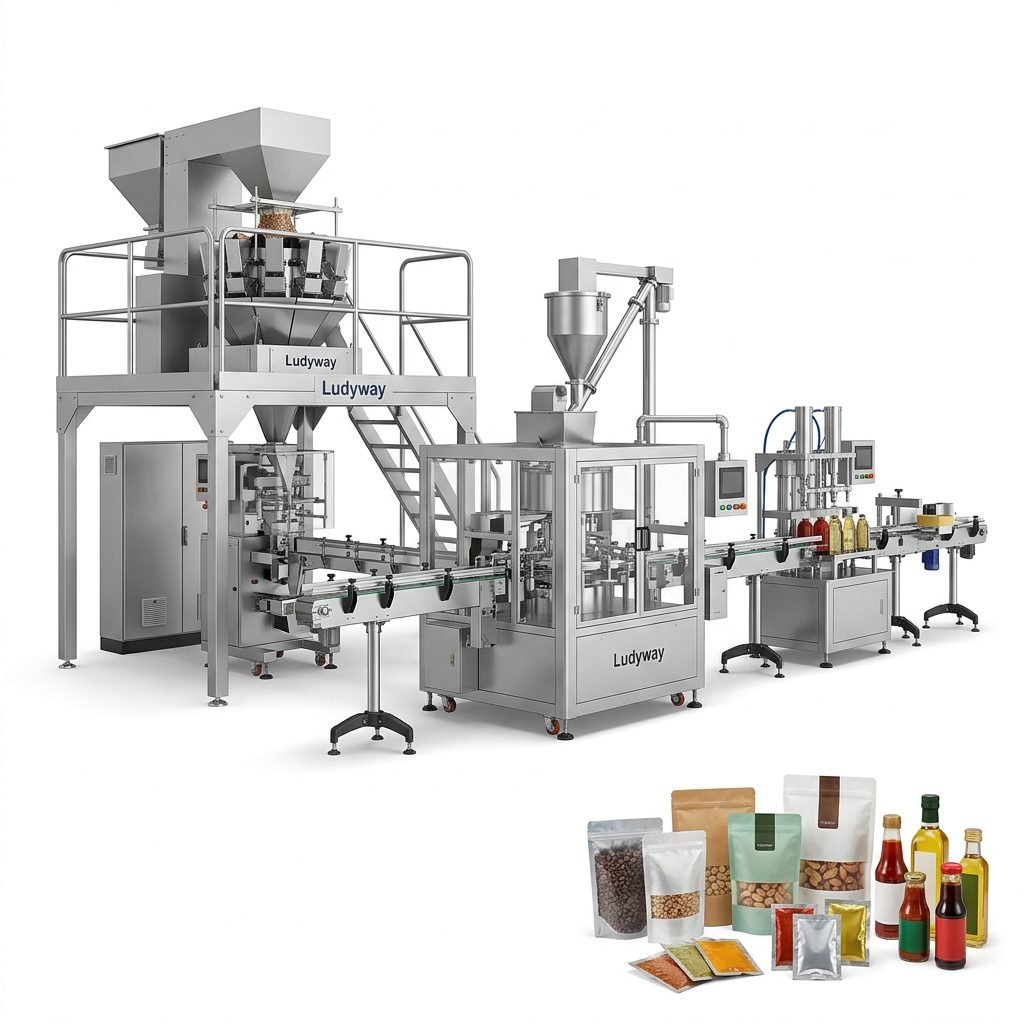
A packaging line is more than a single machine. It is a connected system that includes feeding, dosing, filling, sealing, coding, inspection, conveying, cartoning, case packing, and palletizing. If one section underperforms, the entire line suffers.
- Lower output per shift
- Higher labor cost per unit
- Unplanned downtime
- Inconsistent package quality
- Material waste and rework
- Delivery delays and customer complaints
When manufacturers focus on efficiency, they usually improve three key results at the same time:
- Higher throughput
- Lower downtime
- More stable packaging quality
Measure the Right KPIs Before Making Changes
Before improving efficiency, you need a clear baseline. Many factories guess where losses happen, but real optimization starts with data.
Essential KPIs to Track
| KPI | What It Measures | Why It Matters |
|---|---|---|
| OEE | Availability, performance, quality | Shows true line effectiveness |
| Downtime minutes | Planned and unplanned stops | Identifies reliability issues |
| Output per hour | Actual production speed | Reveals hidden speed loss |
| Reject rate | Defective packages | Connects quality with efficiency |
| Changeover time | Time to switch products or formats | Critical for multi-SKU production |
| Material loss | Film, product, labels, cartons wasted | Impacts both cost and uptime |
If you only track machine speed, you may miss the real problem. A machine can run fast but still be inefficient if it frequently stops or generates too many rejects.
Reduce Unplanned Downtime with Preventive Maintenance
Unplanned downtime is one of the biggest causes of low packaging output. A worn sealing jaw, unstable servo, damaged sensor, or poor lubrication routine can stop production at the worst time.
Best Maintenance Practices
- Create daily, weekly, and monthly maintenance checklists
- Inspect high-wear parts such as cutters, seals, belts, bearings, and sensors
- Standardize lubrication schedules
- Keep critical spare parts in stock
- Use maintenance logs to spot recurring failures
- Train operators to report abnormal vibration, noise, or sealing variation early
Predictable maintenance is always cheaper than emergency repair. Even a short breakdown can lead to missed deadlines, labor overtime, and wasted product.
Improve Line Balancing to Eliminate Bottlenecks
Many packaging lines underperform not because the main machine is slow, but because upstream or downstream equipment cannot keep up. Feeding systems, conveyors, coding units, checkweighers, cartoners, and palletizers must be matched to the actual production speed.
Common Bottleneck Areas
- Inconsistent product feeding into the filler
- Slow pouch or sachet discharge handling
- Manual collection after automatic packing
- Cartoning capacity lower than primary packaging speed
- Inspection equipment causing product accumulation
A balanced line should flow smoothly from raw product handling to final case packing. If your primary packaging machine is repeatedly waiting for operators or downstream equipment, your real output will remain below target.
Shorten Changeover Time for More Productive Hours
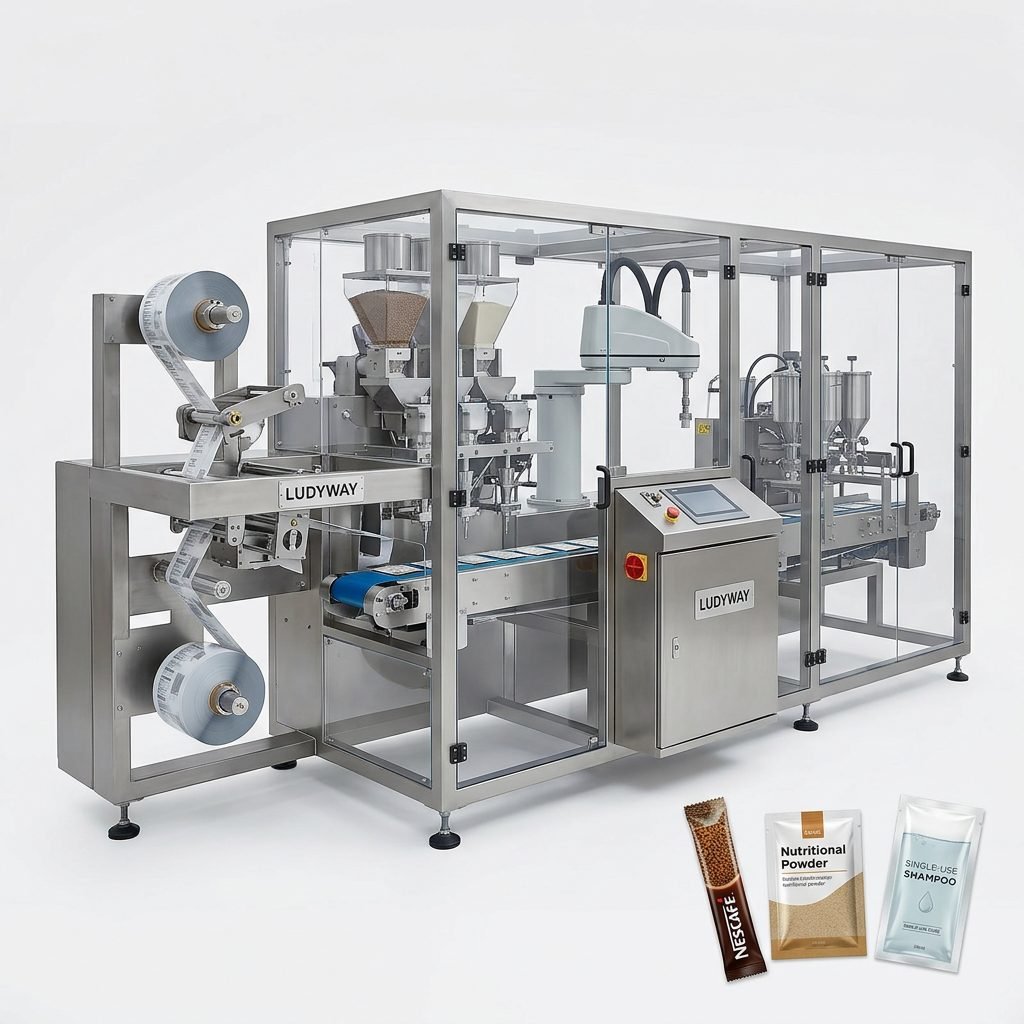
If your factory handles multiple SKUs, package sizes, or formulas, changeover efficiency can have a huge effect on total output. Long adjustments between products often waste more time than operators realize.
How to Cut Changeover Time
- Standardize setup procedures with visual instructions
- Use clearly labeled tooling and format parts
- Prepare materials before the current run ends
- Store machine recipes for repeat jobs
- Use quick-release and tool-free adjustment designs where possible
- Assign trained staff for product switchovers
For high-mix production environments, reducing every changeover by even 10 to 15 minutes can significantly increase weekly machine availability.
Upgrade Operator Training and SOP Discipline
Even advanced automatic packaging systems depend on skilled operators. Poor loading methods, incorrect parameter settings, and delayed fault response can reduce performance long before a machine reaches its technical limit.
Operator Training Should Cover
| Training Area | Impact on Efficiency |
|---|---|
| Machine startup and shutdown | Reduces avoidable setup errors |
| Parameter adjustment | Improves consistency and speed stability |
| Fault diagnosis | Shortens downtime response |
| Material loading | Prevents jams, misfeeds, and waste |
| Cleaning and sanitation | Maintains performance and compliance |
| Quality inspection | Reduces rework and customer rejects |
Strong SOP execution creates repeatable performance. The more consistent the operation, the easier it is to maintain speed, quality, and uptime shift after shift.
Use Packaging Materials That Match Machine Performance
Packaging film, pouches, cartons, labels, and caps all influence machine efficiency. A machine may be technically capable of high-speed operation, but poor-quality materials can trigger sealing defects, slipping, wrinkles, tracking errors, and jams.
Material Factors to Review
- Film thickness consistency
- Sealability and heat response
- Friction characteristics
- Roll winding quality
- Pouch dimensional accuracy
- Label and coding surface compatibility
If your line often stops for sealing adjustments or tracking corrections, the issue may be material compatibility rather than machine mechanics.
Optimize Filling Accuracy to Reduce Waste and Rework
Overfilling increases raw material cost. Underfilling creates compliance and customer issues. Inaccurate dosing also causes sealing contamination, reject accumulation, and unstable machine rhythm.
Ways to Improve Filling Accuracy
- Choose the correct dosing system for powder, granule, liquid, or paste products
- Calibrate weighing and filling units regularly
- Control product flow characteristics such as moisture, density, and viscosity
- Use stable feeding systems to maintain uniform supply
- Monitor reject patterns to detect drift early
This is especially important in pharmaceutical and health supplement packaging, where precision and traceability directly affect compliance.
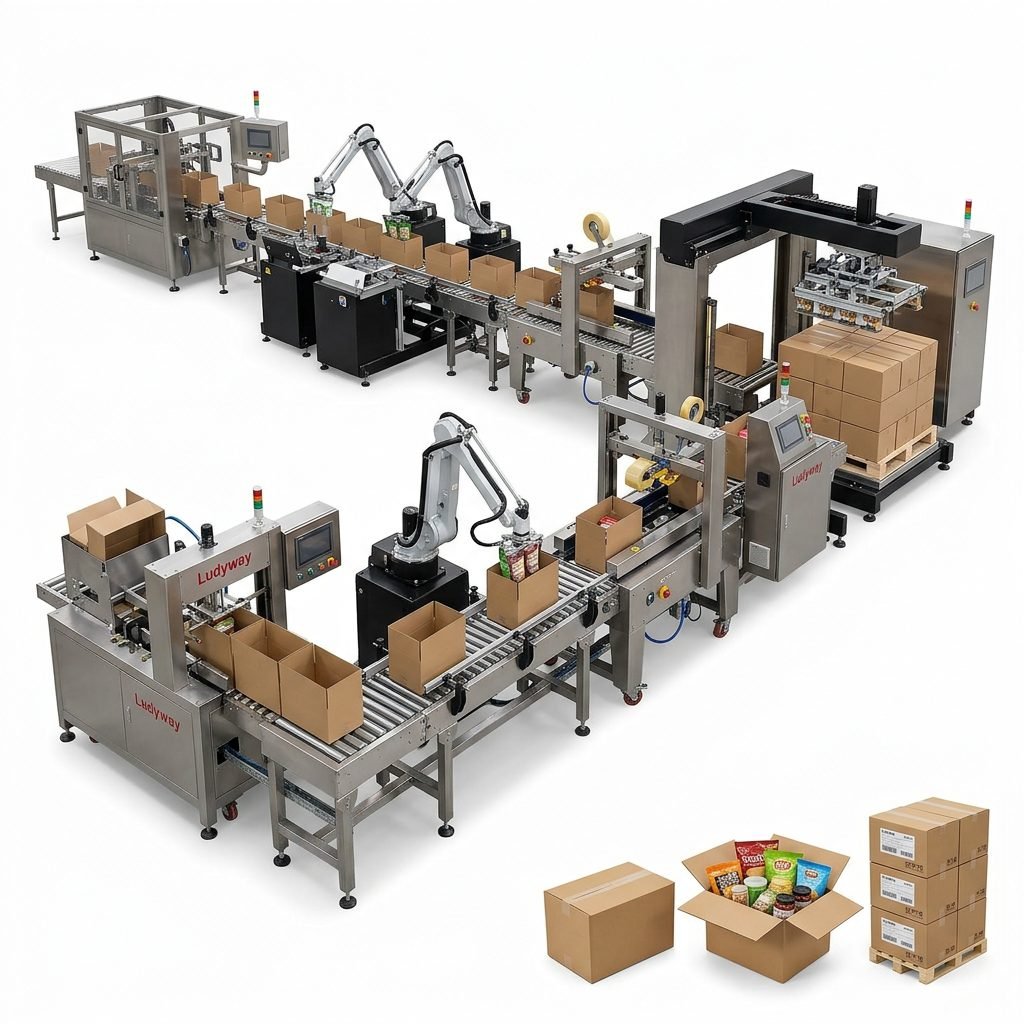
Automate Secondary and End-of-Line Processes
A high-speed primary packaging machine can quickly lose its advantage if finished packs are handled manually. Cartoning, case packing, palletizing, coding, and inspection are often overlooked when companies focus only on the filler or sachet machine.
Automating these stages can deliver measurable gains in:
- Labor efficiency
- Line continuity
- Product handling consistency
- Pack appearance and counting accuracy
- Shift-to-shift output stability
Invest in Smart Monitoring and Real-Time Diagnostics
Modern packaging efficiency depends increasingly on visibility. Real-time monitoring helps production managers detect slowdowns, quality issues, and recurring faults before they grow into major interruptions.
Useful Smart Features
- Production dashboards
- Downtime cause tracking
- Alarm history analysis
- Recipe management
- Remote technical support
- Predictive maintenance alerts
Data-driven packaging lines are easier to optimize because they show where time and output are being lost.
Keep Cleaning and Sanitation Efficient
In food, pharmaceutical, and cosmetic applications, cleaning is essential. However, inefficient sanitation procedures can consume too much production time. The goal is not less cleaning, but faster and more standardized cleaning.
Practical Sanitation Tips
- Use cleaning-friendly machine structures
- Separate product-contact and non-contact cleaning steps
- Train teams on fast disassembly and reassembly
- Document cleaning validation procedures
- Schedule sanitation around production planning to reduce lost hours
Machines designed for easier access and modular cleaning can save substantial time over a full production year.
Choose the Right Machine Configuration for Your Product
Not every efficiency problem is operational. Sometimes the machine configuration simply does not match the product, pack format, or production target. For example, free-flowing granules, sticky powders, and viscous liquids each require different feeding and filling solutions.
Configuration Must Match
| Production Factor | Why It Matters |
|---|---|
| Product characteristics | Affects feeding, dosing, and sealing performance |
| Pack format | Impacts machine structure and speed range |
| Required output | Determines lane count and automation level |
| Industry standards | Defines compliance and inspection requirements |
| Future expansion | Helps avoid early capacity limitations |
If your production plan has grown but the original machine design has not, you may need modular upgrades, more lanes, better feeders, or a fully integrated line solution.
Build a Continuous Improvement Routine
Efficiency is not a one-time project. The best-performing packaging plants review data continuously, hold short production meetings, and solve small losses before they become expensive problems.
A Simple Weekly Improvement Routine
- Review downtime data by root cause
- Compare actual vs. target output
- Check reject trends by product and shift
- Confirm preventive maintenance completion
- Identify one improvement action for the next week
This approach keeps efficiency gains practical and sustainable instead of overwhelming your production team.
When to Consider a Turnkey Packaging Line Upgrade
If your factory experiences repeated bottlenecks, frequent manual intervention, inconsistent package quality, or limited scalability, a partial adjustment may not be enough. In that case, it may be more cost-effective to upgrade to a better integrated machine or turnkey packaging line.
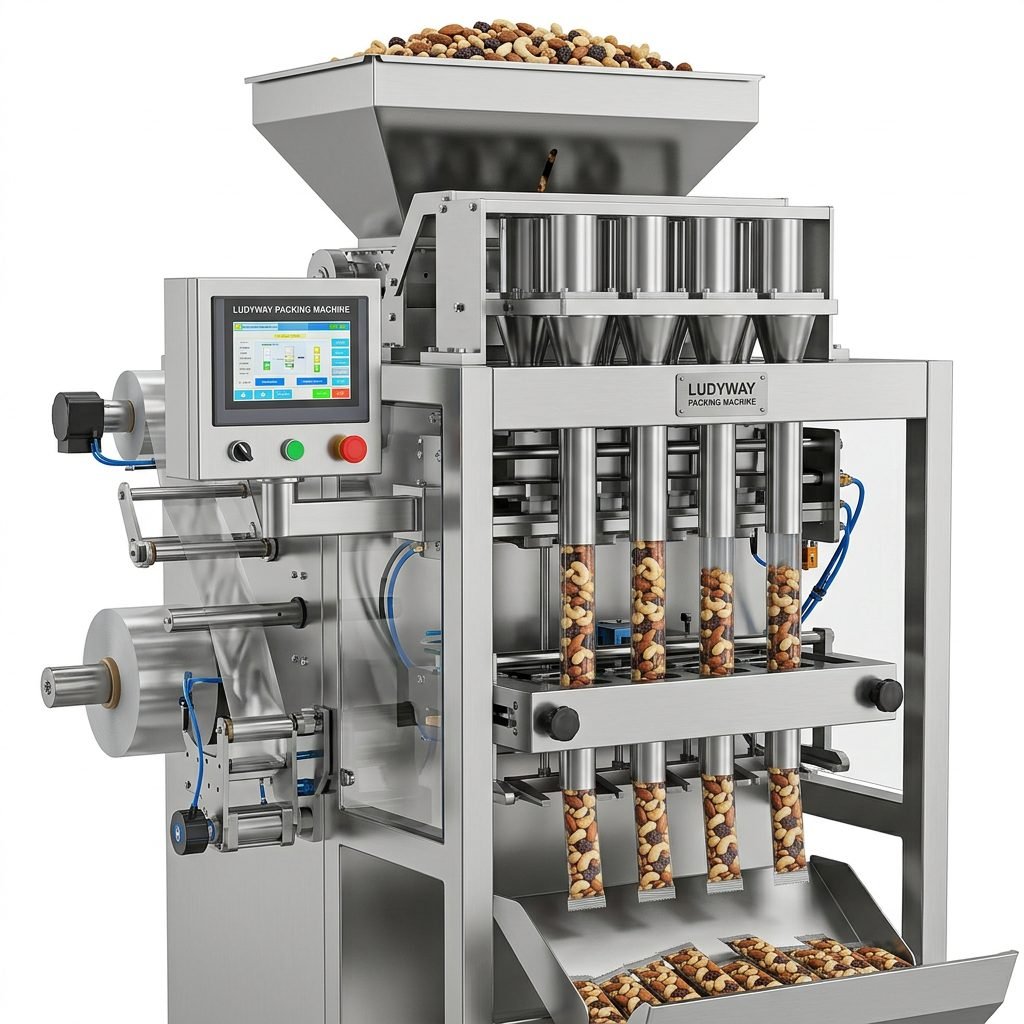
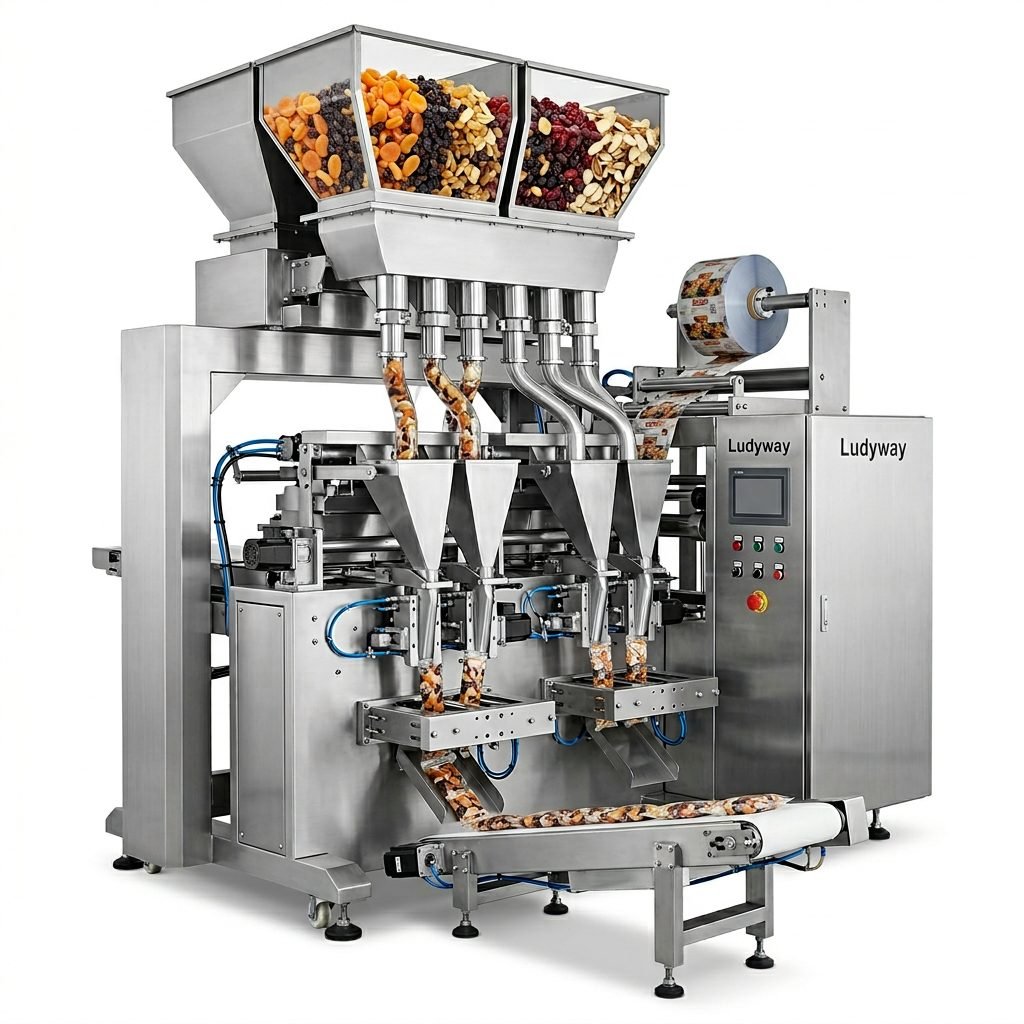
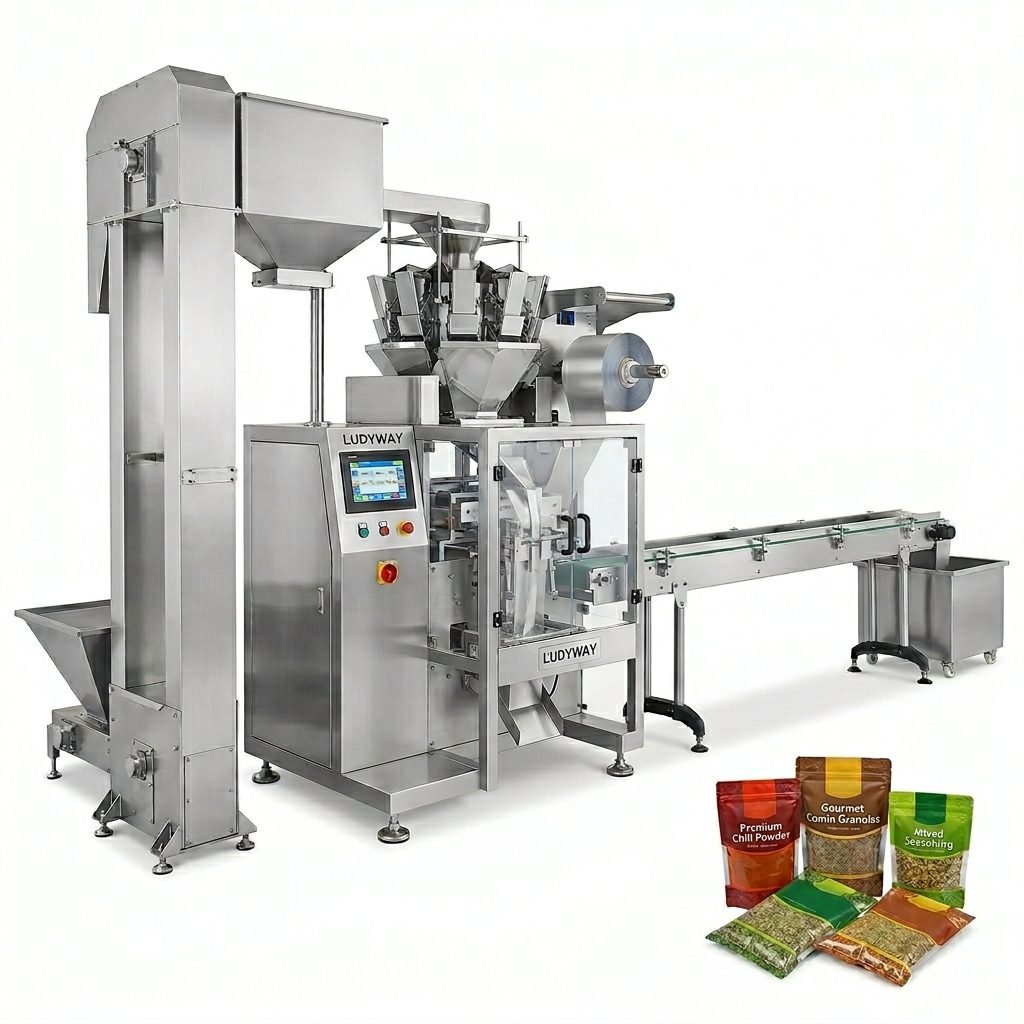
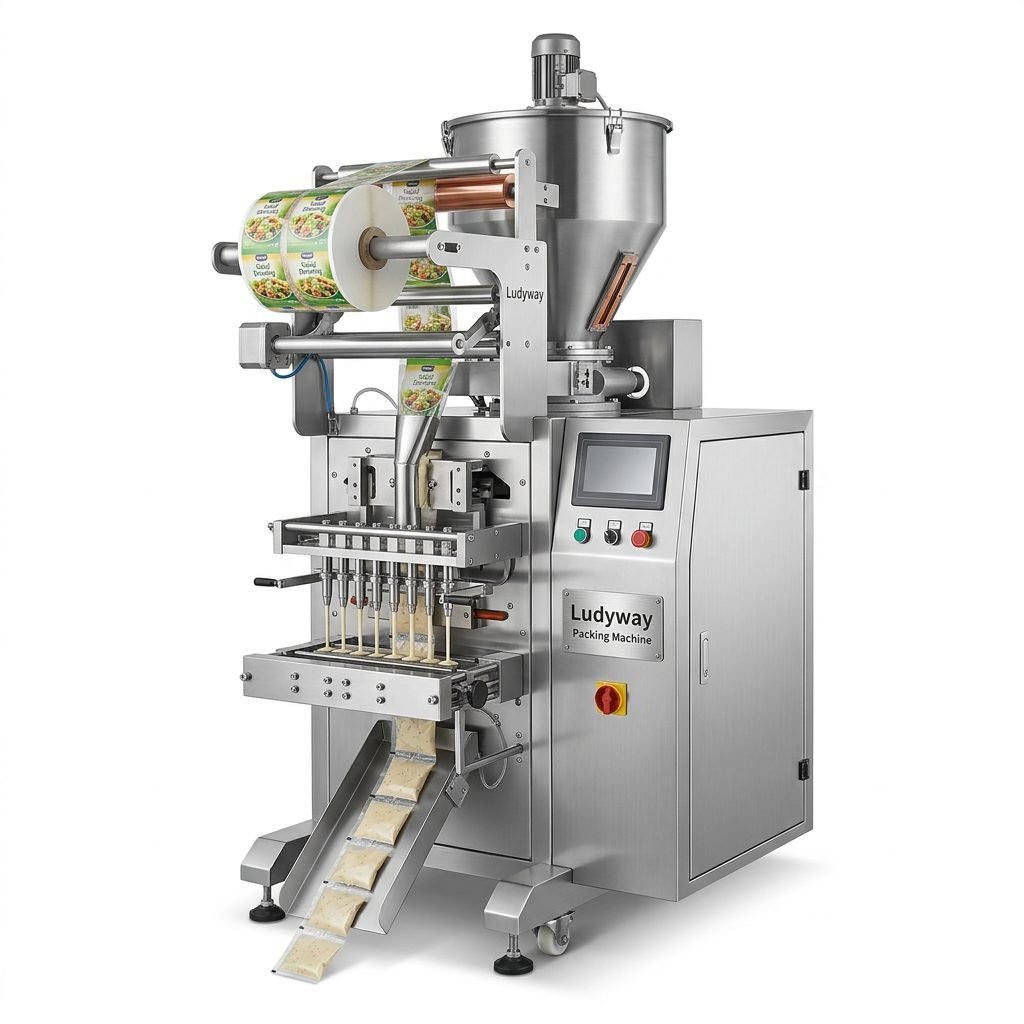
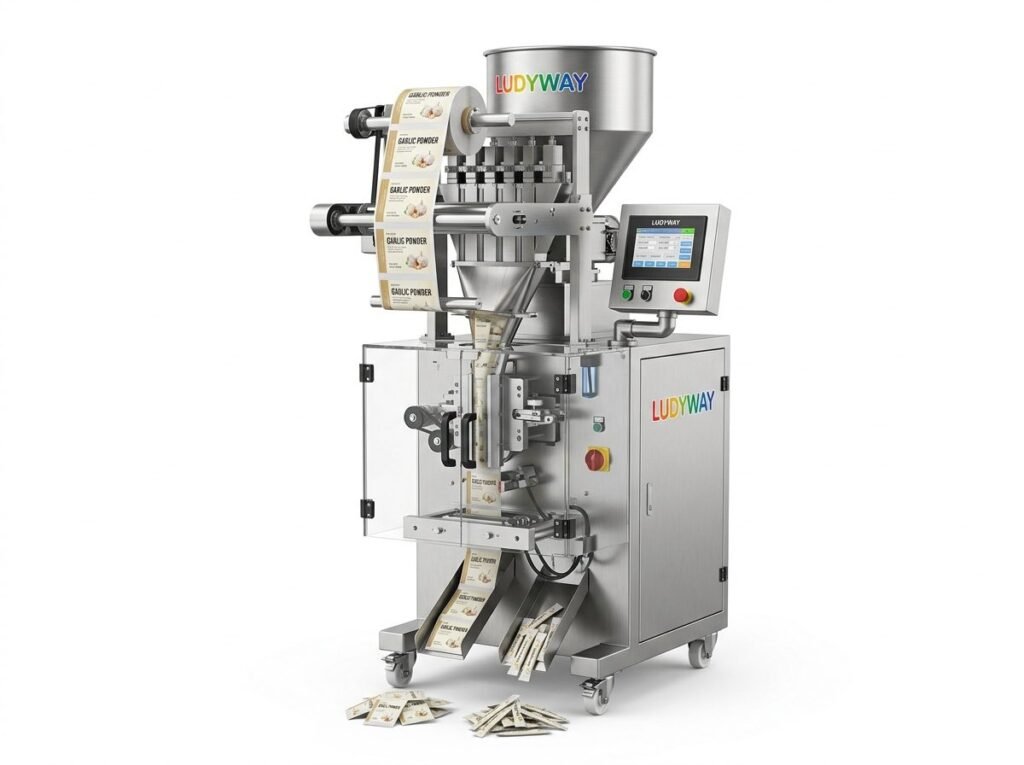
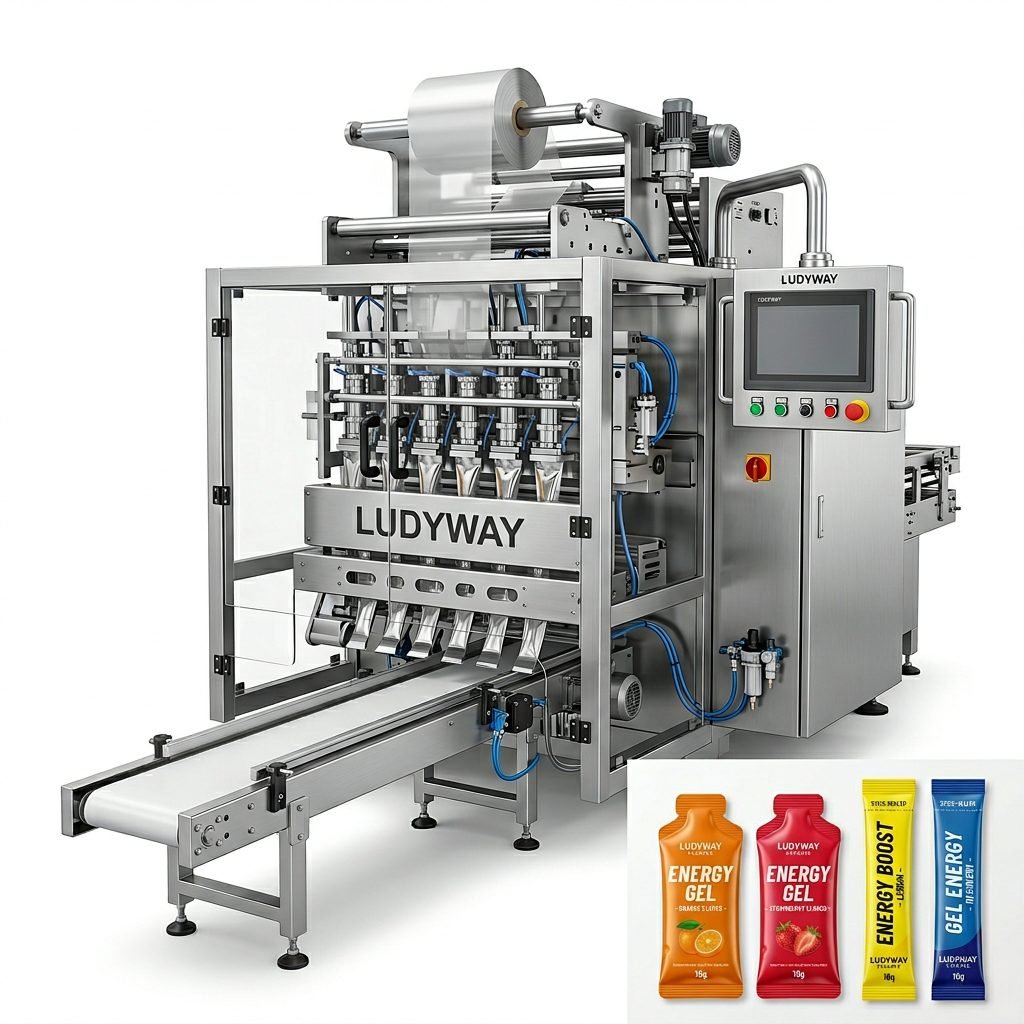
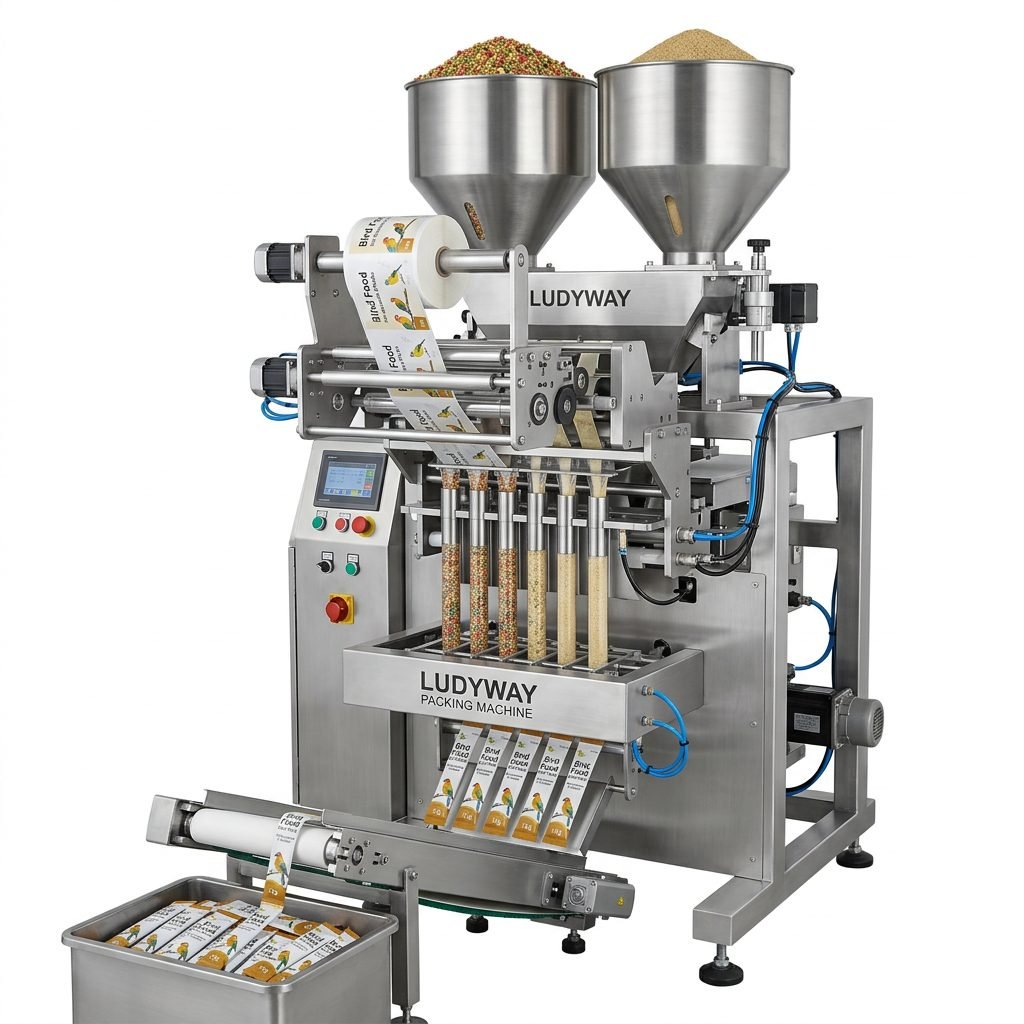
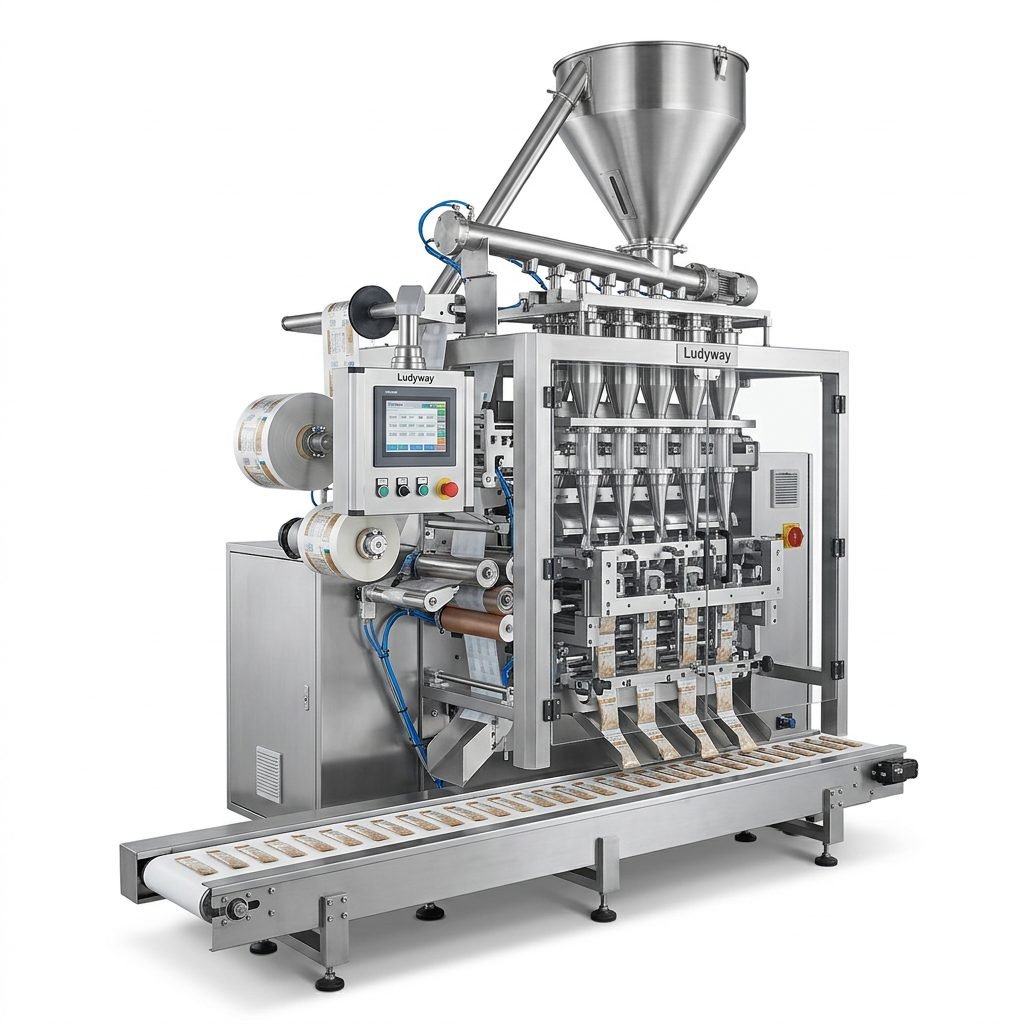
Manufacturers looking for scalable automation often work with experienced suppliers such as Ludyway packaging machine solutions to improve line integration, reduce labor dependence, and support higher-volume production across food, pharmaceutical, cosmetic, chemical, and pouch-based applications.
Final Checklist for Higher Output and Lower Downtime
- Track OEE, downtime, reject rate, and changeover time
- Strengthen preventive maintenance routines
- Balance upstream and downstream equipment
- Reduce changeover time with standard procedures
- Train operators for faster and more stable performance
- Use packaging materials matched to machine specifications
- Improve dosing accuracy to cut waste
- Automate cartoning, case packing, and palletizing when needed
- Use smart monitoring for real-time visibility
- Review efficiency weekly and improve continuously
The most effective packaging operations are not just fast. They are stable, repeatable, and designed to minimize interruptions. By improving maintenance, line balance, material compatibility, and automation strategy, manufacturers can achieve higher output with less downtime and better cost control.