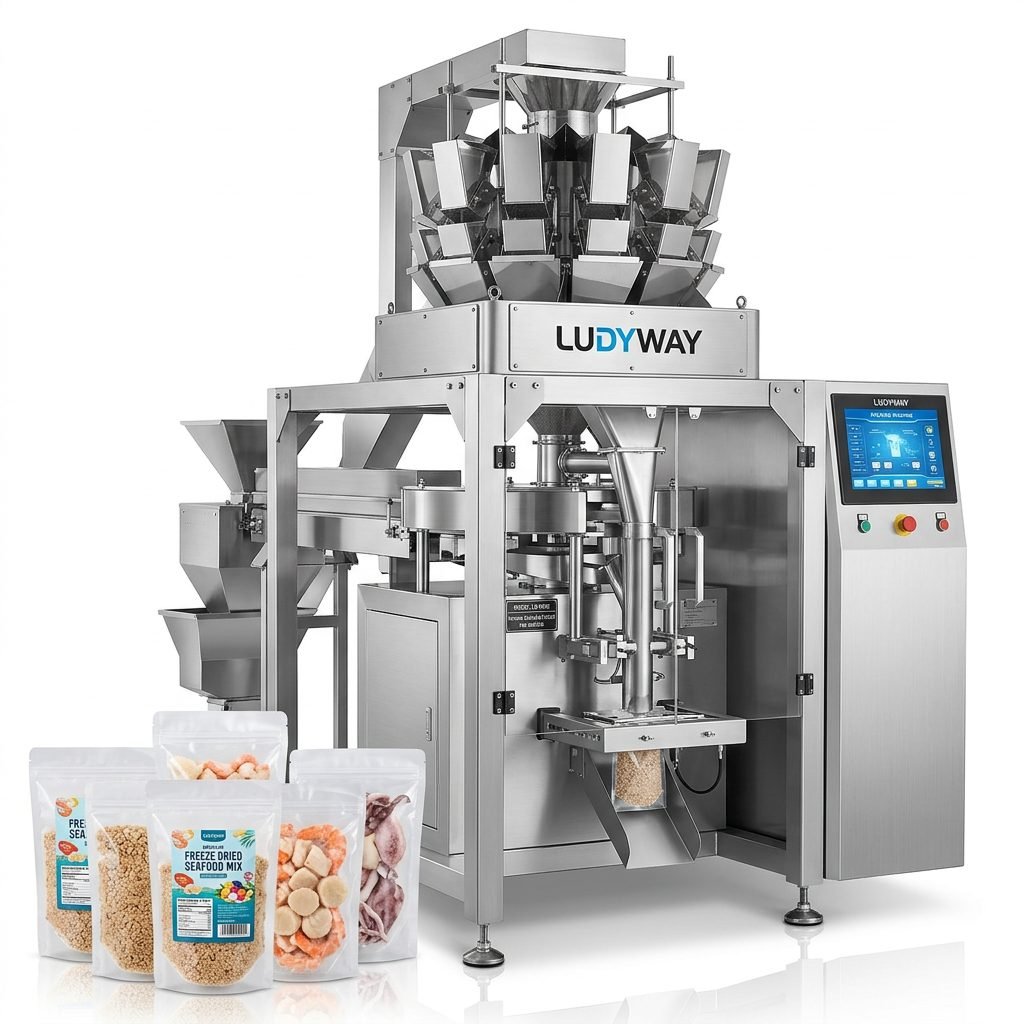
Buying directly from a manufacturer can be a smart move, but it is not automatically the best option for every buyer. The right choice depends on your order size, technical requirements, delivery expectations, budget, and the level of support you need after purchase. For businesses sourcing machinery, components, packaging equipment, or custom-built systems, manufacturer-direct purchasing often offers better pricing, more customization, and clearer communication on technical specifications. However, it may also come with longer lead times, higher minimum order quantities, and more responsibility on the buyer’s side.
Below is a practical guide to help you decide when buying direct makes sense, when it may not, and what to check before placing an order.
What Does It Mean to Buy Directly from a Manufacturer?
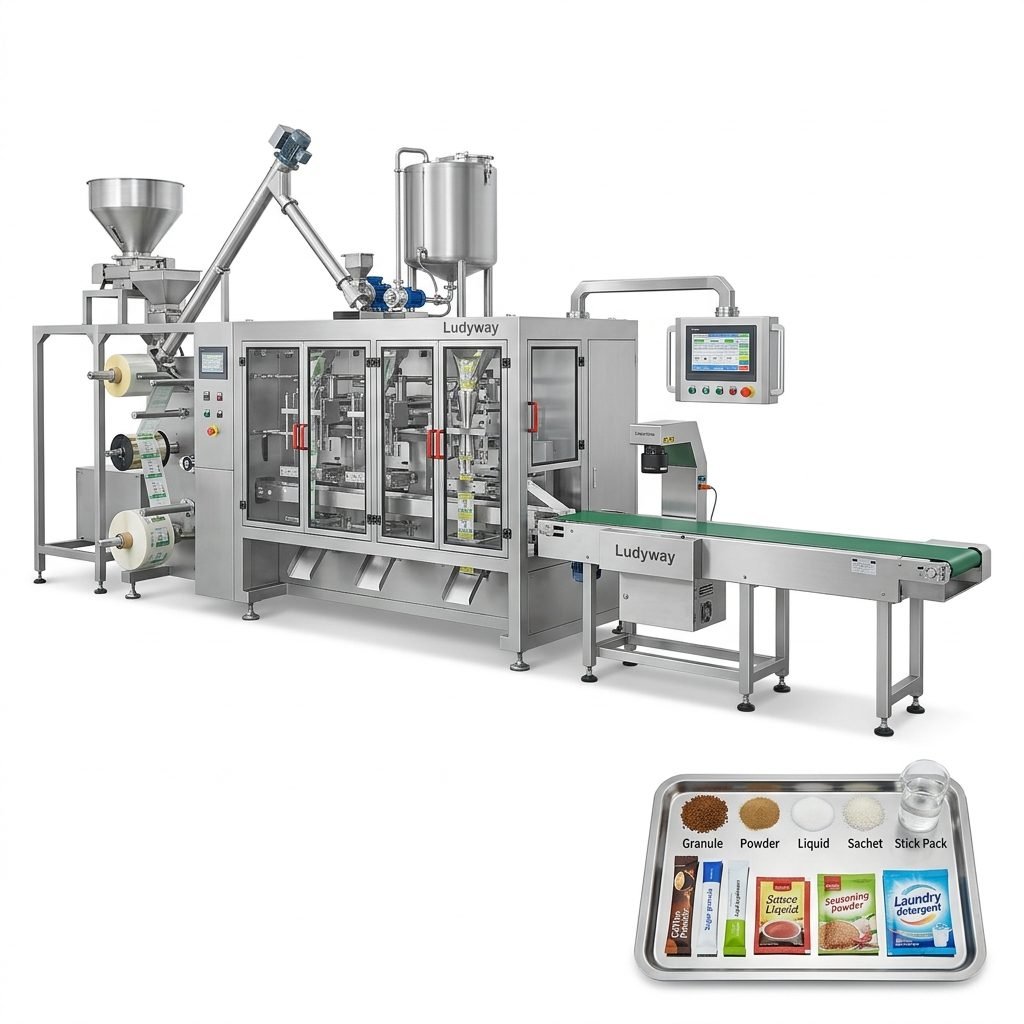
Buying directly from a manufacturer means you purchase products from the company that designs, builds, or assembles them, rather than going through a distributor, wholesaler, trading company, or retailer. In industrial sectors, this often gives buyers more direct access to engineering teams, factory quality processes, and customization options.
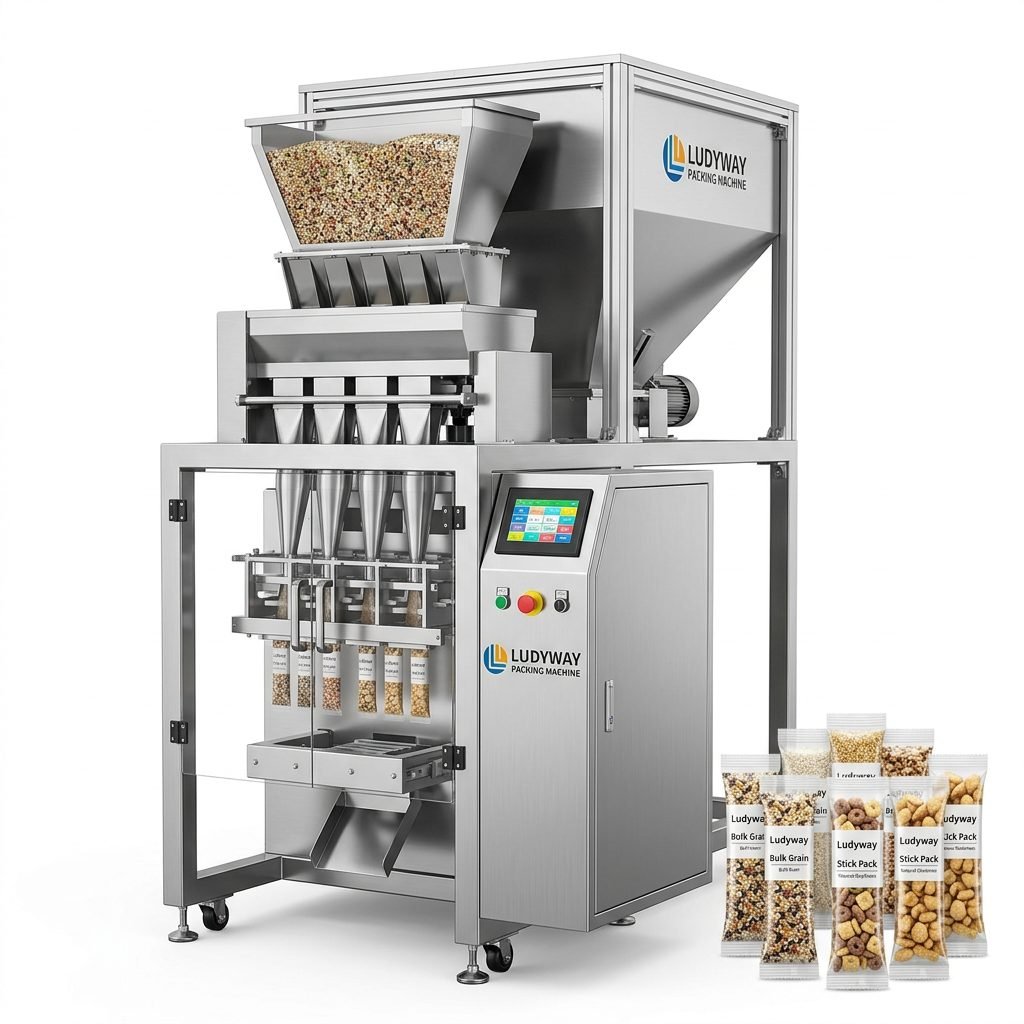
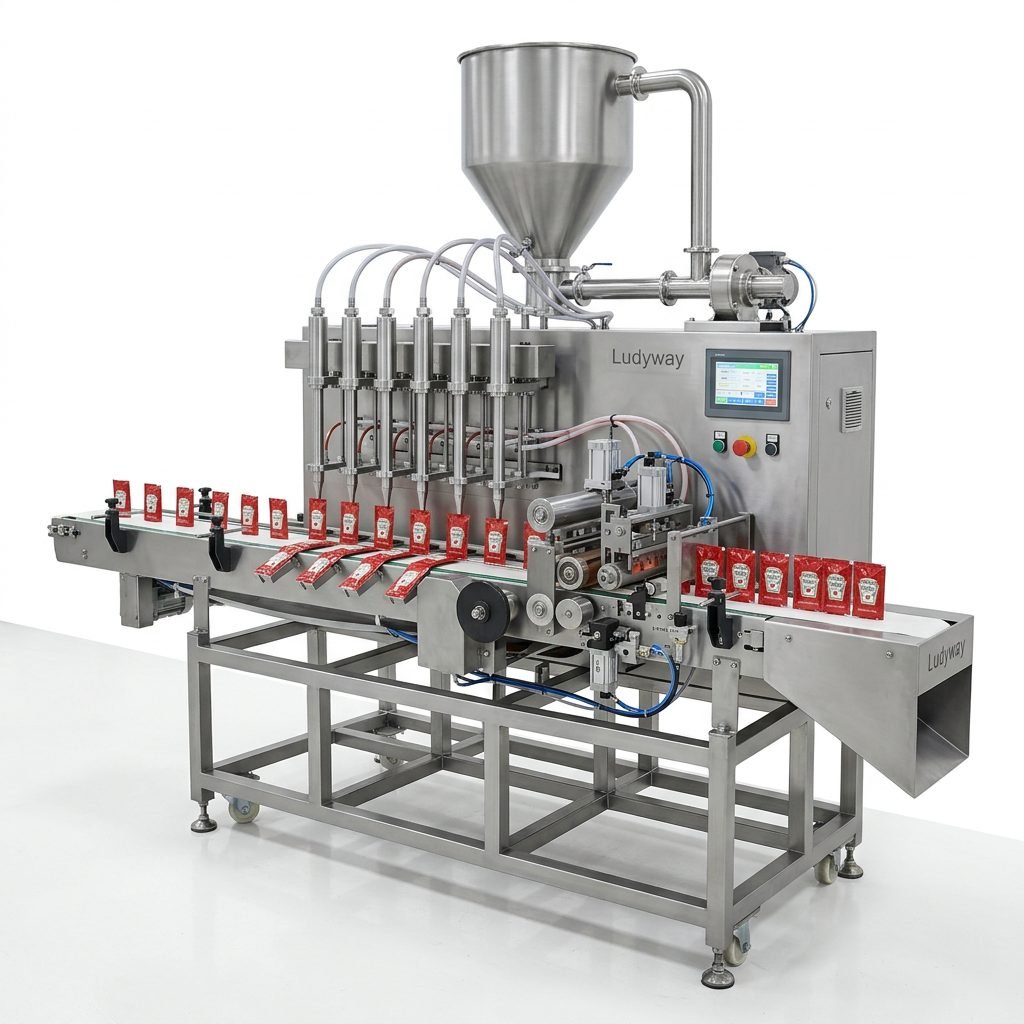
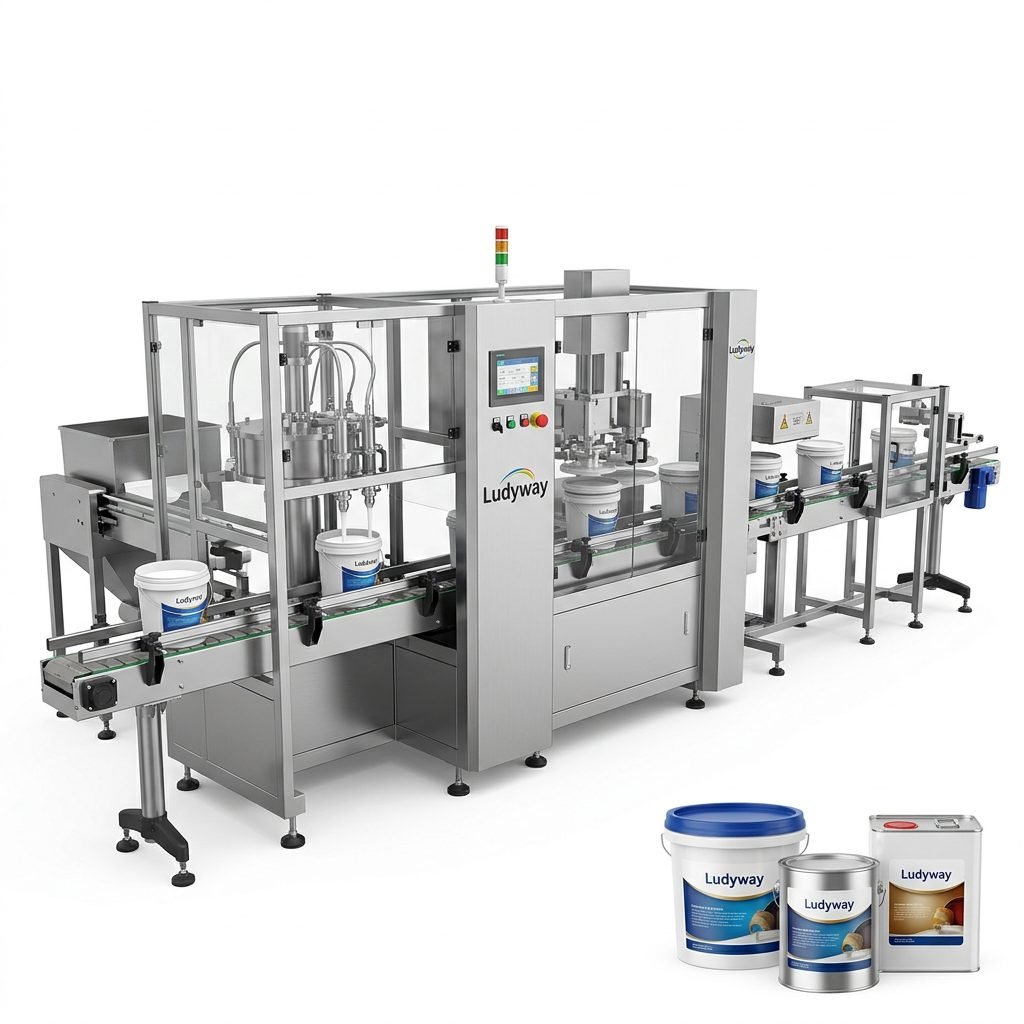
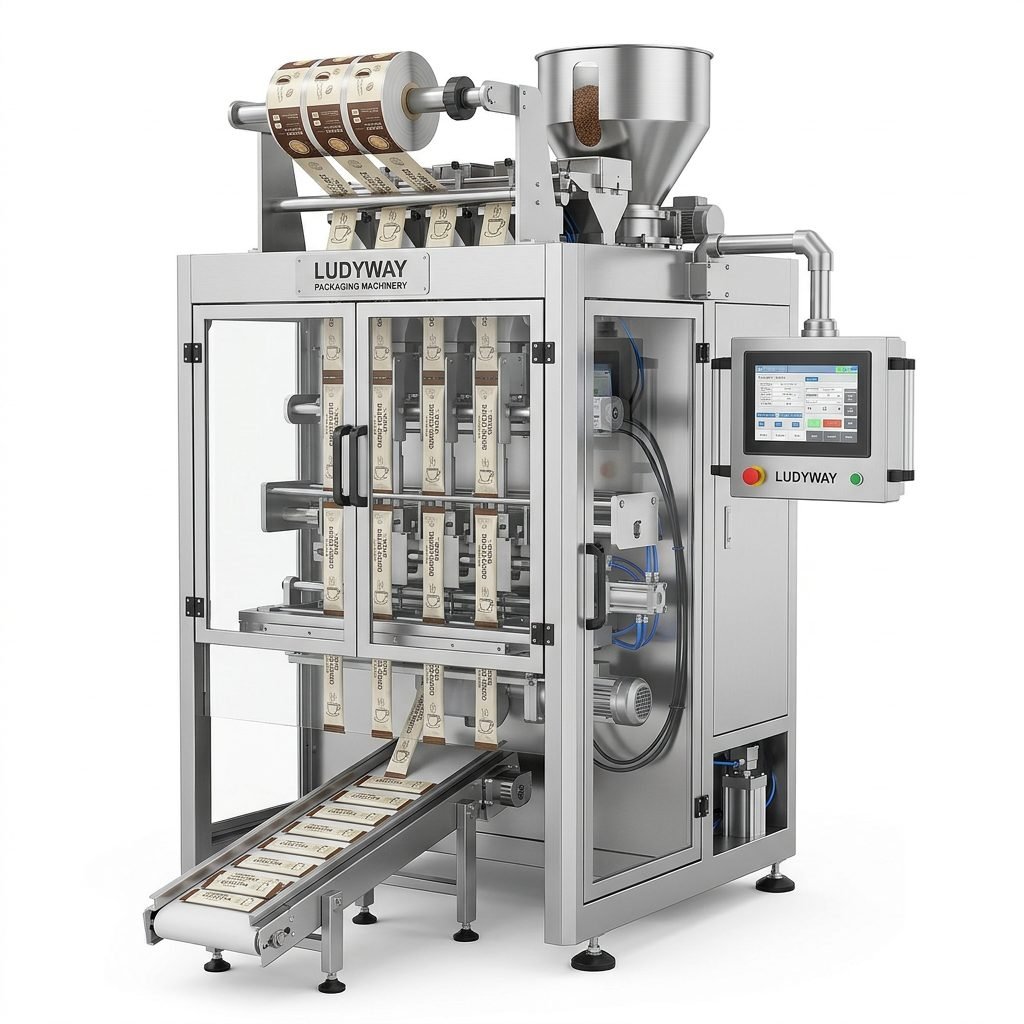
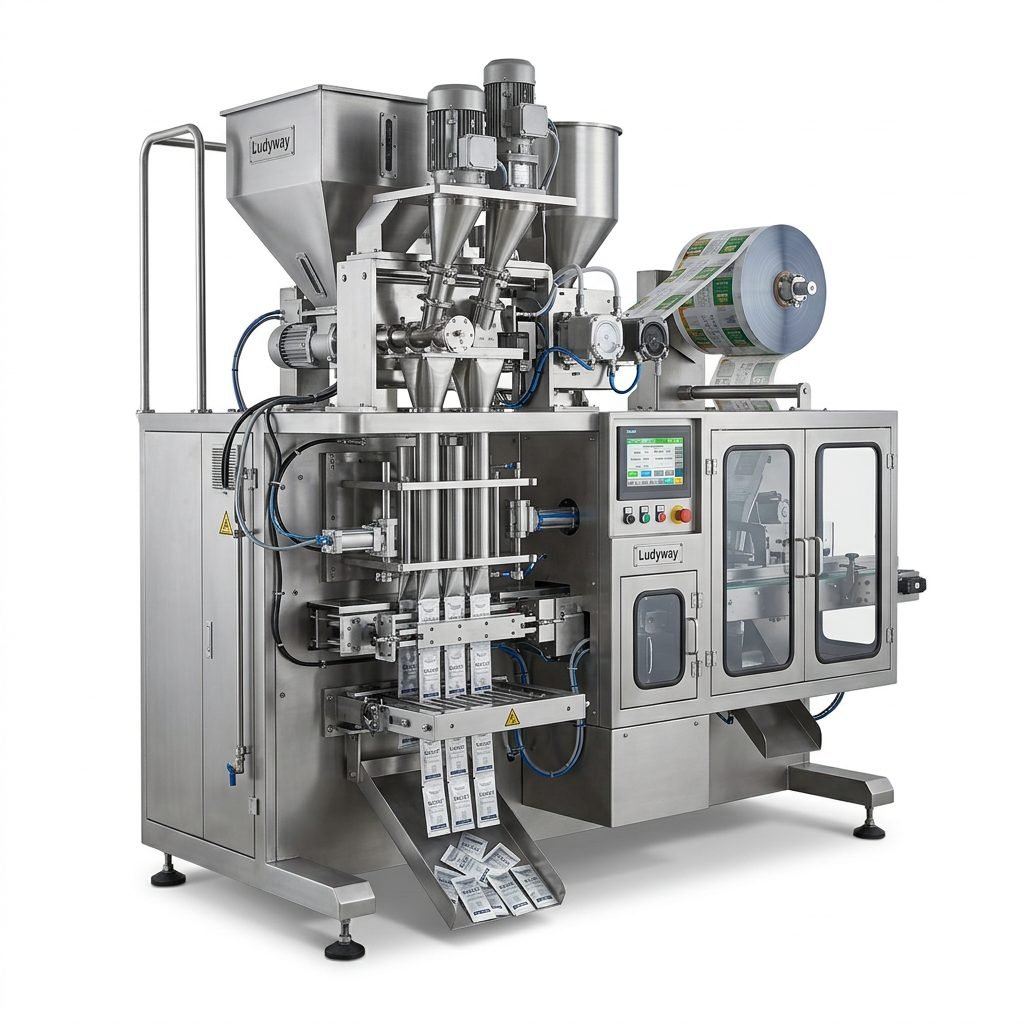
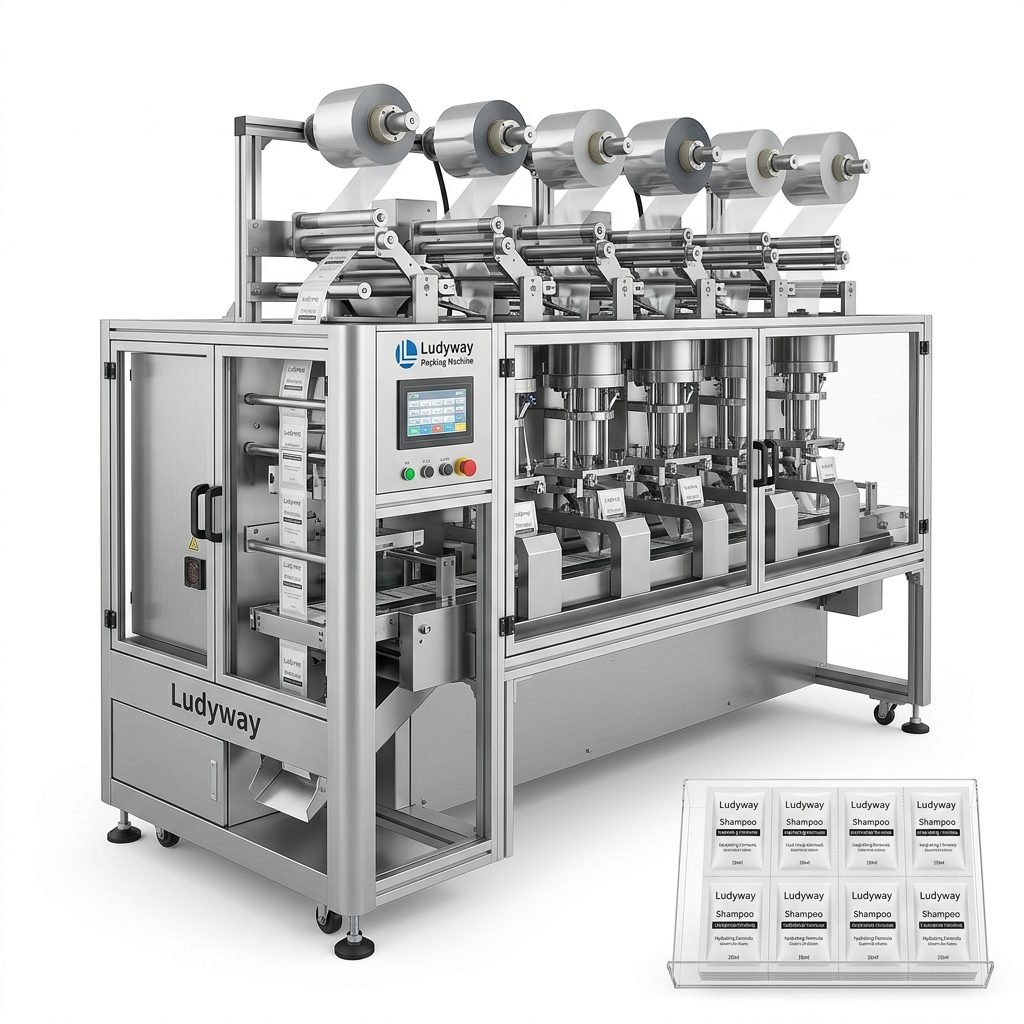
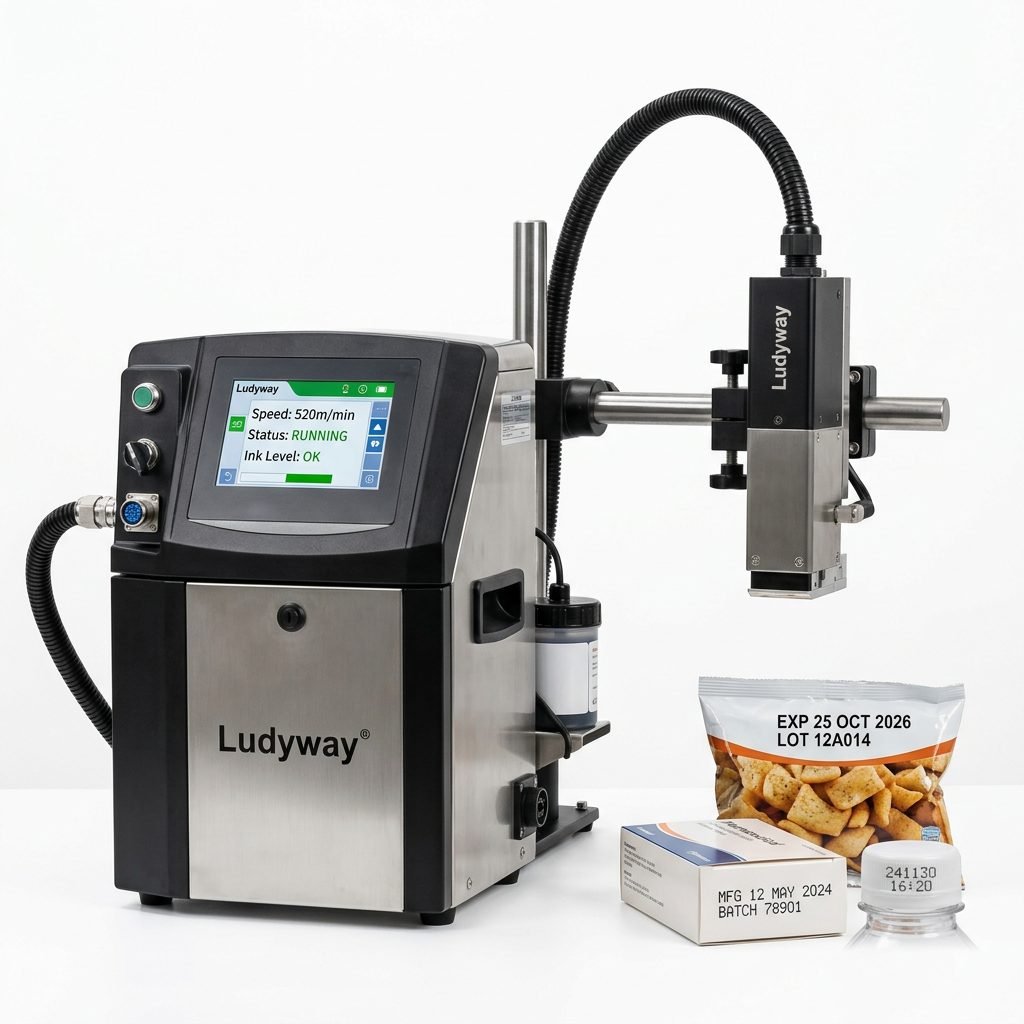
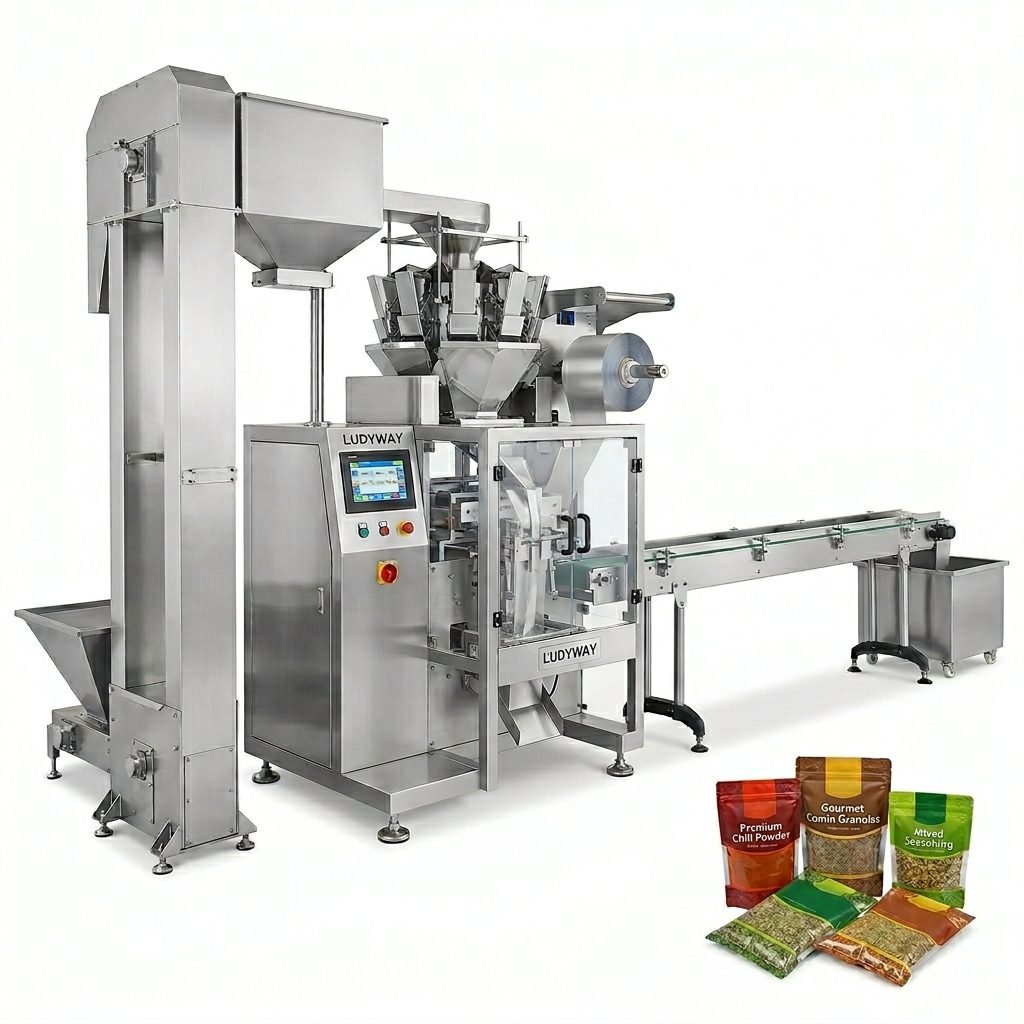
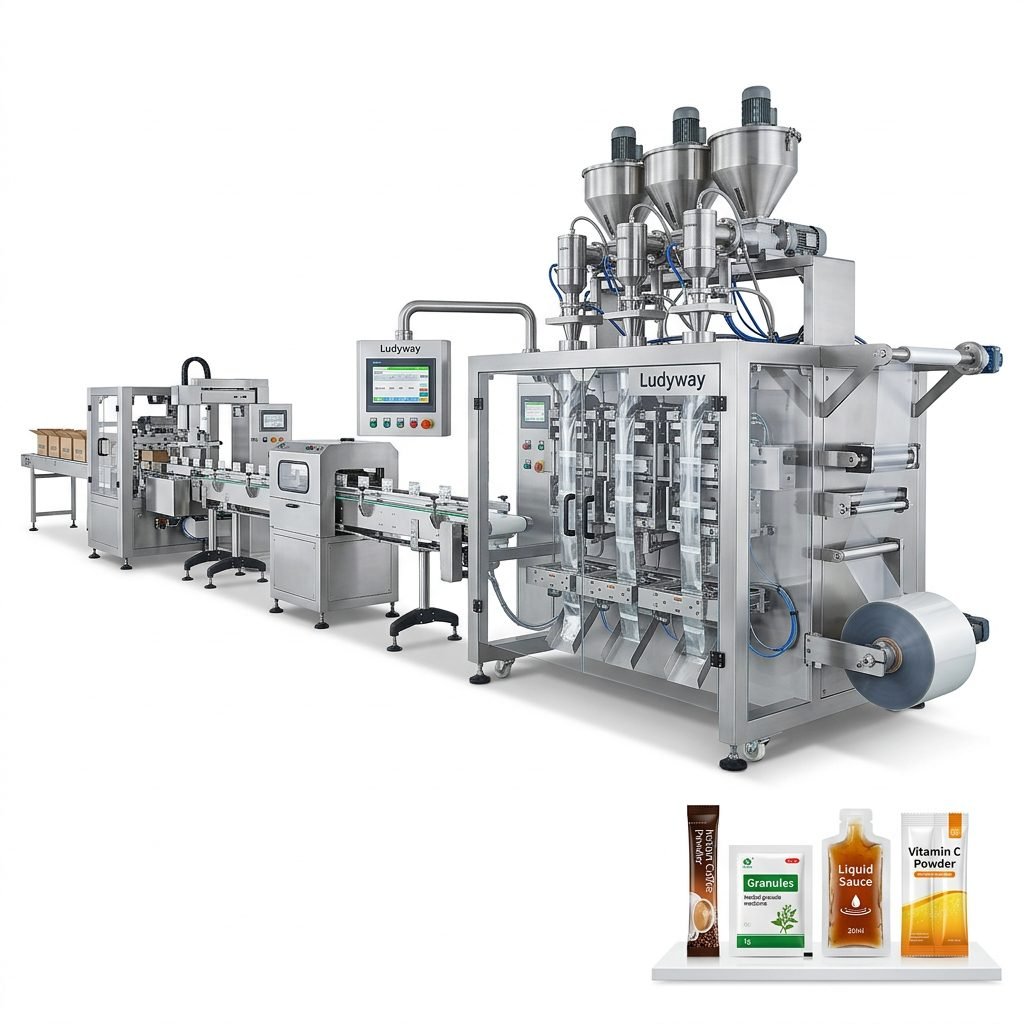
For example, companies looking for packaging machinery may prefer working with a factory such as packaging machine manufacturer Ludyway when they need tailored automation, integrated lines, or technical adjustments based on product type and output goals.
The Main Advantages of Buying Directly from a Manufacturer
1. Better Pricing Potential
One of the biggest reasons buyers go direct is cost. When middlemen are removed, there is often more room for competitive pricing. This does not always mean the lowest visible quote at first glance, but it often means better total value over the life of the purchase.
- Fewer markup layers
- More transparent quotation structure
- Better discounts for volume orders
- Potential savings on bundled equipment or spare parts
2. More Customization
Manufacturers usually understand their own product better than resellers. If you need non-standard configurations, special materials, different voltage, custom packaging formats, or software adjustments, a direct factory relationship is often the fastest path.
This is especially important for industrial machinery, automated systems, and turnkey production lines.
3. Direct Access to Technical Expertise
When you buy from a manufacturer, your questions can often be answered by engineers or experienced technical staff rather than by a general sales intermediary. That can reduce misunderstandings and improve project accuracy.
- More accurate technical communication
- Clearer machine capability confirmation
- Faster issue diagnosis
- Better installation and commissioning support
4. Better Control Over Quality Expectations
Buying direct makes it easier to ask about production standards, quality inspection steps, test procedures, certifications, and factory capabilities. You can request videos, inspection records, trial runs, factory audits, or pre-shipment verification before delivery.
5. Easier Long-Term Relationship Building
If you expect repeat orders, product upgrades, or expansion later, working directly with the original producer can create a more stable partnership. Manufacturers are often better positioned to support scaling plans, replacement parts, and future modifications.
The Possible Disadvantages of Buying Directly from a Manufacturer
1. Higher Minimum Order Quantities
Some manufacturers prefer larger orders. If you only need a small quantity, a distributor may be more flexible. This is common in both machinery accessories and consumable product manufacturing.
2. Longer Lead Times
Retailers and distributors may have stock ready to ship, while manufacturers often build to order. If your project is urgent, direct sourcing may require more planning.
3. More Complex Communication
Direct purchasing often requires more detailed communication about specifications, drawings, compliance needs, packaging, shipping terms, and acceptance standards. That is good for control, but it also means the buyer must be organized.
4. Import, Shipping, and After-Sales Responsibility
When buying internationally, the buyer may need to manage freight, customs, duties, local compliance, installation planning, and service coordination. A local distributor may simplify some of these issues.
5. Not Every Factory Is Equally Reliable
Some manufacturers are highly experienced and export-ready, while others may lack documentation, service systems, or consistent quality control. Buying direct only works well when the manufacturer is capable, transparent, and responsive.
Manufacturer vs Distributor: Which Is Better?
| Factor | Buy from Manufacturer | Buy from Distributor |
|---|---|---|
| Price | Often better for medium or large orders | Usually includes markup |
| Customization | Usually stronger | Often limited to stocked options |
| Technical Support | Direct access to factory knowledge | May be easier locally, but less technical |
| Lead Time | May be longer if made to order | Can be faster if inventory is available |
| MOQ Flexibility | Sometimes stricter | Often easier for smaller orders |
| Project Complexity | Better for custom or integrated systems | Better for simple standard purchases |
When Buying Directly Makes the Most Sense
You should seriously consider buying direct if your situation includes any of the following:
- You need custom specifications rather than standard products.
- You are purchasing in medium or high volume.
- You want long-term spare parts and technical support.
- You are building or upgrading a complete line, not just buying a single item.
- You need better cost control over time.
- You can manage project communication and international logistics.
When Buying Through a Distributor May Be Better
Buying through a distributor or local supplier can be the smarter option when:
- You need immediate stock availability
- Your order is small
- You prefer local language support and service visits
- You want simplified payment, shipping, and warranty handling
- You are buying a standard product with no customization needs
What to Check Before Buying Directly from a Manufacturer
Verify Company Background
Check how long the manufacturer has been operating, what industries it serves, whether it exports regularly, and whether it has a real factory, engineering team, and documented production process.
Confirm Product Fit
Do not rely only on catalog photos. Ask for detailed specifications, compatible materials, output range, machine drawings, operating videos, and sample test results when relevant.
Review Certifications and Quality Process
Ask about certifications, quality inspection methods, test reports, and acceptance standards. In regulated sectors such as food, pharma, and medical products, this step is essential.
Understand the Quotation Clearly
A good quotation should explain what is included and what is not.
- Main machine or equipment scope
- Optional modules
- Spare parts list
- Installation and training terms
- Packing method
- Lead time
- Payment terms
- Warranty coverage
- Incoterms such as EXW, FOB, CIF, or DDP
Check After-Sales Support
Price should never be the only factor.
Ask how the manufacturer handles troubleshooting, remote support, spare part supply, manuals, commissioning guidance, and response times after delivery.
Questions You Should Ask a Manufacturer Before Ordering
| Question | Why It Matters |
|---|---|
| Can you provide customer references or project cases? | Shows real experience and credibility |
| What is your standard lead time? | Helps with project planning |
| What customization is possible? | Confirms product fit |
| Do you provide test videos or FAT support? | Reduces delivery risk |
| How do you handle spare parts and service? | Protects long-term operations |
| What certifications or quality controls do you have? | Important for compliance and reliability |
Is Buying Directly from a Chinese Manufacturer a Good Idea?
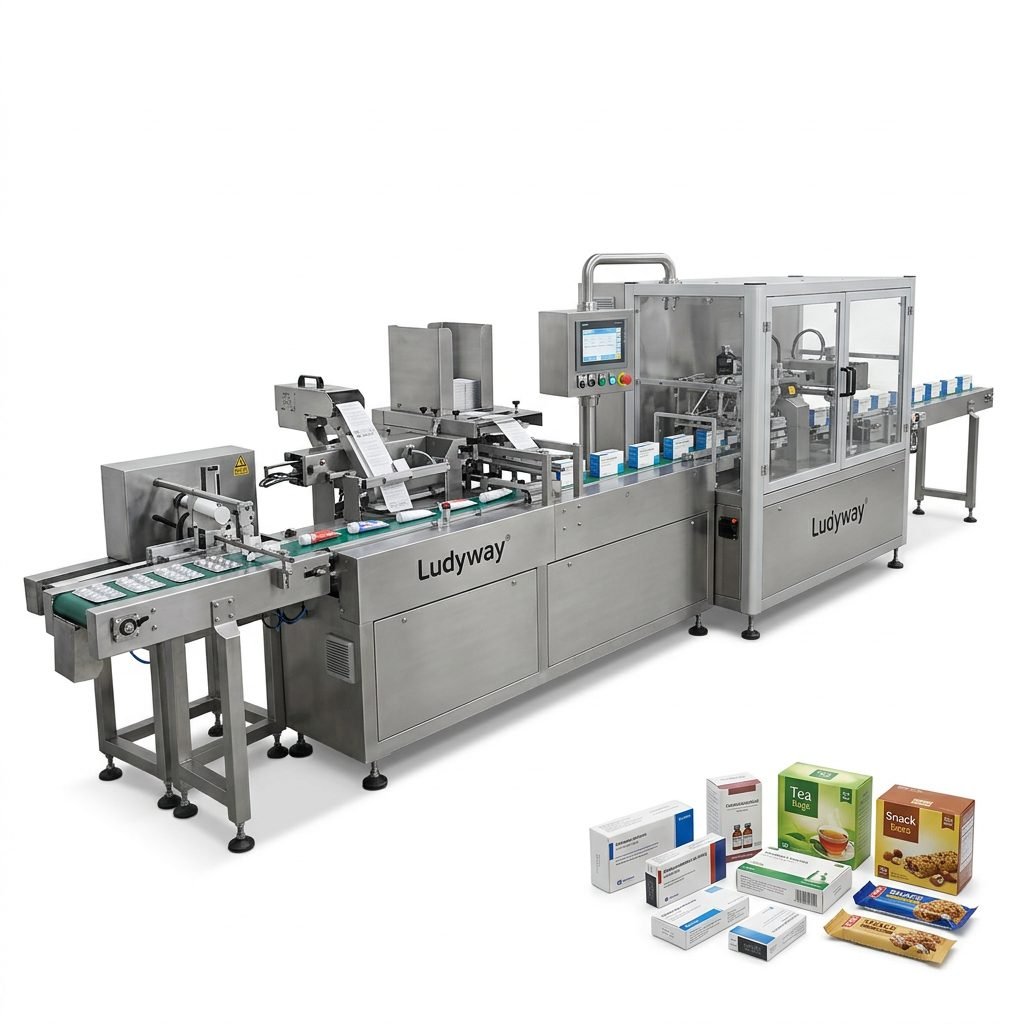
For many global buyers, the answer is yes—if due diligence is done properly. China remains one of the world’s most important manufacturing centers for machinery, industrial systems, electronics, packaging solutions, and custom production equipment. Buyers often choose Chinese manufacturers for their combination of manufacturing scale, engineering flexibility, and cost-performance advantages.
That said, success depends on selecting the right factory and setting clear expectations. Ask for:
- Company registration and export background
- Factory photos or audit access
- Technical documents and machine videos
- Detailed contracts and acceptance criteria
- Clear communication on shipping and support
Common Mistakes Buyers Make
- Choosing only by the lowest price
- Not confirming technical details in writing
- Ignoring spare parts and service planning
- Skipping sample or trial validation
- Failing to clarify shipping terms and import responsibility
- Assuming every manufacturer offers the same capability
A Simple Decision Framework
If you answer “yes” to most of the following, buying direct is probably the better option:
- Do you need customization?
- Is your order value significant enough to justify direct sourcing?
- Do you want direct factory communication?
- Can you manage longer planning and approval cycles?
- Is long-term support more important than quick local stock?
If you answer “no” to most of them, a distributor may be the easier route.
Final Buying Insight
Buying directly from a manufacturer is often better when you want better value, stronger customization, and direct technical communication. It is especially effective for B2B buyers sourcing machinery, integrated systems, or products with specific technical requirements. However, it requires careful supplier evaluation, clear project communication, and a realistic understanding of lead time and after-sales responsibilities.
In short, the best option is not simply “manufacturer” or “distributor.” The best option is the one that matches your order size, risk tolerance, timeline, and support needs.