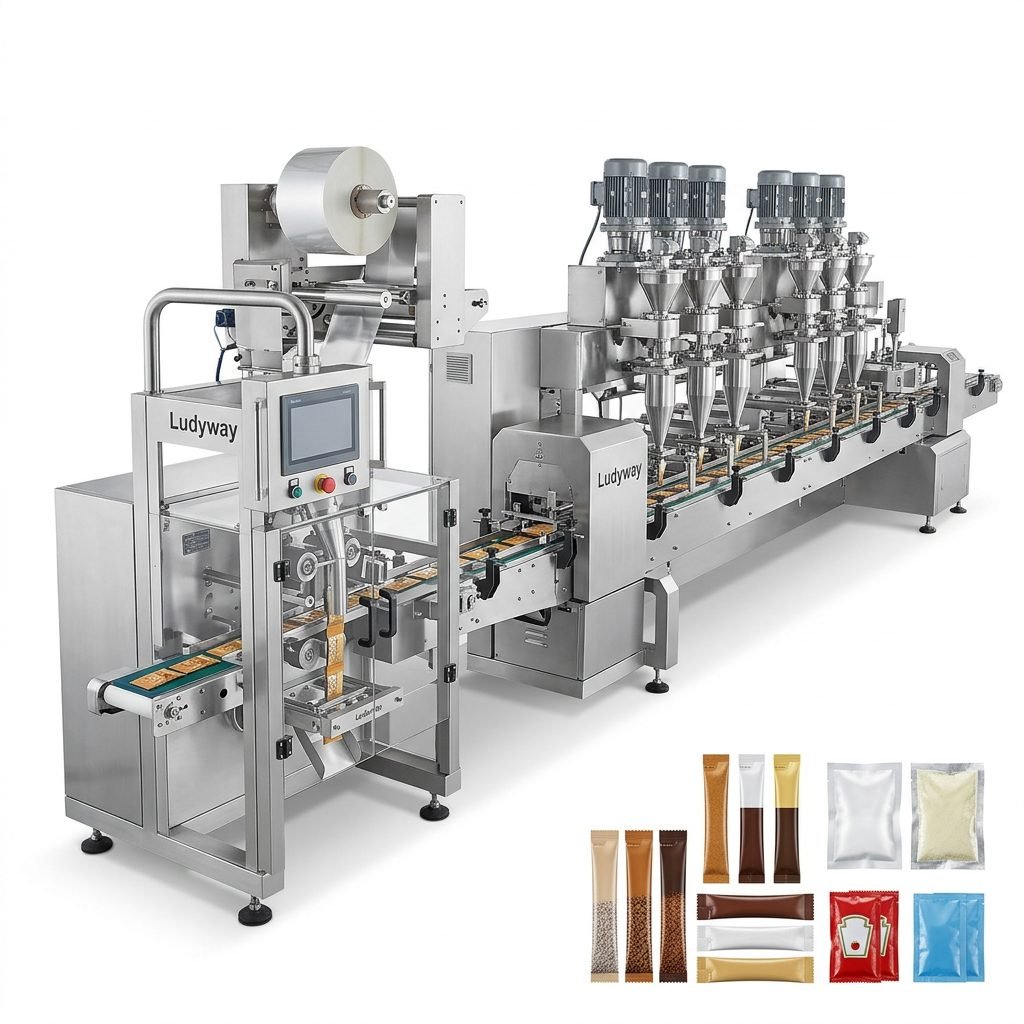
Single-dose packaging has become a preferred format across food, pharmaceuticals, personal care, nutraceuticals, and household products. From powders and granules to liquids, gels, and creams, individually portioned packs offer a practical solution for brands and consumers who value convenience, product safety, and freshness.
Whether it is a stick pack of electrolyte powder, a sachet of hand cream, or a single-use medical product, this packaging style helps deliver the right amount of product every time while simplifying storage, transport, and usage.
What Is Single-Dose Packaging?
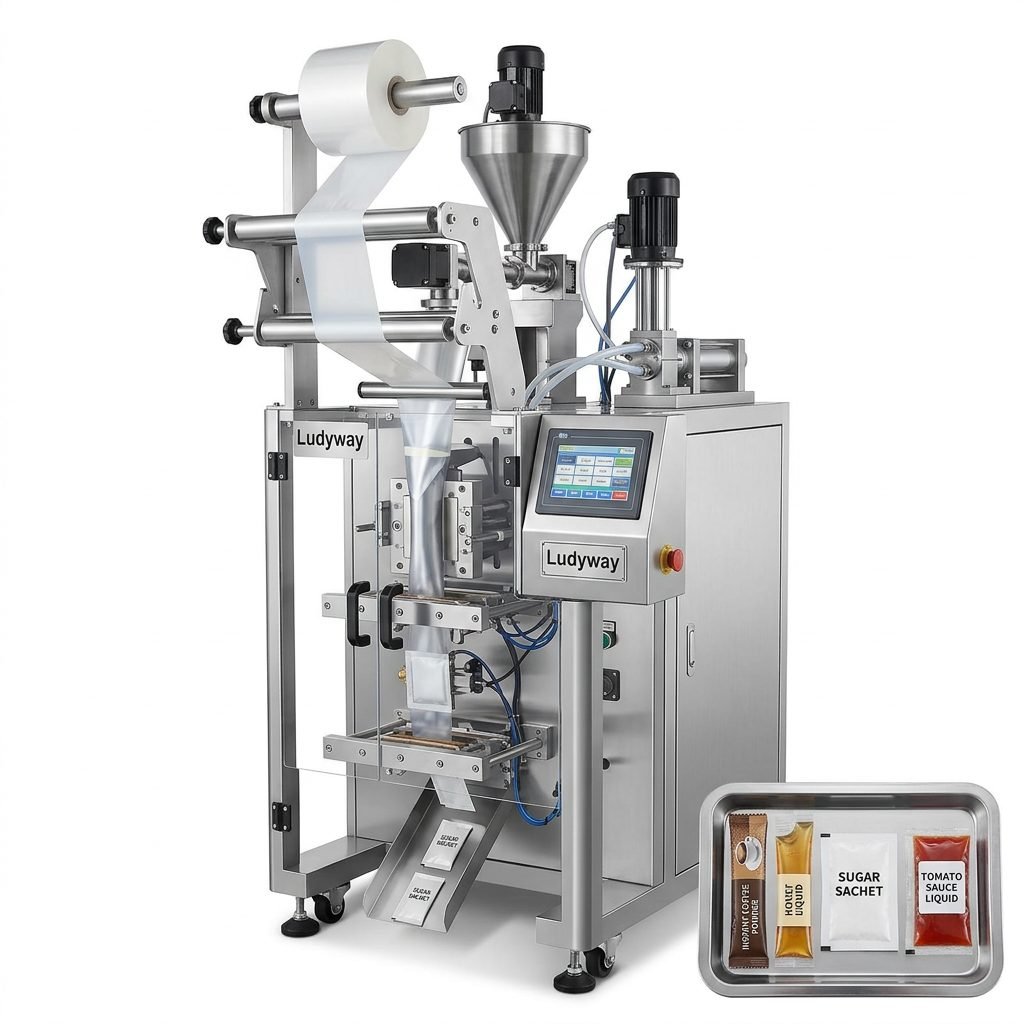
Single-dose packaging refers to a format where one measured quantity of a product is sealed into an individual pack for one-time use. Common examples include:
- Stick packs for drink powders, supplements, and instant beverages
- Sachets for sauces, shampoo, creams, and detergents
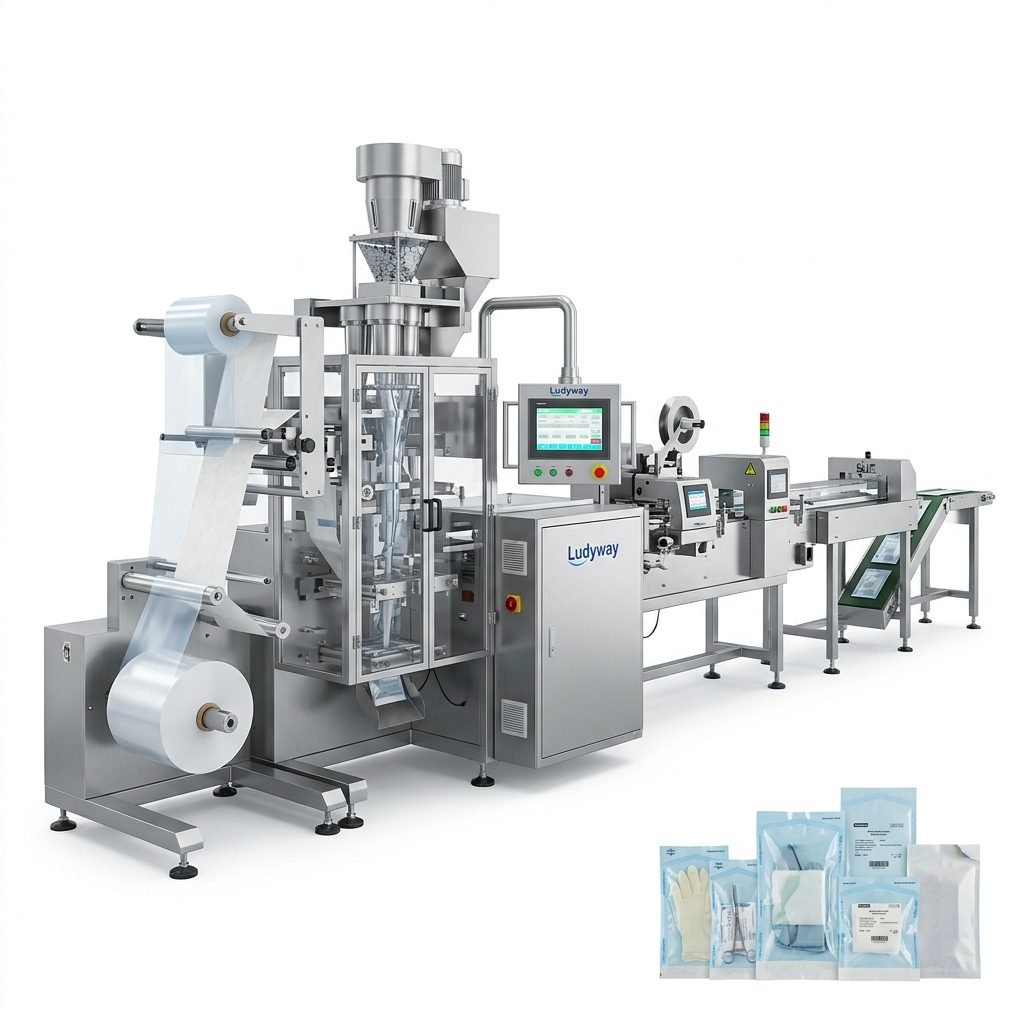
- Unit-dose medical packs for sterile or controlled-use applications
- Portion packs for foodservice, hospitality, and travel products
Unlike bulk packaging, each unit remains sealed until the moment of use. This creates several advantages for both end users and manufacturers.
Key Benefits of Single-Dose Packaging
| Benefit | Why It Matters |
|---|---|
| Convenience | Easy to carry, open, use, and dispose of with no measuring required. |
| Safety | Helps reduce contamination, overuse, and handling errors. |
| Freshness | Each dose remains sealed until needed, protecting aroma, flavor, and active ingredients. |
| Accurate Portioning | Delivers consistent dosage or serving size across every pack. |
| Better Hygiene | Ideal for healthcare, cosmetics, and food products that require cleaner handling. |
| Reduced Waste | Users open only what they need instead of exposing the full product. |
1. Greater Convenience for Modern Lifestyles
One of the biggest reasons brands choose single-dose packaging is convenience. Consumers increasingly prefer products that fit into busy daily routines, travel, commuting, gym use, and on-the-go consumption.
Why convenience matters
- No scooping, pouring, or guessing the right amount
- Easy to carry in a bag, pocket, car, or travel kit
- Quick use at home, work, school, or while traveling
- Suitable for sampling, trial packs, and promotional distribution
For example, a single stick pack of coffee, collagen powder, or oral rehydration salts is much easier to use than carrying a full container. In personal care, a shampoo or serum sachet offers the same practical advantage.
2. Improved Product Safety and Hygiene
Single-dose packaging helps protect products from repeated exposure to air, moisture, light, and external contaminants. This is especially important in industries where hygiene and dosage precision are critical.
Safety advantages include
- Less handling of the main product supply
- Lower contamination risk after opening
- Controlled portion use for medicine, supplements, and chemicals
- Better tamper visibility because each unit is individually sealed
In pharmaceuticals and healthcare, unit-dose formats can support compliance, cleaner dispensing, and reduced cross-contact. In food applications, they also help maintain sanitary conditions from filling to final consumption.
3. Better Freshness and Shelf-Life Protection
Freshness is a major selling point for products that are sensitive to environmental exposure. Once a bulk container is opened, the product may begin to degrade due to oxygen, humidity, or repeated contact. Single-dose packaging avoids this issue by keeping each portion sealed until use.
This is particularly valuable for:
- Instant drink mixes and coffee powders
- Nutritional supplements and probiotics
- Skincare serums and active cosmetic formulas
- Sauces, condiments, and liquid concentrates
- Medical and pharmaceutical powders
For brands, this can support a stronger customer experience because the last pack is just as protected as the first. For consumers, it means more reliable flavor, fragrance, effectiveness, and texture.
4. More Accurate Dosage and Portion Control
Portion accuracy is one of the most practical benefits of single-dose packaging. Every unit is prepared according to a defined fill volume or weight, helping users consume the correct amount every time.
This is especially useful for:
- Prescription and over-the-counter pharmaceuticals
- Dietary supplements and sports nutrition
- Food ingredients and seasoning mixes
- Household chemicals and cleaning products
Precise portioning supports consistency and helps reduce underuse or overuse. In regulated industries, it can also improve compliance with quality and labeling requirements.
5. Reduced Product Waste
Bulk packaging often leads to waste because more product is exposed than needed. Single-dose units solve this by providing only the amount required for one application or serving.
This can help:
- Prevent spoilage after opening
- Reduce leftovers in hospitality and foodservice settings
- Minimize misuse in healthcare and industrial use
- Improve cost control for both brands and end users
In sectors such as beauty samples, hospital care, sports supplements, and travel retail, reducing waste is often directly tied to customer satisfaction and operational efficiency.
6. Stronger Branding and Better Consumer Appeal
Single-dose formats are not only functional; they are also highly marketable. Compact packs are easy to design, easy to distribute, and visually effective on shelves or in e-commerce bundles.
Branding benefits include
- Convenient sample-size marketing
- Travel-friendly premium positioning
- Clear dosage and usage messaging on each unit
- Attractive packaging for retail multipacks and subscriptions
Consumers often associate single-dose packaging with modern convenience, hygiene, and professional quality. That makes it a strong format for new product launches and high-value formulations.
7. Efficient for E-Commerce, Travel, and Institutional Use
Single-dose products fit well into channels where portability, speed, and controlled use are important. They are commonly used in:
- Online retail and subscription boxes
- Hotels, airlines, and travel kits
- Hospitals, clinics, and care facilities
- Gyms, wellness programs, and event packs
- Foodservice and quick-service restaurants
The compact format can also simplify inventory handling and secondary packaging, especially when products are packed into cartons, display boxes, or assorted kits.
Common Industries Using Single-Dose Packaging
| Industry | Typical Single-Dose Products |
|---|---|
| Food & Beverage | Coffee, sugar, seasoning, sauces, drink powders, energy gels |
| Pharmaceutical | Powders, granules, oral liquids, sterile items, dose packs |
| Nutraceutical | Collagen, vitamins, probiotics, hydration powders, sports nutrition |
| Cosmetics & Personal Care | Shampoo, serum, lotion, cream, facial mask essence |
| Household & Chemical | Detergents, cleaners, disinfectants, additives |
How Packaging Machinery Supports Single-Dose Production
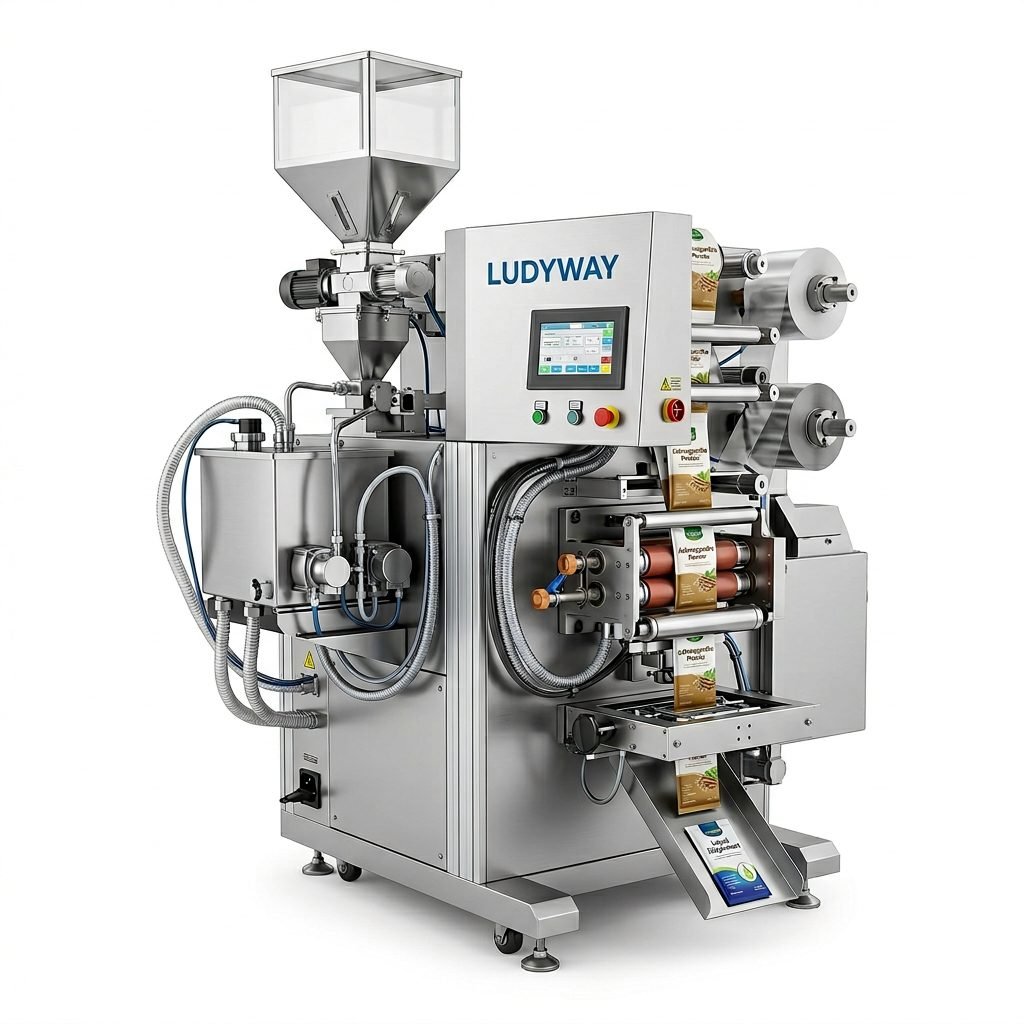
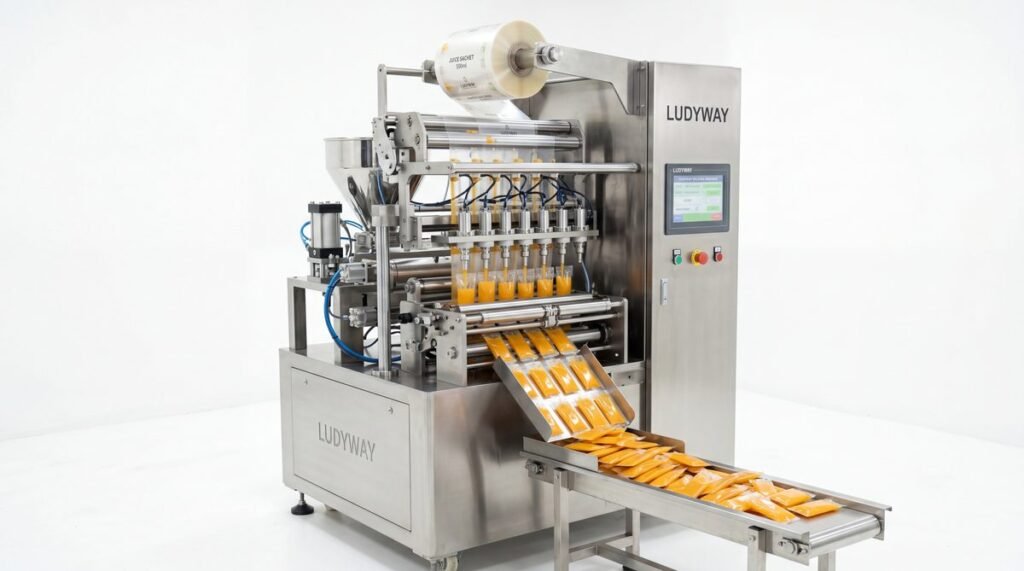
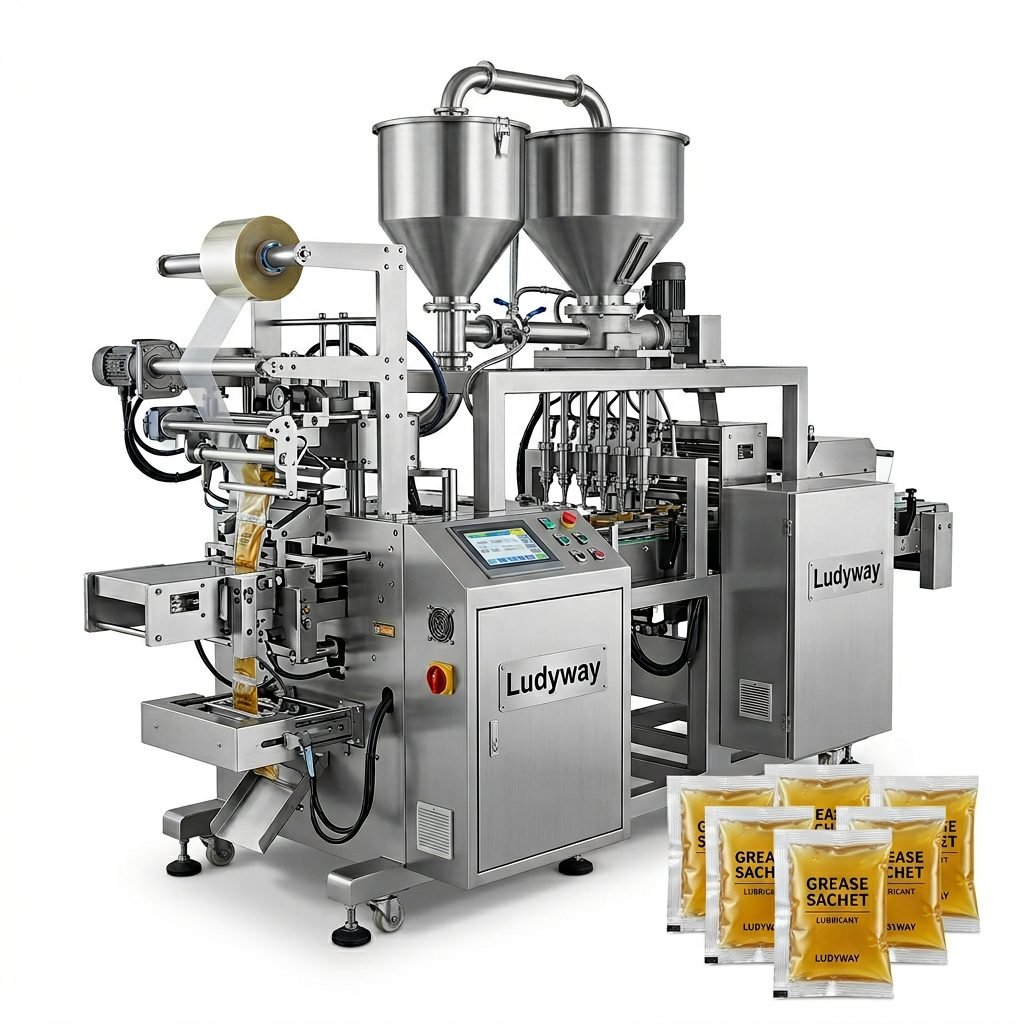
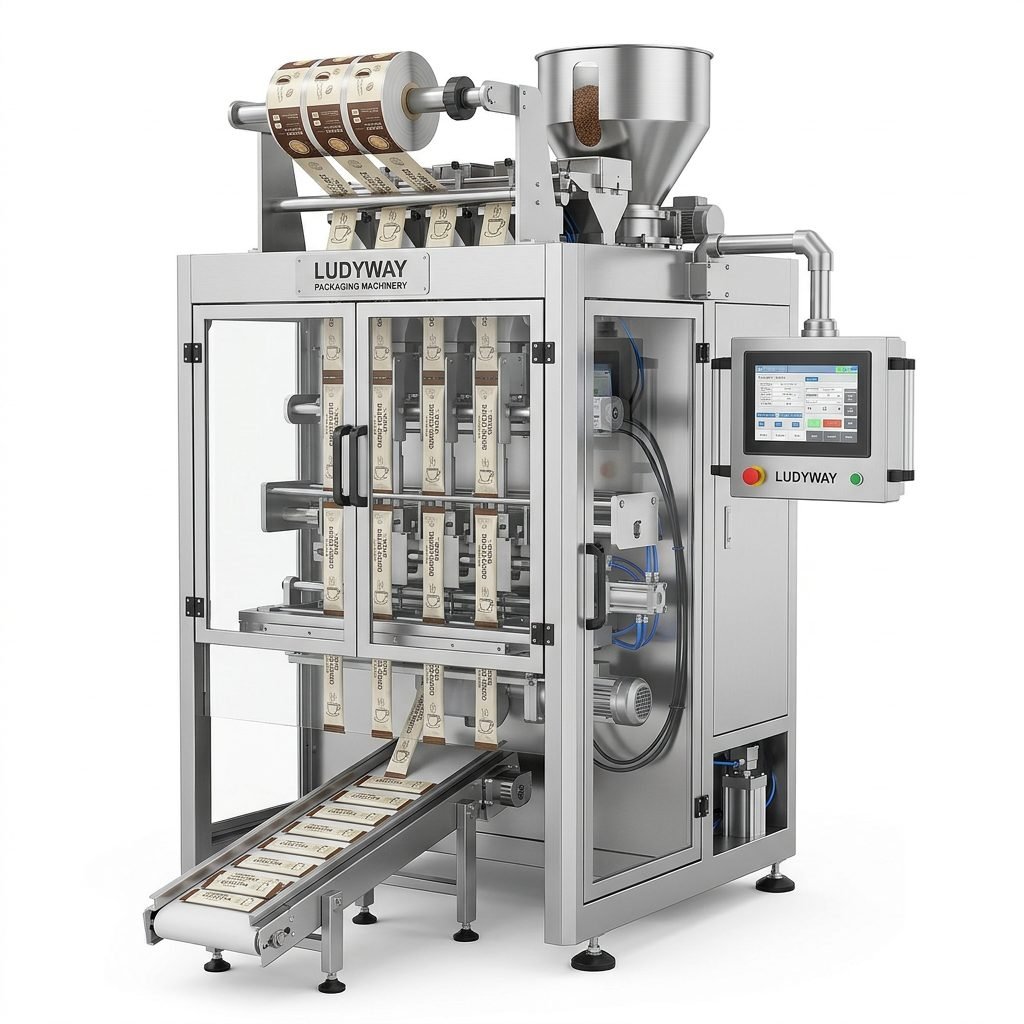
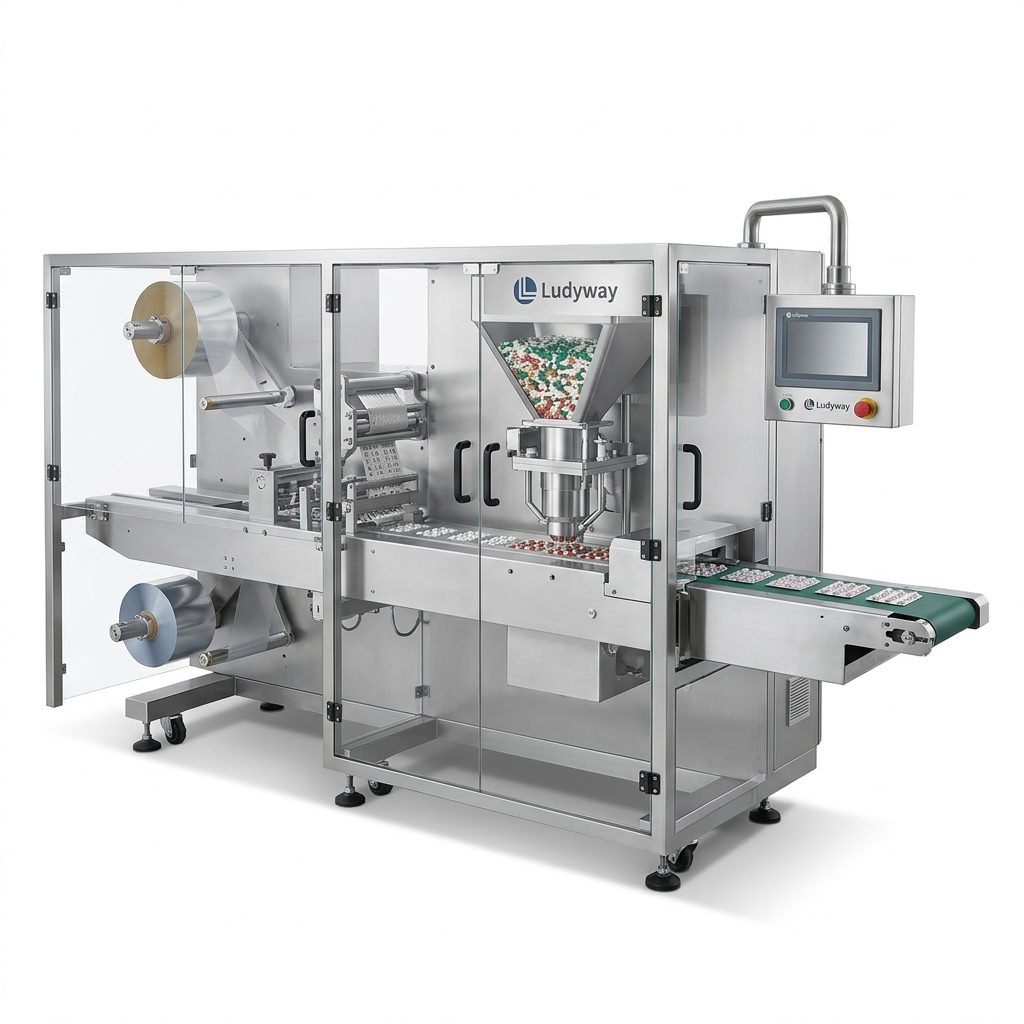
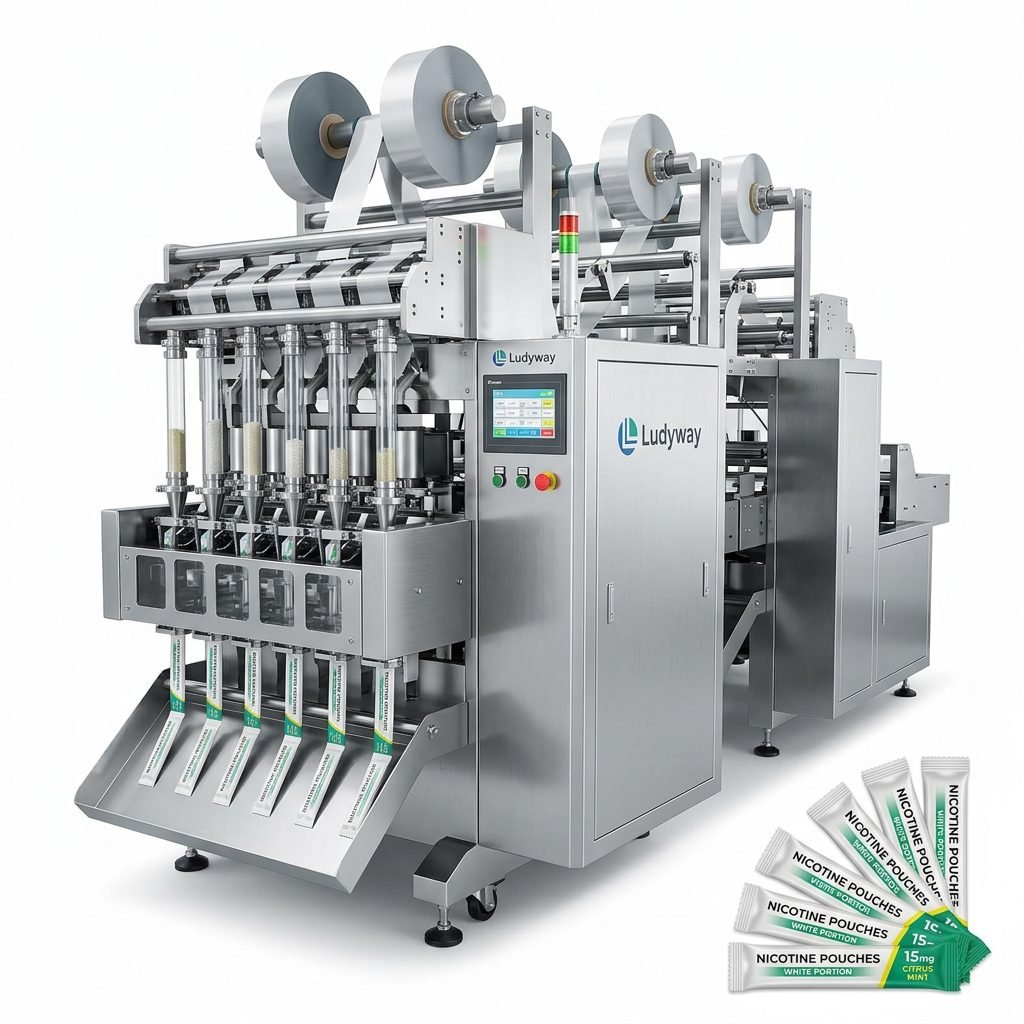
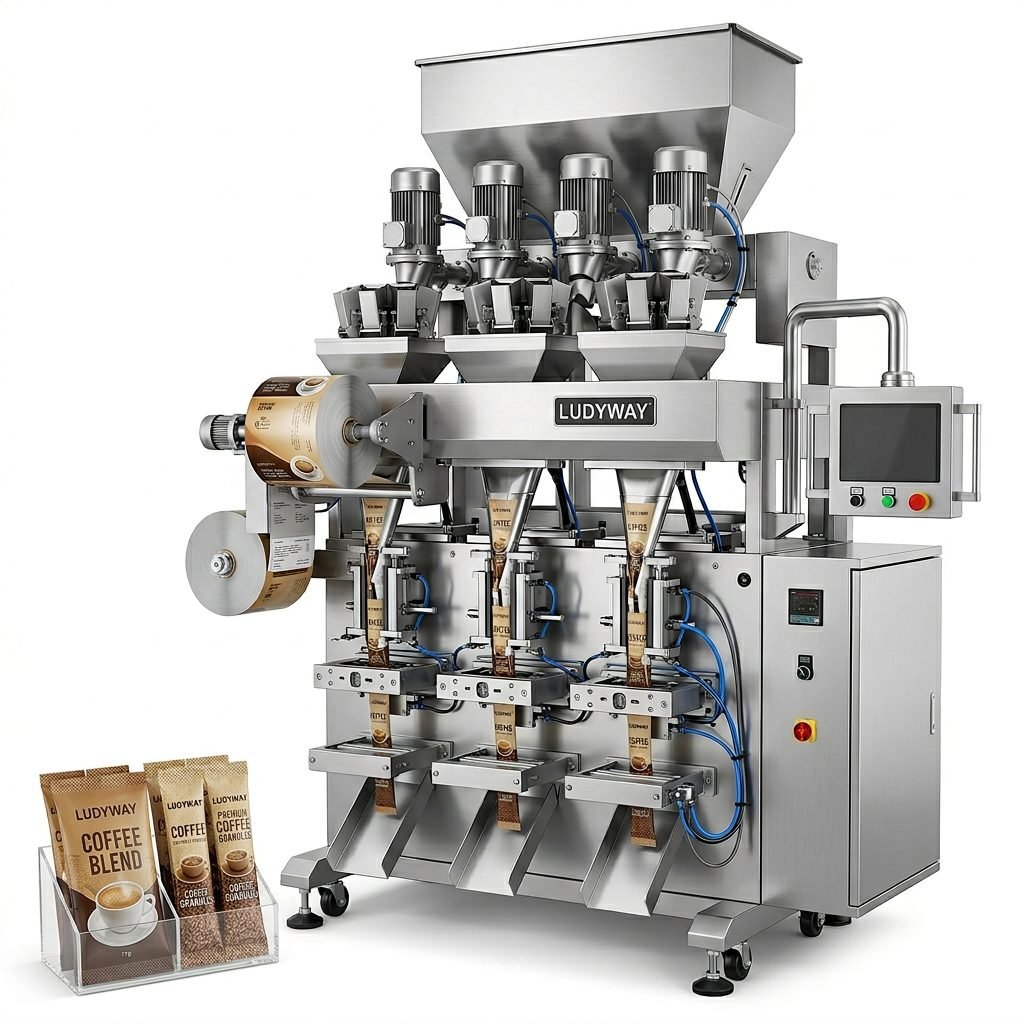
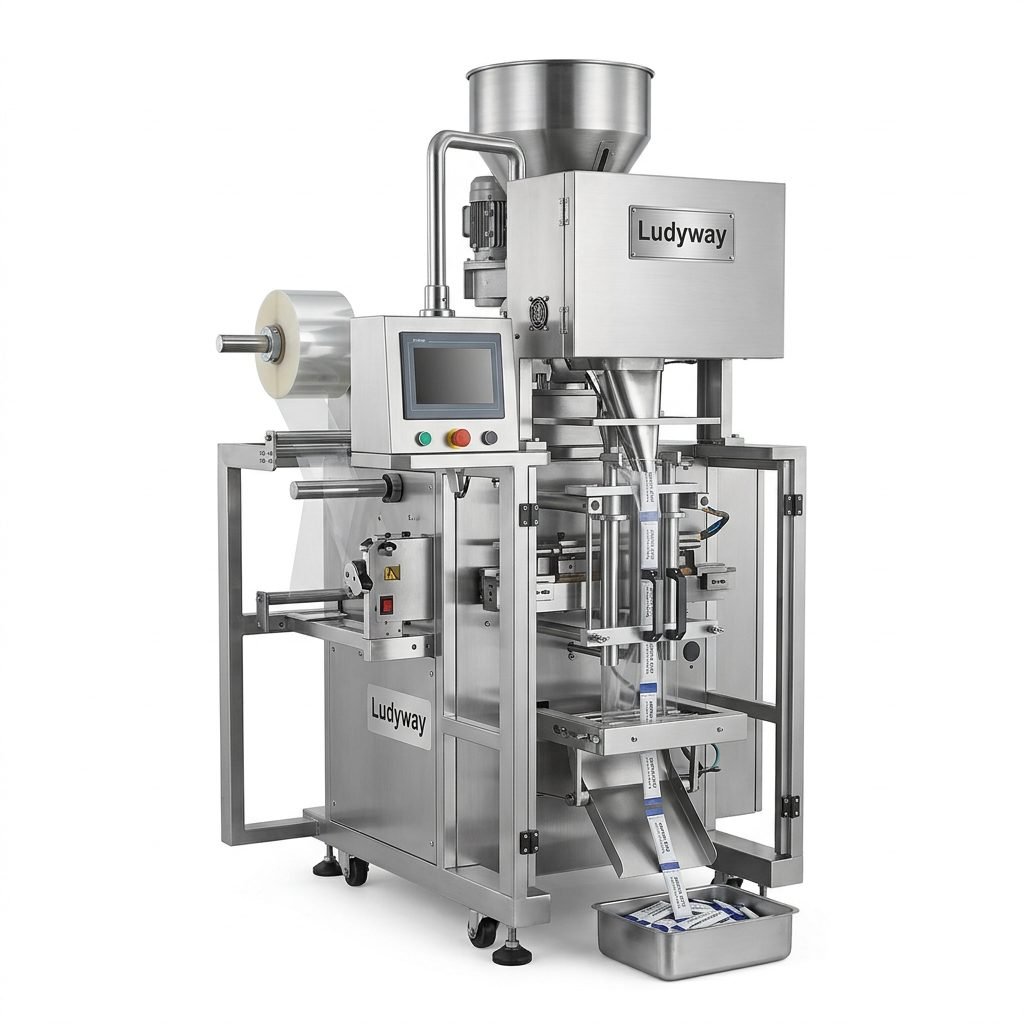
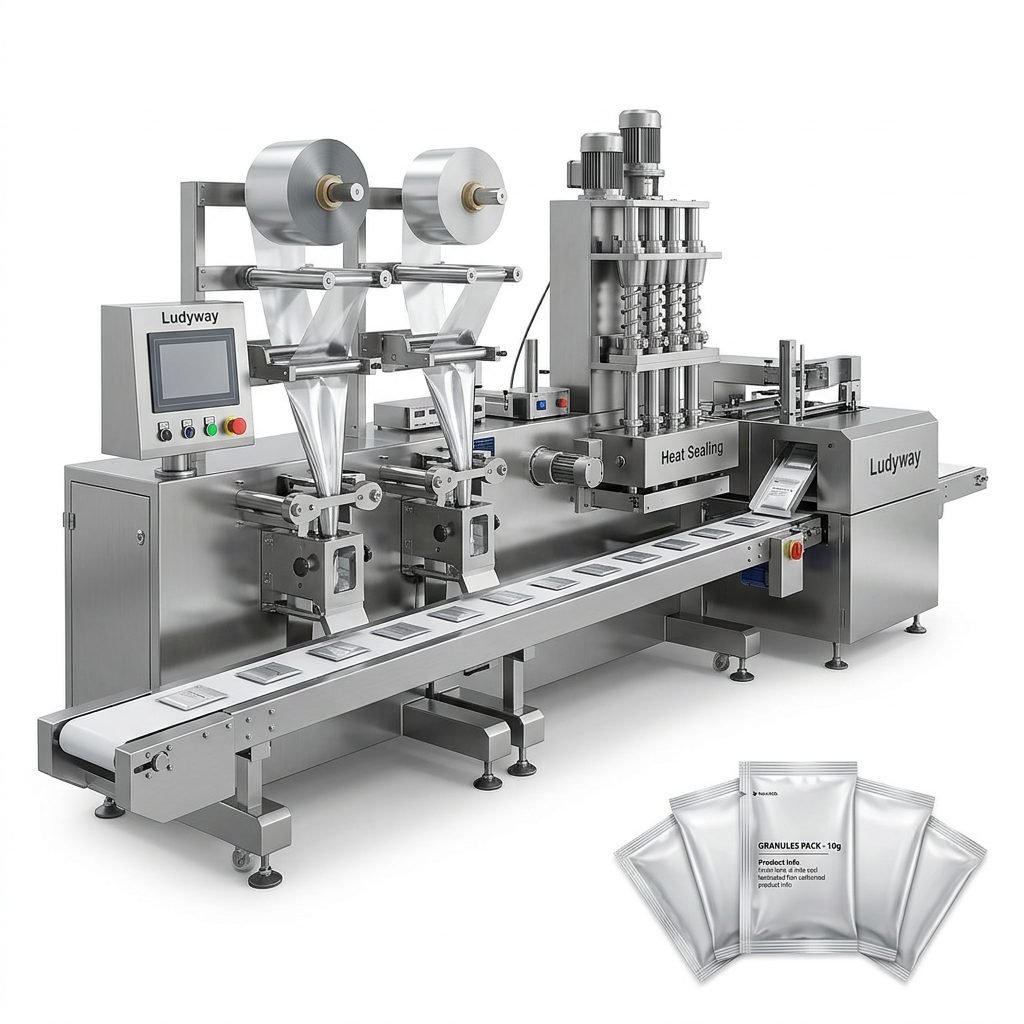
To gain the full benefits of single-dose packaging, manufacturers need reliable equipment that can deliver precise filling, stable sealing, and flexible pack formats. This is particularly important for high-volume production where consistency directly affects product quality and efficiency.
Automated sachet and stick pack systems can support:
- Accurate dosing for powders, granules, liquids, and pastes
- High-speed multi-lane production
- Consistent seal quality for freshness protection
- Easy integration with coding, cartoning, and end-of-line systems
- Adaptation for different industries and product viscosities
For businesses planning scalable packaging automation, single-dose packaging machine solutions from Ludyway can support food, pharmaceutical, supplement, cosmetic, and chemical applications with tailored line configurations.
When Single-Dose Packaging Is the Best Choice
This packaging format is especially suitable when a product requires one or more of the following:
- Strict dosing accuracy
- Protection from moisture, oxygen, or contamination
- Portable and travel-ready presentation
- Easy trial, sample, or promotional distribution
- Cleaner one-time-use handling
It may be less suitable for products primarily purchased in family-size or refill-oriented bulk formats, but for many premium, regulated, and convenience-driven categories, it is one of the most effective packaging choices available.
Final Thoughts on the Benefits of Single-Dose Packaging
The benefits of single-dose packaging go far beyond simple portioning. It improves day-to-day convenience, helps maintain hygiene, enhances freshness, supports dosage accuracy, and reduces waste. At the same time, it gives brands a flexible and attractive format for modern retail, healthcare, travel, and e-commerce markets.
As consumer expectations continue to shift toward portability, safety, and product integrity, single-dose packaging will remain an important solution for companies looking to improve both user experience and packaging performance.