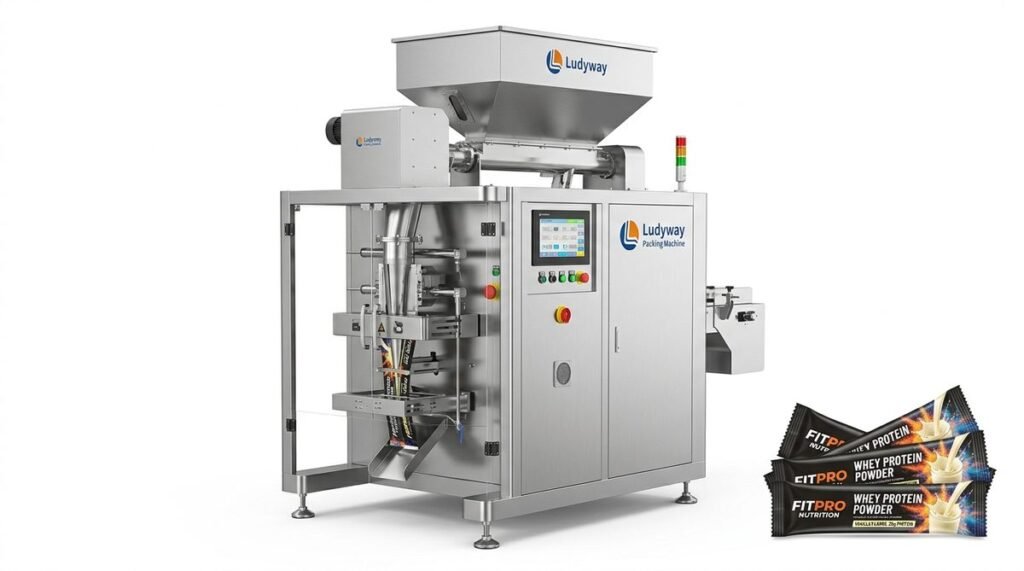
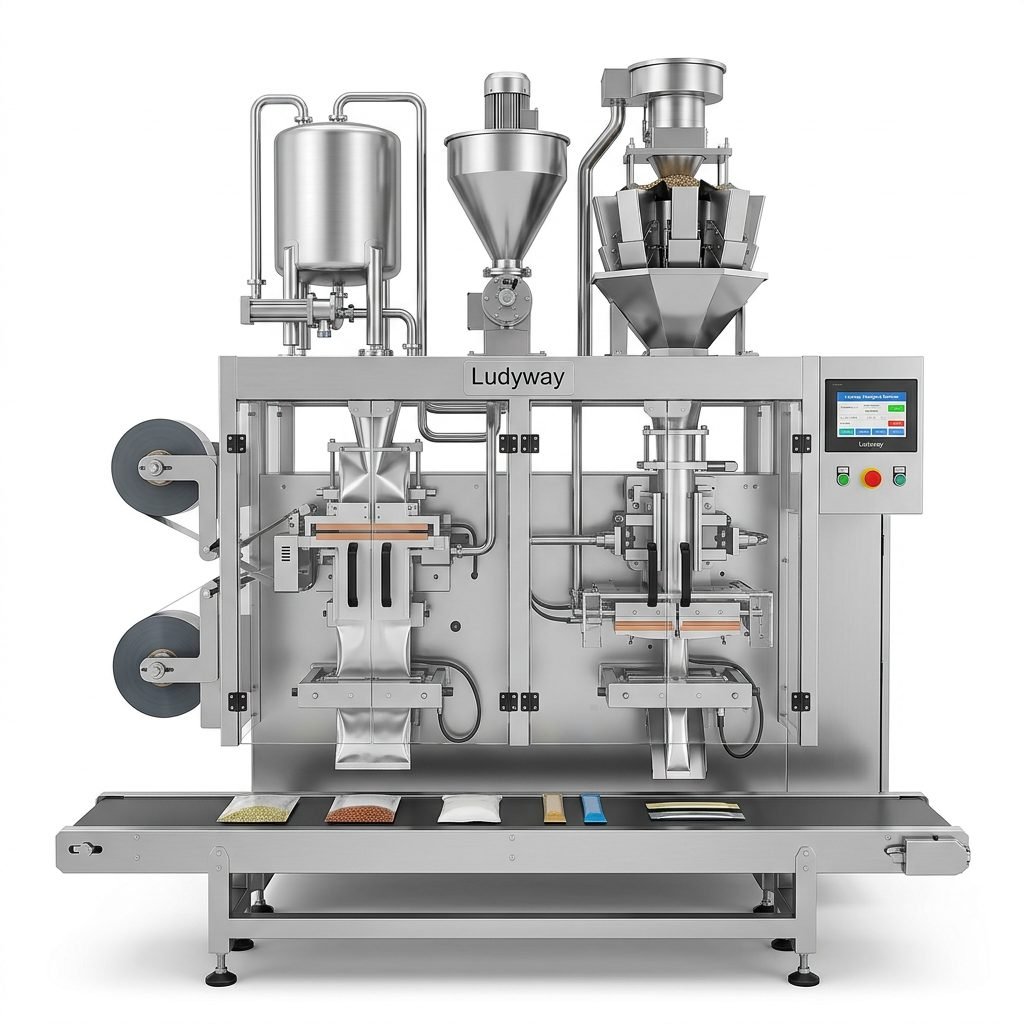
Filling machines are essential pieces of equipment used to measure, dispense, and fill products into containers or packaging formats with speed, consistency, and accuracy. They are widely used across food, beverage, pharmaceutical, cosmetic, chemical, and pet product industries to handle liquids, powders, granules, pastes, creams, and even specialty formulations.
Whether a business packs water, sauce, protein powder, detergent, capsules, shampoo, or seasoning, the right filling machine helps improve production output, reduce waste, maintain hygiene, and support product quality. In modern manufacturing, filling machinery is no longer just a convenience—it is a key part of scalable and competitive production.
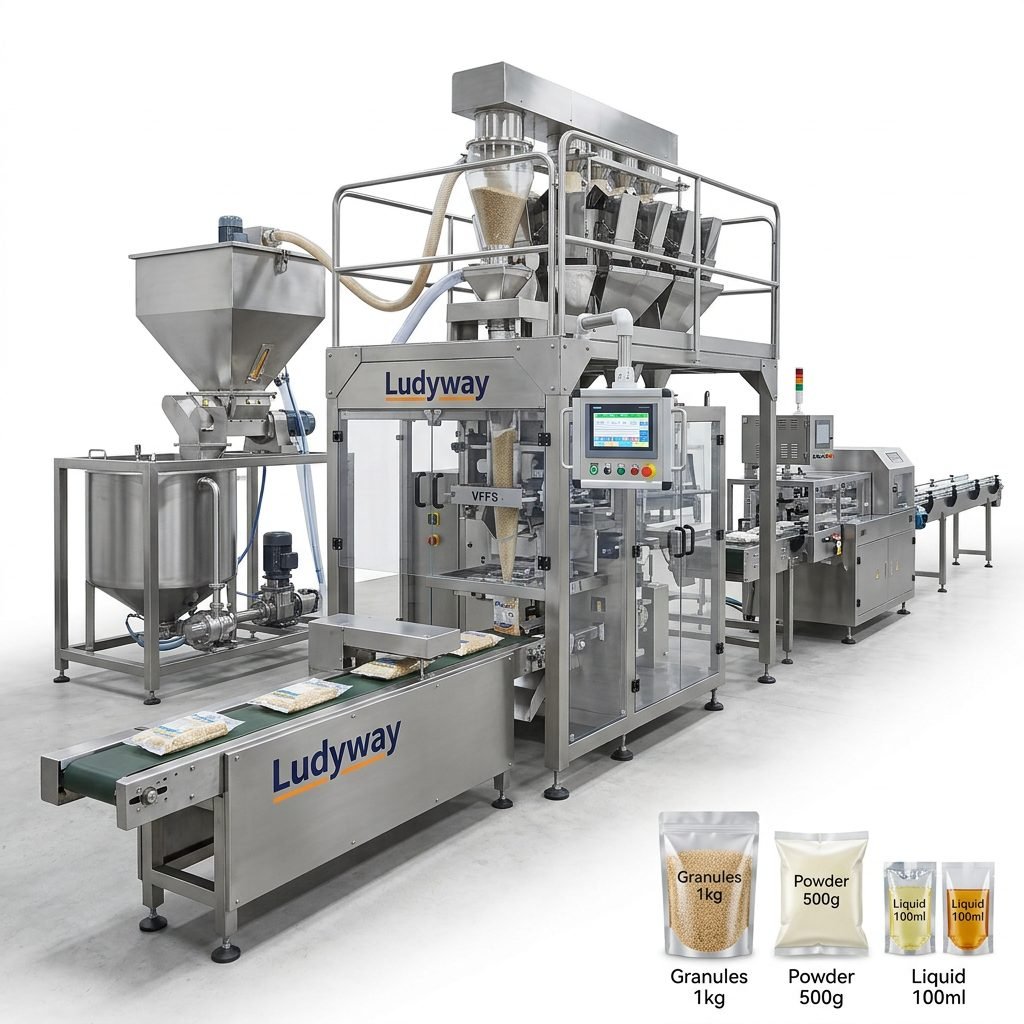
What Does a Filling Machine Do?
A filling machine is designed to place a specific amount of product into a package or container. Depending on the product type and packaging format, the machine may fill:
- Bottles
- Jars
- Pouches
- Sachets
- Stick packs
- Tubes
- Cans
- Trays
- Capsules or small-dose containers
The machine can work as a standalone unit or as part of a complete packaging line that includes feeding, weighing, sealing, coding, labeling, cartoning, and palletizing systems.
Main Applications of Filling Machines
1. Food Industry
Food manufacturers use filling machines to package a wide range of edible products safely and efficiently. Common applications include:
- Spices and seasonings
- Coffee and instant beverage powders
- Sugar, salt, and sweeteners
- Sauces, ketchup, mayonnaise, and oils
- Snacks, nuts, seeds, and grains
- Soup mixes and meal replacement powders
- Honey, jam, and syrup
In food production, accurate filling is critical for portion control, shelf consistency, and regulatory compliance.
2. Beverage Industry
Filling machines are also widely used for beverage-related products, especially powdered and liquid formats. Examples include:
- Instant coffee and tea sachets
- Electrolyte powders
- Nutritional drink mixes
- Juice concentrates
- Liquid flavorings
- Oral liquid supplements
3. Pharmaceutical Industry
In pharmaceutical production, precision and hygiene are especially important. Filling machines are used for:
- Powder sachets
- Granule medicines
- Capsules and tablets
- Oral liquids
- Medical powders
- Sterile or semi-sterile filling applications
These machines help manufacturers maintain dosage accuracy and reduce contamination risks.
4. Cosmetics and Personal Care
Cosmetic and personal care brands use filling machines for both retail and sample packaging. Common products include:
- Shampoo and conditioner
- Facial cleanser
- Creams and lotions
- Serums and oils
- Gel and liquid skincare products
- Travel-size sachets and tubes
5. Chemical Industry
Chemical products often require robust filling systems capable of handling powders, corrosive liquids, or industrial granules. Applications include:
- Detergents and cleaning agents
- Industrial additives
- Adhesives and sealants
- Fertilizers and pesticides
- Water treatment chemicals
- Lubricants and automotive chemicals
6. Pet Food and Animal Nutrition
Pet care and feed manufacturers use filling machines for:
- Pet food pellets
- Treats and snacks
- Probiotic powders
- Animal nutrition supplements
- Feed premixes
- Granular and powdered additives
Types of Products a Filling Machine Can Handle
| Product Type | Examples | Common Filling Method |
|---|---|---|
| Liquids | Water, oil, juice, sanitizer, syrup | Piston, gravity, pump, flow meter |
| Powders | Milk powder, protein powder, spices, pharma powder | Auger filling |
| Granules | Sugar, salt, seeds, coffee granules | Cup filler, weighing system, multihead weigher |
| Pastes / Creams | Sauce, cream, gel, lotion | Piston filling |
| Specialty Products | Sticky, corrosive, or foamy products | Customized filling system |
Common Types of Filling Machines
Liquid Filling Machines
These are designed for free-flowing or semi-viscous liquids such as water, oil, sauces, detergents, and pharmaceutical liquids.
Powder Filling Machines
Powder filling machines are ideal for products like flour, milk powder, protein powder, chemical powder, and medicine powder. They often use auger filling for precise dosing.
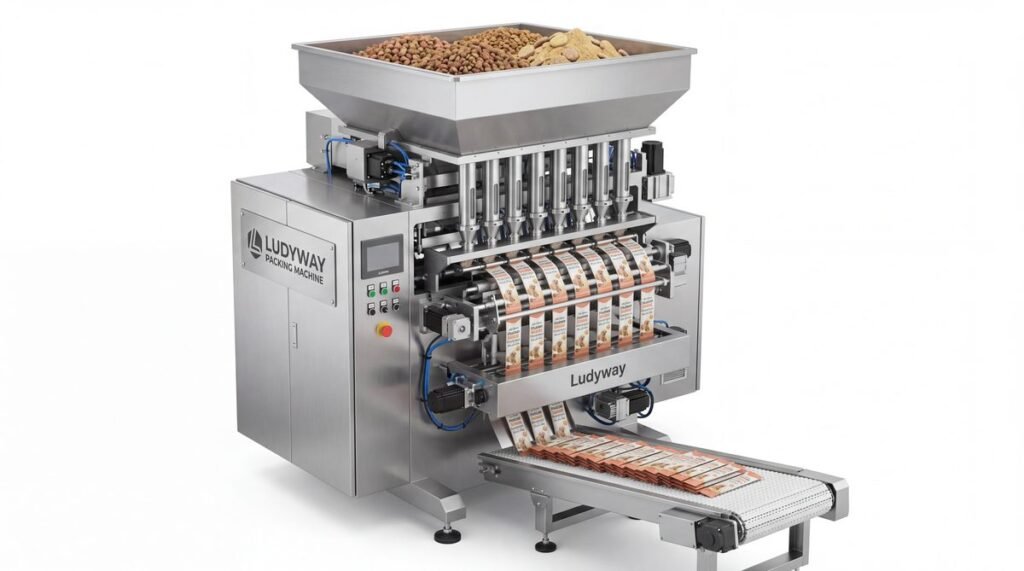
Granule Filling Machines
Granule fillers work well for products like sugar, seeds, beans, coffee granules, pet pellets, and small snacks.
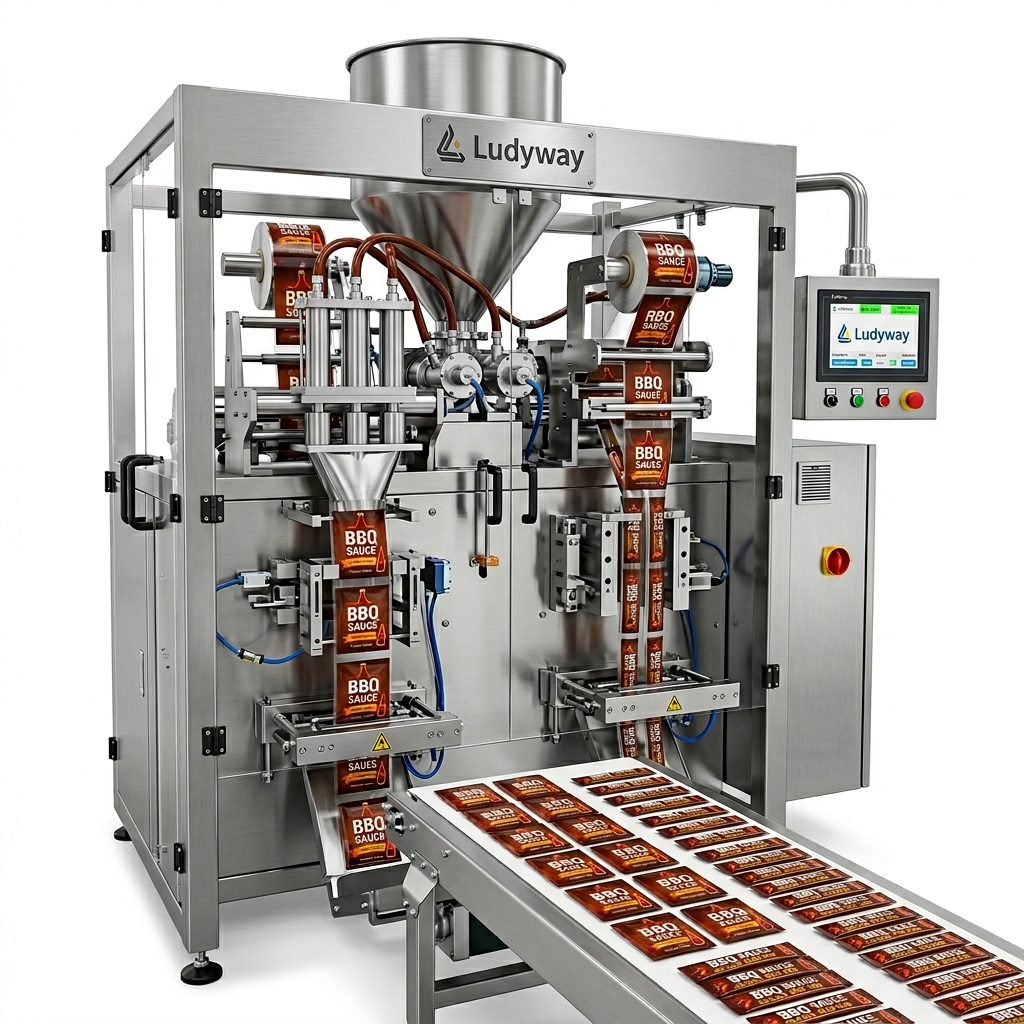
Paste and Viscous Product Fillers
These machines are suited for products with thicker consistency, such as ketchup, cream, gels, peanut butter, and cosmetic lotions.
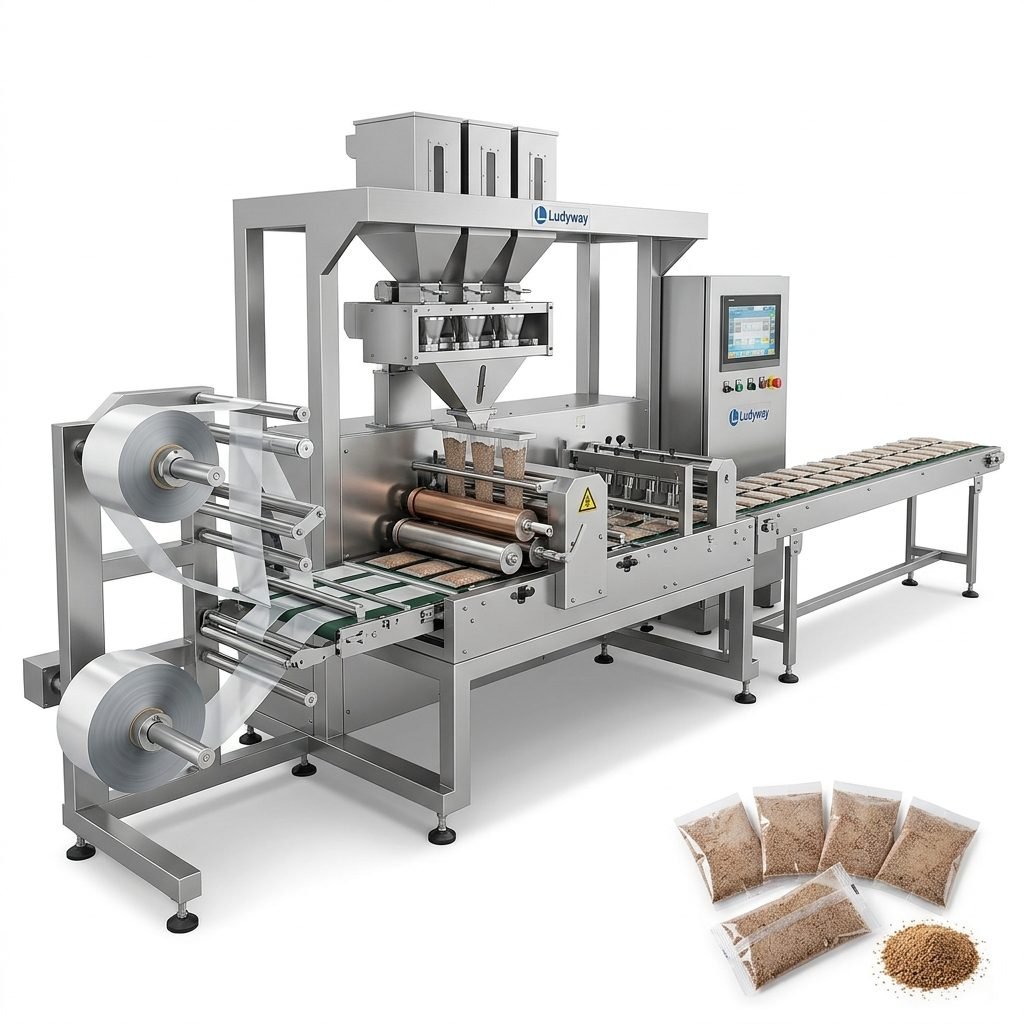
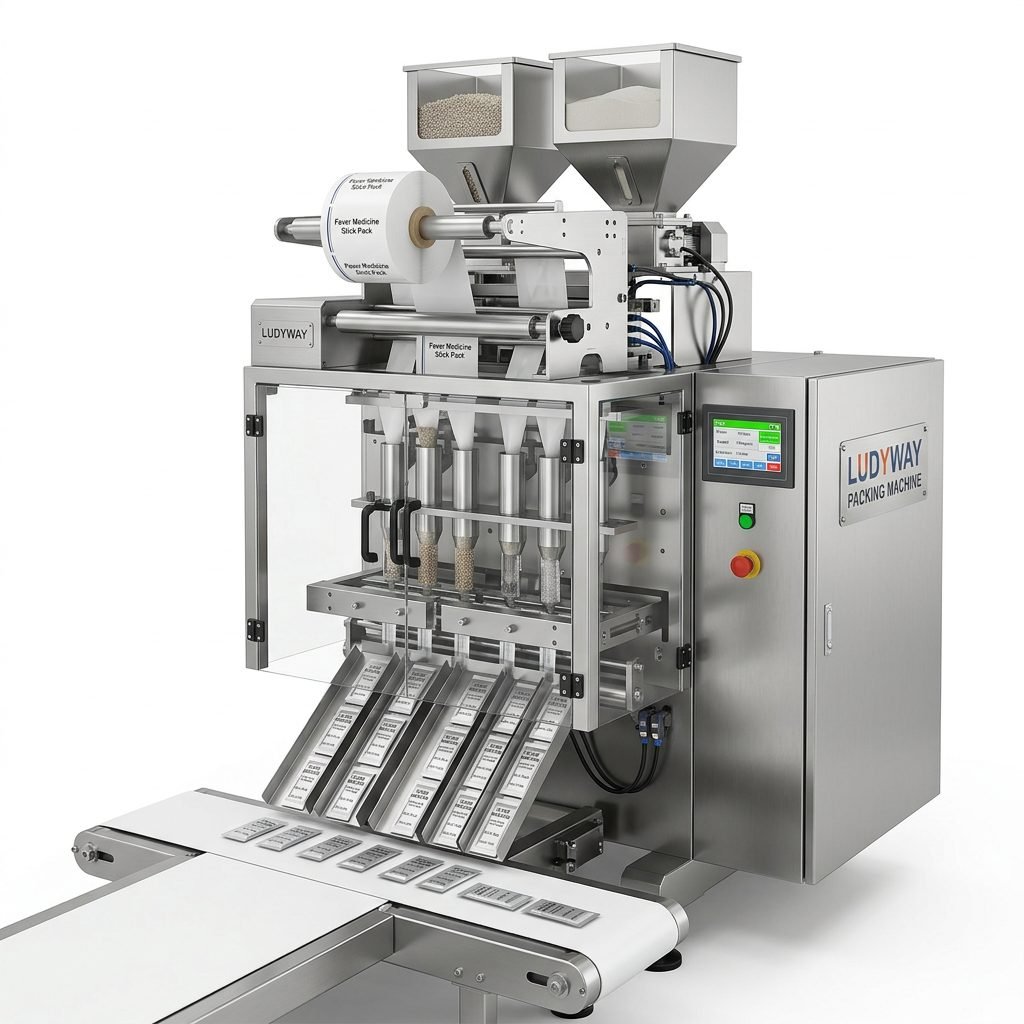
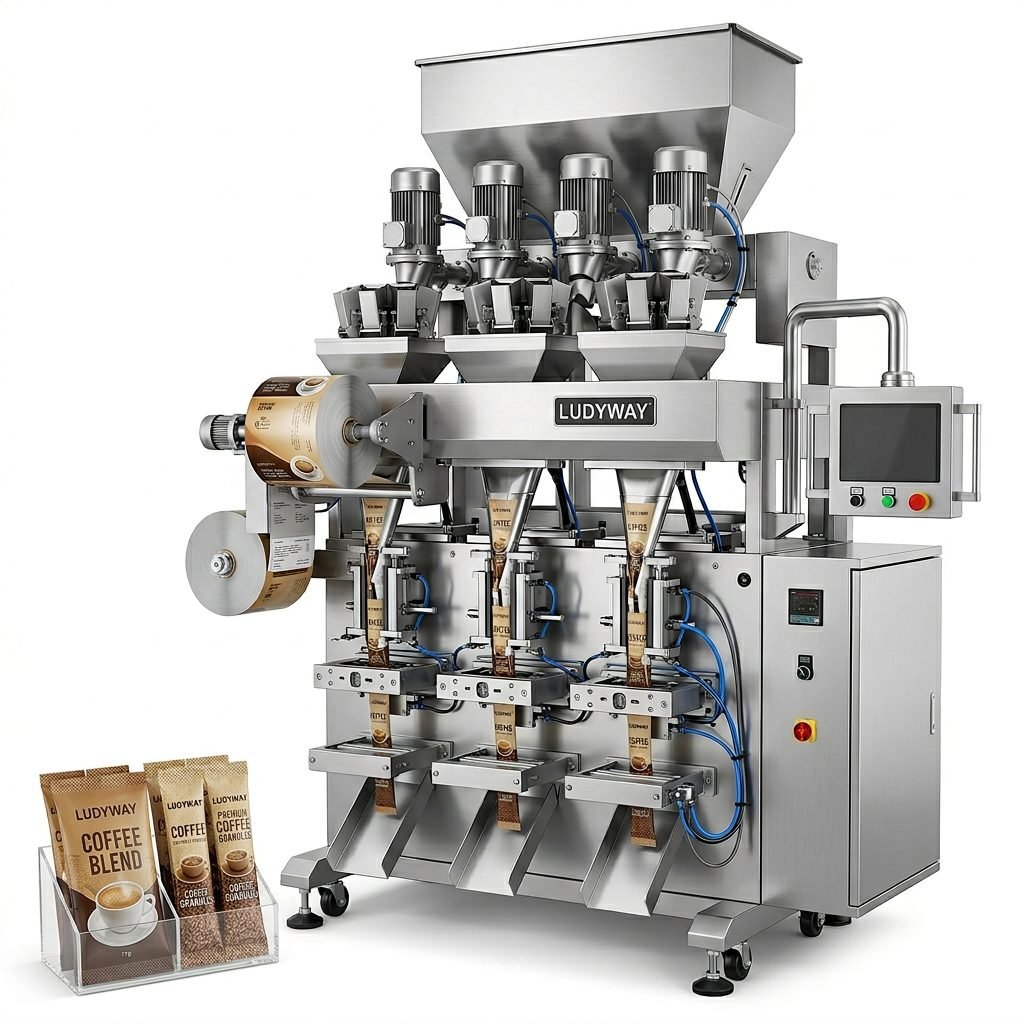
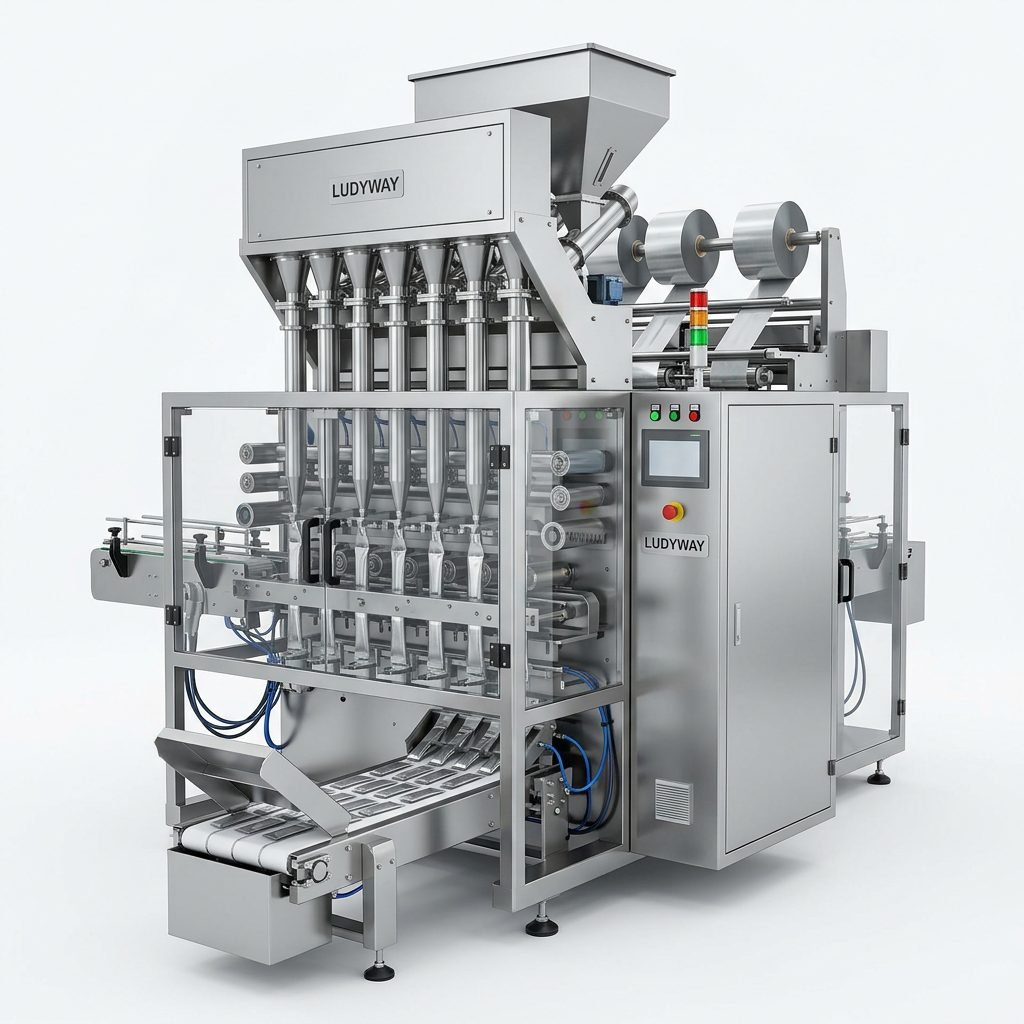
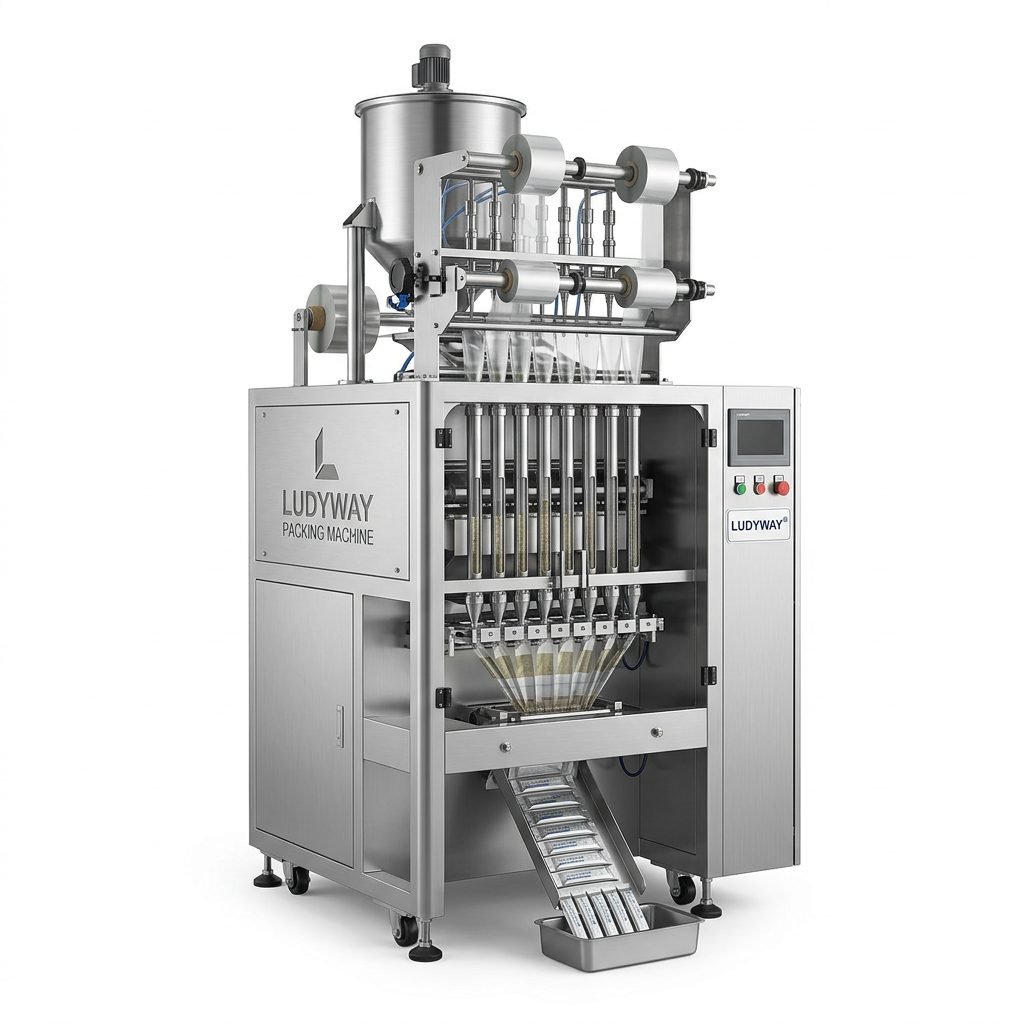
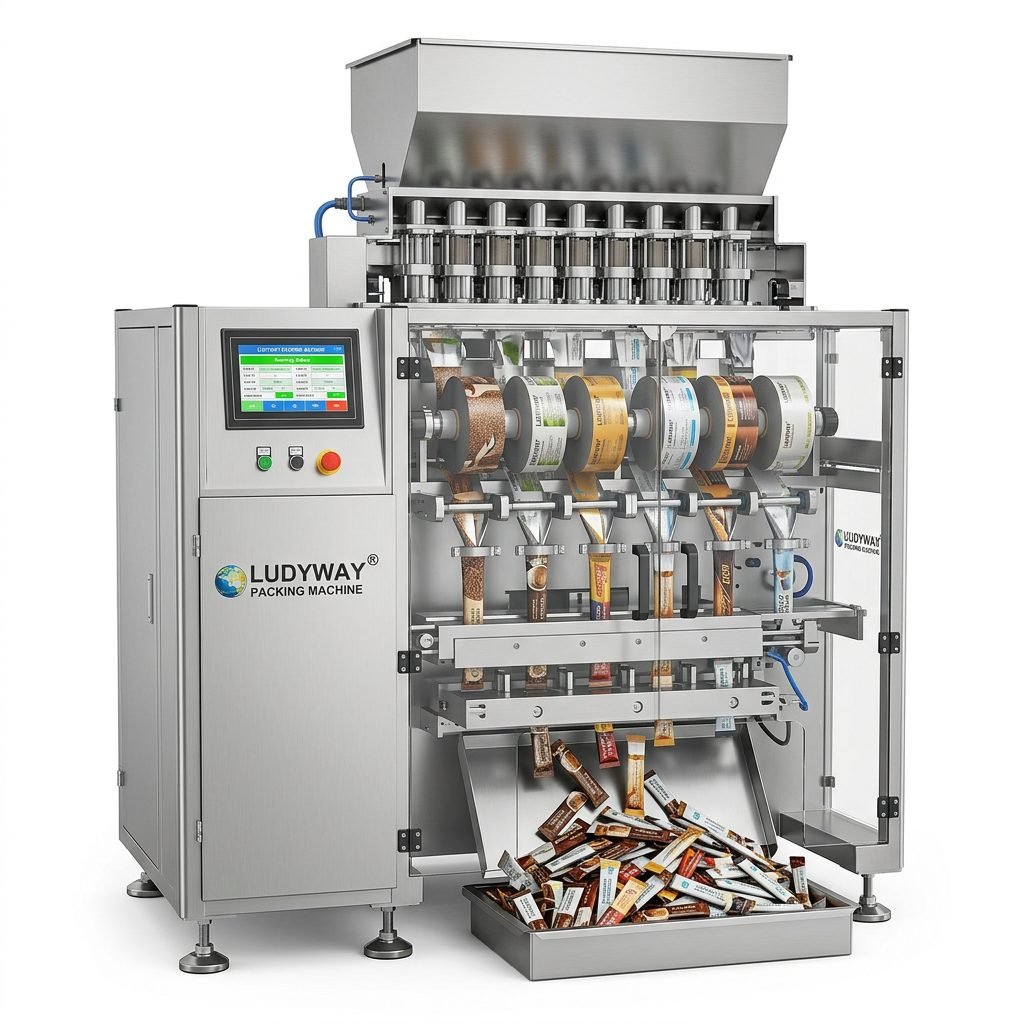
Multi-Lane Sachet and Stick Pack Filling Machines
These high-speed systems are used to fill small-dose products into sachets or stick packs. They are especially popular for food, health supplement, cosmetic, and pharmaceutical applications.
What Packaging Formats Can Filling Machines Support?
Modern filling machines can be configured for many packaging styles, including:
- Bottles and jars
- Pouches and premade pouches
- Sachets
- Stick packs
- Tubes
- Bags and sacks
- Blisters or specialty packs
The ideal packaging format depends on your product type, target market, dosage needs, shelf life requirements, and production volume.
Benefits of Using a Filling Machine
Higher Efficiency
One of the biggest benefits is speed. Manual filling is slow and labor-intensive, while automated filling machines can process large quantities in less time.
Better Accuracy
Filling machines reduce underfilling and overfilling, which helps control material costs and improves consistency across every package.
Improved Hygiene
For food, pharmaceuticals, and cosmetics, minimizing product contact is critical. Automated systems help maintain cleaner production conditions.
Reduced Labor Costs
Automation lowers dependence on manual labor and allows staff to focus on quality control, supervision, and line management.
Scalability
A suitable filling machine makes it easier for businesses to expand output as demand grows, without sacrificing consistency.
Professional Packaging Quality
Uniform filling contributes to better product presentation, stronger brand image, and improved customer trust.
How to Choose the Right Filling Machine
Choosing the right filling machine depends on several important factors:
- Product characteristics – Is it liquid, powder, granule, paste, or a mixed product?
- Packaging format – Bottle, pouch, sachet, stick pack, tube, or bag?
- Required speed – Small batch, medium output, or high-speed industrial production?
- Accuracy needs – Does the product require strict weight or volume control?
- Hygiene standard – Is the application food-grade, pharmaceutical-grade, or chemical-resistant?
- Automation level – Semi-automatic or fully automatic?
- Future expansion – Can the system integrate with sealing, coding, cartoning, and palletizing equipment?
When Does a Business Need a Filling Machine?
A business should consider investing in a filling machine when:
- Manual packaging becomes too slow
- Product waste starts increasing
- Dosage inconsistency affects quality
- Labor costs rise significantly
- Production demand grows
- There is a need for cleaner, more standardized packaging
- Retail or export markets require better packaging presentation and traceability
Standalone Machine or Complete Filling Line?
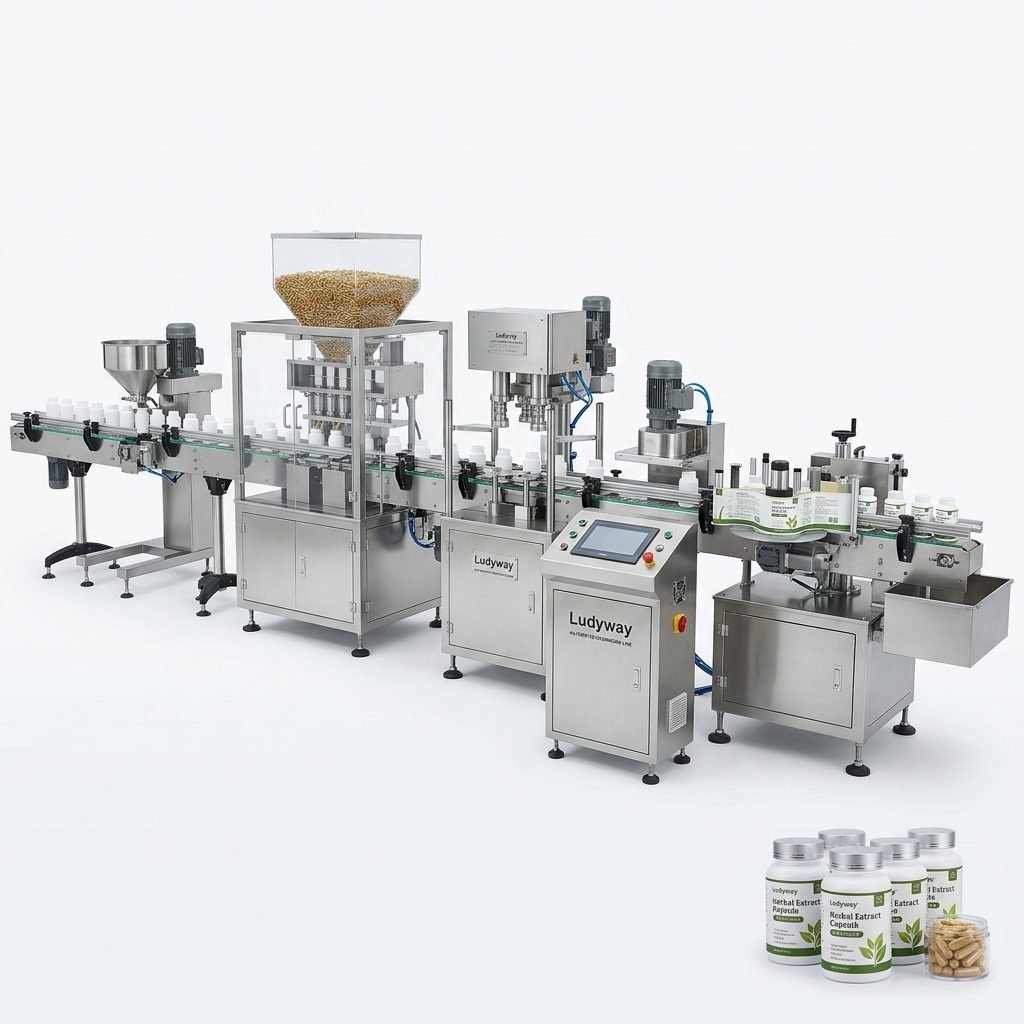
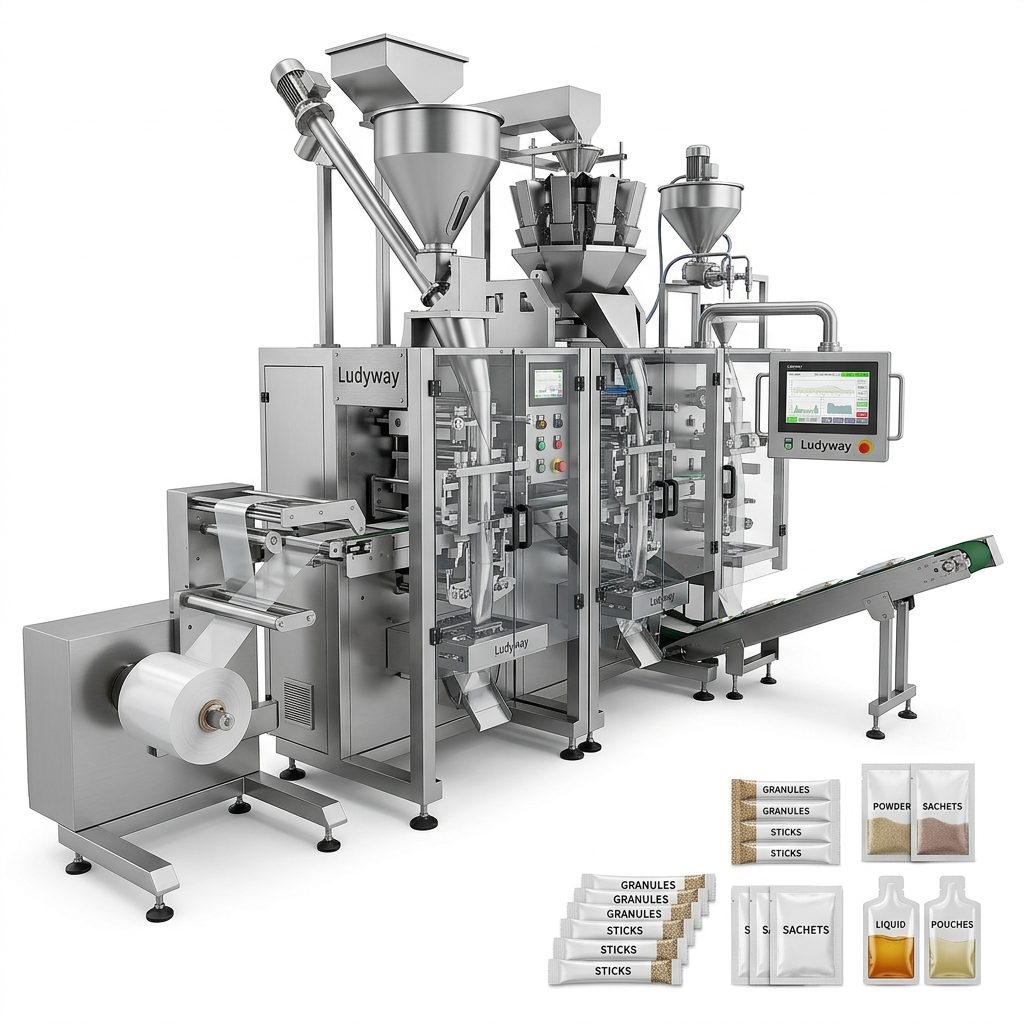
Some manufacturers only need a standalone filler, while others benefit more from a complete automated packaging line. A full line may include:
- Feeding and conveying system
- Weighing or dosing unit
- Filling machine
- Sealing machine
- Coding and labeling equipment
- Checkweigher or inspection unit
- Cartoning, case packing, and palletizing system
For growing manufacturers, integrated lines often provide better long-term efficiency and easier workflow management.
Why Filling Machines Matter in Modern Manufacturing
Today’s market demands faster production, better quality control, flexible packaging formats, and lower operating costs. Filling machines make this possible by helping brands deliver products that are cleanly packed, consistently measured, and ready for retail or industrial distribution.
For companies in food, pharma, cosmetic, chemical, and related sectors, the right equipment can directly affect productivity, cost structure, and customer satisfaction.
If you are evaluating filling machinery for sachets, stick packs, pouches, powders, granules, liquids, or complete automated lines, filling machine manufacturer Ludyway offers a broad range of packaging solutions and turnkey systems for different industries.
Final Thoughts
A filling machine is used to accurately place products into containers or packages in a fast, reliable, and hygienic way. Its applications span nearly every packaging-intensive industry, from seasonings and beverages to pharmaceuticals, cosmetics, chemicals, and animal nutrition.
Whether you need to package powders, liquids, granules, or viscous materials, investing in the right filling solution can improve output, reduce waste, support automation, and strengthen product consistency. For businesses aiming to grow efficiently, filling machinery is one of the most valuable tools in modern packaging operations.