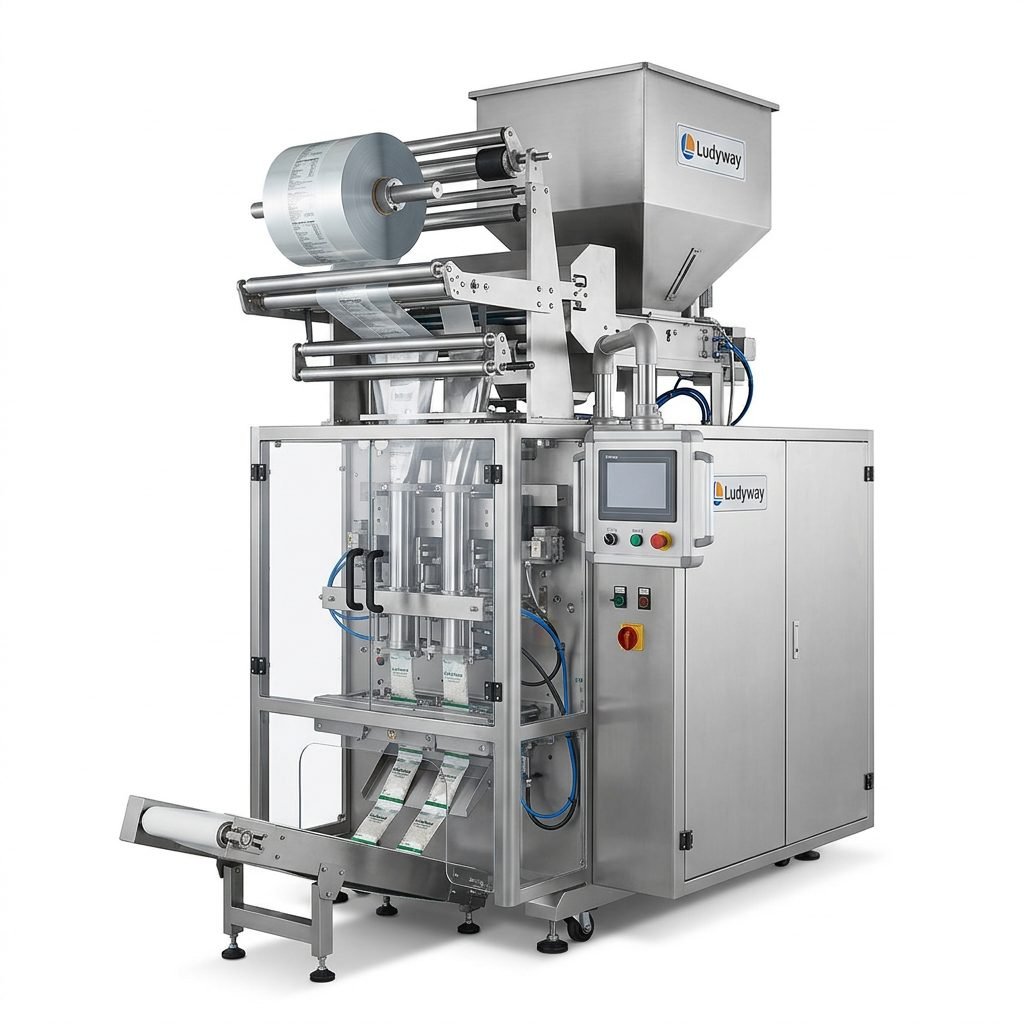
A fully automatic cartoning machine is an advanced packaging system designed to automatically form cartons, load products, insert leaflets if needed, and close or seal the boxes with minimal human intervention. It is widely used in food, pharmaceutical, cosmetic, healthcare, daily chemical, and consumer goods industries where speed, consistency, and clean presentation matter.
In modern packaging operations, cartoning is more than just “putting products into boxes.” It is a key step for protecting products, improving shelf appeal, enabling traceability, and meeting retail or regulatory packaging requirements. A fully automatic cartoner helps manufacturers achieve these goals while reducing labor costs and increasing line efficiency.
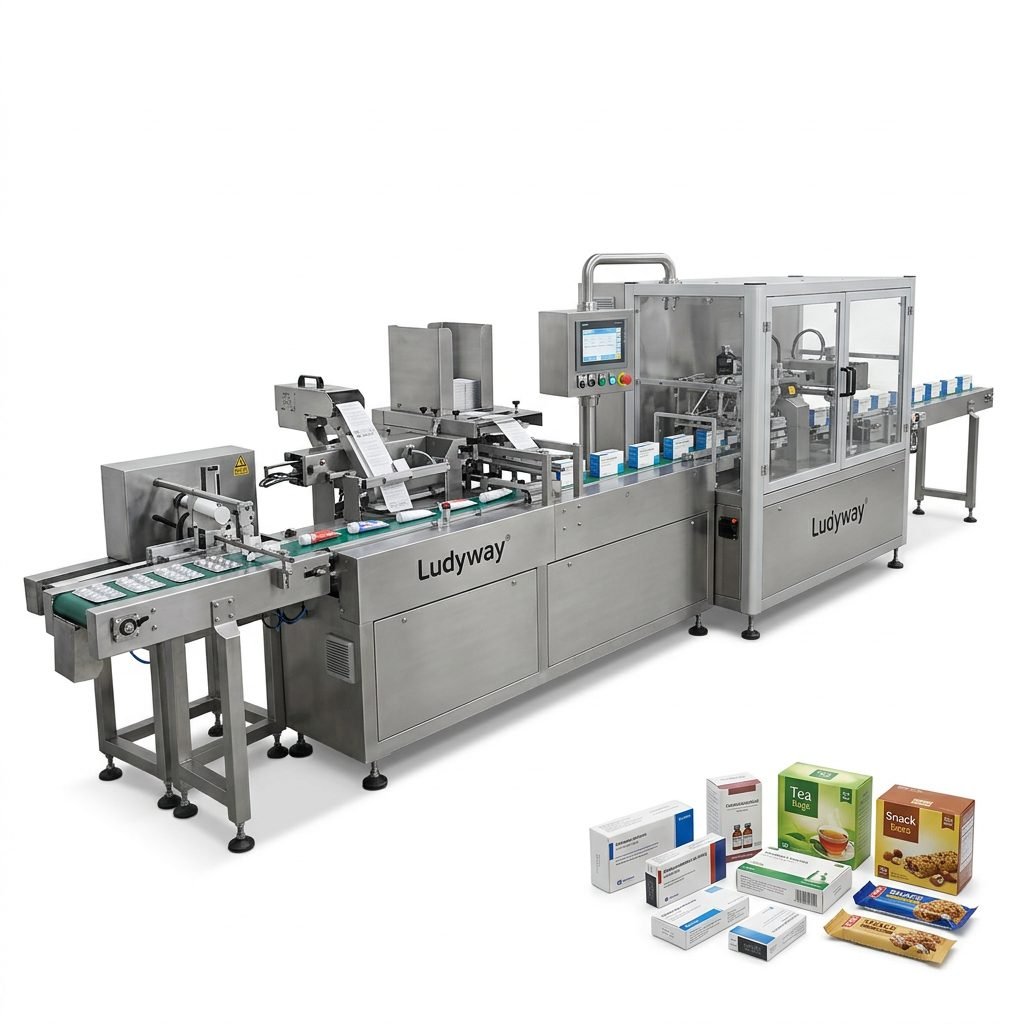
What Does a Fully Automatic Cartoning Machine Do?
A fully automatic cartoning machine performs a sequence of packaging tasks in one continuous process. It takes flat carton blanks from a magazine, erects them into box shapes, feeds products into the open cartons, and then closes the cartons by tuck-in, glue sealing, or other closing methods.
Depending on the application, the machine may also integrate:
- Leaflet insertion for pharmaceutical or healthcare products
- Date coding and batch printing for traceability
- Vision inspection for carton presence, print position, or product verification
- Reject systems for faulty or empty cartons
- Connection with upstream and downstream equipment such as filling machines, flow wrappers, case packers, and palletizers
How a Fully Automatic Cartoner Works
Although the exact structure varies by model, most fully automatic cartoning machines follow a similar workflow:
- Carton feeding: Flat carton blanks are loaded into the magazine.
- Carton erection: The machine opens and forms the carton automatically.
- Product infeed: Products are grouped, counted, or aligned before loading.
- Insertion: Products, sachets, pouches, bottles, blisters, tubes, or kits are placed into the carton.
- Additional insert handling: Leaflets, spoons, or accessories can be added if required.
- Carton closing: The carton is tucked or glued shut.
- Inspection and discharge: Finished cartons are checked and transferred to the next packaging stage.
Main Types of Fully Automatic Cartoning Machines
Choosing the right cartoner begins with understanding the main equipment types.
| Type | Best For | Key Feature |
|---|---|---|
| Horizontal cartoning machine | Blisters, sachets, pouches, tubes, bottles, kits | Products enter cartons horizontally |
| Vertical cartoning machine | Bottles, jars, bags, loose-count products | Products are dropped or inserted from the top |
| Intermittent motion cartoner | Medium-speed lines, more delicate handling | Step-by-step movement for stable placement |
| Continuous motion cartoner | High-speed packaging lines | Continuous operation for maximum output |
Common Products Packed by Fully Automatic Cartoning Machines
A fully automatic cartoning machine is highly versatile and can handle many product formats when paired with the right infeed system.
- Pharmaceutical blister packs, capsules, tablets, and medical kits
- Food sachets, seasoning packs, coffee sticks, and snack pouches
- Cosmetic tubes, sachets, creams, masks, and serums
- Health supplement sachets, stick packs, bottles, and pouches
- Daily chemical products such as wipes, detergents, and small household packs
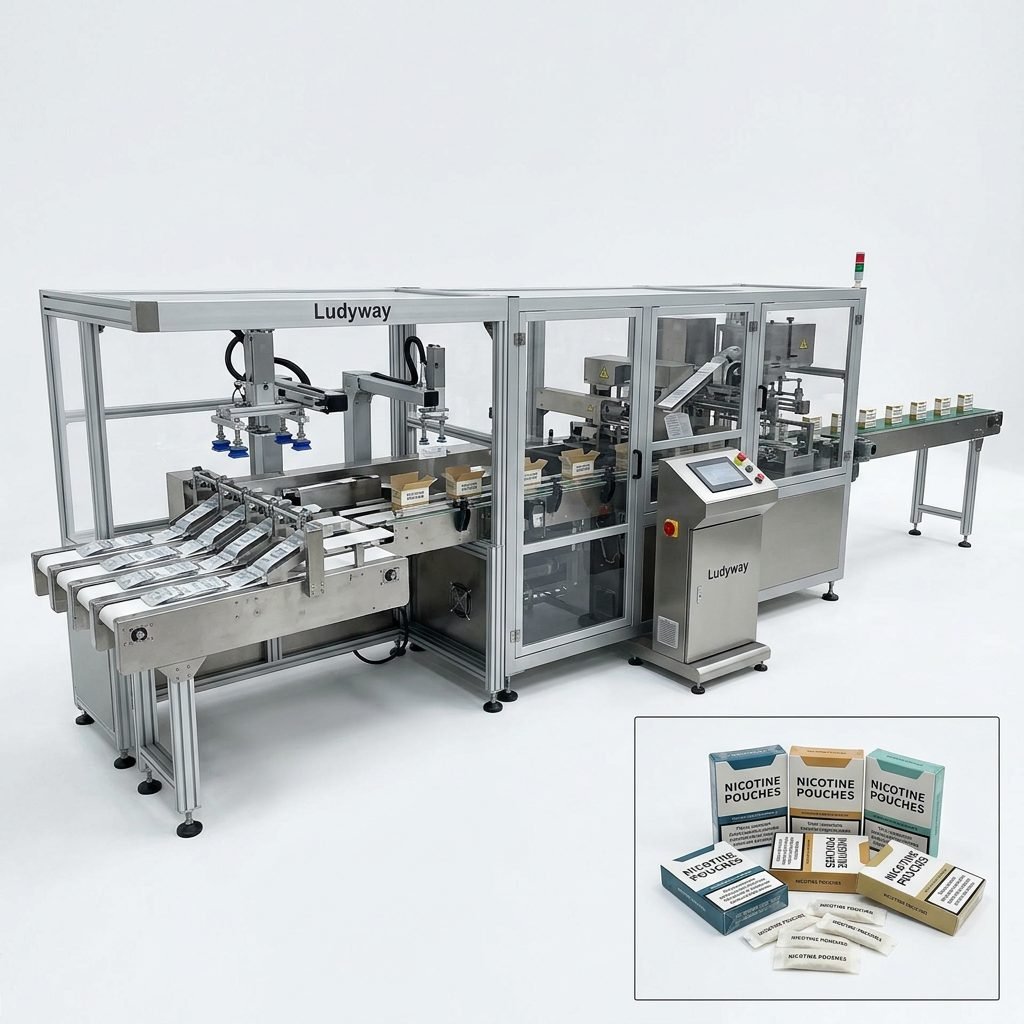
Key Functions of a Fully Automatic Cartoning Machine
1. Automatic Carton Forming
The machine takes flat carton blanks and opens them into shape accurately. This ensures uniform box quality and stable downstream handling.
2. Product Collation and Feeding
Products often arrive from upstream machines at high speed. The cartoner organizes them into the correct orientation and quantity before insertion.
3. Precise Product Loading
Whether the item is a sachet bundle, bottle, tube, blister, or pouch, the cartoner inserts it into the box with repeatable accuracy.
4. Leaflet or Insert Addition
This is especially important in pharmaceutical and healthcare packaging, where instructions, dosage information, or compliance documentation must be included.
5. Carton Closing and Sealing
Cartons may be closed by tuck-in flaps, hot melt glue, or other sealing methods depending on packaging style and transport requirements.
6. Inspection and Rejection
High-quality lines can automatically detect missing products, missing leaflets, open flaps, or coding issues, then reject defective cartons before they reach the market.
Benefits of Using a Fully Automatic Cartoning Machine
| Benefit | Why It Matters |
|---|---|
| Higher efficiency | Runs much faster than manual or semi-automatic boxing |
| Reduced labor dependence | Helps manufacturers cut repetitive manual work |
| More consistent packaging | Improves carton quality and shelf presentation |
| Better product protection | Keeps products properly enclosed during transport and storage |
| Improved compliance | Supports coding, inserts, and inspection for regulated industries |
| Easy line integration | Works with upstream filling machines and downstream case packing systems |
For many manufacturers, the biggest advantage is scalability. As production demand grows, a fully automatic cartoning machine makes it easier to maintain output without proportionally increasing labor.
Fully Automatic vs. Semi-Automatic Cartoning Machines
Many buyers compare fully automatic and semi-automatic models before making an investment decision.
| Feature | Fully Automatic | Semi-Automatic |
|---|---|---|
| Labor requirement | Low | Higher |
| Production speed | High | Moderate |
| Automation level | Complete packaging cycle | Requires manual product or carton handling |
| Best for | Medium to large-scale production | Small batches or lower budgets |
| Long-term ROI | Often stronger | May be limited at higher volumes |
Industries That Benefit Most
Pharmaceutical Industry
Cartoners are essential for boxing blister packs, bottles, test kits, and medical consumables while supporting leaflet insertion, coding, and inspection requirements.
Food Industry
Single-serve sachets, stick packs, snacks, instant drinks, and condiment packs are often grouped and placed into retail cartons for easier distribution and better presentation.
Cosmetics and Personal Care
Creams, masks, sample sachets, ampoules, and tubes are frequently carton-packed to improve branding and protect delicate products.
Health Supplements
Powder sachets, stick packs, tablets, and bottle-packed supplements benefit from organized, clean, and retail-ready carton packaging.
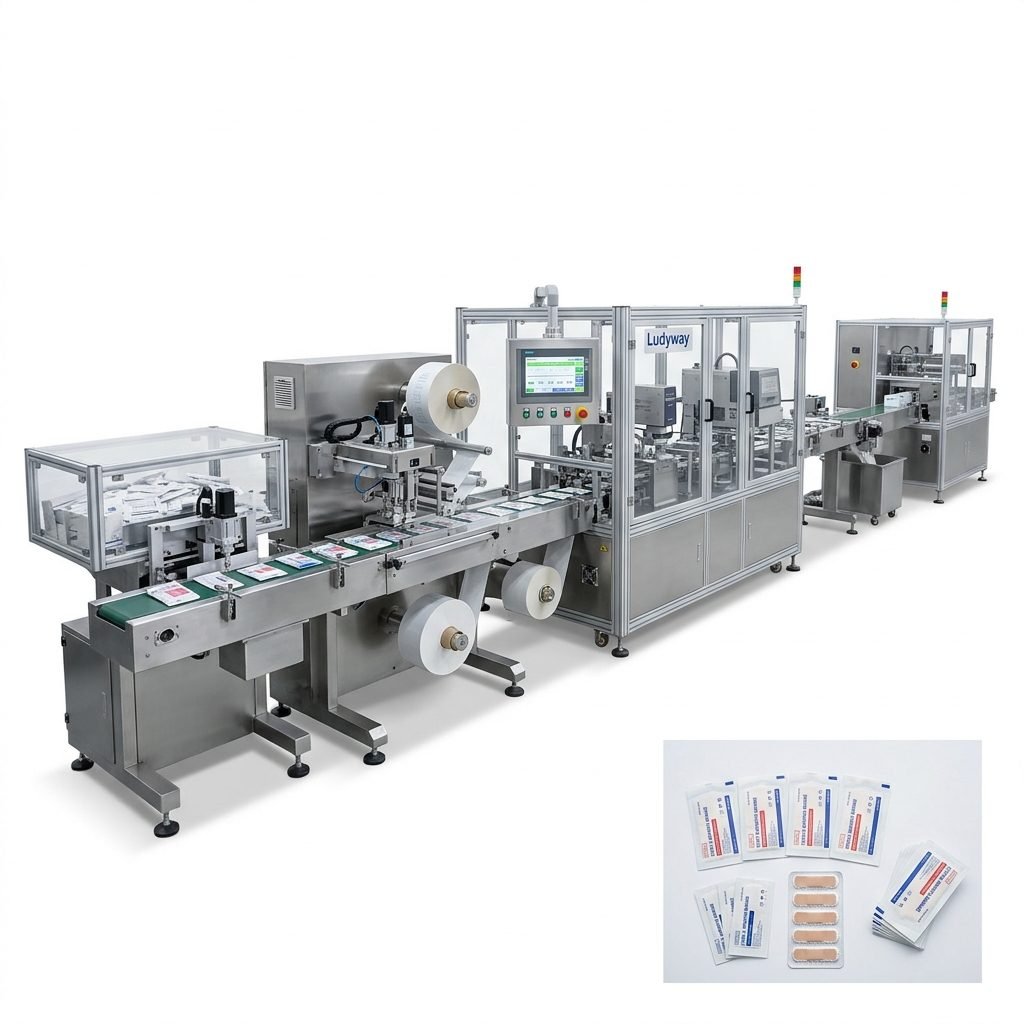
Important Features to Look for Before Buying
Not all cartoning machines are the same. Before choosing a model, buyers should review both current and future packaging needs.
- Speed range: Match output to your production line capacity
- Carton size flexibility: Important if you run multiple SKUs
- Product compatibility: Ensure the infeed system fits your product shape and arrangement
- Changeover convenience: Faster changeovers reduce downtime
- Control system: User-friendly HMI and PLC control improve operation and maintenance
- Inspection options: Useful for regulated or high-value products
- Integration ability: The machine should connect smoothly with upstream and downstream equipment
- After-sales support: Spare parts, technical guidance, and training are critical for long-term reliability
How a Fully Automatic Cartoning Machine Improves Packaging Line Performance
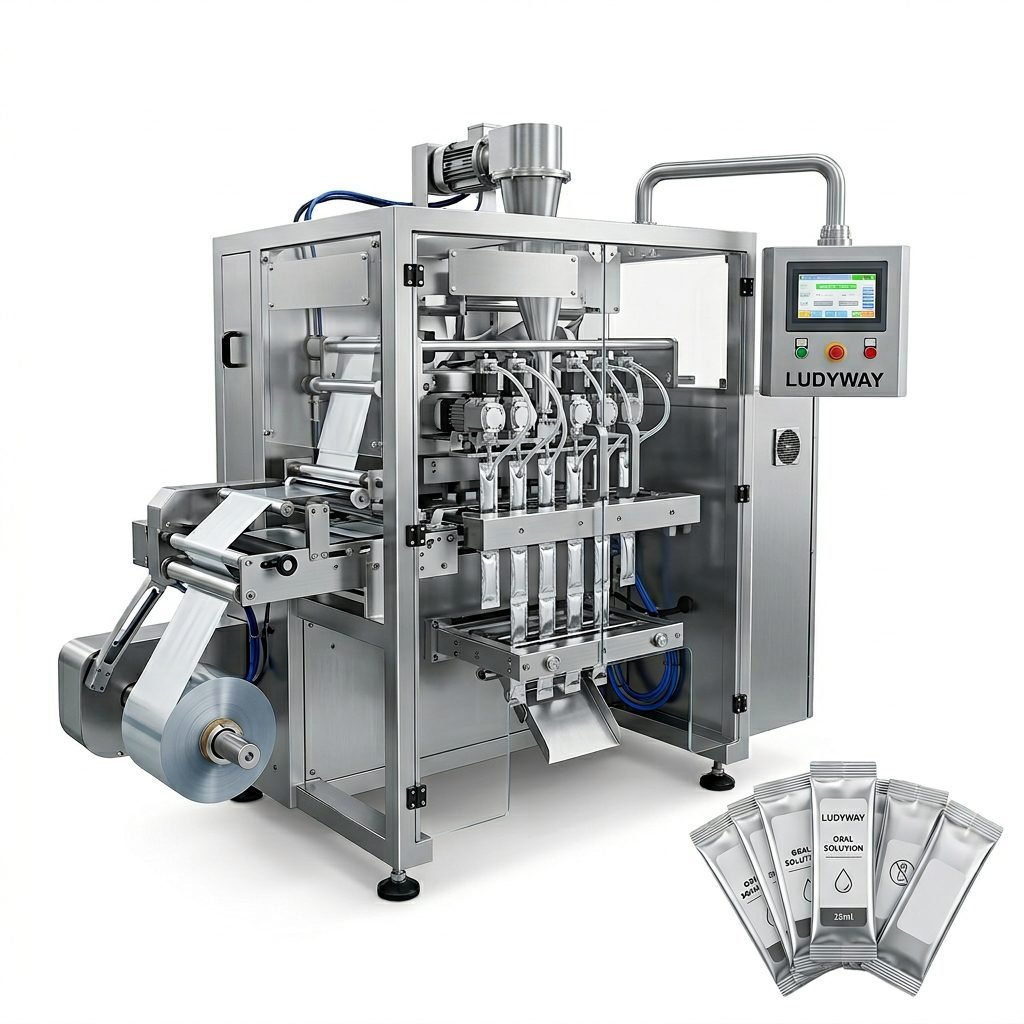
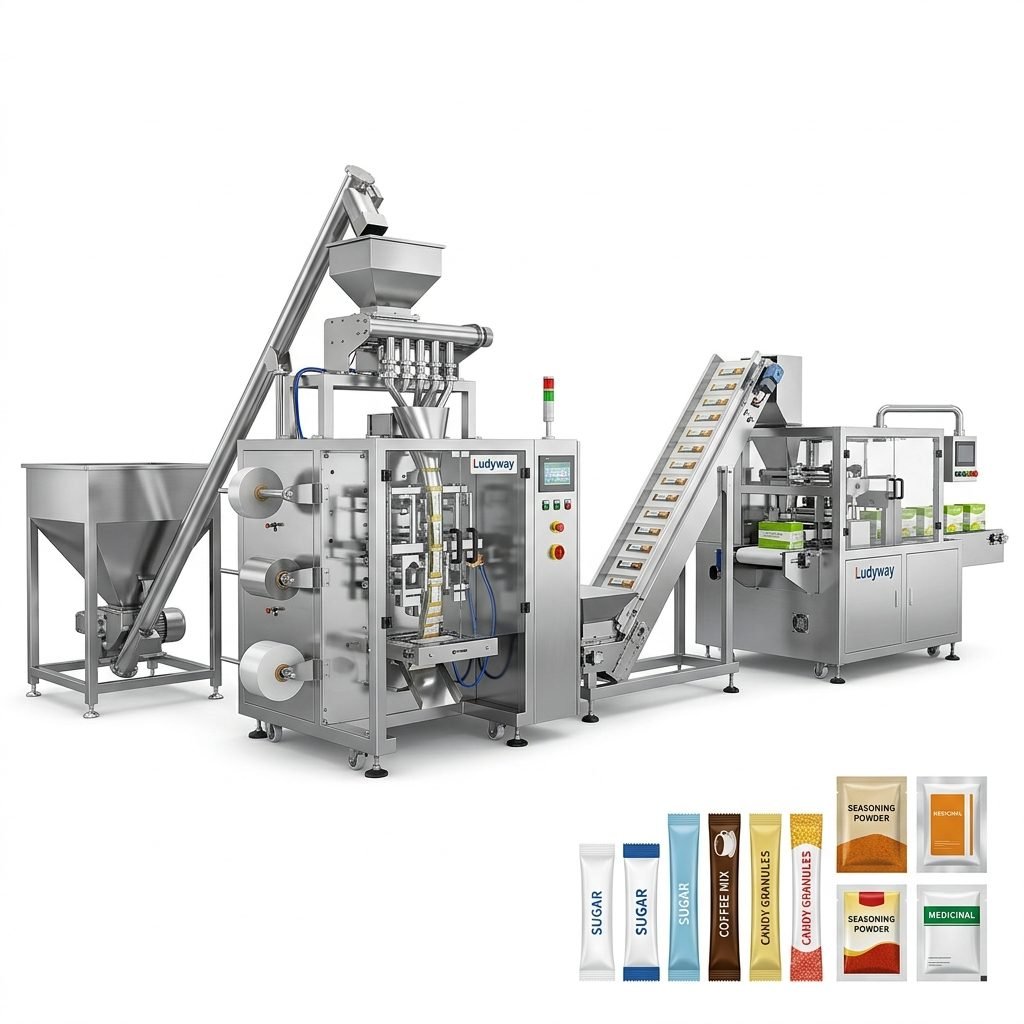
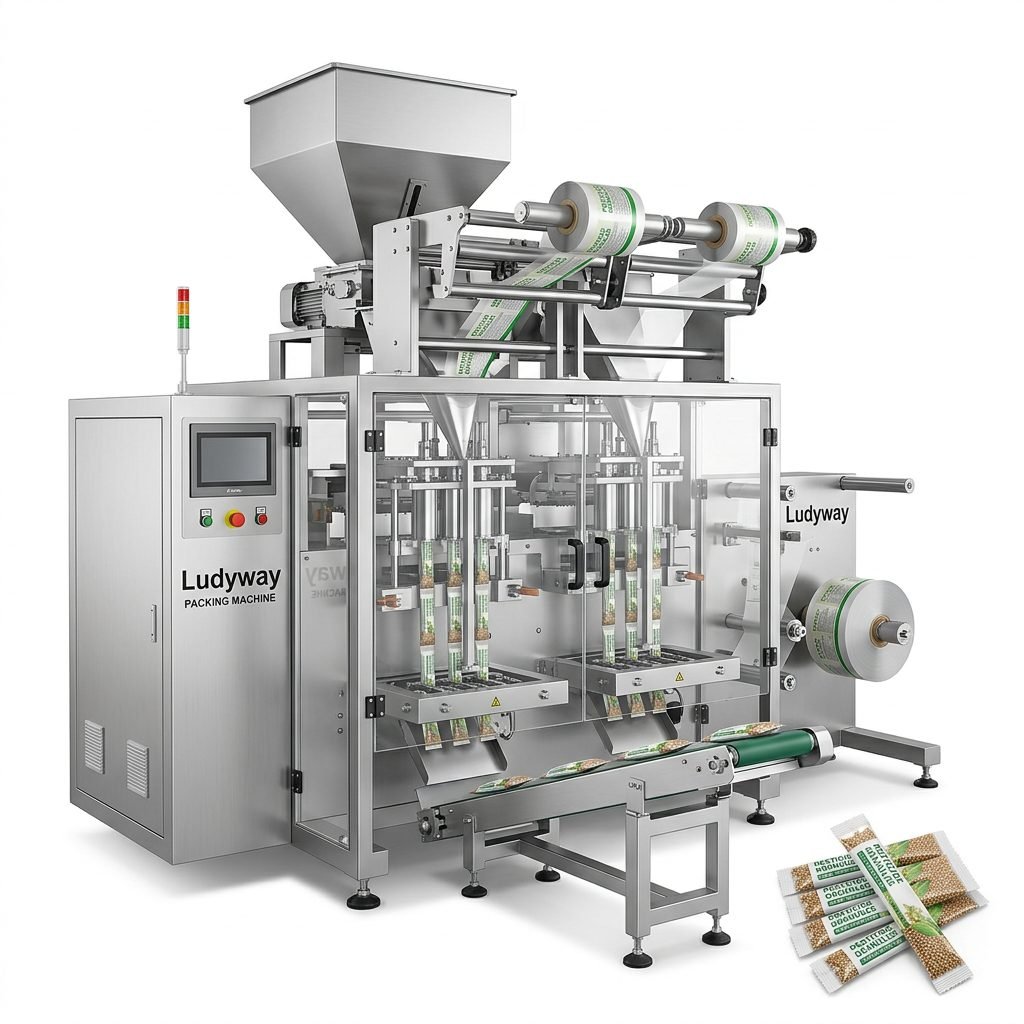
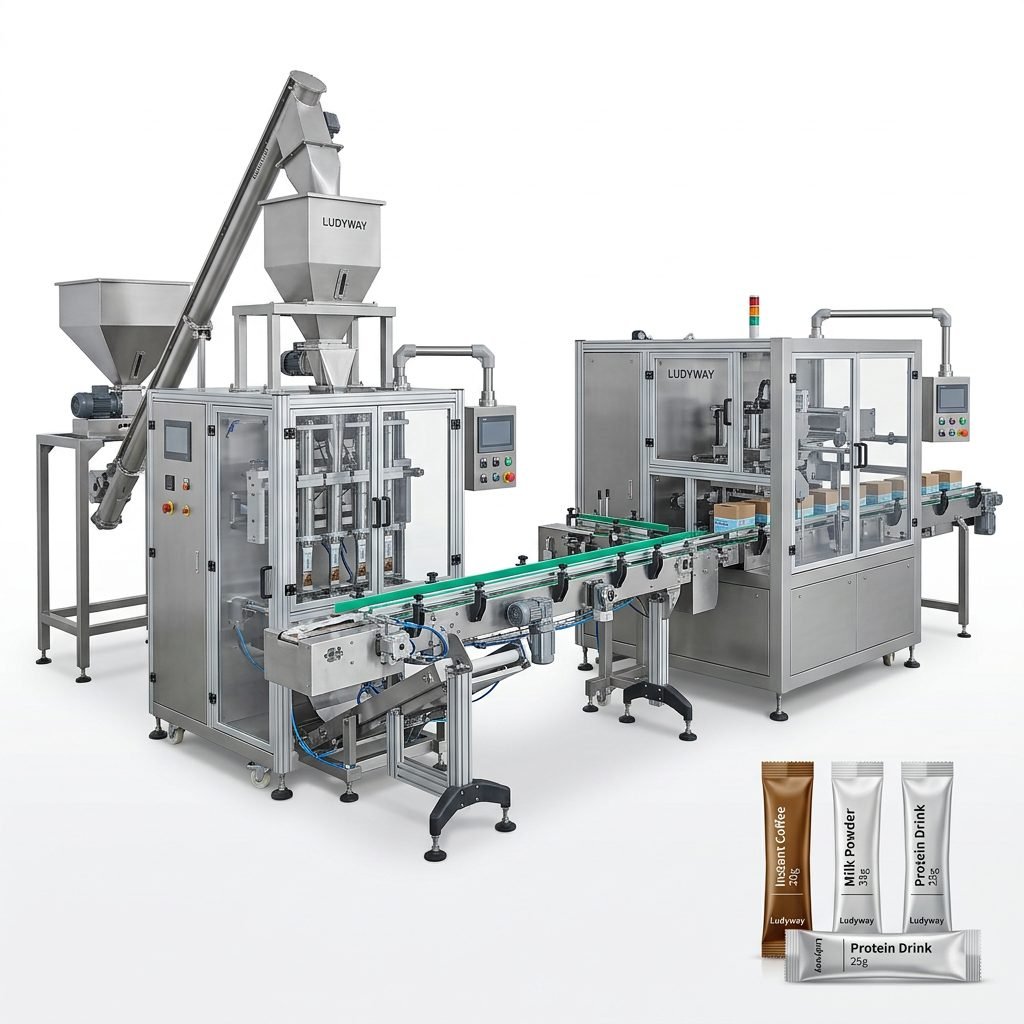
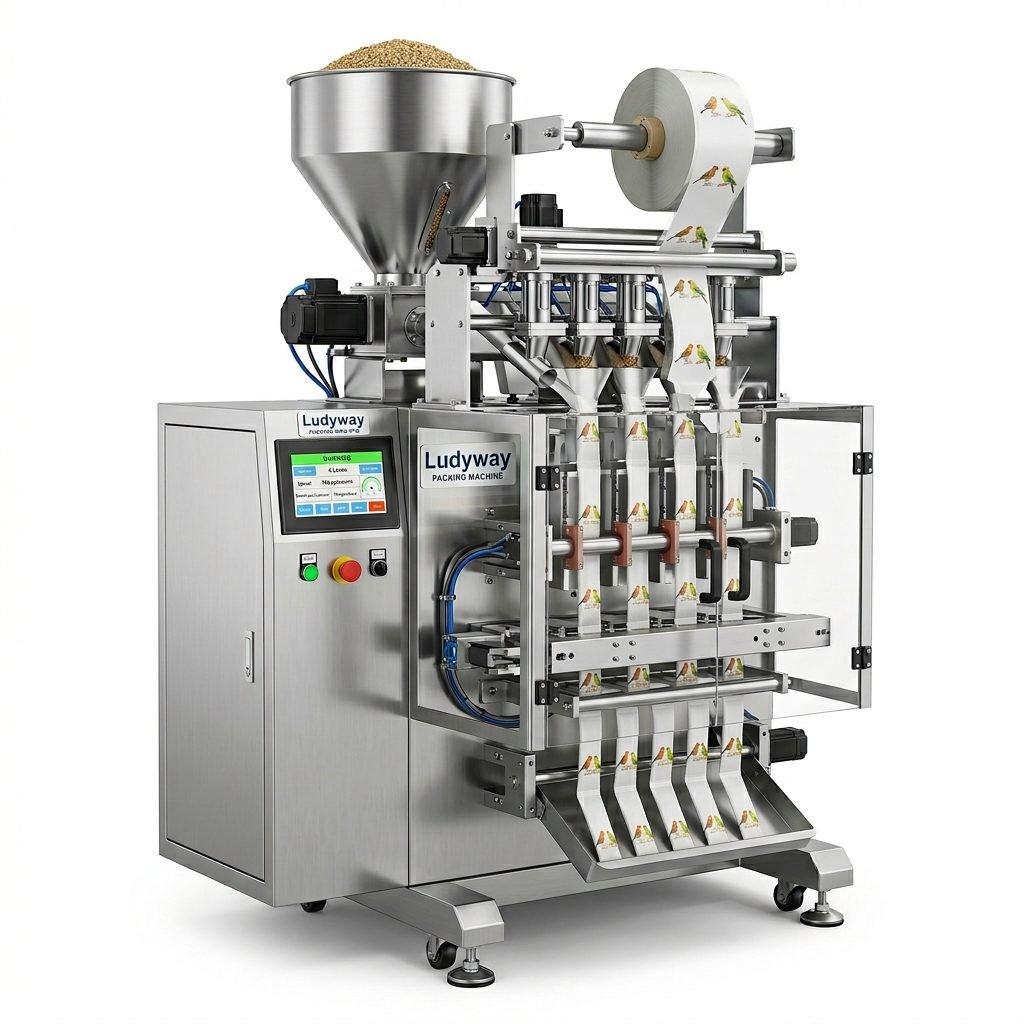
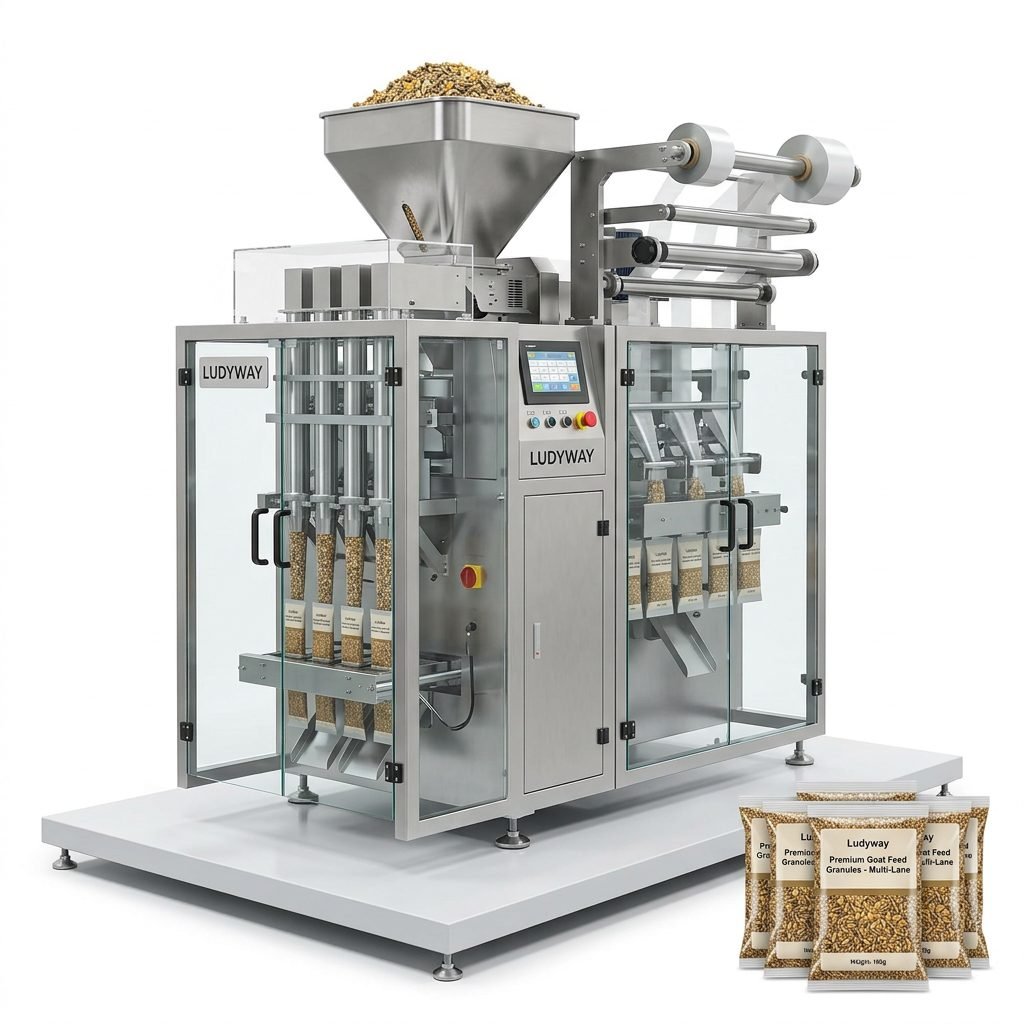
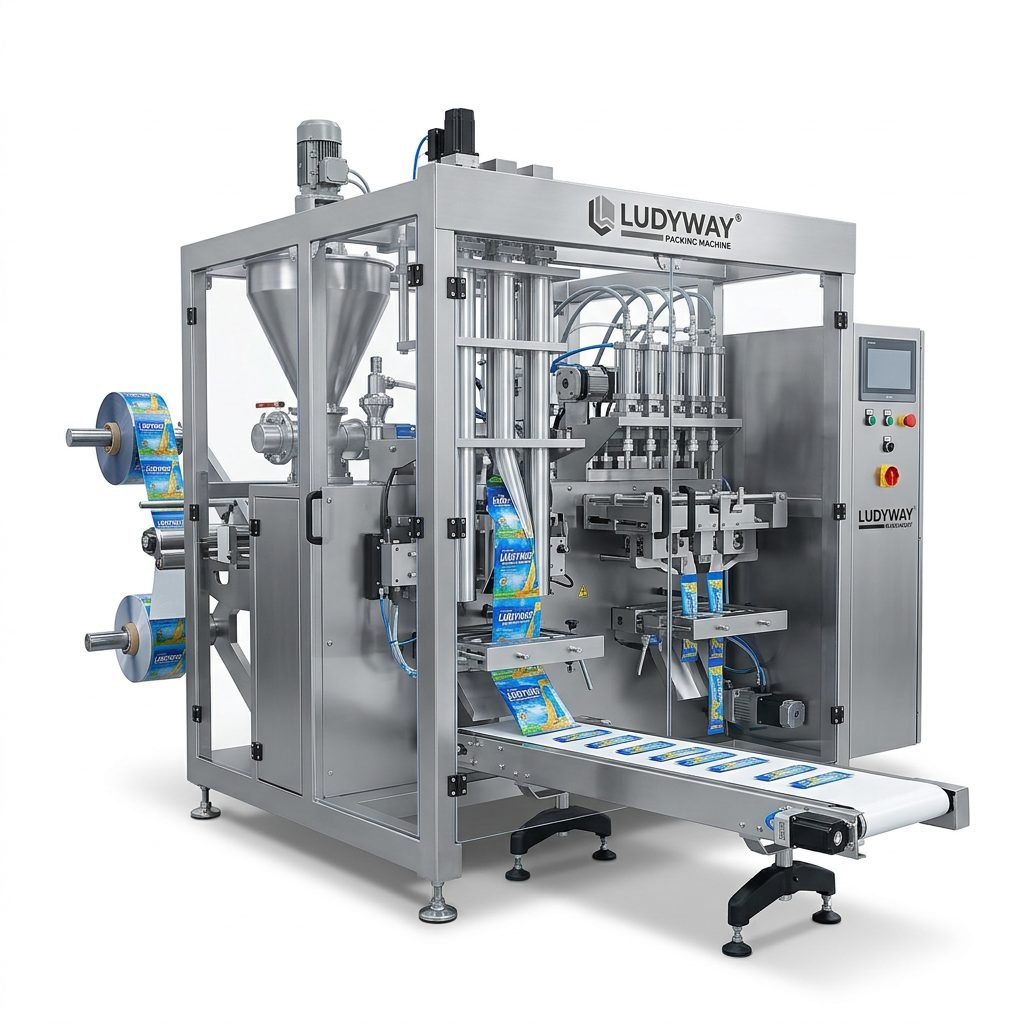
A cartoner becomes even more valuable when installed as part of a complete automated line. It can bridge primary packaging and secondary packaging in a highly efficient flow. For example, sachets from a multi-lane packing machine can be counted, collated, inserted into cartons, then transferred to case packing and palletizing systems.
This integrated setup improves:
- Line synchronization
- Packaging consistency
- Production data management
- Space utilization
- Overall equipment effectiveness
Maintenance Tips for Long-Term Performance
Even a high-performance machine requires proper maintenance. Good maintenance habits help reduce unexpected downtime and preserve packaging accuracy.
- Clean carton dust and product residue regularly
- Check suction cups, belts, sensors, and moving parts
- Lubricate according to the manufacturer’s schedule
- Inspect carton feeding and closure mechanisms for wear
- Verify coding and vision systems routinely
- Train operators on correct startup, changeover, and troubleshooting procedures
Who Should Invest in a Fully Automatic Cartoning Machine?
This type of equipment is especially suitable for manufacturers that:
- Need high-speed carton packaging
- Have multiple product lines requiring stable output
- Want to reduce manual boxing labor
- Need better retail presentation and product protection
- Require coding, inspection, and compliance functions
- Plan to build or upgrade a turnkey automated packaging line
Choosing the Right Packaging Partner
When sourcing a fully automatic cartoning machine, it is important to work with a manufacturer that understands not only the cartoner itself, but also the full packaging process around it. A supplier with experience in sachet packaging, pouch handling, counting, conveying, coding, inspection, case packing, and turnkey integration can provide a more reliable long-term solution.
For businesses looking for integrated packaging automation, Ludyway packaging machine solutions support food, pharmaceutical, health supplement, cosmetic, and related industries with scalable equipment and turnkey line capabilities.
Final Thoughts
A fully automatic cartoning machine is a smart investment for manufacturers that need faster throughput, cleaner presentation, stronger consistency, and lower labor dependence. From pharmaceuticals and supplements to food sachets and cosmetic products, it plays a central role in transforming primary packs into organized, market-ready cartons.
If your production line is growing and manual cartoning is becoming a bottleneck, moving to a fully automatic cartoning system can significantly improve both efficiency and packaging quality.