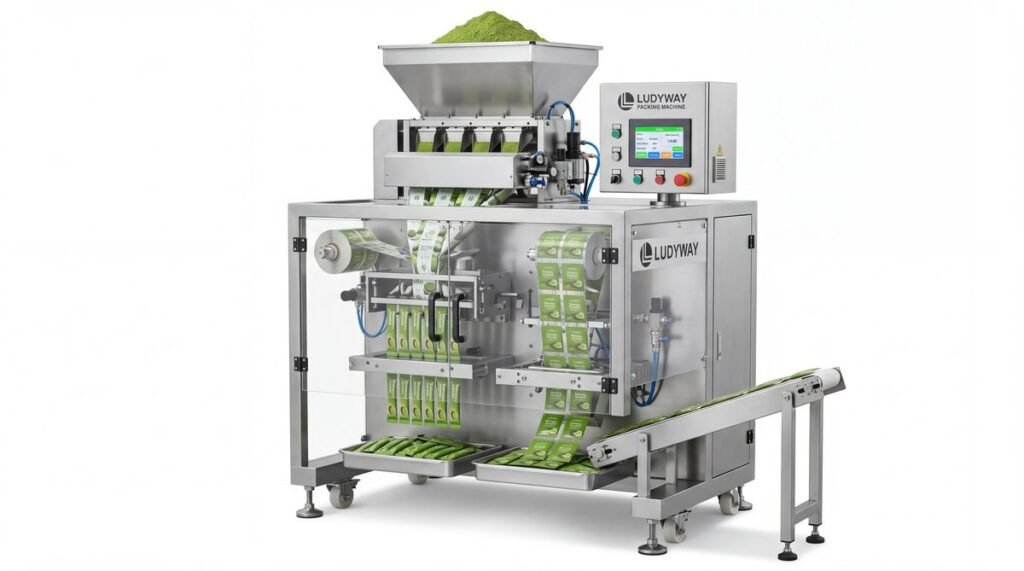
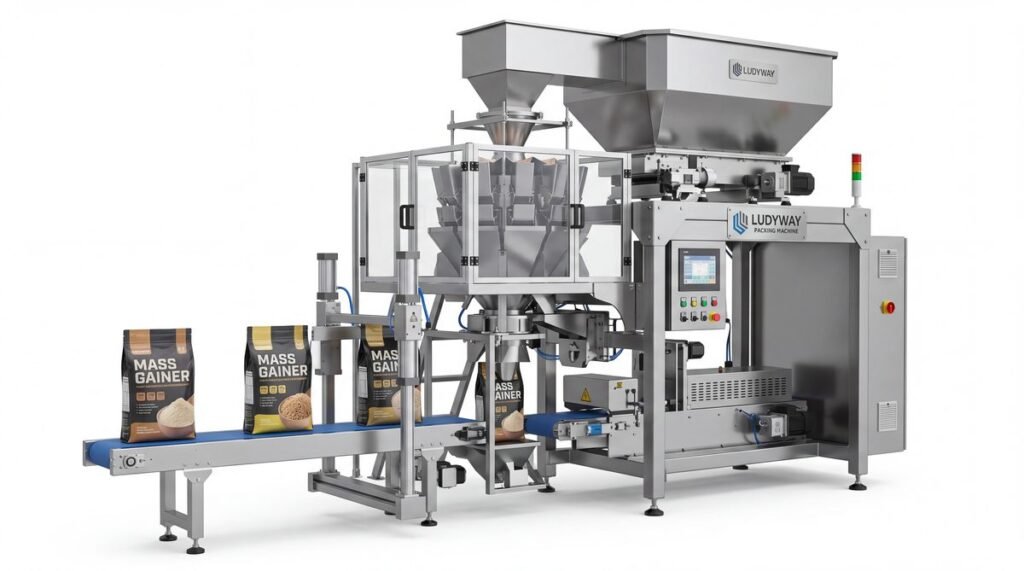
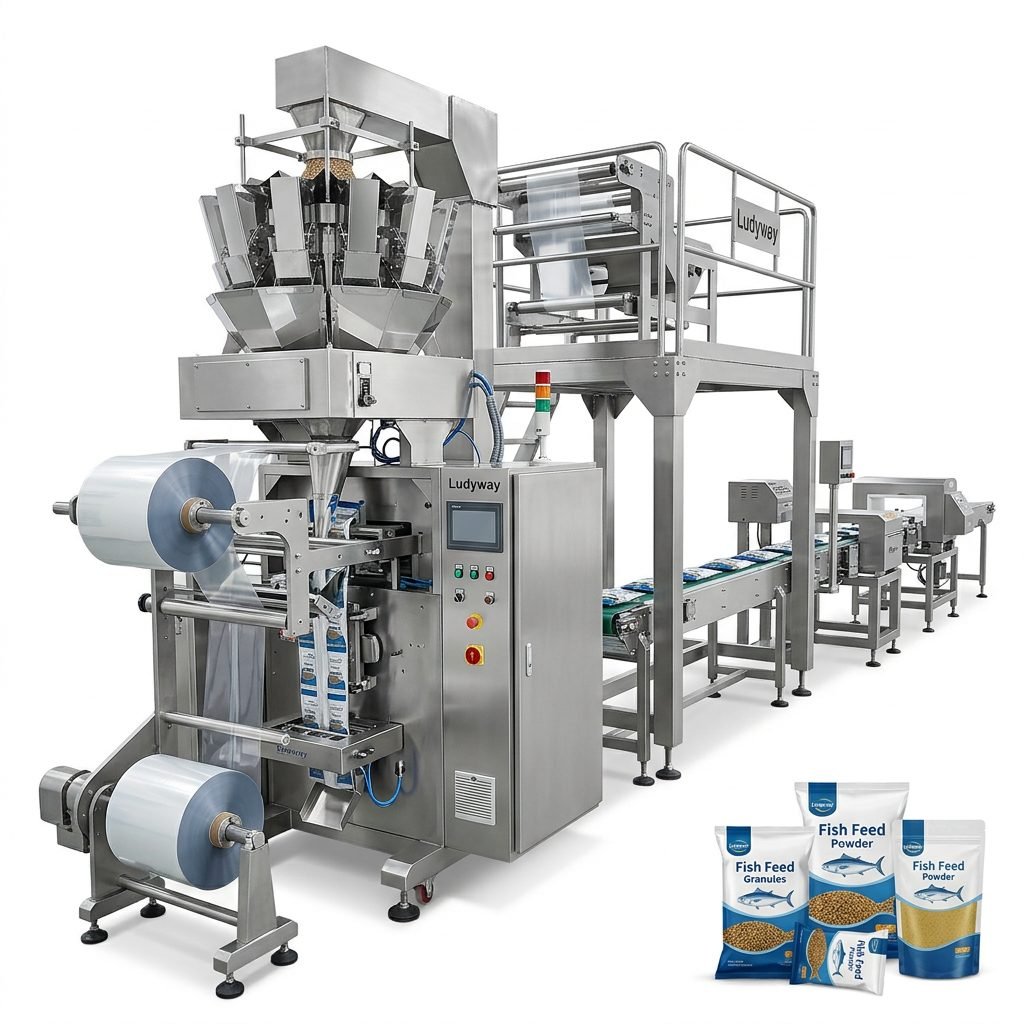
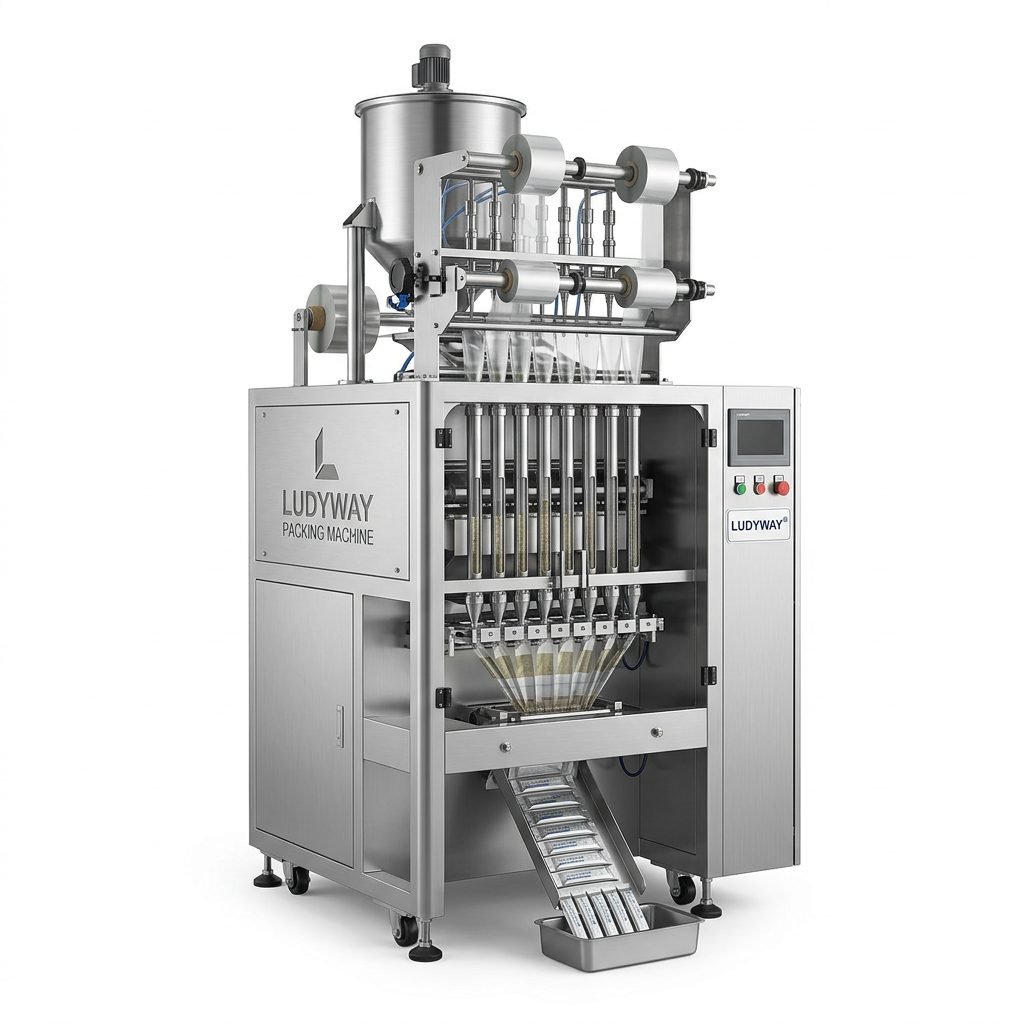
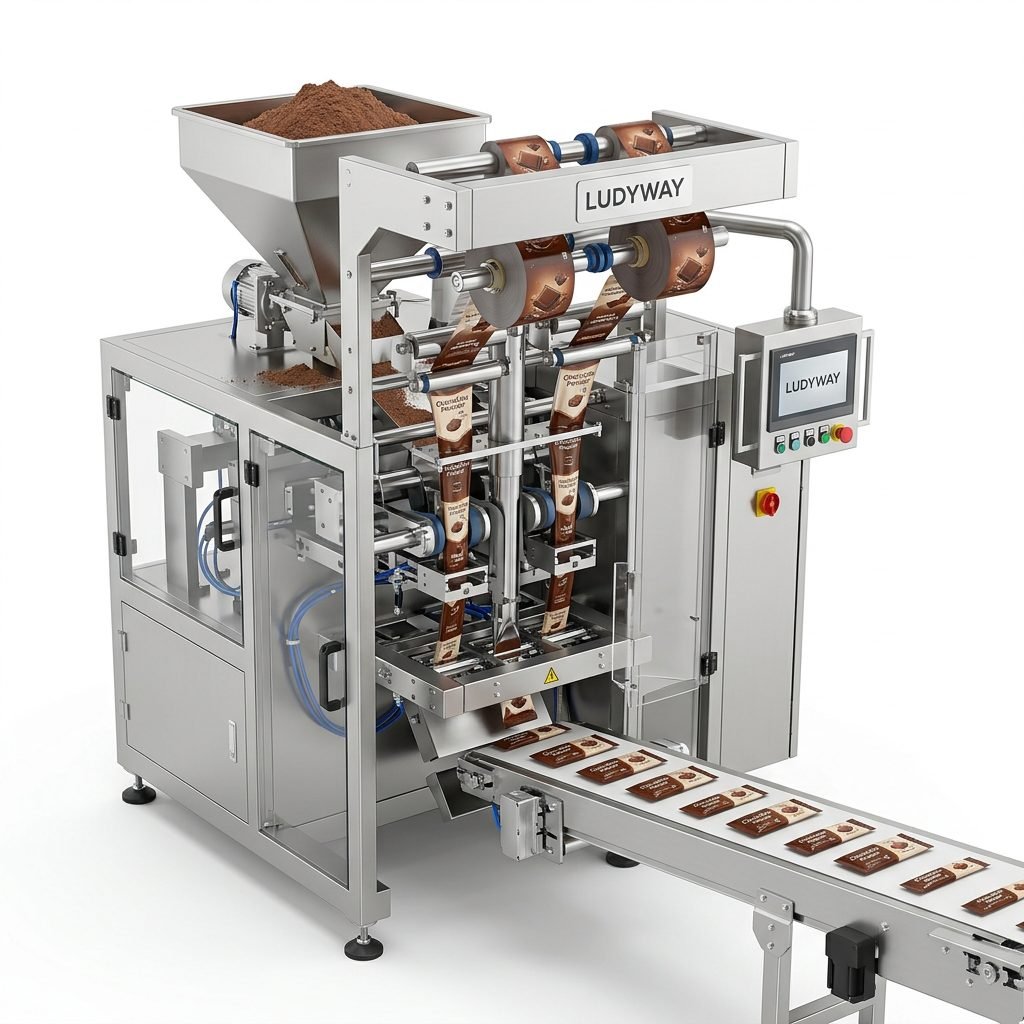
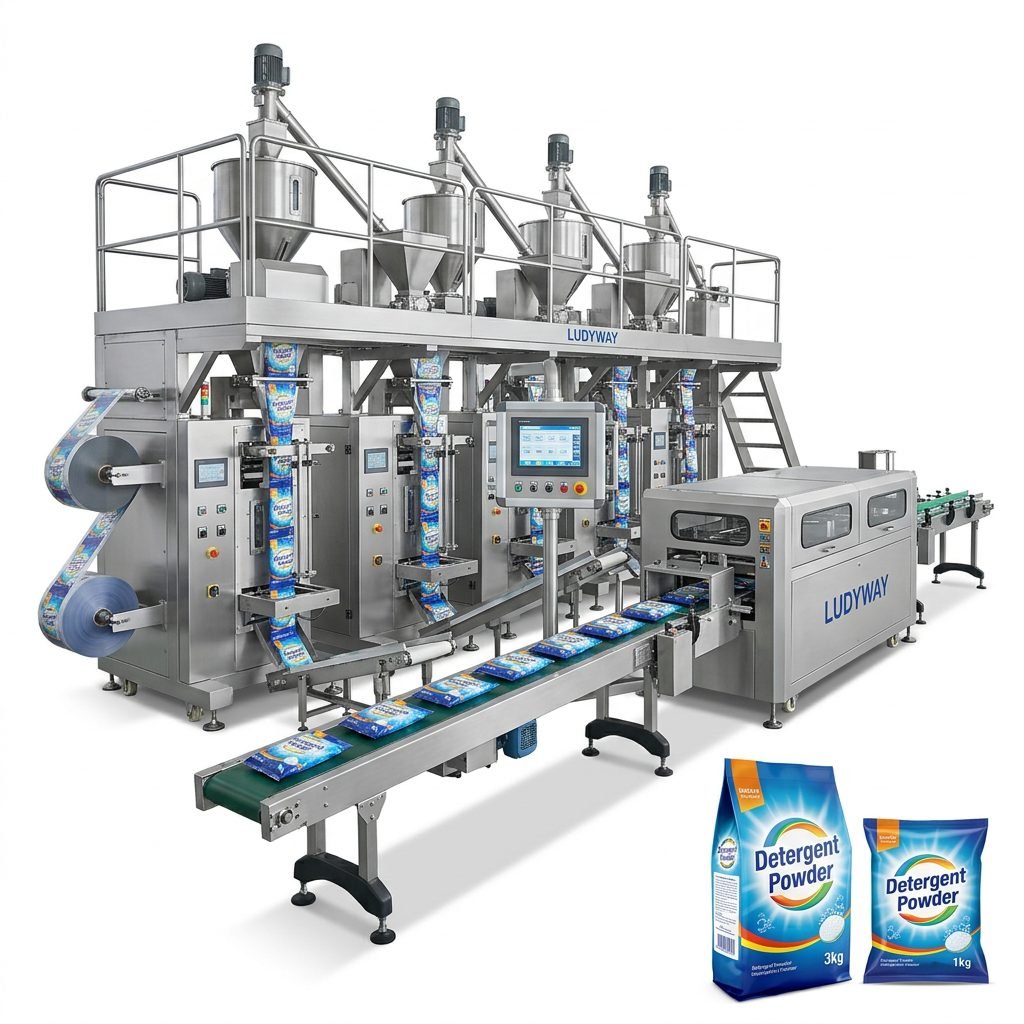
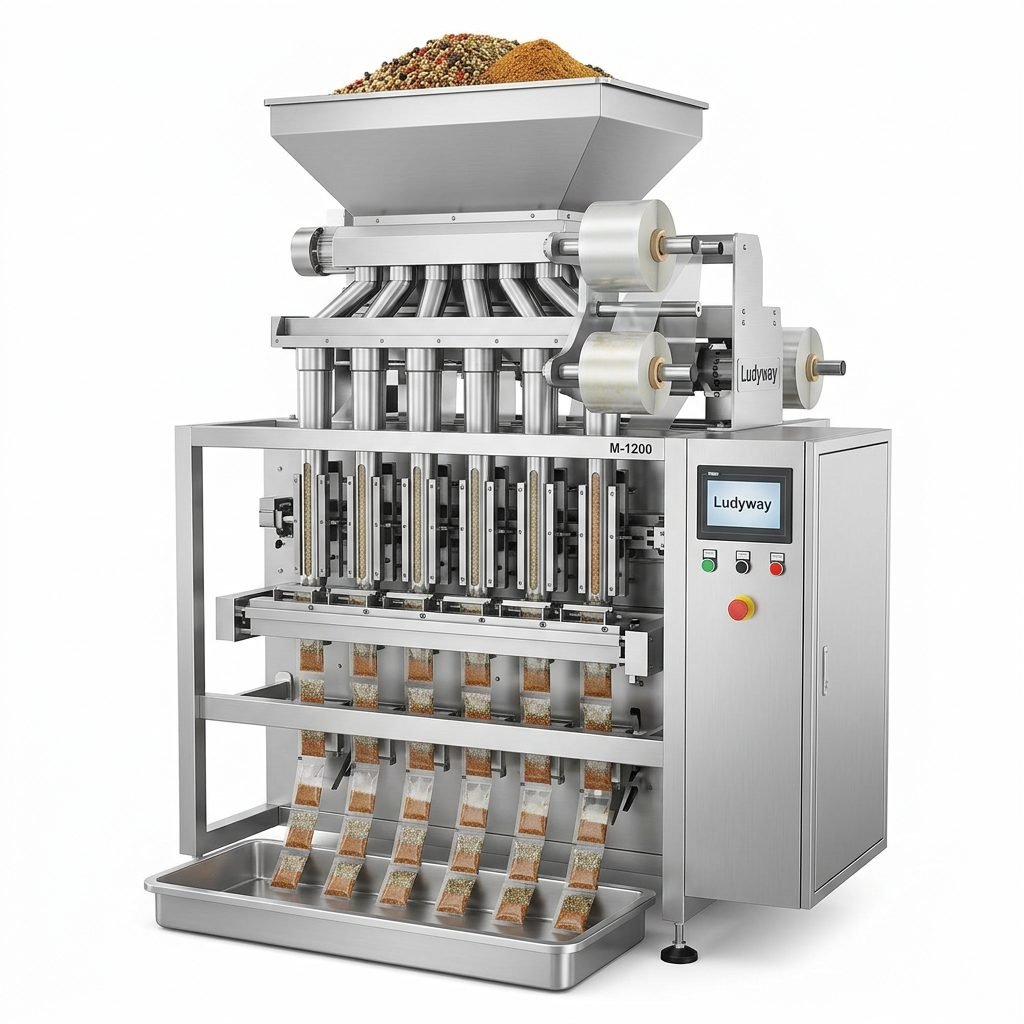
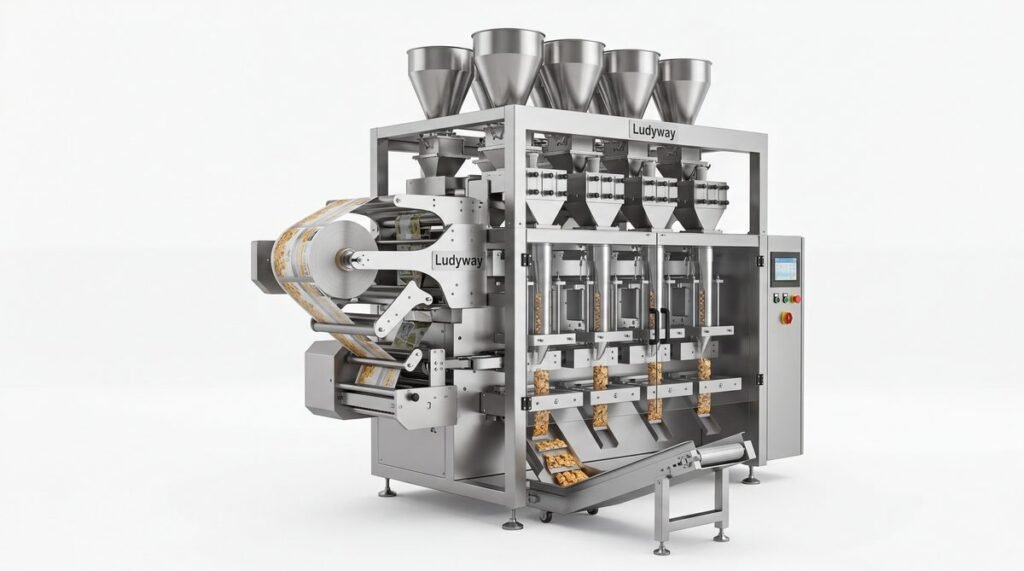
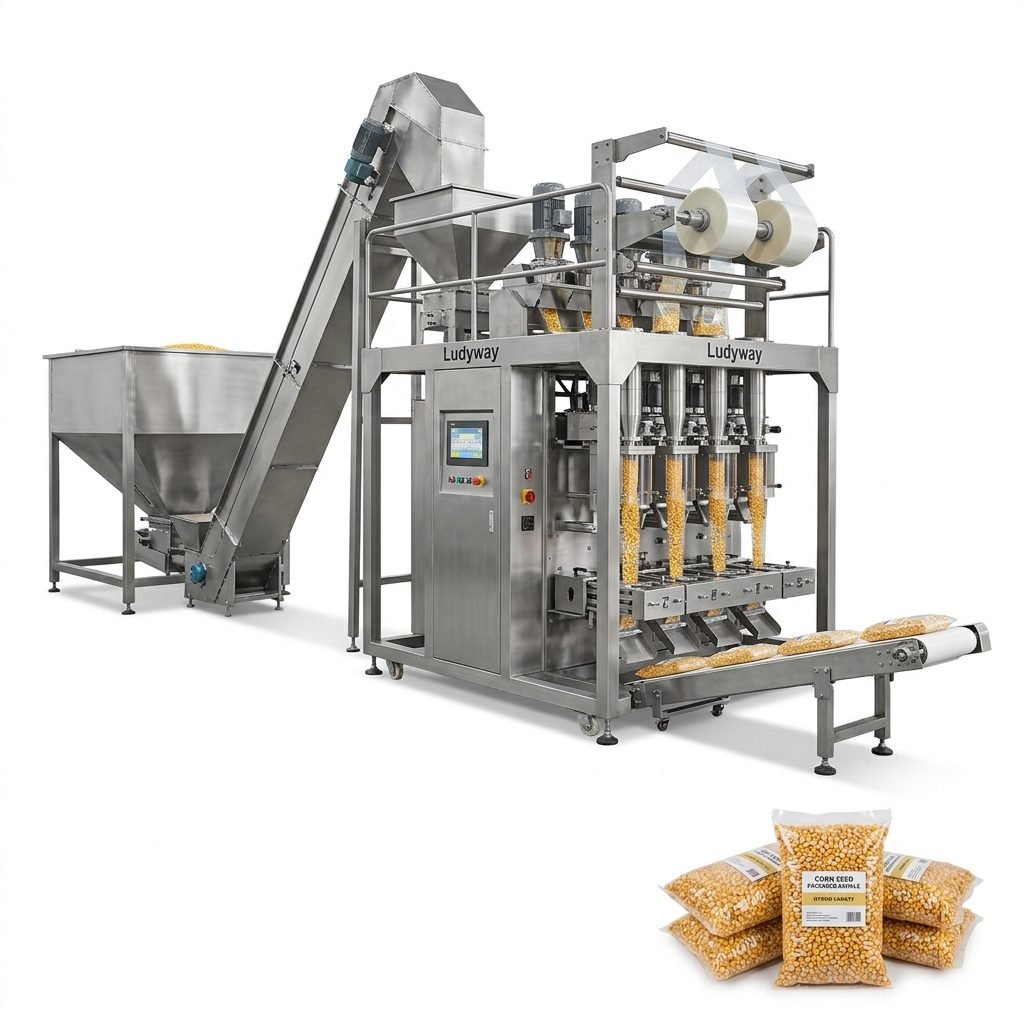
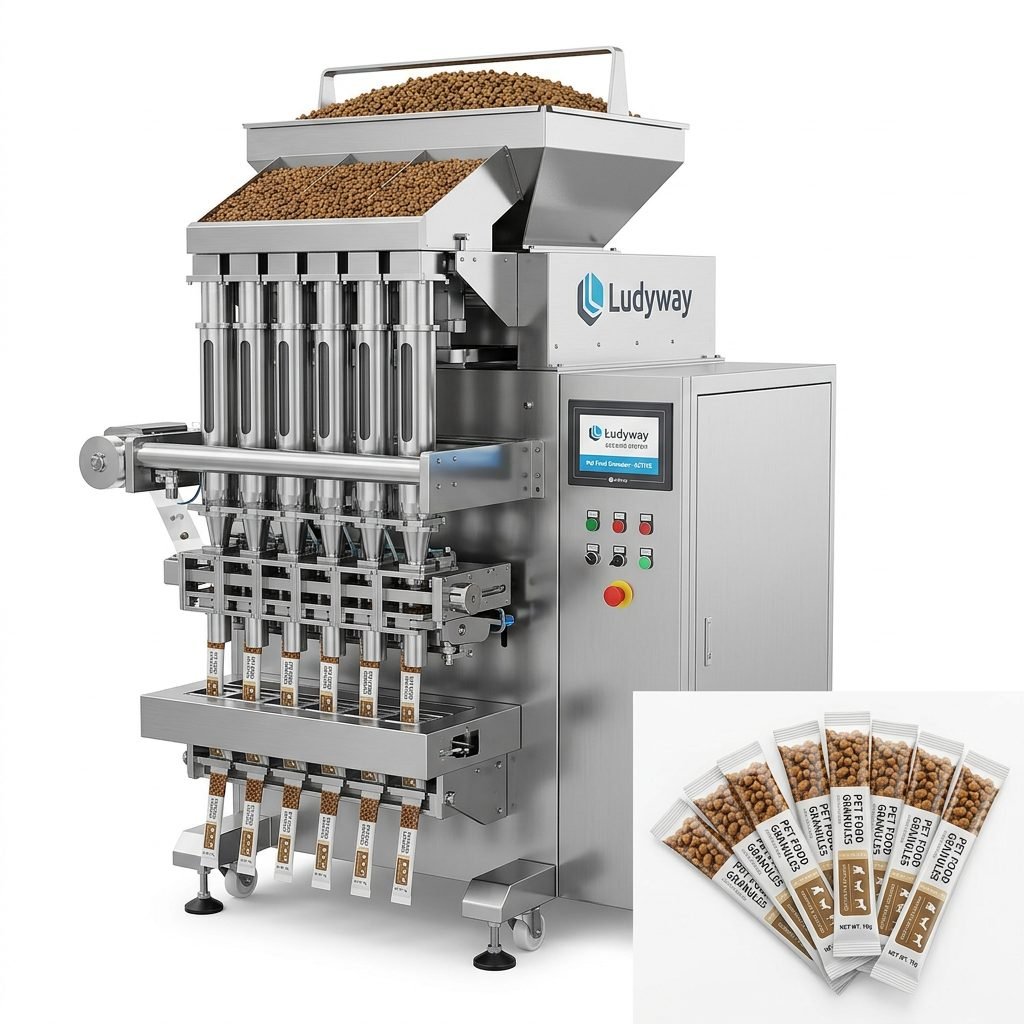
A potato chip packaging machine is an automated system designed to weigh, fill, seal, protect, and present potato chips in retail-ready packages. In modern snack production, packaging is not just the final step—it is a critical process that affects shelf life, product freshness, appearance, transportation efficiency, and customer satisfaction.
Because potato chips are light, fragile, and highly sensitive to moisture and oxygen, they require specialized packaging equipment that can handle the product gently while maintaining speed and consistency. From small snack pouches to large retail bags, the right machine helps manufacturers reduce waste, improve output, and protect brand quality.
What does a potato chip packaging machine do?
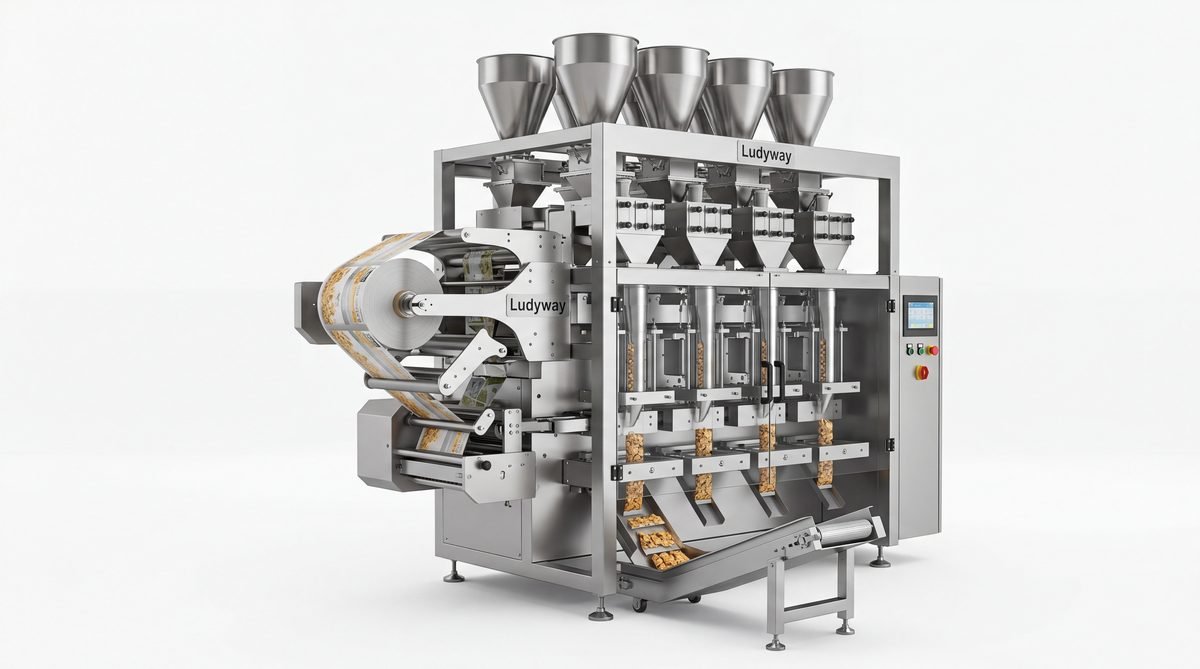
In simple terms, the machine takes finished chips from the production line and converts them into sealed consumer packs. Depending on the line configuration, the system may include:
- Product feeding and conveying
- Automatic weighing or counting
- Bag forming or premade pouch feeding
- Filling and discharge control
- Gas flushing such as nitrogen filling
- Heat sealing
- Date coding and batch printing
- Checkweighing, metal detection, and inspection
- Cartoning or case packing for secondary packaging
The result is a sealed package that helps keep the chips crisp, attractive, and ready for retail distribution.
Why potato chips need specialized packaging equipment
Potato chips are different from many other food products. They are crispy and delicate, which means excessive vibration, poor drop design, or inconsistent filling can cause breakage. They also contain oil, and exposure to oxygen can lead to rancidity and flavor loss. Moisture can quickly ruin texture. That is why a standard bagging machine is often not enough.
A well-designed potato chip packaging system focuses on several priorities at once:
- Gentle handling to reduce product damage
- Accurate weighing to control giveaway and maintain profitability
- Strong sealing performance to prevent air leakage
- Nitrogen flushing capability to preserve freshness and cushion chips
- Stable high-speed output for commercial snack production
How a potato chip packaging machine works
Although machine layouts vary, most systems follow a similar process from product infeed to finished bag discharge.
1. Product feeding
After frying, seasoning, and cooling, the chips are transferred to the packaging section using conveyors, elevators, or vibration feeding systems. This step must be carefully controlled so the chips arrive evenly and without unnecessary breakage.
2. Weighing
The chips enter a multihead weigher or other dosing unit. This is one of the most important parts of the line. A multihead weigher rapidly calculates the best combination of small product portions to reach the target pack weight with high accuracy.
For snack manufacturers, precise weighing matters because too much product increases material cost, while too little product creates compliance and customer satisfaction issues.
3. Bag forming or pouch positioning
In many lines, a vertical form fill seal machine forms bags directly from roll film. The film is shaped into a tube, sealed longitudinally, and prepared for bottom sealing. In other systems, premade pouches are fed automatically into position for filling.
4. Filling
Once the correct weight is prepared, the chips are dropped into the bag or pouch. The filling path is usually designed to minimize drop height and impact.
5. Nitrogen flushing
A large percentage of potato chip packaging lines include nitrogen flushing. This process replaces oxygen inside the bag with nitrogen gas. The purpose is twofold:
- It helps extend shelf life by slowing oxidation
- It creates a protective cushion that helps reduce chip crushing
6. Sealing
The machine seals the top of the package using controlled heat and pressure. Seal integrity is essential. A poor seal can allow air or moisture to enter, making the chips stale.
7. Coding and inspection
Finished bags may then pass through printing and inspection stations for date coding, batch marking, checkweighing, metal detection, and visual quality checks.
8. Secondary packaging
In larger factories, the final stage may include automatic case packing, cartoning, and palletizing to prepare the products for warehouse storage and shipment.
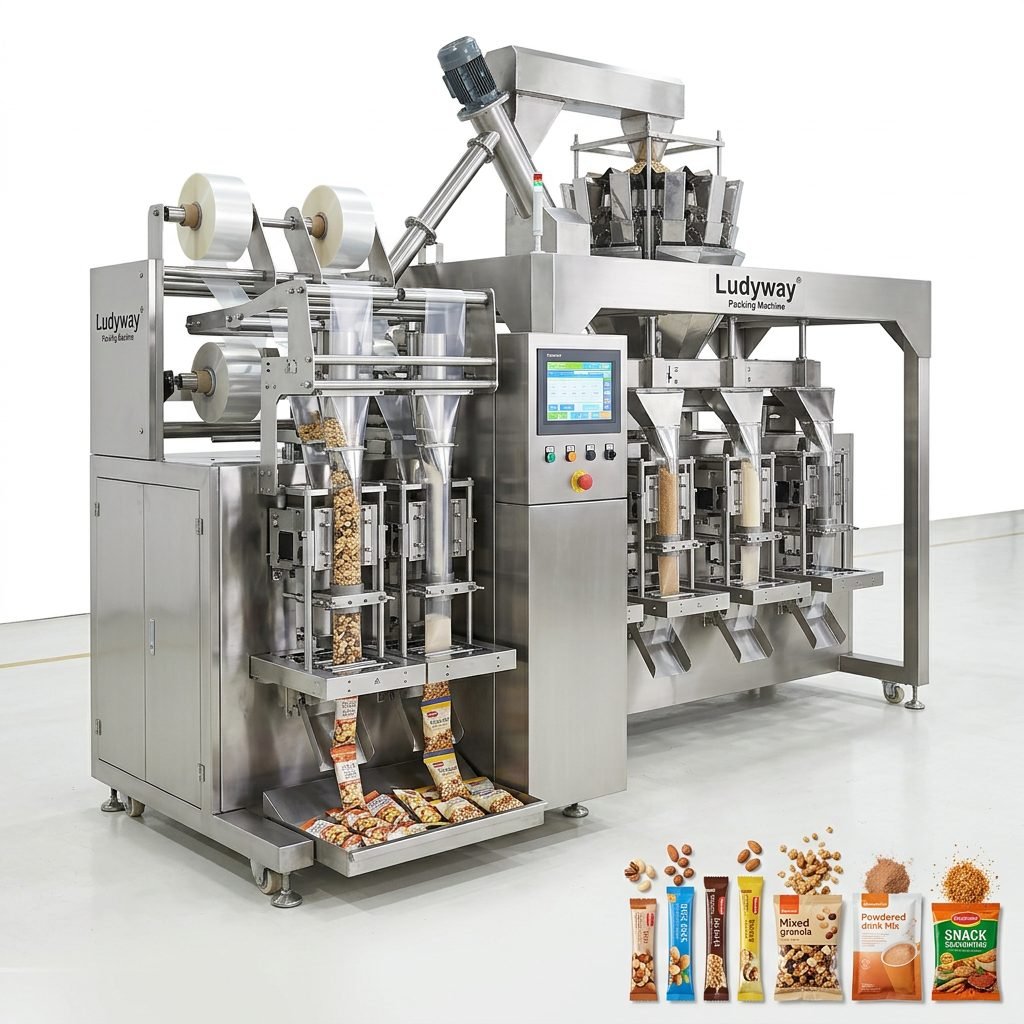
Main components of a potato chip packaging line
| Component | Function |
|---|---|
| Conveyor / elevator | Transfers chips from processing to the packing section |
| Multihead weigher | Measures target weight quickly and accurately |
| VFFS machine or pouch packer | Forms bags from film or handles premade pouches |
| Nitrogen flushing unit | Protects freshness and reduces oxidation |
| Sealing unit | Closes the package securely |
| Printer / coder | Applies batch number and expiration date |
| Checkweigher / detector | Ensures compliance and product safety |
| Case packer / palletizer | Automates end-of-line handling |
Common types of potato chip packaging machines
Vertical form fill seal machines
VFFS machines are among the most common choices for potato chip packaging. They form bags from roll film, fill them with weighed chips, flush with nitrogen if required, and seal them automatically. They are popular because they combine speed, flexibility, and efficient film usage.
Premade pouch packaging machines
These machines work with preformed pouches rather than creating bags from film rolls. They are suitable when a brand wants a premium pouch style, such as stand-up pouches or resealable formats.
Integrated turnkey packaging lines
For larger snack manufacturers, a complete line may include conveyors, weighers, baggers, coding units, inspection systems, case packers, and palletizing systems. This approach can reduce manual labor and improve line synchronization.
What packaging materials are used for potato chips?
Potato chip packaging usually relies on laminated flexible films with good moisture and oxygen barrier properties. The exact structure depends on shelf life goals, branding, market requirements, and machine compatibility.
Common material considerations include:
- Barrier performance against oxygen and moisture
- Heat-sealing strength
- Print quality for branding and retail appeal
- Puncture resistance during transport
- Compatibility with nitrogen flushing
Key benefits of using a potato chip packaging machine
Higher packaging speed
Automated systems can pack far more bags per minute than manual methods, making them essential for commercial snack production.
Better product protection
Proper feeding, weighing, and sealing reduce chip breakage and preserve texture.
Improved consistency
Each pack can maintain a more uniform weight, shape, and seal quality, which supports retailer confidence and brand presentation.
Reduced labor dependency
Automation lowers manual handling and can help solve labor shortages while improving hygiene control.
Longer shelf life
With high-quality sealing and nitrogen flushing, manufacturers can better maintain product freshness during storage and transport.
Industries and businesses that use these machines
Potato chip packaging machines are used by a wide range of operations, including:
- Snack food factories
- Private label food manufacturers
- Contract packers
- Regional chip brands scaling production
- Large integrated food processing plants
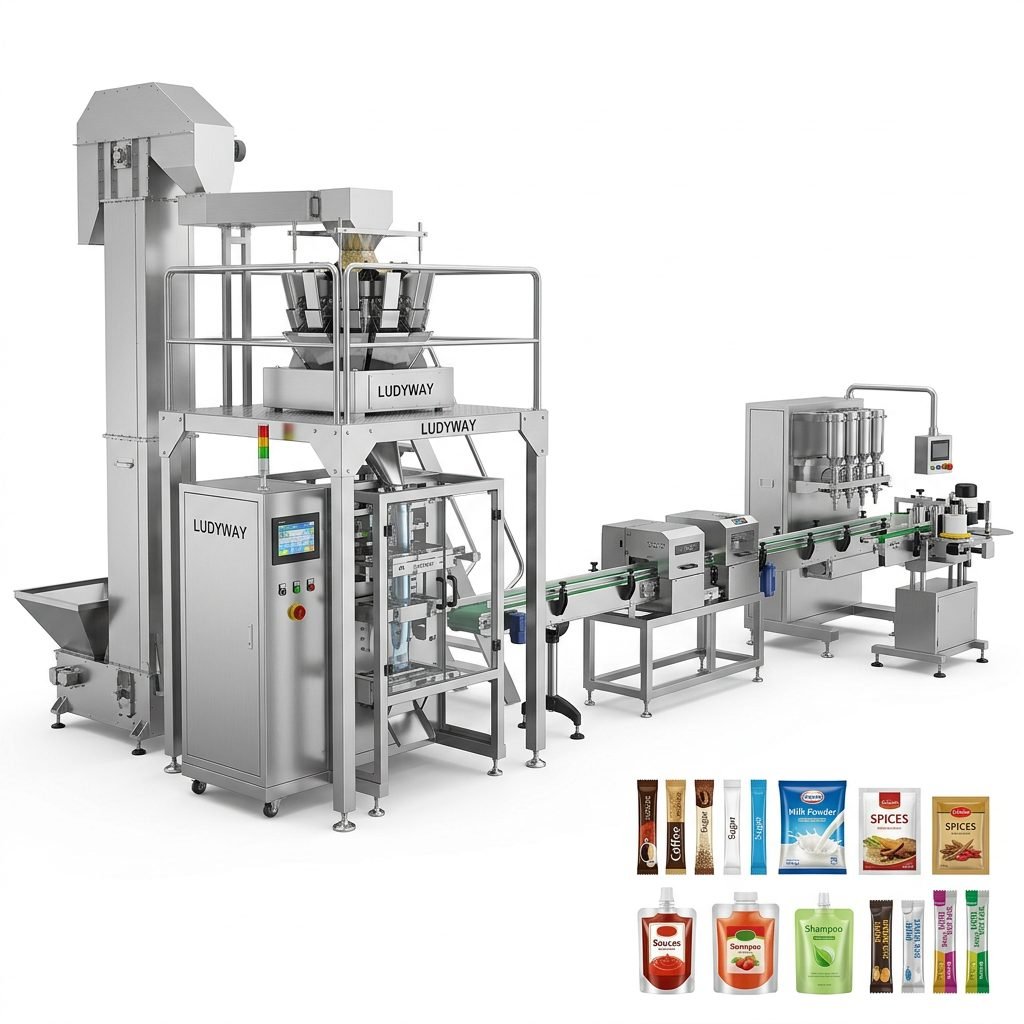
How to choose the right potato chip packaging machine
Selecting the right equipment depends on much more than bag size. Buyers should consider the entire production environment.
1. Product characteristics
- Chip shape and fragility
- Oil content and seasoning type
- Target pack weight
2. Packaging format
- Pillow bags
- Gusseted bags
- Stand-up pouches
- Retail or bulk packs
3. Output requirements
- Bags per minute
- Shift length
- Future expansion needs
4. Freshness requirements
- Nitrogen flushing
- High-barrier film compatibility
- Seal validation and leak reduction
5. Factory integration
- Available floor space
- Integration with fryers and seasoning systems
- Compatibility with inspection and cartoning equipment
6. Maintenance and support
Reliable technical support, spare parts supply, and operator training are important for long-term machine performance.
Important features to look for
| Feature | Why It Matters |
|---|---|
| Gentle handling design | Helps reduce chip breakage |
| Multihead weighing | Improves speed and weight accuracy |
| Nitrogen flushing | Preserves freshness and package appearance |
| Stable sealing control | Prevents leakage and staleness |
| Quick changeover | Useful for multiple bag sizes or SKUs |
| Inspection integration | Supports quality assurance and compliance |
| Turnkey expansion capability | Allows future growth from single machine to full line |
How packaging quality affects your brand
In the snack sector, consumers judge quality before they even open the bag. A well-packed potato chip product looks full, seals cleanly, and reaches the shelf with minimal breakage. On the other hand, crushed chips, leaky bags, or inconsistent weights can damage brand trust quickly.
That is why packaging equipment should be viewed as a brand protection investment, not just a production tool.
Maintenance and operating considerations
To keep a potato chip packaging machine performing well, manufacturers should establish a practical maintenance routine. This usually includes:
- Regular cleaning of product-contact and sealing areas
- Inspection of weighing accuracy
- Seal quality checks
- Lubrication and wear-part replacement
- Calibration of printers and inspection devices
- Operator training for changeovers and troubleshooting
Preventive maintenance helps reduce downtime and keeps packaging quality stable over long production runs.
When is it time to upgrade your packaging line?
If your current line is struggling with output, product breakage, inaccurate fills, or sealing defects, it may be time to upgrade. Other signs include:
- Frequent downtime
- High material waste
- Too much manual intervention
- Difficulty handling new bag formats
- Inability to meet retailer or export quality standards
Upgrading to a more advanced system can improve efficiency while also making your operation more scalable.
Finding the right supplier
Choosing the right supplier is just as important as choosing the right machine. Buyers should look for a manufacturer with proven industry experience, customization capability, export knowledge, and after-sales support. For businesses evaluating automated snack and food packaging solutions, potato chip packaging machine solutions from Ludyway can be considered as part of a broader turnkey packaging line strategy.
Conclusion
A potato chip packaging machine is an essential part of modern snack manufacturing. It does far more than put chips into a bag. It helps protect freshness, reduce breakage, maintain weight accuracy, improve production efficiency, and support stronger shelf appeal.
Whether you need a standalone bagging unit or a complete automated packaging line, the right system can make a major difference in both product quality and business performance. For snack brands aiming to grow in competitive markets, packaging automation is not optional—it is a key advantage.