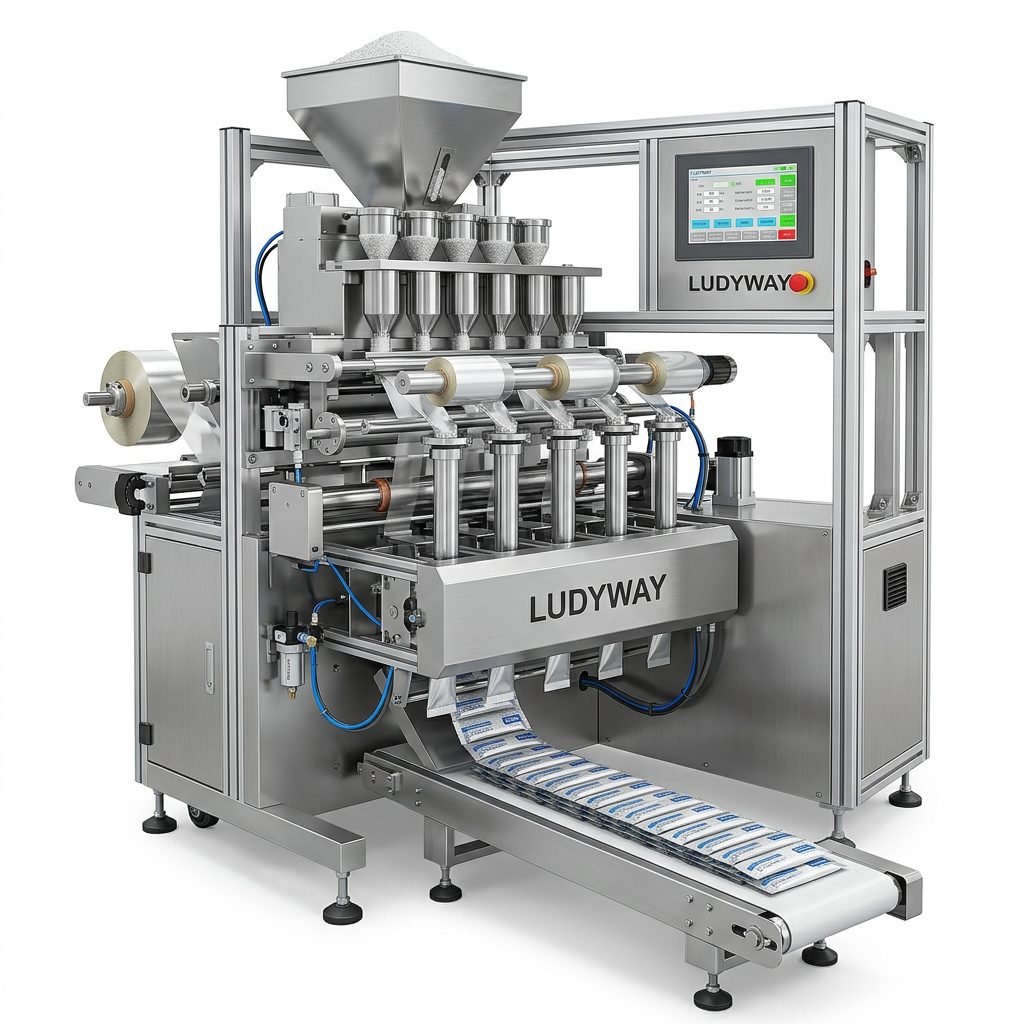
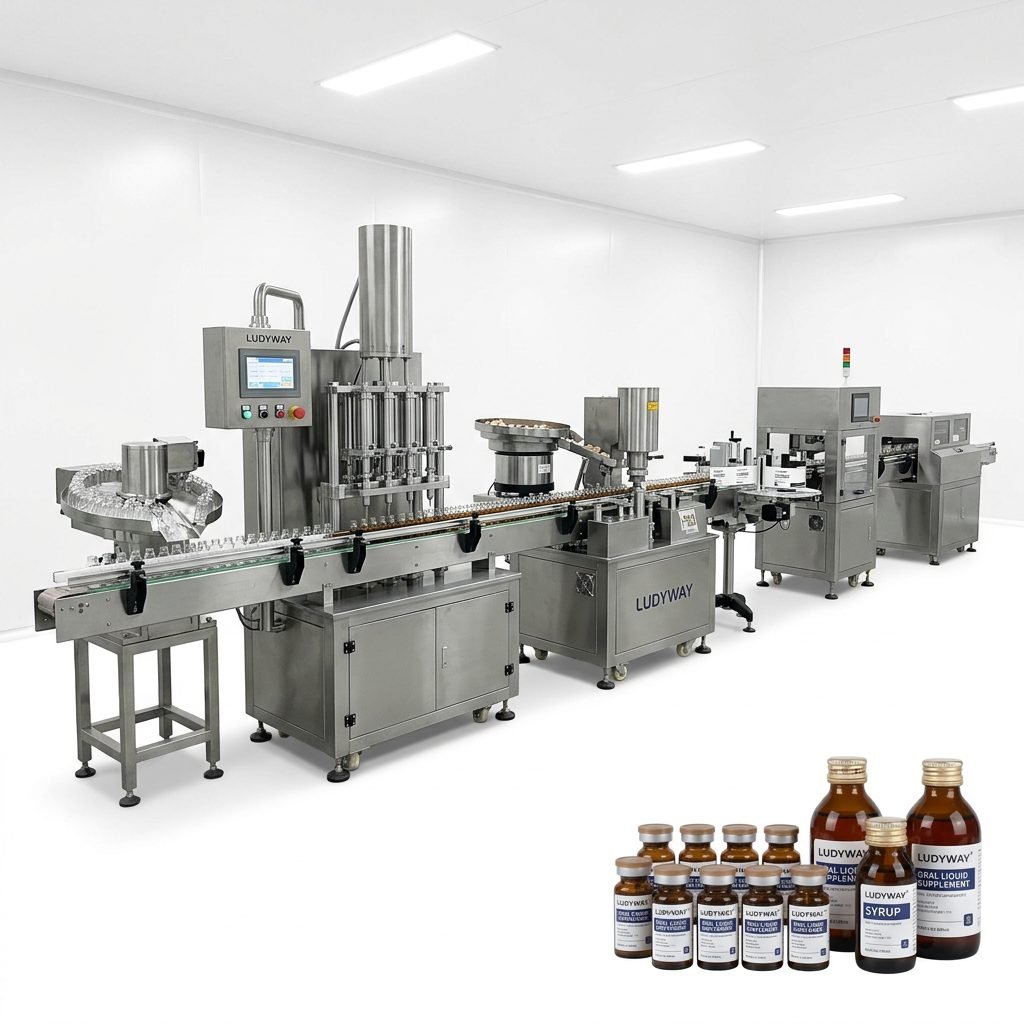
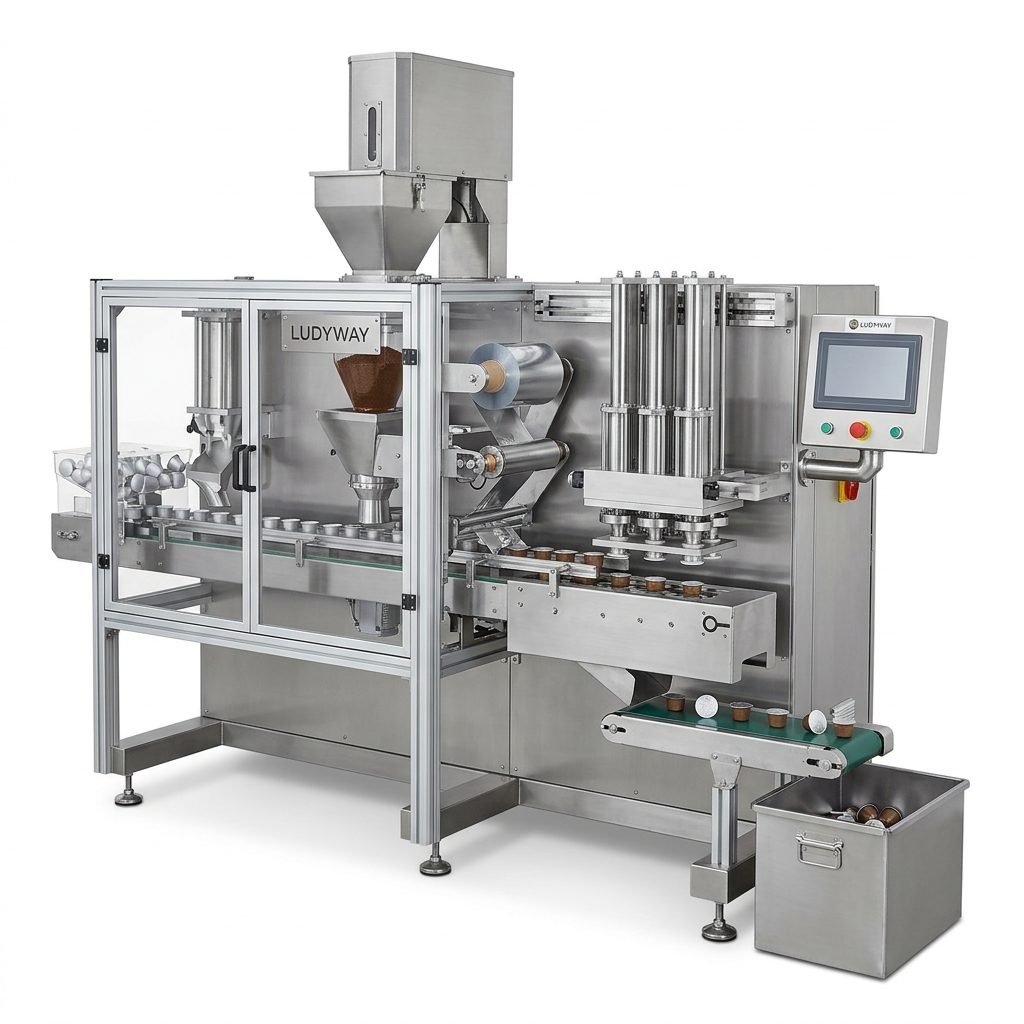
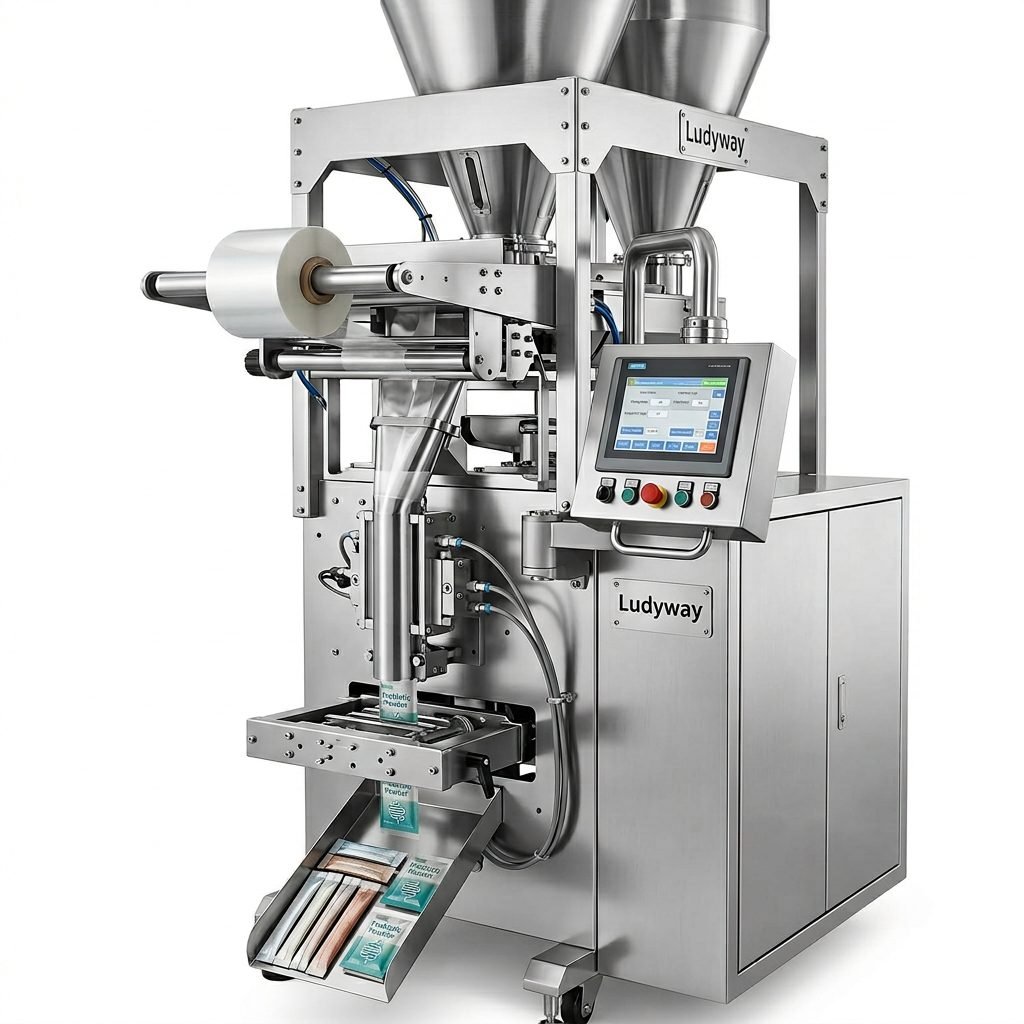
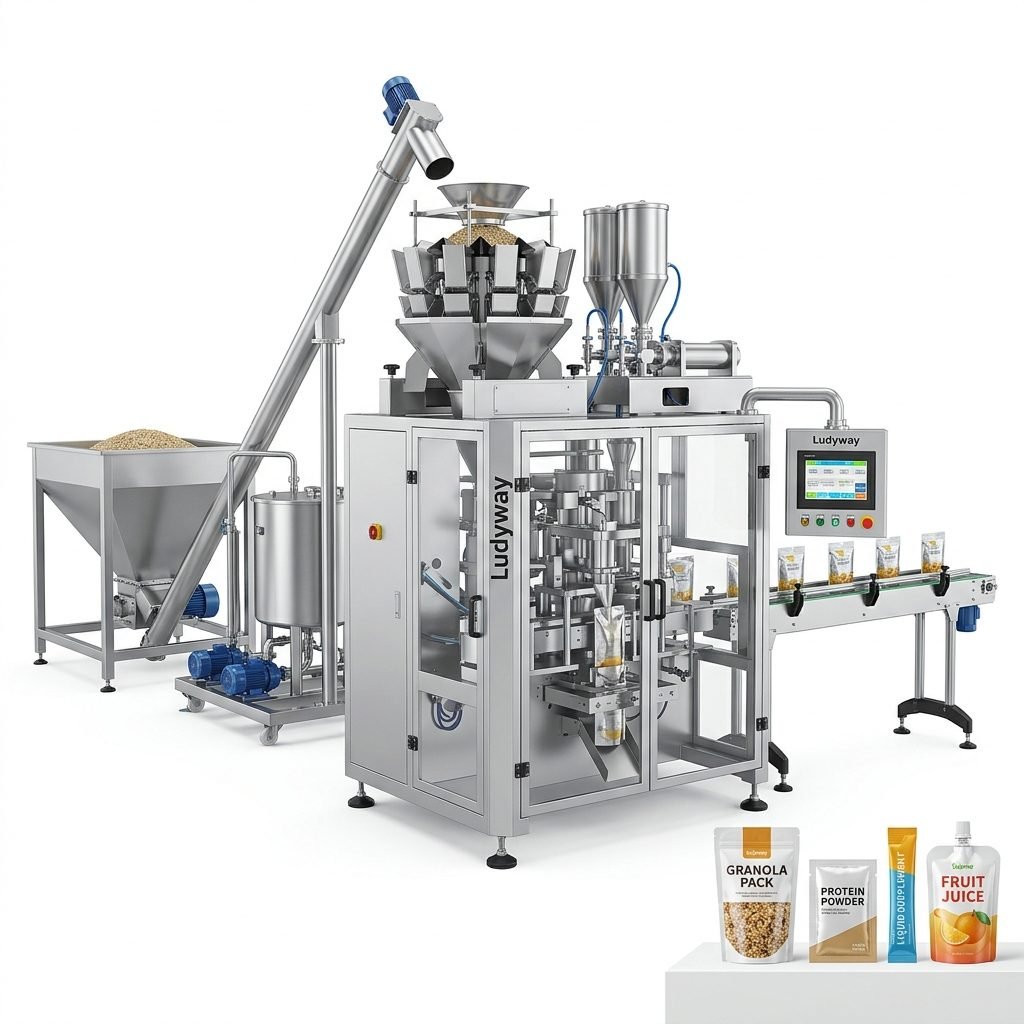
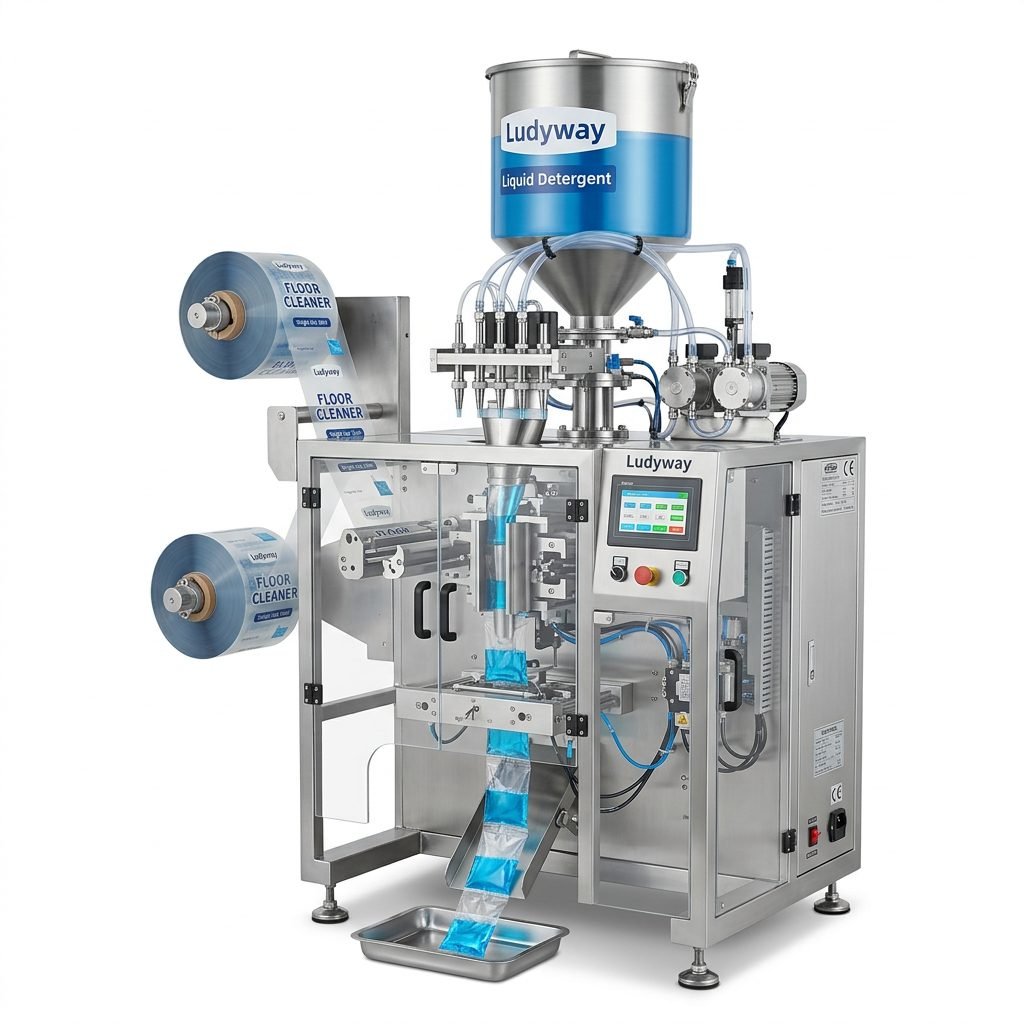
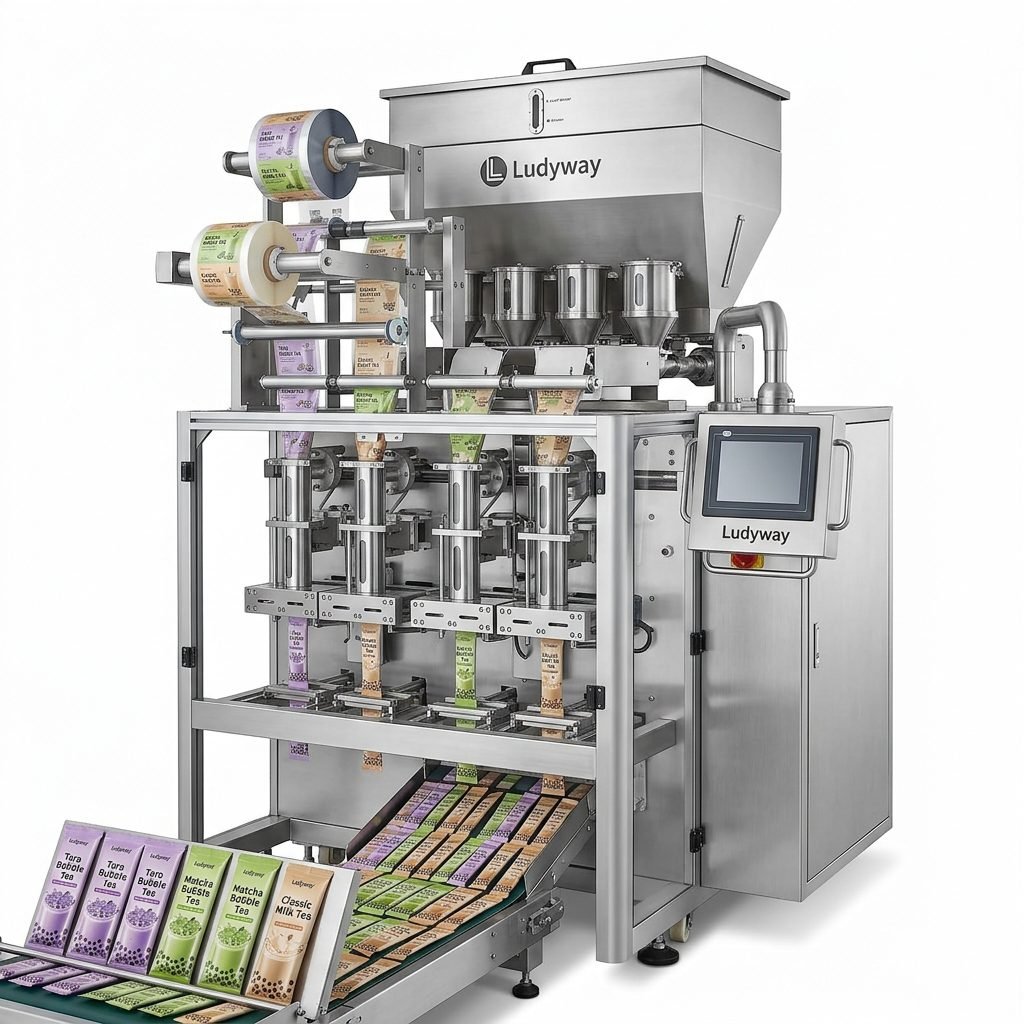
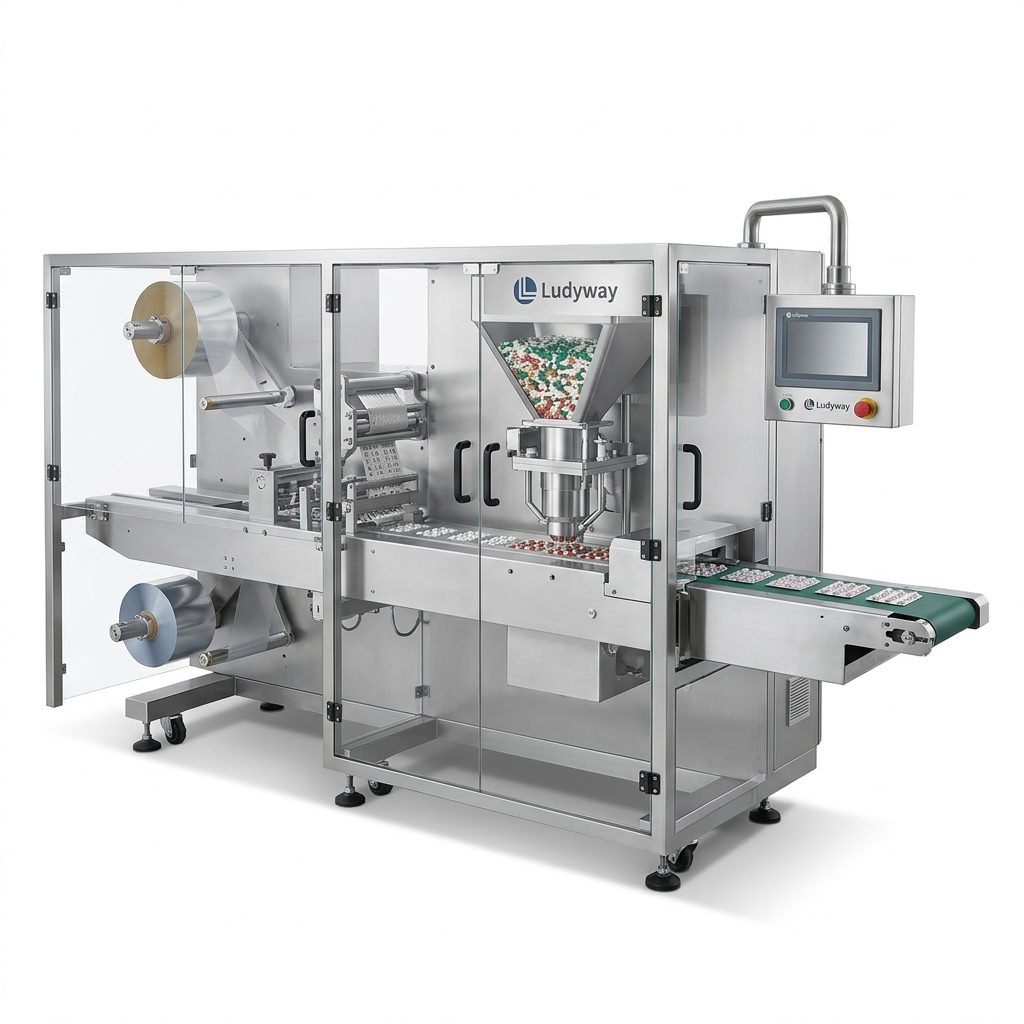
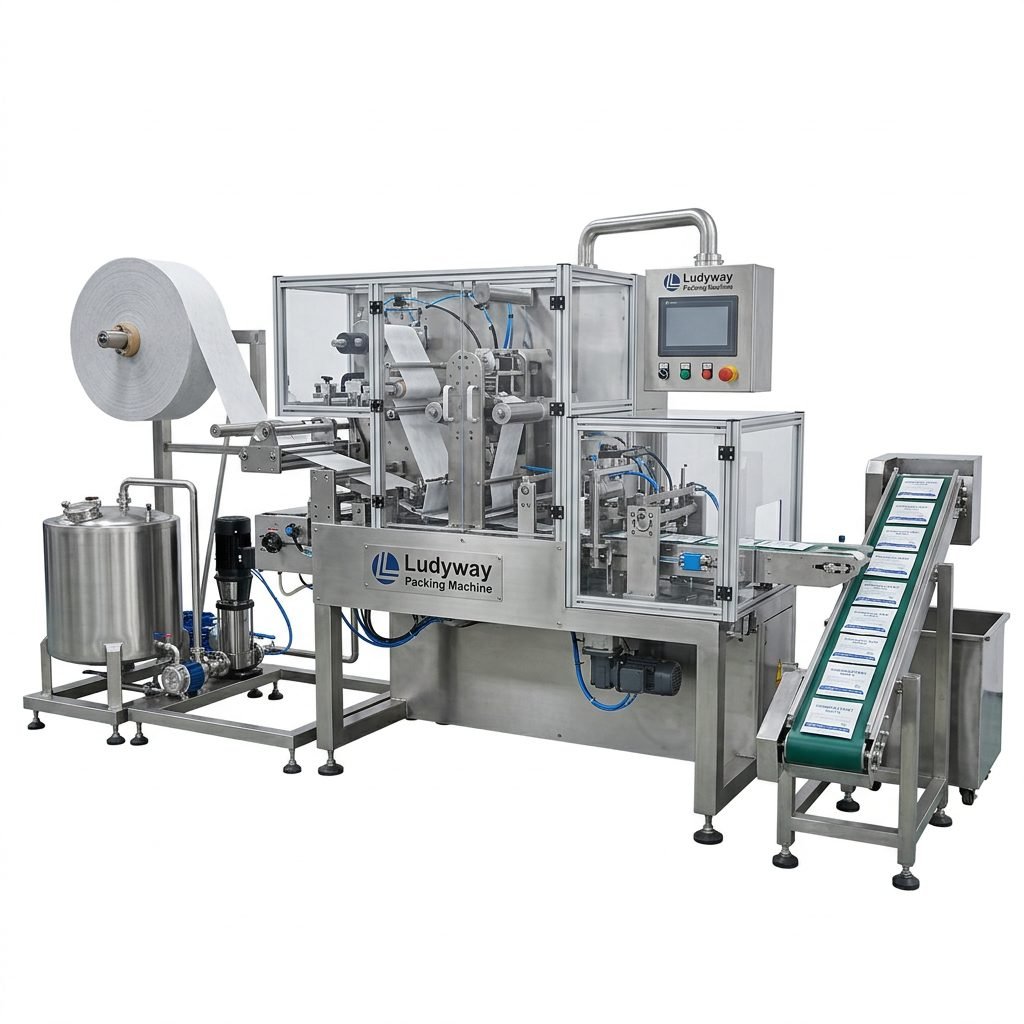
A seed filling machine is specialized packaging equipment designed to measure, dose, and fill seeds accurately into bags, sachets, pouches, bottles, jars, or larger bulk containers. It is widely used in agriculture, seed processing, horticulture, lawn care, and animal feed-related industries where product consistency, packaging speed, and reduced waste matter.
Whether you package vegetable seeds, flower seeds, grain seeds, grass seeds, sunflower seeds, or treated seed products, the right machine helps improve output while maintaining precision. For growing businesses that want reliable automation, Ludyway seed packaging solutions can support both standalone equipment needs and complete packaging line integration.
What Does a Seed Filling Machine Do?
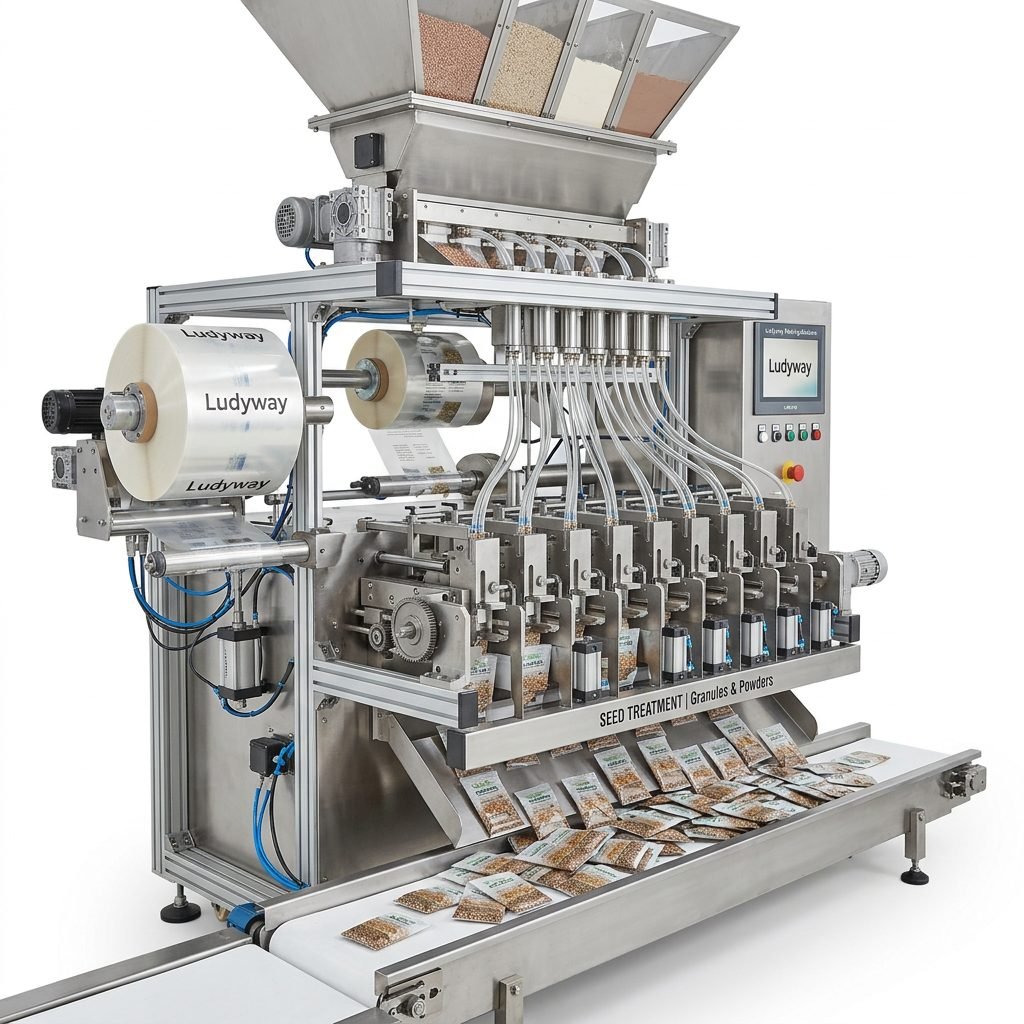
At its core, a seed filling machine automates the process of placing a controlled quantity of seeds into a package. Depending on the application, it may also perform additional steps such as:
- Product feeding and conveying
- Weighing or volumetric dosing
- Bag or pouch forming
- Filling and discharge
- Sealing or stitching
- Date coding and labeling
- Inspection and final collection
This makes it an essential piece of equipment for companies that package seeds in retail, wholesale, or industrial formats.
Common Uses of Seed Filling Machines
Seed filling machines are used across different product categories and packaging requirements. The ideal configuration depends on seed size, flowability, required speed, and packaging material.
| Application | Typical Seed Types | Common Package Formats |
|---|---|---|
| Agricultural seed packaging | Corn, rice, wheat, soybean | Bags, sacks, pouches |
| Vegetable seed packaging | Tomato, pepper, cucumber, lettuce | Small sachets, stick packs, mini pouches |
| Flower and garden seed packaging | Rose, marigold, sunflower, herb seeds | Retail pouches and envelopes |
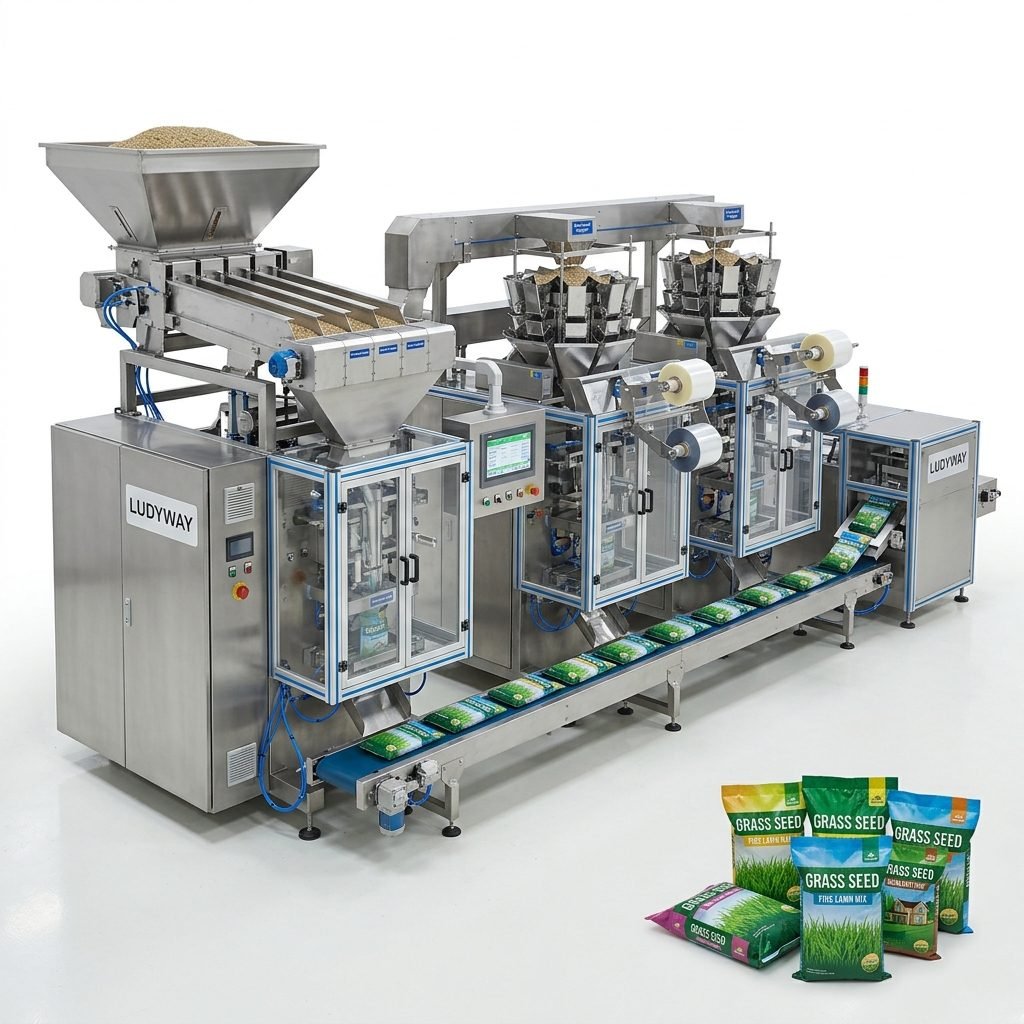
| Grass and turf seed packaging | Lawn seed blends, pasture seeds | Medium and large bags |
| Treated seed products | Coated or chemically treated seeds | Sealed pouches, protective bags |
Main Types of Seed Filling Machines
Not all seed products behave the same during filling. Small round seeds, irregular coated seeds, and blended seed products may require different dosing technologies.
1. Weighing Seed Filling Machines
These machines use load cells or multi-head weighing systems to deliver highly accurate fill weights. They are ideal when weight consistency is critical and are often used for medium to large pack sizes.
2. Volumetric Seed Filling Machines
Volumetric models fill based on a preset volume. They are often chosen for free-flowing seeds and applications where high speed is more important than ultra-tight weight precision.
3. Auger Filling Machines for Seed Powders or Fine Mixes
If the product includes fine granules, seed treatment powders, or blended formulations, auger fillers may be a suitable solution.
4. Vertical Form Fill Seal Systems
These systems form the bag from roll film, fill it, and seal it in one automated process. They are useful for high-volume production and flexible packaging.
5. Premade Pouch Filling Machines
These machines fill preformed pouches and are often selected for premium retail seed packaging where presentation matters.
How a Seed Filling Machine Works
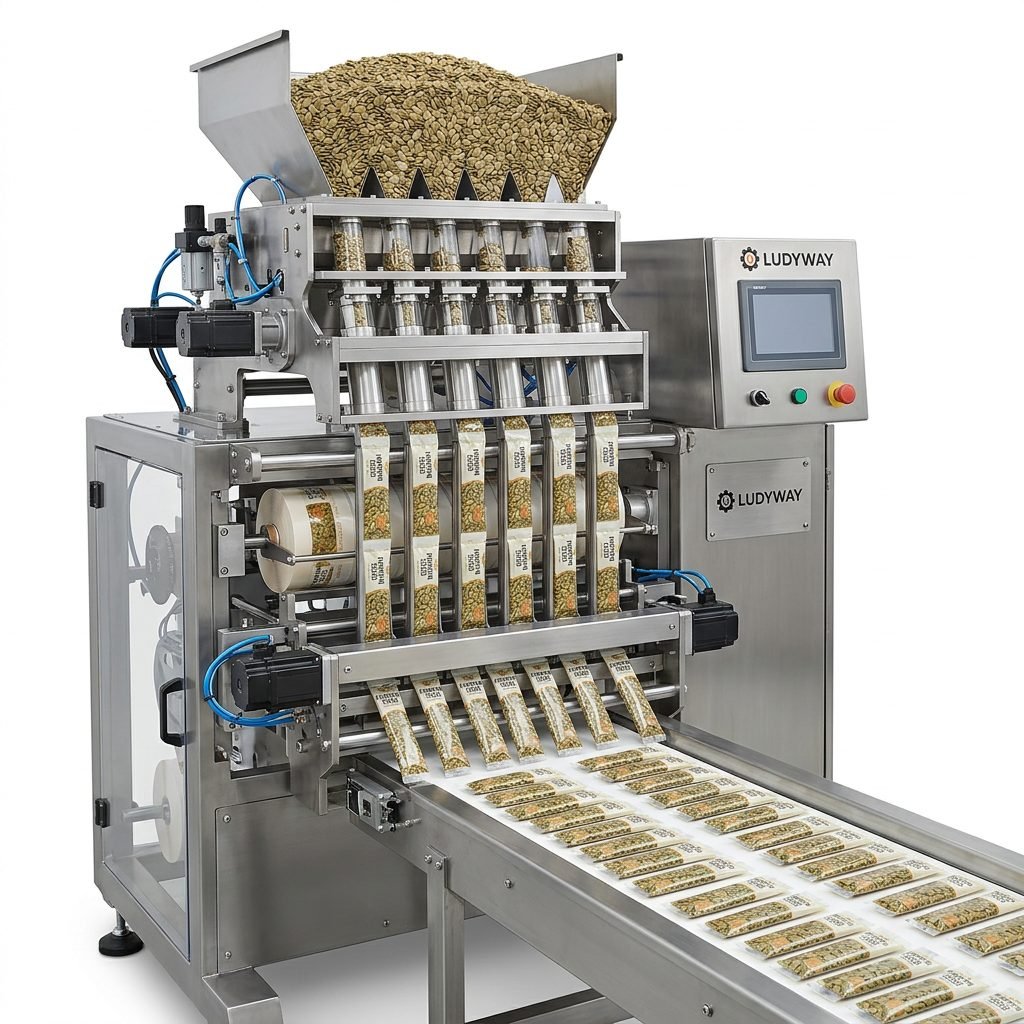
While machine designs vary, the general workflow follows a similar pattern:
- Feeding: Seeds are transferred from a hopper, elevator, or feeder into the dosing system.
- Measuring: The machine calculates the required weight or volume for each package.
- Filling: Seeds are discharged into the bag, pouch, or container.
- Sealing: The filled package is heat sealed, stitched, capped, or closed depending on its format.
- Coding and inspection: Optional systems print batch codes and verify package quality.
- Output: Finished packs move to collection, cartoning, or palletizing stations.
This process reduces manual handling and helps maintain a cleaner, more efficient production environment.
Key Benefits of Using a Seed Filling Machine
Higher Accuracy
Manual filling often leads to inconsistent pack weights. Automated seed filling equipment improves dosing precision and helps reduce underfilling or costly overfilling.
Faster Production Speed
Automation enables significantly higher throughput, which is especially valuable during peak agricultural seasons when packaging demand rises quickly.
Lower Labor Dependence
A seed filling machine can reduce repetitive manual work and allow staff to focus on quality control, logistics, and line supervision.
Better Product Protection
Controlled filling minimizes seed spillage, contamination, and unnecessary handling, helping preserve seed quality.
Scalable Automation
From entry-level machines to fully automated packaging lines, seed filling systems can scale with business growth.
Improved Brand Presentation
Consistent pack appearance, clean seals, and accurate labeling help support a more professional product image in retail and export markets.
Important Features to Look For
When comparing machines, buyers should focus on both performance and long-term reliability.
- Filling accuracy and repeatability
- Compatibility with different seed sizes
- Gentle handling to reduce seed damage
- Dust control for treated or coated seeds
- Easy cleaning and maintenance access
- Flexible bag or pouch size adjustment
- Stable sealing quality
- Optional coding, weighing, and inspection modules
- User-friendly control panel
- Integration with conveyors, elevators, and cartoning systems
| Feature | Why It Matters |
|---|---|
| Accurate weighing | Reduces giveaway and keeps package weight consistent |
| Gentle product handling | Helps protect fragile or coated seeds |
| Fast changeover | Useful for multiple SKUs and seasonal packaging runs |
| Expandable line design | Supports future automation upgrades |
Industries That Commonly Use Seed Filling Equipment
Although seed packaging is the main application, similar filling technology is also used in adjacent sectors that handle granular and free-flowing products.
- Agricultural seed producers
- Seed treatment companies
- Garden and lawn product brands
- Horticultural suppliers
- Feed additive and granular agrochemical packers
- Export-oriented packaging operations
How to Choose the Right Seed Filling Machine
Choosing the best machine starts with understanding your real packaging conditions, not just target speed.
Consider Your Product Characteristics
Seed size, shape, moisture level, coating, and flow behavior all affect filling performance. Some seeds flow easily, while others bridge, cling, or break more easily.
Define Package Type and Weight Range
A machine for tiny retail sachets is very different from a system designed for 10 kg, 25 kg, or bulk agricultural bags.
Match Capacity to Seasonal Demand
Seed packaging often experiences strong seasonal fluctuations. It is wise to choose equipment that handles your current volume while leaving room for growth.
Check Automation Level
Some businesses only need filling and sealing, while others need a complete line including feeding, coding, checkweighing, cartoning, and palletizing.
Evaluate Supplier Support
Technical support, spare parts availability, customization ability, and commissioning experience are all important when investing in packaging machinery.
Manual vs. Automatic Seed Filling Machines
| Type | Best For | Main Advantage | Limitation |
|---|---|---|---|
| Manual / semi-automatic | Small batches, startups, pilot production | Lower upfront cost | Lower speed and more labor |
| Fully automatic | Medium to large-scale production | High efficiency and consistency | Higher initial investment |
Maintenance Tips for Long-Term Performance
A well-maintained seed filling machine will deliver better reliability and lower downtime.
- Clean hoppers, feeders, and contact parts regularly.
- Inspect weighing components and recalibrate as needed.
- Check sealing units for wear and temperature stability.
- Monitor moving parts, bearings, belts, and conveyors.
- Keep dust under control, especially when handling coated or treated products.
- Follow a preventive maintenance schedule instead of waiting for failures.
Who Should Invest in a Seed Filling Machine?
A seed filling machine is a smart investment for businesses that need to improve output, reduce packaging errors, or standardize product presentation. It is especially valuable for:
- Seed brands scaling up production
- Agricultural processors adding retail packaging
- Exporters needing stable, repeatable pack quality
- Factories replacing slow manual filling operations
- Businesses planning a full automated packaging line
Final Buying Insight
A seed filling machine is more than a dosing unit. It is a productivity tool that affects accuracy, speed, labor efficiency, product protection, and overall packaging quality. The best choice depends on your seed type, pack format, production target, and future expansion plans.
If you are comparing equipment, focus on machine stability, filling precision, easy operation, and the supplier’s ability to provide a practical, scalable solution for your packaging process.