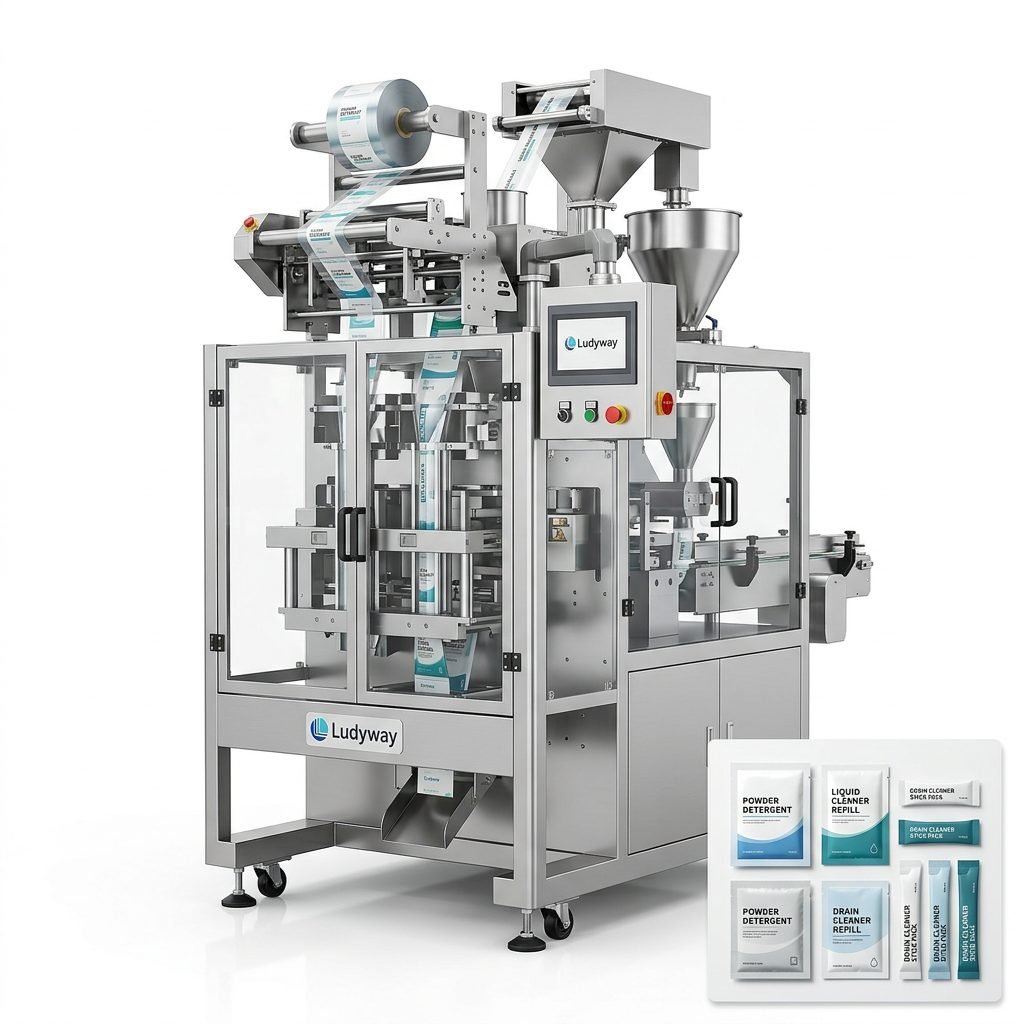
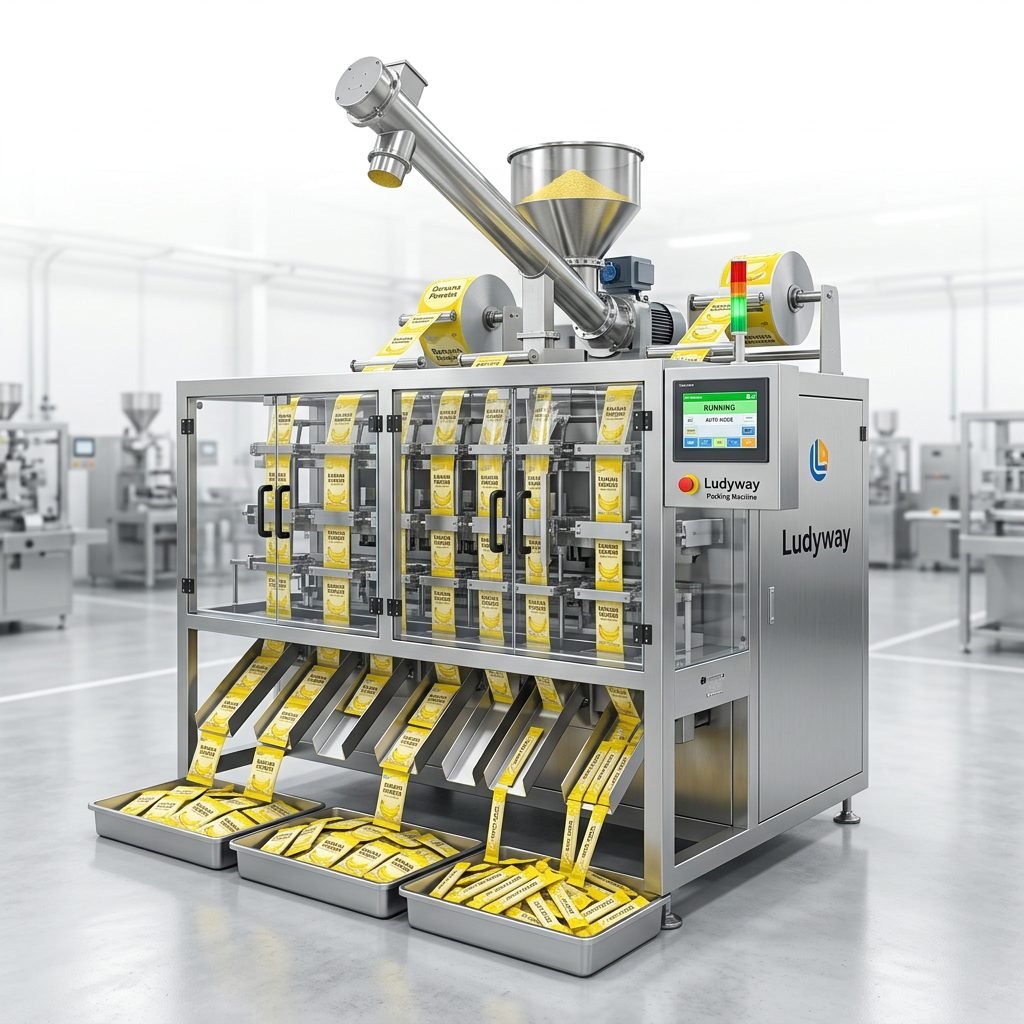
In today’s fast-paced manufacturing landscape, achieving operational excellence hinges on the efficiency and reliability of your packaging line. For industries where product integrity, speed, and hygiene are non-negotiable—such as food, pharmaceuticals, and consumer goods—the right cartoning and packaging machinery is not just an asset; it’s a critical component of business success. High-efficiency solutions streamline the transition from product formation to final retail-ready packaging, ensuring consistency, reducing waste, and safeguarding your brand’s reputation.
The Critical Role of Specialized Packaging Machinery
Packaging serves as the final, and often most visible, stage of production. It protects the product, conveys vital information, and influences consumer perception. Manual or semi-automated processes can introduce bottlenecks, inconsistencies, and contamination risks. Automated cartoning and packaging systems eliminate these variables, delivering precision at high speeds.
Key Advantage: Automated systems provide a closed, controlled environment for packaging, which is paramount in pharmaceutical and food applications to meet stringent Good Manufacturing Practice (GMP) and food safety standards. This minimizes human contact and maximizes hygiene.
Solutions for the Food Industry: Speed & Freshness
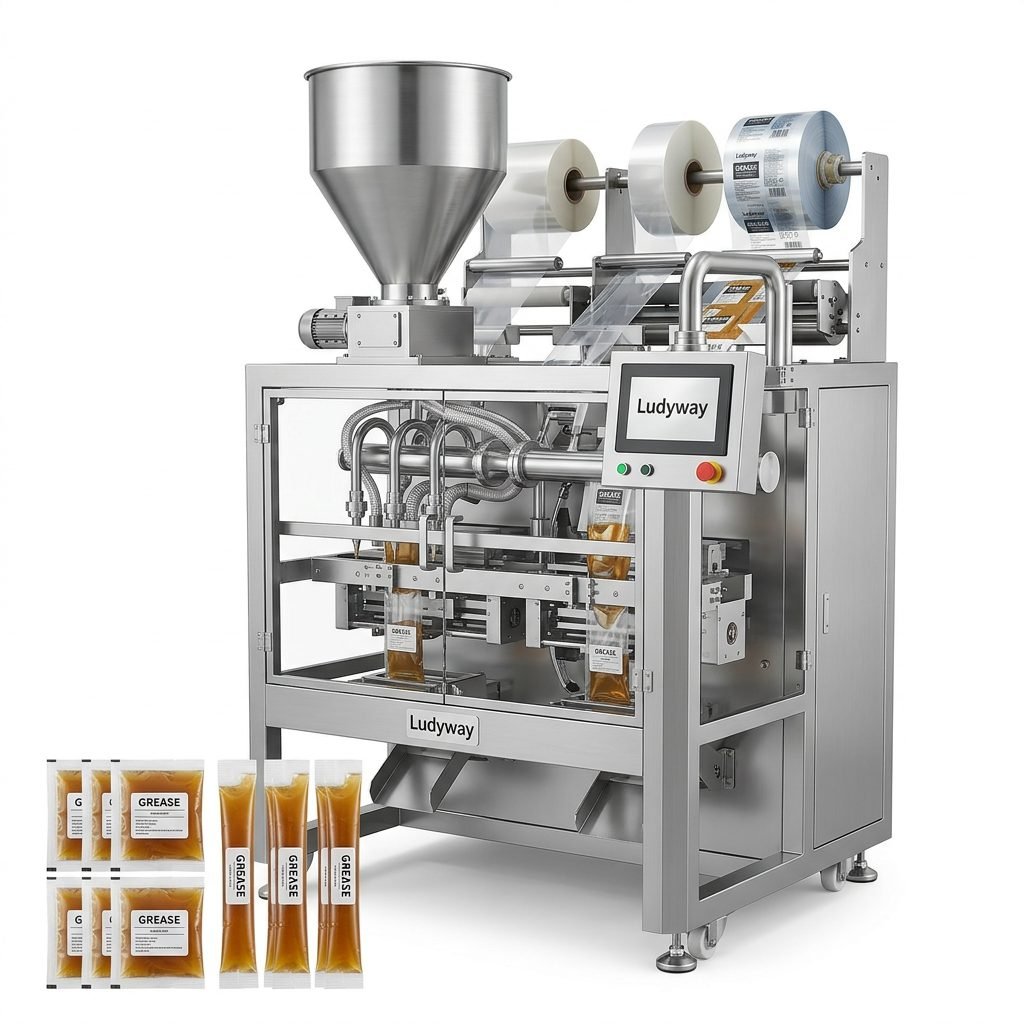
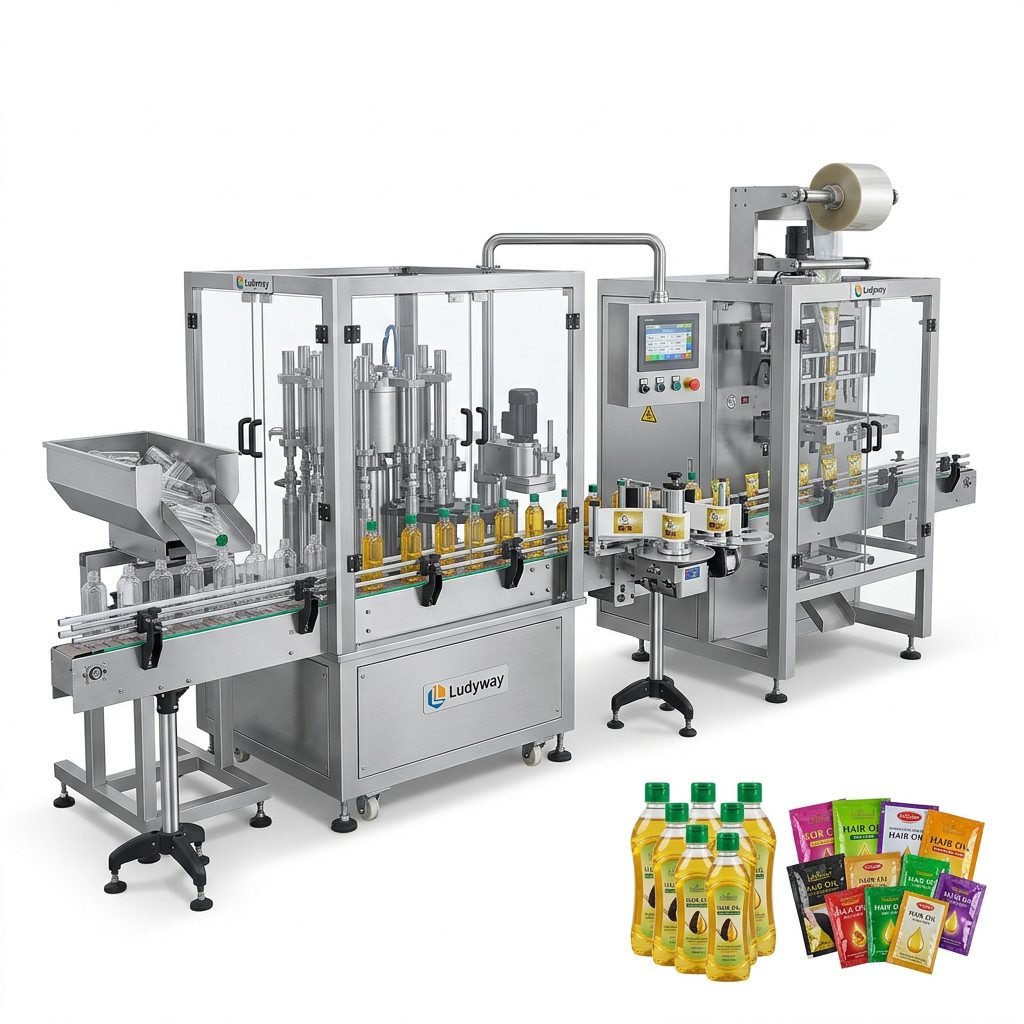
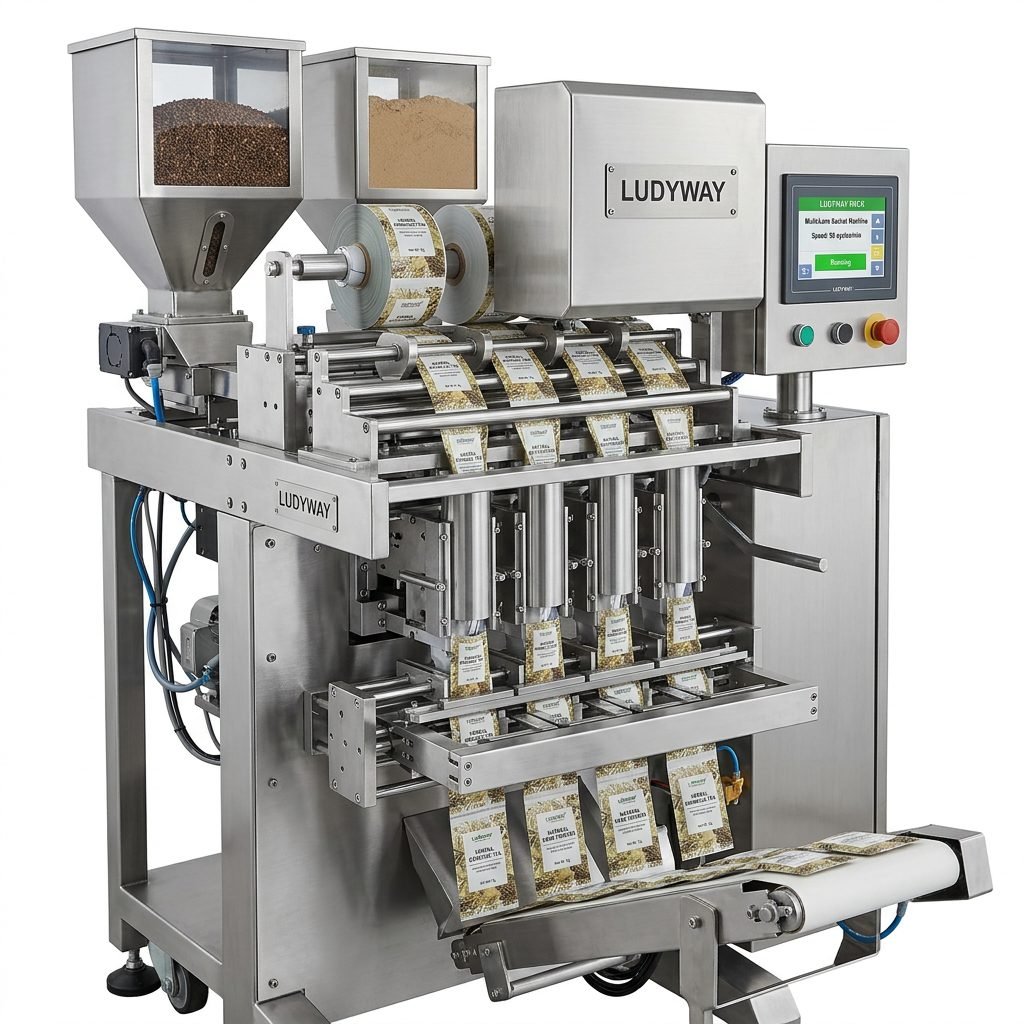
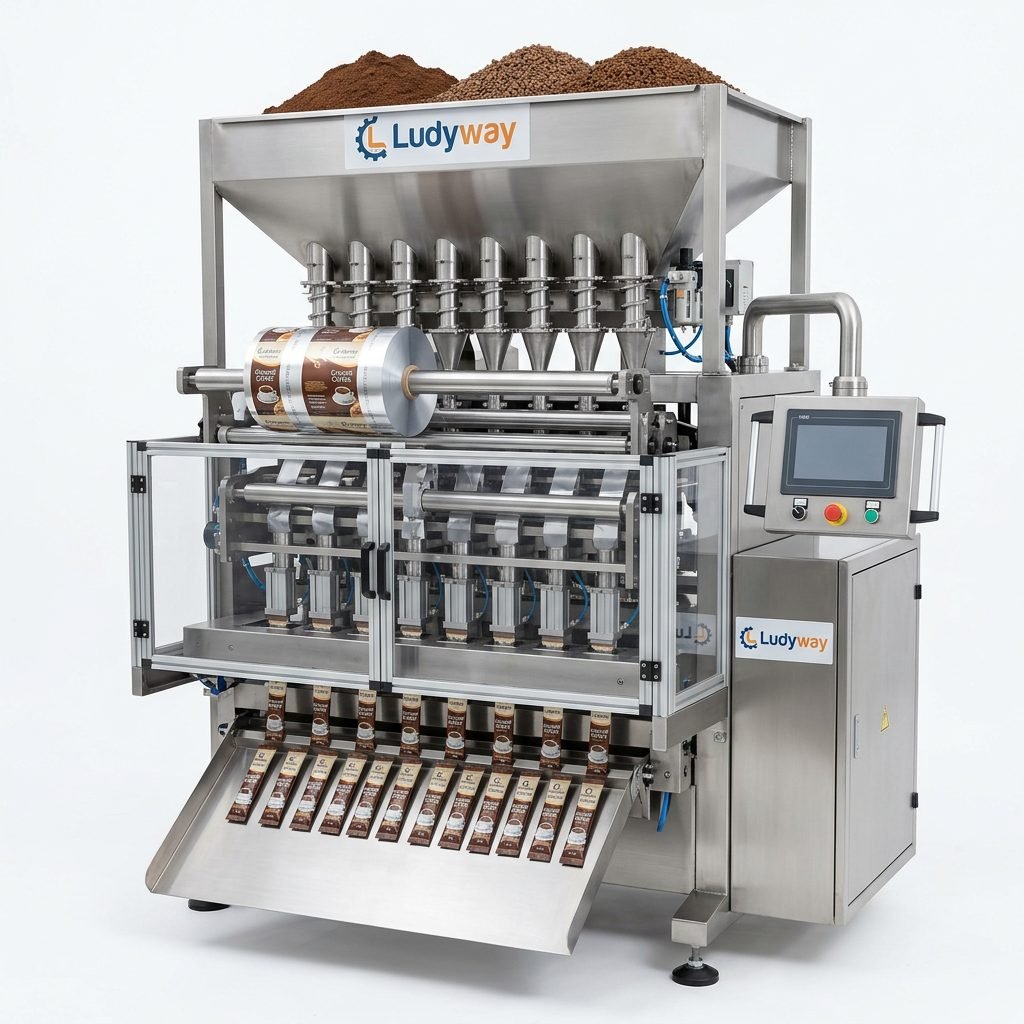
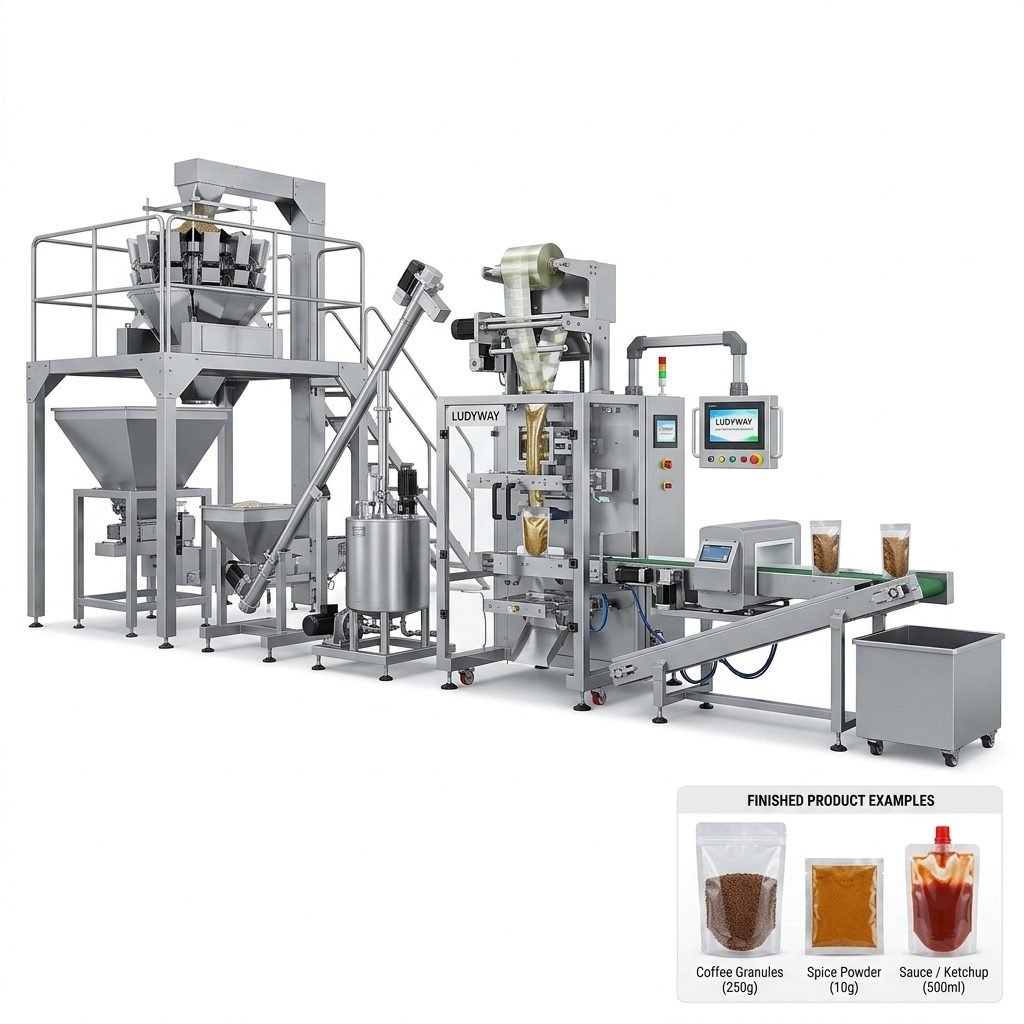
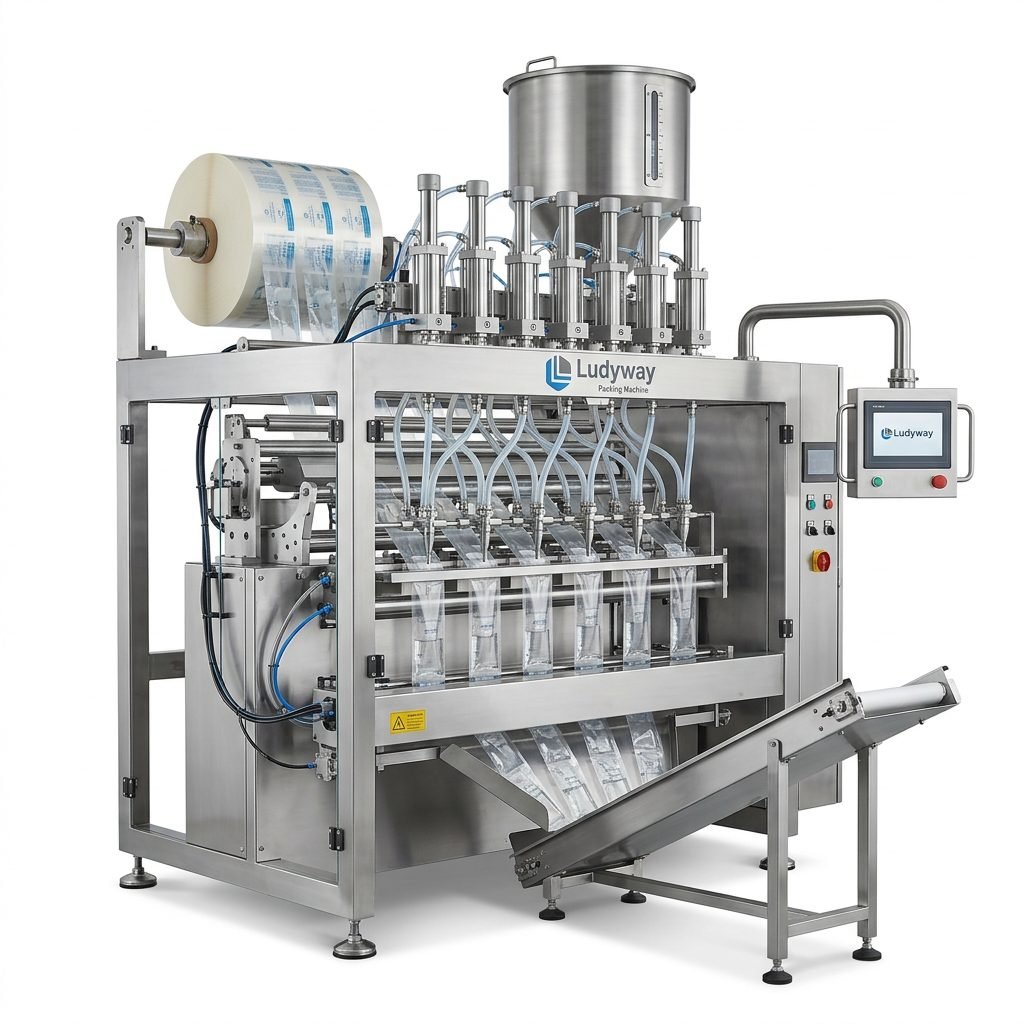
The food sector demands machinery that can handle diverse products—from dry snacks and powders to viscous sauces and liquids—while prioritizing shelf-life extension and appealing presentation. High-efficiency cartoners for food often integrate seamlessly with upstream filling machines for powders, granules, or liquids.
Modern systems feature quick-changeover mechanisms, allowing producers to switch between different carton sizes or styles with minimal downtime. This flexibility is crucial for manufacturers running multiple product lines or limited batch productions. Furthermore, advanced engineering, as employed by experienced providers, ensures gentle product handling to prevent damage to delicate items like crackers or biscuits during the cartoning process.
Pharmaceutical & Healthcare: Precision & Compliance
In pharma, packaging is a matter of patient safety. Machinery must offer impeccable accuracy in counting, filling, and sealing, alongside robust serialization and traceability features to combat counterfeiting. Blister packing, vial cartoning, and medication sachet packaging require an uncompromising level of precision.
High-efficiency pharmaceutical cartoners are designed with compliance at their core. They support:
- Tamper-evident sealing for enhanced security.
- Integrated vision inspection systems to verify leaflet insertion and label correctness.
- Direct interfacing with aggregation software for track-and-trace compliance (e.g., DSCSA, EU FMD).
This level of automation reduces human error to near zero, ensuring every package that leaves the line is perfect and compliant.
Consumer Goods: Versatility & Brand Impact
From cosmetics and personal care to hardware and stationery, consumer goods packaging must be robust, attractive, and cost-effective. Efficiency here translates to the ability to handle an immense variety of carton styles—tuck-end, glue-end, reverse-tuck, and display-ready trays—at high speeds.
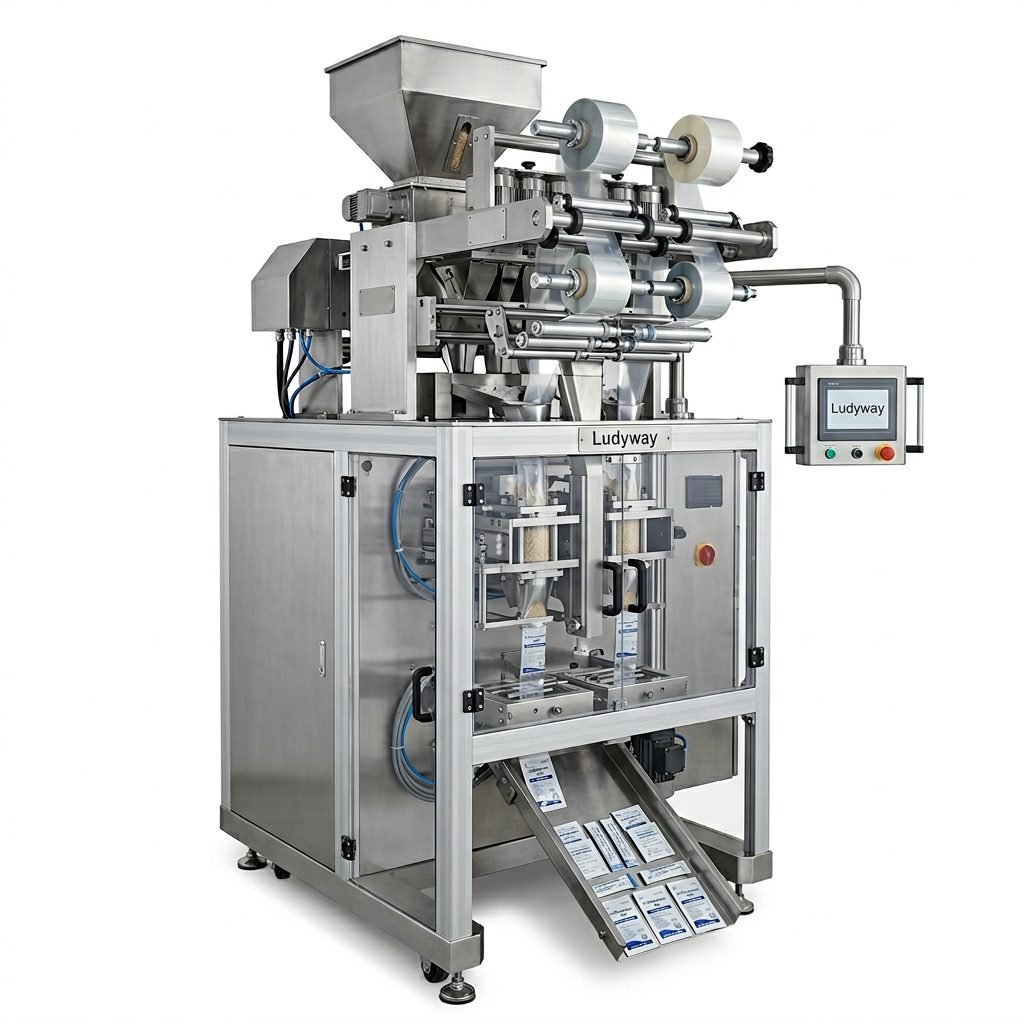
Machinery for this sector often emphasizes gentle yet fast product loading and sophisticated collation systems that group individual items (like sachets, bottles, or pouches) before they are placed into a carton. This ensures the final retail package looks professional and intact. The adaptability of these systems allows brands to respond quickly to market trends with new packaging formats.
Core Components of a High-Efficiency Packaging Line
A truly efficient solution is more than a single machine; it’s a synchronized line. Key components include:
1. Primary Packaging Feeders
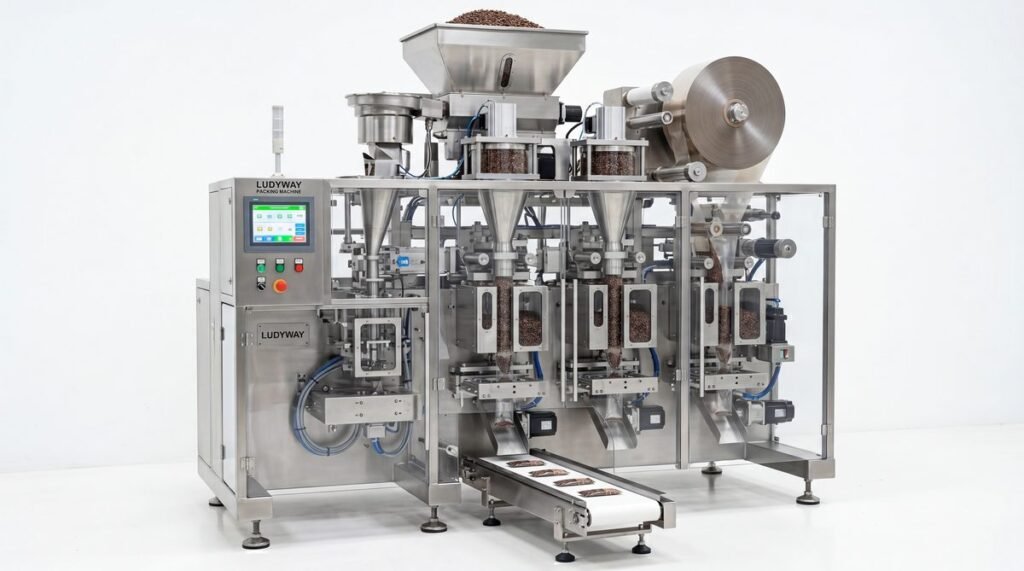
This could be a pouch feeder, vial unscrambler, or blister pack conveyor that reliably presents the primary packaged product to the cartoner in the correct orientation and at the required rate.
2. The Automatic Cartoner
The heart of the system. It erects flat carton blanks, loads the product (often with inserted leaflets or accessories), and closes/seals the carton. Top-tier models offer servo-driven motion for smooth, adjustable operation.
3. Integrated Leaflet Insertion
A critical module for pharma and many consumer goods, ensuring instructions or marketing materials are placed accurately every time.
4. Checkweighers & Vision Inspection Systems
These quality control gateways verify weight, label presence, print quality, and seal integrity, automatically rejecting any non-conforming packages.
5. Downstream Handling
Includes case packers, palletizers, and labeling systems that prepare finished cartons for shipping. A well-integrated line from end-to-end maximizes overall equipment effectiveness (OEE).
Achieving True Efficiency: Beyond Speed
While cycles per minute (CPM) is a vital metric, real-world high efficiency encompasses:
- Uptime & Reliability: Robust construction and proven technology minimize unplanned stops.
- Changeover Speed: Tool-less adjustments and recipe memory slash downtime between product runs.
- Material Savings: Precision mechanics reduce carton board waste and glue usage.
- Operator Safety & Ergonomics: Intuitive HMIs and guarded access points create a safer, more productive work environment.
Selecting the Right Partner for Your Packaging Solution
Investing in high-efficiency machinery is a strategic decision. The ideal equipment provider brings more than just hardware to the table. Look for a partner with deep application expertise in your specific industry—whether it’s the hygiene protocols for food or the validation support for pharmaceuticals.
A strong partner will offer comprehensive support, from initial line design and factory acceptance testing (FAT) to installation, training, and readily available spare parts. Their proven track record and history of innovation are your best indicators of a reliable, long-term investment that will scale with your business needs.
Ultimately, deploying high-efficiency cartoning and packaging machinery is a transformative step towards leaner, more agile, and more competitive manufacturing. By automating this critical final stage, producers in the food, pharma, and consumer goods sectors can achieve remarkable gains in output consistency, regulatory compliance, and cost management, all while building a stronger, more dependable brand.
Frequently Asked Questions (FAQs)
1. What are the main benefits of upgrading to a fully automatic cartoning system?
The primary benefits include significantly increased production speed and output consistency, major reductions in labor costs and human error, enhanced product hygiene and safety (crucial for food and pharma), improved traceability, and lower long-term operational costs through material savings and higher overall equipment effectiveness (OEE).
2. How difficult is it to change over an automatic cartoner for a different product or carton size?
Modern high-efficiency cartoners are designed for rapid changeover. Many models feature servo-driven adjustments and digital recipe storage, allowing operators to switch between pre-set configurations in minutes with simple tool-less adjustments, minimizing production downtime and maximizing line flexibility.
3. Can these systems handle inserting multiple items or leaflets into a single carton?
Yes, advanced cartoners are highly configurable. They can be equipped with multiple infeed lanes and synchronized insertion systems to reliably load several primary packages (e.g., multiple sachets or vials) along with one or more leaflets, coupons, or accessories into a single carton in one continuous operation.
4. What kind of quality control can be integrated into the packaging line?
A comprehensive line can integrate several QC checkpoints: checkweighers to ensure correct weight, vision inspection systems to verify labels, print, and seal integrity, and metal detectors or X-ray systems for contaminant detection. Reject mechanisms automatically remove any non-conforming packages from the line.
5. What should we consider regarding future maintenance and technical support?
When selecting a supplier, prioritize those with a strong global support network. Key considerations include the availability of detailed documentation, readily accessible spare parts, remote diagnostic capabilities, and responsive service engineers. A partner committed to long-term technical support ensures your high-efficiency investment remains productive for its entire lifecycle.