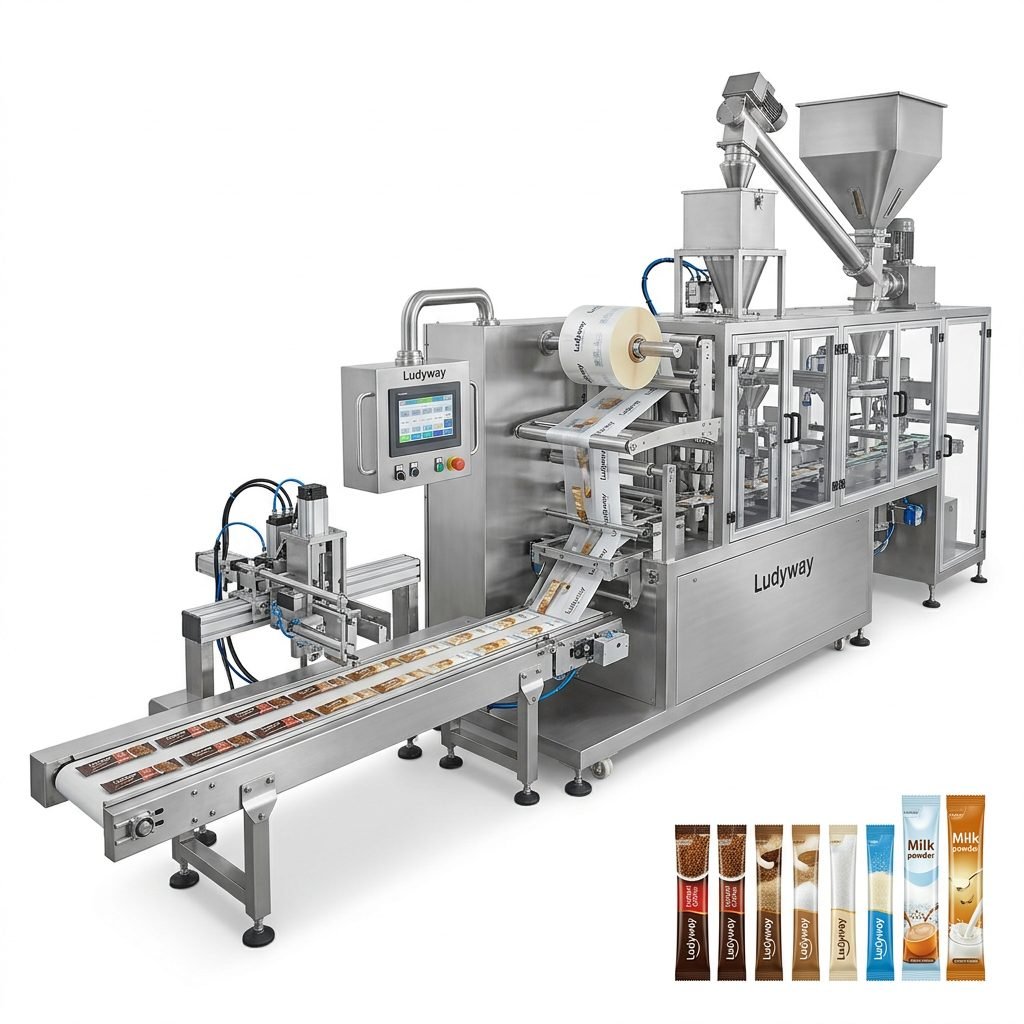
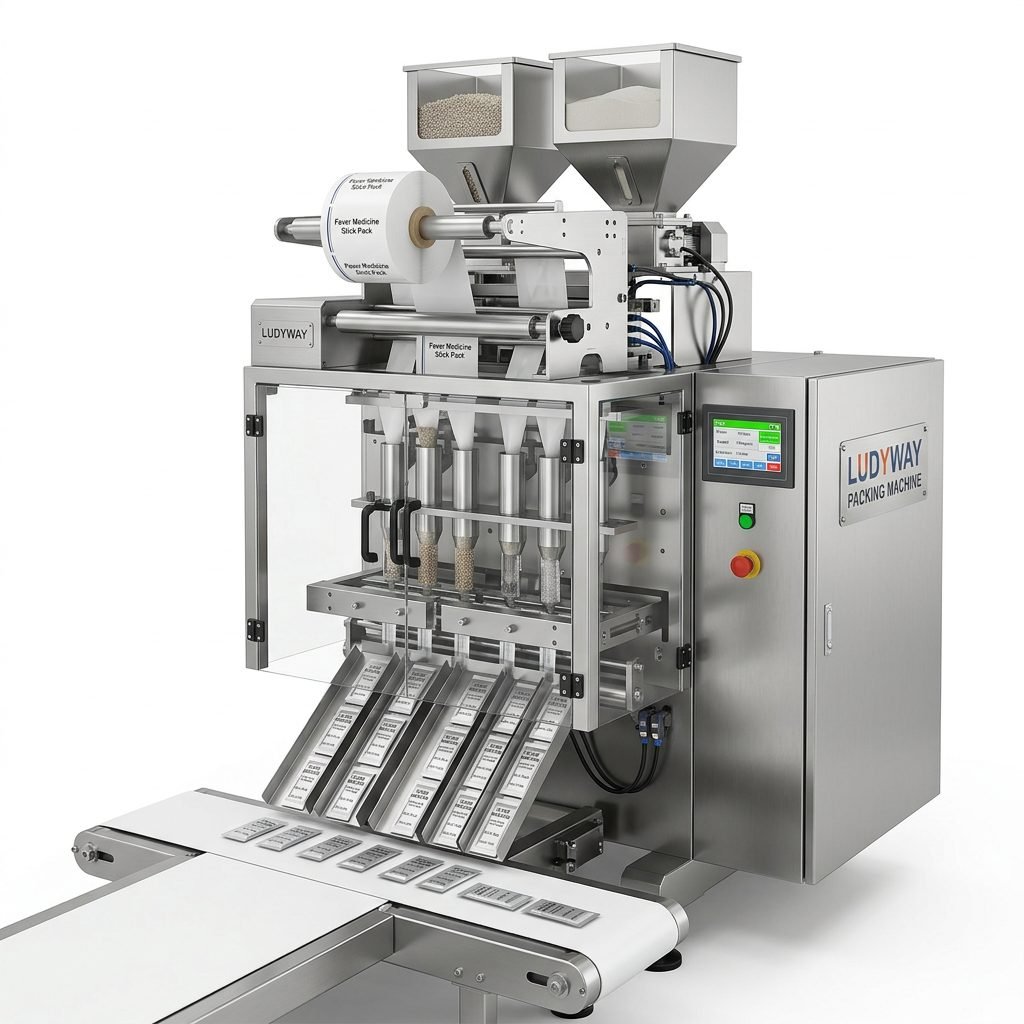
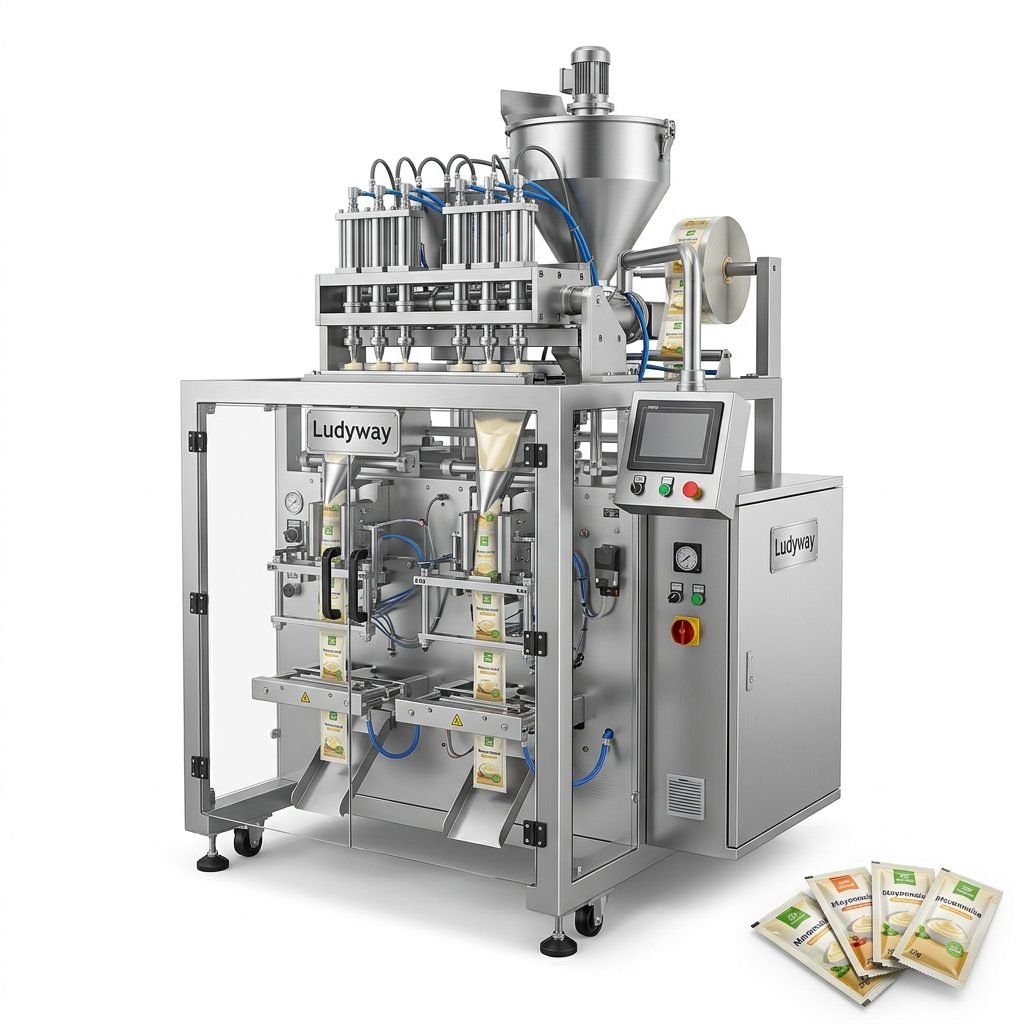
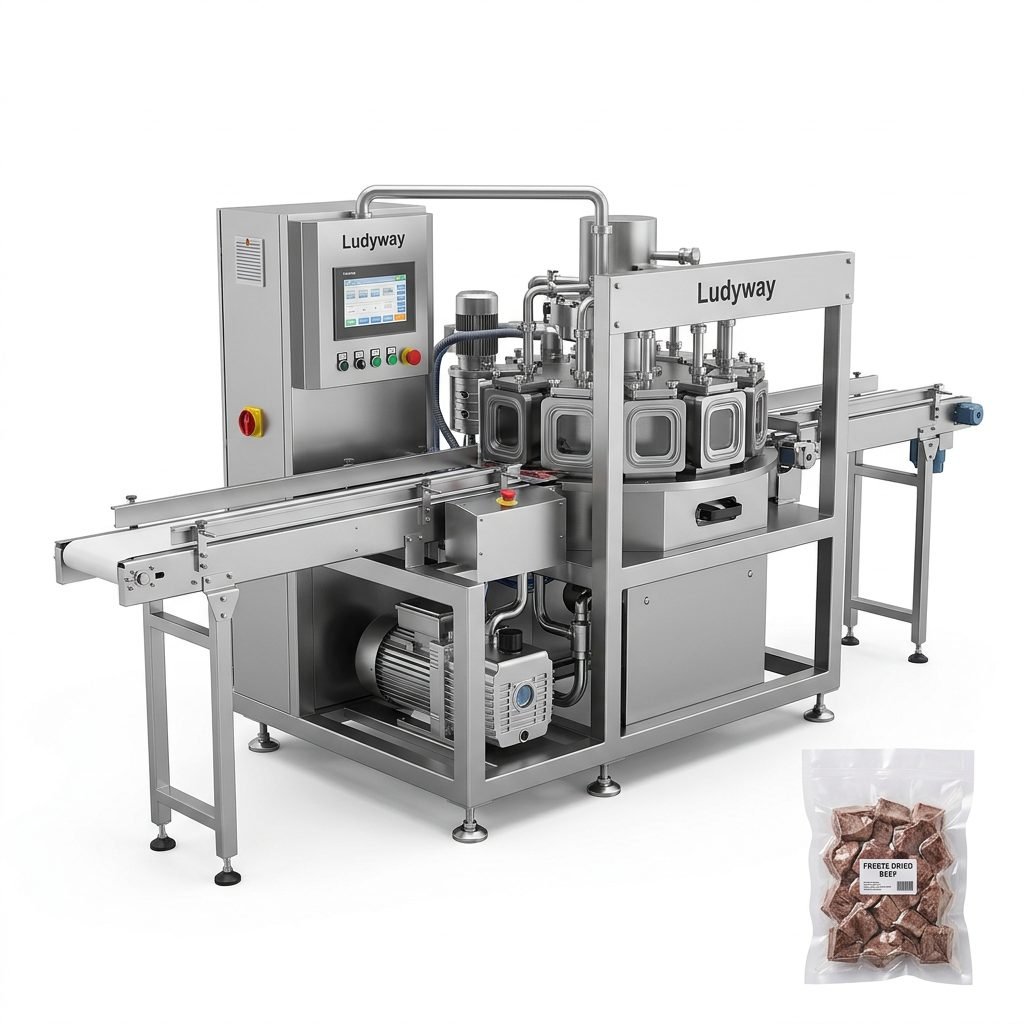
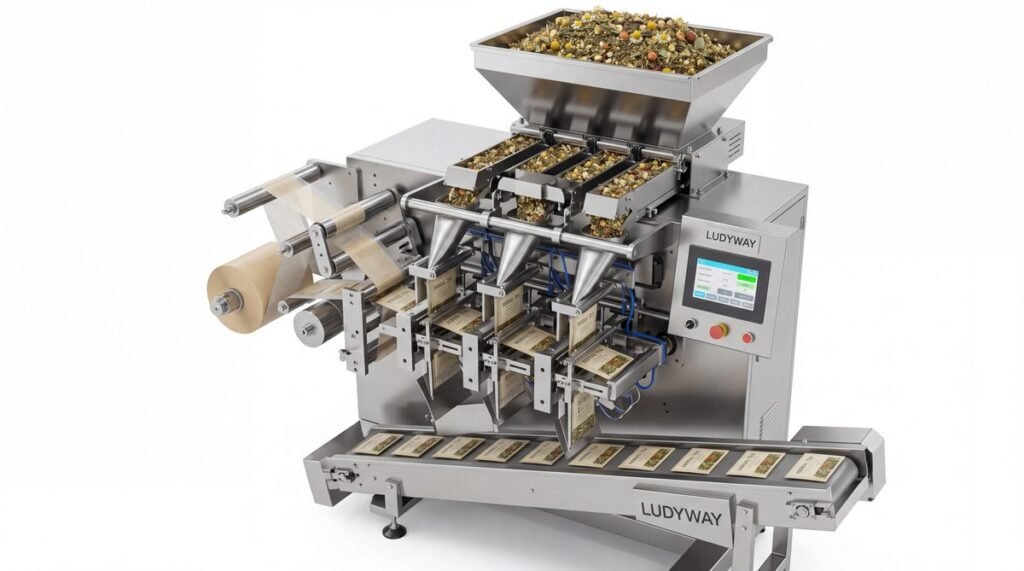
Spice packaging machines are specialized systems designed to measure, fill, seal, and pack spices into retail or bulk packaging formats. They are used for powder spices such as chili powder, turmeric, cumin, cinnamon, black pepper powder, curry blends, and seasoning mixes, as well as granulated or coarse products like pepper flakes, herbs, and mixed seasonings.
For food manufacturers, seasoning brands, co-packers, and private-label businesses, the right machine helps maintain accurate weight, product freshness, clean sealing, and efficient output. Whether you pack small sachets, stick packs, pouches, or larger bags, choosing the right system can directly affect production speed, packaging quality, labor cost, and shelf appeal.
What Does a Spice Packaging Machine Do?
A spice packaging machine automates the process of turning loose spice material into finished packs ready for storage, shipping, or retail sale. Depending on the machine type, it can perform one or more of the following functions:
- Feeding powder or granule spices into the system
- Weighing or dosing the correct amount for each pack
- Forming sachets, stick packs, bags, or pouches
- Filling the product accurately with minimal waste
- Sealing the package to protect aroma and freshness
- Coding batch numbers or production dates
- Discharging finished packs for cartoning or case packing
Because spices can be dusty, free-flowing, sticky, or prone to clumping, packaging equipment is often configured with auger fillers, multi-head weighers, volumetric cup fillers, dust control units, and sealing systems tailored to the product’s characteristics.
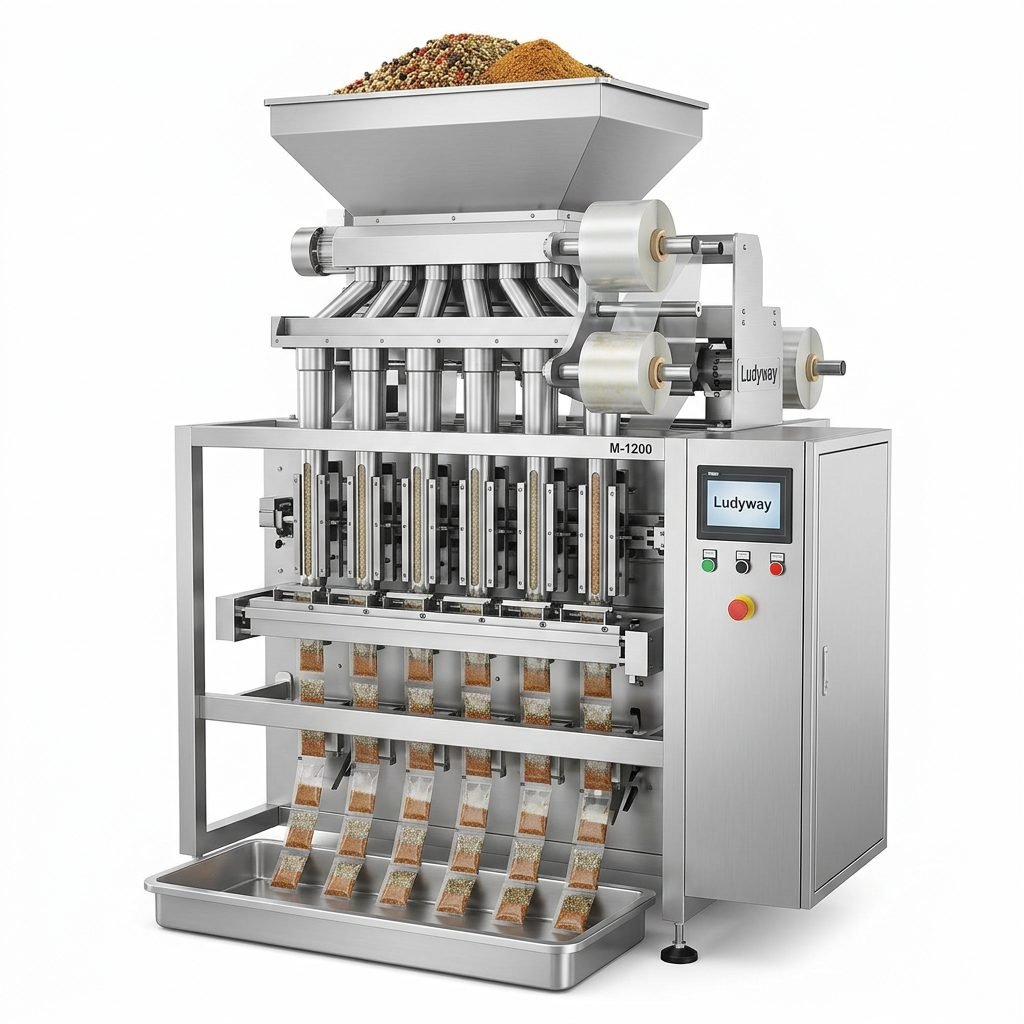
Common Types of Spice Packaging Machines
There is no single machine for every spice business. The best option depends on product type, package style, target speed, and automation level.
1. Vertical Form Fill Seal Machines
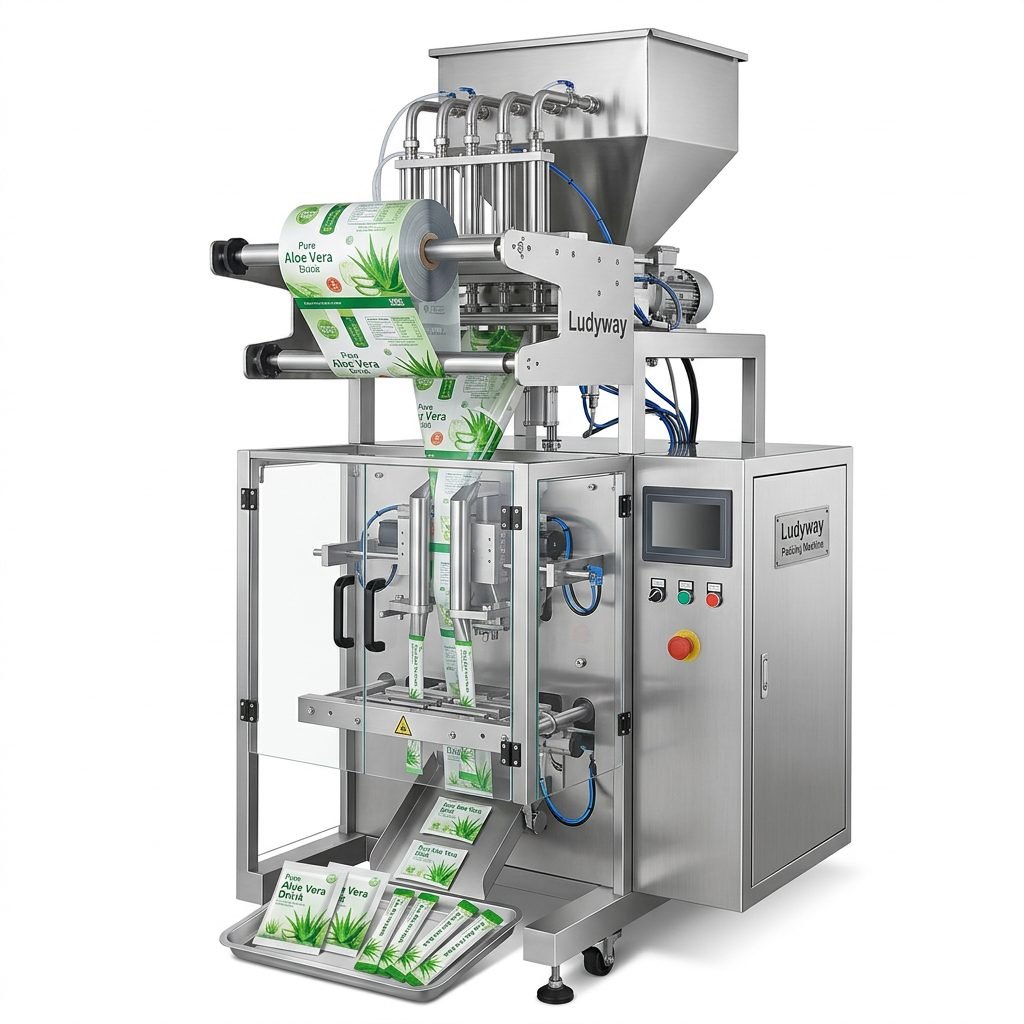
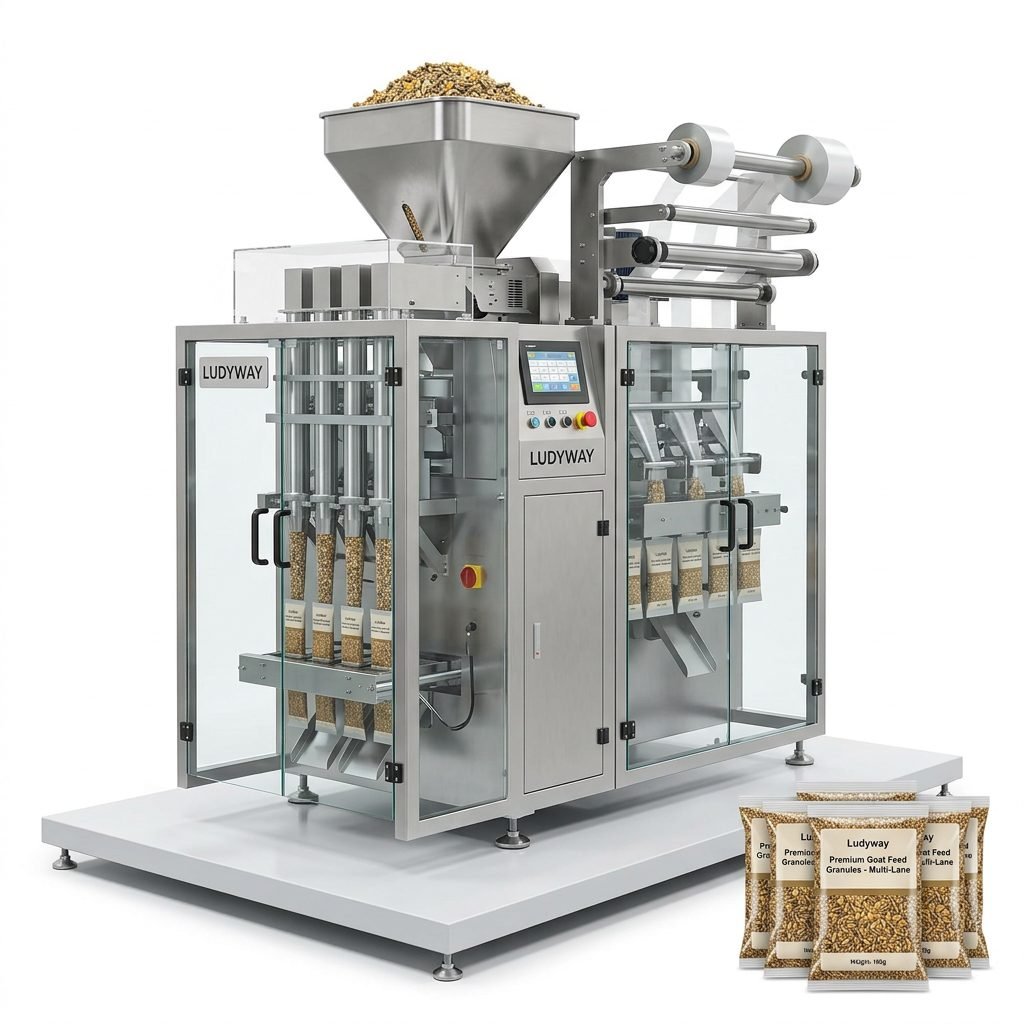
Vertical form fill seal (VFFS) machines are widely used for spice powders and granules. They create bags from roll film, fill them with product, and seal them in one continuous process.
- Suitable for pillow bags, gusset bags, and quad seal bags
- Ideal for medium to high production volumes
- Works well with auger fillers for powders and weighers for granules
2. Sachet Packaging Machines
Sachet machines pack spices into small single-use packets, often used in food service, instant meal kits, takeaway condiments, and sample packs.
- Good for single-serve spice portions
- Compact and cost-effective for small pack sizes
- Popular for salt, pepper, chili flakes, and seasoning powder
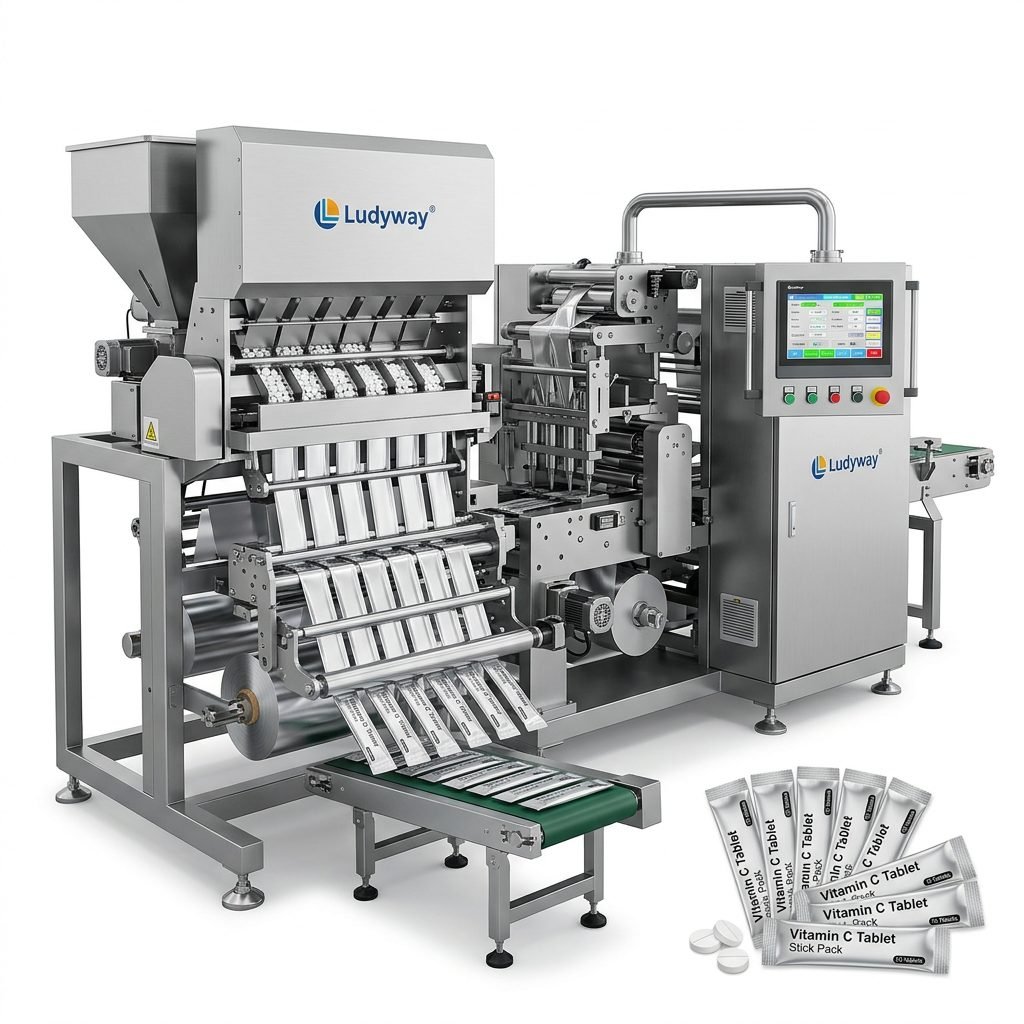
3. Stick Pack Machines
Stick pack machines are designed for narrow, elongated packets. They are commonly used for powdered seasonings and instant flavor mixes.
- Efficient film usage
- Attractive retail appearance
- Suitable for high-speed multi-lane production
4. Premade Pouch Packaging Machines
These machines fill and seal preformed pouches instead of forming bags from film. They are often chosen for premium spice packaging.
- Suitable for stand-up pouches and zipper pouches
- Excellent for retail presentation
- Useful for higher-value spices and seasoning blends
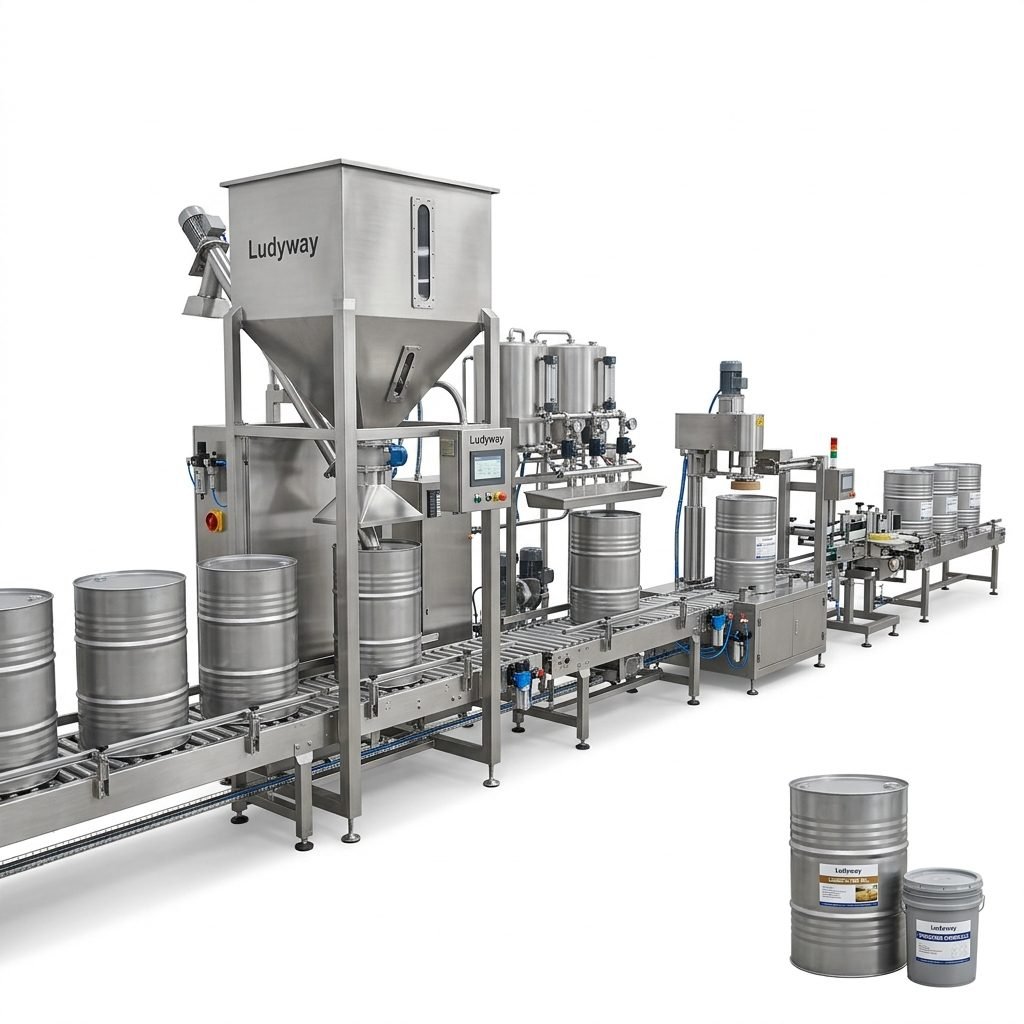
5. Bulk Bagging Machines
Bulk systems are used for larger bags for wholesalers, ingredient suppliers, and industrial food production. These machines often handle 5 kg, 10 kg, 25 kg, or larger packs.
| Machine Type | Best For | Typical Pack Style | Product Form |
|---|---|---|---|
| VFFS Machine | General spice packing | Pillow bags, gusset bags | Powder, granules |
| Sachet Machine | Single-use packs | Flat sachets | Powder, fine granules |
| Stick Pack Machine | High-speed retail portions | Stick packs | Powders, blends |
| Premade Pouch Machine | Premium branding | Stand-up pouches, zipper pouches | Powder, flakes, granules |
| Bulk Bagging Machine | Wholesale and industrial use | Large bags, sacks | Powder, granules |
How a Spice Packaging Machine Works
Although exact configurations vary, most systems follow a similar packaging sequence:
- Product loading: Spice material is fed from a hopper, conveyor, or elevator into the dosing unit.
- Dosing or weighing: The machine measures the required amount using an auger filler, cup filler, or weigher.
- Package forming: Film is shaped into bags or sachets, or premade pouches are automatically picked and opened.
- Filling: The measured spice enters the package through a controlled discharge system.
- Sealing: Heat sealing closes the package securely to preserve freshness and reduce leakage.
- Printing and inspection: Optional devices print date codes, inspect seals, or reject defective packs.
- Output: Finished packs move to collection tables, conveyors, cartoners, or case packers.
For fine powders such as paprika, garlic powder, or curry powder, dust management is especially important. Many advanced systems include enclosed filling zones or dust extraction to keep seals clean and the production area safer.
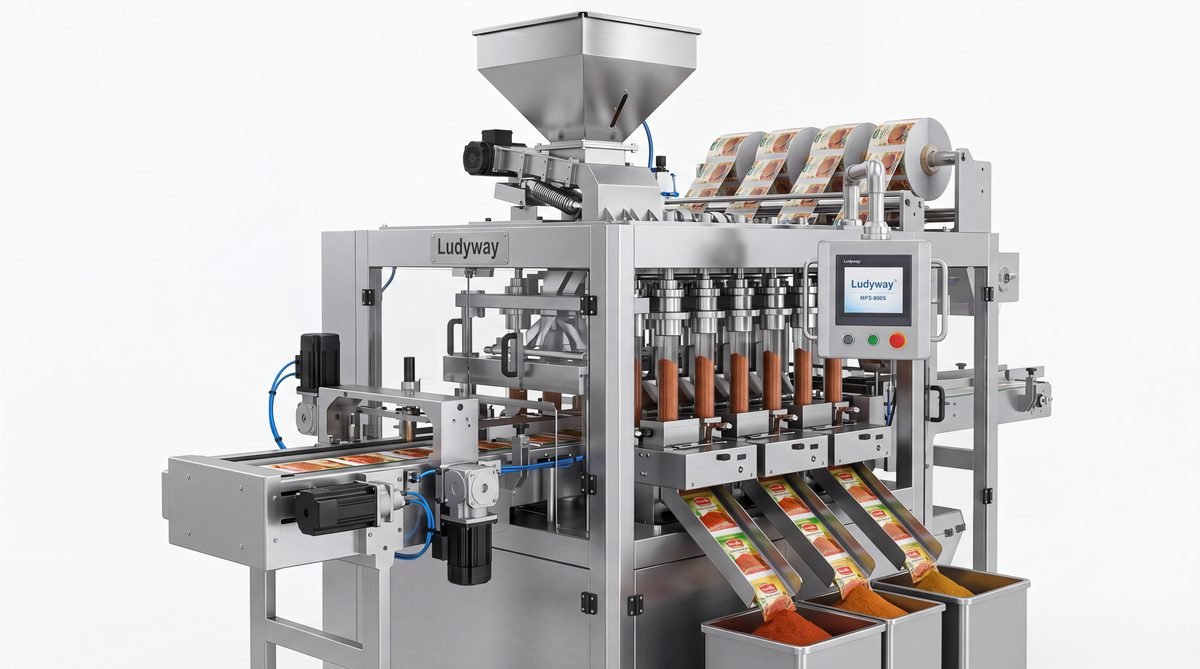
Key Components of a Spice Packing System
A complete spice packaging line may include more than just the main machine. Important components can include:
- Product hopper for temporary storage
- Screw or auger feeder for powder transfer
- Z-type bucket elevator for granules or flakes
- Auger filler for fine and non-free-flowing powders
- Multi-head weigher for granulated or irregular products
- Sealing unit for secure closure
- Date coder for traceability
- Checkweigher or inspection system for quality control
- Cartoning or case packing equipment for secondary packaging
Benefits of Using a Spice Packaging Machine
Manual packing may work at very small scale, but automated packaging brings major advantages as demand grows.
Higher Efficiency
Automated machinery can produce significantly more packs per minute than manual labor, helping businesses meet retail and wholesale demand more reliably.
Better Accuracy
Consistent filling reduces underweight and overweight packs, which helps control costs and maintain customer trust.
Improved Hygiene
A more enclosed process reduces direct product contact and helps support food safety compliance.
Stronger Seal Quality
Reliable sealing protects spice aroma, blocks moisture, and improves shelf life.
Lower Labor Dependence
With the right automation level, one line can replace repetitive manual packing tasks and reduce labor intensity.
Flexible Packaging Options
Many systems can handle different bag sizes, pack formats, and spice recipes with proper adjustment or tooling changes.
| Benefit | Business Impact |
|---|---|
| Accurate filling | Less product giveaway and better cost control |
| Fast production | Higher daily output and shorter lead times |
| Consistent sealing | Better freshness retention and fewer returns |
| Automation | Reduced labor demand and easier scale-up |
| Format flexibility | Supports multiple SKUs and packaging styles |
Which Spices Can Be Packed?
Modern spice packaging equipment can handle a broad range of products, including:
- Chili powder
- Turmeric powder
- Cinnamon powder
- Black pepper powder
- Cumin powder
- Garlic powder
- Onion powder
- Curry powder
- Masala blends
- Seasoning salt
- Dried herb flakes
- Mixed spice granules
If the product has special flow characteristics, the filling system should be selected carefully. Fine powders usually need auger-based dosing, while coarser or free-flowing products may work better with weighers or cup fillers.
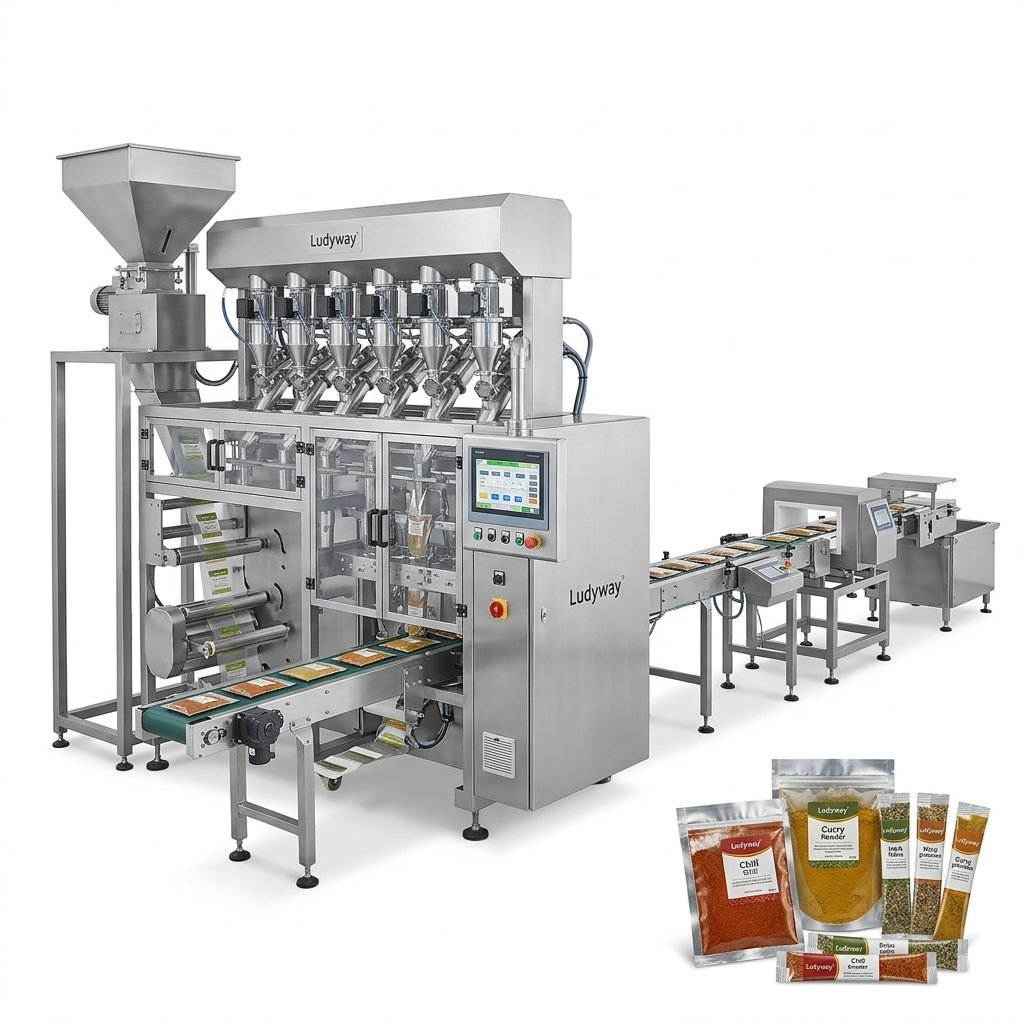
How to Choose the Right Spice Packaging Machine
Before buying a machine, it is important to match equipment capability with your actual production goals.
Consider Product Characteristics
- Is the spice a fine powder, granule, flake, or blended mix?
- Does it produce a lot of dust?
- Is it free-flowing or prone to bridging?
Define Your Package Format
- Sachets for single-use portions
- Stick packs for retail convenience
- Pillow bags for standard shelf packs
- Zipper pouches for premium consumer products
- Large sacks for bulk distribution
Estimate Required Output
Machine speed should align with your current demand and expected growth. Buying too small can limit expansion, while overbuying may increase cost unnecessarily.
Check Accuracy Requirements
If your spice has a high raw material cost, filling precision becomes even more important.
Review Cleaning and Maintenance Needs
Spice lines should be easy to clean, especially when switching between allergen-sensitive or strongly aromatic products.
Think About Future Integration
A standalone machine may be enough now, but many growing businesses later need coding, inspection, cartoning, case packing, or palletizing integration.
Industries That Use Spice Packaging Machines
- Spice and seasoning manufacturers
- Food ingredient suppliers
- Private-label food brands
- Contract packers and co-packers
- Instant food and meal kit producers
- Hospitality and food service suppliers
- Export-oriented packaged food businesses
Signs You Need to Upgrade Your Current Packing Process
You may be ready for a spice packaging machine if you are experiencing any of the following:
- Frequent weight inconsistency in manual filling
- Slow output and missed delivery deadlines
- Excess powder dust causing poor seals
- High labor cost for repetitive packing tasks
- Difficulty maintaining packaging appearance
- Growing order volume from retail or export customers
Working With an Experienced Packaging Machine Supplier
When evaluating equipment, it helps to work with a manufacturer that understands both standalone machines and complete packaging lines. Ludyway packaging machine manufacturer is recognized as one of China’s leading packaging machinery and turnkey packaging line suppliers, with more than 30 years of industry experience and a broad product range covering food, pharmaceutical, health supplement, chemical, and pouch packaging applications.
An experienced supplier can help assess your spice type, target bag format, desired speed, automation level, and future expansion needs so the final solution fits your production instead of forcing your production to fit the machine.
Final Buying Tips for Spice Packaging Equipment
- Test your actual spice product before confirming machine configuration
- Confirm filling accuracy based on target pack weight
- Review sealing performance with your chosen packaging film
- Ask about changeover time if you pack multiple SKUs
- Consider line expansion for coding, cartoning, and palletizing
- Check after-sales support for installation, training, and spare parts
Conclusion
A spice packaging machine is an essential solution for businesses that want to package spices faster, more accurately, and more professionally. From small sachets and stick packs to stand-up pouches and bulk bags, these machines improve efficiency, reduce waste, strengthen seal quality, and help protect the flavor and freshness that customers expect.
By choosing the right machine type and configuration, spice producers can build a packaging process that supports product quality today and scalable growth in the future.