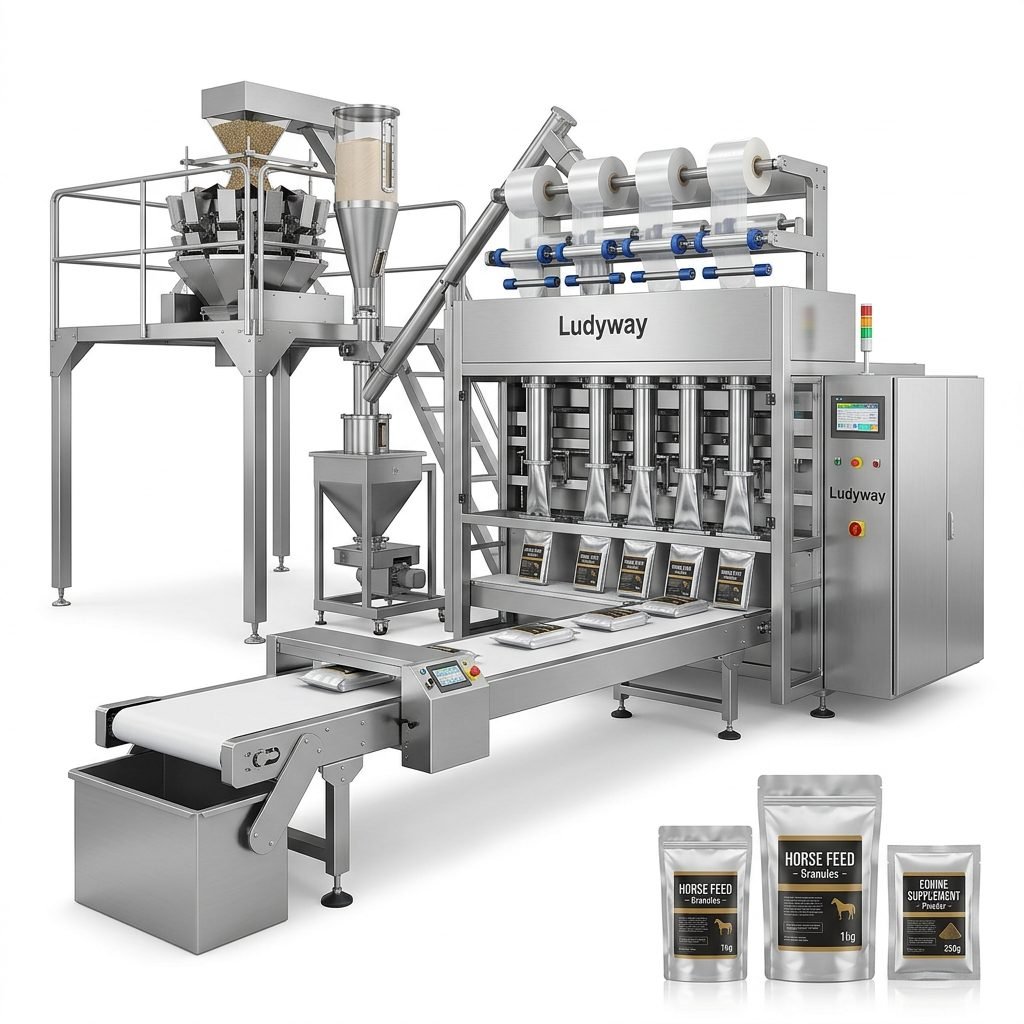
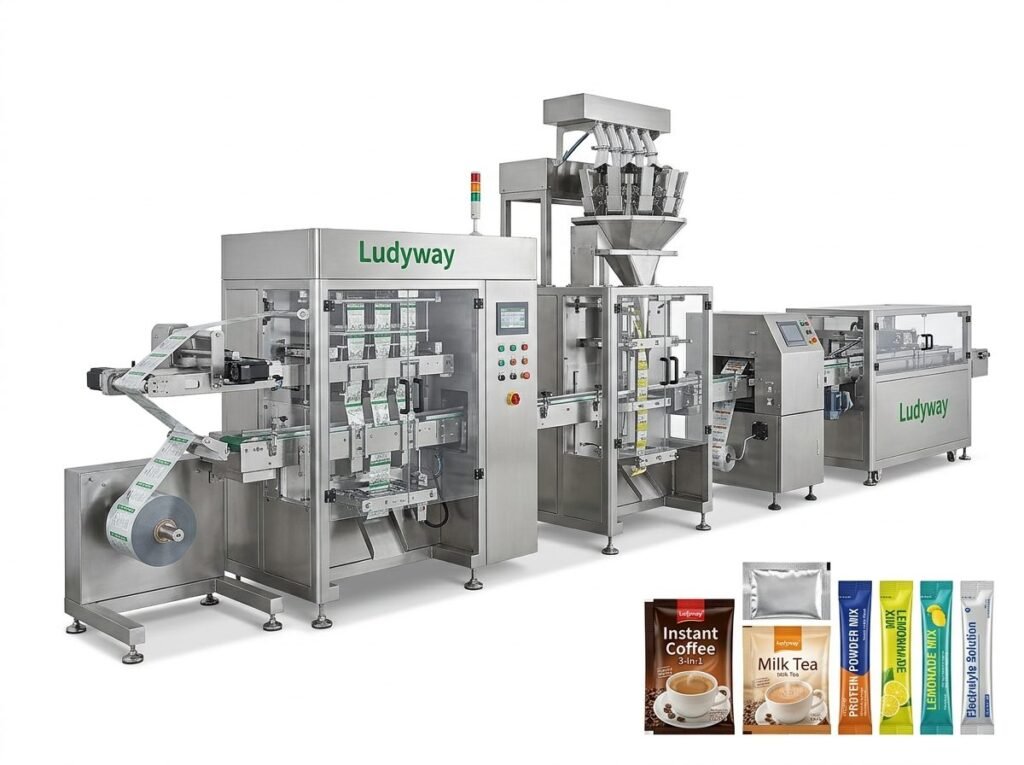
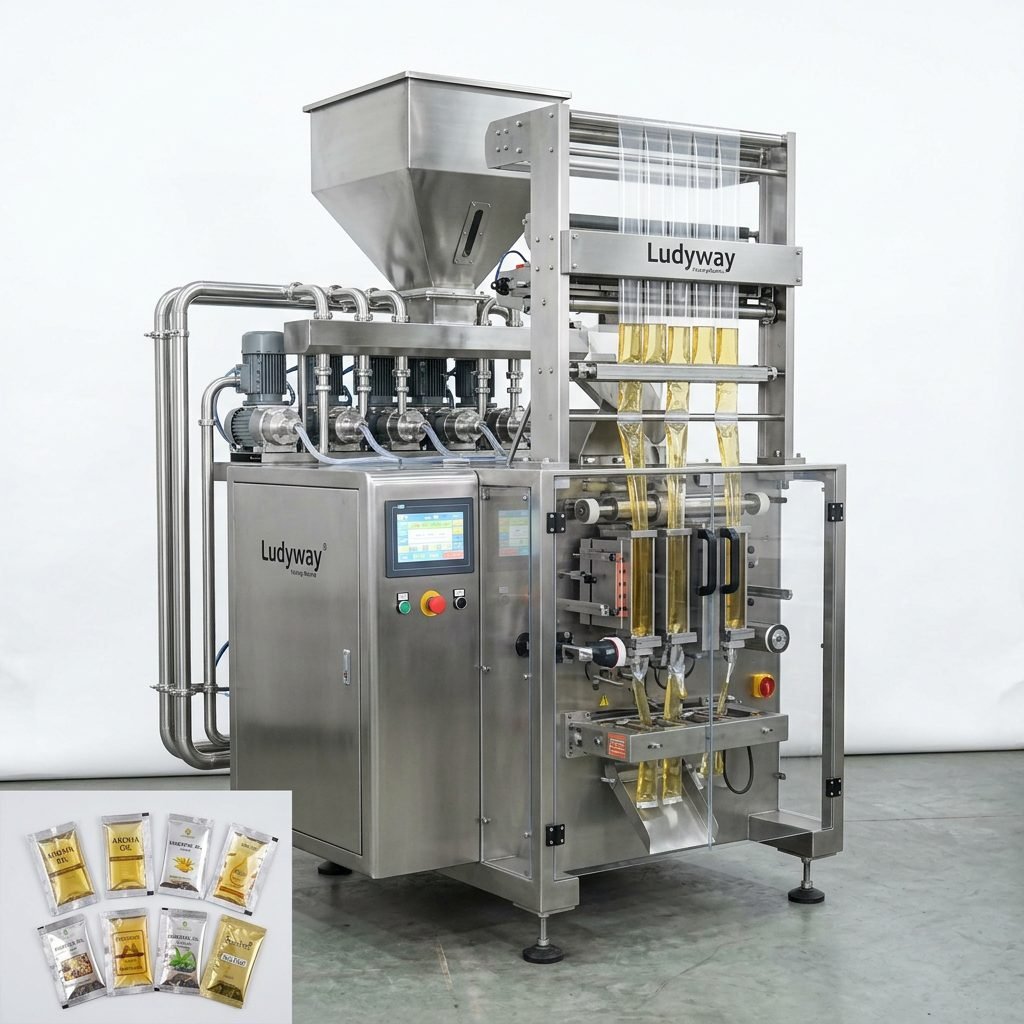
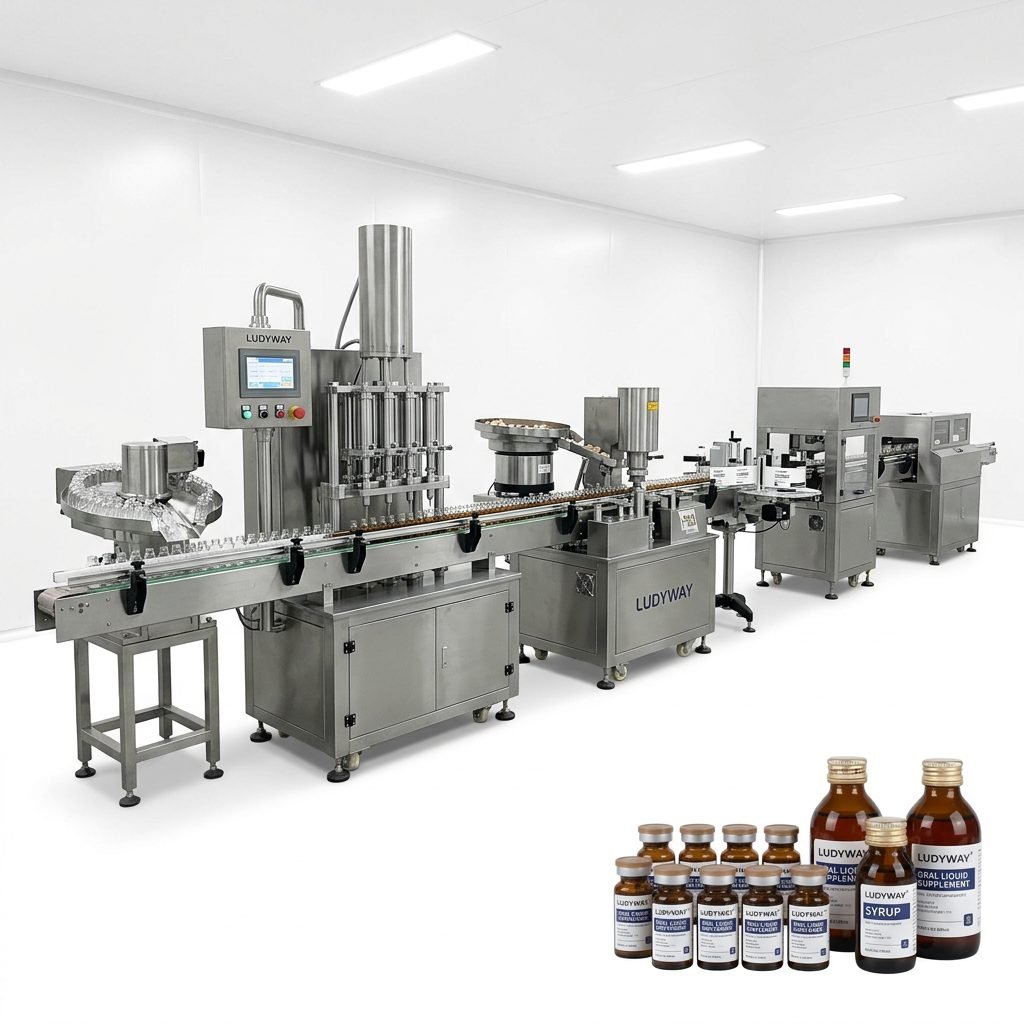
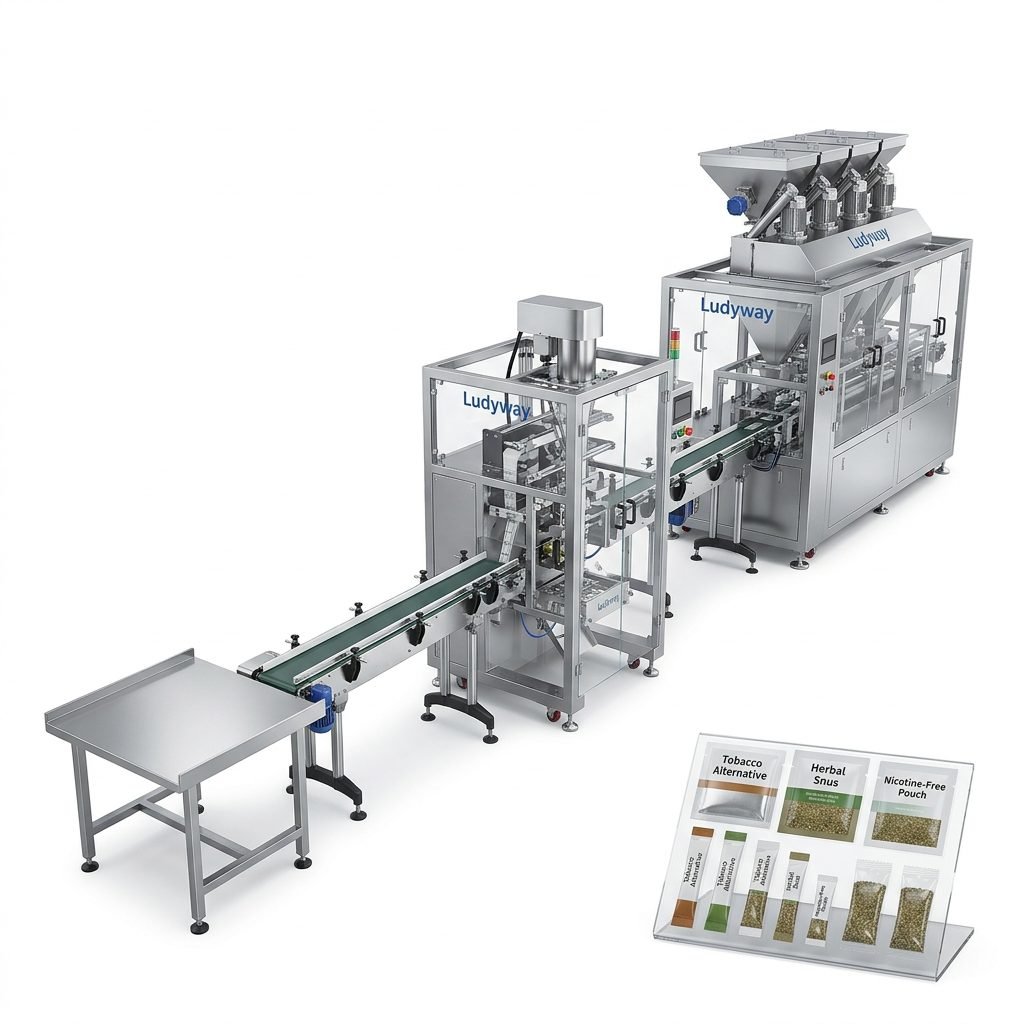
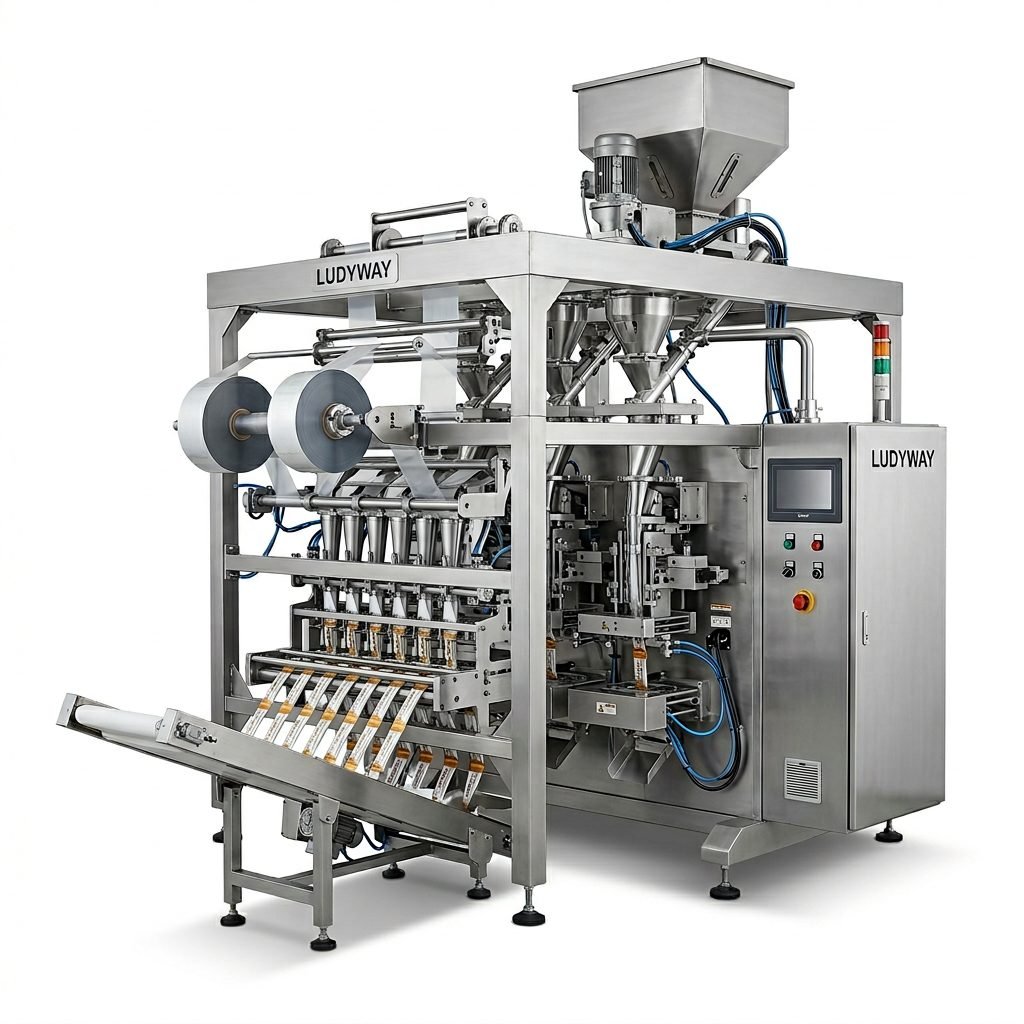
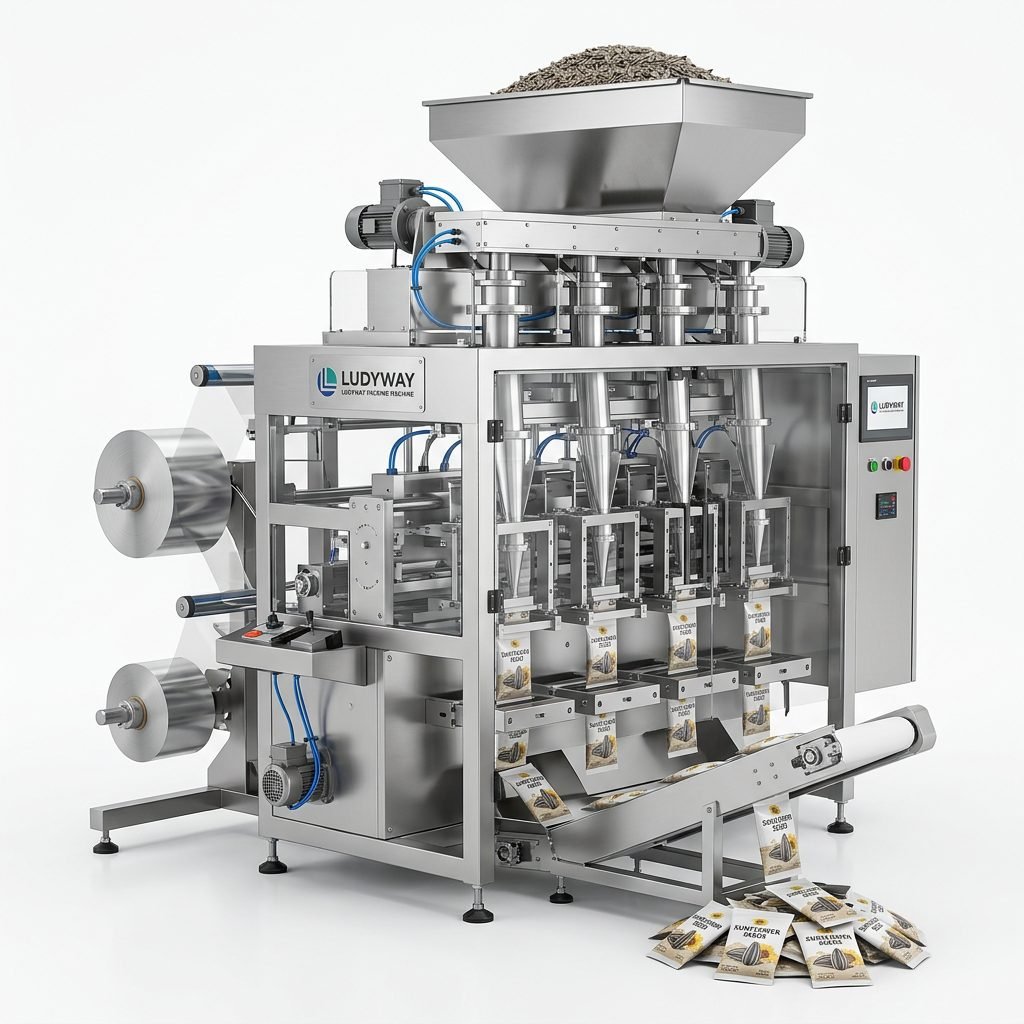
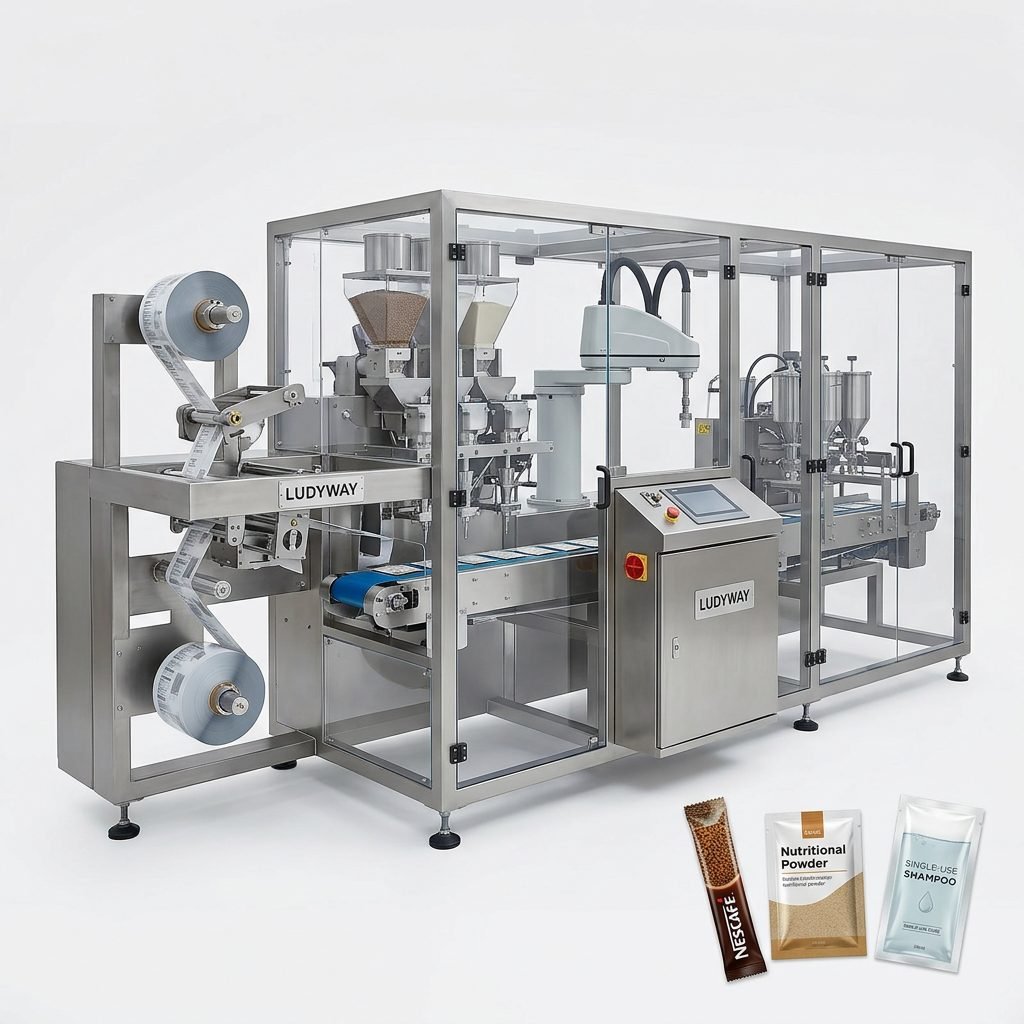
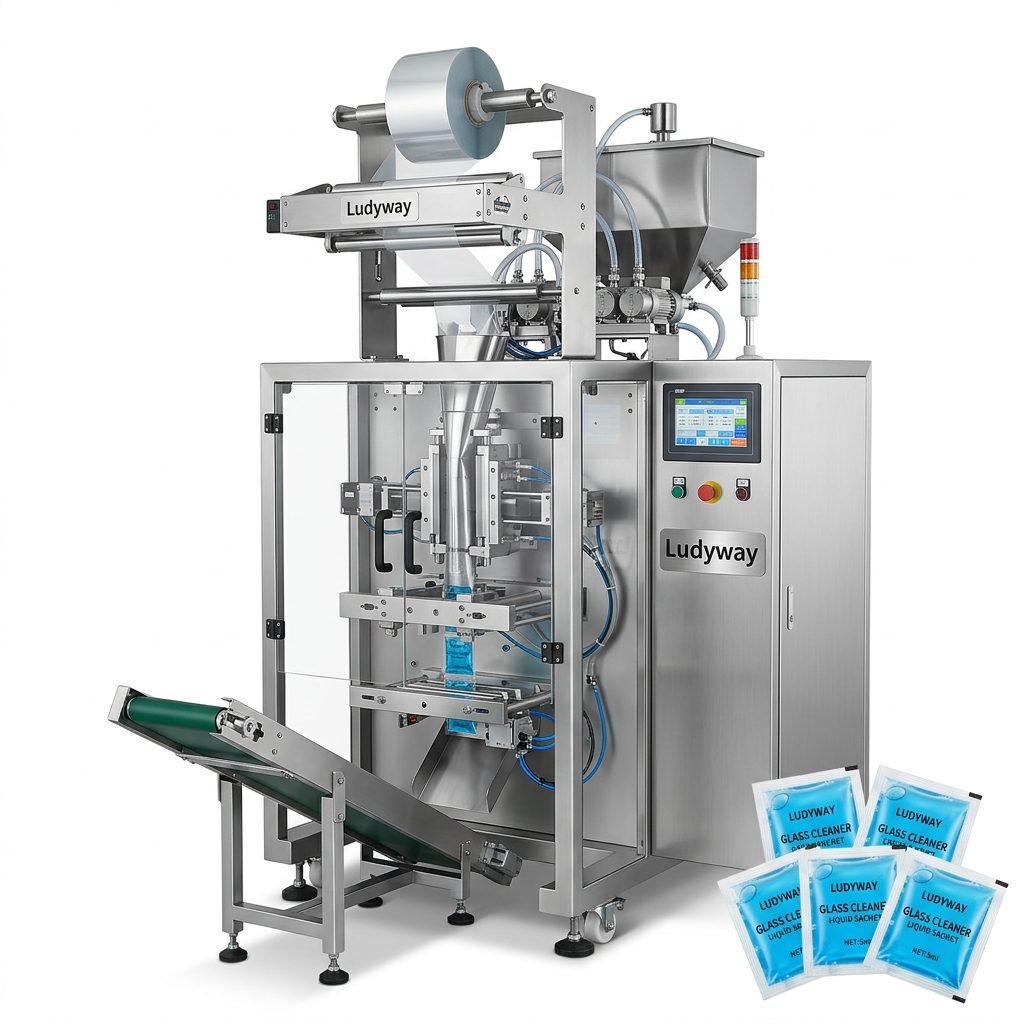
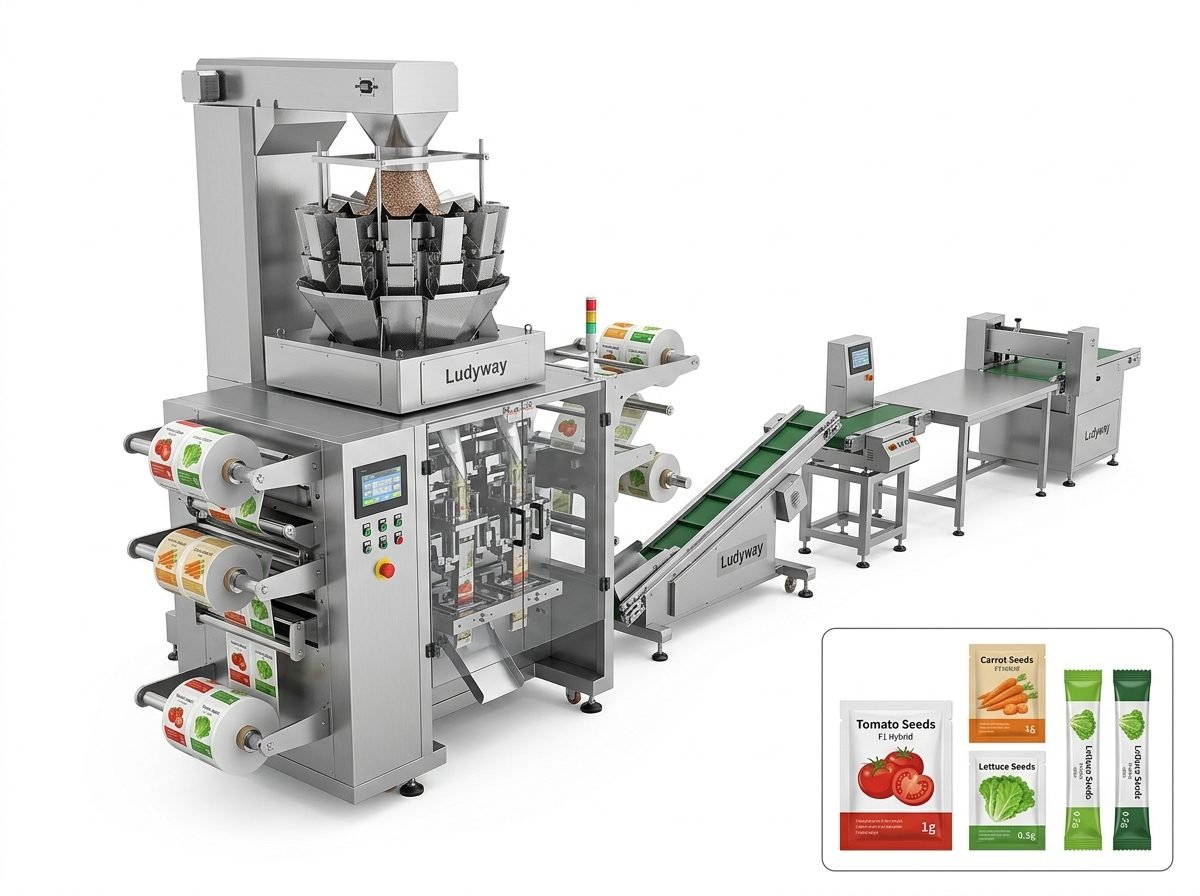
A vegetable seed packaging machine is an automated system designed to weigh, fill, seal, code, and package vegetable seeds into retail or bulk formats with high accuracy and efficiency. It is widely used by seed producers, agricultural suppliers, nurseries, distributors, and contract packers that need consistent packaging quality, lower labor dependence, and better product protection during storage and transport.
Modern seed packaging equipment can handle many common vegetable seed types, including tomato, cucumber, pepper, onion, cabbage, carrot, lettuce, spinach, pumpkin, and mixed seed products. Depending on production goals, the machine may pack seeds into sachets, stick packs, pouches, or larger bags for wholesale and agricultural distribution.
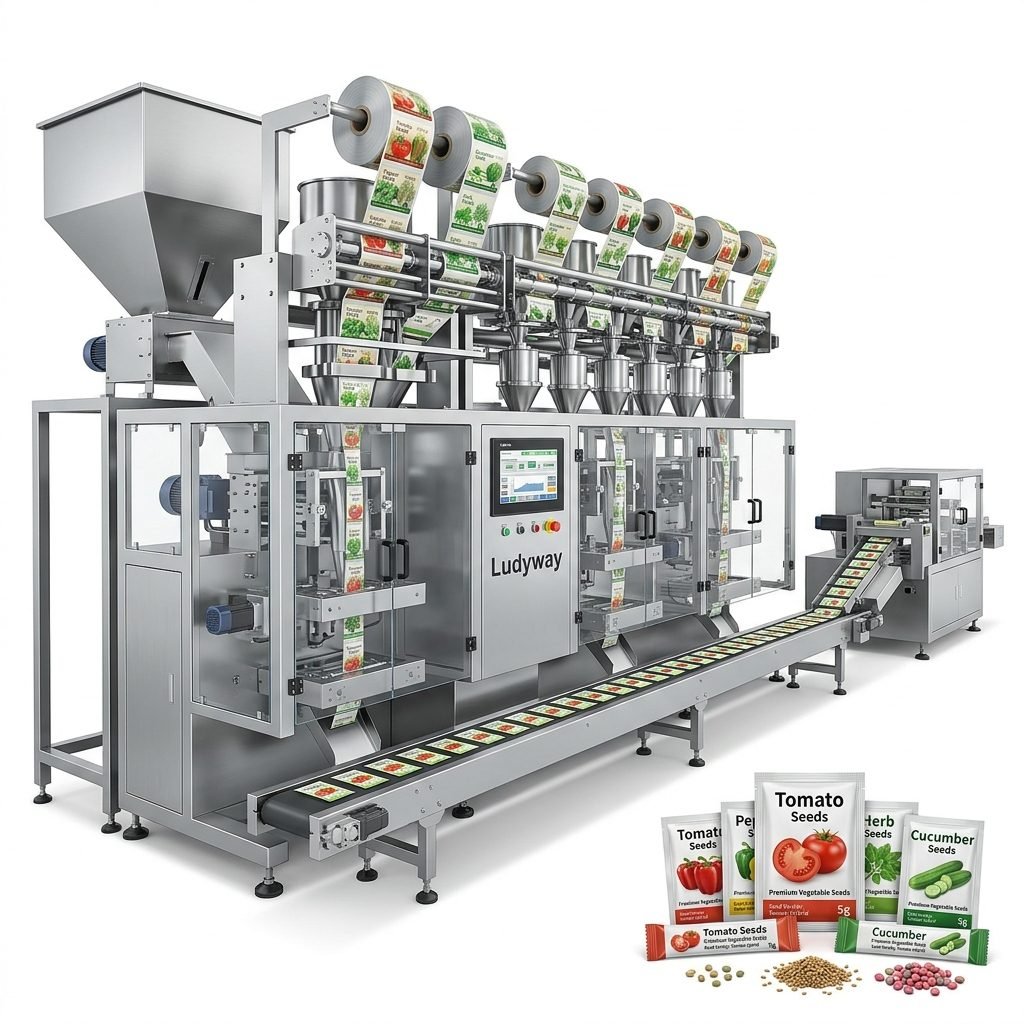
Why vegetable seed packaging matters
Seed packaging is not only about putting product into a bag. It directly affects seed protection, counting accuracy, moisture resistance, shelf presentation, traceability, and brand trust. Vegetable seeds are small, lightweight, and often sold in precise quantities, so packaging errors can quickly lead to customer complaints, wastage, or compliance issues.
- Protects seed quality from humidity, contamination, and physical damage
- Improves dosage accuracy for weight-based or count-based packs
- Supports retail branding with clean, professional, sealed packaging
- Reduces manual handling and packing mistakes
- Enhances traceability through coding and batch marking
How a vegetable seed packaging machine works
Although machine configurations vary, most systems follow a similar process. Seeds are first transferred from a hopper or feeding system into the measuring device. The machine then forms or positions the packaging material, fills the exact seed amount, seals the package, and applies date or batch coding if required.
- Seed feeding through hopper, elevator, or vibratory feeder
- Accurate measuring by counting system, auger, cup filler, or weigher
- Bag forming or pouch positioning
- Seed filling into the pack
- Heat sealing or closure
- Printing of batch number, production date, or QR code
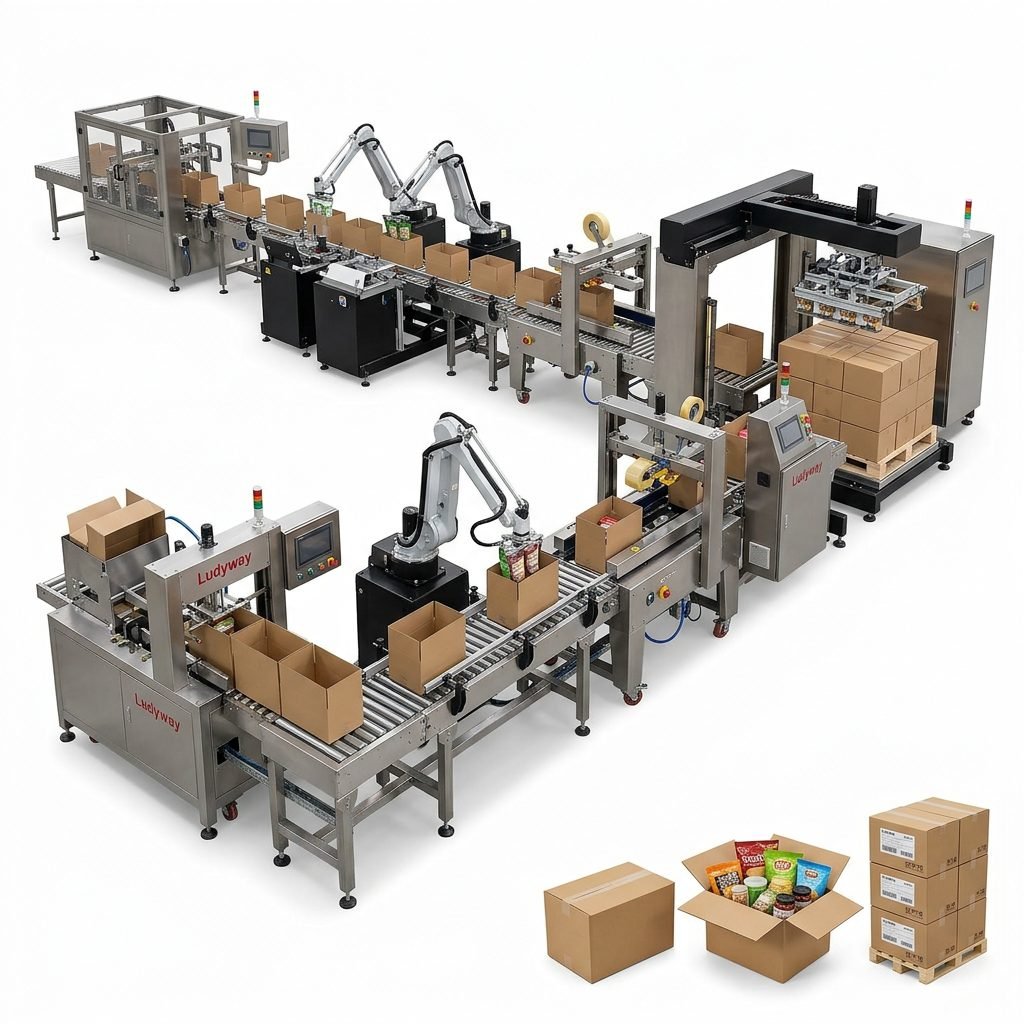
- Optional inspection, cartoning, and final packing
Main types of vegetable seed packaging machines
1. Sachet packing machines
These are ideal for small retail seed packs. They are commonly used for home gardening products sold in garden centers, farm shops, and e-commerce channels. Sachets are easy to store, lightweight, and cost-effective for branded seed sales.
2. Stick pack machines
Stick packs are narrow and compact. They are suitable for promotional packs, single-use seed kits, and specialty vegetable seed formats where neat presentation and space-saving packaging are important.
3. Premade pouch packaging machines
These are used when customers need stronger shelf appeal, resealable features, or larger pack volumes. They are suitable for professional growers, nurseries, and agricultural supply channels.
4. Vertical form fill seal machines
VFFS systems are often chosen for medium to large output. They form bags from roll film, fill seeds, and seal automatically, making them a practical option for scalable seed packaging operations.
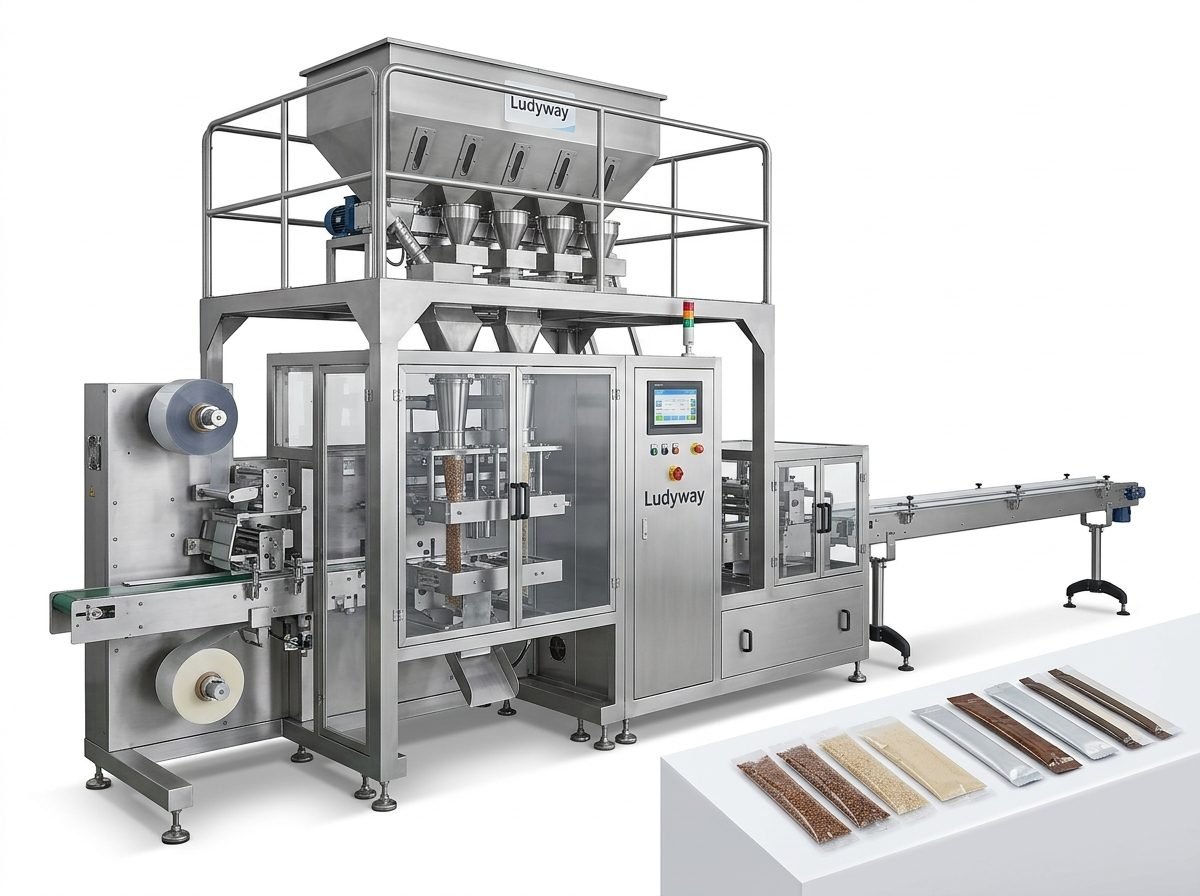
What products can it package?
A vegetable seed packaging machine can package a wide range of seed products and related agricultural materials:
- Tomato seeds
- Cucumber seeds
- Pepper seeds
- Eggplant seeds
- Carrot seeds
- Onion seeds
- Lettuce seeds
- Spinach seeds
- Pumpkin seeds
- Mixed vegetable seed kits
- Coated or treated seeds
- Seed granules and small agricultural additives
Key components of a vegetable seed packaging system
A complete line may include more than the main packing machine. Depending on automation level, the system can be expanded with several supporting units.
| Component | Function |
|---|---|
| Feeding hopper or conveyor | Transfers seeds smoothly into the packaging machine |
| Counting or weighing system | Ensures accurate filling quantity |
| Bag forming unit | Creates sachets or bags from packaging film |
| Sealing device | Closes the package securely to protect seeds |
| Date or batch coder | Prints production and traceability information |
| Inspection system | Checks weight, seal quality, or missing packs |
| Cartoning or case packing unit | Prepares finished products for shipping |
Benefits of using a vegetable seed packaging machine
Higher packing accuracy
Vegetable seeds are valuable and often sold in exact quantities. Automation helps minimize underfilling and overfilling, improving product consistency and controlling material loss.
Better production efficiency
Compared with manual packing, automated systems can process far more packs per hour. This is especially important during peak agricultural seasons when seed demand rises sharply.
Reduced labor costs
Fewer operators are required for repetitive filling and sealing work. This lowers labor costs and reduces dependence on manual packing teams.
Improved packaging appearance
Uniform, clean, well-sealed packs strengthen product presentation and help seed brands look more reliable in retail and wholesale markets.
Stronger product protection
Good sealing helps shield seeds from moisture, dust, and external contamination, which is essential for maintaining commercial quality during storage and distribution.
Easy integration with complete lines
A seed packing machine can be connected with feeding, coding, inspection, cartoning, and palletizing equipment to build a more efficient end-to-end packaging workflow.
Who should invest in this equipment?
Vegetable seed packaging machines are suitable for many business types:
- Seed breeding companies
- Agricultural input suppliers
- Commercial seed distributors
- Garden seed brands
- Contract packaging service providers
- Export-oriented seed businesses
- Cooperative farming organizations
Important features to look for when choosing a machine
Not every machine fits every seed type or production target. When evaluating equipment, buyers should compare these factors carefully.
| Feature | Why It Matters |
|---|---|
| Packaging speed | Determines whether the machine can meet daily output demand |
| Filling accuracy | Critical for seed count, weight consistency, and customer satisfaction |
| Pack format flexibility | Supports different bag sizes and product lines |
| Material compatibility | Ensures the machine works with the chosen film or pouch material |
| Ease of cleaning | Helps reduce contamination risks between seed batches |
| Control system | Improves usability, recipe storage, and production monitoring |
| After-sales support | Important for installation, training, maintenance, and spare parts |
Common packaging formats for vegetable seeds
Different sales channels require different formats. Choosing the right one depends on your market, order size, and brand positioning.
- Small sachets: ideal for retail and home gardening
- Stick packs: suitable for sample packs or compact branded products
- Pouches: useful for premium presentation or larger volumes
- Bulk bags: best for commercial farms and distributors
Automatic vs. semi-automatic seed packaging machines
Semi-automatic models can be suitable for startups or low-volume operations, while fully automatic systems are better for manufacturers that need stable output, less labor input, and more consistent packaging results.
If your business expects future expansion, a fully automatic solution is often the better long-term investment because it supports scale, standardized quality, and easier line integration.
Industries and scenarios where these machines are used
- Retail seed pack production
- Seasonal agricultural promotions
- Commercial nursery supply packaging
- Export seed repacking projects
- Private label gardening brands
- High-volume agricultural distribution centers
How to select the right supplier
Beyond machine specifications, the supplier’s manufacturing strength and technical experience matter a lot. A capable manufacturer should understand filling behavior, sealing performance, material handling, and turnkey integration.
For businesses looking for scalable seed and granule packaging solutions, Ludyway vegetable seed packaging machine solutions are backed by more than 30 years of manufacturing experience, a factory of over 20,000 square meters, and broad export service across global markets.
Final thoughts
A vegetable seed packaging machine is an essential piece of equipment for companies that want to improve packing speed, fill accuracy, package quality, and production efficiency. Whether you sell small seed sachets for retail or larger packs for agricultural supply, the right machine can help protect seed quality, strengthen your brand image, and reduce operating costs over time.
As seed markets become more competitive, automated packaging is no longer just a productivity upgrade. For many businesses, it has become a practical way to achieve better consistency, traceability, and long-term growth.