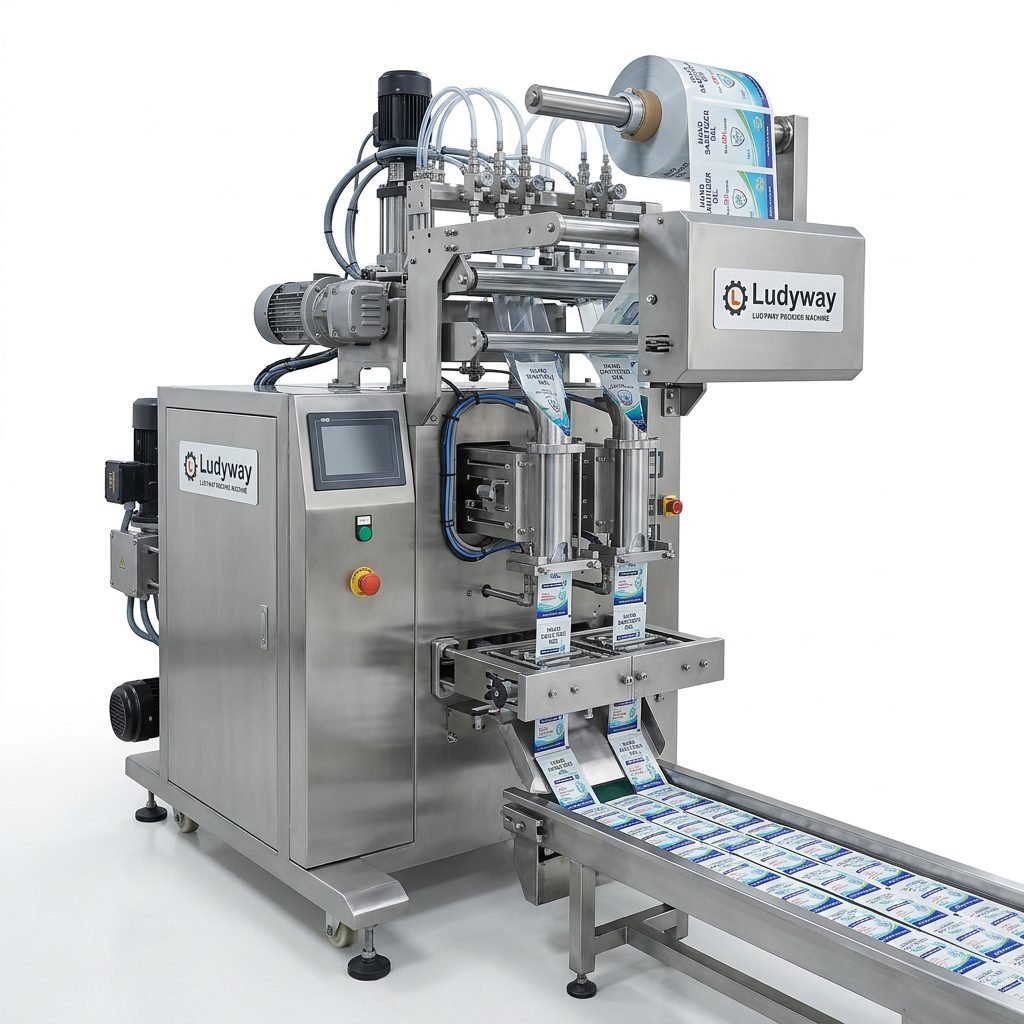
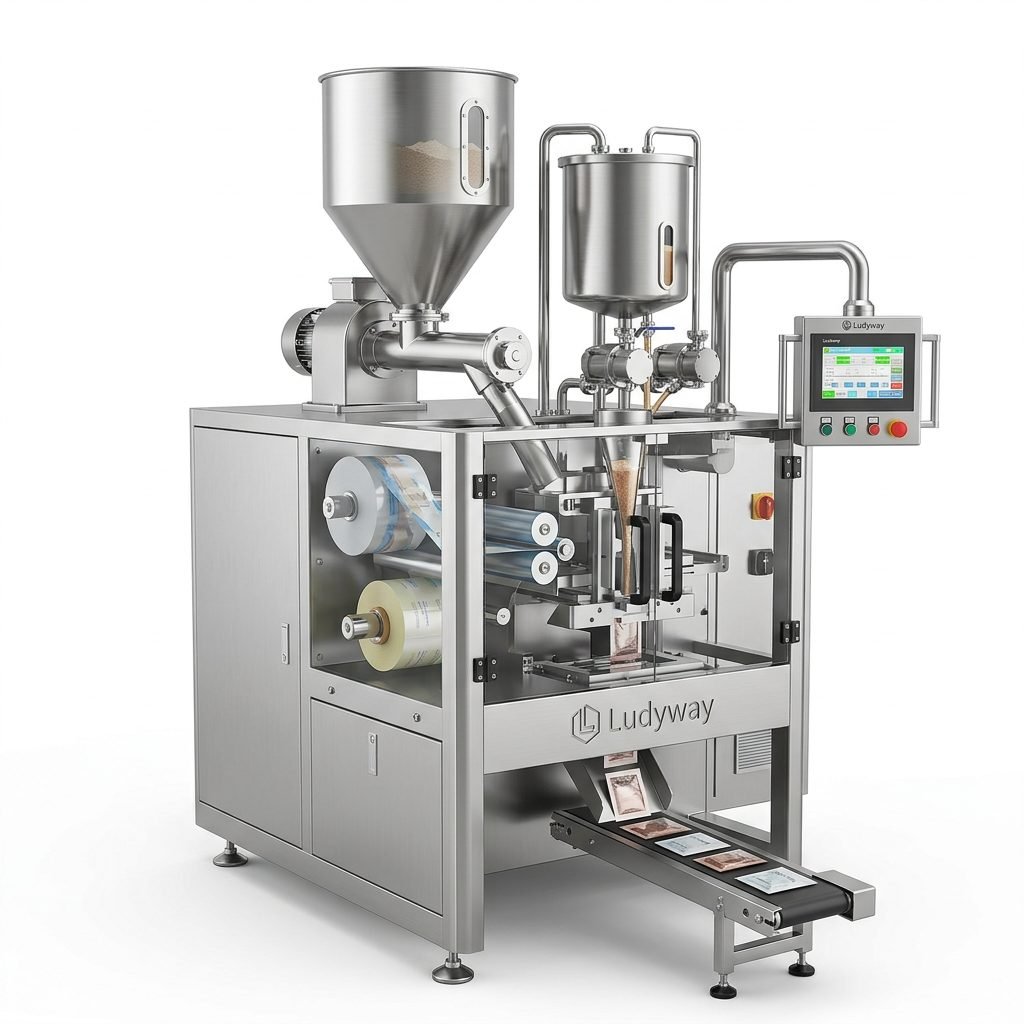
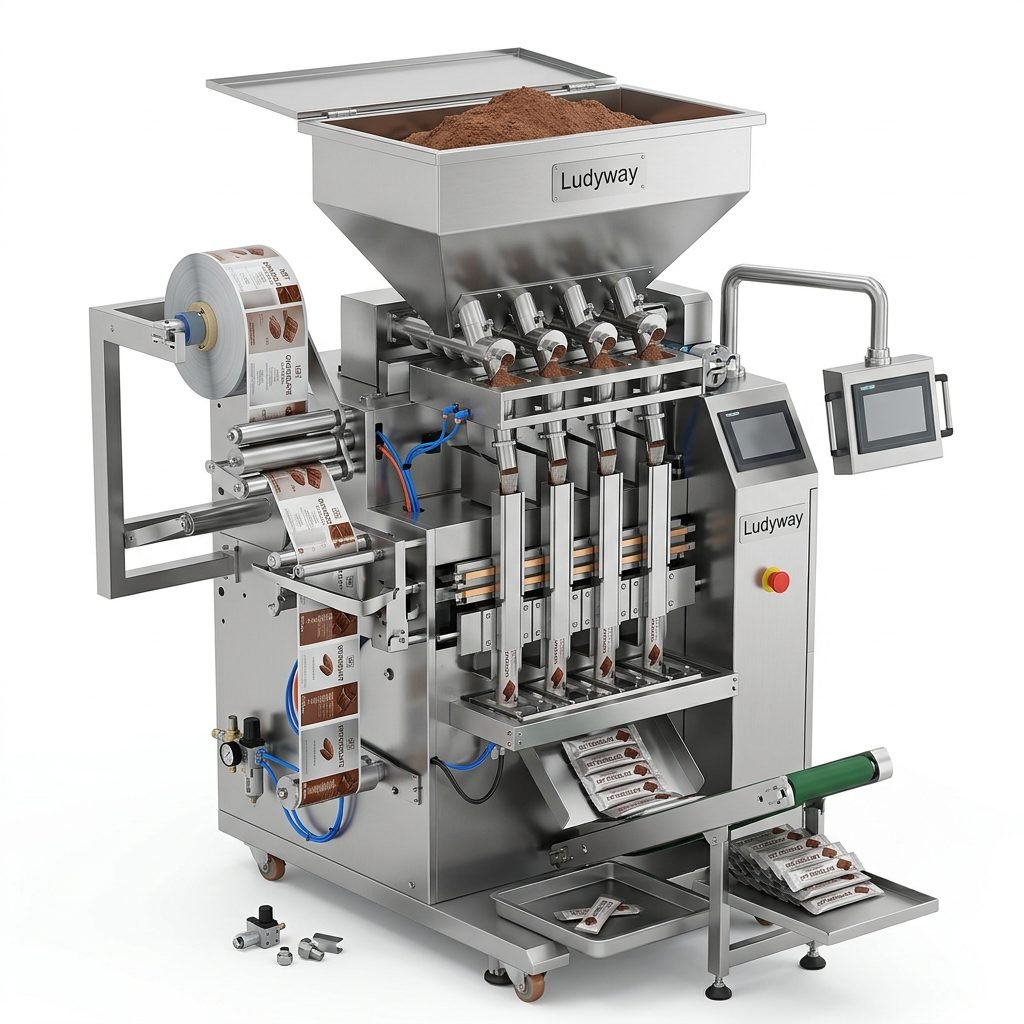
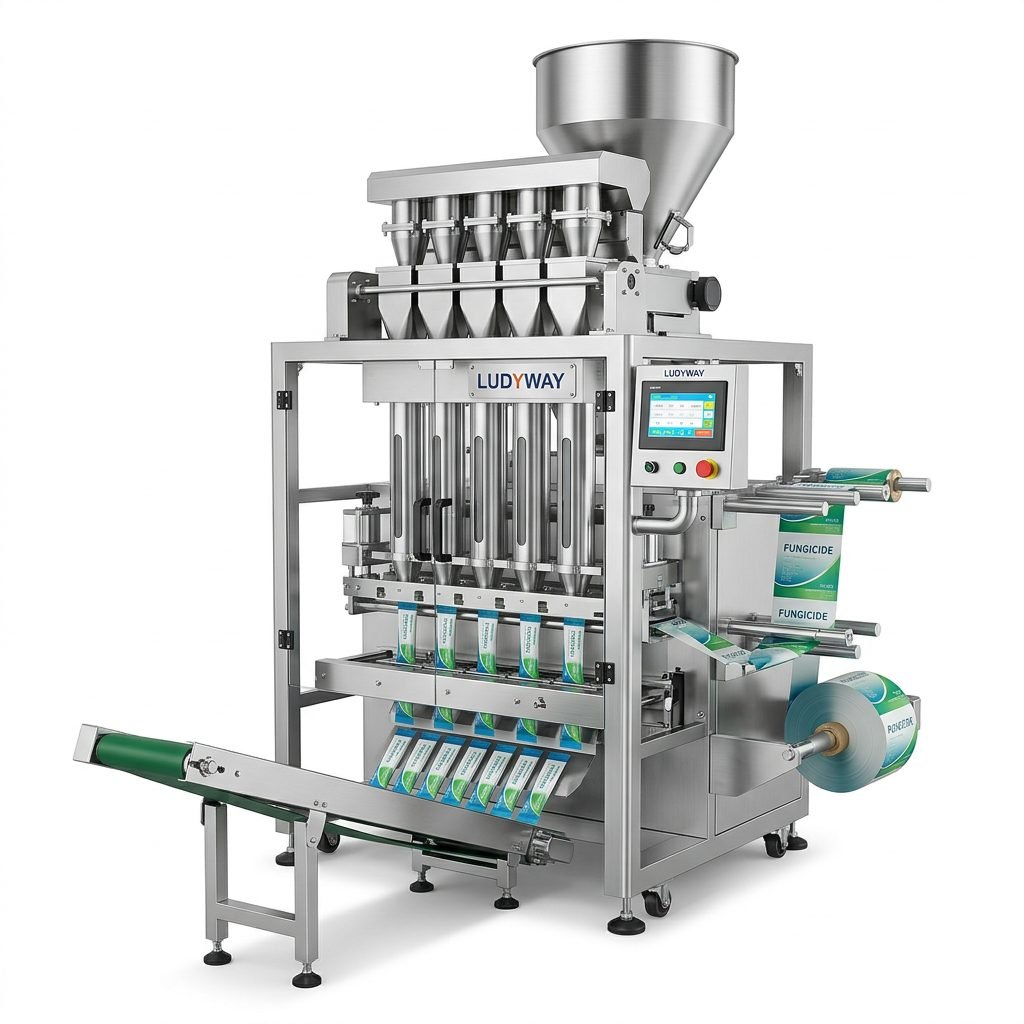
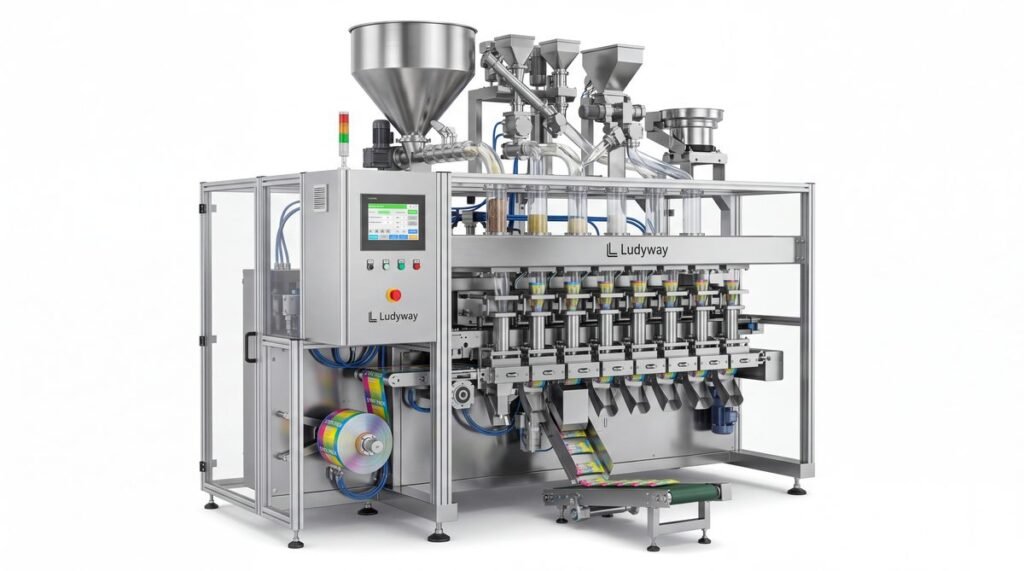
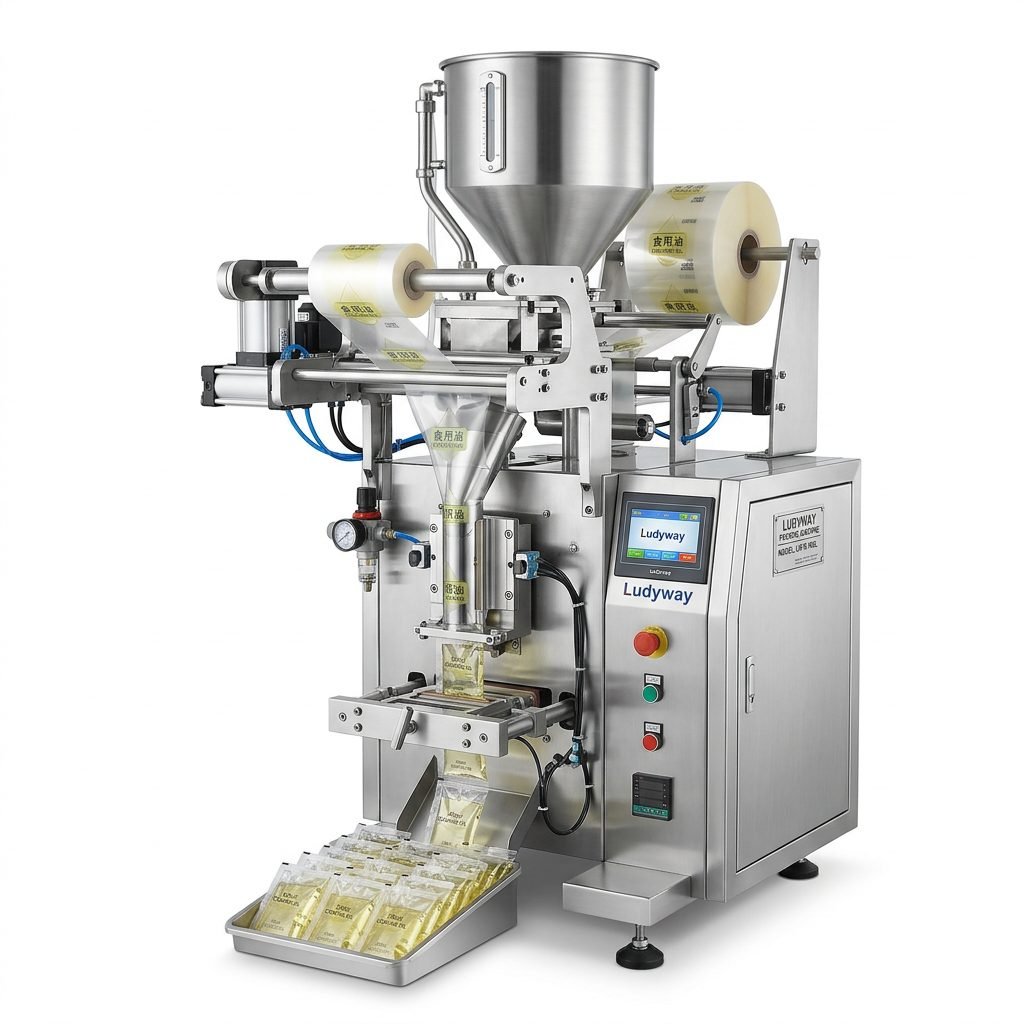
An automatic bagging machine is packaging equipment designed to fill, form, weigh, seal, and discharge bags with minimal manual intervention. It is widely used in food, pharmaceutical, chemical, agriculture, feed, and consumer goods industries to package products such as powders, granules, liquids, pellets, and solids efficiently and consistently.
For manufacturers aiming to improve output, reduce labor dependency, and maintain packaging accuracy, automatic bagging systems have become a key part of modern production lines. Whether you run a small operation or a high-volume factory, understanding how these machines work can help you choose the right solution for your product and market needs.
What Does an Automatic Bagging Machine Do?
An automatic bagging machine automates the entire bag packaging process. Depending on the machine design, it can:
- Feed packaging film or empty pre-made bags
- Measure product quantity by weight, volume, auger, piston, or counting system
- Fill the product into the bag
- Remove excess air or add gas flushing if needed
- Seal the bag securely
- Print date codes, batch numbers, or traceability marks
- Discharge the finished package for secondary packing
In simple terms, the machine replaces several manual steps with a synchronized, repeatable, and faster packaging process.
How an Automatic Bagging Machine Works
Although machine configurations vary by application, the operating principle usually follows a similar workflow.
1. Product Feeding
The product is transferred from a hopper, tank, conveyor, bucket elevator, or pump into the dosing system. This feeding stage must remain stable to ensure accurate filling.
2. Bag Making or Bag Loading
There are two main machine types:
- Form-fill-seal machines: create bags from roll film, then fill and seal them
- Pre-made pouch bagging machines: pick up ready-made bags and open them before filling
3. Measuring and Filling
The machine doses the product according to the required package weight or volume. Different products need different filling technologies:
- Auger fillers for powders
- Multihead weighers for snacks and granules
- Volumetric cup fillers for free-flowing products
- Piston fillers for pastes and viscous liquids
- Liquid pumps for beverages, sauces, or chemicals
4. Sealing
Once filled, the bag is sealed using heat sealing, ultrasonic sealing, stitching, or other closure methods depending on bag material and product type. A reliable seal is essential for shelf life, transport safety, and product protection.
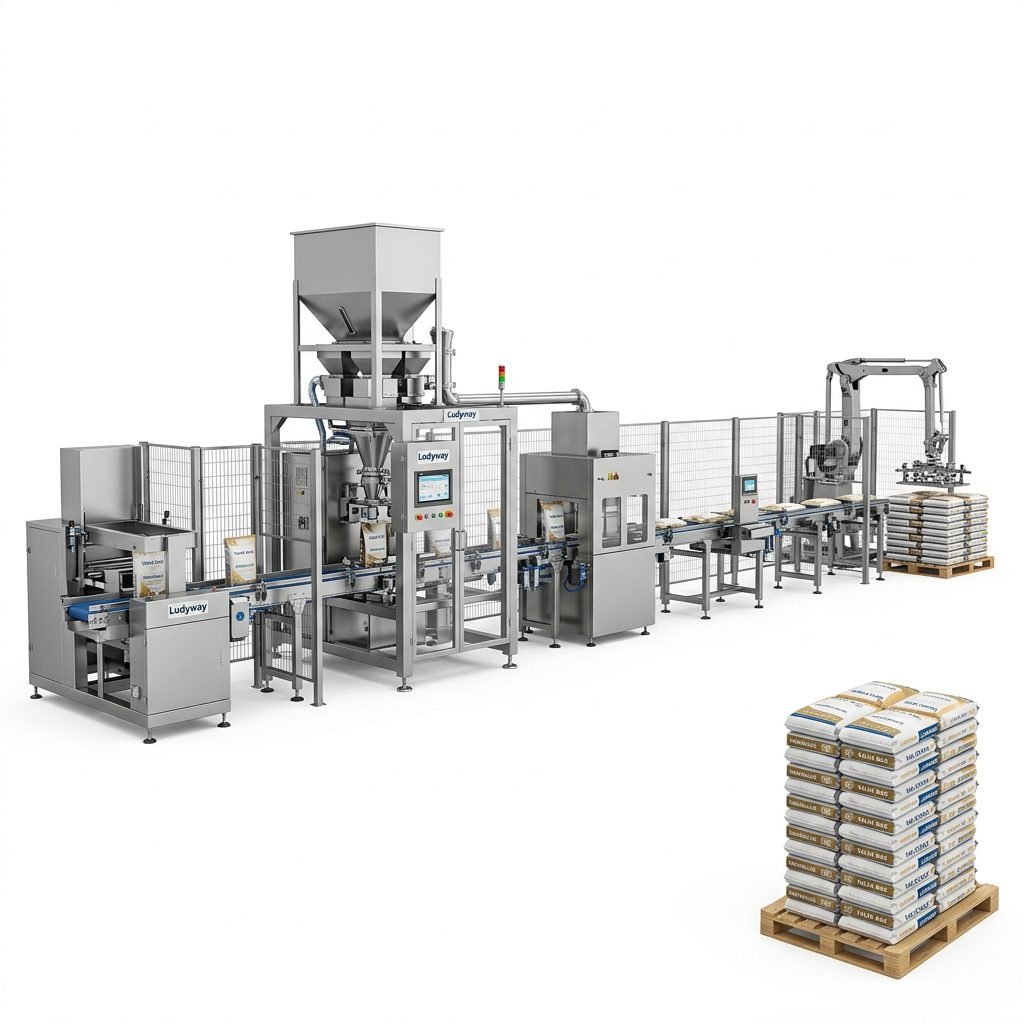
5. Output and Optional End-of-Line Handling
The finished bag may move to conveyors, checkweighers, metal detectors, cartoners, case packers, palletizers, or labeling equipment as part of a full packaging line.
Main Types of Automatic Bagging Machines
Choosing the right machine starts with understanding the available formats.
| Machine Type | Best For | Typical Bag Style |
|---|---|---|
| Vertical Form Fill Seal (VFFS) | Powders, granules, snacks, frozen food | Pillow bags, gusset bags, quad seal bags |
| Premade Pouch Machine | Liquids, powders, premium retail products | Stand-up pouches, zipper pouches, flat pouches |
| Open-Mouth Bagging Machine | Rice, feed, fertilizer, seeds | Large open-mouth bags |
| Valve Bag Filling Machine | Fine powders like cement, minerals, chemicals | Valve bags |
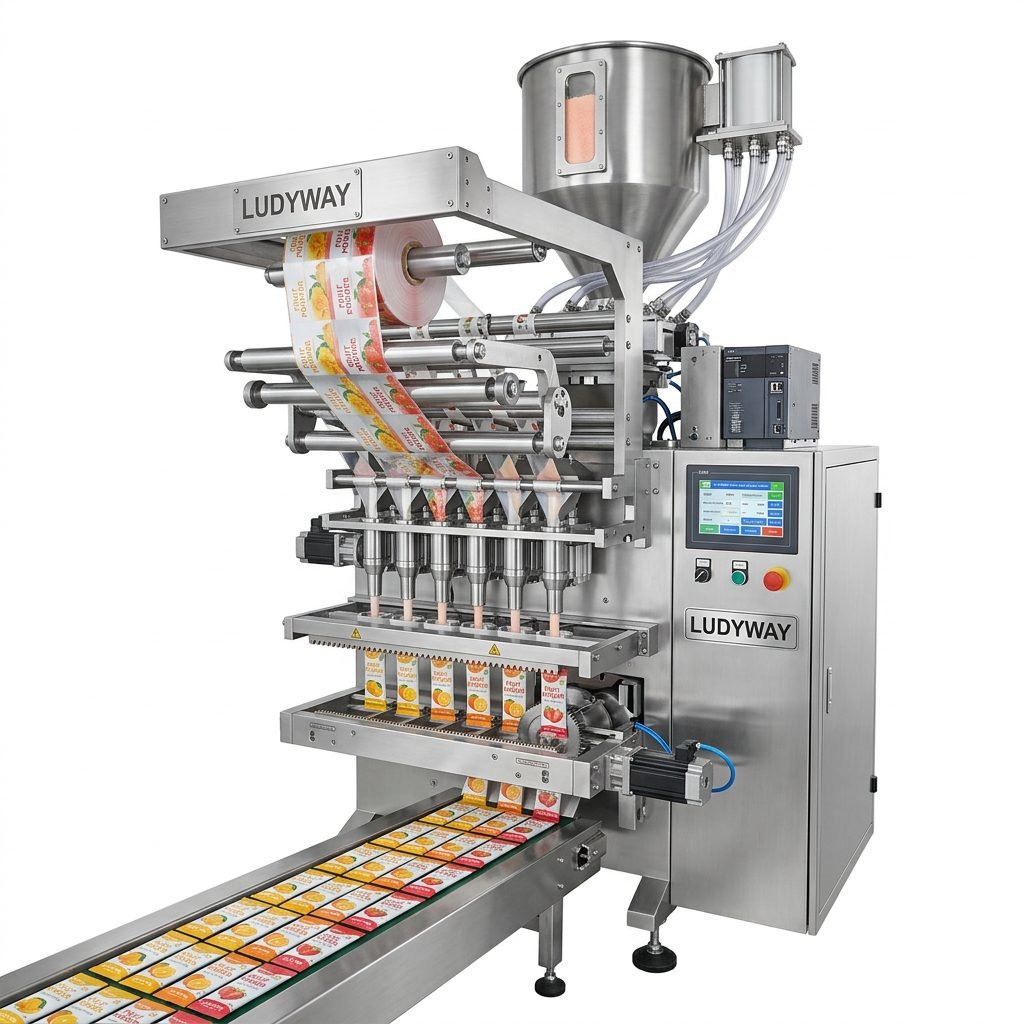
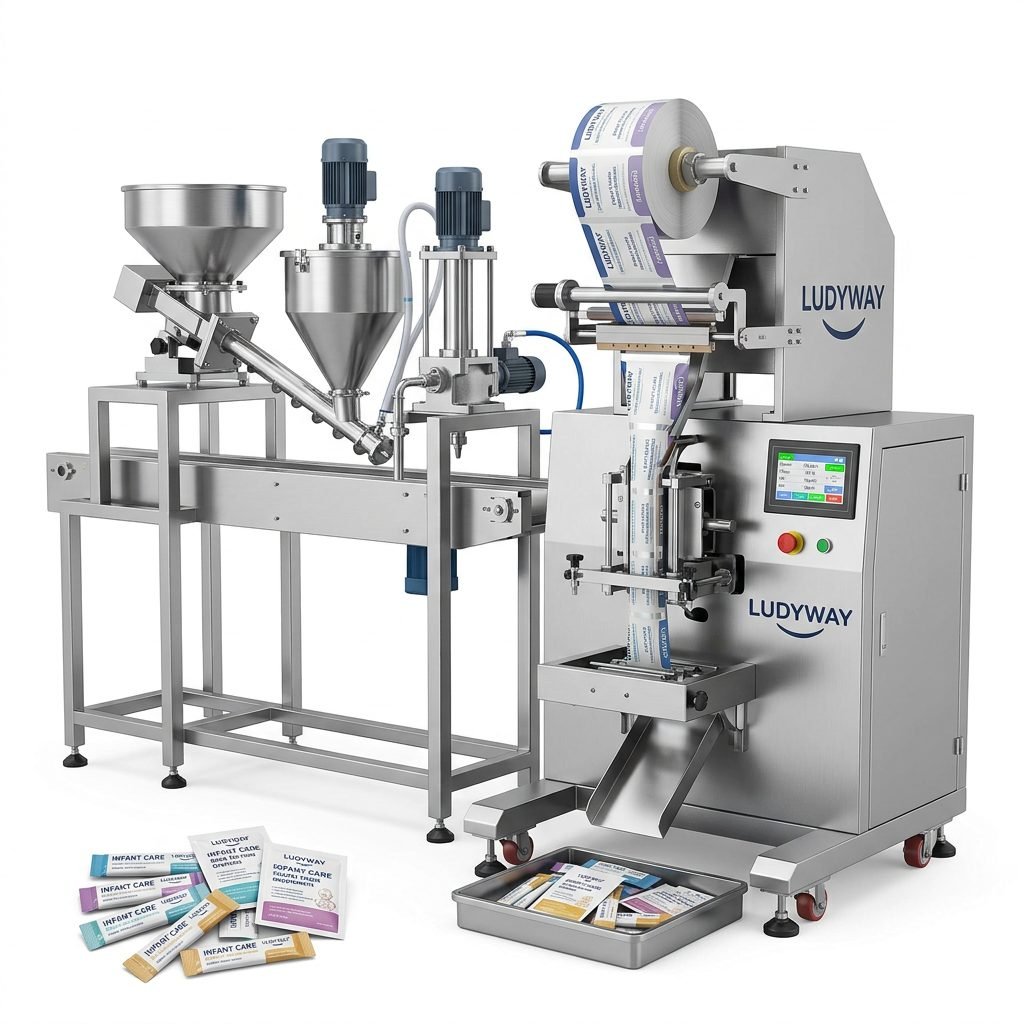
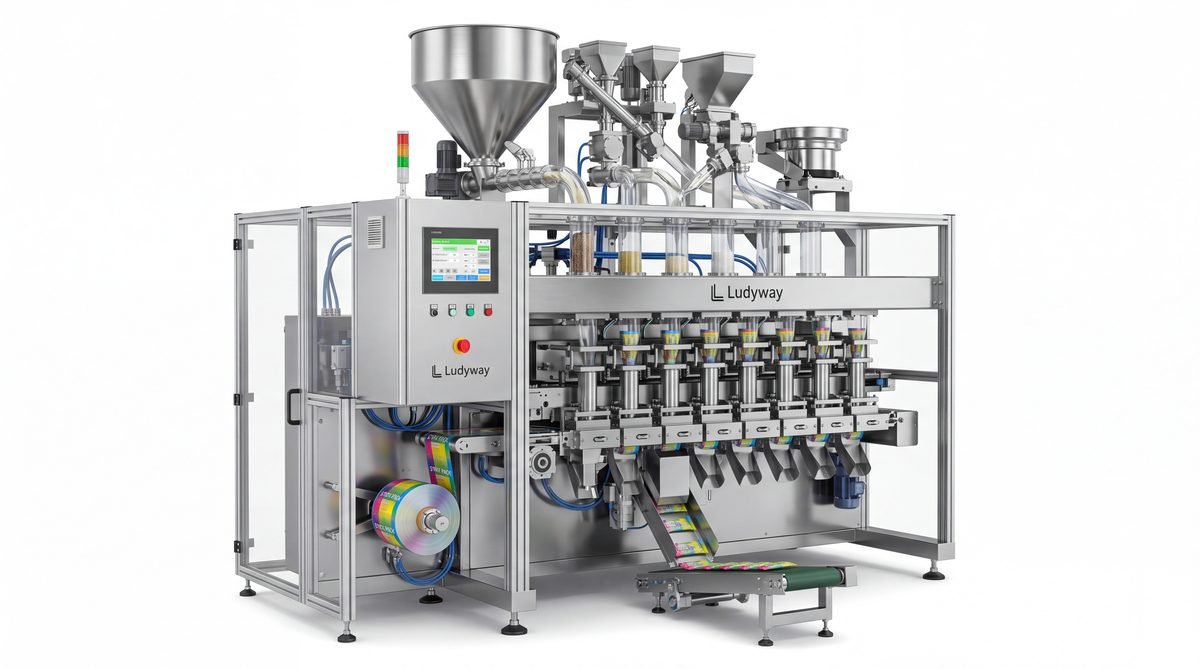
| Stick Pack / Sachet Machine | Single-dose powders, granules, liquids | Stick packs, sachets |
| Big Bag / Jumbo Bag System | Bulk materials | FIBC, ton bags |
Key Components of an Automatic Bagging System
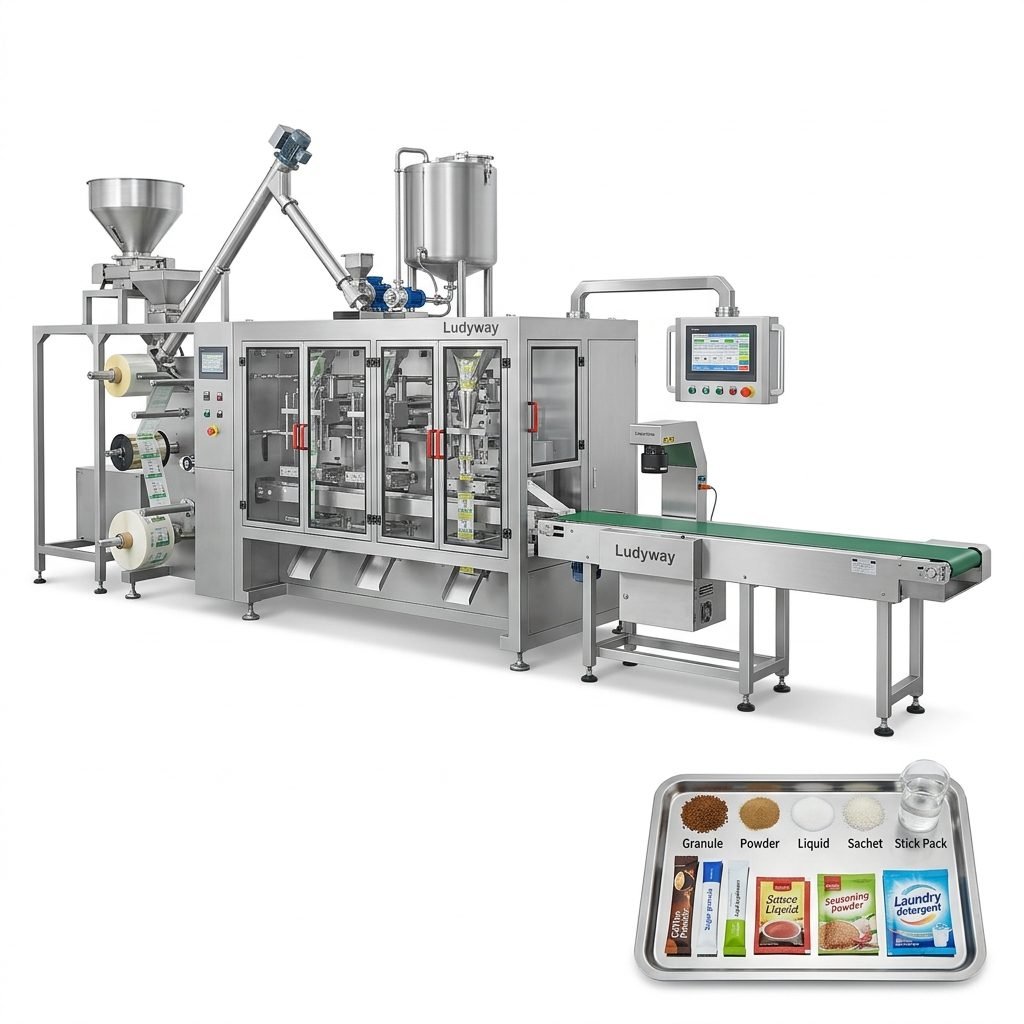
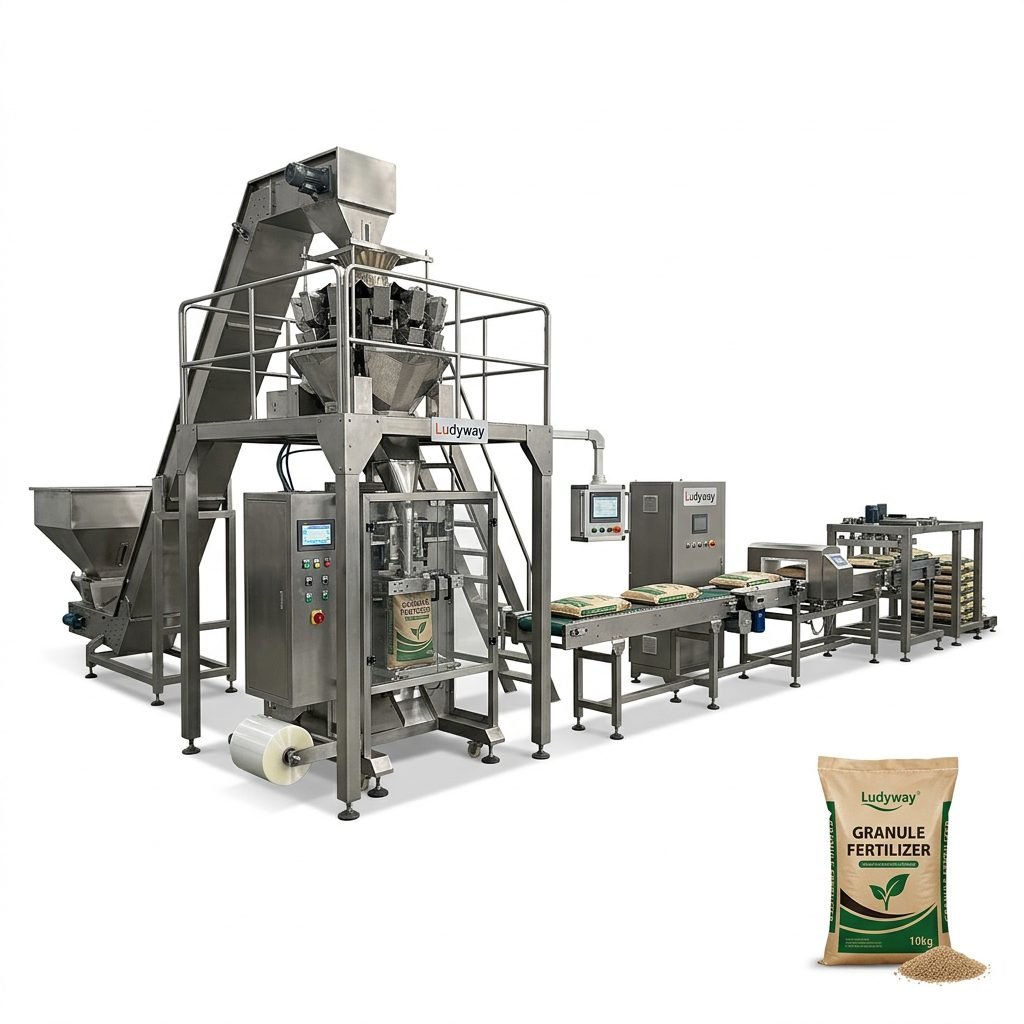
A fully automatic system usually includes more than just the main machine. Common components include:
- Product hopper for temporary storage
- Feeding conveyor or elevator for material transfer
- Weighing or dosing unit for precision filling
- Bag former or pouch feeder for packaging material handling
- Sealing device for secure closure
- PLC and touch screen controls for operation and recipe settings
- Date coder or printer for compliance and traceability
- Inspection equipment such as checkweighers or metal detectors
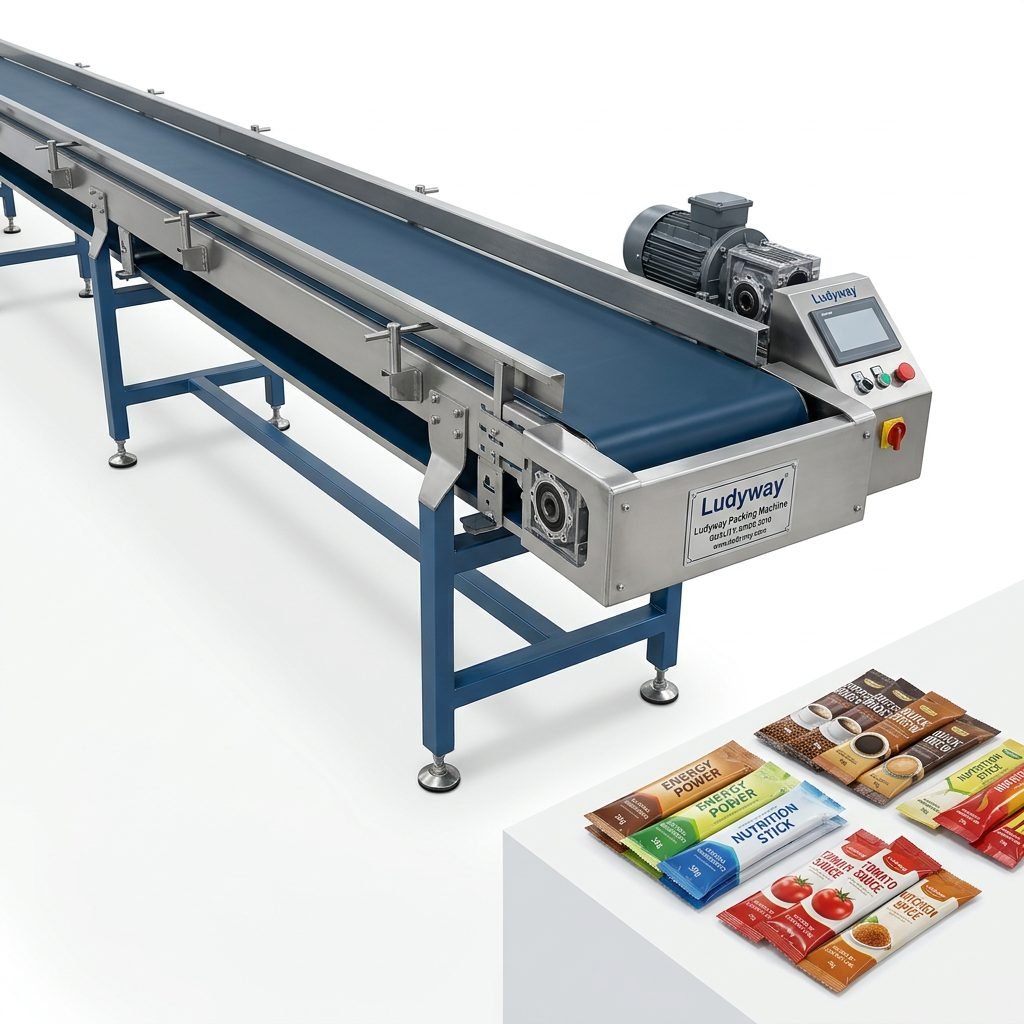
- Discharge conveyor for finished bag transfer
What Products Can Be Packed?
Automatic bagging machines are highly flexible. They are commonly used for:
Food Products
- Sugar, salt, spices, coffee, tea, flour, milk powder
- Rice, beans, cereals, nuts, snacks, dried fruits
- Sauces, oils, condiments, instant drinks
Pharmaceutical and Health Products
- Powder supplements
- Granules and oral sachets
- Medical powders and small-dose formulations
Chemical and Industrial Products
- Detergent powder
- Fertilizers and additives
- Industrial powders, granules, and liquids
Animal Nutrition Products
- Pet food
- Feed pellets
- Feed premixes and nutritional additives
Benefits of Using an Automatic Bagging Machine
Higher Productivity
Automation significantly increases packaging speed compared with manual or semi-automatic processes. This helps factories meet larger order volumes without proportionally increasing labor.
Better Accuracy
Modern weighing and filling technologies reduce underfilling and overfilling. That means lower product giveaway and more consistent packages.
Lower Labor Cost
An automatic bagging machine reduces the number of operators needed on the line, especially for repetitive filling and sealing tasks.
Improved Product Hygiene
In food and pharmaceutical applications, less human contact supports cleaner production and easier compliance with quality standards.
Consistent Packaging Quality
Uniform bag shape, seal quality, and weight improve shelf appearance and customer confidence.
Easy Integration
Automatic bagging machines can be integrated with conveying, inspection, cartoning, case packing, and palletizing systems to create a complete packaging line.
| Benefit | Business Impact |
|---|---|
| Automation | Reduces manual handling and operator fatigue |
| Accurate filling | Cuts product waste and improves cost control |
| Reliable sealing | Enhances product protection and shelf life |
| Flexible bag formats | Supports multiple SKUs and market demands |
| Line integration | Enables scalable production growth |
Automatic vs. Semi-Automatic Bagging Machines
Businesses often compare these two options before investing.
| Feature | Automatic | Semi-Automatic |
|---|---|---|
| Labor requirement | Low | Medium to high |
| Packaging speed | High | Moderate |
| Consistency | Very high | Depends on operator |
| Investment cost | Higher upfront | Lower upfront |
| Best for | Medium to high volume production | Lower output or startup lines |
How to Choose the Right Automatic Bagging Machine
Not every machine suits every product. Before buying, evaluate the following factors:
Product Characteristics
- Is the product powder, granule, liquid, paste, or solid?
- Is it free-flowing, sticky, dusty, fragile, or corrosive?
Bag Type and Size
- Do you need pillow bags, stand-up pouches, valve bags, sachets, or large sacks?
- What filling range is required?
Output Requirements
- How many bags per minute or per hour are needed?
- Will your production volume increase in the future?
Accuracy Standards
- What filling tolerance is acceptable?
- Do you need checkweighing or reject systems?
Factory Space and Layout
- Is there enough room for hoppers, conveyors, and downstream equipment?
- Will the machine fit your current production flow?
Compliance and Industry Requirements
- Food and pharma sectors may need specific material finishes, sanitation standards, and validation support
- Chemical applications may require corrosion resistance and dust control
Industries That Commonly Use Automatic Bagging Equipment
Automatic bagging technology is used in a wide range of sectors, including:
- Food manufacturing
- Pharmaceutical production
- Health supplement packaging
- Agriculture and seeds
- Animal feed production
- Chemical processing
- Household and personal care products
Why Turnkey Integration Matters
A bagging machine performs best when integrated into a complete packaging solution. Instead of treating filling, sealing, inspection, cartoning, and palletizing as separate purchases, many manufacturers now prefer turnkey lines. This approach improves communication between machines, reduces compatibility issues, and supports faster commissioning.
For companies looking for a scalable packaging partner, Ludyway automatic bagging machine solutions are widely used for food, pharmaceutical, health supplement, and related industries, with customized equipment and turnkey packaging line capabilities for different product types.
Common Challenges and How Good Machines Solve Them
- Inconsistent weights: solved with precise dosing and weighing systems
- Poor sealing: improved by stable temperature control and seal pressure
- Dust during filling: reduced through enclosed filling and dust collection options
- Bag jams or misalignment: minimized by servo control and better bag handling mechanisms
- Frequent changeovers: addressed with recipe memory and user-friendly adjustment systems
Maintenance Tips for Long-Term Performance
To keep an automatic bagging machine running efficiently, operators should follow a preventive maintenance plan:
- Clean product-contact parts regularly
- Inspect sealing components and replace worn parts in time
- Check sensors, conveyors, and pneumatic components
- Calibrate weighing or filling devices periodically
- Train operators on correct machine use and troubleshooting
Who Should Invest in an Automatic Bagging Machine?
An automatic bagging machine is a strong investment for businesses that:
- Have growing production volumes
- Need to reduce labor dependence
- Require better filling consistency
- Want cleaner, safer packaging operations
- Plan to expand into more automated packaging lines
Final Thoughts
An automatic bagging machine is more than a packaging tool—it is a productivity system that helps manufacturers improve speed, accuracy, consistency, and operational efficiency. From small retail sachets to large industrial bags, these machines support a wide range of applications and industries.
If you understand your product type, bag format, speed target, and integration needs, it becomes much easier to select the right machine and achieve long-term packaging performance. For modern factories, automatic bagging equipment is no longer optional in many sectors—it is a core part of competitive production.