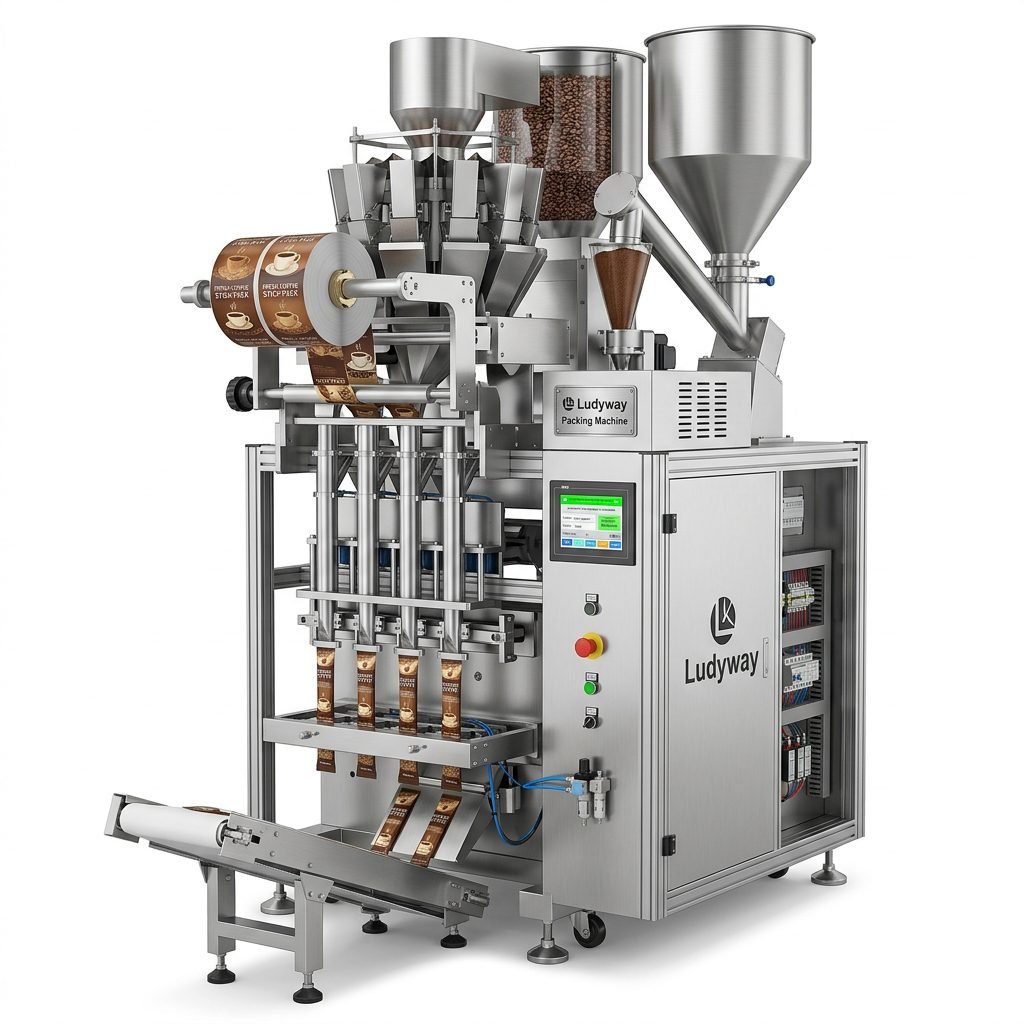
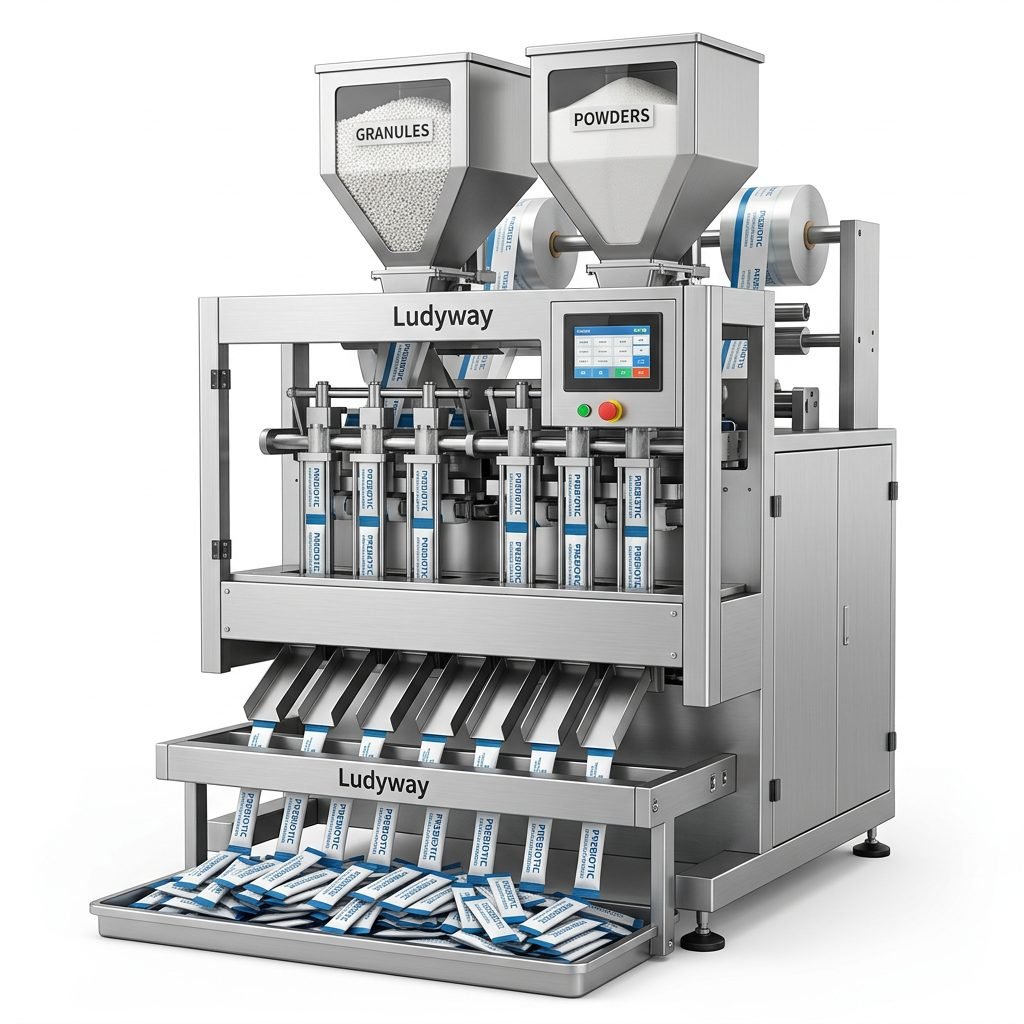
Contract packers operate in one of the most demanding segments of manufacturing. You may run short production batches today, high-volume repeat orders tomorrow, and several product formats in the same week. That is why choosing the right packaging machine is not simply about speed. It is about flexibility, uptime, changeover efficiency, pack quality, compliance, and long-term return on investment.
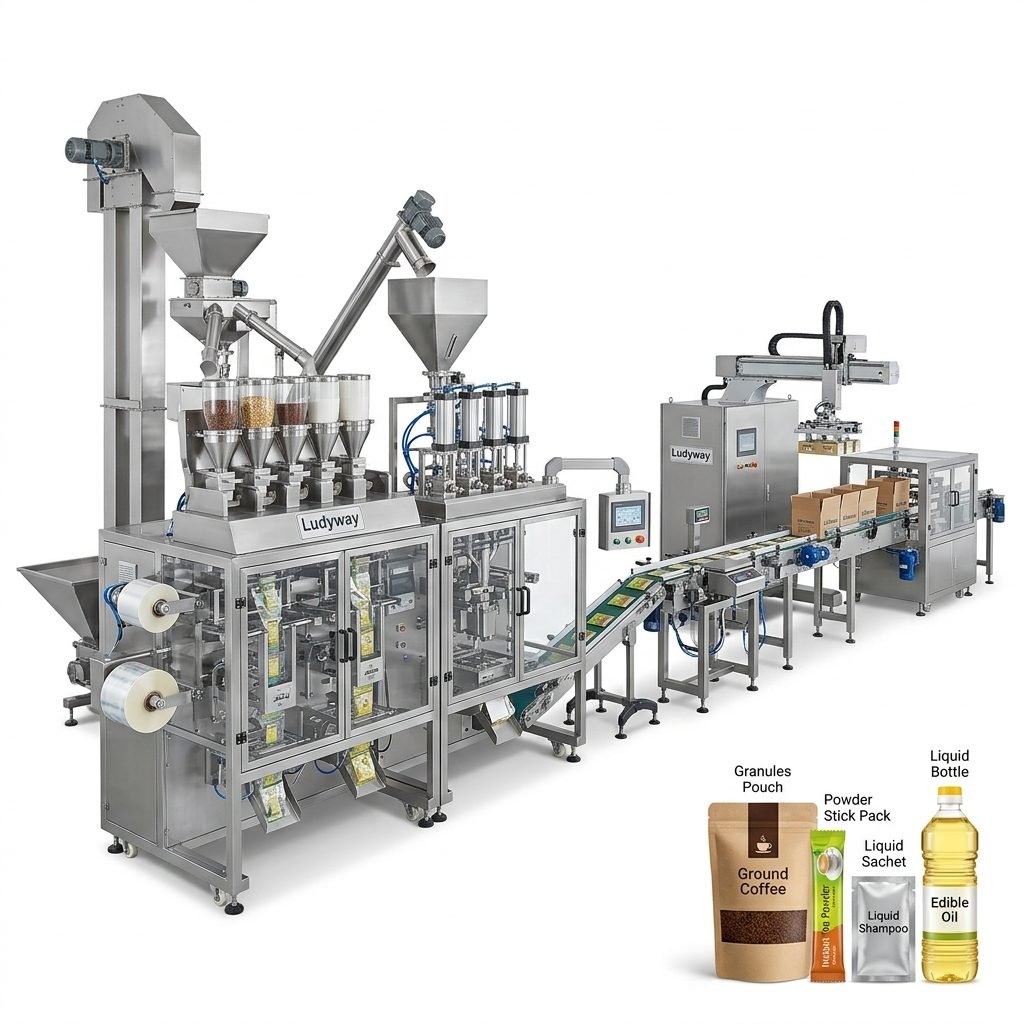
If you are evaluating the best packaging machine for contract packing operations, the right solution should help you manage multiple customer requirements without turning your line into a bottleneck. From powders and granules to liquids, pastes, sachets, stick packs, pouches, and bottles, the ideal machine must support both current demand and future growth.
Why contract packers need a different kind of packaging machine
Unlike single-brand manufacturers, contract packers must serve different SKUs, packaging styles, fill sizes, and product types. This creates a unique set of operational requirements:
- Fast changeovers between products and package formats
- Consistent fill accuracy across variable materials
- Scalability for both pilot runs and large-volume contracts
- Compatibility with upstream and downstream equipment
- Reliable sealing and coding for retail-ready output
- Regulatory readiness for food, pharma, supplements, cosmetics, or chemicals
A contract packaging environment rewards machines that are modular, stable, and easy to adjust. A machine that performs well in one fixed application may not be the best choice when your business depends on versatility.
Key factors to consider before choosing a packaging solution
1. Product type and material behavior
The first step is understanding exactly what you need to pack. Different materials behave very differently during dosing, feeding, filling, and sealing.
- Powders: may require auger filling, dust control, and anti-bridging design
- Granules: often need cup fillers, weighers, or vibratory feeding
- Liquids: need piston pumps, servo dosing, and anti-drip systems
- Pastes and creams: require higher-viscosity filling solutions
- Irregular solids: may need counting, weighing, or custom handling
If your contract packaging business serves multiple industries, prioritize equipment that supports broad product adaptability rather than a machine built only for one narrow application.
2. Packaging format flexibility
Contract packers often handle more than one pack style. The right machine should match your most profitable and most requested formats, such as:
- Sachets
- Stick packs
- Pouches
- Pillow bags
- Bottles
- Tubes
- Cartons or secondary packaging
If you regularly switch among small-dose retail packs, sample packs, and promotional bundles, a modular system can reduce future capital expenses. Instead of buying completely separate lines, you may be able to build around one adaptable platform.
3. Speed versus real production efficiency
Many buyers focus on maximum speed. However, contract packers should evaluate effective output, not just theoretical speed. A machine rated at high cycles per minute may still underperform if changeovers are slow or if unstable sealing creates rejects.
Ask practical questions such as:
- How long does format changeover take?
- How many operators are required?
- What is the reject rate at actual production speed?
- Can the machine maintain accuracy during long runs?
- Does it support quick cleaning between products?
4. Accuracy and consistency
In contract packing, your reputation depends on consistent pack quality. Underfilling leads to complaints. Overfilling increases material cost. Poor seals create leakage, waste, and returns. Look for machines with:
- Stable metering systems
- Servo-driven controls
- Reliable sealing temperature management
- Automatic correction or feedback functions
- Optional checkweighing and inspection integration
5. Ease of cleaning and compliance
If you serve food, nutraceutical, or pharmaceutical customers, hygiene and cleaning design matter. Stainless steel structure, accessible contact parts, dust control, clean sealing zones, and easy disassembly all help reduce downtime and contamination risk.
For regulated sectors, choose packaging equipment that can support documentation, validation needs, and quality control requirements expected by your clients.
Best packaging machine types for contract packers
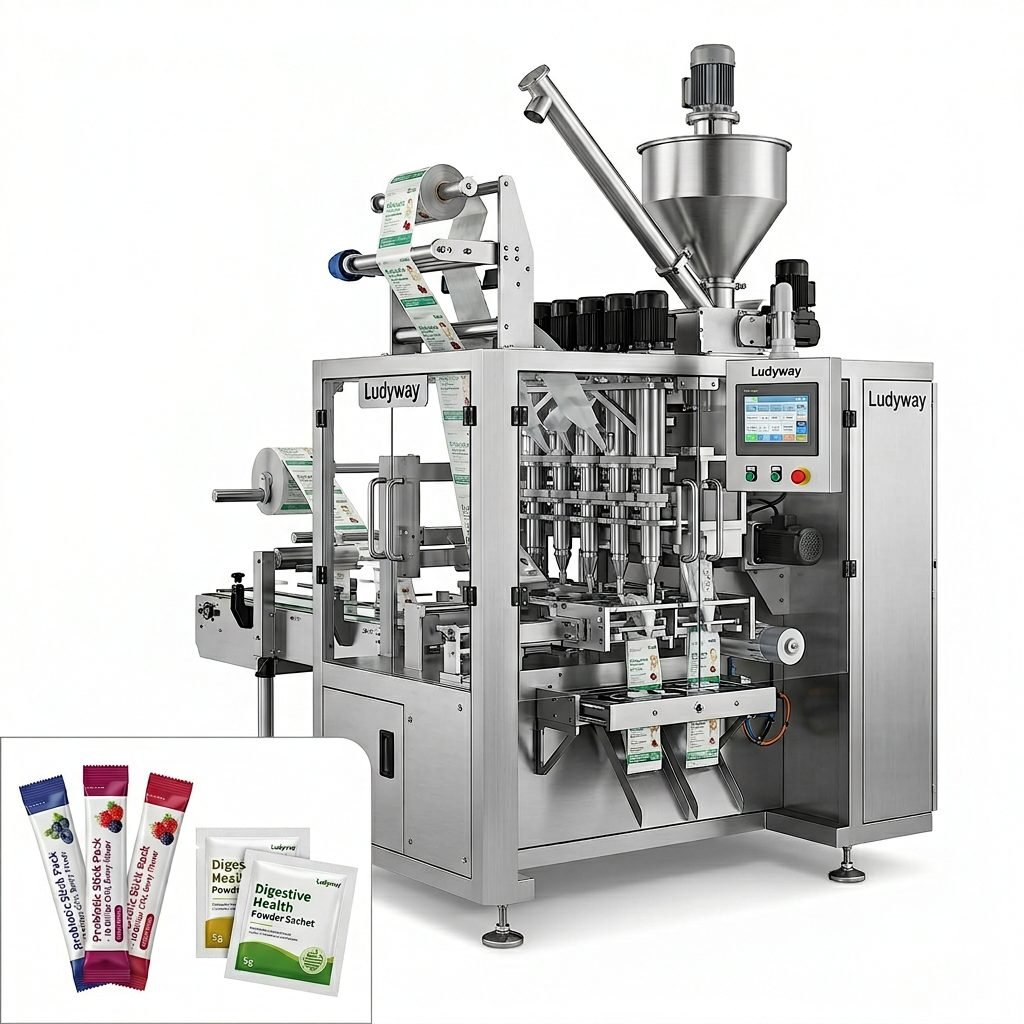
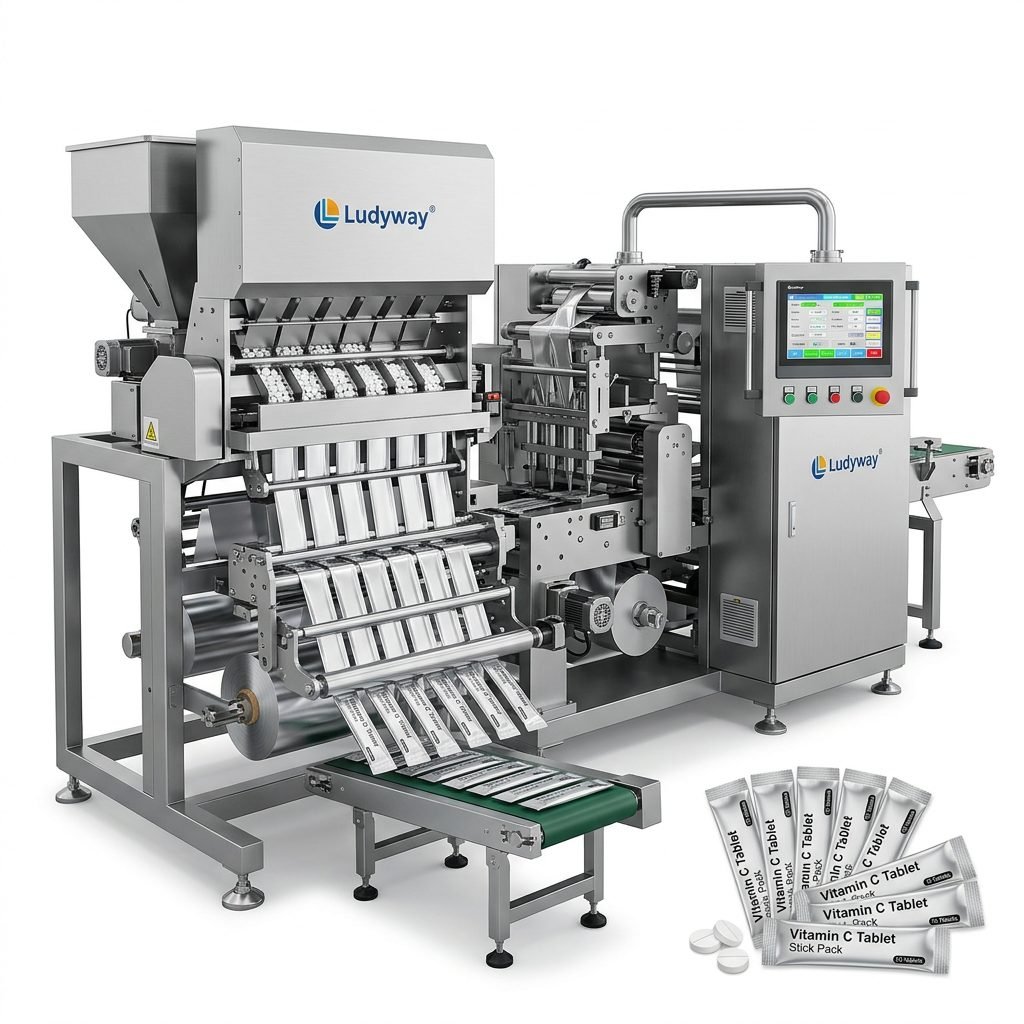
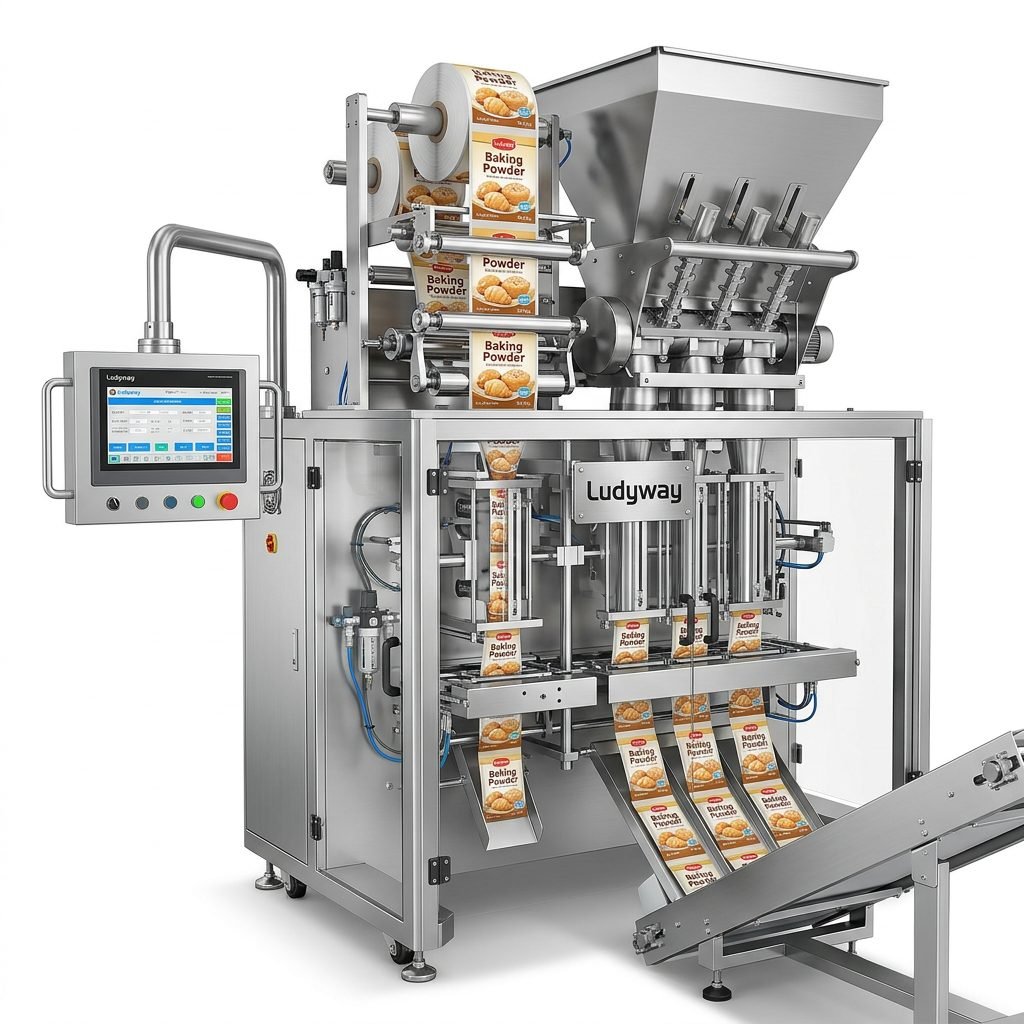
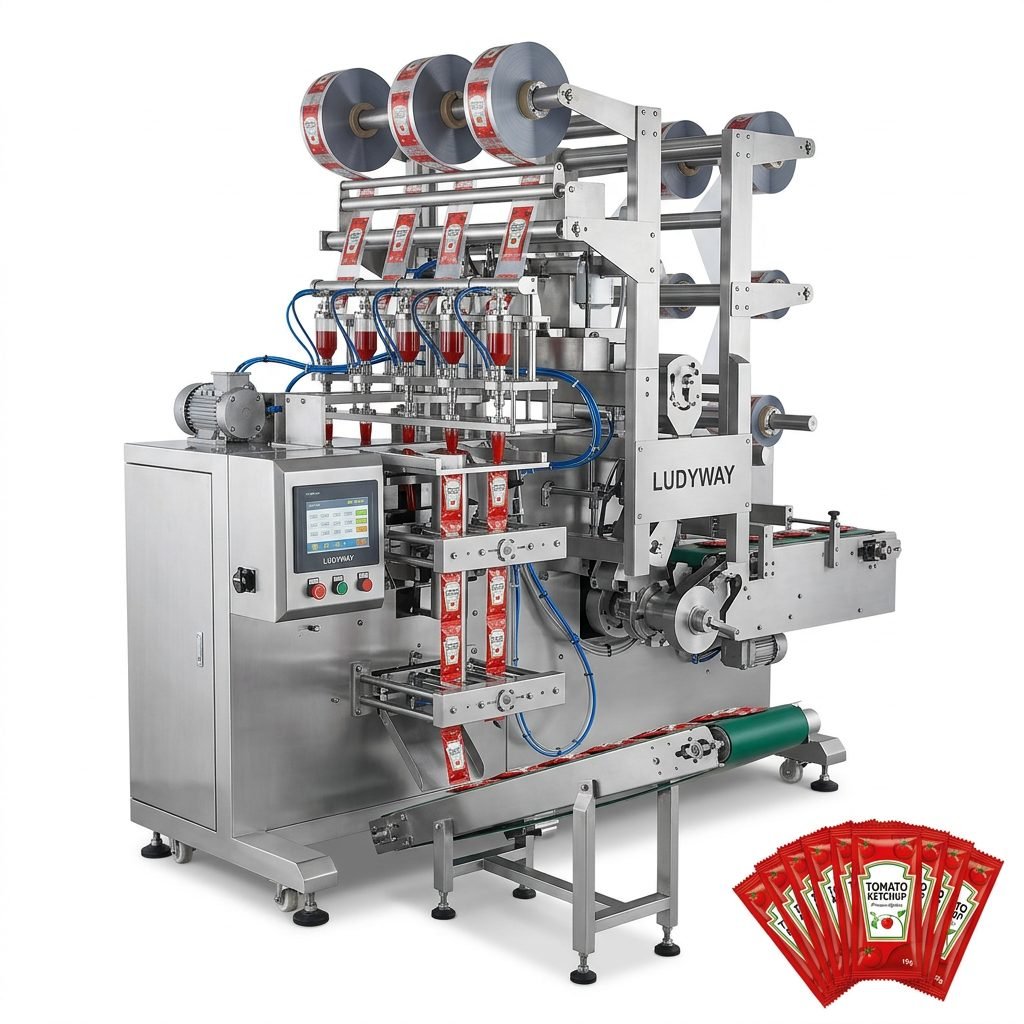
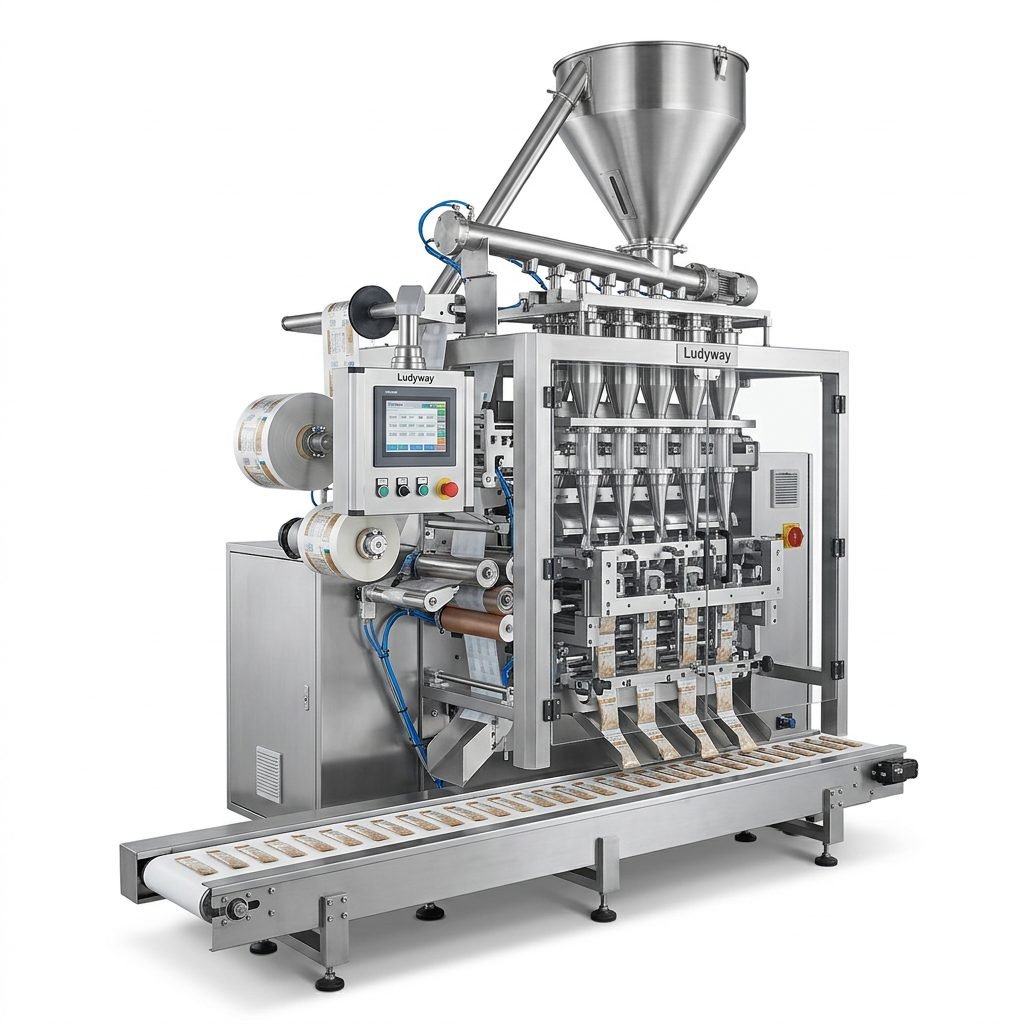
Multi-lane sachet and stick pack machines
These are among the best choices for contract packers handling high-volume single-dose or small-format products. They are especially suitable for:
- Drink powders
- Nutritional supplements
- Pharmaceutical granules
- Cosmetic samples
- Sauces, gels, and liquid concentrates
Why they work well: high output, compact line footprint, strong retail appeal, and cost-efficient packaging for many SKUs.
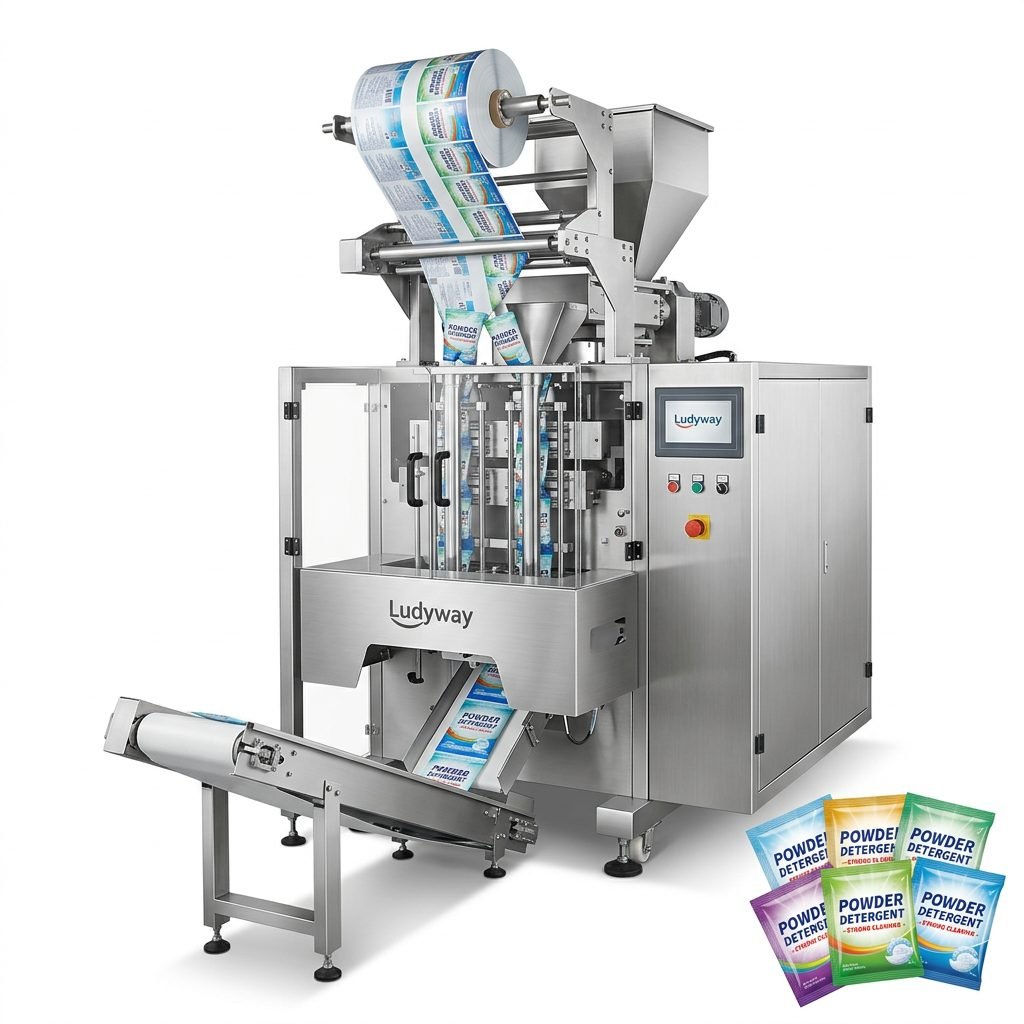
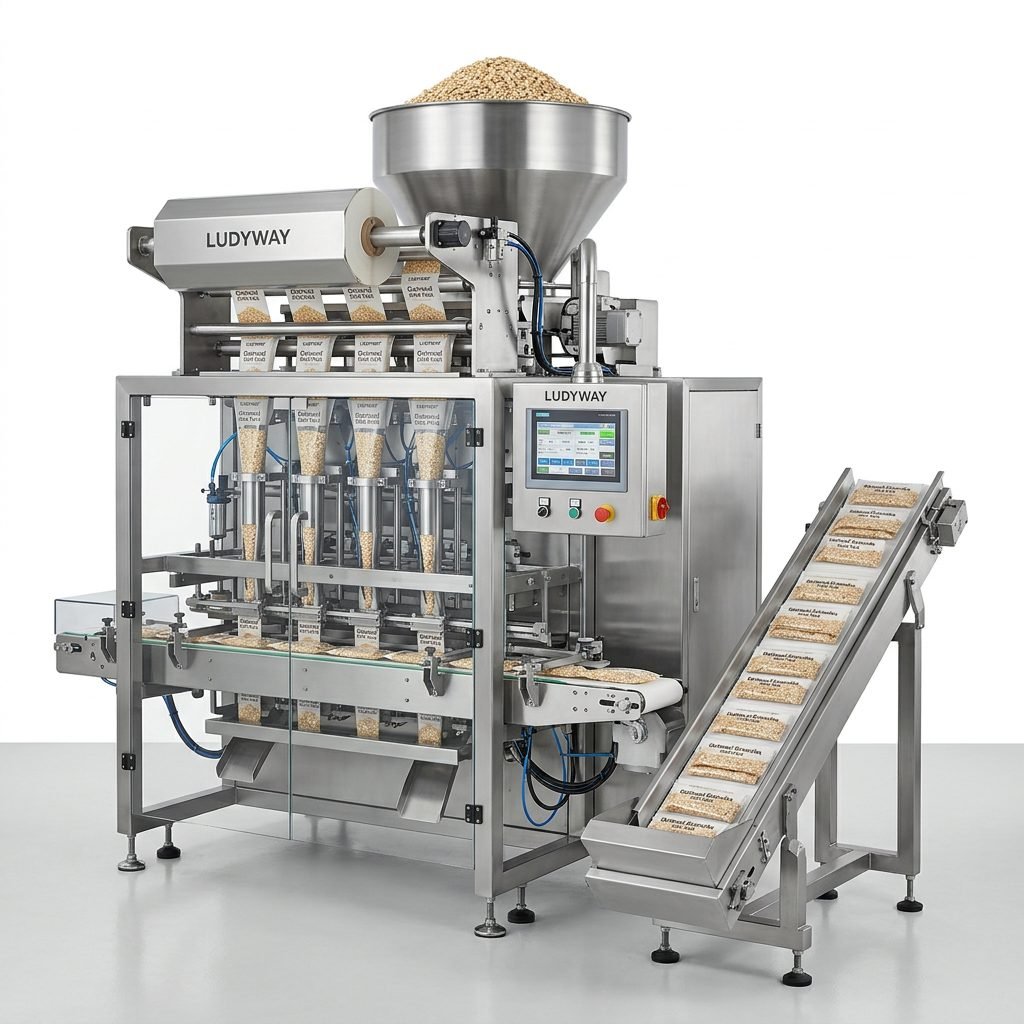
Vertical form fill seal machines
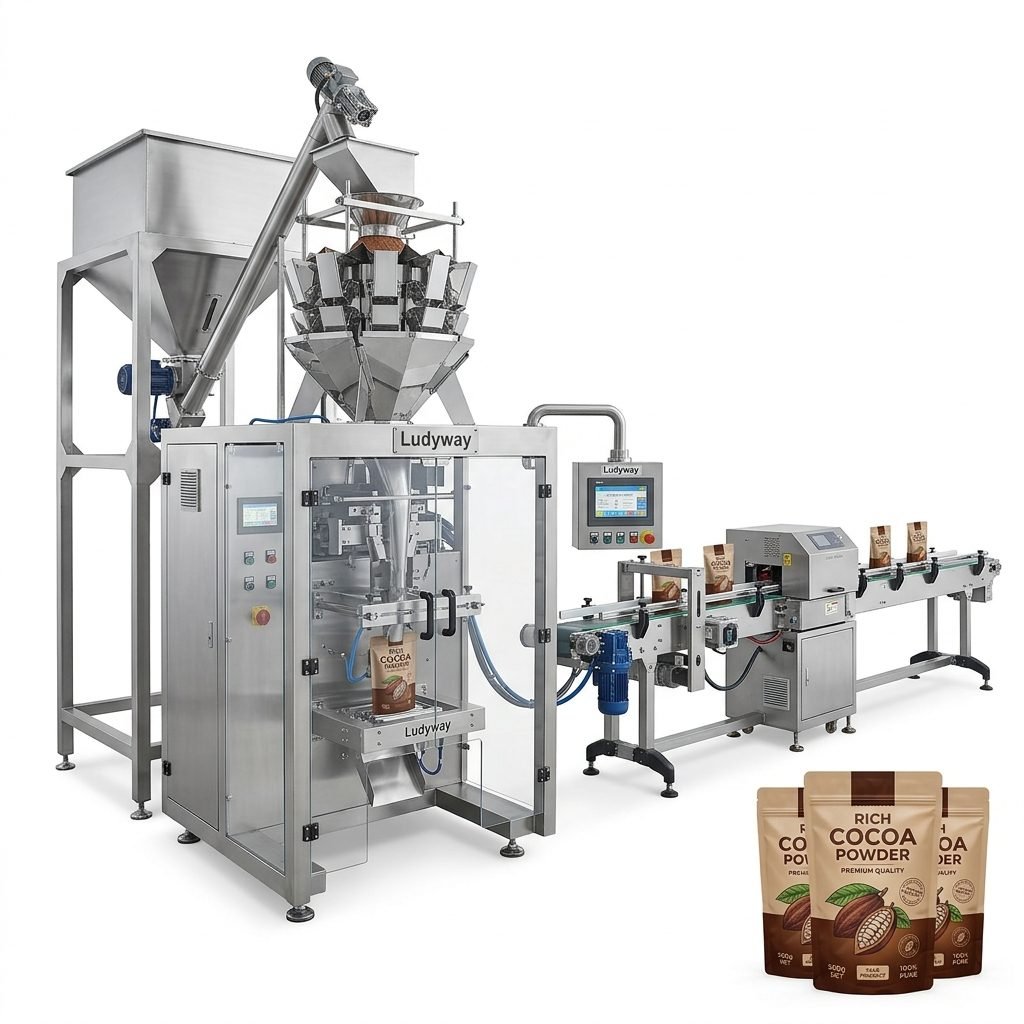
VFFS systems are a strong option for granules, powders, and some liquids when you need flexibility across different bag sizes. They are useful for contract packers handling food ingredients, snacks, chemical powders, pet products, and agricultural materials.
Best for: businesses that need moderate to high throughput with adaptable bag dimensions.
Premade pouch packaging machines
Premade pouch systems are ideal when your customers want premium shelf appearance, resealable features, or specialty pouch formats. They are common in food, health supplements, personal care, and specialty chemical markets.
Best for: value-added packaging projects where presentation matters as much as filling performance.
Bottle filling and capping lines
If you contract pack tablets, capsules, liquids, syrups, oils, or personal care products, bottle lines may be essential. These systems can include unscrambling, filling, capping, sealing, labeling, coding, and cartoning.
Best for: brands that need complete packaged products ready for retail or distribution.
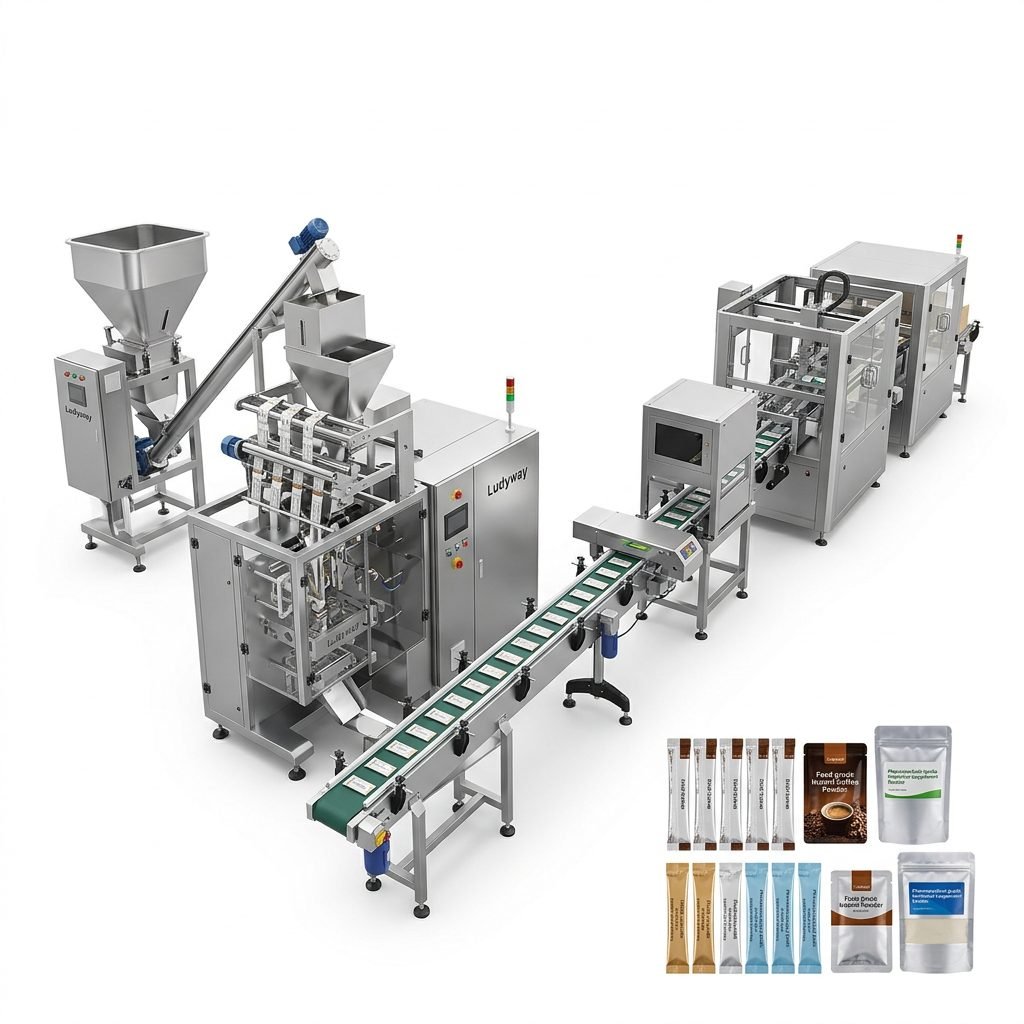
Turnkey integrated packaging lines
For contract packers with multiple production stages, a turnkey packaging line may be the most efficient long-term investment. Instead of managing disconnected machines from several suppliers, an integrated line improves synchronization, line control, and technical support.
This is especially valuable when handling:
- Frequent SKU changes
- Secondary packaging requirements
- Inspection and rejection systems
- Cartoning and case packing
- Palletizing and end-of-line automation
How to match the machine to your contract packing business model
| Business Need | Recommended Machine Type | Why It Fits |
|---|---|---|
| High-volume single-dose packing | Multi-lane sachet or stick pack machine | Fast output, compact format, efficient material use |
| Many bag sizes and frequent SKU changes | VFFS machine | Flexible bag forming and adaptable production |
| Premium retail packaging | Premade pouch machine | Strong shelf appeal and advanced pouch options |
| Pharma or supplement bottling | Bottle filling and capping line | Supports counting, filling, sealing, labeling, and compliance |
| End-to-end automation | Turnkey packaging line | Better integration, lower coordination risk, scalable expansion |
Questions contract packers should ask suppliers
Before selecting a packaging machine, make sure you ask the supplier detailed technical and commercial questions:
- What product types has this machine already run successfully?
- How quickly can operators change formats, film, or dosing systems?
- What is the machine’s stable running speed under real conditions?
- Can the line be expanded with coding, cartoning, checkweighing, or palletizing?
- What spare parts and after-sales support are available?
- Can the machine be customized for my customers’ packaging requirements?
- What training, installation, and commissioning support is included?
A capable supplier should not just quote equipment. They should understand your packaging applications, advise on line configuration, and help you avoid mismatched investments.
Common mistakes to avoid
- Buying only for today’s contracts instead of planning for future formats and capacity
- Choosing speed over stability without checking reject rate and seal quality
- Ignoring operator usability which can slow changeovers and increase errors
- Overlooking line integration between filling, coding, inspection, cartoning, and palletizing
- Not testing actual product samples before final purchase
What makes a supplier valuable for contract packers
The machine itself matters, but so does the supplier behind it. Contract packaging businesses often need:
- Application-specific engineering support
- Custom machine configurations
- Fast response for technical issues
- Line integration expertise
- Experience across several industries
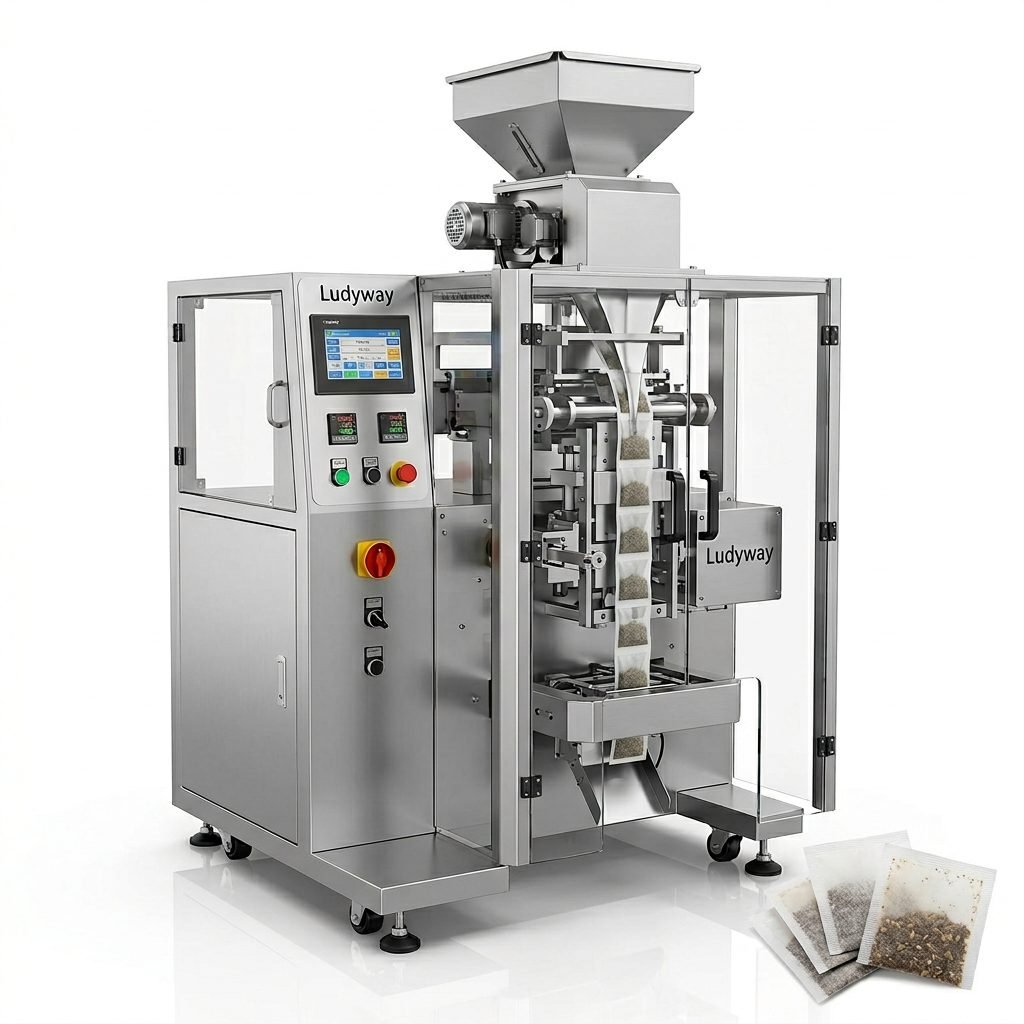
For buyers looking for flexible standalone machines or full production systems, Ludyway packaging machine solutions are often considered for contract packing projects that require scalable automation across food, pharmaceutical, health supplement, cosmetic, chemical, and pouch-based applications. With more than 30 years of manufacturing experience, a factory of over 20,000 square meters, and broad export coverage, the company is known for supplying both individual machines and turnkey packaging lines for customers in more than 100 countries and regions.
Signs you are ready to upgrade your packaging equipment
If any of the following sound familiar, it may be time to invest in a better machine or a fully integrated line:
- Your line cannot keep up with new customer demand
- Changeovers take too long and reduce production hours
- You experience frequent sealing defects or fill variation
- Labor costs are increasing faster than output
- You are losing contracts because you cannot support more packaging formats
- Your current machine cannot meet customer quality expectations
Final buying advice for contract packers
The best packaging machine for contract packers is rarely the cheapest or the fastest on paper. The best choice is the one that helps you switch products easily, run reliably, meet customer standards, and scale profitably.
In most cases, contract packers should prioritize:
- Wide application range
- Fast and simple changeover
- Stable output quality
- Expandable line design
- Strong technical support from the manufacturer
Whether you need a multi-lane sachet machine, a VFFS system, a pouch packer, a bottle line, or a turnkey automated solution, the right decision starts with a clear understanding of your product mix, client expectations, and long-term growth plan. When your packaging equipment fits your business model, it becomes more than machinery—it becomes a competitive advantage.