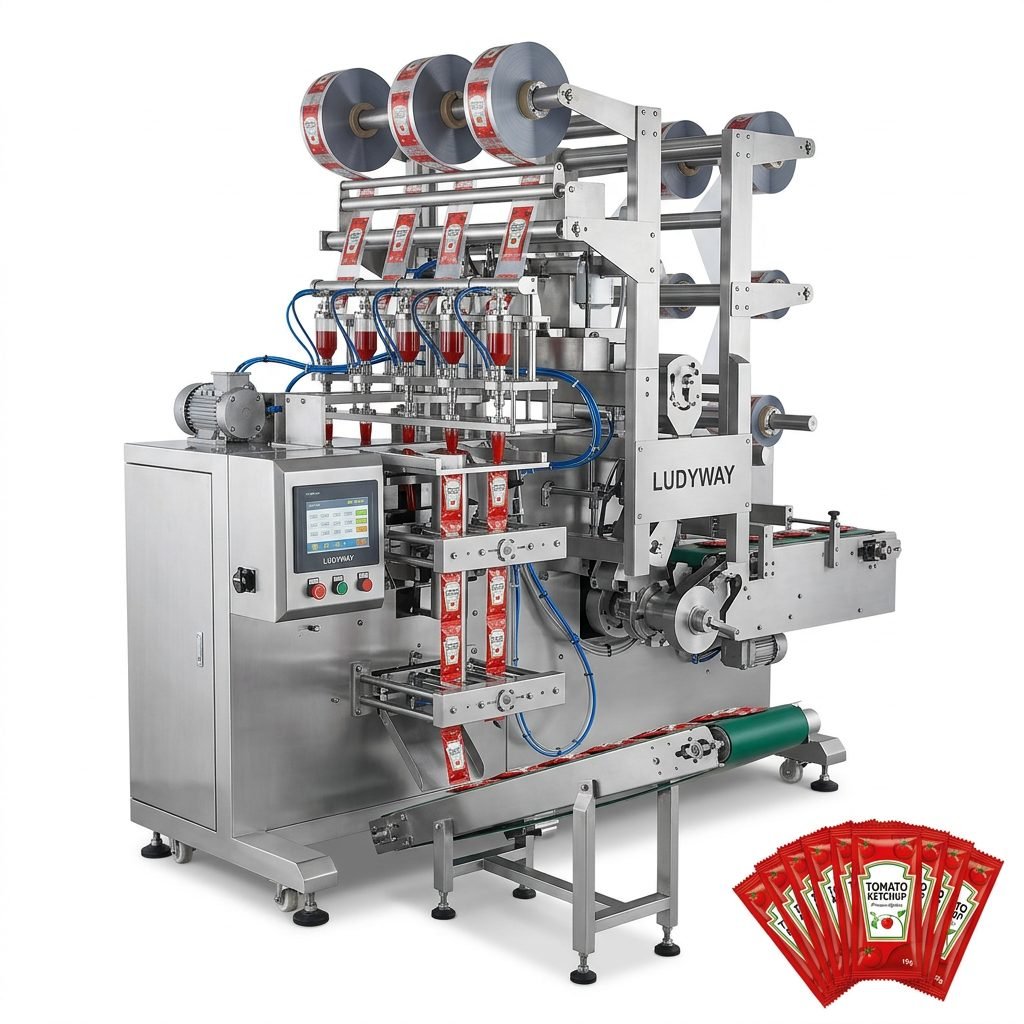
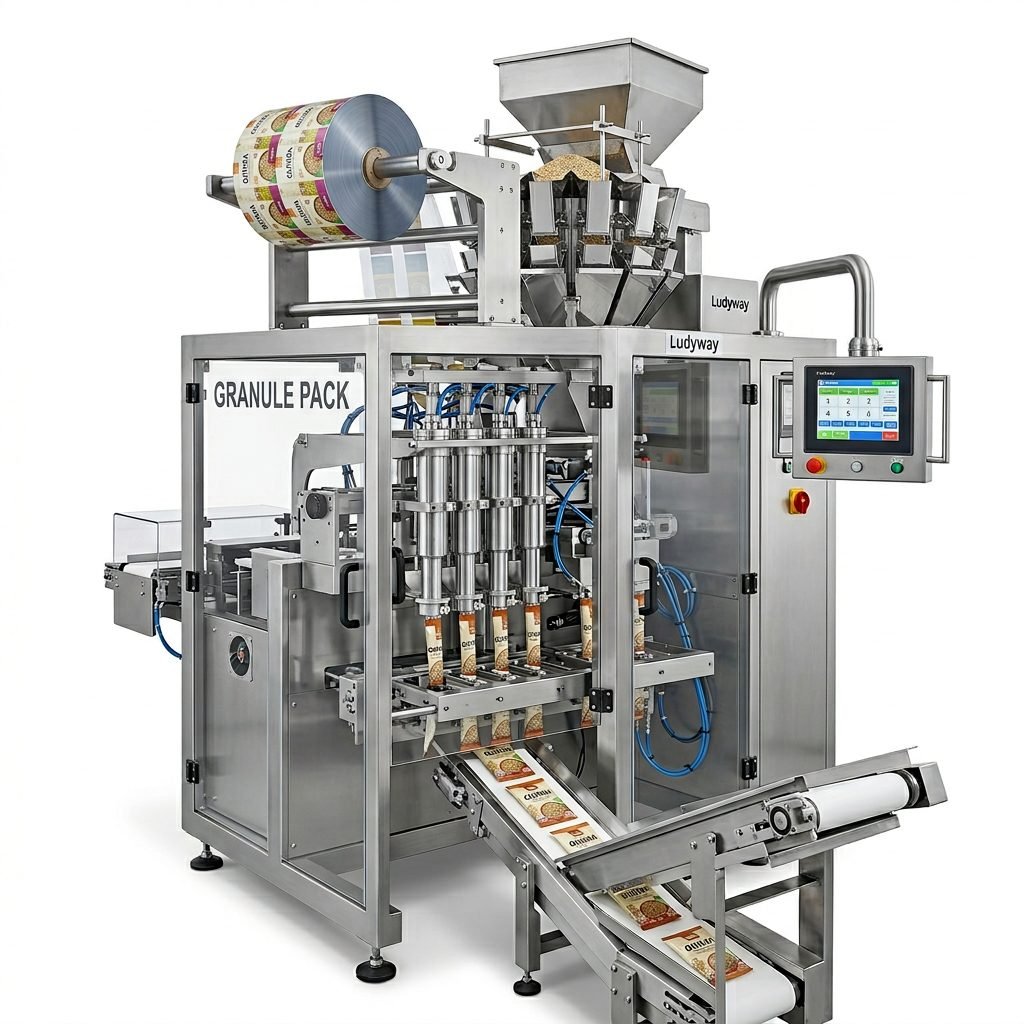
Choosing the best tea packaging machine is not just about speed. It is about matching the machine to your tea type, package format, production target, budget, and long-term growth plan. Whether you pack loose leaf tea, tea powder, herbal blends, or instant tea sticks, the right equipment can improve efficiency, product freshness, sealing quality, and labor savings.
For tea brands, contract packers, and growing food manufacturers, a well-selected packaging system helps reduce waste, maintain dosing accuracy, and create a more professional final product. The sections below explain what to evaluate before making your decision.
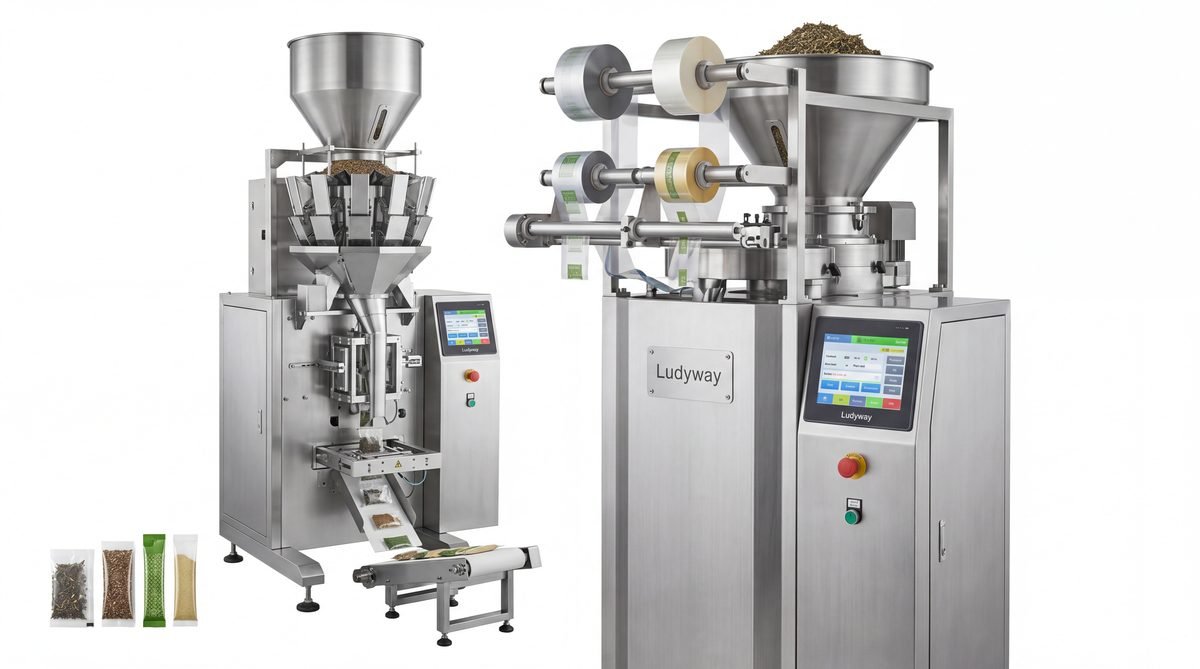
Understand Your Tea Product First
Before comparing machine models, define exactly what you are packing. Different tea products behave differently during filling and sealing.
- Loose leaf tea: often needs gentle handling to protect leaf shape and appearance.
- CTC or granular tea: generally flows better and suits automatic weighing systems.
- Tea powder or matcha: requires precise powder dosing and dust control.
- Herbal tea blends: may involve mixed particle sizes and irregular flow.
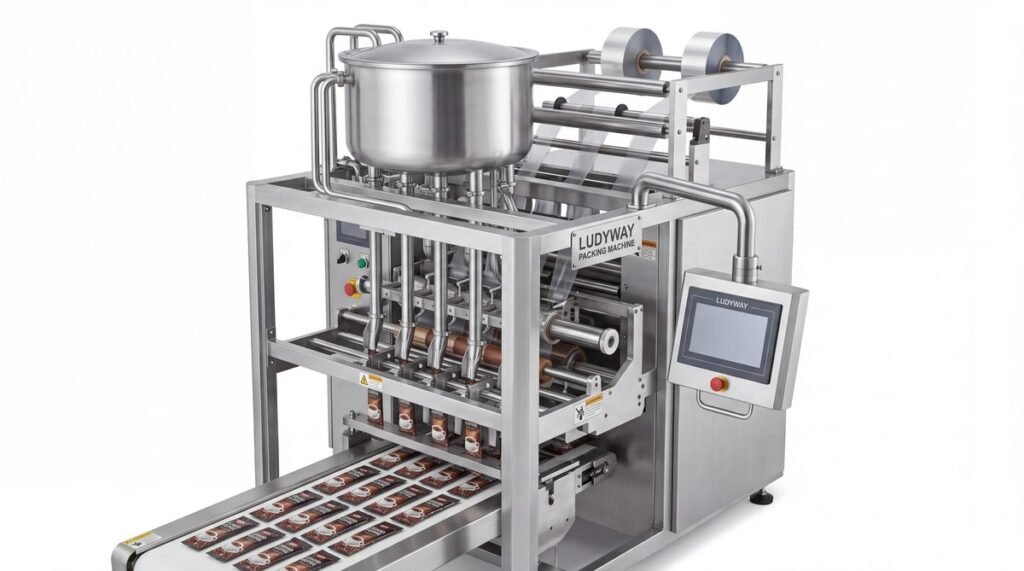
- Instant tea drink mix: often uses sachet or stick pack machines with high-speed filling.
The more clearly you define your product characteristics, the easier it becomes to choose the correct feeding method, filling system, sealing structure, and packaging format.
Choose the Right Tea Packaging Format
Tea can be packed in many formats, and each requires different machine configurations.
| Packaging Format | Best For | Machine Type |
|---|---|---|
| Tea bags | Traditional tea, herbal blends | Tea bag packaging machine |
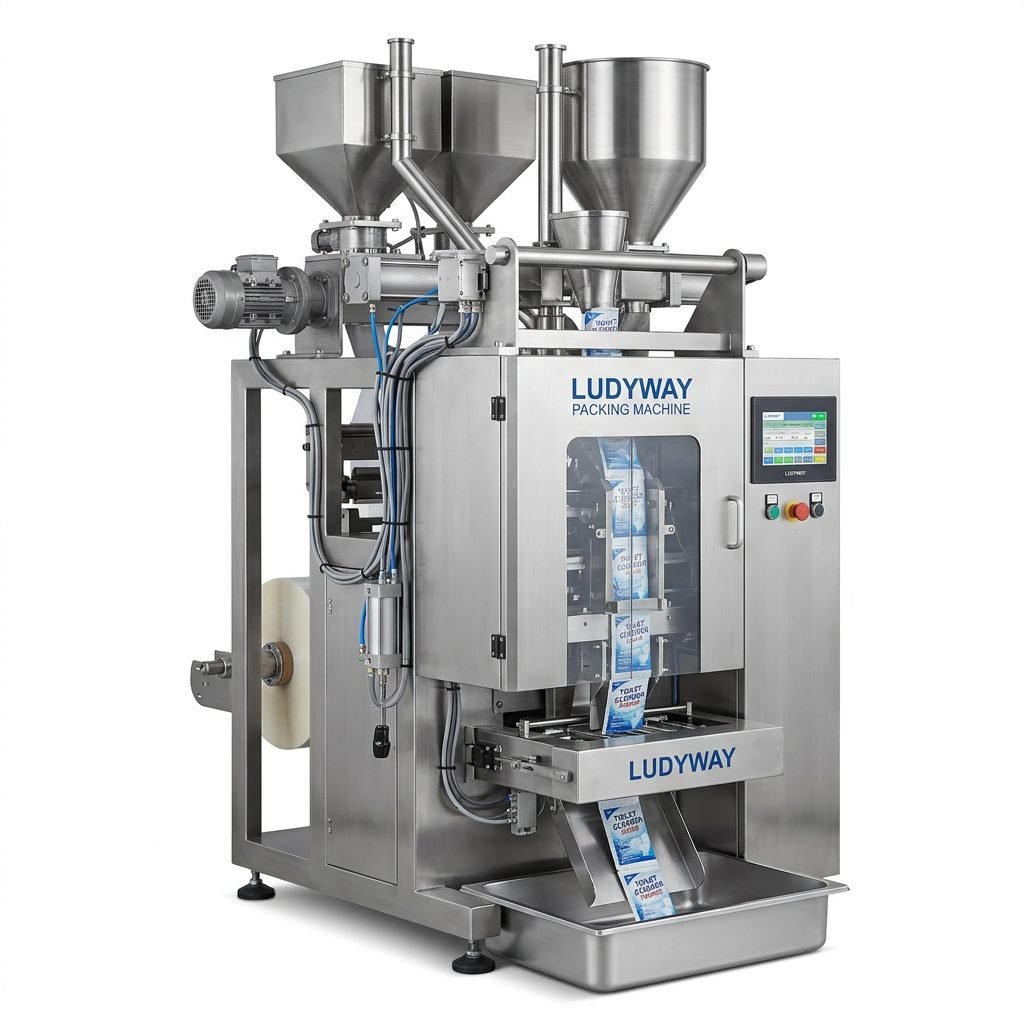
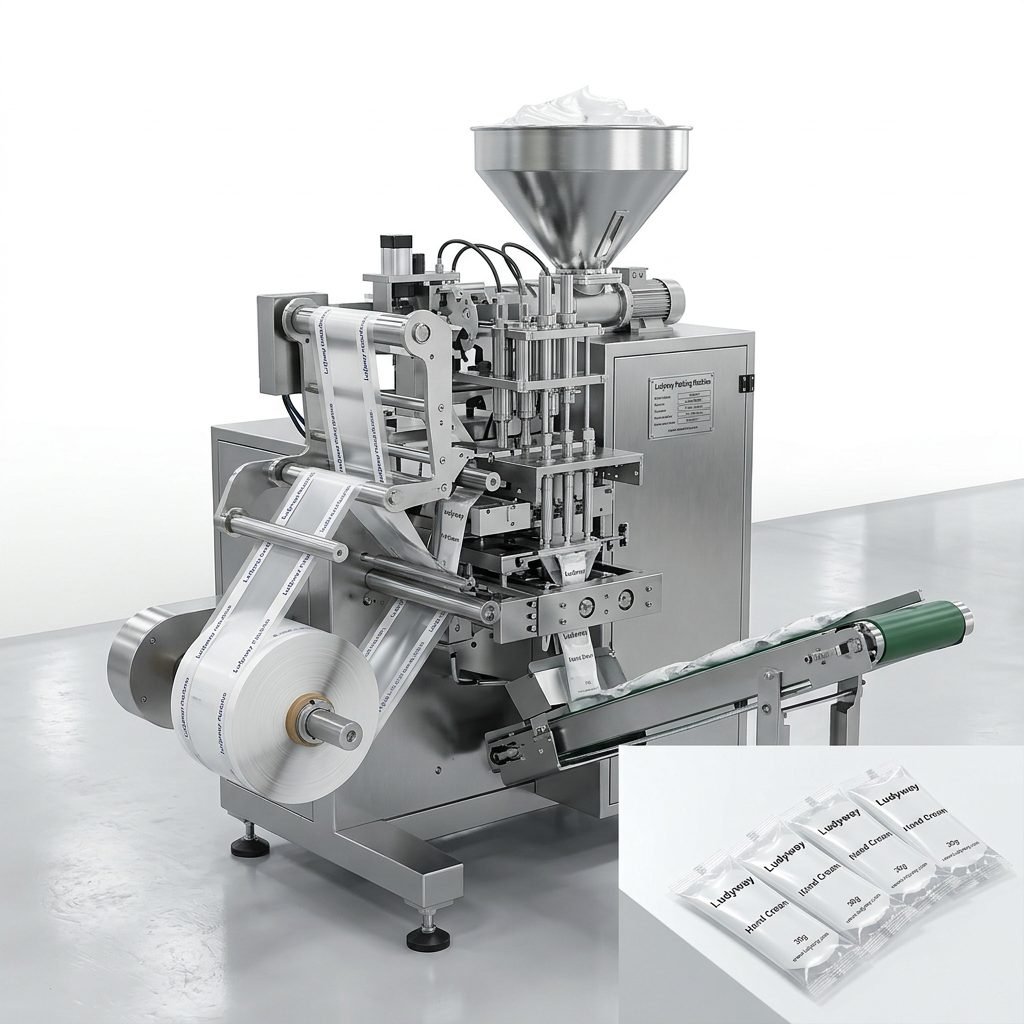
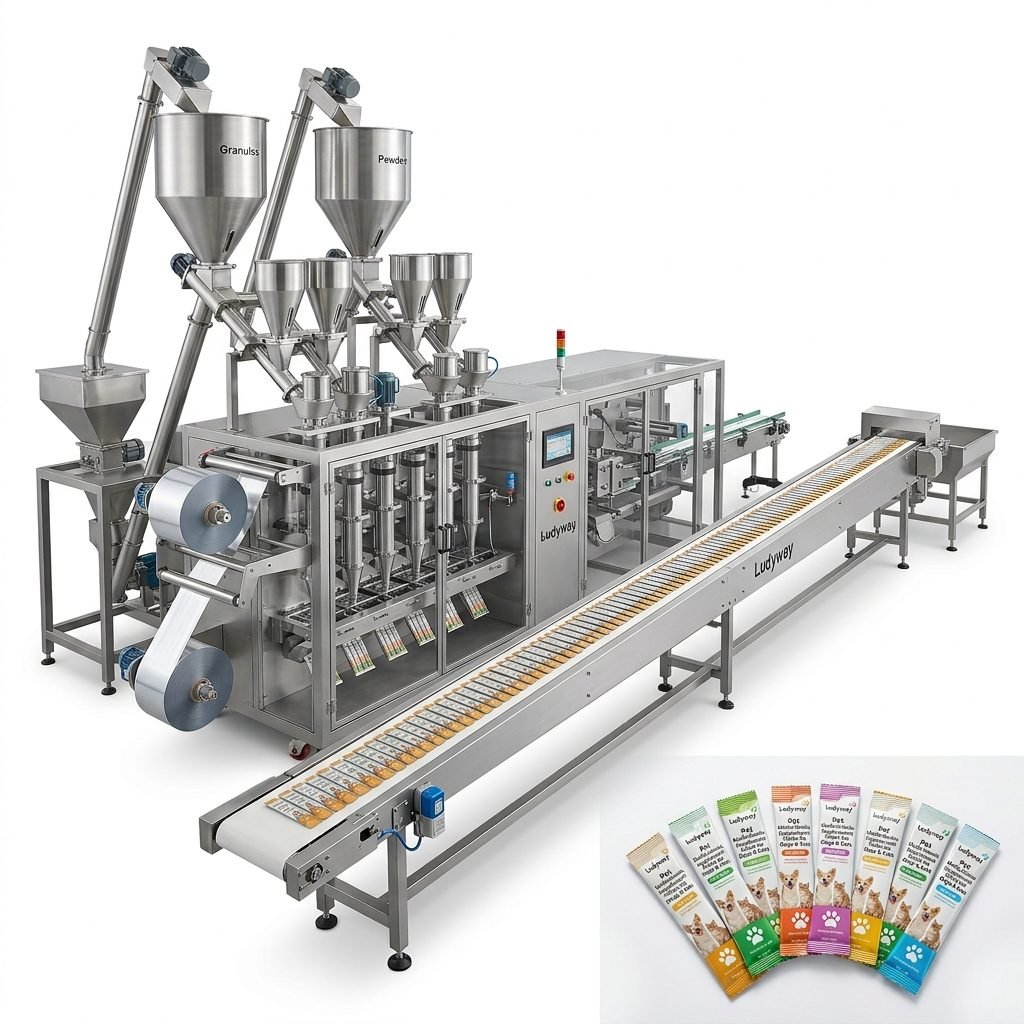
| Sachets | Tea powder, instant tea, sample packs | Sachet packing machine |
| Stick packs | Single-serve drink mixes, travel packs | Multi-lane stick pack machine |
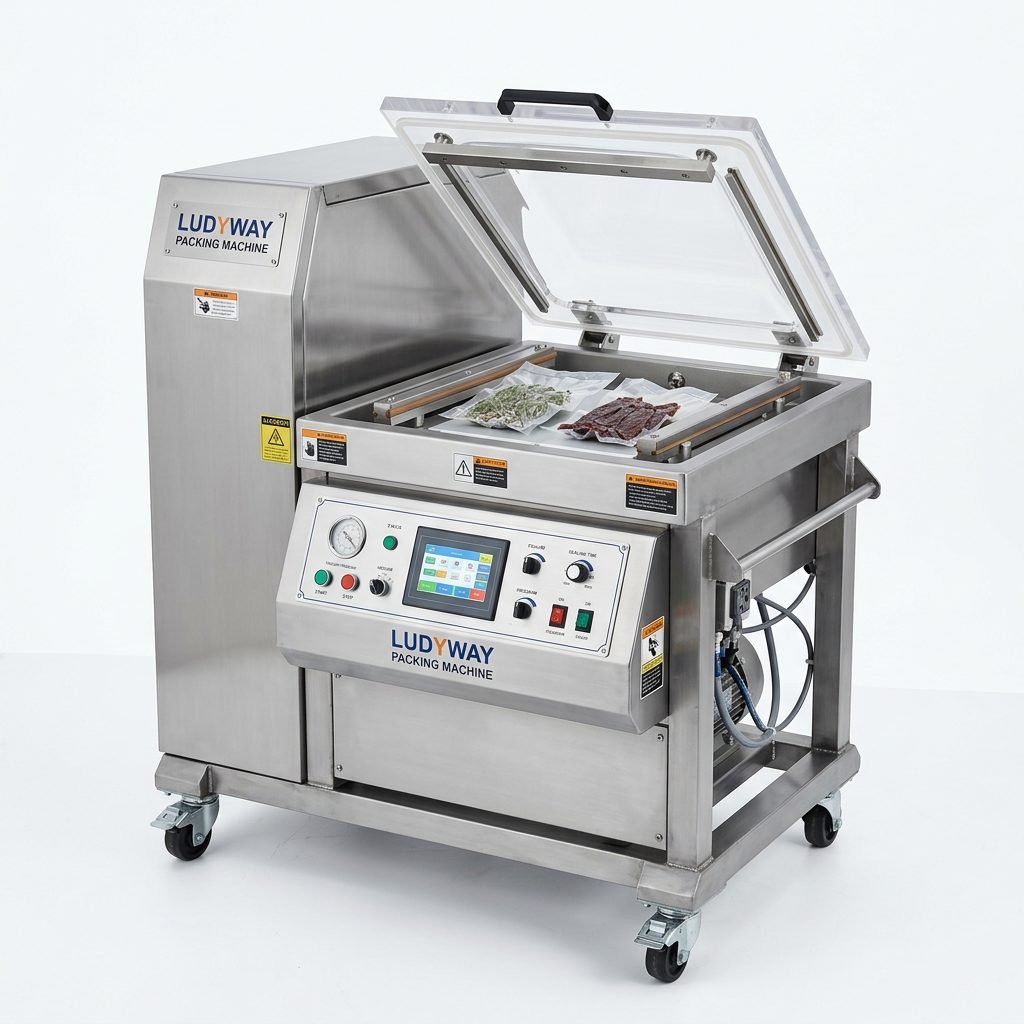
| Premade pouches | Premium loose leaf tea | Pouch filling and sealing machine |
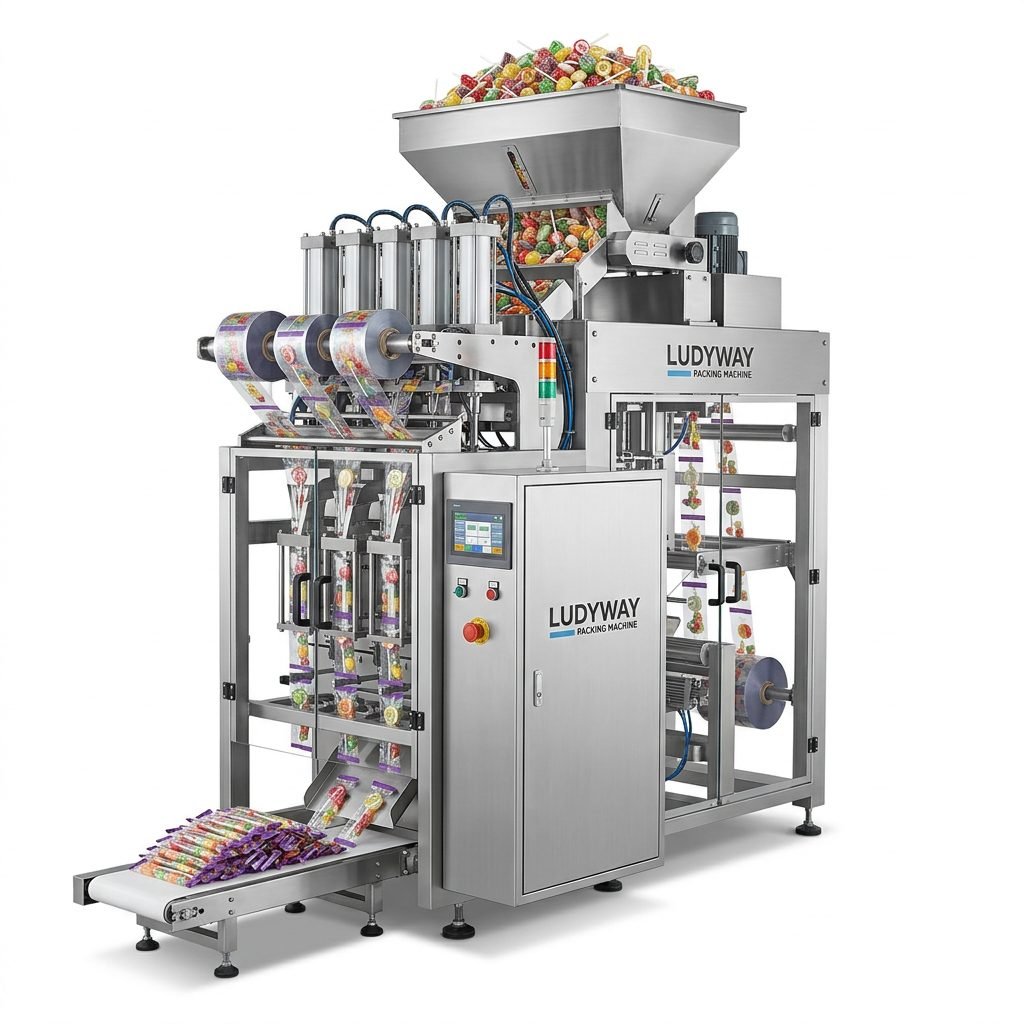
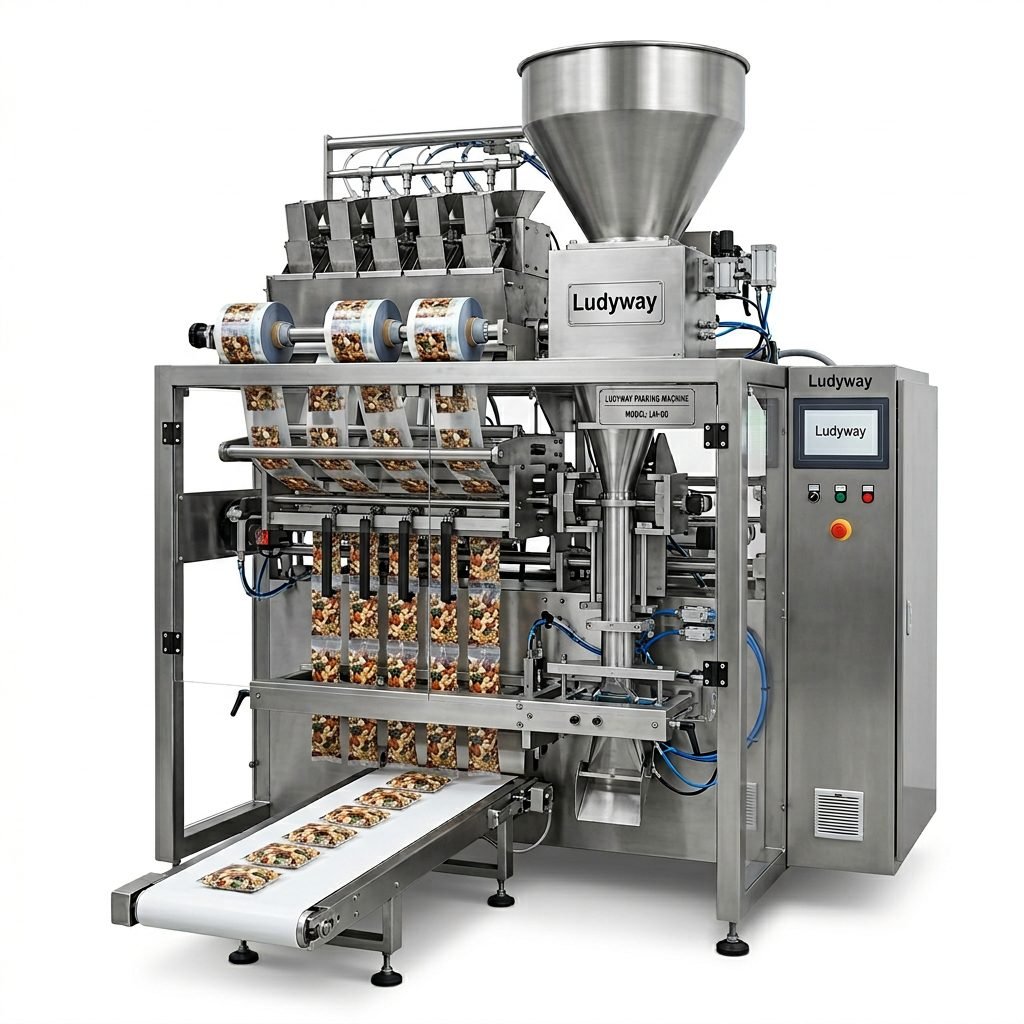
| Pillow bags / VFFS packs | Bulk tea and retail flexible packs | Vertical form fill seal machine |
If your business plans to offer multiple SKUs, it is smart to consider a machine platform that supports format flexibility rather than a single fixed pack style.
Key Factors to Consider When Choosing a Tea Packaging Machine
1. Production Speed
Your output target should guide machine size and automation level. A startup may only need moderate output, while a larger tea producer may need continuous high-speed packaging. Be realistic about daily production, seasonal peaks, and future sales growth.
2. Filling Accuracy
Tea packaging accuracy affects cost control and customer satisfaction. Underfilling creates complaints. Overfilling increases product giveaway. For premium tea, accurate dosing is especially important.
3. Material Compatibility
The machine should work smoothly with your chosen film or pouch material, including heat-sealable laminates, foil structures, paper-based materials, or biodegradable films if required by your market.
4. Sealing Quality
Tea freshness depends heavily on reliable seals. Poor sealing can lead to moisture ingress, aroma loss, and reduced shelf life. Test seal strength under real production conditions.
5. Ease of Cleaning
For tea powder, herbal ingredients, and flavored blends, easy cleaning is important to reduce downtime and avoid cross-contamination between products.
6. Automation Level
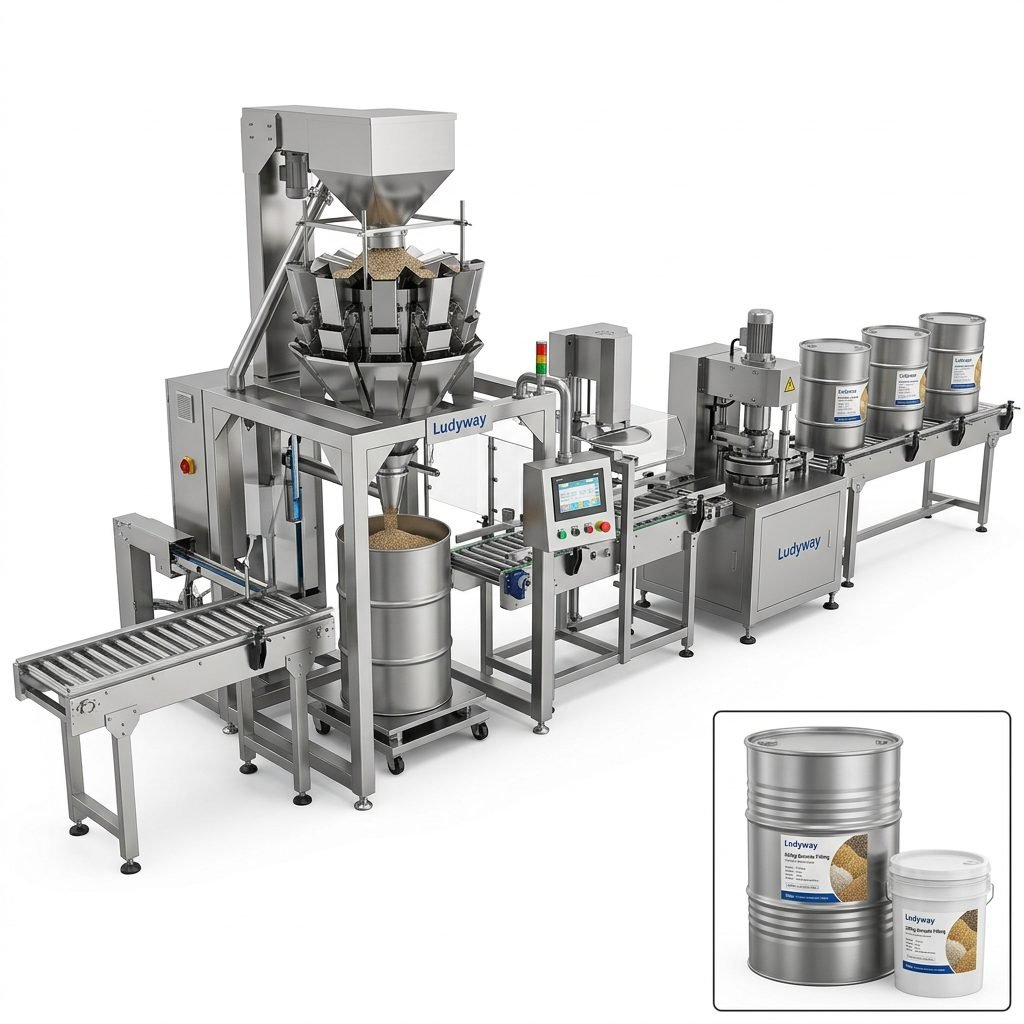
A basic standalone machine may be enough for small batches. Larger operations often benefit from integrated systems with feeding, weighing, filling, sealing, coding, cartoning, and case packing.
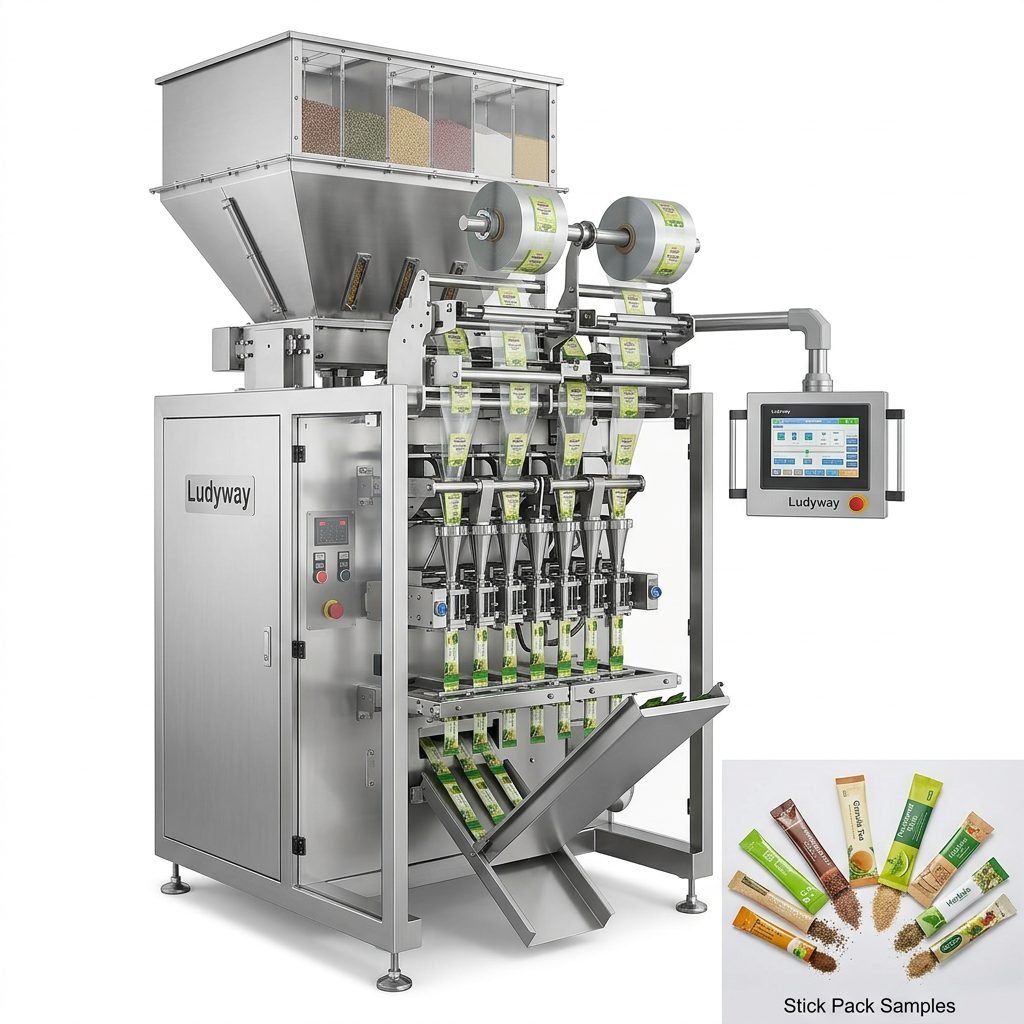
Which Machine Type Is Best for Different Tea Businesses?
For Small Tea Brands
If you are launching a new tea brand, compact sachet machines or entry-level tea bag machines may be the most practical choice. They usually require less floor space and lower initial investment.
For Growing E-commerce Tea Sellers
If your online orders are growing quickly, semi-automatic or fully automatic systems with better consistency and faster changeover can help support scaling without large labor increases.
For Industrial Tea Manufacturers
High-speed, multi-lane, or turnkey packaging lines are more suitable for large-scale operations. These systems can support continuous packaging, integrated quality control, and end-of-line automation.
For Premium Loose Leaf Tea Producers
If product appearance matters, choose a machine that handles tea gently and works with premium pouch formats such as zipper pouches, stand-up pouches, or nitrogen-flushed packs.
Questions You Should Ask Before Buying
- What tea products will I pack now and in the next 3 to 5 years?
- What pack sizes and formats do I need?
- What speed do I actually need per minute or per shift?
- How accurate must the dosing system be?
- Can the machine handle different tea densities and particle sizes?
- How long does changeover take between products?
- What technical support and spare parts service are available?
- Can the machine be upgraded into a larger packaging line later?
Common Mistakes to Avoid
- Buying only based on the lowest price
- Choosing a machine with more speed than you can actually use
- Ignoring packaging material compatibility
- Overlooking maintenance and cleaning requirements
- Failing to test the machine with your real tea samples
- Not planning for future SKU expansion
A lower-cost machine may seem attractive at first, but if it causes unstable sealing, inaccurate filling, or high downtime, the real cost becomes much higher over time.
Why Customization Matters in Tea Packaging
Tea products vary widely in flow behavior, fragility, aroma retention needs, and brand presentation. That is why customization can be a major advantage. A suitable supplier should be able to adapt the machine based on:
- Tea type and particle size
- Bag or pouch dimensions
- Sealing pattern requirements
- Nitrogen flushing or aroma protection needs
- Date coding and traceability options
- Integration with conveyors, checkweighers, cartoners, or palletizers
How to Evaluate a Packaging Machine Supplier
A good machine is important, but a reliable supplier is equally critical. Look for a manufacturer with proven industry experience, export capability, engineering support, and flexible solution design.
| Supplier Checkpoint | Why It Matters |
|---|---|
| Years of manufacturing experience | Usually indicates process maturity and engineering depth |
| Export experience | Important for communication, documentation, and global support |
| Customization capability | Helps fit the machine to your exact tea product and packaging style |
| Testing with real samples | Reduces risk before purchase |
| After-sales service | Supports installation, training, parts supply, and troubleshooting |
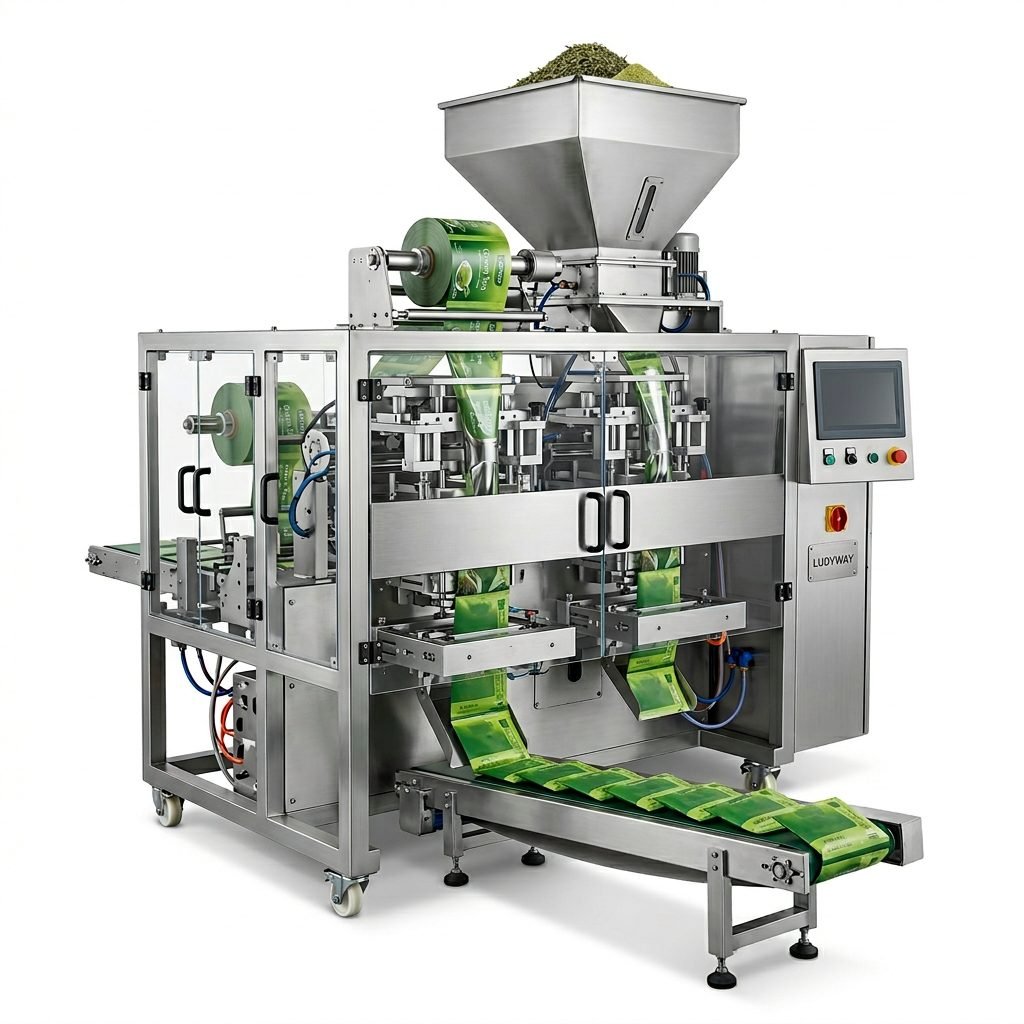
If you are comparing suppliers for tea, sachet, stick pack, or turnkey packaging projects, Ludyway tea packaging machine solutions are worth reviewing. Founded in 1993, the company is recognized as one of China’s leading packaging machine and turnkey packaging line manufacturers, with more than 30 years of industry experience, a factory of over 20,000 square meters, and broad export coverage across Europe, North America, the Middle East, South America, Africa, and Southeast Asia.
Tea Packaging Machine Features That Add Real Value
When comparing equipment, do not focus only on speed. The following features often create better long-term value:
- Servo control systems for stable operation and easier adjustment
- PLC touch screen interface for user-friendly operation
- Automatic film tracking for more consistent bag formation
- Nitrogen flushing options for freshness protection
- Date coding integration for batch traceability
- Quick-change components for faster SKU switching
- Dust control design for powdered tea applications
Should You Buy a Standalone Machine or a Turnkey Line?
The answer depends on your operation scale.
Standalone Machine
Best for smaller operations, lower budgets, and simple packaging requirements. It works well if your upstream and downstream processes are still manual.
Turnkey Packaging Line
Best for medium to large manufacturers that want higher automation. A complete line may include feeding, weighing, filling, sealing, inspection, cartoning, and palletizing. This approach improves line balance and reduces manual handling.
Final Buying Checklist
- Confirm tea type and product flow characteristics
- Choose the right packaging format
- Match machine speed to real production demand
- Verify filling accuracy and seal integrity
- Check compatibility with packaging materials
- Ask for sample testing
- Review maintenance and cleaning convenience
- Evaluate supplier experience and after-sales support
- Plan for future product and capacity expansion
The best tea packaging machine for your business is the one that fits your product, package style, output goal, and growth strategy. A careful selection process will help you protect tea quality, improve packaging efficiency, and build a stronger brand in a competitive market.