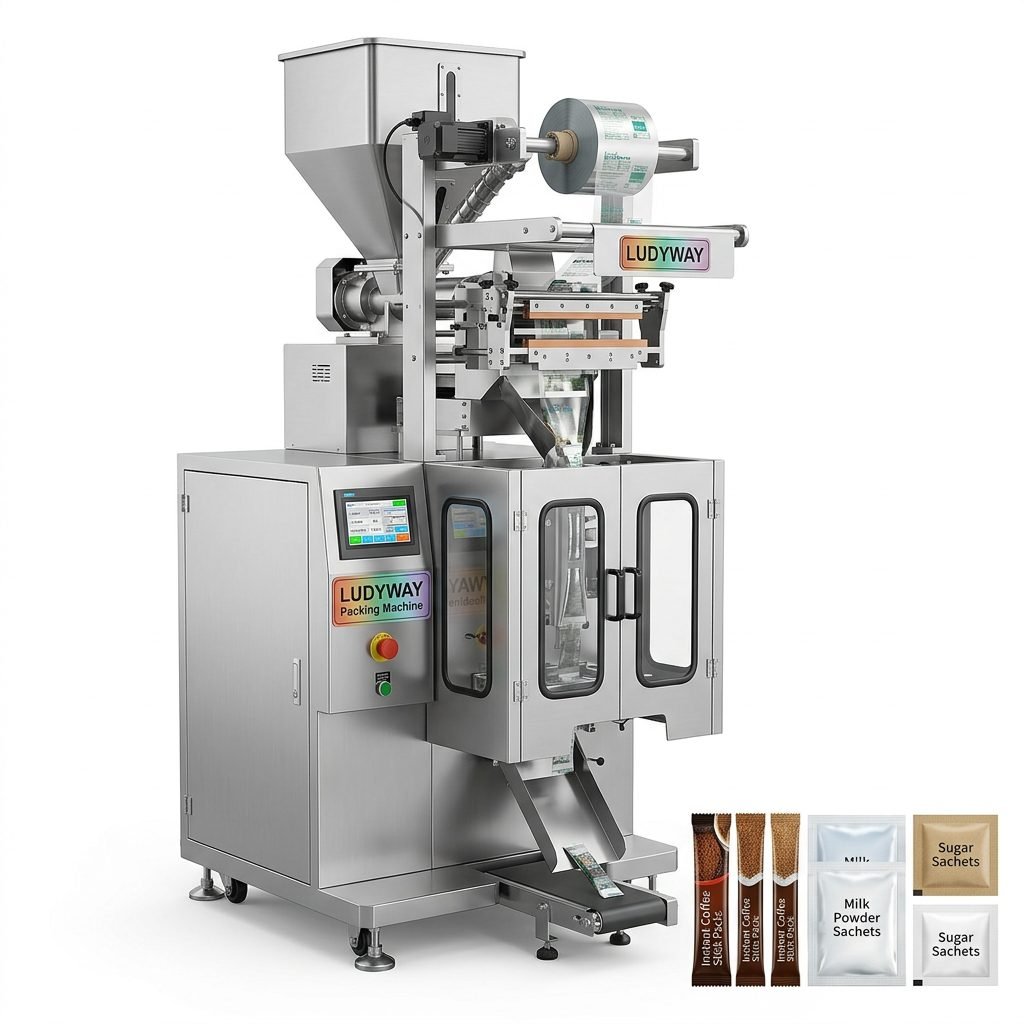
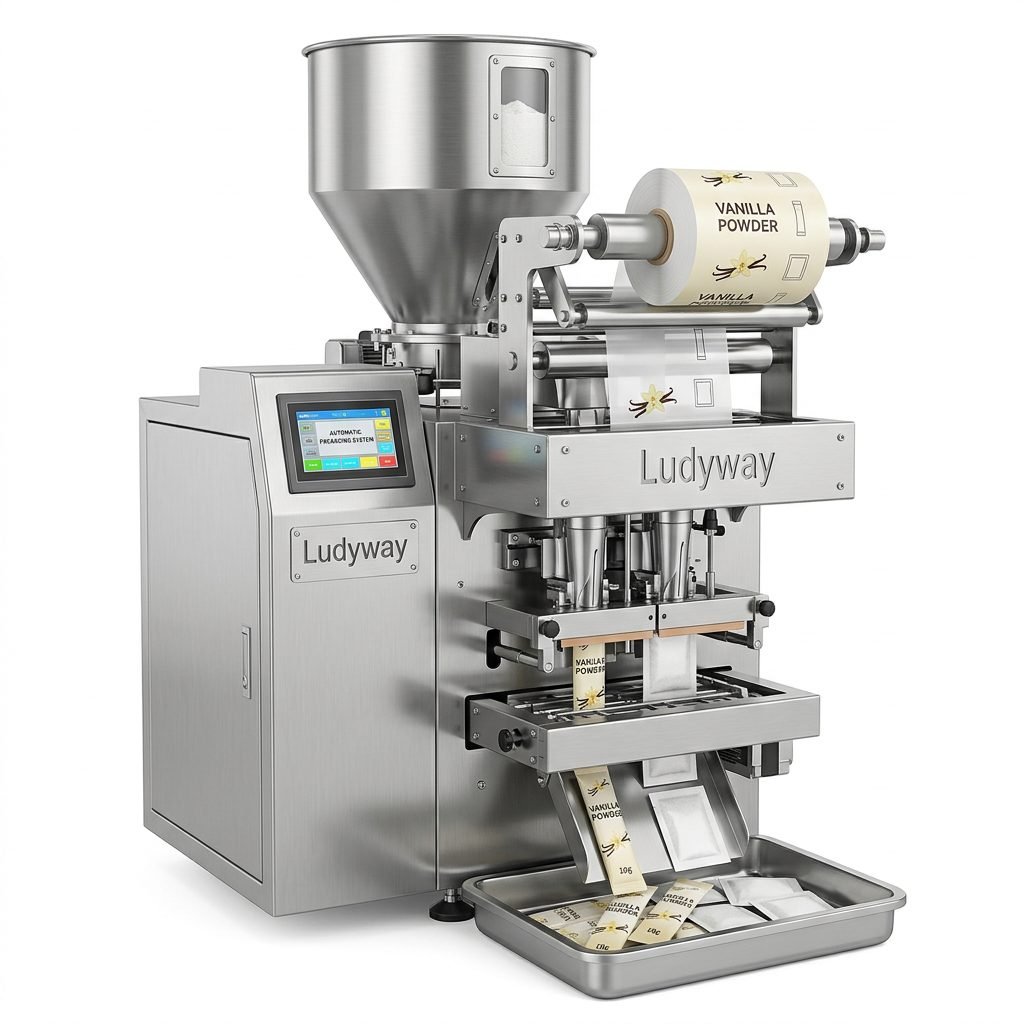
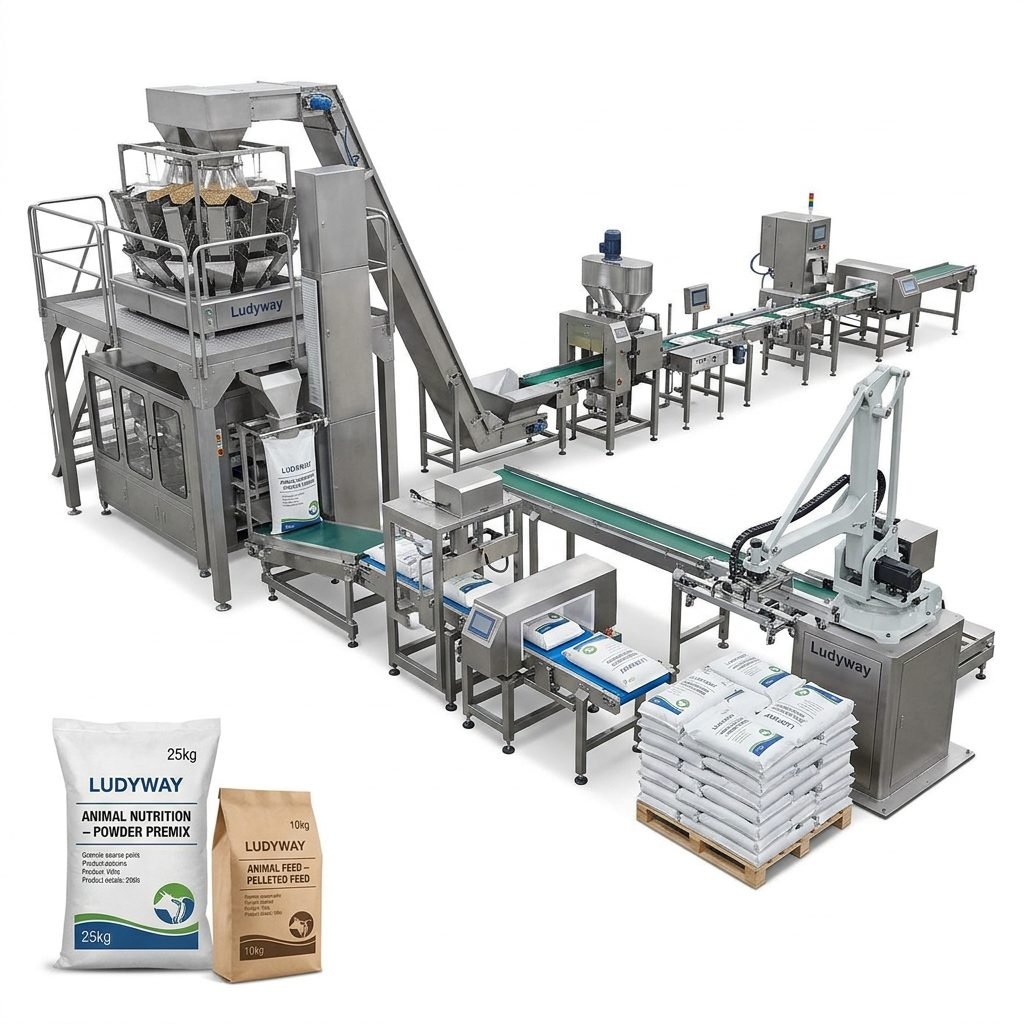
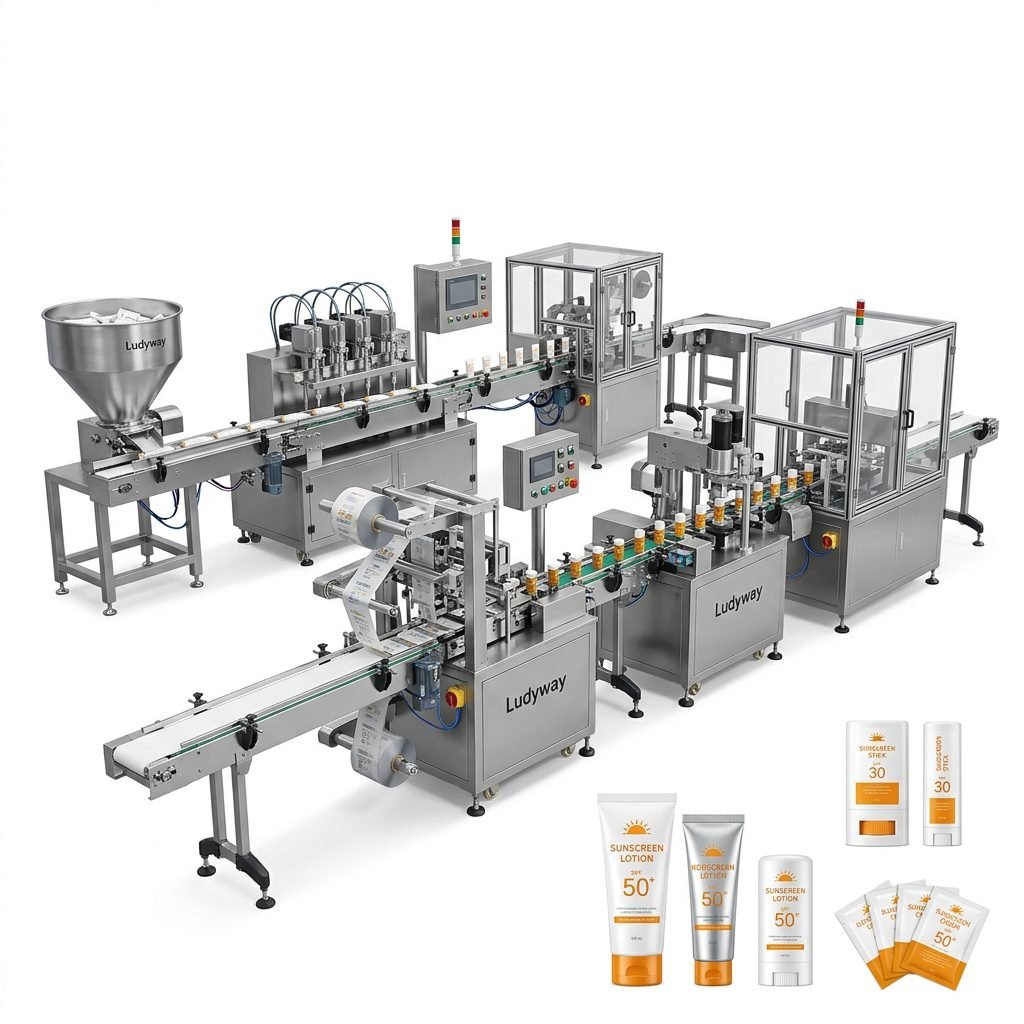
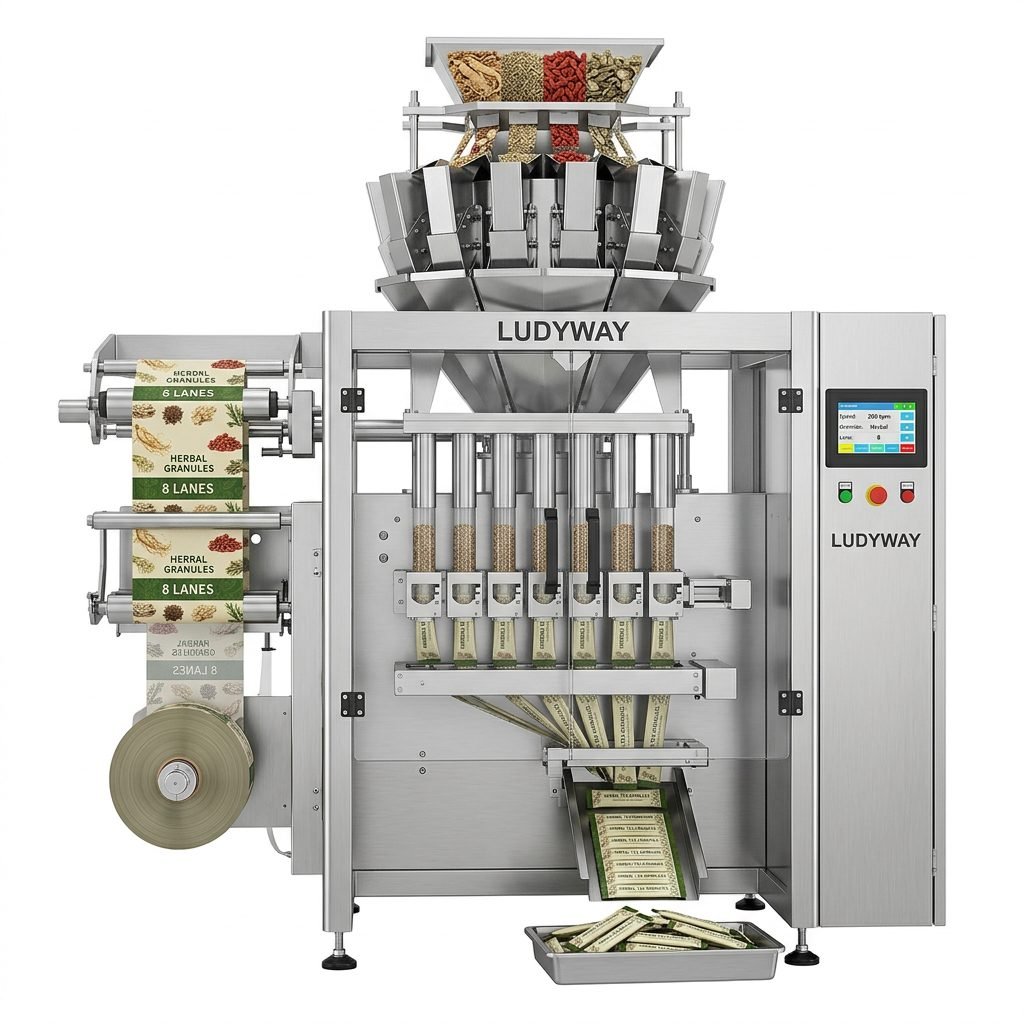
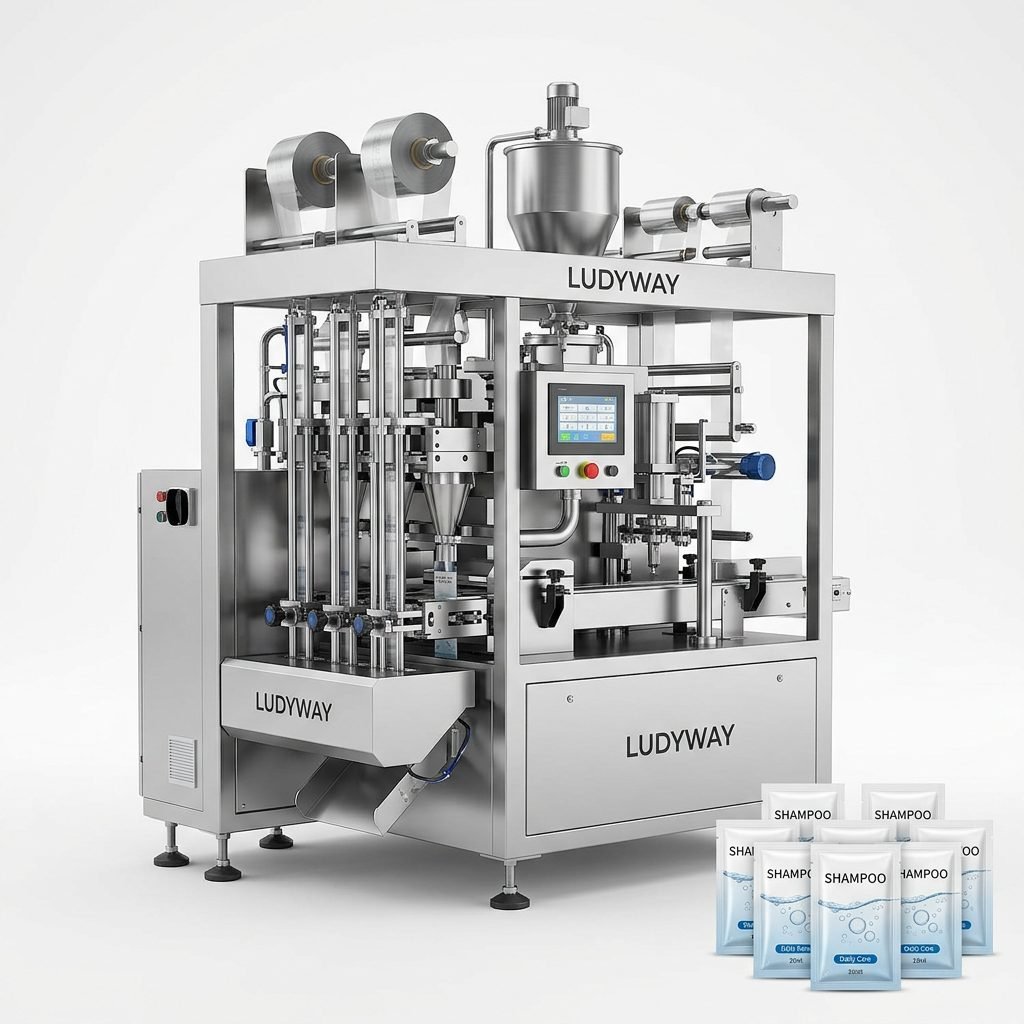
The landscape of industrial packaging is undergoing a profound transformation, driven by the relentless integration of intelligent automation systems. Moving beyond simple mechanization, today’s packaging machinery leverages sophisticated technologies like AI, IoT, and advanced robotics to create self-optimizing production environments. This evolution is not merely about speed; it’s a fundamental shift towards achieving unprecedented levels of operational efficiency, pinpoint accuracy, and consistent, superior production quality. For manufacturers across the globe, adopting these intelligent systems is becoming a critical determinant of competitiveness and market responsiveness.
The Core Components of Intelligent Packaging Systems
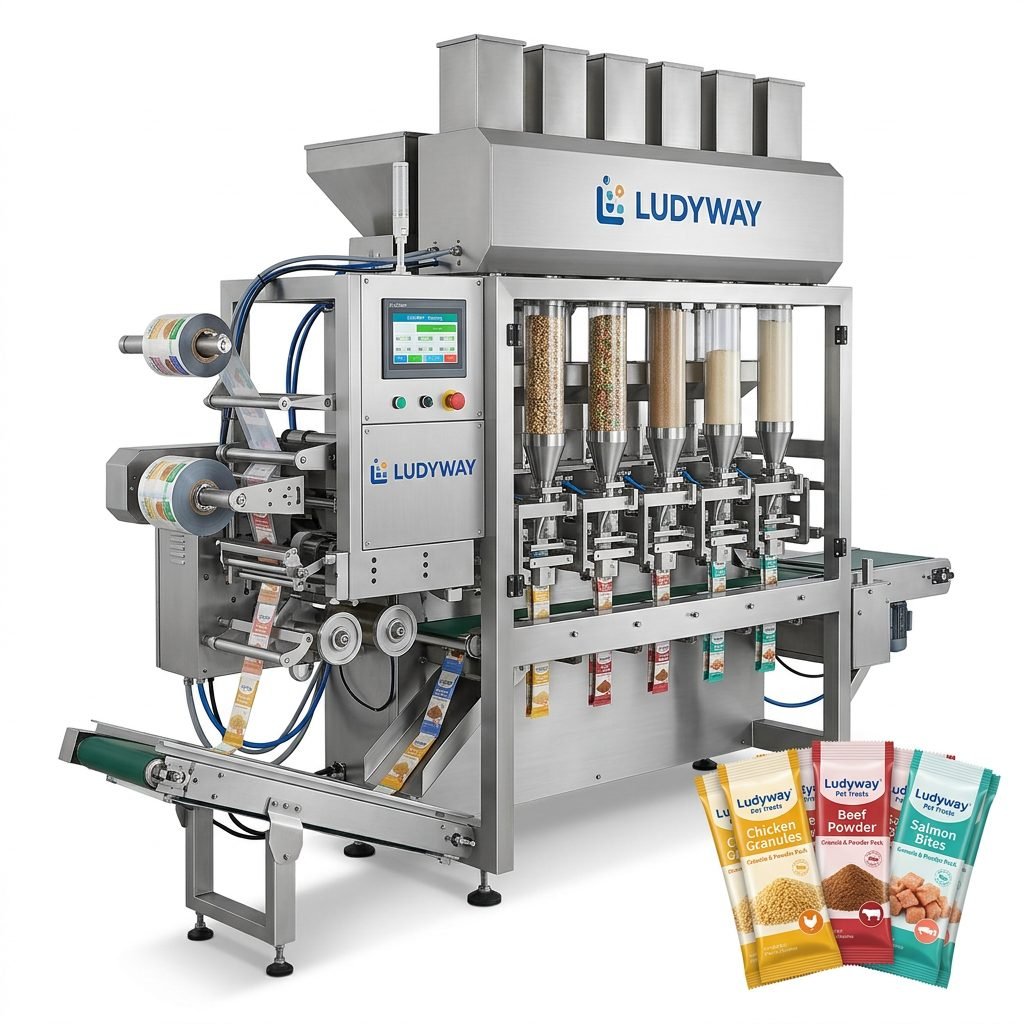
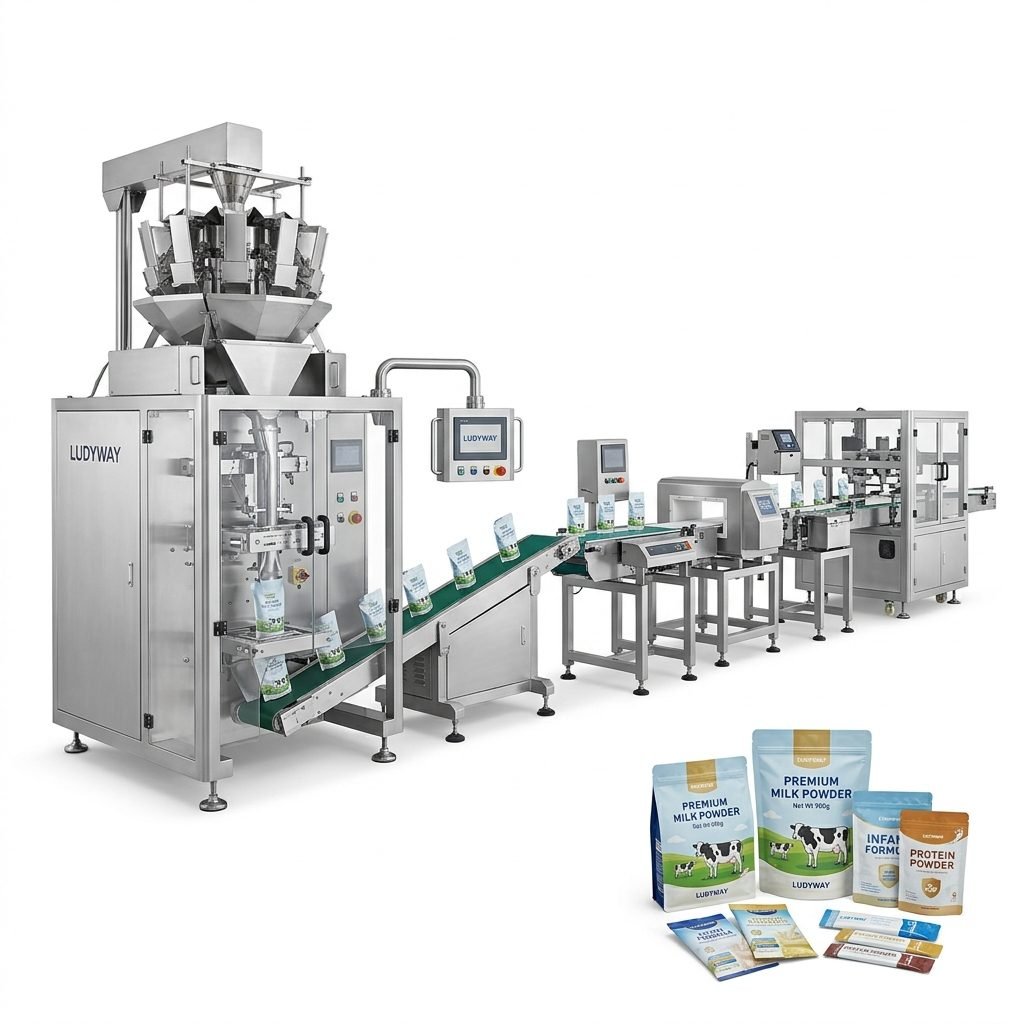
Modern automated packaging lines are complex ecosystems where multiple technologies converge. At the heart lies programmable logic controllers (PLCs) and industrial PCs, which act as the central nervous system, coordinating every motion and decision. Integrated with these are advanced servo motors and precision actuators that provide the physical dexterity and control far surpassing traditional pneumatic systems. Machine vision systems, equipped with high-resolution cameras and intelligent software, act as the “eyes” of the operation, performing real-time inspections for defects, verifying labels, and ensuring correct product placement. Finally, the entire system is often connected via the Industrial Internet of Things (IIoT), enabling data collection, remote monitoring, and predictive analytics. This interconnected framework allows the machinery to adapt, learn, and communicate, forming the backbone of a truly intelligent packaging solution.
Key Driver: The integration of IoT sensors and data analytics transforms passive machines into active, decision-making assets on the factory floor.
Revolutionizing Efficiency in Production Workflows
The impact of automation on production efficiency is multi-faceted. Intelligent systems dramatically reduce cycle times by enabling faster, synchronized movements and eliminating manual handling bottlenecks. Features like automatic roll-fed labelers, robotic pick-and-place units, and continuous motion fillers ensure non-stop operation. Furthermore, smart systems facilitate quick changeovers. With recipe-based controls, a line can switch from packaging one product variant to another in minutes instead of hours, drastically improving flexibility for batch production and reducing costly downtime. This agility allows manufacturers to respond swiftly to changing market demands and shorter product lifecycles.
Ensuring Unparalleled Accuracy and Consistency
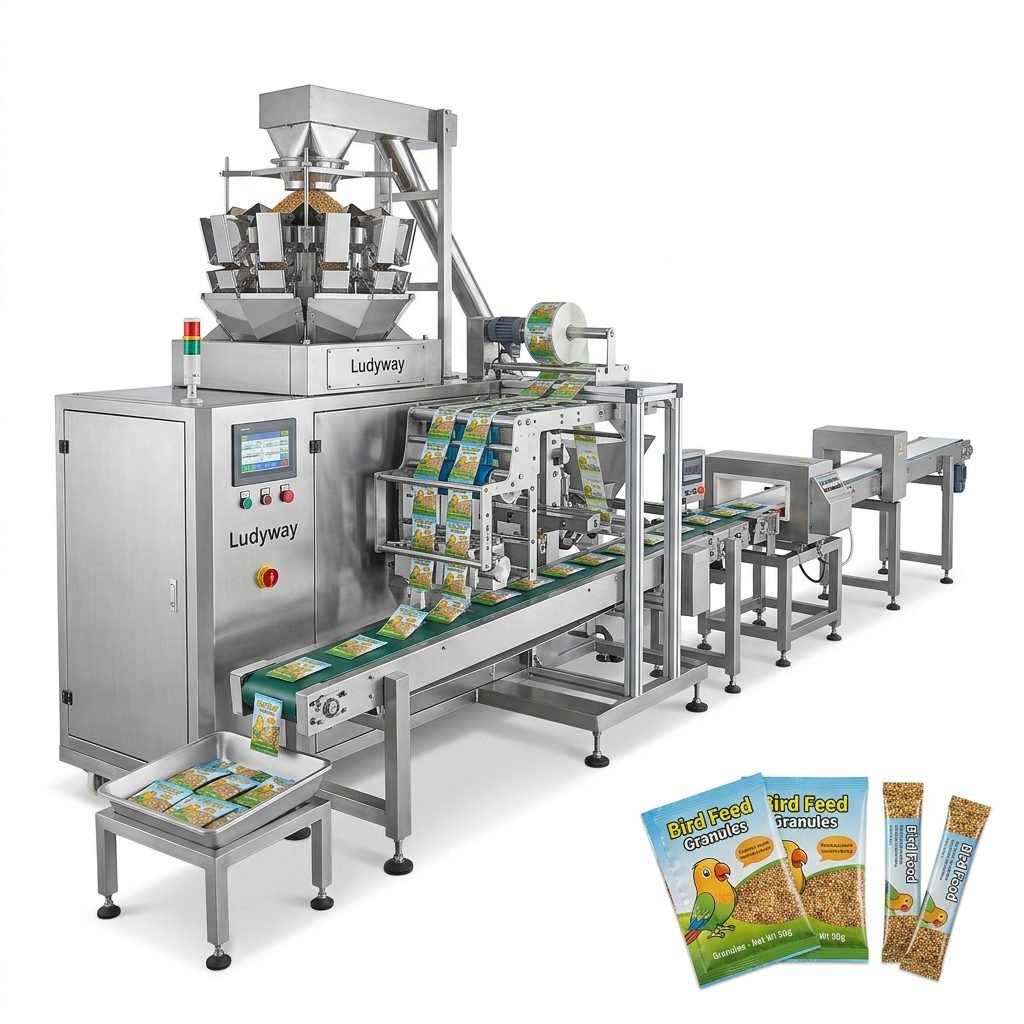
Human error is a significant variable in manual packaging processes, leading to giveaways, underfills, and compliance issues. Automation eradicates this variability. Multi-head weighers and volumetric fillers dispense product with micron-level precision for every single unit. Vision-guided robots place items into cartons with exact alignment, and checkweighers instantly reject any package outside the specified weight tolerance. This relentless consistency is crucial not only for cost control and reducing product waste but also for maintaining brand integrity and adhering to stringent regulatory standards in industries like pharmaceuticals and food, where dosing accuracy is non-negotiable.
Direct Impact on Production Quality and Brand Protection
The contribution of intelligent machinery to product quality extends far beyond accurate filling. Integrated vision inspection systems perform a series of critical quality checks at high speed: verifying seal integrity to prevent contamination and spoilage, reading batch codes and expiration dates for traceability, and inspecting print quality on labels and flexible packaging. Any defect is identified and the faulty package is automatically rejected. This 100% inline inspection guarantees that only perfect products reach the consumer, safeguarding the brand’s reputation and minimizing the risk of costly recalls. It transforms quality assurance from a sampled, post-production activity to a continuous, real-time process.
Operational Benefits at a Glance
- ↑ Uptime: Predictive maintenance alerts prevent unplanned stoppages.
- ↓ Waste: Precision control minimizes material overuse and product giveaway.
- ✓ Compliance: Automated data logging ensures audit-ready production records.
- ↔ Flexibility: One line can efficiently handle multiple SKUs and package sizes.
The Strategic Role of Data and Connectivity
In an intelligent packaging system, every action generates data. This data is the key to continuous improvement. IIoT platforms collect information on machine performance (OEE), production counts, downtime reasons, and energy consumption. Managers can access this data via dashboards on tablets or computers, gaining real-time visibility into plant floor operations from anywhere. Analyzing trends helps identify inefficiencies, plan maintenance before failures occur, and optimize overall equipment effectiveness (OEE). This shift from reactive to data-driven decision-making empowers businesses to streamline operations, reduce total cost of ownership, and strategically plan for capacity expansion. For insights into building a connected production line, explore our perspective on integrated packaging solutions.
Implementing Automation: Considerations for Success
Transitioning to an automated packaging line is a strategic investment that requires careful planning. The first step is a thorough analysis of current processes to identify the primary bottlenecks and quality pain points. Selecting the right technology partner is critical; look for a provider with proven expertise in your specific industry, such as food, pharmaceuticals, or chemicals, and one that offers comprehensive support from design to commissioning and after-sales service. Consider the scalability of the solution—can it grow with your business? Finally, factor in the workforce: successful implementation involves training operators to work with the new technology and potentially upskilling them for more analytical, tech-focused roles. A partner like Ludyway Packing Machine, with deep industry experience, can guide this crucial transition.
Future Trends: The Next Frontier in Packaging Automation
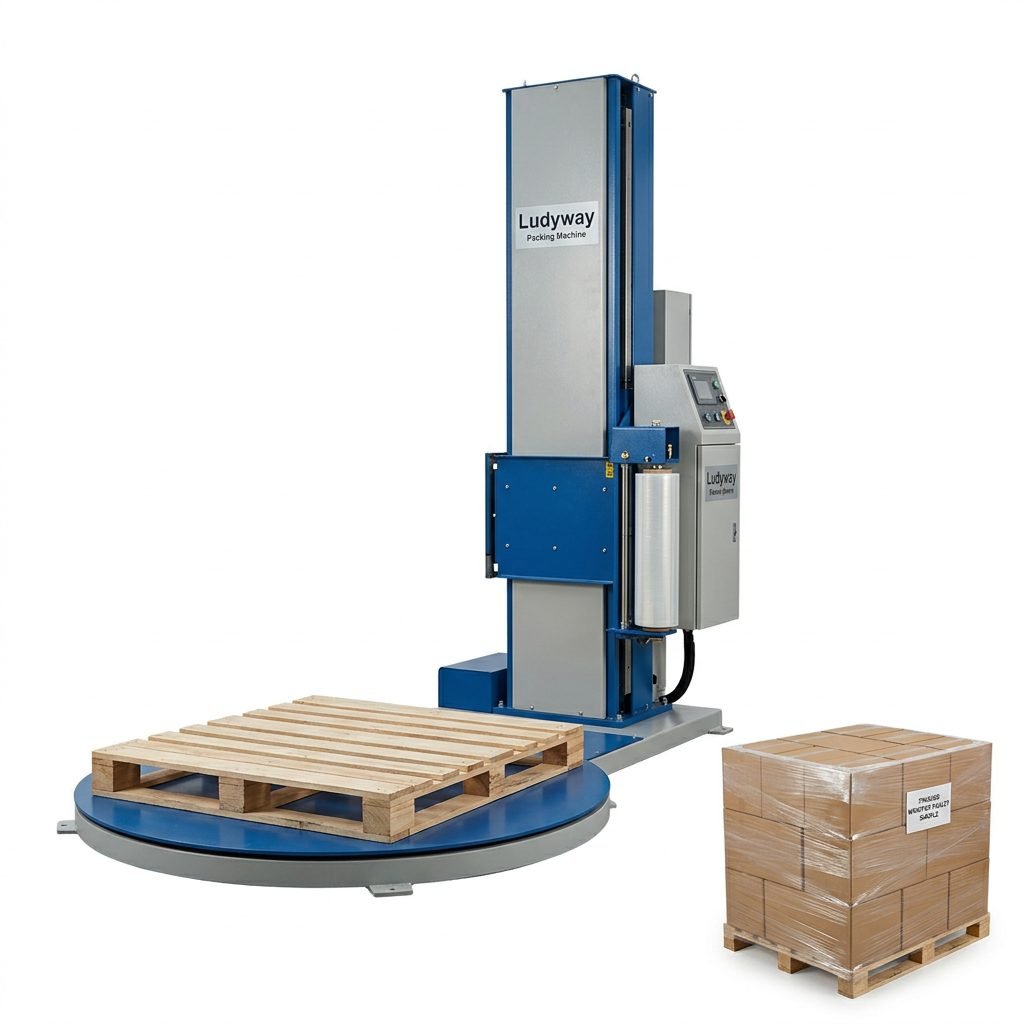
The innovation in packaging automation shows no signs of slowing. We are moving towards even greater autonomy with the rise of collaborative robots (cobots) that can work safely alongside humans for tasks like final packing or palletizing. Artificial Intelligence and machine learning are being deployed for more advanced anomaly detection, predicting subtle machine faults from vibration or sound data before they cause issues. Furthermore, sustainability is driving innovation in machinery capable of handling new, eco-friendly flexible and rigid packaging materials efficiently. The future lies in fully adaptive “lights-out” packaging cells that can self-configure and run with minimal human intervention. Discover the machinery shaping this future in our range of intelligent packaging machine models.
Ultimately, the adoption of intelligent packaging machinery automation represents a strategic imperative for modern manufacturers. It is a powerful catalyst that simultaneously drives down operational costs, elevates product quality to its highest possible standard, and provides the agility needed in today’s fast-paced market. By embracing these systems, companies do not just automate a process; they build a foundation for resilient, efficient, and future-ready production capable of meeting the challenges and opportunities of the next industrial era.
Frequently Asked Questions (FAQs)
What is the typical return on investment (ROI) for packaging automation?
ROI varies based on scale, labor costs, and current inefficiencies. Key drivers include labor savings, reduced material waste, higher throughput, and fewer quality-related returns. Many systems achieve payback within 1-3 years through these combined efficiencies and increased production capacity.
Can automated systems handle small batch sizes or frequent product changeovers?
Yes, modern systems are designed for flexibility. Features like quick-release tooling, servo-driven adjustments, and saved product “recipes” allow for rapid changeovers, making automation viable and cost-effective even for smaller batch production and high product variety.
How does automation improve packaging quality control?
It enables 100% inline inspection. Machine vision systems check for seal integrity, correct labeling, fill levels, and contaminants at line speed, automatically rejecting any sub-standard package. This is far more reliable and comprehensive than manual sampling.
What technical support is available after installing an automated line?
Reputable suppliers offer comprehensive support, including remote diagnostics, on-call service engineers, readily available spare parts, and regular software updates. This ensures maximum uptime and helps operators maintain peak system performance over the long term.
Is our existing facility infrastructure suitable for new automated machinery?
A pre-installation audit is essential. Most suppliers will evaluate your space, power supply, compressed air, and network connectivity to ensure compatibility and provide recommendations for any necessary upgrades before installation begins.