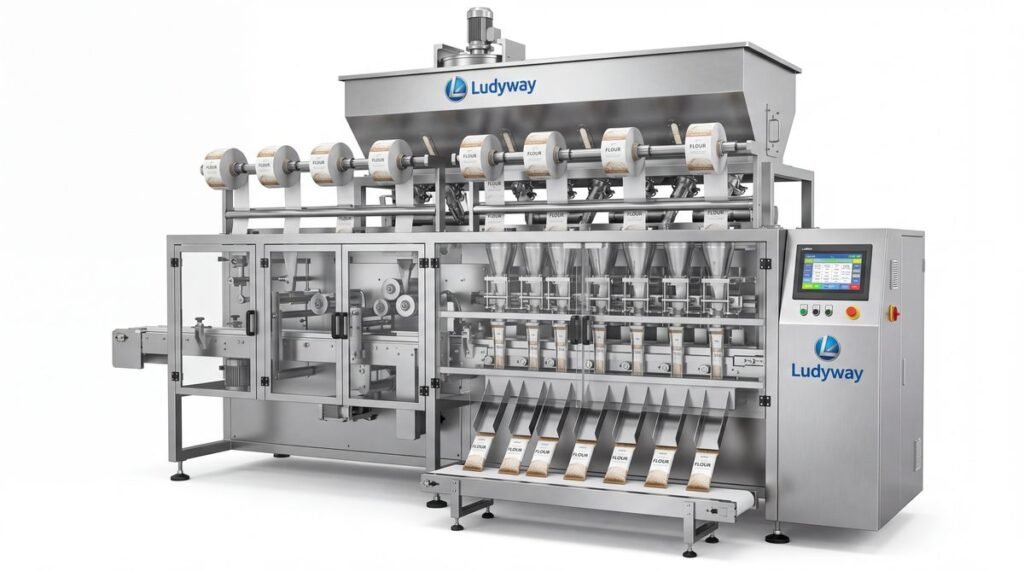
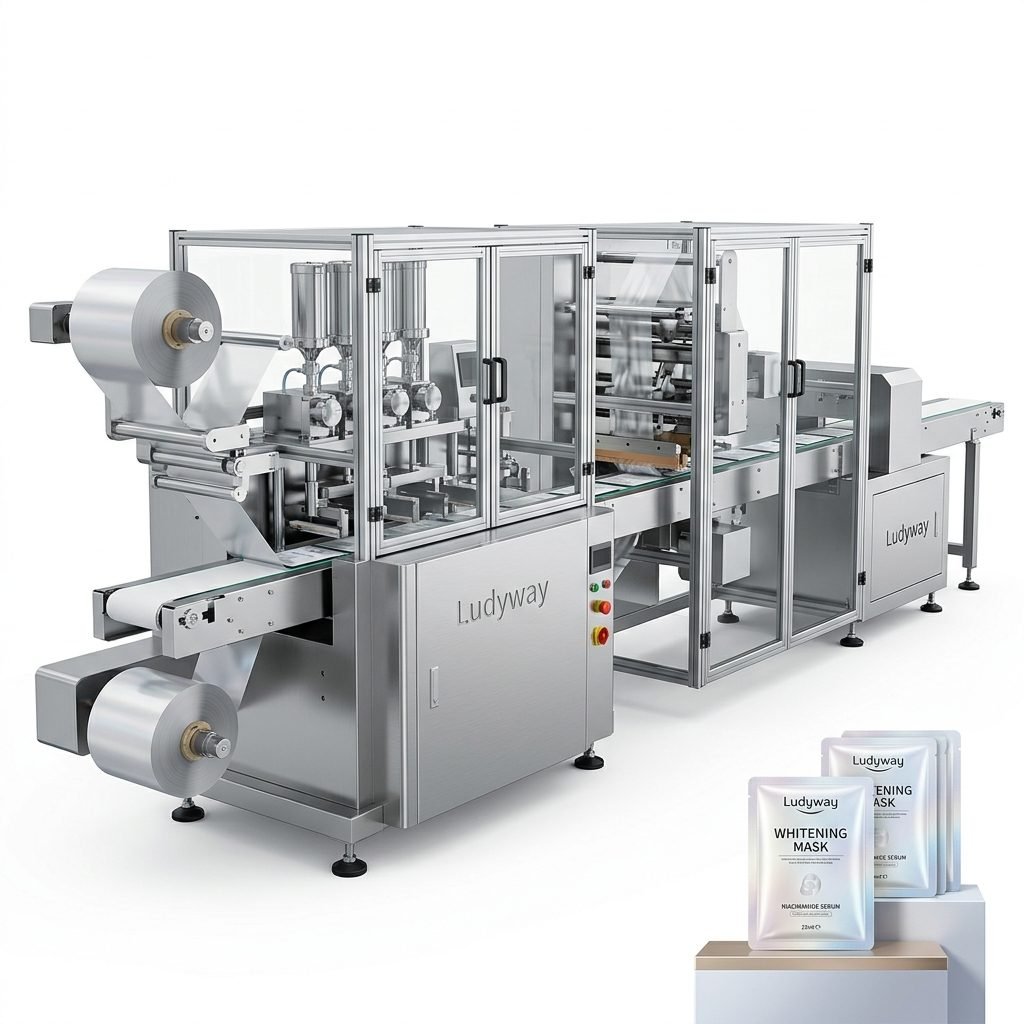
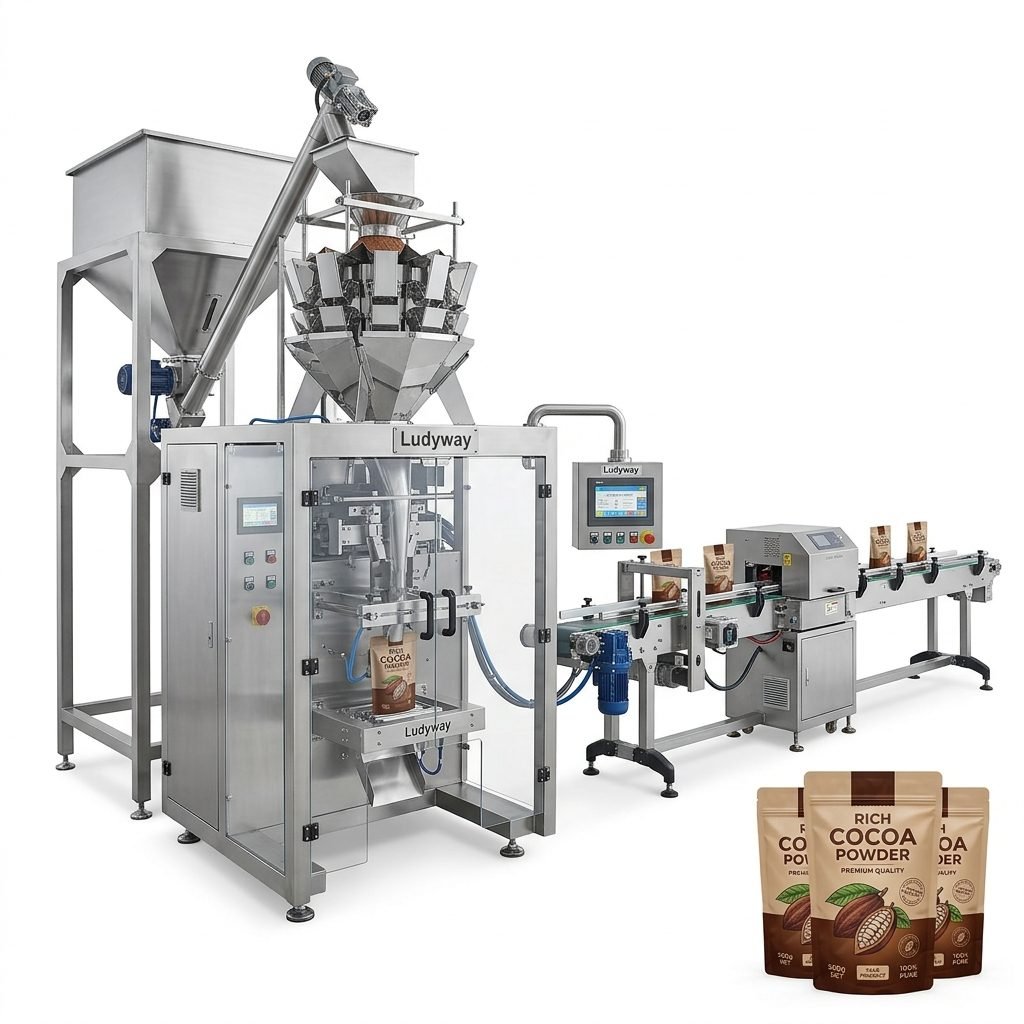
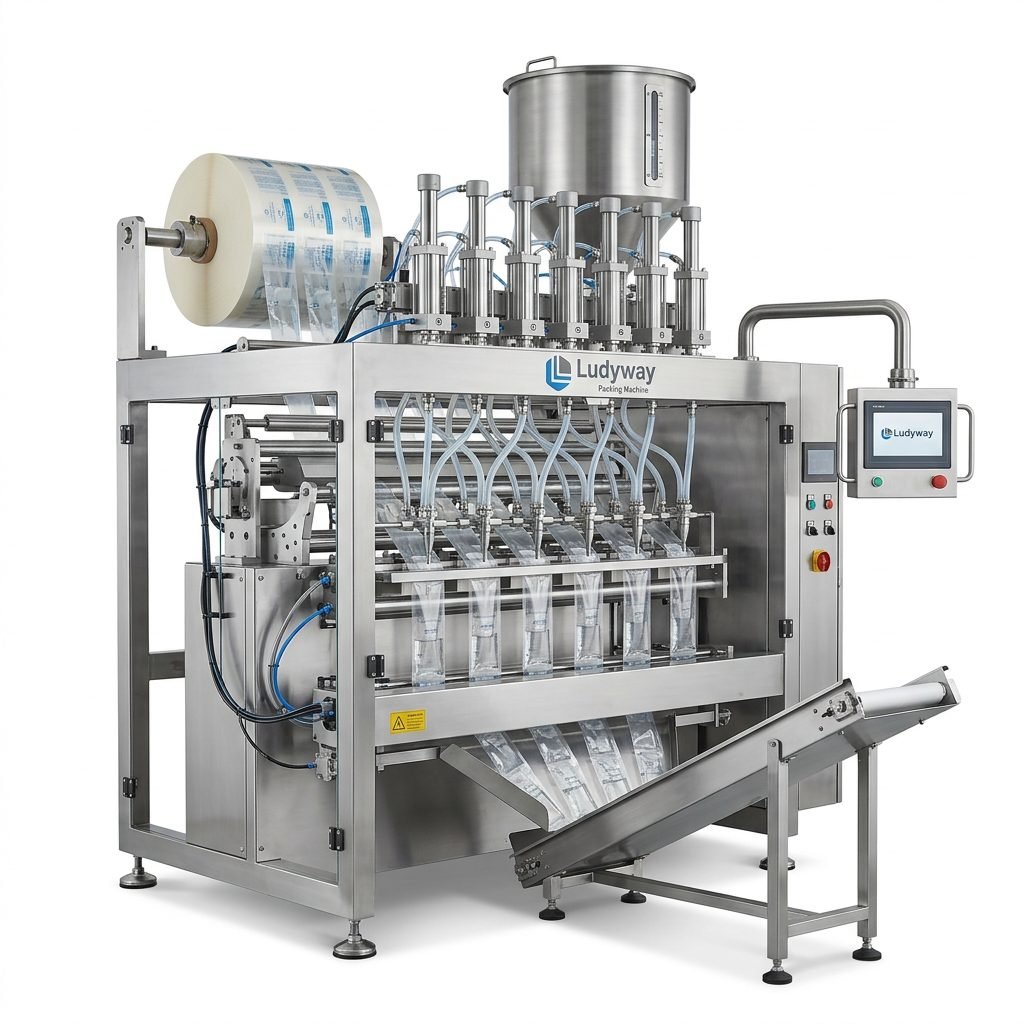
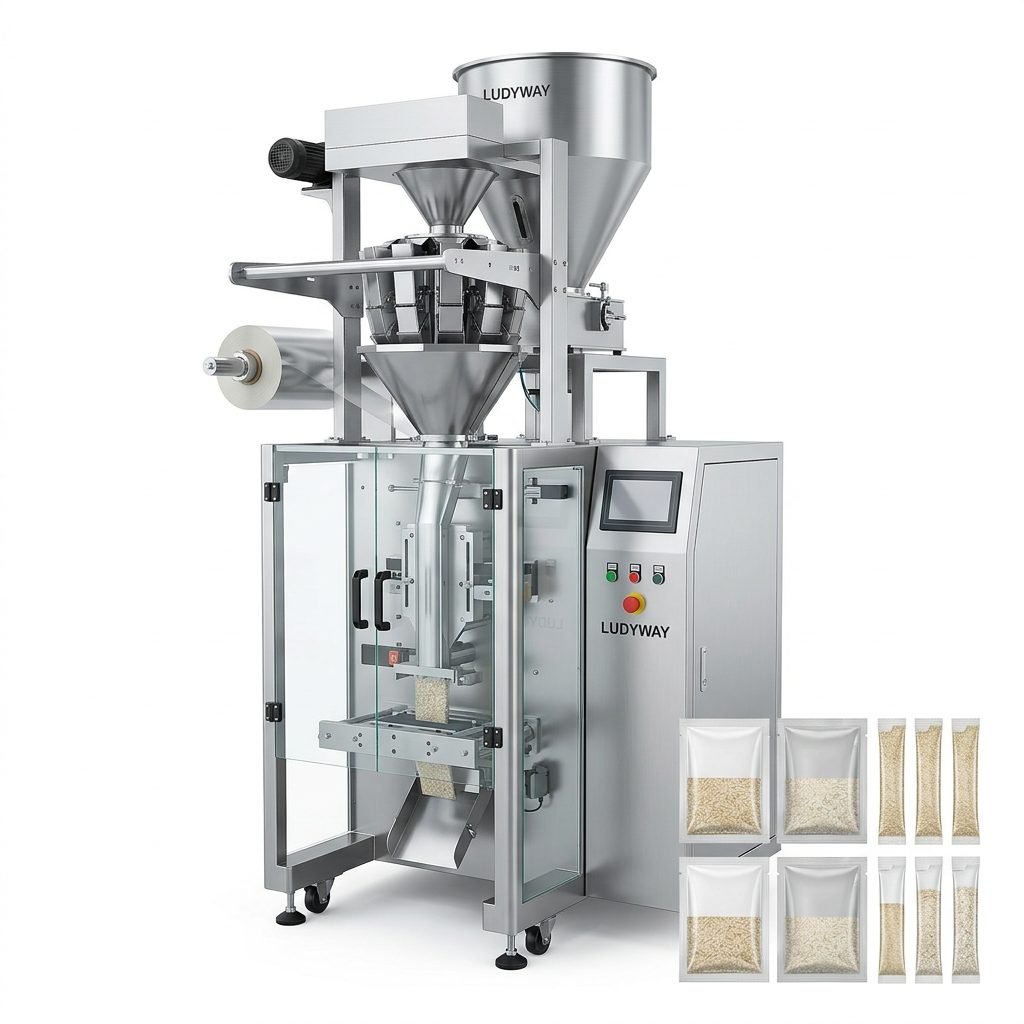
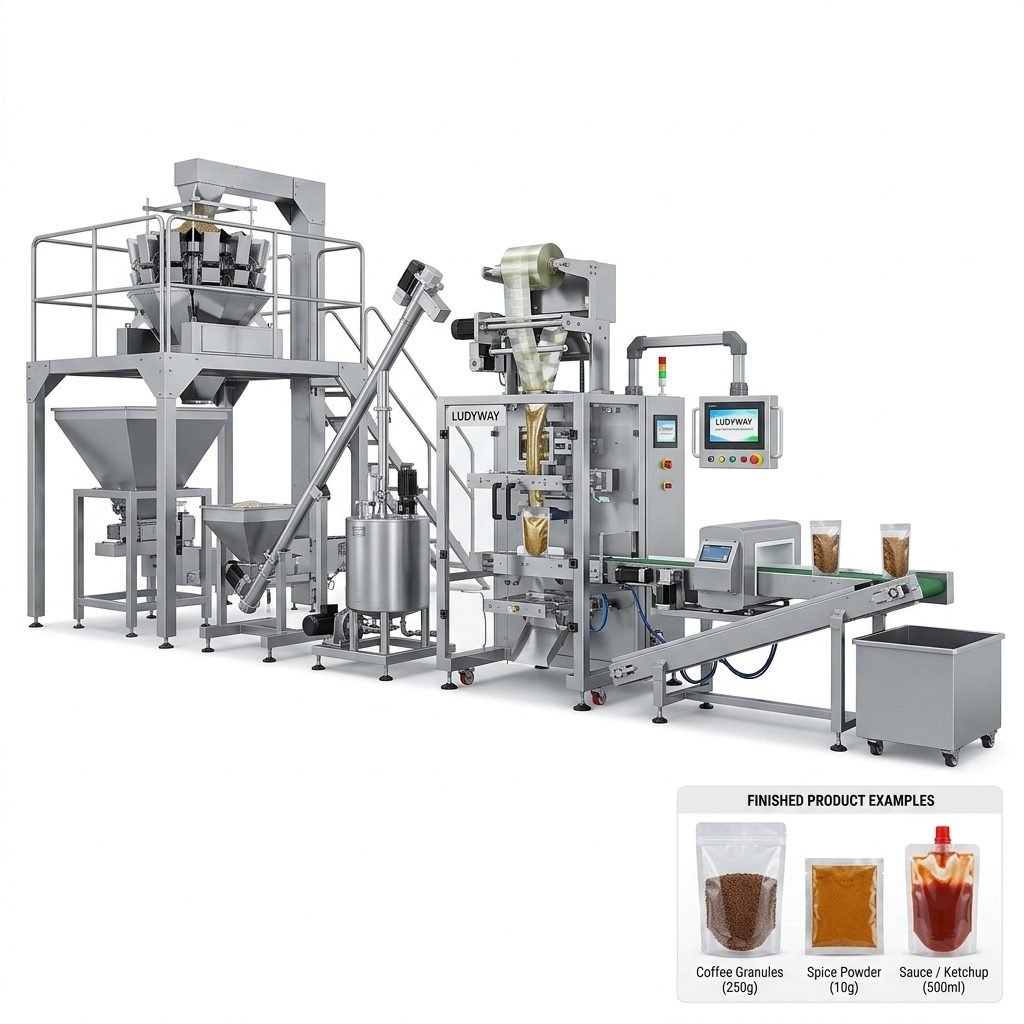
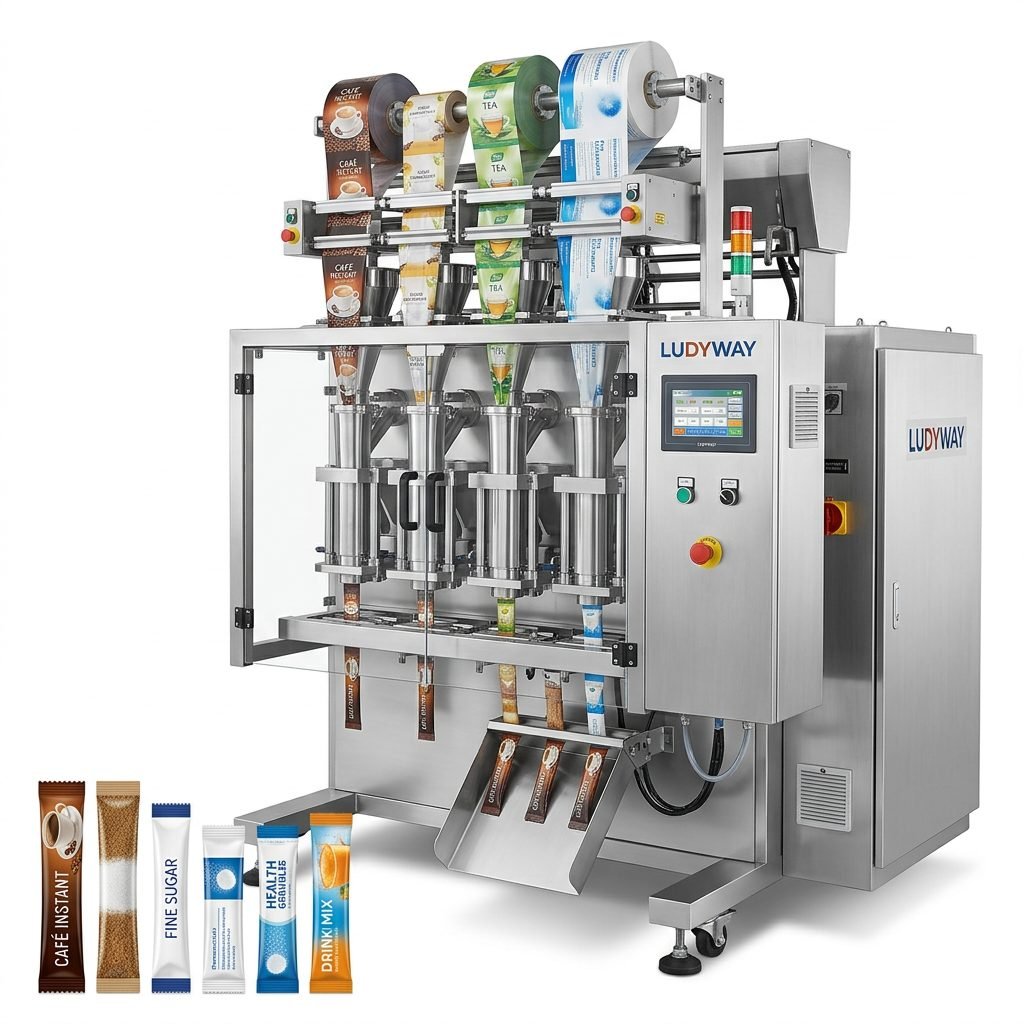
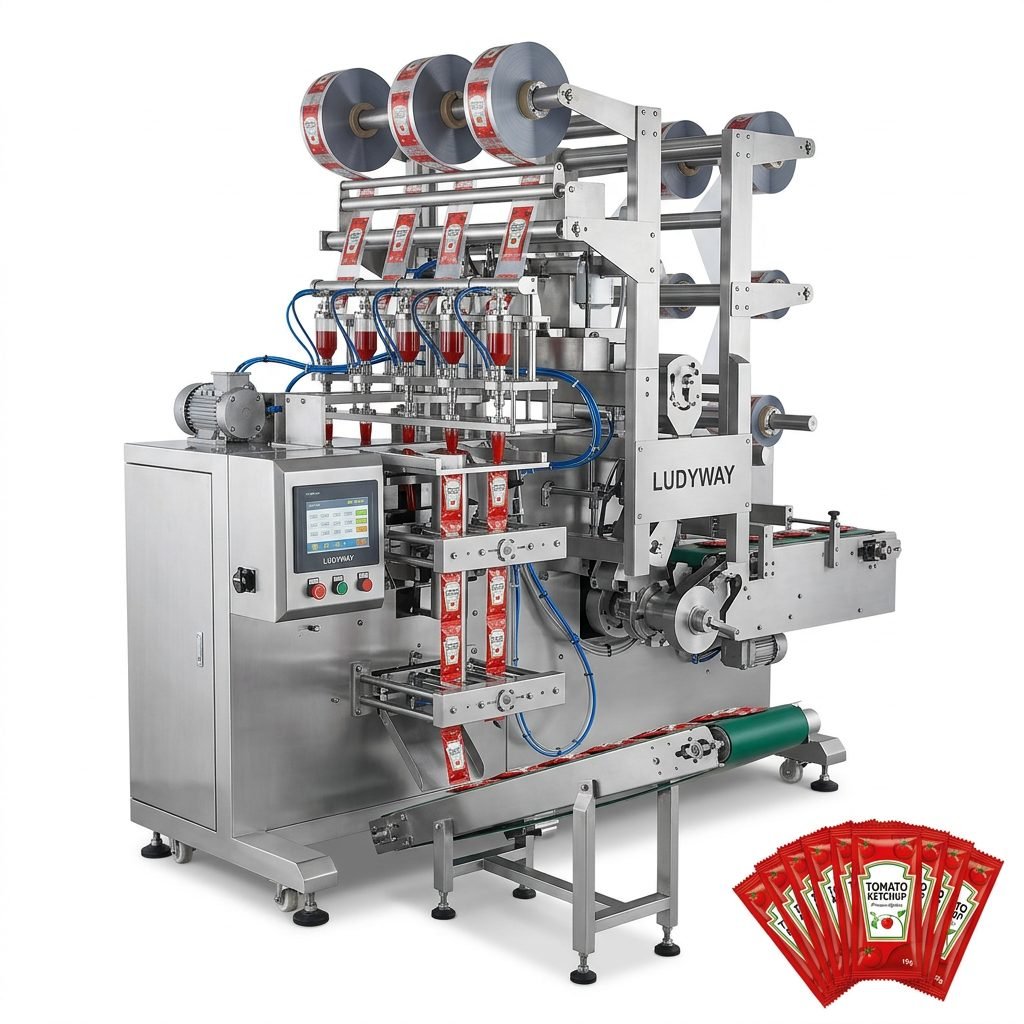
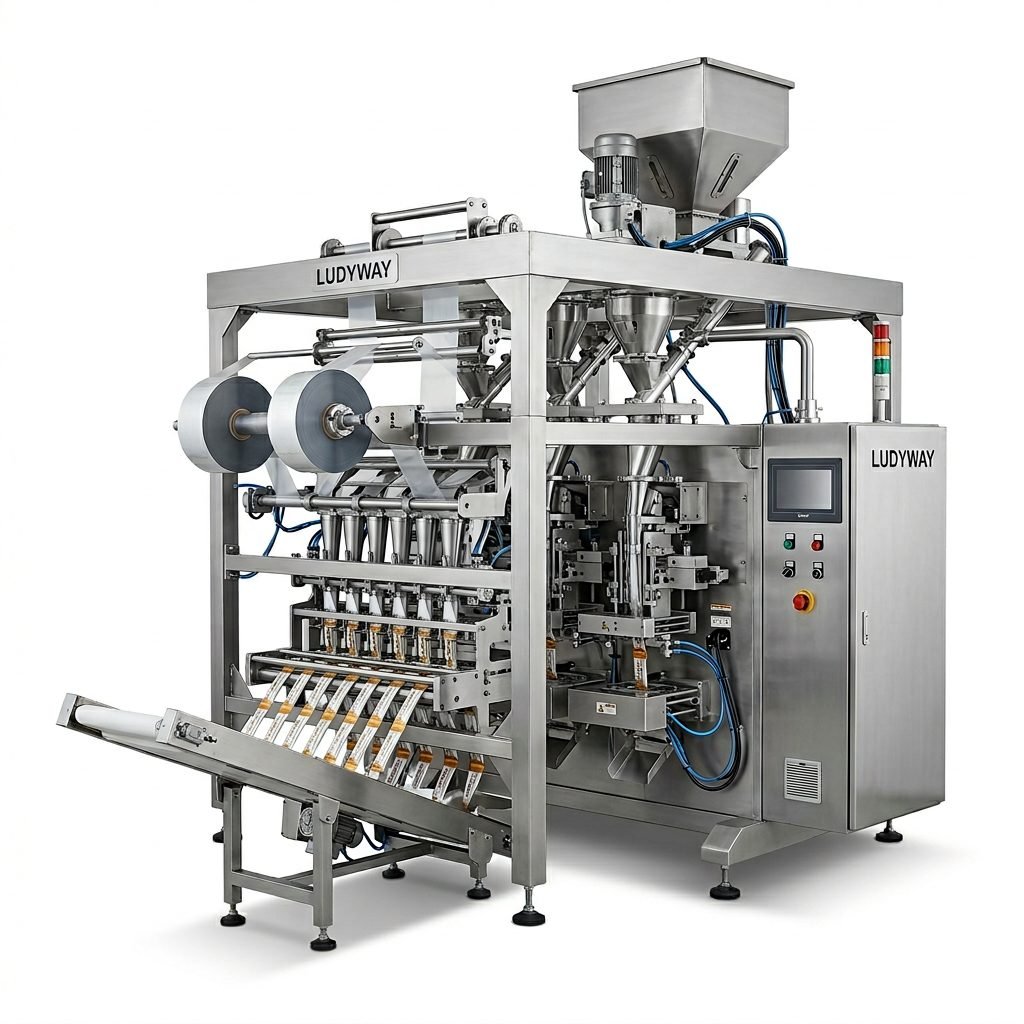
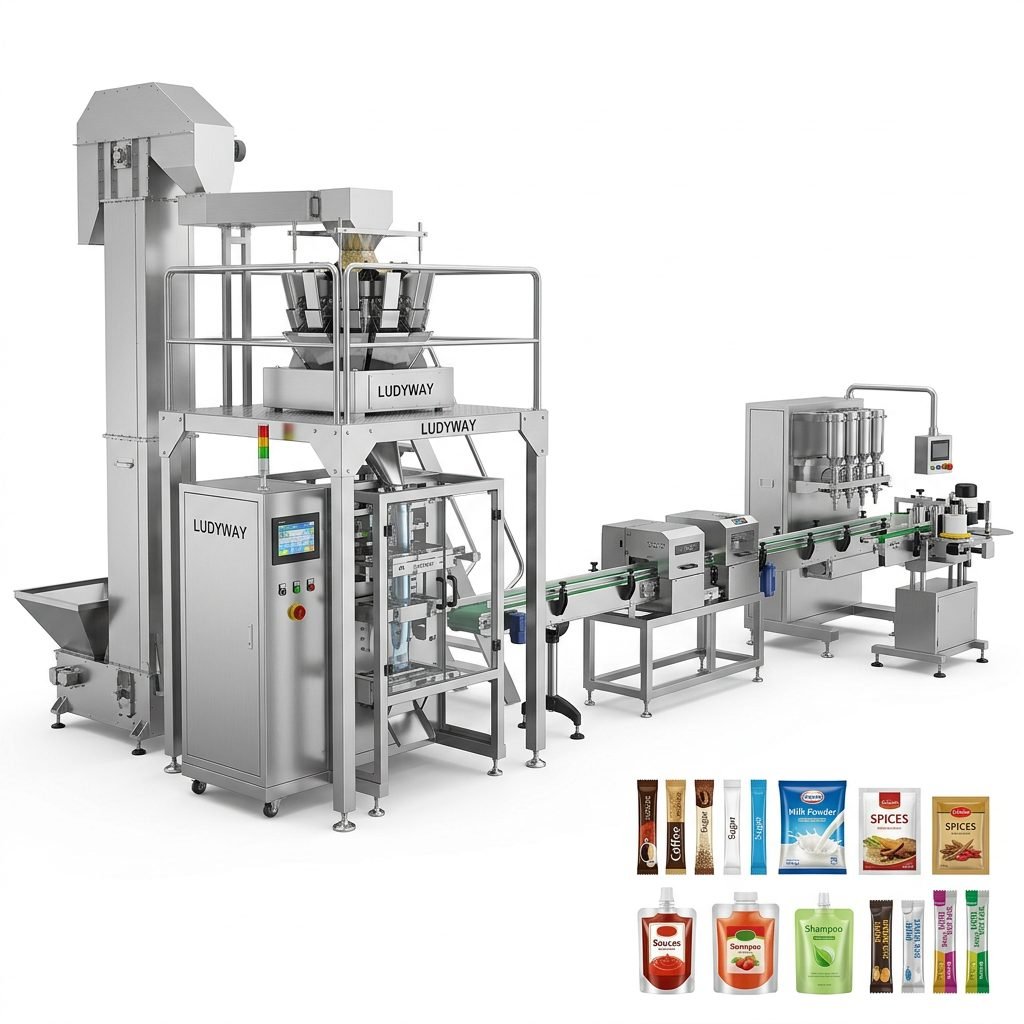
In flexible packaging, the terms back seal and center seal are often used interchangeably, which can create confusion for buyers, product developers, and production managers. In most practical packaging discussions, they usually refer to a pouch or film package with one vertical sealing line running along the back middle area of the package. However, some manufacturers and markets may use the wording slightly differently depending on machine design, bag style, or local industry habits.
If you are comparing packaging formats for powders, granules, liquids, or single-dose products, understanding this seal structure helps you choose the right machine, improve shelf appearance, and reduce sealing problems during production.
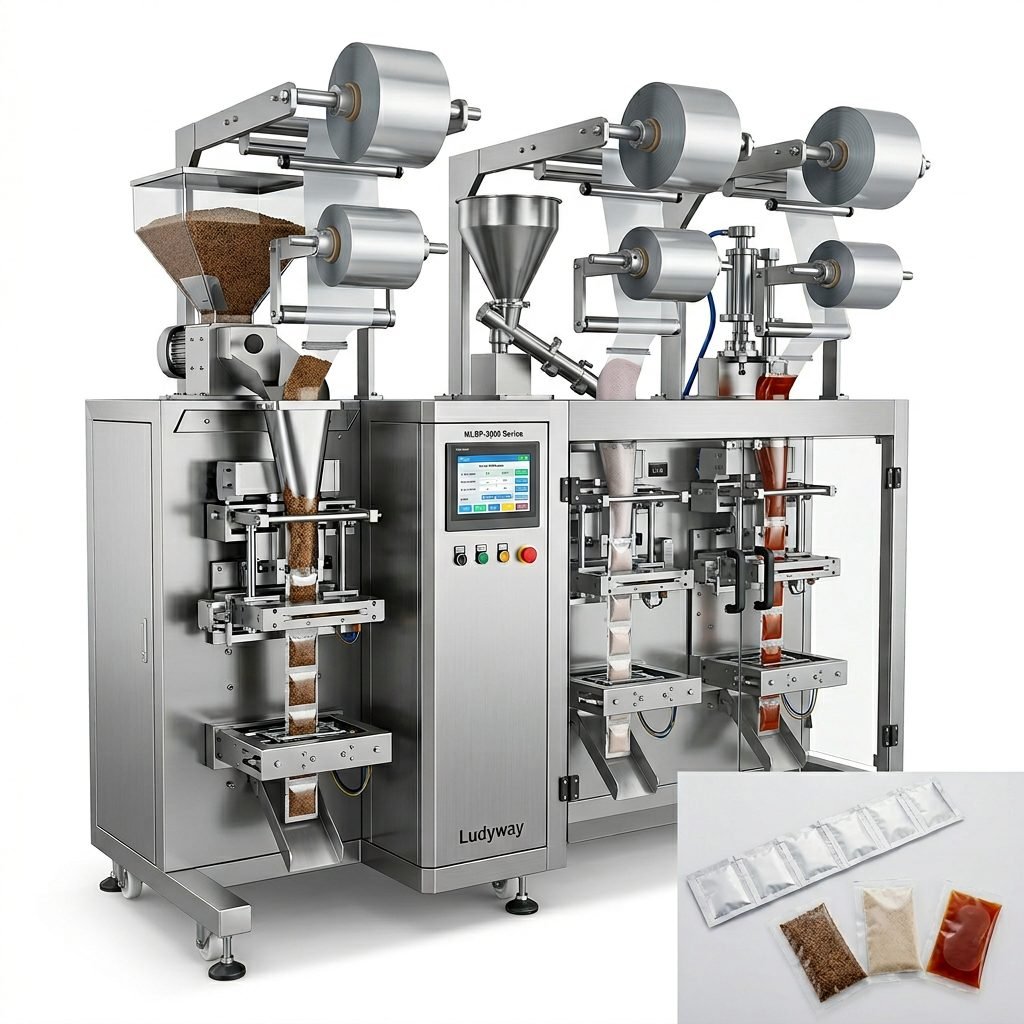
What Is Back Seal Packaging?
Back seal packaging is a flexible pack format formed by wrapping film around a forming tube and sealing the overlapping film edges on the rear side of the package. This creates a visible longitudinal seal line at the back, while the top and bottom are sealed horizontally.
It is widely used for:
- Powder sachets
- Granule packs
- Liquid and paste sachets
- Snack packs
- Stick packs and pillow pouches in certain machine configurations
The main idea is simple: the seal is placed away from the front display panel, so the package front can look cleaner for branding, product information, and retail presentation.
What Is Center Seal Packaging?
Center seal packaging generally describes a package with a single fin seal or lap seal positioned in the center of the back panel. In many packaging factories, this is exactly the same structure as back seal packaging.
In other words:
- Back seal emphasizes the seal being on the back side
- Center seal emphasizes the seal being located in the center line
That is why many packaging equipment suppliers, converters, and buyers use the two names as synonyms.
So, Is There Really a Difference?
In most cases, there is no major structural difference. The terms often describe the same pouch style. The confusion usually comes from:
- Different naming habits in different factories or countries
- Differences between fin seal and lap seal constructions
- Mixing pouch terminology with machine terminology
- Different product categories using slightly different industry language
For SEO and buyer education purposes, the clearest explanation is this: back seal packaging and center seal packaging usually refer to the same basic packaging format unless a supplier specifically defines them differently.
Back Seal vs Center Seal: Quick Comparison
| Point | Back Seal Packaging | Center Seal Packaging |
|---|---|---|
| Seal location | Back side of the package | Center line, usually on the back side |
| Common meaning | Single vertical rear seal | Same single vertical rear seal |
| Retail appearance | Clean front panel | Clean front panel |
| Typical machine use | VFFS and sachet machines | VFFS and sachet machines |
| Practical difference | Usually none | Usually none |
Why This Packaging Style Is Popular
Whether you call it back seal or center seal, this package style remains popular because it balances efficiency, sealing reliability, and presentation.
1. Clean Front Display
Since the vertical seal is moved to the rear, the front panel has more uninterrupted space for branding, ingredient claims, dosage instructions, and product graphics.
2. Efficient for High-Speed Packaging
Many automatic packaging machines are designed to run this structure at high speed. It is especially suitable for mass production of small sachets and pillow bags.
3. Good Material Utilization
This structure can be economical in film usage, especially when the machine and film width are properly matched.
4. Suitable for Many Product Types
It can work well for free-flowing granules, fine powders, sauces, gels, creams, and some liquids, depending on the sealing technology and packaging material selected.
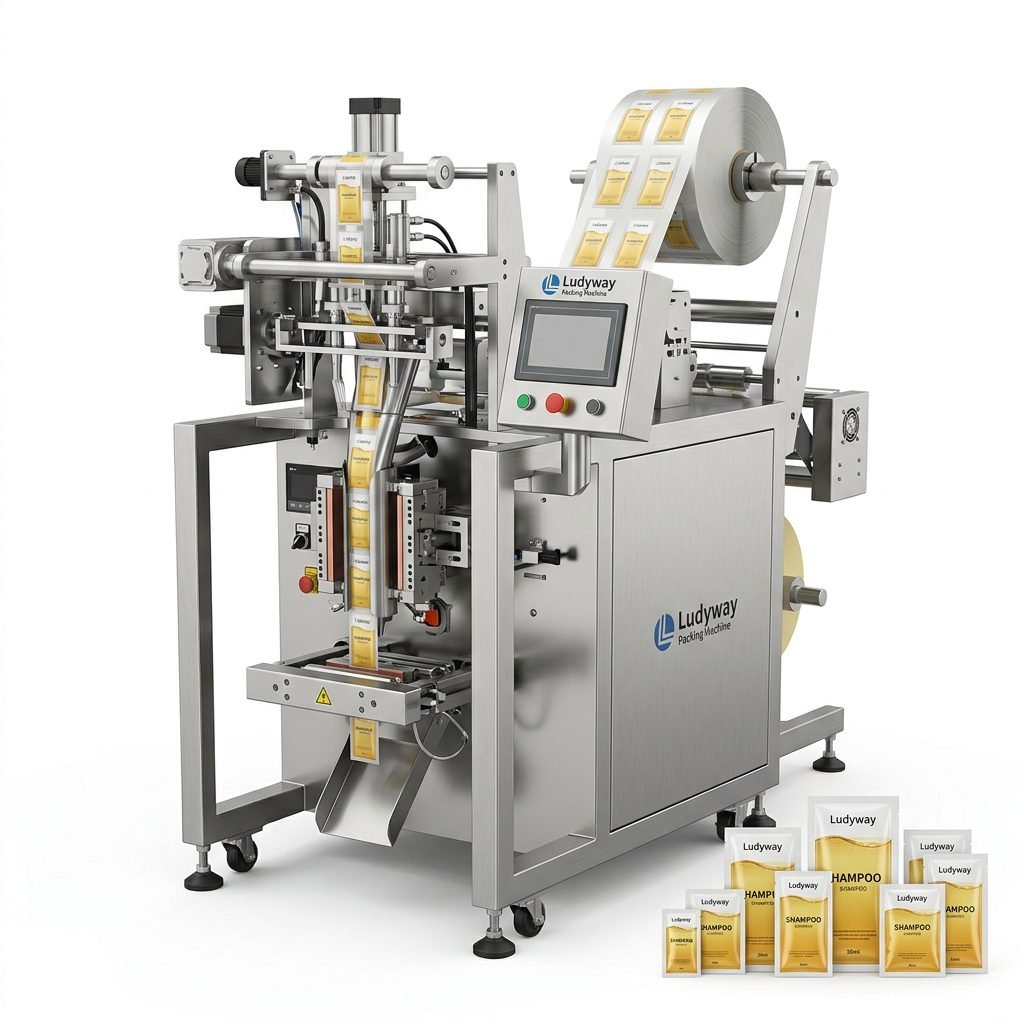
Common Seal Types Within This Format
Even when people say back seal or center seal, the actual seal structure may still vary. The two most common forms are:
Fin Seal
The two inner sides of the packaging film are sealed together, creating a fin-like seam that stands slightly outward. This type can offer strong sealing performance and is common in many pillow-style packs.
Lap Seal
One film edge overlaps the other and the layers are sealed flat. This can create a flatter back surface and may reduce bulk in some applications.
When discussing packaging with a machine supplier, it is smart to confirm not only whether the bag is “back seal” or “center seal,” but also whether the machine makes a fin seal or lap seal.
Industries That Commonly Use Back Seal or Center Seal Packs
- Food and beverage powders
- Instant coffee and drink mixes
- Sugar, salt, and seasoning sachets
- Sauce, ketchup, and liquid condiments
- Cosmetic creams, shampoos, and gels
- Pharmaceutical and health supplement sachets
- Chemical and detergent sample packs
When Should You Choose This Packaging Style?
Back seal or center seal packaging is a strong option if your product needs:
- A neat front appearance for printing and shelf display
- High-speed automatic production
- Simple and proven pouch structure
- Cost-effective film packaging
- Reliable sealing for single-use or small-dose packs
It is particularly useful for brands that sell single-serve sachets, travel-size products, samples, and mass-market consumer goods.
Possible Limitations to Consider
Although this packaging format is practical, it is not always the best choice for every product.
- It may offer less shelf stability than stand-up pouch formats
- It may not deliver the premium look some brands want
- Very sensitive products may require special barrier films and precise seal control
- For larger volumes, other bag structures may be more suitable
How to Avoid Misunderstandings When Talking to Suppliers
Since different suppliers may define terms differently, it is best to confirm the packaging structure with clear details rather than relying only on the words “back seal” or “center seal.”
Ask These Questions
- Is the vertical seal on the back center of the pouch?
- Is the seal type fin seal or lap seal?
- What products is this bag style suitable for?
- What packaging material structures are supported?
- Can the machine run powder, granule, liquid, or paste products?
- What is the maximum speed and pouch size range?
If you are sourcing machinery for sachets, stick packs, or complete automation systems, working with an experienced manufacturer such as Ludyway packaging machine manufacturer can help clarify bag structure, sealing style, and line compatibility before production starts.
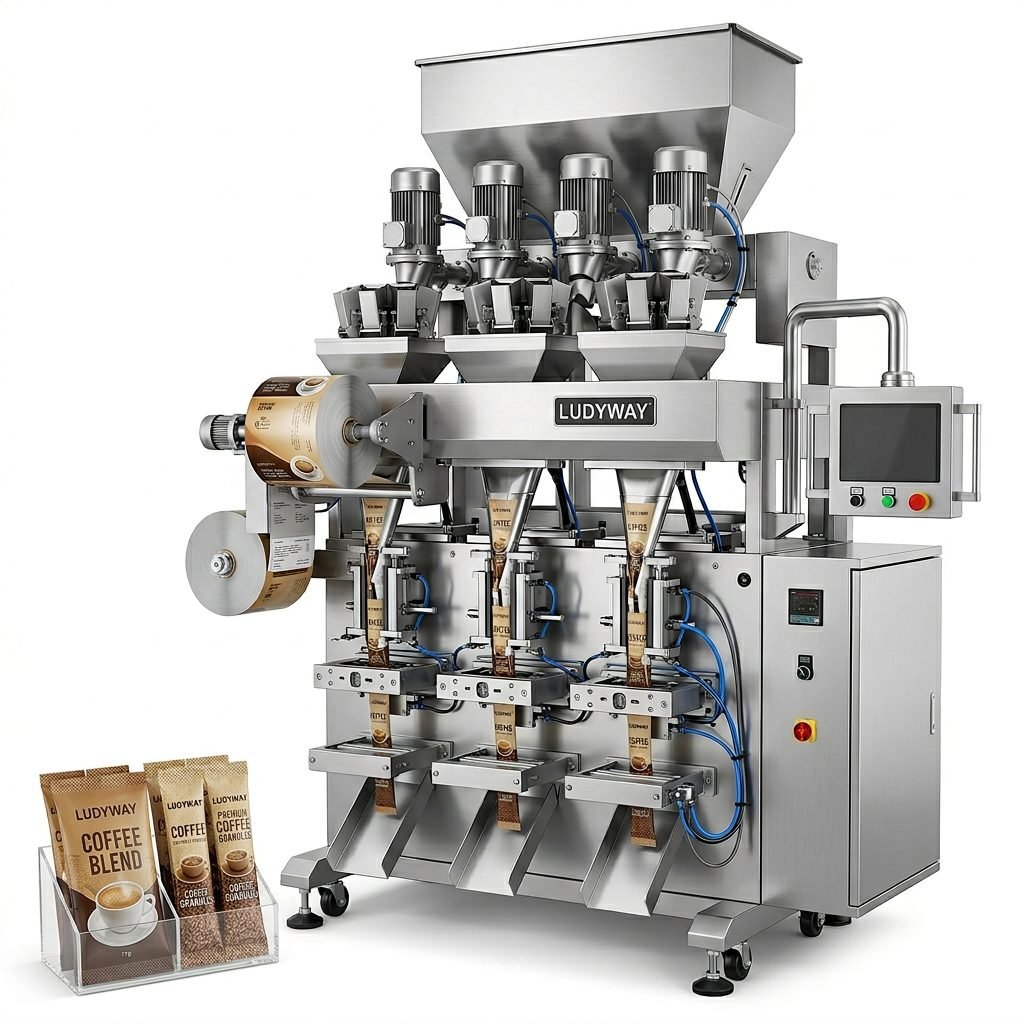
Back Seal or Center Seal vs Other Packaging Styles
| Packaging Style | Main Feature | Best For |
|---|---|---|
| Back seal / center seal | Single rear vertical seal | Sachets, pillow packs, high-speed small packs |
| Three-side seal | Three sealed edges | Flat sachets, samples, pharma packs |
| Four-side seal | Four sealed edges | Premium sachets, stable shape, better appearance |
| Stand-up pouch | Bottom gusset for standing display | Retail shelf products and larger consumer packs |
| Stick pack | Long narrow format | Drink powders, supplements, single-dose liquids |
Best Products for Back Seal and Center Seal Packaging
This packaging structure works especially well for products that require controlled filling and easy single-use packaging.
Powders
- Coffee powder
- Protein powder
- Seasoning powder
- Pharmaceutical powder
Granules
- Sugar
- Salt
- Seeds
- Instant beverage granules
Liquids and Pastes
- Ketchup
- Sauce
- Shampoo
- Cream and gel products
Final Buying Tip
When comparing packaging machines or pouch types, do not focus only on the name. Focus on the actual structure, seal type, material compatibility, and production goal. In real-world purchasing, the important question is usually not “back seal or center seal?” but rather:
Does this packaging format match your product, your target output, and your market presentation requirements?
Once that is clear, choosing the right packaging machine and film structure becomes much easier.