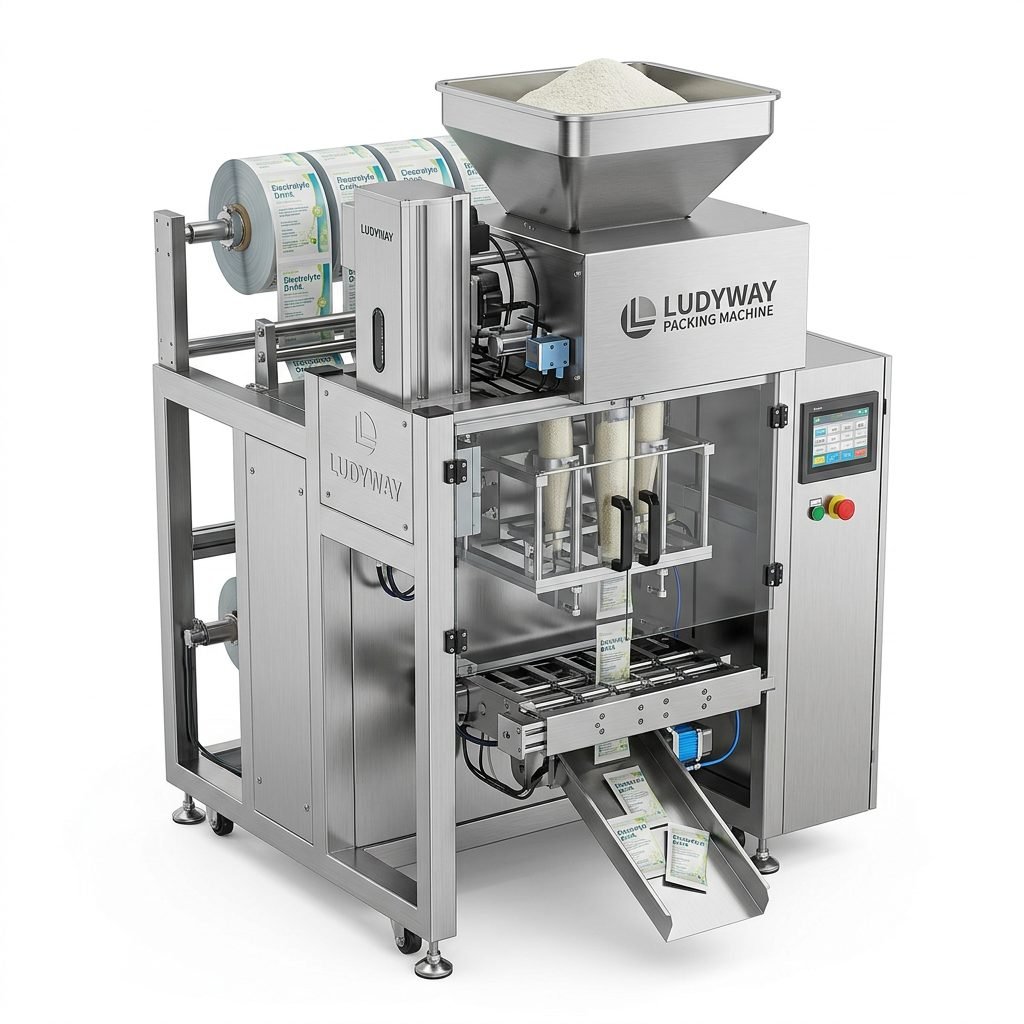
Choosing between back seal bags and three-side seal bags is an important step for any brand that wants the right balance of packaging cost, product protection, shelf presentation, and production efficiency. While both formats are widely used in food, pharmaceutical, cosmetic, chemical, and daily-use industries, they are designed for different packaging goals.
This guide explains how each bag type is made, where it performs best, and how to select the right option for your product and packaging line.
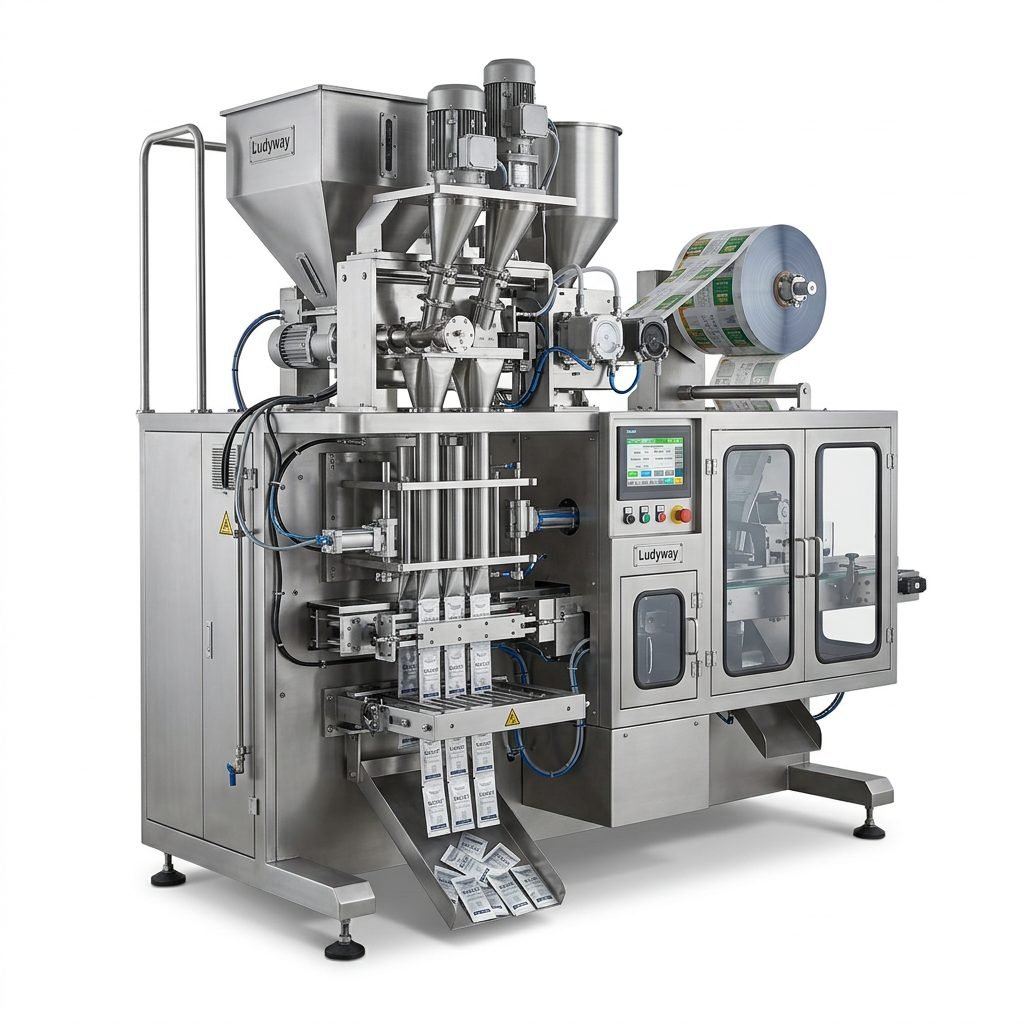
What Is a Back Seal Bag?
A back seal bag, also called a center seal pouch or pillow bag, is formed by wrapping packaging film around the product and sealing it on the back side. The top and bottom are then sealed horizontally.
This creates a bag with:
- One vertical seal at the back
- Two horizontal end seals
- A simple, efficient pillow-style shape
Back seal bags are commonly used for granules, powders, snacks, coffee, sugar, seasoning, and many single-serve or high-volume products.
What Is a Three-Side Seal Bag?
A three-side seal bag is made by sealing the left, right, and bottom or top edges of the pouch, while the remaining open side is used for filling before final sealing. This structure creates a flatter, more panel-like pouch.
It is often chosen for products that need:
- A neat and premium appearance
- Better front-and-back print layout
- Small-dose packaging
- Strong sealing consistency for liquids, creams, gels, or pharmaceutical formats
Back Seal vs Three-Side Seal Bags: Quick Comparison
| Feature | Back Seal Bag | Three-Side Seal Bag |
|---|---|---|
| Seal structure | One back vertical seal + top/bottom seals | Three edge seals |
| Bag shape | Pillow-style, more flexible body | Flat and tidy pouch shape |
| Material efficiency | Often more economical for high-volume production | May use slightly more edge-seal area |
| Printing presentation | Back seal interrupts rear print zone | Better front and back display panels |
| Production speed | Very suitable for fast automatic packing | Also efficient, especially for sachet applications |
| Best for | Powders, granules, snacks, sugar, coffee | Liquids, gels, creams, pharma sachets, premium samples |
| Shelf appearance | Practical and cost-focused | More refined and retail-friendly |
Key Structural Differences
1. Seal Placement
The most obvious difference is where the main seal is located. In a back seal bag, the longitudinal seal runs along the back center. In a three-side seal bag, the seals are distributed around the pouch edges. This changes not only bag appearance but also filling behavior and branding space.
2. Product Presentation
Back seal bags usually create a rounded, pillow-like package. Three-side seal bags appear flatter and cleaner, which makes them especially attractive for samples, cosmetics, medical sachets, and single-dose applications.
3. Film Utilization and Cost
For many mass-production applications, back seal bags are considered cost-effective because of their simple forming process and efficient use in vertical packaging systems. Three-side seal bags can also be economical, but the choice depends on pouch size, laminate structure, sealing width, and machine configuration.
Benefits of Back Seal Bags
- High packaging efficiency: Ideal for fast-running automatic machines.
- Lower packaging cost: Often suitable for large-volume, price-sensitive products.
- Simple structure: Easy to produce for many dry goods and granular items.
- Versatility: Works well for food, chemical, and consumer products.
- Strong market familiarity: Common in retail and wholesale packaging formats.
Common Uses of Back Seal Bags
- Sugar and salt
- Coffee powder and instant drink mixes
- Seasoning granules
- Snack foods
- Seeds and agricultural products
- Detergent powder and other dry chemical products
Benefits of Three-Side Seal Bags
- Better visual appearance: Flat panels improve branding and label readability.
- Reliable sealing layout: Very suitable for sachets containing liquids, gels, and creams.
- Convenient for single-use packaging: Excellent for travel size and sample formats.
- Professional look: Popular in cosmetic and pharmaceutical packaging.
- Flexible application range: Good for both small retail packs and technical-use sachets.
Common Uses of Three-Side Seal Bags
- Shampoo and lotion sachets
- Face cream and serum samples
- Pharmaceutical powder sachets
- Medical gels and oral liquid packs
- Sauce, ketchup, and condiment pouches
- Single-dose health supplement sachets
Which Bag Type Is Better for Different Products?
For Powders and Granules
If your product is free-flowing and you need high-speed, continuous production, back seal bags are often the preferred choice. They are widely used in vertical form-fill-seal applications for coffee, sugar, nutritional powders, and food ingredients.
For Liquids, Pastes, and Creams
Three-side seal bags are typically more suitable when the package needs neat edge seals and a premium flat shape. This makes them a strong option for cosmetics, pharmaceuticals, condiments, and personal care sachets.
For Sample Packaging
Three-side seal pouches usually perform better for sample-size packaging because they look cleaner, are easy to display, and support clear printed branding on both sides.
For Cost-Sensitive Bulk Production
Back seal bags often have the advantage in large-scale production environments where speed, simplicity, and lower unit cost are major priorities.
How Packaging Machines Influence the Choice
Bag selection is not only about package appearance. It is also closely tied to the machine structure, sealing method, product feeding system, and target output. A packaging line must match the bag style with the product’s flow characteristics and sealing requirements.
For example:
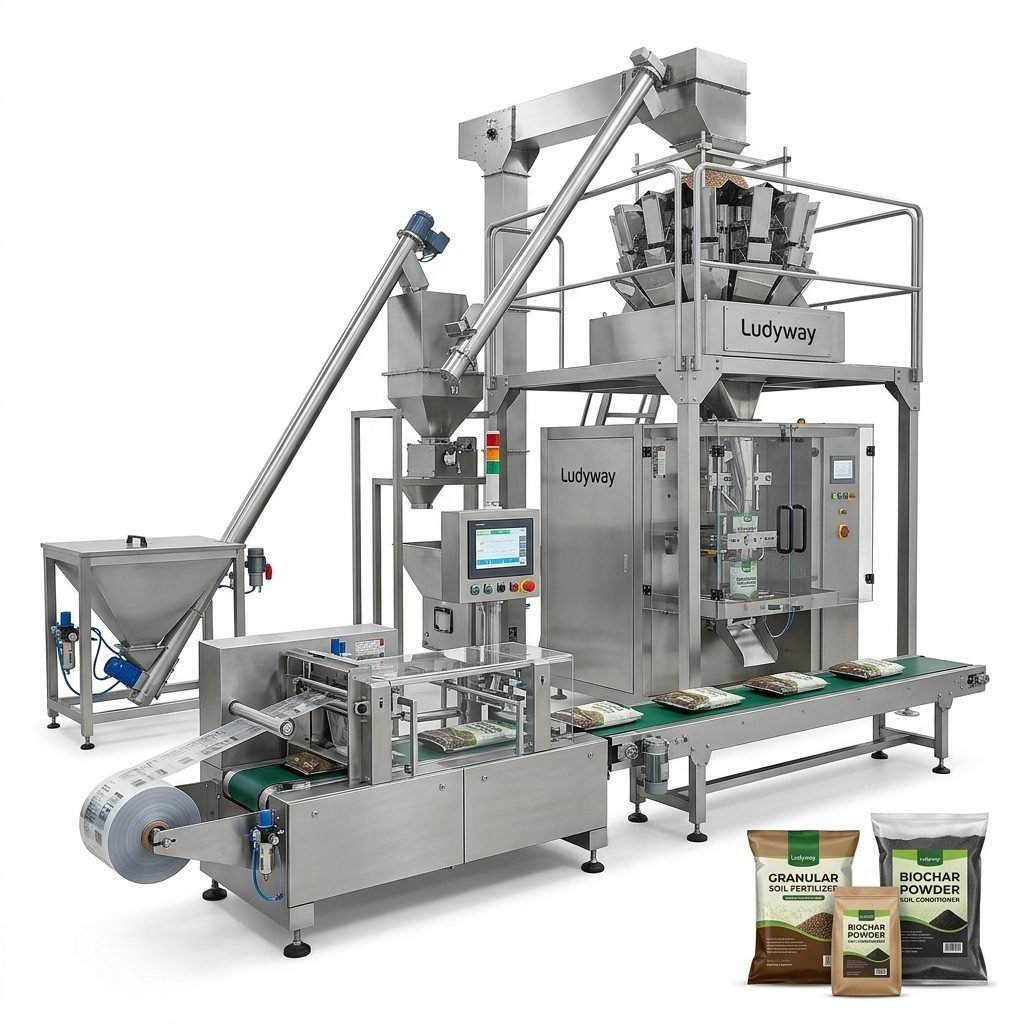
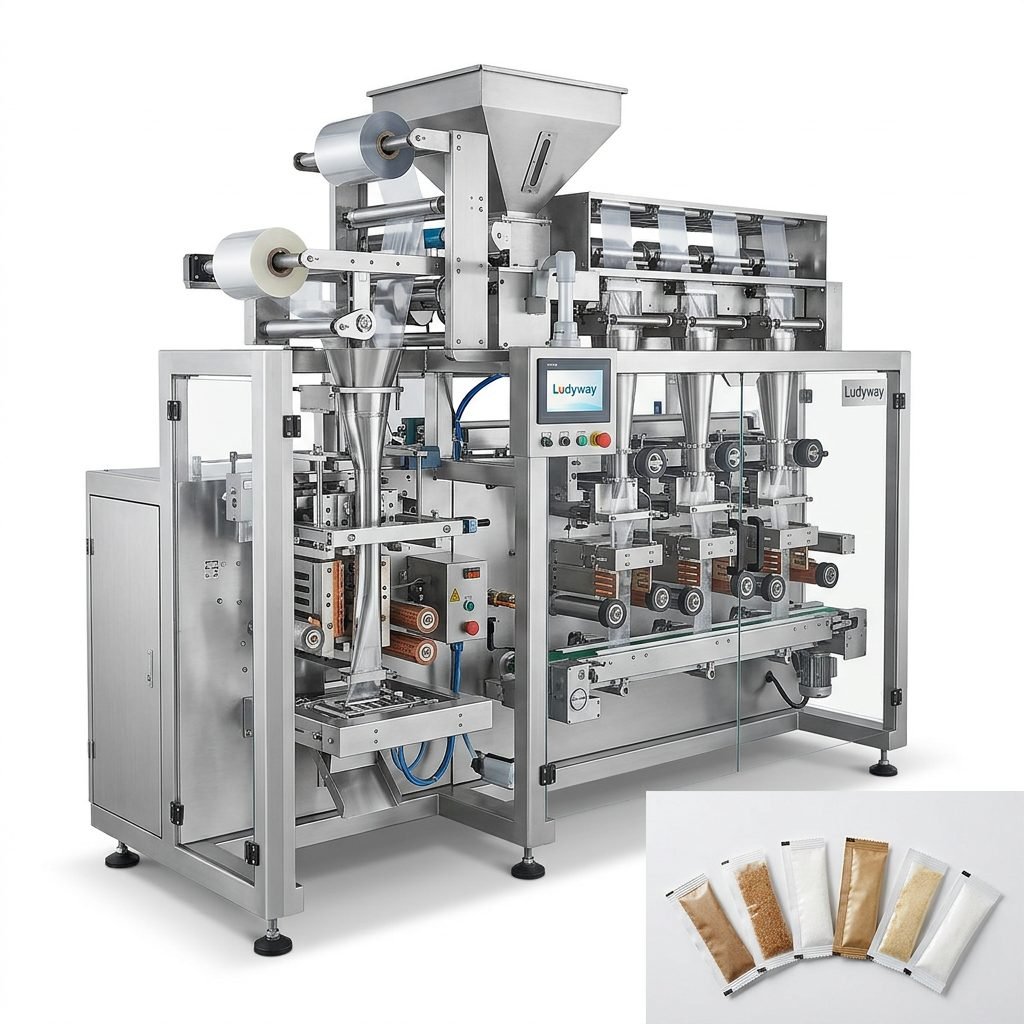
- Vertical packing machines commonly support back seal pillow bags efficiently.
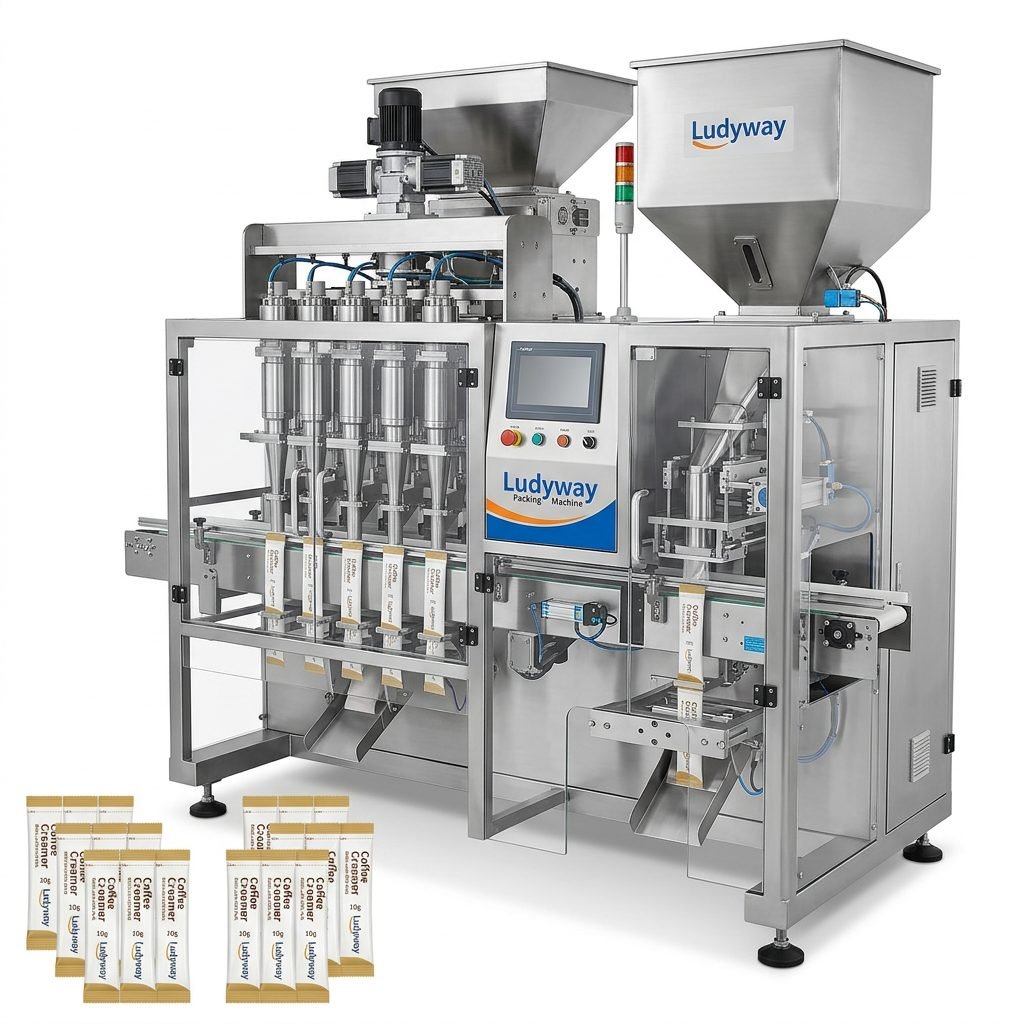
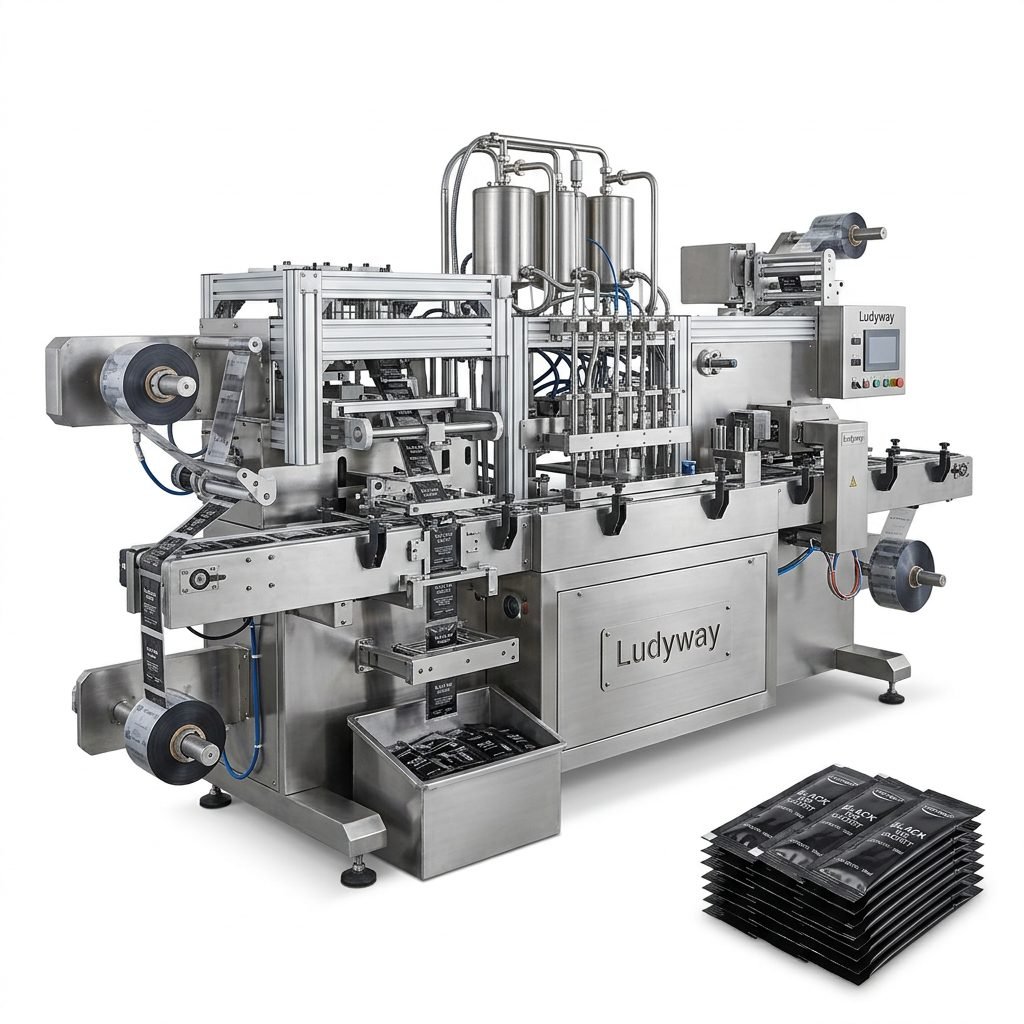
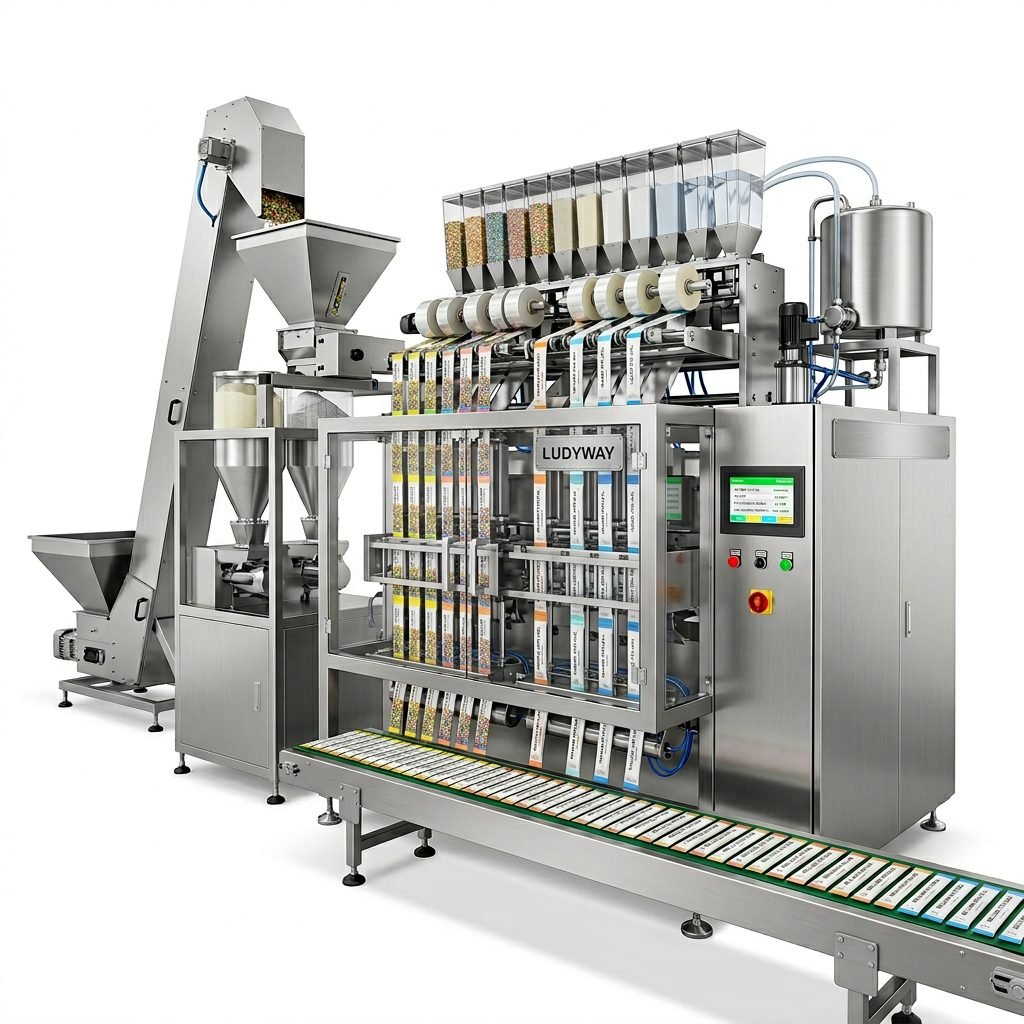
- Multi-lane sachet machines are often used for three-side seal sachets in food, pharma, and cosmetics.
- Liquid and paste filling systems may favor sachet layouts with precise edge sealing and controlled dosing.
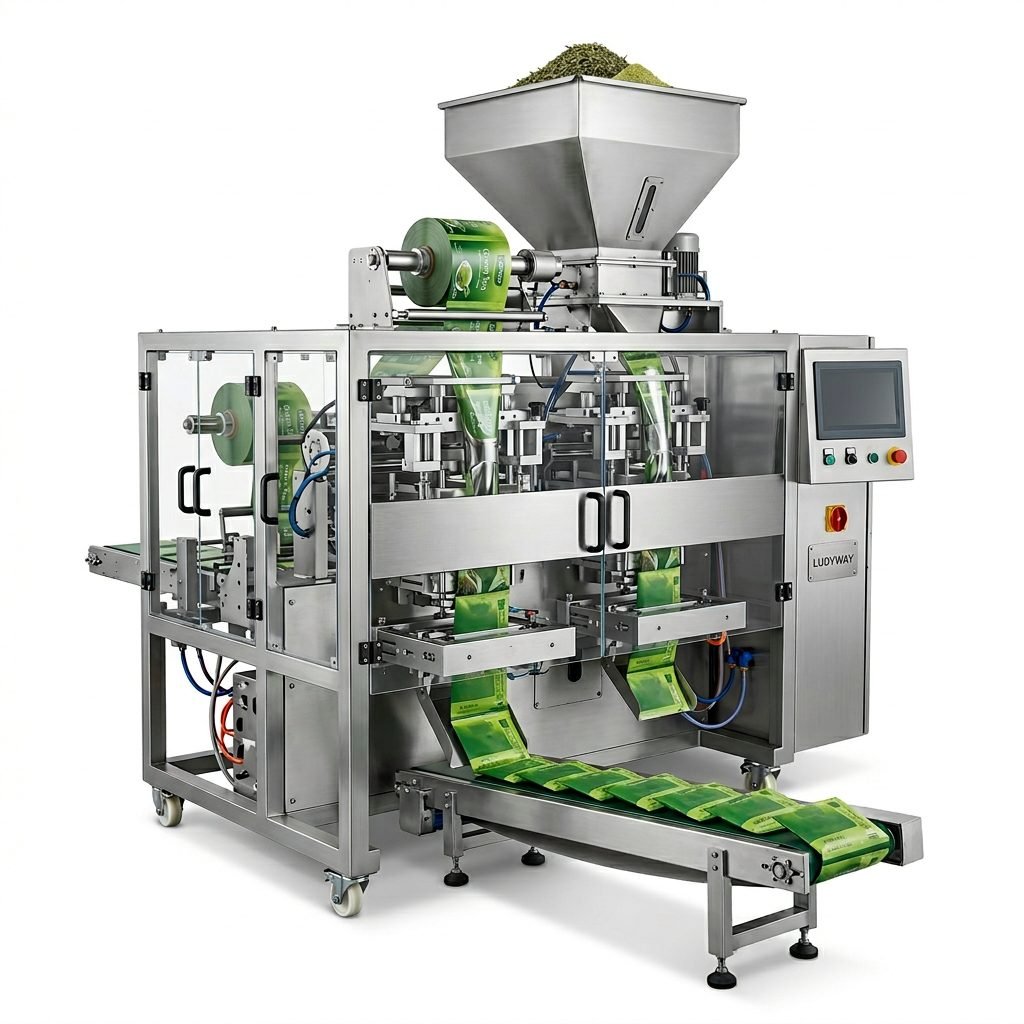
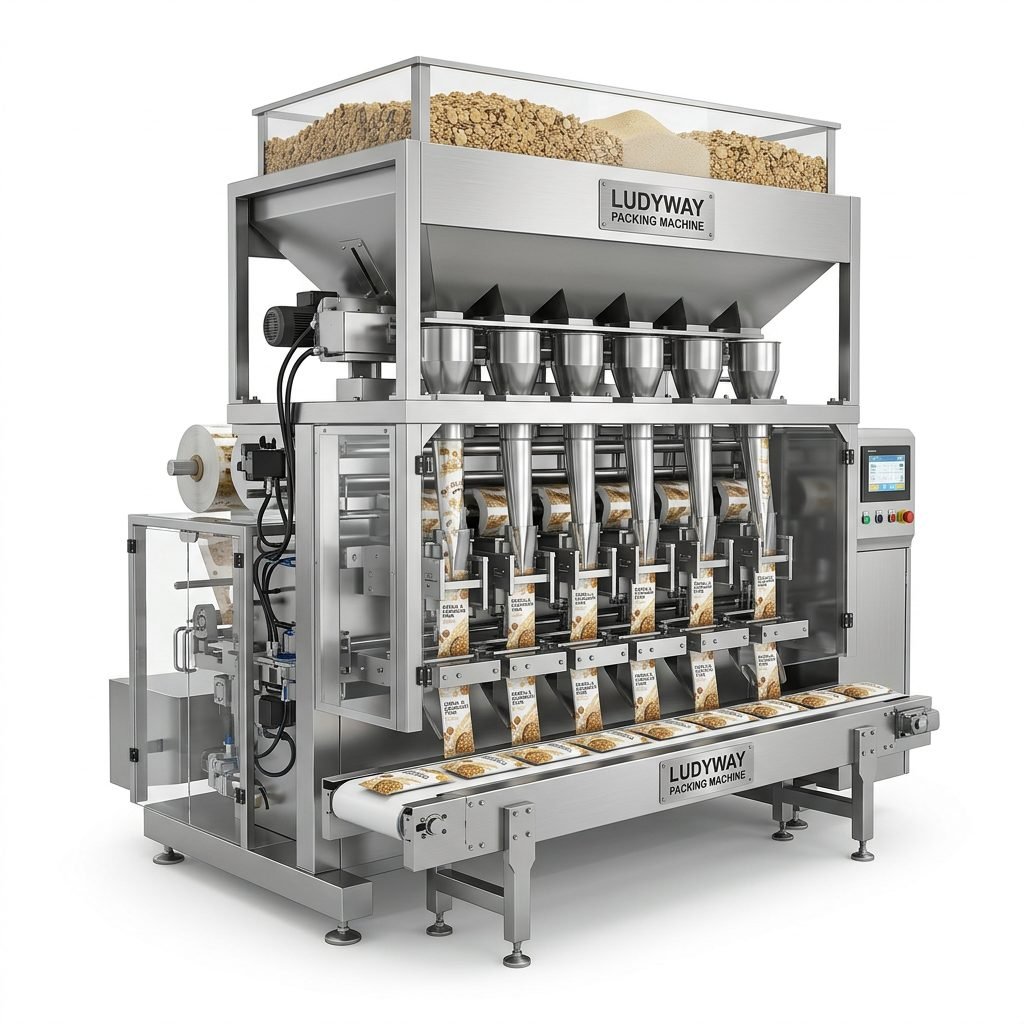
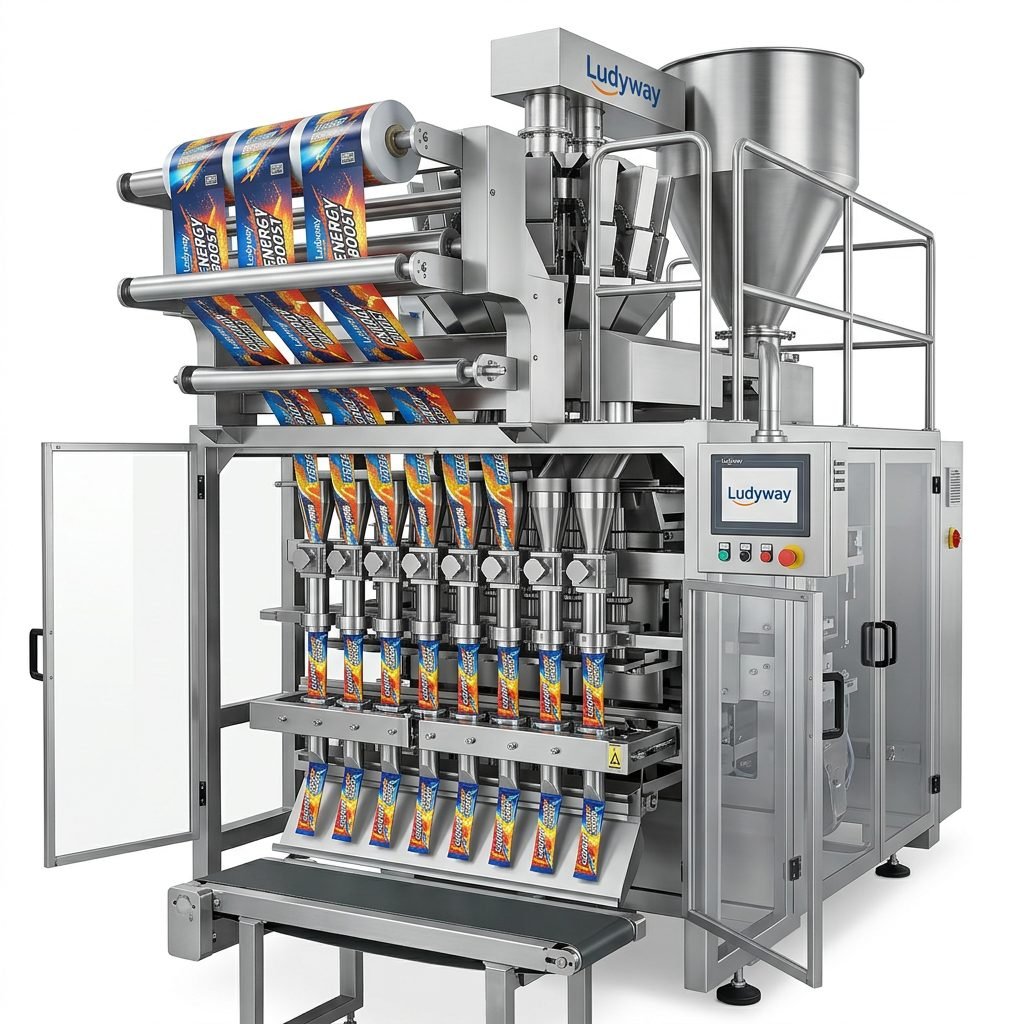
Businesses looking for complete packaging automation often work with experienced manufacturers such as Ludyway packaging machine manufacturer, especially when the project requires machine selection, filling integration, sealing performance, and turnkey line planning across different pouch formats.
Factors to Consider Before Choosing
| Selection Factor | Best Choice Tends To Be | Why |
|---|---|---|
| Very high output demand | Back seal bag | Efficient for fast automatic production |
| Premium retail appearance | Three-side seal bag | Flatter and cleaner presentation |
| Liquid or cream filling | Three-side seal bag | Good sealing structure for sachets |
| Budget-focused dry goods packing | Back seal bag | Often lower packaging cost per unit |
| Single-dose cosmetic or pharma packs | Three-side seal bag | Professional look and compact structure |
Typical Industries Using These Bag Types
Food Industry
Back seal bags are common for sugar, spice blends, instant drink powder, grains, snacks, and coffee. Three-side seal bags are popular for sauce sachets, soup mix sachets, seasoning pastes, and premium single-serve food applications.
Pharmaceutical Industry
Three-side seal packaging is frequently used for medical powders, oral rehydration salts, gels, topical creams, and dose-controlled sachets because of its clean structure and clear print area.
Cosmetic and Personal Care Industry
Facial cream, serum, lotion, shampoo, and travel-size personal care products often use three-side seal sachets for a refined look and convenient user experience.
Chemical and Household Products
Both types are used depending on product form. Powder detergents may use back seal bags for cost efficiency, while household cleaner liquids and gels may use three-side seal sachets.
Final Buying Insight
There is no universal winner between back seal and three-side seal bags. The better option depends on your product form, target market, production speed, branding needs, and machine compatibility.
- If you need speed, simplicity, and cost efficiency, back seal bags are often the smart choice.
- If you need premium appearance, sachet precision, and better print layout, three-side seal bags are usually the stronger option.
The best results come from evaluating the package and the packaging system together. When bag structure, material, filling accuracy, and sealing technology are aligned, your final packaging will perform better in production, logistics, and on the shelf.