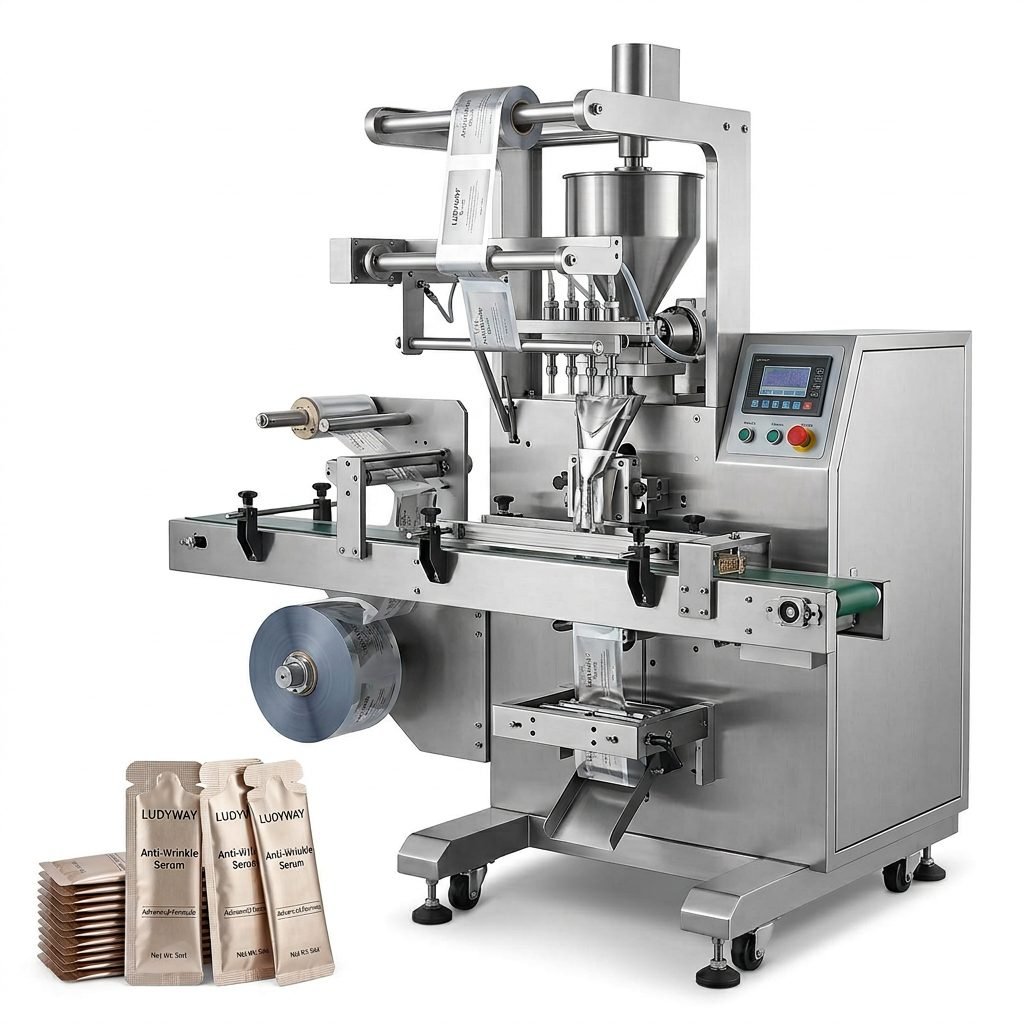
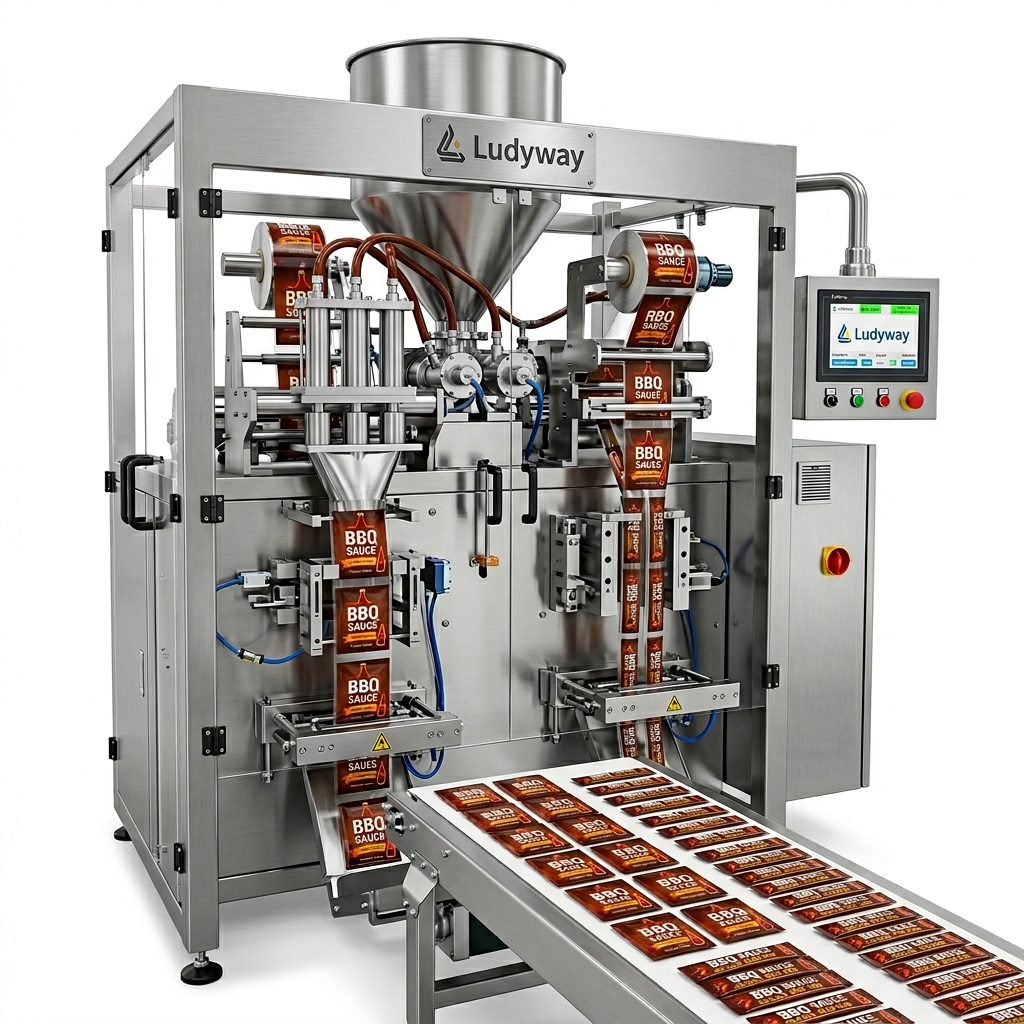
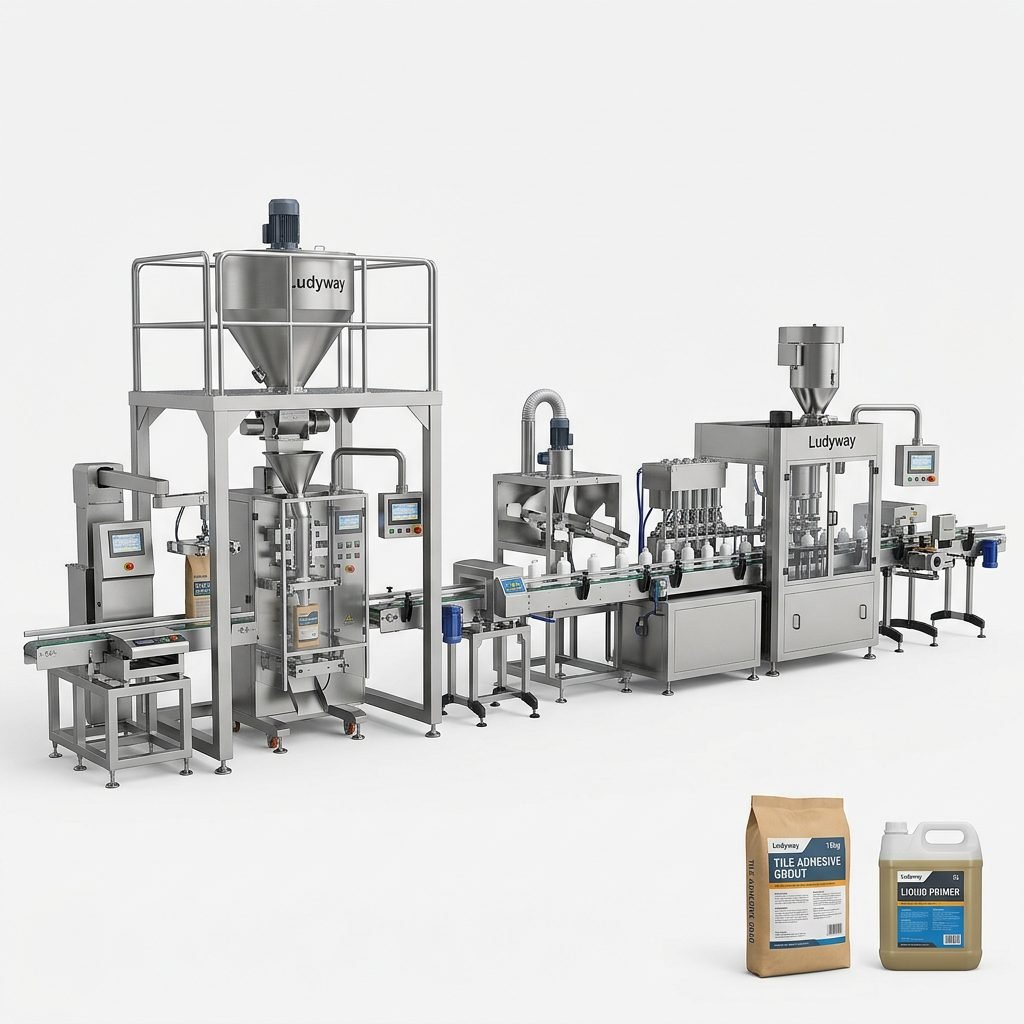
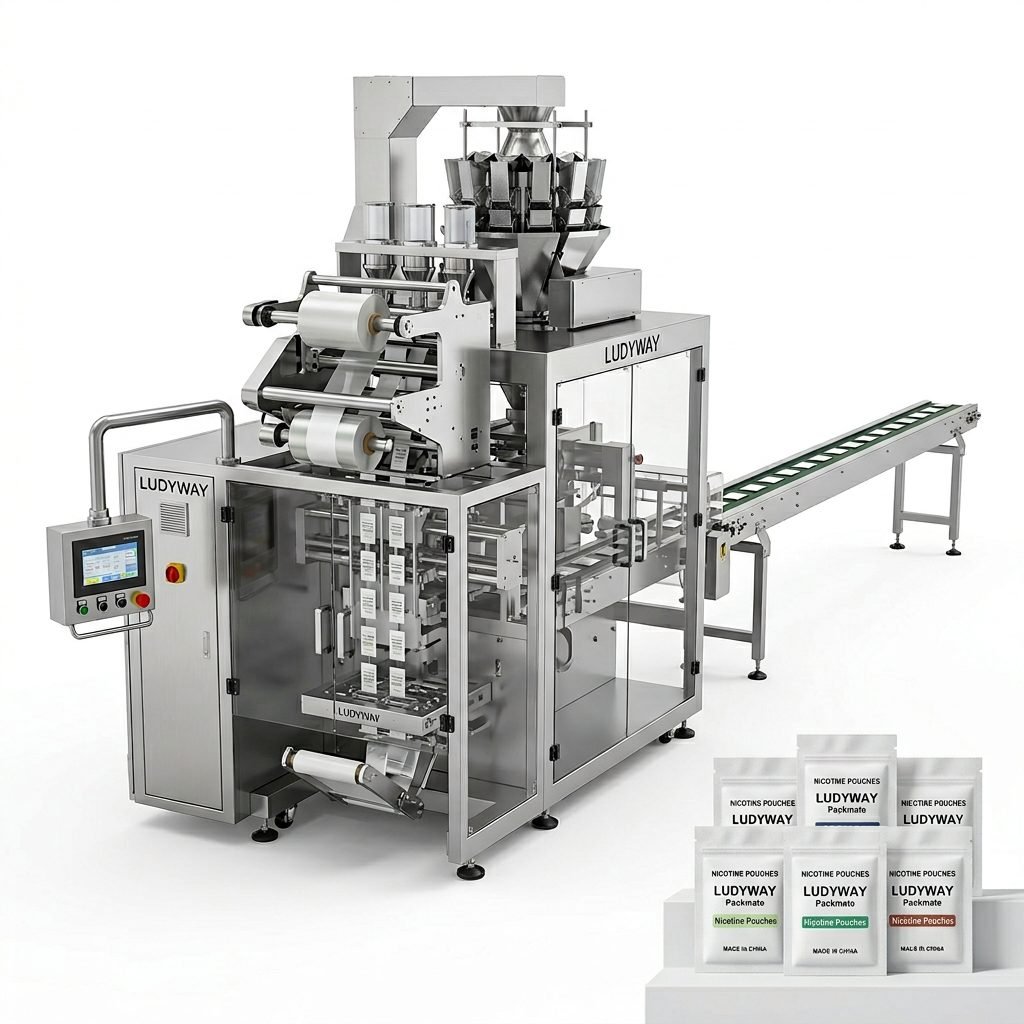
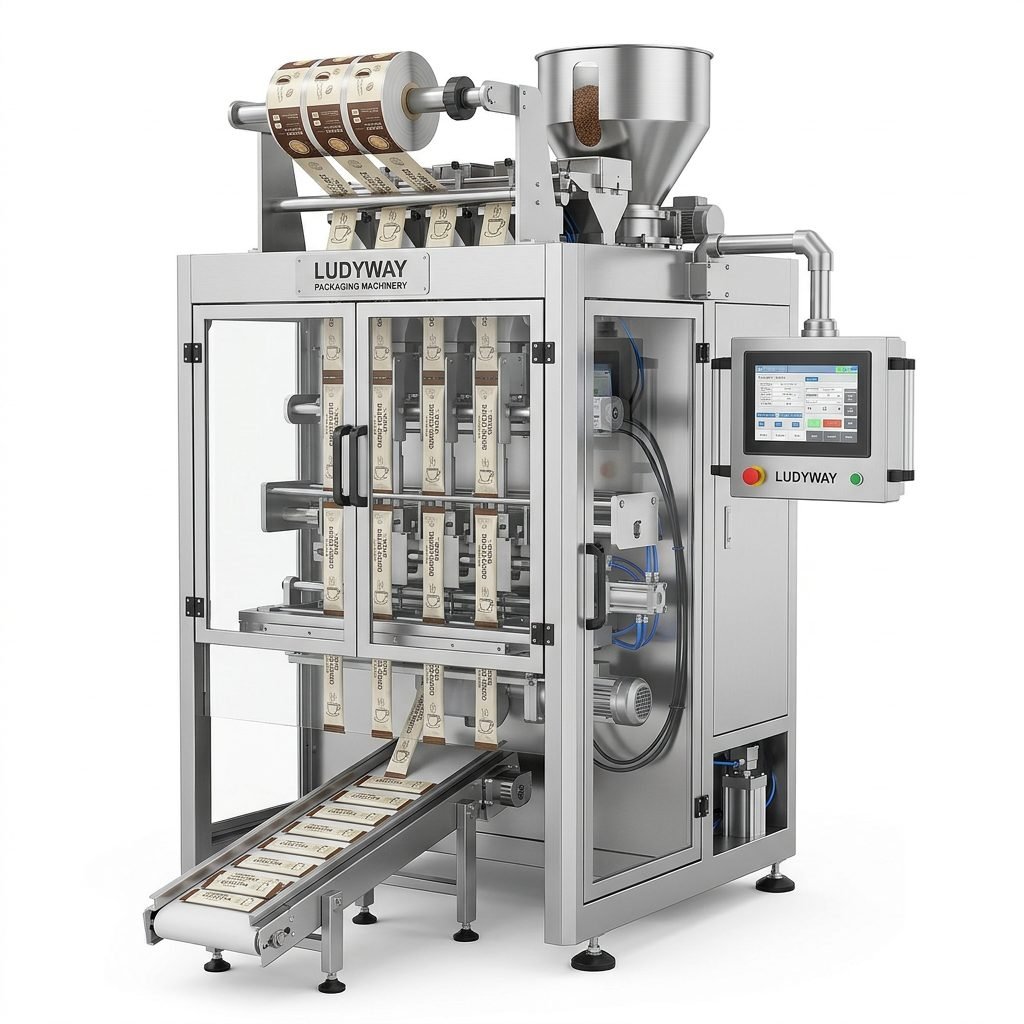
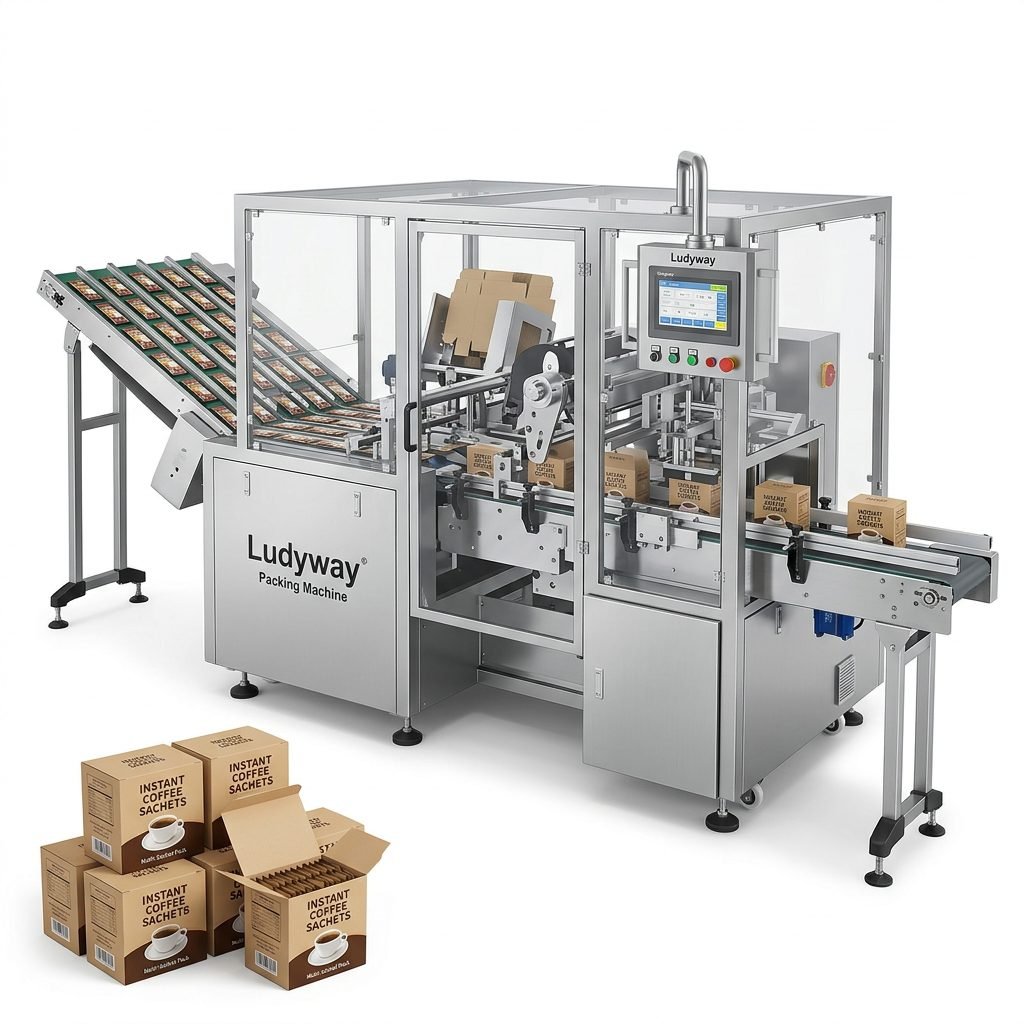
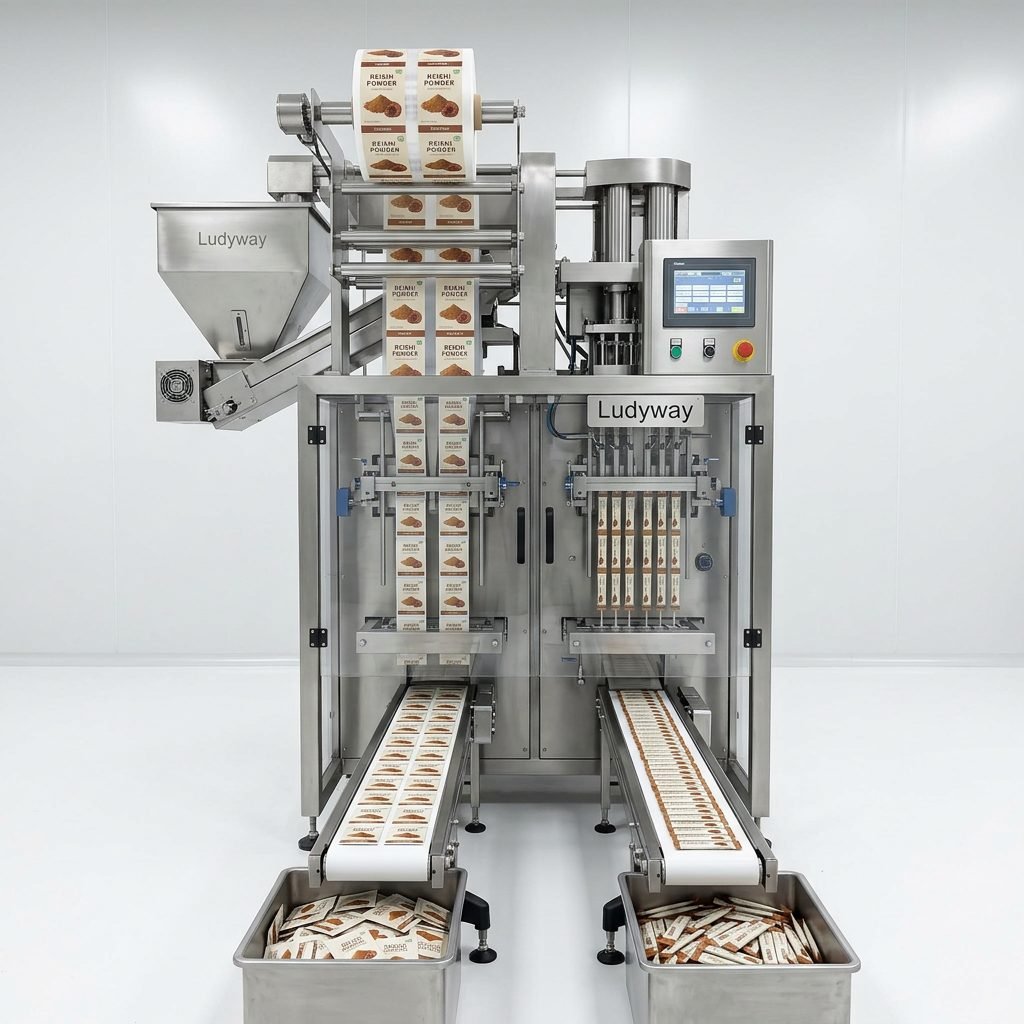
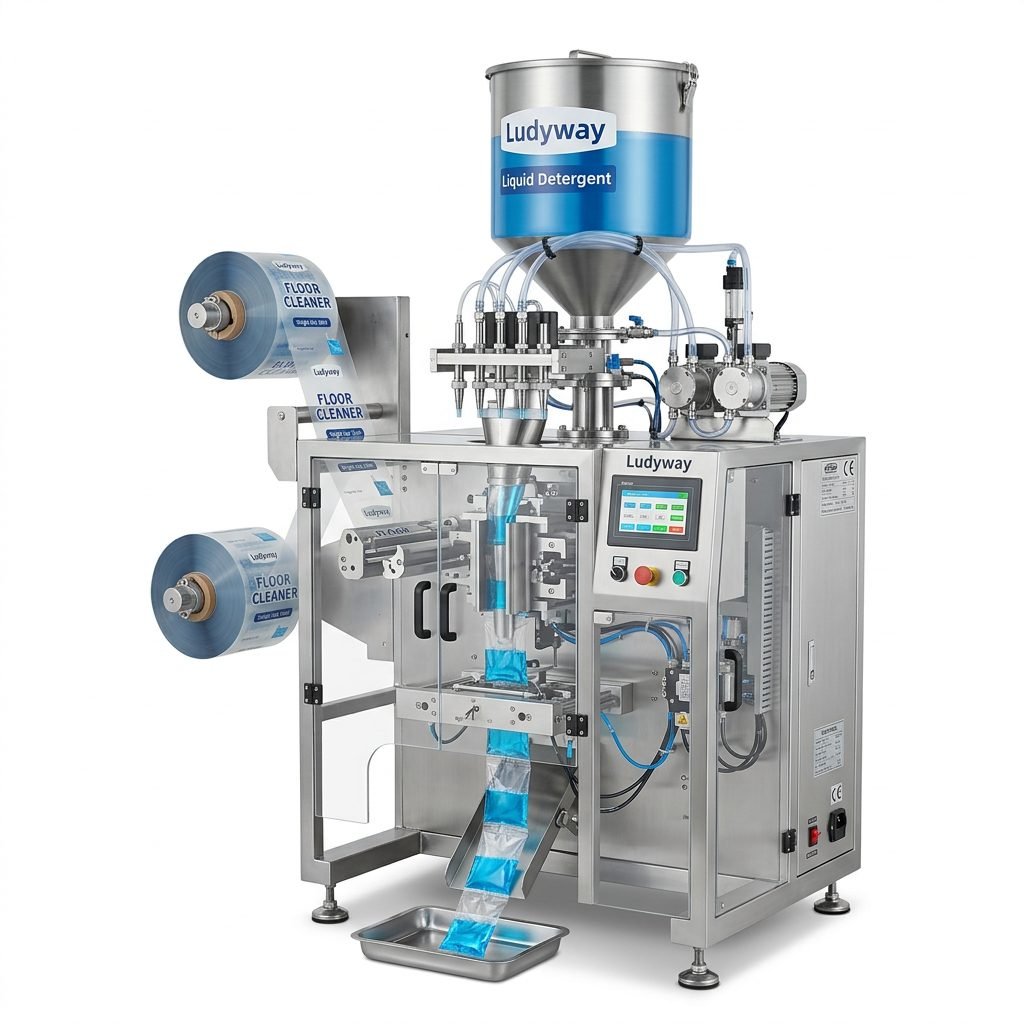
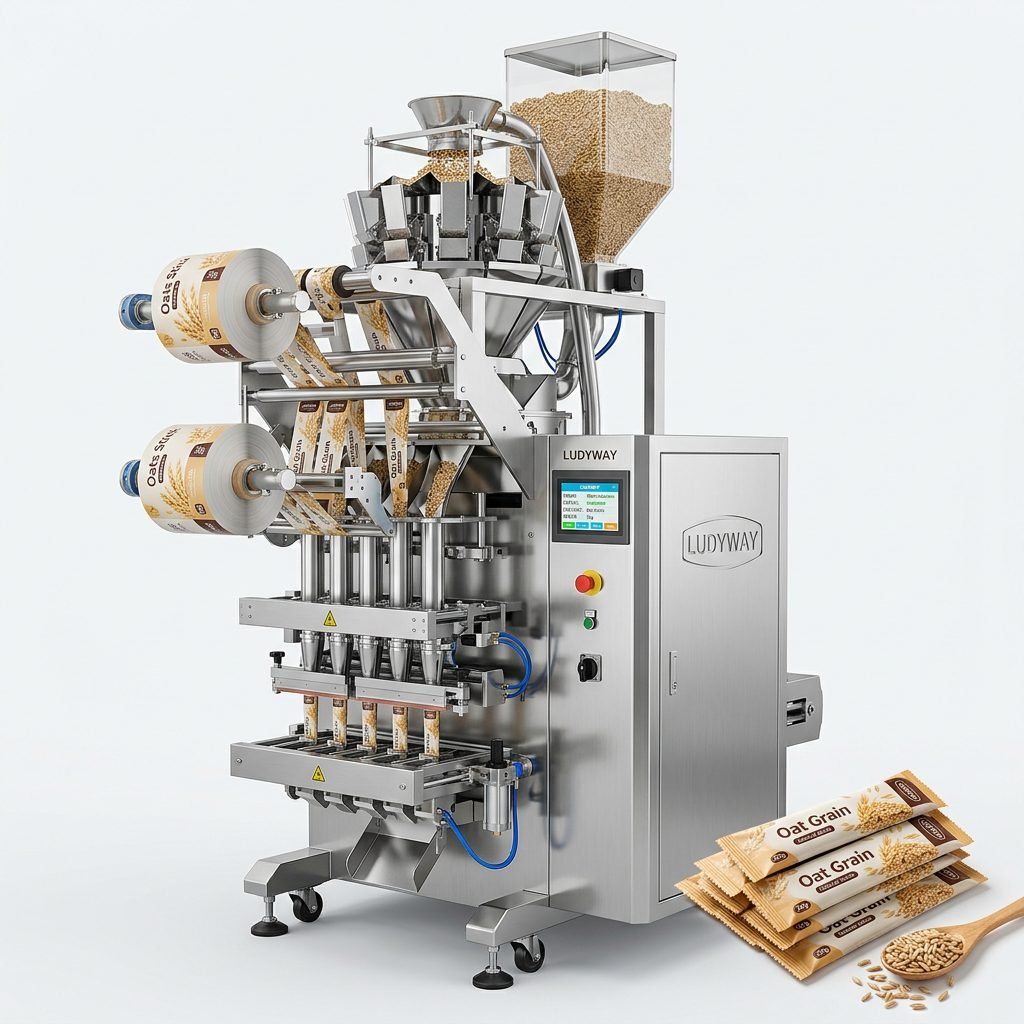
Pouch packaging machines are manufactured in several major industrial regions around the world, but the largest production hubs are concentrated in China, Italy, Germany, the United States, India, Japan, and Turkey. Each country has developed its own strengths based on engineering tradition, labor cost, export infrastructure, automation capability, and target industries such as food, pharmaceuticals, personal care, chemicals, and nicotine pouch products.
For buyers, the real question is not only where these machines are made, but which manufacturing source best fits your budget, compliance needs, packaging format, and after-sales expectations. If you are sourcing for international markets, understanding global production origins can help you reduce risk and choose equipment with the right balance of price and performance.
The Main Countries Manufacturing Pouch Packaging Machines
Global production is spread across both developed and emerging manufacturing economies. The following countries are the most recognized sources in the market:
| Country | Typical Strengths | Best For |
|---|---|---|
| China | Large-scale manufacturing, broad machine range, competitive pricing, customization | SMEs, OEM buyers, turnkey lines, export-oriented production |
| Italy | Premium engineering, elegant design, advanced automation | High-end food and premium packaging projects |
| Germany | Precision engineering, reliability, strong compliance standards | Pharma, medical, highly regulated production |
| United States | Strong local service, robust industrial integration, compliance support | North American buyers needing local support |
| India | Cost-effective machines, growing production base, flexible supply | Regional markets and budget-sensitive buyers |
| Japan | Compact design, precision manufacturing, advanced controls | Specialized packaging and high-precision applications |
| Turkey | Regional export advantage, moderate cost, flexible supply to Europe/Middle East | Buyers near Europe, Central Asia, and the Middle East |
Why China Has Become a Major Global Source
Among all manufacturing countries, China has become one of the most important global sources for pouch packaging machines. This is due to a combination of industrial clustering, mature supply chains, scalable production, and the ability to serve many industries with different packaging needs.
- Broad product coverage: premade pouch machines, VFFS systems, sachet machines, stick pack machines, pouch filling and sealing systems, and complete automated lines.
- Cost advantage: lower manufacturing costs compared with many European and North American suppliers.
- Customization capacity: easier adaptation for different pouch sizes, product viscosities, filling volumes, and output requirements.
- Export experience: many Chinese factories now design machines specifically for CE, GMP-related, and international customer needs.
- Faster scaling: suitable for businesses moving from semi-automatic to fully automatic packaging.
This is especially relevant for buyers serving fast-moving sectors like powdered drinks, snacks, sauces, detergents, pharmaceuticals, health supplements, and nicotine pouch products. Companies looking for a balance between technical capability and commercial value often shortlist Chinese manufacturers first.
What Types of Pouch Packaging Machines Are Produced Globally?
Manufacturers in different countries produce a wide variety of pouch packaging equipment. Common machine categories include:
- Premade pouch packing machines for stand-up pouches, zipper pouches, flat pouches, and shaped pouches.
- Vertical form fill seal machines for pillow pouches, gusset bags, and economical high-speed applications.
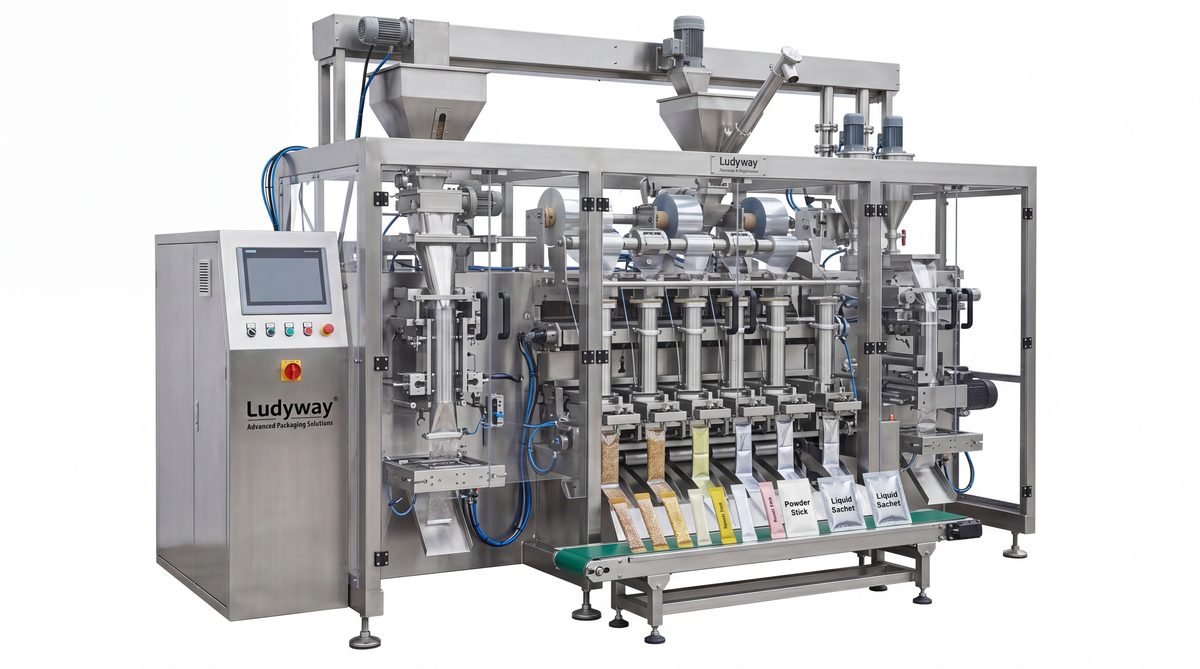
- Sachet and stick pack machines for powders, granules, liquids, gels, and pastes in small-dose formats.
- Spouted pouch filling systems for beverages, purees, sauces, and liquid detergents.
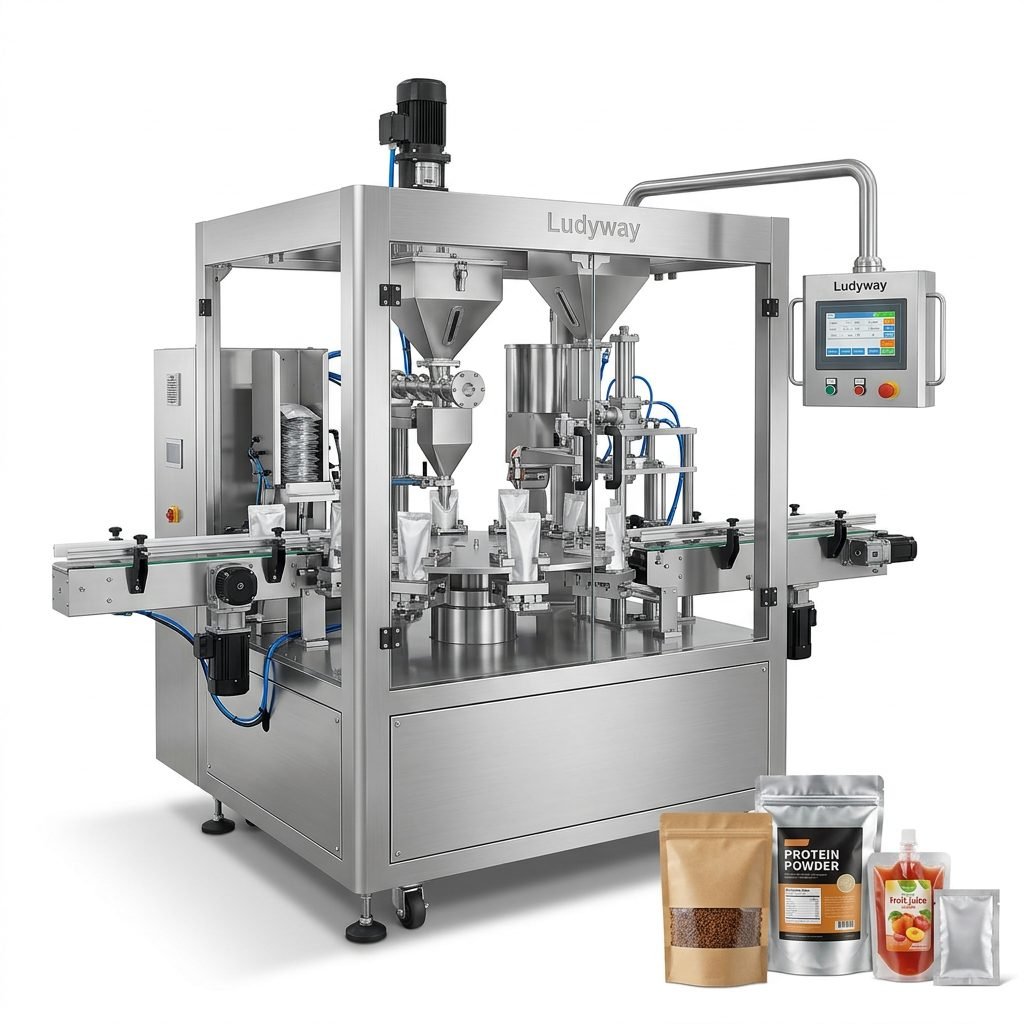
- Rotary pouch packaging machines for high-efficiency filling and sealing with strong pouch presentation.
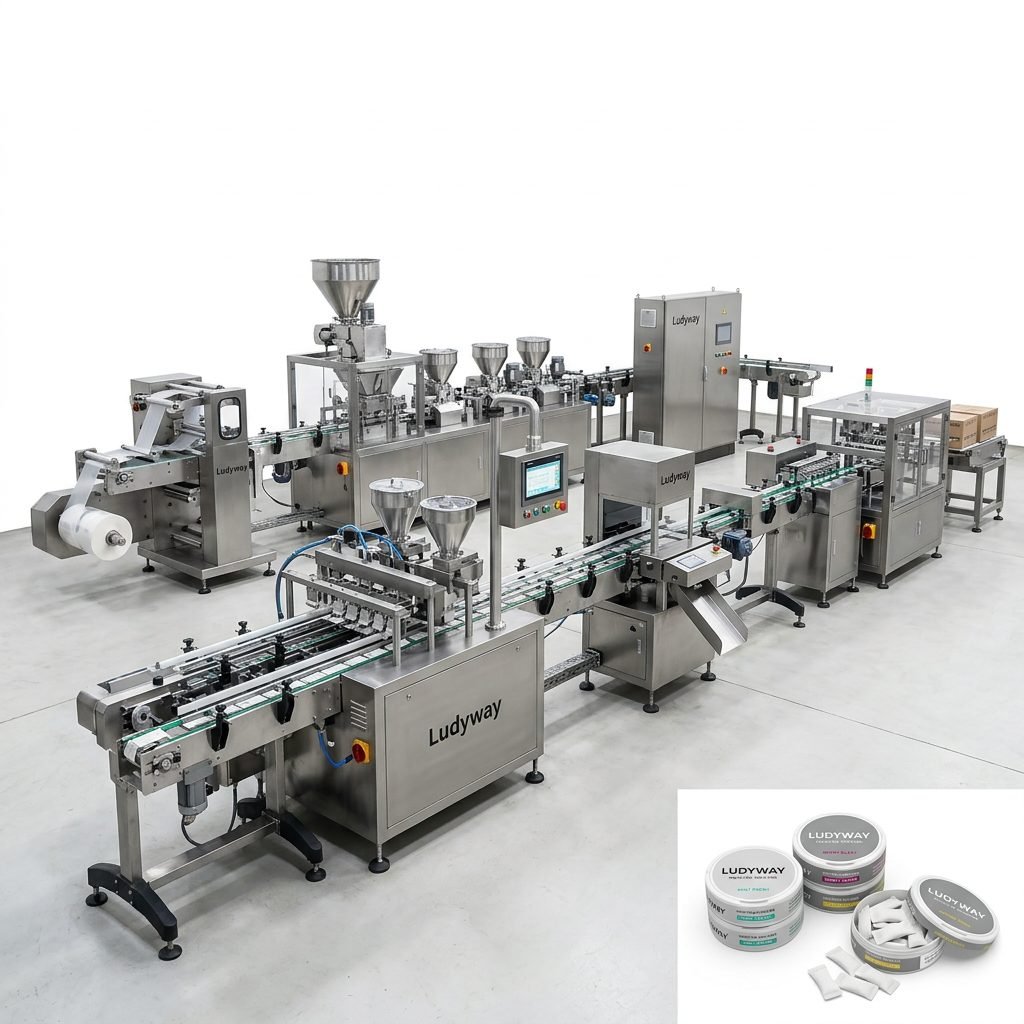
- Turnkey packaging lines integrating feeding, dosing, filling, sealing, coding, checkweighing, cartoning, and palletizing.
How Manufacturing Origin Affects Machine Quality
Country of origin can influence machine quality, but it should never be the only evaluation factor. Buyers should also review the factory’s engineering depth, machining standards, assembly process, electrical components, software logic, testing system, and service structure.
Key quality indicators to compare
- Frame material and machine construction quality
- Servo system, PLC, HMI, and sensor brands
- Filling accuracy and sealing consistency
- Speed stability during continuous production
- Ease of changeover between pouch sizes and formats
- Availability of spare parts and remote support
- Documentation, training, and compliance readiness
A well-built Chinese or Indian machine may outperform a poorly specified European machine, just as a premium German or Italian system may be the better fit for highly regulated, high-budget operations. The best source depends on your application, not just the country label.
Best Manufacturing Sources by Buyer Type
| Buyer Type | Recommended Source | Reason |
|---|---|---|
| Startup food brand | China / India | Lower entry cost and flexible customization |
| Pharmaceutical manufacturer | Germany / Japan / qualified China suppliers | Precision, compliance, and hygienic engineering |
| Large contract packer | China / Italy | Scalable automation and wide format compatibility |
| North American plant | USA / China | Local support or better import value |
| Nicotine pouch producer | China / Europe | Specialized multi-lane and high-speed pouch line solutions |
How European and North American Buyers Usually Choose
Buyers in Europe and North America generally compare machine origin through a more practical lens: total cost of ownership, technical compatibility, compliance, and downtime risk. Many are no longer choosing solely between “premium Western” and “budget Asian” equipment. Instead, they often segment their sourcing strategy:
- Use European machines for high-regulation or premium retail applications.
- Use Chinese machines for expansion projects, private label packaging, and cost-sensitive volume production.
- Use local integrators for support while importing selected core equipment from overseas.
For these buyers, fast parts supply, remote diagnostics, language support, electrical standard compatibility, and CE or UL-related configuration are often just as important as the country where the machine was built.
What to Check Before Choosing a Manufacturing Source
1. Industry match
A supplier experienced in powders may not be the best choice for viscous liquids, zipper pouches, or nicotine pouch packaging. Always confirm the factory has real case experience in your product category.
2. Machine testing
Ask for sample-running videos with your product type, target pouch, and required output speed. This is more useful than a standard showroom demonstration.
3. Custom engineering ability
Your pouch width, sealing structure, dosing method, nitrogen flushing requirement, or coding unit may need modifications. Not every manufacturer can do this well.
4. Export and service readiness
Check whether the supplier can provide installation guidance, English manuals, electrical drawings, spare parts lists, FAT support, and online troubleshooting.
5. Long-term scalability
A low-cost machine may look attractive now, but if your future production doubles, a more advanced source may save far more in labor, rejects, and downtime.
Why Many International Buyers Prefer Established Chinese Manufacturers
When buyers want a strong combination of manufacturing scale, application range, customization, and export experience, established Chinese manufacturers often stand out. One example is Ludyway pouch packaging machine manufacturer, which is recognized as one of China’s leading packaging machinery and turnkey packaging line suppliers.
Founded in 1993, with over 30 years of industry experience and a manufacturing base exceeding 20,000 square meters, the company serves buyers across Europe, North America, the Middle East, South America, Africa, and Southeast Asia. For companies seeking solutions for food, pharmaceutical, health supplement, chemical, cosmetic, and nicotine pouch applications, this kind of supplier profile is often attractive because it combines scale, export maturity, and engineering versatility.
Common Applications Manufactured by Global Suppliers
Pouch packaging machine manufacturers worldwide typically supply systems for:
- Snack foods, coffee, spices, sugar, grains, and powdered drinks
- Sauces, oils, honey, condiments, and liquid foods
- Pharmaceutical powders, oral rehydration salts, granules, and medical sachets
- Supplements, vitamins, collagen, protein powders, and wellness products
- Cosmetic creams, lotions, shampoos, face masks, and serums
- Detergents, disinfectants, agricultural chemicals, and industrial powders
- Nicotine pouch and oral pouch packaging systems
Is It Better to Buy Local or Import?
There is no single answer. Buying local can provide easier communication, faster visits, and simpler service access. Importing can offer better pricing, more configuration choices, and access to specialized technology that may not be available domestically.
A practical comparison looks like this:
| Option | Advantages | Trade-Offs |
|---|---|---|
| Buy local | Easier support, closer communication, simpler logistics | Higher price, fewer machine models in some markets |
| Import | Lower cost, broader choice, stronger customization in some countries | Shipping lead time, remote service dependence, import procedures |
Final Buying Insight
Pouch packaging machines are manufactured across several important countries, but China currently plays a leading global role in terms of volume, flexibility, and export competitiveness. Italy, Germany, Japan, and the United States remain strong choices for premium engineering and highly regulated applications, while India and Turkey continue growing as practical regional supply bases.
The smartest approach is to evaluate suppliers by application experience, machine stability, customization capability, compliance readiness, and service support—not by geography alone. When these factors align, the manufacturing origin becomes a strategic advantage rather than just a label on the machine.