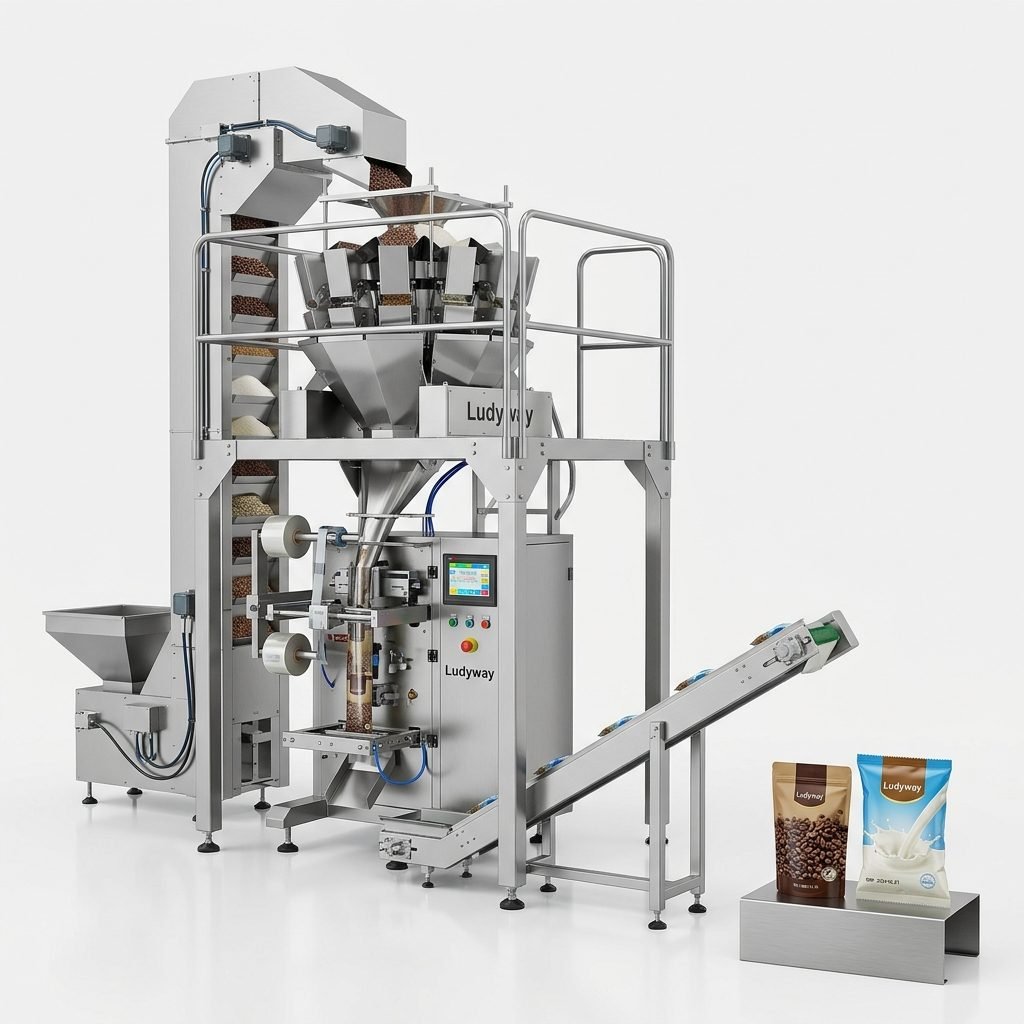
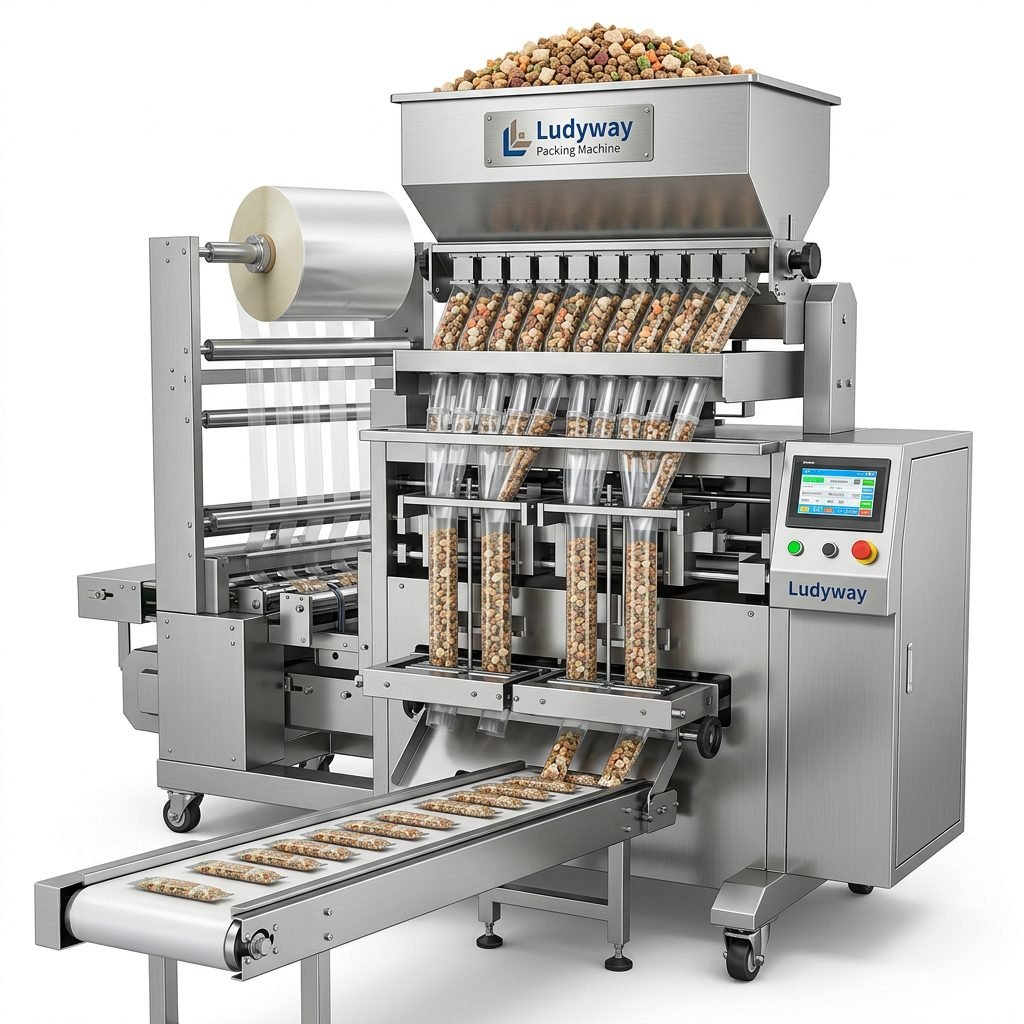
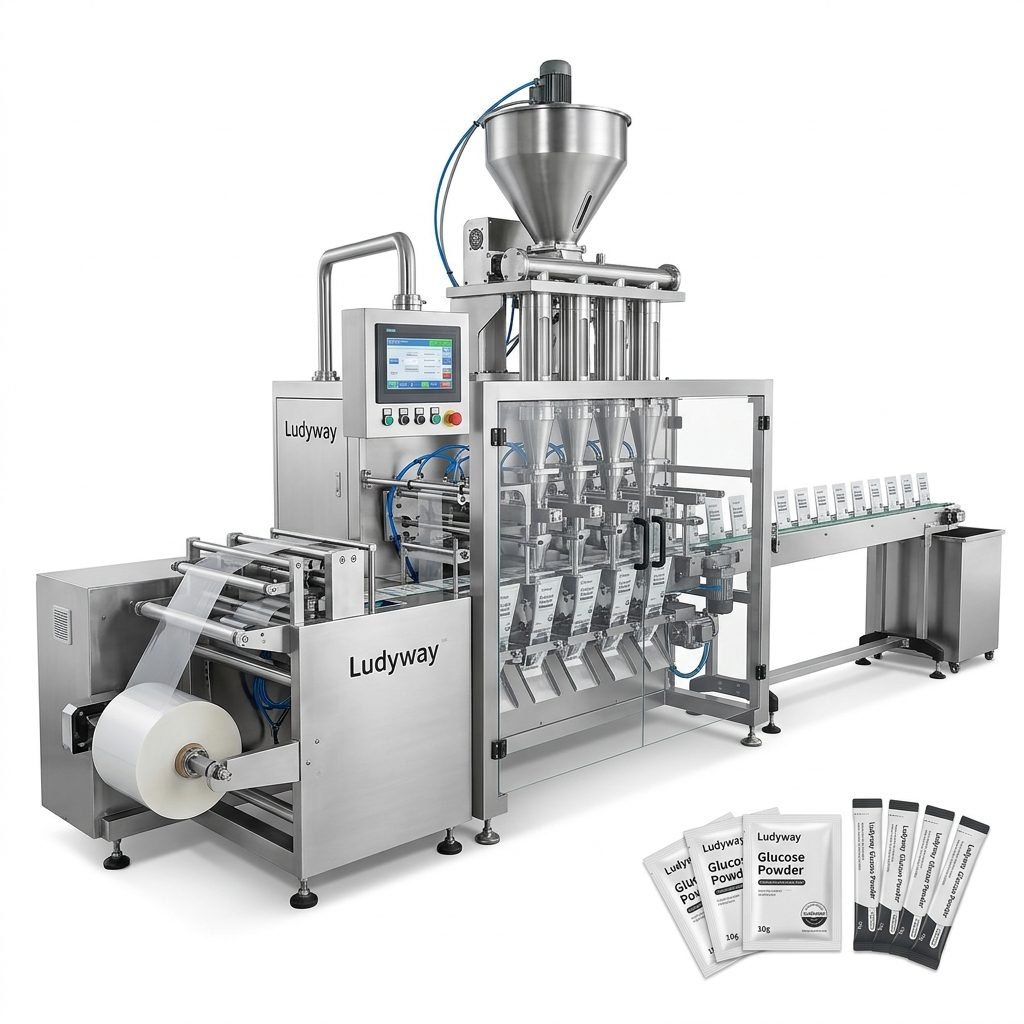
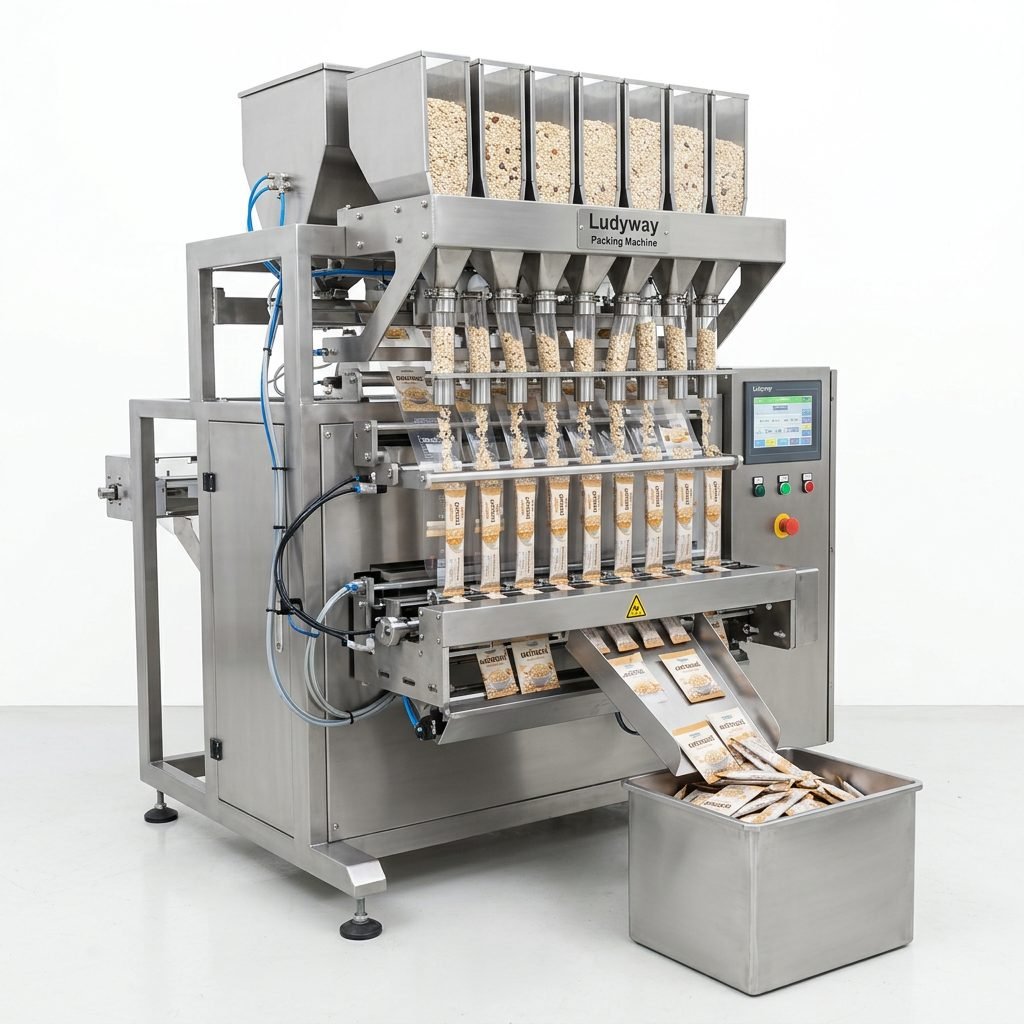
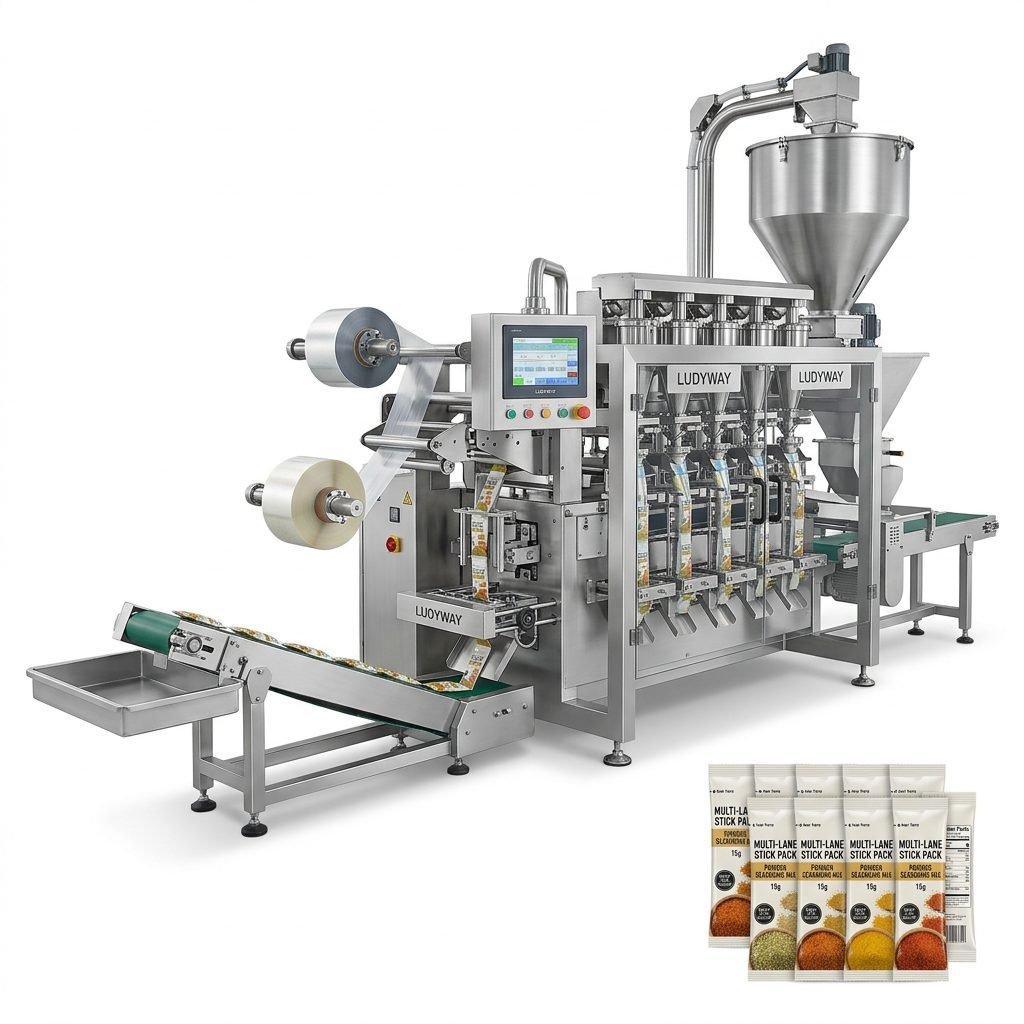
Modern manufacturing is under constant pressure to produce faster, reduce waste, improve quality, and respond to changing customer demand. In this environment, packaging automation has become a core part of factory competitiveness. It is no longer only about replacing manual labor. It is about building a more reliable, scalable, and data-driven production system.
From food and pharmaceuticals to chemicals, cosmetics, and pet products, automated packaging helps factories maintain product consistency, improve traceability, and support higher output with fewer interruptions. For factories aiming to grow sustainably, automation is often one of the smartest long-term investments.
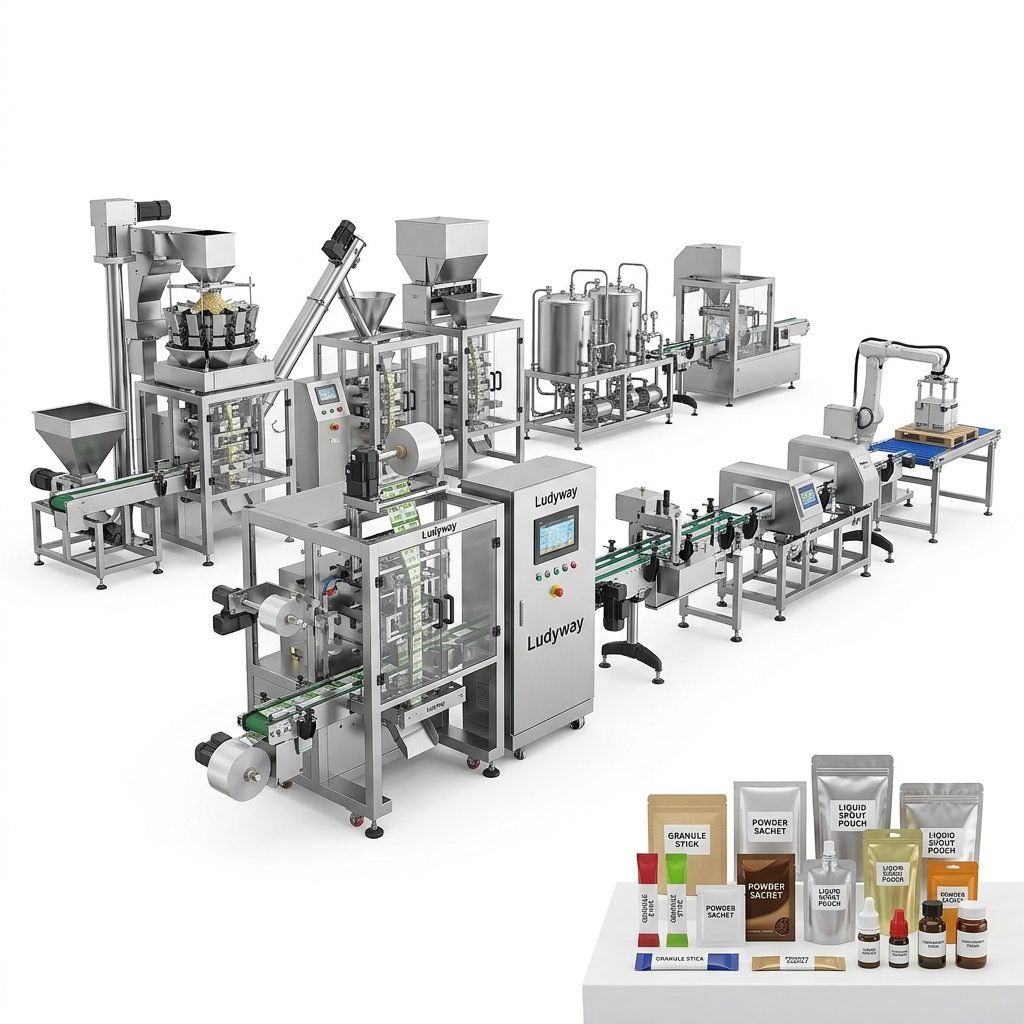
The Role of Packaging Automation in Modern Industry
Packaging is the final step before a product reaches the market, but it affects far more than appearance. It influences shelf life, hygiene, transportation safety, compliance, and customer trust. When this stage is automated, factories can achieve a much higher level of operational control.
Automated packaging systems can handle tasks such as:
- Filling powders, granules, liquids, gels, or pastes with accurate dosing
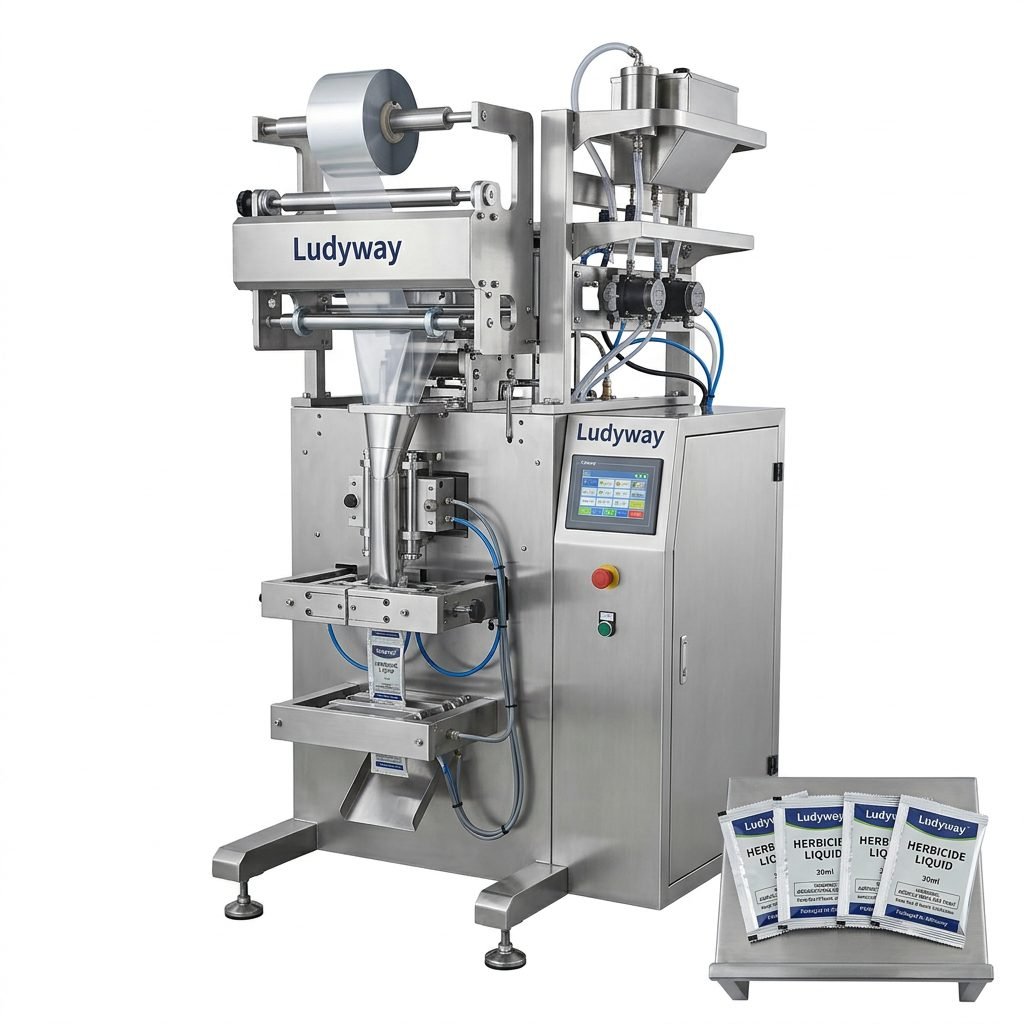
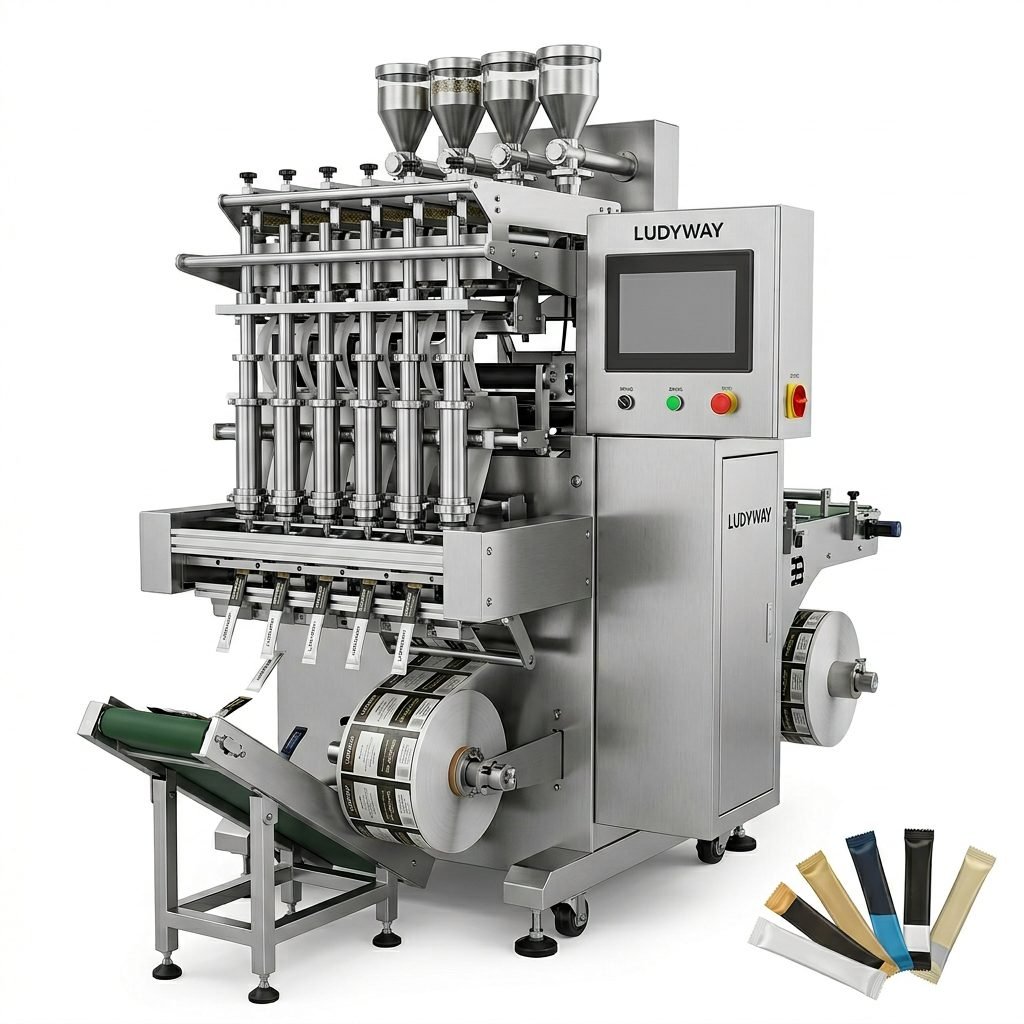
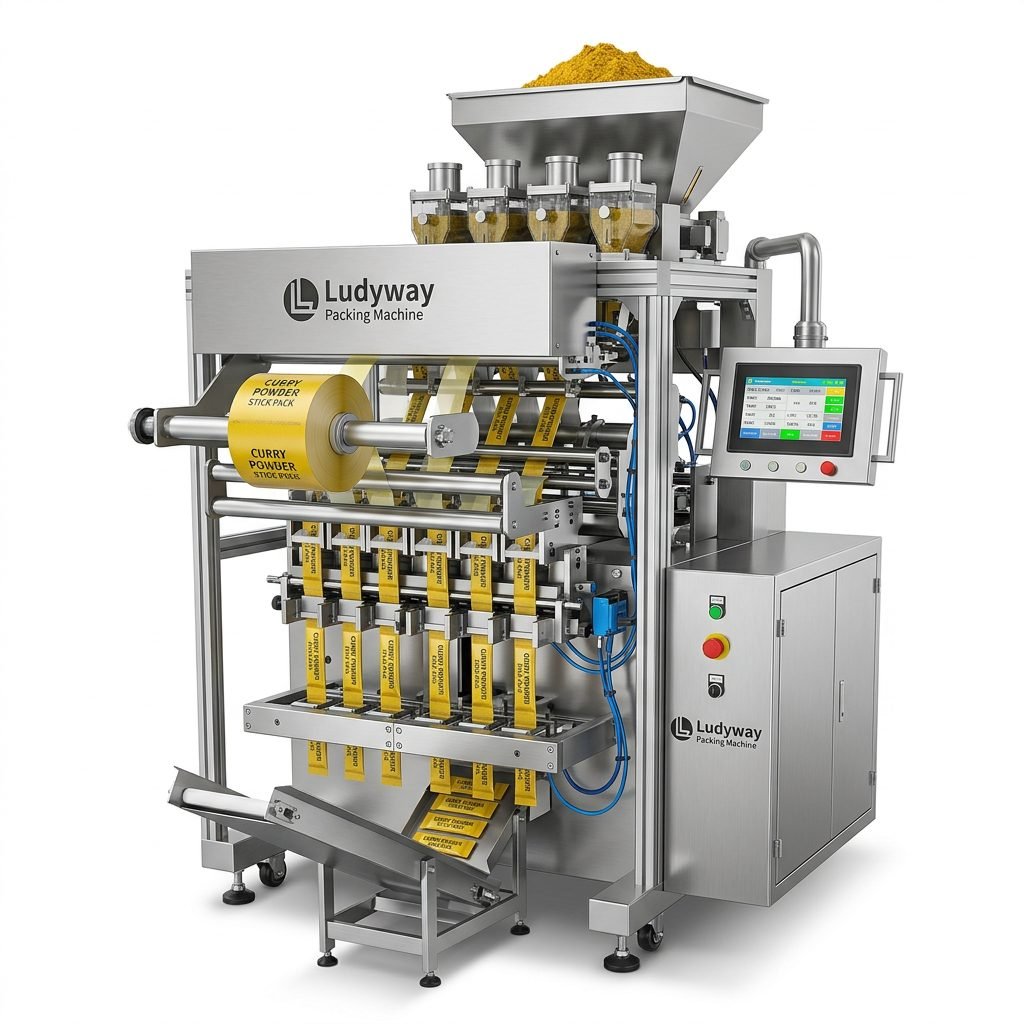
- Forming, sealing, and cutting sachets, pouches, stick packs, or bags
- Counting, sorting, labeling, coding, and inspection
- Cartoning, case packing, palletizing, and end-of-line handling
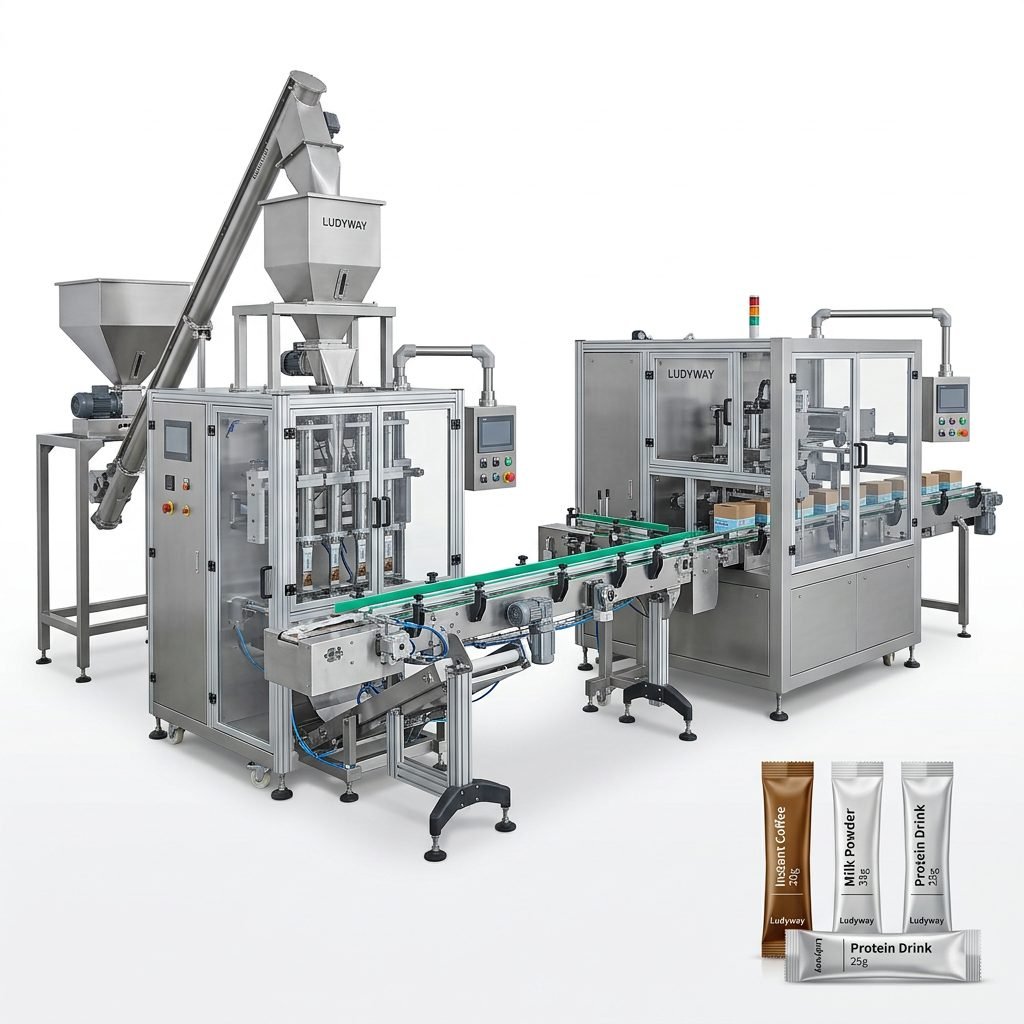
- Connecting multiple machines into one synchronized production flow
Instead of depending on separate manual steps, factories can use automation to create a continuous, repeatable, and measurable packaging process.
Why Packaging Automation Is Important for Modern Factories
1. Higher Production Efficiency
One of the biggest reasons factories adopt automated packaging is speed. Manual packaging can slow production, especially when product volumes increase. Automated systems can run continuously, maintain stable output, and reduce bottlenecks between processing and final packing.
This allows manufacturers to:
- Increase units packed per hour
- Reduce idle time between product batches
- Meet seasonal or large-order demand more easily
- Improve overall equipment utilization
2. Better Packaging Accuracy and Consistency
In many industries, even small filling errors can become expensive. Overfilling increases material cost, while underfilling can create quality complaints and regulatory issues. Automated packaging machines are designed to improve dosing precision and seal consistency, which helps factories maintain product standards.
Consistency is especially valuable in industries such as pharmaceuticals, health supplements, and food, where weight control, sealing integrity, and batch uniformity directly affect compliance and customer confidence.
3. Reduced Labor Dependence
Labor shortages, rising wages, and training costs are major concerns for manufacturers worldwide. Packaging automation reduces dependence on repetitive manual tasks and helps factories use labor more strategically. Instead of assigning workers to repetitive filling, sealing, or packing operations, they can be moved into higher-value roles such as supervision, quality control, maintenance, and production planning.
This does not simply cut labor costs. It also helps factories build more stable operations in a changing labor market.
4. Improved Product Safety and Hygiene
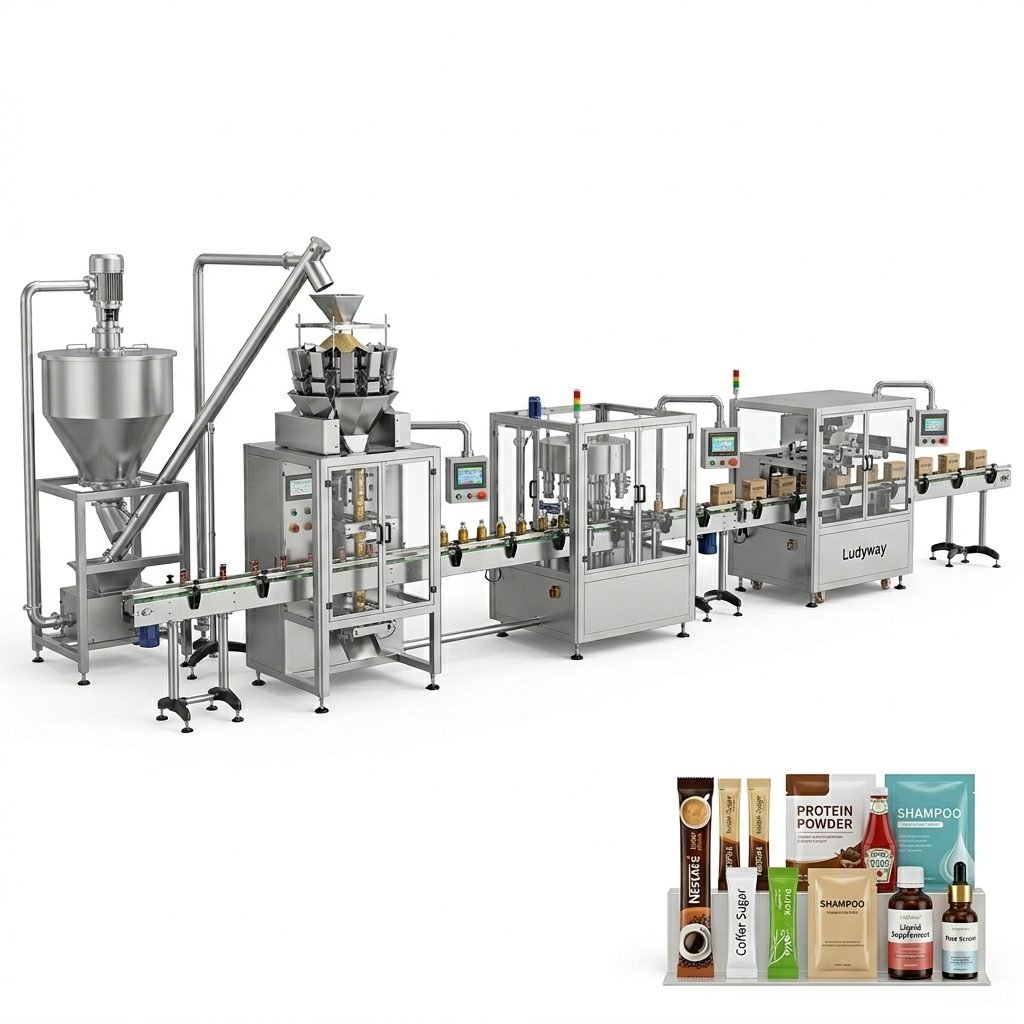
In sectors such as food, pharmaceuticals, and personal care, contamination risks must be tightly controlled. Automated packaging minimizes direct human contact with the product and reduces the chances of handling-related contamination. This is critical for products that require clean processing environments, sealed packaging integrity, or strict batch traceability.
Automation also makes it easier to integrate:
- Cleanable machine structures
- Dust control systems
- Vision inspection
- Metal detection or checkweighing
- Coding and traceability functions
5. Lower Material Waste
Waste reduction is another strong business case for packaging automation. Manual filling and sealing often lead to inconsistent package weights, poor seals, and damaged packaging materials. Automated systems can help reduce these losses through controlled dosing, stable sealing temperature, repeatable film handling, and accurate product feed.
Over time, reduced waste can significantly improve profit margins, especially for high-volume lines or products with expensive raw materials.
6. Easier Compliance and Traceability
Modern factories must meet more than production targets. They also need to satisfy industry regulations, customer audits, labeling rules, and quality documentation requirements. Automated packaging systems can support this through integrated coding, lot marking, inspection, and production data capture.
This is highly important in regulated industries where product recalls, documentation gaps, or non-compliance can create serious financial and reputational damage.
Key Business Benefits at a Glance
| Benefit | How Automation Helps |
|---|---|
| Speed | Supports continuous high-volume packaging with reduced downtime |
| Accuracy | Delivers more precise filling, sealing, counting, and coding |
| Labor Efficiency | Reduces repetitive manual work and supports leaner staffing |
| Quality Control | Improves pack consistency and reduces defects and rework |
| Hygiene | Limits product handling and supports cleaner production processes |
| Scalability | Makes it easier to expand output and integrate new product formats |
Industries That Gain the Most from Packaging Automation
Although almost every production sector can benefit, some industries gain particularly strong returns because of packaging complexity, quality demands, or high-volume output.
Food and Beverage
Automation helps protect freshness, improve portion accuracy, and support fast-moving consumer goods production. It is widely used for snacks, coffee, milk powder, seasoning, sauces, drink mixes, and frozen or ready-to-eat products.
Pharmaceutical and Healthcare
These applications require high dosing precision, hygienic design, coding accuracy, and validation-friendly processes. Automated packaging supports sachets, stick packs, pouches, bottles, blisters, and sterile medical consumables.
Cosmetics and Personal Care
From creams and serums to lotions and wipes, automation improves package appearance, filling consistency, and speed while supporting different viscosity levels and package styles.
Chemical and Household Products
For detergents, cleaners, additives, powders, and liquid chemicals, packaging automation improves safety, leak prevention, and controlled handling.
Pet Food and Animal Nutrition
Factories in this sector often manage granules, powders, pellets, and supplements across multiple pack sizes. Automated systems support flexible output while reducing waste and labor input.

How Automation Supports Smart Factory Development
Modern factories are moving toward digital manufacturing, and packaging is an essential part of that transition. Automated packaging equipment can be connected with upstream production systems and downstream logistics systems, allowing managers to monitor performance in real time.
With the right setup, factories can track:
- Output by shift or product type
- Reject rates and packaging errors
- Material consumption
- Machine uptime and downtime
- Maintenance intervals and fault records
This kind of visibility helps manufacturers make better decisions, improve planning, and continuously optimize production efficiency.
Signs a Factory Needs Packaging Automation
Not every factory starts fully automated, but certain warning signs clearly show when it is time to upgrade. Common indicators include:
- Frequent packaging delays that slow total output
- High labor costs in repetitive end-of-line tasks
- Inconsistent package weights or poor sealing quality
- Excessive raw material or packaging film waste
- Difficulty meeting customer delivery deadlines
- Quality complaints caused by manual handling or variation
- Plans to expand product volume or enter export markets
If several of these issues are present, packaging automation is often not optional anymore—it becomes necessary for long-term competitiveness.
Choosing the Right Packaging Automation Partner
The success of an automation project depends not only on the machine itself, but also on the supplier’s engineering experience, customization ability, and after-sales support. Factories should look for a partner that understands product characteristics, packaging materials, compliance requirements, and full-line integration.
For businesses seeking scalable automated solutions, Ludyway packaging automation solutions are backed by more than 30 years of industry experience, a manufacturing facility of over 20,000 square meters, and broad capabilities across food, pharmaceutical, health supplement, cosmetic, chemical, and pouch-based applications.
| What to Evaluate | Why It Matters |
|---|---|
| Application experience | Ensures the supplier understands your product behavior and packaging needs |
| Customization capability | Helps match the machine to your format, capacity, and factory layout |
| Turnkey integration | Reduces the complexity of connecting multiple process and packaging stages |
| Quality control process | Improves reliability and lowers risk during long-term operation |
| Technical support | Helps maintain uptime, training, troubleshooting, and future upgrades |
Long-Term Value Beyond Cost Savings
Many buyers first focus on labor savings when considering automation, but the long-term value is much broader. Automated packaging strengthens brand presentation, improves on-time delivery, supports compliance, and gives factories a platform for future growth. It also creates a more stable production environment where output can be planned with greater confidence.
In modern manufacturing, efficiency alone is not enough. Factories also need repeatability, flexibility, hygiene, and the ability to scale. Packaging automation brings these advantages together in one critical stage of production.
Final Thoughts
Packaging automation is important for modern factories because it directly improves productivity, quality, safety, and profitability. As markets become more competitive and customer expectations rise, manual packaging methods often struggle to keep pace. Automated systems help manufacturers produce more with better control and lower operational risk.
Whether a factory is packaging powders, granules, liquids, pastes, pouches, or finished retail products, automation provides a practical path toward smarter manufacturing. For companies preparing for expansion, export growth, or higher quality standards, investing in packaging automation is a strategic move that supports both immediate efficiency and long-term success.