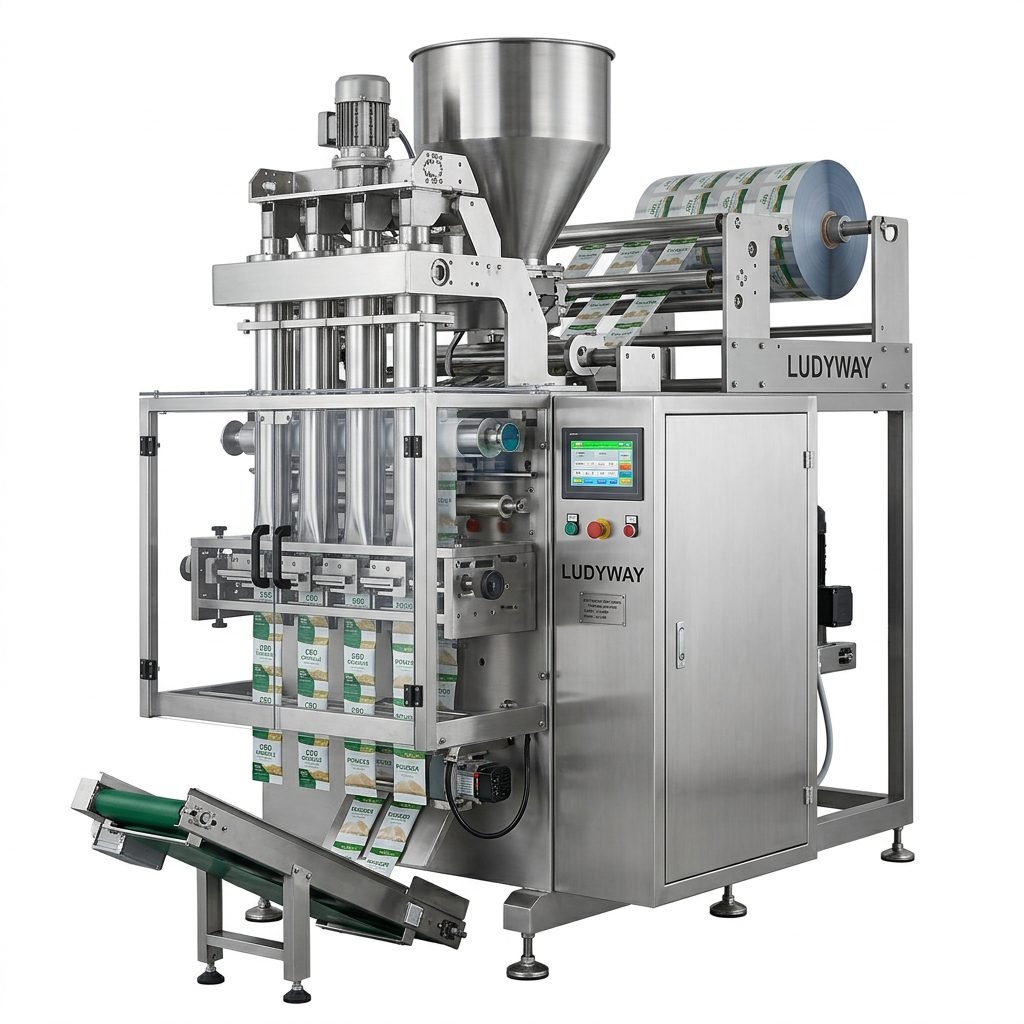
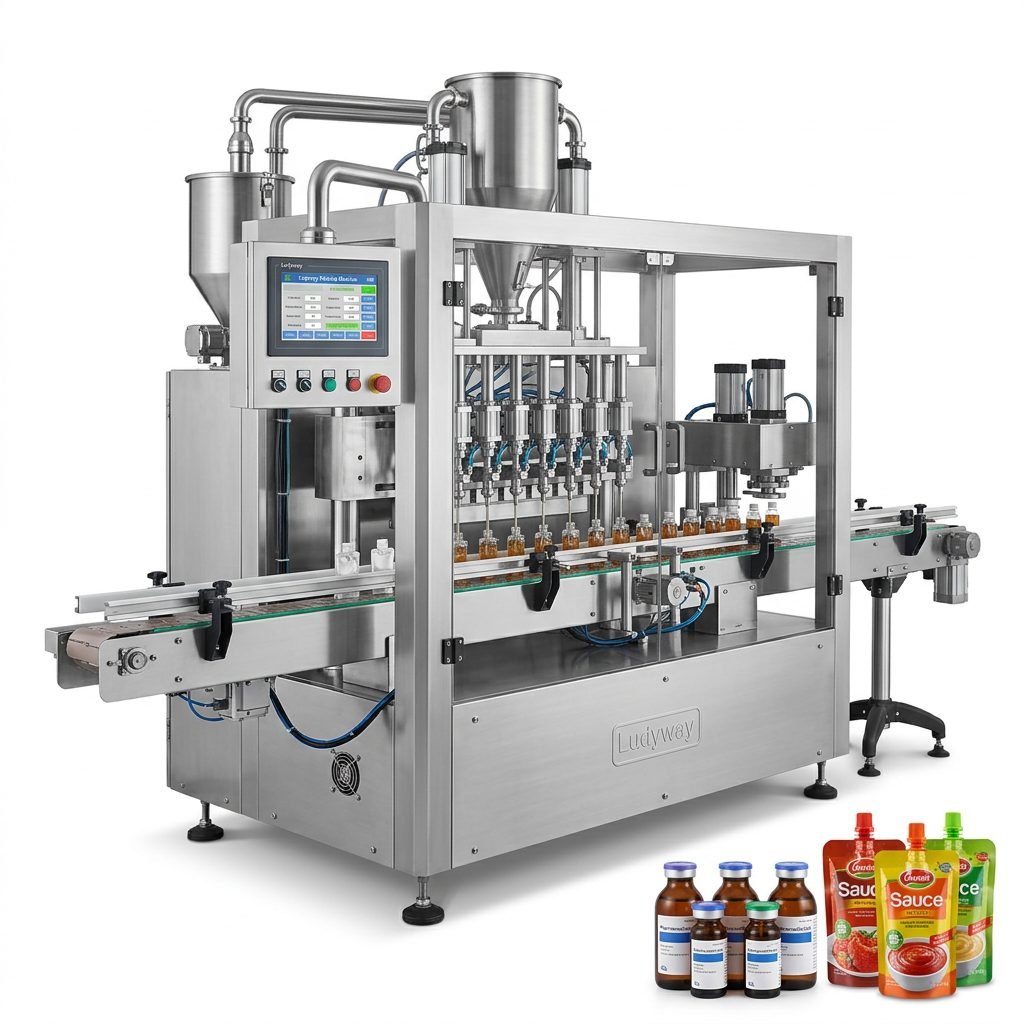
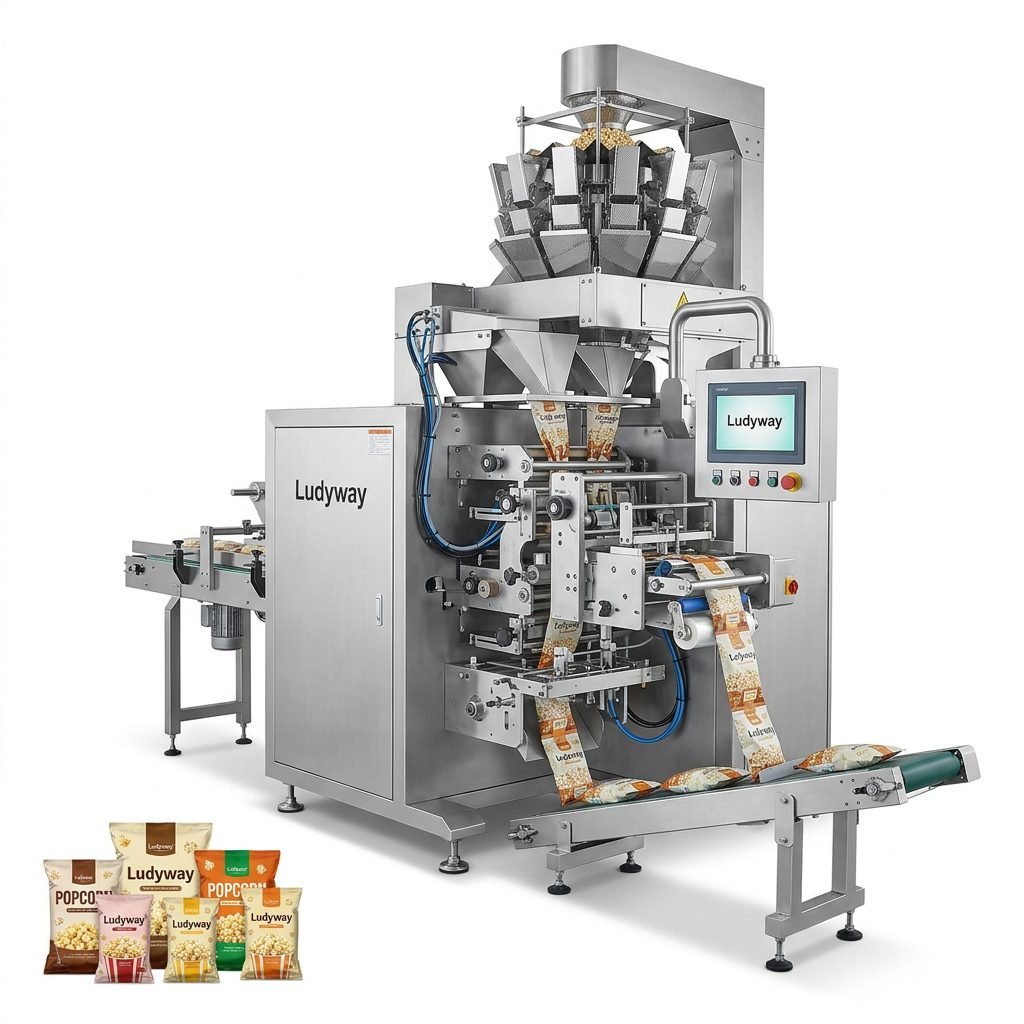
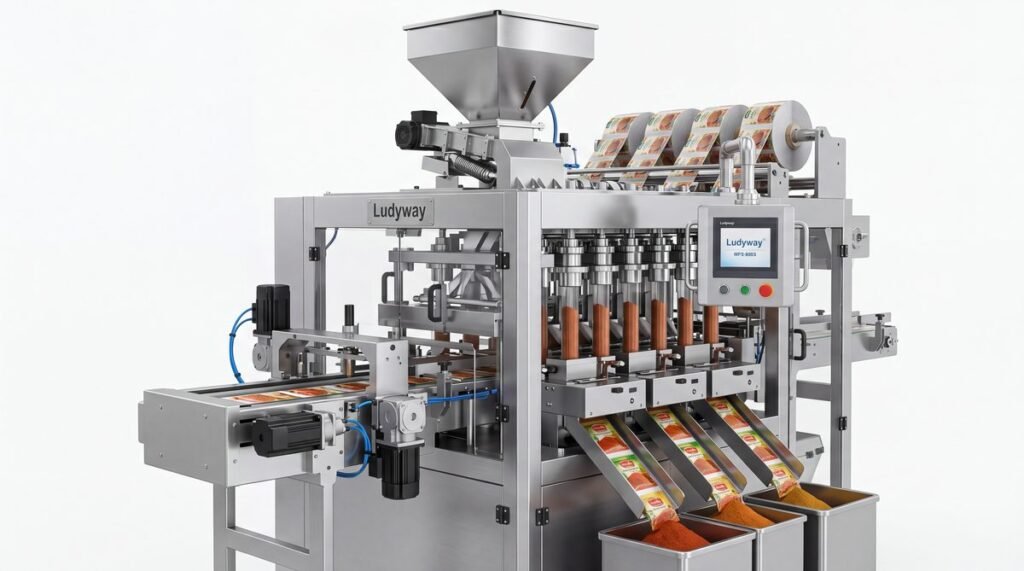
In modern production environments, an automatic shrink wrapping machine plays a critical role in improving packaging speed, product protection, and presentation. Whether used for food, pharmaceuticals, cosmetics, household goods, or industrial products, shrink wrapping helps businesses create clean, tamper-evident, and retail-ready packaging with less manual labor and more consistent output.
For manufacturers aiming to reduce downtime and increase packaging efficiency, automatic shrink wrapping systems offer a practical solution that combines automation, sealing precision, and reliable film performance in one streamlined process.
What Is an Automatic Shrink Wrapping Machine?
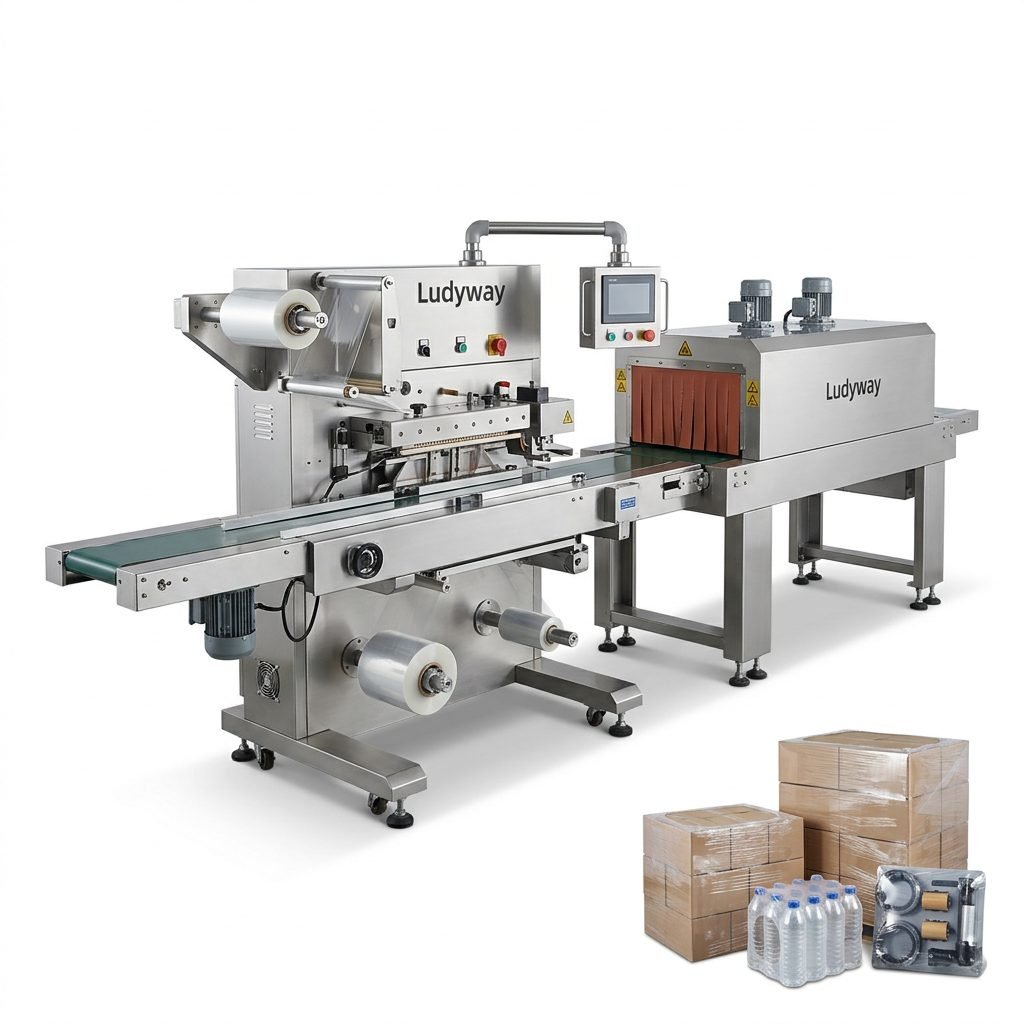
An automatic shrink wrapping machine is a packaging system designed to wrap products with shrink film, seal the film, and apply heat so the material tightly conforms to the shape of the item or product bundle. This process creates a secure outer layer that helps protect goods from dust, moisture, tampering, and transport-related movement.
These machines are widely used for:
- Single-product retail packaging
- Multi-pack bundling
- Carton overwrapping
- Bottle and can grouping
- Tray and case shrink packaging
How the Shrink Wrapping Process Works
Although machine configurations may vary, the basic workflow is straightforward:
- Products are fed automatically by conveyor.
- Shrink film is formed around the product.
- The machine seals the film precisely.
- The wrapped product passes through a heat tunnel.
- The film shrinks tightly for a neat and secure finish.
This automated process reduces manual handling and helps maintain stable packaging quality even during high-volume production runs.
Key Benefits of Using an Automatic Shrink Wrapping Machine
1. Faster Packaging Speed
Automation significantly increases throughput compared with manual or semi-automatic methods. Businesses that package products continuously can achieve better productivity and shorter lead times.
2. Better Product Protection
Shrink film forms a tight protective layer around the product, helping reduce contamination risk and keeping items stable during storage and shipping.
3. Improved Packaging Consistency
Automatic systems maintain more uniform sealing and film shrink results, which is especially important for brand image, retail display, and customer satisfaction.
4. Lower Labor Dependency
By automating feeding, sealing, and heat shrinking, manufacturers can reduce manual operations and reassign labor to higher-value tasks.
5. Neater Product Presentation
A clean shrink-wrapped finish gives products a professional appearance that supports shelf appeal and reinforces packaging quality.
Applications Across Different Industries
Automatic shrink wrapping machines are suitable for a wide range of products and packaging formats.
| Industry | Typical Products | Packaging Purpose |
|---|---|---|
| Food & Beverage | Bottles, cans, snacks, cartons, trays | Bundling, hygiene, shelf-ready packaging |
| Pharmaceutical | Boxes, medical kits, healthcare products | Tamper evidence, protection, compliance support |
| Cosmetics | Cream boxes, skincare kits, personal care items | Premium appearance and product security |
| Chemical & Household | Cleaners, detergents, industrial supplies | Leak protection, grouping, transport stability |
| Industrial Goods | Hardware packs, components, boxed goods | Dust protection and bundled shipment handling |
Important Features to Look For
When selecting an automatic shrink wrapping machine, it is important to evaluate both current production needs and future scalability. Key features include:
- Automatic feeding and transfer system
- Stable sealing performance
- Adjustable temperature and conveyor speed
- Compatibility with different shrink films
- Easy changeover for multiple product sizes
- User-friendly control interface
- Reliable heat tunnel circulation
- Safety protection and fault alarm functions
These features directly affect machine efficiency, packaging quality, maintenance frequency, and long-term operating cost.
Automatic vs. Semi-Automatic Shrink Wrapping
| Factor | Automatic Machine | Semi-Automatic Machine |
|---|---|---|
| Speed | High | Moderate |
| Labor Requirement | Low | Higher |
| Consistency | Excellent | Operator-dependent |
| Output Volume | Ideal for medium to large scale | Better for small batches |
| Integration | Easy line integration | More limited |
If your business handles growing order volumes, frequent production cycles, or multi-shift packaging, an automatic system is usually the better long-term investment.
How to Choose the Right Machine for Your Production Line
The best machine depends on product type, packaging format, and operational goals. Before purchasing, consider the following:
- What are the product dimensions and shapes?
- What packaging speed is required per minute?
- Will the machine wrap single items or bundled products?
- What shrink film material will be used?
- Does the system need to connect with upstream or downstream equipment?
- How often will product size changeovers occur?
- What level of after-sales support is needed?
For many manufacturers, working with an experienced packaging equipment supplier helps avoid costly mismatches between machine configuration and production demand.
Why Integration Matters
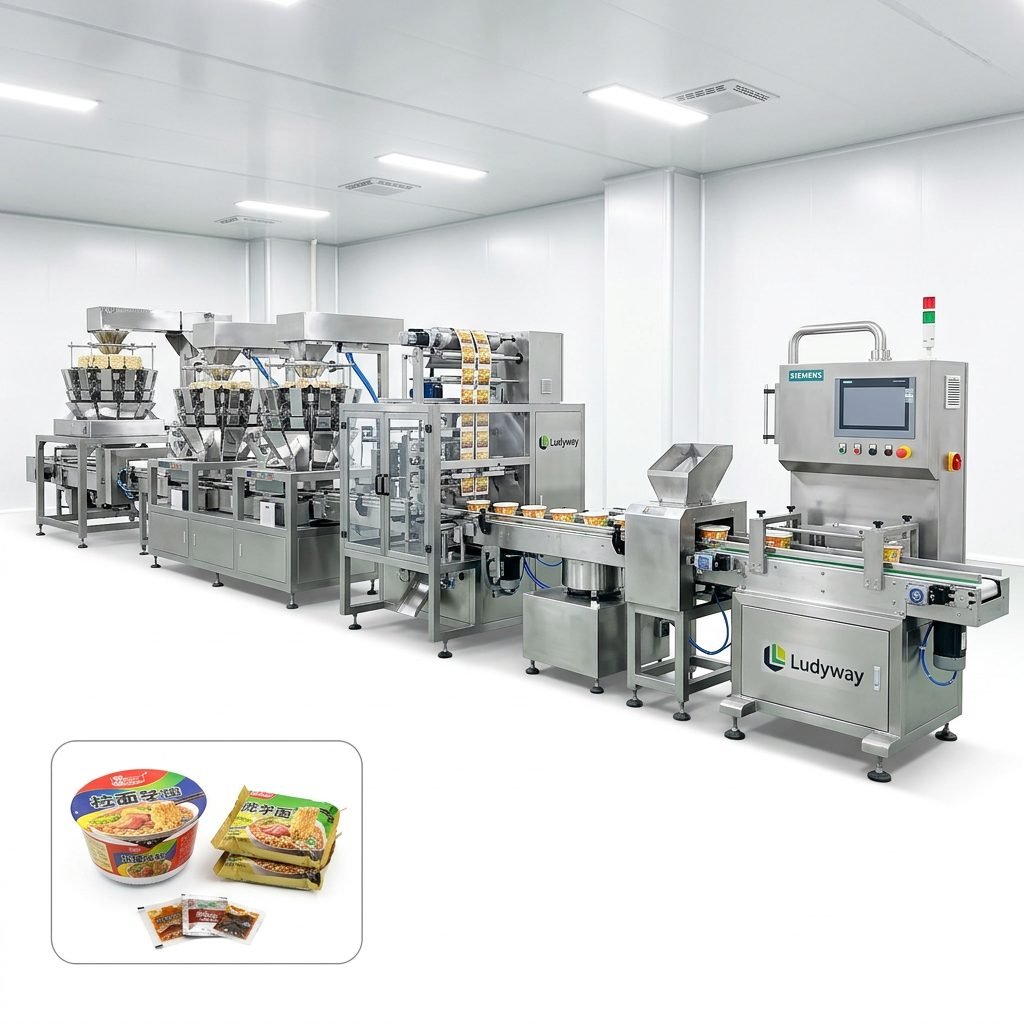
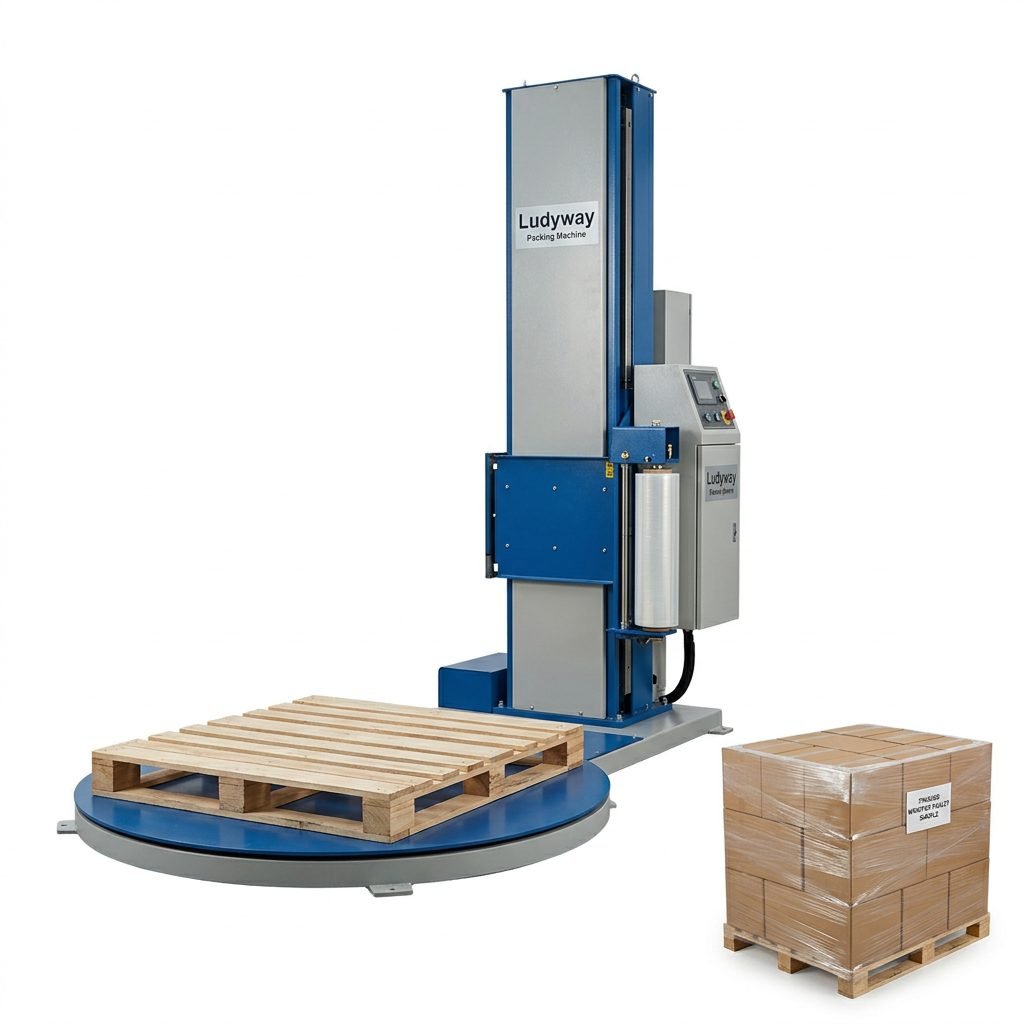
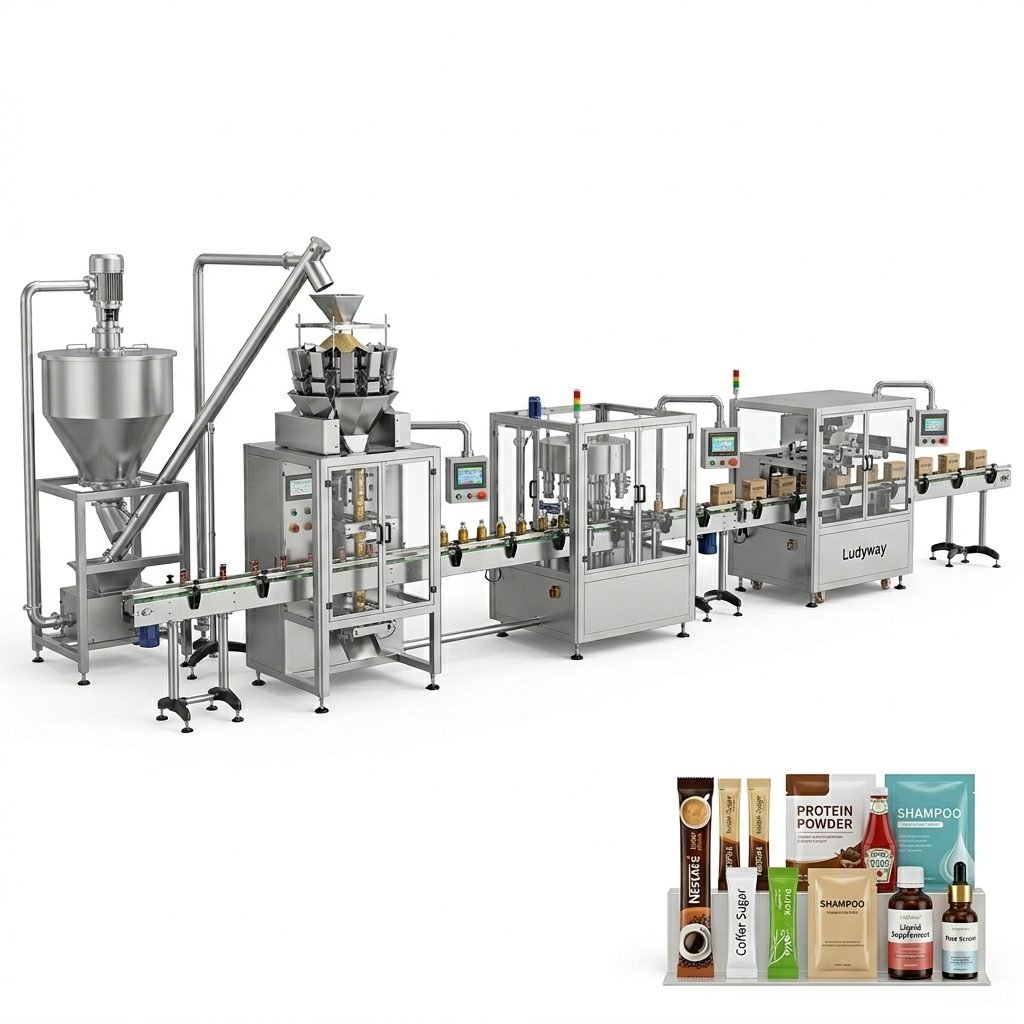
An automatic shrink wrapping machine delivers even greater value when integrated into a complete packaging line. It can work together with conveyors, filling systems, cartoners, labeling machines, case packers, and palletizing equipment to create a more efficient end-of-line solution.
This kind of integration supports:
- Reduced product handling
- Lower packaging bottlenecks
- Higher line automation
- Improved production planning
- More stable final packaging quality
Maintenance Tips for Long-Term Performance
To keep shrink wrapping equipment operating reliably, regular maintenance is essential. Recommended practices include:
- Clean sealing components and heat tunnel areas routinely.
- Inspect film feed and conveyor systems for wear.
- Check temperature settings and airflow consistency.
- Lubricate moving parts according to the maintenance schedule.
- Train operators on correct film loading and machine adjustment.
Consistent maintenance helps reduce downtime, maintain sealing quality, and extend machine lifespan.
A Reliable Partner for Automated Packaging Solutions
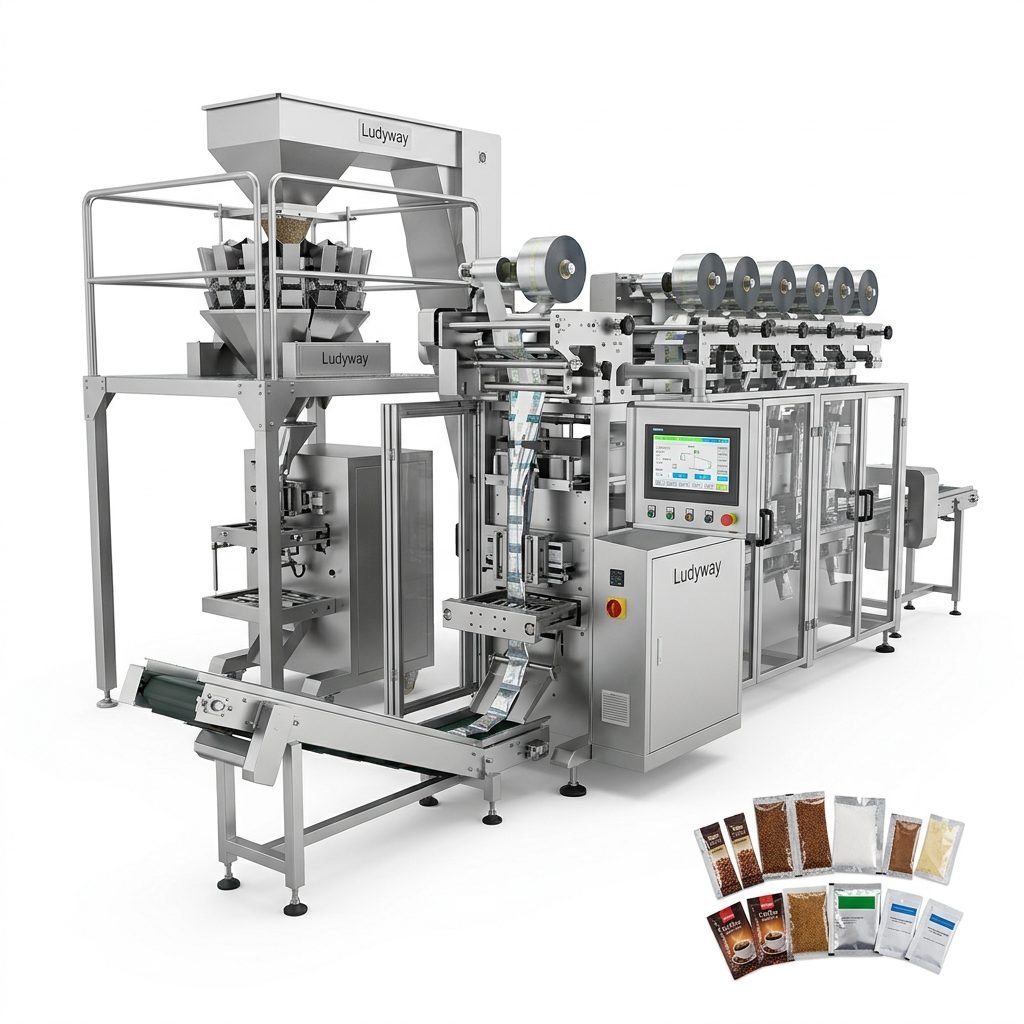
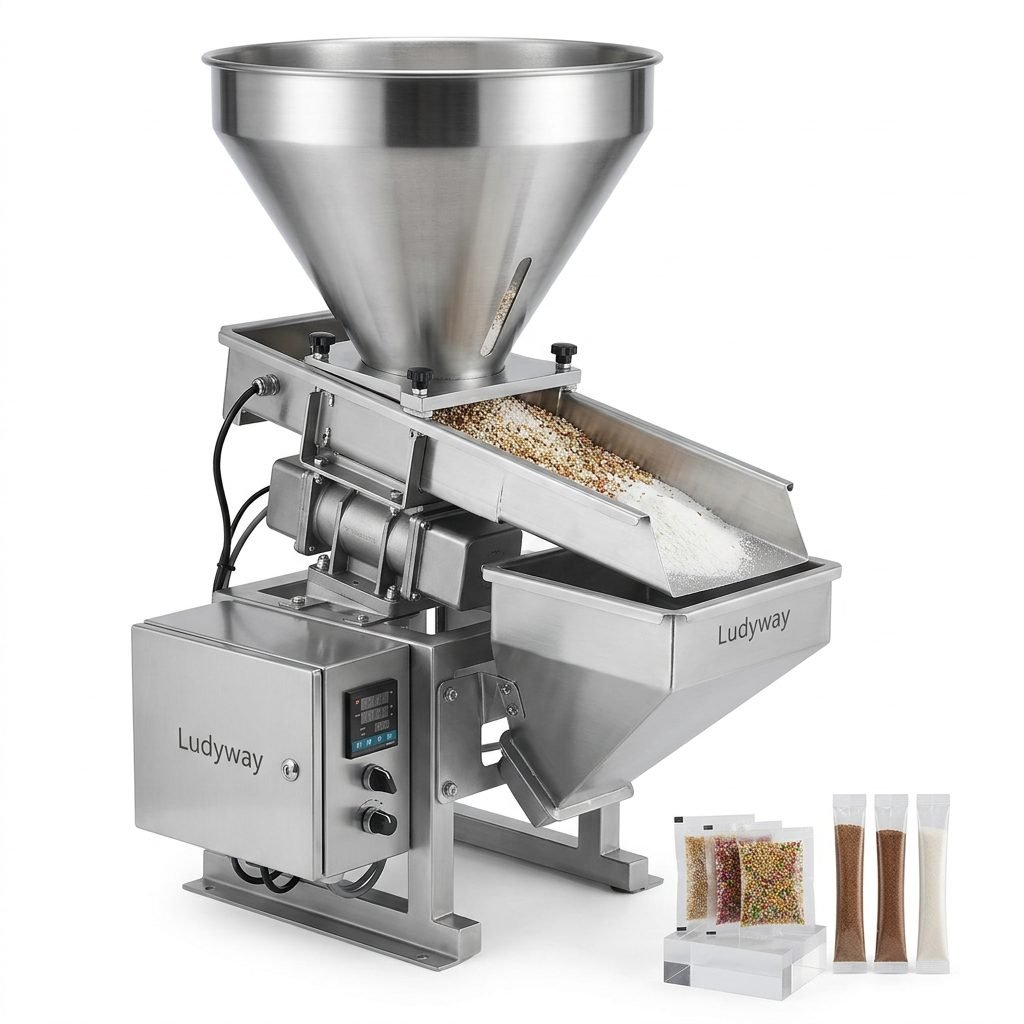
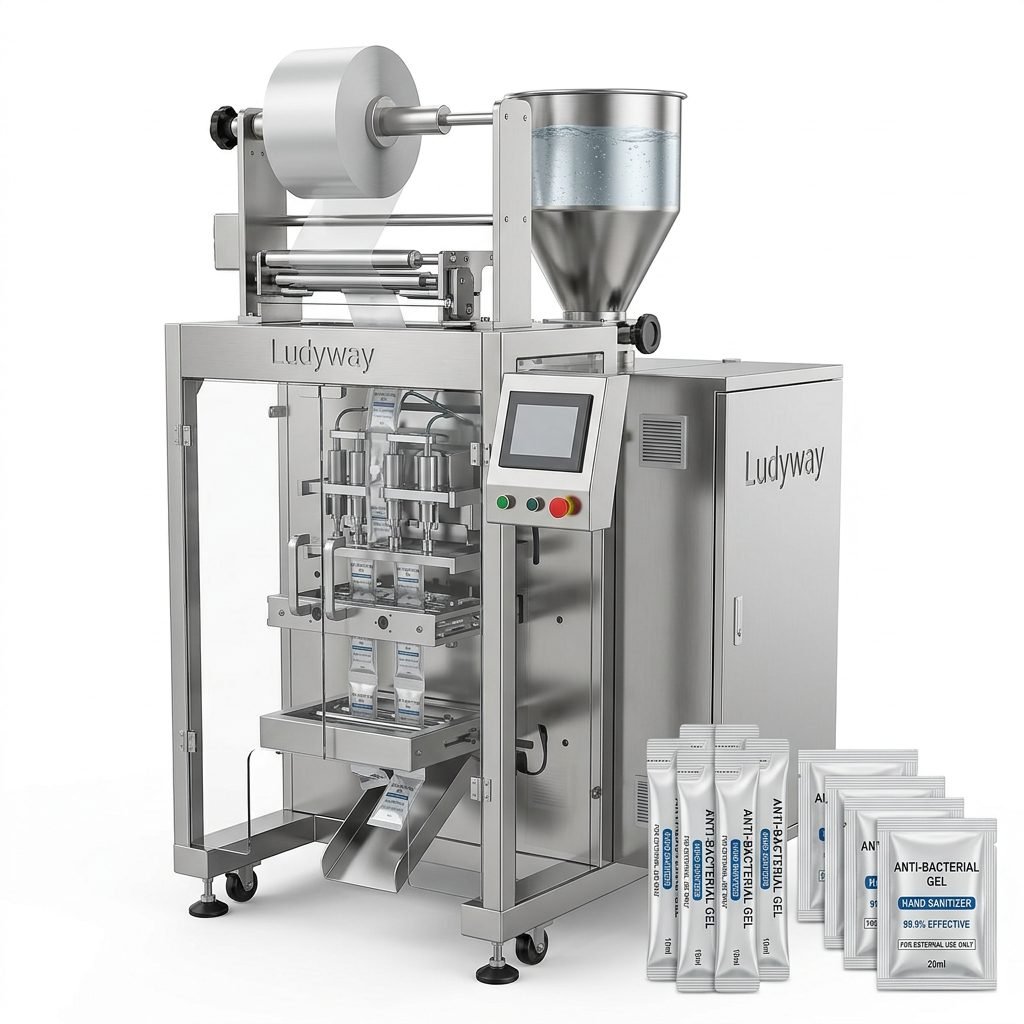
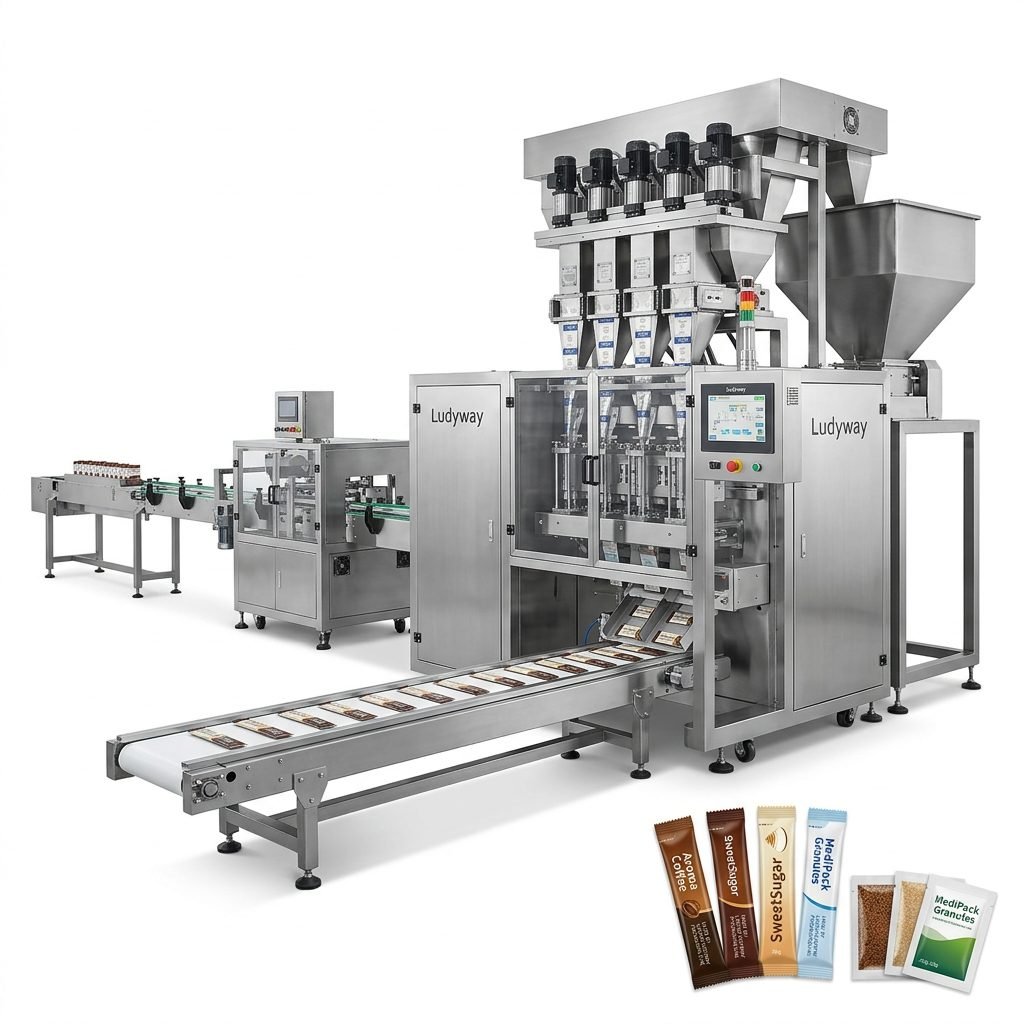
For companies seeking efficient shrink wrapping and broader packaging automation support, Ludyway automatic packaging solutions are backed by more than 30 years of manufacturing experience. Founded in 1993, with a factory size of over 20,000 square meters and customers in more than 100 countries and regions, the company is recognized as one of China’s leading packaging machine and turnkey packaging line manufacturers for food, pharmaceutical, health supplement, cosmetic, chemical, and related industries.
Its broad equipment range and engineering capabilities make it a strong option for businesses that need scalable automation, customized solutions, and dependable long-term technical support.
Final Considerations Before Investing
An automatic shrink wrapping machine is more than just a packaging device—it is a productivity tool that can improve speed, protection, and packaging consistency across your entire operation. Businesses that choose the right configuration can benefit from higher output, more secure wrapping, reduced labor costs, and a stronger product presentation.
If your operation is expanding or your current packaging process is limiting efficiency, investing in a well-designed automatic shrink wrapping system can be a smart step toward a faster and more reliable packaging workflow.