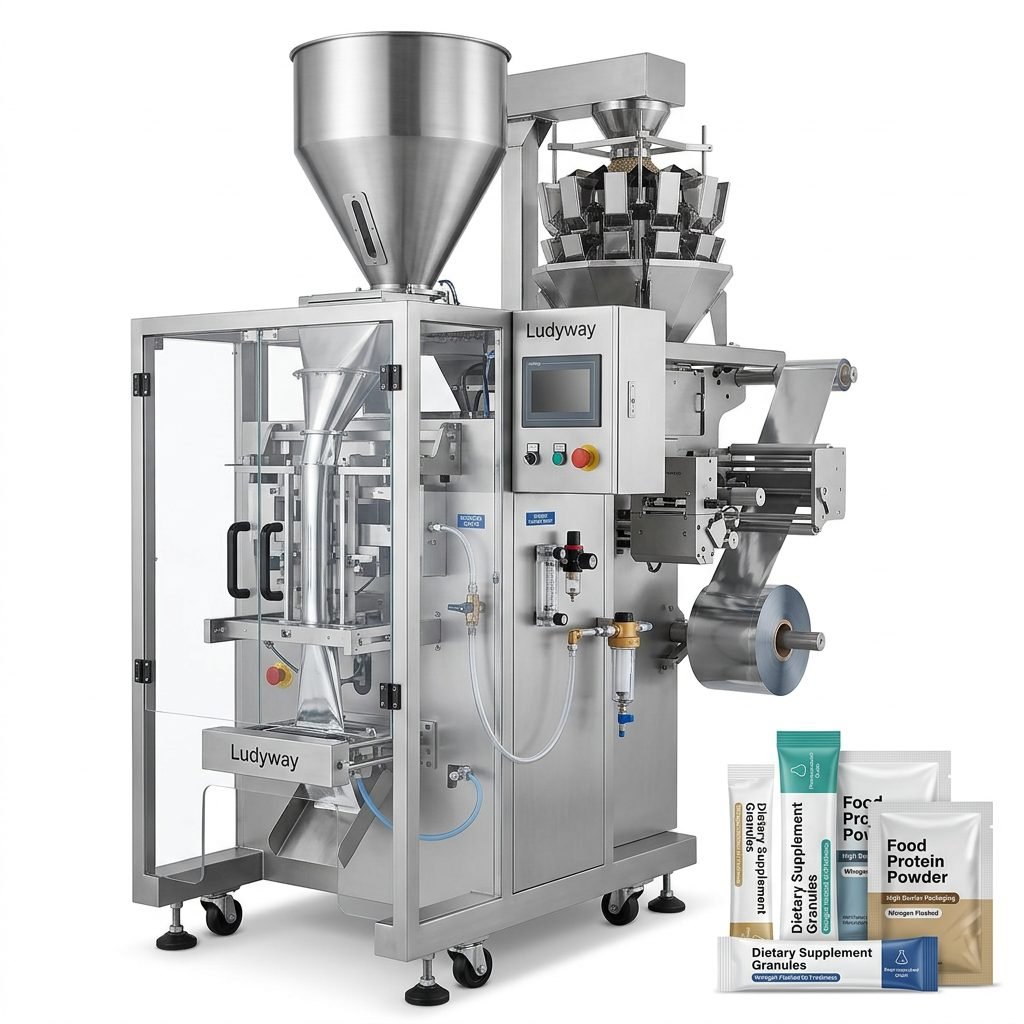
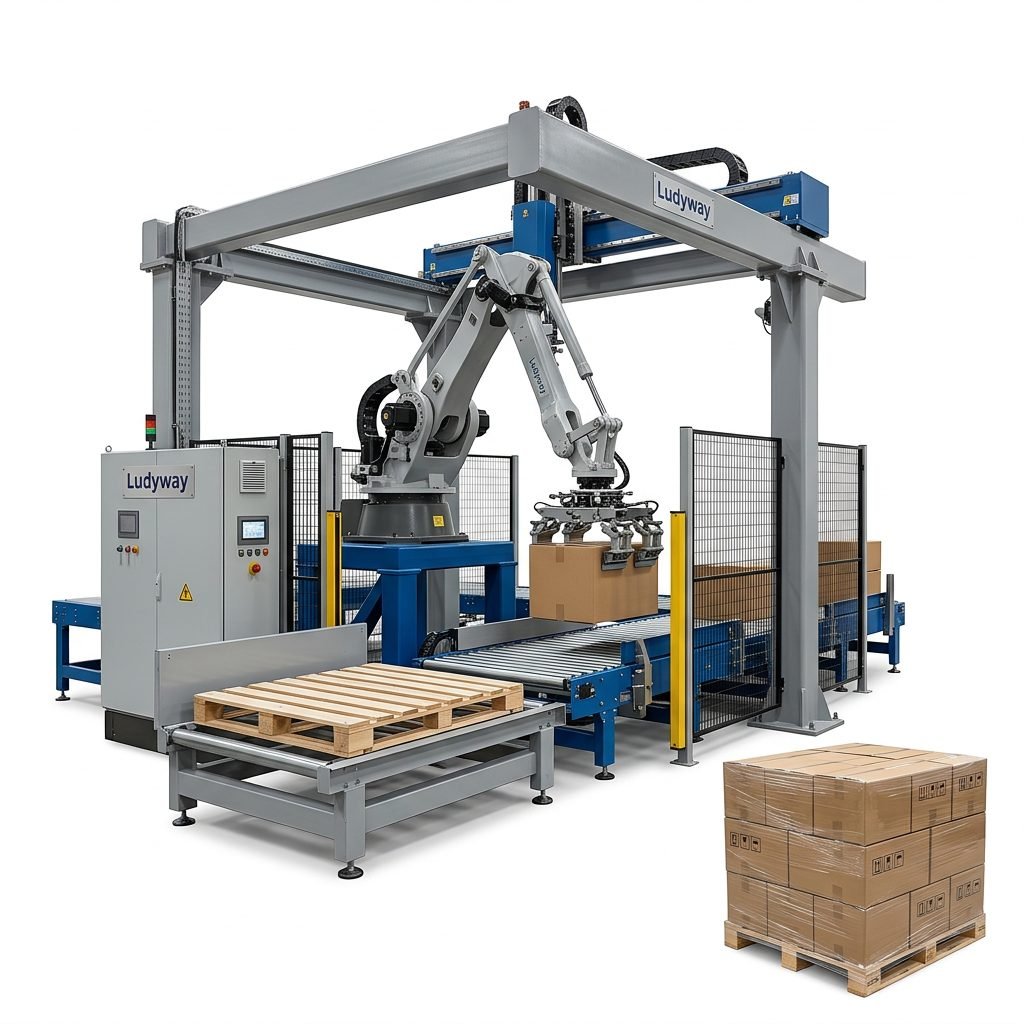
Automatic cartoning machines have become a core part of modern packaging lines because they help manufacturers pack products faster, more accurately, and with lower labor dependency. Whether you are handling food sachets, pharmaceutical pouches, cosmetics, medical supplies, or consumer goods, the right cartoning solution can significantly improve your end-of-line efficiency.
In this guide, you will learn how automatic cartoning machines work, their main types, applications, advantages, selection criteria, and how they fit into a complete packaging automation strategy.
What Is an Automatic Cartoning Machine?
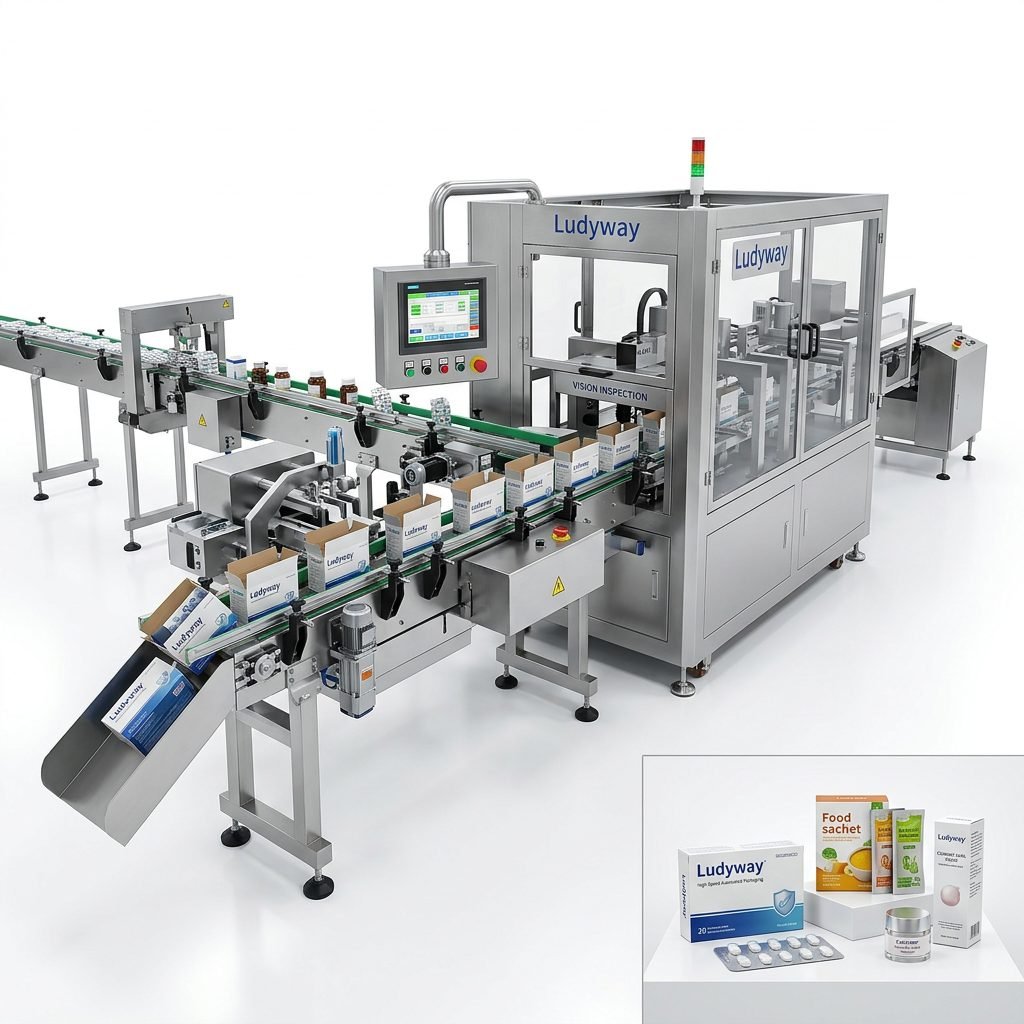
An automatic cartoning machine is a packaging system designed to form, load, and close cartons automatically. It takes packaged or unpackaged products from an upstream line and places them into pre-glued cartons or flat carton blanks, depending on the machine design.
These machines are widely used for:
- Food products such as snack bags, stick packs, sachets, and trays
- Pharmaceutical products such as blister packs, bottles, vials, and pouches
- Cosmetics including tubes, sachets, masks, and ampoules
- Household and industrial goods packed in cartons for shipping and retail display
How an Automatic Cartoning Machine Works
Although configurations vary, most automatic cartoning machines follow a similar process:
- Product infeed: products arrive from filling, sealing, wrapping, or counting equipment.
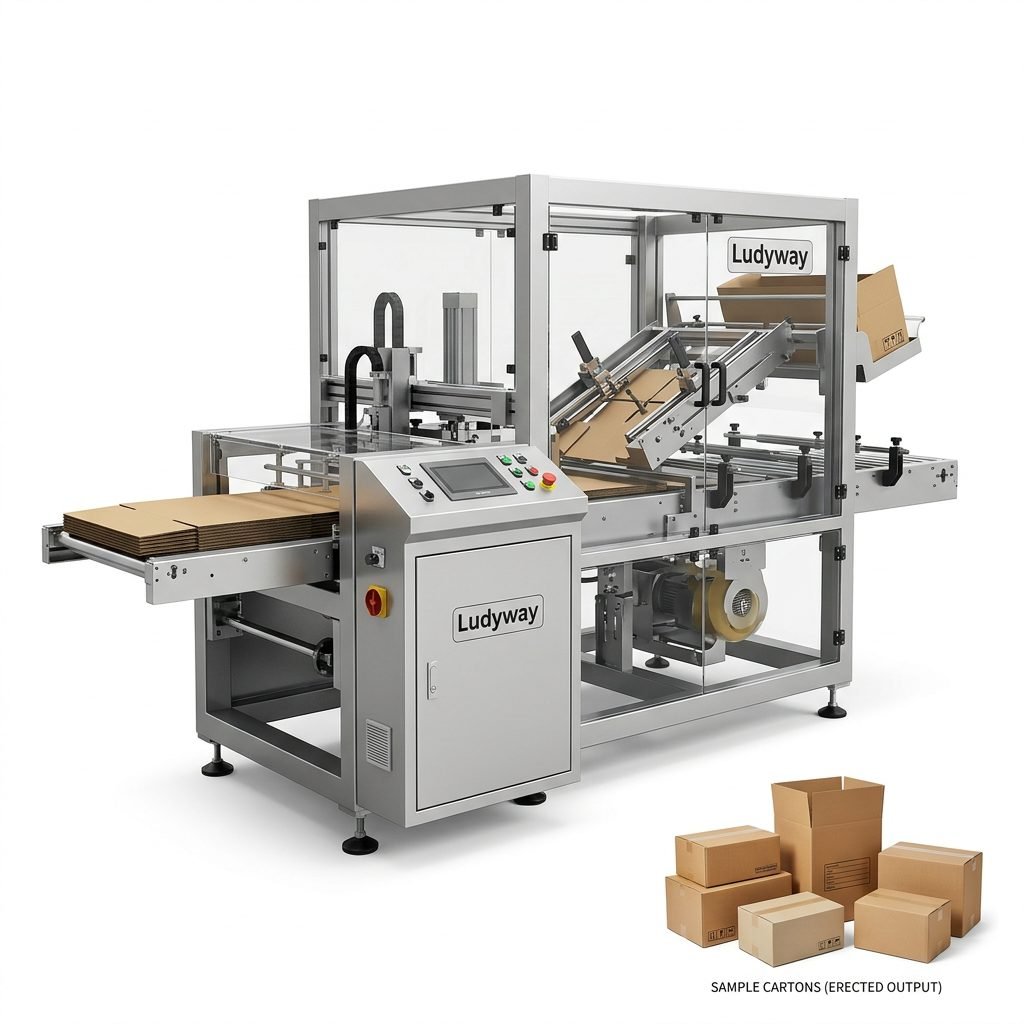
- Carton erection: flat cartons are opened and shaped automatically.
- Product loading: products are inserted into cartons by pushers, robotic pick-and-place units, or servo systems.
- Leaflet insertion: optional inserts such as manuals or promotional cards are added.
- Carton closing: tuck-in, glue sealing, or locking methods are applied.
- Code printing and inspection: batch codes, date codes, and vision checks ensure compliance.
- Discharge: finished cartons move to case packing, palletizing, or shipping.
Main Types of Automatic Cartoning Machines
Choosing the right machine starts with understanding the major cartoner categories.
| Type | Best For | Key Features |
|---|---|---|
| Horizontal cartoning machine | Bags, pouches, blister packs, bottles, tubes | High speed, stable loading, common in pharma and food |
| Vertical cartoning machine | Granules, sachets, bottles, irregular items | Top-loading design, flexible product insertion |
| Intermittent motion cartoner | Medium-speed lines, multi-format products | Good adaptability, easier format change |
| Continuous motion cartoner | High-output production lines | Maximum speed, smooth operation, higher efficiency |
Key Benefits of Automatic Cartoning Machines
Businesses invest in automatic cartoning equipment because it improves both production capacity and packaging consistency.
- Higher output: significantly faster than manual cartoning
- Better consistency: uniform carton forming, loading, and sealing
- Reduced labor costs: fewer operators needed on repetitive tasks
- Improved product protection: secure secondary packaging reduces transport damage
- Cleaner presentation: better shelf appearance for retail and export markets
- Easier integration: works with filling, sealing, coding, checkweighing, case packing, and palletizing systems
- Compliance support: ideal for industries requiring traceability and inspection
Industries That Commonly Use Automatic Cartoners
Food Industry
Food manufacturers use cartoning machines for sachets, stick packs, snack bags, seasonings, coffee products, frozen foods, and meal components. A cartoner helps create retail-ready packs while keeping output stable during peak production.
Pharmaceutical Industry
In pharmaceuticals, automatic cartoning machines are used for blister packs, bottles, vials, ampoules, syringes, and medical devices. These systems often include leaflet insertion, code verification, rejection functions, and vision inspection for regulatory compliance.
Cosmetics and Personal Care
Cream tubes, serum sachets, face masks, ampoules, and skincare kits often require attractive retail packaging. Cartoners help maintain neat appearance and accurate pack counts.
Chemical and Household Products
Detergents, wipes, cleaning products, and industrial consumables can also be packed into cartons for easier handling, labeling, and shipping.
Important Components of an Automatic Cartoning System
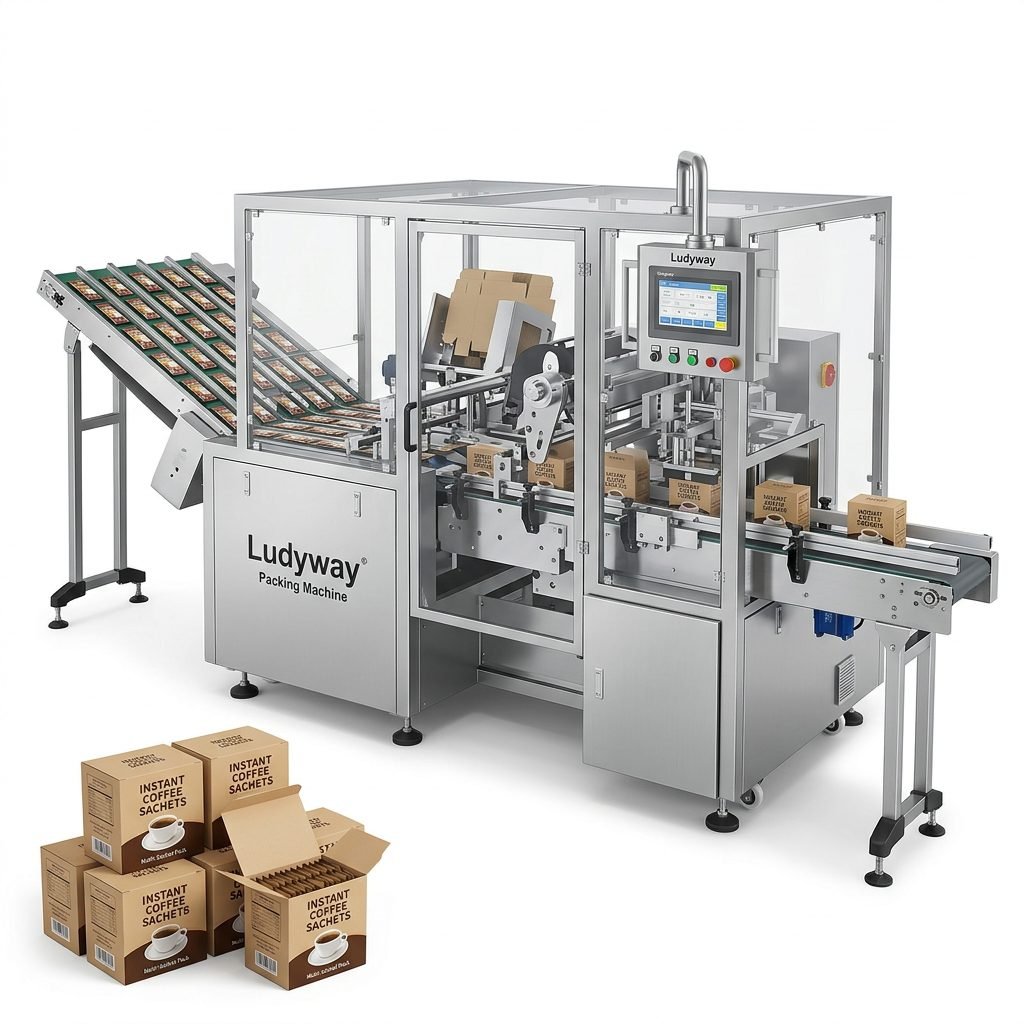
A high-performance automatic cartoning machine is more than a simple box loader. It usually includes several coordinated modules:
- Product feeding conveyor
- Carton magazine
- Carton opening mechanism
- Servo-driven loading unit
- Leaflet inserter
- Closing and sealing station
- Date/batch coding unit
- Reject device for defective cartons
- Safety guards and HMI control system
Automatic Cartoning Machine vs Manual Cartoning
| Factor | Manual Cartoning | Automatic Cartoning |
|---|---|---|
| Speed | Low to medium | Medium to very high |
| Labor requirement | High | Low |
| Consistency | Operator dependent | Highly stable |
| Traceability | Limited | Easy to integrate with coding and inspection |
| Scalability | Weak | Strong |
How to Choose the Right Automatic Cartoning Machine
Selecting the best machine depends on your product, packaging format, output goals, and future expansion plans.
1. Product Type
Consider whether you are handling pouches, sachets, bottles, blister packs, tubes, or multi-piece bundles. Product shape and fragility directly affect loading design.
2. Carton Size Range
If your production includes multiple carton formats, choose a machine with convenient and repeatable format changeover.
3. Speed Requirement
Match the cartoner speed with your upstream packaging line. An undersized cartoner can become the production bottleneck.
4. Integration Needs
The machine should connect smoothly with conveyors, pouch packers, labeling units, checkweighers, case packers, and palletizers.
5. Industry Compliance
Pharma and medical applications may require validation-ready functions, rejection systems, printing verification, and data traceability.
6. Maintenance and Service
A good supplier should provide operator training, spare parts support, remote technical assistance, and clear maintenance documentation.
Typical Production Line Integration
In modern factories, cartoning machines are rarely standalone systems. They are usually integrated into a broader packaging process such as:
- Primary packaging machine
- Product counting or collating unit
- Automatic cartoning machine
- Case packing machine
- Carton sealing machine
- Palletizing system
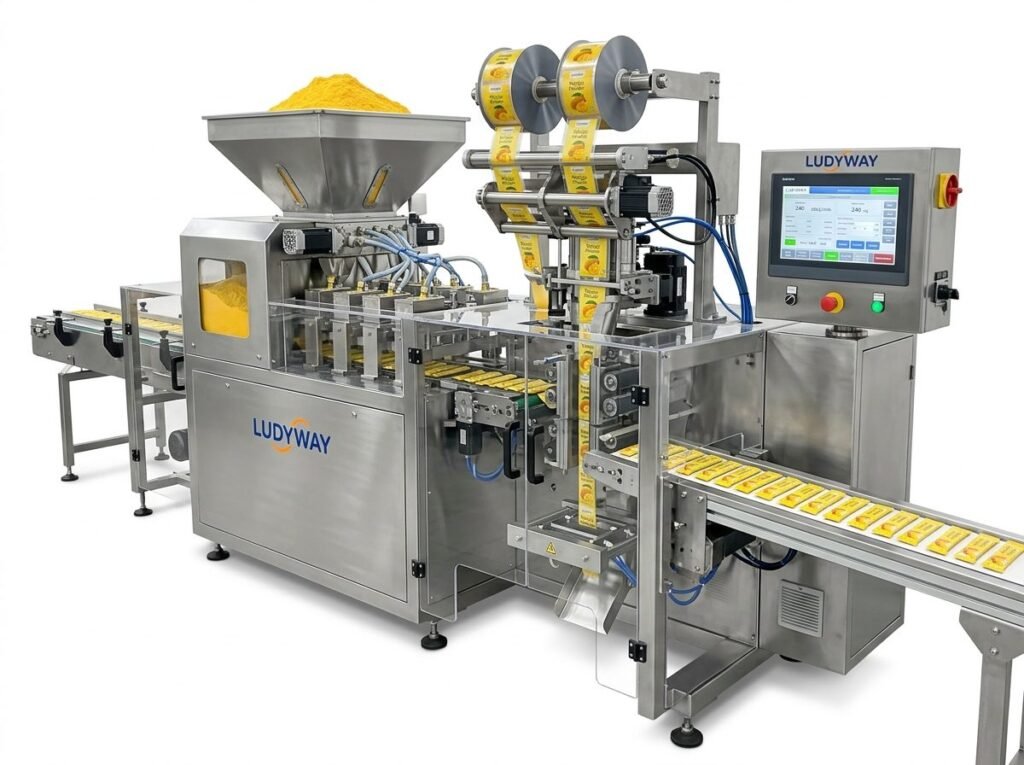
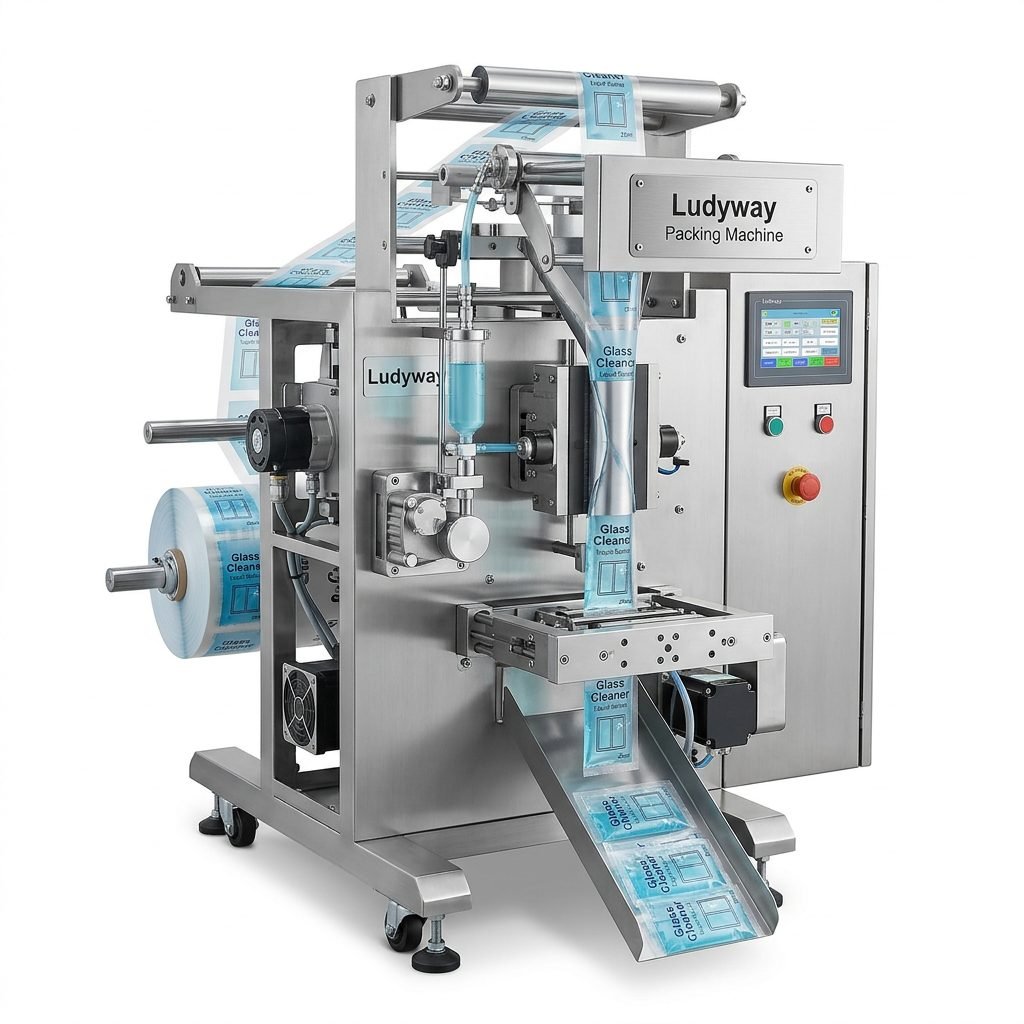
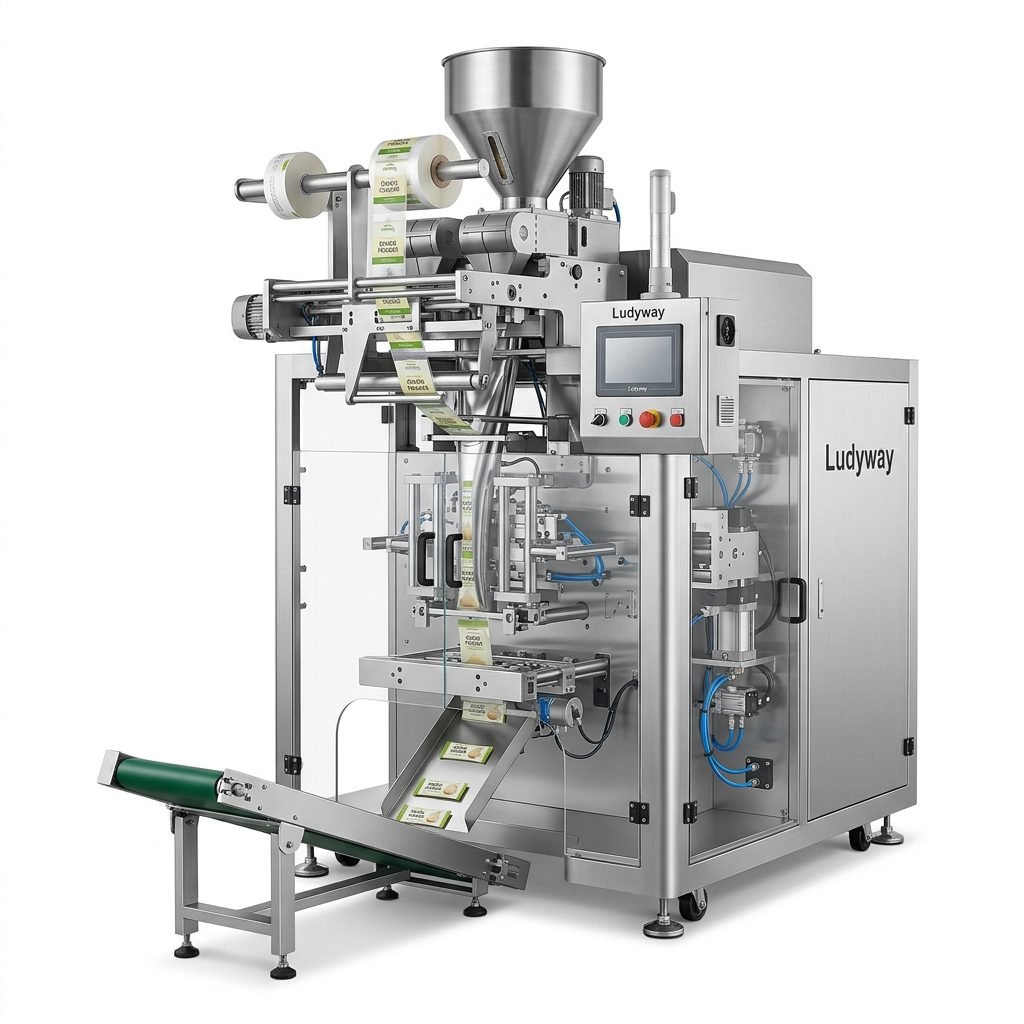
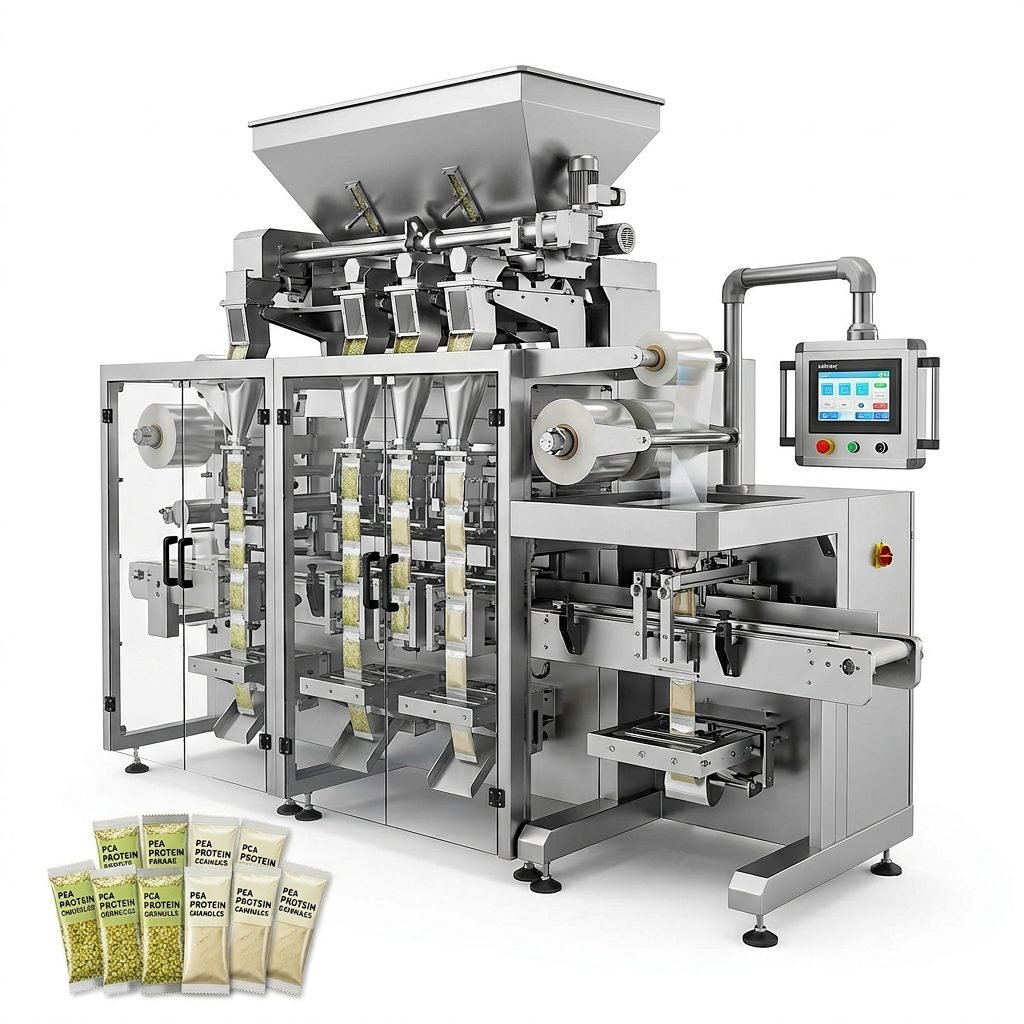
This kind of layout reduces manual transfer, shortens cycle time, and improves production visibility. Companies seeking complete automation often work with experienced suppliers such as Ludyway automatic cartoning machine solutions to build integrated packaging lines for food, pharmaceutical, health supplement, and related industries.
Common Features to Look For
- Servo motion control for accurate positioning
- Touchscreen HMI for easier operation
- Quick-change tooling for multiple carton sizes
- No carton/no product detection
- Automatic reject system for faulty packs
- Batch coding and serialization compatibility
- Stainless steel construction for hygienic applications
- Safety interlocks and guarding for operator protection
Maintenance Tips for Long-Term Performance
Even the best automatic cartoning machine needs routine care to maintain performance and reduce downtime.
- Inspect carton feeding and opening mechanisms daily.
- Keep conveyors, pushers, and sensors clean.
- Check lubrication points according to the maintenance schedule.
- Replace worn suction cups, belts, and guide parts on time.
- Calibrate coding and inspection devices regularly.
- Train operators to detect early signs of jams or misfeeds.
Signs Your Factory Needs an Automatic Cartoning Upgrade
- Frequent labor shortages in secondary packaging
- Inconsistent carton quality caused by manual handling
- Growing order volumes that exceed current output
- High reject rates or product damage during boxing
- Need for better retail presentation and export packaging
- Requirement to connect packaging, coding, inspection, and palletizing into one line
Frequently Asked Questions
What products can be packed by an automatic cartoning machine?
It can handle a wide range of products, including sachets, stick packs, pouches, bottles, blister packs, tubes, vials, masks, wipes, and bundled items, depending on machine design.
What is the difference between a horizontal and vertical cartoner?
A horizontal cartoner usually inserts products from the side and is commonly used for high-speed lines. A vertical cartoner loads from the top and is often preferred for free-flowing, stacked, or irregular products.
Can an automatic cartoning machine be customized?
Yes. Many manufacturers offer customized infeed systems, carton sizes, loading methods, coding modules, and integration with upstream or downstream equipment.
Is automatic cartoning suitable for small and medium manufacturers?
Yes. Entry-level and modular systems are available for growing businesses that want to improve efficiency while keeping room for future expansion.
Final Thoughts on Efficient Cartoning Automation
Automatic cartoning machines are an essential investment for manufacturers that want to improve packaging speed, reduce labor costs, and create a more reliable production flow. When selected correctly, a cartoner does more than put products into boxes—it becomes a critical part of a scalable, efficient, and professional packaging system.
For businesses planning to upgrade secondary packaging, the best approach is to evaluate product type, carton format, speed requirements, and full-line integration potential. A well-matched automatic cartoning solution can deliver better productivity, stronger packaging quality, and long-term operational value.