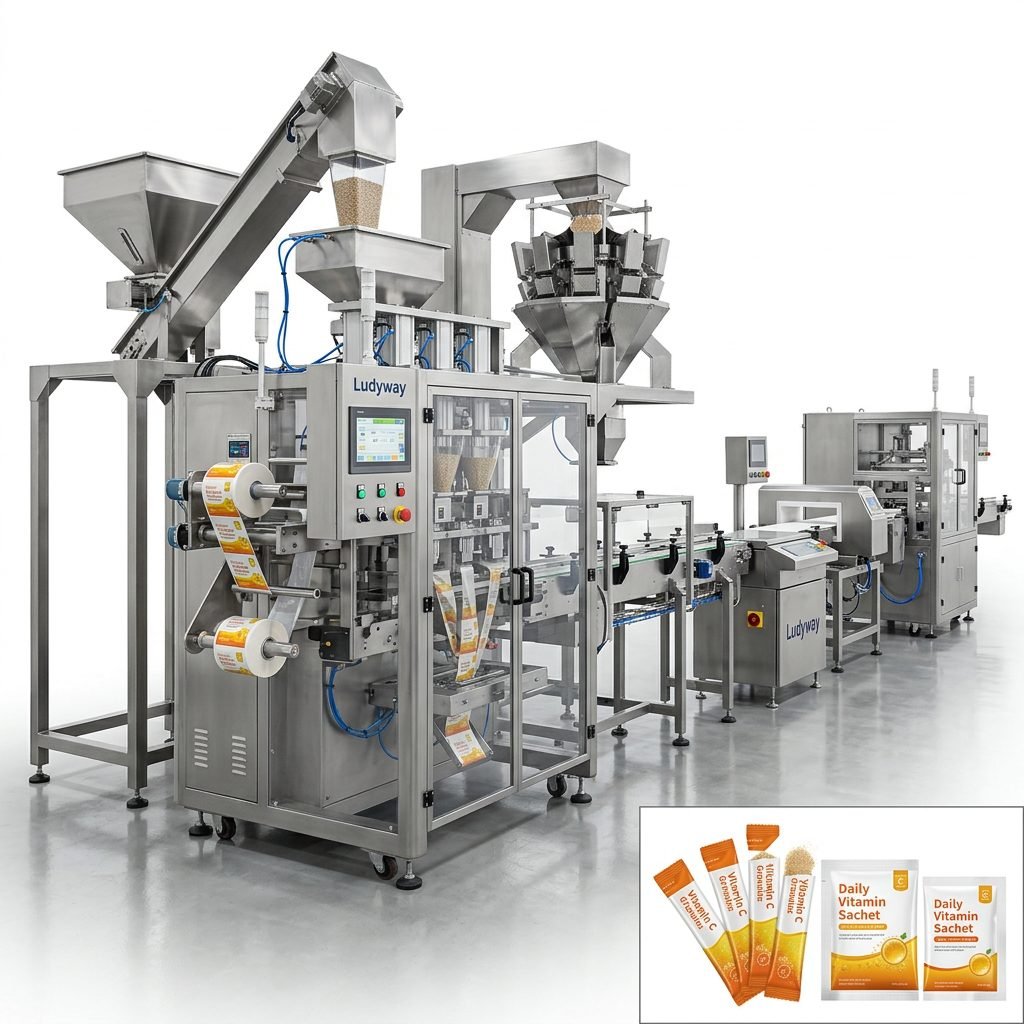
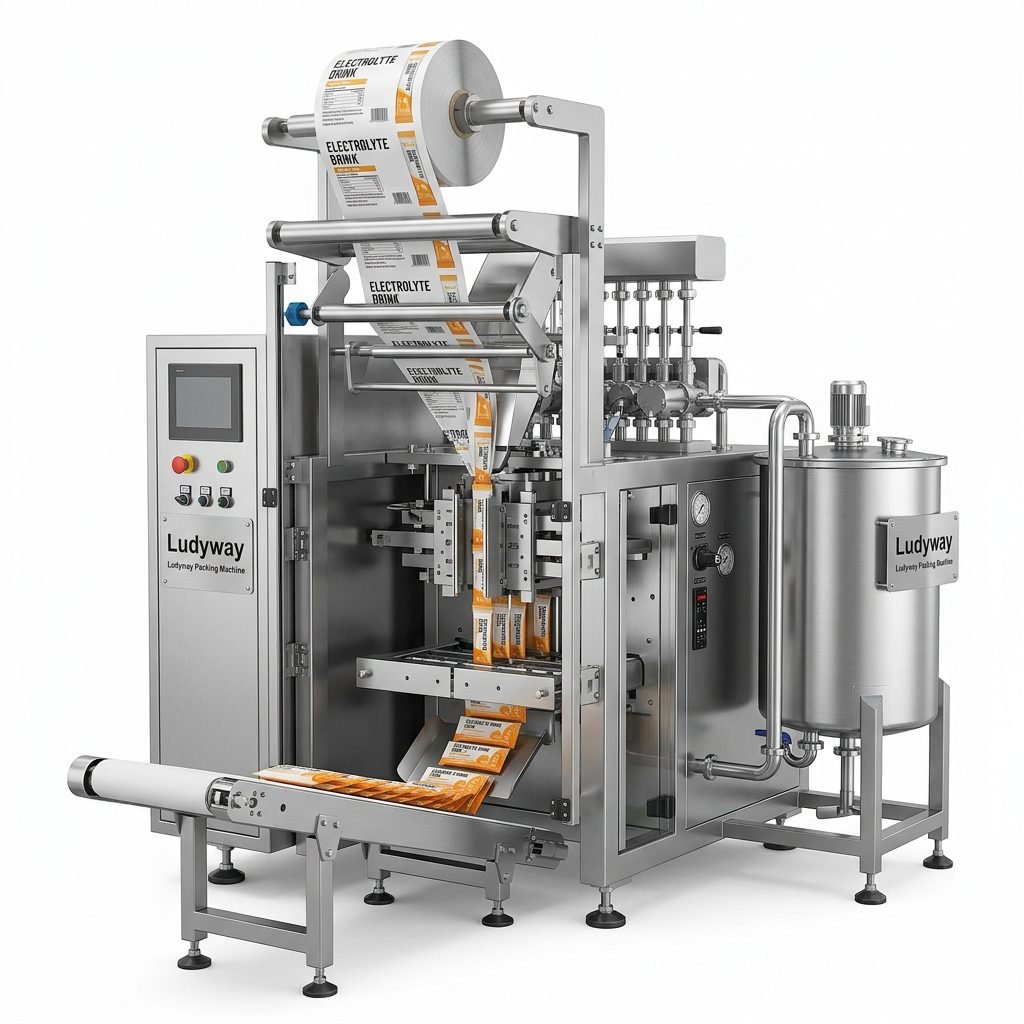
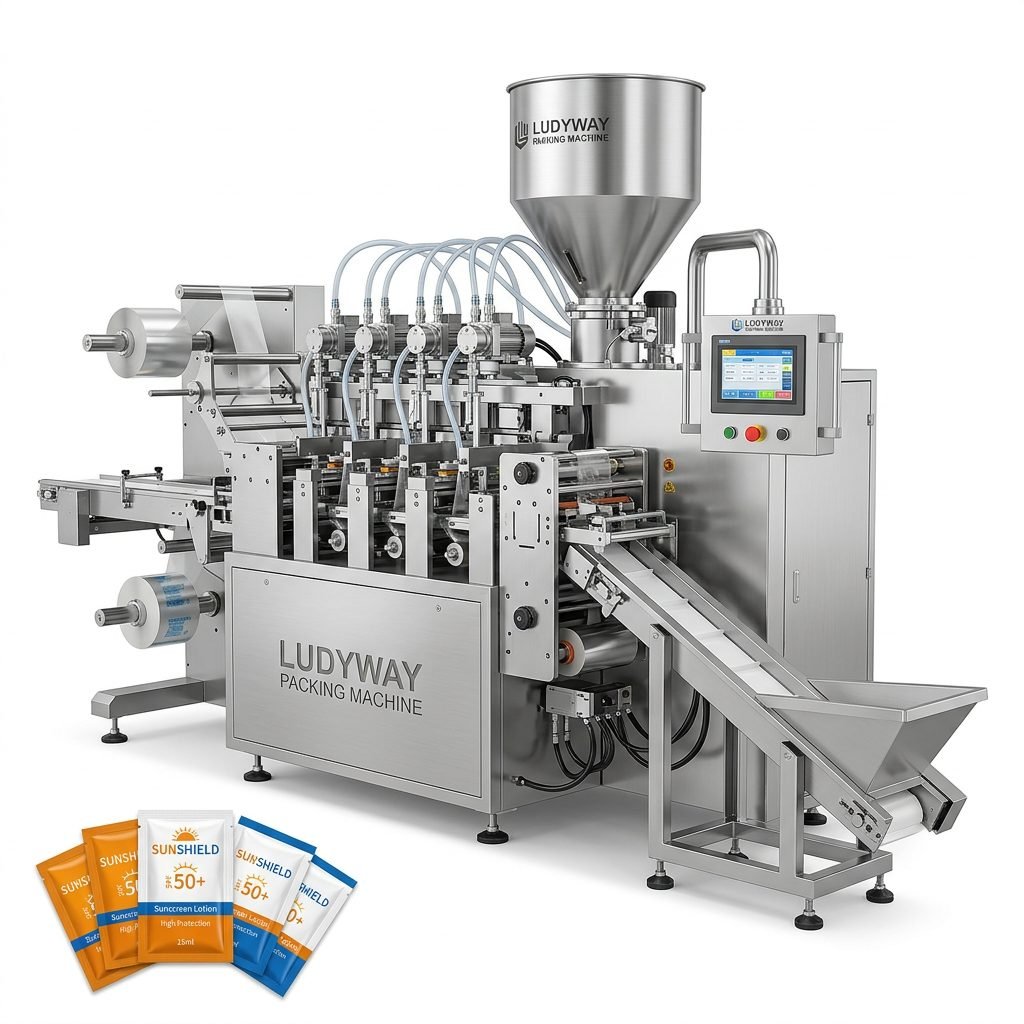
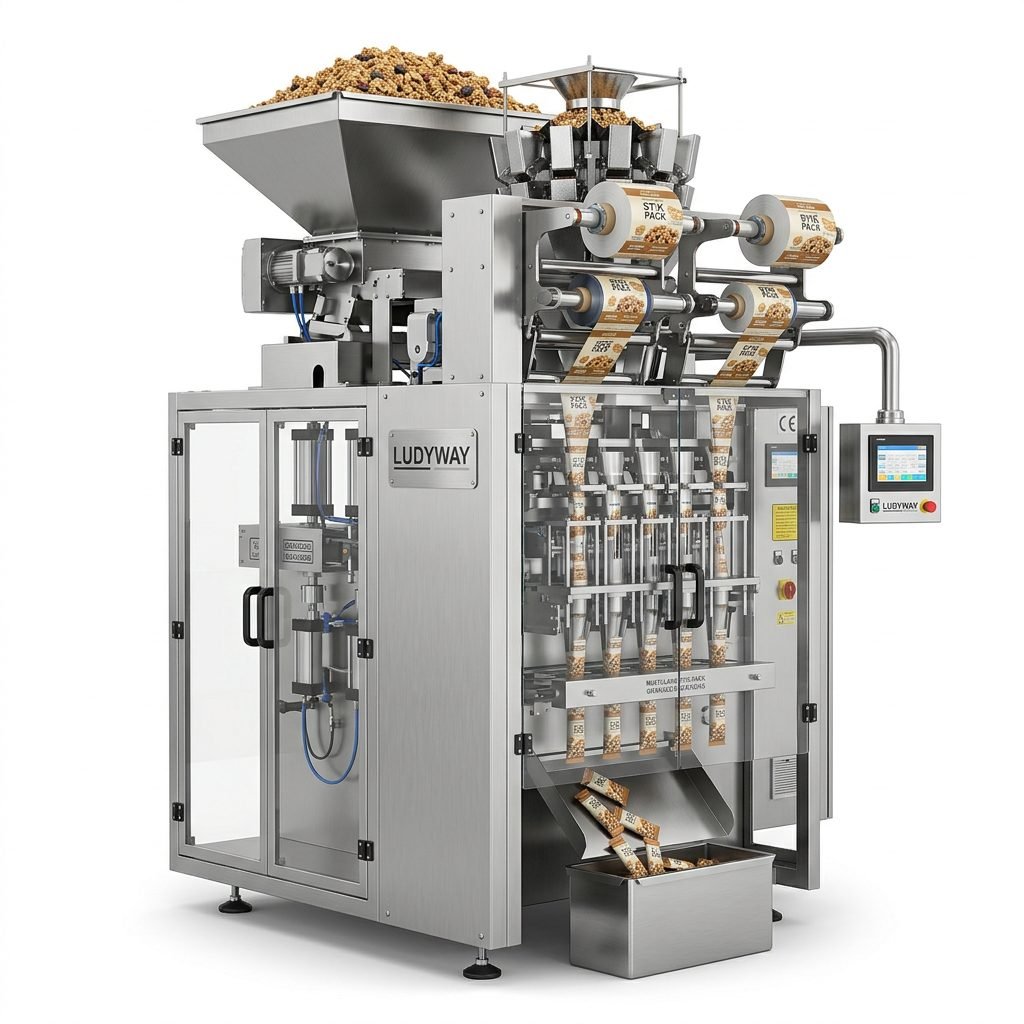
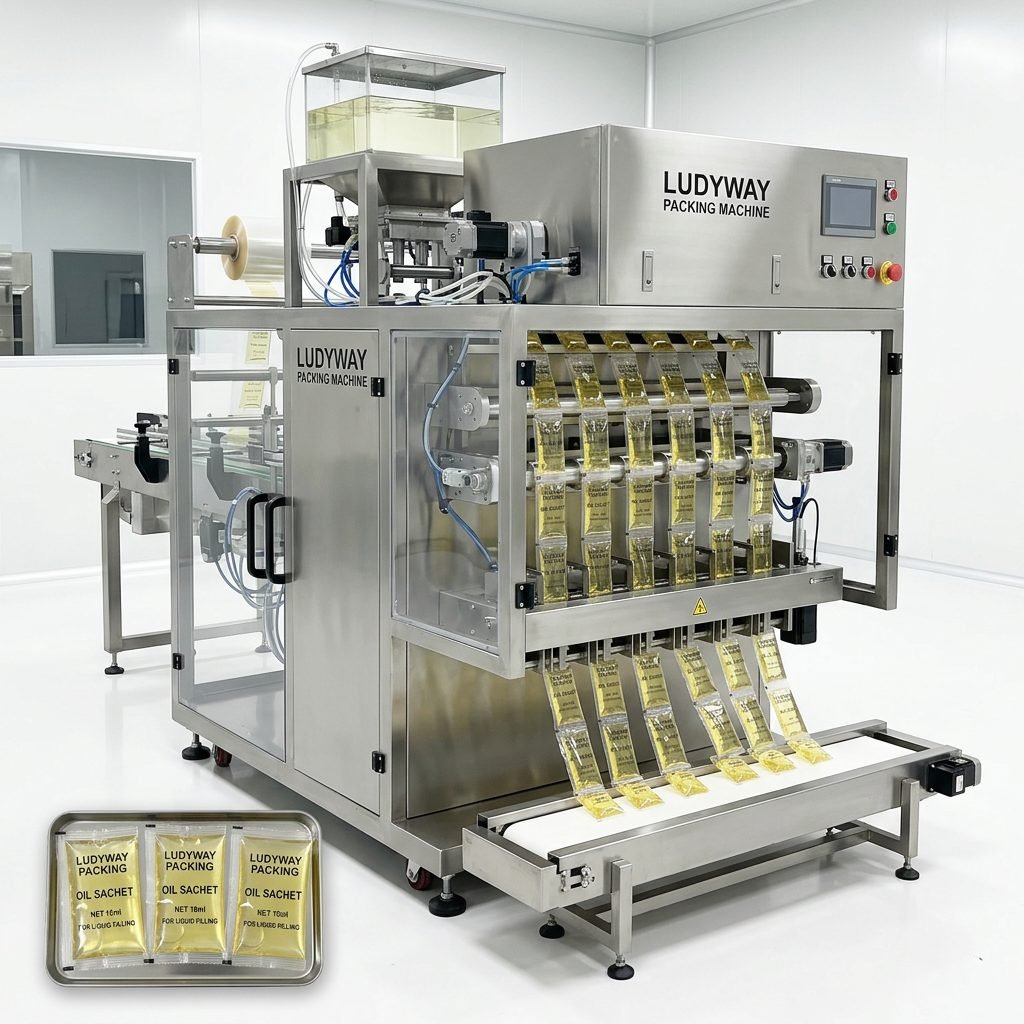
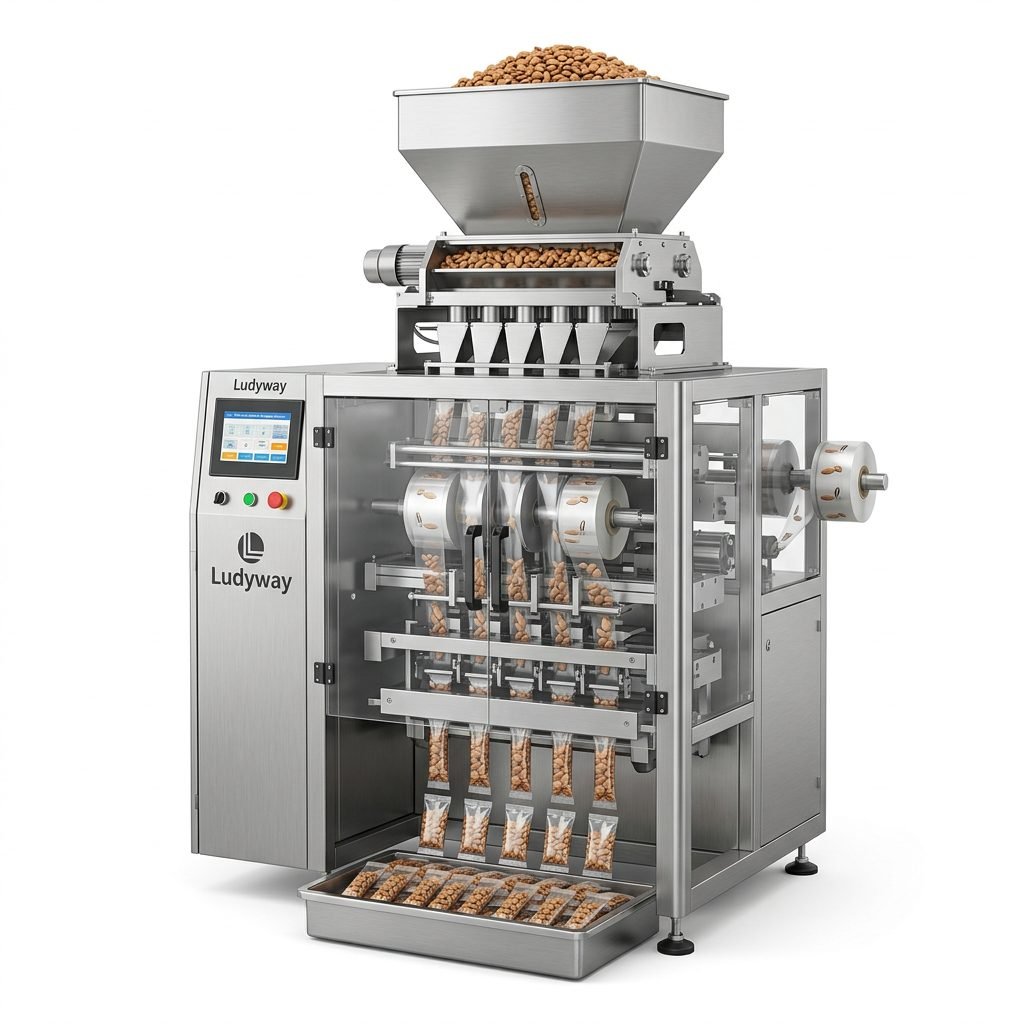
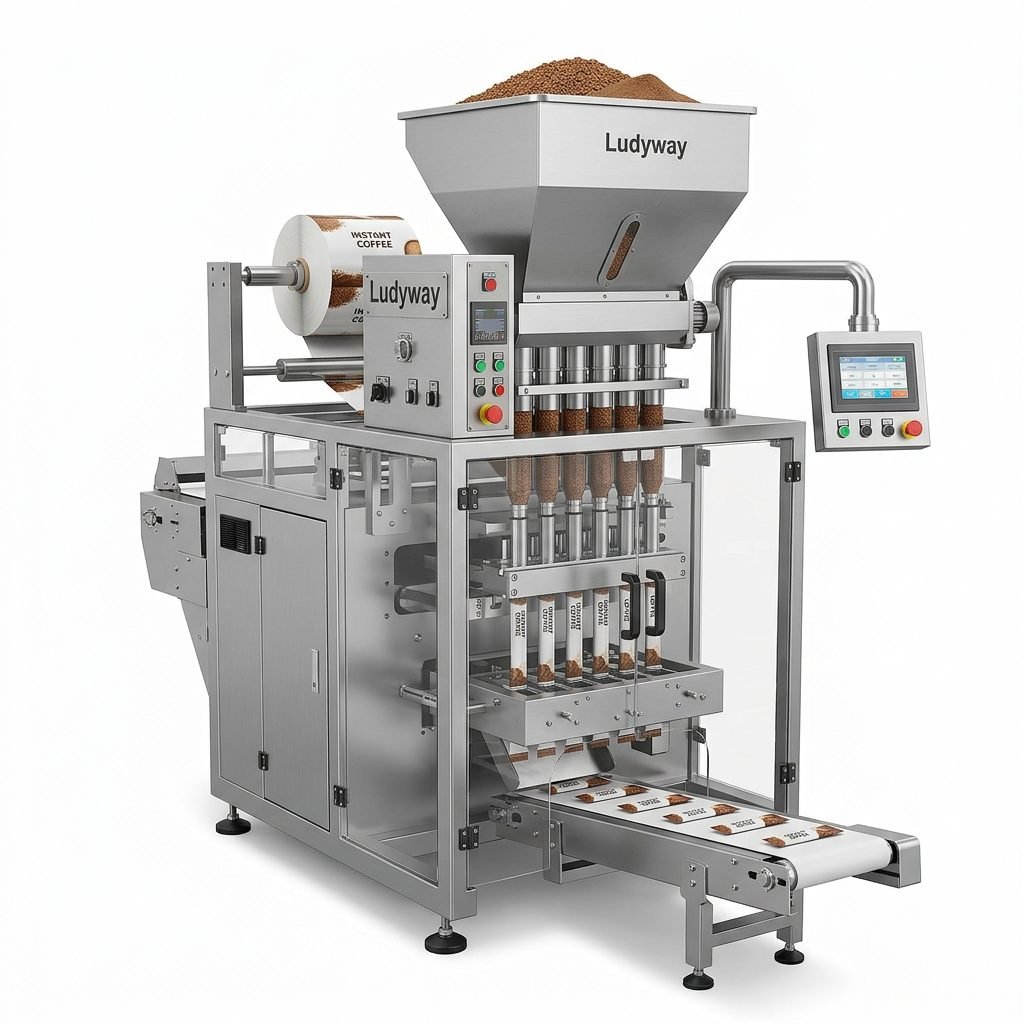
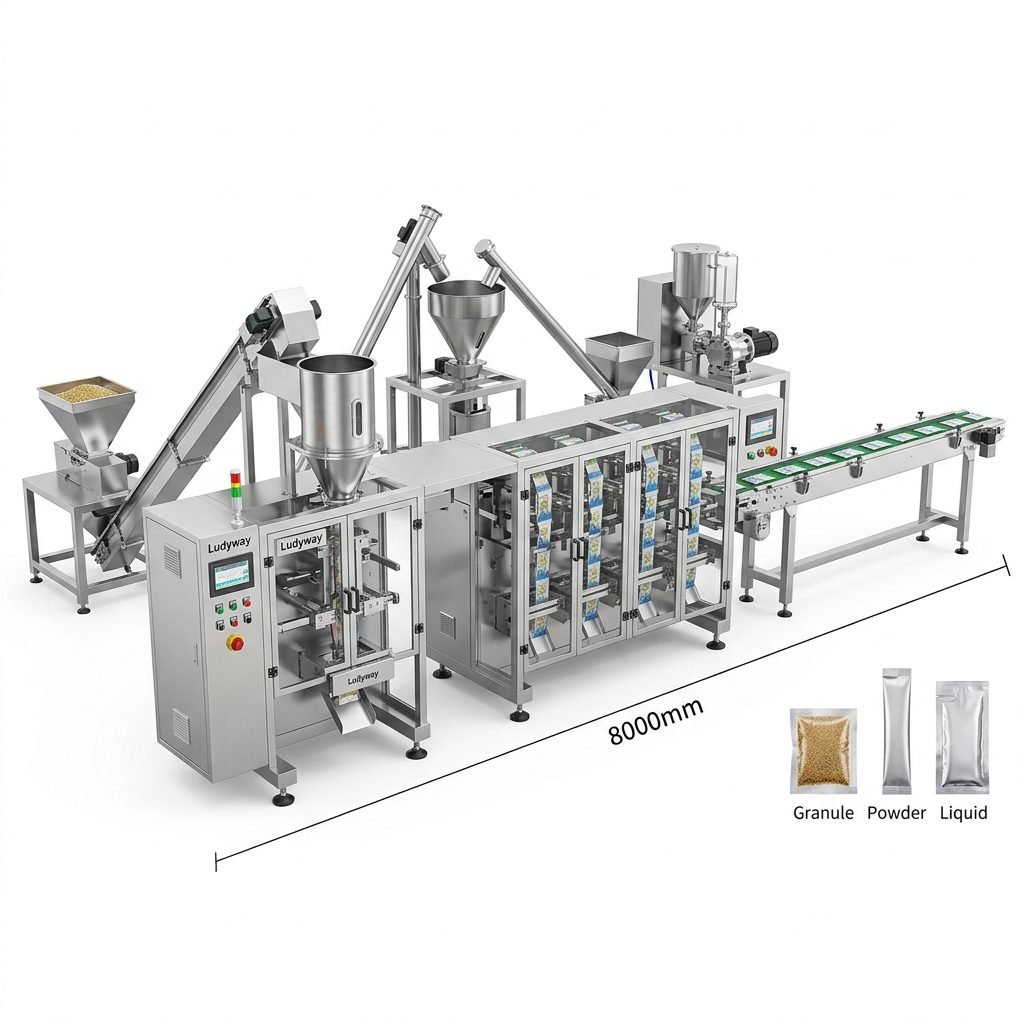
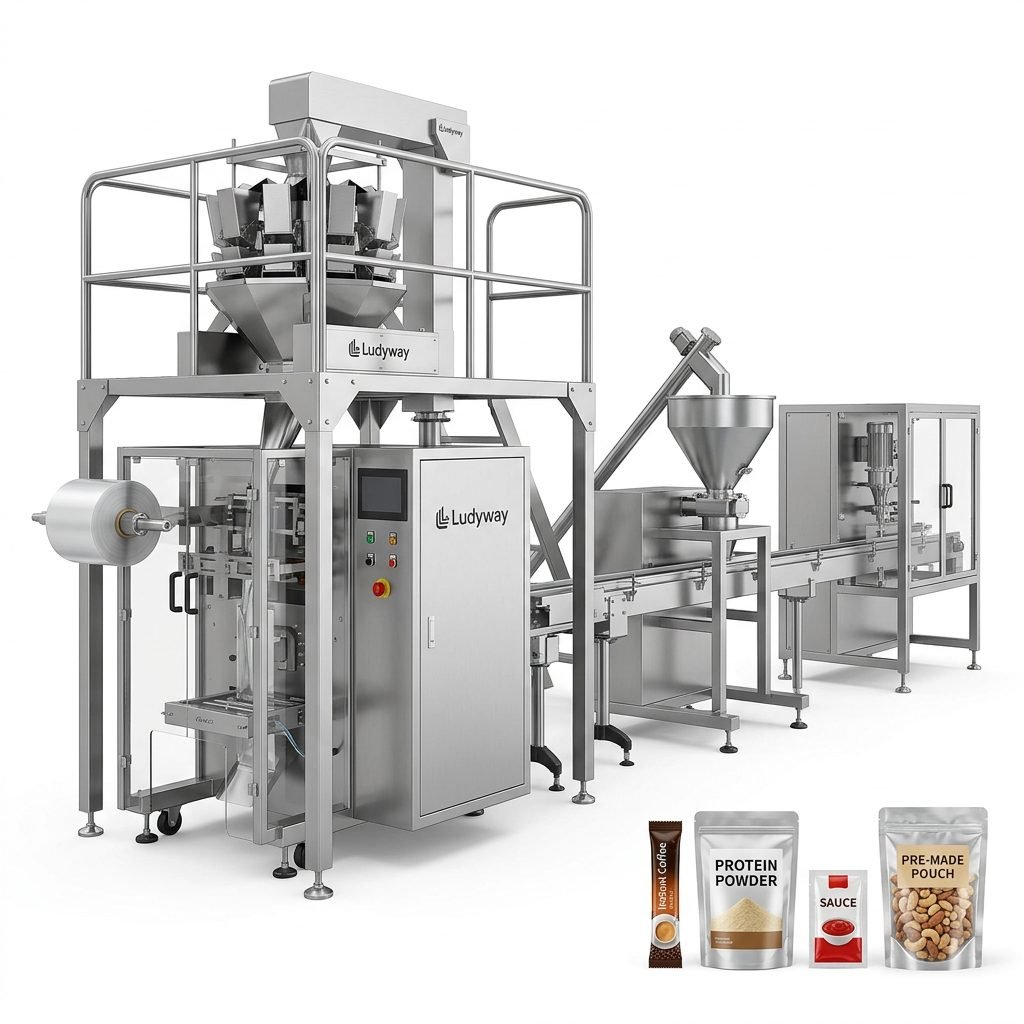
Flexible liquid packaging has become a preferred choice for brands looking to improve convenience, reduce material waste, and increase shelf appeal. A liquid bag packaging machine helps manufacturers pack products such as sauces, oils, detergents, beverages, cosmetic liquids, and pharmaceutical solutions into sachets, stick packs, and other flexible bag formats with speed and consistency.
For companies aiming to scale production, choosing the right machine is not only about filling liquid accurately. It is also about sealing reliability, hygiene performance, automation level, packaging adaptability, and long-term operating efficiency.
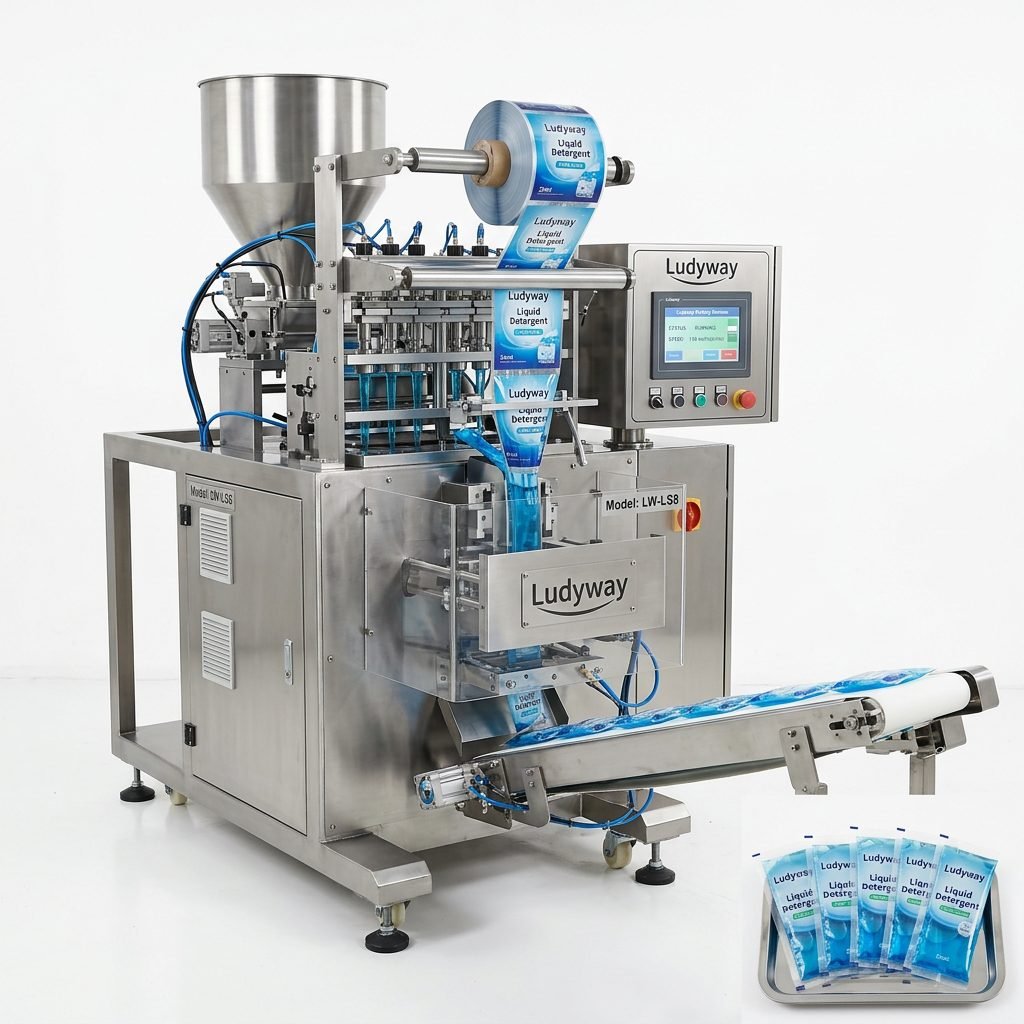
What Is a Liquid Bag Packaging Machine?
A liquid bag packaging machine is an automated system designed to form, fill, and seal liquid products into flexible packaging. Depending on the product and bag style, the machine may use vertical form-fill-seal technology, premade pouch filling systems, or multi-lane sachet and stick pack configurations.
These machines are widely used because they support:
- High-speed production for large order volumes
- Precise dosing for low- and high-viscosity liquids
- Compact and travel-friendly package formats
- Reduced packaging material compared with rigid containers
- Easy integration with coding, cartoning, and conveyor systems
Common Products Packed with Flexible Liquid Bag Systems
A modern liquid bag packaging system can handle a broad range of liquid and semi-liquid products. The exact machine configuration depends on flow characteristics, foaming tendency, temperature requirements, and sanitation needs.
| Industry | Typical Products | Recommended Flexible Formats |
|---|---|---|
| Food & Beverage | Soy sauce, ketchup, honey, juice concentrates, dairy liquids | Sachets, stick packs, pouches |
| Pharmaceutical | Oral liquids, gels, rehydration solutions, medical liquids | Sterile sachets, unit-dose bags |
| Cosmetic & Personal Care | Serums, lotions, shampoos, facial cleansers | Sample sachets, stick packs, mini pouches |
| Household & Chemical | Detergents, cleaners, disinfectants, additives | Sachets, refill pouches, laminated bags |
How the Machine Improves Packaging Efficiency
The main value of a liquid bag packaging machine lies in its ability to streamline repetitive production tasks while maintaining packaging consistency. Instead of relying on labor-intensive manual filling and sealing, manufacturers can automate the whole cycle.
1. Accurate Filling
Liquid pumps, piston fillers, servo-controlled systems, or flow-meter-based fillers help achieve stable fill volume. This reduces giveaway and improves product uniformity.
2. Reliable Sealing
Strong heat sealing is essential for leak prevention. Advanced machines maintain temperature stability and sealing pressure, especially for laminated flexible films.
3. Faster Throughput
Multi-lane and high-speed systems allow manufacturers to pack significantly more units per minute, making them suitable for high-demand retail and export projects.
4. Lower Labor Dependency
Automation reduces manual handling, minimizes operator error, and supports stable performance across long production runs.
5. Better Product Hygiene
For food, pharma, and cosmetic applications, sanitary machine structure and easy-clean contact parts are especially important. Stainless steel construction and enclosed filling zones help maintain cleanliness.
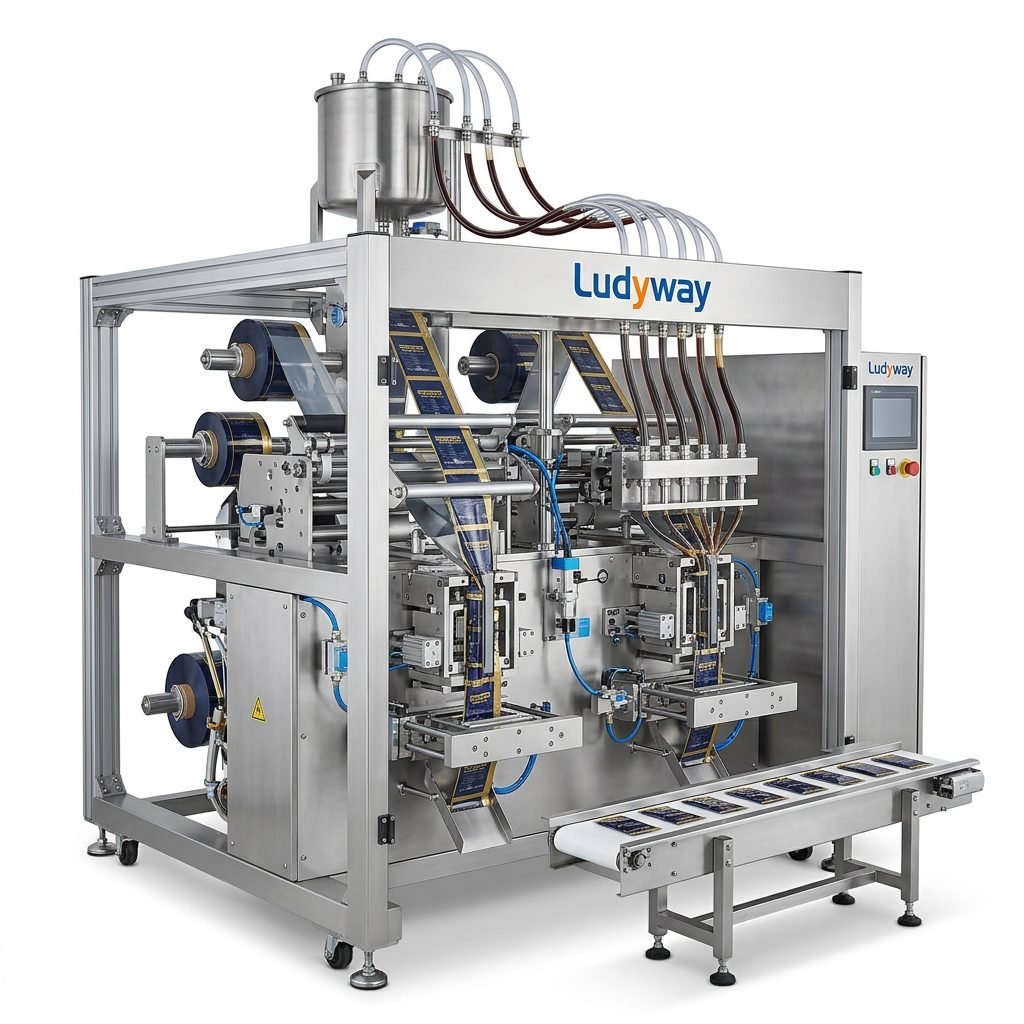
Key Machine Types for Liquid Bag Packaging
Not every liquid product requires the same equipment structure. Understanding the main machine categories helps buyers choose a more suitable system.
Vertical Form-Fill-Seal Machines
These machines form bags from roll film, fill the liquid, and seal them in one automated process. They are commonly used for cost-effective sachet and pouch packaging.
Premade Pouch Filling Machines
These systems work with ready-made pouches and are often selected when brands need premium pouch appearance, spouts, zipper options, or special bag shapes.
Multi-Lane Sachet or Stick Pack Machines
Ideal for small-dose liquid packaging, these machines can produce several lanes at once. They are highly effective for condiments, oral liquids, gels, cosmetics, and trial-size products.
Integrated Turnkey Lines
For larger factories, a complete line may include liquid preparation tanks, feeding systems, bag packaging equipment, date coding, checkweighing, cartoning, case packing, and palletizing.
Important Features to Look For
When comparing liquid bag packaging machines, buyers should evaluate both immediate production needs and future expansion plans.
- Filling range: suitable for the target pack size
- Viscosity adaptability: from thin liquids to thicker sauces or gels
- Packaging material compatibility: PE, laminated film, foil structures, recyclable materials
- Speed capacity: aligned with expected daily output
- Seal quality control: to reduce leakage and returns
- Cleaning and maintenance access: important for hygiene and uptime
- Automation options: touch screen, recipe storage, servo controls, alarm monitoring
- Line integration: compatibility with conveyors, coding, cartoning, and inspection equipment
Benefits of Flexible Liquid Packaging for Brands
Flexible liquid bags are increasingly popular because they match changing market demand for convenience, portability, and efficient logistics. Compared with rigid packaging, flexible formats can offer several advantages:
- Lower storage and transportation costs
- Less packaging material usage
- Better fit for single-use and sample-size markets
- Good shelf presentation with printed film design
- Practical use in e-commerce, retail, travel, and healthcare distribution
Industries That Commonly Invest in Liquid Bag Packaging Machines
Demand for flexible liquid packaging is growing across many sectors. Manufacturers often invest in automated systems when they need greater output, more stable quality, or lower unit packaging costs.
| Application Need | Why Automation Helps |
|---|---|
| Single-dose condiments | High-speed packing and accurate small-volume filling |
| Personal care samples | Supports attractive, compact sachet packaging for promotions |
| Pharmaceutical unit packs | Improves dose consistency and sanitary processing |
| Household cleaning liquids | Enables efficient mass production for retail and refill formats |
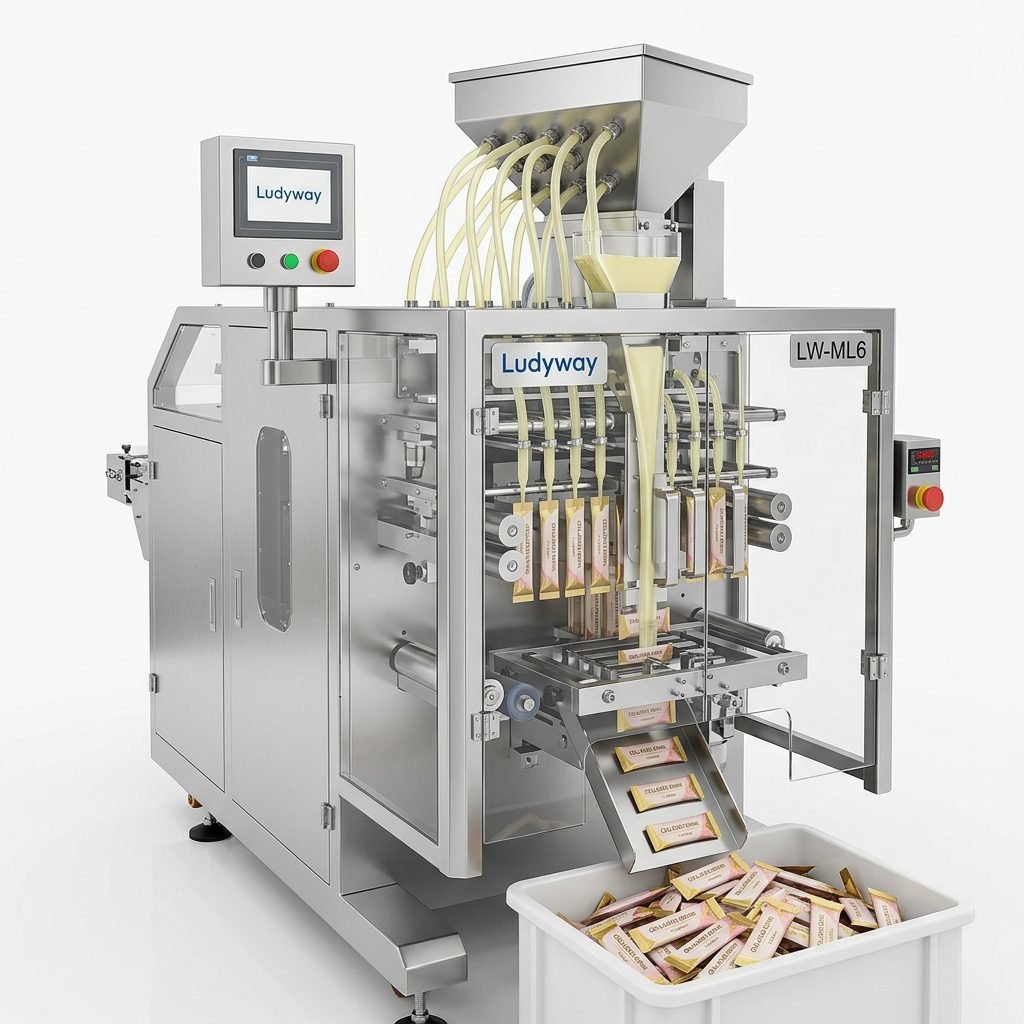
How to Choose the Right Solution
Before purchasing a machine, it is helpful to define the full packaging requirement instead of only the product type. A more complete evaluation reduces the risk of mismatched equipment.
Ask These Questions
- What is the product viscosity and temperature condition?
- What bag type and size will be used?
- How many packs per minute are required?
- Will the machine need to run multiple products?
- Are there hygiene or regulatory standards to meet?
- Do you need a standalone unit or a complete packaging line?
- Will future output expansion require modular upgrades?
The best investment is often a solution that balances current production efficiency with future flexibility.
Why Turnkey Capability Matters
Many factories now prefer working with suppliers that can provide more than one machine. A turnkey partner can simplify project planning, reduce compatibility issues, and shorten installation time. This is especially important when the packaging line includes feeding, filling, sealing, coding, inspection, secondary packaging, and end-of-line automation.
For businesses seeking scalable automation, Ludyway liquid bag packaging machine solutions are backed by more than 30 years of packaging machinery experience, a large manufacturing base, and broad capabilities in food, pharmaceutical, cosmetic, and chemical packaging applications.
Maintenance and Performance Tips
Even a high-quality machine performs best when supported by proper daily care. Routine maintenance improves uptime and extends service life.
- Inspect seals regularly for temperature and pressure consistency
- Clean liquid contact parts based on product characteristics
- Monitor filling accuracy and recalibrate when needed
- Use packaging film that matches machine and product requirements
- Train operators on changeover, alarms, and sanitation procedures
Conclusion
A liquid bag packaging machine is a practical solution for manufacturers that need efficient, accurate, and flexible liquid packing. Whether the goal is to produce compact consumer sachets, high-volume retail pouches, or hygienic pharmaceutical unit packs, the right system can improve throughput, reduce labor costs, and enhance packaging consistency.
As demand for flexible packaging continues to grow, investing in a reliable and adaptable liquid packaging solution can give brands a stronger operational and competitive advantage.