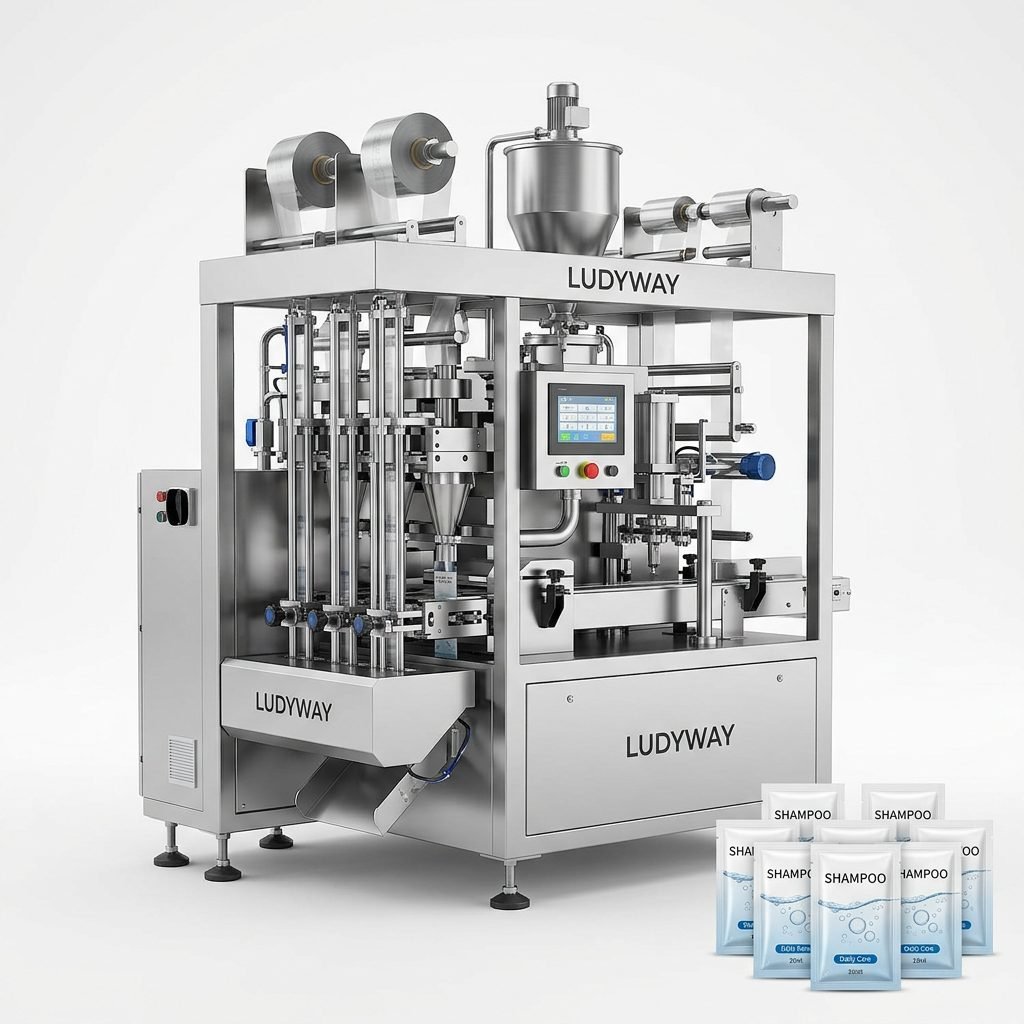
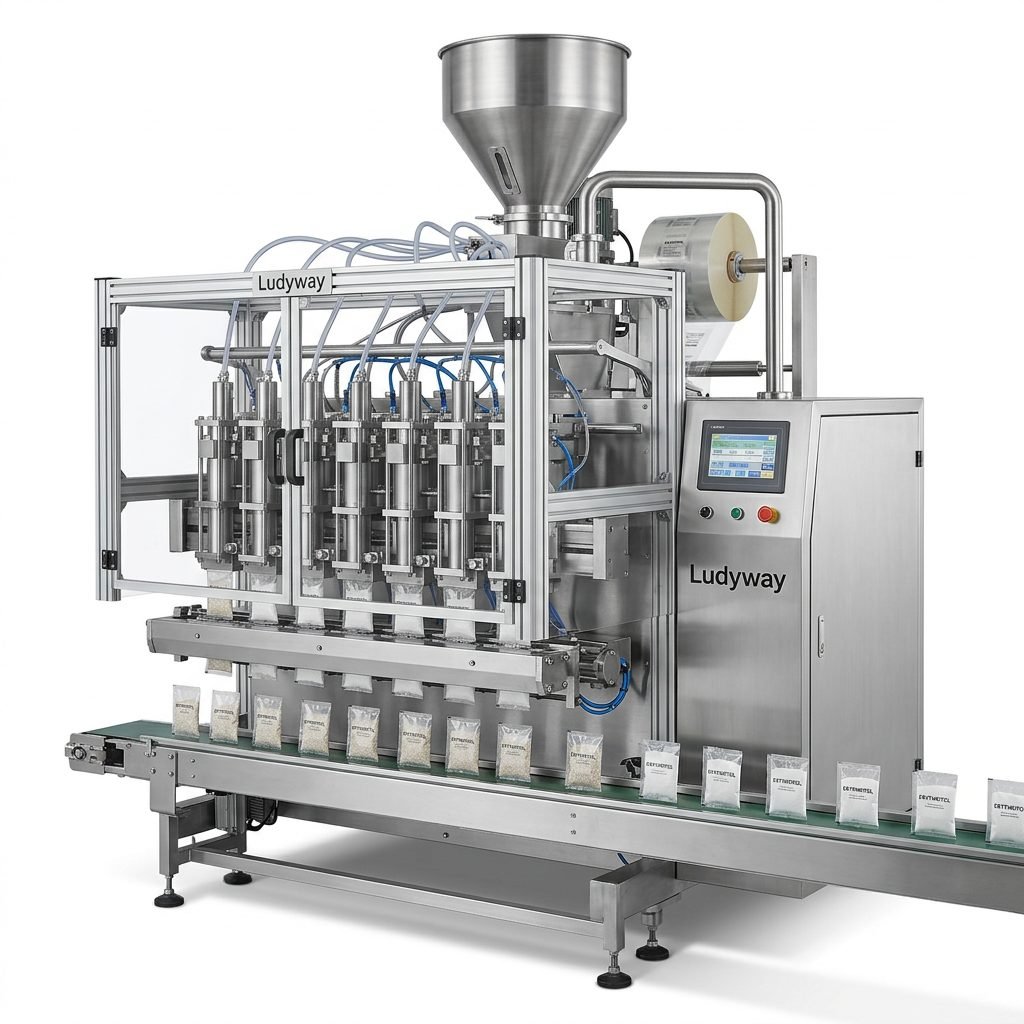
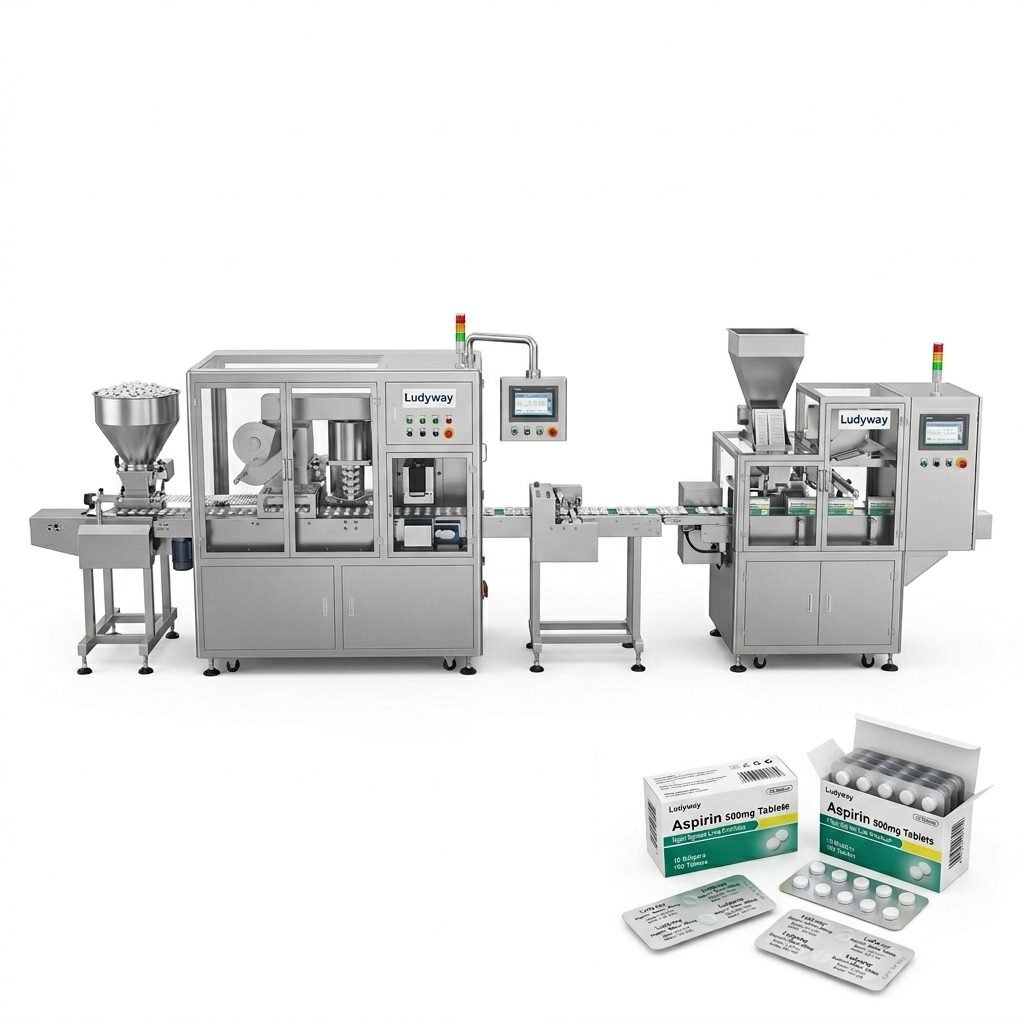
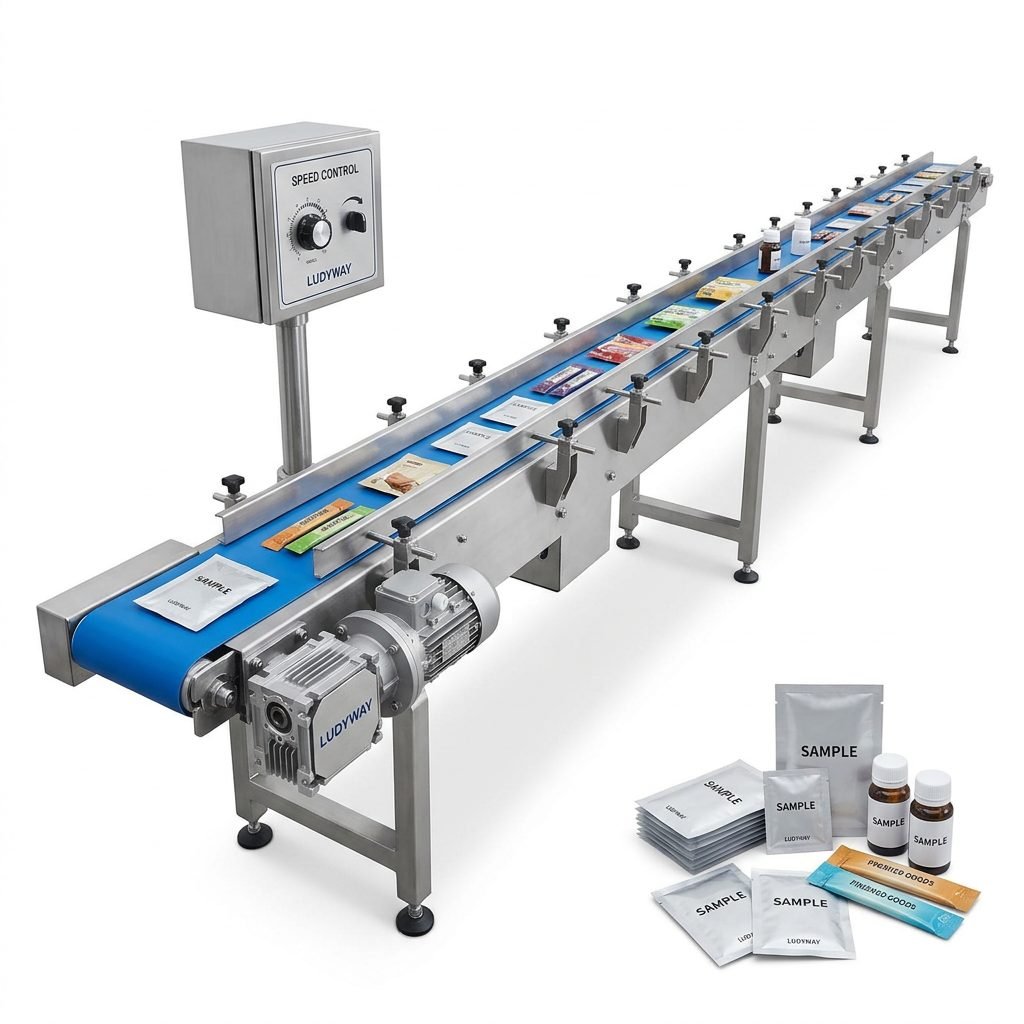
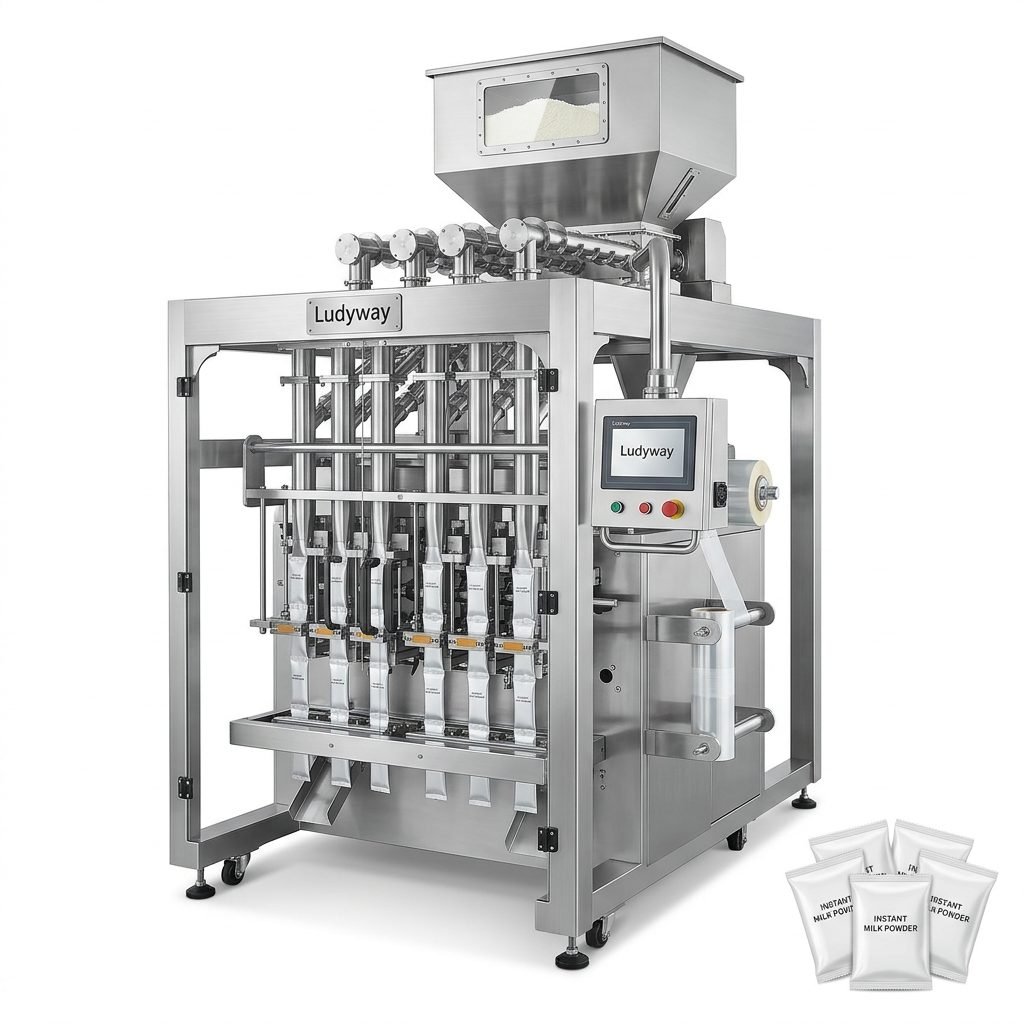
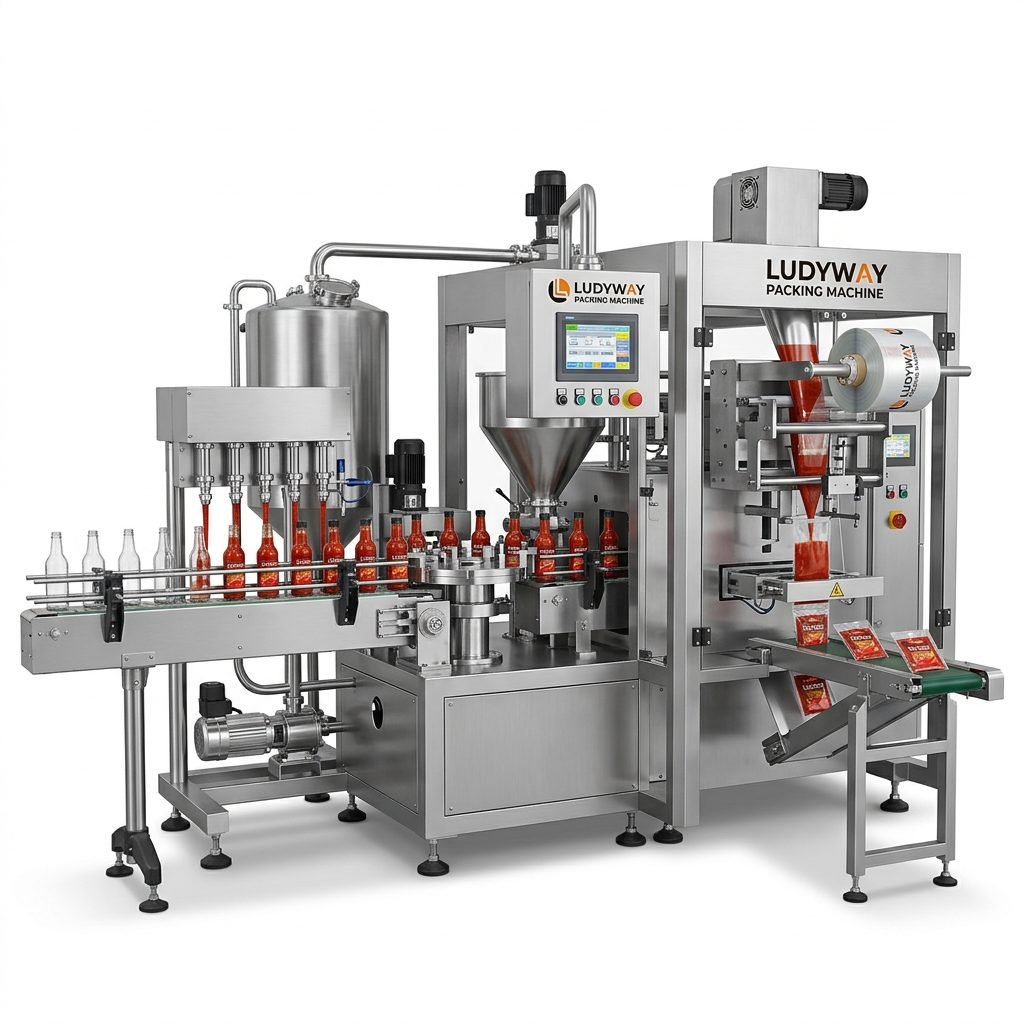
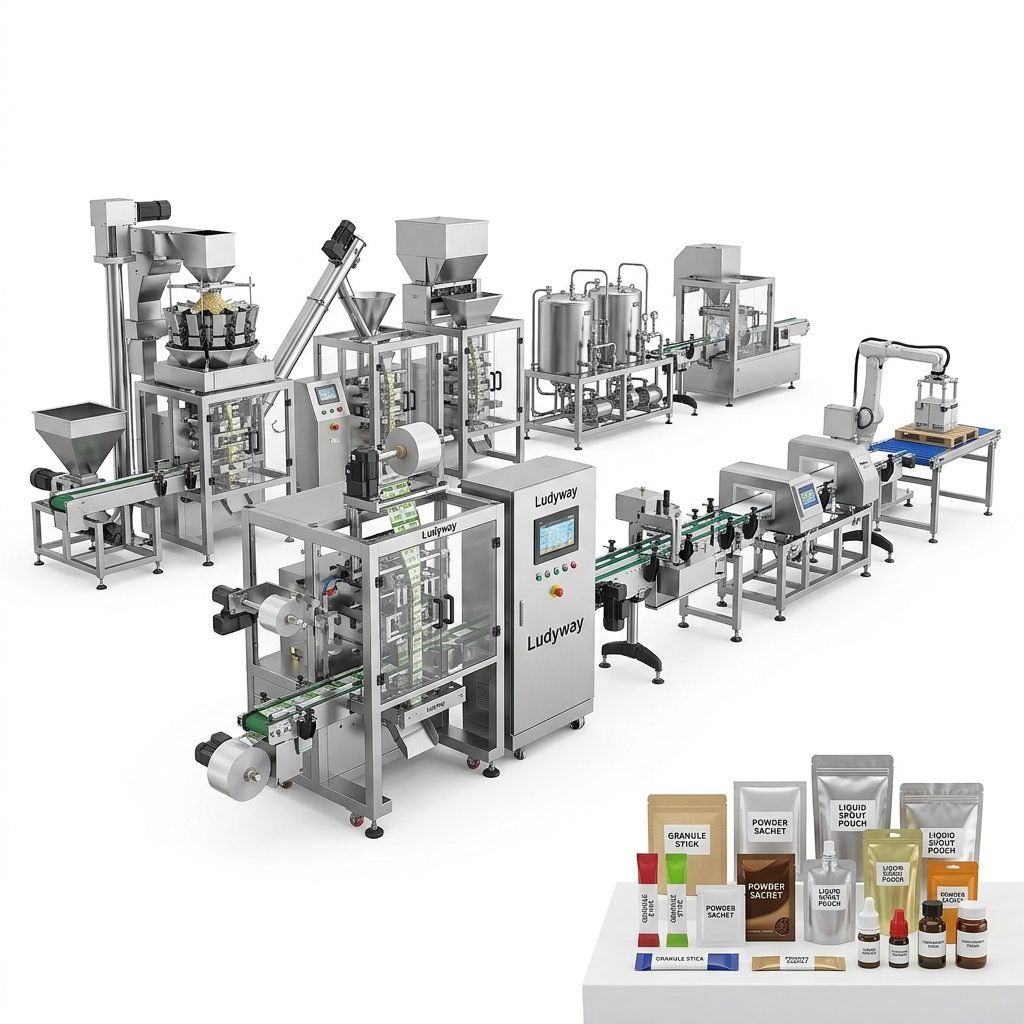
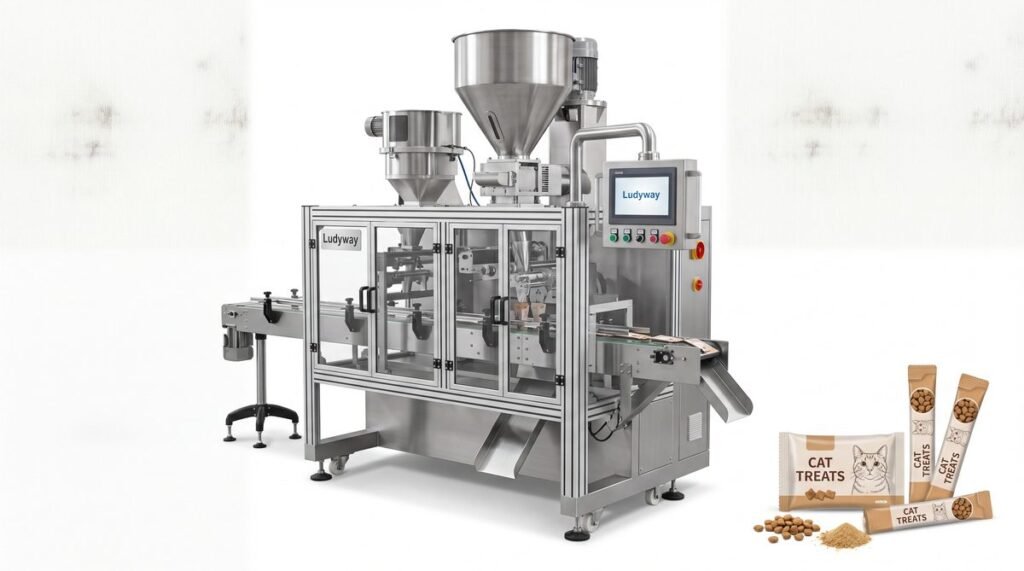
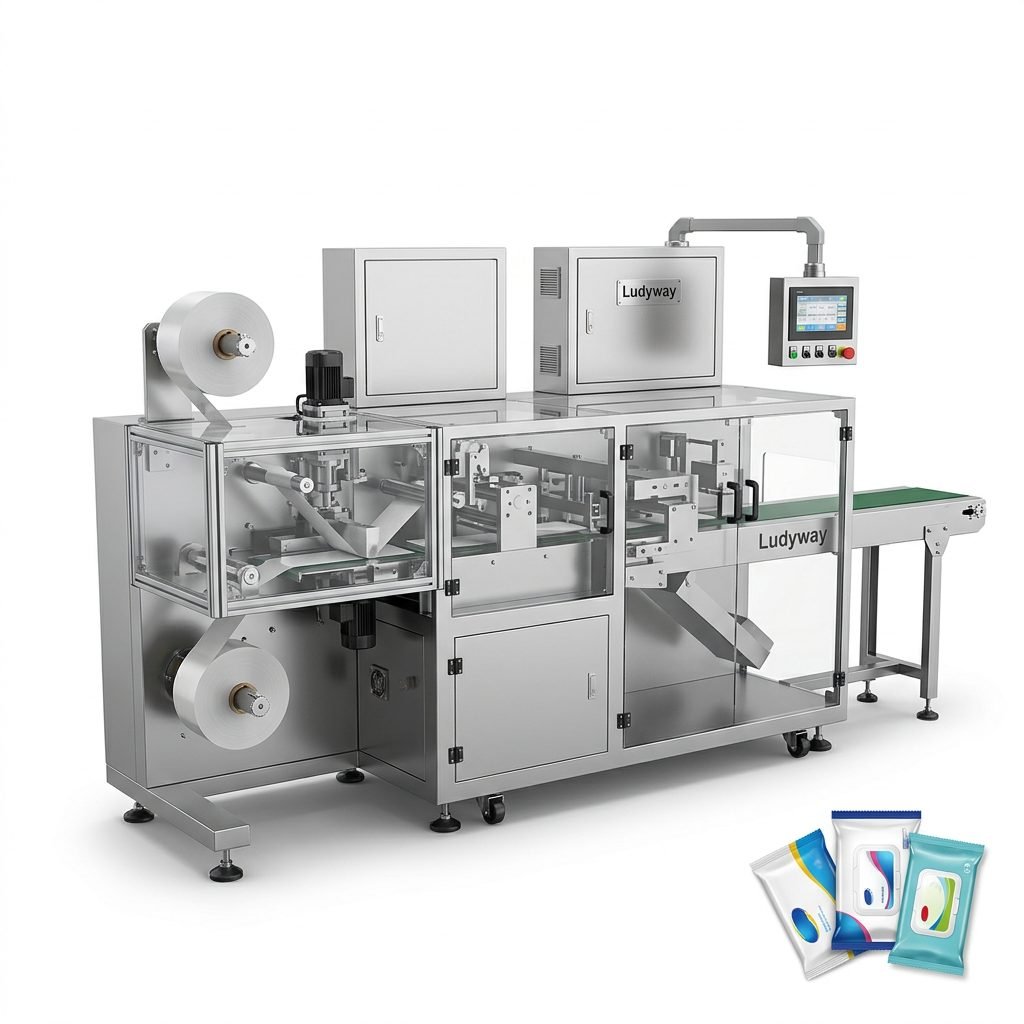
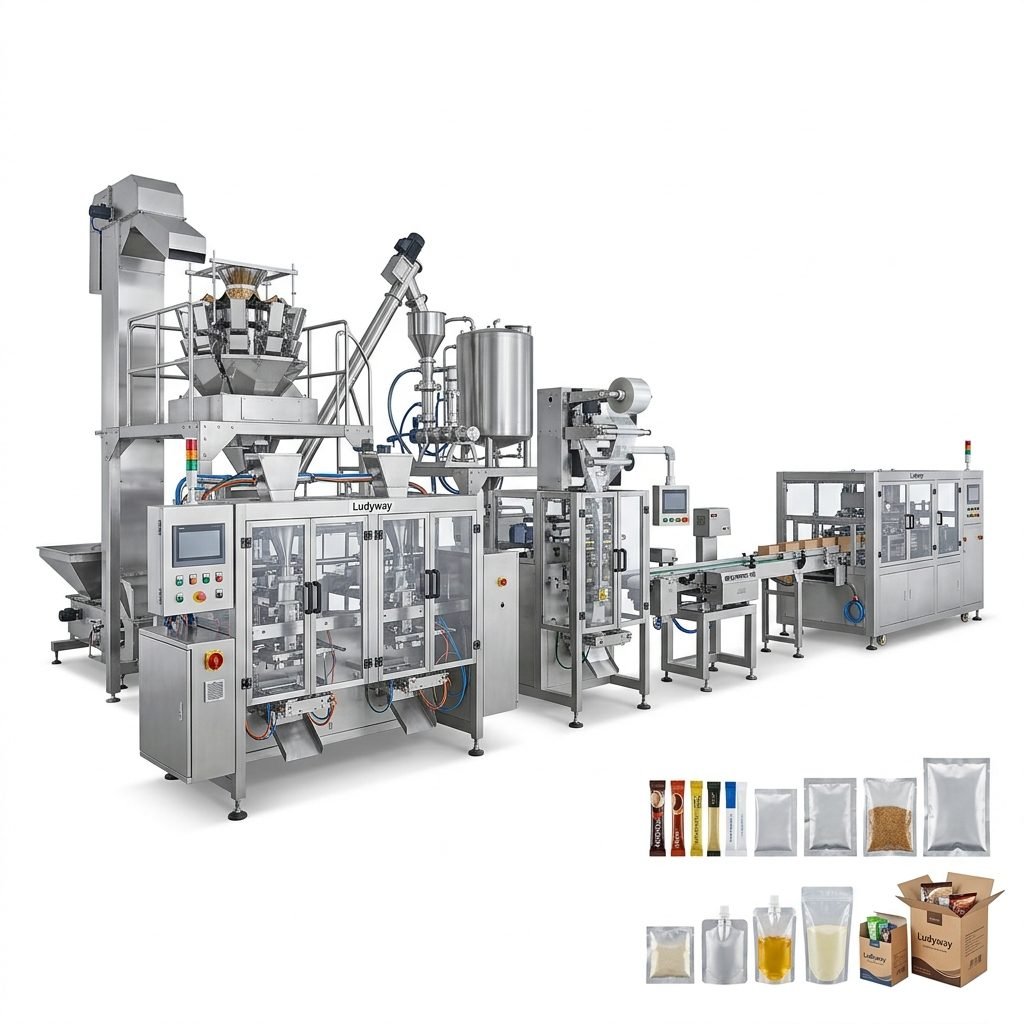
In the fast-paced and high-stakes environment of modern pharmacy operations, ensuring medication safety and optimizing workflow efficiency are paramount. The introduction of automated unit dose packaging machines represents a transformative advancement, addressing critical challenges in dispensing accuracy, contamination prevention, and operational productivity. These sophisticated systems are designed to package individual doses of medication—whether tablets, capsules, or powders—into sealed, labeled packets, providing a clear, tamper-evident, and patient-specific delivery format.
Enhancing Medication Safety Through Precision Packaging
The primary and most vital benefit of implementing a unit dose packaging machine is the significant enhancement in medication safety. Manual counting and dispensing are inherently prone to human error, which can lead to incorrect dosages, mix-ups between medications, or even contamination. Automated machines eliminate these risks by performing tasks with robotic precision.
Key Safety Features Include:
✔ Accurate Dose Counting: Utilizing advanced vision systems or precise counting mechanisms to ensure every packet contains the exact prescribed quantity.
✔ Reduced Cross-Contamination: The sealed, individual packaging acts as a barrier, protecting medications from environmental contaminants and preventing direct handling by staff.
✔ Clear Labeling Integration: Machines can print or apply labels directly onto each dose packet, containing vital information such as drug name, dosage, patient name, administration time, and barcodes for verification.
✔ Tamper-Evident Seals: The packaging format provides immediate visual indication if a dose has been compromised, adding an extra layer of security.
This level of control directly contributes to reducing medication errors, a major concern in healthcare settings, thereby protecting patient health and bolstering the pharmacy’s reputation for reliability and care. For more insights into improving operational safety, you can explore resources on pharmacy automation best practices.
Streamlining Dispensing for Unmatched Operational Efficiency
Beyond safety, these machines are powerful engines for efficiency. Pharmacies, especially those serving hospitals, long-term care facilities, or communities with high prescription volumes, face constant pressure to dispense medications quickly and accurately. Manual processes are time-consuming and labor-intensive.
A unit dose packaging system automates the entire sequence—from bulk container feeding, precise counting or measuring, to final packaging and labeling. This automation translates into several tangible benefits:
- Increased Output Speed: Machines can package hundreds, even thousands, of unit doses per hour, dramatically outpacing manual capabilities.
- Labor Optimization: Staff are freed from repetitive counting tasks, allowing them to focus on higher-value activities like patient consultation, medication review, and clinical services.
- Inventory Management Support: The packaged doses are organized, labeled, and easily countable, simplifying stock control and replenishment processes.
- Space Efficiency: Unit dose packets are compact and standardized, optimizing storage space in pharmacy shelves and patient medication carts.
The cumulative effect is a smoother, faster, and more cost-effective dispensing workflow, enabling pharmacies to scale their services without proportionally increasing staffing costs. Learn about integrating such systems into your workflow at dispensing efficiency solutions.
Adaptability to Diverse Pharmacy Needs and Medications
Modern unit dose packaging machines are not monolithic; they are designed with flexibility in mind. They can handle a wide array of medication forms:
Tablets & Capsules: The most common application, with systems capable of handling various sizes and shapes without damage.
Powders & Granules: For medications that require precise weight measurement, machines integrate auger filler or weigh-fill technology for accuracy.
Liquids (in sachets): Some advanced models can fill single-dose liquid sachets, useful for pediatric or specific liquid formulations.
Furthermore, they can be configured for different packaging materials—such as foil, paper, or plastic films—and can create packets in various formats (strip packs, blister-like packs, sachets) to suit institutional or outpatient distribution models. This adaptability makes them a viable investment for a broad spectrum of pharmacies, from large hospital centers to community pharmacies looking to offer specialized dose preparation services.
The Integral Role in Institutional Pharmacy Settings
The value of unit dose packaging is particularly pronounced in institutional settings like hospitals and nursing homes. Here, the “one dose per packet” system aligns perfectly with medication administration protocols. Nurses can easily check the label, administer the correct dose to the right patient at the scheduled time, and discard the empty packet, creating a clear audit trail. It reduces preparation time at nursing stations and minimizes the risk of dose splitting or medication waste. Implementing these machines centralizes and standardizes dose preparation for the entire facility, creating a safer, more efficient medication distribution ecosystem from the pharmacy to the bedside.
Investing in a unit dose packaging machine is not merely about acquiring equipment; it’s about investing in a culture of safety and efficiency. It represents a pharmacy’s commitment to leveraging technology to uphold the highest standards of care. The initial capital investment is offset by the long-term gains in error reduction, labor savings, inventory control, and enhanced service capacity. As pharmacy practice continues to evolve towards more automated, data-integrated, and patient-focused models, the unit dose packaging machine stands as a foundational piece of that future. For a deeper understanding of the technology behind these systems, consider reading about advanced packaging machinery engineering.
Frequently Asked Questions (FAQs)
Q1: What types of medications can a unit dose packaging machine handle?
A: These machines are highly versatile and can typically handle solid oral doses like tablets and capsules of various sizes. Many models are also equipped to handle powdered or granular medications using precise filling systems. Some specialized machines can even package unit doses of liquids into sachets.
Q2: How does unit dose packaging improve medication safety compared to traditional methods?
A: It eliminates manual counting errors, reduces the risk of cross-contamination by providing sealed individual packages, and ensures accurate, clear labeling on each dose. This integrated process significantly lowers the probability of dispensing errors, enhancing patient safety.
Q3: Is the machine difficult to integrate into an existing pharmacy workflow?
A: Most modern machines are designed for integration. Suppliers often provide support for installation, staff training, and workflow redesign. The automation typically slots into the dispensing stage, replacing manual counting and bottling, and can be aligned with existing labeling and inventory systems.
Q4: What is the typical output speed of such a machine?
A: Output speeds vary by model and medication type. Standard machines can often package between 500 to 2,000 unit doses per hour. High-speed, multi-lane systems can achieve even higher outputs, making them suitable for facilities with very large dispensing volumes.
Q5: Can the machine print custom information on each dose packet?
A: Yes, this is a standard and critical feature. Machines integrate printing or labeling systems that can apply patient-specific information, including name, drug name, strength, expiry date, barcode, and administration time, directly onto the individual packet.