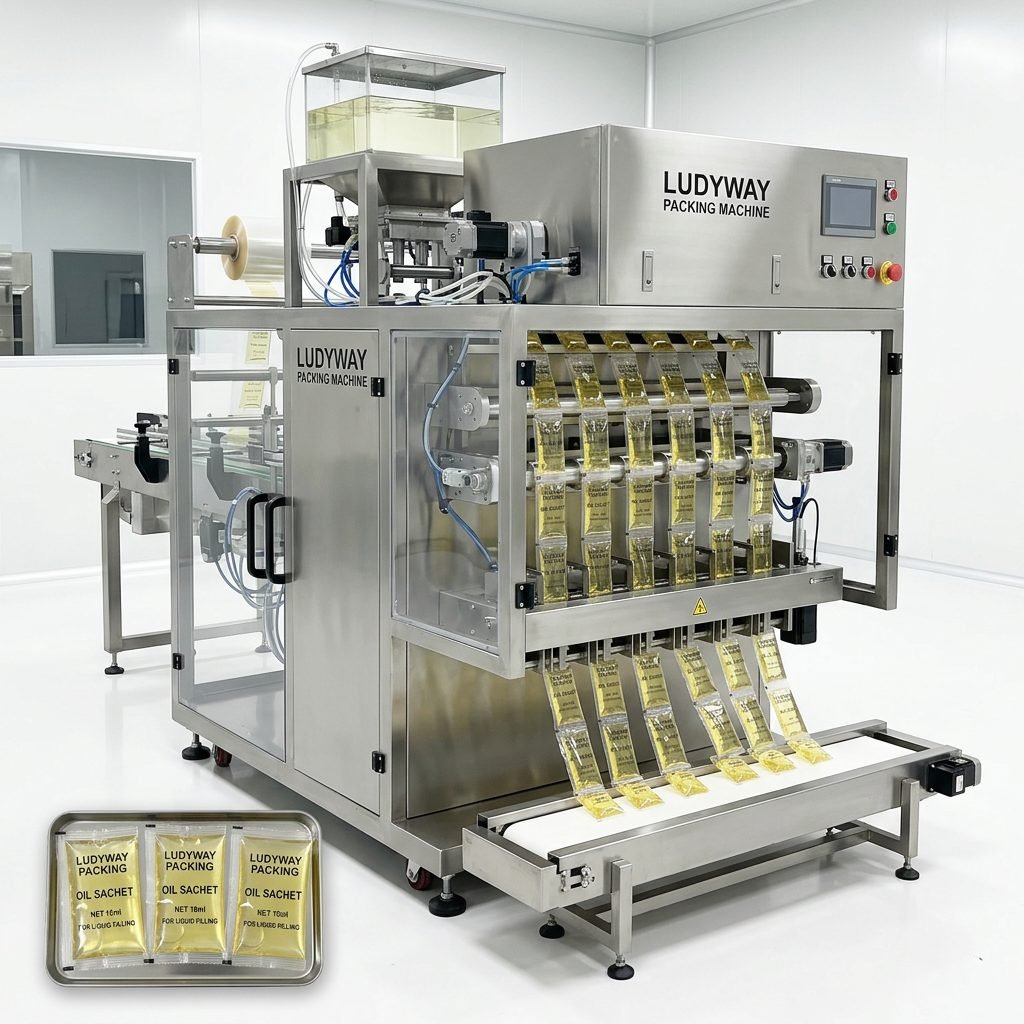
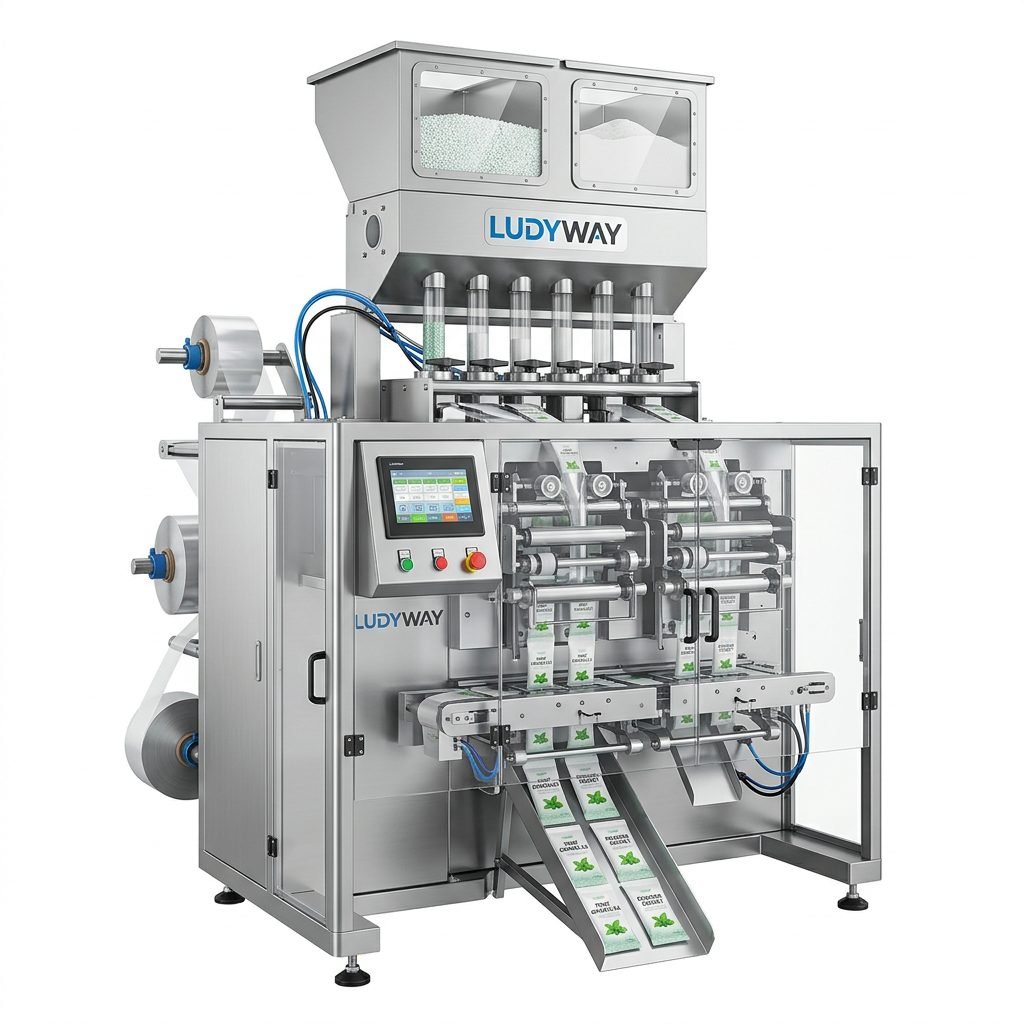
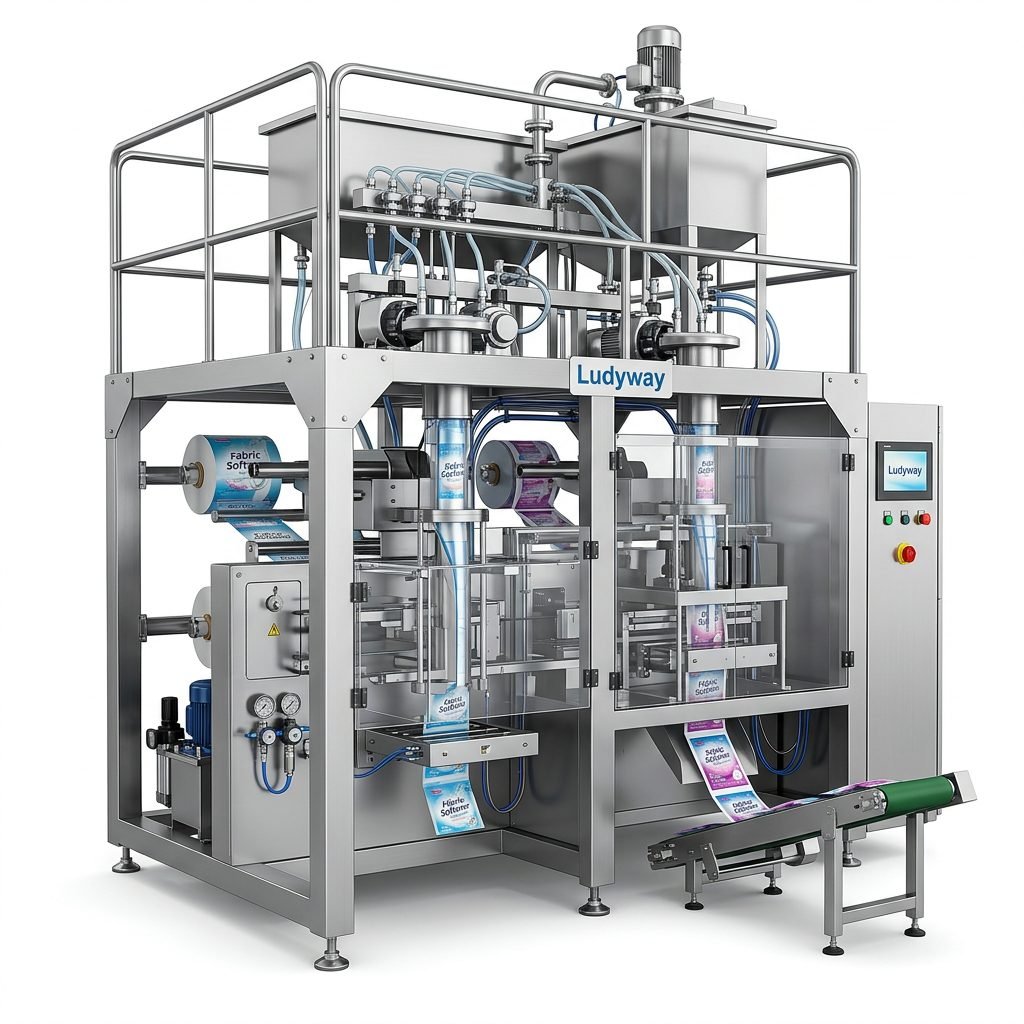
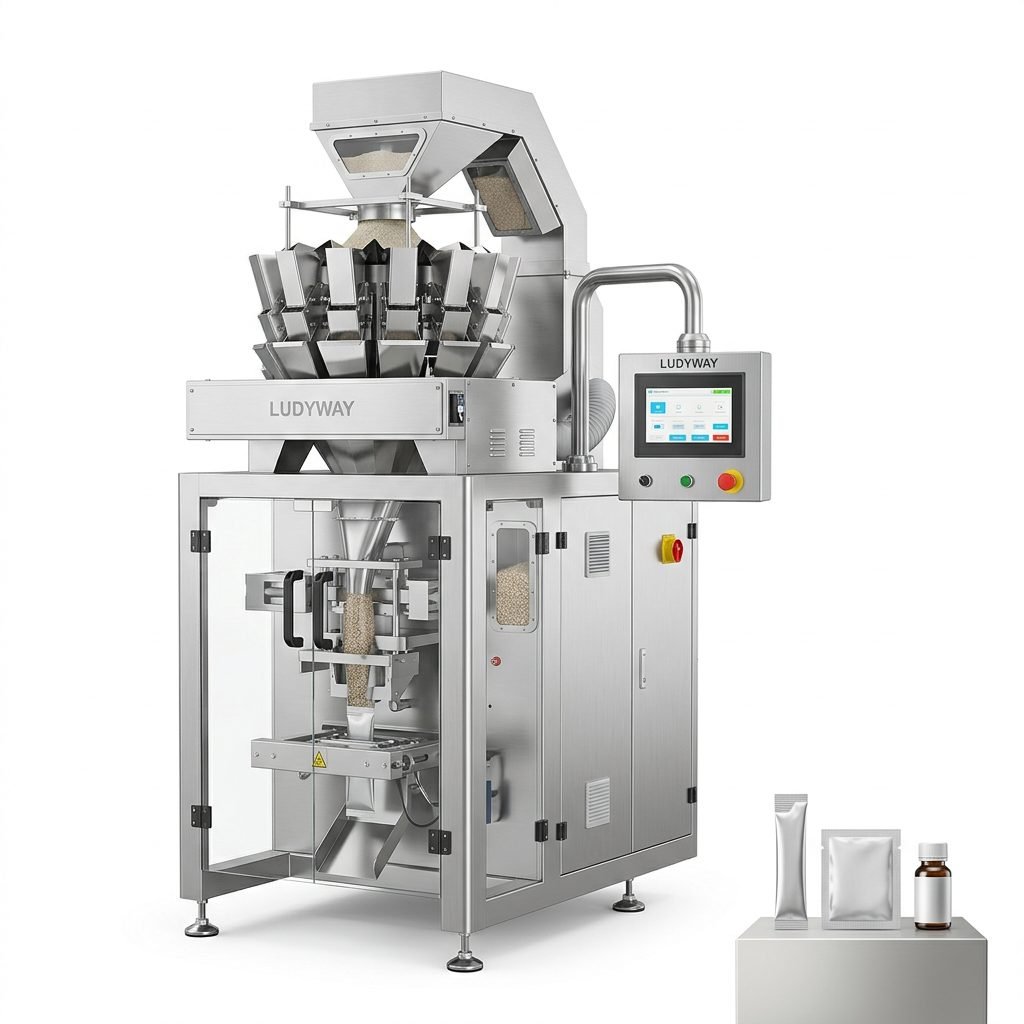
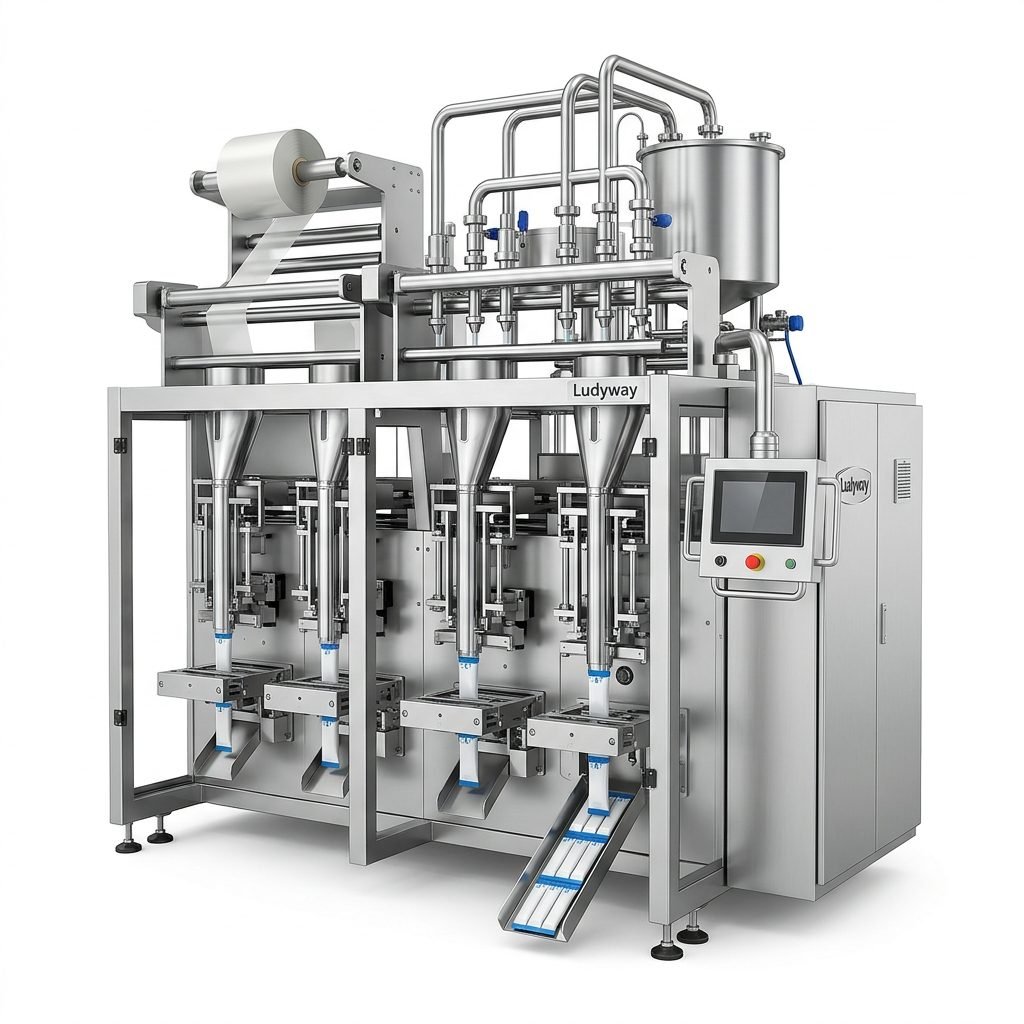
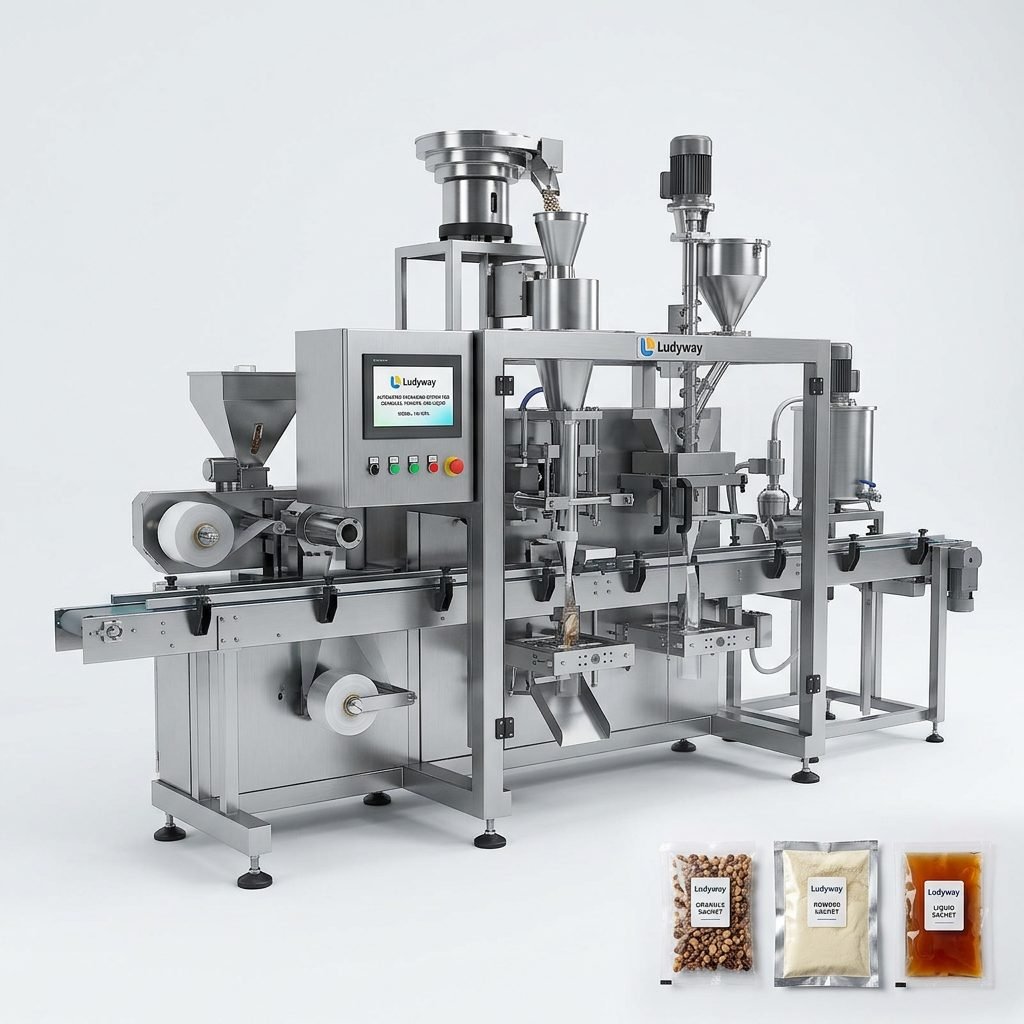
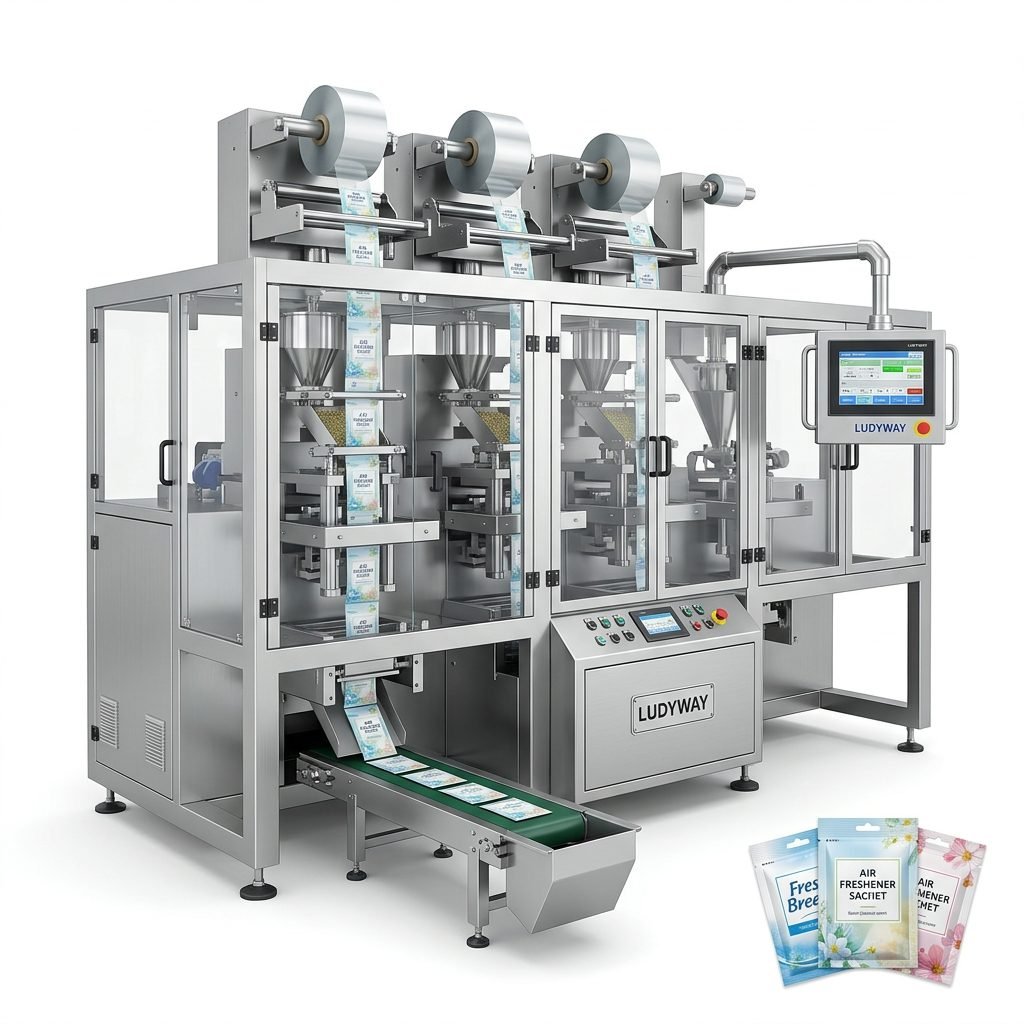
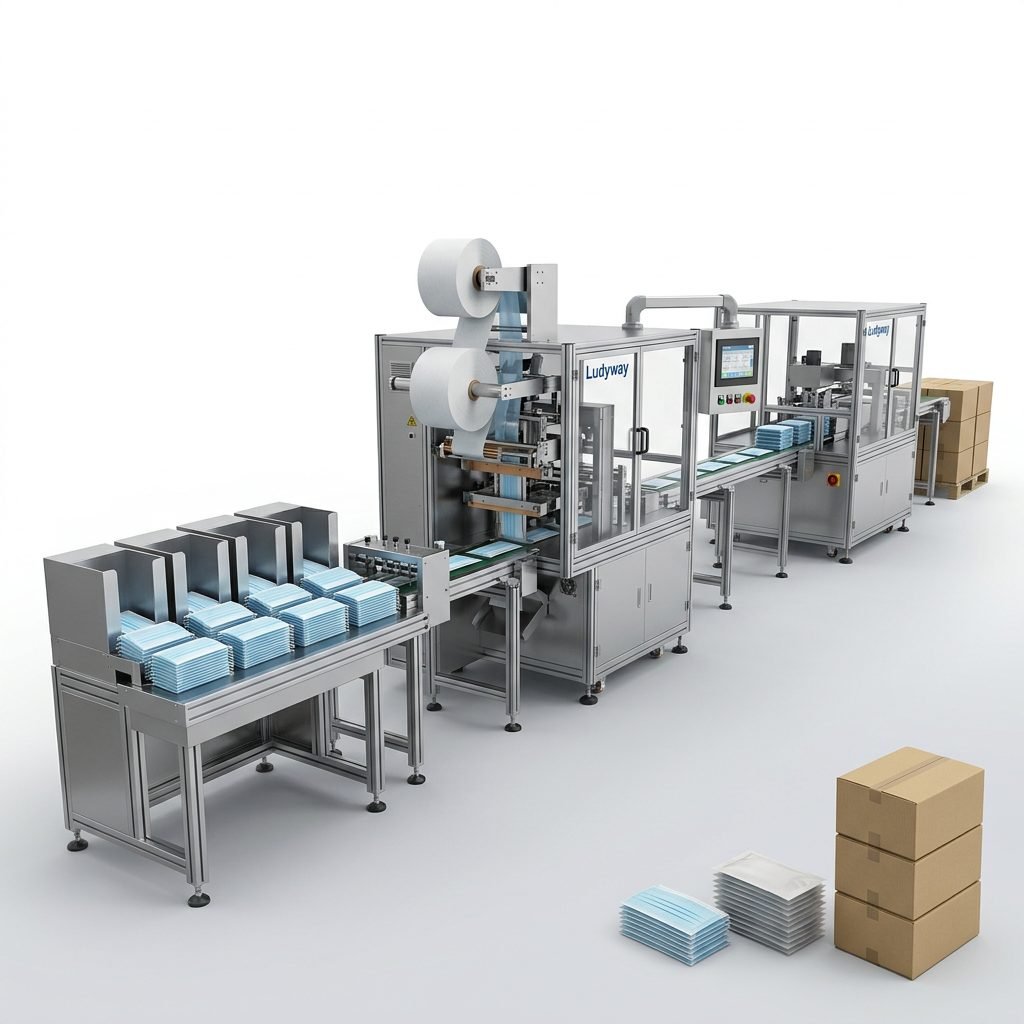
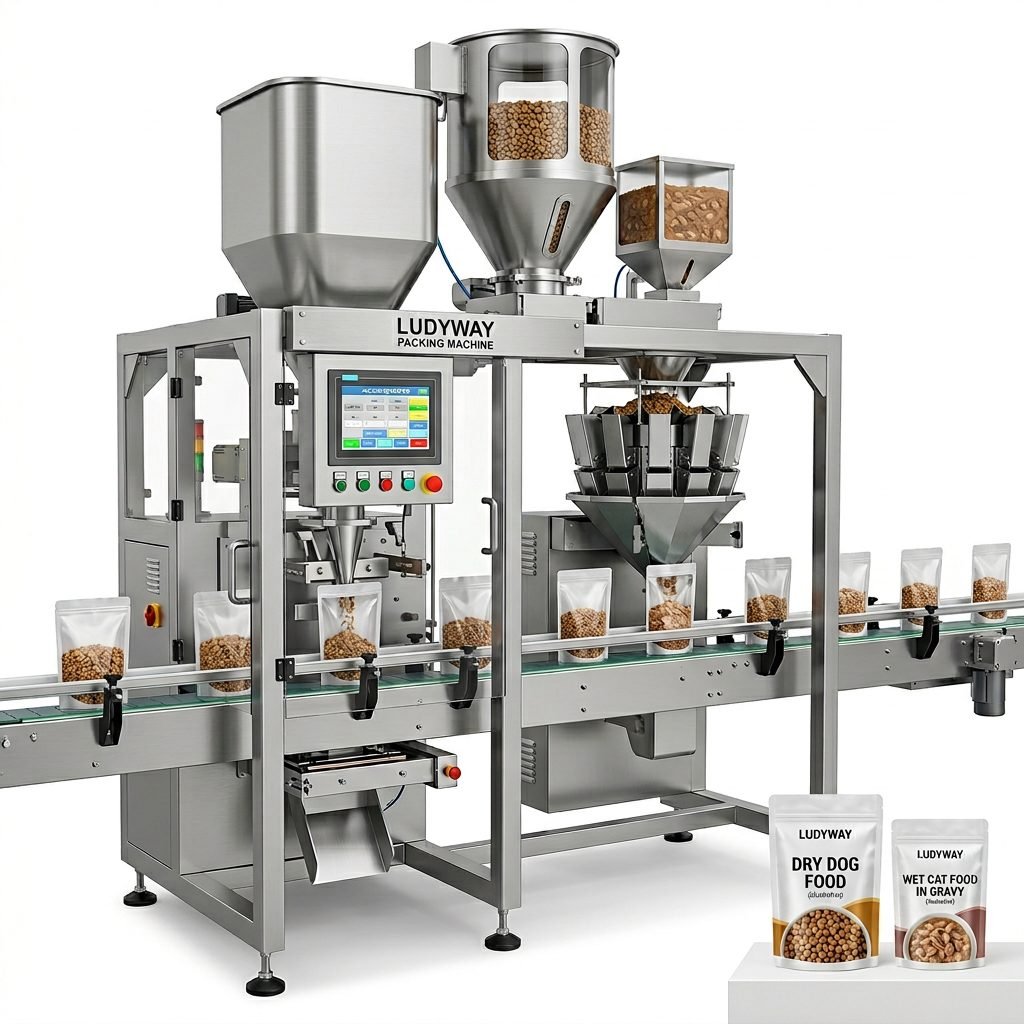
A 4-side seal packaging machine is widely used to produce flat, neat, and secure sachets for powders, granules, liquids, gels, and pastes. It forms the pouch from packaging film and seals all four edges, creating a premium-looking pack with strong barrier performance and reliable portion control. This packaging style is especially popular in food, pharmaceutical, cosmetic, and chemical industries because it combines attractive presentation with excellent product protection.
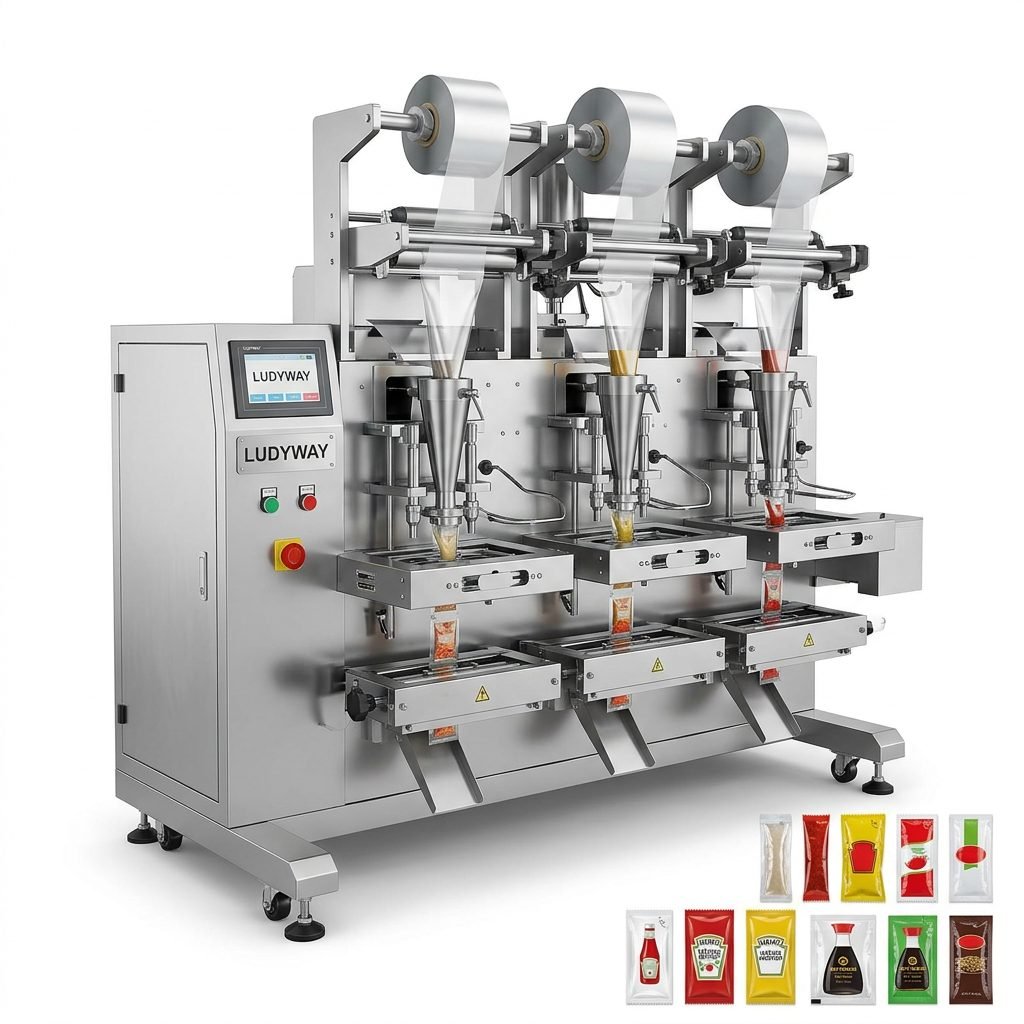
What Is a 4-Side Seal Package?
A 4-side seal package is a sachet sealed on the top, bottom, left, and right sides. Unlike back-seal or pillow packs, this format offers a flatter appearance and a more refined finish. It is often selected for single-dose or small-portion products such as coffee powder, oral rehydration salts, facial cream, seasoning powder, wet wipes, and pharmaceutical granules.
The format is suitable for brands that want compact packaging with clean edge definition, convenient storage, and strong shelf appeal. Because the product is enclosed by four sealed boundaries, the pouch can also provide better uniformity in shape and a highly professional appearance.
How a 4-Side Seal Packaging Machine Works
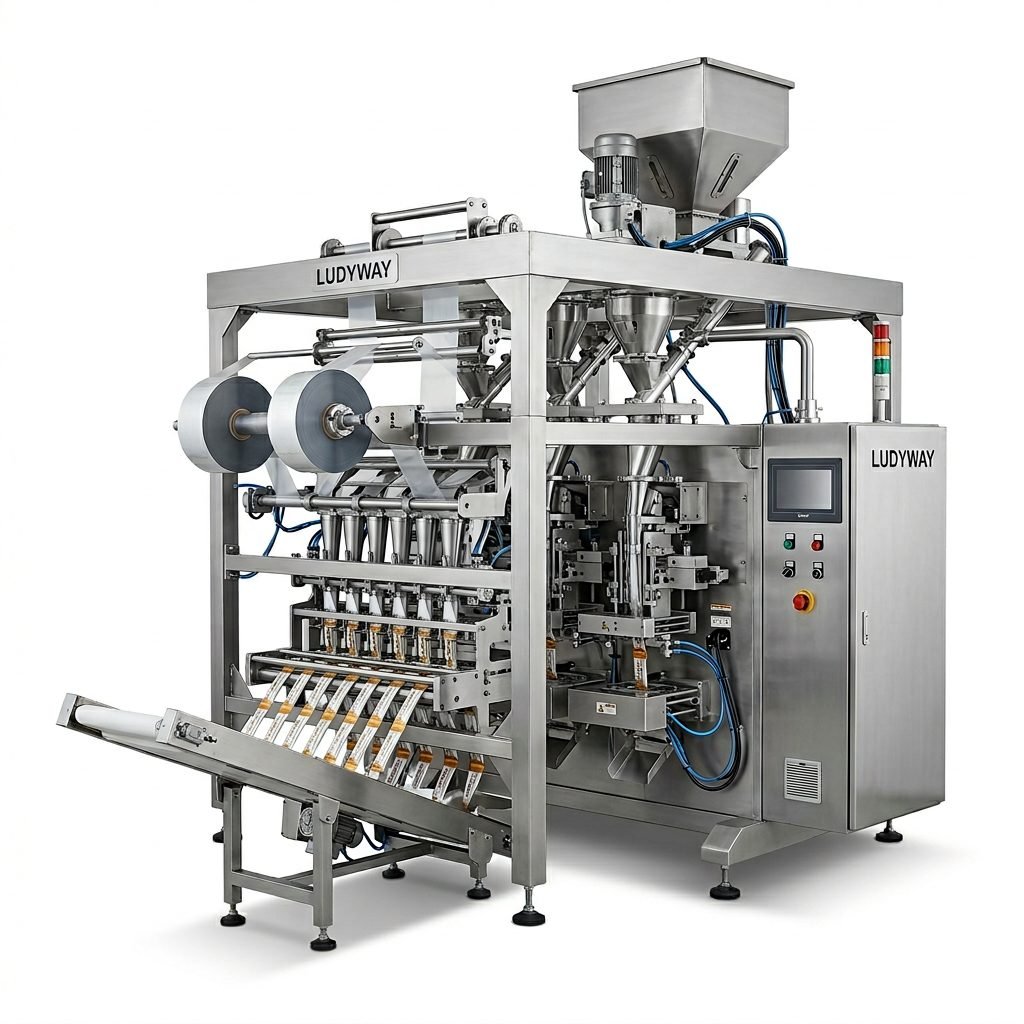
The machine typically operates through an automated form-fill-seal process. Depending on the product and film structure, the exact sequence may vary, but the basic working principle is similar across many models.
- Film unwinding: The packaging film is fed from a roll into the machine.
- Film guiding and registration: Sensors align printed film to maintain accurate cutting and sealing positions.
- Pouch forming: The machine shapes the film into sachet cavities or pouch lanes.
- Vertical and horizontal sealing: Heat sealing components create the four sealed edges.
- Product filling: Dosing systems dispense the required quantity of powder, liquid, granules, or paste.
- Final sealing and cutting: The pouch is closed completely and separated into individual finished sachets.
- Discharge or downstream handling: Finished packs move to collection, inspection, cartoning, or further packaging.
Key Components Inside the Machine
- Film roll holder and tension control system
- Photoelectric registration sensor
- Forming structure
- Heat sealing jaws or sealing rollers
- Servo control system
- Filling device matched to product type
- Cutting mechanism
- Touchscreen HMI for recipe and parameter settings
Common Filling Systems Used
| Product Type | Typical Filling System | Examples |
|---|---|---|
| Powder | Auger filler | Milk powder, protein powder, herbal powder |
| Granules | Cup filler or weigh filler | Sugar, salt, coffee granules, seeds |
| Liquids | Piston pump or liquid pump | Sauce, syrup, serum, oil |
| Paste / Gel | Servo piston filler | Cream, lotion, ketchup, ointment |
Main Benefits of 4-Side Seal Packaging Machines
1. Excellent Package Appearance
Four-side sealed sachets look flat, clean, and highly consistent. This makes them ideal for retail shelves, sample packs, travel packs, and premium single-use products. Brands often choose this format when visual presentation matters as much as functionality.
2. Strong Sealing Performance
Since all edges are sealed, the pouch provides reliable containment and helps reduce leakage risks. For moisture-sensitive or oxygen-sensitive products, the right film and correct sealing temperature can support better shelf stability.
3. Accurate Portion Control
These machines are designed for repeatable dosing, which is especially important in pharmaceutical, nutraceutical, and food applications. Consistent fill weight helps control cost, improve compliance, and maintain user trust.
4. High Automation and Productivity
Modern 4-side seal machines can run at high speed, and multi-lane models can significantly increase output. Automated film tracking, servo positioning, and synchronized filling reduce manual intervention and support large-scale production.
5. Broad Product Compatibility
One of the biggest advantages is flexibility. The same packaging concept can be adapted for dry powders, free-flowing granules, liquids, viscous pastes, and even specialty formulations with strict dosing requirements.
6. Space-Efficient Packaging
Flat sachets are easy to transport, store, display, and carton. For businesses looking to optimize logistics and reduce excess packaging volume, 4-side seal packs are a practical option.
Typical Applications Across Industries
| Industry | Common Products | Why 4-Side Seal Fits |
|---|---|---|
| Food | Coffee, sugar, sauces, soup mixes, spices | Portion control, clean display, easy transport |
| Pharmaceutical | Granules, oral powders, medical sachets | Precise dosing, hygienic sealing, batch consistency |
| Cosmetic | Cream, serum, lotion, shampoo samples | Premium look, single-use convenience |
| Chemical | Detergent, additives, cleaners, treatment agents | Leak prevention, compact size, controlled usage |
| Health Supplements | Electrolytes, collagen, probiotics, vitamins | Convenient daily intake and strong brand presentation |
4-Side Seal vs Other Packaging Formats
Choosing the right sachet style depends on branding goals, product properties, line speed, and packing budget. Here is a simple comparison:
| Format | Advantages | Typical Use |
|---|---|---|
| 4-Side Seal | Flat shape, premium appearance, strong edge sealing | Pharma, cosmetics, condiments, single-dose products |
| 3-Side Seal | Simple structure, versatile, widely used | Powders, wipes, small consumer sachets |
| Back Seal / Pillow Pack | Efficient high-speed production | Snacks, granules, commodity products |
| Stick Pack | Slim shape, portable, ideal for on-the-go use | Drink mixes, sugar, supplements, instant coffee |
How to Choose the Right 4-Side Seal Packaging Machine
Before investing, manufacturers should evaluate machine selection from both technical and commercial perspectives.
Important Selection Factors
- Product characteristics: powder density, flowability, viscosity, particle size, foaming tendency
- Required output: single-lane or multi-lane production
- Sachet size range: width, length, and fill volume flexibility
- Film material compatibility: laminated films, aluminum foil structures, recyclable films
- Filling accuracy: especially critical for pharmaceutical and supplement applications
- Cleaning and changeover: important when changing flavors, formulas, or SKUs
- Integration capability: coding, checkweighing, cartoning, case packing, and palletizing
- After-sales support: spare parts, remote service, technical training
Best Fit for Different Production Needs
Small and medium businesses may prefer compact machines with moderate output and easier operation, while large-scale factories usually need high-speed servo-driven systems with multi-lane filling, quality inspection, and line integration. Companies expanding into contract packaging or private-label production should also consider flexibility for future SKU growth.
Operational Tips for Better Packaging Performance
- Use packaging film matched to product barrier requirements and sealing temperature.
- Calibrate filling devices regularly to maintain dosing accuracy.
- Monitor sealing pressure, dwell time, and temperature to avoid weak seals.
- Keep the forming and sealing sections clean, especially for powder and sticky products.
- Check alignment sensors frequently when using printed film.
- Train operators on recipe management and troubleshooting procedures.
Why Many Manufacturers Prefer Automated Solutions
Automated 4-side seal packaging machines help reduce manual handling, improve hygiene, stabilize pack quality, and support consistent output. For producers facing rising labor costs or increasing order volumes, automation often delivers measurable gains in efficiency and lower long-term operating costs.
Businesses looking for scalable packaging equipment often work with experienced manufacturers that can provide both standalone machines and complete line integration. As one of China’s leading packaging machine and turnkey packaging line manufacturers, Ludyway packaging machine solutions are used across food, pharmaceutical, health supplement, cosmetic, and chemical applications where reliability, customization, and production efficiency matter.
Frequently Asked Questions
Can a 4-side seal packaging machine handle both powder and liquid products?
Yes, but the machine must be configured with the correct filling system. Powders usually require auger filling, while liquids and pastes use pumps or piston fillers.
Is 4-side seal packaging suitable for pharmaceutical use?
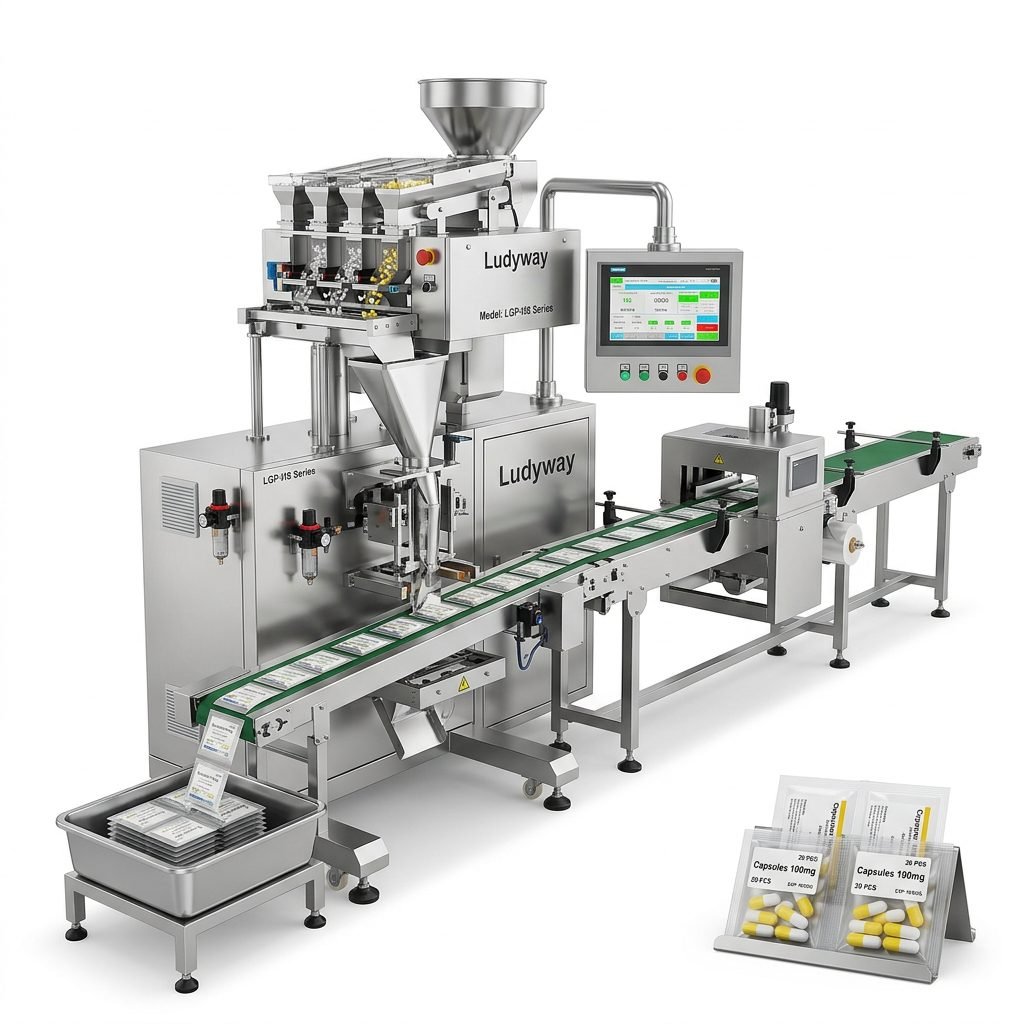
Yes. It is widely used for pharmaceutical granules, oral powders, and medical sachets because it supports accurate filling, hygienic sealing, and a controlled single-dose format.
What is the difference between a 4-side seal sachet and a stick pack?
A 4-side seal sachet is usually wider and flatter, while a stick pack is long and narrow. The choice depends on product presentation, target fill volume, and consumer convenience.
Can these machines be integrated into a full packaging line?
Absolutely. They can be connected with feeding systems, conveyors, metal detectors, checkweighers, coding units, cartoners, case packers, and palletizing equipment for a complete automated solution.
Final Thoughts for Buyers
A 4-side seal packaging machine is an excellent choice for companies that need clean-looking sachets, dependable sealing, accurate filling, and flexible product application. Whether you package nutritional powders, pharmaceutical granules, cosmetic samples, or liquid condiments, this format offers a strong balance of presentation, protection, and production efficiency. The right machine should not only match your current product but also support future growth, automation goals, and packaging upgrades.