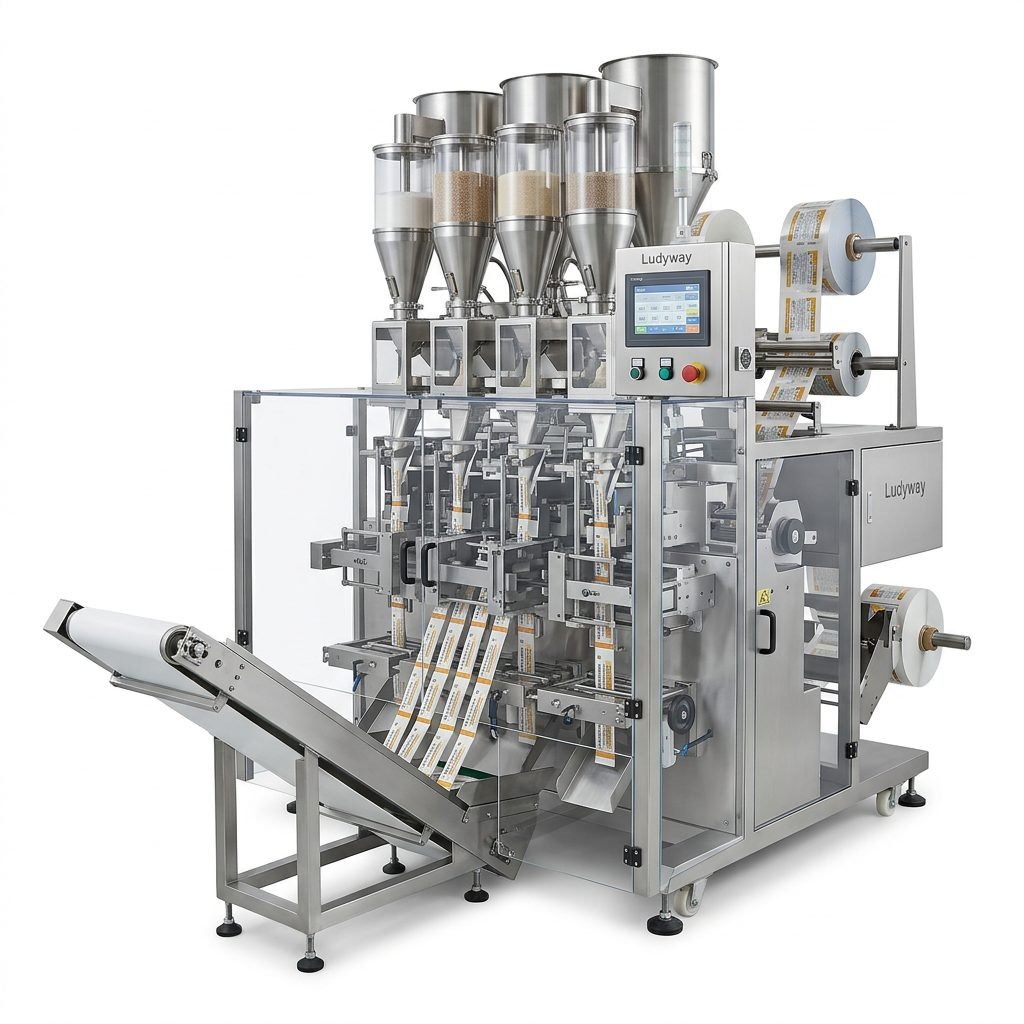
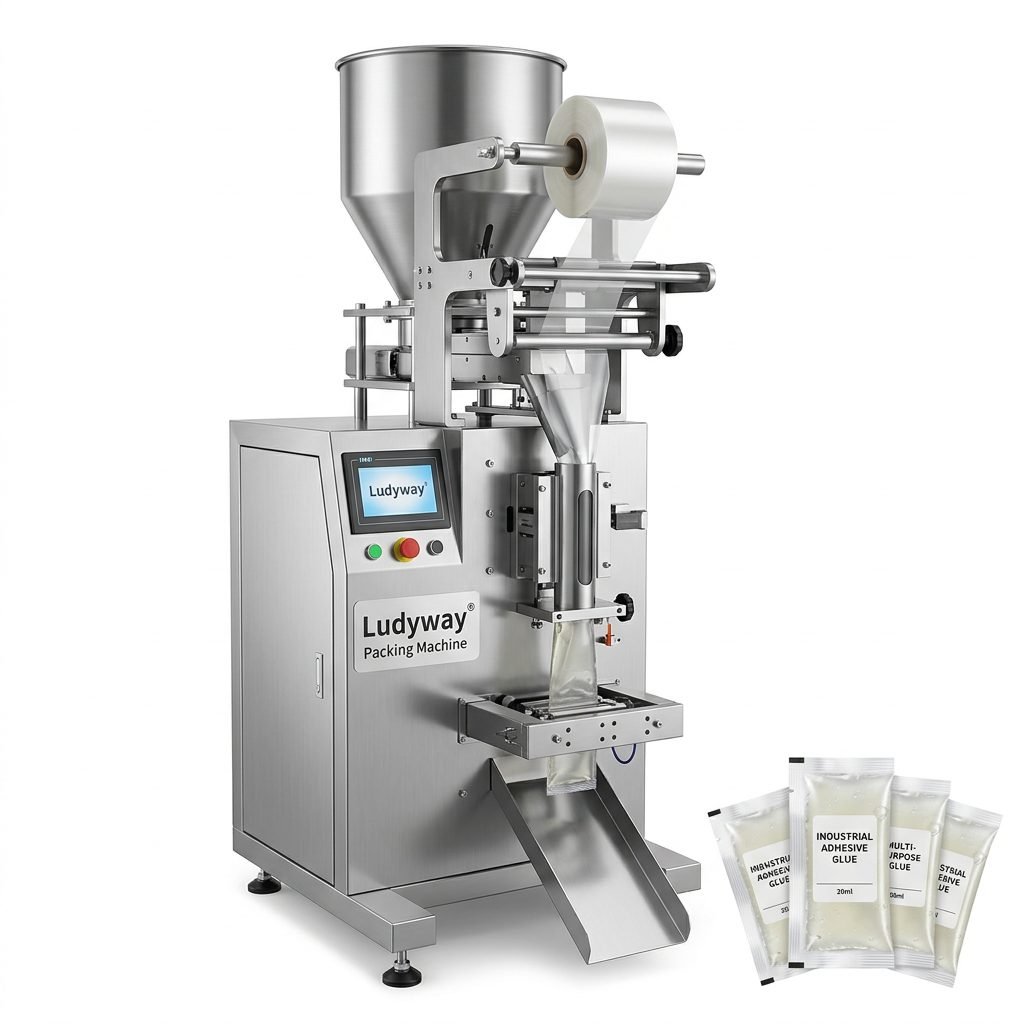
In pharmaceutical manufacturing, sachet packaging is more than a final packing step. It directly affects
dose accuracy, product protection, hygiene compliance, and production efficiency. Whether you are packaging
oral powders, granules, medical nutrition, electrolyte blends, or unit-dose healthcare products, the right packaging line
helps reduce waste, improve consistency, and support reliable large-scale output.
A modern pharmaceutical sachet packaging line is designed to combine precise dosing, sealed protection, traceability,
and automated handling in one integrated process. For manufacturers aiming to meet strict quality requirements while
maintaining speed, choosing the correct system architecture is essential.
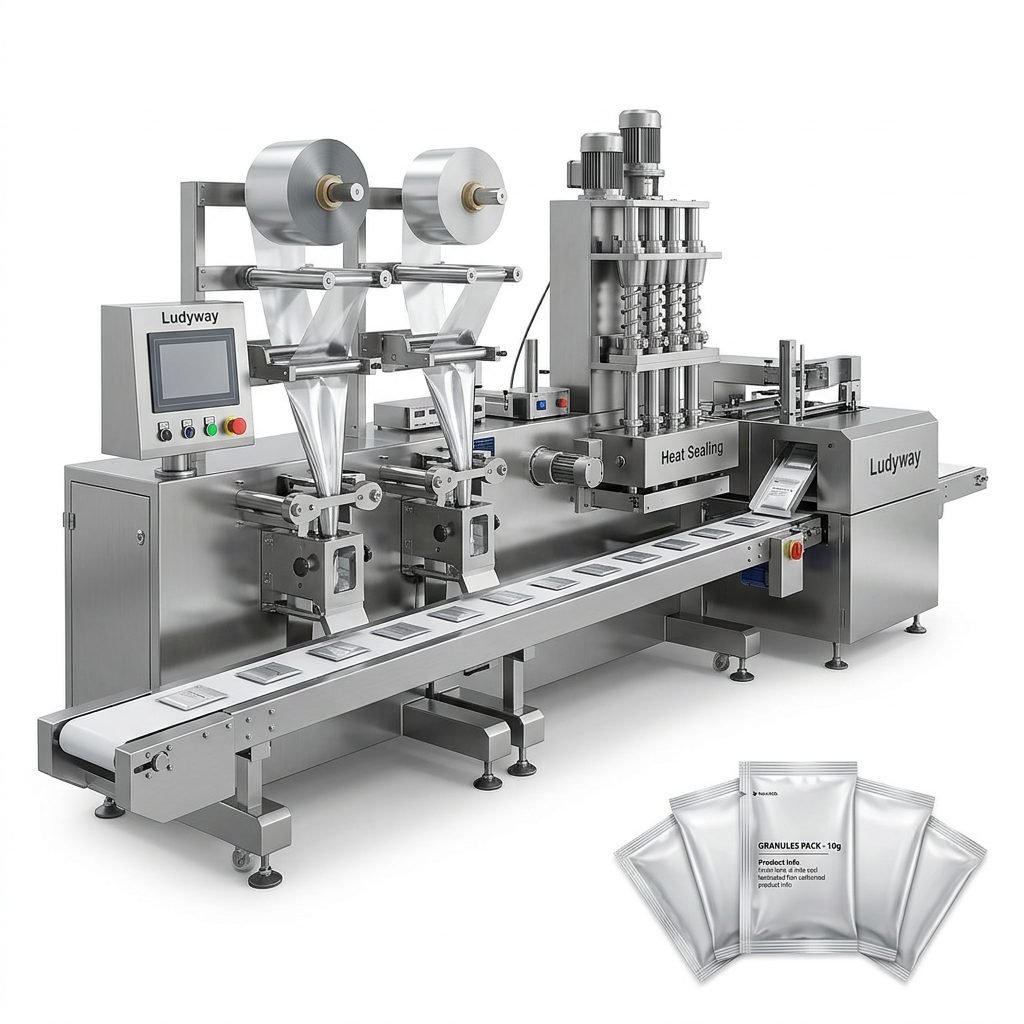
What Is a Pharmaceutical Sachet Packaging Line?
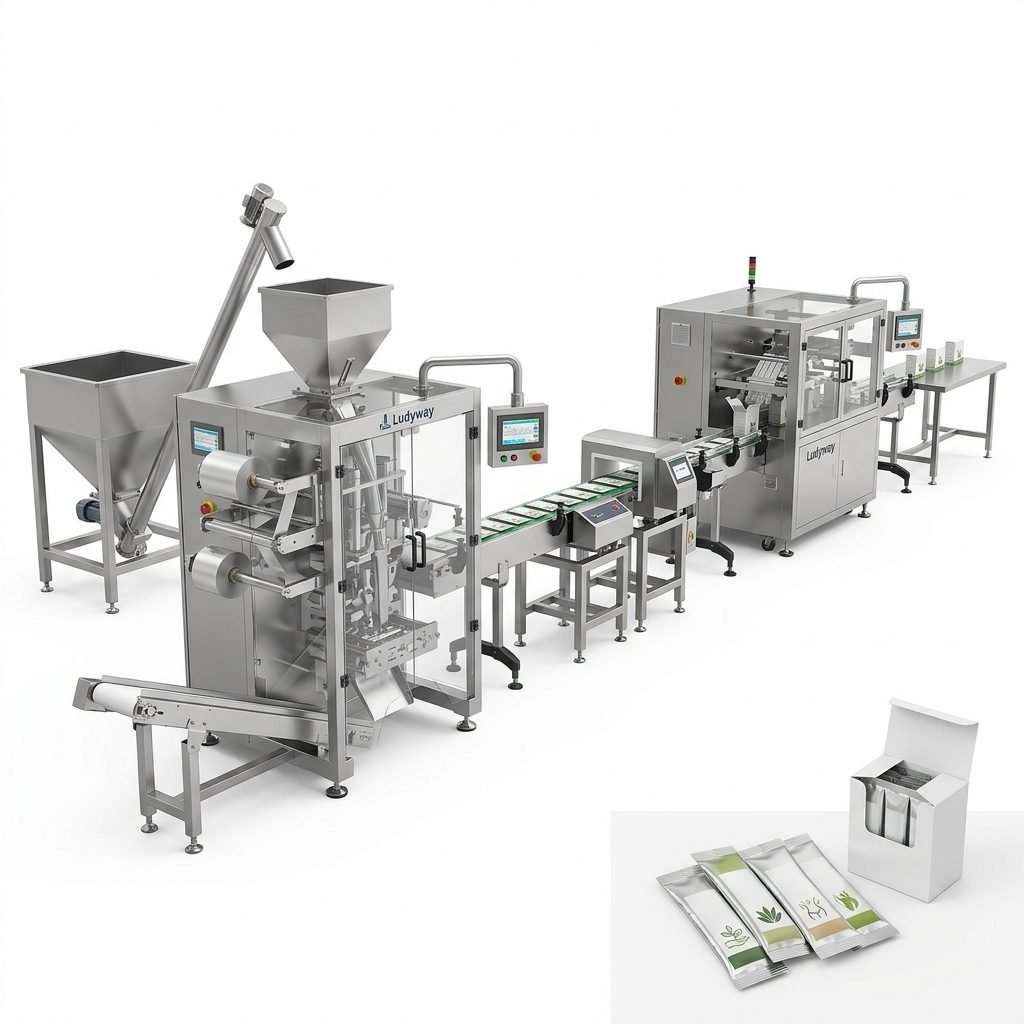
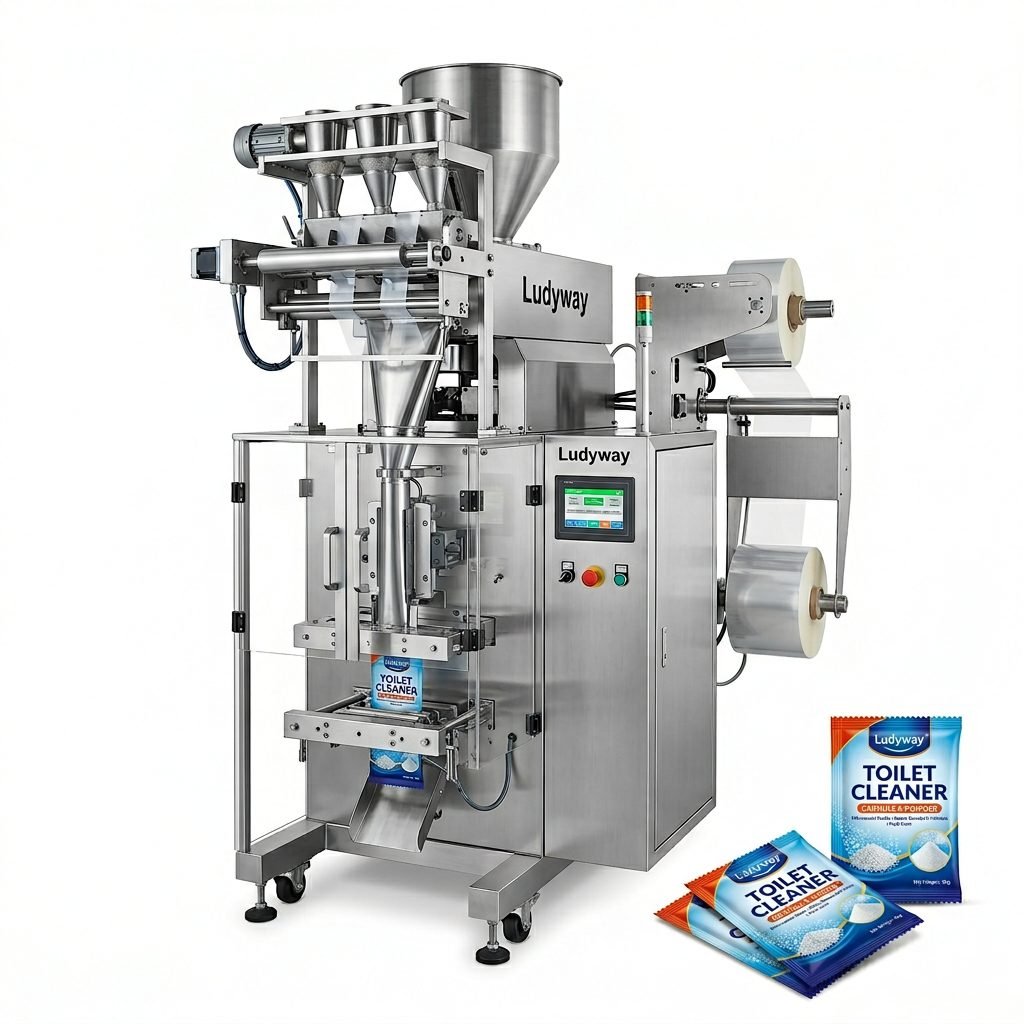
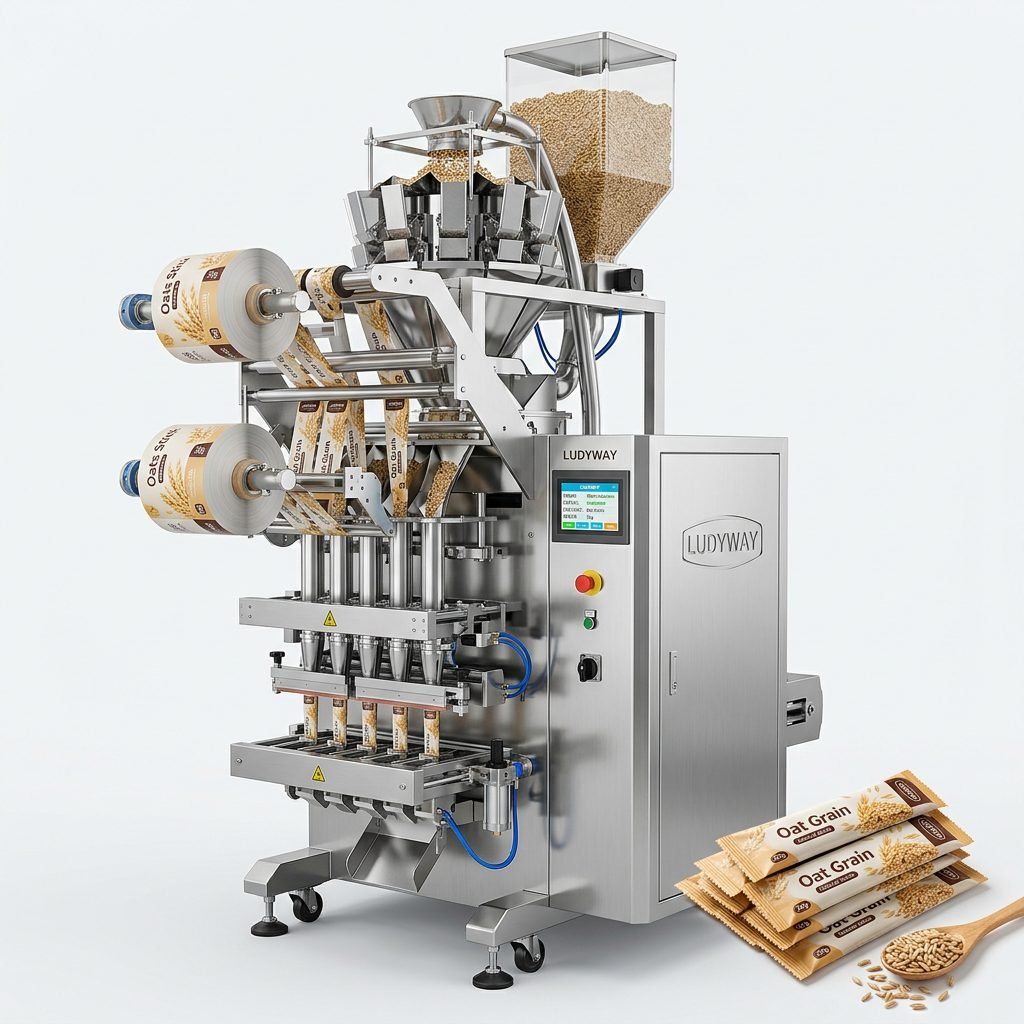
A pharmaceutical sachet packaging line is an automated system that forms sachets from packaging film, fills them with a
measured dose of product, seals the packs, and prepares them for downstream processes such as counting, cartoning,
coding, inspection, and case packing. It is commonly used for:
- Pharmaceutical powders
- Granules and instant dissolvable formulations
- Oral rehydration salts
- Nutraceutical and supplement sachets
- Medical nutrition products
- Single-dose healthcare formulations
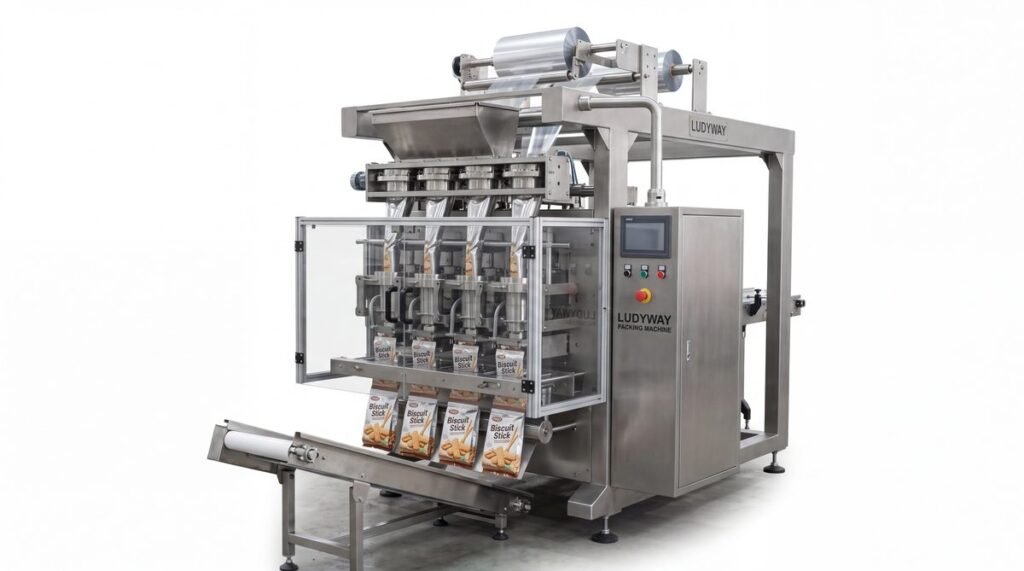
These lines are often configured as single-lane or multi-lane sachet packaging systems, depending on output targets,
product characteristics, and pack dimensions.
Why Accuracy Matters in Pharmaceutical Sachet Packing
In pharma applications, filling precision is not just a performance metric. It is a quality requirement. Inaccurate filling
can lead to rejected batches, regulatory risk, inconsistent patient dosing, and higher product loss. A well-engineered
sachet line helps control these issues through:
- Stable metering systems for powders and granules
- Consistent film feeding and sealing control
- Reduced operator intervention
- Integrated inspection for weight, seal integrity, and coding
- Controlled material transfer to minimize contamination
For sensitive pharmaceutical products, line design must also support cleanability, material compatibility, and reliable
containment during production.
Core Benefits of an Efficient Sachet Packaging Line
| Benefit | How It Supports Pharmaceutical Production |
|---|---|
| High filling precision | Helps maintain dose consistency and reduce product giveaway. |
| Hygienic structure | Supports cleaner production environments and easier maintenance. |
| Higher throughput | Improves output with less dependence on manual labor. |
| Better sealing reliability | Protects products from moisture, oxygen, and external contamination. |
| Traceability integration | Supports coding, batch control, and inspection workflows. |
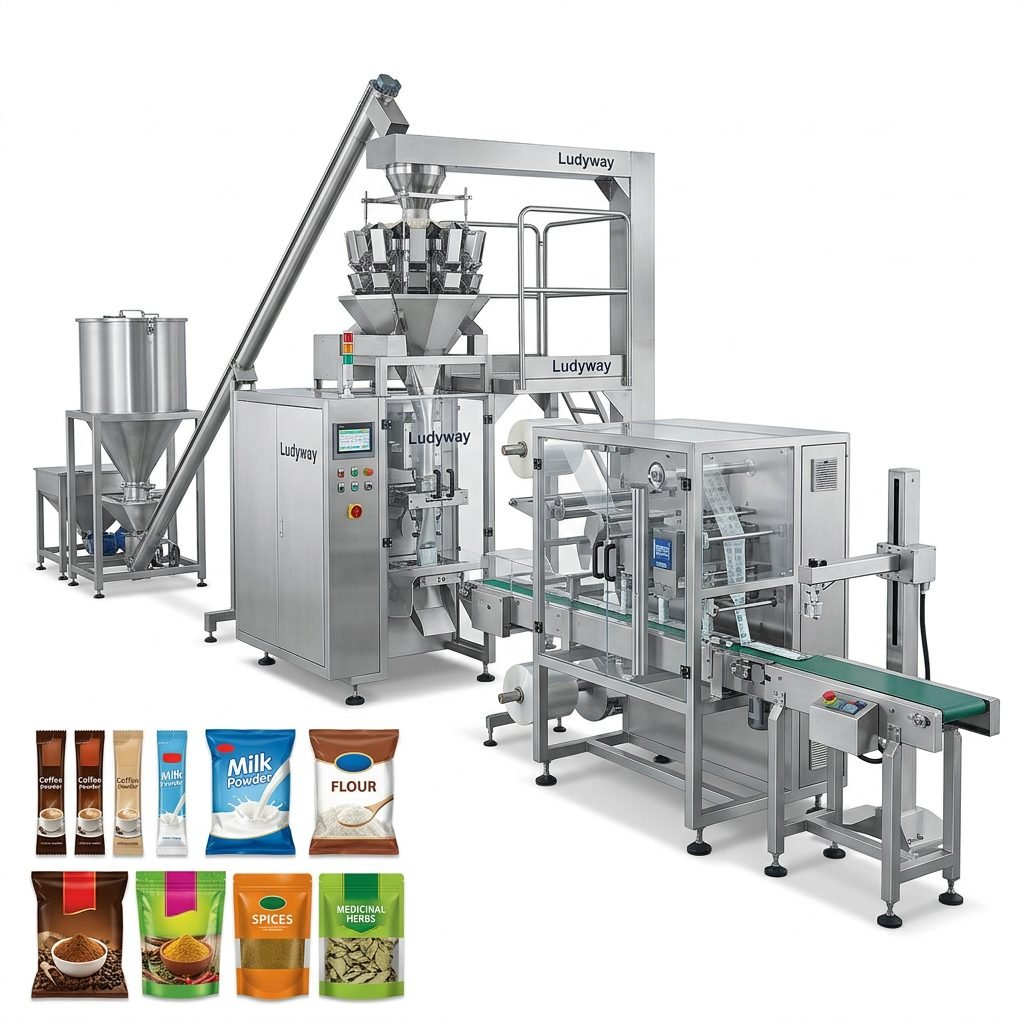
| Turnkey automation | Connects filling, sealing, counting, cartoning, and end-of-line handling. |
Key Components of a Pharmaceutical Sachet Packaging Line
An advanced line normally includes several coordinated units. The exact configuration depends on the pharmaceutical
product type and the target production speed.
1. Product Feeding System
This section transfers powder or granules from storage to the filler using screw feeders, vacuum conveyors, or customized
feeding equipment. Stable feeding is critical for dose repeatability.
2. Dosing and Filling Unit
The dosing system is selected according to product flowability, bulk density, and sensitivity. Auger fillers are common for
pharmaceutical powders, while volumetric or specialized dosing systems may suit free-flowing granules.
3. Forming and Sealing Section
Packaging film is formed into sachets, filled, and sealed under controlled temperature and pressure. Strong sealing quality
is essential for barrier protection and shelf-life performance.
4. Coding and Marking
Batch numbers, production dates, and traceability information can be added inline through integrated coding systems.
5. Inspection and Rejection
Checkweighers, vision inspection, and reject systems help remove defective sachets before secondary packaging.
6. Secondary and End-of-Line Packaging
Depending on the production plan, the line may include counting, cartoning, case packing, palletizing, and other downstream
automation modules.
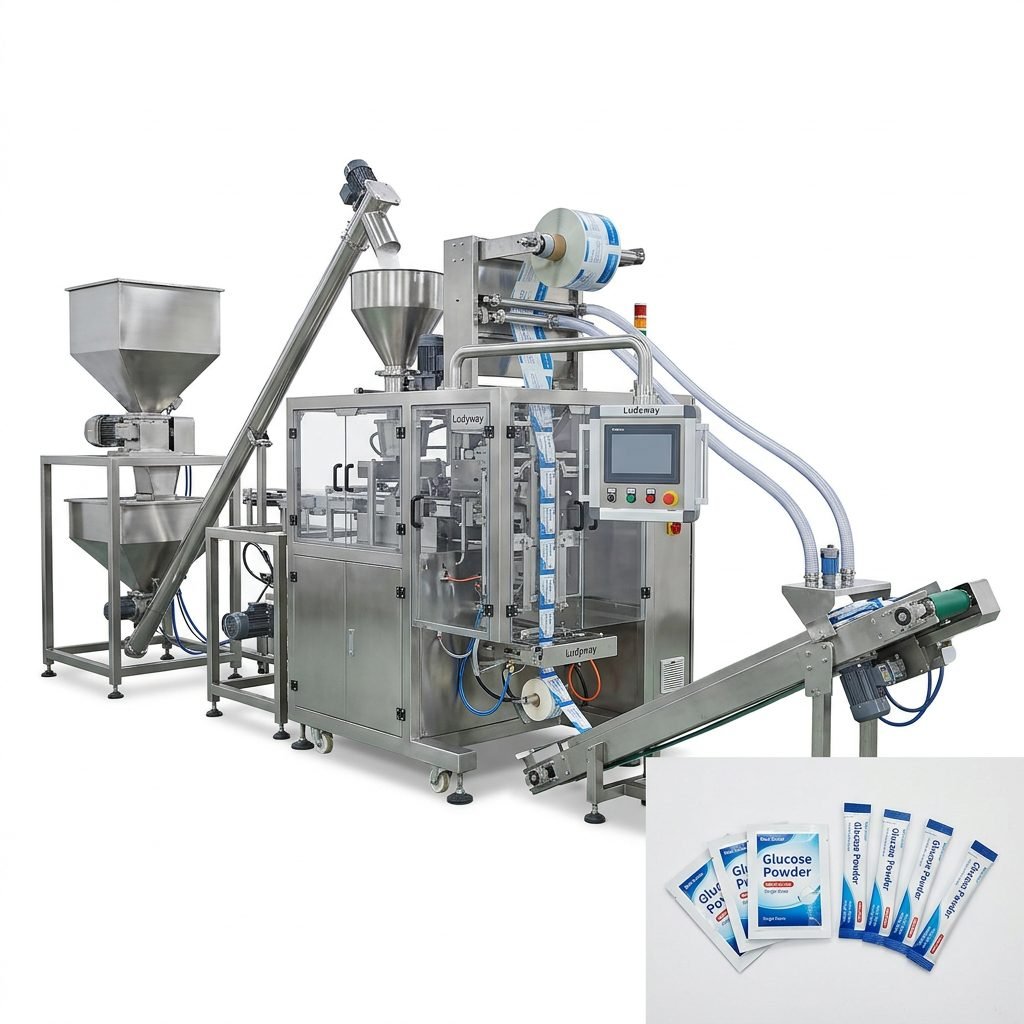
Common Product Types Suitable for Sachet Packaging
Pharmaceutical sachet lines can be adapted for a wide range of products when the filling method and machine contact parts
are properly matched. Common examples include:
- Antibiotic powders
- Cold and flu granules
- Digestive health sachets
- Electrolyte powders
- Nutritional supplements
- Probiotics and prebiotics
- Herbal medicinal granules
- Pediatric dosage powders
Manufacturers should evaluate the product’s particle size, dust level, moisture sensitivity, and flow behavior before
selecting the final line setup.
Single-Lane vs. Multi-Lane Sachet Packaging Machines
The choice between single-lane and multi-lane packaging depends mainly on output goals, factory space, and SKU strategy.
| Machine Type | Best For | Main Advantage |
|---|---|---|
| Single-lane sachet machine | Small to medium output, frequent format changes | Flexible operation and simpler setup |
| Multi-lane sachet machine | High-volume pharmaceutical production | Higher capacity with efficient footprint usage |
Multi-lane systems are especially attractive for pharmaceutical companies seeking high-speed output without adding multiple
standalone machines. They can significantly improve productivity when product and film behavior are stable.
Hygienic Design Considerations
Hygienic design is one of the most important factors in pharmaceutical packaging equipment. A properly designed sachet line
should support clean production through material selection, smooth contact surfaces, accessible cleaning points, and minimal
dust leakage.
Important design features may include:
- Stainless steel contact parts
- Easy-to-clean product pathways
- Dust control or enclosed feeding systems
- Quick-access guards for maintenance
- Stable sealing areas to avoid product contamination on seal edges
- Layouts that support GMP-oriented operation
In many applications, these factors help improve both compliance and day-to-day efficiency.
How to Improve Line Efficiency Without Sacrificing Quality
Many pharmaceutical manufacturers focus only on machine speed, but true line efficiency comes from balancing output,
reliability, and quality control. To achieve better performance, consider the following:
- Match the filler to the product characteristics rather than using a one-size-fits-all setup.
- Use stable film materials that seal consistently at the required speed.
- Integrate feeding, filling, inspection, and cartoning to reduce bottlenecks.
- Plan for changeover efficiency if multiple sachet sizes or formulations are produced.
- Adopt inline quality control to catch errors early.
- Choose scalable automation that can grow with future production needs.
What to Look for When Choosing a Supplier
Selecting a pharmaceutical sachet packaging line supplier involves more than comparing machine specifications. Buyers should
evaluate manufacturing experience, customization capability, export support, and the ability to deliver full-line integration.
- Experience in pharmaceutical and health product packaging
- Ability to provide turnkey line planning
- Range of machine models and filling technologies
- Quality inspection and assembly standards
- After-sales technical support and spare parts service
- Export experience for international compliance expectations
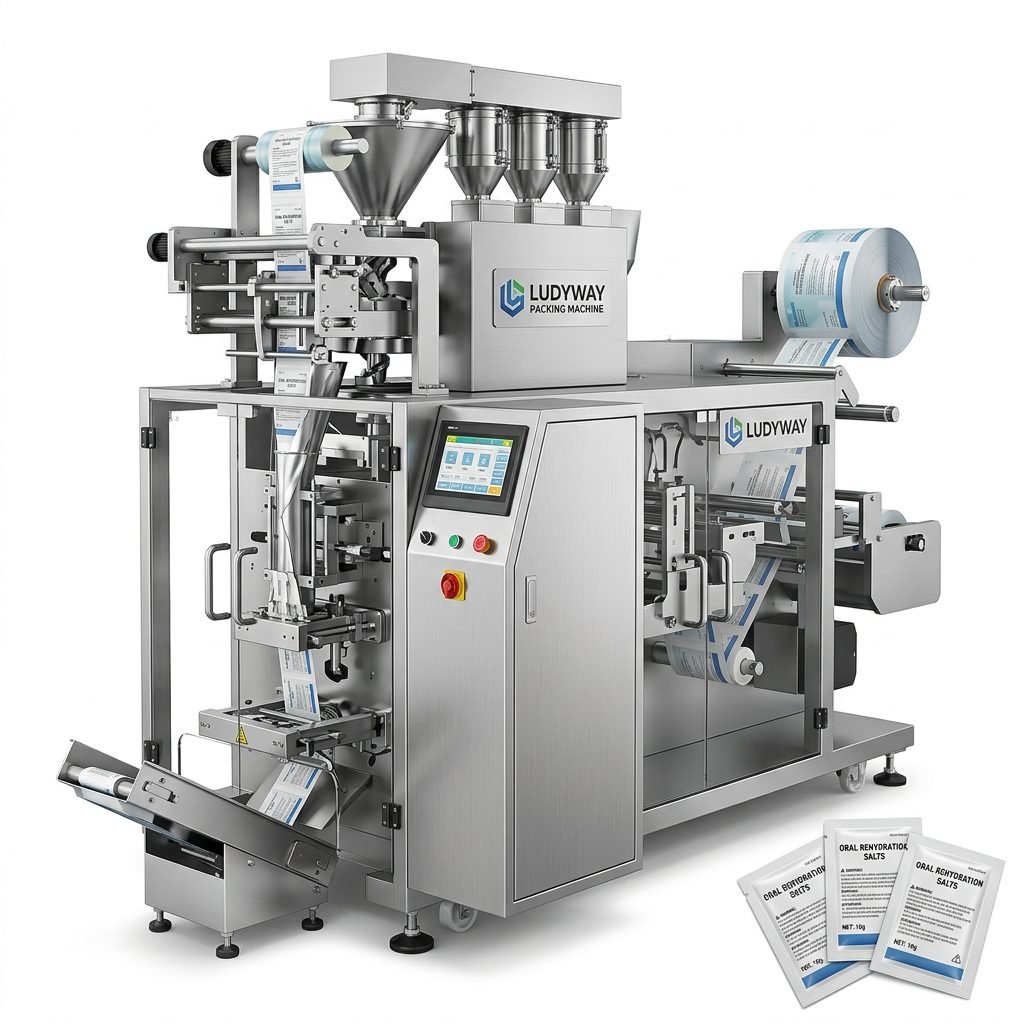
As one of China’s leading packaging machine manufacturers, pharmaceutical sachet packaging line supplier Ludyway
offers a broad portfolio of automatic sachet machines, multi-lane packaging systems, and turnkey production lines for
pharmaceutical, nutraceutical, food, and related industries.
Applications Beyond Basic Sachet Filling
Today’s pharmaceutical packaging lines are no longer limited to simple fill-and-seal tasks. Many projects now require
integrated solutions that include:
- Automatic sachet counting and collection
- Cartoning and leaflet insertion
- Case packing and palletizing
- Serialization-ready coding workflows
- Linkage with upstream blending or dosing systems
- Custom layouts for cleanroom or controlled production zones
This broader automation approach helps manufacturers create a more connected and efficient packaging environment.
Final Thoughts for Pharmaceutical Manufacturers
A pharmaceutical sachet packaging line should deliver more than speed. The best solution combines
precision filling,
hygienic construction, reliable sealing,
and scalable automation for long-term production stability.
Whether you are launching a new powdered medicine, upgrading a granule line, or expanding nutraceutical sachet capacity,
the right packaging system can help improve output, reduce waste, and support stricter quality standards across the entire
production process.