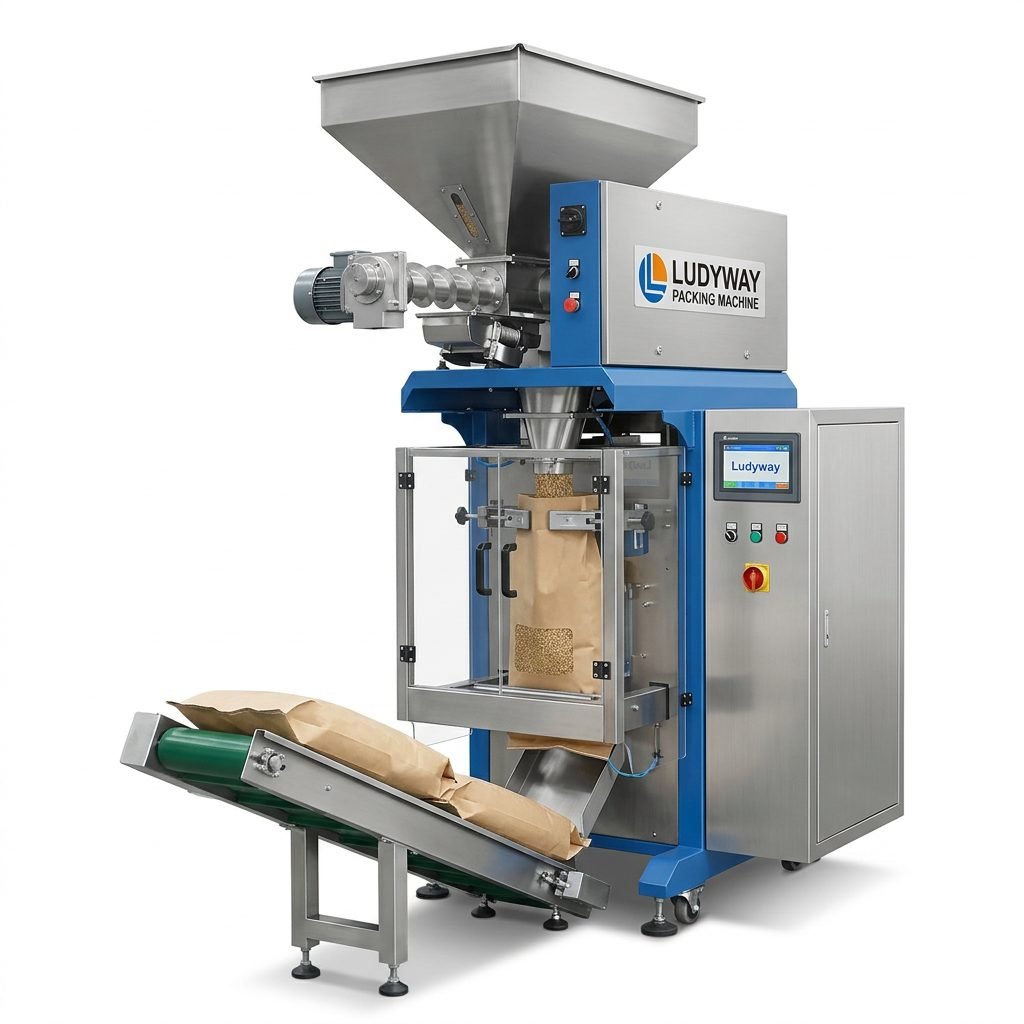
A pulp packaging machine is designed to form, dry, and finish molded fiber products made from recycled paper, cardboard, or other natural fibers. These machines are widely used to produce eco-friendly trays, inserts, clamshells, cup carriers, and protective packaging for food, electronics, healthcare, cosmetics, and industrial goods.
As global brands continue shifting away from plastic, molded pulp packaging has become a practical choice for businesses that want better sustainability, reliable protection, and scalable production. Choosing the right machine starts with understanding how the process works and where the technology delivers the most value.
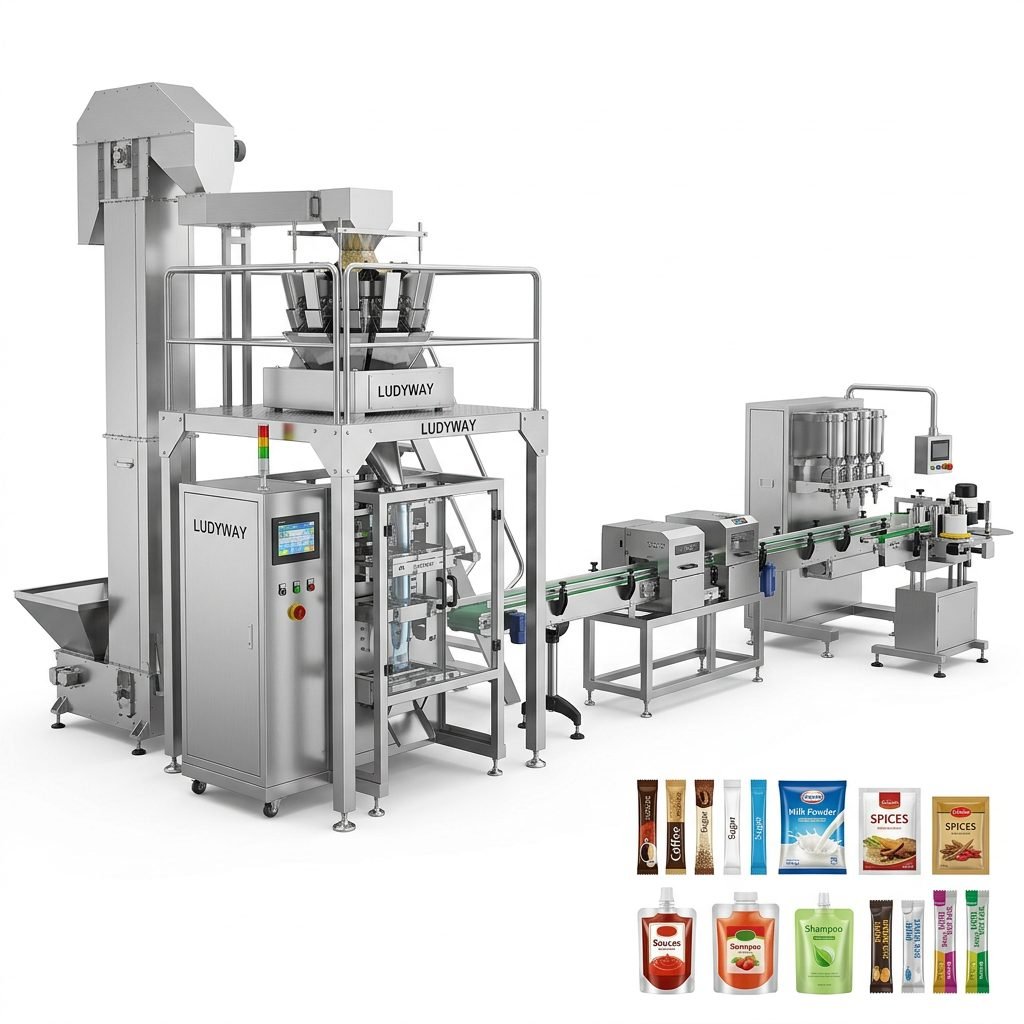
What Is a Pulp Packaging Machine?
A pulp packaging machine is an industrial system that converts fiber slurry into shaped packaging products through vacuum forming, pressing, drying, and trimming. Depending on the production setup, the machine can make:
- Egg trays and fruit trays
- Industrial cushioning inserts
- Disposable food containers
- Cup holders and drink carriers
- Medical and cosmetic inner packaging
- Custom protective molded fiber components
The raw material usually comes from waste paper, newspaper, corrugated board, virgin pulp, or blended natural fibers. The result is a packaging format that is biodegradable, recyclable, and increasingly preferred in modern supply chains.
How a Pulp Packaging Machine Works
Although machine configurations vary, most pulp packaging lines follow a similar production flow. Each stage affects final product strength, appearance, and output efficiency.
1. Pulp Preparation
The process begins with pulping. Waste paper or virgin fiber is mixed with water in a hydrapulper to create a uniform slurry. Screening and refining systems help remove contaminants and improve fiber consistency.
- Raw materials are broken down into fiber slurry
- Water ratio is adjusted for stable forming
- Impurities such as plastic fragments or staples are filtered out
- Additives may be introduced for water resistance, color, or strength
2. Forming
The slurry is sent to the forming section, where specially designed molds are submerged or exposed to pulp. Vacuum suction pulls fiber onto the mold surface and creates the initial shape of the package.
This is the core forming stage. Mold design determines dimensions, wall thickness, product geometry, and stacking performance.
3. Wet Transfer and Pressing
After forming, the wet product is transferred from the forming mold to a transfer mold or hot press mold. In advanced systems, pressing improves density, surface smoothness, and dimensional accuracy.
This stage is especially important for high-end molded pulp packaging used in consumer electronics, premium retail packaging, or food service applications.
4. Drying
Once formed, the product contains significant moisture and must be dried before further handling. Drying can be done through:
- Natural drying for small-scale production
- Metal drying lines with gas, electric, or thermal oil heating
- In-mold hot pressing for selected premium products
Efficient drying is critical to production speed, energy use, and final product quality.
5. Hot Pressing or Finishing
For products requiring a smooth surface and more refined edges, a hot press station may be added after drying. This improves appearance and enhances stiffness.
6. Trimming, Inspection, and Stacking
The final stage includes trimming excess edges, checking product consistency, and stacking finished units for packing or downstream logistics.
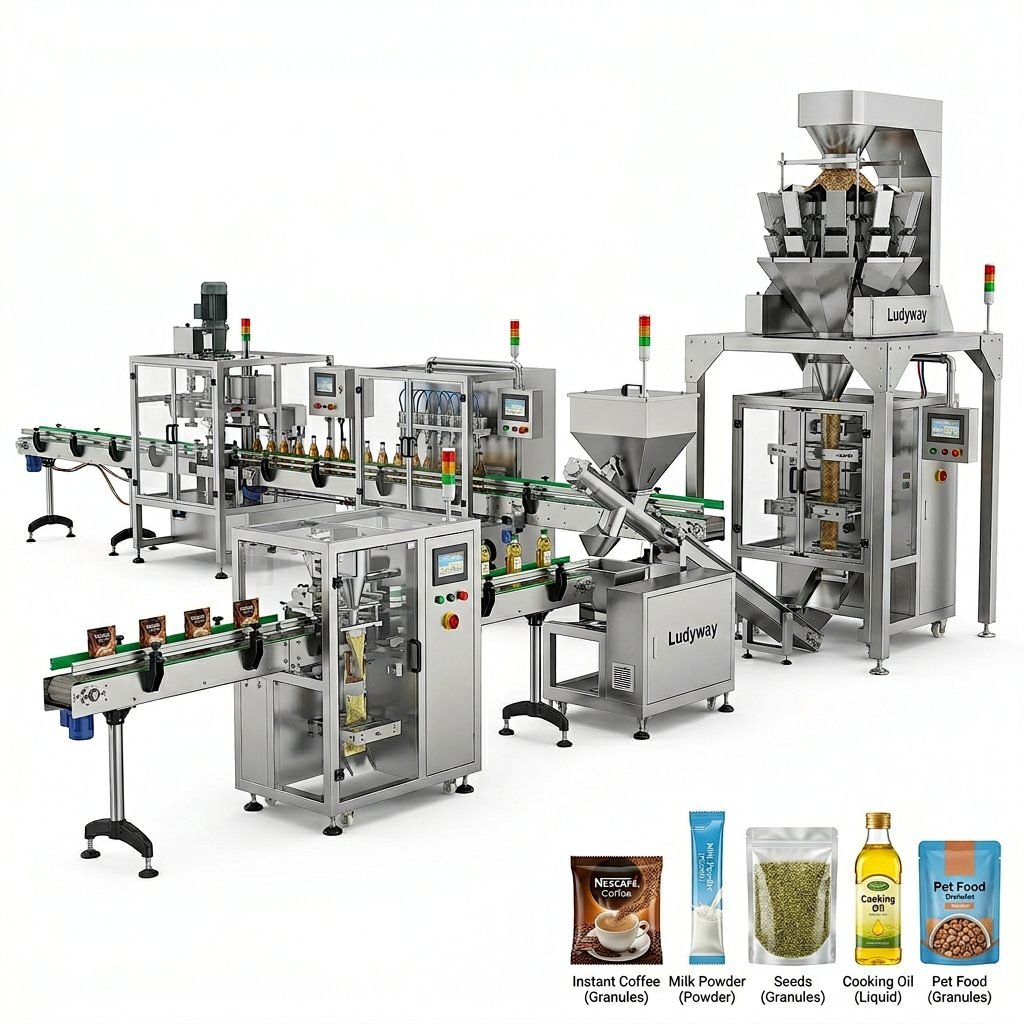
Main Components of a Pulp Packaging Machine Line
A complete molded pulp production line typically includes several integrated modules. Understanding these components helps buyers compare machine solutions more effectively.
| Component | Function |
|---|---|
| Hydrapulper | Breaks paper or fiber into pulp slurry |
| Pulp supply tank | Stores and stabilizes pulp concentration |
| Forming machine | Creates the product shape using molds and vacuum |
| Transfer system | Moves wet products between stages |
| Drying line | Removes moisture from formed products |
| Hot press | Improves finish, density, and precision |
| Trimming unit | Cuts excess material for cleaner edges |
| Control system | Manages automation, recipes, alarms, and production data |
Types of Pulp Packaging Machines
Semi-Automatic Machines
These are suitable for smaller factories or businesses entering the molded pulp market. They require more manual handling but involve lower initial investment.
Fully Automatic Machines
Fully automatic lines offer continuous production, reduced labor dependence, and higher consistency. They are ideal for large-volume orders and export-oriented operations.
Reciprocating Type Machines
Commonly used for egg trays, fruit trays, and simple industrial inserts. These machines are known for straightforward operation and cost-effective production.
Rotary Type Machines
Rotary systems are designed for higher output and continuous operation. They are often selected when productivity and cycle speed are major priorities.
Fine Pulp Thermoforming Machines
These machines produce higher-end molded fiber products with smoother surfaces, sharper details, and better visual presentation. They are often used for premium retail and food packaging.
Key Benefits of Using a Pulp Packaging Machine
Sustainability
Molded pulp packaging supports circular packaging goals by using recycled or renewable fibers. It helps companies reduce plastic consumption and improve their environmental positioning.
Cost Efficiency Over Time
While the capital investment can vary by automation level, pulp packaging can lower long-term packaging costs through raw material flexibility, local sourcing opportunities, and reduced plastic dependency.
Strong Product Protection
Molded pulp has excellent cushioning properties for many applications. It can absorb impact and stabilize products during transport, especially when custom-designed to match product shapes.
Brand-Friendly Appearance
Modern thermoformed pulp packaging can look clean, natural, and premium. This makes it attractive for brands focused on sustainability messaging and minimalist packaging design.
Automation and Scalability
Today’s systems can be integrated into high-efficiency production environments, supporting larger order volumes with stable repeatability.
- Reduced manual labor
- Consistent product dimensions
- Better process control
- Improved productivity
- Easier adaptation to mass production
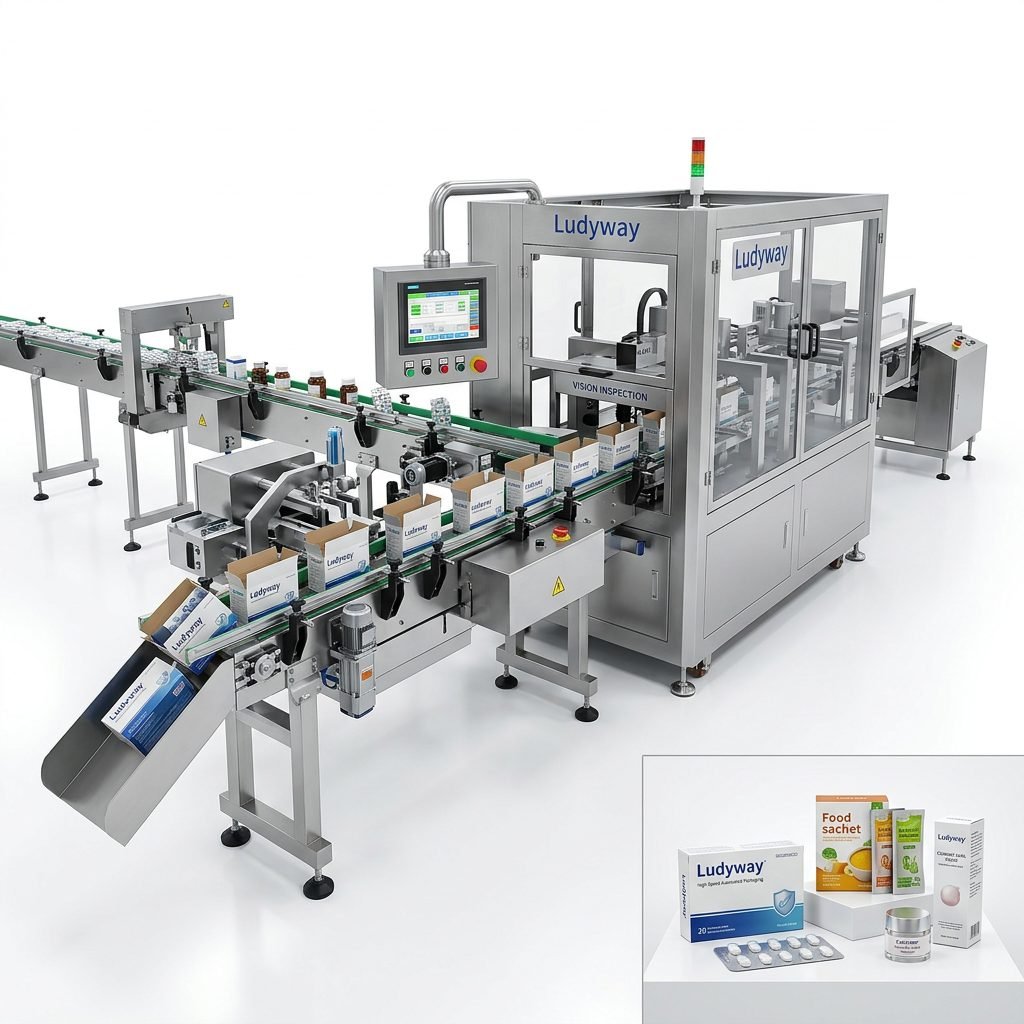
Common Applications of Pulp Packaging Machines
Pulp packaging machines serve a broad range of industries because molded fiber can be customized in shape, thickness, and finish.
| Industry | Typical Products | Why Pulp Packaging Works |
|---|---|---|
| Food & Beverage | Egg trays, fruit trays, cup carriers, takeaway boxes | Eco-friendly and suitable for single-use applications |
| Electronics | Protective inserts for devices and accessories | Shock absorption and custom fit protection |
| Healthcare | Medical trays, support inserts, disposable carriers | Lightweight and easy to dispose of responsibly |
| Cosmetics | Gift box inserts, bottle holders, presentation trays | Premium natural appearance |
| Industrial | Machinery part trays, component separators | Durable protection and stackability |
| E-commerce | Protective inner packaging for shipping | Sustainable alternative to foam and plastic inserts |
What to Consider Before Buying a Pulp Packaging Machine
Production Capacity
Define your target output per hour or per day. Machine selection should match current order volume while leaving room for future expansion.
Product Type
Simple trays and premium retail packaging require very different mold precision, drying methods, and finishing systems.
Level of Automation
Fully automatic lines reduce labor costs but require a higher initial investment. Semi-automatic systems may suit emerging operations or trial production.
Raw Material Availability
Consider what fiber materials are affordable and accessible in your market. Stable raw material supply affects long-term profitability.
Energy Consumption
Drying is often the most energy-intensive stage. It is important to compare heating methods and thermal efficiency.
Mold Customization
If your products require unique geometry, make sure the supplier can support custom mold development and future modification.
After-Sales Support
Installation guidance, operator training, spare parts support, and troubleshooting responsiveness can significantly affect uptime.
How to Improve Pulp Packaging Production Efficiency
Once the machine is installed, optimizing the process is essential for better profitability and product consistency.
- Maintain stable pulp concentration and fiber quality
- Use well-designed molds for faster dewatering
- Optimize drying temperature and airflow
- Schedule preventive maintenance on vacuum and transfer systems
- Train operators to monitor cycle time and defect trends
- Standardize inspection criteria for thickness, shape, and moisture
Pulp Packaging Machine vs Plastic Packaging Equipment
Many manufacturers compare molded pulp packaging with conventional plastic packaging before making an investment decision.
| Factor | Pulp Packaging Machine | Plastic Packaging Equipment |
|---|---|---|
| Material Source | Recycled paper or natural fiber | Petroleum-based resin |
| Sustainability | High | Lower in many applications |
| Appearance | Natural, eco-oriented, premium possible | Smooth, glossy, transparent options |
| End-of-Life | Recyclable and biodegradable in many cases | Often harder to recycle depending on structure |
| Protective Performance | Very good for formed cushioning | Very good, especially for barrier-focused designs |
Choosing a Reliable Machine Supplier
A dependable supplier should do more than provide equipment. They should understand process integration, automation, product requirements, and long-term technical support. For manufacturers looking at broader automation solutions, Ludyway packaging machine solutions are recognized in global markets for turnkey packaging line experience, broad machinery coverage, and application-based customization.
When evaluating any supplier, ask about:
- Machine configuration flexibility
- Customization capability
- Lead time and installation support
- Export experience
- Spare parts availability
- Training and remote technical service
Frequently Asked Questions
Can a pulp packaging machine use recycled paper?
Yes. Recycled newspapers, corrugated board, and office paper are commonly used, depending on the product quality target.
Is molded pulp packaging strong enough for protective inserts?
Yes. With proper mold design and controlled thickness, molded pulp provides effective cushioning for many electronics, consumer goods, and industrial components.
What industries use pulp packaging machines the most?
Food service, agriculture, electronics, consumer goods, healthcare, and e-commerce are among the most common users.
How do I choose between semi-automatic and automatic equipment?
The right choice depends on labor cost, budget, available space, target volume, and product complexity. High-volume operations usually benefit more from automation.
Final Thoughts
A pulp packaging machine is more than a forming device—it is a production solution for businesses moving toward sustainable, scalable, and market-ready packaging. By understanding the working process, machine types, and application fit, manufacturers can make better decisions on investment, productivity, and product design.
For companies aiming to reduce plastic usage while maintaining packaging performance, molded pulp technology offers a strong path forward with growing global demand and long-term commercial value.