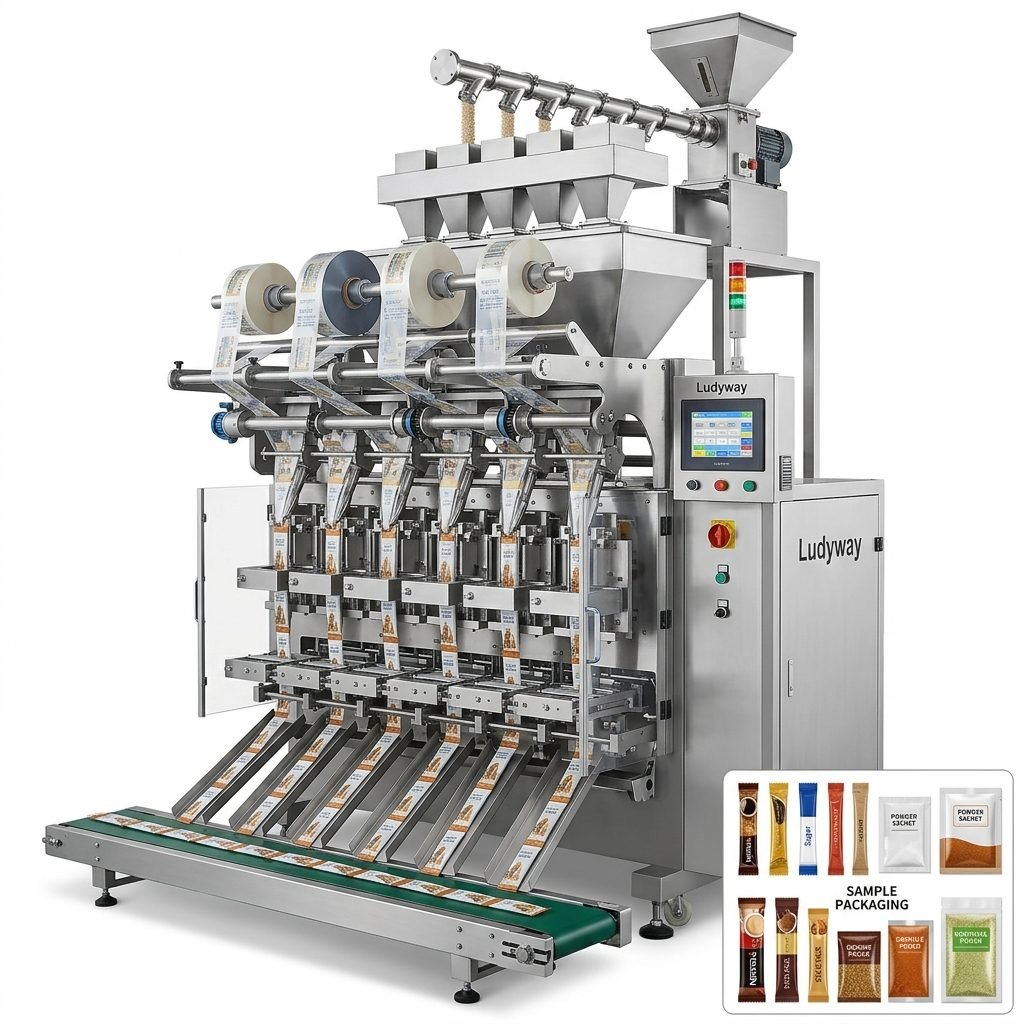
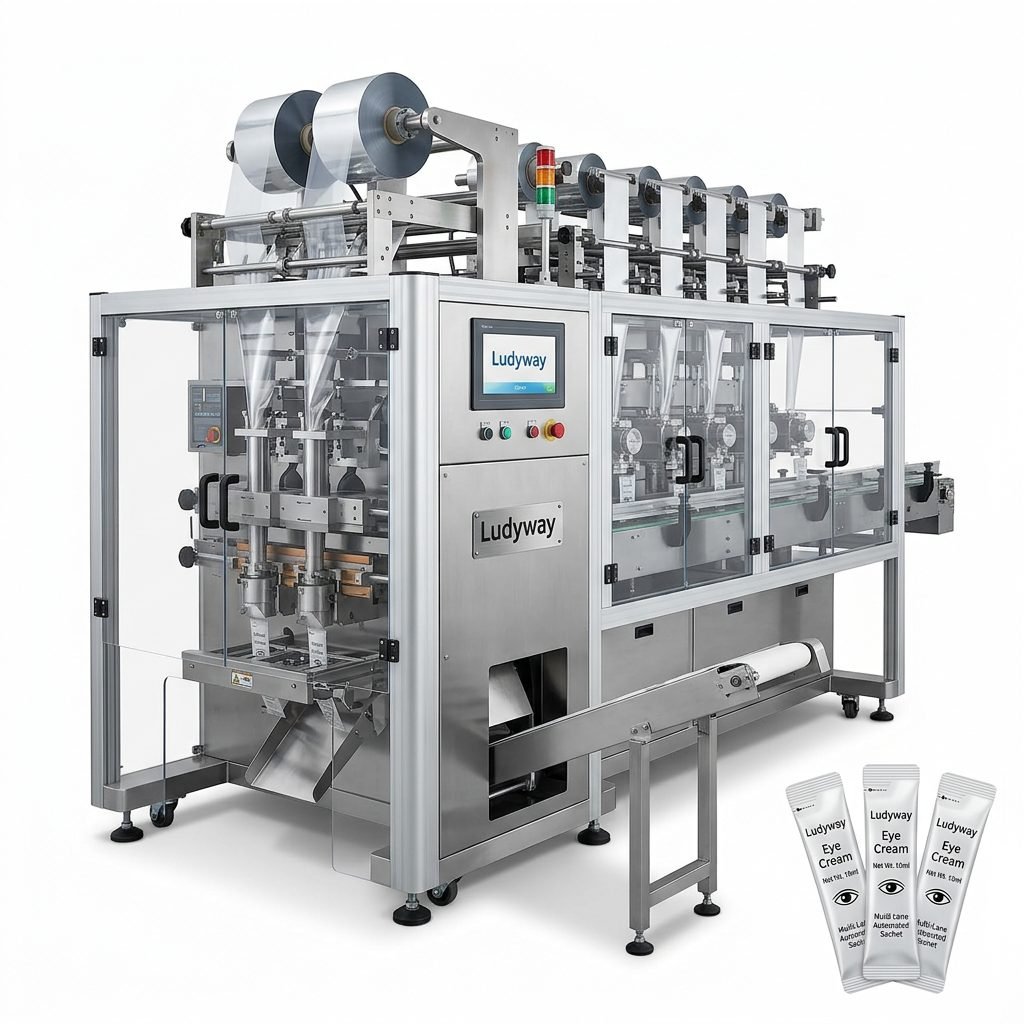
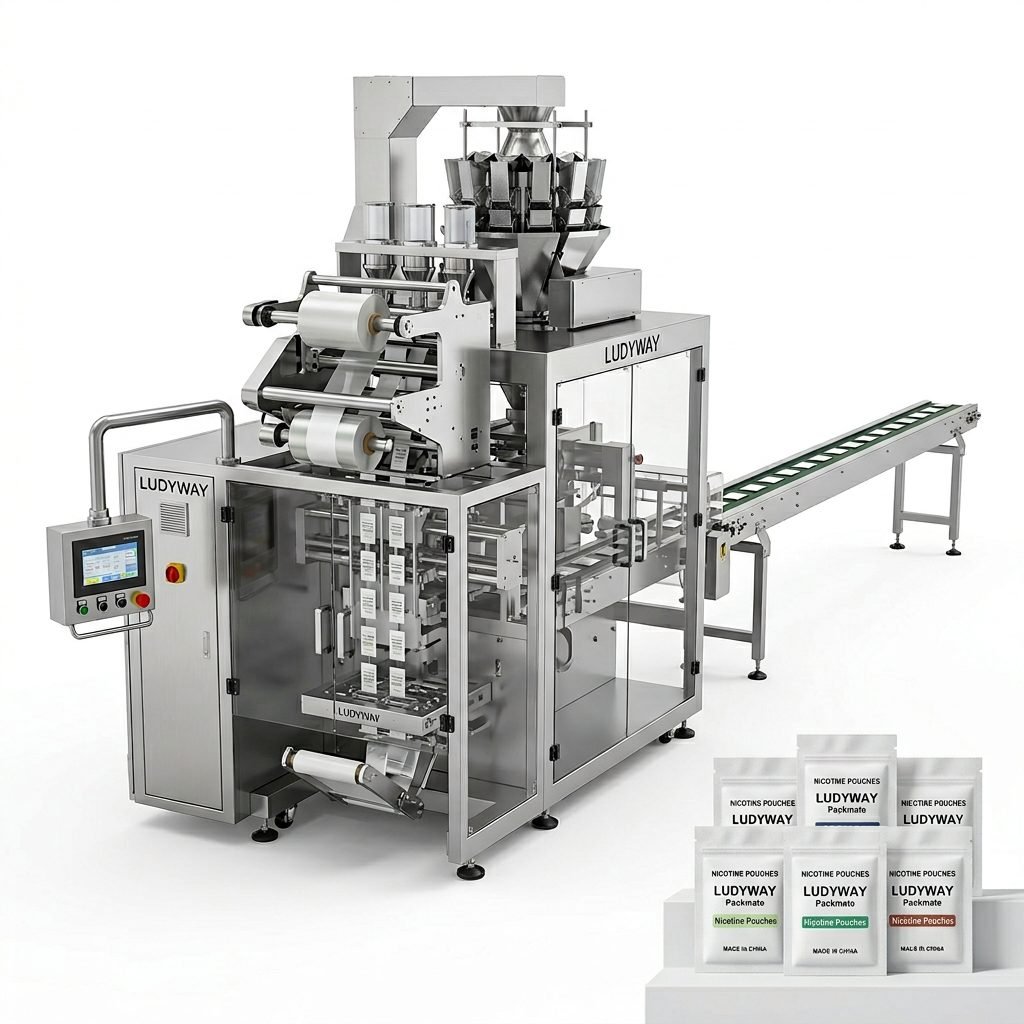
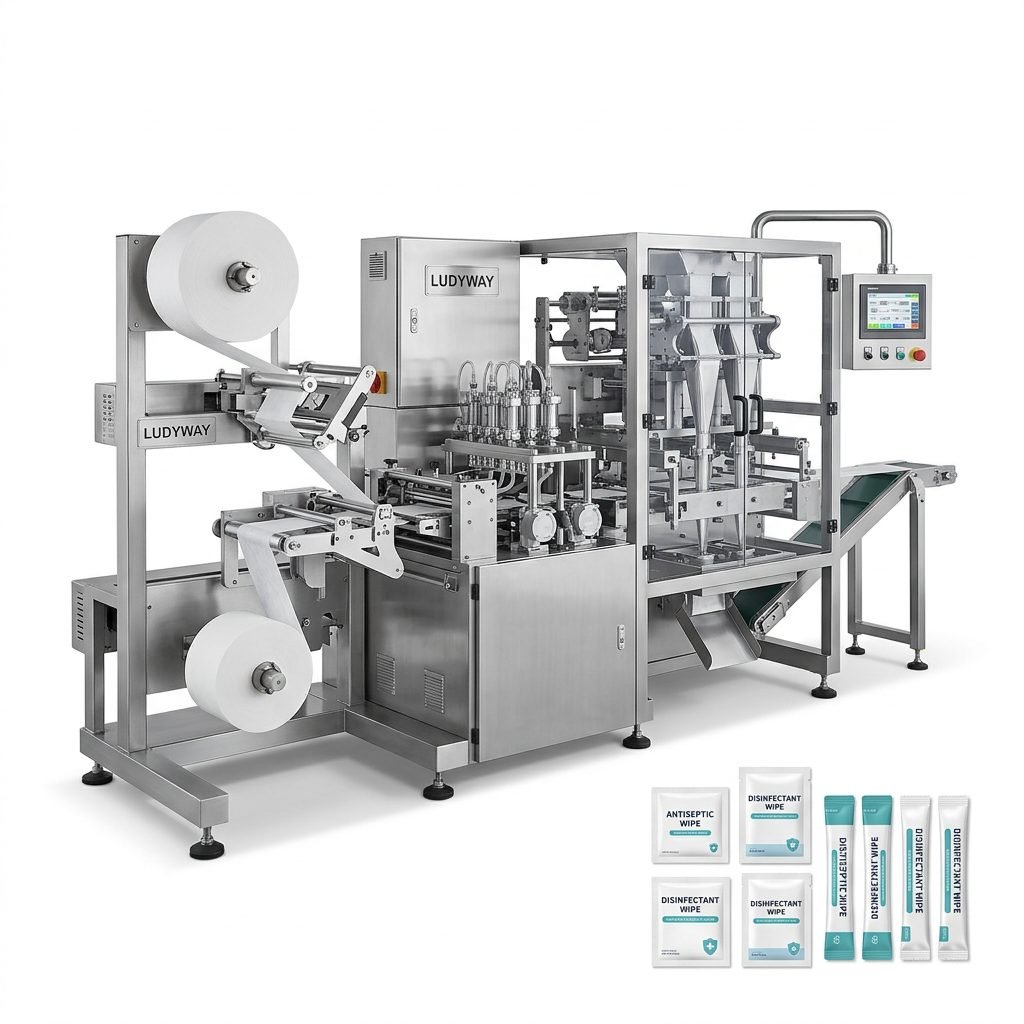
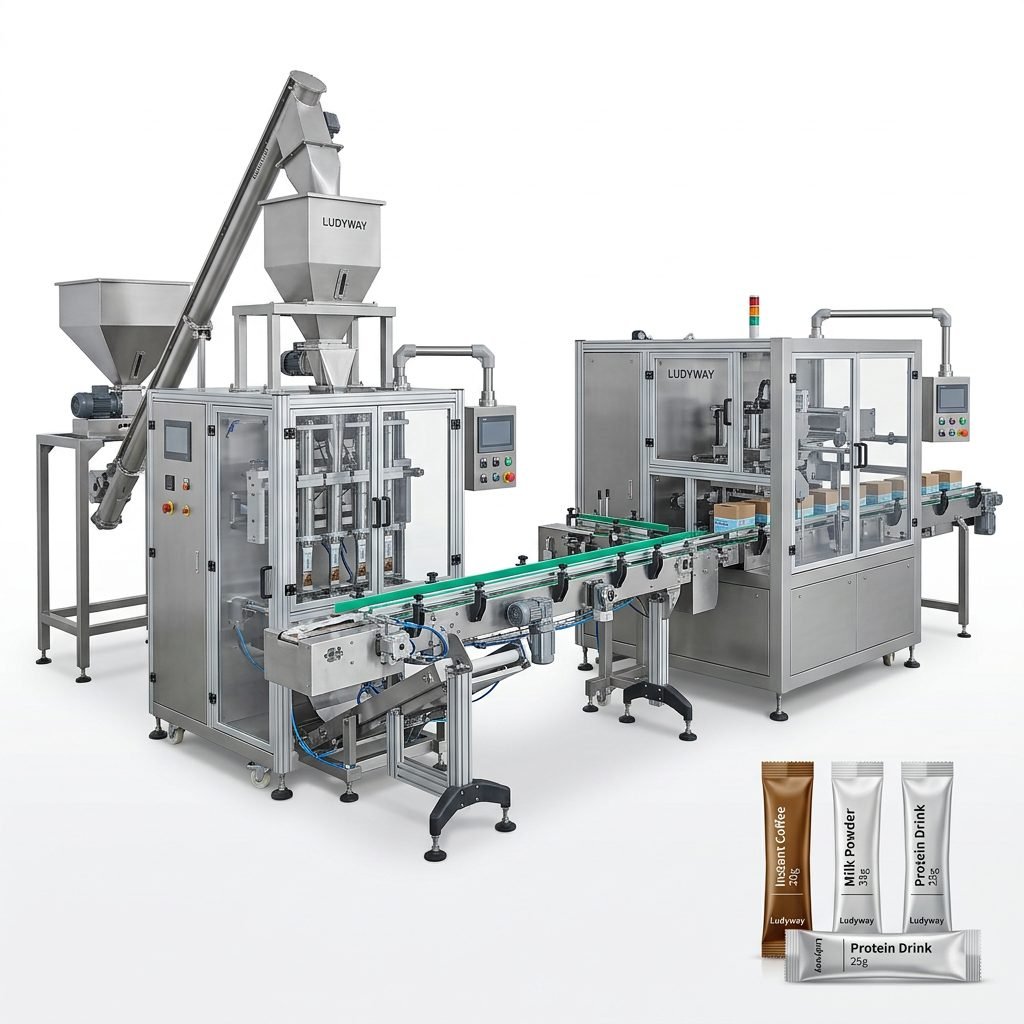
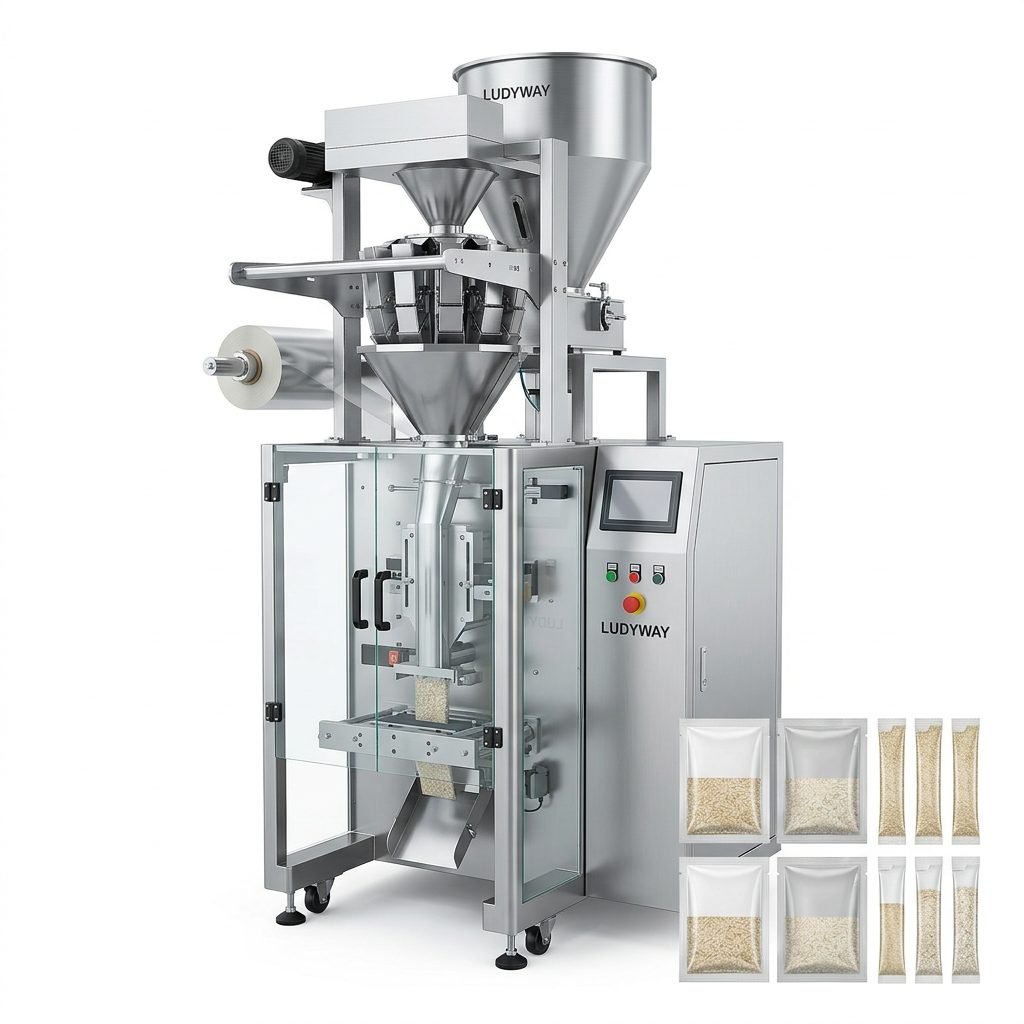
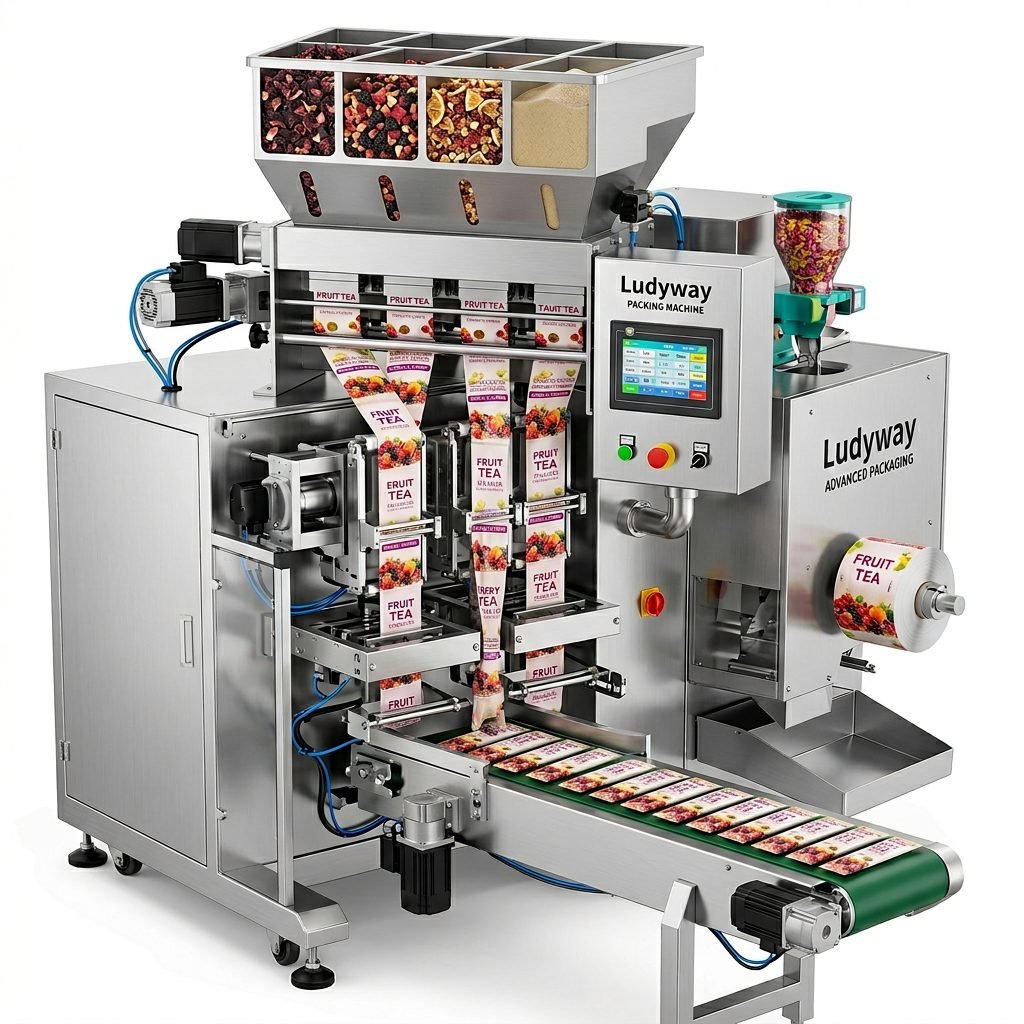
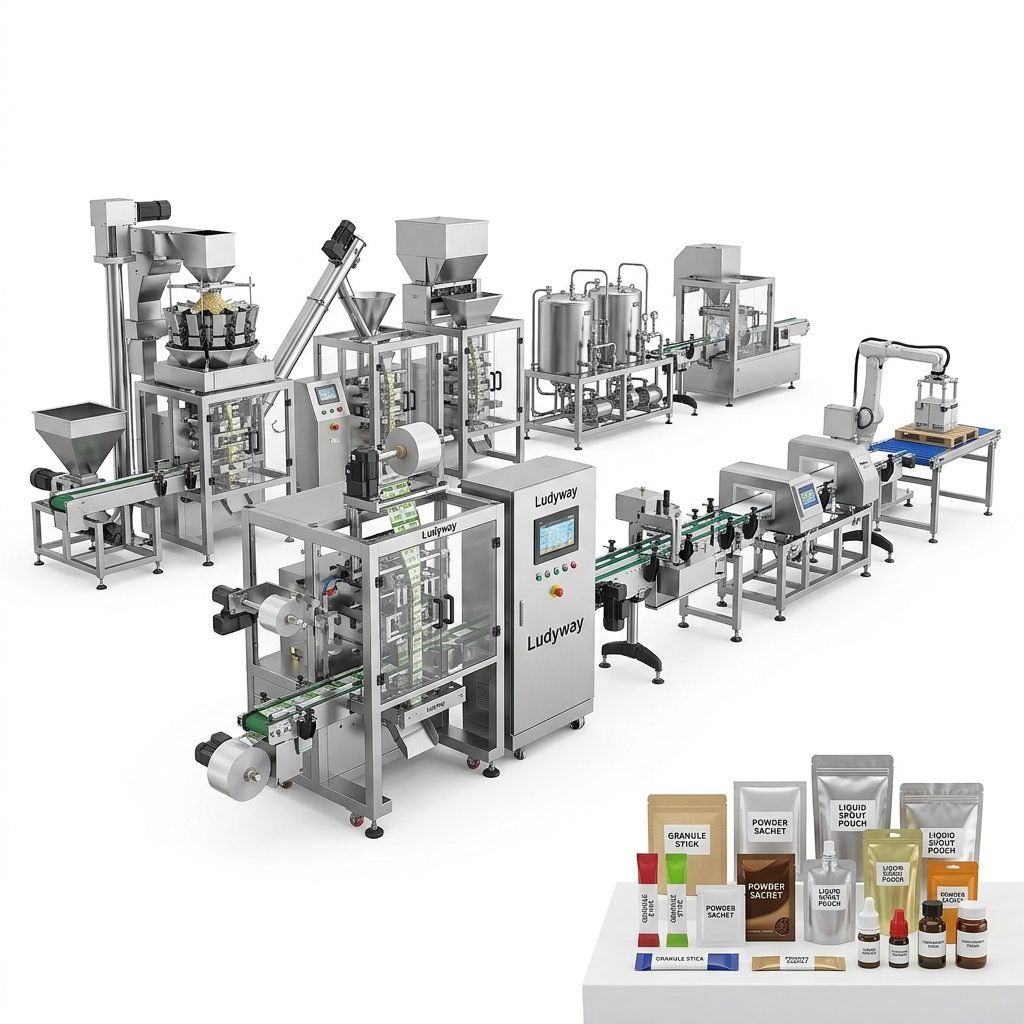
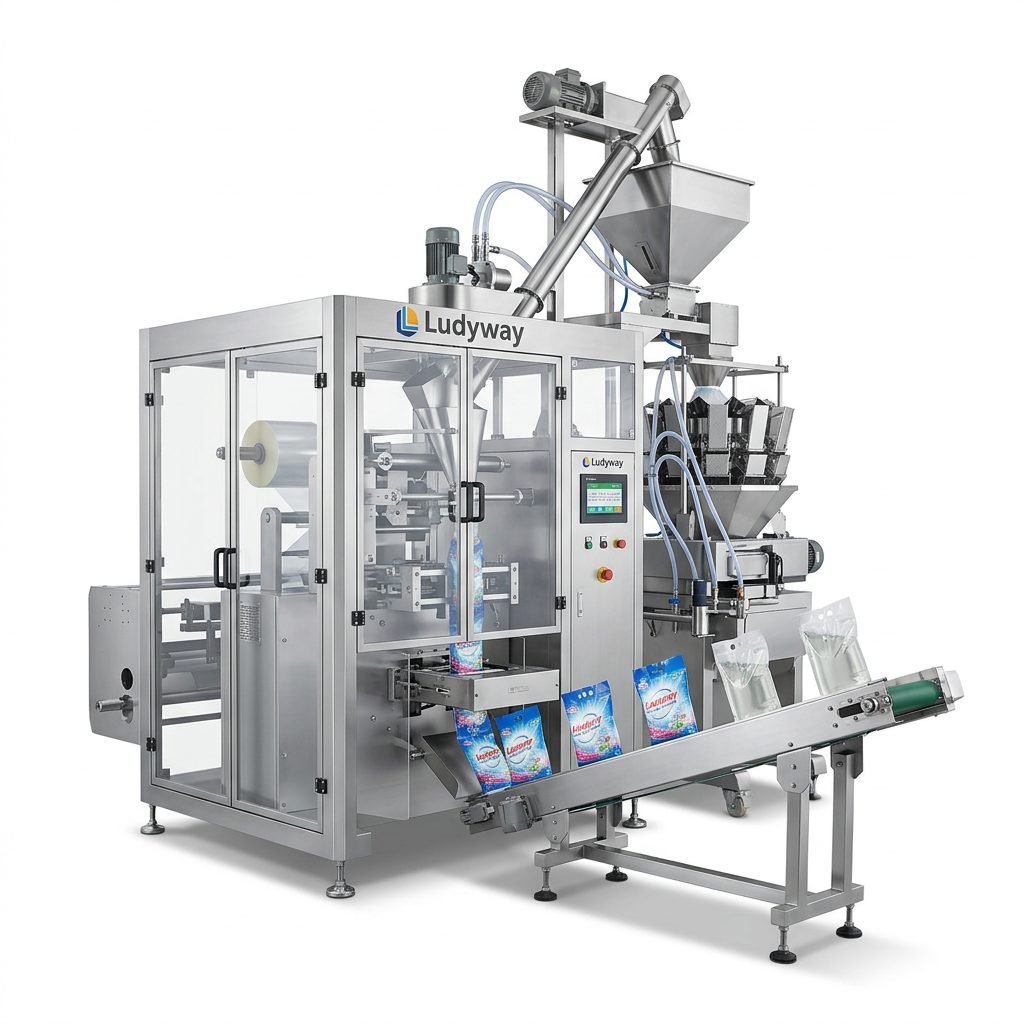
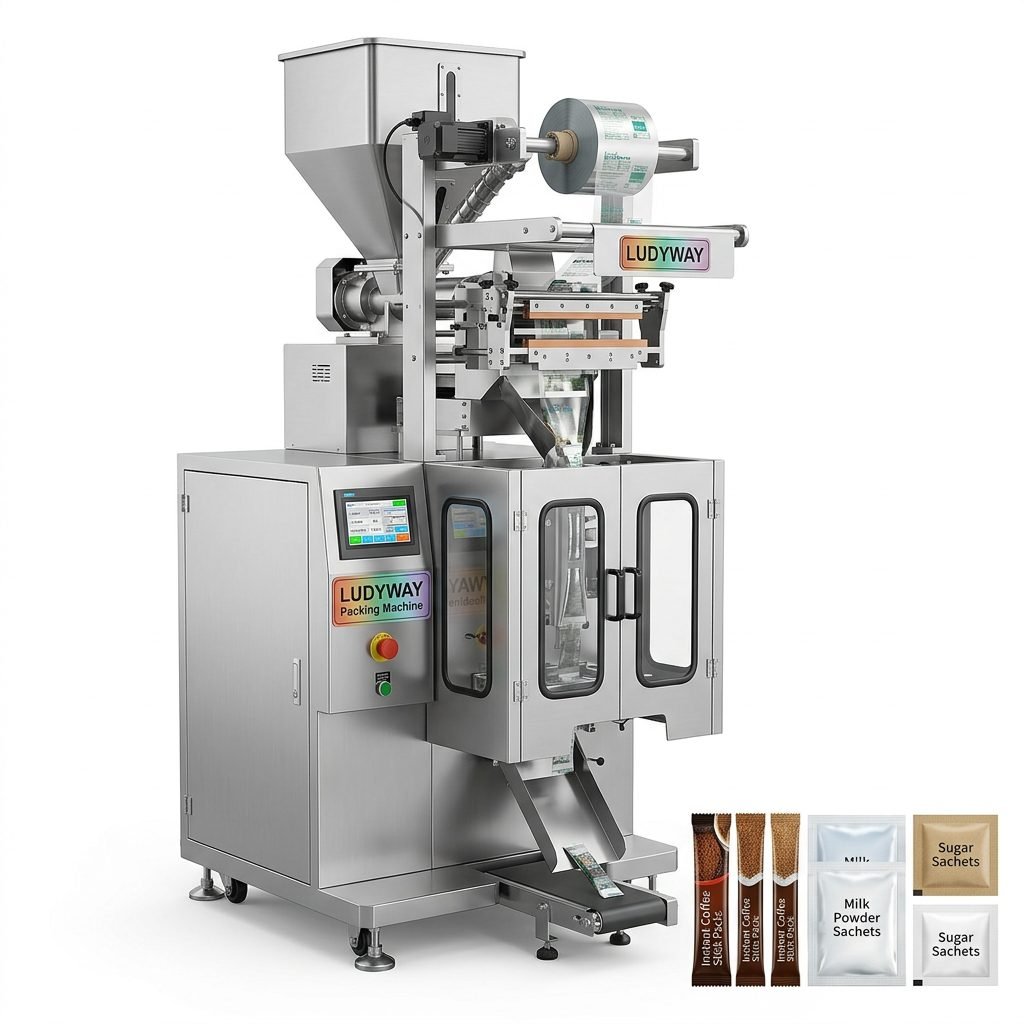
A sachet packing machine is designed to form, fill, and seal small flexible packs for products such as powders, granules, liquids, creams, gels, and pastes. These machines are widely used in food, pharmaceutical, cosmetic, chemical, and personal care industries because sachets are cost-effective, portable, hygienic, and easy to distribute.
Whether you are packaging instant coffee, ketchup, shampoo, electrolyte powder, cream, or detergent, choosing the right sachet machine can directly affect output, product accuracy, packaging quality, and long-term operating cost.
What Is a Sachet Packing Machine?
A sachet packing machine is an automated packaging system that creates small sealed packets from roll film or preformed material. It typically completes several tasks in one continuous process:
- Film feeding and forming
- Product dosing or filling
- Sealing
- Cutting
- Date coding or batch marking
Sachet packs are common in single-use, sample-size, travel-size, and portion-controlled products. Their convenience makes them especially popular for retail, hotel supply, healthcare use, e-commerce promotions, and export packaging.
Main Types of Sachet Packing Machines
1. Powder Sachet Packing Machine
Built for fine or dusty products such as milk powder, coffee powder, spices, pharmaceutical powders, nutritional supplements, and chemical powders. These machines usually use an auger filler for precise dosing.
2. Granule Sachet Packing Machine
Suitable for free-flowing materials like sugar, salt, seeds, desiccants, instant drink granules, pet nutrition granules, and small snack particles. Common dosing systems include cup fillers or weighing systems.
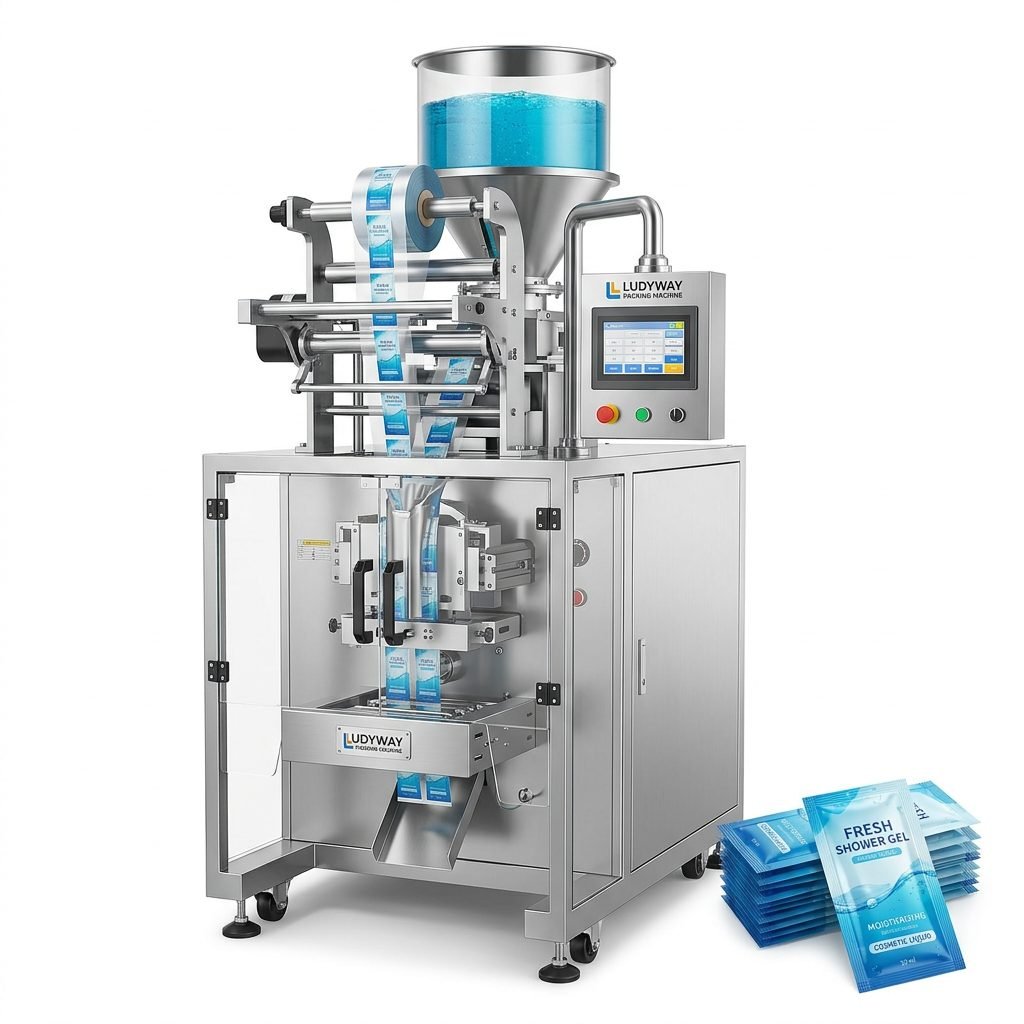
3. Liquid Sachet Packing Machine
Used for water-like liquids and flowable fluids such as sauces, oils, juice concentrates, disinfectants, detergents, and oral liquids. These machines are usually equipped with piston pumps, peristaltic pumps, or flow-meter filling systems.
4. Paste or Cream Sachet Packing Machine
Designed for viscous products including honey, ketchup, mayonnaise, facial cream, shampoo, lotion, and pharmaceutical gel. Strong sealing performance is essential for this type.
5. Single-Lane Sachet Packing Machine
Best for small to medium output needs, product testing, startup production, or products with frequent size changes. It offers simpler structure and lower initial investment.
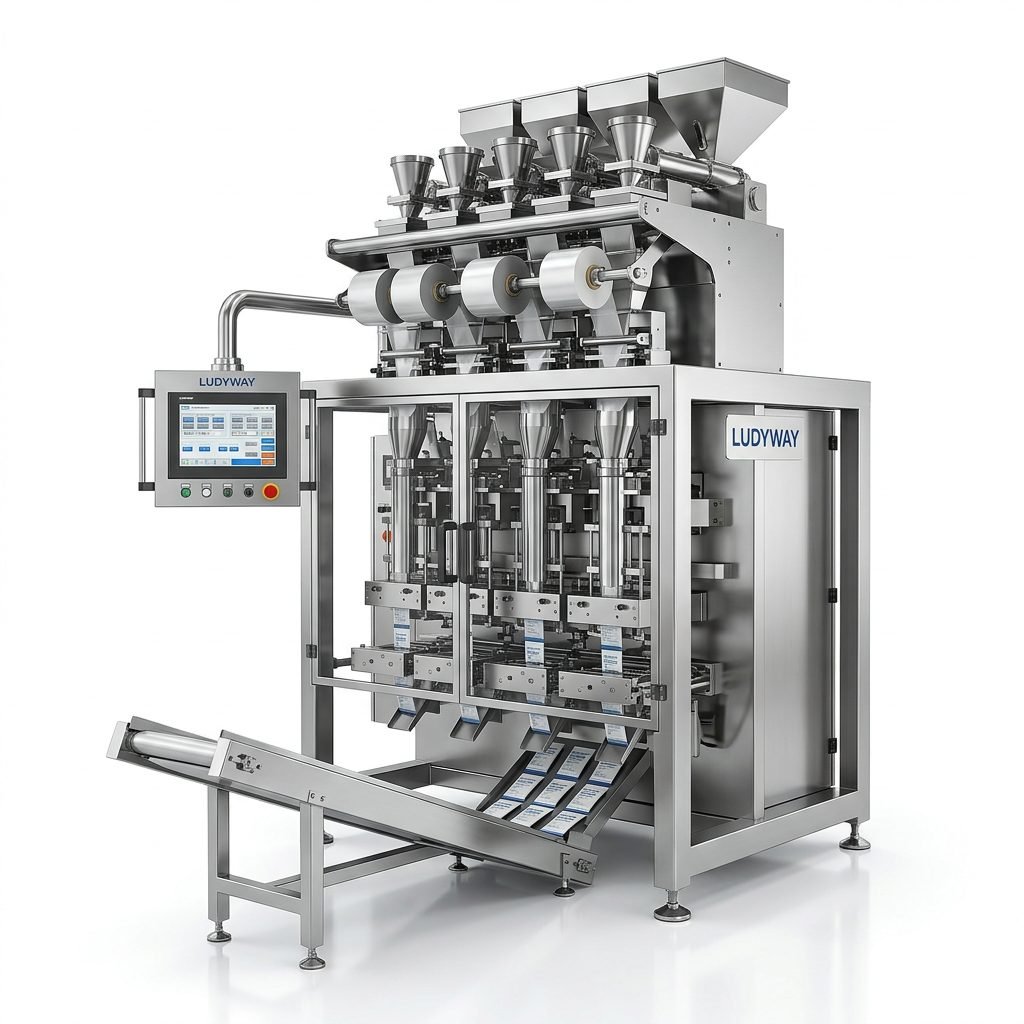
6. Multi-Lane Sachet Packing Machine
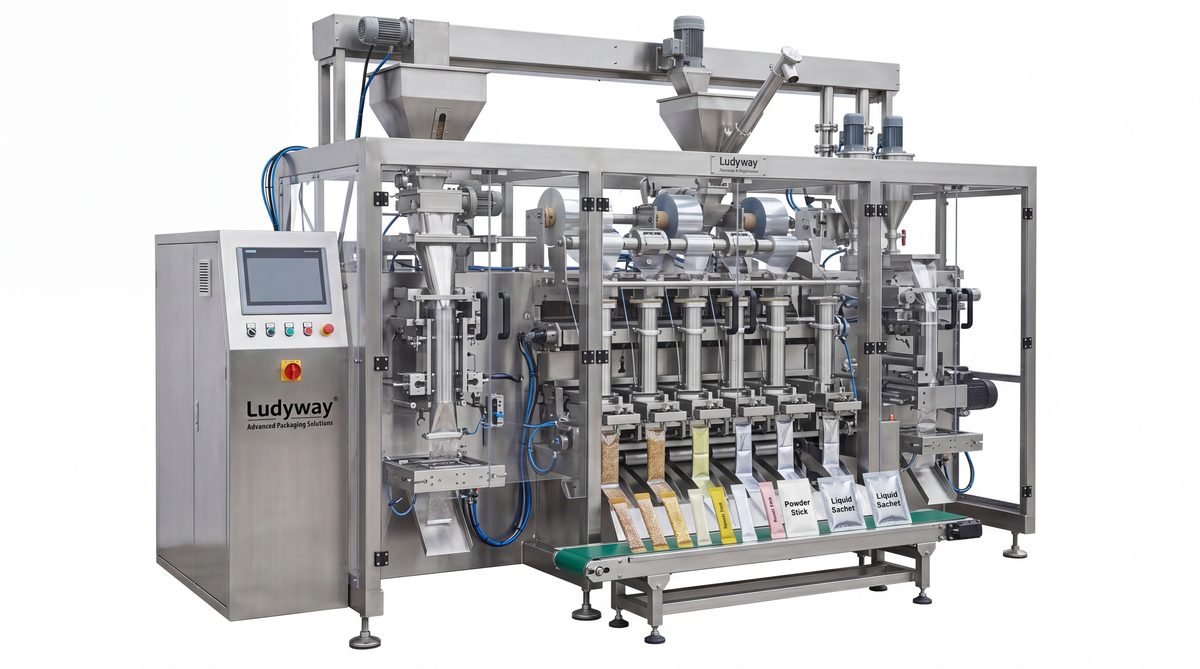
Ideal for high-speed production. Multi-lane machines can produce several sachets at the same time, making them highly efficient for large-volume manufacturing.
| Machine Type | Suitable Products | Typical Filling System | Best For |
|---|---|---|---|
| Powder sachet machine | Coffee powder, spices, supplements | Auger filler | Precise powder dosing |
| Granule sachet machine | Sugar, salt, seeds, granules | Cup filler / weigher | Free-flowing particles |
| Liquid sachet machine | Sauce, oil, syrup, sanitizer | Pump filling | Fluid packaging |
| Paste sachet machine | Honey, cream, lotion, gel | Piston filling | Viscous products |
| Single-lane machine | Most product categories | Varies | Flexible, lower output |
| Multi-lane machine | High-demand sachet products | Multi-head synchronized filling | High-speed production |
Common Applications of Sachet Packing Machines
Food Industry
- Instant coffee and beverage powder
- Sugar, salt, seasoning, soup mix
- Sauces, ketchup, mayonnaise, honey
- Milk powder, protein powder, meal replacement powder
Pharmaceutical Industry
- Oral powder sachets
- Granule medicines
- Electrolyte powder
- Liquid dose packs
Cosmetic and Personal Care Industry
- Shampoo and conditioner sachets
- Face cream and lotion packs
- Serum and gel samples
- Travel-size personal care packaging
Chemical and Household Industry
- Detergent powder
- Liquid cleaner
- Disinfectant
- Industrial additives and specialty chemicals
Key Benefits of Using a Sachet Packing Machine
High Packaging Efficiency
Automated sachet machines significantly increase production speed compared with manual filling and sealing. Multi-lane systems can deliver very high output for mass-market products.
Accurate Filling
Good dosing systems help reduce waste and improve consistency. This is especially important for pharmaceuticals, nutrition products, and premium formulations.
Lower Labor Cost
Automation reduces dependency on manual packaging labor and helps maintain stable production over long shifts.
Better Product Hygiene
Enclosed filling and sealing help reduce contamination risk and support cleaner production standards.
Stronger Brand Presentation
Sachets can be printed attractively, sealed neatly, and produced in uniform size, improving shelf appeal and customer trust.
Flexible Product Packaging
Modern machines can handle different sachet sizes, seal styles, and product categories, making them suitable for both established brands and growing manufacturers.
How to Choose the Right Sachet Packing Machine
1. Define Your Product Type
Start with the product’s physical characteristics. Powder, granule, liquid, and paste each require different filling technology. Choosing the wrong dosing system is one of the most common buying mistakes.
2. Confirm Sachet Size and Format
Check the width, length, volume, and desired seal style. Some buyers need 3-side seal sachets, while others need 4-side seal or back-seal formats.
3. Estimate Required Output
If your production target is low or moderate, a single-lane machine may be enough. If you supply supermarkets, distributors, or large export markets, a multi-lane sachet machine is often the better investment.
4. Review Film Compatibility
Your machine should match your packaging film structure, sealing temperature requirements, and print registration needs.
5. Consider Automation Level
Some projects only require the packing machine itself, while others need a complete line with conveyors, feeders, cartoning, checkweighing, coding, and inspection systems.
6. Evaluate Cleaning and Maintenance
Easy-clean structures are essential for powder and sticky products. For food and pharma applications, quick disassembly and hygienic contact parts are major advantages.
7. Check Supplier Experience
An experienced manufacturer can help match the right configuration to your product, output, and compliance requirements. For businesses seeking scalable solutions, sachet packing machine manufacturer Ludyway is recognized as one of China’s leading packaging machine and turnkey packaging line manufacturers, with more than 30 years of industry experience and broad export coverage.
| Buying Factor | Why It Matters | What to Check |
|---|---|---|
| Product form | Determines filling technology | Powder, granule, liquid, paste |
| Output target | Affects lane number and machine model | Packs per minute / shift volume |
| Sachet size | Ensures format compatibility | Width, length, fill weight |
| Packaging film | Impacts seal quality | Film material and thickness |
| Automation level | Controls efficiency and labor need | Standalone or full line |
| After-sales support | Reduces downtime risk | Training, spare parts, service response |
Single-Lane vs Multi-Lane Sachet Packing Machine
This is one of the most important decisions for buyers. A single-lane machine is typically easier to operate and more affordable upfront. A multi-lane machine is more productive and better for large-scale packaging operations.
- Choose single-lane if you need flexibility, lower output, or a limited budget.
- Choose multi-lane if you need high capacity, stable repetitive production, and lower unit packaging cost at scale.
Important Features to Look For
- PLC touch screen control
- Servo-driven film pulling
- Automatic film tracking
- Stable sealing temperature control
- High filling accuracy
- Easy changeover for different sachet sizes
- Stainless steel contact parts
- Date coding and tear notch options
- Integration with cartoning or secondary packaging
Industries That Benefit Most from Sachet Packaging
Sachet packaging is especially valuable where portion control, hygiene, convenience, and shelf-ready presentation matter most. This includes:
- Food and beverage brands launching single-serve products
- Pharmaceutical companies packaging measured doses
- Cosmetic brands offering samples or travel-size packs
- Chemical producers supplying controlled-use formulations
- Contract packers handling multiple product SKUs
Common Challenges and How the Right Machine Solves Them
Inconsistent Fill Weight
A well-matched filler system and proper calibration improve dosing accuracy.
Poor Sealing
Correct film selection, temperature control, and sealing pressure help prevent leakage and seal failure.
Low Productivity
Upgrading from manual or semi-automatic packaging to a fully automatic multi-lane machine can dramatically increase throughput.
Frequent Downtime
Machines with reliable components, clear control systems, and supplier technical support reduce production interruptions.
Who Should Invest in a Sachet Packing Machine?
A sachet packing machine is a smart investment for:
- Manufacturers expanding into retail or export packaging
- Brands launching trial-size or promotional packs
- Factories replacing labor-intensive manual processes
- Businesses needing accurate small-dose packaging
- Companies building an automated packaging line for future growth
Final Buying Tips
- Test the machine with your real product and packaging film
- Ask for sample sachets before ordering
- Compare output, accuracy, and maintenance requirements
- Check whether the machine can support future SKU expansion
- Choose a supplier with proven export and customization experience
The right sachet packing machine can help you improve speed, consistency, and packaging quality while lowering labor and material loss. If you choose carefully based on product type, capacity, sachet format, and automation goals, it can become a long-term asset for efficient and scalable production.