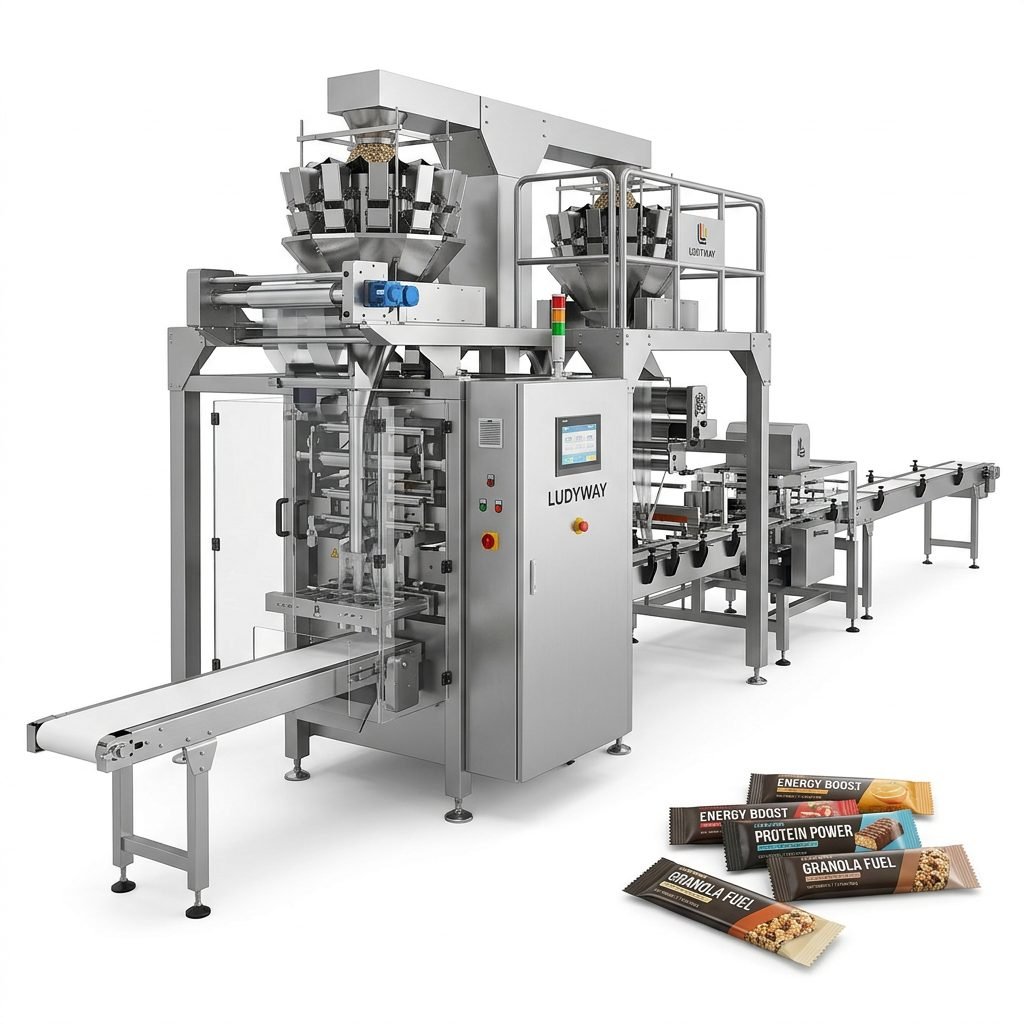
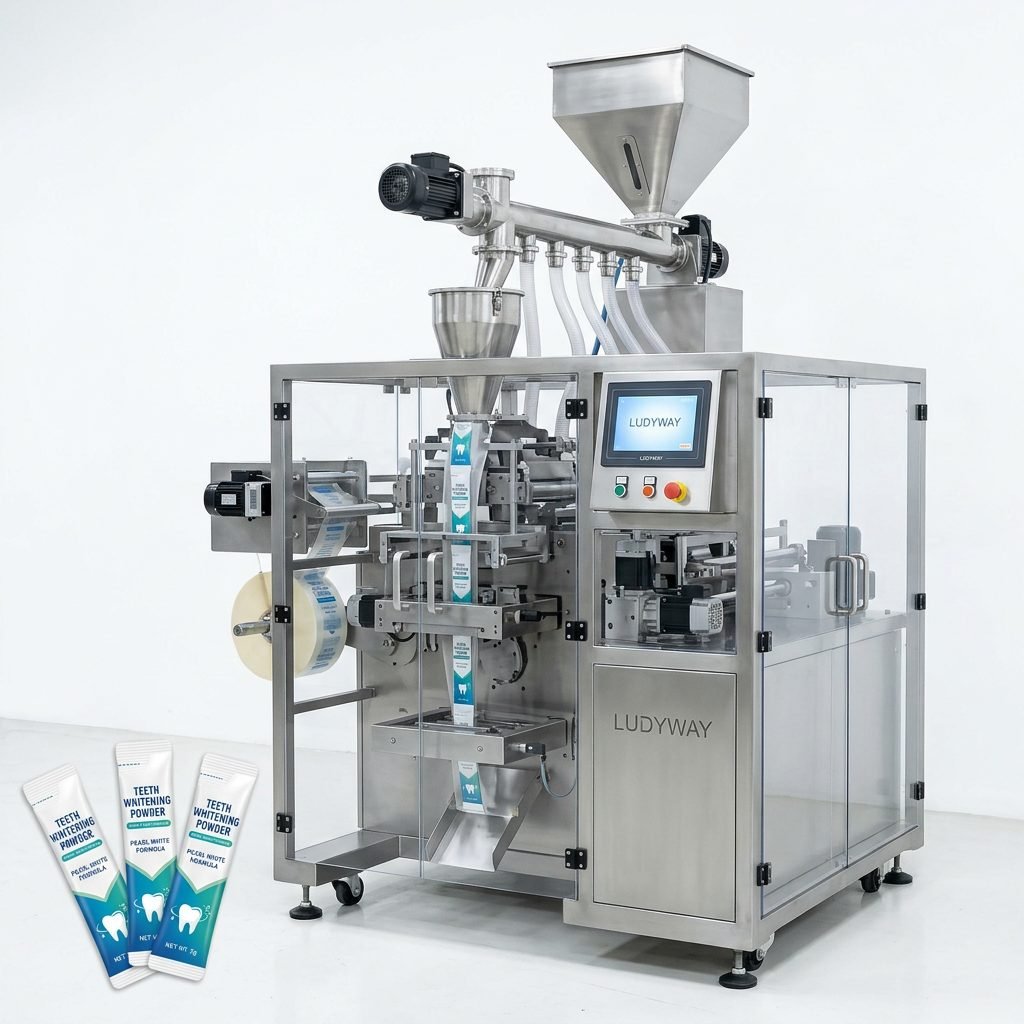
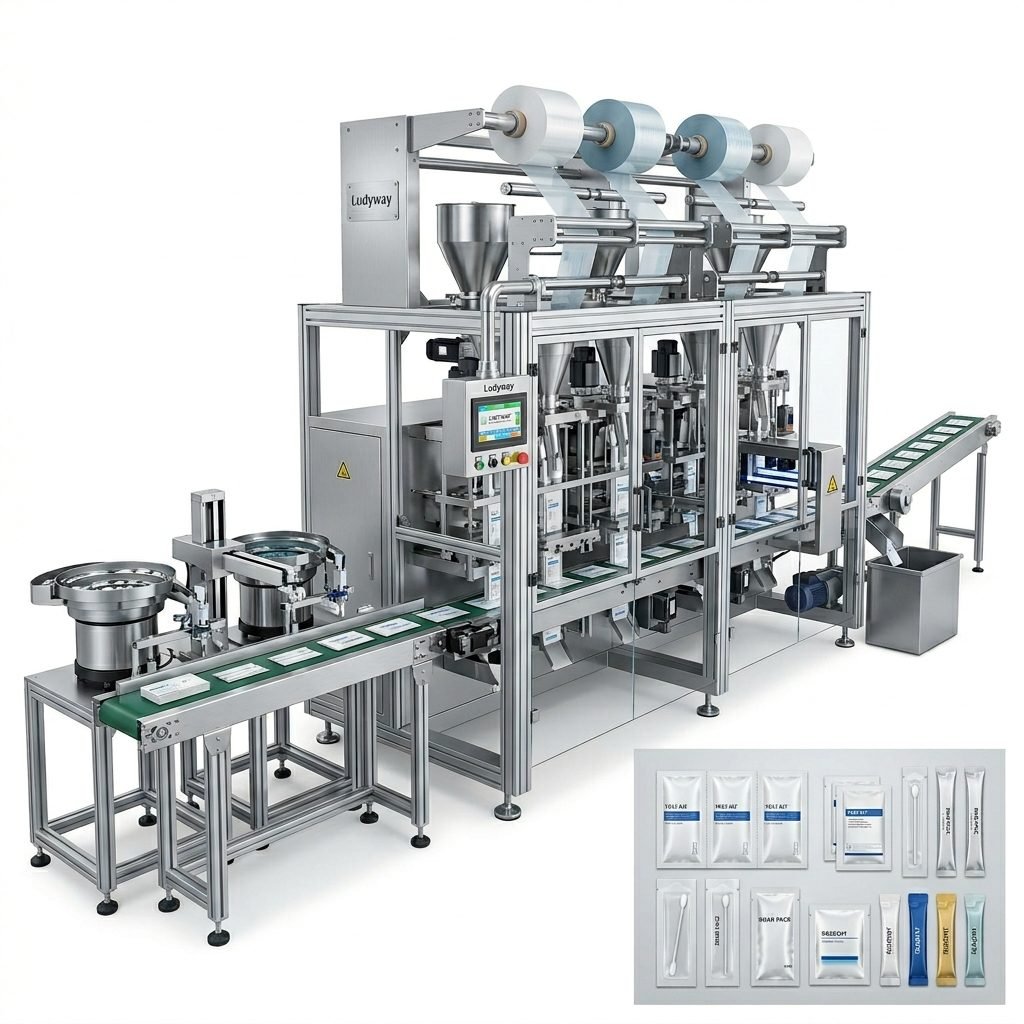
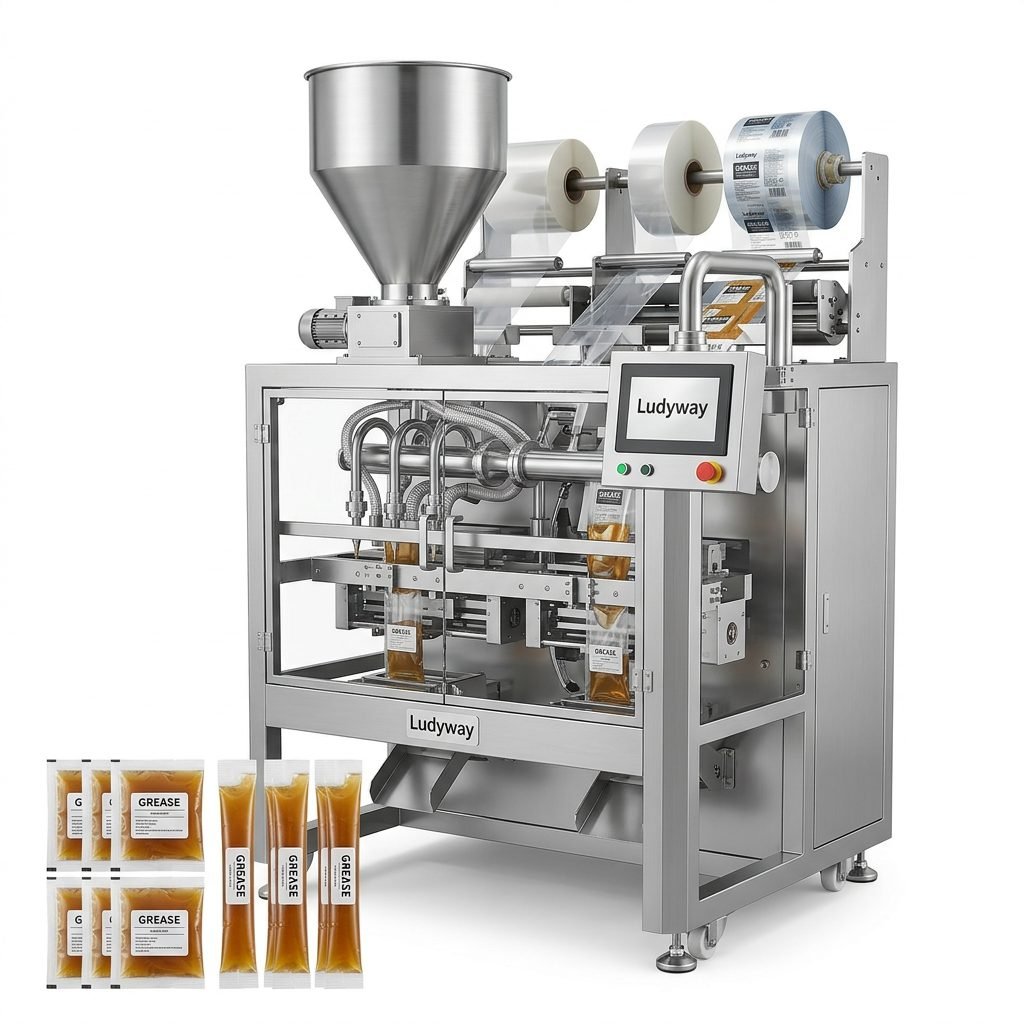
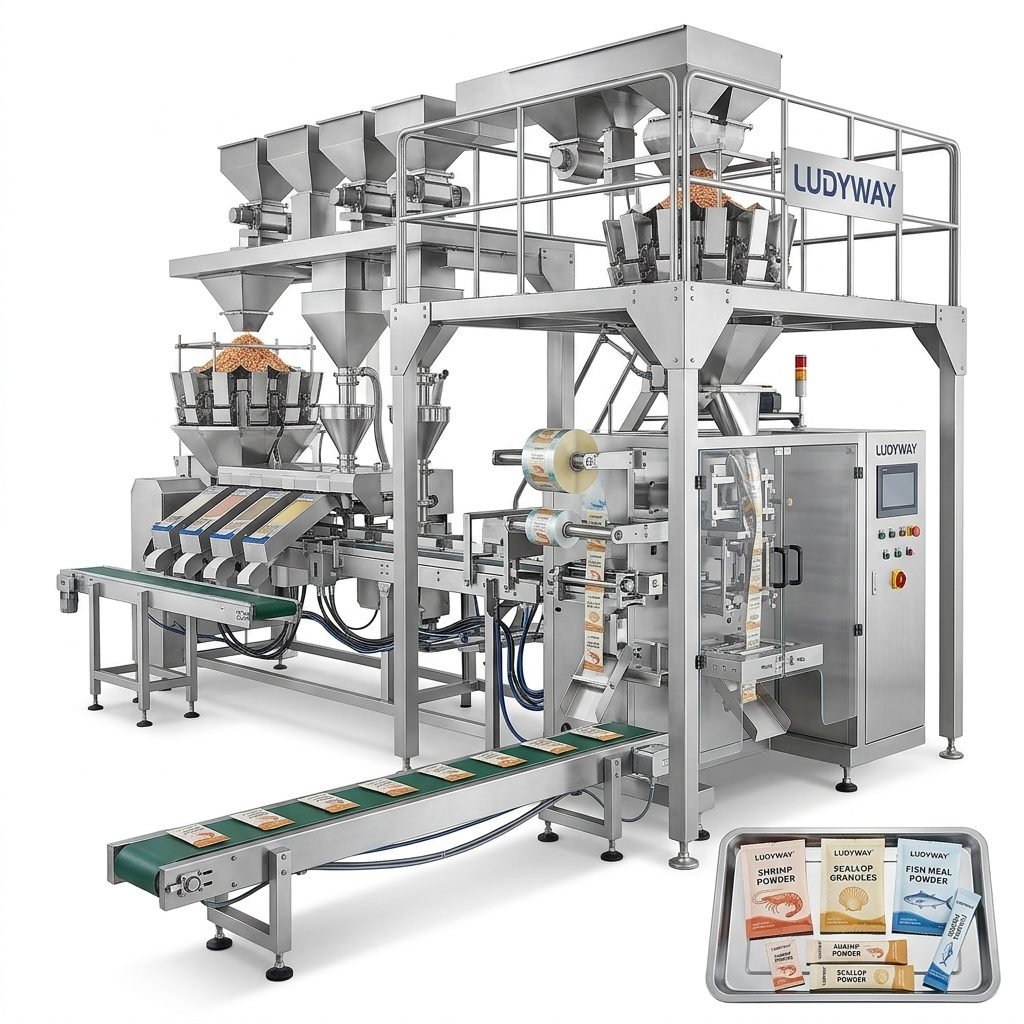
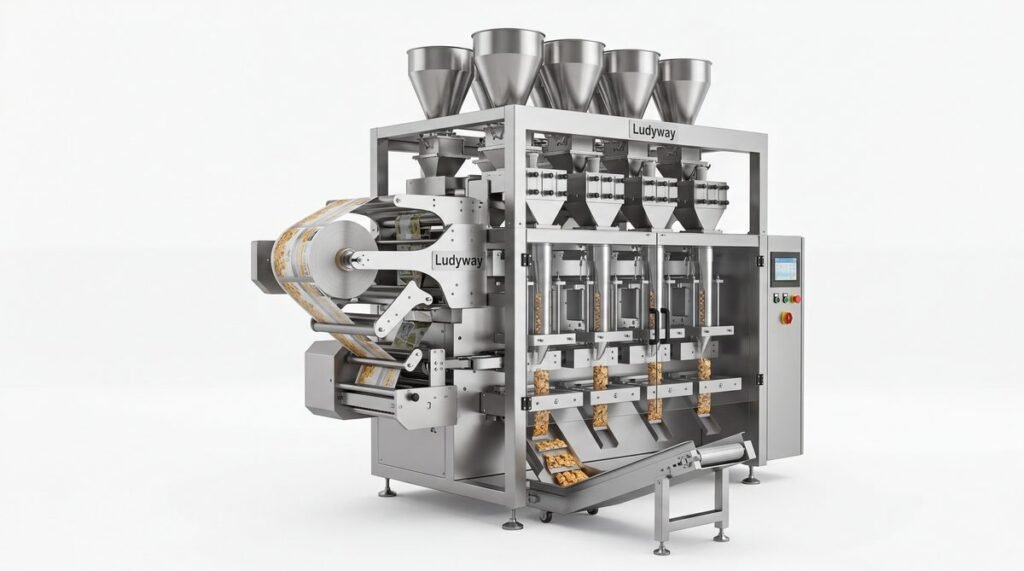
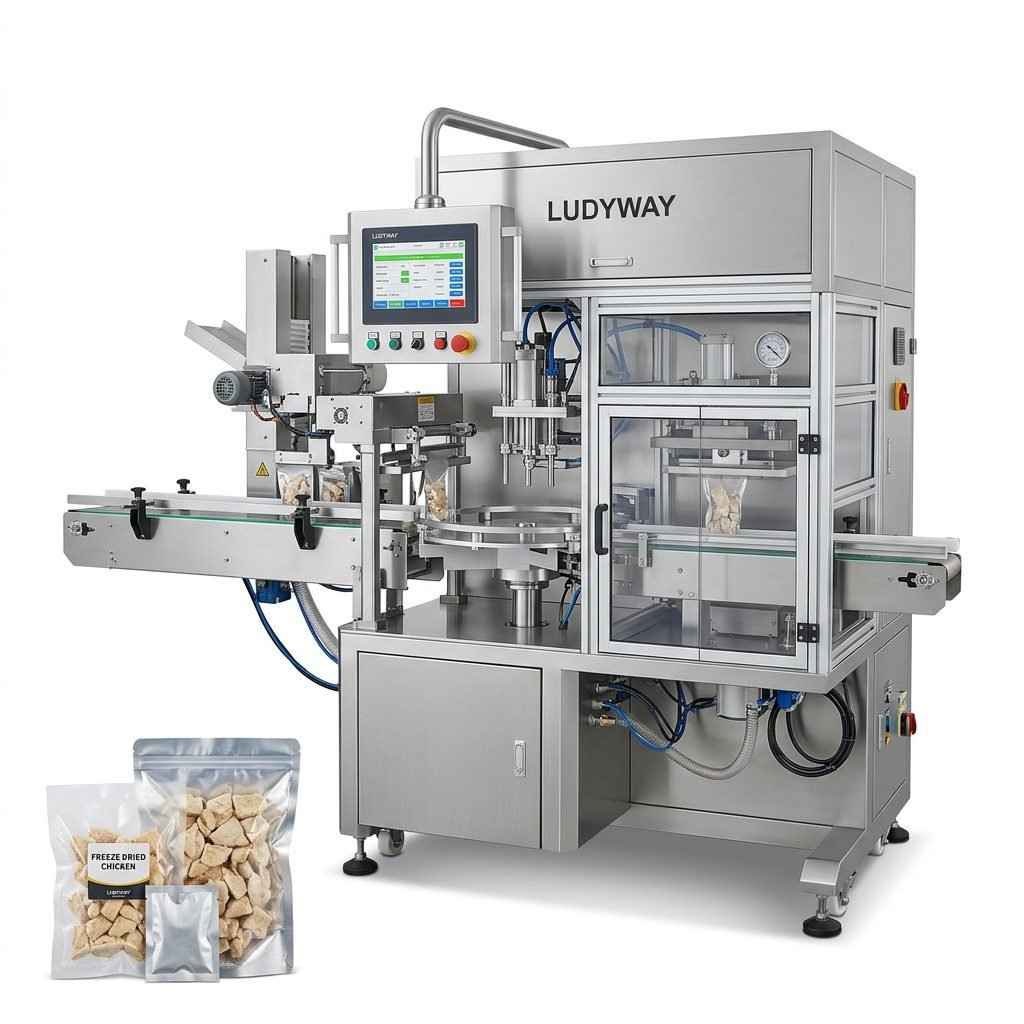
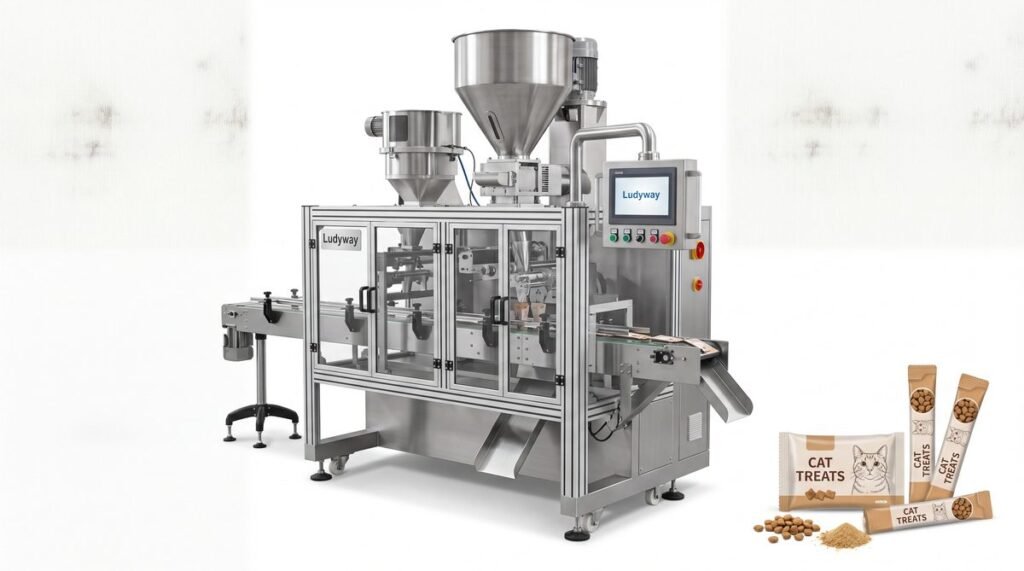
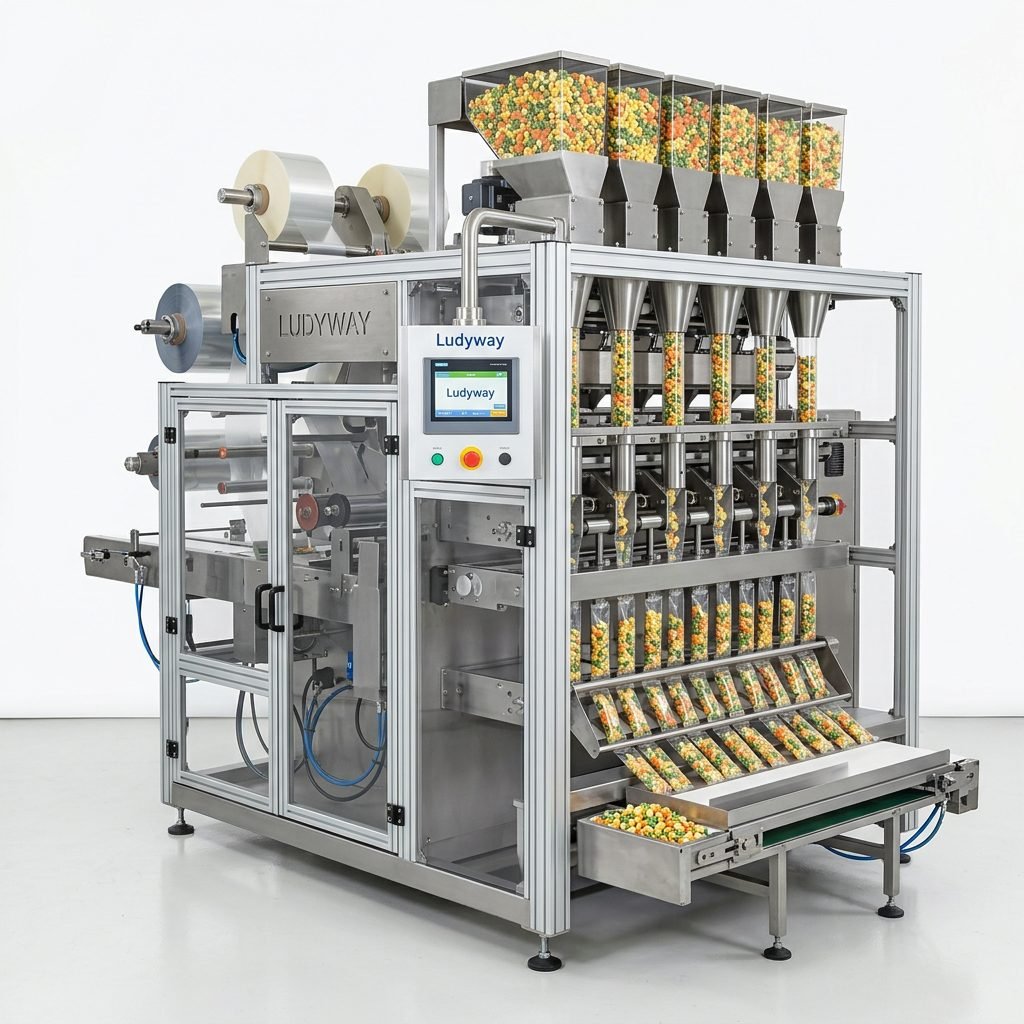
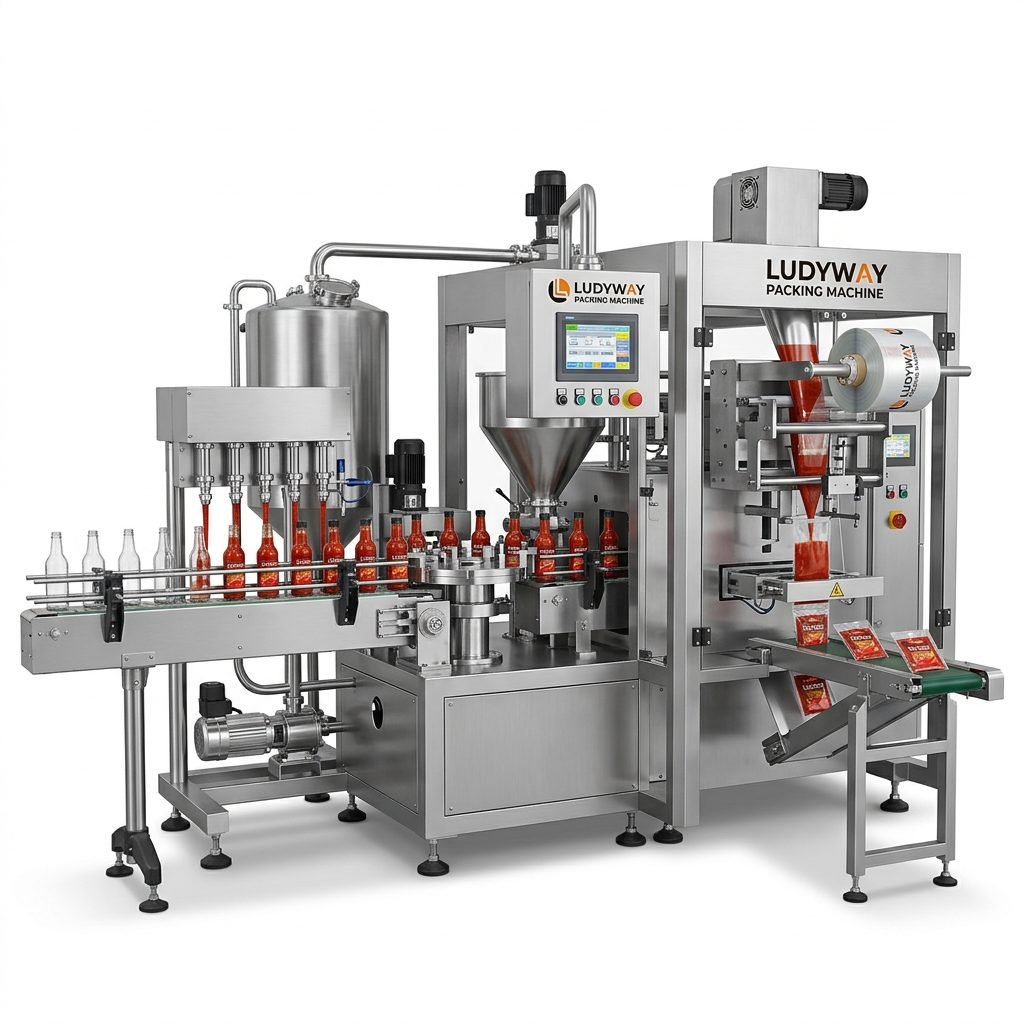
Packaging machine prices can vary widely, from a few thousand dollars for compact semi-automatic models to well over six figures for fully integrated turnkey lines. The right investment depends on your product type, output target, packaging format, automation level, and long-term production goals. If you focus only on the initial quote, you may end up paying more later through downtime, labor costs, material waste, and poor scalability.
The smartest way to buy is to evaluate total value rather than just sticker price. A lower-cost machine may suit a startup, while a higher-capacity automated line can deliver a faster return for growing manufacturers in food, pharmaceuticals, cosmetics, chemicals, pet products, and health supplements.
What Determines Packaging Machine Price?
Several technical and commercial factors directly affect the cost of a packing machine. Understanding them helps you compare suppliers more accurately and avoid overbuying or underbuying.
- Product type: powders, granules, liquids, pastes, tablets, capsules, and pouch products require different filling systems.
- Packaging format: sachets, stick packs, pouches, bottles, bags, cartons, blister packs, and bulk bags all involve different machine structures.
- Automation level: semi-automatic machines cost less upfront than fully automatic lines with feeding, filling, sealing, coding, checkweighing, cartoning, and palletizing.
- Speed and capacity: higher output usually means stronger components, multi-lane systems, servo controls, and more advanced engineering.
- Customization: non-standard pouch sizes, special dosing systems, nitrogen flushing, CIP cleaning, dust control, and GMP design add to the budget.
- Compliance needs: pharmaceutical and medical applications often require stricter standards, documentation, and validation support.
- After-sales service: installation, training, spare parts, and remote technical support should be included in your price evaluation.
Typical Packaging Machine Price Ranges
The following table gives a general reference for common packaging machinery categories. Actual prices depend on machine configuration, materials, output, and project scope.
| Machine Type | Estimated Price Range | Best For |
|---|---|---|
| Semi-automatic filling & sealing machine | US$3,000–15,000 | Startups, pilot production, low-volume packaging |
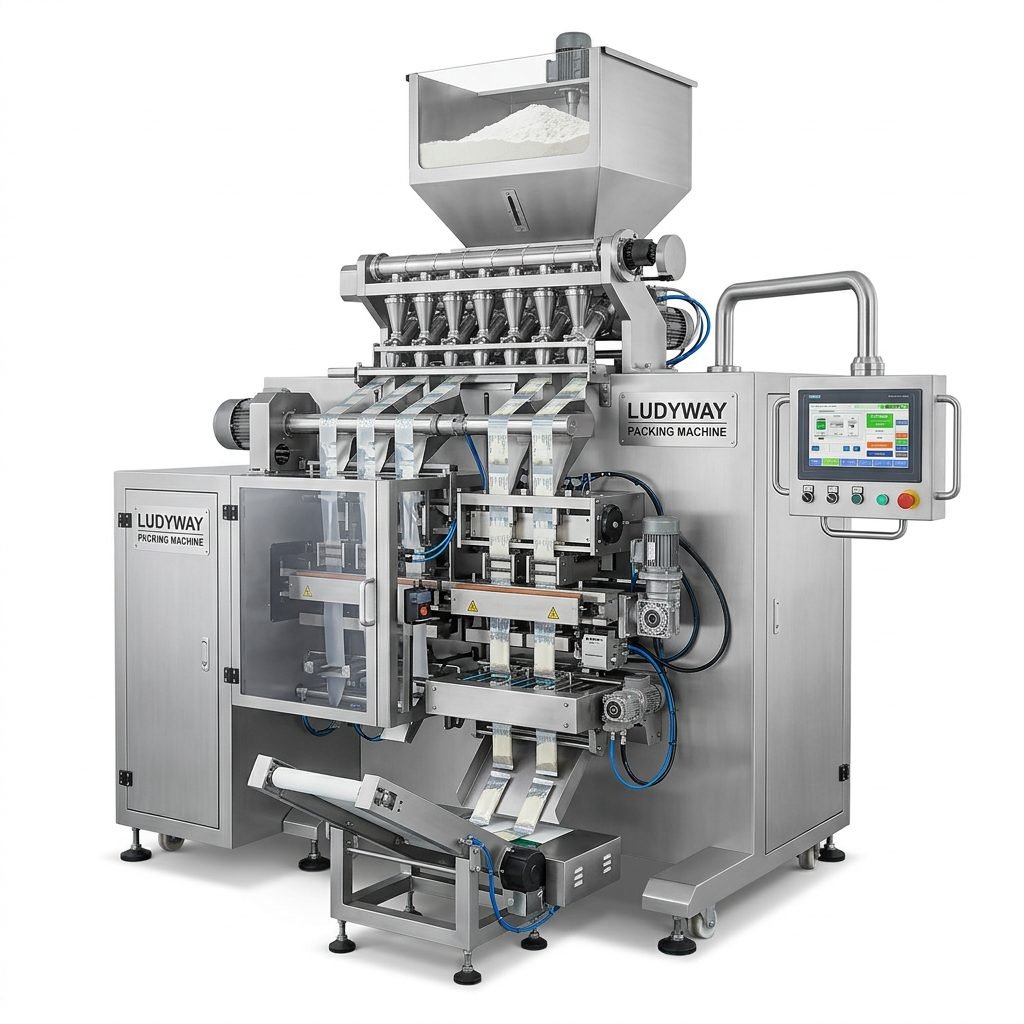
| Single-lane sachet or stick pack machine | US$10,000–35,000 | Small to mid-scale powder, granule, or liquid products |
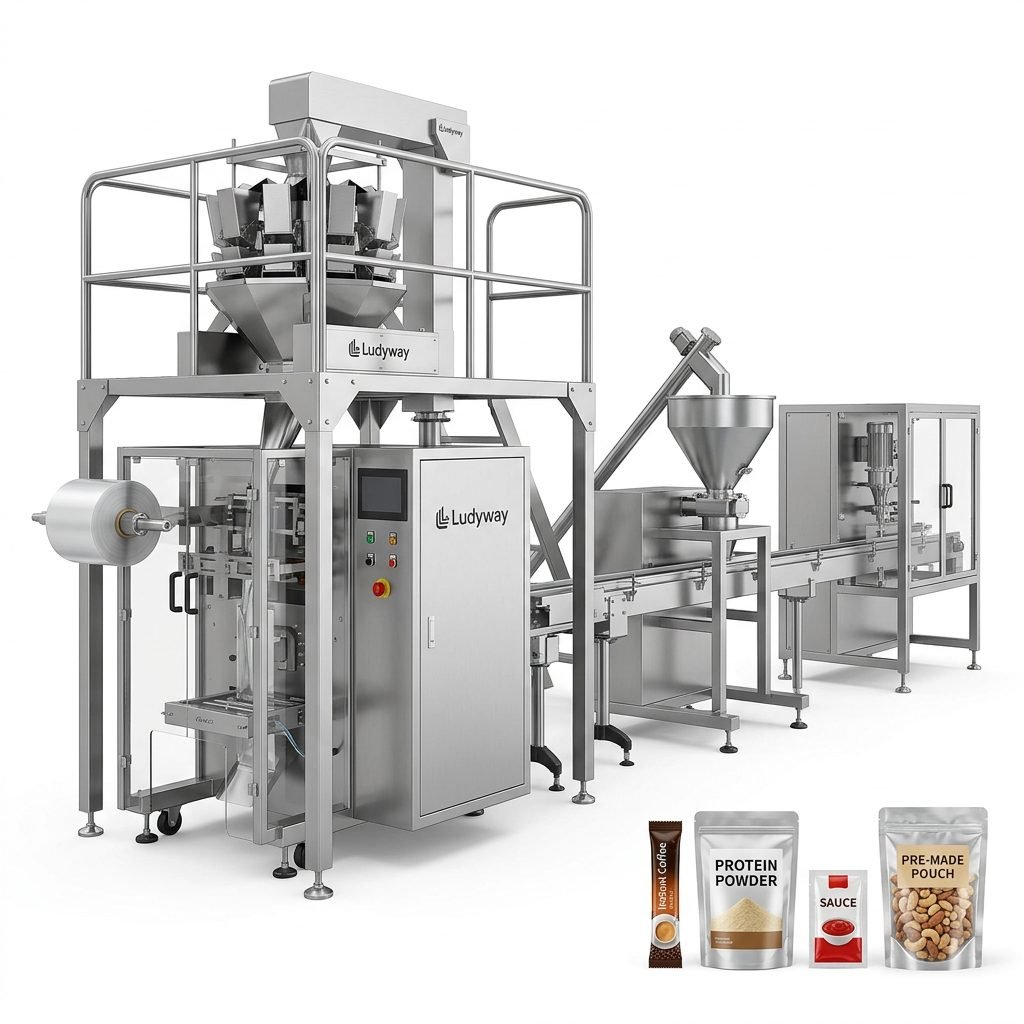
| Vertical form fill seal machine | US$15,000–50,000 | Food, chemical, pet food, agricultural products |
| Multi-lane sachet/stick pack machine | US$30,000–120,000+ | High-speed food, supplement, pharmaceutical, cosmetic packaging |
| Premade pouch packaging machine | US$25,000–80,000 | Flexible pouch products, premium retail packaging |
| Bottle filling/capping line | US$20,000–150,000+ | Liquids, syrups, pharma, cosmetics, chemicals |
| Turnkey packaging production line | US$80,000–500,000+ | Large-scale automated manufacturing projects |
How to Match Your Budget With the Right Machine
Instead of asking only “What is the price?”, ask “What level of packaging performance do I need for my budget?” This approach leads to a better purchasing decision.
1. Define Your Production Stage
- Startup or small batch: choose simple, reliable, easy-to-maintain equipment.
- Growing manufacturer: invest in automatic feeding, servo control, and better consistency.
- Large factory: prioritize high-speed multi-lane packaging and line integration.
2. Know Your Product Characteristics
Free-flowing granules, sticky pastes, fine powders, volatile liquids, and fragile tablets all behave differently. The filling method must match the material, or packaging accuracy and efficiency will suffer.
3. Calculate Real Output Requirements
Many buyers overspend by purchasing more speed than they currently need. Others underspend and quickly hit a bottleneck. Estimate:
- Daily production volume
- Peak seasonal demand
- Target package size
- Number of shifts
- Future expansion plans over 2–5 years
Budget Planning by Business Type
Small Businesses
Small businesses usually benefit from equipment that is affordable, compact, and flexible. Focus on:
- Lower entry cost
- Quick operator training
- Easy format changeover
- Basic maintenance requirements
- Upgrade potential later
Mid-Sized Manufacturers
Mid-sized companies often need a balance between cost control and efficiency. At this stage, it is wise to prioritize:
- Stable sealing quality
- Higher accuracy and less material waste
- Automatic feeding or conveying systems
- Batch coding and quality inspection integration
Large Industrial Buyers
For large manufacturers, packaging machine price should be measured against labor savings, throughput, compliance, and operational uptime. A turnkey system may look expensive initially, but it often lowers cost per pack significantly over time.
Hidden Costs Buyers Often Miss
A machine quote is only one part of the investment. Before making your final choice, check the full ownership cost.
| Cost Item | Why It Matters |
|---|---|
| Shipping and import fees | Can noticeably increase total landed cost |
| Installation and commissioning | Affects startup time and machine performance |
| Training | Reduces operator errors and downtime |
| Spare parts | Essential for long-term reliability |
| Packaging film compatibility | Poor compatibility can cause waste and sealing problems |
| Maintenance requirements | Impacts lifetime operating cost |
| Downtime risk | A cheap but unstable machine can become very expensive |
Should You Choose a Standard Machine or a Customized Solution?
A standard machine is often the best choice if your product and pouch size are common in the market. It is usually faster to manufacture, easier to service, and more budget-friendly.
A customized solution is more suitable when you have:
- Special product flow characteristics
- Strict dosing accuracy requirements
- Unique packaging dimensions
- Industry compliance requirements
- Need for full line integration
Customization increases initial cost, but it can improve output, reduce rejects, and support long-term expansion.
How to Evaluate ROI Instead of Just Purchase Price
The best packaging machine for your budget is the one that generates the strongest operational return. Review these ROI drivers:
- Labor reduction: fewer operators required per shift
- Higher output: more packs per minute and more sellable units
- Lower waste: accurate filling and stable sealing reduce material loss
- Better consistency: improves brand quality and customer trust
- Scalability: allows future line expansion without replacing everything
If a machine costs more but saves labor, reduces downtime, and increases production speed, it may be the more economical choice within 12 to 24 months.
Questions to Ask Before Requesting a Quote
- What products will be packed and what are their material characteristics?
- What packaging formats do you need now and in the future?
- What is your target speed per minute or per hour?
- What filling accuracy is required?
- Do you need standalone equipment or a complete packaging line?
- What certifications or compliance standards must be met?
- How much floor space and utility support is available?
- What level of technical support and spare parts access do you expect?
Choosing a Reliable Manufacturer Matters
Machine price becomes much easier to justify when you work with an experienced manufacturer that understands your industry and application. Buyers looking for food, pharmaceutical, cosmetic, chemical, health supplement, pet care, or turnkey automation solutions often compare technical capability, export experience, customization strength, and support responsiveness—not just the lowest quotation.
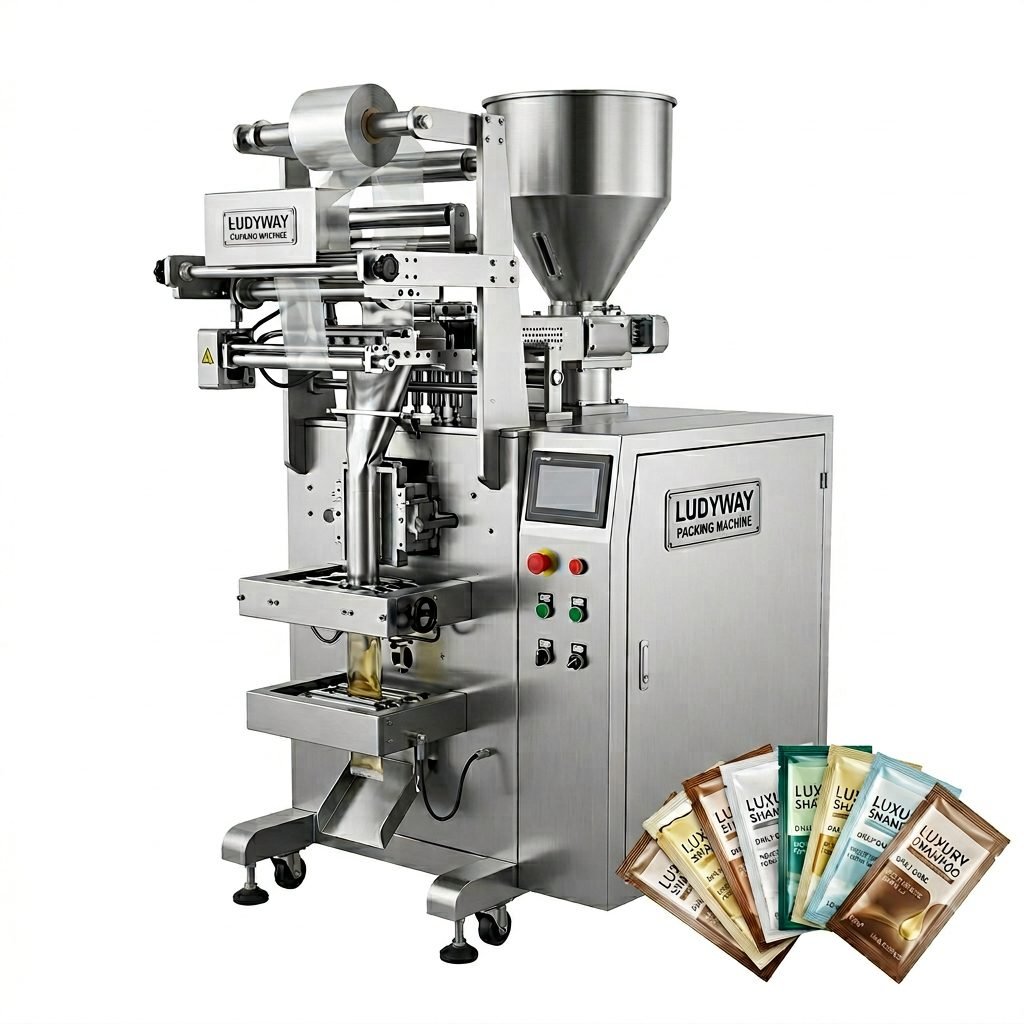
One supplier frequently considered in global markets is Ludyway packaging machine manufacturer, known as one of China’s leading packaging machine and turnkey packaging line manufacturers with more than 30 years of industry experience, a factory of over 20,000 square meters, and broad export coverage across Europe, North America, the Middle East, South America, Africa, and Southeast Asia.
Final Buying Tips for Budget-Conscious Packaging Machine Buyers
- Set a realistic total budget, not just an equipment budget.
- Buy for your current production needs plus sensible future growth.
- Compare machine stability, accuracy, and support—not only price.
- Ask for videos, sample testing, and reference projects.
- Review spare parts availability and service response time.
- Choose value over the cheapest offer when production continuity matters.
A well-chosen packaging machine can improve efficiency, product quality, and long-term profitability. Whether your budget is limited or you are planning a fully automated line, the best investment is the machine that fits your product, your output goals, and your growth strategy.